
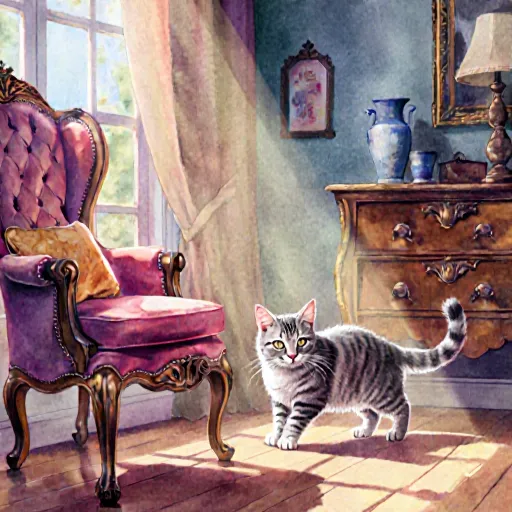
Battle it Out: Tips to Dominate Your Living Room!
Furniture Wars: How to Win Against Cats?
Table of Contents
- Choose the Right Scratching Post
- Ensure Your Cat Has Plenty of Playtime
- Trim Your Cat's Claws Regularly
- Apply Feline Nail Clippers to Furniture Surfaces
- Cover the Furniture with Aluminum Foil or Double-Sided Tape
- Spray Furniture with Aromas Cats Dislike (Lemon, Orange)
- Use Feliway or Similar Products to Calm Your Cat
- Provide Multiple Scratching Surfaces Around the House
- Spend Quality Time with Your Cat
- Consider Using a Professional Trainer
- Introduce New Furniture Slowly
- Use Scratching Guards or Collars
- Apply Vinegar to the Bottom of Scratching Posts
- Provide Toys and Puzzle Feeders
- Conclusion
- FAQ
Choose the Right Scratching Post
To keep your furniture safe and your cat happy, choosing the right scratching post is crucial. A well-chosen scratching post can make all the difference in directing your cat's natural behavior away from your precious belongings. Here’s how to select the perfect scratching post for your furry friend.
1. Size Matters
Selecting a post that matches your cat’s size and activity level is important. For smaller cats, opt for a compact post that fits in corners or on shelves, while larger breeds may prefer something more substantial. Ensure the base of the scratching post is wide enough to keep it steady during use.
2. Material Choice
The material your cat’s scratching post is made from can greatly influence how much they enjoy using it. Popular materials include:
- Fur or Fabric: Cats love the feel of plush fabrics such as velvet, chenille, and faux fur. This option is great for cats who are very sensitive to textures.
- Bamboo: Bamboo posts are sturdy yet lightweight and provide a good surface for claw scraping and exercise.
- Corduroy or Velvet: These soft materials are appealing to many cats, especially those that enjoy burrowing. They also offer great durability against sharp claws.
- Cotton Rope: Cats love to wrap their paws around cotton rope for a satisfying scratch and shred. This material is particularly good if your cat enjoys climbing as well.
3. Height Considerations
A scratching post should be tall enough so that your cat can stretch fully while scratching. A height of at least four feet is recommended, especially for larger cats who may need the extra space to arch their back and extend their limbs.
4. Climbing Elements
If your cat enjoys climbing, look for posts that include sisal rope or vertical surfaces they can climb up. These climbing options not only provide a scratching surface but also keep cats entertained with the physical exertion required to navigate them.
5. Multiple Posts
Cats are territorial and may scratch different areas of your home based on their moods or locations where they feel safe. Consider having multiple posts in various rooms, especially if you have a multi-cat household. This way, each cat can choose the perfect spot to stretch out without competing.
6. Placement
The location of your scratching post is just as important as its physical attributes. Place it near your furniture but away from high traffic areas where you wouldn’t want a scratched couch. Cats are more likely to use a scratching post if they can access it easily.
7. Encouragement and Rewarding
Introduce the new scratching post gradually by placing it in different locations around your home. Spend time with your cat, encouraging them to explore and use the post. Once they start using it, praise and reward this behavior to reinforce positive habits.
By considering these factors carefully, you'll be able to choose a scratching post that not only protects your furniture but also enhances your cat’s well-being. Remember, consistency is key in training your cat to use the new scratching post effectively. With patience and the right tools, you’ll soon have a satisfied cat and a home free from scratches.
Ensure Your Cat Has Plenty of Playtime
Ensuring your cat has plenty of playtime is essential not just for their physical health but also for their mental well-being. Playtime helps to reduce boredom, which can lead to destructive behaviors like scratching furniture. By providing ample opportunities for exercise and entertainment, you can redirect this energy into positive activities that promote both the comfort of your home and the happiness of your pet.
Benefits of Regular Playtime
- Physical Health: Regular play sessions help cats maintain a healthy weight and strong muscles. Activities such as chasing toys, climbing on cat trees, or engaging in interactive games with you can burn calories and increase cardiovascular health.
- Mental Stimulation: Cats are intelligent animals that thrive on mental stimulation. Toys that require problem-solving, like puzzle feeders or interactive laser pointers, keep their minds engaged, reducing the likelihood of stress and anxiety.
- Bonding with You: Playtime is a great way to strengthen the bond between you and your cat. It provides a fun, positive interaction that can improve trust and communication.
Creating a Playful Environment
To ensure your cat has plenty of playtime, it's important to create an environment that encourages exploration and activity. Here are some practical tips:
- Cat Toys: Invest in a variety of toys that cater to different preferences. Some cats enjoy feather wands, while others may prefer small balls or interactive mouse toys. Rotate these regularly to keep things interesting.
- Interactive Play Sessions: Spend time playing with your cat using toys like laser pointers or remote-controlled cars. These activities mimic the natural hunting instincts of your cat and provide great exercise.
- Cat Trees and Climbing Structures: Provide vertical space for your cat to climb, jump, and explore. This not only encourages physical activity but also helps them feel secure in their environment.
Redirecting Scratching Behavior
If you find that your cat is scratching furniture despite your efforts to provide playtime, there are ways to redirect this destructive behavior:
- Cat Scratch Posts: Place a sturdy cat scratch post near the areas where your cat tends to scratch. Make sure it's tall enough for your cat and covered in materials they enjoy, such as sisal or carpet.
- Positive Reinforcement: Reward your cat with treats and praise when you catch them using the scratch post correctly. This positive reinforcement can help reinforce the desired behavior.
- Trim Your Cat's Claws Regularly: Keeping your cat's claws trimmed can also help reduce aggressive scratching, as it makes their paws less sharp. This is especially useful for indoor cats who may still have a tendency to scratch out of habit.
In conclusion, ensuring that your cat has plenty of playtime is not only beneficial for the well-being of your pet but also helps in preventing destructive behaviors like scratching furniture. By providing stimulating toys and activities, you can create an enriching environment that keeps your cat healthy and content.
Trim Your Cat's Claws Regularly
Trimming your cat's claws regularly is an essential part of pet care that helps maintain their health and well-being. Regular nail trimming not only prevents overgrowth but also reduces the risk of injury to both you and your furniture. However, it can be a daunting task for many cat owners who struggle with how to stop cats from scratching furniture while ensuring their claws are kept in check.
Why Regular Clipping is Important
Overgrown nails can cause discomfort or pain for your cat and may lead to potential health issues. Additionally, sharp, long nails increase the risk of accidentally scratching you or anyone else in your home. By trimming their claws regularly, you are helping to avoid these problems while also maintaining a healthy grooming routine.
Tools You'll Need
- Nail clippers (specifically designed for cats)
- File or emery board (to smooth out sharp edges after trimming)
- Treats or a reward system to encourage your cat during the process
Steps for Safe Clipping
Calm and familiarize your cat with you handling their paws gently. This builds trust and makes future nail trims easier.
Hold the paw firmly but not too tight; it’s important to avoid causing stress or discomfort.
Inspect each claw carefully. Cats have both clear and pinkish-white areas on their nails. Cut only the clear part, avoiding the sensitive pink area known as the “quick.” Cutting the quick can cause pain and bleeding.
Use short, steady strokes to clip one nail at a time. If you’re unsure about a particular claw, it’s better to take your time or seek professional advice.
File the trimmed nails with an emery board or file to smooth them and make them less likely to break or grow back too fast.
Encouraging Positive Behavior
Cats are naturally wary of new sensations, so they might initially resist nail clipping. To make the experience more pleasant for your cat, consider rewarding them with treats after a successful trim session. Over time, this positive reinforcement can turn nail trimming into an enjoyable routine.
Alternatives to Nail Trimming
In some cases, regular clipping may not be sufficient or practical. If you're finding it difficult to trim your cat's claws due to their temperament or behavior, consider using soft paws (small adhesive pads that cover the nails) as a temporary solution until they become more accustomed to nail trimming.
Conclusion
By regularly trimming your cat’s claws and implementing strategies such as providing appropriate scratching surfaces, you can effectively manage your cat's behavior towards furniture. This not only helps protect your belongings but also strengthens the bond between you and your feline companion.
Apply Feline Nail Clippers to Furniture Surfaces
To effectively stop cats from scratching furniture surfaces, one practical solution is to apply feline nail clippers. This method works by creating an unappealing texture or smell around the furniture that deters the cat from scratching it again.
Steps to Apply Feline Nail Clippers:
- Choose the Right Clipping Tool: Select a clipper that is specifically designed for cats. These tools are gentler on your pet's paws and can be used by both beginners and experienced owners.
- Prepare the Clipper: Ensure the clippers are clean and sharp. This not only makes them more effective but also safer to use around your cat.
- Apply a Light Coat: Apply the clipper to the furniture surface in a thin, even layer. The goal is to create an environment that is less attractive for cats to scratch. You can choose from various types of clippers available on the market such as silicone-based or resin-based.
- Let It Settle: Allow the applied clipper to settle and dry properly before your cat interacts with the furniture again. This ensures the coating is secure and effective in deterring scratching behavior.
Practical Tips for Success:
- Consistency is Key: Regularly reapply the clipper as needed, especially after your cat has had access to the furniture. This reinforces the deterrent effect over time.
- Pair with Positive Reinforcement: While applying nail clippers around the furniture, ensure you are also providing positive reinforcement when your cat uses an appropriate scratching post. Cats tend to respond well to consistency and positive experiences.
- Monitor Your Cat's Behavior: Keep a close eye on how your cat reacts to the applied clippers. If your cat seems uncomfortable or if the behavior persists, consider consulting with a veterinarian or animal behaviorist for further advice.
Examples of Effective Clipping Products:
Here are some examples of products you can use:
Conclusion:
By applying feline nail clippers to furniture surfaces, you can effectively deter your cat from scratching the wrong places. This method combines practical application with positive reinforcement techniques for a comprehensive approach to training and caring for your pet.
Cover the Furniture with Aluminum Foil or Double-Sided Tape
To stop your cats from scratching furniture, one effective method is to cover the areas they tend to scratch with aluminum foil or double-sided tape. Cats generally avoid surfaces that are textured or have a different scent. These materials can help deter them from making those spots their preferred scratching grounds.
How It Works
Cats' paws contain small scent glands, and they use scratching as a way to mark territory by leaving behind pheromones. Covering the furniture with aluminum foil or double-sided tape disrupts this process because these materials have an unpleasant texture for cats. Additionally, some tapes emit a slightly sticky residue that can discourage them from using those areas.
Steps to Implement
- Select the Right Material: Aluminum foil and double-sided tape are both good options. Foil can be placed directly on the furniture, while tapes need to be applied first to a backing board or cardboard.
- Cut to Size: Measure the area you want to cover and cut the aluminum foil or tape accordingly. Ensure it fits snugly but not too tightly so that your cat can easily walk over it without getting stuck.
- Secure Properly: Once you have cut the material, secure it in place using another piece of tape or by placing the backing board beneath the foil if you're using a tape and board setup. This ensures it stays put even when your cat tries to scratch around it.
Practical Tips
Frequency of Replacements: Over time, cats may become accustomed to the covering material if they do not get deterred sufficiently. Therefore, you might need to change or reposition the foil or tape periodically.
Encourage Alternative Scratching Posts: While using coverings on furniture, it's also a good idea to provide your cat with an alternative scratching post made from a material they enjoy (such as sisal). This helps redirect their natural behavior towards something more acceptable.
Examples of Successful Use
- Living Room Sofa: By covering the arms and legs of your sofa with aluminum foil, you can effectively prevent your cat from scratching those areas. This method works especially well for cats who have a habit of digging their claws into furniture.
- Dining Chairs: Applying double-sided tape to the backs of dining chairs not only stops your cat but also protects these items from damage, making it ideal for high-traffic areas in your home.
In conclusion, covering your furniture with aluminum foil or double-sided tape is a simple yet effective solution to managing your cats' scratching habits. By combining this method with providing appropriate alternatives like scratching posts, you can maintain the integrity of your household's decor while ensuring your pets remain content and healthy.
Spray Furniture with Aromas Cats Dislike (Lemon, Orange)
To effectively stop cats from scratching furniture, you can utilize natural deterrents such as sprays made from lemon or orange scents. These citrus-based solutions are not only safe for your home but also effective in deterring unwanted behavior. Here’s how to implement this strategy:
Understanding Why Cats Scratch Furniture
Cats scratch furniture primarily for two reasons: territorial marking and physical exercise. Scratching helps them remove old nail sheaths and sharpen their claws, which is an essential part of their natural behavior.
Why Lemon and Orange Work
Lemon and orange scents are particularly effective because they correspond to the scent of citrus trees, which are toxic to many cats. The strong, sharp odor of these fruits can help deter your cat from scratching specific areas of furniture.
DIY Lemon or Orange Scratching Deterrent
Creating a homemade deterrent is simple and cost-effective:
- Gather Ingredients: You will need:
- 1/2 cup of water
- 4-5 drops of essential oil (lemon or orange)
- A spray bottle
- Mix Ingredients: Combine the water and essential oils in a spray bottle. Shake well to ensure the mixture is evenly distributed.
- Spray Furniture: Directly spray the mixture onto areas where your cat tends to scratch. Ensure it's evenly applied so that the scent is consistent across the targeted area.
Tips for Effective Use
- Frequency: Reapply the spray every few days or whenever you notice your cat has started scratching again. Cats are creatures of habit, and their behavior can change with time.
- Multiple Sprays: Use multiple sprays on high-traffic areas to ensure a strong scent that will deter your cat more effectively.
- Combination Methods: Consider combining this method with other deterrents, such as placing double-sided tape or aluminum foil around the furniture legs. Cats dislike these textures and can help reinforce the behavioral change you are trying to achieve.
Alternative Natural Deterrents
If lemon and orange scents don't work for your cat, consider other natural deterrents such as:
- Bitter apple spray
- Cayenne pepper dusted on the furniture legs
- Aluminum foil or tin foil strips placed around the furniture
Consistency is Key
To make this method successful, it's crucial to be consistent. Cats are intelligent animals and can adapt quickly to new environments. By regularly spraying these natural deterrents, you will help your cat understand that certain areas are off-limits.
Final Thoughts
Spraying furniture with aromas cats dislike is a practical and eco-friendly way to protect your home from unwanted scratching. With a little effort and consistency, you can successfully train your cat to avoid specific areas of the house without causing stress or harm.
Use Feliway or Similar Products to Calm Your Cat
To effectively stop your cat from scratching furniture, it's important to understand that cats scratch for various reasons such as stress, boredom, or a desire to mark their territory. While providing appropriate scratching posts and trimming nails can help, using calming aids like Feliway or similar products can significantly reduce the likelihood of destructive scratching behavior.
What is Feliway?
Feliway is a synthetic analogue of a pheromone that cats naturally produce. It helps to soothe and calm cats, reducing stress and anxiety which are often triggers for destructive behaviors like excessive scratching.
How Does Feliway Work?
Feliway works by delivering the calming pheromones through a diffuser or spray. When used in conjunction with training methods and environmental enrichment, it can help your cat feel more secure and less likely to scratch furniture out of stress.
Using Feliway with Scratching Behavior
To use Feliway for scratching behavior, start by diffusing the pheromones in the areas where your cat tends to scratch. This can help create a calming environment that discourages destructive behaviors. Additionally, you might consider spraying the edges of furniture or any other surfaces you want to protect.
Complementary Approaches
- Scratching Posts: Make sure you have several scratching posts placed around your home. These should be tall enough for your cat to stretch fully while clawing them.
- Environmental Enrichment: Provide toys, puzzle feeders, and other activities that engage your cat mentally and physically, reducing the urge to scratch out of boredom.
Practical Advice
Consistency is key when using Feliway. Diffuse or spray it regularly in areas where your cat scratches frequently. Additionally, reinforce positive behavior by rewarding your cat with treats and praise each time you catch them using the scratching post.
Feliway can be a valuable tool to help manage your cat's scratching habits effectively. By combining its use with proper training and enrichment, you'll create an environment that is more conducive to good behavior and less likely to lead to furniture damage.
Provide Multiple Scratching Surfaces Around the House
Stopping your cat from scratching furniture can be a challenging task, but it is achievable with some effort and patience. One effective strategy is to provide multiple scratching surfaces around the house. Cats naturally scratch as part of their behavior to sharpen their claws, mark territory, and stretch muscles. By offering several options for them to scratch, you help direct this natural instinct away from your furniture.
Types of Scratching Surfaces
Cats have different preferences when it comes to scratching surfaces, so it's important to offer a variety of options:
- Carpeted Scratch Posts: These are ideal for cats who enjoy the softness and texture. You can choose from tall posts, shorter wall-mounted units, or even horizontal scratchers that mimic tree branches.
- Wooden Scratching Posts: Cats love to dig their claws into wood. Wooden posts provide a good alternative if your cat enjoys this type of surface. Be sure to use non-toxic paints and finishes.
- Fabric Scratchers: Some cats prefer the feel of fabric over wood or carpet. Cat trees with sisal rope or fabric strips can be appealing options.
- Sisal Rope Scratching Posts: Sisal is a popular choice for cat scratchers because it closely mimics the texture of tree bark and is easy for cats to dig their claws into.
Placement of Scratch Surfaces
To effectively direct your cat's scratching behavior, you need to place the scratch surfaces in strategic locations:
- Main Entrance: Cats often scratch near entryways because they associate this area with coming and going. Place a scratching post or tree here.
- Near Sleeping Areas: Cats love to mark their sleeping spots, so having a scratcher nearby can help them avoid your furniture.
- High Traffic Areas: If you have young children or frequent visitors, areas where there is constant movement are prime locations for scratching. Offering a vertical post in these areas can be beneficial.
Encouraging Your Cat to Use the Scratching Surfaces
To encourage your cat to use the new scratchers:
- Play and Reward: Spend time playing with your cat around the scratching posts, using toys that mimic prey. This can entice them to use the post as a play tool.
- Mimic Cat Behavior: Cats often scratch after grooming or stretching. Place a new scratching surface in areas where they frequently stretch and groom.
- Tempt with Treats: Once your cat uses the scratching surface, reward them with treats to associate positive experiences with using it.
Maintaining the Scratchers
Regular maintenance is crucial for keeping your cats interested in their scratchers:
- Trimming Claw Nails: Regularly trimming your cat's claws can prevent overgrowth and help them stay engaged with their scratching surfaces.
- Clean and Replace: Keep the scratching posts clean, especially if they are made of fabric or sisal. Replace old or worn-out scratchers to maintain interest.
By providing multiple scratching surfaces around your home, you not only protect your furniture but also encourage healthy behavior in your cat. With a bit of trial and error, you'll find the perfect setup that suits both you and your feline companion.
Spend Quality Time with Your Cat
To effectively address how to stop cats from scratching furniture, it's essential to spend quality time with your cat. Quality bonding and playtime can significantly reduce destructive behaviors like furniture scratching. Cats are social animals that thrive on interaction. By dedicating consistent attention and engaging activities, you not only strengthen the bond but also provide an outlet for their natural instincts.
Engage in Playtime
Interactive play is a fantastic way to keep your cat mentally stimulated and physically active. Use toys that mimic prey, such as feathers or laser pointers, which can simulate hunting behavior. Rotate the types of toys you use frequently; cats tend to get bored with the same toy after some time. Consistency in playtime helps satisfy their need for stimulation.
Provide Cat Furniture
To discourage scratching furniture, offer alternative scratching posts and pads. Choose materials like sisal or corrugated cardboard that mimic natural scratching surfaces found outdoors. Place these alternatives strategically around your home where cats frequently scratch. By providing a clear and appealing option, you encourage them to use the designated areas instead of your furniture.
Supervise and Redirect
If you catch your cat in the act of scratching furniture, redirect their attention to a suitable alternative immediately. Encourage them to use the scratching post by gently placing them on it or offering treats when they do so. Positive reinforcement through treats and praise can help reinforce good behavior.
Create a Routine
Cats thrive in environments with predictable schedules. Establishing a routine that includes meal times, playtime, and petting sessions can keep your cat contented throughout the day. A well-timed routine reduces stress-induced behaviors like furniture scratching.
Consider Environmental Enrichment
Beyond physical toys, enrich your cat's environment with visual and auditory stimuli they find intriguing. Install bird feeders outside windows or place mirrors where they can observe their reflection. These elements add interest to their space without requiring constant supervision.
In conclusion, spending quality time with your cat through play, providing suitable alternatives, and creating a stimulating environment can greatly reduce the likelihood of furniture scratching. By understanding and catering to your cat's needs, you're not only protecting your belongings but also nurturing a happy, healthy pet.
Consider Using a Professional Trainer
Stopping your cat from scratching furniture can be challenging, but consulting a professional trainer can significantly improve the outcome. A professional animal behaviorist can provide personalized advice and strategies tailored to your pet's specific needs.
- Identify the Trigger: Understand why your cat scratches furniture in the first place. Is it stress, boredom, or simply a natural behavior? Once you identify the trigger, you can address the root cause more effectively.
- Create an Alternative Scratching Post: Choose a scratching post that matches your cat's preferences. Some cats prefer vertical posts while others enjoy horizontal ones. Ensure it’s made of appropriate material like sisal or cardboard to provide a satisfying scratch surface.
- Supervise and Redirect: Spend time with your cat, supervising its activities. When you notice your cat approaching furniture, gently redirect it to the scratching post. Positive reinforcement can make this practice more effective.
- Use Training Collars or Spray: Professional trainers may recommend using a humane training collar or a water spray device that startles without harming. These tools can help discourage inappropriate scratching behavior while reinforcing desired actions.
To ensure long-term success in stopping your cat from scratching furniture, follow these tips:
- Consistency is Key: Consistently apply the strategies suggested by a professional. Cats learn through repetition and routine.
- Maintain Routine: Establish a regular feeding schedule, playtime, and other activities to help your cat maintain a balanced and happy life.
- Praise Your Cat: Always praise and reward good behavior. Positive reinforcement can go a long way in shaping your pet's habits.
In conclusion, addressing the issue of cats scratching furniture requires patience, dedication, and sometimes professional guidance. By working closely with an expert in animal behavior, you can create a more harmonious living environment for both you and your beloved pet.
Introduce New Furniture Slowly
When you decide to bring new furniture into your home, whether it's a stylish new sofa, a modern dining table, or some cozy armchairs, it can be exciting but also challenging. Just like introducing a new scratching post to a curious cat, slowly and thoughtfully introducing these pieces of furniture can prevent damage and ensure everyone feels comfortable in the space.
Why Introduce Furniture Slowly?
The transition from your existing decor to new furniture doesn't have to be abrupt. By introducing new items gradually, you give yourself time to observe how they fit into the room and how well they complement or contrast with what’s already there. This approach helps avoid overwhelming your space while also providing a smoother integration.
Examples of Slow Furniture Introduction
- Start Small: Begin by bringing in one piece at a time, like an accent chair or a small side table. This allows you to see how it interacts with the rest of your furniture and decor.
- Mix Old and New: Introduce new pieces alongside existing ones. For instance, if you have a classic sofa, add some contemporary armchairs to mix styles without making drastic changes all at once.
- Layer Over Time: Instead of replacing everything instantly, gradually replace older items with newer ones over several months or even years.
Practical Advice for a Smooth Transition
Once you've decided to introduce new furniture, it's wise to take some precautions. Just as you would prevent your cat from scratching valuable pieces of furniture with scratching posts or deterrent sprays, protect your new acquisitions:
- Cover the Furniture: Use covers for particularly sensitive areas like armchairs or dining chairs until they’re fully integrated.
- Place Mats and Rugs: To prevent scratches on hardwood floors, use non-slip mats and rugs under furniture legs. This is especially useful if you're introducing new furniture to a room with exposed wood that hasn’t seen much wear yet.
- Cushion the Blows (Literally): For delicate items like marble or glass-topped tables, consider using protective pads underneath furniture legs to prevent any accidental marks.
The Role of Furniture in Your Home
New furniture can significantly enhance your living space, but it’s important to remember that every piece you bring into the home should serve a purpose. Just as you wouldn’t want to put a scratching post where your cat can't reach, think carefully about how each new piece will be used and where in the room it will best fit.
Final Thoughts
Introducing new furniture slowly is not only beneficial for protecting your investments but also adds to the overall aesthetic of your home. By being mindful, patient, and observant, you can create a harmonious space that enhances your lifestyle without overwhelming it.
Use Scratching Guards or Collars
Cats are naturally inclined to scratch, and while it’s a behavior that helps them maintain their claws and stretch muscles, it can also lead to damage to your furniture. To prevent this issue without compromising your pet's well-being, using scratching guards or collars is an effective solution. Here's how you can implement these strategies:
Scratching Guards
Scratching guards are specifically designed to protect your furniture from your cat’s claws while still allowing them to scratch and stretch. These guards come in various forms, including plastic or cardboard tubes that cats can step into and scratch.
- Tube Shape Guards: These are cylindrical structures made of soft, thick material like fleece or cotton. They provide a safe place for your cat to scratch without tearing up your furniture. Place these at the base of any piece of furniture that you want to protect.
- Surface Mounted Guards: For cats who prefer to scratch on flat surfaces, there are guards that can be attached directly to the legs or arms of furniture. These often come in a variety of textures and materials that mimic natural scratching spots like wood or carpet.
To encourage your cat to use these guards instead of your furniture:
- Place the Guard Properly: Make sure the guard is placed where your cat usually scratches. Cats are creatures of habit, so if they’re used to scratching a particular spot, that’s likely where you’ll want to place the guard.
- Make It Appealing: Some guards come with appealing scents or textures that can attract your cat. Place treats near the guard initially to encourage them to use it.
- Rotate Locations: If your cat isn’t using a particular guard, try moving it to another location where they are likely to scratch.
Collars
If your cat’s favorite scratching spots include furniture that can't be easily protected with guards, consider using a soft plastic or vinyl collar. These collars come in various shapes and sizes and can be placed around the legs of your furniture to prevent damage.
- Soft Plastic Collars: These are flexible and can bend as needed without breaking, making them ideal for protecting furniture legs. They also have a soft surface that won't harm your cat if they accidentally bump into it.
- Vinyl Collars: More rigid than plastic collars, these provide an extra layer of protection against sharp claws and are often used on more delicate pieces of furniture like armchairs or couches.
To ensure the success of using collars:
- Fit Appropriately: Make sure the collar fits snugly around the leg but isn't too tight. It should be comfortable for your cat and not interfere with their movement.
- Use Positive Reinforcement: Encourage your cat to use furniture that is protected by the collars or guards. Treats, praise, or playtime can all serve as positive reinforcement.
- Monitor for Comfort: Check on your cat regularly to ensure they are not experiencing discomfort from the collar. Cats may need time to adjust to wearing it if you decide to use this method.
In conclusion, using scratching guards or collars can be an effective way to protect your furniture while still allowing your cat to engage in natural behaviors. By providing alternative options and ensuring that these methods are comfortable for your pet, you can maintain a happy home environment where both your cats and furniture thrive.
Apply Vinegar to the Bottom of Scratching Posts
Applying vinegar to the bottom of scratching posts is a simple yet effective method many cat owners use to train their felines away from damaging furniture. The acrid smell of vinegar discourages cats, making them less likely to continue scratching in certain areas.
Vinegar contains acetic acid, which has a strong scent that can be off-putting to cats. Cats typically avoid places where they perceive danger or discomfort, and the vinegar smell fits this criterion well. Unlike citrus-scented sprays, which may not always work for all cats due to individual preferences, vinegar is a more universally repulsive option.
- Prepare the Solution: Mix equal parts white vinegar and water in a spray bottle. Ensure it's diluted enough so that it doesn't damage the scratching post material but still delivers its scent.
- Spray the Post: Spray the bottom of the scratching post thoroughly with the solution. Focus on areas where your cat has been most active, as these are the spots they will likely return to.
- Rinse if Necessary: If you notice that the vinegar is affecting the appearance or texture of the scratching post, give it a quick rinse with clean water and let it dry before use. This step ensures your cat isn't deterred by an unpleasant sensory experience rather than a behavioral one.
If vinegar doesn't seem to work or if you're looking for additional methods, consider the following:
- Alcohol-Based Sprays: Alcohol can be used in a similar manner to vinegar but is more potent. However, it dries faster and might have a stronger smell.
- Lemon or Orange Essential Oil: Cats generally dislike citrus scents. Adding these essential oils to the mixture can enhance its effectiveness.
To ensure your cat doesn't revert to scratching furniture, make sure you provide them with a suitable alternative—your newly treated scratching post in this case. Reinforce positive behavior by praising and rewarding your cat when they use the new scratching post.
Remember, consistency is key. Keep applying vinegar periodically as needed, especially after your cat has started using the new scratching post successfully.
Provide Toys and Puzzle Feeders
To effectively stop your cat from scratching furniture, providing them with engaging toys and puzzle feeders can be incredibly effective. These tools not only provide entertainment but also direct their natural scratching behaviors towards items that are meant for it.
Cats scratch as a means of marking territory, maintaining their claws, and stretching their muscles. By providing them with alternative scratching surfaces like sturdy furniture or cat trees, you can divert this natural behavior from your prized possessions.
Incorporating puzzle feeders into your cat's routine helps keep them mentally stimulated and physically active. These feeders challenge your cat to figure out how to get their food, which can significantly reduce stress and boredom-related behaviors like excessive scratching.
- Example of Puzzle Feeder: The "KONG Extreme Dog & Cat Toy" is a versatile option that comes in various sizes. You can stuff it with treats or kibble for your cat to work on, making mealtime more fun and engaging.
- Treat Dispensing Toys: Brands like Hugger Mugger offer toys specifically designed to dispense treats when shaken or played with, encouraging cats to use their paws in a positive way.
Providing scratching posts and furniture that your cat likes can help deter them from scratching your furniture. Cats often prefer certain textures, so it's important to offer options they enjoy.
- Cat Trees: A multi-level cat tree provides both a scratching surface and an area for play and exploration. Look for ones with sisal or cardboard scratch pads on the posts.
- Horizontal Scratching Posts: These are great for horizontal surfaces like chairs and couches. Materials such as carpet or rope can be attached to provide a satisfying scratching experience.
To ensure your cat uses their toys and puzzle feeders instead of your furniture:
- Introduce New Toys Gradually: Cats need time to get used to new items. Start by introducing one or two at a time, giving them time to explore each before adding more.
- Cat-Specific Toys: Invest in toys that are specifically designed for cats. These often have interactive features like dangling bells or hidden compartments for treats.
- Mimic Natural Behaviors: Cats love to play, especially with items that mimic prey. Feather wands and laser pointers can be excellent tools to keep your cat active and entertained.
By providing these alternatives, you're not only protecting your furniture but also enriching your cat's life. Happy scratching on the right surfaces!
Conclusion
To effectively stop cats from scratching furniture, a comprehensive approach is necessary. This involves understanding your cat's behavior and addressing their needs accordingly. Cats scratch to mark territory, stretch, and relieve stress; thus, providing them with appropriate alternatives can significantly reduce the likelihood of furniture damage.
Provide Scratching Posts
Cats are naturally inclined to use vertical surfaces for scratching. Therefore, it's important to provide them with sturdy scratching posts in various sizes and types (e.g., sisal, cardboard, or wood). Place these posts near windows, by the front door, or anywhere your cat frequently spends time. Ensure that they reach from the floor all the way up to a height where your cat can easily stretch fully.
Trim Nails Regularly
While trimming nails won't stop scratching behavior, it does help reduce the severity of scratches on furniture. Shorter nails make it less painful for cats and discourage them from using softer surfaces like couches. Aim to trim your cat's nails every two weeks or as needed.
Use Deterrents
There are several commercially available deterrent sprays designed specifically to stop cats from scratching furniture. These products emit a scent that is unpleasant for cats, discouraging them from returning to the area. You can also create homemade versions using citrus oils or vinegar, which many cats find repulsive.
Positive Reinforcement
Praise and treats can be used as positive reinforcement when your cat uses its scratching post instead of furniture. Positive feedback helps reinforce the behavior you want to encourage.
Consider Cat Behavior Therapy
If your cat's scratching habits persist despite these measures, it might be beneficial to consult a professional animal trainer or behaviorist. They can offer tailored advice based on your cat’s specific needs and behaviors.
By implementing these strategies consistently, you can effectively manage and reduce the damage caused by your cat's scratching habits. Remember that patience is key when dealing with pet behavior issues. With time and persistence, you'll find a solution that works for both you and your feline friend.
FAQ
- Q: What are some effective deterrents for stopping cats from scratching furniture?
There are several methods you can try to stop your cat from scratching your furniture. Here are a few effective deterrents:
- Nail Clippers: Regular trimming of your cat’s nails is essential and can help reduce the intensity of scratches on your furniture.
- Furniture Spray: Products specifically designed to make furniture unappealing to cats are widely available. These sprays often have scents that repel cats, such as citrus or ammonia (similar to a cat’s urine smell).
- Punishment and Positive Reinforcement: While it's important not to physically punish your cat, you can use negative reinforcement by spraying water when your cat scratches furniture. Alternatively, reward good behavior with treats.
- Q: What are some deterrents that involve environmental changes?
Making subtle changes to the environment can discourage cats from scratching furniture. Here are some ideas:
- Provide Scratching Posts or Trees: Giving your cat a designated scratching spot, such as a vertical scratching post or even an old tree branch, can channel their natural scratching behavior into an acceptable outlet.
- Make Furniture Less Accessible: Elevating furniture pieces slightly off the ground with casters can make it more difficult for cats to scratch them. You could also try moving the furniture around your home to reduce access points that encourage scratching.
- Q: Can trimming a cat’s nails prevent furniture damage?
Regular nail trimming can indeed help prevent furniture damage, but it should be part of an overall strategy. Here's how:
- Nail trims should ideally happen weekly or bi-weekly depending on your cat’s scratching frequency and activity level.
- Using a declawing alternative like Soft Claws can also be effective in reducing damage, but it is not a preferred method by many animal welfare advocates. Always consider alternatives first before resorting to this option.
- Q: What are some humane training methods for stopping cats from scratching furniture?
Training your cat to avoid scratching furniture can be a rewarding experience. Here’s how:
- Redirect Scratching Behavior: When you catch your cat in the act of scratching, redirect their attention by gently placing them on a scratching post and praising them.
- Use Positive Reinforcement: Reward your cat with treats or praise when they use an acceptable scratching spot. This can reinforce good behavior over time.
Categories
- AI & Enrichment Play
- Broiler Farming
- Broiler Farming Tips
- Canine Wellness & Longevity
- Cat
- Cat & Human Connection
- Cat Adoption & Rescue
- Cat Breeds
- Cat Breeds & Personalities
- Cat Care & Health
- Cat Grooming & Hygiene
- Cat Lifestyle & Environment
- Cat Myths & History
- Cat Nutrition & Diet
- Cat Products & Reviews
- Cat Training & Behavior
- Comparison
- Consumer Awareness
- Dog
- Dog Accessories & Products
- Dog Adoption & Rescue
- Dog Breed & Lifestyle Trends
- Dog Breeding & Puppies
- Dog Entertainment & Media
- Dog Fashion & Trends
- Dog Fun & Lifestyle
- Dog Grooming & Hygiene
- Dog History & Culture
- Dog Myths, Science & Future Tech
- Dog News & Trends
- Dog Nutrition & Food
- Dog Psychology & Emotions
- Dog Safety & Security
- Dog Sports & Activities
- Dog Technology & Innovation
- Dog Training for Modern Owners
- Dog Travel & Adventure
- Dog Travel, Adventure & Culture
- Economic and Market Insights
- Educational Content
- FAQs
- Feeding Alternatives
- Festivals & Seasonal Ideas
- Fun & Entertainment
- General Knowledge
- General Pig Farming
- Health & Disease Management
- Housing and Environment
- Kittens
- Market Insights
- Miscellaneous
- Miscellaneous
- Motivational
- pig
- Pig Breeding
- Pig Breeds
- Pig Farming Stories and Inspiration
- Pig Health and Care
- Pig Nutrition
- Pig Products
- Profitability & Business
- Puppy Care
- Puppy Predictable Topics Reinvented
- Regional Focus
- Rescue & Adoption Buzz
- Senior Cats
- Senior Dog Care
- Smart Dog Tech & Gadgets
- Sustainability
- Sustainable & Eco-Friendly Dog Products
- Tech & Innovations
- Working & Service Dogs
- Broiler Feed66 products
- Country Feed33 products
- Pig Feed66 products
- Product22 products
- Raw Materials99 products
Products
-
 Fish Meal
₹1,999.00 – ₹2,999.00Price range: ₹1,999.00 through ₹2,999.00Rated 0 out of 5
Fish Meal
₹1,999.00 – ₹2,999.00Price range: ₹1,999.00 through ₹2,999.00Rated 0 out of 5 -
 FATTENING BROILER FEED
₹2,299.00 – ₹2,349.00Price range: ₹2,299.00 through ₹2,349.00Rated 0 out of 5
FATTENING BROILER FEED
₹2,299.00 – ₹2,349.00Price range: ₹2,299.00 through ₹2,349.00Rated 0 out of 5 -
 LAYER COUNTRY FEED
₹1,549.00 – ₹1,649.00Price range: ₹1,549.00 through ₹1,649.00Rated 0 out of 5
LAYER COUNTRY FEED
₹1,549.00 – ₹1,649.00Price range: ₹1,549.00 through ₹1,649.00Rated 0 out of 5 -
 COUNTER BROILER FEED
₹1,199.00 – ₹1,299.00Price range: ₹1,199.00 through ₹1,299.00Rated 0 out of 5
COUNTER BROILER FEED
₹1,199.00 – ₹1,299.00Price range: ₹1,199.00 through ₹1,299.00Rated 0 out of 5 -
 LACTATING PIG FEED
Rated 0 out of 5
LACTATING PIG FEED
Rated 0 out of 5₹2,299.00Original price was: ₹2,299.00.₹1,740.00Current price is: ₹1,740.00. -
 Maize
Rated 0 out of 5
Maize
Rated 0 out of 5₹1,650.00Original price was: ₹1,650.00.₹1,300.00Current price is: ₹1,300.00. -
 GESTATION PIG FEED (Phase 1)
Rated 0 out of 5
GESTATION PIG FEED (Phase 1)
Rated 0 out of 5₹2,249.00Original price was: ₹2,249.00.₹1,699.00Current price is: ₹1,699.00. -
 Pre Starter Broiler Feed
₹2,399.00 – ₹2,499.00Price range: ₹2,399.00 through ₹2,499.00Rated 0 out of 5
Pre Starter Broiler Feed
₹2,399.00 – ₹2,499.00Price range: ₹2,399.00 through ₹2,499.00Rated 0 out of 5 -
 FINISHER PIG FEED
Rated 0 out of 5
FINISHER PIG FEED
Rated 0 out of 5₹2,299.00Original price was: ₹2,299.00.₹1,749.00Current price is: ₹1,749.00. -
 Broiler Premix
Rated 0 out of 5
Broiler Premix
Rated 0 out of 5₹820.00Original price was: ₹820.00.₹699.00Current price is: ₹699.00.