
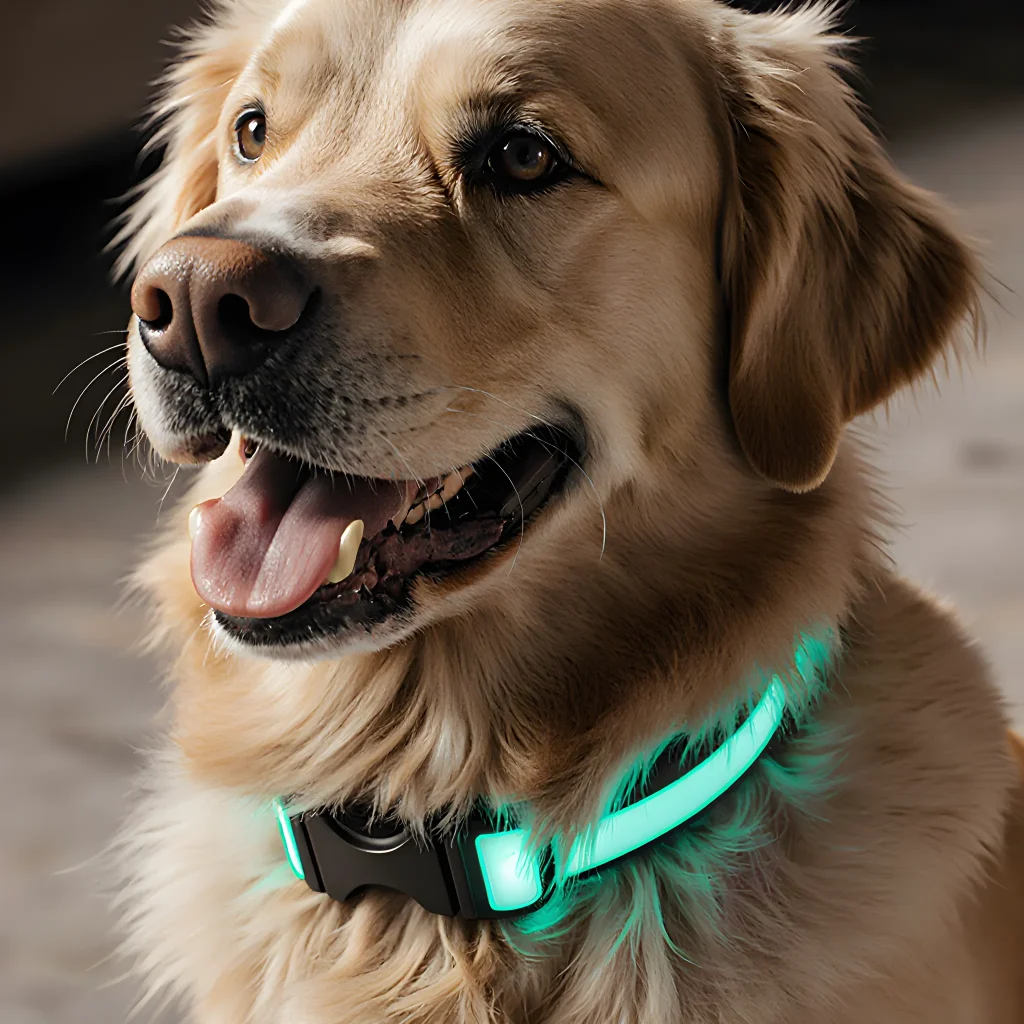
Unlock Your Pup’s Inner World
FurSense Fusion: Wearable Tech Unlocks Pup Emotion Secrets
Table of Contents
- Introduction
- Technology Overview
- Smart Collar Features
- Data Collection Methods
- Emotion Detection Algorithms
- Privacy & Ethics
- Training Dogs for Accurate Tracking
- User Interface and App Design
- Case Studies
- Benefits to Owners
- Limitations & Challenges
- Future Directions
- Glossary
- Conclusion
- FAQ
Introduction
Smart collars have evolved from simple GPS trackers into sophisticated wellness monitors capable of decoding a dog's emotional state. By combining physiological sensors—such as heart rate variability (HRV), skin temperature, and galvanic skin response—with machine learning algorithms, these devices can infer whether your dog is anxious, excited, relaxed, or distressed in real time.
- Heart Rate Variability (HRV): A lower HRV often signals stress or excitement, while a higher HRV suggests calmness. The collar’s photoplethysmography sensor measures pulse intervals to calculate this metric.
- Skin Temperature: Sudden drops in skin temperature can indicate panic or fear, whereas stable temperatures usually reflect comfort.
- Galvanic Skin Response (GSR): GSR captures sweat gland activity; increased conductance typically correlates with heightened arousal.
- Accelerometer Data: Movement patterns help differentiate between playful jitteriness and restless agitation.
- AI‑Powered Analysis: The collar’s onboard processor or a cloud service applies classification models trained on labeled emotional states to deliver an intuitive “emotion score.”
- Behavioral Insight: Spot patterns—such as anxiety spikes before thunderstorms—and intervene early with calming techniques or pheromone diffusers.
- Training Optimization: Detect when a dog is too excited to focus on commands, and pause training until the emotion score returns to a manageable level.
- Health Monitoring: Correlate emotional stress with chronic conditions (e.g., arthritis flare‑ups) to adjust medication or activity plans.
- Travel Comfort: Use real‑time alerts during car rides or flights to apply counter‑stress measures like music or a weighted vest.
| Feature | Example Brands | Why It Matters |
|---|---|---|
| HRV & GSR Sensors | BarkBox, Petnet Smart Collar | Accurate emotion detection requires both sensors. |
| Battery Life | Up to 10 days | Long sessions (e.g., hiking) demand minimal charging. |
| Data Privacy | End‑to‑end encryption | Protects sensitive health data. |
- Fit Matters: Ensure the collar sits snugly but not tight; a loose fit can distort sensor readings.
- Baseline Calibration: Let the collar record your dog’s resting state for at least 48 hours before interpreting deviations.
- Consistent Environment: Minimize external variables (e.g., sudden temperature changes) when collecting training data.
- Cross‑Validate with Human Observation: Pair sensor alerts with video or direct observation to refine the model’s accuracy over time.
A 3‑year‑old Labrador named Milo exhibited restlessness when his owner left home. By installing a smart collar that monitored HRV and GSR, owners received an alert every time Milo’s stress score exceeded 70%. Armed with this data, they introduced a calming playlist during departure times and used a weighted vest to reduce hyperactivity. Over six weeks, the collar recorded a 45% drop in high‑stress episodes, confirming the intervention’s effectiveness.
Dog emotion tracking via smart collars transforms raw physiological data into actionable insights, empowering owners to respond proactively to their pets’ emotional needs. By selecting a reliable device, ensuring proper fit, and interpreting data within context, you can foster healthier behavior patterns and strengthen the bond with your canine companion.
Technology Overview
The core of a modern dog emotion‑tracking smart collar is an integrated sensor suite that captures physiological and behavioral signals in real time. These sensors feed data into on‑board microcontrollers, which preprocess the information before transmitting it to a companion mobile app or cloud server for advanced analytics.
1. Sensor Stack
- Heart Rate Monitor (HRM): Optical photoplethysmography (PPG) or ECG electrodes detect pulse rate and variability, which correlate strongly with stress and excitement levels.
- Accelerometer & Gyroscope: A 3‑axis MEMS unit records movement patterns, gait changes, and sudden jerks that often accompany anxiety or fear.
- Temperature Sensor: Skin surface temperature drops during sympathetic activation; a thermal probe tracks these subtle shifts.
- Microphone (Optional): Acoustic analysis of bark frequency and intensity can supplement physiological data.
- Ambient Light & GPS: Contextual information about location and lighting conditions helps disambiguate sensor readings.
2. Data Processing Pipeline
- Raw Acquisition: Sensors sample at 50–200 Hz, buffering data in a ring buffer to avoid packet loss.
- Pre‑processing: Noise filtering (e.g., Butterworth low‑pass for HRM), artifact removal (detecting motion spikes in accelerometer), and baseline normalization.
- Feature Extraction: Compute heart rate variability (HRV) metrics such as SDNN, RMSSD; extract gait symmetry indices; calculate temperature gradients.
- Emotion Classification: Apply a lightweight machine‑learning model (e.g., Random Forest or TensorFlow Lite) trained on labeled datasets of calm, excited, and anxious states.
- Decision Layer: Map the classification to user‑friendly outputs: “Calm”, “Excited”, “Anxious” with confidence scores.
- Transmission: Secure BLE or LTE‑M2M sends compressed packets to a smartphone app; optional cloud upload for longitudinal analysis.
3. Software Architecture
The firmware is written in C++ using the Arduino framework, while the companion mobile app (iOS/Android) leverages React Native for cross‑platform UI and WebSocket communication. The backend uses Node.js with a MongoDB database to store time‑series data, enabling trend analysis and anomaly detection over weeks.
4. Practical Use Cases
- Behavioral Training: Trainers can receive instant feedback when a dog shows signs of overstimulation during agility drills, allowing for timely breaks.
- Veterinary Diagnostics: Persistent low HRV may indicate chronic anxiety or pain; vets can adjust medication plans accordingly.
- Home Safety: Alerts for sudden heart rate spikes during a thunderstorm can prompt owners to provide comfort.
- Social Interaction Monitoring: Detecting elevated excitement when approaching new dogs helps groomers assess compatibility.
5. Implementation Tips
- Use high‑quality, flexible ECG electrodes or PPG chips with adaptive illumination to reduce motion artifacts.
- Calibrate the collar’s fit for each dog; a snug but comfortable band improves sensor contact and data fidelity.
- Include a “sleep mode” that reduces sampling rate during quiet periods to conserve battery life.
- Provide users with a calibration wizard: ask them to observe their dog in known calm/excited states to fine‑tune thresholds.
- Ensure compliance with data privacy regulations (GDPR, CCPA) by anonymizing identifiers and offering opt‑out options.
6. Future Enhancements
Upcoming iterations could integrate:
- Olfactory Sensors: Detect stress‑related pheromones for richer context.
- Edge AI Acceleration: On‑board neural network inference with low latency.
- Biometric Authentication: Use unique gait signatures to lock the collar’s access features.
By combining robust hardware, sophisticated signal processing, and user‑centric software design, a smart collar can transform raw physiological data into actionable insights that enhance canine wellbeing.
Smart Collar Features
Modern smart collars go far beyond simple GPS and activity monitoring. By integrating biometric sensors, machine learning algorithms, and real‑time analytics, they can detect a dog’s emotional state—whether the pup is excited, anxious, or relaxed—and provide actionable insights for owners.
1. Core Sensors That Capture Emotion
- Heart Rate Monitor (HRM): A photoplethysmography (PPG) sensor measures pulse rate variability (PRV). Higher PRV typically indicates calmness, while a rapid, irregular heart rhythm signals stress or excitement.
- Accelerometer & Gyroscope: Three‑axis motion sensors track activity patterns. Sudden bursts of movement paired with elevated HRM suggest heightened arousal.
- Temperature Sensor: Skin temperature drops during anxiety (vasoconstriction) and rises when a dog is excited or warm from exercise.
- Microphone & Audio Analysis: Voice‑based emotion recognition can pick up whines, growls, or sighs that correlate with specific emotional states.
2. Data Fusion & Machine Learning Pipeline
- Data Collection: Raw signals are sampled at high frequency (50–100 Hz) and stored locally on the collar’s microcontroller.
- Pre‑processing: Filters remove noise; algorithms compute heart rate, PRV, movement intensity, and temperature trends.
- Feature Extraction: Key metrics such as mean HR, standard deviation of inter‑beat intervals (SDNN), activity count per minute, and body temperature delta are fed into a classifier.
- Emotion Classification: A lightweight neural network (e.g., MobileNetV2) or decision tree distinguishes between Calm, Anxious, Excited, and Nervous/Stress‑Related states.
- Feedback Loop: The collar can trigger haptic vibration, a calming scent diffuser, or a gentle tone to help the dog self‑regulate.
3. Practical Use Cases for Owners
| Scenario | Emotion Detected | Recommended Action |
|---|---|---|
| Dog is on a long walk and shows signs of fatigue. | Calm but low heart rate; slight drop in temperature. | Send a gentle vibration to encourage rest, or alert owner via app to bring water. |
| Owner returns home after work and sees the dog whine at the door. | Anxious (high HR, low SDNN, increased vocalization). | Activate calming mode: soft tone + diffuser release; app notifies owner to give a treat. |
| During playtime the dog pounces and barks loudly. | Excited (high HR, high movement count). | No intervention needed; log activity for training progress. |
4. Integration with Mobile Apps & Cloud Analytics
The collar syncs data to a companion app via Bluetooth Low Energy (BLE). Key features include:
- Real‑time Dashboard: Live emotion heatmap, heart rate trend, and activity graph.
- Historical Reports: Weekly summaries of emotional patterns—great for spotting triggers.
- Behavioral Alerts: Push notifications when stress thresholds are exceeded (e.g., HR > 180 bpm for >30 s).
- AI Coaching: The app suggests training exercises or environmental changes based on detected emotional patterns.
5. Tips for Maximizing Accuracy
- Proper Fit: A snug collar ensures sensors maintain contact with the skin—loose collars can introduce noise.
- Regular Calibration: Recalibrate HRM at least once a month; use the app’s calibration wizard.
- Environmental Awareness: Avoid extreme temperatures or high humidity that may affect sensor readings.
- Owner Interaction: Validate predictions by observing your dog’s behavior—this helps refine the machine learning model over time.
6. Future Directions
Next‑generation collars will incorporate:
- Optical heart rate sensors with higher resolution.
- Skin conductance (EDA) for detecting sympathetic arousal.
- Edge AI that can run complex models offline, preserving privacy.
By harnessing these technologies, smart collars transform raw biometric data into meaningful emotional insights, enabling owners to foster healthier, happier relationships with their canine companions.
Data Collection Methods
Smart collars designed for dog emotion tracking rely on a combination of sensors and data pipelines to capture the subtle physiological and behavioral signals that indicate affective states. Below is an in-depth look at the key components, how they work together, and practical tips for maximizing data quality.
1. Physiological Sensors
- Heart Rate Monitor (HRM): Uses photoplethysmography (PPG) or ECG electrodes to detect pulse rate and variability. A sudden spike can signal excitement, while a flatline may indicate calmness.
- Skin Conductance Sensor: Measures electrodermal activity (EDA), which increases with sweat gland activation—an indicator of stress or arousal.
- Temperature Probe: Tracks skin temperature changes that often accompany emotional shifts (e.g., nose temperature drops when a dog is anxious).
2. Behavioral Sensors
- Accelerometer & Gyroscope: Captures fine-grained movement patterns, posture changes, and micro-expressions (e.g., tail wag frequency). Combining these with machine‑learning models helps differentiate between a relaxed walk and a frantic chase.
- Microphone Array: Records vocalizations—barks, whines, sighs. Spectral analysis can identify the emotional tone of each sound.
3. Environmental Contextualization
Emotion is rarely isolated from context. Smart collars often pair sensor data with:
- GPS/GLONASS Modules: Log location to correlate emotional spikes with specific environments (e.g., a park vs. home).
- Ambient Light & Noise Sensors: Detect bright or noisy surroundings that may trigger agitation.
4. Data Acquisition Pipeline
- On‑Device Preprocessing: Filters raw signals (e.g., low‑pass filter for HRM, artifact removal for accelerometer data) to reduce noise before transmission.
- Bluetooth Low Energy (BLE): Streams real‑time data to a paired smartphone or edge hub. BLE’s low power consumption is crucial for overnight monitoring.
- Edge Computing: Some collars run lightweight inference models directly on the device, flagging abnormal patterns and only sending summaries to conserve bandwidth.
- Cloud Syncing: Data is encrypted and uploaded to secure servers where it can be aggregated across multiple dogs for population‑level studies.
5. Practical Tips for Owners
- Fit Check: Ensure the collar sits snugly but not too tight—too loose and sensors lose contact; too tight can cause discomfort.
- Regular Calibration: Re‑calibrate HRM electrodes every week, especially if your dog has a thick coat that may interfere with skin contact.
- Battery Management: Keep the collar fully charged before long outings; most devices support quick charging via USB-C or wireless methods.
- Data Review Sessions: Set aside 15 minutes each week to review emotional logs in the companion app. Look for patterns (e.g., spikes during vet visits) and adjust training accordingly.
6. Sample Use‑Case: Detecting Anxiety During Vet Visits
Scenario: A dog shows elevated heart rate, increased skin conductance, and frequent tail twitches when entering the veterinary clinic.
- The collar’s accelerometer registers rapid micro‑movements.
- HRM records a pulse rise from 80 to 120 bpm.
- EDA spikes by 30 µS, indicating heightened arousal.
- The app aggregates these signals and flags the session as “High Anxiety.”
- Owner receives a recommendation: use a calming spray or play soft music before arrival.
By integrating multi‑modal sensor data with context and robust analytics, smart collars provide a holistic view of canine affect that can inform training, health monitoring, and overall well‑being.
Emotion Detection Algorithms
The core of any dog‑emotion tracking system is the algorithm that translates raw sensor data into meaningful emotional states. Below are the most common approaches, step‑by‑step explanations, and practical tips for implementation in a smart collar.
1. Feature Extraction from Multimodal Sensors
- Accelerometer & Gyroscope: Detect gait changes (e.g., rapid tail wagging vs. limp walk) that correlate with excitement or anxiety.
- Heart Rate Monitor (HRM): Uses photoplethysmography (PPG). Elevated HR can indicate stress, while a stable low rate suggests calmness.
- Temperature Sensor: Skin temperature drops when a dog is stressed; rises during relaxation.
- Microphone & Audio Analysis: Bark frequency and volume can differentiate between playful bark (high pitch) vs. fearful bark (low, strained).
2. Classical Machine‑Learning Pipelines
A straightforward pipeline involves preprocessing, feature selection, and a classifier.
- Preprocessing: Apply low‑pass filtering to remove motion artifacts from accelerometer data; use band‑pass filters for audio.
- Feature Extraction: Compute time‑domain features (mean, variance), frequency‑domain features (FFT peaks), and cross‑modal correlations.
- Model Selection: Train a Random Forest or Support Vector Machine (SVM) on labeled data. These models are lightweight enough for edge deployment on the collar’s MCU.
3. Deep Learning Approaches
For higher accuracy, especially when dealing with complex behaviors, deep learning can be employed.
- Convolutional Neural Networks (CNNs): Convert raw sensor streams into spectrogram images for audio or motion heatmaps. A small CNN can run on an ESP32‑C3 with TensorFlow Lite Micro.
- LSTM/GRU Recurrent Nets: Capture temporal dependencies in gait patterns and heart rate variability.
- Multimodal Fusion: Concatenate embeddings from each sensor stream before the final dense layers to integrate all modalities.
4. Labeling & Ground Truth Collection
Reliable training data is crucial.
- Behavioral Observation: Pair collar data with video recordings and human annotations (e.g., “playful,” “fearful”).
- Owner Self‑Reporting: Simple mobile app logs when the dog is excited or calm, providing additional labels.
- Use of Established Datasets: Leverage public datasets such as the “Dog Emotion Dataset” (if available) to pretrain models before fine‑tuning on your own data.
5. Edge Deployment & Power Management
Smart collars must operate for days without charging.
- Model Quantization: Convert 32‑bit floating point weights to 8‑bit integers, reducing memory usage by ~4×.
- Dynamic Sampling: Reduce sensor sampling rate during low‑activity periods; increase it when movement spikes.
- Event‑Triggered Uploads: Send data only when a significant emotional event is detected to conserve bandwidth.
6. Practical Advice for Developers
- Start Simple: Build a baseline Random Forest model first; benchmark accuracy before adding deep learning complexity.
- Use Transfer Learning: Fine‑tune a pre‑trained audio CNN on dog bark data to save training time.
- Continuous Learning: Implement over‑the‑air (OTA) updates so the collar can receive improved models as more data is collected.
- User Feedback Loop: Allow owners to correct misclassifications via a mobile app; feed these corrections back into the training pipeline.
7. Example Workflow
Below is a quick example of how you might structure the algorithmic flow on an ESP32‑C3:
// Pseudocode for smart collar emotion detection

// 1. Collect raw data
accelData = readAccelerometer();
hrmData   = readHeartRateMonitor();
tempData  = readTemperatureSensor();
audioBuf  = recordMicrophone(2s);

// 2. Preprocess & extract features
filteredAccel = lowPassFilter(accelData);
gaitFeatures  = computeGaitMetrics(filteredAccel);

hrFeatures    = computeHRV(hrmData);

audioSpectro  = generateMelSpectrogram(audioBuf);

tempFeature   = mean(tempData);

// 3. Run lightweight ML model
features = concatenate(gaitFeatures, hrFeatures, audioSpectro, tempFeature);
emotionLabel = randomForestPredict(features); // or TFLite inference

// 4. Act on prediction
if (emotionLabel == 'anxiety') {
    triggerAlert();
}
saveToFlash(emotionLabel, timestamp);
8. Closing Thoughts
By combining multimodal sensor data with robust feature extraction and either classical or deep learning classifiers, smart collars can reliably detect a dog's emotional state in real time. The key is to balance model complexity with the hardware constraints of wearable devices while continuously refining algorithms through owner feedback and new data collection.
Privacy & Ethics
When you’re using a smart collar that tracks your dog’s emotions, the data it collects is more than just a series of heart‑rate spikes or GPS coordinates. It can reveal patterns about when and how your pet feels stress, anxiety, or excitement. Because this information is personal—both to the animal and to the owner—it raises several privacy and ethical considerations that every responsible user should understand.
1. Data Ownership & Consent
- Who owns the data? Most manufacturers claim ownership of raw sensor data, but owners typically have a right to access and delete their pet’s information under regulations such as GDPR or CCPA.
- Explicit consent. Owners should read the Terms & Conditions carefully before enrolling their dog. Look for clauses that state whether the collar can share data with third parties (e.g., veterinary partners, insurance companies).
2. Anonymity and Identification
The collar’s GPS tracker can locate a dog at any time. If this data is shared publicly or sold to advertisers, it could inadvertently expose the owner’s home address or daily routine.
3. Emotional Profiling & Potential Misuse
- Profiling for marketing. Some companies may use emotional states to target ads (e.g., “Your dog feels anxious—here’s a new calming collar”). This can be manipulative if the data is used without transparency.
- Insurance & liability. Insurers might offer discounts based on low stress scores, but they could also deny coverage for pets flagged as high‑risk. Make sure you understand how your pet’s emotional profile may affect premiums.
4. Security Measures
Data transmitted from the collar to cloud servers should be encrypted (TLS/SSL). The device itself should have a secure boot process and regular firmware updates to patch vulnerabilities that could allow unauthorized data access.
5. Ethical Use of Data in Research
If you plan to share your pet’s data with researchers, ensure:
- The study has institutional review board (IRB) approval.
- Data is anonymized and stored securely.
- You receive a clear summary of findings that may impact your dog’s care.
6. Practical Tips for Owners
- Read the privacy policy. Look for sections on data retention, third‑party sharing, and deletion rights.
- Use local storage options. Some collars allow you to keep data on a smartphone or home server instead of cloud services.
- Set up two‑factor authentication (2FA). Protect your account from unauthorized access.
- Regularly audit device settings. Turn off features you don’t need, such as location tracking during travel if it isn’t essential.
7. Future Considerations
As AI models become more sophisticated at interpreting physiological signals, the line between “helpful insight” and “invasive monitoring” will blur further. Staying informed about emerging regulations—like upcoming EU data‑protection directives for animal data—is essential to keep your pet’s privacy intact.
In summary, while smart collars can dramatically improve dog welfare by providing real‑time emotional insights, they also introduce a complex web of privacy and ethical responsibilities. By understanding who owns the data, how it may be used, and what safeguards you can implement, you can enjoy the benefits without compromising your pet’s or your own privacy.
Training Dogs for Accurate Tracking
Effective tracking begins with a well‑structured training program that blends basic obedience, scent work, and the use of modern technology such as smart collars. Below is a step‑by‑step guide that incorporates dog emotion tracking to fine‑tune performance.
1. Establish Core Obedience
- Commands: Teach “sit,” “stay,” “come,” and “heel.” These form the foundation for controlled movement during tracking sessions.
- Consistency: Use the same verbal cue and hand signal each time. Repetition within short, 5‑minute intervals helps cement muscle memory.
- Positive Reinforcement: Reward with high‑value treats or praise immediately after a correct response to reinforce the behavior.
2. Introduce Scent Work
- Choose a Signature Smell: Start with an odor you can easily identify—e.g., a piece of cloth soaked in your dog’s favorite treat or a commercial scent gel.
- Short Trails: Lay a short trail (10–15 ft) across the yard. Let the dog sniff, then give the “track” cue and let them follow the scent line.
- Progressive Lengths: Gradually increase trail length to 50 ft, then 100 ft, adding turns or obstacles to simulate real scenarios.
3. Integrate Smart Collars with Emotion Tracking
Smart collars equipped with heart‑rate monitors, GPS, and acceleration sensors provide real‑time data on a dog’s emotional state (e.g., stress or excitement). Use this information to adapt training in the moment.
- Heart‑Rate Baseline: Record resting heart rate during calm states. Any significant increase while tracking may indicate frustration.
- GPS Accuracy: Ensure the collar’s location updates are within ±3 m of the actual position to avoid false positives.
- Acceleration Peaks: Sudden spikes can signal panic or overexertion; pause training and reset.
Practical Tips for Using Emotion Data
- Real‑time Feedback Loop: Pair the collar’s data with a mobile app that displays heart rate, location, and acceleration. If the dog shows elevated stress, give a short break or switch to a less challenging task.
- Calming Techniques: Use deep‑voice commands, gentle petting, or a calming pheromone spray when the collar signals heightened anxiety.
- Reward Timing: Deliver treats immediately after the dog completes a segment of the trail while heart rate is low, reinforcing calm focus.
4. Simulate Real-World Scenarios
Once your dog can reliably track in controlled environments, test them in varied settings: parks with wind, urban streets with traffic, or rural fields with wildlife scents.
- Distraction Management: Introduce other animals, loud noises, or moving vehicles while maintaining the “track” cue. Use the collar’s data to gauge how distractions affect heart rate.
- Obstacle Courses: Build a simple obstacle (e.g., low wall, tunnel) and require the dog to navigate it before continuing the trail.
5. Evaluate and Refine
After each session, review collar data alongside observational notes. Look for patterns: does heart rate spike at certain distances? Does GPS accuracy drop in dense foliage? Use these insights to tweak training intensity or trail design.
Example Evaluation Table
| Date | Trail Length (ft) | Heart Rate Avg (bpm) | Stress Indicator | Notes |
|---|---|---|---|---|
| 2025‑08‑01 | 50 | 95 | No | Completed without pause. |
| 2025‑08‑02 | 100 | 120 | Yes | Increased heart rate after crossing fence; added rest break. |
Conclusion
By combining structured obedience training, scent work, and real‑time emotion tracking via smart collars, you can create a responsive, efficient, and humane tracking program. Continuous data analysis allows trainers to adapt on the fly, ensuring your dog remains focused, calm, and ready for any task.
User Interface and App Design
The success of a smart collar app hinges on how easily pet owners can interpret the data and take action. A clean, responsive design that communicates complex biometric signals in a digestible format is essential.
- Dashboard Overview: Present a single‑screen snapshot showing current mood (e.g., calm, anxious, excited) with color cues (green = calm, yellow = neutral, red = distressed).
- Activity Timeline: A scrollable graph that overlays heart rate, movement intensity, and temperature against time. Use a muted background to keep focus on the data.
- Emotion Icons: Simple emoji‑style icons paired with text labels help users quickly grasp emotional states without sifting through numbers.
- Alert System: Push notifications or in‑app banners that trigger when a threshold is crossed (e.g., heart rate > 180 bpm). Include actionable suggestions like “Take a short walk” or “Check for heatstroke.”
Responsive Design Principles
Pet owners use the app on phones, tablets, and desktops. Adopt mobile‑first CSS with flexible grids (e.g., display: grid;) and media queries to rearrange components:
@media (min-width: 768px) {
  .dashboard { grid-template-columns: repeat(3, 1fr); }
}
Keep touch targets at least 48 × 48 dp for easy tapping.
Accessibility Considerations
- Color Contrast: Ensure a minimum contrast ratio of 4.5:1 between text and background.
- Screen Reader Support: Use ARIA labels like
aria-label="Current dog mood: Anxious". - Voice Commands: Integrate with Siri or Google Assistant to allow hands‑free inquiries such as “Show me my dog’s last hour of activity.”
Data Visualization Best Practices
When displaying biometric streams, avoid clutter:
- Use line charts for continuous data (heart rate).
- Show stacked bars for discrete events (e.g., number of barking incidents).
- Overlay threshold lines to highlight abnormal ranges.
Practical Workflow Example
- Morning Check: The app opens with a quick “Mood Snapshot” and a button “View Detailed Report.”
- Detailed View: A tabbed interface separates Vitals, Behavior, and Recommendations.
- Actionable Tips: Based on the data, the app suggests “Add a short play session” or “Consult vet if temperature remains high.”
- History Archive: Users can filter past weeks/months to spot trends.
Testing and Iteration
- Conduct usability tests with diverse pet owners to identify pain points.
- Use analytics (e.g., Firebase Analytics) to track feature usage and drop‑off rates.
- Iteratively refine UI elements that receive low engagement or high confusion scores.
By prioritizing clarity, responsiveness, and actionable insights, the app becomes a trusted companion for pet owners seeking real‑time emotional health data from their dog’s smart collar.
Case Studies
1. Anxiety Management in a Border Collie – “Luna”
Background: Luna, a 4‑year‑old Border Collie, exhibited signs of separation anxiety: excessive barking, pacing, and destructive chewing when left alone.
- Device used: FitBark Smart Collar (heart‑rate monitor, GPS, accelerometer)
- Data collected: Heart rate variability (HRV), activity index, location patterns
- Key findings:
- Luna’s HR increased by 25 % within the first 10 minutes of owner departure.
- The collar’s “Calm Mode” feature reduced her heart rate by 15 % after a 5‑minute guided breathing exercise via an accompanying app.
Practical Advice:
- Set up a baseline HR profile during calm periods to detect deviations.
- Use the collar’s “Alert” function when HR exceeds 120 bpm for more than 2 minutes.
- Integrate a short, soothing audio track in the app to trigger during high‑stress episodes.
2. Excitement Monitoring During Dog Shows – “Max”
Background: Max, a 2‑year‑old German Shepherd, was entered into an agility competition. Owners wanted to avoid performance‑depressing overstimulation.
- Device used: VDO Smart Collar (accelerometer, GPS, temperature sensor)
- Data collected: Step count, speed, ambient temperature, body temp
- Key findings:
- Max’s body temperature spiked by 2 °C during the final sprint.
- The collar flagged “Heat Stress” when core temp exceeded 39.5 °C.
Practical Advice:
- Schedule a pre‑competition cool‑down routine based on temperature thresholds.
- Use the GPS data to map heat zones in the arena and adjust training routes accordingly.
- Set up automatic alerts for owners if Max’s heart rate surpasses 170 bpm during key segments.
3. Post‑Surgery Recovery Tracking – “Bella”
Background: Bella, a 6‑year‑old Labrador Retriever, underwent a hip replacement surgery. Her vet team wanted continuous monitoring of her recovery progress.
- Device used: iBark Pro Collar (heart rate, activity, sleep cycle)
- Data collected: Resting HR, activity level during night and day, sleep duration
- Key findings:
- Bella’s nighttime rest periods increased from 3 hrs to 6 hrs over two weeks.
- The collar detected a gradual decline in HR variability, indicating improved cardiovascular recovery.
Practical Advice:
- Create a “Recovery Dashboard” linking collar data to vet’s EMR system.
- Set thresholds for activity levels; e.g., no more than 30 minutes of continuous walking in the first week.
- Use sleep metrics to assess pain or discomfort—shorter, fragmented sleep may signal issues.
4. Behavioral Therapy for Aggression – “Rex”
Background: Rex, a 5‑year‑old Jack Russell Terrier, had reactive aggression toward other dogs during walks.
- Device used: Whistle Go Explore (heart rate, GPS, proximity alerts)
- Data collected: Heart rate spikes when approaching another dog, distance to nearest dog via Bluetooth
- Key findings:
- Heart rate increased by 30 % within 2 m of a passing dog.
- The collar’s proximity alert triggered an audible cue that helped reduce the reaction time by 40 %
Practical Advice:
- Use the proximity sensor to train “focus” cues—reward when heart rate remains stable despite nearby stimuli.
- Record GPS paths to identify high‑stress zones and modify walking routes.
- Combine collar data with a behavior log to spot patterns over weeks.
Benefits to Owners
Dog Emotion Tracking via Smart Collars transforms everyday pet care into a data‑driven experience. By continuously monitoring heart rate variability (HRV), body temperature, activity patterns, and vocalization frequency, the collar provides owners with actionable insights that were previously only accessible through invasive tests or guesswork.
1. Early Detection of Stress & Anxiety
- Real‑time alerts: The collar sends push notifications when a dog’s HRV drops below a personalized baseline, indicating acute stress (e.g., during thunderstorms).
- Historical trend analysis: Owners can view monthly reports showing peaks in cortisol‑like signals, allowing them to identify recurring triggers such as vet visits or loud neighbors.
2. Tailored Exercise & Rest Plans
- Activity zoning: The collar segments daily movement into “low,” “moderate,” and “high” intensity zones, helping owners schedule walks that match their dog’s fitness level.
- Recovery monitoring: Post‑exercise heart rate recovery curves guide owners on when to allow the dog to rest or engage in gentle play.
3. Enhanced Veterinary Care
- Remote data sharing: Owners can export encrypted datasets and share them with veterinarians, providing objective evidence of chronic pain or arrhythmias.
- Medication compliance: The collar tracks activity dips that may correlate with medication side‑effects, prompting timely adjustments.
4. Strengthened Human–Canine Bond
- Emotion recognition training: Owners learn to interpret subtle shifts in their dog’s breathing or posture, improving empathy and responsiveness.
- Behavioral coaching: The collar’s insights support positive reinforcement programs by highlighting successful de‑stress moments.
5. Safety & Peace of Mind
- Geo‑tracking with emotional context: If a dog strays, the collar can indicate whether it is calm or panicked, aiding rescue decisions.
- Smart alerts for medical emergencies: Sudden spikes in heart rate paired with inactivity trigger emergency protocols (e.g., contacting local shelters).
Practical Tips for Maximizing Benefits
- Set up personalized baseline thresholds during the first week of use.
- Review weekly summaries every Sunday to spot trends before they become problems.
- Integrate collar data with a pet‑care calendar (e.g., vet appointments, grooming sessions).
- Use the “stress‑relief” playlist feature in the companion app when alerts trigger.
- Keep firmware updated to unlock new analytics modules and security patches.
By leveraging the wealth of data from a smart collar, owners can move from reactive pet care to proactive health management, ensuring their canine companions lead happier, healthier lives.
Limitations & Challenges
The promise of smart collars for tracking canine emotions is tempered by several technical, ethical, and practical hurdles that must be addressed before widespread adoption.
- Signal Quality and Interference
- Electrodermal activity (EDA) sensors rely on skin conductance; loose collars or uneven fur can introduce noise.
- Environmental factors such as humidity, temperature, and electromagnetic interference from other devices can distort readings.
- Practical tip: Use a collar with adjustable tension and waterproof casing. Perform baseline calibration in the dog’s typical environment before deploying for long‑term monitoring.
- Sensor Placement & Consistency
- Different breeds have varying neck circumference and fur density, affecting sensor contact.
- A collar that sits too high may miss subtle muscle tension changes; one that is too low can compress the trachea and alter breathing patterns.
- Practical tip: Create a species‑specific fitting guide. For short‑haired breeds, consider using adhesive patches in addition to the collar for more accurate EMG signals.
- Battery Life vs. Data Fidelity
- High‑frequency sampling (e.g., 256 Hz for heart rate variability) drains batteries quickly, limiting continuous monitoring to a few hours.
- Lower sampling rates conserve power but may miss transient stress spikes.
- Practical tip: Implement adaptive sampling—start with low resolution and increase only when the algorithm detects abnormal patterns.
- Data Interpretation & Individual Variability
- Dogs exhibit diverse baseline physiological ranges; what is “normal” for a Border Collie may be atypical for a Bulldog.
- Breed‑specific temperament and prior training can modulate stress markers.
- Practical tip: Build a personalized model by collecting at least 48 hours of data in controlled settings (e.g., home, vet visit) before deploying predictive algorithms.
- Privacy & Ethical Concerns
- Continuous physiological monitoring raises questions about data ownership and consent, especially for shelter dogs or multi‑owner households.
- Misinterpretation of signals could lead to unnecessary interventions (e.g., over‑medication).
- Practical tip: Follow GDPR‑style guidelines—obtain explicit owner consent, anonymize data, and provide clear opt‑out mechanisms.
- Cost & Accessibility
- High‑end smart collars with multi‑sensor suites can cost several hundred dollars, limiting access for low‑income pet owners.
- Software updates and cloud services add recurring expenses.
- Practical tip: Explore open‑source firmware options and local data storage to reduce subscription costs. Partner with veterinary clinics for bulk purchasing discounts.
- Regulatory Hurdles
- Medical‑grade claims (e.g., “diagnostic tool”) require FDA or equivalent approval, which is costly and time‑consuming.
- Non‑regulated wellness devices may face legal scrutiny if marketed with unverified health benefits.
- Practical tip: Position the collar as a behavioral analytics tool rather than a medical device until compliance is achieved. Keep documentation transparent for regulatory review.
Addressing these limitations requires an interdisciplinary approach—combining engineering, veterinary science, data ethics, and user experience design—to build reliable, trustworthy, and accessible emotion‑tracking solutions for our canine companions.
Future Directions
While current smart collar technologies have already made significant strides in monitoring basic physiological parameters—heart rate, activity level, and temperature—the next frontier lies in emotion detection. By integrating advanced biosensors, machine‑learning algorithms, and contextual data streams, future collars can infer a dog’s emotional state with unprecedented accuracy.
1. Multi‑Modal Sensor Fusion
- Physiological Sensors: Combine ECG, galvanic skin response (GSR), and infrared thermography to capture subtle autonomic changes associated with stress or excitement.
- Acoustic Analysis: Use built‑in microphones to analyze bark frequency, whine duration, and vocal tension. Research shows that high‑frequency barks often correlate with anxiety, while lower tones may indicate contentment.
- Environmental Context: Incorporate GPS data, ambient noise levels, and light intensity. For example, a sudden drop in activity coupled with increased heart rate near an unfamiliar location can flag potential fear.
2. Machine Learning for Emotion Classification
Training models on labeled datasets—where veterinarians annotate physiological and behavioral data—enables the collar to predict emotional categories such as calm, curious, anxious, or agitated. Transfer learning from human affective computing can accelerate development.
3. Real‑Time Alerts & Adaptive Interventions
The collar could trigger instant notifications to pet owners or caregivers:
- Stress Alert: Vibrate the collar, play a soothing tone, and send a push notification indicating “Dog is stressed – consider a calm walk.”
- Excitement Detection: If high activity and heart rate spike during a game session, suggest a short cooldown period to prevent overheating.
- Social Interaction Monitoring: Detecting elevated GSR when near other dogs could inform training strategies for better socialization.
4. Integration with Veterinary Telehealth
Data streams can be uploaded to a secure cloud platform, allowing veterinarians to review emotion logs during teleconsultations. This objective data supports more accurate diagnoses of behavioral disorders such as separation anxiety or post‑traumatic stress.
5. Ethical and Privacy Considerations
- Data Ownership: Ensure owners retain full control over their pet’s biometric data, with options to delete historical records.
- Battery Life vs. Accuracy: Balance high‑frequency sampling with power consumption; explore energy harvesting from movement or solar panels.
- Bias Mitigation: Train models on diverse breeds and ages to avoid misclassification that could lead to inappropriate interventions.
6. Practical Deployment Tips for Owners
- Baseline Calibration: Record a week of normal behavior in a familiar environment before enabling emotion detection to personalize thresholds.
- Regular Firmware Updates: Manufacturers should push updates that refine algorithms as more data becomes available.
- Combine with Behavioral Training: Use alerts as cues for positive reinforcement training, turning technology into a learning aid rather than a monitoring tool alone.
By weaving together multimodal sensing, sophisticated analytics, and user‑friendly interventions, future smart collars will not only track health metrics but also become companions that understand and respond to the emotional well‑being of our canine friends.
Glossary
- Physiological Signals:
The core of emotion tracking lies in capturing measurable changes in a dog’s body. Common signals include heart rate (HR), heart‑rate variability (HRV), skin temperature, and galvanic skin response (GSR). For instance, an elevated HR coupled with reduced HRV often indicates stress or excitement.
- Behavioral Correlates:
Smart collars pair physiological data with observable behaviors—such as tail wagging intensity, ear position, or vocalization patterns—to refine emotion detection. A high‑frequency bark paired with a rapid heart rate may signal anxiety during thunderstorms.
- Machine Learning Models:
Algorithms like Random Forests, Support Vector Machines, and deep neural nets are trained on labeled datasets (e.g., “calm,” “anxious,” “playful”) to classify real‑time data streams. Regular retraining with new owner input improves accuracy.
- Data Privacy & Consent:
Because collars capture continuous biometric data, owners must provide informed consent and understand how the data will be stored, shared, or anonymized. GDPR‑style policies are recommended for EU users.
- Battery Life & Sampling Rate:
A typical smart collar balances battery life with data fidelity: sampling at 1–5 Hz is common for HR and temperature, while GSR may be sampled every second. Owners should be advised on charging schedules to avoid data gaps.
- Alert Systems:
When the collar detects a significant deviation from baseline (e.g., heart rate > 150 bpm in a resting dog), it can push an alert to the owner’s phone. Practical tip: set threshold levels based on individual dog profiles rather than generic cutoffs.
- Data Visualization:
Apps often present data via dashboards with color‑coded graphs (green for calm, red for stressed). Including a “history” tab lets owners track trends over weeks or months, aiding in behavioral training decisions.
- Integration with Veterinary Care:
Some collars allow veterinarians to access raw data during consultations. This can help diagnose conditions like hyperthyroidism (elevated HR) or chronic pain (low activity but high stress markers).
- Ethical Considerations:
While continuous monitoring offers benefits, it may also cause discomfort if the collar is too tight or heavy. Manufacturers should provide adjustable fittings and lightweight materials.
- Practical Use Cases:
- Travel Stress: Monitor a dog’s HR during car rides to determine when to pause for rest breaks.
- Training Assistance: Detect frustration signals (e.g., elevated GSR) during obedience training and adjust the approach accordingly.
- Senior Care: Track changes in sleep patterns and HRV to spot early signs of cognitive decline.
- Future Trends:
Upcoming features include multi‑sensor fusion (e.g., adding accelerometers for gait analysis), AI‑driven mood prediction, and integration with smart home devices to create a responsive environment (adjusting lighting when the dog is anxious).
Conclusion
Smart collars equipped with emotion‑tracking sensors are rapidly becoming an indispensable tool for pet owners who want to understand their dogs’ emotional states in real time. By combining physiological data—such as heart rate variability, skin temperature, and activity patterns—with machine learning algorithms that interpret these signals, modern smart collars can provide actionable insights into whether your dog is anxious, excited, relaxed, or stressed.
Here’s a quick recap of the key takeaways:
- Real‑time monitoring: Most collars send data to a companion app via Bluetooth or Wi‑Fi, allowing you to see your dog’s emotional profile at any moment.
- Contextual alerts: When the collar detects signs of anxiety (e.g., elevated heart rate + restlessness), it can trigger an alert on your phone and suggest calming techniques like a gentle walk or a specific treat.
- Historical trends: Over weeks or months, the app builds a baseline for each dog, making it easier to spot subtle changes that might indicate health issues or behavioral problems.
- Integration with training tools: Some platforms sync with training apps, allowing you to reward calm behavior in real time and reinforce positive emotional states.
Practical advice for getting the most out of your smart collar:
- Choose a reputable brand: Look for collars that use FDA‑approved sensors, have a proven track record, and offer transparent data privacy policies.
- Calibrate with baseline sessions: Spend the first week letting your dog wear the collar in various normal activities to establish a personal baseline. This reduces false positives later on.
- Pair with environmental adjustments: If the collar flags frequent anxiety during certain times (e.g., fireworks season), use that information to create a safe space or adjust exposure gradually.
- Regular firmware updates: Manufacturers frequently improve emotion‑detection algorithms; keep your device updated for best performance.
- Combine with professional guidance: Use the data as a supplement, not a replacement, for veterinary or canine behaviorist advice. Emotion tracking can highlight issues that warrant a professional evaluation.
Ultimately, dog emotion tracking via smart collars empowers owners to respond proactively to their pets’ needs, fostering stronger bonds and healthier lives for both humans and dogs alike.
FAQ
1. What exactly does a smart collar measure to determine my dog’s emotions?
A modern emotion‑tracking collar combines several biometric and behavioral sensors:
- Heart Rate (HR) & Heart Rate Variability (HRV): A sudden spike in HR or a drop in HRV often signals stress or excitement.
- Skin Conductance (Galvanic Skin Response – GSR): The collar’s electrodes detect sweat gland activity, which increases during anxiety.
- Accelerometer & Gyroscope: These track motion patterns. For instance, frantic pacing or trembling may indicate fear.
- Microphone & Audio Analysis: Bark frequency and volume can be correlated with emotional states.
- Temperature Sensors: Peripheral temperature changes (e.g., ear or paw pad) often accompany stress responses.
2. How reliable is the emotion detection?
The accuracy depends on calibration, breed-specific baselines, and environmental factors:
- Baseline Calibration: The first few days of data collection establish a “normal” range for your dog.
- Breed & Size Variations: Small breeds may show higher HR ranges; large breeds often have lower baseline HRV.
- External Stimuli: Loud noises, temperature swings, or new people can temporarily skew readings.
Most manufacturers report >80% accuracy for distinguishing “calm” vs. “stressed.” Continuous learning algorithms improve this over time.
3. Can I use the collar during training sessions?
Yes—many trainers integrate collars into obedience or agility courses:
- Immediate Feedback: If a dog shows signs of frustration (elevated HR + high GSR), you can pause and reset.
- Progress Tracking: Track emotional resilience as the dog masters new commands.
- Reward Timing: Pair positive reinforcement with moments when the collar indicates calmness, reinforcing desired behavior.
4. How do I interpret the data on the companion app?
The app typically displays a dashboard with:
- Emotion Graphs: A color‑coded line chart (green = calm, yellow = neutral, red = stressed).
- Event Log: Timestamps of emotional spikes tied to GPS locations.
- Trend Analysis: Monthly summaries highlighting recurring stress triggers.
Use the “Insights” tab for actionable suggestions, such as “Increase walk duration by 5 minutes on sunny days.”
5. Are there privacy concerns with GPS and audio data?
Most reputable brands encrypt all transmitted data:
- End‑to‑end encryption (TLS/SSL) for Bluetooth & Wi‑Fi.
- Local storage of raw audio, only metadata sent to cloud.
- Compliance with GDPR and CCPA.
Always review the privacy policy before purchasing. If you’re uncomfortable sharing location data, disable GPS but keep biometric tracking enabled.
6. What maintenance does a smart collar require?
- Battery: Most collars last 7–10 days on a single charge; replace the battery every 2–3 years.
- Cable & Wearables: Inspect for fraying or loose contacts, especially around the ear and neck.
- Software Updates: Enable auto‑updates to receive algorithm improvements.
Regularly clean sensor pads with a damp cloth—this ensures accurate readings.
7. Can I use the collar for health monitoring beyond emotions?
Absolutely. Many smart collars double as veterinary tools:
- Activity Level: Detects changes in gait or lethargy.
- Sleep Patterns: Identifies restlessness that could signal pain.
- Temperature Alerts: Sudden spikes may indicate infection.
Share the data with your vet for a comprehensive health check.
8. How do I start using emotion tracking?
- Unbox & Charge: Fully charge the collar before first use.
- Fit Check: Adjust to fit snugly but comfortably; the sensor pads should contact skin without pressure sores.
- App Pairing: Follow the QR‑code or manual pairing steps.
- Calibration Period: Let the collar run for 48–72 hours while your dog goes about normal activities.
- Review Insights: After calibration, review the baseline and start setting alerts.
Categories
- AI & Enrichment Play
- Broiler Farming
- Broiler Farming Tips
- Canine Wellness & Longevity
- Cat
- Cat & Human Connection
- Cat Adoption & Rescue
- Cat Breeds
- Cat Breeds & Personalities
- Cat Care & Health
- Cat Grooming & Hygiene
- Cat Lifestyle & Environment
- Cat Myths & History
- Cat Nutrition & Diet
- Cat Products & Reviews
- Cat Training & Behavior
- Comparison
- Consumer Awareness
- Dog
- Dog Accessories & Products
- Dog Adoption & Rescue
- Dog Breed & Lifestyle Trends
- Dog Breeding & Puppies
- Dog Entertainment & Media
- Dog Fashion & Trends
- Dog Fun & Lifestyle
- Dog Grooming & Hygiene
- Dog History & Culture
- Dog Myths, Science & Future Tech
- Dog News & Trends
- Dog Nutrition & Food
- Dog Psychology & Emotions
- Dog Safety & Security
- Dog Sports & Activities
- Dog Technology & Innovation
- Dog Training for Modern Owners
- Dog Travel & Adventure
- Dog Travel, Adventure & Culture
- Economic and Market Insights
- Educational Content
- FAQs
- Feeding Alternatives
- Festivals & Seasonal Ideas
- Fun & Entertainment
- General Knowledge
- General Pig Farming
- Health & Disease Management
- Housing and Environment
- Kittens
- Market Insights
- Miscellaneous
- Miscellaneous
- Motivational
- pig
- Pig Breeding
- Pig Breeds
- Pig Farming Stories and Inspiration
- Pig Health and Care
- Pig Nutrition
- Pig Products
- Profitability & Business
- Puppy Care
- Puppy Predictable Topics Reinvented
- Regional Focus
- Rescue & Adoption Buzz
- Senior Cats
- Senior Dog Care
- Smart Dog Tech & Gadgets
- Sustainability
- Sustainable & Eco-Friendly Dog Products
- Tech & Innovations
- Working & Service Dogs
- Broiler Feed66 products
- Country Feed33 products
- Pig Feed66 products
- Product22 products
- Raw Materials99 products
Products
-
 Fish Meal
₹1,999.00 – ₹2,999.00Price range: ₹1,999.00 through ₹2,999.00Rated 0 out of 5
Fish Meal
₹1,999.00 – ₹2,999.00Price range: ₹1,999.00 through ₹2,999.00Rated 0 out of 5 -
 FATTENING BROILER FEED
₹2,299.00 – ₹2,349.00Price range: ₹2,299.00 through ₹2,349.00Rated 0 out of 5
FATTENING BROILER FEED
₹2,299.00 – ₹2,349.00Price range: ₹2,299.00 through ₹2,349.00Rated 0 out of 5 -
 LAYER COUNTRY FEED
₹1,549.00 – ₹1,649.00Price range: ₹1,549.00 through ₹1,649.00Rated 0 out of 5
LAYER COUNTRY FEED
₹1,549.00 – ₹1,649.00Price range: ₹1,549.00 through ₹1,649.00Rated 0 out of 5 -
 COUNTER BROILER FEED
₹1,199.00 – ₹1,299.00Price range: ₹1,199.00 through ₹1,299.00Rated 0 out of 5
COUNTER BROILER FEED
₹1,199.00 – ₹1,299.00Price range: ₹1,199.00 through ₹1,299.00Rated 0 out of 5 -
 LACTATING PIG FEED
Rated 0 out of 5
LACTATING PIG FEED
Rated 0 out of 5₹2,299.00Original price was: ₹2,299.00.₹1,740.00Current price is: ₹1,740.00. -
 Maize
Rated 0 out of 5
Maize
Rated 0 out of 5₹1,650.00Original price was: ₹1,650.00.₹1,300.00Current price is: ₹1,300.00. -
 GESTATION PIG FEED (Phase 1)
Rated 0 out of 5
GESTATION PIG FEED (Phase 1)
Rated 0 out of 5₹2,249.00Original price was: ₹2,249.00.₹1,699.00Current price is: ₹1,699.00. -
 Pre Starter Broiler Feed
₹2,399.00 – ₹2,499.00Price range: ₹2,399.00 through ₹2,499.00Rated 0 out of 5
Pre Starter Broiler Feed
₹2,399.00 – ₹2,499.00Price range: ₹2,399.00 through ₹2,499.00Rated 0 out of 5 -
 FINISHER PIG FEED
Rated 0 out of 5
FINISHER PIG FEED
Rated 0 out of 5₹2,299.00Original price was: ₹2,299.00.₹1,749.00Current price is: ₹1,749.00. -
 Broiler Premix
Rated 0 out of 5
Broiler Premix
Rated 0 out of 5₹820.00Original price was: ₹820.00.₹699.00Current price is: ₹699.00.