
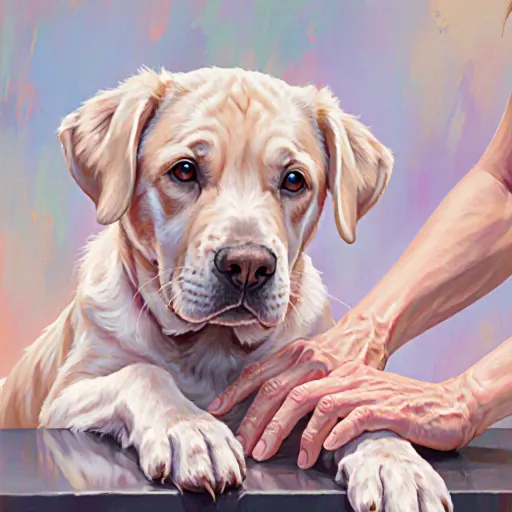
Age‑Proof Your Pet’s Paws
“Gentle Grooming Secrets for Aging Paws with Sensitive Skin”
Table of Contents
- Introduction
- Understanding Sensitive Skin in Senior Dogs
- Choosing the Right Shampoo
- Preparing Your Dog for Grooming
- Bath Temperature Guidelines
- Gentle Drying Techniques
- Trimming Licks and Nails
- Ear Care for Sensitive Skin
- Coat Maintenance Tips
- Identifying Allergic Reactions
- Using Natural Essentials Safely
- Creating a Comfortable Grooming Space
- Post-Grooming Care and Monitoring
- Conclusion
- FAQ
Introduction
As dogs age, their skin becomes thinner, drier, and more prone to irritation. A gentle grooming routine not only keeps them clean but also supports their overall comfort and health. Below are practical, step‑by‑step tips tailored specifically for senior dogs with sensitive skin.
1. Choose the Right Shampoo
- Hypoallergenic formulas: Look for shampoos free from dyes, fragrances, and harsh detergents. Brands such as Vet's Best Sensitive Skin or Purina Pro Plan Sensitive Care are formulated to minimize irritation.
- Oatmeal or aloe-based: These ingredients soothe inflammation and lock in moisture. A simple example is a 2% colloidal oatmeal wash mixed with warm water.
- pH-balanced: Dog skin is slightly acidic (pH ~5.5). Avoid shampoos that are too alkaline, which can strip natural oils.
2. Frequency of Bathing
- Most senior dogs benefit from a bath every 4–6 weeks unless they get visibly dirty or develop an odor.
- Use lukewarm water (around 37°C) and keep the bathing area short—no more than 5 minutes—to prevent drying out the skin.
- If your dog has a chronic skin condition, consult your vet; you might need medicated shampoos or daily gentle rinses.
3. Gentle Drying Technique
- After rinsing, pat the coat with a soft towel instead of rubbing vigorously.
- If you must use a hair dryer, set it on the lowest heat setting and keep it at least 12 inches away from the skin. Move it constantly to avoid hot spots.
- Consider using a dog‑safe, low‑friction drying cloth or a lightweight microfiber towel that reduces static buildup.
4. Brushing With Care
Seniors often have thinner coats and fragile skin, so use a soft-bristle brush or a slicker brush with gentle strokes. Avoid aggressive brushing on shaved areas.
Example routine:
- Start at the head, moving down to the ears, then the neck, and finally the body.
- Use short, light strokes—especially around the belly and paws where skin is thinner.
- Check for mats or tangles after each session; a mat can pull on sensitive skin if left untreated.
5. Moisturize and Protect
- Pet-safe oils: A few drops of coconut oil or fish oil applied lightly to the coat can help restore moisture.
- Barrier creams: If your dog has a diagnosed dermatologic condition, a vet‑prescribed barrier cream (e.g., Aquaphor for pets) may be recommended.
- Always do a patch test before applying new products to ensure there is no allergic reaction.
6. Watch for Common Senior Skin Issues
- Dry patches and itching: Often caused by low humidity or inadequate nutrition.
- Allergic reactions to flea treatments: Choose products labeled “hypoallergenic” or use natural deterrents like neem oil.
- Skin infections: Look for redness, swelling, or foul odor. If noticed, contact your vet promptly.
7. Nutrition and Hydration
A balanced diet rich in omega‑3 fatty acids (fish oil, flaxseed) supports skin health. Ensure fresh water is always available—dehydration can exacerbate dryness.
8. Regular Vet Check‑ups
Senior dogs should visit the vet at least twice a year. Bring any skin concerns or photos of problematic areas to help your vet diagnose and treat underlying conditions early.
By following these tailored grooming practices, you can keep your senior dog’s sensitive skin healthy, comfortable, and free from irritation—all while strengthening the bond between you and your beloved companion.
Understanding Sensitive Skin in Senior Dogs
Seniors are prone to a variety of skin issues that can make grooming a delicate task. As dogs age, their skin’s natural barrier weakens, leading to increased sensitivity and susceptibility to irritation, allergies, infections, and dryness.
Common Causes of Sensitive Skin in Older Dogs
- Decreased Sebum Production: Older dogs often produce less oil, which leaves the skin dry and more reactive.
- Allergic Reactions: Food allergies or environmental allergens (pollen, dust mites) become more pronounced with age.
- Hormonal Changes: Thyroid dysfunction or adrenal insufficiency can alter skin health.
- Underlying Health Conditions: Arthritis, diabetes, and chronic infections may manifest as skin problems.
Signs Your Senior Dog Has Sensitive Skin
- Redness or blotchiness that worsens after grooming.
- Itchy, scratching, or licking around the ears, paws, and abdomen.
- Hair loss or thinning in patches.
- Visible skin cracks, especially on the pads or at joints.
Practical Grooming Tips for Sensitive Skin
Below are step‑by‑step guidelines to help you keep your senior’s coat healthy without causing discomfort:
1. Choose a Gentle Shampoo
- Look for hypoallergenic, fragrance‑free formulas.
- Consider oatmeal or aloe‑based shampoos that soothe irritated skin.
- Avoid sulfates and alcohols which strip natural oils.
2. Use Lukewarm Water
Hot water can further dry out the skin, while cold water may not effectively remove residue. Aim for a temperature between 35–38°C (95–100°F).
3. Rinse Thoroughly
Residual shampoo can cause itching. Use a gentle rinse cycle and ensure all suds are washed out.
4. Pat Dry Instead of Towel‑Rubbing
- Toweling vigorously can irritate fragile skin.
- Use a soft towel to blot excess moisture, then let the coat air‑dry if possible.
5. Brush with Care
Use a slicker brush or a natural bristle brush suited for sensitive coats. Gently remove tangles and loose hair without pulling on the skin.
6. Monitor for Allergens
- Keep your home free of dust, pet dander, and strong fragrances.
- Consider a hypoallergenic bedding material such as bamboo or cotton.
7. Maintain Hydration & Nutrition
A well‑balanced diet rich in omega‑3 fatty acids (fish oil) supports skin barrier function. Always consult your vet before adding supplements.
8. Schedule Regular Vet Check‑ups
Early detection of underlying conditions can prevent severe skin problems. Bring samples of any lesions or itching areas for analysis.
Real‑World Example: Mrs. Thompson’s Golden Retriever, “Buddy”
“Before switching to a fragrance‑free oatmeal shampoo and using a soft towel to dry Buddy, he would scratch his ears constantly after every bath. Now, the itching has decreased by about 70%, and his coat looks shinier.” – Mrs. Thompson
Quick Checklist for Sensitive Skin Grooming
- Use hypoallergenic shampoo → ✔️
- Water temperature is lukewarm → ✔️
- Rinse thoroughly → ✔️
- Pat dry, not rub → ✔️
- Gentle brushing → ✔️
- Avoid strong fragrances in the home → ✔️
- Feed omega‑3 rich diet → ✔️
By following these tailored grooming practices, you can keep your senior dog’s skin healthy and comfortable, allowing them to enjoy a relaxed, itch‑free life well into their golden years.
Choosing the Right Shampoo
As dogs age, their skin becomes thinner and more prone to irritation, dryness, and allergies. Selecting a gentle, hypoallergenic shampoo is essential to keep your senior pup comfortable during grooming sessions.
Key Ingredients to Look For
- Aloe Vera: Soothes inflammation and provides natural moisturization.
- Coconut Oil or Olive Oil: Adds a protective barrier against moisture loss.
- Oatmeal Extract: Excellent for calming itchy skin and reducing redness.
- Chamomile or Calendula: Natural anti‑inflammatory agents that help relieve discomfort.
Shampoo Types Best Suited for Sensitive Skin
- Pediocare Sensitive Skin Shampoo – Formulated with a mild surfactant blend and enriched with oat extract. Great for dogs that react to traditional shampoos.
- Vet’s Best Hypoallergenic Dog Shampoo – Contains aloe, chamomile, and no dyes or fragrances.
- Earthbath All Natural Pet Shampoo – A plant‑based option free from sulfates and parabens; ideal for seniors with compromised skin barrier.
Practical Grooming Tips for Seniors
- Pre‑Wash Check: Inspect the coat for mats, tangles, or skin lesions. Gently detangle with a slicker brush before applying shampoo.
- Temperature Matters: Use lukewarm water (about 37°C). Hot water can strip natural oils, while cold water may be uncomfortable for older dogs.
- Gentle Application: Massage the shampoo in small circles, avoiding the ears and eyes. A light hand reduces friction on fragile skin.
- Thorough Rinse: Residual detergent can cause itching. Rinse until no suds remain; consider a second rinse if you notice any irritation afterward.
- Dry with Care: Pat the coat dry with a soft towel instead of rubbing vigorously. If using a blow dryer, keep it on low heat and maintain distance to prevent overheating.
Signs You Need a Different Shampoo
If you notice increased itching, redness, or flaky patches after each bath, switch to an even milder formula. Conversely, if the skin appears dry and dull despite using a gentle shampoo, consider adding a topical conditioner or consulting your vet for a prescription solution.
Quick Reference Checklist
| Condition | Recommended Action |
|---|---|
| Itchy, inflamed skin | Switch to a hypoallergenic, oatmeal‑based shampoo. |
| Dry, flaky coat | Add a moisturizing conditioner; ensure no residual detergent. |
| Visible mats or tangles | Detangle gently before washing; use a detangling spray if needed. |
By choosing the right shampoo and following these senior‑dog grooming guidelines, you’ll help maintain your pet’s skin health and overall comfort throughout their golden years.
Preparing Your Dog for Grooming
Senior dogs often develop sensitive skin due to aging hormones, reduced oil production, or underlying conditions such as allergies and dermatitis. Preparing them properly before a grooming session can make the experience less stressful and more comfortable.
1. Schedule a Vet Check‑In Before Grooming
- Skin Screening: Ask your vet to examine the skin for redness, hot spots, or dry patches. A quick patch test on a small area can reveal allergic reactions to common grooming products.
- Medication Review: Some medications (e.g., steroids) can thin the skin. Your vet may recommend a hypoallergenic shampoo or suggest delaying the grooming session until medication effects subside.
2. Choose the Right Grooming Products
- Hypoallergenic, Tear‑Free Shampoos: Look for products labeled “fragrance‑free,” “sulfate‑free,” or “for sensitive skin.” Avoid dyes and alcohol.
- Natural Ointments: A thin layer of coconut oil or a vet‑approved barrier cream can protect fragile skin during brushing.
- Avoid Over‑Wetting: Excess water can strip natural oils. Use lukewarm water and limit soaking time to 3–5 minutes.
3. Create a Calm Grooming Environment
- Quiet Space: Choose a room with minimal foot traffic and background noise. A familiar blanket or toy can provide comfort.
- Temperature Control: Keep the room at a comfortable temperature (around 70°F/21°C). Avoid drafts that can chill sensitive skin.
- Use Soft Lighting: Dim lights reduce visual overstimulation, helping your senior dog stay relaxed.
4. Gentle Grooming Techniques for Seniors
- Brush First, Then Wash: Start with a soft brush (e.g., a slicker or metal comb) to remove loose hair and detangle knots. This reduces the need for vigorous brushing during the wash.
- Minimal Pressure: Use light strokes; heavy pressure can irritate thin skin layers.
- Short Sessions: Divide grooming into multiple short sessions (10–15 minutes each) to avoid overstressing your dog’s joints and skin.
5. Post‑Grooming Care for Sensitive Skin
- Dry Thoroughly: Gently pat the coat with a towel; avoid rubbing, which can cause irritation.
- Apply Moisturizer: If recommended by your vet, apply a light, hypoallergenic moisturizer or barrier cream to soothe dry areas.
- Monitor for Reactions: Over the next 24–48 hours, watch for itching, redness, or swelling. Report any concerns to your veterinarian promptly.
6. Practical Tips for Home Grooming
- Use a slow‑release brush that reduces tugging on sensitive skin.
- Keep grooming tools clean—stale shampoo residue can cause itching.
- Set up a “grooming station” with all supplies within arm’s reach to minimize the time your dog spends in unfamiliar areas.
- Reward with treats and praise after each step; positive reinforcement encourages calm behavior.
Bottom line: Preparing a senior dog for grooming—especially one with sensitive skin—involves vet guidance, product selection, environmental adjustments, gentle techniques, and vigilant post‑care. By integrating these steps into your routine, you’ll help keep your aging companion healthy, happy, and looking their best.
Bath Temperature Guidelines
When bathing a senior dog with sensitive skin, the water temperature is one of the most critical factors that can influence comfort and health. A bath that’s too hot or too cold can cause discomfort, exacerbate skin conditions, or even lead to heat stress.
Ideal Temperature Range
- Target range: 90–100 °F (32–38 °C). This mimics the warm water your dog would naturally encounter during a walk in mild weather.
- Check with your hand: Before filling the tub, test the water on the inside of your wrist. It should feel comfortably warm, not hot.
Why This Range Works for Sensitive Skin
- **Prevents skin dryness:** Cold water can strip natural oils from the skin’s surface, leading to itchiness and flaking.
- **Reduces irritation:** Hot water may cause vasodilation and increase inflammation in already sensitive skin.
- **Encourages relaxation:** Warm water helps relax muscles and soothe joint stiffness common in senior dogs.
Practical Bathing Tips for Sensitive Skin
- Use a lukewarm shower head or handheld sprayer: This allows you to control the flow and temperature precisely, preventing sudden hot bursts.
- Limit bath duration: Keep baths under 10 minutes. Prolonged exposure can dry out skin and hair.
- Choose a gentle shampoo: Look for hypoallergenic or oatmeal-based formulas that soothe irritation and provide a mild cleansing effect.
- Rinse thoroughly but gently: Residual shampoo can irritate sensitive skin. Use lukewarm water to rinse until the suds are gone.
- Dry with a soft towel or low-heat blow dryer on a cool setting: Excess moisture left on the coat can cause fungal growth, especially in older dogs.
Monitoring and Adjustments
After each bath, observe your dog’s skin for signs of redness, itching, or dryness. If you notice any changes, adjust the water temperature slightly lower (toward 90 °F) or consider skipping baths more frequently. Consistency in water temperature is key to maintaining a comfortable bathing routine.
When to Seek Veterinary Advice
- If your senior dog develops persistent itching, redness, or sores after bath time.
- When you notice changes in skin texture or hair quality that don’t improve with gentle grooming.
- For guidance on specialized medicated shampoos or topical treatments tailored to your dog’s specific condition.
By adhering to these temperature guidelines and following a gentle bathing routine, you’ll help keep your senior dog’s skin healthy, comfortable, and free from unnecessary irritation.
Gentle Drying Techniques
When working with senior dogs who often have delicate or hypersensitive skin, the drying phase of a grooming session is just as critical as bathing. A gentle approach not only prevents irritation but also encourages a calm environment for your aging companion.
1. Use Low‑Heat, Soft‑Touch Grooming Towel Wraps
- Materials: Microfiber or bamboo blends are highly absorbent yet soft enough to avoid scratching the skin.
- Technique: After rinsing, wrap the dog in a towel and let it sit for 1–2 minutes. This passive drying method reduces friction and allows moisture to evaporate naturally.
- Practical Tip: If your senior dog has loose skin folds (e.g., around the neck or belly), gently pat these areas with the towel instead of rubbing.
2. Air‑Drying With a Controlled Environment
In climates where humidity is low, air‑drying can be an excellent option. Keep the dog in a well‑ventilated room but shield it from direct drafts that could cause chills.
- Fan Placement: Position a fan at a low speed about 3–4 feet away; avoid blowing directly on the face or ears.
- Time Management: Limit air‑drying to 10–15 minutes per session to prevent overheating.
3. Low-Heat Hair Dryer with a Diffuser Attachment
When a dryer is necessary, the key is temperature control and distance.
- Temperature Setting: Use the lowest heat setting (often labeled “cool” or “low”). Many modern dryers come with a dedicated “pet” mode that automatically limits heat output.
- Distance: Keep the dryer at least 12 inches from the dog’s skin, moving it continuously to avoid hot spots.
- Diffuser Use: Attach a diffuser to spread airflow and reduce turbulence. This prevents sudden bursts of heat that can cause discomfort or burns.
- Check Skin Reaction: Pause every few minutes to feel for warmth or redness; if any irritation appears, switch to air‑drying immediately.
4. Post-Dry Conditioning and Moisturizing
Senior dogs often lose natural oils over time. After drying, apply a lightweight, hypoallergenic dog conditioner or skin balm specifically formulated for sensitive skin.
- Application: Lightly mist the coat with water to keep it damp, then massage in small amounts of product using gentle circular motions.
- Common Ingredients: Aloe vera, oatmeal, and vitamin E are soothing options. Avoid fragrances or dyes that can trigger allergic reactions.
5. Monitor and Adjust Based on Skin Response
Each senior dog’s skin is unique. Keep a grooming log noting the dog's reaction after each drying session—any redness, itching, or discomfort should prompt an adjustment in technique or product choice.
Sample Drying Routine for a Senior Dog with Sensitive Skin
- Wrap the dog in a microfiber towel and let it sit for 2 minutes.
- Pat remaining moisture from ears, paws, and folds.
- Set a low‑heat dryer at “cool” with a diffuser; keep it 12 inches away and move constantly.
- After 5–7 minutes, switch to fan drying for the rest of the coat.
- Finish with a light mist of aloe‑based conditioner.
By combining these gentle drying techniques with vigilant observation, you’ll help keep your senior dog’s skin healthy and comfortable throughout every grooming session.
Trimming Licks and Nails
For senior dogs with sensitive skin, trimming their nails and cleaning around the ears (licks) can be a delicate task. A gentle, step‑by‑step approach not only keeps them comfortable but also helps prevent infections that are common in older pets.
1. Nail Trimming: Why It Matters
- Reduced Pain: Long nails can cause joint strain and lead to arthritis flare‑ups.
- Avoiding Injury: Shorter nails reduce the risk of accidental scratches during walks or play.
- Skin Health: Proper trimming prevents dirt buildup that may irritate sensitive skin around the paw pads.
Practical Steps for Nail Trimming
- Choose the Right Tools: Use a senior‑friendly nail clipper or an electric trimmer with a safety guard. Avoid scissors unless you’re highly experienced.
- Find a Calm Environment: Place your dog on a stable surface and use a non-slip mat to keep them from slipping.
- Introduce the Trimmer Slowly: Let your dog sniff it first. Offer treats and praise each time you touch their paw.
- Trim Small Amounts: Cut just the tip of the nail, avoiding the quick (the pink part that contains blood vessels). If you’re unsure, trim a very small bit—more can always be taken off later.
- Use a Nail Polish Remover for Stubborn Nails: A gentle, pet‑safe polish remover helps soften nails before trimming.
2. Cleaning Around the Ears (Licks)
Senior dogs often develop ear infections or skin irritation around the licks due to scratching. Keeping this area clean is essential for sensitive skin.
Step‑by‑Step Ear Cleaning
- Select a Mild Ear Cleaner: Use a veterinarian‑recommended, fragrance‑free solution.
- Gentle Application: Warm the cleaner to room temperature and apply one or two drops into each ear canal.
- Massage the Base: Hold the ear upright and gently massage the base for 30 seconds to loosen debris.
- Wipe Out Excess: Use a soft, lint‑free cloth or cotton ball (never cotton swabs) to wipe away any residue.
- Check for Redness or Discharge: If you notice persistent redness, itching, or foul odor, consult your vet immediately.
3. Additional Tips for Sensitive Skin
- Use a Soft Brush: A bristle brush can help remove loose hair without irritating the skin.
- Avoid Hot Water: Use lukewarm water when bathing or rinsing; hot water can dry out delicate skin.
- Keep Nails Trimmed Regularly: Aim for every 4–6 weeks to prevent overgrowth and associated pain.
- Regular Vet Check‑ups: Early detection of ear or nail problems reduces the need for aggressive treatments later.
Real‑World Example
Meet Mabel, a 12‑year‑old golden retriever with sensitive skin. Her owner, Sarah, trimmed Mabel’s nails every six weeks using an electric trimmer. Each session lasted only about five minutes, and Sarah rewarded Mabel with her favorite squeaky toy afterward. For ear care, Sarah applied a mild cleanser once a month and noticed a significant decrease in scratching episodes. This routine not only kept Mabel comfortable but also reduced vet visits for skin infections.
Ear Care for Sensitive Skin
When it comes to senior dogs, especially those with sensitive skin, proper ear care is essential to prevent irritation, infection, and discomfort. Unlike younger pups, older dogs often have thinner, more delicate ear linings that can react quickly to allergens, moisture, or cleaning products.
Why Sensitive Skin Matters in Senior Dogs
- Dryness & Flaking: Aging skin produces less natural oil, making the inner ear lining dry and flaky.
- Allergen Exposure: Older dogs may have accumulated environmental allergens (dust mites, pollen) that can trigger inflammation.
- Reduced Immune Response: Senior dogs often exhibit a weaker immune system, so infections spread faster if ears aren’t kept clean and dry.
Step‑by‑Step Ear Cleaning Routine
- Choose the Right Cleaner:
Opt for a veterinarian‑recommended ear wash that’s pH balanced and free of alcohol or strong fragrances. A gentle solution such as Vet’s Best Ear Cleanser works well.
- Prep Your Dog:
Use a soft towel to gently wipe the outer ear flap, removing any debris. If your dog is anxious, give them a treat or calm voice before proceeding.
- Apply Cleaner:
Fill the ear canal with a small amount of cleaner—no more than a teaspoon for an adult dog—and massage the base of the ear for about 30 seconds. This encourages drainage and loosens wax.
- Let It Drain:
Hold the ear flap open and allow any excess fluid to run out onto a towel. A gentle tilt can help with drainage, but avoid forcing water deep into the canal.
- Dry Thoroughly:
Use a soft cloth or a cotton ball (no cotton swabs—those can push debris further in) to pat the ear dry. Moisture is a breeding ground for bacteria and yeast, especially in sensitive skin.
Signs Your Senior Dog Needs Professional Attention
| Symptom | Possible Cause |
|---|---|
| Redness or swelling inside the ear | Allergic reaction, infection |
| Persistent odor | Bacterial or yeast overgrowth |
| Itching or scratching at ears | Inflammation, skin sensitivity |
| Flaky or crusty ear lining | Dryness, dermatitis |
| Discharge that is cloudy or pus‑like | Severe infection |
Practical Tips for Sensitive Skin Care
- Use Hypoallergenic Grooming Products: Look for shampoos and conditioners specifically formulated for sensitive skin. Avoid products with strong dyes or fragrances.
- Limit Bath Frequency: Over‑washing can strip natural oils. Aim for a bath every 4–6 weeks unless your vet advises otherwise.
- Keep Ears Dry After Baths: Gently pat the ears with a towel and let them air dry in a warm, draft‑free area.
- Check Diet & Supplements: Omega‑3 fatty acids (fish oil) can improve skin barrier function. Discuss supplements with your vet if you notice persistent dryness.
- Regular Vet Check‑ups: Annual ear exams help catch early signs of infection or allergies before they worsen.
Sample Routine for a Senior Dog (e.g., 12+ Years Old)
Morning: Quick wipe of the outer ears with a damp cloth; apply a small amount of gentle ear cleaner if needed.
Evening: If your dog has shown signs of excess wax or odor, perform a full cleaning routine as outlined above.
Conclusion
For senior dogs with sensitive skin, meticulous ear care isn’t just about preventing infections—it’s also about maintaining overall comfort and quality of life. By using gentle products, following a consistent routine, and staying alert to warning signs, you can keep your elderly companion's ears healthy and itch‑free.
Coat Maintenance Tips
Senior dogs often have delicate, thin coats that can become dry, dull, or itchy if not cared for properly. Below are practical, step‑by‑step strategies to keep your aging pup’s fur healthy while respecting their sensitive skin.
- Choose the Right Shampoo
Use a hypoallergenic, fragrance‑free shampoo specifically formulated for senior dogs or for sensitive skin. Look for ingredients such as oat oil, aloe vera, and ceramides that help restore moisture without stripping natural oils. Avoid sulfates and harsh detergents that can aggravate irritation. - Limit Bath Frequency
Over‑bathing can dry out the skin and strip away protective oils. Aim for a bath every 3–4 weeks, or as needed if your dog gets noticeably dirty or develops an odor. Between baths, use a damp cloth or pet wipes to keep the coat clean. - Use a Conditioner
After shampooing, apply a light, moisturizing conditioner. Rinse thoroughly to prevent residue buildup that could cause itching. For extra softness, add a few drops of natural oil (e.g., coconut or argan) to the conditioner before rinsing. - Dry Properly
Pat the coat dry with a towel; avoid vigorous rubbing which can irritate sensitive skin. If using a blow dryer, keep it on the lowest heat setting and maintain distance from the skin (at least 6 inches). For dogs that tolerate it, let them air‑dry in a calm environment. - Brush Regularly
Gentle brushing removes loose hair, distributes natural oils, and stimulates circulation. Use a soft‑bristled brush or a slicker brush designed for fine coats. Brush once a week to prevent matting; more frequent brushing is okay if your dog’s coat remains manageable. - Maintain Hydration
Dry skin often stems from dehydration. Ensure fresh water is always available and consider adding a small amount of electrolyte supplement (under vet guidance) during hot days or after exercise. - Dietary Support
Omega‑3 fatty acids (fish oil, flaxseed) help improve coat quality and reduce inflammation. A balanced senior dog diet rich in antioxidants can also support skin health. Consult your veterinarian for dosage recommendations tailored to your pup’s needs. - Regular Vet Checks
Persistent itching, redness, or hair loss should prompt a veterinary visit. Senior dogs may develop conditions such as allergies, hypothyroidism, or infections that require medical treatment beyond grooming. - Avoid Over‑exposure to Sun and Heat
Sensitive skin can burn more easily. Keep your senior dog out of direct sunlight for extended periods, especially during peak hours (10 a.m.–4 p.m.). Use pet‑safe sunscreen on exposed areas if you must be outdoors. - Use Protective Accessories Wisely
If your dog wears a collar or harness, choose soft, breathable materials to prevent chafing. Replace collars that are too tight or worn out regularly. For older dogs with joint issues, consider an adjustable harness for better comfort.
By combining these grooming habits with regular veterinary care and a supportive diet, you’ll help your senior dog maintain a shiny, healthy coat while keeping their sensitive skin comfortable and itch‑free.
Identifying Allergic Reactions
Senior dogs are especially prone to skin sensitivities that can flare up during grooming sessions. Knowing the early signs of an allergic reaction helps you intervene promptly, ensuring your pet’s comfort and preventing more serious complications.
Common Signs to Watch For
- Itching or Scratching: Persistent scratching, especially in areas that are hard to reach (behind the ears, inside the elbows), may indicate irritation from shampoo, flea control products, or environmental allergens.
- Redness and Inflammation: A sudden patch of red skin or a rash that spreads quickly can signal an allergic reaction. Look for swelling around the face, paws, or tail base.
- Hair Loss or Dull Coat: Fine hair loss or a greasy, dull coat may result from chronic irritation. In seniors, this often coincides with underlying health issues such as hypothyroidism or kidney disease.
- Bubbling or Bumps: Small blisters, pustules, or raised bumps are classic indicators of an allergic response to grooming products or chemicals in the environment.
- Swelling (Edema): Noticeable puffiness around the ears, face, or paws can be a sign of a severe reaction that requires veterinary attention.
When to Seek Veterinary Care
If you observe any of these symptoms during or after grooming, consider the following steps:
- Stop the Grooming Session: Pause immediately and gently remove any remaining shampoo residue.
- Rinse Thoroughly: Use lukewarm water to rinse all products from your dog’s coat, paying extra attention to affected areas.
- Monitor for 24–48 Hours: Watch for worsening signs such as increased itching, swelling, or discharge. If symptoms persist or intensify, contact your vet.
- Document the Incident: Note what products were used, how long the dog was exposed to them, and any changes in behavior. This information helps your veterinarian diagnose the cause more accurately.
Practical Grooming Tips for Sensitive Skin
- Choose Hypoallergenic Shampoos: Look for products free from dyes, fragrances, and parabens. Brands like Earthbath Natural Shampoo or Burt’s Bees Dog Shampoo are formulated specifically for sensitive skin.
- Patch Test New Products: Before a full grooming session, apply a small amount of the new shampoo to a discreet area (e.g., inside the ear flap) and wait 24 hours. If no reaction occurs, it’s safe to use on the entire body.
- Use Cool Water: Hot water can strip natural oils from an elderly dog’s skin, leading to dryness and itchiness. Keep the temperature lukewarm or cool.
- Limit Grooming Frequency: Over-grooming can aggravate sensitive skin. Aim for 1–2 baths per month unless advised otherwise by your veterinarian.
- Dry Thoroughly but Gently: Use a towel to blot excess moisture, then use a hair dryer on the lowest heat setting if needed. Avoid rubbing hard or using high heat, which can cause irritation.
Home Remedies and Supplements
Some senior dogs benefit from natural supplements that support skin health:
- Omega‑3 Fatty Acids: Fish oil or flaxseed oil can improve coat shine and reduce inflammation. Follow your vet’s dosage recommendations.
- Vitamin E: A topical vitamin E solution (e.g., preservative‑free) can soothe irritated skin and promote healing.
- Aloe Vera Gel: Pure, pet‑safe aloe vera gel applied sparingly can calm itching and redness. Ensure it contains no added fragrances or alcohol.
By staying vigilant for allergic reactions and applying these tailored grooming strategies, you’ll help your senior dog maintain a healthy coat and enjoy each bath with minimal discomfort.
Using Natural Essentials Safely
When it comes to caring for a senior dog with sensitive skin, natural products can be a gentle yet effective solution. However, seniors often have thinner skin, reduced immune function, and may be on medications that interact with certain botanicals. Below is a practical guide to help you safely incorporate natural essentials into your senior dog's grooming routine.
1. Do a Patch Test First
- Why? Even the mildest essential oil or herbal balm can cause irritation if the dog’s skin is compromised.
- How? Apply a small amount (a pea‑sized dab) of the product on a discreet area such as the inner forearm of the dog’s paw. Cover it with a bandage and wait 24–48 hours.
- What to look for? Redness, swelling, itching, or any abnormal discharge indicates an allergic reaction. If any sign appears, discontinue use immediately.
2. Choose the Right Essential Oils
Not all essential oils are safe for dogs. For seniors with sensitive skin, opt for those known for soothing properties:
| Oil | Benefits | Precautions |
|---|---|---|
| Lavender (Lavandula angustifolia) | Calming, anti‑inflammatory, promotes sleep. | Use at a 1–2% dilution; avoid direct contact with open wounds. |
| Chamomile (Matricaria chamomilla or German Chamomile) | Reduces itching and eczema flare‑ups. | Ensure it’s 100% pure; some blends contain citrus which can irritate. |
| Tea Tree (Melaleuca alternifolia) – use with caution | Antimicrobial and anti‑fungal. | Highly toxic if ingested; keep out of reach. Use only in a 1% dilution and never on broken skin. |
3. Create a Gentle, Diluted Mixture
A simple formula works well for most senior dogs:
    • 10 ml of organic carrier oil (e.g., jojoba or sweet almond)
    • 2–4 drops of chosen essential oil
    • Optional: a few drops of chamomile extract
Shake well before each use. Store in a dark glass bottle to protect the oils from light and heat.
4. Application Techniques
- Clean the Area: Use lukewarm water and a mild, hypoallergenic shampoo. Rinse thoroughly to remove any residue that could interfere with absorption.
- Dry Gently: Pat the skin dry with a soft towel; avoid rubbing which can aggravate sensitive areas.
- Apply the Mixture: Use your fingertips or a clean cotton ball to spread a thin layer. Focus on problem spots such as itchy elbows, behind ears, and around the tail base.
- Massage Lightly: Gently knead for 1–2 minutes to promote circulation without causing friction.
- Cover if Needed: For areas prone to licking or chewing (e.g., after a shave), use an Elizabethan collar or a breathable bandage. This prevents ingestion and allows the balm to absorb fully.
5. Monitor for Side Effects
Senior dogs may exhibit subtle changes before overt reactions:
- Increased scratching or licking of a specific area.
- Redness or a rash that spreads beyond the application site.
- Changes in appetite or vomiting (possible ingestion of oils).
If any of these occur, stop use immediately and consult your veterinarian.
6. Complementary Natural Products
Consider adding the following to support skin health:
- Omega‑3 Supplements (fish oil):** Improves coat quality and reduces inflammation.
- Calendula Cream:** Soothes irritated skin; apply after bathing.
- Honey‑based Balms:** Natural antibacterial properties; good for minor cuts or abrasions.
7. When to Seek Veterinary Advice
Even with the safest products, seniors can have underlying conditions such as hypothyroidism, allergies, or skin infections that require professional care.
- If itching persists for more than a week after using natural remedies.
- Any signs of infection (pus, foul odor, persistent swelling).
- Changes in overall health: lethargy, weight loss, or unusual behavior.
By following these guidelines, you can confidently use natural essentials to keep your senior dog’s skin comfortable and healthy while minimizing the risk of adverse reactions.
Creating a Comfortable Grooming Space
When grooming an older dog, especially one with sensitive skin, the environment can make or break the experience. A calm, familiar setting reduces stress and helps prevent irritation during brushing, bathing, and nail trimming.
1. Choose the Right Location
- Quiet Corner: Pick a spot away from household traffic, loud appliances, or high-traffic areas like kitchens and living rooms.
- Temperature Control: Keep the room at a comfortable temperature (68–72°F / 20–22°C). Avoid drafts that can chill sensitive skin.
- Soft Flooring: Use non-slip rugs or mats to prevent slips and give your dog extra cushioning. If you have a hard floor, place a thick towel or carpeted area for the grooming station.
2. Equip with Proper Tools
Choosing gentle tools is essential for senior dogs with fragile skin.
- Brushes: A slicker brush or a soft bristle brush works best. Avoid harsh wire brushes that can cause micro-abrasions.
- Shampoo: Opt for hypoallergenic, fragrance-free shampoos formulated for sensitive skin. Use lukewarm water (about 100°F / 38°C) to avoid heat shock.
- Nail Clippers: Soft nail clippers or a grinder designed for dogs can reduce the risk of accidental cuts on delicate nails.
3. Maintain Cleanliness and Hygiene
A clean space reduces bacterial growth, which is especially important for senior dogs with weaker immune systems.
- Sanitize Tools: Wash brushes, towels, and grooming gloves after each use with mild soap and hot water. Consider a pet-safe disinfectant wipe for quick touch-ups.
- Towels: Keep multiple clean, soft towels ready—one for drying and one for wiping excess moisture from the dog's ears or face.
4. Use Familiar Scents
Scent can be a powerful comfort factor. Consider adding a subtle, pet-safe essential oil diffuser (like lavender) to the room—or better yet, use a familiar blanket that smells like home.
5. Create a Positive Routine
Consistency helps reduce anxiety:
- Pre-Grooming Rituals: A short walk or gentle play session before grooming can help expend excess energy and lower cortisol levels.
- Gradual Introduction: Start with brief brushing sessions, gradually increasing duration as the dog becomes more comfortable.
- Reward System: Offer treats and praise throughout to reinforce positive associations.
6. Monitor Environmental Factors
Even in a well-prepared space, external factors can trigger stress or skin irritation.
- Noise: Keep the volume low; consider playing calming music specifically designed for pets.
- Lighting: Use soft lighting to avoid glare on the dog's eyes and reduce visual overstimulation.
- Ventilation: Ensure good airflow but avoid strong fans that can blow dry air directly onto sensitive skin.
7. Stay Attentive During Grooming
Senior dogs may react differently as the session progresses.
- Watch for Signs of Discomfort: Pawing, whimpering, or sudden movements can signal irritation. Pause and reassess before continuing.
- Pain Management: If your dog shows signs of pain, consult with a vet before proceeding further—especially when trimming nails or cleaning ears.
8. Post-Grooming Care
The environment remains important after grooming.
- Drying Area: Use a low-heat, pet-safe dryer on the lowest setting or allow natural drying in a warm room.
- Rest Space: Provide a quiet, comfortable spot for your dog to recover—preferably with a familiar blanket and minimal noise.
By thoughtfully curating a grooming environment that addresses the needs of senior dogs with sensitive skin, you not only protect their physical health but also strengthen the bond between you and your beloved companion.
Post-Grooming Care and Monitoring
After a grooming session, especially for senior dogs with sensitive skin, the real work begins: ensuring their coat and skin recover smoothly. Below are step‑by‑step guidelines to keep your elderly pup healthy, comfortable, and looking its best.
1. Immediate Post‑Grooming Steps
- Inspect the Skin: Gently check for any cuts, abrasions, or redness that may have occurred during brushing or trimming. Use a flashlight if needed to spot hidden blemishes.
- Dry Thoroughly but Calmly: Use a soft towel and a low‑heat hair dryer on the “cool” setting. Keep it at least 12 inches away from the skin to avoid burns. Drying too quickly can cause itching, especially in older dogs with thin coats.
- Apply a Sensitive‑Skin Conditioner: If you used a hypoallergenic shampoo, follow up with a lightweight conditioner that contains aloe vera or chamomile to soothe irritation.
2. Daily Monitoring Routine
- Check for new redness, swelling, or unusual bumps at least once a day. Early detection prevents infections.
- Watch for changes in coat texture. A sudden shift from glossy to dull may indicate underlying skin issues.
- Observe behavior: scratching more than usual, licking, or pawing at the face can signal discomfort.
3. Managing Common Post‑Grooming Issues
| Issue | Possible Cause | Action |
|---|---|---|
| Itching or scratching | Dry skin, shampoo residue, or allergic reaction | Rinse thoroughly, use a medicated oatmeal bath, and consider switching to an ultra‑gentle hypoallergenic line. |
| Redness or rash | Over‑shampooing, friction from grooming tools | Reduce shampoo frequency to once every two weeks, use a softer brush, and apply a barrier cream with zinc oxide. |
| Coarse or patchy fur | Nutritional deficiencies, thyroid issues, or aging | Consult your vet about supplements (omega‑3 fatty acids) and ensure a balanced diet. |
4. When to Seek Veterinary Advice
If you notice:
- Persistent redness or swelling that doesn’t improve within 48 hours.
- Open sores, crusting, or discharge.
- Loss of appetite or lethargy concurrent with skin problems.
5. Practical Grooming Tips for Sensitive Skin
- Choose the Right Brush: A slicker brush with a gentle, flexible bristle is ideal for sensitive coats. Avoid metal combs that can scratch.
- Trim Carefully: Use rounded‑edge clippers and keep the blade set at a low setting to avoid cutting skin or causing irritation.
- Limit Shampoo Frequency: For senior dogs, once every two weeks is usually sufficient. Over‑washing dries out the natural oils that protect sensitive skin.
- Use Lukewarm Water: Hot water can strip essential oils and aggravate sensitivity.
- Consider a “No‑Rinse” Shampoo: These are designed for dogs with very sensitive skin and reduce the risk of residue buildup.
6. Quick Reference Checklist (Printable)
Print this list to keep on hand after each grooming session:
- Inspect skin for cuts or redness
- Dry gently, low heat
- Apply hypoallergenic conditioner
- Check coat texture daily
- Monitor scratching/licking behavior
- Note any changes and log them
By integrating these post‑grooming practices into your routine, you’ll help safeguard your senior dog’s sensitive skin, reduce the risk of complications, and keep their coat healthy and beautiful.
Conclusion
As dogs age, their skin becomes more delicate and prone to irritation. A thoughtful grooming routine can keep your senior companion comfortable, healthy, and looking its best.
1. Choose a Gentle Shampoo
- Hypoallergenic formulas: Look for shampoos labeled “sensitive skin” or “for senior dogs.” These contain fewer dyes, fragrances, and harsh detergents.
- pH balanced: Human skin is slightly acidic (around 5.5). Use a dog shampoo with a pH of 4.5–6 to avoid stripping natural oils.
- Natural ingredients: Shampoos with aloe vera, oat extracts, or chamomile soothe irritation and moisturize.
2. Minimize Bath Frequency
Senior dogs rarely need daily baths. Over‑washing can dry out skin and remove protective oils.
- Every 3–4 weeks: A standard bath is usually sufficient unless your dog gets particularly dirty or has a medical condition that requires more frequent cleaning.
- Spot clean as needed: Use a damp washcloth to wipe away localized dirt, especially around the ears and paws.
3. Use Lukewarm Water
Hot water can scorch sensitive skin, while cold water may not rinse shampoo effectively. Aim for a temperature that feels warm but not hot to your own hand.
4. Pat Dry, Don’t Rub
- Gently pat the coat with a towel; rubbing can cause friction burns and exacerbate itchiness.
- If you must use a blow dryer, set it on the lowest heat setting and keep it at least 12 inches away from the skin.
5. Inspect for Allergens and Parasites
Regularly check ears, paws, and underbelly for signs of irritation, redness, or parasites. Early detection prevents chronic discomfort.
6. Keep Nails Trimmed
Long nails can create pressure points that lead to skin irritation around the paw pads. Use a dog nail clipper or have your groomer handle this safely.
7. Maintain a Healthy Diet and Hydration
A balanced diet rich in omega‑3 fatty acids (found in fish oil, flaxseed) promotes skin elasticity and reduces inflammation. Fresh water should always be available.
8. Consult Your Veterinarian for Medicated Shampoos
If your senior dog has a chronic condition like dermatitis or allergies, your vet may prescribe medicated shampoos or topical treatments to soothe the skin and address underlying issues.
9. Keep Grooming Sessions Short and Positive
- Senior dogs can become easily stressed; keep sessions brief (5–10 minutes) and reward them with treats or gentle praise.
- Use a calm, reassuring tone to help your dog associate grooming with comfort rather than anxiety.
10. Monitor Weight and Mobility
Weight gain can increase pressure on joints and skin folds, leading to infections or irritation. Regular weigh‑ins and mobility checks are essential for a senior’s overall well‑being.
By tailoring your grooming routine to the unique needs of older dogs with sensitive skin, you help them stay itch‑free, comfortable, and confident. Remember: consistency is key—gentle care now can prevent many common age‑related skin problems later on.
FAQ
As dogs age, their skin becomes thinner and more prone to irritation. The combination of decreased oil production, slower healing, and potential underlying health issues makes grooming a delicate task. Below are detailed strategies, real‑world examples, and practical tips to keep your senior companion comfortable and healthy during each grooming session.
1. Choose the Right Shampoo
- Hypoallergenic formulas: Look for products free from dyes, fragrances, and parabens. Brands like Earthbath Sensitive Skin or Burt’s Bees Natural Pet Shampoo are often recommended by veterinarians.
- Moisturizing ingredients: Aloe vera, oatmeal, and coconut oil help soothe dryness. A simple DIY rinse of plain oatmeal in warm water can be an effective post‑bath treatment.
- pH balanced: Human skin pH is around 5.5; use shampoos formulated for a similar range to avoid stripping natural oils.
2. Keep Baths Short and Warm
Long, hot baths can strip essential fatty acids from the coat. Aim for a 10‑15 minute soak with lukewarm water (around 37°C). Use a handheld shower head to control flow and avoid splashing water directly onto sensitive areas like the face or ears.
3. Gentle Drying Techniques
- Microfiber towels: These absorb moisture without friction, reducing irritation.
- Towel-dry first, then blow‑dry on low heat: If you must use a dryer, set it to the lowest setting and keep it at least 30 cm away from the skin.
4. Brush with Care
Senior dogs often have fragile skin and may be less tolerant of vigorous brushing.
- Soft bristle brushes: Use a brush designed for sensitive skin, such as the Furminator Sensitive Skin.
- Short sessions: Break grooming into multiple short bouts (5–7 minutes) to avoid overstimulation.
- Observe reactions: If your dog pulls back or shows discomfort, pause and reassess the pressure you’re applying.
5. Check for Underlying Health Issues
Skin problems in seniors can signal allergies, hormonal imbalances, or infections. Signs to watch for include:
- Persistent itching or redness
- Hair loss patches that don’t heal after a few weeks
- Unusual odors from the skin
If any of these occur, consult your veterinarian before proceeding with routine grooming.
6. Maintain Regular Hygiene Without Overdoing It
- Ears: Use a vet‑recommended ear cleaner once a month; avoid cotton swabs which can damage the ear canal lining.
- Nails: Trim every 4–6 weeks, but use a gentle nail file if your dog is sensitive to sharp cuts.
- Teeth: Dental chews and soft brushes help reduce plaque buildup; always monitor for sensitivity.
7. Incorporate Moisturizing Treatments
After each bath, apply a light coat of natural oil (e.g., almond or jojoba) to the skin and fur. This creates a barrier against moisture loss. Alternatively, use a vet‑approved moisturizing spray formulated for dogs.
8. Create a Calm Environment
- Use a non‑slip mat in the tub or shower area.
- Play soft music and speak calmly to reduce anxiety.
- Reward your dog with treats and praise after each grooming step.
9. Monitor Post‑Grooming Recovery
Check for any new redness, swelling, or itching a day after grooming. If symptoms persist beyond 48 hours, contact your vet as it may indicate an allergic reaction or skin infection.
10. Keep a Grooming Log
Track dates, products used, and any reactions. This record helps you identify patterns and allows your veterinarian to make better recommendations.
By combining gentle techniques, suitable products, and vigilant observation, you can keep your senior dog’s skin healthy and comfortable throughout their golden years.
Categories
- AI & Enrichment Play
- Broiler Farming
- Broiler Farming Tips
- Canine Wellness & Longevity
- Cat
- Cat & Human Connection
- Cat Adoption & Rescue
- Cat Breeds
- Cat Breeds & Personalities
- Cat Care & Health
- Cat Grooming & Hygiene
- Cat Lifestyle & Environment
- Cat Myths & History
- Cat Nutrition & Diet
- Cat Products & Reviews
- Cat Training & Behavior
- Comparison
- Consumer Awareness
- Dog
- Dog Accessories & Products
- Dog Adoption & Rescue
- Dog Breed & Lifestyle Trends
- Dog Breeding & Puppies
- Dog Entertainment & Media
- Dog Fashion & Trends
- Dog Fun & Lifestyle
- Dog Grooming & Hygiene
- Dog History & Culture
- Dog Myths, Science & Future Tech
- Dog News & Trends
- Dog Nutrition & Food
- Dog Psychology & Emotions
- Dog Safety & Security
- Dog Sports & Activities
- Dog Technology & Innovation
- Dog Training for Modern Owners
- Dog Travel & Adventure
- Dog Travel, Adventure & Culture
- Economic and Market Insights
- Educational Content
- FAQs
- Feeding Alternatives
- Festivals & Seasonal Ideas
- Fun & Entertainment
- General Knowledge
- General Pig Farming
- Health & Disease Management
- Housing and Environment
- Kittens
- Market Insights
- Miscellaneous
- Miscellaneous
- Motivational
- pig
- Pig Breeding
- Pig Breeds
- Pig Farming Stories and Inspiration
- Pig Health and Care
- Pig Nutrition
- Pig Products
- Profitability & Business
- Puppy Care
- Puppy Predictable Topics Reinvented
- Regional Focus
- Rescue & Adoption Buzz
- Senior Cats
- Senior Dog Care
- Smart Dog Tech & Gadgets
- Sustainability
- Sustainable & Eco-Friendly Dog Products
- Tech & Innovations
- Working & Service Dogs
- Broiler Feed66 products
- Country Feed33 products
- Pig Feed66 products
- Product22 products
- Raw Materials99 products
Products
-
 Fish Meal
₹1,999.00 – ₹2,999.00Price range: ₹1,999.00 through ₹2,999.00Rated 0 out of 5
Fish Meal
₹1,999.00 – ₹2,999.00Price range: ₹1,999.00 through ₹2,999.00Rated 0 out of 5 -
 FATTENING BROILER FEED
₹2,299.00 – ₹2,349.00Price range: ₹2,299.00 through ₹2,349.00Rated 0 out of 5
FATTENING BROILER FEED
₹2,299.00 – ₹2,349.00Price range: ₹2,299.00 through ₹2,349.00Rated 0 out of 5 -
 LAYER COUNTRY FEED
₹1,549.00 – ₹1,649.00Price range: ₹1,549.00 through ₹1,649.00Rated 0 out of 5
LAYER COUNTRY FEED
₹1,549.00 – ₹1,649.00Price range: ₹1,549.00 through ₹1,649.00Rated 0 out of 5 -
 COUNTER BROILER FEED
₹1,199.00 – ₹1,299.00Price range: ₹1,199.00 through ₹1,299.00Rated 0 out of 5
COUNTER BROILER FEED
₹1,199.00 – ₹1,299.00Price range: ₹1,199.00 through ₹1,299.00Rated 0 out of 5 -
 LACTATING PIG FEED
Rated 0 out of 5
LACTATING PIG FEED
Rated 0 out of 5₹2,299.00Original price was: ₹2,299.00.₹1,740.00Current price is: ₹1,740.00. -
 Maize
Rated 0 out of 5
Maize
Rated 0 out of 5₹1,650.00Original price was: ₹1,650.00.₹1,300.00Current price is: ₹1,300.00. -
 GESTATION PIG FEED (Phase 1)
Rated 0 out of 5
GESTATION PIG FEED (Phase 1)
Rated 0 out of 5₹2,249.00Original price was: ₹2,249.00.₹1,699.00Current price is: ₹1,699.00. -
 Pre Starter Broiler Feed
₹2,399.00 – ₹2,499.00Price range: ₹2,399.00 through ₹2,499.00Rated 0 out of 5
Pre Starter Broiler Feed
₹2,399.00 – ₹2,499.00Price range: ₹2,399.00 through ₹2,499.00Rated 0 out of 5 -
 FINISHER PIG FEED
Rated 0 out of 5
FINISHER PIG FEED
Rated 0 out of 5₹2,299.00Original price was: ₹2,299.00.₹1,749.00Current price is: ₹1,749.00. -
 Broiler Premix
Rated 0 out of 5
Broiler Premix
Rated 0 out of 5₹820.00Original price was: ₹820.00.₹699.00Current price is: ₹699.00.