
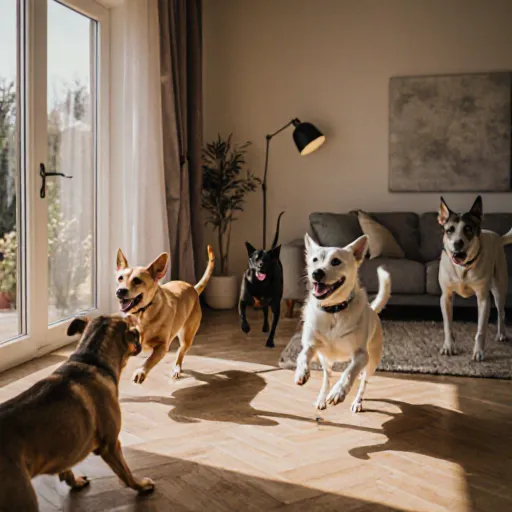
Find indoor activities that keep your dog happy!
Get Active Indoors: The Best for Dogs
Table of Contents
- Section 1: Introduction to Indoor Exercises for Dogs
- Section 2: Benefits of Indoor Exercises in Winter
- Section 3: Jogging on a Treadmill
- Section 4: Indoor Obstacle Courses
- Section 5: Agility Training with Household Objects
- Section 6: Fetch in Place or Tug of War
- Section 7: Hide and Seek Games
- Section 8: Teaching New Tricks Indoors
- Section 9: Musical Mat Workouts
- Section 10: Indoor Swimming in a Pool or Water Tub
- Section 11: Balancing Exercises on Pillows or Bales of Straw
- Section 12: Tire Hopping and Tire Tugging
- Section 13: Conclusion
- FAQ Section
Section 1: Introduction to Indoor Exercises for Dogs
Indoor exercises are essential for dogs during winter months when outdoor activities may be limited due to cold temperatures, icy conditions, or even heavy snowfall. Engaging in appropriate indoor exercises not only keeps your dog physically fit but also helps maintain their mental health and reduces behavioral issues that can arise from boredom or excessive energy.
Benefits of Indoor Exercises for Dogs
- Promotes Physical Health: Regular indoor exercises help dogs maintain a healthy weight, build muscle strength, and improve cardiovascular fitness. This is particularly important during winter when outdoor activities are less frequent.
- Mental Stimulation: Indoor exercises keep your dog mentally stimulated and prevent them from becoming bored or stressed. Mental stimulation can also enhance problem-solving skills and reduce anxiety.
- Bonding Opportunities: Engaging in indoor exercises with your dog strengthens the bond between you, creating a fun and enjoyable routine that both of you can look forward to.
Best Indoor Exercises for Dogs in Winter
When winter sets in, it's crucial to find indoor activities that are not only safe but also effective in keeping your dog active. Here are some of the best indoor exercises you can try:
1. Tug-of-War with a Toy
Tug-of-war is a classic game that provides both physical and mental stimulation for dogs. Choose a strong, durable toy designed for tug-of-war to ensure it withstands your dog's enthusiastic pulling. This exercise helps improve your dog’s strength and coordination while fostering a healthy competition.
2. Indoor Obstacle Courses
Create an obstacle course using items around your home such as chairs, pillows, and small ramps or steps. This can mimic the fun of outdoor agility training but in the comfort of your home. Obstacle courses help dogs improve their speed, balance, and agility.
3. Hide-and-Seek
Playing hide-and-seek is a great way to engage your dog mentally and physically. You can hide treats or toys around the house for your dog to find. This activity encourages exploration and problem-solving skills, keeping your dog stimulated.
4. Fetch with Socks or Balls
If you don’t have a ball or toy for fetch, using socks is a fun alternative! Dogs love the challenge of retrieving items, and fetching helps improve their coordination and speed. Be sure to supervise this activity closely to prevent any accidents.
5. Puzzle Feeder Toys
Puzzle feeder toys are designed specifically for dogs who need mental stimulation. These toys require your dog to work out how to get the treats or kibble inside, which helps keep them engaged and entertained throughout the day.
Practical Tips for Effective Indoor Exercises
- Vary Activities: Keeping a variety of activities can help prevent boredom. Try rotating different exercises each day to keep things interesting.
- Moderation is Key: Even indoor exercises should be balanced with breaks and rest periods to avoid overexertion, especially during winter when dogs may already have less outdoor activity.
- Supervision: Always supervise your dog during indoor exercise sessions to ensure their safety. Keep an eye out for any signs of fatigue or discomfort.
In conclusion, incorporating these indoor exercises into your daily routine can make a significant difference in your dog’s overall well-being during the winter months. By keeping them physically active and mentally stimulated, you contribute to a happier, healthier pet.
Section 2: Benefits of Indoor Exercises in Winter
Winter can be a challenging time for both humans and pets, often limiting outdoor activities. However, engaging in indoor exercises provides numerous benefits for you and your pet during this season. Here are some key advantages:
Improved Health and Fitness
Indoor exercises help maintain your fitness levels by keeping your body active without the harsh weather conditions of winter. Similarly, regular exercise is crucial for dogs in winter as it helps them stay healthy and strong. Indoor activities like walking on a treadmill or playing fetch inside can keep your dog physically fit.
Enhanced Mood and Mental Health
Exercise releases endorphins, which are chemicals in the brain that act as natural painkillers and mood elevators. This is particularly beneficial during winter when there's less sunlight, potentially leading to seasonal affective disorder (SAD). For dogs, indoor games or training sessions can provide mental stimulation and reduce anxiety.
Cost-Effective
In contrast to expensive gym memberships or dog parks, indoor exercises are usually cost-effective. You don't have to spend money on additional equipment; most activities require minimal setup, if any at all. For example, a simple game of hide-and-seek with your dog can be both fun and free.
Convenience
Indoor exercises offer the convenience of being able to exercise anytime, even during bad weather or when you're too busy to get outside. This flexibility is especially useful for dogs that need regular walks but cannot go out due to cold temperatures. You can create a consistent routine with indoor activities like walking on a treadmill or playing agility games.
Building Stronger Bonds
Exercising together strengthens the bond between you and your dog, fostering trust and understanding. Indoor exercises provide ample opportunities to spend quality time with your pet, creating lasting memories and improving communication. Whether it's a quick game of fetch or a longer training session, these moments are invaluable.
Best Indoor Exercises for Dogs in Winter
- Treadmill Walking: This is a great way to keep your dog active during winter. It helps maintain their fitness and can even be a fun experience if you choose the right treadmill with features like pet ramps.
- Agility Training: Set up an agility course using household items or purchase specialized equipment. Agility training not only improves your dog's physical strength but also enhances mental sharpness.
- Indoor Fetch: A fun and engaging way to exercise both you and your pet. You can use toys like tennis balls, stuffed animals, or even homemade treats as incentives for your dog.
- Dance or Fitness Classes with Your Dog: Participate in dance classes like Zumba or yoga while bringing along your dog. These activities not only keep you fit but also provide a fun social experience with other pet owners.
By incorporating these indoor exercises into your daily routine, both humans and dogs can enjoy the benefits of staying active during winter without the drawbacks of cold weather. Remember to consult with your vet or trainer for specific recommendations based on your dog's breed and health needs.
Section 3: Jogging on a Treadmill
Just like humans, dogs can benefit from regular exercise to maintain their health and well-being. In the winter months when outdoor activities may be limited due to harsh weather conditions, using a treadmill becomes an excellent option for indoor exercise. Jogging on a treadmill with your dog can provide numerous benefits that are crucial during these colder months.
Understanding Jogging on a Treadmill
Jogging on a treadmill is not just for humans; many dogs also enjoy and benefit from this form of exercise. While it might seem unusual at first, with the right setup and some patience, your dog can learn to jog alongside you or even run beside the treadmill as you jog. The key is to introduce your pet gradually and ensure that they are comfortable with the equipment before starting.
Benefits of Jogging on a Treadmill for Dogs
- Increased Physical Activity: Dogs need regular exercise to stay healthy, and jogging can help increase their physical activity levels. This is especially important during winter when outdoor activities may be limited.
- Mental Stimulation: Jogging on a treadmill provides mental stimulation for your dog as they learn new behaviors or routines associated with the equipment.
- Better Joint and Muscle Health: Regular exercise, such as jogging on a treadmill, can help maintain your dog's joint health and muscle tone. This is particularly beneficial for older dogs or those with joint issues.
- Improved Mood and Behavior: Exercise releases endorphins in both you and your pet, which can lead to improved mood and behavior. A happy and active dog is less likely to exhibit destructive behaviors.
Setting Up for Jogging on a Treadmill
Before starting with jogging on the treadmill, it's essential to set up the equipment properly:
- Select the Right Treadmill: Choose a treadmill that is suitable for dogs. Look for one that has sturdy construction and a non-slip surface.
- Familiarize Your Dog: Introduce your dog to the treadmill slowly by letting them walk on it first. Allow them time to get comfortable with the movement of the belt before trying jogging speeds.
- Use Leashes and Safety Gear: Always use a harness or leash when jogging on a treadmill, especially for smaller dogs. This helps prevent accidents and ensures your dog remains safe while exercising.
Practical Tips for Jogging with Your Dog
To make the experience enjoyable and effective:
- Start Slowly: Begin at a slow pace, allowing your dog to adjust gradually. As they become more comfortable, you can increase the speed.
- Vary the Routine: Mix up the routine by changing speeds or adding short periods of walking. This keeps things interesting for both you and your dog.
- Monitor Your Dog’s Comfort: Pay attention to signs that your dog is tired or uncomfortable, such as panting heavily or slowing down. It's important not to push them too hard, especially if they are new to treadmill exercise.
Conclusion
Jogging on a treadmill can be an excellent addition to your dog's winter exercise routine. By providing regular physical activity and mental stimulation, you help ensure that your pet remains healthy and happy during the colder months. Remember to start slowly, provide safety precautions, and gradually increase the intensity of their workouts.
Section 4: Indoor Obstacle Courses
Winter can be a challenging time for dog owners, especially when it comes to providing ample exercise and stimulation for their pets. Outdoor activities are often limited due to cold temperatures or snowy conditions, making indoor obstacle courses an ideal solution for keeping your furry friend active and engaged indoors.
Creativity Counts: Building Your Own Indoor Obstacle Course
Creating an indoor obstacle course is a fun and interactive way to keep your dog physically fit while also enhancing their mental capabilities. You can easily set up various elements like tunnels, balance beams, platforms, and stairs using household items such as cardboard boxes, chairs, and old towels.
Tunnel Tunnels
Cardboard boxes cut into tubes make excellent tunnel obstacles. Simply fold one end of the box inward to form a tube shape, secure it with tape, and place it on your floor for your dog to crawl through. These tunnels help improve coordination and provide great fun.
Balance Beams
A balance beam can be created by balancing a long board or plank across two chairs or books placed at different heights. Encourage your dog to walk carefully along the plank, which helps develop balance and stability skills.
Platforms & Stairs
Placing boxes of varying sizes in ascending order creates steps that simulate a staircase. Your dog will love climbing up and down these makeshift stairs, enhancing their agility and strength. For added excitement, you can place treats or toys at the top as an incentive.
Benefits Beyond Exercise
In addition to physical benefits like improved endurance and coordination, indoor obstacle courses also offer several mental health advantages for your dog. They stimulate problem-solving skills by encouraging dogs to think creatively when navigating through obstacles. This mental engagement is crucial in preventing boredom which could lead to destructive behavior.
Practical Tips
- Start Slowly: Introduce simple obstacles first before moving on to more complex ones; this helps build confidence and prevents discouragement.
- Use Positive Reinforcement: Reward your dog with treats or praise when they successfully complete a challenge, reinforcing good behavior.
- Vary the Course: Regularly change up the layout of your course to keep things interesting and challenging for your pet.
Conclusion
Indoor obstacle courses are not only fun but also highly effective in maintaining your dog’s health during winter months. With a little creativity, you can transform everyday household items into engaging exercise tools that cater to both physical and mental needs of your pet. So why wait? Get started today and watch as your dog transforms from a couch potato into an active, happy-go-lucky companion!
Section 5: Agility Training with Household Objects
In winter, when outdoor activities are limited due to cold weather, agility training for your dog can still be effective and fun using household objects. This not only keeps your dog physically active but also stimulates their mental abilities, which is crucial during the colder months.
Best Indoor Exercises for Dogs in Winter
When it comes to indoor exercises for dogs in winter, agility training with household objects offers a versatile and engaging option. By utilizing items commonly found around the house, you can create an effective workout routine that challenges your dog's balance, speed, and coordination.
1. Old Newspapers or Magazines
Use old newspapers or magazines as obstacles for your dog to leap over or navigate through. This simple setup helps improve their jumping ability and body control. Place the papers in different configurations—some flat, some crumpled—to increase the challenge.
2. Sturdy Chairs
Position sturdy chairs in a line for your dog to weave between or jump over. This exercise enhances their agility and helps build muscle strength. Ensure that the chairs are stable and secure; you don't want them tipping over during the training.
3. Plastic Bottles
Punch holes in plastic bottles (make sure they're clean) and place them on a flat surface. Encourage your dog to hop or weave between them while keeping their paws off the ground as much as possible. This activity improves balance and coordination.
4. Old Towels
Lay out old towels in various patterns, such as an "X" shape or a zigzag pattern, for your dog to navigate over and under. This exercise helps improve their spatial awareness and confidence in unpredictable environments.
5. Cardboard Boxes
Create tunnels by rolling up cardboard boxes and taping them together. Alternatively, you can cut holes into the sides of the boxes for your dog to squeeze through. These tunnel obstacles enhance your dog's endurance and problem-solving skills.
Tips for Effective Agility Training
- Start Slowly: If it’s your dog’s first time with agility training, start with simpler exercises before moving on to more complex ones. This ensures that they learn the movements correctly and reduces the risk of injury.
- Use Rewards: Positive reinforcement is key in any training session. Reward your dog for successfully completing each exercise to encourage continued effort and enthusiasm.
- Adjust Difficulty: As your dog becomes more skilled, gradually increase the difficulty by adding more obstacles or changing the layout of existing ones.
- Stay Patient: Each dog has its own learning pace. Be patient and allow ample time for each training session to be effective.
In conclusion, agility training with household objects is a fantastic way to keep your dog active and mentally stimulated during the winter months when outdoor activities are limited. By incorporating these simple exercises into your routine, you can ensure that your pet remains fit and happy all season long.
Section 6: Fetch in Place or Tug of War
Indoor exercises are crucial during winter when outdoor activities can be limited by cold weather and reduced daylight. Two popular indoor exercises that not only keep your dog physically active but also provide mental stimulation are "Fetch in Place" and "Tug of War." These activities offer unique benefits and can enhance the bond between you and your pet.
1. Fetch in Place
"Fetch in Place," also known as "targetted fetch," is an excellent indoor exercise that helps dogs burn excess energy without requiring a lot of space. This activity involves tossing a toy or ball for your dog to retrieve, but instead of letting it run back and forth, you encourage the dog to approach you after retrieving the item.
- Benefits: Enhances focus, strengthens muscles, improves recall training.
- How to Do It: Start by throwing the toy or ball a short distance away. As soon as your dog retrieves it, gently guide them back to you using a hand signal or command like "here" or "come." Gradually increase the distance over time.
2. Tug of War
Tug of War is another engaging indoor exercise that can be particularly beneficial for dogs with high energy levels and a strong prey drive. This game involves using a tug toy to playfully compete with your dog, building trust and mutual respect.
- Benefits: Improves strength, promotes leadership skills in the owner, reduces anxiety and destructive behaviors.
- How to Do It: Use a sturdy tug toy that can withstand your dog's chewing. Always remove the toy when play ends to avoid excessive wear or swallowing risks. Start by holding one end of the toy and letting your dog hold onto the other. Tug gently without pulling aggressively.
Important Tips:
- Avoid games that can lead to possessiveness issues, such as rough play with small toys or food items.
- Ensure the environment is safe by checking for any hazards and keeping a close watch on your dog's behavior during these activities.
- Switch up exercises regularly to keep them fun and challenging. Combine both "Fetch in Place" and "Tug of War" sessions with other indoor games like hide-and-seek or puzzle toys.
In conclusion, whether you choose "Fetch in Place" or "Tug of War," these indoor exercises are perfect for keeping your dog active during winter. Not only do they provide physical benefits but also contribute significantly to mental well-being and the strengthening of the human-dog bond.
Section 7: Hide and Seek Games
Playing hide and seek games with your dog can be an excellent way to provide mental stimulation, physical exercise, and bonding time during the winter months. This indoor activity not only keeps your dog active but also helps burn off excess energy that might otherwise lead to destructive behaviors or excessive boredom.
Setting Up for Success
To make hide and seek a successful game for both you and your furry friend, follow these steps:
- Create a Safe Space: Ensure that the area where you play is free from any hazards such as electrical wires or small objects that could be ingested. A well-lit room with soft furniture can serve as an ideal spot.
- Select a Spot for Your Dog to Hide: This could be behind a piece of furniture, in a closet, or even under the bed. The key is to make sure it's a place where your dog feels safe and secure.
- Determine Your Hiding Place: Choose a spot that your dog isn't likely to find easily but still within reach for you to quickly retrieve them once they've found their spot.
Engaging Your Dog in the Game
The game can be played with multiple dogs as well, making it a fun social activity. Here’s how to start:
- Explain the Rules: While hide and seek doesn't have set rules like other games, make sure your dog understands that they need to find you or their designated hiding spot.
- Start the Game: Whisper "hide" and allow your dog to choose their hiding place. Once they're in position, it’s time for you to seek them out by following their scent trail or by looking around the room methodically.
- Encourage Your Dog: Use positive reinforcement such as treats or verbal praise when they find you. This helps build excitement and eagerness for future games.
Advanced Tips for Winter Play
To keep your dog entertained during colder months, consider these tips to enhance the hide and seek experience:
- Vary the Hiding Places: To prevent boredom, change up where you choose to hide. You could even introduce new hiding spots periodically.
- Incorporate Scents: Use dog-safe scents or toys that your dog loves to make finding you more rewarding and engaging. This is especially useful during winter when dogs might not get enough outdoor time to sniff out scents.
- Multiple Rounds: Play several rounds of hide and seek, increasing the challenge as they progress. For example, after a few rounds, try hiding behind curtains or in less obvious spots.
Conclusion
Hide and seek games offer an effective way to engage your dog both mentally and physically during winter indoor activities. Not only does it provide much-needed exercise but also strengthens the bond between you and your pet. With a little creativity and some adjustments for the colder months, this game can become a regular part of your routine, ensuring that your dog stays healthy and happy throughout the season.
Section 8: Teaching New Tricks Indoors
Winter can be a challenging season for both you and your dog, especially when it comes to exercising indoors. However, with the right indoor exercises, you can keep your furry friend active and entertained throughout the cold months. Here are some practical tips and activities to help you teach new tricks while keeping your doggy cozy inside:
1. Puzzle Feeders
Puzzle feeders are a fun way to challenge your dog’s mind and body all at once. These toys require your dog to solve a problem in order to get their food, which can be a great mental exercise during the winter months when you're stuck indoors.
- Example: Use a treat-dispensing toy where your dog has to paw or nudge it to release treats. This not only keeps them occupied but also promotes problem-solving skills.
- Tips: Start with simpler puzzles and gradually increase the difficulty as they get more comfortable with the task.
2. Indoor Obstacle Courses
Create a simple indoor obstacle course using items you already have around the house. This can include pillows to jump over, chairs to crawl under, and even toy tunnels for them to navigate through.
- Example: Set up an area where your dog has to weave between obstacles or follow a specific path using treats as motivation.
- Tips: Keep the course short and simple during colder weather to avoid overheating. Reward good behavior with praise or treats after completing each task.
3. Interactive Toys
Interactive toys that require your dog to play fetch or chase can provide both mental stimulation and physical activity. These types of exercises are especially beneficial during winter months when you might not be able to go for long walks.
- Example: Use a toy like a tennis ball or a frisbee that your dog has to fetch back to you, which can help improve their coordination and endurance.
- Tips: Vary the types of toys used so as not to bore your dog. Also, be sure to take frequent breaks during playtime to avoid overexertion.
4. Training Sessions
Use winter's indoor time wisely for training sessions that can help reinforce commands and new tricks. Short, focused sessions are perfect for the colder months when outdoor activities are limited.
- Example: Work on basic obedience commands like "sit," "stay," or "come." You can also introduce new commands such as "roll over" or "shake."
- Tips: Keep training sessions positive and rewarding. Use treats, praise, and pets to encourage good behavior.
5. Fetch in the Yard
If you have a small yard or balcony where your dog can safely run around, consider having them fetch indoor toys like tennis balls or soft plushes. This provides much-needed exercise without venturing too far out into the cold.
- Example: Place a toy on the other side of the yard for your dog to retrieve and bring back to you. Use verbal cues to guide them.
- Tips: Make sure the area is safe, with no hazardous items or potential hazards present. Always supervise this activity closely.
6. Agility Training
Agility training can be adapted to an indoor setting using household objects and creative setups. This helps improve your dog's speed, agility, and coordination.
- Example: Set up cones or pillows for your dog to weave through or have them jump over low barriers like a broomstick set upright on the ground.
- Tips: Start with simple movements and gradually increase complexity. Agility training should be done in short bursts to avoid exhaustion.
In conclusion, there are numerous ways to keep your dog active and engaged indoors during winter months. By incorporating these indoor exercises into your routine, you can prevent boredom and maintain a strong bond with your four-legged friend even when the weather is less favorable for outdoor activities.
Section 9: Musical Mat Workouts
Indoor workouts are essential for keeping your dog active and healthy, especially during the cold winter months. Musical mat workouts provide a fun, engaging, and interactive way to exercise your pet without stepping outside in the snow. These workouts not only help burn calories but also enhance coordination, strength, and mental stimulation. Let's explore how you can incorporate musical mats into your dog’s routine.
Understanding Musical Mat Workouts
Musical mat exercises involve a series of movements that follow the beat or rhythm of music played through speakers. These mats have markers or lines that help guide dogs through various routines, making it easier for them to learn and participate in fun activities. This type of exercise is particularly beneficial during winter months when outdoor activity can be limited by harsh weather conditions.
Benefits of Musical Mat Workouts
- Physical Fitness: The repetitive movements help improve muscle tone, cardiovascular health, and overall fitness.
- Mental Stimulation: Following the beat of music can challenge your dog’s mind and keep them mentally sharp.
- Social Interaction: Playing musical mat games with you or other dogs can enhance bonding and socialization skills.
Selecting the Right Musical Mat for Your Dog
Not all musical mats are suitable for every dog. Consider your pet's size, age, and energy levels when choosing a mat:
- Pedigree Dogs: Look for mats designed specifically for small breeds to ensure they're not too large or heavy.
- Mixed Breeds: Choose a versatile mat that can accommodate different sizes and weights within the range it supports.
- Larger Dogs: Opt for larger mats that provide ample space for bigger breeds to move comfortably.
Creating a Musical Mat Routine
To maximize your dog's enjoyment and effectiveness of the workout, create a structured routine. Start with short sessions (5-10 minutes) and gradually increase as your dog becomes more comfortable:
- Warm-Up: Begin with gentle stretches to prepare your dog for exercise.
- Main Workout: Follow the mat's patterns and exercises, ensuring you cover all sections of the mat.
- Cool-Down: Finish with some simple cool-down exercises to help reduce muscle soreness.
Examples of Musical Mat Exercises
Here are a few popular exercises you can try:
- Circle Walks: Encourage your dog to walk around the mat in circles, following the direction indicated by the music.
- Square Jumps: Have your dog jump over specific points on the mat as the music plays a fast beat.
- Follow Me: Use the mat’s markers to guide your dog through various patterns, mimicking chasing and retrieving games.
Tips for Success
To ensure your dog enjoys their musical mat workouts:
- Praise and Reward: Offer plenty of praise and treats to reinforce good behavior during exercises.
- Vary the Music: Try different genres or tempos in your music selection. Your dog might respond better to certain styles.
- Cater to Preferences: Observe how your dog reacts to each exercise and adjust accordingly to keep them engaged.
Promoting Regular Exercise
Consistency is key when it comes to exercising dogs. Incorporate musical mat workouts into your daily routine, perhaps on a specific day or before bedtime. This will not only keep your dog active but also build a consistent exercise habit.
By integrating these exercises into your winter routine, you can help ensure that your four-legged friend stays healthy and happy during the colder months. Remember, just like humans, dogs need to stay active year-round! Happy exercising!
Section 10: Indoor Swimming in a Pool or Water Tub
When winter strikes, outdoor activities can become less appealing due to cold temperatures and slippery conditions. For your furry friend, it's important to keep them active and healthy even during the colder months. One of the best indoor exercises you can provide is swimming. Dogs love to swim because it allows them to exercise in a fun and engaging way without the harsh outdoor conditions.
Benefits of Indoor Swimming for Dogs
- Cardiovascular Health: Swimming provides excellent cardiovascular exercise, helping your dog maintain a healthy heart rate and improve overall fitness.
- Muscle Strengthening: The resistance provided by water helps tone muscles and build strength in various body parts.
- Joint Protection: Water buoyancy reduces the impact on joints, making it a great option for dogs with joint issues or arthritis.
Selecting an Appropriate Pool or Container
The size and depth of the pool or container will depend on your dog's breed and weight. Larger breeds may need more space to swim comfortably, while smaller breeds can do well in a shallow tub or even a large sink.
- Larger Pools: Suitable for larger breeds like German Shepherds or Labradors. Ensure the pool has enough depth for your dog to swim confidently without tiring quickly.
- Tubs or Sinks: Ideal for smaller dogs like Chihuahuas or Pomeranians. Make sure there's enough water and space for them to move around comfortably.
Essential Gear
To ensure your dog's safety while swimming, you'll need some essential gear:
- Doggy Life Jacket: A flotation device can help keep your dog afloat and comfortable in the water.
- Non-Skid Mats: Place these on the sides of the pool to prevent your dog from slipping when entering or exiting the water.
Training Your Dog
Before starting, make sure your dog is comfortable with water. Here are some tips for training:
- Familiarize Your Dog with Water: If your dog hasn't been around water before, introduce them gradually. Start by letting them drink from a bowl or play in shallow water.
- Careful Supervision: Always supervise your dog while they're swimming. Even the most confident swimmers can get tired or anxious.
- Praise and Positive Reinforcement: Encourage your dog with praise and treats to build their confidence in the water.
Frequency and Duration
Dogs should swim 1-2 times a week, depending on their fitness level. The duration of each session can vary from 5 minutes for small dogs to 10-15 minutes for larger breeds.
Note: Always consult with your vet before starting any new exercise routine to ensure it's safe for your dog's health and well-being.
Conclusion
Indoor swimming is an excellent way to keep your dog active and healthy during the winter months. By providing a comfortable, safe environment with proper supervision and gear, you can help your furry friend stay fit and happy even when the weather isn't ideal for outdoor activities.
Section 11: Balancing Exercises on Pillows or Bales of Straw
During winter months, when outdoor activities are limited due to cold weather and shorter daylight hours, it's crucial to keep your dog active indoors. Balancing exercises on pillows or bales of straw can be an effective way to engage your dog both physically and mentally. These exercises not only help in maintaining your dog’s fitness but also prevent boredom which could lead to destructive behavior.
Benefits of Balancing Exercises
- Better Balance and Coordination: Just like humans, dogs can benefit from balance exercises. These activities improve their stability and coordination, which are essential for overall agility and health.
- Mental Stimulation: Balancing tasks challenge your dog’s cognitive abilities, providing mental stimulation that helps prevent behavioral issues such as anxiety or depression.
- Strengthen Muscles: These exercises target different muscle groups, helping to tone and strengthen the muscles. This is particularly beneficial for older dogs or those recovering from injuries.
How to Set Up Your Balancing Area
To set up an effective balancing area using pillows or bales of straw:
- Select the Right Tools: Choose soft, yet firm pillows or bales of straw that are large enough for your dog to stand on comfortably. Ensure there is enough space around them so that your dog can move freely without bumping into furniture.
- Create a Safe Environment: Make sure the area where you will be doing these exercises is free from any hazards, such as sharp objects or electrical wires. Also, check if the floor is slip-resistant to prevent accidents.
- Incorporate Stability Balls (Optional): For added challenge, consider using stability balls that can help improve your dog's balance and coordination further.
Different Balancing Exercises for Dogs
There are several fun and engaging balancing exercises you can try with your dog. Here are a few examples:
1. Walk the Pillow/Walk the Bales
This exercise involves walking in a straight line or circle around the pillow or bale of straw placed on the floor.
2. Balance Beam Challenge
Create a simple balance beam by placing pillows or bales side by side. Encourage your dog to walk across it, similar to how you would with a human doing this exercise in a gym.
3. Obstacle Course
Set up an obstacle course using pillows and bales of straw. Include tasks like going over, under, or around obstacles which can help improve your dog’s balance skills while also providing them with mental challenges.
Tips for Success
To ensure that these exercises are both enjoyable and beneficial:
- Start Slowly: If you're new to this kind of exercise routine, start slow. Gradually increase the complexity as your dog gets more comfortable.
- Motivate with Rewards: Use treats or toys to motivate and reward good behavior during these exercises.
- Vary the Exercises: Dogs get bored easily, so keep things interesting by varying the exercises. This will help maintain your dog's enthusiasm for them.
Conclusion
Incorporating balancing exercises on pillows or bales of straw into your winter routine can provide a fun and effective way to keep your indoor dog active, healthy, and mentally stimulated. Remember that every dog is different; observe how they respond to these activities and adjust accordingly.
Section 12: Tire Hopping and Tire Tugging
Indoor exercises are crucial for your dog's physical and mental health, especially during the winter months when outdoor activities can be limited. Tire hopping and tire tugging are two engaging and effective exercises that not only provide a great workout but also help keep your pet entertained and happy indoors.
Tire Hopping: Building Stamina and Agility
Tire hopping is an excellent exercise for building your dog's stamina, coordination, and agility. It involves placing a large tire on the floor and having your dog jump over it. This simple activity can be modified by adding obstacles or increasing the size of the tire to challenge your pet further.
Steps to Incorporate Tire Hopping:
- Choose the Right Size Tire: Select a tire that is appropriate for your dog's size. The goal is to ensure that your dog can comfortably jump over it without straining.
- Set Up the Exercise Area: Place the tire in a safe, open space where your dog has enough room to move around. Clear away any obstacles or hazards.
- Encourage Your Dog: Use positive reinforcement by praising and rewarding your dog when they successfully jump over the tire. This will motivate them to continue participating.
- Increase Difficulty Gradually: Once your dog has mastered jumping over a single tire, you can add more tires in different formations or introduce other obstacles like cones or stairs to enhance the challenge.
Tire Tugging: Strengthening Muscles and Bonding
Tire tugging is another enjoyable exercise that helps strengthen your dog's muscles while also providing a strong bond between you and your pet. This activity involves attaching a harness to the tire and pulling it across the floor. The goal is for your dog to follow the tire, thereby engaging their muscles in a fun and interactive way.
Steps to Incorporate Tire Tugging:
- Select a Suitable Harness: Ensure that you choose a harness that fits your dog comfortably. A well-fitting harness will prevent discomfort or injury during the exercise.
- Prepare the Tire: Attach the tire to the harness securely, making sure it is not loose but also easy for your dog to pull.
- Introduce Your Dog Gradually: Start with short sessions and gradually increase the duration as your dog becomes more comfortable. Always supervise this activity closely to prevent any accidents or injuries.
- Praise and Reward: Positive reinforcement is key in training dogs for tugging exercises. Praise and reward your dog when they follow the tire, reinforcing good behavior.
Incorporating tire hopping and tire tugging into your winter exercise routine can significantly enhance your dog's physical fitness while also providing countless opportunities to bond and have fun together indoors. These simple yet effective exercises not only keep your pet active during cold weather but also contribute to their overall well-being.
Section 13: Conclusion
In conclusion, winter can be a challenging time for dog owners when it comes to keeping their pets active indoors. However, with the right exercises and activities, you can ensure your furry friend remains healthy and happy throughout the season. Best Indoor Exercises for Dogs in Winter are not only beneficial for your pet's physical health but also crucial for their mental well-being.
Firstly, interactive toys such as treat-dispensing puzzles or balls that require your dog to work for its rewards can provide both entertainment and exercise. These games encourage problem-solving skills and keep your dog engaged mentally while staying active physically. For example, using a frisbee or fetch toy indoors (in a safe area) can simulate outdoor play without risking your pet's safety.
Secondly, agility training is an excellent way to boost energy levels in dogs of all sizes. Agility courses at home can be set up with simple household items like chairs and cushions. This not only helps burn off extra winter calories but also strengthens your bond with your dog as you work together through various obstacles.
Thirdly, consider a group class or session where multiple dogs are involved in the exercises. This social interaction provides an opportunity for your pet to learn from others and can lead to improved behavior and skills. It’s important to note that these classes should be conducted safely; ensure there is enough space and supervision.
Lastly, regular walks around the house or apartment building can still play a part in winter exercise routines. Use this time to teach new commands or tricks while also getting some fresh air and sunshine when possible. Just make sure to dress your dog appropriately for the cold weather conditions.
In summary, incorporating these best indoor exercises into your routine will help maintain your dog's fitness levels during colder months. Remember, consistency is key—small daily efforts combined with occasional more vigorous activities can significantly impact your pet’s overall health and happiness. By following these tips, you'll not only enjoy quality time with your beloved companion but also contribute positively to their physical and mental health.
FAQ Section
Q: Why is it important to find indoor exercises for my dog during winter?
Indoor exercises are essential for dogs in winter because the cold weather can be harsh and sometimes dangerous. Snow, ice, and slippery surfaces make outdoor activities challenging or even unsafe for your furry friend. By providing appropriate indoor exercises, you ensure that your dog remains active, healthy, and happy during the colder months.
Q: What are some effective indoor exercises I can do with my dog in winter?
- Tug-of-War: This classic game not only provides physical exercise but also helps strengthen your bond. Make sure to use a durable toy that won't break easily.
- Crate Playtime: If you have a crate, it can be a great space for play and training. You can hide treats or toys inside the crate to encourage your dog to explore.
- Obstacle Courses: Create an obstacle course using furniture and household items. This can help improve your dog's agility and coordination.
- Treat Balls: These are interactive toys that dispense treats when the dog pushes or rolls them around. They provide mental stimulation as well as physical exercise.
- Hide-and-Seek: This game is great for dogs of all sizes and can be played in a small space. It encourages your dog to use its senses, which can help tire it out mentally and physically.
Q: How do I keep my dog warm during indoor exercises?
It's crucial to keep your dog warm when exercising indoors, especially if the space is cooler. Here are some tips:
- Use a cozy blanket or mat for your dog to rest on.
- Ensure that the exercise area is not too cold by keeping it in a warmer part of the house.
- Consider using heated pet mats if you live in extremely cold areas.
- Dress your dog in a warm, non-slip sweater or jacket to keep them comfortable during playtime.
Q: How can I ensure my indoor exercises are mentally stimulating for my dog?
Mental stimulation is just as important as physical exercise. Here’s how you can incorporate it into your indoor routine:
- Interactive Toys: Use toys that require problem-solving, such as puzzle feeders or treat-dispensing toys.
- Cognitive Games: Play games like "find the toy" by hiding a familiar object and watching your dog search for it. This can be done with simple household items like socks or scarves.
- Dance Parties: Turn on some upbeat music and have a dance party with your dog. It’s fun, interactive, and great for both of you!
Q: What are the benefits of indoor exercises for my dog?
Indoor exercises offer several benefits:
- Mental Stimulation: Keeps your dog mentally sharp and reduces boredom.
- Physical Fitness: Helps maintain a healthy weight and improves cardiovascular health.
- Bonding: Indoor exercises provide opportunities to spend quality time together, strengthening the bond between you and your pet.
- Safety: Ensures that your dog remains safe from the harsh weather conditions outside.
Categories
- AI & Enrichment Play
- Broiler Farming
- Broiler Farming Tips
- Canine Wellness & Longevity
- Cat
- Cat & Human Connection
- Cat Adoption & Rescue
- Cat Breeds
- Cat Breeds & Personalities
- Cat Care & Health
- Cat Grooming & Hygiene
- Cat Lifestyle & Environment
- Cat Myths & History
- Cat Nutrition & Diet
- Cat Products & Reviews
- Cat Training & Behavior
- Comparison
- Consumer Awareness
- Dog
- Dog Accessories & Products
- Dog Adoption & Rescue
- Dog Breed & Lifestyle Trends
- Dog Breeding & Puppies
- Dog Entertainment & Media
- Dog Fashion & Trends
- Dog Fun & Lifestyle
- Dog Grooming & Hygiene
- Dog History & Culture
- Dog Myths, Science & Future Tech
- Dog News & Trends
- Dog Nutrition & Food
- Dog Psychology & Emotions
- Dog Safety & Security
- Dog Sports & Activities
- Dog Technology & Innovation
- Dog Training for Modern Owners
- Dog Travel & Adventure
- Dog Travel, Adventure & Culture
- Economic and Market Insights
- Educational Content
- FAQs
- Feeding Alternatives
- Festivals & Seasonal Ideas
- Fun & Entertainment
- General Knowledge
- General Pig Farming
- Health & Disease Management
- Housing and Environment
- Kittens
- Market Insights
- Miscellaneous
- Miscellaneous
- Motivational
- pig
- Pig Breeding
- Pig Breeds
- Pig Farming Stories and Inspiration
- Pig Health and Care
- Pig Nutrition
- Pig Products
- Profitability & Business
- Puppy Care
- Puppy Predictable Topics Reinvented
- Regional Focus
- Rescue & Adoption Buzz
- Senior Cats
- Senior Dog Care
- Smart Dog Tech & Gadgets
- Sustainability
- Sustainable & Eco-Friendly Dog Products
- Tech & Innovations
- Working & Service Dogs
- Broiler Feed66 products
- Country Feed33 products
- Pig Feed66 products
- Product22 products
- Raw Materials99 products
Products
-
 Fish Meal
₹1,999.00 – ₹2,999.00Price range: ₹1,999.00 through ₹2,999.00Rated 0 out of 5
Fish Meal
₹1,999.00 – ₹2,999.00Price range: ₹1,999.00 through ₹2,999.00Rated 0 out of 5 -
 FATTENING BROILER FEED
₹2,299.00 – ₹2,349.00Price range: ₹2,299.00 through ₹2,349.00Rated 0 out of 5
FATTENING BROILER FEED
₹2,299.00 – ₹2,349.00Price range: ₹2,299.00 through ₹2,349.00Rated 0 out of 5 -
 LAYER COUNTRY FEED
₹1,549.00 – ₹1,649.00Price range: ₹1,549.00 through ₹1,649.00Rated 0 out of 5
LAYER COUNTRY FEED
₹1,549.00 – ₹1,649.00Price range: ₹1,549.00 through ₹1,649.00Rated 0 out of 5 -
 COUNTER BROILER FEED
₹1,199.00 – ₹1,299.00Price range: ₹1,199.00 through ₹1,299.00Rated 0 out of 5
COUNTER BROILER FEED
₹1,199.00 – ₹1,299.00Price range: ₹1,199.00 through ₹1,299.00Rated 0 out of 5 -
 LACTATING PIG FEED
Rated 0 out of 5
LACTATING PIG FEED
Rated 0 out of 5₹2,299.00Original price was: ₹2,299.00.₹1,740.00Current price is: ₹1,740.00. -
 Maize
Rated 0 out of 5
Maize
Rated 0 out of 5₹1,650.00Original price was: ₹1,650.00.₹1,300.00Current price is: ₹1,300.00. -
 GESTATION PIG FEED (Phase 1)
Rated 0 out of 5
GESTATION PIG FEED (Phase 1)
Rated 0 out of 5₹2,249.00Original price was: ₹2,249.00.₹1,699.00Current price is: ₹1,699.00. -
 Pre Starter Broiler Feed
₹2,399.00 – ₹2,499.00Price range: ₹2,399.00 through ₹2,499.00Rated 0 out of 5
Pre Starter Broiler Feed
₹2,399.00 – ₹2,499.00Price range: ₹2,399.00 through ₹2,499.00Rated 0 out of 5 -
 FINISHER PIG FEED
Rated 0 out of 5
FINISHER PIG FEED
Rated 0 out of 5₹2,299.00Original price was: ₹2,299.00.₹1,749.00Current price is: ₹1,749.00. -
 Broiler Premix
Rated 0 out of 5
Broiler Premix
Rated 0 out of 5₹820.00Original price was: ₹820.00.₹699.00Current price is: ₹699.00.