
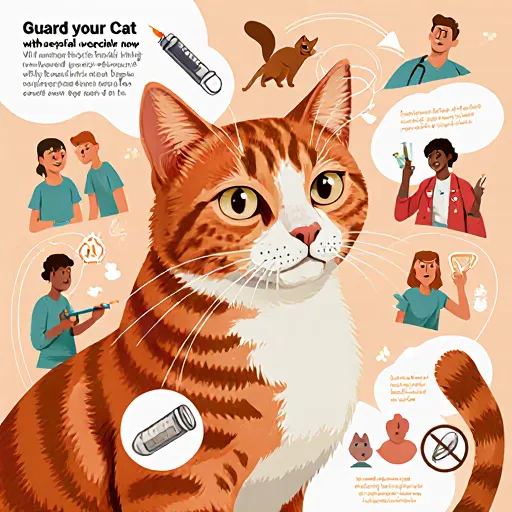
Protect your feline friend with essential vaccine info.
Guard Your Cat: Essential Vaccine Knowledge Now
Table of Contents
- Introduction
- Why Vaccinations Are Important
- Common Cat Vaccines
- Kitten Vaccination Schedule
- Adult Cat Vaccinations
- Boosters and Revaccination
- Core vs Non-Core Vaccines
- Risks and Side Effects
- Choosing a Vet
- Importance of Consistency
- Tracking Your Cat's Vaccinations
- Traveling with a Vaccinated Cat
- Alternative to Conventional Vaccines
- Conclusion
- FAQ
Introduction
Welcome to our comprehensive guide on cat vaccination schedules. As a responsible pet owner, it's crucial to understand the importance of vaccinations for your feline friend's health and wellbeing. This article delves into the essential vaccines that every cat should receive at different stages of their life.
Just like humans, cats are susceptible to various diseases, some of which can be fatal if left untreated or unvaccinated against. By following an established vaccination schedule, you can protect your cat from these threats and ensure they live a long and healthy life.
In this guide, we will cover the core vaccines recommended by veterinarians for cats, including FVRCP (Feline Viral Rhinotracheitis, Calicivirus, Panleukopenia), Rabies, and others. We'll also discuss how to determine your cat's vaccination needs based on their lifestyle and environment.
Understanding the importance of these vaccinations is just the first step; knowing when and where to get them is equally important. This guide will provide practical advice for scheduling appointments with your veterinarian and staying up-to-date with booster shots.
Why Vaccinations Are Important
Vaccinations are crucial for maintaining your cat's health and preventing serious diseases. By vaccinating your cat, you not only protect them from illnesses but also contribute to public health by reducing the spread of contagious diseases within communities.
Cat vaccines work by introducing a small amount of an infectious agent (or part thereof) into the body. This triggers the immune system to produce antibodies and memory cells that will help fight off future infections. There are two main categories of cat vaccines: core and non-core.
- Core Vaccines: These are essential for all cats because they protect against highly contagious and potentially fatal diseases like feline panleukopenia (FPV), feline viral rhinotracheitis (FVR, or herpesvirus), and calicivirus. Core vaccines also include the rabies vaccine, which is legally required in many regions due to its zoonotic potential.
- Non-Core Vaccines: These are recommended based on your cat's lifestyle and environment. Non-core vaccines protect against diseases such as feline leukemia virus (FeLV), Bordetella bronchiseptica, Chlamydophila felis, and feline immunodeficiency virus (FIV).
Even indoor cats can be exposed to diseases brought in by humans or through small openings. Additionally, some core vaccines like rabies are legally required regardless of whether your cat goes outdoors.
| Age | Vaccine(s) | Notes |
|---|---|---|
| Newborn Kittens (6-8 weeks) | FVRCP (Feline Viral Rhinotracheitis, Calicivirus, Panleukopenia) | Initial vaccine to build immunity |
| 2nd Booster (10-12 weeks) | FVRCP | To ensure full protection against core diseases |
| Rabies Vaccine (12+ weeks) | Rabies | Depending on local regulations, this may be a 1-year or 3-year vaccine. |
| Feline Leukemia (FeLV) Vaccine (8-9 weeks) | FeLV | For outdoor cats and those in multi-cat households |
| Annual Boosters | All core vaccines, possibly additional non-core as needed | Maintain immunity against diseases |
- Vaccines Can Cause Illness: While mild side effects like lethargy or a slight fever can occur, severe reactions are rare. Discuss any concerns with your veterinarian.
- Indoor Cats Don't Need Vaccines: As mentioned earlier, indoor cats are still at risk and need core vaccines.
Keep a record of your cat’s vaccination history and set reminders for annual booster shots. Consult with your veterinarian to tailor the schedule based on your cat's specific needs, age, health status, and lifestyle.
Common Cat Vaccines
Cats need regular vaccinations to protect them from a variety of serious and potentially fatal diseases. In this section, we'll explore the common vaccines that are essential for your cat's health and well-being.
Rabies Vaccine
The rabies vaccine is mandatory by law in many regions due to its importance in preventing one of the most deadly viral infections. Rabies can be transmitted through saliva from an infected animal, typically via a bite or scratch.
- Frequency: Annual booster shots are required after the initial vaccination series.
- Purpose: Protection against rabies virus which affects the nervous system of mammals.
Feline Panleukopenia (FPV or Feline Distemper)
Feline panleukopenia is a highly contagious and deadly disease, especially for kittens. It's caused by the parvovirus and can lead to severe dehydration, anemia, and intestinal issues.
- Frequency: Initially given as part of a series of shots starting at 6-8 weeks old, followed by boosters every three to four weeks until 16 weeks old. Annual booster thereafter.
- Purpose: Prevents severe gastrointestinal and neurological issues caused by parvovirus infection.
Feline Calicivirus (FCV)
Feline calicivirus can cause respiratory infections, oral ulcers, and pneumonia. It's highly contagious among cats living in close quarters.
- Frequency: Part of the initial kitten vaccine series, followed by annual boosters.
- Purpose: Prevents respiratory infections and oral ulcers caused by FCV.
Feline Rhinotracheitis (FHV-1)
Rhinotracheitis is another common cause of upper respiratory issues in cats, often spread through contact with infected felines or contaminated objects.
- Frequency: Included in the initial kitten vaccine series and annual boosters thereafter.
- Purpose: Protects against viral conjunctivitis, upper respiratory infections, and neonatal pneumonia caused by feline herpesvirus.
Feline Leukemia Virus (FeLV)
The feline leukemia virus can suppress the immune system of cats and lead to various diseases including cancer. It's recommended for outdoor cats or those at risk due to close contact with other cats.
- Frequency: Typically given in two doses, three weeks apart, starting from 8-10 weeks old; annual boosters are recommended based on lifestyle and risk factors.
- Purpose: Prevents immunosuppression and cancer caused by FeLV infection.
In conclusion, keeping your cat up-to-date with these essential vaccinations is crucial for their health. Consult your veterinarian to tailor a vaccination schedule that best suits your cat's specific needs and lifestyle.
Kitten Vaccination Schedule
The kitten vaccination schedule is crucial for ensuring your new feline companion's health and well-being. Kittens require a series of vaccinations to build up their immune system against various diseases that can be deadly or debilitating.
The core vaccines recommended for kittens include Feline Panleukopenia (FPV), Feline Viral Rhinotracheitis (FVR), and Feline Calicivirus (FCV). These are commonly referred to as the "core" vaccines. Additionally, your vet may recommend non-core vaccinations based on your kitten's lifestyle, such as protection against feline leukemia virus (FeLV).
Vaccination Schedule
- 6-8 weeks: First dose of core vaccines (FPV, FVR, FCV)
- 10-12 weeks: Second dose of core vaccines; booster shots for initial vaccines given at 6-8 weeks
- 14-16 weeks: Third and final dose of core vaccines; FeLV vaccine if applicable (may be a single or series depending on the brand)
It's important to follow this schedule closely since each vaccination builds upon the previous one, creating stronger immunity over time. Missing doses can leave your kitten vulnerable to serious illnesses.
Understanding Booster Shots
Booster shots are crucial for maintaining long-term immunity. After the initial series of vaccinations, a booster shot is usually given at around 12 months old. Annual or biannual boosters may be recommended by your veterinarian depending on the specific vaccine and your cat's lifestyle.
Choosing Between Different Vaccine Brands
Your vet might offer different brands of vaccines, each with their own set of benefits and recommendations. Some vaccines provide immunity for longer periods than others, which can affect how often booster shots are needed. Discuss these options thoroughly with your veterinarian to choose the best vaccine schedule tailored specifically to your kitten.
Watch out for any signs of illness or discomfort after vaccinations. Common side effects include mild fever, lethargy, and loss of appetite; however, these symptoms should subside within a day or two. If you notice more severe reactions like vomiting, diarrhea, difficulty breathing, or swelling at the injection site, contact your vet immediately.
Conclusion
A strict adherence to the kitten vaccination schedule is essential for providing early protection against serious diseases. Consult with your veterinarian regularly regarding any concerns and updates on available vaccines. By keeping up-to-date with vaccinations and booster shots, you're ensuring that your kitten grows into a healthy adult cat.
Adult Cat Vaccinations
As your cat transitions into adulthood, maintaining a robust vaccination schedule is crucial for their continued health and wellbeing. This section focuses on adult cat vaccinations, offering guidance on what vaccines are recommended and how often they should be administered.
- Rabies Vaccine: Rabies is a serious disease that can affect cats as well as humans. Vaccination against rabies is mandatory in many regions due to its severity and the risk it poses to human health.
- Feline Calicivirus (FCV): FCV causes upper respiratory infections, oral ulceration, and arthritis. The vaccine protects cats from this highly contagious virus.
- Feline Herpesvirus Type 1 (FHV-1): Also known as Feline Viral Rhinotracheitis, FHV-1 is a common cause of upper respiratory infections in cats and kittens. Vaccination helps prevent severe symptoms from this virus.
- Feline Panleukopenia Virus (FPV): This vaccine protects against feline distemper, which can lead to fatal gastrointestinal issues and immune system suppression.
The frequency of adult cat vaccinations varies based on several factors including the cat's age, health status, lifestyle (indoor vs. outdoor), and local regulations regarding rabies vaccination. Generally speaking:
- Core Vaccinations: Rabies, FHV-1, FCV, and FPV are considered core vaccines for adult cats and should be administered annually or as recommended by your veterinarian.
- Lifestyle-Based Vaccines: Some vaccinations, such as those for feline leukemia virus (FeLV) and chlamydophila felis, may only be necessary if your cat is at risk due to specific lifestyle factors.
Maintaining a clear record of your cat’s vaccination history ensures their protection against preventable diseases. Here are some practical tips:
- Keep Track: Use a calendar or planner to keep track of upcoming vaccinations and appointment dates.
- Veterinary Consultation: Regular consultations with your vet can help tailor the vaccination schedule to fit your cat’s specific needs.
- Discuss Risks: Talk openly with your vet about potential risks associated with certain vaccines, especially if your adult cat has pre-existing health conditions.
Maintaining a vigilant vaccination schedule for your adult cat is an essential part of responsible pet ownership. By staying informed and proactive, you can help ensure that your feline friend enjoys a long and healthy life.
Boosters and Revaccination
After your cat has received their initial kitten vaccinations, it's crucial to maintain a regular booster schedule. These boosters help strengthen the immune system’s response to previous vaccines, ensuring long-term protection against diseases like feline panleukopenia, calicivirus, and rhinotracheitis.
Understanding Booster Shots
A booster shot is a follow-up vaccination that reinforces the cat's immunity after the initial series of vaccinations has been completed. Typically, kittens receive their first round of vaccines at 8-9 weeks old, followed by additional doses every three to four weeks until they are around 16 weeks old.
Timing Your Cat’s Boosters
The timing for booster shots depends on the specific vaccine and your cat's health status. Most veterinarians recommend a series of boosters starting at one year of age, followed by annual or biannual vaccinations depending on the type of vaccine and your cat's lifestyle.
- Rabies: In most regions, rabies vaccines are required annually or every three years based on local regulations. Your vet will provide specific guidelines for your area.
- FVRCP (Feline Viral Rhinotracheitis, Calicivirus, and Panleukopenia): This vaccine typically requires a booster one year after the initial series is completed. Subsequent boosters are recommended every 1-3 years depending on your cat’s risk factors.
- Feline Leukemia Virus (FeLV): For outdoor cats or those exposed to other cats, FeLV vaccines should be given as a booster annually after the initial series of two shots.
Maintaining Immunity with Revaccination
To ensure your cat remains protected against diseases throughout their life, it’s important to stay current with revaccinations. These should be tailored based on your cat's age, health status, and lifestyle.
- Senior Cats: As cats enter the senior stage of their lives (typically around 7-10 years old), immune systems can weaken. It’s advisable to consult with a vet about more frequent booster shots or different vaccine types that are better suited for older cats.
- Risk Factors: Indoor-only cats may require less frequent vaccinations than outdoor cats, but it's essential to keep them up-to-date based on your local disease prevalence and veterinary advice.
Practical Advice
To ensure you maintain a consistent vaccination schedule for your cat:
- Create a Reminders System: Use calendar apps or reminder services to set alerts for upcoming vaccine appointments.
- Keep Track of Medical Records: Maintain an organized record of all vaccinations, including dates and details from each visit. This will be invaluable during your cat’s life and in case you move with them or need to find a new vet.
- Discuss Individual Needs with Your Vet: Every cat is unique; discuss your pet's specific needs with your veterinarian to tailor the vaccination schedule accordingly.
Core vs Non-Core Vaccines
When discussing essential cat vaccinations, it's important to differentiate between core and non-core vaccines. Core vaccines are those that every cat should receive due to their high risk of exposure, severity of disease, or public health significance. Non-core vaccines, on the other hand, are recommended based on a cat’s lifestyle and risk factors.
Core Vaccines
The core vaccine series for cats includes:
- Feline Panleukopenia (FPV): This highly contagious and often fatal disease primarily affects the intestinal tract, bone marrow, and stem cells. Cats can contract FPV through contact with infected feces or urine.
- Rhinotracheitis Virus (FHV-1): Caused by a herpes virus that leads to severe upper respiratory infections in cats. This vaccine is crucial for indoor and outdoor cats alike, as the virus spreads easily among feline populations.
- Feline Calicivirus (FCV): Also responsible for upper respiratory infections but can also cause oral ulcers and arthritis. Cats are at risk of contracting FCV through direct contact with infected cats or contaminated objects.
- Rabies: A fatal neurological disease that is zoonotic, meaning it can be transmitted from animals to humans. Rabies vaccinations for cats are legally required in most areas due to the severe public health implications.
The core vaccine series is typically administered as a combination shot (FVRCP) followed by a rabies vaccination. Kittens usually receive their first round of FVRCP shots at around 6-8 weeks old, with boosters every three to four weeks until they are about 16 weeks old. A rabies vaccine is often given at the same time as the last FVRCP shot.
Non-Core Vaccines
Non-core vaccines are recommended based on a cat’s environment and risk factors:
- Feline Leukemia Virus (FeLV): This vaccine is highly suggested for outdoor cats, indoor-outdoor cats, and kittens whose mothers are FeLV positive. Cats contract FeLV primarily through saliva or nasal secretions.
- Bordetella bronchiseptica: Recommended for cats that may be exposed to other cats in close proximity, such as those boarding at a kennel or participating in cat shows.
- Feline Chlamydia: This vaccine helps protect against chlamydial conjunctivitis and is recommended for cats in multi-cat households with high exposure risk.
The decision to administer non-core vaccines should be made on a case-by-case basis, considering factors like the cat’s lifestyle, potential environmental exposures, and overall health status. For instance, if your indoor-only cat has no chance of encountering other cats or being exposed to outdoor wildlife, some non-core vaccines may not be necessary.
It's crucial for pet owners to consult with their veterinarian before initiating any vaccination protocol. Your vet can provide a tailored vaccination schedule based on the specific needs and risks faced by your feline companion.
Risks and Side Effects
When considering an essential cat vaccination schedule, it is crucial for pet owners to understand not only the benefits but also the potential risks and side effects associated with vaccinations. Vaccines stimulate a cat's immune system to recognize and fight off specific diseases, but like any medical procedure, they can have unintended consequences.
Common Side Effects
- Soreness at Injection Site: Cats may experience localized pain or swelling where the vaccine was administered. This is usually mild and resolves within a day or two.
- Fever: A low-grade fever can occur after vaccination as the body's immune system reacts to the foreign substances in the vaccine. Monitoring your cat's temperature (normal: 100-102°F) is advised, but if it persists for more than a day or is accompanied by lethargy, seek veterinary advice.
- Lethargy: It’s common for cats to be less active and playful after receiving vaccines. Ensure your cat has plenty of rest and comfort during this time.
- Sneezing or Discharge from Nose/ Ears: Some cats might experience mild respiratory symptoms due to the presence of modified live viruses in certain vaccines. These should subside within a few days, but persistent issues require veterinary assessment.
Rare Serious Side Effects
While rare, more severe reactions are possible and can include:
- Anaphylaxis: This is an immediate, potentially life-threatening allergic reaction characterized by swelling of the face or throat, breathing difficulties, vomiting, or diarrhea. Immediate veterinary care is required.
- Vaccination Site Sarcoma: A very rare but serious side effect where a cancerous tumor can develop at the site of vaccine administration years later. While the exact cause is not fully understood, it underscores the importance of discussing risks and benefits with your vet before vaccination.
Minimizing Risks
To help minimize potential side effects:
- Discuss Your Cat's Medical History: Inform your veterinarian about any pre-existing conditions, allergies, or previous adverse reactions to vaccines.
- Maintain a Balanced Diet: Ensuring your cat is healthy and well-nourished before vaccination can help boost their immune system’s response positively.
- Monitor After Vaccination: Keep an eye on your cat for 24 hours post-vaccination. This allows you to catch any side effects early and seek immediate veterinary care if necessary.
Making Informed Decisions
The decision to vaccinate is a personal one that should be made in consultation with your veterinarian, considering the risks and benefits specific to your cat's lifestyle and health status. Regular consultations can help tailor the vaccination schedule to best suit your pet’s needs.
Understanding these potential risks allows owners to make informed decisions about their cats’ care while still prioritizing preventive healthcare measures against serious diseases.
Choosing a Vet
When it comes to ensuring your cat's health, choosing the right veterinarian is crucial. A good vet will not only provide routine care but also offer advice on preventive measures such as vaccinations. Below are some factors and tips for selecting a reliable vet who understands the importance of an essential cat vaccination schedule.
Start by researching local clinics and reading reviews from current or former clients. Look for clinics that have positive feedback regarding their expertise in feline health, including vaccinations. You can also ask friends, family, or your local pet community for recommendations.
Veterinary Credentials
Ensure the vet is licensed to practice in your area and has a good reputation within the veterinary community. Some vets may specialize in certain areas such as internal medicine or dermatology, but it's important that they have comprehensive knowledge about essential cat vaccinations.
Services Offered
Check if the clinic provides core vaccines like FVRCP (Feline Viral Rhinotracheitis, Calicivirus, and Panleukopenia) and rabies as part of their routine services. Non-core vaccines may also be available for cats at risk of specific diseases such as feline leukemia virus (FeLV).
Vaccination Schedule
A knowledgeable vet will recommend a tailored vaccination schedule based on your cat's lifestyle, age, and overall health status. Kittens typically require more frequent vaccinations during their first year compared to adult cats.
Effective communication is key in any healthcare relationship, especially when it comes to understanding the importance of preventive care like vaccinations. Make sure you can easily reach your vet's office and that they are willing to answer all your questions about your cat’s health needs.
Scheduling Appointments
A good vet will make scheduling appointments convenient for you, whether through phone calls, emails, or an online system. They should provide reminders before vaccine appointments and inform you of any upcoming booster shots.
Understanding the Cost
Vaccinations can be a significant expense over your cat's lifetime, so it’s important to discuss costs upfront with your vet. Many clinics offer payment plans or discounts for multiple vaccinations given at once.
A strong bond between you and your veterinarian is beneficial not only during emergencies but also in maintaining the health of your cat over time. Trusting your vet means you're more likely to follow through with preventive measures such as regular vaccinations, which are vital for preventing serious illnesses.
Emergency Care
In addition to routine care and vaccines, consider whether the clinic provides emergency services or has a referral network in case of sudden illness or injury. This can be crucial when dealing with urgent health issues that may not allow time for finding another vet.
Follow-Up and Ongoing Support
A good vet will provide follow-up care after vaccinations, addressing any side effects your cat might experience. They should also offer advice on maintaining a healthy lifestyle to complement the vaccine regimen.
Importance of Consistency
Consistency is a crucial aspect of maintaining your cat's health through regular vaccinations. A consistent vaccination schedule ensures that your feline companion remains protected against various infectious diseases throughout their life. Each vaccine provides immunity at specific intervals, and missing these critical periods can leave your cat vulnerable to serious illnesses.
The Role of Vaccination Schedules
Vaccines are designed to protect cats from a wide range of diseases including feline panleukopenia (distemper), rabies, feline leukemia virus (FeLV), and others. Each vaccine is administered at specific intervals to build and maintain immunity effectively. For instance, core vaccines for kittens typically start around 6-8 weeks of age with boosters every three to four weeks until the kitten is about 16 weeks old.
Why Consistency Matters
Maintaining a consistent schedule means adhering strictly to recommended intervals between doses. This ensures that your cat's immune system has adequate time to develop and maintain immunity against pathogens. Inconsistent or delayed vaccinations can result in incomplete protection, leaving your pet susceptible during the vulnerable window before full immunity kicks in.
Practical Advice for Cat Owners
- Schedule Reminders: Use calendar apps or reminders to keep track of upcoming vaccination appointments. This helps prevent missed visits and ensures that your cat receives timely vaccinations.
- Understand the Schedule: Familiarize yourself with the recommended schedule for both core and non-core vaccines based on your cat's age, lifestyle, and environment. Consultation with a veterinarian is crucial in determining which vaccines are essential for your pet.
- Maintain Records: Keep detailed records of all vaccinations administered to your cat. These records serve as important documentation should you need to prove vaccination status or if your cat requires travel documentation.
- Discuss with Your Vet: Regular discussions with a veterinary professional can help tailor the vaccine schedule to better suit individual needs, especially for cats with special health conditions or living in high-risk environments.
In conclusion, adhering to a consistent vaccination schedule is vital for your cat's overall well-being and long-term health. By prioritizing these preventive measures, you significantly reduce the risk of serious diseases that can compromise their quality of life.
Tracking Your Cat's Vaccinations
Ensuring your cat stays healthy and protected against common diseases is crucial, and one of the best ways to do this is by keeping track of their vaccination schedule. In our previous article, "Essential Cat Vaccination Schedule Every Owner Should Know", we outlined the core vaccines every cat needs, such as FVRCP (Feline Viral Rhinotracheitis, Calicivirus, and Panleukopenia) and Rabies. Here’s how to effectively manage your cat's vaccination records:
Maintain a detailed record of all vaccinations your cat receives. This can be as simple as a notebook with dates, types of vaccines given, and notes about any reactions or side effects observed after the shots.
- Electronic File: Use a spreadsheet to track dates, vaccine names, manufacturers, and batch numbers for easy access and sharing with your vet.
- Printed Record: Keep a printed record in a folder that you can carry around or store safely at home. This is especially useful if you are traveling or changing veterinary clinics.
To ensure your cat stays up-to-date with their vaccines, set reminders for upcoming appointments and booster shots. You can use calendar apps like Google Calendar or dedicated pet care apps to keep track of these important dates.
- Calendar Alerts: Set recurring alerts in your phone’s calendar for annual vaccinations and boosters based on the schedule outlined in our previous article.
- Email Reminders: Many veterinary clinics offer email reminders. Make sure to provide them with accurate contact information.
Your vet is your best ally in managing your cat’s health records. Keep lines of communication open and share any concerns or changes in behavior that might affect the vaccination schedule.
- Discuss Any Concerns: If your cat has had adverse reactions to vaccines in the past, discuss this with your vet before scheduling further vaccinations.
- Ask About Alternative Vaccines: Some cats may be at risk for severe side effects from certain vaccines. Your vet might suggest alternative options or modified schedules that better suit your pet's needs.
Your vaccination records are important documents that can be crucial during emergencies. Ensure they are stored in a secure yet accessible location, such as an online cloud storage service or a fireproof safe at home.
- Cloud Storage: Uploading your pet's medical records to a cloud service like Dropbox or Google Drive ensures you can access them from anywhere and share with other healthcare providers if needed.
- Safes or Cabinets: Physical copies should be stored in fireproof safes, filing cabinets, or locked drawers where they are safe but still easily retrievable.
5. Keep Track of Non-Core Vaccinations
In addition to core vaccines, some cats may need non-core vaccinations based on their lifestyle and environment. For example:
- Feline Leukemia Virus (FeLV): If your cat goes outdoors or comes into contact with other cats that might be carriers.
- Bordetella Bronchiseptica: Recommended for indoor-outdoor cats who are exposed to high-risk areas like boarding facilities, shelters, and catteries.
These vaccinations should also be documented in your vaccination record. Consult with your vet to determine if these vaccines are necessary for your cat based on their specific situation.
Traveling with a Vaccinated Cat
Bringing your vaccinated cat on a trip can be a rewarding experience for both you and your pet. However, it’s essential to ensure that your feline companion is up-to-date with its vaccinations before embarking on any travel adventure. This not only protects your cat from potential diseases but also complies with legal requirements in many regions.
Understanding Your Cat's Vaccination Schedule
To fully appreciate the importance of traveling with a vaccinated cat, it’s crucial to understand the essential vaccination schedule every owner should know. Cats are susceptible to various diseases such as Feline Panleukopenia (FPL), Feline Viral Rhinotracheitis (FHV-1), and Calicivirus, which can be prevented by routine vaccinations.
- Core Vaccinations: These include vaccines against FPL, FHV-1, and Calicivirus. Kittens typically receive a series of these vaccines starting at around 6 to 8 weeks old, followed by boosters every three to four weeks until they are approximately 16 weeks old.
- Rabies: Rabies vaccination is mandatory in many areas due to the serious nature of this disease. Kittens usually receive their first rabies vaccine at around 12 weeks of age and another booster a year later, followed by regular boosters as required by local regulations.
Pre-Trip Preparations
Before you travel with your vaccinated cat, there are several important steps to take:
- Vaccination Records: Ensure that all vaccination records are up-to-date and easily accessible. Some hotels or pet-friendly accommodations may require proof of vaccinations.
- Health Check-Up: Schedule a pre-trip check-up with your veterinarian to ensure your cat is healthy and fit for travel. This visit can also be an opportunity to discuss any specific concerns or recommendations based on the destination.
- CAT Passport: If traveling internationally, you may need to obtain a pet passport, which includes necessary vaccinations such as rabies.
Safety During Travel
During travel, it’s vital to keep your vaccinated cat safe and comfortable. Here are some practical tips:
- Carrier Safety: Use a carrier that is secure, well-ventilated, and suitable for the mode of transportation you will be using.
- Comfort Items: Bring familiar items like your cat’s favorite blanket or toy to help reduce stress during travel.
- Dietary Considerations: Maintain a consistent diet by bringing food from home and ensure access to fresh water at all times.
Post-Trip Care
Upon returning, it’s important to monitor your cat's health closely for signs of illness or stress. If you notice any unusual behavior or symptoms, contact your veterinarian immediately.
In summary, traveling with a vaccinated cat is not only safe but also enhances the overall experience by ensuring that both you and your pet are protected from potential health risks. Remember to consult with your vet about specific travel-related vaccinations if necessary for your destination.
Alternative to Conventional Vaccines
As cat owners seek natural and holistic methods for their pets' health, alternative approaches to conventional vaccines have gained traction. However, it's crucial to remember that any decision about your pet’s vaccination should be made under the guidance of a veterinarian who understands both traditional and integrative medicine.
One approach to supporting a cat's immune system is through natural boosters such as:
- Vitamin C: Known for its antioxidant properties, vitamin C can be given in supplement form or sourced from foods like kiwi and green peppers.
- Mushroom Extracts: Reishi and Maitake mushrooms are believed to enhance the immune system. These should only be administered under professional supervision due to potential interactions with other medications.
- Amino Acids: L-lysine, an essential amino acid, can help reduce symptoms of herpesvirus in cats.
Maintaining a healthy lifestyle is key to boosting your cat's overall health and immune response. This includes:
- High-Quality Diet: Opt for diets that are high in protein, low in carbohydrates, and free from artificial preservatives.
- Daily Exercise: Encourage physical activity with interactive toys or climbing structures to maintain a healthy weight and stimulate the immune system.
- Stress Reduction: Minimize stress through playtime, regular routines, and comfortable sleeping areas. Stress can weaken your cat's immune response.
Poor dental health in cats can lead to systemic infections that compromise the immune system. Regular dental care includes:
- Brushing Teeth: Use a pet-specific toothbrush and paste to clean your cat's teeth at least once a week.
- Dental Chews: Offer specially-formulated chews designed to reduce plaque and tartar buildup.
Talking to both traditional veterinarians and holistic practitioners can provide comprehensive care. Integrative medicine combines conventional and alternative treatments to create a balanced approach. Seek out professionals who understand the importance of vaccination while also considering natural supplements and lifestyle adjustments.
While natural methods are appealing, they do not replace the protection offered by vaccines against serious diseases such as Feline Leukemia Virus (FeLV) and Feline Immunodeficiency Virus (FIV). These vaccinations help prevent deadly diseases that can be easily transmitted between cats.
Alternative approaches to essential cat vaccination schedules should not replace the core vaccines recommended by veterinarians. However, they can complement traditional care to support your cat's overall health and immune system. Always consult with a trusted veterinarian before making any changes to your pet’s healthcare routine.
Conclusion
Ensuring your cat's health through vaccinations is a critical aspect of responsible pet ownership. By adhering to an essential vaccination schedule, you're not just protecting your feline friend but also contributing to the overall health and safety of the community's cats. It’s important to remember that while core vaccines are generally recommended for all cats, non-core vaccines may be necessary depending on factors such as lifestyle, geographical location, and potential exposure risks.
For instance, if you live in an area with a high incidence of feline leukemia virus (FeLV) or feline immunodeficiency virus (FIV), consulting your veterinarian about the necessity of these vaccinations can make all the difference. Similarly, outdoor cats are at higher risk for contracting diseases like rabies and should be vaccinated accordingly.
As a pet owner, it's crucial to establish a relationship with a trusted veterinarian who understands your cat’s unique health needs. Regular check-ups not only help in administering vaccines but also allow early detection of any potential health issues before they become serious problems.
In conclusion, following an essential vaccination schedule is about more than just ticking off boxes on a checklist; it's about ensuring the well-being and longevity of your beloved pet. Remember to stay informed about new developments in veterinary medicine and always seek professional advice when making decisions regarding your cat’s health care.
FAQ
What are the core vaccines for cats?
The core vaccines for cats include FVRCP (which protects against feline viral rhinotracheitis, calicivirus, and panleukopenia) and Rabies. These vaccines are essential due to their high risk of exposure and severe outcomes if contracted.
Why is the FVRCP vaccine important?
The FVRCP vaccine protects against three serious diseases: feline viral rhinotracheitis (FHV-1), which causes respiratory infections; calicivirus, another cause of severe upper respiratory issues; and panleukopenia, a deadly virus that can severely affect the cat's immune system.
When should I get my kitten vaccinated?
Kittens usually start their vaccination series at around 6 to 8 weeks of age. The initial series typically includes three boosters, spaced about three to four weeks apart, with the final dose given between 12 and 16 weeks.
Is it necessary for indoor cats to get vaccinated?
Yes, even indoor cats should receive vaccinations. They are still at risk of diseases from visitors or outdoor cats entering the home, and some viruses can survive in the environment long enough to infect a susceptible cat.
How often do adult cats need boosters?
The frequency of booster shots varies depending on the vaccine. Typically, rabies vaccines are given annually or every three years based on local laws and regulations. The FVRCP vaccine is generally administered once a year.
What are some non-core vaccinations for cats?
In addition to the core vaccines, there are several other vaccines that may be recommended based on your cat's lifestyle and risk factors. These include the feline leukemia virus (FeLV) vaccine, chlamydophila felis vaccine, bordetella bronchiseptica vaccine, and others.
Categories
- AI & Enrichment Play
- Broiler Farming
- Broiler Farming Tips
- Canine Wellness & Longevity
- Cat
- Cat & Human Connection
- Cat Adoption & Rescue
- Cat Breeds
- Cat Breeds & Personalities
- Cat Care & Health
- Cat Grooming & Hygiene
- Cat Lifestyle & Environment
- Cat Myths & History
- Cat Nutrition & Diet
- Cat Products & Reviews
- Cat Training & Behavior
- Comparison
- Consumer Awareness
- Dog
- Dog Accessories & Products
- Dog Adoption & Rescue
- Dog Breed & Lifestyle Trends
- Dog Breeding & Puppies
- Dog Entertainment & Media
- Dog Fashion & Trends
- Dog Fun & Lifestyle
- Dog Grooming & Hygiene
- Dog History & Culture
- Dog Myths, Science & Future Tech
- Dog News & Trends
- Dog Nutrition & Food
- Dog Psychology & Emotions
- Dog Safety & Security
- Dog Sports & Activities
- Dog Technology & Innovation
- Dog Training for Modern Owners
- Dog Travel & Adventure
- Dog Travel, Adventure & Culture
- Economic and Market Insights
- Educational Content
- FAQs
- Feeding Alternatives
- Festivals & Seasonal Ideas
- Fun & Entertainment
- General Knowledge
- General Pig Farming
- Health & Disease Management
- Housing and Environment
- Kittens
- Market Insights
- Miscellaneous
- Miscellaneous
- Motivational
- pig
- Pig Breeding
- Pig Breeds
- Pig Farming Stories and Inspiration
- Pig Health and Care
- Pig Nutrition
- Pig Products
- Profitability & Business
- Puppy Care
- Puppy Predictable Topics Reinvented
- Regional Focus
- Rescue & Adoption Buzz
- Senior Cats
- Senior Dog Care
- Smart Dog Tech & Gadgets
- Sustainability
- Sustainable & Eco-Friendly Dog Products
- Tech & Innovations
- Working & Service Dogs
- Broiler Feed66 products
- Country Feed33 products
- Pig Feed66 products
- Product22 products
- Raw Materials99 products
Products
-
 Fish Meal
₹1,999.00 – ₹2,999.00Price range: ₹1,999.00 through ₹2,999.00Rated 0 out of 5
Fish Meal
₹1,999.00 – ₹2,999.00Price range: ₹1,999.00 through ₹2,999.00Rated 0 out of 5 -
 FATTENING BROILER FEED
₹2,299.00 – ₹2,349.00Price range: ₹2,299.00 through ₹2,349.00Rated 0 out of 5
FATTENING BROILER FEED
₹2,299.00 – ₹2,349.00Price range: ₹2,299.00 through ₹2,349.00Rated 0 out of 5 -
 LAYER COUNTRY FEED
₹1,549.00 – ₹1,649.00Price range: ₹1,549.00 through ₹1,649.00Rated 0 out of 5
LAYER COUNTRY FEED
₹1,549.00 – ₹1,649.00Price range: ₹1,549.00 through ₹1,649.00Rated 0 out of 5 -
 COUNTER BROILER FEED
₹1,199.00 – ₹1,299.00Price range: ₹1,199.00 through ₹1,299.00Rated 0 out of 5
COUNTER BROILER FEED
₹1,199.00 – ₹1,299.00Price range: ₹1,199.00 through ₹1,299.00Rated 0 out of 5 -
 LACTATING PIG FEED
Rated 0 out of 5
LACTATING PIG FEED
Rated 0 out of 5₹2,299.00Original price was: ₹2,299.00.₹1,740.00Current price is: ₹1,740.00. -
 Maize
Rated 0 out of 5
Maize
Rated 0 out of 5₹1,650.00Original price was: ₹1,650.00.₹1,300.00Current price is: ₹1,300.00. -
 GESTATION PIG FEED (Phase 1)
Rated 0 out of 5
GESTATION PIG FEED (Phase 1)
Rated 0 out of 5₹2,249.00Original price was: ₹2,249.00.₹1,699.00Current price is: ₹1,699.00. -
 Pre Starter Broiler Feed
₹2,399.00 – ₹2,499.00Price range: ₹2,399.00 through ₹2,499.00Rated 0 out of 5
Pre Starter Broiler Feed
₹2,399.00 – ₹2,499.00Price range: ₹2,399.00 through ₹2,499.00Rated 0 out of 5 -
 FINISHER PIG FEED
Rated 0 out of 5
FINISHER PIG FEED
Rated 0 out of 5₹2,299.00Original price was: ₹2,299.00.₹1,749.00Current price is: ₹1,749.00. -
 Broiler Premix
Rated 0 out of 5
Broiler Premix
Rated 0 out of 5₹820.00Original price was: ₹820.00.₹699.00Current price is: ₹699.00.