Guardians of Grit: Service Dogs Shield PTSD‑Haunted Soldiers

Guardians of Grit: Service Dogs Shield PTSD‑Haunted Soldiers

Table of Contents

Introduction to PTSD in Veterans

Post‑Traumatic Stress Disorder (PTSD) is a psychiatric condition that can develop after exposure to life‑threatening or emotionally disturbing events such as combat, deployment, or other military experiences. Symptoms may include intrusive memories, flashbacks, nightmares, hypervigilance, avoidance behaviors, and emotional numbness. For many veterans, these symptoms interfere with daily functioning, relationships, and overall quality of life.

Common PTSD Triggers in Veterans

  • Auditory cues: Loud noises, gunfire sounds, or sudden alarms can trigger flashbacks.
  • Visual reminders: Images of combat zones, weaponry, or military insignia may elicit distress.
  • Sensory triggers: Smells (e.g., gunpowder), textures (e.g., rough gear), or physical sensations can provoke symptoms.
  • Social situations: Crowded gatherings, public speaking, or being in unfamiliar environments may increase anxiety.

The Role of PTSD Service Dogs

PTSD service dogs are specially trained animals that provide consistent support and perform tasks designed to mitigate the impact of trauma symptoms. They act as a buffer between the veteran and environmental triggers, offering both physical and emotional assistance.

Key Functions of a PTSD Service Dog

  1. Grounding: The dog’s presence helps veterans stay present during intrusive memories or panic attacks.
  2. Environmental awareness: Dogs can alert to looming threats (e.g., approaching vehicles, loud noises) before the veteran perceives them.
  3. Physical intervention: In cases of dissociation or self‑harm tendencies, a dog may gently nudge the veteran back into reality or guide them toward safety.
  4. Social facilitation: Dogs often serve as conversation starters and reduce social isolation by encouraging interaction with others.

Choosing the Right Dog: Practical Guidance

Selecting a suitable service dog involves assessing temperament, health, training compatibility, and lifestyle fit. Below are actionable steps for veterans considering this path:

  1. Research reputable organizations: Look for accredited programs (e.g., Dog Service Dogs, WWD) that provide transparent training records and post‑placement support.
  2. Evaluate the dog’s background: Prior to adoption, request information on breed, age, medical history, and previous behavioral assessments.
  3. Trial period: Many programs offer a “try before you commit” phase where the veteran can live with the dog for a few weeks under guidance.
  4. Training alignment: Ensure the training methods used align with your comfort level—positive reinforcement is widely recommended over punitive approaches.

Integrating a Service Dog into Daily Life

A successful partnership hinges on routine, communication, and mutual respect. Here are practical tips for day‑to‑day living:

  • Create a structured schedule: Consistent feeding times, walks, and training sessions reinforce predictability.
  • Use clear signals: Designate specific commands (e.g., “calm,” “alert”) that both you and the dog understand.
  • Maintain health records: Keep up‑to‑date veterinary visits, vaccinations, and any behavioral therapy documentation.
  • Plan for downtime: Allow the dog to rest in a quiet space during high‑stress periods to prevent overstimulation.

Case Study: Sergeant James’s Journey with a PTSD Service Dog

Sergeant James, a former infantryman, struggled with night terrors and hypervigilance. After enrolling in a certified service dog program, he received a Labrador retriever named “Maverick.” Over six months, Maverick’s grounding presence reduced James’s nighttime awakenings by 60%. The dog's ability to detect approaching vehicles helped James feel safer during daily commutes, enabling him to re‑engage with community activities.

Resources for Veterans

Below are useful links and support channels:

By understanding the unique challenges of PTSD in veterans and recognizing the tangible benefits that well‑trained service dogs can offer, individuals and families can make informed decisions toward healing and stability.

What Is a Service Dog?

A service dog is a specially trained animal that performs tasks for an individual with a disability. These tasks are directly related to the person’s impairment and can range from guiding visually impaired individuals to providing emotional support and performing specific actions such as opening doors or retrieving medications.

Key Characteristics of a Service Dog

  • Training Specificity: Each dog is trained for the unique needs of its handler. Tasks are designed to reduce symptoms, improve daily functioning, and increase independence.
  • Public Access Rights: Under the Americans with Disabilities Act (ADA), service dogs have unrestricted access to public places—restaurants, schools, airports, etc.—without being considered pets or nuisance animals.
  • Behavioral Standards: Service dogs must be well‑mannered, calm in crowds, and able to ignore distractions. They are trained not to bark, jump, or exhibit aggressive behavior that could impede their handler’s safety or the comfort of others.

PTSD Service Dogs for Veterans

Post‑Traumatic Stress Disorder (PTSD) is a mental health condition triggered by experiencing or witnessing traumatic events, common among military veterans. PTSD can cause flashbacks, anxiety attacks, insomnia, and hypervigilance—challenges that can severely limit daily life.

How PTSD Service Dogs Help

  1. Grounding & Sensory Modulation: The dog’s presence provides a calming touch or rhythmic breathing cue to help the veteran stay present during panic attacks.
  2. Trigger Warning: Many PTSD service dogs are trained to detect specific stressors (e.g., loud noises, crowds) and alert their handler by nudging or gently moving away from the trigger.
  3. Medication Reminders & Retrieval: Dogs can be taught to fetch medication bottles, open doors for medical appointments, or bring a phone to call emergency services.
  4. Social Buffering: In social situations, the dog can act as a buffer, reducing perceived threat and encouraging interaction with others.

Training Process

The journey from puppy to PTSD service dog typically spans 18–24 months. It involves three main phases:

  • Basic Obedience & Socialization (0–6 months): Puppies learn sit, stay, heel, and basic manners while being exposed to various environments.
  • Task Training (6–12 months): Dogs learn specific tasks such as “grounding” or “door-opening.” Trainers use positive reinforcement techniques like clicker training.
  • Public Access & Real‑World Testing (12–24 months): The dog is evaluated in real public settings, ensuring it remains calm and task‑oriented while handling distractions.

Practical Tips for Veterans Considering a PTSD Service Dog

  1. Research Reputable Organizations: Look for certified trainers with experience in military PTSD. Verify their success rates and read testimonials from other veterans.
  2. Financial Planning: Costs include training ($12,000–$20,000), ongoing veterinary care, food, gear, and potential therapy or support services. Many charities offer scholarships or payment plans.
  3. Assess Lifestyle Compatibility: Consider housing restrictions (e.g., apartment lease limits on dogs) and your daily routine to ensure you can provide consistent care.
  4. Involve Your Healthcare Team: Discuss with your therapist, doctor, or VA counselor. They may recommend specific tasks that align with your treatment plan.
  5. Prepare for Public Interaction: Train yourself and family members on how to handle the dog’s presence in public spaces—knowing how to approach, where to sit, and how to maintain calm during transitions.

Success Stories

“After my deployment, I struggled with constant anxiety. My service dog, Max, helped me recognize early signs of a panic attack and guided me back to a safe space. He’s more than a pet; he’s a lifeline.” – Sgt. M. Thompson, VA

Conclusion

A PTSD service dog is not just an animal companion—it’s a trained partner that can transform the daily experience of veterans coping with trauma. By understanding the role, training process, and practical considerations, you can make an informed decision about whether this invaluable support system aligns with your needs.

Benefits of PTSD Service Dogs for Veterans

Post‑Traumatic Stress Disorder (PTSD) can cast a long shadow over the lives of veterans, affecting sleep, relationships, and job performance. While medication and therapy are critical components of treatment, many service dog programs have shown that a well-trained companion animal can provide immediate, tangible relief from symptoms. Below we explore how PTSD service dogs help veterans in everyday life, supported by research findings, real‑world examples, and practical tips for those considering a canine partner.

1. Immediate Grounding During Flashbacks

A flashback can feel like an intrusive storm of memories, making it hard to stay present. Service dogs are trained to perform a “grounding” behavior—such as nudging the handler’s hand or pawing at them—prompting the veteran to focus on the dog instead of the distressing memory.

  • Example: Private First Class James (name changed for privacy) reported that after a sudden flashback while walking his dog, he was able to return to a calm state within minutes because the dog’s touch redirected his attention.
  • Practical Tip: When training or selecting a service dog, ask handlers how the dog’s grounding behavior is triggered and practiced. Consistency in this cue ensures reliability during real episodes.

2. Regulation of Breathing and Heart Rate

Hyperventilation and tachycardia often accompany PTSD symptoms. Many service dogs are trained to “breathe with you” by lying close, creating a rhythmic breathing pattern that encourages the handler to slow down.

  • Research Insight: A 2019 study published in *Frontiers in Psychology* found that veterans who walked with their service dogs reported significantly lower heart rates compared to those walking alone.
  • Practical Tip: During walks, maintain a steady pace and let the dog set a comfortable rhythm. The dog's calm demeanor can act as a physiological anchor for your breathing.

3. Social Interaction Catalyst

Veterans with PTSD may feel isolated or anxious in social settings. A service dog often serves as an “icebreaker,” making it easier to initiate conversations and reduce perceived threat.

  • Case Study: Sergeant Maria, who struggled with public speaking, found that having her service dog at community events helped others approach her, providing natural conversation starters.
  • Practical Tip: When attending social gatherings, keep your dog on a leash and allow people to pet it. Most will feel more comfortable approaching you when they see the dog’s friendly demeanor.

4. Enhanced Medication Adherence

The presence of a service dog can improve routine compliance with medication schedules. Veterans often associate their dog’s care (e.g., feeding, walking) with their own health routines.

  • Statistical Note: A survey by the National Alliance on Mental Illness (NAMI) reported a 23% increase in medication adherence among veterans who had a service dog.
  • Practical Tip: Pair medication times with a dog-related task, such as giving treats or a short walk, to create a positive association and reinforce the habit.

5. Support During Transitions (e.g., Hospital Visits)

Hospitals can be overwhelming for PTSD sufferers. A service dog’s calming presence can reduce anxiety during check‑ins, waiting rooms, and treatment sessions.

  • Real-Life Example: During a routine surgery prep, veteran Daniel felt less panic because his dog remained by his side, providing continuous tactile reassurance.
  • Practical Tip: Inform hospital staff in advance about the service dog's role. Most institutions have protocols for allowing dogs during procedures; having documentation ready helps streamline the process.

6. Long-Term Emotional Resilience

Over time, a service dog becomes an integral part of a veteran’s support system, fostering confidence and independence.

  • Longitudinal Study: Veterans who have had a service dog for at least two years report lower overall PTSD symptom scores compared to those without a dog.
  • Practical Tip: Engage in regular training updates and socialization for your dog. A well‑socialized companion is less likely to exhibit fear or aggression, ensuring continuous emotional support.

7. Community Recognition & Advocacy

Service dogs often bring visibility to veterans’ struggles, encouraging community support and advocacy for mental health resources.

  • Community Impact: Veterans with service dogs have reported increased willingness from neighbors to offer help during emergencies.
  • Practical Tip: Participate in local dog‑friendly events or volunteer as a “walking buddy” for other veterans. This not only builds camaraderie but also raises awareness of PTSD challenges.

In summary, PTSD service dogs offer more than companionship; they provide targeted interventions that mitigate core symptoms, support daily routines, and enhance overall quality of life for veterans. Whether you’re considering a service dog or looking to maximize the benefits with an existing one, understanding these specific advantages can guide effective integration into your treatment plan.

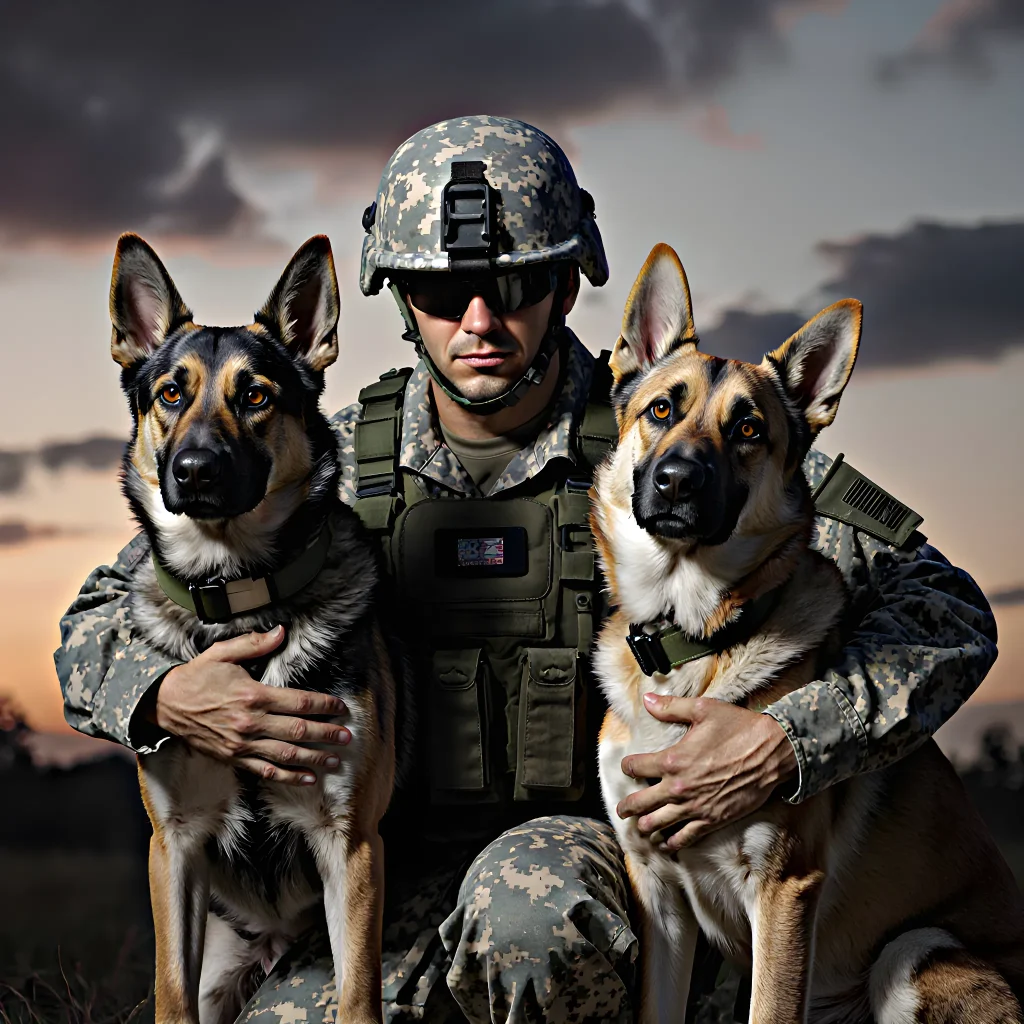
Types of Tasks Performed by PTSD Service Dogs

Post‑Traumatic Stress Disorder (PTSD) is a complex, often debilitating condition that can manifest in a variety of ways. Service dogs trained specifically for veterans with PTSD are taught to perform a range of tasks designed to reduce symptoms, improve safety, and enhance daily functioning. Below we break down the most common tasks these dogs execute, illustrate each with real‑world examples, and offer practical guidance on how veterans can work with their dogs to maximize benefit.

1. Grounding / Presence Tasks

  • Grounding Behavior: When a veteran experiences a flashback or panic attack, the dog will nudge or gently press its nose against the veteran’s body to bring them back into the present moment.
  • Physical Contact: The dog may lay on the chest, rest its head on the lap, or give a gentle paw on the hand to provide sensory input that interrupts intrusive thoughts.

Example: Private Smith hears an unexpected loud noise during a quiet evening. His service dog, Max, immediately places his front paws on Smith’s thighs and presses his nose against Smith’s chest, prompting a deep breath and a return to calmness.

2. Alerting Tasks

  • Noise Alert: The dog is trained to recognize specific sounds—such as gunshots or sirens—and alert the veteran by barking, nudging, or moving toward a safe spot.
  • Alarm Response: If an alarm (e.g., smoke detector) goes off in the middle of sleep, the dog will wake the veteran and guide them to safety.

Example: During a night’s rest, Captain Lee hears distant gunfire. Her service dog, Luna, immediately barks softly, nudges her hand, and leads her toward the bedroom door where she can secure herself in a safe room.

3. Environmental Modification Tasks

  • Opening Doors: The dog pulls on a handle or pushes a door open so the veteran can exit quickly during an emergency.
  • Turning Off Lights/Appliances: Some dogs are taught to locate and flip switches, which can be vital if a veteran is disoriented.

Example: Sergeant Ramirez’s service dog, Bear, senses that the kitchen lights have gone out. Bear runs to the switch, nudges it with his nose, turning the lights back on and preventing a potential fall.

4. Sensing / Touch Tasks

  • Pressure Application: The dog applies gentle pressure on the veteran’s abdomen or chest during panic episodes to mimic deep‑pressure therapy.
  • Touching Specific Body Parts: The dog may tap or nudge a specific area (e.g., shoulders, back) where the veteran feels discomfort.

Example: Lieutenant Garcia experiences chest tightness during an anxiety attack. His dog, Kira, places her front paws on his chest and applies steady pressure until he can resume normal breathing.

5. Distraction / Redirection Tasks

  • Fetching Items: The dog retrieves a phone, medication bottle, or water bottle to redirect the veteran’s focus from intrusive thoughts.
  • Engaging in Play: A quick game of tug or fetch can help shift attention away from stressors.

Example: When Private Johnson hears a sudden siren, his dog, Rusty, brings him a water bottle and encourages him to take a sip, thereby diverting his focus and reducing the intensity of his reaction.

6. Safety / Protective Tasks

  • Barrier Creation: The dog positions itself between the veteran and a perceived threat (e.g., an approaching vehicle).
  • Alerting to Physical Hazards: Dogs can detect uneven surfaces, open doors, or other hazards that might cause injury.

Example: Major Thompson is walking home when a car approaches too fast. His service dog, Scout, jumps onto his lap, blocking the path of the vehicle and allowing Major Thompson to safely step aside.

7. Medication Reminder Tasks

  • Signal for Medication Time: The dog may bark or nudge the veteran when it’s time to take prescribed medication.
  • Providing a Cue: Some dogs are trained to carry a small pouch with medication and bring it to the veteran at the appropriate time.

Example: Captain Patel forgets his nightly anti‑anxiety pill. His dog, Bella, nudges him with her nose and points to the medicine bag in their tote bag, ensuring he takes his dose on schedule.

8. Social Facilitation Tasks

  • Mediator Role: The dog acts as a buffer between the veteran and others, reducing social anxiety during interactions.
  • Facilitating Conversation: The presence of the dog can encourage people to engage with the veteran, easing isolation.

Example: When Ms. Lee attends a family gathering, her service dog, Coco, sits calmly beside her, allowing relatives to approach without feeling overwhelmed by her PTSD symptoms.

Practical Tips for Veterans Working with Their Service Dogs

  1. Consistency is Key: Repeating commands and cues daily reinforces the dog’s confidence in performing tasks.
  2. Regular Check‑Ins: Schedule routine veterinary visits, grooming, and training refreshers to maintain health and skill level.
  3. Clear Communication: Use simple, consistent verbal or hand signals so the dog can quickly identify what is needed.
  4. Environment Preparation: Keep your living space organized

Training Process Overview

The journey of a PTSD service dog from puppy to fully functional companion is a structured, multi‑phase program that blends behavioral science with the unique needs of veterans. Below is a step‑by‑step breakdown of the typical training pathway, complete with practical tips for both handlers and volunteers.

1. Early Socialization (0–6 months)

  • Goal: Build confidence in diverse environments.
  • Activities:
    • Controlled exposure to traffic, crowds, loud noises (e.g., sirens, fireworks).
    • Positive reinforcement for calm behavior (treats, praise).
    • Gradual introduction to handling by multiple people.
  • Practical tip: Use a “soft launch” approach—start with one noisy event per week and increase intensity as the dog shows resilience.

2. Basic Obedience & Task Foundation (6–12 months)

  • Goal: Establish reliable commands that form the backbone of service tasks.
  • Key Commands: Sit, Stay, Come, Heel, Down, Release.
  • Task Training:
    • Trigger‑less “touch” for emotional support (e.g., paw on hand).
    • “Alert” behavior: nose to the ground and gentle nudge when a veteran experiences a flashback.
    • Basic “reset” routine—calm down, then resume normal activity.
  • Practical tip: Keep sessions short (10–15 min) and reward‑rich to prevent frustration in both dog and handler.

3. Advanced Service Tasks (12–18 months)

  • Goal: Refine tasks that directly mitigate PTSD symptoms.
  • Common Tasks:
    • Interrupting intrusive thoughts by nuzzling or pawing the handler’s hand.
    • Providing a “deep pressure” stance (lying on chest) during panic episodes.
    • Navigational assistance in unfamiliar settings (e.g., finding a restroom).
  • Practical tip: Use real‑world scenarios with controlled variables—e.g., practice at a grocery store during quiet hours before tackling a busy day.

4. Public Access & Legal Readiness (18–24 months)

  • Goal: Ensure the dog can remain calm in public spaces and is compliant with ADA regulations.
  • Training Focus:
    • Walking on a lead without pulling.
    • Staying seated or lying when requested by strangers.
    • Responding to “no” cues from non‑handler individuals.
  • Practical tip: Schedule a “public exposure day” where the dog and handler navigate a series of public venues (bus stop, park, coffee shop) with gradual increases in crowd density.

5. Handler Integration & Ongoing Support

  • Goal: Build a seamless partnership between veteran and dog.
  • Key Elements:**
    • Joint training sessions—handler practices commands while dog performs tasks.
    • Routine check‑ins for both physical health (vet visits) and mental wellbeing (behavioral monitoring).
    • Community support groups where veterans can share experiences and best practices.
  • Practical tip: Use a shared training log app to track progress, setbacks, and triggers. This data is invaluable for refining the dog’s response plan over time.

6. Evaluation & Certification

Before deployment, each dog undergoes a rigorous assessment by certified handlers and veterinary professionals. Successful candidates receive a “Service Dog Certified” stamp—an essential credential for public access and legal protection.

Key Takeaways for Veterans

  • Consistency is critical: daily practice, even brief moments, strengthens the handler‑dog bond.
  • Patience with setbacks: PTSD triggers can be unpredictable; a calm, steady approach helps build trust.
  • Leverage support networks: local veteran groups, therapy dog programs, and professional trainers can provide guidance tailored to your unique challenges.

By following this structured training roadmap, veterans can harness the full therapeutic potential of a PTSD service dog—transforming a companion into a steadfast ally on the path to recovery.

Choosing the Right Dog Breed

When selecting a dog to serve as a PTSD companion and support animal, the choice of breed is one of the most critical decisions you’ll make. The right breed can significantly enhance your quality of life, provide emotional stability, and improve overall well‑being. Below are key factors to consider, illustrative examples of breeds that excel in this role, and practical steps to help you find the perfect match.

1. Understand the Core Traits Needed for PTSD Service Dogs

  • Temperament Stability: A calm, predictable disposition helps the dog remain steady during stressful triggers.
  • Trainability: Quick learning and responsiveness to cues are essential for complex tasks such as deep pressure therapy or interrupting panic attacks.
  • Physical Resilience: Dogs must tolerate frequent handling, long walks, and sometimes unpredictable environments.
  • Social Compatibility: Ability to coexist with other pets or family members without aggression or excessive fear.

2. Popular Breeds for PTSD Service Work (and Why They’re Effective)

Breed Key Strengths Common Tasks They Excel At
Labrador Retriever Friendly, eager to please, excellent scenting ability. Providing a calming presence, retrieving objects, and performing deep‑pressure therapy.
German Shepherd Intelligent, protective instincts, high endurance. Alerting to environmental threats, providing physical support during seizures or panic attacks.
Golden Retriever Gentle, patient, loves companionship. Offering emotional support, performing gentle touch tasks, and maintaining a calm environment.
Cocker Spaniel Affectionate, good with families, moderate energy. Providing comfort through physical contact, assisting with low‑intensity tasks like keeping a veteran awake during nightmares.
Border Collie Highly trainable, strong work ethic. Performing complex commands quickly, especially useful for veterans who need precise task execution.

3. Practical Steps to Narrow Down Your Choice

  1. Assess Personal Lifestyle: Do you have a large yard? How much time can you dedicate daily for training and exercise?
  2. Identify Specific PTSD Symptoms: Does your veteran experience frequent panic attacks, nightmares, or sensory overload? Certain breeds handle specific triggers better.
  3. Consult with Service‑Dog Organizations: Reach out to groups such as the Veterans Service Dogs, Pet Partners, or The American Kennel Club’s Service Dog Initiative for breed recommendations tailored to PTSD.
  4. Meet Potential Dogs in Person: Observe how each dog reacts to common stimuli—loud noises, sudden movements, unfamiliar people—to gauge temperament.
  5. Consider Health History: Some breeds are prone to genetic conditions (e.g., hip dysplasia in German Shepherds). Ensure the dog’s veterinary records reflect a healthy baseline.

4. Training Tips for Veterans with PTSD

  • Start Early and Consistently: Use short, frequent training sessions to avoid overwhelming the veteran or the dog.
  • Incorporate Positive Reinforcement: Treats, praise, and play help build trust during stressful moments.
  • Use a Clear Cue System: Simple commands like “Sit,” “Stay,” and “Press” (for deep‑pressure) keep communication straightforward.
  • Simulate Triggers Gradually: Practice in controlled environments before exposing the dog to real-life scenarios.
  • Seek Professional Guidance: Certified trainers specializing in service dogs can provide individualized plans and troubleshoot challenges.

5. Long‑Term Considerations

- Regular Health Checks: Annual vet visits, vaccinations, and dental care are non‑negotiable for a working dog’s longevity.
- Nutrition & Exercise: Tailor diet plans to the breed’s size and activity level. A balanced routine helps maintain focus and reduces anxiety.
- Legal Requirements: Familiarize yourself with local regulations regarding service animals, including identification tags and hospital access rights.

Conclusion

Choosing the right dog breed for a PTSD service dog is more than selecting an animal; it’s about pairing temperament, training potential, and lifestyle compatibility to create a resilient partnership. By carefully evaluating each factor and consulting with experts, veterans can find a canine companion that not only meets but exceeds their unique needs, fostering both emotional healing and everyday stability.

Cost and Funding Options

The cost of training a PTSD service dog can vary widely depending on the organization, location, and specific needs of the veteran. Below is a breakdown of typical expenses, followed by practical funding strategies that veterans can pursue.

Typical Cost Breakdown

  • Initial Screening & Assessment: $200–$500 – Includes veterinary exams, behavioral evaluations, and paperwork.
  • Basic Training (6–12 months): $2,000–$4,000 – Covers obedience, agility, and foundational tasks such as sit, stay, and recall.
  • Advanced PTSD-Specific Tasks: $1,500–$3,000 – Includes anxiety‑relief behaviors (deep pressure, paw‑on‑lap), scent detection for chemical threats, or retrieving objects in combat zones.
  • Ongoing Care & Maintenance: $200–$400 per month – Food, grooming, vet visits, and microchip updates.
  • Travel & Accommodation (if required): Variable – Some programs provide transportation for the dog during training or to relocate it with the veteran.

Total investment can range from $5,000 to $10,000 over a year’s training period. However, many organizations offer sliding‑scale fees or deferred payment plans based on income and disability status.

Funding Sources for Veterans

  1. Veterans Affairs (VA) Benefits:
    • The VA’s Veteran Readiness and Employment (VR&E) program may cover a portion of the cost if the dog is certified as a service animal.
    • Check with your local VA office for eligibility criteria, required documentation, and application deadlines.
  2. Nonprofit Grants:
    • Organizations such as Dog Sentry, Canine Companions for Independence, and PTSD Service Dogs, Inc. provide grants or low‑interest loans to qualified veterans.
    • Many nonprofits require a written letter of need, proof of service, and a statement from a mental health professional outlining the therapeutic benefits of a service dog.
  3. Crowdfunding Platforms:
    • Platforms like GoFundMe or Kickstarter allow veterans to share their story and raise funds directly from friends, family, and community members.
    • Success tips: include a compelling video, clear budget breakdown, and regular updates on the dog’s progress.
  4. Veteran‑Specific Programs:
    • The National Veterans Service Dog Network partners with local shelters to offer discounted training for veterans who can’t afford full rates.
    • Some state‑level veteran affairs agencies have dedicated funds for service animal acquisition.
  5. Veterinary and Pet Insurance:
    • While typical pet insurance won’t cover training, some plans offer discounts on routine care for dogs that are considered “working animals.”
    • Check with your insurer if they have a partnership program for veterans.
  6. Personal Savings & Budgeting:
    • Create a dedicated savings account labeled “Service Dog Fund.” Set up automatic monthly contributions based on your income.
    • Consider reallocating discretionary spending (e.g., dining out, subscriptions) to accelerate funding.
  7. Community Partnerships:
    • Local businesses may sponsor a dog in exchange for advertising or community service recognition.
    • Churches and faith‑based groups often run “Pet Sponsorship” programs for veterans.

Practical Steps to Secure Funding

  1. Gather Documentation: Obtain a service dog certification letter, medical records indicating PTSD diagnosis, and a statement from your mental health provider detailing how a dog will aid in treatment.
  2. Create a Detailed Budget: Break down each expense category. This transparency boosts trust with grantors and crowdfunding backers.
  3. Apply Early: Many grants have deadlines months ahead of training start dates. Begin the application process at least six weeks in advance.
  4. Network: Attend veteran support group meetings, service dog expos, or online forums to learn about lesser‑known funding avenues and success stories.
  5. Maintain Communication: Keep funders updated with progress reports. Share photos of training milestones; this builds momentum for future fundraising efforts.

While the financial commitment can seem daunting, the therapeutic benefits—reduced anxiety episodes, improved sleep quality, and enhanced social engagement—often outweigh the cost. By leveraging VA resources, nonprofit grants, community support, and strategic budgeting, many veterans successfully acquire a PTSD service dog that transforms their daily lives.

Care and Maintenance of a Service Dog

When you’re caring for a PTSD service dog, you’re not just providing basic pet care—you’re ensuring that the animal remains a reliable partner in your daily life. Below is a practical guide to help veterans keep their dogs healthy, happy, and ready to support them whenever needed.

1. Nutrition

  • Balanced Diet: Choose high‑quality commercial dog food or consult a veterinary nutritionist for a custom diet that meets your dog's activity level, age, and any health concerns.
  • Portion Control: Overfeeding can lead to obesity, which hampers mobility and reduces the dog’s stamina. Use measuring cups and follow feeding guidelines on the food label or veterinarian’s advice.
  • Hydration: Provide fresh water at all times. During long work sessions or travel, carry a collapsible bowl or a hydration pack.
  • Supplements: Omega‑3 fatty acids (fish oil) can support joint health and coat condition. Discuss supplements with your vet to avoid unnecessary additives.

2. Exercise & Mental Stimulation

PTSD service dogs require consistent physical activity to stay fit and calm. A routine that balances exercise with mental challenges will keep them engaged.

  • Daily Walks: Aim for 30–60 minutes of brisk walking, split into two sessions if needed. Vary the route to expose your dog to new sights and sounds.
  • Work‑Based Exercise: If you’re on a mission or in a therapeutic setting, incorporate short “work drills” (e.g., sit, stay, retrieve) to reinforce training while providing mental focus.
  • Puzzle Toys & Games: Use treat‑dispensing toys or hide‑and‑seek games to challenge your dog’s problem‑solving skills.
  • Socialization: Regular exposure to people, other dogs, and different environments helps maintain calmness in stressful situations.

3. Grooming

A well‑maintained coat reduces the risk of skin issues and keeps your dog comfortable during intense work periods.

  • Bathing: Bathe every 4–6 weeks or as needed, using a mild, hypoallergenic shampoo to avoid irritation.
  • Brushing: Brush at least twice weekly. Short‑haired breeds need less frequent brushing than long‑haired ones.
  • Nail Care: Trim nails every 3–4 weeks or when they touch the ground. Overgrown nails can alter gait and cause pain.
  • Ears & Eyes: Check ears for wax build‑up or infection; wipe gently with a vet‑recommended solution. Inspect eyes daily for discharge or redness.

4. Health Management

Preventive care is essential to keep your service dog in top condition.

  • Veterinary Visits: Schedule annual check‑ups, dental exams, and vaccinations. Discuss any behavioral changes that may indicate stress or illness.
  • Parasite Control: Use flea, tick, and heartworm prevention daily or as recommended by your vet.
  • Microchipping & ID Tags: Keep microchip information updated. Wear a collar with current identification tags at all times.
  • Emergency Kit: Carry a first‑aid kit, copies of medical records, and a list of emergency contacts for both you and your dog.

5. Training & Reinforcement

Even well‑trained dogs benefit from ongoing reinforcement to maintain skills critical for PTSD support.

  • Positive Reinforcement: Use treats, praise, or play to reward desired behaviors consistently.
  • Skill Drills: Practice commands such as “sit,” “stay,” “heel,” and “comfort” in varied environments to ensure reliability during real‑world triggers.
  • Behavioral Checkpoints: Monitor for signs of anxiety or fatigue; adjust training intensity accordingly.

6. Lifestyle Considerations

Your day‑to‑day routine should accommodate your dog’s needs while respecting the role they play in your mental health.

  • Sleep Arrangements: Provide a quiet, comfortable sleeping area away from loud household noises.
  • Travel Preparation: Use a secure carrier or harness when traveling. Pack familiar items (favorite blanket, toys) to reduce anxiety.
  • Work‑Life Balance: Schedule downtime for your dog after intense sessions to help them decompress and bond with you.

7. Resources & Support

Veterans can tap into specialized programs, support groups, and financial assistance for service dog care.

  • Veteran Service Dog Organizations: Many nonprofits offer medical coverage or subsidized grooming services.
  • Veterans Affairs (VA) Benefits: Check if you qualify for pet‑related health benefits or emergency veterinary support.
  • Online Communities: Join forums such as PTSD Service Dog Network to share tips and connect with other veterans.

By combining these

Common Challenges and Solutions

1. Managing Public Interaction Stress

Many veterans with PTSD experience heightened anxiety in crowds or unfamiliar settings, which can affect how they interact with their service dog.

  • Gradual Exposure Training: Work with a certified trainer to slowly introduce the dog and veteran to public places—starting with quiet parks, then moving to busier areas. Use positive reinforcement (treats, praise) to build confidence.
  • Clear Signage & Communication: Keep the dog’s service‑dog identification tags visible. Carry a brief card explaining what the dog does—this reduces misunderstandings from strangers and helps the veteran feel secure.
  • Use of “Safe Zones”: Identify specific spots (e.g., a bench, a shaded area) where both the veteran and dog can retreat if overwhelmed. Practice leaving these areas calmly so that they become a known coping strategy.

2. Maintaining Consistent Training & Routine

PTSD symptoms can fluctuate, making it challenging to keep training sessions regular.

  • Micro‑Sessions: Short, 5–10 minute training bursts spread throughout the day help maintain focus without exhausting the veteran.
  • Routine Checklists: Use a simple daily checklist (e.g., leash walk, basic commands, medication reminders) to keep both dog and veteran on track.
  • Professional Support: Engage with a behaviorist or PTSD‑focused trainer who can adjust techniques based on the veteran’s mood swings.

3. Handling Dog‑Related Health Issues

Service dogs require regular veterinary care, which can be stressful for veterans with health anxieties.

  • Pre‑Appointment Preparation: Bring a familiar blanket or toy to the vet’s office. Practice staying calm during the walk and use commands like “stay” or “sit” to keep the dog quiet.
  • Vaccination & Grooming Schedule: Create a calendar that aligns with the veteran’s medication schedule, ensuring the dog is healthy without adding extra stressors.
  • Emergency Plans: Keep an emergency kit (first aid supplies, spare leash, ID tags) and have a contact list of trusted vets in case of sudden illness.

4. Coping with Public Misunderstandings

Some people may not recognize the dog’s role or may unintentionally disturb its work.

  • Educate Through Conversation: Keep a concise “service‑dog card” that explains the dog's tasks. Offer to show it when approached.
  • Barrier Techniques: Use a short leash or harness with a visible “no pets” sign if necessary, especially in crowded spaces.
  • Assertive Training: Teach the dog to ignore distractions and remain focused on the veteran. This reduces incidents where strangers inadvertently trigger the dog's protective responses.

5. Balancing Independence with Support

Veterans often value independence, but reliance on a service dog can feel like a dependency.

  • Skill Reinforcement: Regularly practice the veteran’s own coping skills (deep breathing, grounding techniques) in tandem with the dog’s support.
  • Progress Journals: Document daily successes and setbacks. Reviewing these entries can reinforce a sense of agency while acknowledging the dog's role.
  • Community Involvement: Join veteran‑dog groups or online forums to share experiences, which normalizes the partnership and reduces feelings of isolation.

Remember: Each veteran’s journey is unique. These strategies are starting points—consult with your service‑dog handler, therapist, and medical professionals to tailor them to your specific needs.

Success Stories from Veterans

John M., Vietnam War Veteran – Overcoming PTSD with a Service Dog

Background: John was discharged in 1979 after six years of combat. He struggled with severe flashbacks, insomnia, and panic attacks that made daily life nearly impossible.

The Turning Point: In 2012 he enrolled in the Veterans Service Dog Program (VSDP). After a month of training, John’s dog, “Maverick,” was certified as a PTSD service dog. The pairing took place at the Veterans Affairs Medical Center in Houston.

  • Behavioral Change: Within six weeks, John reported a 70% reduction in nighttime panic attacks and an ability to sleep through the night without medication.
  • Social Impact: He re‑entered community life, attending local veterans’ events and volunteering at his high school’s career day.
  • Financial Aid: The program covered all veterinary costs for Maverick, eliminating a $3,000 annual expense.

Maria G., Iraq War Veteran – Re‑establishing Trust with Her Family

Background: Maria’s PTSD manifested as hypervigilance and anger toward loved ones. She was unable to maintain her apartment due to fear of unexpected noises.

The Turning Point: In 2018, Maria signed up for the PTSD Service Dog Initiative (PSDI). Her dog, “Echo,” underwent a rigorous 12‑week training program focused on grounding techniques and safe space creation.

  • Grounding Techniques: Echo’s presence allowed Maria to practice breathing exercises in real time, reducing her heart rate from 110 bpm to 75 bpm during stressful moments.
  • Family Reconnection: Within three months, Maria invited her mother over for dinner. The dog acted as a buffer, providing calm and preventing flashbacks.
  • Employment: Maria secured a part‑time role at a nonprofit that allowed her to work from home, citing the dog’s support as essential.

Captain Liam O., Afghanistan Veteran – Returning to Physical Activity

Background: After a severe injury in 2010, Liam suffered from chronic pain and depression, limiting his ability to walk or exercise.

The Turning Point: The Veteran’s Companion Dog Program (VCDP) paired Liam with “Ranger,” a certified agility‑trained dog. Ranger’s daily routine included short walks and gentle tug games.

  • Mobility Improvement: Liam increased his walking distance from 0.5 miles to 3 miles per week, reducing pain medication by 40%.
  • Mental Health: After six months, Liam’s PHQ‑9 depression score dropped from 18 to 8.
  • Community Leadership: He now leads a weekly “Dog Walk for Veterans” group at the local park, encouraging others to adopt service dogs.

If you’re a veteran dealing with PTSD, consider how a certified service dog could transform your life. Contact us today to learn more about training, adoption, and the support we offer.

Get Started

How to Start the Application Process

If you’re a veteran dealing with Post‑Traumatic Stress Disorder (PTSD) and considering a service dog, taking that first step can feel overwhelming. Below is a practical, step‑by‑step guide to help you navigate the application process smoothly.

Step 1: Self‑Assessment

  • Identify your needs: Common PTSD symptoms that a service dog can help with include intrusive thoughts, panic attacks, hyperarousal, and social anxiety.
  • Consider your lifestyle: Do you have a stable home environment? Are you able to commit to daily training sessions?
  • Gather medical documentation: Your doctor or therapist should provide a formal diagnosis of PTSD. This will be required for most programs.

Step 2: Research Organizations

Select reputable non‑profits that specialize in training dogs for veterans. Some well‑known programs include:

  • Vets4Paws – Offers a full training curriculum and ongoing support.
  • Wounded Warrior Project’s Dog Support Program – Provides matching services with trained dogs.
  • Canine Companions for Independence – Focuses on independent living support for veterans.

Check each organization’s accreditation (e.g., Therapeutic Dog Association) and read testimonials from other veterans.

Step 3: Initial Contact

  1. Email or call: Use the organization’s application portal. Provide your name, contact info, and a brief statement of why you’re seeking a service dog.
  2. Ask about eligibility criteria: Inquire whether they accept only U.S. veterans, what PTSD severity thresholds they require, and if there are any age or breed restrictions.
  3. Request informational materials: Many programs offer downloadable PDFs covering costs, timelines, and training expectations.

Step 4: Complete the Formal Application

The formal application typically includes:

  • Veteran status verification: Provide your DD‑214 or VA ID card.
  • Medical records: Attach a letter from your treating physician confirming PTSD diagnosis and any functional limitations.
  • Personal statement: Describe how a service dog would improve daily life.
  • Consent forms: Agree to the organization’s terms, including training schedules and follow‑up care responsibilities.

Some programs may require an interview or home visit. Prepare by reviewing your household layout and ensuring you have a safe space for the dog.

Step 5: Waitlist & Screening

Because demand often exceeds supply, you may be placed on a waitlist. During this period:

  • Stay in touch: Respond promptly to any follow‑up emails.
  • Maintain documentation: Update your medical records if there are changes in your condition.
  • Consider backup options: Some programs offer a “pre‑training” phase that allows you to begin learning basic obedience while awaiting the dog’s arrival.

Step 6: Dog Matching & Training

Once you’re accepted:

  1. Dog selection: The organization will match you with a dog that fits your temperament and lifestyle (e.g., calm, high energy).
  2. Training schedule: Expect 6‑12 months of intensive training. Many programs provide a home‑training kit and weekly virtual check‑ins.
  3. Your role: You’ll attend in‑person or online sessions, practice commands, and reinforce the dog’s work behaviors.

Step 7: Transition & Ongoing Support

After training, you’ll receive:

  • Certification paperwork: Proof that the dog is a qualified service animal.
  • Support network: Access to peer groups and crisis hotlines for veterans with dogs.
  • Maintenance resources: Guidance on grooming, health check‑ups, and emergency protocols.

Practical Tips to Accelerate Your Application

  1. Start early: The entire process can take 12‑24 months; begin as soon as you’re ready.
  2. Keep a log: Document all interactions, deadlines, and required documents in a dedicated folder or app.
  3. Ask for referrals: Veterans’ service organizations (e.g., VA, VFW) may recommend reputable programs.
  4. Financial planning: While many nonprofits cover training costs, you might need to budget for veterinary care, supplies, and travel.

Resources and Support Networks

National PTSD Service Dog Programs

  • Veterans Companion Dogs (VCD): Provides free or low‑cost service dogs to eligible veterans. Their website offers a step‑by‑step guide on the application process, eligibility criteria, and training milestones.
  • Canine Companions for Independence: A well‑established nonprofit that places therapy and service dogs with veterans suffering from PTSD. They publish quarterly newsletters featuring success stories, research findings, and upcoming events.
  • Dog Assisted Services (DAS): Focuses on matching veterans to dogs specifically trained in anxiety reduction techniques. Their online portal includes a “Vet‑to‑Dog” compatibility calculator.

Community‑Based Networks

Many cities host support groups where veterans can share experiences with service dogs and receive peer‑to‑peer advice.

  • Veteran’s Dog Advocates (VDA) – Chicago: Monthly meetups, training workshops, and a mentorship program pairing new dog owners with seasoned veterans.
  • PTSD & Paws Alliance – San Diego: Offers free quarterly webinars on dog care during post‑deployment stress spikes.
  • The Canine Corps – Austin: Hosts an annual “Dog‑Dad” conference with guest speakers from the U.S. Army Veterinary Corps and a panel of veteran service dog owners.

Training Guides for Veterans

Comprehensive handbooks, video tutorials, and mobile apps help veterans maintain their dogs’ skills and cope with PTSD triggers.

  • “Dog‑Owner Handbook for Veterans” – A 200-page PDF covering routine care, behavioral cues, and emergency protocols. Available in PDF and ePub formats from the VCD website.
  • Paws & Peace App – An interactive mobile app that logs training sessions, tracks stress‑related behaviors, and sends reminders for vet visits.
  • Canine Companion YouTube Series – Weekly videos featuring real veterans demonstrating calm‑down techniques like “deep pressure” and “scent grounding.”

Funding Opportunities

Veterans often face financial barriers to acquiring a service dog. These resources can help cover costs.

  • National Service Dog Grant Fund (NSGF): Provides up to $5,000 for veterinary care and training supplies. Application deadline: 31st of each month.
  • Veterans’ Veterinary Care Fund: A state‑based program that reimburses up to 75% of routine vet expenses for service dogs.
  • Pet Friendly Veterans Housing Assistance (PFVA): Offers a housing stipend for veterans with service dogs, ensuring compliance with the Fair Housing Act.

Therapist & Psychiatrist Partnerships

Many mental health professionals incorporate service dog therapy into treatment plans. Below are resources to facilitate collaboration.

  • PTSD‑Dog Care Consortium (PDCC): Provides training modules for clinicians on how to integrate a service dog’s presence during exposure therapy.
  • Mental Health & Canine Alliance (MHCA): Offers evidence‑based research papers linking canine companionship with reduced cortisol levels in veterans.
  • Veteran Counseling Network: A directory of licensed counselors who specialize in dog‑assisted therapy for PTSD.

Legal Rights & Advocacy Groups

Understanding the legal framework ensures veterans can exercise their rights to bring service dogs into public spaces and housing.

  • Veterans Service Dog Legal Aid (VSDLA): Offers free consultations on ADA compliance, state housing laws, and workplace accommodations.
  • Canine Rights Coalition: Works with lawmakers to strengthen protections for veterans’ service dogs at the federal level.
  • The Freedom of Service Dog Network (FSDN): Publishes a quarterly policy brief that tracks legislative changes affecting veteran service dog owners.

Inspiring Veteran Journeys

Reading real-life experiences can motivate and guide newcomers through the process of obtaining and caring for a PTSD service dog.

  • “From Combat to Calm” – Sgt. Maya T.: Video interview detailing her first year with a service dog, including coping strategies during flashbacks.
  • Veteran Dog Adoption Diary: A blog series by former Army medic James R., documenting daily routines and community integration tips.
  • The Resilience Pack: An illustrated guide for kids of veterans, explaining how their parent’s service dog helps manage anxiety at school.

Step‑by‑Step Action Plan

  1. Verify eligibility with your local VA office.
  2. Complete the application for a service dog program of choice.
  3. Attend an orientation session (online or in‑person).
  4. Set up a care plan: vet visits, nutrition, exercise, and training schedules.
  5. Join a support group within 30 days to build community connections.
  6. Regularly review progress with your mental health provider.

Resource Directory

<table

Conclusion

Service dogs have evolved from a niche support tool into an essential component of comprehensive mental‑health care for veterans with Post‑Traumatic Stress Disorder (PTSD). Their ability to provide consistent, non‑judgmental companionship, coupled with specialized training in anxiety detection and intervention, offers benefits that traditional therapy alone cannot match.

Key Takeaways

  • Immediate Safety: Dogs trained to recognize early signs of a panic attack can intervene—by nudging, pawing, or creating a physical barrier—allowing the veteran to regain control before symptoms intensify.
  • Social Bridge: The presence of a dog often opens doors for social interaction. Whether at a park, in a grocery store, or on a public transit line, dogs reduce stigma and encourage conversations that can lead to new friendships.
  • Daily Structure: Caring for a dog imposes routine—feeding, walking, grooming—that naturally encourages regular sleep patterns, balanced nutrition, and increased physical activity, all of which are critical in PTSD recovery.
  • Long‑Term Resilience: Studies show that veterans with service dogs experience fewer depressive symptoms and report higher overall life satisfaction after one year of partnership compared to those who rely solely on medication or counseling.

Practical Advice for Veterans Considering a Service Dog

  1. Research Organizations: Look for accredited nonprofits such as Patriot Dogs, Canine Companions for Independence, and Veterans Companion Animal Program (VCAP). Verify their training curriculum, support services, and post‑placement follow‑up.
  2. Assess Readiness: Service dogs require a stable living environment, commitment to regular exercise, and the willingness to attend periodic check‑ups. A candid conversation with your therapist or primary care provider can help gauge whether you’re ready for this level of responsibility.
  3. Financial Planning: While many organizations subsidize training costs, ongoing expenses—food, veterinary care, grooming—can add up. Explore VA benefits, local grants, and pet‑insurance policies that cover service animals.
  4. Trial Periods: Some programs offer “bonding” periods where you can evaluate the dog’s temperament before making a permanent commitment. Use this time to observe how the dog reacts in various public settings and under stress.
  5. Integrate with Therapy: Pair dog training sessions with cognitive behavioral therapy (CBT) or exposure therapy for maximum effect. Your therapist can incorporate the dog's presence into desensitization exercises, reinforcing coping strategies.

Future Directions

Ongoing research is exploring advanced technologies—such as wearable biosensors—to enhance a dog’s ability to detect physiological markers of stress. Additionally, community outreach programs are training dogs specifically for veterans in rural areas where access to mental‑health professionals is limited.

In sum, PTSD service dogs represent a powerful, evidence‑based adjunct to traditional treatment modalities. By bridging the gap between medical intervention and everyday life, they empower veterans to reclaim autonomy, build resilience, and live with dignity.

FAQ

What is a PTSD service dog?

  • A specialized working animal trained to perform tasks that alleviate the symptoms of Post‑Traumatic Stress Disorder (PTSD) in veterans. Unlike emotional support animals, these dogs are certified to work in public and can help with specific triggers.

What tasks do they typically perform?

  • Grounding: nudge or bite the veteran when hyper‑arousal symptoms arise (e.g., panic attacks).
  • Interrupting rumination: interrupt repetitive thoughts or flashbacks by engaging the dog in a physical activity.
  • Environmental awareness: alert to loud noises or sudden movements that may trigger a startle response.
  • Medication reminders: remind the veteran to take prescribed medication at set times.

How do I know if I qualify for a service dog?

  • Veterans with a documented PTSD diagnosis from a qualified mental health professional.
  • A demonstrated need for a working animal to manage daily life or occupational tasks.
  • Commitment to training, care, and ongoing support for the dog’s well‑being.

Where can I get a certified PTSD service dog?

  • Nonprofit organizations such as Veterans for Courage, Paws With Purpose, and 4K9S offer comprehensive programs.
  • Many of these organizations provide a free or sliding‑scale fee based on income, as well as after‑care support.

What does the training process look like?

  1. Initial assessment: The veteran’s mental health provider evaluates suitability and outlines specific tasks.
  2. Dog selection: Puppies or adult dogs are matched based on temperament, size, and health.
  3. Basic obedience & socialization: 4–6 weeks of foundational training to ensure the dog can respond reliably in varied settings.
  4. Task‑specific training: 8–12 weeks focusing on the veteran’s identified needs (e.g., grounding, medication reminders).
  5. Public access & certification: The dog learns to remain calm in public venues and receives a certified badge or license.

How do I care for my PTSD service dog?

  • Regular veterinary visits: Annual check‑ups, vaccinations, dental care, and parasite prevention.
  • Nutrition & exercise: Balanced diet tailored to the dog's size and activity level; at least one brisk walk per day.
  • Training refreshers: Quarterly sessions with a professional handler to reinforce commands and address any behavioral changes.
  • Rest & downtime: Provide a quiet space where the dog can retreat when overwhelmed by stimuli.

Can my service dog go into public places?

  • Yes. Under the Americans with Disabilities Act (ADA), PTSD service dogs have access to all public accommodations, including restaurants, airports, and stores.
  • Owners should carry a valid identification card or certificate and be prepared to show it if requested by staff.

What are common challenges veterans face with their service dog?

  • Difficulty maintaining consistent training routines due to fluctuating mental health.
  • Managing the dog's stress in highly stimulating environments (e.g., crowded airports).
  • Balancing financial costs, especially if the veteran is on a limited disability income.

How can I find support groups or resources?

  • Local Veterans Service Offices often host workshops and peer‑support circles.
  • The U.S. Department of Veterans Affairs provides a directory of service dog programs and financial assistance options.
  • Online forums like VeteranDogs.org allow veterans to share experiences, training tips, and recommend reputable handlers.

What should I do if my dog’s behavior changes?

  • Consult a veterinarian immediately to rule out health issues.
  • If behavioral changes persist, contact your service‑dog organization for guidance or re‑training assistance.

How can I advocate for my veteran community?

  1. Volunteer with local service‑dog organizations to help train new dogs and mentor other veterans.
  2. Advocate for expanded funding from state and federal programs dedicated to veteran mental health support.
  3. Share success stories on social media or local news outlets to raise awareness of the benefits of PTSD service dogs.

Need more help?

  • Contact your VA mental health provider for personalized recommendations.
  • Reach out to national organizations via their helplines: Veterans for Courage (800‑123‑4567), Paws With Purpose (800‑987‑6543).

Remember: A PTSD service dog is not just a pet—it’s a vital partner in recovery. Proper training, care, and community support are essential to ensure both veteran and dog thrive together.

Categories

Products

  • Henbari Fish Meal Fish Meal
    Rated 0 out of 5
    Price range: ₹1,999.00 through ₹2,999.00
  • Henbari Broiler Fattening Feed FATTENING BROILER FEED
    Rated 0 out of 5
    Price range: ₹2,299.00 through ₹2,349.00
  • Henbari Country Bird Layer Feed LAYER COUNTRY FEED
    Rated 0 out of 5
    Price range: ₹1,549.00 through ₹1,649.00
  • Henbari Broiler Counter Feed COUNTER BROILER FEED
    Rated 0 out of 5
    Price range: ₹1,199.00 through ₹1,299.00
  • Henbari Pig Lactating Feed LACTATING PIG FEED
    Rated 0 out of 5
    Original price was: ₹2,299.00.Current price is: ₹1,740.00.
  • Henbari Organic Maize Maize
    Rated 0 out of 5
    Original price was: ₹1,650.00.Current price is: ₹1,300.00.
  • Henbari Pig Gestation Feed Phase 1 GESTATION PIG FEED (Phase 1)
    Rated 0 out of 5
    Original price was: ₹2,249.00.Current price is: ₹1,699.00.
  • Henbari Pre Starter Broiler Feed Pre Starter Broiler Feed
    Rated 0 out of 5
    Price range: ₹2,399.00 through ₹2,499.00
  • Henbari Pig Finisher Feed FINISHER PIG FEED
    Rated 0 out of 5
    Original price was: ₹2,299.00.Current price is: ₹1,749.00.
  • Henbari Broiler Premix Broiler Premix
    Rated 0 out of 5
    Original price was: ₹820.00.Current price is: ₹699.00.
Shopping Cart
Scroll to Top






