
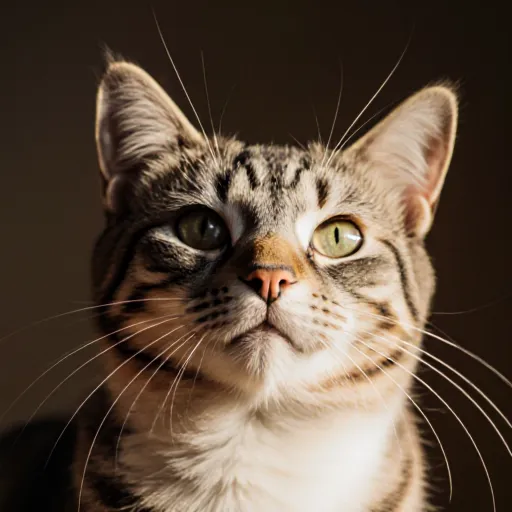
Unlocking Feline Emotions Through Hidden Messages
Hidden Messages: Cat Love Revealed
Table of Contents
- Signs Your Cat Likes You But Doesn't Show It Directly
- They Often Rub Against Your Legs
- Your Cat May Blink Slowly at You
- They Sometimes Groom You
- They Like to Sit Close to You
- Your Cat May Follow You Around the House
- They Occasionally Headbutt You
- Your Cat Spends More Time Than Usual with You
- They May Offer Their Belly to You
- Your Cat Purr When Near You
- They Sometimes Sleep Next to Your Bed
- Your Cat May Bring You "Gifts"
- They May Tilt Their Head When You Talk
- Conclusion
- FAQ
Signs Your Cat Likes You But Doesn't Show It Directly
Just like humans, cats have their own unique ways of showing affection. While some cats are outgoing and expressive, others may be more reserved and subtle in their displays of love. If your cat belongs to the latter category, they might not show it directly but still secretly loves you. Here are some signs that indicate your cat secretly loves you:
1. They Follow You Around
Cats who follow their owners around may be doing so because they feel a strong bond with them. This behavior might not seem overt, but it's one of the ways cats express love and attachment.
2. They Nap Near You
Cats often choose to sleep close to those they trust and love. If your cat frequently naps near you or in your lap, it could be a sign that they feel safe and secure with you.
3. They Rub Against Your Legs
This is another indirect way cats show affection. When they rub against you, it's often a gesture of trust and intimacy, even if they don't purr or nuzzle as overtly.
4. They Groom You (Sometimes)
Cats groom their littermates to express love and care. While this might seem like an unusual behavior for a human, it's another sign that your cat values you as someone they feel connected to.
5. They Bring You Gifts
Yes, cats do bring "gifts" from time to time, and while the gifts might not be roses or chocolates, they are often small tokens of affection like a mouse or a toy. If your cat brings you one of their "catches," it could mean that they feel close enough to you to share.
6. They Use Their Tail as an Indicator
Cats use their tails in various ways to communicate, and if the tail is held high or flicks gently while your cat is near you, it could be a sign that they're feeling affectionate.
These subtle signs may not seem as obvious as some of the more direct forms of love expression, but they are just as meaningful. Remember, every cat is different, and what one might find endearing in their behavior might go unnoticed by others. By paying closer attention to these small behaviors, you can better understand your cat's feelings towards you.
They Often Rub Against Your Legs
When your cat rubs against your legs, it's a clear sign that they secretly love you. This behavior is often referred to as "bunting," and it involves your cat using its facial glands to leave a scent mark on you, which is also a way of claiming you as their territory.
Here are some practical examples and tips to better understand this sign:
- Daily Affection: If your cat rubs against your legs multiple times throughout the day, it's showing that they value your presence and want more of your attention. Try to spend quality time with them each day—playtime or cuddle sessions can strengthen this bond.
- Scent Marking: Cats have scent glands on their face, and when they rub against you, they're marking you as part of their territory. This is a sign of trust and affection. If your cat does this frequently, it means they feel safe around you and are expressing their love in a subtle way.
- Comfort and Security: Cats often seek physical contact when they need comfort or security. If you notice that your cat rubs against your legs during stressful situations (like when visitors arrive), this is them asking for reassurance from you.
To encourage your cat's affectionate behavior, try the following:
- Provide Quality Time: Dedicate regular time each day to play with your cat. This could be as simple as throwing a toy for them or using feather wands. The more time you spend with your cat, the stronger the bond between you two.
- Create a Comfortable Environment: Ensure that your home provides a safe and comfortable space for your cat. A cozy bed in a quiet corner, along with plenty of toys, can help them feel secure and loved.
- Frequent Petting Sessions: When your cat is in the mood to be petted, take advantage of it! Gentle strokes on their head or back are great ways to show you care. Remember that every cat has different preferences when it comes to touch, so observe and respect what they enjoy.
By recognizing these signs and responding positively, you can deepen the bond between you and your feline friend. Cats may not always vocalize their affection like dogs do, but through actions such as rubbing against your legs, they are communicating their love in a unique way.
Your Cat May Blink Slowly at You
Your cat may blink slowly at you, a behavior often interpreted as a sign of love or affection. This subtle yet meaningful gesture is part of your cat's unique way to communicate with you. Blinking slowly signals that the cat feels secure enough in its relationship with you to lower its guard and let down its natural defenses.
Understanding Slow Blinking
The slow blink is a form of cat body language where they close their eyes partly or completely, then gradually open them again. It can be seen as the cat’s version of a smile or a sign that it trusts you enough to be vulnerable in front of you.
When Your Cat Might Blink Slowly
- During Petting Sessions: If your cat blinks slowly while being petted, it shows they are enjoying the interaction and feel safe around you. This is a great way to deepen the bond between you and your feline friend.
- While Seeking Attention: Cats may blink slowly when they want attention or food. It’s their way of saying “I love you” while also asking for something from you.
- During Playtime: If during play, your cat blinks slowly, it might be showing that the game is still fun and inviting you to continue the interaction.
Why Cats Blink Slowly
Cats are naturally cautious creatures. A slow blink indicates that they have a high level of trust in their environment or with the person who has earned this trust. When your cat blinks slowly at you, it’s an indication that you’ve made them feel safe and secure enough to open up.
How To Respond
If your cat blinks slowly at you, it's important to respond in a positive way:
- Smile Back: Mimicking the slow blink back at your cat can reinforce that you share this feeling of trust and love.
- Pet Them: Petting or stroking them gently will show that you appreciate their affectionate gesture.
- Talk to Them Gently: Use a soft, calming voice to let them know they are in a safe space.
Other Signs of Affection from Your Cat
Beyond the slow blink, there are other ways your cat might show affection. These include:
- Head Butting: When your cat butts their head against you, it is a sign they want to spend time with you and feel close.
- Mewing Softly: Sometimes referred to as "trilling," this low-pitched meow indicates contentment and affection.
- Beside You at Night: If your cat likes to sleep next to you, it shows they want to be near you even when you're not actively interacting with them.
Conclusion
Your cat’s behavior of blinking slowly is a beautiful sign that they feel safe and loved in your presence. By paying attention to these subtle cues and responding positively, you can strengthen the bond between you and your feline companion.
They Sometimes Groom You
Have you ever wondered if your cat secretly loves you? One of the clearest signs that your feline friend holds a special place in their heart for you is through grooming behavior. Cats often groom themselves, but when they start to groom you or other members of the household, it can indicate a deeper bond and affection.
Cats are known for their meticulous self-grooming habits. However, when they begin grooming others in the home, such as you or another pet, it can be a sign that they see you as part of their family. This behavior is often referred to as "allogrooming," where one animal licks another outside of normal grooming.
Examples of Grooming Behavior
- Grooming Your Hair: You may notice your cat running its tongue over your hair, particularly around the face and neck. This is a sign that they see you as someone who belongs in their circle.
- Licking You While You Sleep: If your cat frequently licks you while you're sleeping or lounging on the couch, it's another indication of affection. They are using grooming to bond with you and show that they care.
- Grooming Other Pets in the Home: If your cat starts grooming other pets who are not their usual playmates, this could mean they view them as part of the "pack" or family unit, including you.
To foster a positive and loving relationship with your cat through grooming behavior, consider these tips:
- Provide Comfortable Resting Places: Ensure that your cat has comfortable places to rest. A soft blanket or bed can make it easier for them to approach you for grooming.
- Engage in Playtime: Play with your cat using toys like feather wands or laser pointers. This not only keeps your cat entertained but also strengthens the bond between you both, making grooming more likely.
- Pet Them Regularly: Spend time petting and stroking your cat. Gentle brushing can make them more comfortable with being touched by hand, which could lead to them wanting to groom you in return.
Grooming behavior not only shows that your cat loves you but also has several benefits for both of you:
- Stress Relief for Your Cat: Grooming can be a stress-relieving activity for cats, helping them manage their anxiety and feel more relaxed.
- Bonding Opportunity: The act of grooming provides you with an excellent opportunity to bond with your cat. It creates a sense of security and trust between both of you.
- Promotes Health: Regular grooming can help keep your cat's coat healthy and free from knots or tangles, which is beneficial for their overall health.
They Like to Sit Close to You
One of the most endearing signs that your cat secretly loves you is when they choose to sit close to you. This behavior can be interpreted as a display of affection and trust, much like how humans might seek comfort in each other's company. Cats are naturally solitary creatures, but when one chooses to spend time so closely with you, it’s often an indication that they feel safe and secure around you.
Understanding the Behavior
Cats have a way of expressing their emotions through body language, and sitting close is just one form of communication. When your cat chooses to sit near you, it's likely because:
- Their trust in you has grown. Cats are known for being independent, but they also have a strong sense of security. If they feel safe and secure with you, they may choose to spend time close to you as a sign of their affection.
- They need comfort or reassurance. Sometimes, cats sit close simply because they are looking for some comfort or reassurance. This is especially true if your cat has had a stressful day or feels anxious in the home environment.
- Their body temperature regulation. Cats are known to enjoy sitting near warm bodies as it helps them stay cozy and comfortable, which can be seen as an affectionate gesture when they choose you over other sources of warmth.
Examples of Sit-Close Behaviors
Cats may exhibit a variety of behaviors that show their preference for sitting close to you:
- Sitting on your lap during quiet moments. Your cat might choose to sit in your lap when you're reading or watching TV. This is not just about the warmth but also an opportunity to bond with you and feel secure.
- Closely following you around the house. If your cat follows you from room to room, it’s likely because they want to stay close to you. This behavior can be a sign of affection as well as a way to ensure their safety by keeping an eye on you and being near you.
- Sleeping next to you at night. Cats that love you may choose to sleep in the same room or even right next to you. This is not just about the warmth of your body but also a sign of trust and affection.
Practical Advice for Building Bond
If you want to encourage your cat to spend more time with you, especially by sitting close:
- Create a cozy space for them. Provide comfortable spots like cushions or beds where they can sit and relax. This will make it easier for them to feel safe and comfortable around you.
- Play and interact with your cat regularly. Engaging in playtime, whether through toys or interactive sessions, can help build a stronger bond and encourage your cat to want to be near you during these activities.
- Talk to them gently. Cats respond well to calm and gentle voices. Spend some time talking to your cat while they are sitting close to you. This will reinforce the positive feelings associated with being around you.
Cats are complex creatures, but their behaviors often tell us a lot about how they feel about us. When your cat chooses to sit close to you, it’s a sign that they secretly love you and trust you deeply. By understanding these signs and responding positively, you can deepen the bond between you and your feline companion.
Your Cat May Follow You Around the House
Ever noticed your cat following you around the house? It's not just a coincidence or an idle behavior—it could be a sign that your little furry friend secretly loves you. Cats, known for their aloof and independent nature, often display affection in subtle ways. Here are some signs to watch out for and understand why your cat might follow you.
Subtle Signs of Affection
- Tail Waving: When your cat's tail wags, it’s not always a sign of aggression. A slow wag with the tip of the tail can indicate contentment and happiness.
- Mewing: If you're familiar with a kitten's "mewling" sound, this could be an adult cat trying to get your attention. It's similar to how they communicate their needs or affectionate feelings towards you.
Cats Following You Around: A Sign of Trust
When a cat follows its owner around the house, it could be a sign that the animal feels safe and secure with you. Cats are territorial creatures, and if they choose to follow you, it means you've become part of their territory in a positive way.
Precious Moments Together
By following you around, your cat may also be seeking out moments where they can enjoy the human interaction that is often associated with feeding time or playtime. Cats are highly sensitive to changes in their environment and your presence. If your cat follows you during quiet times of the day, it might just mean they want to ensure you're nearby for those special moments.
Examples of Affectionate Behavior
- Sitting Close: A cat that sits close to its owner, especially on a couch or in bed, is often looking to spend time with the person they trust most. This behavior can be a sign of comfort and contentment.
- Purring: While purring isn't always an indicator of affection, it certainly can be. Cats may purr when they are feeling relaxed or happy, including around their favorite humans.
Practical Advice for Strengthening Your Bond
To further strengthen the bond between you and your cat, consider these practical tips:
- Create a Routine: Cats thrive on routine. By establishing regular feeding times and playtimes, you can reinforce your cat's affectionate behavior.
- Play Together: Engage in interactive play sessions with toys or laser pointers. This not only keeps your cat entertained but also builds trust and strengthens the bond between you two.
- Show Affection: Give your cat gentle strokes, cuddles, and affectionate words. Cats may not always vocalize their love, but they will certainly appreciate these gestures of affection from you.
In conclusion, if your cat follows you around the house, it is a clear sign that your furry friend feels safe with you and secretly loves you in its own unique way. By understanding and nurturing this bond, you can create more meaningful moments together and ensure that your cat remains happy and content.
They Occasionally Headbutt You
Have you ever wondered what your cat is trying to tell you when they occasionally headbutt you? It's true that this behavior might seem strange at first, but it's actually a sign of your cat's affection for you. Cats are known for their unique ways of showing love and affection, and headbutting (also called "bunting") is one of the most common gestures.
Cats headbutt because they associate physical touch with positive experiences like feeding. By nuzzling you or other familiar objects, your cat is creating a scent-marking ritual that bonds them to you. This action releases pheromones that signal trust and affection. When your cat headbutts you, it's their way of saying, "I see you, I care about you, and I want to be close to you."
- Following you around: Cats often follow their owners as a sign that they want attention or are simply happy to have you nearby.
- Lying next to you: If your cat prefers to sleep near you, it's usually because they feel safe and secure with you.
- Chasing shadows: While this behavior is typical for most cats, when done in the presence of their owner, it can be interpreted as a playful way to get attention.
If you notice your cat headbutting you more often than usual, it could mean they are feeling particularly affectionate. In this case, take the opportunity to spend quality time with them. Play together, groom each other, or just sit and chat. This will help reinforce the bond between both of you.
If your cat heads butts you while you're reading a book, it might be trying to get you to put the book down so they can play with you. Alternatively, if you're sitting on the couch watching TV and your cat suddenly starts headbumping your leg, they may just want some attention or cuddling.
In summary, when your cat occasionally headbutts you, it is a clear sign that they secretly love you. This behavior indicates trust, affection, and a deep bond between the two of you. By recognizing this gesture, you can strengthen your relationship with your feline companion and enjoy more quality time together.
Your Cat Spends More Time Than Usual with You
When your cat spends more time than usual by your side, it can be a subtle but significant sign that she secretly loves you. This behavior often goes unnoticed because cats are naturally aloof and independent creatures. However, when they choose to stay close to their human companions for extended periods, it could mean that they feel safe, secure, and loved.
Signs Your Cat Secretly Loves You
- Follows You Around: If your cat frequently follows you from room to room, it may be because she wants to spend more time with you. This behavior indicates a strong bond and affection.
- Lying Close to You: Cats often choose to lie close to their owners when they feel safe and loved. Pay attention if your cat spends extra time napping beside you or on your lap.
- Mewing or Meowing More Often: Increased vocalization can be a sign that your cat wants more of your attention, which could stem from her feeling loved and secure in your presence.
- Purring: While cats purr for various reasons, it is often associated with positive emotions such as contentment, comfort, and affection. If your cat starts purring more frequently around you, it might be expressing love.
Practical Advice to Strengthen the Bond
To reciprocate her secret love, here are some practical steps you can take:
- Create a Comfortable Space for Your Cat: Ensure your cat has a cozy spot where she feels safe and secure. This could be a warm bed or a soft blanket in a quiet corner.
- Talk to Her: Engage in conversation with your cat. Even if it seems one-sided, talking can help her feel more connected to you.
- Play Together: Spend time playing with your cat regularly. This not only strengthens the bond but also provides mental and physical stimulation.
- Feed Her Special Treats: Give her favorite treats as a way of showing affection. Cats love tasty treats, which can make them feel loved and appreciated.
Conclusion
Your cat spending more time than usual with you is a sign that she secretly loves you. By recognizing these signs and taking practical steps to strengthen the bond, you can create an even deeper connection with your feline companion. Remember, cats may not show their love in the same way humans do, but their behavior speaks volumes about how they feel.
They May Offer Their Belly to You
Cats are often misunderstood when it comes to showing affection. While many people associate a cat laying on their back or offering its belly as an act of submission, this behavior can actually be a sign that your cat secretly loves you. Offering the belly is one of the most vulnerable positions a cat can put itself in, and by doing so, they are showing trust and closeness to you.
Understanding Your Cat's Body Language
Cats communicate primarily through body language, and offering their belly is just one way they express their feelings. This behavior often indicates that the cat feels safe and secure in your presence. When a cat lies on its back with its paws tucked under, it’s showing you that it trusts you enough to let down its guard.
Examples of Belly Offers
- Demonstrating Comfort: Your cat might lie on its side or back when you pet them gently. This is their way of saying, "I’m relaxed and happy." If they offer their belly after being stroked, it means they feel safe enough to trust you with this vulnerable position.
- Vocalizing Affection: Some cats will purr while offering their belly as a sign of affection. This sound is more than just contentment; it can also be an expression of love and closeness.
Tips for Encouraging Closer Bonding
To strengthen the bond with your cat, try to encourage these belly offers by providing a safe and loving environment. Here are some practical tips:
- Quality Time Together: Spend quality time with your cat each day through petting, playing, or feeding. Consistent interaction helps build trust.
- Create a Comfortable Space: Ensure that your cat has a cozy and comfortable space where they feel safe. A soft bed or blanket in a quiet corner can help them relax and offer their belly more freely.
- Playful Interactions: Engage in playful activities like throwing toys or using feather wands to stimulate their natural hunting instincts. This will make your cat feel secure and loved.
Your Cat Purr When Near You
Have you ever wondered why your cat purrs when it is near you? It's not just a coincidence; there are several signs that indicate your feline friend secretly loves you. Let's delve deeper into this behavior and explore what it might mean for the relationship between you and your pet.
Understanding Purring
Purring is one of the most recognizable sounds cats make, but did you know that purring can have different meanings depending on the context? When a cat purrs when near its owner, it often indicates feelings of contentment or affection. However, there are other reasons why your cat might be purring, such as stress, anxiety, or even pain.
- Contentment and Affection: When your cat is purring while close to you, it could be a sign that they feel safe and content. Cats are very territorial animals, so when they purr near you, they might be expressing their love or gratitude for the bond between you.
- Stress or Anxiety: Sometimes, cats can purr when they feel anxious or stressed. This is less common but still a possibility. If your cat's environment has changed, they may be using purring as a way to cope with stress.
- Pain or Injury: In some cases, purring might be the result of physical discomfort or injury. Cats are known for their ability to hide pain, so if you notice your cat purring but acting differently than usual, it's important to check in with a veterinarian.
Other Signs Your Cat Loves You
In addition to purring, there are many other signs that your cat secretly loves you. Pay attention to these behaviors for deeper insights into your feline friend:
- Cuddling and Snuggling: Cats will often seek out physical contact with their owners by curling up close or nuzzling. This is a clear sign that they feel safe and comfortable around you.
- Making Eye Contact: When your cat makes prolonged eye contact, it can be interpreted as a form of affection. Cats use this behavior to signal trust and bond with their owners.
- Tail Waving or Twitching: A relaxed tail that wags slightly is often a sign of contentment. If the tail is twitching instead, however, it could indicate stress or anxiety. Understanding your cat's body language will help you interpret these signals correctly.
- Purring with Other Activities: Cats can purr while eating, drinking, or even sleeping. If they are purring when near you during any of these activities, it's a strong indication that they feel safe and secure in your presence.
Practical Advice for Strengthening the Bond
To strengthen the bond between you and your cat, consider implementing some practical advice:
- Provide a Safe and Comfortable Environment: Ensure that your home is a safe and comfortable place for your cat. Cats thrive in environments where they feel secure, so make sure to provide them with hiding spots and areas to relax.
- Talk to Your Cat: Spend time talking to your cat. Many cats are responsive to human voices and can become more affectionate when they hear their owner's voice regularly.
- Play Together: Engage in playtime with your cat using toys or interactive games. This not only strengthens the bond but also provides mental stimulation for your feline friend.
- Feed Them Carefully: Cats can form strong associations between feeding time and positive experiences, such as affection from you. Be consistent with meal times and consider treats as a way to reward good behavior or simply strengthen the bond.
By paying attention to your cat's purring when near you and understanding other signs of affection, you can deepen the connection between you and your feline companion. Remember that every cat is unique, so observe their individual behaviors to truly understand what they are trying to communicate with you.
They Sometimes Sleep Next to Your Bed
When your cat decides to sleep next to your bed, it is a sign that they secretly love you. This behavior can be interpreted as an expression of trust and affection. Cats are naturally solitary creatures, so when they choose to share such intimate space with you, it means a lot. Here are some reasons why your cat might do this:
Cats are known for their strong instincts and need for security. When they sleep next to your bed, it’s often because they feel safe and secure in your presence. This could be especially true if you have a calm demeanor or are a good source of comfort when they’re feeling anxious.
Sleeping next to you is a way for your cat to bond with you on a deeper level. Cats are social animals, and while they may not show affection in the same way humans do, this behavior can be interpreted as their way of showing that they care about you.
Your cat might sleep next to your bed simply because it knows that doing so will get your attention. Cats are quite observant and understand the value of human interaction, which is why they often try to get close when they want something from you.
Cats are warm-blooded animals, and like humans, they enjoy warmth. When your cat sleeps next to you, it’s not just about companionship but also about sharing in the warmth of your body. This behavior can be especially common during colder months.
Cats have their own ways of expressing love and affection, and sleeping next to you is one of them. While they may not purr or wag their tails like dogs do, this behavior speaks volumes about the bond you share with your cat.
If your cat sleeps next to your bed, it’s important to show them love and attention in return. Spend some quality time with your cat by playing with them or petting them regularly. This will strengthen the bond between you both and ensure that they continue to feel safe and loved.
- If your cat suddenly starts sleeping on your bed more often, it could be a sign of increased affection.
- Cats may also choose to sleep next to you during stressful times in their lives or when they’re feeling anxious.
- Increased attention from you can reinforce this behavior, so make sure to provide positive reinforcement and care.
Your Cat May Bring You "Gifts"
Have you ever come home to find a bird feather, a small mouse, or some other "gift" on your doorstep? If so, you're not alone. Many cat owners have experienced their felines bringing them "presents." This behavior is often seen as a sign that your kitty secretly loves you, but it's more about their natural instincts and hunting drives.
Understanding the Behavior
Cats are natural hunters, even if they live indoors. Hunting is an essential part of a cat's life in the wild, and many domestic cats still retain this instinct. When your cat brings you "gifts," it could be an attempt to share its catch with you or to demonstrate its prowess as a hunter. This behavior can also be linked to their territorial instincts, showing that the area is safe and secure under their watch.
Signs Your Cat Secretly Loves You
- Cuddling Up Close: If your cat spends more time cuddled up against you than usual, it could be a sign of affection. This behavior shows that they feel safe and comfortable with you.
- Purring: A purring cat is typically content and often indicates feelings of love or closeness to its owner.
- Bringing You Their "Gifts": While bringing home prey may seem like a nuisance, it can also be a sign that your kitty loves you. This behavior shows that they see you as part of their territory and want to share the spoils of their hunt.
Tips for Handling Your Cat's Gifts
While it might not always be convenient, here are some tips on how to handle your feline's "gifts" without discouraging them:
- Remove the Gift Promptly: If you find a gift outside, remove it quickly and quietly. This minimizes the likelihood that your cat will repeat the behavior.
- <Provide Alternatives: Cats need mental and physical stimulation to stay healthy. Provide toys or consider purchasing an interactive toy mouse for them to play with indoors.
- Encourage Indoor Play: Spend time playing with your cat, which can help channel their hunting instincts into positive activities that keep them happy and entertained.
Conclusion
Your cat bringing you "gifts" is not just a sign of secret love but also an expression of their natural instincts. By understanding this behavior and providing appropriate care, you can strengthen the bond between you and your furry friend while keeping them content and healthy.
They May Tilt Their Head When You Talk
Did you know that when your cat tilts its head while you're talking, it could be a sign that your feline friend secretly loves you? This behavior is often interpreted as a form of curiosity or interest, but in some cases, it can also indicate affection.
Cats have a unique way of communicating with humans through body language. When they tilt their heads while you're speaking, it could be an indication that they are focusing on your voice or trying to understand what you're saying. This is sometimes referred to as "ear positioning." However, it can also be a sign that your cat is expressing love and affection towards you.
- Tail Twitching: A happy tail is usually held high and slightly curved. If the tip of your cat's tail twitches, it could mean they're feeling affectionate towards you.
- Purring: Purring is a sign that your cat feels content and safe in your presence. It’s one of the clearest signs that your cat loves you deeply.
To encourage your cat's affectionate behavior, try to engage them through play or by providing them with toys and stimulating environments. Spend quality time with your pet, especially during the early evening when they are most active. Here are some practical tips:
- Interactive Playtime: Use feather wands or laser pointers to stimulate your cat's natural hunting instincts.
- Treats and Training: Reward them with treats when they exhibit affectionate behaviors like head tilting or ear twitching. This positive reinforcement can strengthen the bond between you and your pet.
- Comfortable Environment: Make sure your cat has a cozy space where they feel safe and secure, such as a warm bed or a comfortable hiding spot.
Cats are known for their silent communication. Unlike dogs that bark or meow to alert you of something, cats use body language and subtle cues like tilting the head to express themselves. Understanding these signals can help you better connect with your cat.
In conclusion, when your cat tilts its head while talking to you, it might just be showing you how much they secretly love you! By paying attention to their behavior and providing them with the care and attention they need, you'll not only strengthen your bond but also enjoy a more loving and affectionate relationship with your feline companion.
Conclusion
Based on the insights from "Signs Your Cat Secretly Loves You," there are several key behaviors and signals that can indicate your feline companion's deep affection. Understanding these signs not only strengthens the bond between you and your pet but also helps in nurturing a healthier relationship.
Cats, often perceived as aloof and independent, can be quite expressive in their own subtle ways. One common sign that your cat loves you is the head-butting or "bunting" behavior. This action involves your cat pressing its forehead against you or other objects. It's a way for cats to leave their scent on you, which is their natural method of marking territory and showing trust.
Another clear indicator of your cat's love is the kneading behavior. Similar to how kittens knead their mother’s belly, this action often occurs when your cat is content and relaxed. It can also be a sign of affection as it mimics the way they show comfort in their early days.
To encourage more demonstrative displays of affection from your cat, consider engaging in activities that promote trust and closeness. Playing interactive games like laser pointers or feather wands can stimulate both the physical and mental aspects of your cat. These activities not only provide entertainment but also help in building a stronger bond.
Additionally, providing regular grooming sessions is beneficial for both you and your cat. Grooming helps to reduce shedding and stress while creating opportunities for bonding through petting and praise.
In conclusion, understanding the subtle signs of affection from your cat can greatly enhance your relationship with them. By recognizing behaviors like head-butting and kneading, you can interpret these signals accurately and respond in a way that strengthens mutual trust and love. Incorporating activities such as playtime and grooming into your daily routine not only fosters deeper connections but also ensures the well-being of your feline companion.
FAQ
Have you ever wondered how your cat shows its affection? While some signs are more obvious, others might go unnoticed. Let's dive deeper into the less apparent ways your cat secretly loves you.
1. Following You Everywhere
Cats are generally solitary creatures, but when they follow you around, it can be a sign that they are comfortable and trust you. This behavior often indicates that your cat sees you as part of its pack or family unit. For example, if your cat follows you from the bedroom to the kitchen and back again, it’s likely expressing its desire for your company.
2. Head Butting
Head butting is a common way cats greet each other in the wild. When your cat does this with you, they are essentially marking you as part of their territory and showing affection. This behavior can vary from gentle nudges to more forceful head butts, depending on the intensity of their feelings.
3. Grooming You
Grooming is a social activity for cats that they perform with each other in order to bond and show affection. If your cat starts grooming you, it’s a clear sign that they see you as someone special. However, be careful not to overdo it—too much grooming can lead to hairballs or skin irritation.
4. Seeking Physical Contact
Cats often seek physical contact in the form of being petted, stroked, or cuddled. When your cat consistently comes looking for you when you're relaxing, it’s a sign that they are comfortable and want to be near you. This behavior is especially common after feeding times or during play sessions.
5. Purring
Purring isn’t just about contentment; cats can purr in stressful situations too, but it’s often a sign of affection when they do so around you. If your cat starts purring while being petted or during other intimate interactions, it’s likely expressing its love and comfort.
6. Bringing You Gifts
In the wild, cats bring home prey to their mates as a sign of affection. While domesticated cats may not have live prey anymore, they can still offer you “gifts,” such as bringing back leaves or small objects. This behavior is your cat’s way of showing that it wants to provide for and take care of you.
7. Sleeping Near You
Cats are territorial animals, and when they choose to sleep near you, it shows a high level of trust and affection. Cats are known to be quite selective about their sleeping spots, so if your cat chooses to rest next to or on top of you, it’s a sign that you’ve won its heart.
8. Vocalizing Affection
Cats often vocalize when they want attention or are expressing affection. Whether it's meowing gently or purring softly, these sounds can indicate your cat’s feelings of love and closeness to you.
Understanding the subtle ways your cat shows its love can strengthen your bond with them. By paying close attention to these behaviors, you’ll be able to better understand what your feline companion needs and wants from you.
Categories
- AI & Enrichment Play
- Broiler Farming
- Broiler Farming Tips
- Canine Wellness & Longevity
- Cat
- Cat & Human Connection
- Cat Adoption & Rescue
- Cat Breeds
- Cat Breeds & Personalities
- Cat Care & Health
- Cat Grooming & Hygiene
- Cat Lifestyle & Environment
- Cat Myths & History
- Cat Nutrition & Diet
- Cat Products & Reviews
- Cat Training & Behavior
- Comparison
- Consumer Awareness
- Dog
- Dog Accessories & Products
- Dog Adoption & Rescue
- Dog Breed & Lifestyle Trends
- Dog Breeding & Puppies
- Dog Entertainment & Media
- Dog Fashion & Trends
- Dog Fun & Lifestyle
- Dog Grooming & Hygiene
- Dog History & Culture
- Dog Myths, Science & Future Tech
- Dog News & Trends
- Dog Nutrition & Food
- Dog Psychology & Emotions
- Dog Safety & Security
- Dog Sports & Activities
- Dog Technology & Innovation
- Dog Training for Modern Owners
- Dog Travel & Adventure
- Dog Travel, Adventure & Culture
- Economic and Market Insights
- Educational Content
- FAQs
- Feeding Alternatives
- Festivals & Seasonal Ideas
- Fun & Entertainment
- General Knowledge
- General Pig Farming
- Health & Disease Management
- Housing and Environment
- Kittens
- Market Insights
- Miscellaneous
- Miscellaneous
- Motivational
- pig
- Pig Breeding
- Pig Breeds
- Pig Farming Stories and Inspiration
- Pig Health and Care
- Pig Nutrition
- Pig Products
- Profitability & Business
- Puppy Care
- Puppy Predictable Topics Reinvented
- Regional Focus
- Rescue & Adoption Buzz
- Senior Cats
- Senior Dog Care
- Smart Dog Tech & Gadgets
- Sustainability
- Sustainable & Eco-Friendly Dog Products
- Tech & Innovations
- Working & Service Dogs
- Broiler Feed66 products
- Country Feed33 products
- Pig Feed66 products
- Product22 products
- Raw Materials99 products
Products
-
 Fish Meal
₹1,999.00 – ₹2,999.00Price range: ₹1,999.00 through ₹2,999.00Rated 0 out of 5
Fish Meal
₹1,999.00 – ₹2,999.00Price range: ₹1,999.00 through ₹2,999.00Rated 0 out of 5 -
 FATTENING BROILER FEED
₹2,299.00 – ₹2,349.00Price range: ₹2,299.00 through ₹2,349.00Rated 0 out of 5
FATTENING BROILER FEED
₹2,299.00 – ₹2,349.00Price range: ₹2,299.00 through ₹2,349.00Rated 0 out of 5 -
 LAYER COUNTRY FEED
₹1,549.00 – ₹1,649.00Price range: ₹1,549.00 through ₹1,649.00Rated 0 out of 5
LAYER COUNTRY FEED
₹1,549.00 – ₹1,649.00Price range: ₹1,549.00 through ₹1,649.00Rated 0 out of 5 -
 COUNTER BROILER FEED
₹1,199.00 – ₹1,299.00Price range: ₹1,199.00 through ₹1,299.00Rated 0 out of 5
COUNTER BROILER FEED
₹1,199.00 – ₹1,299.00Price range: ₹1,199.00 through ₹1,299.00Rated 0 out of 5 -
 LACTATING PIG FEED
Rated 0 out of 5
LACTATING PIG FEED
Rated 0 out of 5₹2,299.00Original price was: ₹2,299.00.₹1,740.00Current price is: ₹1,740.00. -
 Maize
Rated 0 out of 5
Maize
Rated 0 out of 5₹1,650.00Original price was: ₹1,650.00.₹1,300.00Current price is: ₹1,300.00. -
 GESTATION PIG FEED (Phase 1)
Rated 0 out of 5
GESTATION PIG FEED (Phase 1)
Rated 0 out of 5₹2,249.00Original price was: ₹2,249.00.₹1,699.00Current price is: ₹1,699.00. -
 Pre Starter Broiler Feed
₹2,399.00 – ₹2,499.00Price range: ₹2,399.00 through ₹2,499.00Rated 0 out of 5
Pre Starter Broiler Feed
₹2,399.00 – ₹2,499.00Price range: ₹2,399.00 through ₹2,499.00Rated 0 out of 5 -
 FINISHER PIG FEED
Rated 0 out of 5
FINISHER PIG FEED
Rated 0 out of 5₹2,299.00Original price was: ₹2,299.00.₹1,749.00Current price is: ₹1,749.00. -
 Broiler Premix
Rated 0 out of 5
Broiler Premix
Rated 0 out of 5₹820.00Original price was: ₹820.00.₹699.00Current price is: ₹699.00.