
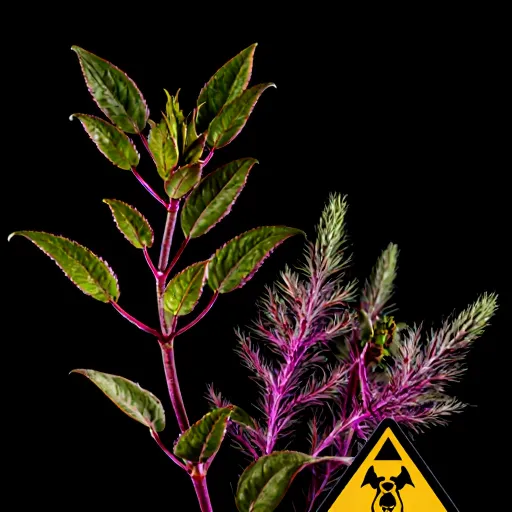
Spot Hidden Dangers: Toxic Plants to Avoid
Hidden Perils: Toxic Plants Lurking for Your Dog
Table of Contents
- Section 1: Introduction to Toxic Plants for Dogs
- Section 2: Azaleas and Rhododendrons
- Section 3: Sago Palm
- Section 4: Lilies (especially Lily of the Valley)
- Section 5: Tulips and Hyacinths
- Section 6: Dieffenbachia or Dumbcane
- Section 7: English Ivy
- Section 8: Castor Bean
- Section 9: Oleander
- Section 10: Foxglove
- Section 11: Wisteria
- Section 12: Yew Trees
- Section 13: Chrysanthemums or Mums
- Section 14: Conclusion
- FAQs About Toxic Plants for Dogs
Section 1: Introduction to Toxic Plants for Dogs
Dogs are natural explorers and enjoy chewing on various objects, including plants. While many plants are safe for dogs, some can be extremely harmful if ingested. It's crucial to be aware of the toxic plants that must be avoided to ensure your pet’s safety. This section aims to provide a comprehensive overview of common toxic plants for dogs and practical advice on how to keep them away.
Understanding Toxic Plants
Toxic plants can cause various health issues ranging from mild stomach upset to severe poisoning or even death. The toxicity level varies, depending on the plant species and the amount ingested. Common symptoms include vomiting, diarrhea, lethargy, seizures, and in extreme cases, organ failure.
Common Toxic Plants for Dogs
- Rhododendrons: These beautiful flowering shrubs contain grayanotoxins which can cause vomiting, diarrhea, drooling, and difficulty breathing in dogs. Even small amounts ingested can be dangerous.
- Lily of the Valley: Highly toxic to both cats and dogs, this plant causes heart problems and can lead to fatal arrhythmias if eaten.
- Tulips & Hyacinths: The bulbs are particularly dangerous. Ingestion can cause severe stomach pain, excessive thirst, and even cardiac issues in dogs.
- Aconite (Monkshood): This plant contains aconitine which is highly toxic. It affects the heart and nervous system leading to respiratory arrest if ingested.
- Ferns: Some fern varieties, like bracken fern, can cause severe health issues including kidney failure in dogs.
Preventative Measures
To avoid the risk of your dog ingesting toxic plants, there are several preventative steps you can take:
- Identify and Remove Toxic Plants: If you have any known toxic plants in or around your home, it's essential to remove them immediately. This includes both indoor and outdoor plants.
- Educate Your Family Members: Ensure that everyone in the household knows which plants are toxic and what to do if a dog ingests them.
- Mind Indoor Plants Carefully: Many popular houseplants like philodendrons, dieffenbachias (dumbcane), and peace lilies can be harmful. Keep these out of reach or opt for safer alternatives.
- Supervise Outdoor Playtime: If your dog spends time outside unsupervised, ensure the area is free from toxic plants. Regular checks are necessary to remove any new growth that may appear.
Potential Signs of Poisoning
If you suspect your dog has ingested a toxic plant, look out for these signs:
- Vomiting and diarrhea
- Loss of appetite
- Abnormal heart rate or breathing
- Lethargy or weakness
- Muscle tremors or seizures
If you observe any of these symptoms, contact your veterinarian immediately. Early intervention can often prevent severe health consequences.
Conclusion
In summary, it's vital to be aware of the toxic plants for dogs and take proactive steps to avoid potential risks. By identifying toxic plants in your environment, educating yourself and others, and providing timely medical attention if necessary, you can ensure that your beloved pet remains healthy and safe.
Section 2: Azaleas and Rhododendrons
Azaleas and rhododendrons are popular ornamental plants known for their vibrant and attractive blooms. However, these beautiful plants can be highly toxic to dogs if ingested. It is crucial for pet owners to understand the risks associated with these plants.
Understanding Azaleas and Rhododendrons
Azaleas (Rhododendron spp.) are a type of rhododendron that typically grow as shrubs. They come in various colors such as pink, red, purple, and white. Similarly, rhododendrons are also part of the same family and share many characteristics with azaleas.
Both plants produce leaves that can be toxic if consumed by dogs. The toxins found in these plants, primarily grayanotoxins, affect the heart muscle, digestive system, and nervous system, leading to severe health issues.
Dangers for Dogs
The ingestion of even small amounts of azaleas or rhododendrons can cause poisoning in dogs. Symptoms may include vomiting, diarrhea, excessive drooling, weakness, abnormal heart rhythms, and in extreme cases, respiratory failure and death.
Prevention Tips
- Secure Your Yard: Ensure that your yard is free of azaleas and rhododendrons. If you have these plants, consider moving them to areas where your dog cannot access them.
- Educate Other Pet Owners: Inform friends or neighbors who may have these plants about the dangers they pose to dogs. Encourage them to take necessary precautions if their pets are unsupervised.
- Choose Safe Alternatives: Opt for pet-safe plant alternatives that offer similar aesthetic appeal but do not contain harmful toxins.
Conclusion
To protect your furry friend, it is essential to be aware of the potential dangers posed by azaleas and rhododendrons. By taking preventive measures and being vigilant about plant placement in your yard or garden, you can ensure a safer environment for your dog.
Section 3: Sago Palm
The sago palm, scientifically known as Cycas revoluta, is a popular ornamental plant often used in landscaping due to its striking appearance. However, it carries a significant risk for dogs. All parts of the sago palm contain cycasin, a toxic compound that can cause severe health issues if ingested by dogs.
Understanding the Toxicity
The ingestion of even small amounts of the plant’s leaves or seeds (also known as nuts) can lead to poisoning. The initial signs typically include vomiting and diarrhea, but more serious symptoms such as liver failure may develop if not treated promptly.
Identifying Sago Palm
To avoid potential hazards, it is crucial for dog owners to identify sago palm when they see one. The plant has distinctive features: a crown of stiff, bright green leaves and a thick trunk that can be smooth or covered in scales.
Prevention Measures
- Secure the Plant: If you have sago palm at home, ensure it is placed out of reach of your dog. This might mean hanging the plant above ground level or keeping it in a room where your pet does not have access.
- Educate Others: Inform guests and visitors about the dangers associated with sago palm to prevent accidental ingestion by your pet.
Seeking Immediate Help
In case of suspected poisoning, contact your veterinarian or a poison control center immediately. Prompt action is vital as early treatment can significantly improve your dog’s chances of recovery. Remember, prevention remains the best strategy to protect your pet.
Conclusion
The sago palm, while beautiful and versatile in landscaping, poses serious risks to canine health. By understanding its toxicity, recognizing it when encountered, and taking preventive measures, you can help ensure that your furry friend remains safe and healthy.
Section 4: Lilies (especially Lily of the Valley)
When it comes to gardening, lilies are a popular choice for their beauty and elegance. However, not all varieties of lilies are safe around pets, especially dogs. In fact, certain types of lilies can be highly toxic to dogs, posing serious health risks.
Lily of the Valley: A Dangerous Choice
One of the most dangerous lilies for dogs is the Lily of the Valley (Convallaria majalis). This charming plant may look innocent enough, but it contains cardiac glycosides that can be fatal to dogs. Even small amounts ingested by your pet can lead to severe heart problems and could potentially cause death if not treated promptly.
Warning Signs: If your dog consumes Lily of the Valley, watch out for signs such as vomiting, diarrhea, rapid heartbeat, abnormal heart rhythms, weakness, or collapse. Immediate veterinary care is essential in these situations.
Other Lilies to Avoid
- Tiger Lily: This type of lily (Lilium tigrinum) can cause severe kidney damage in dogs if ingested. Even the pollen or sap from these flowers poses a risk.
- Eurasian Lily: Another variety that falls into this category includes Lilium brownii, which also has toxic effects similar to other lilies mentioned above.
Safe Alternatives
If you love lilies but are concerned about their toxicity towards your dog, consider safer alternatives. Here are some options that won't harm your pet:
- Carnations (Dianthus): These colorful flowers make excellent border plants and cut flowers without any risk to your dog.
- Roses:* While roses can be attractive, certain varieties may have thorns or stems that could cause harm. Opt for hybrid teas or floribundas as they are less likely to pose a threat compared to climbers like ramblers and climbing roses.
Pet-Safe Gardening Tips
To ensure both your garden thrives beautifully while keeping your pets safe:
- Research thoroughly before purchasing any new plants. Make sure you know exactly what type of plant it is and whether it poses risks to animals.
- Keep toxic plants out of reach from curious dogs. This might mean moving them indoors or using a fence around certain areas.
- Consider pet-friendly landscaping materials such as mulches made from pine needles, bark chips, or gravel instead of compost or manure-based products which can contain harmful bacteria for pets.
In conclusion, while lilies offer stunning aesthetics to your outdoor space, it’s crucial to be aware of their potential dangers. By making informed choices about what you grow in your garden and taking preventive measures, you can enjoy a safe and beautiful environment that both humans and animals appreciate.
Section 5: Tulips and Hyacinths
Tulips (Tulipa) and hyacinths (Hyacinthus orientalis) are two of the most popular spring-flowering bulbs, often cherished for their vibrant colors that brighten gardens during winter's end. However, while tulips and hyacinths are not typically fatal to dogs if ingested, they can cause significant discomfort and health issues. It’s important to be aware of these potential dangers so you can protect your pet.
Tulip bulbs contain a toxic compound called tulipalin A, which can irritate the dog's mouth, throat, stomach, and intestines if ingested. Hyacinth bulbs also contain similar compounds that can cause nausea, vomiting, diarrhea, and abdominal pain in dogs.
Signs of Poisoning
If your dog has eaten any part of a tulip or hyacinth bulb, you might notice the following symptoms:
- Nausea and vomiting
- Diarrhea and other gastrointestinal issues
- Drooling more than usual
- Lethargy or weakness
- Avoidance of food
To minimize the risk, it's crucial to keep these plants out of reach of your dog. Here are some practical tips:
- Cover bulbs properly: Ensure that bulbs are planted deeply enough so they are not accessible by digging dogs.
- Secure pots: If you have potted tulips or hyacinths, make sure the container is secure and cannot be tipped over. This prevents your dog from being able to access the soil and potentially ingest any parts of the plant.
- Use deterrents: Commercially available sprays and other products can help discourage pets from digging up bulbs or plants.
If you're concerned about the safety of tulips and hyacinths around your dog, consider these alternatives which are safe for dogs:
- Geraniums (Pelargonium): These come in various colors and scents that can be delightful for both humans and pets.
- Narcissus: While some species of narcissus bulbs can be toxic to dogs, there are safe varieties like the paperwhites (Narcissus tazetta 'Grand Soleil d'Or').
- Zinnias: These annuals bloom brightly and come in a variety of colors.
- Crocuses: Another spring favorite, but be cautious as some varieties can be harmful to dogs.
In conclusion, while tulips and hyacinths are beautiful additions to your garden, it's essential to recognize their potential risks. By taking the necessary precautions, you can enjoy these flowers without worrying about your pet's safety.
Section 6: Dieffenbachia or Dumbcane
The Dieffenbachia, commonly known as the Dumbcane, is a popular indoor plant cherished for its vibrant leaves and easy maintenance. However, this beloved houseplant can pose serious health risks if ingested by dogs.
Why Is Dieffenbachia Toxic?
Dieffenbachia contains calcium oxalate crystals in its leaves, stems, and sap. When a dog bites down on or chews the plant, these sharp crystals can cause significant irritation to the mouth, throat, and digestive tract.
Symptoms of Dieffenbachia Poisoning in Dogs
- Salivation (drooling)
- Difficulty swallowing or eating
- Inflammation of the mouth, tongue, and throat
- Vomiting
- Diarrea
- Loss of appetite
- Swelling of the lips, tongue, and face (angioedema)
Treatment for Dieffenbachia Poisoning
If you suspect your dog has ingested a Dieffenbachia plant, it is crucial to seek immediate veterinary attention. Do not induce vomiting unless instructed by a veterinarian as the crystals can cause further irritation.
Upon arrival at the vet’s office, they may perform a thorough examination and possibly take X-rays if there are concerns about foreign bodies or obstructions in your dog's digestive tract. Treatment typically involves flushing out the mouth with water and administering anti-inflammatory medications to reduce swelling and pain.
Preventing Access to Dieffenbachia
- Hanging Plants Safely: If you must keep Dieffenbachia in your home, consider hanging it high out of reach. This can be done by using a hanging planter or placing the plant on a tall piece of furniture.
- Secure Placement: Ensure that any Dieffenbachia plants are placed where dogs cannot easily access them. This might mean keeping them in rooms where your dog does not enter frequently.
- Monitor Your Dog: Keep a close eye on your dog, especially when it is in areas where the plant may be located. Supervision can help prevent accidents.
Alternative Plants for Dog-Friendly Environments
If you love having indoor plants but want to ensure they are safe for pets, consider these alternatives:
- Pothos (Epipremnum aureum): This vine is both beautiful and pet-friendly.
- Jade Plant (Crassula ovata): Known for its easy care and safety for pets.
- Zebra Plant (Haworthia): A succulent that adds a touch of green to your space without risk.
Conclusion
The Dieffenbachia or Dumbcane is an attractive houseplant but poses significant risks if ingested by dogs. By understanding the dangers and taking preventive measures, you can enjoy the beauty of this plant while keeping your pet safe.
Section 7: English Ivy
English ivy, scientifically known as Hedera helix, is a popular ornamental plant used in landscaping due to its attractive appearance and hardiness. However, it's important for pet owners to be aware of the potential risks associated with this plant when it comes to their dogs' health.
Why English Ivy Can Be Toxic to Dogs
English ivy contains several compounds that can cause toxicity in dogs if ingested. The main toxin is hedirosides, which are triterpenoid saponins found in the plant's leaves and berries. These compounds can irritate the digestive tract of your dog, leading to symptoms such as vomiting, diarrhea, abdominal pain, and decreased appetite.
Signs Your Dog Might Have Eaten English Ivy
- Vomiting
- Diarrhea
- Abdominal Pain
- Decreased Appetite
- Muscle Tremors (in severe cases)
What to Do if Your Dog Has Ingested English Ivy
If you suspect your dog has eaten any part of the English ivy, it is crucial to contact your veterinarian immediately. The severity of poisoning can vary based on the amount ingested and the size of your dog. Veterinarians may recommend inducing vomiting or administering activated charcoal to absorb the toxins further.
Preventing Access to English Ivy
- Ensure that all parts of the plant, including leaves and berries, are kept out of reach of your dog.
- Consider using alternative plants that are safe for pets if you choose to keep ivy in your garden or indoors.
- Closely monitor areas where English ivy is present so that you can quickly remove any fallen leaves before your dog has a chance to eat them.
Conclusion
Toxicity from English ivy should not be taken lightly. By being aware of the risks and taking preventive measures, you can help ensure that your dog remains safe and healthy. Always prioritize your pet's well-being by keeping potentially harmful plants away from their reach.
Section 8: Castor Bean
The castor bean (Ricinus communis) is a plant that many gardeners and horticulturists use for its ornamental value. However, it carries a significant risk of toxicity when consumed by dogs. Understanding the dangers associated with this plant can help pet owners protect their pets from potential harm.
Understanding the Toxicity
The castor bean contains ricin, a potent toxin found in all parts of the plant but especially concentrated in its seeds. Ricin works by interfering with protein synthesis within cells, leading to severe organ damage and potentially death if ingested.
Symptoms of Poisoning
- Nausea and vomiting
- Diarrhea
- Loss of appetite
- Vomiting blood (hematemesis)
- Abdominal pain
- Fever
- Toxic shock in severe cases
Potential Risks to Dogs
Dogs are particularly vulnerable because of their curiosity and tendency to chew on plants. Even small amounts of castor bean seeds can cause poisoning, making it crucial for dog owners to be vigilant.
Prevention Tips
- Avoid planting castor beans in areas where your dog frequently visits or plays.
- If you already have castor beans, ensure they are securely stored out of reach of pets.
- Keep an eye on your dog when it is outdoors to prevent accidental ingestion.
- Instruct guests and visitors about the dangers of the plant if they may come into contact with your pet.
Emergency Response
In case of suspected poisoning, immediate veterinary attention is essential. Do not induce vomiting unless advised by a veterinarian as it could cause further harm. Collect any remaining seeds and bring them to the vet for identification.
Conclusion
The castor bean poses a serious threat to dogs due to its ricin content, which can lead to severe health issues if ingested. By understanding the risks and implementing preventive measures, you can help safeguard your pet's well-being. Always prioritize safety when dealing with plants that are toxic to dogs.
Section 9: Oleander
Oleander (Nerium odorum) is a highly toxic plant that poses significant dangers to dogs. This evergreen shrub, popular for its vibrant pink or white blooms, can be found in many gardens and public spaces. However, every pet owner must be aware of the potential risks associated with this plant.
Oleander contains a toxin called cardiac glycosides, which affects the heart's rhythm by interfering with its electrical signals. Even small amounts of oleander can cause severe health issues in dogs, including vomiting, diarrhea, lethargy, rapid or irregular heartbeat, and potentially fatal heart failure.
- Vomiting
- Diarrhea
- Lethargy
- Rapid or Irregular Heartbeat
- Fainting or Collapse
The best way to protect your dog from oleander poisoning is by keeping this plant out of reach. If you have oleander in your garden, consider installing a fence or barrier around it to prevent dogs from accessing the foliage.
- Secure Your Garden: Ensure that oleander plants are not accessible to your dog. This may involve relocating them to areas where your pet cannot reach, such as enclosed gardens or pots placed on high shelves.
- Supervise Outdoor Activities: Keep a close eye on your dog during walks or playtime in public parks or gardens that might contain oleander plants.
- Educate Others: If you have visitors with dogs, make sure they are aware of the risks and take necessary precautions when visiting your garden or property.
In case of suspected oleander ingestion, immediate veterinary attention is crucial. Symptoms may not appear immediately, but once they do, treatment can be challenging without prompt intervention.
- Activated Charcoal: Veterinarians often use activated charcoal to absorb the toxin before it is fully absorbed by the body.
- Vomiting Induction: In some cases, veterinarians may induce vomiting to help remove any remaining plant material from the dog's stomach.
- Liquid Diuretics: These are sometimes used to flush toxins out of the system more quickly.
- Pump Irrigation: This procedure involves flushing the stomach with a solution to neutralize the toxin further, though it is rarely necessary unless the dog ingested large amounts.
Oleander may be beautiful and ornamental, but its toxicity makes it a dangerous plant for dogs. By understanding the risks associated with oleander and taking proactive steps to prevent access, you can significantly reduce the chances of your pet experiencing a potentially life-threatening situation.
Section 10: Foxglove
When it comes to creating a safe environment for your pets, understanding which plants are toxic is crucial. Foxglove (Digitalis purpurea) stands out as one such plant that can pose significant risks if ingested by dogs.
Understanding Foxglove
Foxglove is a flowering plant known for its tall spires and bell-shaped flowers. It is often cultivated in gardens for ornamental purposes but should be kept away from areas accessible to pets due to its toxic properties. The active ingredients, digitalis glycosides (cardiac glycosides), can affect the heart rhythm if ingested.
Dangerous Components
The primary toxin in foxglove is digitalis, which interferes with the electrical impulses that regulate the heartbeat. In dogs, this can lead to severe arrhythmias, potentially causing death. The toxicity varies depending on the part of the plant consumed and the size of the dog; however, even small amounts can be harmful.
Symptoms of Poisoning
- Irregular or rapid heartbeat
- Vomiting
- Diarrhea
- Nausea
- Tremors
- Sedation or hyperactivity
- Fainting or collapse
Prevention and Safety Measures
To prevent any risk, it’s important to ensure that foxglove is not planted in areas where your dog frequents. If you already have foxglove plants, consider relocating them to a secure area where pets cannot access them.
Here are some practical tips for keeping your garden safe:
- Remove all parts of the plant from the environment immediately if found chewed or ingested by your dog.
- Avoid using foxglove in gardens where pets have access unless it is properly contained and monitored.
- Install fences or barriers to prevent dogs from entering areas where toxic plants are present.
- Keep a watchful eye on your pet, especially if they tend to chew on plants.
Conclusion
In summary, foxglove and other toxic plants should be avoided in any environment where dogs have access. By being proactive and aware of the dangers, you can help ensure that your pet remains healthy and safe.
Section 11: Wisteria
The wisteria, a beautiful flowering vine often admired for its cascading clusters of purple, pink, or white blooms, can pose potential risks when it comes into contact with pets. While the vibrant flowers are indeed captivating, many garden enthusiasts may not be aware that certain parts of this plant can be toxic to dogs.
Understanding Wisteria Toxicity
The toxins in wisteria plants primarily affect a dog's digestive system when ingested. The seeds and pods are the main culprits, containing compounds like saponins which can cause gastrointestinal irritation. Symptoms of poisoning include vomiting, diarrhea, lethargy, and loss of appetite.
Precautions to Take
- Keep Dogs Away: The most effective way to prevent any potential harm is by ensuring that your dog does not have access to the plant. This includes keeping it trimmed away from areas where your pet frequently roams.
- Secure Containers: If you must grow wisteria in pots, make sure they are placed out of reach or securely enclosed. This minimizes the chance of a curious dog knocking over and ingesting parts of the plant.
Alternative Ornamental Plants
If you're considering planting alternatives to wisteria that are both pet-friendly and visually appealing, here are some options:
- Clematis: A beautiful alternative with similarly enchanting flowers but no toxic effects on dogs.
- Trumpet Vine: An attractive vine known for its trumpet-shaped blooms that is safe for pets.
- Lavender: A fragrant herbaceous plant that adds a wonderful aroma to your garden without any risks of toxicity.
Conclusion
In conclusion, while wisteria can be a stunning addition to your garden, it's crucial to consider the safety of your pets. By taking preventive measures and considering pet-friendly alternatives, you can enjoy the beauty of nature without compromising on your pet’s wellbeing.
Section 12: Yew Trees
Yew trees, scientifically known as Taxus, are renowned for their resilience and aesthetic appeal. However, what many pet owners often overlook is that yew trees can be highly toxic to dogs if ingested. This section aims to provide a detailed overview of why you must avoid having yew trees in your backyard or garden, especially if you have a dog.
Why Yew Trees Are Toxic to Dogs
The toxicity of yew trees primarily lies in the presence of a compound called taxine. Taxine can cause serious health issues for dogs when ingested. Symptoms of poisoning may include vomiting, diarrhea, difficulty breathing, and even cardiac arrhythmia or failure.
Identifying Yew Trees
To avoid accidental ingestion, it’s crucial to identify yew trees in your garden. Yews are evergreen shrubs or small trees that typically have flat, scale-like leaves. They can range in size from a few feet tall to over 40 feet if left untrimmed. The berries of the yew tree, which appear red and attractive to dogs, are particularly dangerous.
Risk Assessment for Dog Owners
For dog owners who already have yew trees in their gardens or surroundings, it is recommended to take immediate action to remove them. If removal isn't an option, ensure that your dog has no access to these areas where yews are present.
Prevention Tips for Pet Owners
- Create a Safe Environment: Ensure there are no toxic plants within reach of your pets by keeping them in enclosed spaces or high up out of reach.
- Educate Yourself and Your Family: Learn about which plants are toxic to dogs. This can be done through reliable sources such as the ASPCA Poison Control Center.
- Secure Your Yard: If you have a dog, secure your yard by fencing it properly or ensuring no access points where yew trees might grow.
Conclusion
In conclusion, while yew trees are beautiful additions to many gardens, their toxicity makes them a risk for dogs. By understanding the risks and taking preventive measures, you can ensure your pet's safety while still enjoying the aesthetic benefits of nature.
Section 13: Chrysanthemums or Mums
Chrysanthemums, commonly known as mums, are popular flowering plants that add vibrant colors and a burst of seasonal cheer to gardens and homes. However, while they may be appealing to the human eye, these flowers can pose significant risks to pets, particularly dogs.
Chrysanthemums belong to the genus Chrysanthemum, which includes over 300 species of plants in the Asteraceae family. These flowers are widely used for ornamental purposes and are often found in public parks, gardens, and home landscapes during autumn months.
Toxicity to Dogs
Chrysanthemums contain pyrethrins, a group of chemicals that have insecticidal properties. These compounds can be highly toxic to dogs if ingested. Even small amounts of these flowers or their parts (such as the leaves or stems) can cause severe health issues.
- Symptoms: Vomiting, diarrhea, lethargy, low blood pressure, and in severe cases, seizures and even death.
- Risk Factors: Dogs are more likely to ingest chrysanthemums if they have access to an open garden or if the flowers are placed in a location where dogs can reach them easily. Curious pets may sniff, chew on, or eat these plants unintentionally.
Prevention and Safety Measures
To protect your furry friend from potential harm due to chrysanthemums or other toxic plants in your home or garden:
- Avoid placing harmful flowers indoors: Keep chrysanthemums and other toxic plants out of reach, especially if you have dogs. If you must use them for decoration, ensure they are in a secure location.
- Secure outdoor spaces: Enclose your garden with fences or barriers to prevent your dog from accessing potentially harmful plants.
- Educate family members and guests: Make sure everyone is aware of the toxic plants present in your home or yard. Supervise interactions between your pets and visitors who may bring flowers into your house.
Common Toxic Plants to Avoid
In addition to chrysanthemums, many other common household and garden plants are toxic to dogs. Some examples include:
- Azaleas
- Lilies (especially certain species like Easter lilies)
- Dieffenbachia (also known as the dumb cane)
- Hibiscus
Always research thoroughly before introducing any new plants into your home or garden. It's crucial to prioritize your pet's safety by being aware of potential dangers and taking proactive measures to prevent accidents.
Section 14: Conclusion
In conclusion, understanding which plants are toxic to dogs is crucial for pet owners. Every year, thousands of pets suffer from poisoning due to accidental ingestion of harmful plants found both inside and outside the home. It's essential to keep your dog safe by identifying and avoiding these potentially dangerous flora.
Key Takeaways:
- Research Thoroughly: Always research any new plant you bring into your home or yard. Websites like the ASPCA's Poison Control Center offer reliable information on toxic plants for dogs.
- Secure Your Environment: Keep all toxic plants out of reach. This includes hanging baskets, window sills, and even indoor pots that might be within your dog’s reach.
- Monitor Behavior: Dogs may eat plants out of curiosity or boredom. Watch for signs of distress such as vomiting, diarrhea, lethargy, or loss of appetite. Immediate veterinary attention is necessary if you suspect poisoning.
Examples of Toxic Plants to Avoid:
Here are some examples of plants that are toxic to dogs and must be avoided at all costs:
- Aconite (Monkshood): This plant can cause digestive issues, muscle weakness, and potentially fatal heart problems.
- Daffodils: The bulbs are particularly dangerous as they contain lycorine, leading to symptoms like vomiting, diarrhea, and abdominal pain.
- Hemlock: Known for its severe neurotoxic effects, ingesting hemlock can lead to respiratory failure and death if not treated promptly.
- Lily of the Valley: This plant is highly toxic to dogs. It can cause heart rhythm disturbances, seizures, and even death in some cases.
PRACTICAL ADVICE FOR PET OWNERS
To protect your dog from potential plant poisoning, consider the following practical steps:
- Create a Safe Space: Designate areas in your home and garden where your dog can play safely without access to toxic plants.
- Use Pet-Friendly Plants: Opt for pet-safe plants that are not harmful if ingested. This includes species like spider plants, snake plants, and peace lilies.
- Keep a First Aid Kit Ready: Have a well-stocked first aid kit at home to address minor injuries or poisonings quickly.
By being informed and taking preventive measures, you can ensure that your dog remains safe from the dangers of toxic plants. Remember, knowledge is your best defense against potential emergencies.
FAQs About Toxic Plants for Dogs
Frequently Asked Questions:
- Q: What are toxic plants to dogs?
- Toxic plants can cause a variety of health issues in dogs, ranging from mild discomfort to severe poisoning. Some common symptoms include vomiting, diarrhea, lethargy, and even more serious conditions like seizures or organ failure.
- Q: What should I do if my dog ingests a toxic plant?
- If you suspect your dog has eaten a potentially harmful plant, contact your veterinarian immediately. Do not induce vomiting unless instructed by a professional; some toxins can cause further harm when expelled from the body.
- Q: Are all plants dangerous to dogs?
- No, not all plants are dangerous. However, it's crucial to be aware of those that are toxic and keep them out of reach of your pet. Always research new plants before bringing them into your home or garden.
- Q: What are some common plants that are toxic to dogs?
- Here are a few examples of plants that can be harmful if ingested by dogs:
- Amaryllis
- Lilies (especially in cats, but also toxic to dogs)
- Sago Palm
- Tulips and Narcissus bulbs
- Chrysanthemums
- Q: How can I keep my dog safe from toxic plants?
- To protect your pet, take the following steps:
- Avoid planting or keeping known toxic plants in areas accessible to your dog.
- Keep potted plants out of reach if you suspect they might be harmful.
- Research any new plants before adding them to your home or garden.
- Be aware of wild plants that grow near your property and inform family members about potential dangers.
- Q: What should I do if my dog has already eaten a toxic plant?
- Seek immediate veterinary care. Bring along any part of the plant that was consumed, including its roots and leaves. Prompt action can significantly improve your pet's chances of recovery.
- Q: Can I use essential oils or air fresheners near toxic plants?
- Certain essential oils and air fresheners are harmful to dogs as well. Always research the safety of these products around pets before using them in areas where your dog has access.
- Q: Are there any plants that are safe for dogs?
- Yes, many plants are safe and even beneficial for dogs when used properly. Herbs like rosemary, thyme, or basil can be used in moderation as ingredients in pet-safe recipes. Always ensure the plant is not only non-toxic but also suitable for consumption by dogs.
References: For more information on plants that are toxic to dogs you must avoid, consider consulting your veterinarian or checking reliable sources like the ASPCA's list of Toxic and Non-Toxic Plants for Dogs.
Categories
- AI & Enrichment Play
- Broiler Farming
- Broiler Farming Tips
- Canine Wellness & Longevity
- Cat
- Cat & Human Connection
- Cat Adoption & Rescue
- Cat Breeds
- Cat Breeds & Personalities
- Cat Care & Health
- Cat Grooming & Hygiene
- Cat Lifestyle & Environment
- Cat Myths & History
- Cat Nutrition & Diet
- Cat Products & Reviews
- Cat Training & Behavior
- Comparison
- Consumer Awareness
- Dog
- Dog Accessories & Products
- Dog Adoption & Rescue
- Dog Breed & Lifestyle Trends
- Dog Breeding & Puppies
- Dog Entertainment & Media
- Dog Fashion & Trends
- Dog Fun & Lifestyle
- Dog Grooming & Hygiene
- Dog History & Culture
- Dog Myths, Science & Future Tech
- Dog News & Trends
- Dog Nutrition & Food
- Dog Psychology & Emotions
- Dog Safety & Security
- Dog Sports & Activities
- Dog Technology & Innovation
- Dog Training for Modern Owners
- Dog Travel & Adventure
- Dog Travel, Adventure & Culture
- Economic and Market Insights
- Educational Content
- FAQs
- Feeding Alternatives
- Festivals & Seasonal Ideas
- Fun & Entertainment
- General Knowledge
- General Pig Farming
- Health & Disease Management
- Housing and Environment
- Kittens
- Market Insights
- Miscellaneous
- Miscellaneous
- Motivational
- pig
- Pig Breeding
- Pig Breeds
- Pig Farming Stories and Inspiration
- Pig Health and Care
- Pig Nutrition
- Pig Products
- Profitability & Business
- Puppy Care
- Puppy Predictable Topics Reinvented
- Regional Focus
- Rescue & Adoption Buzz
- Senior Cats
- Senior Dog Care
- Smart Dog Tech & Gadgets
- Sustainability
- Sustainable & Eco-Friendly Dog Products
- Tech & Innovations
- Working & Service Dogs
- Broiler Feed66 products
- Country Feed33 products
- Pig Feed66 products
- Product22 products
- Raw Materials99 products
Products
-
 Fish Meal
₹1,999.00 – ₹2,999.00Price range: ₹1,999.00 through ₹2,999.00Rated 0 out of 5
Fish Meal
₹1,999.00 – ₹2,999.00Price range: ₹1,999.00 through ₹2,999.00Rated 0 out of 5 -
 FATTENING BROILER FEED
₹2,299.00 – ₹2,349.00Price range: ₹2,299.00 through ₹2,349.00Rated 0 out of 5
FATTENING BROILER FEED
₹2,299.00 – ₹2,349.00Price range: ₹2,299.00 through ₹2,349.00Rated 0 out of 5 -
 LAYER COUNTRY FEED
₹1,549.00 – ₹1,649.00Price range: ₹1,549.00 through ₹1,649.00Rated 0 out of 5
LAYER COUNTRY FEED
₹1,549.00 – ₹1,649.00Price range: ₹1,549.00 through ₹1,649.00Rated 0 out of 5 -
 COUNTER BROILER FEED
₹1,199.00 – ₹1,299.00Price range: ₹1,199.00 through ₹1,299.00Rated 0 out of 5
COUNTER BROILER FEED
₹1,199.00 – ₹1,299.00Price range: ₹1,199.00 through ₹1,299.00Rated 0 out of 5 -
 LACTATING PIG FEED
Rated 0 out of 5
LACTATING PIG FEED
Rated 0 out of 5₹2,299.00Original price was: ₹2,299.00.₹1,740.00Current price is: ₹1,740.00. -
 Maize
Rated 0 out of 5
Maize
Rated 0 out of 5₹1,650.00Original price was: ₹1,650.00.₹1,300.00Current price is: ₹1,300.00. -
 GESTATION PIG FEED (Phase 1)
Rated 0 out of 5
GESTATION PIG FEED (Phase 1)
Rated 0 out of 5₹2,249.00Original price was: ₹2,249.00.₹1,699.00Current price is: ₹1,699.00. -
 Pre Starter Broiler Feed
₹2,399.00 – ₹2,499.00Price range: ₹2,399.00 through ₹2,499.00Rated 0 out of 5
Pre Starter Broiler Feed
₹2,399.00 – ₹2,499.00Price range: ₹2,399.00 through ₹2,499.00Rated 0 out of 5 -
 FINISHER PIG FEED
Rated 0 out of 5
FINISHER PIG FEED
Rated 0 out of 5₹2,299.00Original price was: ₹2,299.00.₹1,749.00Current price is: ₹1,749.00. -
 Broiler Premix
Rated 0 out of 5
Broiler Premix
Rated 0 out of 5₹820.00Original price was: ₹820.00.₹699.00Current price is: ₹699.00.