
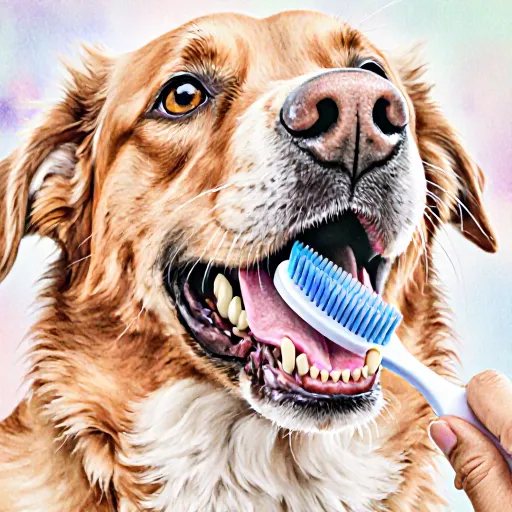
Simplify dental care with these easy dog tooth brushing tips!
How to Brush Your Dog’s Teeth the Easy Way
Table of Contents
- Choosing the Right Dog Toothbrush and Toothpaste
- Gathering Necessary Supplies
- Introducing the Brushing Routine to Your Dog
- Step-by-Step Guide for Effective Toothbrushing
- Identifying Problem Areas in Your Dog’s Mouth
- Using Positive Reinforcement and Rewards
- Frequency of Brushing: How Often Should You Do It?
- Common Dental Issues in Dogs and How to Spot Them
- DIY Remedies for Freshening Your Dog’s Breath
- Hydration and Diet: Supporting Oral Health
- Professional Dental Cleanings: When to Consider Them
- Conclusion
- FAQs About Brushing Your Dog’s Teeth
- Additional Resources for Pet Dental Care
Choosing the Right Dog Toothbrush and Toothpaste
To maintain your dog's dental health, choosing the right toothbrush and toothpaste is crucial. Just as with humans, regular brushing can prevent plaque buildup, reduce tartar, and lower the risk of periodontal disease. Here’s how to choose the best tools for the job:
Selecting the Right Toothbrush
The first step in effective dog dental care is selecting an appropriate toothbrush. There are several types available, each designed with your pet's unique needs in mind.
- Soft Bristle Brushes: These brushes have soft bristles that gently clean the teeth without causing damage to gums or enamel. They are suitable for most dogs and are easy to use.
- Tufted Brushes: Similar to human toothbrushes, these brushes have multiple rows of bristles. They can be easier to control and provide a good cleaning surface for larger areas of the mouth.
- finger Brushes: These are small brushes that fit over your finger like a sock. They allow you to brush in tight spaces around your dog's mouth, making them great for dogs with sensitive mouths or those who don't tolerate large brushes well.
When purchasing a toothbrush, consider the size of your dog's teeth and gums. A brush that is too big can cause discomfort and may not reach all areas effectively.
Picking the Right Toothpaste
Selecting the right toothpaste for your dog is equally important as it must be safe for pets, free from fluoride which can be toxic to dogs. Here are some recommendations:
- Dental Care Toothpaste: Look for toothpaste specifically formulated for dogs with ingredients that promote dental health.
- Bee-Powered Paste: Some natural toothpastes use honey and beeswax which can be soothing to your dog's mouth. Ensure it is free from xylitol, a sugar alcohol found in some products which can be harmful if ingested by dogs.
- Fresh Breath Toothpaste: If you're focused on giving your dog fresher breath, choose toothpastes that include natural flavoring agents to mask bad smells without the use of harsh chemicals.
Practical Advice for Brushing Your Dog's Teeth
To get started with brushing your dog’s teeth, follow these steps:
- Start Early: Introduce toothbrushes and toothpaste to your puppy as early as possible. This helps them become accustomed to the process.
- Use Positive Reinforcement: Reward your dog with treats or praise after brushing sessions to make it a positive experience.
- Brush Regularly: Aim to brush your dog's teeth at least three times a week. Consistency is key in maintaining good oral hygiene.
Remember, the goal of brushing your dog’s teeth should not only be about cleaning but also making it an enjoyable experience for both you and your pet.
Gathering Necessary Supplies
Proper tooth brushing is crucial for maintaining your dog's dental health. Here’s a detailed guide on the supplies you’ll need to make the process easy and stress-free for both you and your pet.
1. Soft-Bristled Toothbrush or Finger Brush
A soft-bristled toothbrush designed specifically for pets is essential. These brushes are typically smaller in size, which allows them to reach all areas of your dog’s mouth comfortably. Alternatively, a finger brush can also be used; it fits over your fingertip and has bristles that clean the teeth effectively.
Tip: If you’re new to brushing your dog's teeth, using a finger brush might make the process easier as it’s less intimidating for both of you. Over time, once your dog gets used to toothbrushing, you can switch to a regular soft-bristled toothbrush.
2. Pet Toothpaste
Pet toothpaste is critical because human toothpaste contains fluoride which is toxic for dogs if ingested in large amounts. Look for toothpaste specifically made for pets as it’s safe and designed to taste good for your dog, encouraging them to enjoy the brushing experience.
Example: Brands like VetDent and Hartz offer a variety of flavors that are appealing to dogs. Choose one based on what flavor your pet likes best; options include chicken, beef, and even bacon!
3. Water Fountain (Optional)
If you find that brushing your dog's teeth is particularly stressful for them, consider getting a pet water fountain. The constant flow of water can help keep their mouths clean between brushings by encouraging more frequent drinking.
Tips: Ensure the water in the fountain is clean and fresh at all times to maintain good oral hygiene.
4. Rewards
Making tooth brushing a positive experience can help your dog look forward to it rather than dread it. Prepare small treats or use their favorite toy as a reward for sitting still during the brushing process.
Practical Advice: Start by rewarding your pet immediately after the first few brushings, gradually increasing the time required before rewarding them. This way, they learn that good behavior is followed by something enjoyable.
5. Patience and Consistency
The key to successful tooth brushing for dogs lies in being patient and consistent. It may take several sessions before your dog gets comfortable with the routine, so be prepared to take things at their pace.
Tips: Start by just letting them smell the brush or taste the toothpaste on your finger. Gradually introduce the full process over a few days or weeks, allowing sufficient time for acclimatization.
Introducing the Brushing Routine to Your Dog
Introducing your dog to a brushing routine can be an essential step towards maintaining their overall health. Just like how you brush your teeth the easy way, it's crucial to establish proper dental hygiene for your pet. Regular brushing not only helps in preventing plaque buildup but also reduces bad breath and keeps your furry friend's smile healthy.
Why is Brushing Important?
Dental health plays a vital role in the overall well-being of dogs, just like it does for humans. Poor oral hygiene can lead to gum disease, tooth loss, and even infections that spread to other parts of the body. By introducing brushing into your dog's routine early on, you are helping them maintain strong teeth and gums, which will contribute significantly to their longevity.
How to Start
The key to success is making the experience positive for both of you. Here’s how you can introduce brushing into your dog's routine:
- Familiarization: Begin by letting your dog get used to having their mouth handled. Gently touch and massage their lips, gums, and teeth with clean fingers or a soft-bristled brush.
- Select the Right Tool: Choose a toothbrush designed specifically for dogs, which has softer bristles compared to human brushes. You can also opt for finger brushes that fit over your hand.
- Schedule Regular Brushing Sessions: Aim for at least two sessions per week, but daily brushing is ideal if you and your dog are comfortable with it. Make these times relaxing and enjoyable by offering treats or praise after the session.
Tips and Tricks
Here are some practical tips to make brushing easier for both you and your pet:
- Consistency is Key: Establish a routine so that brushing becomes part of your dog’s daily schedule. Dogs thrive on consistency, and this will help them get used to the process.
- Praise and Rewards: Positive reinforcement goes a long way in making brushing enjoyable for both you and your dog. Reward good behavior with treats or verbal praise after each session.
- Choose the Right Toothpaste: Never use human toothpaste, as it can be toxic to dogs. Opt for pet-safe toothpaste that comes in flavors like chicken or beef, which will make brushing more appealing to your dog.
Example Routine
Here’s a sample daily routine you could follow:
- Start the day by gently massaging your dog's gums with your fingers or a soft brush to get them used to the sensation.
- Spend about one to two minutes brushing their teeth, focusing on all surfaces of each tooth. Be thorough but gentle.
- Congratulate and reward your dog for being cooperative during the session.
Step-by-Step Guide for Effective Toothbrushing
Effective toothbrushing is crucial for maintaining good oral hygiene. Just as you would with your dog, following a proper brushing routine can significantly improve your dental health and prevent common issues like plaque build-up, gingivitis, and cavities.
Step 1: Choose the Right Toothbrush
Selecting the correct toothbrush is essential for effective cleaning. Opt for a soft-bristled toothbrush that fits your mouth comfortably. Hard bristles can damage gums and enamel over time, so it's best to stick with softer options.
Step 2: Use Toothpaste
Selecting the right toothpaste is equally important. Fluoride toothpaste helps protect against cavities and strengthens your teeth. If you have sensitive teeth or gums, look for toothpaste designed to alleviate sensitivity.
Step 3: Brush Correctly
Toothbrushing should be done in a gentle circular motion. This method is effective at removing plaque without causing damage to your gums and enamel. Spend about two minutes brushing, covering all surfaces of the teeth including the chewing surfaces and backs of the teeth.
Step 4: Don't Forget the Tongue
Your tongue can harbor bacteria too, so don’t forget to brush it. Using a toothbrush with a small head or a dedicated tongue scraper can help in thoroughly cleaning your tongue and reducing bad breath.
Step 5: Rinse and Floss
After brushing, rinse your mouth to remove any remaining food particles and plaque. Flossing is an important step that helps clean between teeth where a toothbrush can’t reach. This prevents the buildup of plaque in those hard-to-reach areas.
Additional Tips
- Brush Twice Daily: Brush your teeth at least twice a day, especially after meals and before bed.
- Replace Your Toothbrush: Replace your toothbrush every three to four months or sooner if the bristles become frayed. This ensures that you have an effective cleaning tool.
- Eat Healthy: A balanced diet can support oral health as well. Avoid excessive consumption of sugary foods and drinks which contribute to plaque formation.
Just like brushing your dog’s teeth, consistency is key in maintaining a healthy smile. Establishing good habits early on will make the process easier and more effective over time. Regular dental check-ups are also important for professional cleaning and advice tailored to your specific oral health needs.
Identifying Problem Areas in Your Dog’s Mouth
Identifying problem areas in your dog's mouth is crucial for maintaining their overall health. Just as with humans, dogs can develop various oral issues such as plaque buildup, gum disease, and tooth decay. Proper dental hygiene is essential to prevent these problems from worsening and causing pain or discomfort to your pet. One of the most effective ways to ensure your dog’s teeth remain healthy is by brushing them regularly.
Common Problem Areas in Your Dog's Mouth
- Gum Inflammation: Red, swollen, or bleeding gums are signs of gum inflammation. This can be due to plaque buildup and tartar on the teeth, which can lead to more serious periodontal disease if left untreated.
- Bad Breath: Persistent bad breath in dogs is not normal. It could indicate an underlying dental issue or even a systemic health problem that needs attention.
- Tooth Discoloration: If your dog's teeth appear yellow, brown, or have visible stains, it may be due to plaque and tartar buildup.
- Tender Gums: Sensitive or tender gums can indicate that your dog is experiencing pain from dental issues such as gingivitis or periodontal disease.
- Loose Teeth: If you notice any teeth that are loose, this could be a sign of advanced periodontal disease and requires immediate veterinary attention.
How to Brush Your Dog’s Teeth the Easy Way
Brushing your dog's teeth can help identify problem areas early on. Here’s how you can make it easy:
- Select the Right Brush and Paste: Use a soft-bristled toothbrush designed for dogs or finger brushes that fit over your index finger. Choose a pet-safe toothpaste, as human toothpaste is toxic to dogs.
- Start Slowly: Begin by letting your dog get used to the brush and paste. Allow them to smell and taste the toothpaste before attempting to brush their teeth.
- Brush in Circular Motions: Gently brush along the gumline using circular motions, focusing on the front teeth first. Spend about 30 seconds on each side of your dog's mouth.
- Check for Problem Areas: While brushing, pay close attention to any areas that appear inflamed, red, or tender. These are signs that you should address with a veterinarian promptly.
Promoting Oral Health Beyond Brushing
In addition to daily brushing, there are other ways to promote your dog’s oral health:
- Provide dental treats and toys designed for teeth cleaning. These can help reduce plaque buildup.
- Ensure your dog has a balanced diet that includes crunchy foods which can contribute to natural tooth cleaning.
- Regularly schedule veterinary check-ups, especially if you notice any signs of oral issues or discomfort.
By being vigilant and proactive in identifying problem areas in your dog's mouth, you can significantly improve their quality of life. Regular brushing and maintaining proper dental hygiene are key to keeping your furry friend healthy and happy.
Using Positive Reinforcement and Rewards
Using positive reinforcement and rewards is a fundamental principle in training, especially when it comes to grooming tasks like brushing your dog’s teeth. Positive reinforcement helps build trust between you and your pet while encouraging good behavior. By using treats, praise, or playtime as incentives, dogs are more likely to associate the tooth-brushing process with enjoyable experiences rather than something they dread.
Steps to Implement Positive Reinforcement
- Start Slow: Begin by allowing your dog to smell and taste the brush or finger-comb without actually brushing their teeth. This helps them get used to the sensation and reduces fear or resistance.
- Use a soft-bristled toothbrush or a special pet toothbrush designed for dogs.
- Short Sessions: Start with short sessions of about 30 seconds. Gradually increase the time as your dog becomes more comfortable.
- Praise and Treats: Immediately follow each brushing session with lots of praise, petting, or a small treat. This positive feedback reinforces the good behavior.
- A favorite toy or 15-minute playtime can also serve as a reward for well-behaved dogs.
Examples of Rewards
Treats are the most common form of positive reinforcement. Choose treats that your dog loves and that are small enough to avoid overfeeding or causing digestive issues. Here are some examples:
- Specialized dental treats designed for dogs’ teeth.
- Frozen treats, which can be given in the shape of a toy for added fun.
- Vegetable-based snacks like carrots or green beans if your dog is on a restricted diet.
Practical Tips
To make brushing easier, consider these practical tips:
- Choose the Right Time: Brush your dog’s teeth during times when they are most relaxed and responsive. This could be after a walk or right before bedtime.
- Consistency is Key: Establish a routine so that brushing becomes a regular part of your daily grooming schedule, making it easier for both you and your pet to adapt.
- Stay Patient and Positive: If your dog shows signs of distress during the process, pause and try again later. Patience is crucial in training any animal.
In conclusion, using positive reinforcement and rewards not only makes brushing your dog’s teeth an easier task but also strengthens your bond with your pet. With consistent effort and a little creativity, you can turn this grooming necessity into something enjoyable for both of you!
Frequency of Brushing: How Often Should You Do It?
Just like your pet dog, it's crucial to maintain oral hygiene for yourself too. Proper brushing is essential to keep your teeth healthy and prevent dental problems such as plaque build-up, gum disease, and tooth decay.
The frequency of brushing depends on various factors including the condition of your teeth and gums, lifestyle habits, and dietary choices. However, a general recommendation from dental experts suggests brushing at least twice a day - once in the morning and once before bedtime.
Consistency is key when it comes to oral hygiene. Brushing too frequently can lead to enamel erosion and gum sensitivity. On the other hand, neglecting your teeth for long periods allows bacteria to accumulate, which can cause severe dental issues. Therefore, maintaining a balanced routine is important.
How Often Should You Be Doing It?
To give you a clearer idea about how often you should brush, here are some practical guidelines:
- Morning and Evening: Brushing your teeth twice daily is the minimum requirement. This helps to remove food particles and plaque from the surface of your teeth, preventing them from hardening into tartar.
- Afters Meals: If you can fit it in, brushing after meals can be beneficial. However, it's best not to brush immediately after eating acidic foods or drinks as they can soften enamel, making it more susceptible to damage.
- Times of Day: Some people choose to brush their teeth before going to bed and upon waking up. This routine helps to maintain a clean mouth throughout the day and night, which is crucial for overall dental health.
It's important to note that while brushing is essential, it should not replace other aspects of oral care such as flossing and using mouthwash. Flossing once a day helps remove food debris from between the teeth where your toothbrush may not reach effectively. Mouthwash can further assist in killing any remaining bacteria.
Practical Tips for Effective Brushing
To maximize the benefits of brushing, follow these tips:
- Use a Soft-Bristled Toothbrush: Hard-bristled brushes can damage your gums and enamel. Opt for a soft or medium-bristled toothbrush that is designed to clean effectively without causing harm.
- Brush Properly: Use the right technique to ensure you are cleaning all areas of your mouth. Spend at least two minutes brushing each time, covering all surfaces of the teeth and gums.
- Replace Your Toothbrush Regularly: Over time, toothbrush bristles can become frayed and less effective in removing plaque. Replace your brush every three months or sooner if the bristles start to fray.
Remember that taking care of your teeth is an ongoing process. By following a consistent routine and incorporating various tools like floss and mouthwash, you can significantly improve your oral health. Just as how "How to Brush Your Dog’s Teeth the Easy Way" emphasizes the importance of regular brushing for pets, it's equally crucial for human beings.
Common Dental Issues in Dogs and How to Spot Them
When it comes to your furry friend's dental health, understanding and recognizing common dental issues is crucial. Just as brushing your dog’s teeth the easy way can prevent oral problems, knowing how to spot these issues early on can make a significant difference in their overall well-being.
One of the most common dental issues affecting dogs is the buildup of plaque and tartar. Plaque begins as a soft, colorless film that covers the teeth and gums. Over time, it hardens into calculus or tartar, which can be seen as yellowish-brown deposits on the teeth.
How to Spot It: Look for discolored or stained areas on your dog’s teeth, especially around the gumline. If you notice a build-up that looks like small rocks, it's likely tartar.
Gingivitis is an inflammation of the gums and is often the early stage of periodontal disease. It occurs when plaque and tartar irritate the gum tissue surrounding the teeth.
How to Spot It: Check for red, swollen, or bleeding gums, especially after your dog eats or plays. If you see these signs, it's a good idea to consult with your veterinarian as soon as possible.
Periodontal disease is the more advanced stage of gingivitis and can lead to severe tooth loss if not treated promptly. It involves inflammation extending beneath the gum line, leading to bone and tissue destruction around the teeth.
How to Spot It: Look for loose or discolored teeth, excessive drooling, bad breath, reluctance to eat, or difficulty chewing food. These symptoms can indicate that your dog is experiencing periodontal disease.
A broken tooth can be a painful experience for your dog and may lead to infection if not treated properly. Fractures can occur due to trauma or from chewing on hard objects like bones.
How to Spot It: If you notice your dog licking its mouth frequently, dropping food when eating, or refusing to chew certain foods, it could be a sign of a fractured tooth. Prompt veterinary attention is necessary for proper treatment and pain management.
Dogs can develop benign or malignant masses in their mouths, which may require surgical removal if detected early.
How to Spot It: Regularly examine your dog’s mouth for any unusual lumps, bumps, or growths. These should be checked by a veterinarian as soon as possible to determine the nature of the mass and whether it needs treatment.
Also known as猖狂挖坑
Maintaining your dog’s oral hygiene is essential for their overall health, and there are several DIY remedies you can try to freshen up your dog’s breath. These natural methods not only help in reducing bad odor but also promote healthier gums and teeth. In addition to these remedies, brushing your dog's teeth the easy way (as mentioned earlier) plays a crucial role in maintaining their dental health. Apple cider vinegar is rich in acetic acid, which helps in balancing the pH levels in your dog’s mouth and fights off bacteria that cause bad breath. Honey contains natural antibacterial properties which can help eliminate the bacteria that cause bad breath in dogs. Cinnamon has antiseptic properties while baking soda helps in neutralizing acids that cause bad breath, making this a powerful combination for freshening your dog’s breath. While these DIY remedies are effective in freshening up your dog’s breath, they should not replace regular dental care. Brushing your dog's teeth the easy way is still an essential part of their oral hygiene routine. Incorporate these DIY remedies into your regular oral care routine for a fresher, healthier mouth. Always consult with your veterinarian if you notice persistent bad breath or any other signs of dental issues in your dog. Hydration and diet play a crucial role in supporting oral health, not just for humans but also for our furry friends. Just like how maintaining good hygiene is essential for your pet’s teeth, ensuring that they are well-hydrated and have the right nutrients can significantly improve their overall dental health. Hydration is key to preventing plaque buildup and reducing tartar on your dog's teeth. Encouraging your dog to drink more water can help flush away bacteria and food particles, which are major contributors to oral diseases. You can make it easier for your pet by providing clean, fresh water at all times or using a pet fountain that will entice them to drink more. Eating the right foods is just as important as drinking enough water. A diet rich in essential nutrients and low in sugars can help prevent tooth decay and gum disease. Feeding your dog a balanced meal with crunchy elements such as carrots or celery can mechanically clean their teeth, helping to remove plaque and food debris. Just as humans require regular brushing and flossing, dogs also benefit from a routine of oral care. However, unlike humans, dogs cannot brush their own teeth. Owners must ensure that they take the necessary steps to maintain dental health. Regular visits to the vet for professional cleanings can be extremely beneficial, but in between those visits, it's crucial to implement other practices like giving water fountains and crunchy treats. Professional dental cleanings are a crucial aspect of maintaining oral health, not just for humans but also for our furry companions. Just as brushing your dog’s teeth is important to prevent gum disease and tooth loss, regular professional cleanings play an equally vital role in ensuring long-term dental health. While brushing your dog’s teeth at home is essential, it cannot replace the thorough cleaning provided by a professional dental cleaning. Professional cleanings involve the use of specialized tools and techniques designed to remove plaque and tartar effectively. This process goes beyond what can be achieved through regular brushing and helps prevent more serious issues such as gingivitis or periodontal disease. In summary, while brushing your dog’s teeth is an excellent habit to develop at home, it should complement rather than replace professional dental cleanings. By understanding when to consider these cleanings and following the advice provided by veterinarians, you can ensure that your pet maintains healthy gums and strong teeth for a longer life. Brushing your dog's teeth is a vital part of maintaining their overall health, just like it is for humans. In "How to Brush Your Dog’s Teeth the Easy Way," we explored various tips and techniques that make this task less daunting. Here, we delve deeper into the importance of regular brushing and offer practical advice tailored to different situations. Dental hygiene is crucial for dogs because poor oral health can lead to more serious issues such as gingivitis, periodontal disease, and even heart problems. Infections from bad teeth can spread to other parts of the body, causing systemic diseases that affect internal organs. The right tools are essential in making brushing enjoyable for both you and your dog. Look for a toothbrush designed specifically for dogs, which typically has soft bristles that are gentler on their gums. There are also finger brushes, which can be easier to use initially as they fit around the index finger. Introducing your dog to the toothbrushing process should be done gradually and positively. Start by allowing them to get used to the smell of the toothpaste (many brands offer flavors that are appealing to dogs) and then progress to letting them touch the brush with their mouth. In addition to regular brushing, there are other steps you can take to enhance your dog's dental health: In conclusion, maintaining good dental hygiene is an important aspect of pet care that should not be overlooked. By following these detailed steps and incorporating them into your daily routine, you can ensure a healthier mouth for your beloved companion. Q: Is it necessary to brush my dog’s teeth? Yes, just like humans, dogs can develop dental issues if their teeth are not properly cared for. Regular brushing helps prevent plaque buildup, gum disease, and bad breath. It is essential to incorporate a toothbrushing routine into your pet's health regimen. Q: When should I start brushing my dog’s teeth? It's best to start when your puppy is young so they become accustomed to the process from an early age. However, even if you didn't begin during puppyhood, it's never too late to introduce good dental hygiene habits. Begin by gradually introducing the toothbrush and paste in short sessions. Q: What tools should I use for brushing my dog’s teeth? For optimal results, you'll need a soft-bristled pet toothbrush specifically designed for dogs or an ultra-soft child's toothbrush. Choose toothpaste formulated for pets; human toothpaste can be toxic to them. Q: How often should I brush my dog’s teeth? The American Veterinary Medical Association recommends brushing your dog’s teeth at least three times a week, but daily brushing is even better. Consistency is key in maintaining good oral health for your pet. Q: What steps should I follow when brushing my dog’s teeth? Follow these easy steps: Q: What are some signs that my dog’s teeth need attention? Q: Can I use human toothpaste for my dog? No, do not use human toothpaste as it contains fluoride and other ingredients that are toxic to dogs. Always opt for pet-specific toothpaste. Q: What if my dog doesn’t like the taste or smell of the toothpaste? If your dog is resistant, try using a different flavor of toothpaste. Many brands come in flavors that are more appealing to dogs, such as chicken or beef. Q: How do I know if brushing is making my dog uncomfortable? Pay close attention to your dog's behavior during and after the session. If they show signs of discomfort, such as pulling away, excessive panting, or a change in mood, it might be time to reassess the process or seek advice from a veterinarian. To maintain your dog's dental health, brushing their teeth regularly is just one part of the puzzle. Here are some additional resources and tips to help you provide comprehensive care for your pet’s oral hygiene: In addition to brushing, there are several other methods you can incorporate into your pet’s dental care routine. These include providing appropriate chew toys that encourage natural teeth cleaning, offering dental treats designed specifically for pets, and scheduling professional cleanings with your veterinarian. Regular check-ups can also help catch any issues early on, ensuring your dog maintains good oral health. Remember, maintaining a pet’s dental health is crucial not just for preventing bad breath but also for overall systemic health. By combining these additional resources and tips with the easy way to brush your dog's teeth, you can significantly improve their quality of life.DIY Remedies for Freshening Your Dog’s Breath
DIY Remedies Explained
1. Apple Cider Vinegar
2. Raw HONEY
3. Cinnamon and Baking Soda Paste
Practical Advice
Hydration and Diet: Supporting Oral Health
Professional Dental Cleanings: When to Consider Them
Conclusion
FAQs About Brushing Your Dog’s Teeth
Frequently Asked Questions
Additional Tips
Additional Resources for Pet Dental Care
Categories
- AI & Enrichment Play
- Broiler Farming
- Broiler Farming Tips
- Canine Wellness & Longevity
- Cat
- Cat & Human Connection
- Cat Adoption & Rescue
- Cat Breeds
- Cat Breeds & Personalities
- Cat Care & Health
- Cat Grooming & Hygiene
- Cat Lifestyle & Environment
- Cat Myths & History
- Cat Nutrition & Diet
- Cat Products & Reviews
- Cat Training & Behavior
- Comparison
- Consumer Awareness
- Dog
- Dog Accessories & Products
- Dog Adoption & Rescue
- Dog Breed & Lifestyle Trends
- Dog Breeding & Puppies
- Dog Entertainment & Media
- Dog Fashion & Trends
- Dog Fun & Lifestyle
- Dog Grooming & Hygiene
- Dog History & Culture
- Dog Myths, Science & Future Tech
- Dog News & Trends
- Dog Nutrition & Food
- Dog Psychology & Emotions
- Dog Safety & Security
- Dog Sports & Activities
- Dog Technology & Innovation
- Dog Training for Modern Owners
- Dog Travel & Adventure
- Dog Travel, Adventure & Culture
- Economic and Market Insights
- Educational Content
- FAQs
- Feeding Alternatives
- Festivals & Seasonal Ideas
- Fun & Entertainment
- General Knowledge
- General Pig Farming
- Health & Disease Management
- Housing and Environment
- Kittens
- Market Insights
- Miscellaneous
- Miscellaneous
- Motivational
- pig
- Pig Breeding
- Pig Breeds
- Pig Farming Stories and Inspiration
- Pig Health and Care
- Pig Nutrition
- Pig Products
- Profitability & Business
- Puppy Care
- Puppy Predictable Topics Reinvented
- Regional Focus
- Rescue & Adoption Buzz
- Senior Cats
- Senior Dog Care
- Smart Dog Tech & Gadgets
- Sustainability
- Sustainable & Eco-Friendly Dog Products
- Tech & Innovations
- Working & Service Dogs
- Broiler Feed66 products
- Country Feed33 products
- Pig Feed66 products
- Product22 products
- Raw Materials99 products
Products
-
 Fish Meal
₹1,999.00 – ₹2,999.00Price range: ₹1,999.00 through ₹2,999.00Rated 0 out of 5
Fish Meal
₹1,999.00 – ₹2,999.00Price range: ₹1,999.00 through ₹2,999.00Rated 0 out of 5 -
 FATTENING BROILER FEED
₹2,299.00 – ₹2,349.00Price range: ₹2,299.00 through ₹2,349.00Rated 0 out of 5
FATTENING BROILER FEED
₹2,299.00 – ₹2,349.00Price range: ₹2,299.00 through ₹2,349.00Rated 0 out of 5 -
 LAYER COUNTRY FEED
₹1,549.00 – ₹1,649.00Price range: ₹1,549.00 through ₹1,649.00Rated 0 out of 5
LAYER COUNTRY FEED
₹1,549.00 – ₹1,649.00Price range: ₹1,549.00 through ₹1,649.00Rated 0 out of 5 -
 COUNTER BROILER FEED
₹1,199.00 – ₹1,299.00Price range: ₹1,199.00 through ₹1,299.00Rated 0 out of 5
COUNTER BROILER FEED
₹1,199.00 – ₹1,299.00Price range: ₹1,199.00 through ₹1,299.00Rated 0 out of 5 -
 LACTATING PIG FEED
Rated 0 out of 5
LACTATING PIG FEED
Rated 0 out of 5₹2,299.00Original price was: ₹2,299.00.₹1,740.00Current price is: ₹1,740.00. -
 Maize
Rated 0 out of 5
Maize
Rated 0 out of 5₹1,650.00Original price was: ₹1,650.00.₹1,300.00Current price is: ₹1,300.00. -
 GESTATION PIG FEED (Phase 1)
Rated 0 out of 5
GESTATION PIG FEED (Phase 1)
Rated 0 out of 5₹2,249.00Original price was: ₹2,249.00.₹1,699.00Current price is: ₹1,699.00. -
 Pre Starter Broiler Feed
₹2,399.00 – ₹2,499.00Price range: ₹2,399.00 through ₹2,499.00Rated 0 out of 5
Pre Starter Broiler Feed
₹2,399.00 – ₹2,499.00Price range: ₹2,399.00 through ₹2,499.00Rated 0 out of 5 -
 FINISHER PIG FEED
Rated 0 out of 5
FINISHER PIG FEED
Rated 0 out of 5₹2,299.00Original price was: ₹2,299.00.₹1,749.00Current price is: ₹1,749.00. -
 Broiler Premix
Rated 0 out of 5
Broiler Premix
Rated 0 out of 5₹820.00Original price was: ₹820.00.₹699.00Current price is: ₹699.00.