
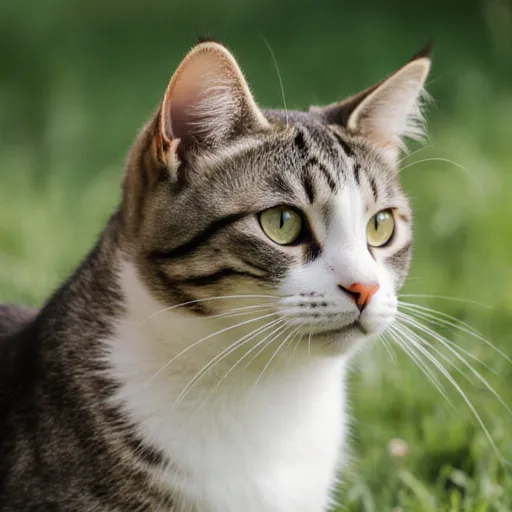
Pick a purr-fect feline companion today!
How to Choose the Right Cat for You
Table of Contents
- Understanding Your Lifestyle Needs
- Space Availability and Cat Size
- Energy Levels and Playfulness
- Allergies and Pet-Friendly Options
- Dietary Requirements for Your Cat
- Behavioral Considerations
- Interaction with Children or Other Pets
- Time Commitment and Regular Care
- Health Concerns for Your Cat
- Outdoor Access and Safety
- Feline Temperament and Personality Traits
- Budget Considerations for Pet Ownership
- Adopting a Rescue Cat vs. Buying from a Breeder
- Longevity and Lifespan of Your Feline Companion
- Conclusion
- FAQs
Understanding Your Lifestyle Needs
To choose the right cat for you, it's crucial to understand your lifestyle needs. Cats are highly individual animals, and what works well for one household might not be suitable for another. Here are some key factors to consider:
Living Space
The size of your home can greatly influence the type of cat that will thrive in your environment. If you live in a small apartment, a smaller breed with less energy requirements might be more suitable. For instance, a Siamese or a Burmese would love to spend their time lounging around and exploring every corner of your space. On the other hand, if you have a spacious home with many rooms for them to play and explore, a larger breed like an American Shorthair could be perfect.
Activity Level
Your lifestyle should align with your cat's activity level. If you enjoy high-energy activities such as hiking or playing sports, a more energetic and playful breed would complement that. Breeds like the Bengal, which is known for its energy and agility, could be ideal if you're always on the go. Conversely, if your routine involves more sedentary activities, a calmer cat might suit better. The Maine Coon, often described as gentle giants due to their laid-back nature, would make an excellent companion.
Time Commitment
Cats require attention and care. If you're frequently away from home or have a busy schedule, it's important to consider the time you can dedicate to your cat. Short-haired cats like the Abyssinian are generally less demanding in terms of grooming compared to long-haired breeds such as the Maine Coon, which need regular brushing.
Family Dynamics
Your family dynamics should also influence your choice. If you have small children or other pets, a cat that gets along well with them is essential. Breeds like the Russian Blue are generally friendly and social, making them excellent choices for families with kids. However, it's important to note that even the friendliest cats may need time to adjust to new family members.
Health Considerations
Consider your own health conditions or those of any other pets in the household when choosing a cat. Some breeds are more prone to certain diseases, and this can impact their suitability for you. For example, if you have allergies, hypoallergenic breeds like the Cornish Rex might be better suited.
Financial Resources
The cost of caring for a cat varies depending on various factors such as food, veterinary care, and grooming supplies. Larger breeds often require more specialized care which can increase costs. Research thoroughly to ensure you're prepared for the financial responsibilities involved in owning a cat.
Behavioral Preferences
Lastly, consider your own behavioral preferences when choosing a cat. Do you prefer a quiet companion who naps most of the day or an active one that needs constant attention and playtime? Behavioral traits vary among breeds, so it's important to choose one that suits your lifestyle.
In conclusion, understanding these aspects of your lifestyle can help guide you in selecting the right cat for you. By considering factors like living space, activity level, time commitment, family dynamics, health considerations, financial resources, and behavioral preferences, you'll be able to find a perfect match that will bring joy and companionship into your life.
Space Availability and Cat Size
Choosing the right cat is a crucial step in ensuring that your feline companion fits harmoniously into your lifestyle. One of the key factors to consider when selecting a cat is the space availability within your home and the size of the cat you can comfortably accommodate.
Assessing Your Living Space
The first step in determining which cat might be right for you is assessing the living space available. Cats come in various sizes, from small breeds like the Siamese to larger breeds such as Maine Coons. Understanding how much space your home provides will help you choose a cat that can thrive and move around comfortably.
Small Space Living
If you live in an apartment or have limited living space, it's important to consider cats that are more suited for small spaces. Smaller breeds such as the Sphynx or Burmese typically require less room and are easier to manage in smaller environments. These cats often prefer climbing and using vertical space to their advantage, which is perfect for apartments where floor space can be limited.
Medium-Sized Homes
If you have a medium-sized home with some room to spare, you might be able to accommodate larger breeds. Breeds like the Abyssinian or Persian are great choices as they generally require more space for running and playing around. However, it's still essential to ensure that these cats can access all areas of your home without feeling restricted.
Larger Homes with Outdoor Access
If you have a large home with outdoor access, larger breeds such as the Maine Coon or Ragdoll could be ideal. These cats thrive in spacious environments and enjoy having plenty of room to move around both indoors and out. Ensure that your outdoor space is safe for these energetic pets.
Practical Advice
- Measure Your Space: Use a tape measure or ruler to get an accurate idea of the dimensions of your living space, including height and width. This will help you determine what size cat would be most comfortable.
- Consider Cat Furniture: For smaller cats, consider investing in cat trees or shelves that can help them explore vertically within your home. This is especially useful for apartment living where floor space is limited.
- Create Play Areas: Larger spaces benefit from designated play areas where your cat can run and exercise without feeling confined. Ensure these areas are safe and stimulating for your pet.
Conclusion
In conclusion, choosing the right cat involves more than just picking a breed based on appearance or personality. By considering factors such as space availability and the size of your home, you can ensure that both you and your feline companion are happy and content in your living environment.
Energy Levels and Playfulness
When considering how to choose the right cat for you, it's crucial to take into account their energy levels and playfulness. Each breed or mix of breeds comes with its own unique characteristics that can greatly influence these aspects. Understanding what type of energy level and playfulness your lifestyle can accommodate is key to ensuring a happy and harmonious coexistence.
Assessing Your Lifestyle
Different cats have different needs, and their energy levels can vary widely depending on their breed or mix. For instance, Siamese cats are known for being energetic and vocal, while Maine Coons tend to be more laid-back but still enjoy interactive playtime. By assessing your own daily routine and habits, you can better determine whether a high-energy cat would thrive in your household or if a calmer, less active breed is more suitable.
Understanding High-Energy Cats
Cats with higher energy levels require plenty of stimulation and activities to keep them content. They enjoy games such as fetch and interactive toys that mimic prey movements like lasers or feather wands. If you have a busy lifestyle, living in an apartment, or work long hours, a high-energy cat might not be the best fit unless you can provide ample playtime and mental enrichment.
Low-Energy Cats
Cats with lower energy levels are more content with less interaction and prefer to spend their time napping. They may still enjoy some playtime, but they don't need as much as high-energy breeds. This type of cat might be ideal for a family with children or someone who is home during the day, providing them with companionship without needing constant supervision.
Playfulness and Interaction
The playfulness of a cat can also vary based on breed, age, and individual personality. Some cats are naturally more playful throughout their lives while others may become less interested in chasing as they grow older. If you have the time and energy to engage with your cat regularly, choosing a breed known for its high playfulness could enhance bonding and provide endless fun.
Practical Advice
- Research Breed Characteristics: Before bringing any cat into your home, research the specific breed or mix you're considering to understand their energy levels and playfulness. This will help in making a more informed decision.
- Consider Your Schedule: If you often work from home or have flexible hours, you may be able to provide the attention needed for an energetic cat. However, if your schedule is unpredictable, it might be better to choose a calmer breed that requires less interaction.
- Create an Enriched Environment: Even if your chosen cat has lower energy levels, enriching their environment with toys and scratching posts can keep them mentally stimulated and physically active. This is especially important for indoor cats who may not have the chance to exercise naturally.
Conclusion
Selecting a cat that matches your lifestyle in terms of energy levels and playfulness ensures you both enjoy each other's company. By considering these factors carefully, you can make an informed decision that benefits both you and your new furry companion.
Allergies and Pet-Friendly Options
Understanding your allergies is key to choosing a pet that will not only bring joy but also be compatible with your health needs. In our blog, we delve into how to choose the right cat for you, considering various factors such as shedding levels, dander production, and even specific breeds known for their hypoallergenic properties.
Hypoallergenic Cats: Myths and Facts
Many people believe that certain cat breeds are completely hypoallergenic. However, the truth is more complex. While some breeds produce less allergen than others, no breed can be considered 100% free from triggering allergies.
- Abyssinian: Known for being one of the most popular hypoallergenic cat breeds due to their minimal shedding and low dander production. However, individual reactions may vary.
- Sphynx: Hairless cats are often considered a good option for people with allergies because they don’t shed fur. But it’s important to note that the Sphynx produces more skin oils which can be allergenic for some individuals.
- Persian: A long-haired breed, Persians typically have less shedding compared to short-haired breeds, but this does not mean they are hypoallergenic. They still produce dander which can trigger allergic reactions in sensitive people.
Environmental Control Measures
If you decide that a cat is right for you despite your allergies, there are steps you can take to minimize exposure to allergens:
- Bath Your Cat Regularly: Frequent bathing reduces the amount of dander and allergens. Weekly baths are often recommended.
- Keep Cats Out of Bedrooms: Keeping your cat out of your bedroom at night can help reduce the buildup of dander in a space where you spend significant time.
- Dust Regularly: Clean your home frequently to remove dust and dander that accumulates. Use a vacuum with a HEPA filter for better allergen control.
Consulting an Allergist
If you have severe allergies or are considering adopting a cat despite having known sensitivities, consulting with an allergist can provide personalized advice. An allergist may recommend additional steps such as air purifiers and specific medications to manage symptoms.
Choosing the right pet is not just about finding one that fits your lifestyle but also ensuring it’s compatible with your health conditions. By understanding what triggers your allergies and taking proactive measures, you can enjoy the companionship of a cat without compromising your well-being.
Dietary Requirements for Your Cat
Understanding your cat's dietary requirements is essential for ensuring their health and well-being. Just as when you choose a cat that fits your lifestyle, selecting the right food plays a crucial role in matching your cat’s needs with your ability to provide appropriate care.
- Age: Kittens have different nutritional requirements compared to adult and senior cats. Kitten food should be rich in protein, vitamins, and minerals necessary for growth and development. Senior cats need a diet that supports joint health, helps manage weight, and provides essential nutrients.
- Breed and Size: Some breeds have specific dietary needs due to their metabolic rates and activity levels. For instance, larger breed cats may require more calories per day than smaller breeds. It's important to consider the size of your cat as it affects how much food they need and what kind of nutrients are necessary for proper growth.
- Health Conditions: Cats with certain health conditions like diabetes or kidney disease often have specific dietary restrictions. For example, diabetic cats might benefit from a low-carb diet, while those with kidney issues may need less protein in their food to reduce the strain on their kidneys.
When choosing cat food, look for high-quality ingredients that reflect your cat's dietary needs. Opt for brands that list meat as the primary ingredient and avoid products with fillers or artificial preservatives. Here are some tips:
- Protein Content: Cats are obligate carnivores, meaning they must consume animal protein to survive. Ensure that your cat's food contains a high percentage of animal-based proteins.
- Vitamins and Minerals: These are essential for maintaining good health. Make sure the diet provides all necessary vitamins and minerals in appropriate amounts.
- Fats: Fats provide energy and help with absorbing fat-soluble vitamins. However, too much can lead to obesity; thus, a balance is key.
Regularly monitor your cat’s weight and overall health to ensure they are receiving the correct amount of food based on their activity level and metabolism. Overfeeding or underfeeding can lead to various health issues, including obesity, malnutrition, and compromised immune systems.
If you're adopting a new kitten or an adult cat from a shelter, it's best to consult with your veterinarian about the best diet plan for your specific pet. Your vet can also advise on any special dietary needs based on your cat’s health status or individual characteristics.
- Kitten Formula: Brands like Royal Canin and Purina offer kitten food that is rich in essential nutrients for growth. These diets often contain added vitamins, minerals, and proteins to support a kitten's development.
- Adult Maintenance Diet: For adult cats, foods such as Hills Science Plan provide balanced nutrition with optimal levels of protein, fats, and carbohydrates to maintain overall health.
- Senior Cat Food: Senior diets from brands like Purina ONE are formulated to support joint mobility and kidney function while providing adequate calories for a reduced appetite.
In conclusion, just as choosing the right cat involves considering several factors such as lifestyle compatibility, dietary needs play a significant role in ensuring your cat remains healthy and happy. By understanding these requirements and making informed choices, you can provide the best care possible for your feline companion.
Behavioral Considerations
When adopting a cat, it’s important to consider not just their physical characteristics but also their behavioral traits. Each cat has its own unique personality, which can greatly impact your daily life and the overall harmony of your household. Understanding these behaviors will help you make an informed decision on which type of cat is best suited for your lifestyle.
Understanding Cat Behavior
Cats are known for their independence but also crave social interaction. Some cats are more outgoing and enjoy interacting with people, while others are content to spend most of their time alone. Before adopting a cat, it’s crucial to assess your own lifestyle and determine how much time you can dedicate to nurturing a relationship with your pet.
Behavioral Traits to Consider
- Socialization: Some cats are naturally more social and enjoy human interaction, while others may be more reserved. If you’re looking for a cat that will bond closely with its owner or visitors, it’s important to choose one that enjoys being handled and petted.
- Playfulness: Cats vary greatly in terms of how much energy they need to release through play. Active cats may require more interactive toys and attention, while others prefer a quiet environment where they can explore on their own.
- Loudness or Quiet: Some breeds are known for being vocal, such as the Siamese, who often meow frequently to get attention. If you’re looking for a quieter cat, consider one that is more reserved and calm.
Predicting Behavior
While it’s impossible to predict every behavior of an adult cat with complete accuracy, there are some general guidelines based on breed tendencies. However, individual cats can vary widely from the norm within their breed group. Therefore, observing a kitten or juvenile cat in a shelter setting is often the best way to gauge its future temperament.
Practical Tips for Choosing
- Visit Often: Spend time with several kittens at different shelters and observe how they interact. This will give you a better idea of which one fits your lifestyle.
- Ask Questions: Ask the shelter staff about each cat’s behavior, energy level, and any special needs it may have. This information can help narrow down the options to cats that are more likely to be a good fit for you.
- Consider Your Family: If you have children or other pets at home, consider how well each cat interacts with them. Cats who get along well with both humans and other animals will make a happier and healthier family member.
Conclusion
Selecting the right cat is about finding an animal that complements your lifestyle while providing companionship and joy to both you and your home. By paying attention to behavioral traits, you can make a more informed decision and ensure that your new pet will thrive in your environment.
Interaction with Children or Other Pets
When choosing a cat, understanding how it will interact with children or other pets is crucial. Every cat has its own personality, and ensuring compatibility can significantly enhance your family’s happiness and the safety of all involved.
Understanding Cat Personalities
Cats come in various temperaments ranging from playful and social to calm and reserved. It's important to assess a cat's behavior before adopting it into your home, especially if you have children or other pets. Here are some steps to help you choose the right cat:
- Playful Kittens vs. Mature Cats: Young kittens are often more energetic and need lots of attention, which can be challenging for busy households with younger children. In contrast, a mature cat may be more laid-back and content to spend time lounging around the house.
- Social vs. Solitary: Some cats enjoy spending time with people while others prefer solitude. If you have multiple pets or a family that enjoys interactive playtime, a social cat might be the best fit. However, if your home environment is quieter and more solitary, a calm and reserved cat could thrive.
- Energy Levels: Cats can vary in energy levels just like dogs. Some cats are hyperactive and love to run around, while others are more sedentary and enjoy quiet activities. If you have active children or another energetic pet, a high-energy cat may be perfect for you.
Ensuring Safety
When introducing a new cat into your home with existing pets, especially young children, it's essential to ensure everyone's safety. Here are some practical tips:
- Socialization: Encourage kittens and young cats to interact with children and other pets from an early age. Positive socialization can help them develop good behaviors.
- Observation Period: Allow the new cat some time alone in a separate room before fully integrating it into the household. This gives both the new arrival and existing pets time to acclimate without feeling overwhelmed.
- Multiple Interaction Zones: Provide multiple spaces where your cat can feel safe and secure, such as elevated perches or cozy hiding spots. This helps prevent stress during interactions with children or other pets.
Practical Advice for Coexistence
To ensure a harmonious relationship between your new cat and existing pets or children:
- Set Boundaries: Teach children the importance of gentle handling and appropriate behavior around animals. Supervise interactions, especially during playtime.
- Consistent Routines: Establish a regular feeding schedule and daily routines that all pets can follow. This helps reduce stress and ensures everyone feels secure in their environment.
- Promote Positive Experiences: Reward good behavior, such as gentle petting or playing nicely with toys, to reinforce positive interactions.
Conclusion
Selecting a cat that fits well into your family dynamics is key to a happy and peaceful home. By considering the cat's personality, energy levels, and how it will interact with children or other pets, you can make an informed decision that benefits everyone involved.
Time Commitment and Regular Care
Choosing the right cat involves not just selecting a pet that fits your lifestyle, but also ensuring you can provide the necessary time and care. Once you've decided on the type of cat best suited to your family and living situation (as discussed in our previous section "How to Choose the Right Cat for You"), it's crucial to understand what this commitment entails.
Time Commitment
Cats, like any other pet, require a significant amount of time. They need attention, socialization, and playtime just as much as dogs do. The time you spend with your cat is essential for its mental health and happiness. Interactive toys and regular play sessions can help keep your cat physically active and mentally stimulated.
- Play Time: Cats need at least 15-20 minutes of playtime each day to prevent boredom and promote physical activity. Toys such as feather wands, laser pointers, or interactive puzzle feeders can keep them engaged.
- Socialization: Spend time petting your cat and allowing it to bond with you and any other pets in the household. This helps build trust and strengthens the human-cat relationship.
Regular Care
In addition to the affection they need, cats also require regular grooming and health care. Regular grooming is essential not just for keeping your cat's coat healthy but also for strengthening the bond between you and your pet. Bathing your cat occasionally (usually every few months) can help keep it clean and reduce shedding.
- Feeding: Feed your cat a balanced diet rich in protein, vitamins, and minerals. Consult with your vet to determine the best type of food for your cat's age and health needs.
- Vet Visits: Regular check-ups at the veterinarian are crucial for maintaining your cat's health. Vaccinations, deworming, and dental care should be scheduled as recommended by your vet.
- Grooming: Brush your cat’s fur regularly to prevent matting and reduce shedding. Short-haired cats typically need brushing two or three times a week, while long-haired breeds may require daily grooming.
In conclusion, the time you commit to caring for a cat is an investment in their well-being and happiness. By understanding what your new pet needs and providing it with consistent care, you ensure that both you and your cat have a rewarding experience together.
Health Concerns for Your Cat
When choosing a cat, it's crucial to consider not just their personality and appearance but also potential health concerns that could impact your family and the cat itself. In "How to Choose the Right Cat for You," we discussed how to select a cat based on lifestyle compatibility and space availability. However, beyond those factors, it is essential to be aware of common health issues that might arise in different breeds or types of cats.
Pedigree vs Mixed-Breed Cats
While pedigree cats often have predictable traits due to their breeding history, they can also be more prone to specific genetic conditions. For instance, Maine Coons are susceptible to hip dysplasia and diabetes, while Persian cats might suffer from respiratory issues due to their flat faces. On the other hand, mixed-breed cats generally inherit a wide range of health attributes from various lineages, making them less likely to develop breed-specific diseases.
Outdoor vs Indoor Cats
The lifestyle you choose for your cat—whether it’s an indoor or outdoor lifestyle—can significantly affect its health. Outdoor cats are more prone to injuries and illnesses such as parasites, ticks, and car accidents. They may also face environmental stressors like extreme weather conditions or pollution. Indoor cats, however, have a higher risk of obesity due to lack of physical activity unless they engage in play regularly. It's important to provide an appropriate diet and exercise routine for both types of cats.
Age
The age at which you introduce a cat into your home can influence its health and longevity. Kitten adoption, while rewarding, comes with unique challenges such as ensuring proper socialization and managing growth-related health issues like dental care or orthopedic concerns in large breeds.
Pre-existing Conditions
If you adopt an older cat, it's crucial to conduct thorough health check-ups. Older cats are more susceptible to age-related conditions such as arthritis, kidney disease, and hyperthyroidism. Regular veterinary visits can help monitor these conditions early on and ensure timely treatment.
By considering these factors before adopting a cat, you set your pet up for a healthier and happier life. Remember that each cat is unique, so it's important to tailor the care according to individual needs.
Outdoor Access and Safety
Just as choosing the right cat involves careful consideration of your lifestyle, home environment, and preferences, ensuring that outdoor access for your pet is safe also requires thoughtfulness. Cats are natural hunters and explorers, but allowing them to roam freely outdoors can pose significant risks. By understanding these risks and taking appropriate safety measures, you can provide your feline companion with the freedom they desire while keeping them protected.
Evaluating Your Home Environment
Before deciding whether or not to allow your cat outdoors, it's crucial to evaluate your home environment. Consider factors such as proximity to busy roads, presence of wildlife, and the safety of neighboring properties. If you live in an area with high traffic or a lot of predators like dogs or birds of prey, outdoor access might not be advisable.
Choosing Safe Outdoor Spaces
If your home environment is not ideal for allowing your cat to roam freely outdoors, consider creating safe spaces within your yard. Fencing can provide a secure area where your cat can play and explore without the risk of encountering dangerous animals or vehicles. Make sure any fences are at least six feet high and extend six inches underground to prevent digging under them.
Enhancing Safety with Identification
To ensure that you can locate your cat in case it does venture outdoors, always use a microchip and attach an ID tag with your contact information. This simple precaution can make all the difference if your feline friend escapes or gets lost.
Monitoring Outdoor Time
If your cat is allowed outside, monitor its outdoor time closely. Cats are highly adaptable to their surroundings and may not always return home when it's time for them to come inside. Set a routine for bringing them in at specific times of the day.
Protecting Against Predators and Vehicles
Cats are vulnerable to attacks from predators such as dogs, birds of prey, and even neighborhood cats. Additionally, they face the risk of being hit by vehicles if given too much freedom outdoors. Providing your cat with a safe outdoor space or allowing short supervised excursions can help mitigate these risks.
Choosing the Right Gear
For those who choose to allow their cats some outdoor time, investing in appropriate gear like a harness and leash is essential for control and safety. This allows you to take your cat on walks or supervised excursions while keeping them secure.
By carefully evaluating the risks and implementing these measures, you can ensure that allowing your cat access to the outdoors remains safe and enjoyable. Just as selecting the right cat depends on understanding its needs and matching it with your lifestyle, providing a safe outdoor environment involves thoughtful consideration of both the pet's well-being and the conditions at home.
Feline Temperament and Personality Traits
Understanding a cat's temperament and personality traits is crucial when choosing the right feline companion for you. Each breed or mixed-breed cat has unique characteristics that can significantly impact how they interact with their environment, family members, and other pets. By recognizing these traits, you can ensure that your cat fits harmoniously into your lifestyle.
Social Behavior
Cats can be both social and independent. Some breeds are more sociable, while others prefer to spend most of their time alone. For instance, Siamese cats are known for their friendly and outgoing nature, often seeking attention from their human companions throughout the day. On the other hand, Maine Coons tend to be gentle and affectionate but also value their space.
Consider how much interaction you desire with your cat. If you have a busy lifestyle or work long hours, an independent breed like the Abyssinian might suit you better, as they can entertain themselves for extended periods without requiring constant attention.
Density of Playfulness
The level of playfulness in cats varies widely depending on their breed. Toy breeds such as the Manx and Munchkin are generally more energetic and playful compared to larger breeds like the American Shorthair or Norwegian Forest Cat, who tend to be calmer.
Think about how active you want your home environment to be. If you love a lively atmosphere where toys are constantly flying through the air, choose a more playful breed. However, if you prefer peace and quiet, a mellow breed may be more suitable.
Movement Preferences
Cats can have different preferences for movement. Some breeds enjoy high-energy activities like chasing after birds or climbing tall structures, while others are content with low-intensity activities such as rolling around in the sunlight.
If your cat will be living indoors, consider a breed that enjoys vertical spaces and activities, such as the Sphynx or Bengal. These cats love to climb and explore their surroundings, making them great companions for families who have space for climbing posts or tree-like structures inside the home.
Adaptability
Breed-specific adaptability varies widely. Some breeds are more adaptable to changes in environment such as moving to a new home or introducing other pets, while others can be more stressed by these changes. For example, Burmese cats tend to adjust well to new situations and environments.
Consider the stability of your household when choosing a cat. A more adaptable breed like the Russian Blue might thrive in homes with frequent changes, whereas a less adaptable breed such as the Somali could require more consistency.
Health Considerations
While temperament and personality traits are important, it is equally crucial to consider any health issues that may be linked to certain breeds. For example, Persians have a higher incidence of respiratory problems due to their flat faces, while Maine Coons can be prone to hip dysplasia.
Selecting a healthy cat from a reputable breeder or rescue organization is essential for long-term happiness and health care costs. Research the breed's typical health concerns before making your final decision.
Conclusion
In conclusion, understanding feline temperament and personality traits is vital in choosing the right cat to complement your lifestyle. By considering factors such as social behavior, playfulness, movement preferences, adaptability, and health considerations, you can make an informed decision that will lead to a harmonious relationship between you and your new furry friend.
Budget Considerations for Pet Ownership
When considering pet ownership, especially choosing the right cat for you, budget considerations play a crucial role. While it's true that cats are generally lower-maintenance pets compared to dogs, there are still several factors that can add up over time. Understanding these upfront will help ensure a happy and healthy relationship with your new feline friend.
The initial cost of bringing home a cat is not insignificant. Beyond the adoption fee or purchase price, you'll need to set aside funds for essential items such as:
- Cat Carrier: To transport your kitty safely during vet visits and travel.
- Litter Box & Litter: Ensure you have a proper litter box and quality cat litter to keep the bathroom area clean and hygienic.
- Dishes: Food and water bowls, which should be durable and easy to clean.
- Bedding: A cozy bed or blanket for your cat to sleep in. Opt for something that is washable and comfortable.
Besides the initial setup, regular expenses are important to budget for when you're considering owning a cat:
- Veterinary Care: Routine check-ups, vaccinations, and potential emergency care. It's recommended to have pet insurance for unexpected medical issues.
- Food: Quality cat food can be more expensive than regular dog food but is essential for a healthy diet. Consider buying in bulk if possible.
- Activities & Toys: Cats need mental and physical stimulation to stay happy and healthy. Invest in toys that encourage play and exercise, such as feather wands or interactive puzzle feeders.
Cats come in all shapes and sizes, each with its own unique needs. For instance:
- Long-Haired Cats: These cats require more grooming to prevent hairballs and matting.
- Breed-Specific Needs: Some cat breeds have specific health concerns that you may need to address with a vet. Research your chosen breed carefully to know what to expect.
While the immediate costs are important, it's also crucial to consider long-term expenses:
- Adopting a Stray or Rescue Cat: While rescue cats often come with lower adoption fees than buying from breeders, you may need extra funds for vet care and socialization.
- Spaying/Neutering: This is usually recommended to prevent unwanted litters but can be pricey if not done as a puppy or kitten.
When choosing the right cat for you, it's essential to prioritize your needs and budget. For instance:
- Maintenance Level: If you're not home much or have a busy schedule, a low-maintenance cat might be better suited.
- Activity Level: Consider a breed that matches your lifestyle in terms of energy and activity needs. Some cats are more independent, while others crave constant attention.
In conclusion, budget considerations for pet ownership, particularly for choosing the right cat for you, involve careful planning to ensure both your financial stability and the well-being of your new feline companion.
Adopting a Rescue Cat vs. Buying from a Breeder
When considering adding a cat to your family, you may be faced with two primary options: adopting a rescue cat or buying from a breeder. Both choices have their own set of benefits and considerations, which are crucial in making the right decision for you and your lifestyle. This section aims to guide you through these differences so that you can choose the best option for your needs.
To make an informed choice between adopting a rescue cat or buying from a breeder, it is essential first to understand your own preferences and requirements. Consider factors such as the type of environment where you live (urban apartment vs. rural home), your daily routine, and how much time and attention you can dedicate to your cat.
- Living Environment: If you reside in a small apartment with limited space, adopting an indoor-only cat from rescue may be more suitable as they are typically already adjusted to confined spaces. However, if you have a large backyard or outdoor space where the cat can roam safely, a breeder who provides both indoor and outdoor access might better suit your needs.
- Daily Routine: Breeding kittens are often well socialized from an early age, which can make them easier to adjust to new environments. On the other hand, rescue cats may require more time for acclimation depending on their previous experiences and how long they've been in a shelter.
Adopting a rescue cat offers many advantages. These cats have often faced challenges such as being abandoned, neglected, or even abused before finding themselves in shelters or rescue organizations. By adopting one of these felines, you not only give them a second chance at life but also bring home an animal that is usually highly appreciative and affectionate.
- Cost: Shelter fees for adoption are typically lower compared to purchasing from breeders. Many rescues even offer payment plans or reduced rates based on financial need.
- Socialization: While some rescue cats may have had difficult pasts, most shelters provide basic socialization training designed to prepare the cats for new homes.
- Veterinary Care: Many rescues include a full health checkup and vaccination records, ensuring that your new pet is in good health before leaving the shelter.
Purchasing from breeders allows you to select specific traits like color, size, personality type, or even particular breeds. This option ensures that your new pet fits perfectly into your household and lifestyle because the breeder has carefully matched the cat with its future owner.
- Health Guarantees: Reputable breeders often provide health guarantees for their kittens, giving you peace of mind about potential genetic issues.
- Pedigree and History: Buying from a breeder provides detailed information regarding the cat’s background, including lineage, medical history, and temperament traits. This can be especially helpful if you're looking for specific characteristics or bloodline purity.
No matter which route you choose—whether it's through a rescue center or a reputable breeder—it is important to spend time getting to know the potential cat before making any commitments. Visit shelters regularly, participate in adoption events, and engage with breeders who focus on providing quality pets.
- Visit Regularly: Make it a habit to visit various shelters or breeder locations frequently. This practice helps you better understand different breeds' behaviors and personalities while increasing your chances of finding the perfect match for you.
- Ask Questions: Don't hesitate to ask about the cat's history, health status, dietary preferences, and any other relevant information when interacting with either rescues or breeders.
In conclusion, whether you choose to adopt a rescue cat or buy from a breeder depends largely on your personal circumstances and requirements. By carefully evaluating both options and considering all aspects involved, you can ensure that whichever path you take leads you towards the best possible companion for life.
Longevity and Lifespan of Your Feline Companion
The longevity and lifespan of your feline companion can vary significantly based on several factors, including breed, genetics, diet, lifestyle, and overall health care. Understanding these variables is crucial in making an informed decision about the type of cat that would be a good fit for you as detailed in our guide "How to Choose the Right Cat for You." By considering these aspects early on, you can ensure your feline friend enjoys a long and healthy life.
Breed Influence
Different cat breeds have different life expectancies due to their genetic makeup. For instance, some smaller breeds like Siamese or Abyssinians tend to live longer, often between 12-16 years, whereas larger breeds such as Maine Coons and Norwegian Forest Cats may have a shorter average lifespan of about 9-15 years. This is not set in stone; individual care plays a significant role.
Genetics and Health
Genetic predispositions can affect the health of your cat, influencing its longevity. Regular veterinary check-ups help identify potential hereditary issues early on. Cats with good genetics that are well-cared for can live even longer than their average expected lifespan.
Diet and Nutrition
Feeding your cat a balanced diet is essential for maintaining its health and longevity. High-quality food rich in essential nutrients, proteins, vitamins, and minerals supports the overall well-being of your feline companion. Avoid overfeeding or feeding inappropriate human foods that can lead to obesity and related health issues.
Lifestyle and Environment
The lifestyle you provide for your cat also impacts its lifespan. Indoor cats tend to live longer because they are protected from outdoor dangers like traffic, predators, and harsh weather conditions. However, even indoor cats benefit greatly from regular exercise and playtime. Ensuring they have a stimulating environment with toys, scratching posts, and climbing structures can keep them mentally and physically active.
Health Care and Vaccinations
Regular health care visits to the vet are vital for maintaining your cat's health. Vaccinations protect against common diseases that could shorten their life span. Early detection of illnesses through regular check-ups can lead to timely treatment, significantly impacting your feline companion's longevity.
Conclusion
In summary, while the lifespan of a cat is influenced by many factors, choosing the right breed for you and prioritizing good health care practices are key steps in ensuring that your feline companion enjoys a long and happy life. By considering these aspects early on, you can provide your furry friend with the best possible care.
Conclusion
The process of choosing the right cat can be both exciting and overwhelming. Just as every individual has unique needs, preferences, and lifestyle factors that influence their ideal companion, so too do cats vary greatly in temperament, energy levels, and care requirements. To ensure a harmonious relationship between you and your feline friend, it is crucial to consider several key aspects before making the final decision.
Understanding Your Lifestyle
Your daily routine, living space, and family dynamics play significant roles in determining which cat breed or type would be best suited for you. For instance, if you have a busy schedule with long work hours, a low-energy, calm cat may be more appropriate. Conversely, if you enjoy active hobbies and lots of outdoor time, an energetic breed that enjoys playing and exploring could thrive in your household.
Researching Cat Breeds
There are numerous breeds of cats available today, each with its own distinct personality traits. Before deciding on a specific breed, take some time to research the characteristics typical for that breed. For example, if you're interested in Siamese cats, know they are known for their affectionate and vocal nature, which might not be suitable if your lifestyle involves frequent travel or quiet evenings at home.
Meeting Potential Cats
Visiting shelters or breeders is a great way to meet various kittens and adult cats. By spending time with each potential companion, you can observe their behavior in different situations—whether they're playing with toys, interacting with people, or simply relaxing. These observations will help you gauge whether the cat's personality aligns well with your own.
Consulting Professionals
If you're unsure about what kind of cat would be best for you, consider speaking to veterinarians, animal behaviorists, or even experienced pet owners who can offer valuable insights. They often have extensive knowledge regarding the suitability of different breeds and can provide guidance tailored specifically to your circumstances.
Final Thoughts
In conclusion, choosing the right cat is about finding a match that considers both your needs and those of the animal. By carefully considering lifestyle factors, doing thorough research on various breeds, observing potential pets in different settings, and seeking expert advice when necessary, you'll be well-equipped to make an informed decision. Remember, this process should feel like finding a perfect fit rather than rushing into something.
For further information on how to choose the right cat for your family, refer to the article "How to Choose the Right Cat for You". This resource provides comprehensive guidance and tips specifically designed to help individuals select a cat that will bring joy and companionship into their lives.
FAQs
How to Choose the Right Cat for You?
Picking the right cat can be a life-changing decision. Here are some key factors to consider when choosing the perfect feline companion:
- Lifestyle Considerations: Cats come in various personalities and energy levels, much like people. If you're an active individual who enjoys outdoor activities, a high-energy cat may be more suitable for you. On the other hand, if your lifestyle is more sedentary with limited time to spend outside, a calmer indoor cat might be ideal.
- Space and Environment: The size of your home can significantly influence which type of cat will thrive best in your environment. For instance, if you have a large open space where the cat can roam freely, an active breed like a Siamese or Abyssinian might be perfect for you. However, if you live in a small apartment with limited access to outdoor areas, a more laid-back breed such as a Burmese would be better.
- Time Commitment: Cats are generally low-maintenance pets compared to dogs, but they still require regular attention and care. If you have a busy schedule and travel frequently, choosing a cat that doesn't demand excessive attention might be the best choice for you. Conversely, if you're looking for companionship during your free time, a more interactive or affectionate breed could enhance your experience.
Additionally, it's important to think about your lifestyle and how much time you can dedicate to caring for a cat. Regular grooming, feeding, and veterinary check-ups are essential aspects of pet ownership that should be factored into your decision-making process.
Examples:
- Burma Shorthair: Known for their calm demeanor and affectionate nature, the Burmese cat is often a favorite among first-time cat owners. They are generally easy to care for and don't require excessive grooming.
- Sphynx Cat: This breed requires more attention due to their lack of fur, which means they need frequent skin care to prevent dryness. However, the Sphynx's unique personality makes them an engaging companion for those who can provide the necessary time and effort.
- Maine Coon: The Maine Coon is known for being very friendly, intelligent, and active. They thrive in environments where they have plenty of space to play and explore, making them a great choice if you enjoy spending quality time with your cat.
Practical Advice: Before bringing any new pet into your home, consider all these factors carefully. Visit several shelters or breeders, spend time observing different breeds in various settings, and talk to experienced owners about their experiences. This hands-on approach will help you make an informed decision that aligns with your lifestyle and preferences.
Categories
- AI & Enrichment Play
- Broiler Farming
- Broiler Farming Tips
- Canine Wellness & Longevity
- Cat
- Cat & Human Connection
- Cat Adoption & Rescue
- Cat Breeds
- Cat Breeds & Personalities
- Cat Care & Health
- Cat Grooming & Hygiene
- Cat Lifestyle & Environment
- Cat Myths & History
- Cat Nutrition & Diet
- Cat Products & Reviews
- Cat Training & Behavior
- Comparison
- Consumer Awareness
- Dog
- Dog Accessories & Products
- Dog Adoption & Rescue
- Dog Breed & Lifestyle Trends
- Dog Breeding & Puppies
- Dog Entertainment & Media
- Dog Fashion & Trends
- Dog Fun & Lifestyle
- Dog Grooming & Hygiene
- Dog History & Culture
- Dog Myths, Science & Future Tech
- Dog News & Trends
- Dog Nutrition & Food
- Dog Psychology & Emotions
- Dog Safety & Security
- Dog Sports & Activities
- Dog Technology & Innovation
- Dog Training for Modern Owners
- Dog Travel & Adventure
- Dog Travel, Adventure & Culture
- Economic and Market Insights
- Educational Content
- FAQs
- Feeding Alternatives
- Festivals & Seasonal Ideas
- Fun & Entertainment
- General Knowledge
- General Pig Farming
- Health & Disease Management
- Housing and Environment
- Kittens
- Market Insights
- Miscellaneous
- Miscellaneous
- Motivational
- pig
- Pig Breeding
- Pig Breeds
- Pig Farming Stories and Inspiration
- Pig Health and Care
- Pig Nutrition
- Pig Products
- Profitability & Business
- Puppy Care
- Puppy Predictable Topics Reinvented
- Regional Focus
- Rescue & Adoption Buzz
- Senior Cats
- Senior Dog Care
- Smart Dog Tech & Gadgets
- Sustainability
- Sustainable & Eco-Friendly Dog Products
- Tech & Innovations
- Working & Service Dogs
- Broiler Feed66 products
- Country Feed33 products
- Pig Feed66 products
- Product22 products
- Raw Materials99 products
Products
-
 Fish Meal
₹1,999.00 – ₹2,999.00Price range: ₹1,999.00 through ₹2,999.00Rated 0 out of 5
Fish Meal
₹1,999.00 – ₹2,999.00Price range: ₹1,999.00 through ₹2,999.00Rated 0 out of 5 -
 FATTENING BROILER FEED
₹2,299.00 – ₹2,349.00Price range: ₹2,299.00 through ₹2,349.00Rated 0 out of 5
FATTENING BROILER FEED
₹2,299.00 – ₹2,349.00Price range: ₹2,299.00 through ₹2,349.00Rated 0 out of 5 -
 LAYER COUNTRY FEED
₹1,549.00 – ₹1,649.00Price range: ₹1,549.00 through ₹1,649.00Rated 0 out of 5
LAYER COUNTRY FEED
₹1,549.00 – ₹1,649.00Price range: ₹1,549.00 through ₹1,649.00Rated 0 out of 5 -
 COUNTER BROILER FEED
₹1,199.00 – ₹1,299.00Price range: ₹1,199.00 through ₹1,299.00Rated 0 out of 5
COUNTER BROILER FEED
₹1,199.00 – ₹1,299.00Price range: ₹1,199.00 through ₹1,299.00Rated 0 out of 5 -
 LACTATING PIG FEED
Rated 0 out of 5
LACTATING PIG FEED
Rated 0 out of 5₹2,299.00Original price was: ₹2,299.00.₹1,740.00Current price is: ₹1,740.00. -
 Maize
Rated 0 out of 5
Maize
Rated 0 out of 5₹1,650.00Original price was: ₹1,650.00.₹1,300.00Current price is: ₹1,300.00. -
 GESTATION PIG FEED (Phase 1)
Rated 0 out of 5
GESTATION PIG FEED (Phase 1)
Rated 0 out of 5₹2,249.00Original price was: ₹2,249.00.₹1,699.00Current price is: ₹1,699.00. -
 Pre Starter Broiler Feed
₹2,399.00 – ₹2,499.00Price range: ₹2,399.00 through ₹2,499.00Rated 0 out of 5
Pre Starter Broiler Feed
₹2,399.00 – ₹2,499.00Price range: ₹2,399.00 through ₹2,499.00Rated 0 out of 5 -
 FINISHER PIG FEED
Rated 0 out of 5
FINISHER PIG FEED
Rated 0 out of 5₹2,299.00Original price was: ₹2,299.00.₹1,749.00Current price is: ₹1,749.00. -
 Broiler Premix
Rated 0 out of 5
Broiler Premix
Rated 0 out of 5₹820.00Original price was: ₹820.00.₹699.00Current price is: ₹699.00.
Recently Viewed Products
-
 Corn DDGS (Distillers Dried Grains with Solubles from Corn)
₹1,400.00Original price was: ₹1,400.00.₹1,199.00Current price is: ₹1,199.00. -
 Rice DDGS (Distillers Dried Grains with Solubles from Rice)
₹1,600.00Original price was: ₹1,600.00.₹1,449.00Current price is: ₹1,449.00.