
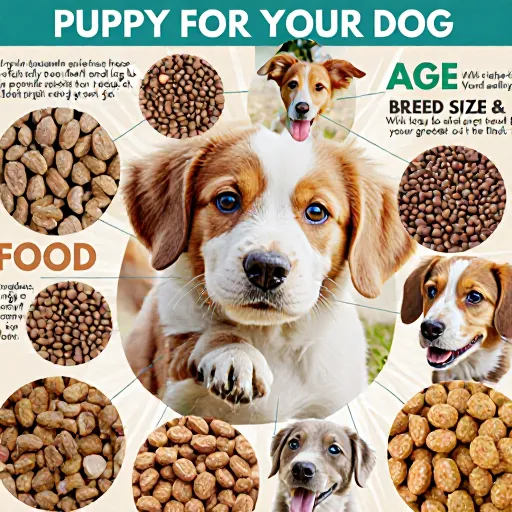
Pick the Perfect Puppy Food for Your Pup's Health!
How to Choose the Right Puppy Food
Table of Contents
- Selecting a Suitable Breed for Your Lifestyle
- Understanding the Puppy's Age and Stage of Development
- Determining Your Budget for Puppy Food
- Identifying the Key Nutritional Needs of Your Puppy
- Researching Different Types of Puppy Food Available
- Reading Labels and Ingredients List Carefully
- Considering the Feeding Schedule and Portion Control
- Choosing Between Wet, Dry or Semi-Moist Puppy Food
- Evaluating the Quality of Protein in the Puppy Food
- Ensuring Proper Hydration and Supplement Needs
- Consulting with a Veterinarian for Guidance
- Observing Your Puppy's Response to the Food
- Transitioning Your Puppy from Puppy to Adult Food Gradually
- Conclusion: Making an Informed Decision for Your Pup
- FAQ: Answers to Common Questions About Puppy Food Selection
Selecting a Suitable Breed for Your Lifestyle
Selecting a suitable breed for your lifestyle is just as important as choosing the right puppy food. Every dog breed has unique characteristics that cater to different types of living situations, family dynamics, and activities you enjoy. Here are some factors to consider when selecting a breed:
Living Space and Environment
Different breeds have varying space requirements based on their size and energy levels. If you live in an apartment or small home, a smaller breed such as a Chihuahua or Maltese might be more suitable. Larger breeds like Great Danes or Saint Bernards require ample space to roam comfortably and can potentially damage your home with excessive energy.
Exercise Needs
Active breeds, such as Border Collies or Australian Shepherds, need regular physical activity to stay healthy and happy. If you are unable to provide consistent exercise, consider a breed that has lower energy requirements, like the French Bulldog or Basset Hound.
Energy Levels
Your lifestyle should match the energy level of your dog. Hyperactive breeds may not be ideal for individuals who prefer quiet and calm environments, while more laid-back breeds can thrive in less active settings. For instance, a Labrador Retriever’s high energy makes it perfect for families with children or those who enjoy outdoor activities like hiking.
Family Dynamics
Selecting a breed that fits well within your family's structure is crucial. Some breeds are naturally more protective and may not be suitable if you're looking for a dog to simply be a companion. Breeds such as the Standard Poodle or Cavalier King Charles Spaniel are known for their gentle nature, making them ideal for families with children.
Temperament and Personality
Every breed has its own distinct temperament. Some breeds are more independent, while others thrive on social interaction. Consider your own personality and how you interact with people to match it with the right dog. For example, if you're outgoing and enjoy meeting new people, a breed like a German Shepherd, known for being friendly and sociable, might be perfect.
Health Concerns
Research each breed's common health issues before adopting one. Some breeds are prone to genetic disorders or specific illnesses that could affect your quality of life and the cost of care. For instance, Pugs often suffer from respiratory problems due to their flat faces.
In summary, selecting a suitable breed for your lifestyle is about finding harmony between your needs and the dog's natural behavior. Just as you would carefully select puppy food based on your dog’s age, size, and health needs, choosing the right breed ensures long-term happiness and satisfaction for both you and your furry friend.
Understanding the Puppy's Age and Stage of Development
Understanding a puppy’s age and stage of development is crucial when deciding on the right puppy food. Puppies grow rapidly, and their nutritional needs change as they advance through different life stages. Proper nutrition during these early years can have a lasting impact on their health and longevity.
Different Life Stages
Puppies go through several developmental stages that require specific dietary considerations:
- Newborn to 4 Weeks (Neonatal Stage): During this time, puppies are entirely dependent on their mother’s milk. If the puppy is orphaned or a foster situation arises, it's important to use an appropriate milk replacement formula until they can transition to solid food.
- Weeks 4-12 (Weaning Stage): Puppies begin to wean and start eating soft foods. It’s essential during this period that the food is easy to digest, rich in nutrients, and promotes healthy growth. Foods with a high meat content are beneficial.
- 3-6 Months: At this stage, puppies require more substantial meals as their digestive systems mature. They need a diet that supports bone and muscle development while still being easily digestible. Gradually introduce puppy-specific kibble to help with dental health.
- 6 Months - 1 Year: This is the period of most rapid growth, so high-quality protein sources are vital. Ensuring the right balance of calcium and phosphorus helps prevent issues like hip dysplasia or soft-tissue laxity. Puppy-specific formulas with added vitamins and minerals are ideal.
- Puppy to Adult (1-2 Years): By this stage, puppies have reached 80% of their adult size but still need a high-quality diet rich in protein, fat, and calcium to continue supporting bone growth. The transition from puppy food to adult dog food should be gradual.
Key Nutritional Considerations
When choosing the right puppy food, consider these key nutritional factors:
- Protein Content: Puppies need more protein than adult dogs to support muscle growth and development. Look for foods that list meat as a primary ingredient.
- Fat Content: While puppies do require some fat, it should be in moderation due to their high activity levels. Omega-3 fatty acids are particularly beneficial for skin and coat health.
- Vitamins and Minerals: Essential for bone and muscle development as well as overall growth. Puppy-specific foods often contain added vitamins like A, D, and E, along with minerals such as calcium and phosphorus.
- Fiber Content: Puppies have delicate digestive systems, so they need a diet that is easy to digest but still provides the necessary fiber for proper elimination. Excessive fiber can cause digestive issues in puppies.
Practical Advice
To ensure your puppy receives optimal nutrition:
- Consult a Veterinarian: Always consult with your veterinarian to determine the right type and amount of food for your specific breed and size. They can provide personalized advice based on your puppy’s health needs.
- Monitor Growth and Development: Regularly check your puppy’s growth charts to ensure they are growing at a healthy rate. Any deviations should be discussed with your vet.
- Transition Gradually: If changing from one food type to another is necessary, do so gradually over 7-10 days to avoid digestive upset. Mix the old and new foods incrementally until you transition entirely to the new diet.
Conclusion
Selecting the right puppy food is a critical decision that impacts your pup’s future health. By understanding their age and developmental stage, considering key nutritional factors, and following practical advice, you can help ensure your puppy grows into a healthy, energetic adult dog.
Determining Your Budget for Puppy Food
Determining your budget for puppy food is an essential step before you start choosing the right type of food for your puppy. Understanding how much you can afford to spend on high-quality nutrition will help ensure that your puppy grows up healthy and strong. Here are some key factors to consider when deciding your budget:
Assess Your Puppy's Nutritional Needs
Puppies have unique dietary needs compared to adult dogs, as they require more protein, calories, fat, and certain vitamins and minerals. Factors such as age (e.g., 8-week-old versus 6-month-old), breed size, and activity level significantly influence their nutritional requirements. Consult with a veterinarian or use reliable online resources to get specific dietary recommendations tailored to your puppy.
Compare Prices of Different Brands
Research various brands available in the market and compare their prices. Consider not only the cost per bag but also the feeding frequency for puppies, which typically ranges from two to three meals a day depending on the size. For example, if a brand claims to be sufficient for one meal a day, you will need to purchase more frequently for your puppy's smaller portions.
Look at Portion Sizes and Feeding Guidelines
Each brand provides feeding guidelines based on the weight of the dog. These can vary widely between different brands even though they may seem similar in size. Make sure to follow these guidelines closely, as overfeeding or underfeeding can lead to serious health issues for your puppy.
Account for Additional Expenses
Besides the cost of the food itself, there are other expenses you should consider when setting a budget. These include treats, supplements (if recommended by your vet), and any potential veterinarian costs associated with monitoring your puppy's growth and health.
Consider Long-Term Savings
While it might seem more expensive initially to choose premium brands or organic options, these choices can save you money in the long run by reducing the risk of illnesses that could require costly veterinary treatments. Premium brands often offer higher-quality ingredients that promote better overall health and vitality, potentially lowering vet bills down the line.
Check for Sales and Discounts
Many pet stores or online retailers frequently run sales on puppy food products. By keeping an eye out for these opportunities, you can stretch your budget further without compromising quality. Subscribing to loyalty programs or signing up for email alerts from trusted brands may also offer exclusive deals.
Sample Budget Calculation Example
- Brand A: $50 per bag, feeding guideline: 2 cups per day for a 10-pound puppy.
- Brand B: $40 per bag, feeding guideline: 1.5 cups per day for the same weight of dog.
Based on these examples, let's calculate how much it would cost to feed a puppy using each brand over one year:
| Brand | Daily Portions per Day (cups) | Total Cups per Year | Cost per Bag | Bags Needed per Year | Total Annual Cost |
|---|---|---|---|---|---|
| Brand A | 2 | 730 cups/year (assuming 365 days) | $50 | 14.6 bags/year | $730 |
| Brand B | 1.5 | 550 cups/year (assuming 365 days) | $40 | 15.2 bags/year | $608 |
By carefully calculating these costs and comparing them with your budget, you can make an informed decision about which brand is most suitable for both your puppy's nutritional needs and your financial situation.
Identifying the Key Nutritional Needs of Your Puppy
When selecting puppy food, it's crucial to identify your puppy’s key nutritional needs. This ensures that they receive the appropriate balance of essential nutrients necessary for their growth and development. Understanding these requirements can help you make an informed decision on which food is best suited for your puppy.
Puppies have distinct nutritional demands based on their age, breed, size, and activity level. Here’s how to identify the key nutrients:
Protein
Protein is essential for puppies as it supports muscle growth and repair. According to How to Choose the Right Puppy Food, a high-quality puppy food should contain at least 25% protein on a dry matter basis. For instance, chicken or lamb are excellent sources of protein that many puppies enjoy.
Fat
Healthy fats like Omega-3 and Omega-6 fatty acids promote brain development and coat health. Puppy foods often include these fats; however, excessive fat can lead to obesity in young dogs. Therefore, it's important to feed the correct amount of fat that matches your puppy’s energy needs.
Vitamins and Minerals
A balanced diet must also contain essential vitamins (A, D, E, K) and minerals (calcium, phosphorus, iron). These nutrients are vital for bone development and overall health. Puppy-specific foods typically provide these in the correct proportions; however, always check the label to ensure they meet your puppy’s specific requirements.
Water
Hydration is crucial, especially during meals. Always have fresh water available for your puppy. Additionally, some wet puppy food already contains water, but it's important that your puppy also drinks enough from its bowl.
- Puppies Under 6 Months: Need higher protein levels to support rapid growth and development. They may also need more calories to fuel their active lifestyles.
- Mixed Breed Puppies: Generally, they have varied nutritional needs depending on the breeds in the mix. A vet can offer specific advice based on your puppy's ancestry.
- Larger Breeds: Often require larger portions of calcium and protein to support their large bone structure development.
Based on your observations of key nutritional needs, you can choose the right food for your puppy. Consider these factors:
- Brand Reputation:** Look for brands that have a good reputation in the pet industry and are recommended by veterinarians.
- Ingredients List:** Always check the ingredients list to ensure they are high-quality and nutritionally balanced.
- Puppy’s Health Needs:** If your puppy has any specific health conditions, such as allergies or digestive issues, choose food that meets those needs.
To ensure your puppy gets all the necessary nutrients:
- Follow Feeding Guidelines:** Always follow the feeding instructions on the label to avoid overfeeding or underfeeding.
- Vary Diets Sparingly:** While occasional treats are fine, they should not replace meals. Too much variation can upset your puppy’s digestive system.
- Watch for Signs of Malnutrition or Overnutrition: Look out for signs that might indicate nutritional deficiencies or excesses and consult your vet if you notice anything unusual.
In conclusion, identifying the key nutritional needs of your puppy is a crucial step in ensuring their health and happiness. By understanding what they need and selecting the right food accordingly, you can help them grow into a strong, healthy adult dog.
Researching Different Types of Puppy Food Available
To ensure your puppy grows up healthy and strong, selecting the right type of food is crucial. With a wide variety of puppy foods available on the market today, it can be overwhelming to choose the best one for your pet. This section aims to provide you with insights into different types of puppy food, helping you make an informed decision based on nutritional needs, dietary preferences, and lifestyle considerations.
Commercial puppy foods are formulated by veterinarians and nutritionists to meet the specific dietary requirements of puppies. These foods come in various forms such as dry kibble, semi-moist, canned, and freeze-dried options. Each form has its own set of advantages:
- Dry Kibble: This is the most common type of puppy food available. It's highly digestible, promotes strong teeth and gums due to the crunching action, and is generally more affordable than other options. Brands like Purina Puppy Chow or Royal Canin Puppy are popular choices.
- Semi-Moist: These foods have a moist texture and can be appealing to puppies who may not enjoy dry food. However, they are usually less nutritious and more expensive compared to kibble. Examples include Pedigree Puppy Delights.
- Canned Food: Cans offer high moisture content which is beneficial for maintaining hydration and digestive health in puppies. They can be a good option for sensitive tummies or as an occasional treat, but they are typically more expensive than dry food options. Brands like Hill's Science Diet Puppy offer excellent nutrition.
- Freeze-Dried: This type of food is highly concentrated and contains no artificial preservatives. It can be a great way to add variety to your puppy’s diet or as an alternative for sensitive digestive systems. However, it tends to be more expensive than other options. Blue Buffalo Wilderness Freeze-Dried is one such brand.
If you're considering preparing your puppy's food at home, it requires careful planning and knowledge about balanced nutrition. Home-prepared diets should include a combination of lean protein sources (like chicken or fish), vegetables, fruits, and grains to provide essential nutrients. However, this approach needs to be tailored specifically for each individual puppy’s age, breed, health condition, and activity level.
- Protein Sources: Lean meats such as chicken, turkey, or beef are ideal protein sources but should always be cooked thoroughly before feeding. Fish like salmon can also provide Omega-3 fatty acids which support brain development.
- Vegetables and Fruits: Vegetables like carrots and spinach offer vitamins and minerals while fruits such as apples (without seeds) or blueberries can add antioxidants to your puppy's diet. Avoid feeding onions, garlic, chocolate, grapes, or raisins as they are toxic.
- Graains: Whole grains like brown rice or quinoa serve as a good source of carbohydrates and fiber which aid in proper digestion.
It is essential to consult with your vet before starting any home-prepared diet to ensure all nutritional needs are met. Home-cooked meals should not replace commercial puppy foods entirely, especially if they don't meet the complete nutritional profile required for puppies’ growth and development.
The debate between dry and wet food often revolves around convenience versus nutrition. Dry food is more cost-effective and helps maintain dental hygiene, while wet food provides higher moisture content which aids hydration and digestive health. A balanced approach that combines both types might be the best option for many puppies.
- Benefits of Dry Food: Economical, promotes oral health due to the chewing action, longer shelf life, and easier to store.
- Benefits of Wet Food: Higher water content supports hydration, more palatable for some puppies, higher in protein and other nutrients compared to dry food.
Ultimately, the choice between dry and wet food depends on your puppy’s preference, dietary needs, and your lifestyle. Some owners prefer switching between both types of food to keep their puppies engaged and interested in eating.
For puppies with specific health conditions or sensitivities, specialized diets are available from many reputable pet food manufacturers. These include:
- Hypoallergenic Diets: For puppies allergic to certain proteins (like chicken or beef), these diets use alternative protein sources like lamb or fish.
- Digestive Health Diets: Designed for puppies experiencing gastrointestinal issues, such as lactose intolerance or irritable bowel syndrome. These foods typically contain fewer irritants and more easily digestible ingredients.
- Joint Support Diets: For larger breeds prone to joint problems later in life, these diets include glucosamine and chondroitin which can support joint health during puppyhood.
In conclusion, researching different types of puppy food available is essential for ensuring your puppy receives the best nutrition. By understanding what each type offers, you can choose a diet that meets both your puppy’s current needs and future growth potential. Always remember to consult with your veterinarian before making any significant changes to your puppy's dietary routine.
Reading Labels and Ingredients List Carefully
To choose the right puppy food, it is crucial to read labels and understand ingredient lists carefully. This step ensures that you are making an informed decision about your puppy's nutrition, which is vital for their growth and development.
Understanding Nutritional Needs
Puppies have different nutritional requirements compared to adult dogs, so it’s important to select a food specifically formulated for puppies. Puppy foods typically contain higher levels of protein, fats, vitamins, and minerals to support rapid growth and development.
Key Ingredients to Look For
- High-Quality Protein Sources: Protein is essential for muscle development and overall health. Look for ingredients like chicken, turkey, lamb, or fish listed as the first few ingredients on the label.
- Fats: Healthy fats are crucial for energy and coat health. Omega-3 and omega-6 fatty acids are particularly beneficial. They can be derived from fish oil or flaxseed.
- Vitamins and Minerals: These support organ function, bone growth, and immune system development.
Ingredients to Avoid
- Avoid foods containing excessive fillers like corn, wheat, or soy, as these can contribute to digestive issues and nutrient imbalances.
- Beware of artificial additives such as preservatives (BHT, BHA), artificial colors, and flavors.
Sample Labels and Interpretation
When you pick up a bag of puppy food, the first ingredient listed is what the product contains the most of. For instance:
- Premium Chicken & Vegetable Puppy Food: If chicken is listed as the first ingredient, it means that chicken constitutes the largest portion in each serving.
- Cheap Puppy Food: If corn or wheat is listed first, this indicates that these grains are likely the primary ingredients rather than quality meats.
Practical Advice
When selecting a puppy food, consider your puppy’s specific needs. For example, if you have a large breed puppy, look for foods with lower protein content as overfeeding high-protein diets can lead to health issues such as hip dysplasia.
Avoid switching between different brands frequently; doing so may upset your puppy's stomach and disrupt their digestive balance. Instead, gradually transition your puppy from one food to another by mixing increasing amounts of the new food with decreasing amounts of the old over a week or two.
Always consult with your veterinarian before making significant changes to your puppy’s diet, especially if you have any concerns about specific health conditions or allergies.
Considering the Feeding Schedule and Portion Control
When it comes to choosing the right puppy food, feeding schedule and portion control play a critical role in ensuring your puppy grows up healthy and strong. Proper feeding not only supports their nutritional needs but also helps prevent obesity and other health issues later in life. Here’s how you can consider these factors when selecting and implementing a feeding plan for your puppy.
Understanding Your Puppy's Nutritional Needs
Puppies have unique dietary requirements that differ from adult dogs. It is essential to choose a food that meets their specific needs based on age, size, activity level, and breed. For instance, large-breed puppies may require more calcium for bone development, while small breeds might need more fat to support their growth.
Feeding Schedule
Establishing a consistent feeding schedule is crucial for your puppy's digestive health. Generally, you should feed your puppy three meals per day until they reach about six months of age and then transition to two meals daily. The frequency of meals can vary depending on the breed and size of the puppy.
Meal Times
- Morning Meal: Early in the morning, after your puppy has had a chance to relieve itself.
- Noon Meal: Around lunchtime or when you usually have midday snacks.
- Evening Meal: Before bedtime but not too close to sleep time to avoid discomfort during the night.
Portion Control
Portion control is equally important as it ensures your puppy receives just enough nutrition without risking overeating, which can lead to obesity. Always follow the feeding guidelines provided on the puppy food packaging, but also consider adjusting portions based on your puppy’s activity level and individual needs.
Signs of Proper Portion Control
- Your puppy maintains a healthy weight.
- Their coat is shiny and their skin is in good condition.
- They have an active and playful demeanor.
- No signs of lethargy or excessive energy levels that might indicate overfeeding.
Tips for Implementing the Feeding Schedule
To ensure your puppy follows a consistent feeding schedule, set alarms on your phone to remind you at meal times. This helps maintain a routine and provides structure for your puppy’s day. Additionally, consider the environmental factors that might affect your puppy's eating habits, such as temperature or distractions in their environment.
Transitioning to New Food
If you decide to switch your puppy’s food, do so gradually over a period of one to two weeks. Start by mixing the old and new food in increasing amounts until you transition fully to the new diet. This helps prevent digestive issues that can arise from sudden changes.
Monitoring Your Puppy's Health
Regularly check your puppy’s weight, coat condition, energy levels, and overall health during this period of growth. If you notice any deviations from the expected signs of proper portion control or feeding schedule adherence, consult with a veterinarian.
In conclusion, establishing a thoughtful feeding schedule and practicing careful portion control are integral to selecting and utilizing the right puppy food for your pet. By following these guidelines and being attentive to your puppy’s health and development, you can help ensure they grow up strong and healthy.
Choosing Between Wet, Dry or Semi-Moist Puppy Food
When it comes to choosing between wet, dry or semi-moist puppy food, selecting the right option can greatly impact your puppy's development and overall health. Each type of puppy food has its own advantages, and understanding these can help you make an informed decision.
Wet puppy food, also known as canned or moist puppy food, is highly palatable due to the high moisture content. This type of food is particularly beneficial for puppies who may not have a very strong appetite or are fussy eaters. The excess water in wet food can help stimulate your puppy's thirst and promote better hydration.
- Advantages:
- Puppies often find it more appealing, which makes mealtime less stressful for both you and the puppy.
- The high moisture content can be especially beneficial for puppies who are not yet drinking enough water on their own.
- Wet food is easier to digest compared to dry food because of its lower fiber content.
Disadvantages:
- Puppies may not consume as much calcium and other essential nutrients from wet food if it's the only type offered, leading to potential health issues over time.
- Wet food can be more expensive than dry food on a per-pound basis due to its higher water content.
Dry puppy food, also known as kibble, is the most common type of dog food. It's often more affordable and has a longer shelf life compared to wet food. Dry food can be an excellent choice for puppies who are willing to eat it without any issues.
- Advantages:
- Dry food is generally less expensive per pound than wet food, making it a budget-friendly option.
- The crunchy texture of kibble can help clean the puppy's teeth and promote dental health by reducing plaque and tartar buildup.
- It has a longer shelf life compared to wet food, which is convenient for busy pet owners who may not open packages frequently.
Disadvantages:
- Dry food can be less palatable for some puppies, especially those that are picky eaters or have a sensitive stomach.
- The crunchy texture may not be suitable for very young puppies who might choke on small pieces of kibble.
- It is important to ensure the puppy drinks enough water when eating dry food; otherwise, they could become dehydrated.
Semi-moist puppy food, while less common and generally more expensive than both wet and dry options, is a good choice for puppies with a sensitive stomach. It has a higher moisture content compared to dry food but not as high as wet food.
- Advantages:
- Semi-moist food can be easier on the puppy's digestion, making it suitable for puppies with sensitive stomachs.
- The texture is softer than dry kibble and more appealing to some puppies who may refuse other options.
Disadvantages:
- Semi-moist food contains added sugars, preservatives, and artificial colors, which can be harmful in the long term. It is important to choose brands that are minimally processed.
- The cost per pound of semi-moist puppy food tends to be higher compared to wet or dry options.
To ensure you select the right type of puppy food, consider your puppy's individual needs and preferences. If they are picky eaters or have a sensitive stomach, semi-moist food might be suitable. For busy pet owners who prefer low maintenance options, dry food is generally the best choice. However, for puppies that tend to be less enthusiastic about eating, wet food can make mealtime more enjoyable.
- Consider consulting with a veterinarian or nutritionist to get professional advice tailored to your puppy's specific dietary needs.
- Observe how your puppy responds to each type of food. If they consistently prefer one type, you might consider sticking with it for consistency and enjoyment.
Evaluating the Quality of Protein in the Puppy Food
Evaluating the quality of protein in puppy food is crucial for ensuring your puppy receives all the necessary nutrients it needs to grow and develop properly. In "How to Choose the Right Puppy Food," we discussed the importance of selecting a high-quality food that meets specific nutritional requirements. However, the next step is understanding how to identify and evaluate the quality of proteins present in the food.
Understanding Protein Quality
The quality of protein in puppy food refers to its ability to provide essential amino acids that are not fully synthesized by the body. High-quality proteins are more bioavailable, meaning they can be easily digested and absorbed by your puppy's system. Here’s how you can evaluate the quality of protein:
1. Look for Complete Proteins
A complete protein contains all nine essential amino acids that puppies cannot produce on their own. Common sources include meat proteins like chicken, beef, lamb, and fish. These are considered high-quality because they closely resemble the proteins found in puppy muscles. For example, chicken is a great source of essential amino acids such as lysine and methionine.
2. Assess the Protein Source
The source of protein can greatly affect its quality. Animal-based proteins are generally superior to plant-based ones because they contain more essential amino acids in higher concentrations. For instance, eggs provide a complete profile of all nine essential amino acids and have a high bioavailability. However, plant-based proteins like peas or lentils can also be valuable when combined with other sources.
3. Check for Antioxidants
Puppy food that contains added antioxidants helps preserve the quality of protein by reducing oxidative stress. This is important because heat processing during manufacturing can degrade proteins, making them less effective at delivering their full nutritional benefits. Look for foods with added vitamins C and E or natural sources like green leafy vegetables.
4. Review the Ingredient List
The order of ingredients in the label indicates the amount used; thus, a high-quality protein should be listed among the first few items. For example, if chicken is one of the top three ingredients, it suggests that the food contains a substantial amount of this protein source. Avoid foods where fillers like corn or wheat are present as primary ingredients.
5. Consider Protein Digestibility
Digestibility affects how well your puppy’s body can utilize the proteins provided by the food. Foods with lower digestibility might lead to less effective nutrition absorption, which could negatively impact your puppy's growth and development. Ingredients that are easy for puppies to break down include those rich in easily digestible fats and fiber.
Practical Advice
- Consult a Veterinarian: Always consult with your vet before making any significant changes to your puppy’s diet, especially regarding protein quality. They can provide personalized advice based on the breed and size of your puppy.
- Read Labels Carefully: Take time to read labels thoroughly and understand what each ingredient means for your puppy's health.
- Monitor Your Puppy’s Health: After switching to a new food, keep an eye on any changes in your puppy’s behavior or appearance that might indicate issues with protein quality. Early detection can prevent long-term health problems.
Evaluating the quality of protein in puppy food is just one aspect of choosing the right food for your growing puppy. By focusing on these factors, you ensure that your puppy gets all the necessary nutrients it needs to thrive.
Ensuring Proper Hydration and Supplement Needs
To ensure your puppy is receiving proper hydration and meeting its supplement needs, it's crucial to understand both the nutritional requirements of puppies as well as how these factors interact with their dietary choices. Hydration is key for optimal health, especially during growth stages when a puppy's body undergoes significant changes.
Puppies need more water per pound of body weight than adult dogs because they are rapidly growing and their metabolic processes require more fluid. Ensuring that your puppy stays hydrated can help improve digestion, support joint health, and even enhance brain function.
Signs of Dehydration
- Lethargy or lack of energy
- Dry nose and gums
- Pale or bright red gums
- Sunken eyes
- Dry, sticky tongue
- Loss of skin elasticity (pinch a fold of skin between your fingers; it should snap back into place quickly)
The right puppy food can play a significant role in ensuring that your pet stays properly hydrated. Look for foods rich in water content, such as those containing high levels of meat or vegetables, which naturally provide essential hydration.
Examples of Hydrating Ingredients
- Lean meats (chicken, beef)
- Fresh fruits and vegetables (carrots, apples, spinach)
- Rice or oatmeal
- Canned puppy food with added water content
Avoid processed foods that contain a lot of preservatives and chemicals as they can be detrimental to your puppy's health. Opt for high-quality, nutrient-dense options instead.
In addition to proper hydration through diet, puppies may also need specific supplements during certain stages of growth. Vitamin C is vital for the development of cartilage and connective tissue while Omega-3 fatty acids can help improve coat quality and reduce inflammation.
- Vitamin C: Found in many fruits like oranges, strawberries, and kiwi. It helps with collagen formation which supports skin and bone health.
- Omega-3 Fatty Acids: Rich sources include fish oil supplements or flaxseeds; they help keep your puppy's coat shiny and skin healthy.
Always consult with a veterinarian before adding any new supplements to your puppy's diet. They can provide personalized advice based on your pet’s age, size, breed, and overall health condition.
- Dosing: Follow the recommended dosing instructions provided by the supplement manufacturer or your vet carefully.
- Consistency: Ensure that you maintain a consistent approach to giving supplements so as not to disrupt your puppy’s routine unnecessarily.
- Monitoring: Keep an eye on how your puppy responds to the new additions to their diet. Any changes in behavior or health should prompt a visit to the vet.
In summary, ensuring proper hydration and supplementing your puppy’s diet are critical aspects of maintaining good health throughout its early stages. By carefully selecting appropriate foods and supplements, you can help support your puppy's growth and development effectively.
Consulting with a Veterinarian for Guidance
When it comes to choosing the right puppy food, consulting a veterinarian can provide invaluable guidance. A vet’s expertise ensures that you are making decisions based on your puppy's unique health needs and lifestyle. Here are some key reasons why consulting with a veterinarian is essential:
Puppies have different nutritional requirements at various stages of their development. A veterinarian can help you choose food that meets your puppy’s specific caloric and nutrient needs, such as protein, fat, carbohydrates, vitamins, and minerals. For example, a growing puppy requires higher levels of certain nutrients compared to an adult dog. Without this guidance, you might inadvertently feed your puppy a diet that could lead to deficiencies or excesses.
If your puppy has any health issues such as allergies, digestive problems, or metabolic disorders, consulting a veterinarian is crucial. Your vet can recommend hypoallergenic foods or special diets that cater specifically to these conditions. For instance, if your puppy suffers from sensitive digestion, the vet might suggest a diet rich in prebiotics and probiotics to promote better gut health.
Growing puppies have different needs than adult dogs. A veterinarian can provide advice on how much food your puppy should be consuming at each age stage, helping you avoid the pitfalls of overfeeding or underfeeding. For example, a 6-month-old puppy requires more calories and specific nutrients to support bone growth compared to an adult dog.
Veterinarians are often well-versed in evaluating the quality of commercial pet food brands based on their nutritional profiles. They can help you avoid foods that contain unnecessary fillers or artificial ingredients, which might not be beneficial for your puppy's health. For example, a vet might suggest avoiding dog foods with excessive corn, soy, or by-products.
Consulting a veterinarian can also assist in the transition from puppy food to adult dog food as your pet matures. This includes understanding when and how much to reduce the amount of puppy-specific nutrients as they move into adulthood, ensuring a smooth and healthy dietary transition.
- Look for Complete and Balanced Diets: Ensure that the puppy food you choose is labeled "complete and balanced" according to AAFCO (Association of American Feed Control Officials) guidelines.
- Consider Your Puppy’s Lifestyle: Active puppies require more calories than sedentary ones. Foods formulated for active dogs can help meet these higher energy needs.
- Check the Ingredients List: Avoid foods with low-quality ingredients, such as by-products or artificial flavors and colors.
- Read Reviews and Recommendations: While reviews can be helpful, it's important to take them into context. A vet’s recommendation will often outweigh general online reviews.
In conclusion, consulting a veterinarian for guidance on puppy food is essential for ensuring your puppy grows up healthy and strong. With their expertise, you can make informed decisions about the best diet that suits your puppy's individual needs, setting them on the path to a long and happy life.
Observing Your Puppy's Response to the Food
When choosing the right puppy food, observing your puppy’s response is crucial as it can provide valuable insights into whether the selected food is suitable for their needs. Puppies have specific dietary requirements that vary based on their age, breed, and activity level. By closely monitoring how your puppy reacts to different types of food, you can ensure they are receiving adequate nutrition and staying healthy.
- Energetic Behavior: A high-quality puppy food should promote energy levels that align with your puppy's age and activity. If the food is not suitable, you may notice lethargy or excessive fatigue.
- Healthy Coat and Skin: Look for a diet rich in essential fatty acids and vitamins to keep your puppy’s coat shiny and their skin healthy. Poor dietary choices can lead to dry skin or dull fur.
- Consistent Digestion: A well-balanced food should support regular bowel movements without causing diarrhea, constipation, or bloating. Changes in stool consistency could indicate that the food is not appropriate for your puppy.
- Initial Introduction: Start by introducing new puppy foods gradually over a period of 7-10 days. This helps in identifying any adverse reactions that might be caused by the food.
- Note Changes Gradually: Keep a diary to record changes in behavior, appetite, and stool consistency. This will help you spot patterns or triggers more easily.
- Consult Your Veterinarian: If you notice any significant changes that you are unsure about, consult your veterinarian for advice. They can provide professional insights into interpreting the signs and suggest adjustments if necessary.
Here are a few examples of foods and their potential effects:
| Puppy Food Type | Potential Effects on Puppy |
|---|---|
| High Protein Content Foods (e.g., Chicken and Rice) |
|
| Foods Rich in Omega Fatty Acids (e.g., Salmon) |
|
| Balanced Commercial Puppy Food Brands (e.g., Hill’s Science Diet) |
|
In conclusion, observing your puppy’s response to the food is an essential part of ensuring they receive optimal nutrition. By paying attention to their behavior and health indicators, you can make informed decisions about which puppy food best suits their needs.
Transitioning Your Puppy from Puppy to Adult Food Gradually
Transferring your puppy from puppy food to adult dog food is a critical step that requires careful planning and attention. This transition is not just about changing the type of food; it's also about ensuring your pet makes the shift smoothly, without any digestive upset or nutritional deficiencies. In this section, we will delve deeper into how to manage this process effectively.
Choosing the right puppy food is only the first step in preparing your pup for adulthood. Just as with human nutrition, dietary needs change as puppies grow. Puppy formulas are rich in protein and calories to support rapid growth, but once they reach an appropriate size, these nutrients become less necessary. Transitioning too abruptly can lead to digestive issues like diarrhea or vomiting, which could compromise their health during a crucial time.
To make the transition smooth, it's recommended to introduce adult food gradually over a period of about 7-10 days. This allows your puppy’s system to adjust incrementally rather than all at once. Start by mixing approximately one-fourth of the adult dog’s food into three meals throughout the day and gradually increase this ratio each day until you are feeding them only adult dog food.
Here's a practical example: Suppose your puppy is currently being fed 1 cup of puppy food per meal, four times daily. Over the next week, you would mix in more adult dog food:
- Day 1-2: Mix 1/4 cup of adult dog food into each meal
- Day 3-4: Increase to 1/2 cup of adult dog food per meal
- Day 5-6: Increase further to 3/4 cup of adult dog food per meal
- Day 7-10: Feed your puppy only adult dog food at each meal.
During this transition, monitor your puppy closely for any signs of digestive distress. If they show signs like lethargy, diarrhea, or vomiting, consider slowing down the process or even reverting to their original diet temporarily before restarting the transition.
Additionally, ensure that you are choosing the right type of adult food based on factors such as size, breed, and activity level. Just as with puppy food, there are specific formulations designed for small breeds versus large ones, as well as those suited for specific needs like weight management or joint health support.
It's also important to note that while transitioning from puppy to adult food is necessary, it doesn’t mean you should drastically reduce the quantity of food. Puppy-sized portions can still be beneficial in maintaining their energy levels and supporting growth until they reach full maturity. Always consult with your vet before making any changes to your pet’s diet.
By following these steps carefully and choosing the right adult dog food, you are setting your puppy up for a smooth transition into adulthood without compromising on nutrition or health.
Conclusion: Making an Informed Decision for Your Pup
Making an informed decision about the right puppy food is crucial for your pet's health and development. The first step involves understanding the nutritional needs of puppies at different stages of their growth. Puppy food should be rich in essential vitamins, minerals, proteins, and fats to support rapid bone growth, muscle development, and overall vitality. For instance, high-quality puppy foods often contain L-lysine, which is vital for immune system function, and taurine, critical for heart health.
Another important factor to consider is the breed size of your puppy. Larger breeds typically require more calcium-rich food to support bone density and prevent issues like hip dysplasia later in life. On the other hand, smaller breeds might need a diet that promotes joint flexibility and reduces the risk of arthritis. For example, if you have a Great Dane or similar large breed, look for puppy formulas with added calcium sources.
Additionally, the environment in which your puppy lives should influence your choice of food. Puppies living an active lifestyle need more calories to fuel their energy expenditures and support muscle mass. Conversely, indoor puppies might benefit from a lower calorie diet to prevent obesity and related health issues like diabetes or joint problems.
It's also beneficial to consult with a veterinarian when choosing puppy food as they can provide tailored advice based on your puppy’s specific needs. They can assess factors such as digestion capabilities, allergies, and any pre-existing conditions that might affect dietary choices. For instance, puppies with sensitive stomachs may require hypoallergenic dog foods or those formulated for digestive health.
When purchasing puppy food, always read the labels carefully to ensure you are getting a product that meets these criteria. Look for ingredients like whole grains, lean meats, and vegetables rather than fillers such as corn or artificial preservatives. Brands reputable for their quality products often undergo rigorous testing by independent laboratories to verify nutritional content.
In conclusion, making an informed decision about your puppy's food involves a comprehensive approach that considers growth stages, breed size, lifestyle, environmental factors, and professional advice. By carefully selecting the right type of puppy food, you can set your pet up for a lifetime of health and happiness. Remember, what seems like a small investment in terms of time spent choosing the best food can have significant long-term benefits for your furry friend.
FAQ: Answers to Common Questions About Puppy Food Selection
Q: What Should I Look for When Choosing Puppy Food?
When selecting the right puppy food, it's essential to consider several factors that contribute to your puppy's overall health and development. Here are some key points to keep in mind:
- Nutritional Balance: Ensure the puppy food contains a complete and balanced diet. This means it should have all the necessary nutrients, such as proteins, fats, vitamins, and minerals.
- Protein Content: Protein is crucial for muscle development and overall growth. Look for foods with high-quality protein sources like chicken, turkey, or fish.
- Fats and Carbohydrates: Fats provide energy, while carbohydrates can help boost energy levels and support the immune system. Choose a food that offers an appropriate balance of both.
- Caloric Density: Puppies need more calories per pound of body weight than adult dogs, so choose a food with high caloric density to meet their needs during this growth phase.
Q: How Do I Know If the Puppy Food Contains All Necessary Nutrients?
To ensure that the puppy food contains all necessary nutrients, look for products labeled as "complete and balanced" by the Association of American Feed Control Officials (AAFCO). These foods have been scientifically formulated to meet a dog's nutritional requirements.
Example: A label on a bag of puppy food that says “Formulated to Meet the AAFCO Growth Needs of Puppies” indicates that it contains all necessary nutrients. Always check for this statement before making a purchase.
Q: What Role Do Supplements Play in Puppy Food?
Puppy food typically does not require additional supplements because high-quality commercial puppy foods are already formulated to meet your puppy's nutritional needs. However, there are some instances where supplements might be necessary:
- Vitamin E Supplements: These can help support the immune system and skin health.
- Zinc: Zinc is crucial for wound healing and overall growth. Ensure it's included in the puppy food if your vet recommends it.
- Beta-Carotene: This antioxidant supports vision and a healthy coat.
In general, focus on choosing high-quality puppy food first and consult with your veterinarian before adding any supplements to your puppy's diet.
Q: How Often Should I Feed My Puppy?
The frequency of feeding your puppy depends on their age:
- Newborn to 8 Weeks Old: Puppies should be fed every 2-4 hours. They need small, frequent meals to meet their high energy demands.
- 6 Months and Older: You can gradually transition to three or four smaller meals per day as your puppy grows older.
Always follow the feeding guidelines provided by the manufacturer of the puppy food, and adjust according to your veterinarian's recommendations. Overfeeding during this developmental stage could lead to health issues such as obesity.
Q: What Should I Do If My Puppy Refuses Its Food?
If your puppy refuses its food for more than a day or two, there might be an underlying issue that needs addressing. Here are some steps you can take:
- Check the Temperature: Ensure the food is neither too hot nor too cold. It should be at room temperature.
- Change Brands: Sometimes, a change in brand or flavor might encourage your puppy to eat again.
- Consult Your Veterinarian: If the refusal persists, consult with your vet to rule out any potential health issues such as dental problems or gastrointestinal upset.
Maintaining a consistent feeding schedule and providing a balanced diet are crucial for your puppy's growth and development. By following these guidelines, you can help ensure that your puppy receives the proper nutrition it needs during this critical life stage.
Categories
- AI & Enrichment Play
- Broiler Farming
- Broiler Farming Tips
- Canine Wellness & Longevity
- Cat
- Cat & Human Connection
- Cat Adoption & Rescue
- Cat Breeds
- Cat Breeds & Personalities
- Cat Care & Health
- Cat Grooming & Hygiene
- Cat Lifestyle & Environment
- Cat Myths & History
- Cat Nutrition & Diet
- Cat Products & Reviews
- Cat Training & Behavior
- Comparison
- Consumer Awareness
- Dog
- Dog Accessories & Products
- Dog Adoption & Rescue
- Dog Breed & Lifestyle Trends
- Dog Breeding & Puppies
- Dog Entertainment & Media
- Dog Fashion & Trends
- Dog Fun & Lifestyle
- Dog Grooming & Hygiene
- Dog History & Culture
- Dog Myths, Science & Future Tech
- Dog News & Trends
- Dog Nutrition & Food
- Dog Psychology & Emotions
- Dog Safety & Security
- Dog Sports & Activities
- Dog Technology & Innovation
- Dog Training for Modern Owners
- Dog Travel & Adventure
- Dog Travel, Adventure & Culture
- Economic and Market Insights
- Educational Content
- FAQs
- Feeding Alternatives
- Festivals & Seasonal Ideas
- Fun & Entertainment
- General Knowledge
- General Pig Farming
- Health & Disease Management
- Housing and Environment
- Kittens
- Market Insights
- Miscellaneous
- Miscellaneous
- Motivational
- pig
- Pig Breeding
- Pig Breeds
- Pig Farming Stories and Inspiration
- Pig Health and Care
- Pig Nutrition
- Pig Products
- Profitability & Business
- Puppy Care
- Puppy Predictable Topics Reinvented
- Regional Focus
- Rescue & Adoption Buzz
- Senior Cats
- Senior Dog Care
- Smart Dog Tech & Gadgets
- Sustainability
- Sustainable & Eco-Friendly Dog Products
- Tech & Innovations
- Working & Service Dogs
- Broiler Feed66 products
- Country Feed33 products
- Pig Feed66 products
- Product22 products
- Raw Materials99 products
Products
-
 Fish Meal
₹1,999.00 – ₹2,999.00Price range: ₹1,999.00 through ₹2,999.00Rated 0 out of 5
Fish Meal
₹1,999.00 – ₹2,999.00Price range: ₹1,999.00 through ₹2,999.00Rated 0 out of 5 -
 FATTENING BROILER FEED
₹2,299.00 – ₹2,349.00Price range: ₹2,299.00 through ₹2,349.00Rated 0 out of 5
FATTENING BROILER FEED
₹2,299.00 – ₹2,349.00Price range: ₹2,299.00 through ₹2,349.00Rated 0 out of 5 -
 LAYER COUNTRY FEED
₹1,549.00 – ₹1,649.00Price range: ₹1,549.00 through ₹1,649.00Rated 0 out of 5
LAYER COUNTRY FEED
₹1,549.00 – ₹1,649.00Price range: ₹1,549.00 through ₹1,649.00Rated 0 out of 5 -
 COUNTER BROILER FEED
₹1,199.00 – ₹1,299.00Price range: ₹1,199.00 through ₹1,299.00Rated 0 out of 5
COUNTER BROILER FEED
₹1,199.00 – ₹1,299.00Price range: ₹1,199.00 through ₹1,299.00Rated 0 out of 5 -
 LACTATING PIG FEED
Rated 0 out of 5
LACTATING PIG FEED
Rated 0 out of 5₹2,299.00Original price was: ₹2,299.00.₹1,740.00Current price is: ₹1,740.00. -
 Maize
Rated 0 out of 5
Maize
Rated 0 out of 5₹1,650.00Original price was: ₹1,650.00.₹1,300.00Current price is: ₹1,300.00. -
 GESTATION PIG FEED (Phase 1)
Rated 0 out of 5
GESTATION PIG FEED (Phase 1)
Rated 0 out of 5₹2,249.00Original price was: ₹2,249.00.₹1,699.00Current price is: ₹1,699.00. -
 Pre Starter Broiler Feed
₹2,399.00 – ₹2,499.00Price range: ₹2,399.00 through ₹2,499.00Rated 0 out of 5
Pre Starter Broiler Feed
₹2,399.00 – ₹2,499.00Price range: ₹2,399.00 through ₹2,499.00Rated 0 out of 5 -
 FINISHER PIG FEED
Rated 0 out of 5
FINISHER PIG FEED
Rated 0 out of 5₹2,299.00Original price was: ₹2,299.00.₹1,749.00Current price is: ₹1,749.00. -
 Broiler Premix
Rated 0 out of 5
Broiler Premix
Rated 0 out of 5₹820.00Original price was: ₹820.00.₹699.00Current price is: ₹699.00.