
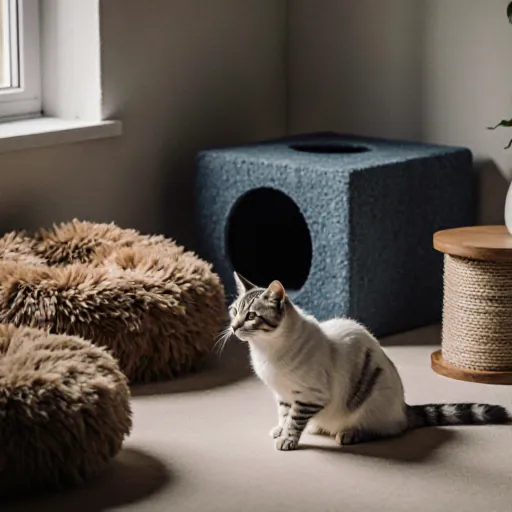
Smooth Transitions: Tips for Welcoming a New Feline Friend
How to Introduce a New Cat to Your Home
Table of Contents
- Selecting the Right Cat for Your Home
- Preparing Your Home Before Bringing in a New Cat
- Introducing Your Cat to Its Carrier
- Meeting the New Cat for the First Time
- First Day Home with the New Cat
- Establishing a Routine
- Providing Proper Nutrition and Hydration
- Introducing Your Other Pets Gradually
- Understanding Your Cat's Behavior and Signals
- Setting Up Separate Resting Spaces for the New Cat
- Positive Reinforcement and Training
- Handling Separation Anxiety
- Caring for Your Cat's Health
- Building Trust Over Time
- Conclusion
- FAQ
Selecting the Right Cat for Your Home
Selecting the right cat for your home is a crucial step in ensuring both you and your feline companion thrive together. Just like introducing a new cat to your home, this process requires careful consideration and preparation. Here are some key factors to consider when choosing the perfect cat:
1. Lifestyle Compatibility
The lifestyle of your household plays a significant role in determining which type of cat will be happiest. If you have a bustling home with children, dogs, or other pets, a more active and sociable breed might be ideal. On the other hand, if you prefer quiet evenings at home, a calmer, independent cat could be the better fit.
- Active Cats: Breeds like Siamese, Abyssinian, or Cornish Rex are known for their high energy levels and need for constant stimulation. They enjoy playing with toys, exploring new environments, and spending time with their owners.
- Independent Cats: Breeds such as Burmese, Russian Blue, or Sphynx cats tend to be more laid-back and self-sufficient. They require less attention but still appreciate affection when it's offered.
2. Space Considerations
The size of your living space is another important factor to consider. A large, spacious home will provide ample room for a cat that enjoys roaming and climbing, while a smaller apartment may be better suited for a more sedentary breed.
- Space-Aware Cats: Breeds like Maine Coon or Norwegian Forest Cat are known to thrive in large spaces. They love high perches and enjoy playing outside if possible. If you have a small home, these breeds might need more indoor stimulation to keep them happy.
- Compact Living Spaces: Smaller cats such as the American Shorthair or British Shorthair are well-suited for smaller homes. They are content with smaller spaces and still enjoy playtime and interaction with their owners.
3. Noise and Activity Levels
Cats vary in terms of how much noise they make and the level of activity they prefer. Some breeds, like Persians or Exotic Shorthairs, are generally quieter and more laid-back compared to others.
- Quiet Cats: If you're looking for a cat that won't disturb your peace, breeds like the Persian, Exotic Shorthair, or Devon Rex tend to be calmer and less vocal. They are also known for being more passive in their interactions.
- Active and Vocal Cats: If you enjoy hearing your cat's meows and seeing them play frequently, breeds like the Sphynx, Manx, or Bengal might be perfect for you. These cats are often very vocal and love to interact with their environment.
4. Health Considerations
Health issues can vary between cat breeds, so it's important to research the health concerns associated with different breeds before making your choice.
- Pedigree Breeds: Popular pedigree breeds like Siamese or Maine Coon have specific genetic predispositions that may require extra care. It’s essential to choose a reputable breeder who provides thorough health check-ups and guarantees the cat's well-being.
- Mixed-Breed Cats: Mixed-breed cats are often healthier due to their diverse genetic makeup, which can reduce the risk of hereditary diseases. They also tend to be more adaptable and resilient in various living conditions.
5. Introduction to Your Household
Once you've selected your cat, it's equally important to introduce them properly into your home to ensure a smooth transition for both the new addition and existing pets. Follow these steps:
- Create a Separate Space: Allow the new cat to have its own space with food, water, litter box, and toys until it feels comfortable enough to explore other areas.
- Gradual Exposure: Introduce the new cat gradually to your home, giving them time to adjust to sounds, smells, and movements. Ensure that all pets are calm during these introductions.
- Patience is Key: Be patient with both the new arrival and existing pets. It may take several days or weeks for everyone to settle in comfortably.
Selecting the right cat for your home sets the foundation for a harmonious coexistence. By considering lifestyle, space requirements, noise levels, health concerns, and proper introduction techniques, you'll be well on your way to welcoming a new furry friend into your family.
Preparing Your Home Before Bringing in a New Cat
To ensure that your home is ready for the exciting addition of a new cat, it's crucial to prepare your environment thoroughly. This preparation will not only make your home safer and more comfortable for your existing pets but also ease the transition for your new feline friend. Follow these steps to create a welcoming space:
A cluttered home can be dangerous for a cat, especially if there are small objects that could be easily knocked over and swallowed or sharp edges that could cause injury. Take the time to remove any items that your new cat may find appealing but are potentially harmful.
- Remove loose wires and cords from walls and floors.
- Secure any furniture with small legs, as these can be easily knocked over.
- Tidy up any boxes or bags that could be mistaken for toys.
Introducing a new cat to your home is much like introducing a new member of the family. It's important to give each cat its own space where it can feel secure and comfortable. This will also help prevent any territorial conflicts.
- Designate areas in your home for your existing cats and the new one.
- Provide separate litter boxes, food bowls, and water stations.
- Ensure each cat has its own bed or sleeping area.
Just like babies, cats are curious creatures who explore everything around them. This is why it's essential to ensure your home is safe for your new pet before bringing her in.
- Cover electrical outlets with child-proof covers to prevent any accidents.
- Secure plants that could be toxic if ingested by a curious cat.
- Store away any cleaning supplies or chemicals out of reach.
Before bringing your new cat home, make sure you have all the necessary supplies ready. This will not only ensure a smooth transition but also save time and stress for both you and your pet.
- Purchase food and litter that suits your cat's dietary needs.
- Ensure there are enough toys to keep your new cat entertained.
- Have cleaning supplies on hand, including a vacuum cleaner with attachments for hard-to-reach areas.
A proper litter box is essential for your cat's comfort and health. Make sure you have the right type of litter and a litter box that fits your new cat comfortably. It's also important to place the litter box in a quiet, safe area.
- Choose a litter box based on your cat's size and preferences.
- Place the litter box away from feeding areas and high traffic zones.
- Keep the litter box clean at all times; cats are creatures of habit and prefer clean spaces.
By following these steps, you're setting a positive tone for your home environment when bringing in a new cat. Remember, patience is key during this process as both you and your new pet adjust to the changes. With proper preparation, introducing a new cat to your home can be an exciting and rewarding experience.
Introducing Your Cat to Its Carrier
Introducing your cat to its carrier is an essential step in ensuring that both you and your pet have a stress-free experience, especially for trips or visits to the vet. This process mirrors the method of introducing a new cat to your home as described in "How to Introduce a New Cat to Your Home," where gradual exposure helps ease any anxiety.
Step-by-Step Guide
- Create Familiarity: Just like when introducing a new cat to your home, start by placing the carrier in an area of your house that your cat frequents. Let them explore it on their own terms. Place some of their favorite toys and treats inside so they begin associating the carrier with positive experiences.
- Positive Reinforcement: Encourage your cat to approach the carrier by offering small treats or playing with a toy near it. The goal is to make the carrier a source of fun and rewards, not something frightening. Over time, your cat will learn that being in the carrier leads to pleasant outcomes.
- Gentle Encouragement: When you're ready for the next step, gently lift your cat into the carrier with treats or toys as a lure. Keep the process positive and avoid forcing your pet inside. The key is to make it a low-stress environment where they feel safe.
- Short Intervals: Always start with short intervals of time spent in the carrier, gradually increasing the duration. Consistency is crucial here. Just like acclimating a new cat to your home, patience and consistency will yield better results. Short sessions can be as brief as 5-10 minutes.
- Positive Associations: Use the time in the carrier for activities that make your cat feel secure and happy. Playtime or feeding treats while they're inside helps create positive associations with being in the carrier.
Practical Tips
- Carrier Type: Choose a carrier that is roomy enough for your cat to move around comfortably. Avoid carriers that are too small, as this can cause stress during travel.
- Avoid Rough Handling: Always handle your cat gently and with care when introducing them to the carrier or placing them inside. Rough handling can increase anxiety and make it harder for both you and your pet.
- Use Familiar Scents: If possible, place a blanket or pillow from another area of your home in the carrier. The familiar scent will help reduce any newness or strangeness that might otherwise cause stress.
Conclusion
The process of introducing your cat to its carrier is similar to the method of introducing a new cat to your home. By following these steps and maintaining a positive approach, you can ensure that both your cat and yourself are prepared for any future travel or veterinary visits.
Meeting the New Cat for the First Time
When you bring a new cat into your home, it's important to approach the introduction process with care and patience. Just like introducing any new member of the family, whether it be a pet or otherwise, this phase can be both exciting and challenging. The key is understanding that cats are territorial by nature, and they need time to feel secure in their environment.
The first few days after bringing your new cat home will determine how smoothly the introduction process goes forward. Cats often display signs of stress during this period, such as hiding, avoiding social interaction, or displaying unusual grooming behaviors. Pay close attention to these signals and respect them by giving your new cat space.
Creating a Safe Space
Setting up a safe, quiet area for the new cat is crucial. This should include all essential items such as food and water bowls, litter box, and cozy bedding. Ensure that this space has no direct interaction with other pets at first, allowing your new cat to explore and feel comfortable without pressure.
Gradual Exposure
Introduce the cats gradually through controlled interactions. Start by letting them smell each other through a door or open window. Gradually increase the time they spend together while ensuring there are clear boundaries that prevent any aggressive behavior. This could mean using baby gates to separate them initially.
Positive Reinforcement
Use treats and praise as positive reinforcement during the introduction process. Reward calm, non-aggressive behaviors with small treats or affection. It helps in reinforcing good behavior and making the experience more enjoyable for both cats.
Maintaining Routine
Consistency is key during this transition period. Try to maintain your usual routines regarding feeding times, play sessions, and cleaning schedules so that the new cat can quickly adapt without feeling too disoriented.
Observing Body Language
Cats communicate through body language which can sometimes be subtle. Learn to recognize signs of stress or aggression early on to ensure a safe environment for both your current pet and the newcomer. Signs like flattened ears, dilated pupils, or tense muscles indicate that one cat may feel threatened.
Patience is Key
No two introductions are exactly alike; what works well in one home might not work in another. Be prepared for adjustments based on the specific needs and personalities of your cats. The most important thing is to remain patient throughout this process, allowing time for each cat to adjust at their own pace.
Practical Tips
- Use a carrier: If one cat seems particularly anxious around the other, using a carrier can help. It provides a secure space that reassures the anxious cat and limits direct confrontation.
- Multilevel spaces: Install multi-level perches or shelves where both cats can coexist without being in each other’s immediate proximity.
- Cat pheromones: Products containing Feliway, a synthetic version of cat pheromones, can help reduce stress and anxiety during the introduction phase.
Conclusion
Introducing a new cat to your home is an exciting step that requires careful planning and execution. By following these guidelines and showing patience, you create a welcoming environment for both cats, ensuring they can coexist peacefully. Remember, every interaction during this period plays a critical role in shaping the relationship between them.
First Day Home with the New Cat
Welcome to your new feline family member! The first day home with the new cat can be both exciting and challenging. Proper introduction is crucial for ensuring that your existing pets adapt well, and your new kitty feels safe and comfortable in its new environment. Here’s a guide on how to make this transition smooth.
Setting Up the Environment
The first few days are all about creating a comfortable space where your new cat can feel secure. Set up separate feeding areas, litter boxes, and sleeping spots away from other pets if possible. This helps prevent territorial issues and allows your new cat to establish its own routine without feeling threatened.
Introduction Process
The first day is a crucial time for initial interaction. Here are some steps to follow:
- Create Safe Spaces: Provide high perches and enclosed spaces where your new cat can retreat if it feels anxious. This helps in minimizing stress.
- Olfactory Familiarization: Swap towels or blankets between the existing pets and the new cat to familiarize them with each other's scents gradually. You can also let the cats sniff each other through closed doors or windows.
- Controlled Meetings: If you have existing pets, introduce your new cat using a carrier. Allow the cats to get used to each other’s presence without direct confrontation initially.
Observation and Patience
Cats need time to adjust. Observe their behavior closely during the first few days. Signs of stress include hiding, not eating, or frequent meowing. Be patient; the adjustment period can vary from a few days to weeks.
Practical Advice
To make your cat feel at home quickly:
- Keep the Routine Consistent: Cats thrive on routine. Try not to change their feeding times or litter box locations until they are fully settled.
- Provide Toys and Playtime: Engage your cat in play activities which can help alleviate anxiety and boredom. This also helps bond with the new pet.
- Monitor for Health Issues: If your cat is lethargic or shows signs of illness, consult a vet immediately.
Conclusion
The first day home with your new cat sets the tone for its future in your household. By creating a welcoming environment and introducing them gradually, you can ensure that both your existing pets and the newcomer feel secure and happy in their new home.
Establishing a Routine
When introducing a new cat into your home, establishing a routine becomes crucial for both the newcomer and your existing pets. A consistent schedule can help reduce stress and anxiety during this transition period. Here’s how you can create a routine that works for everyone.
Creating a Safe Space
The first step in introducing a new cat is creating a safe space where they can feel secure. This area should be off-limits to your other pets, and it should contain everything the new cat needs: food, water, litter box, and a comfortable place to sleep. Allow the new cat some time to explore this space without any pressure from others.
Gradual Introduction
A gradual introduction process is key. Start by allowing your existing pets and the new cat to smell each other through closed doors or windows. This can help them get used to one another's scent before a direct encounter. After several days, you may introduce them for short supervised meetings.
Meal Times
Establish regular feeding times early on. Cats are creatures of routine and will feel more secure knowing when their next meal is coming. Initially, feed your existing pets first to prevent any jealousy or aggressive behavior towards the new cat. Gradually, you can start introducing meals for the new cat during these periods.
Litter Box Placement
Place the litter box in a quiet area of the safe space initially. Cats are naturally clean animals and prefer their own private space when using the litter box. Ensure it is easily accessible, but not so close that your other pets feel like they're invading.
Playtime and Exercise
To help ease the stress of introducing a new cat, make sure to provide plenty of playtime and exercise for both your existing pets and the newcomer. Interactive toys can be especially helpful in keeping them mentally stimulated and physically active. Regular play sessions will also reinforce positive interactions.
Night Time Routine
Establish a night routine that includes feeding, cleaning up, and quiet time for everyone. Cats are nocturnal by nature but adjusting to your human schedule can be challenging. Consistent bedtime routines like closing windows, turning off lights, or playing calming music can signal it’s time to rest.
Monitor Behavior
Throughout the process of introducing a new cat, monitor both their behavior and that of your existing pets closely. If either shows signs of stress—such as excessive grooming, hiding, or aggression—it might be necessary to adjust the routine slightly. Patience is key; this transition can take several weeks.
By following these steps and establishing a consistent routine, you set both your new and established pets up for success in their cohabitation. Remember, every cat has its own personality and adjusting times might vary from one pet to another.
Providing Proper Nutrition and Hydration
When introducing a new cat to your home, it's crucial to consider the nutritional needs of both the new arrival and any resident cats. Ensuring that all cats in the household receive proper nutrition and hydration is essential for their overall health and well-being.
Nutritional Requirements
Cats are obligate carnivores, meaning they require a diet high in animal-based proteins to meet their nutritional needs. Here’s how you can ensure your new cat is getting the right nutrition:
- High-Protein Diet: Cats need more protein than dogs or humans, and most of this should come from meat sources.
- Fat Content: Fat provides energy but too much can lead to obesity. Look for a balanced fat content in your cat's food.
- Vitamins and Minerals: Essential vitamins like A, B12, D3, E, K, and minerals such as phosphorus, calcium, and iron are crucial for overall health.
Hydration
Cats can be less inclined to drink water compared to eating dry food. Here’s how you can encourage adequate hydration:
- Water Fountains: Invest in a cat water fountain, which can make drinking more appealing and fun for your pet.
- Dry Food Hydration: If feeding dry food, consider mixing it with small amounts of water to encourage consumption.
- Monitor Hydration Levels: Signs of dehydration include sunken eyes, dry mouth, lethargy, and loss of appetite. Ensure your cat is drinking enough by offering multiple sources of clean water throughout the house.
Transitioning Diets
When introducing a new cat to your home, it's important to transition their diet gradually to avoid digestive upset:
- Mix New and Old Food Gradually: Start by mixing small amounts of the new food with the old one over several days. This helps your cat’s stomach adjust.
- Observe for Digestive Issues: Monitor your cat’s stool, appetite, and behavior during this period to ensure they are adapting well to their new diet.
Special Considerations
If you have multiple cats or a kitten, it's important to monitor each individual's eating habits. Some cats may be more finicky than others:
- Different Dietary Needs: Kittens need food formulated for their age and growth. Older cats might require specific diets based on health conditions like kidney disease.
- Cat Behavior: Some cats may be more inclined to eat in certain areas or at specific times of the day. Understanding your cat’s behavior can help you provide a suitable environment for mealtime.
By providing proper nutrition and hydration, you are setting the foundation for a healthy and happy life for your new cat, ensuring they adapt well to their new home and thrive alongside any resident cats.
Introducing Your Other Pets Gradually
Introducing your other pets gradually is just as important as introducing a new cat to your home. Each pet species has its unique way of interacting with the environment and other animals, so it's crucial to ensure that all your pets feel safe and comfortable in their shared space.
Before you start introducing your pets, take some time to observe them. Cats, dogs, birds, and even reptiles have distinct behaviors and communication methods. Understanding these can help you anticipate potential conflicts or stress points during introductions.
Cats
If you're adding a new cat to your home, follow the guidelines provided in "How to Introduce a New Cat to Your Home." However, if you already have cats and are getting another one, it's essential to consider their established hierarchy. Allow them time to adapt to the new presence before fully integrating them into daily routines.
Dogs
When introducing a dog to your existing pets, ensure that all animals feel secure. Dogs can be more assertive and may require firm boundaries set early on. Supervise their interactions closely during the first few meetings to prevent any aggressive behavior from escalating into fights.
Birds
Birds are sensitive creatures, and introducing them gradually is key to minimizing stress. Place the bird's cage in a quiet area initially, allowing it to get used to the sounds and smells of its new home without direct interaction with other pets. Once it feels more secure, you can slowly introduce other animals into the environment.
Reptiles
Reptiles are generally calm but still require careful handling during introductions. Keep their enclosures in a separate area to start, and gradually allow them access to shared spaces as they become accustomed to the new environment. Always supervise any interactions between reptiles and other pets to prevent accidental harm.
To ensure a smooth transition when introducing your other pets, consider creating separate feeding areas for each pet initially. This helps avoid territorial disputes over food. Additionally, provide multiple escape routes or perches so that each animal can retreat if it feels threatened.
Positive Reinforcement
Use positive reinforcement techniques to encourage good behavior during introductions. Praise and treats for calm interactions will help reinforce the desired behavior in all your pets.
Keep a close eye on your pets' reactions throughout the introduction process. If you notice signs of stress or aggression, take immediate action to separate them and give each pet space to calm down. Gradually adjust their interactions based on how they respond.
By introducing your other pets gradually, you're creating a harmonious living environment where all animals feel safe and content in their shared home.
Understanding Your Cat's Behavior and Signals
To effectively introduce a new cat to your home, it is crucial to understand your cat's behavior and signals. Cats communicate primarily through body language, vocalization, scent marking, and subtle movements. By recognizing these cues, you can ensure the smooth integration of a new feline into your household.
Cats use various postures to express their feelings and intentions:
- Tail Position: A straight upright tail often indicates confidence, while a bushy tail with a slight quiver suggests excitement. However, a lowered or tucked tail can signal fear or aggression.
- Ears: Ears forward indicate interest and curiosity; flattened ears suggest the cat is stressed or anxious.
- Posture: A hunched back with fur standing on end is a sign of defensive behavior, whereas a relaxed posture shows calmness and comfort.
Cats also use vocal cues to communicate:
- Meowing: Cats often meow when they want attention or when they're seeking something. During the introduction phase, this can be a sign of stress or confusion.
- Purring: While generally associated with contentment, purring can also signal distress in certain situations.
Cats use scent marking to establish territory. During the introduction period:
- Scratching: Cats scratch to mark their territory, usually on furniture or walls. Encourage your existing cat to use a scratching post instead.
- Scent Glands: Cats rub their faces and bodies against objects and people to leave scent marks. This can be a sign of affection but also territorial marking.
Recognizing signs of aggression is essential during the introduction process:
- Hiss and Spitting: These sounds are clear indicators that a cat feels threatened or stressed.
- Growling: Growling can signal aggression, but it also indicates discomfort. If your cats growl at each other, separate them immediately to avoid escalation.
By understanding these behaviors, you can create a stress-free environment for both cats:
- Create Separate Spaces: Allow your new cat to have its own space with food, water, and litter box. Ensure that the existing cat has access to high spots it can retreat to.
- Gradual Introduction: Introduce cats gradually through scent exchange (swapping blankets) or visual introductions before direct contact.
- Monitor Behavior Closely: Pay close attention to both cats' behaviors. If you notice any signs of aggression, separate them gently and provide a calming environment for each cat.
In summary, understanding your cat's behavior and signals is vital for a successful introduction of a new cat into your home. By recognizing these cues early on, you can ensure the peace and safety of all cats involved in this transition.
Setting Up Separate Resting Spaces for the New Cat
When introducing a new cat into your home, setting up separate resting spaces for both the existing and the new cat is crucial. This ensures that each cat has a safe area where they can feel secure and comfortable while adjusting to their new environment.
Creating Separate Resting Spaces
The goal of creating these spaces is to give your cats time to adapt without feeling overwhelmed. Here’s how you can set them up:
- Dedicated Room or Area: For both the existing and new cat, designate a separate room or area in the home that they can call their own for a period of time. This should be a quiet space with minimal foot traffic.
- You can convert any spare room into a temporary sanctuary by adding soft bedding, toys, and water bowls.
- Comfortable Bedding: Ensure that each resting area is equipped with cozy bedding. Cats love to nestle in soft fabrics like blankets or towels. For the new cat, you may want to add scents from their carrier or some of their familiar items.
- Cats are territorial and will feel more secure when they have something that smells like home.
- Hideaways: Cats enjoy having spaces where they can hide. Providing cardboard boxes, cat tunnels, or even a hammock can help them feel safe in their new environment.
Practical Advice for Introducing the New Cat
Once both cats have their own resting areas, it’s time to introduce them carefully. Here are some tips:
- Introduce Gradually: Allow the existing cat and the new cat to get used to each other's scents before they meet face-to-face. You can do this by swapping bedding or using air diffusers.
- Once both cats are comfortable with each other’s scent, you can introduce them in a neutral area of your home where neither feels threatened.
- Supervise the First Meeting: The first time they meet, keep an eye on their behavior. If things go well and there is no aggression, let them explore each other's resting spaces together.
- This supervised interaction helps both cats build trust and familiarity with one another.
- Positive Reinforcement: Reward positive interactions between the two cats. Use treats or praise to encourage friendly behavior during their meetings.
Examples of Successful Setups
Here are some examples that can help your cats transition smoothly:
- Dual Resting Areas in the Same Room: If space allows, you can create two resting areas within one room. This way, both cats have access to a common area but still retain their own personal space.
- Placing a large window seat or a comfortable chair as a neutral zone where they can interact without feeling confined in each other's spaces.
- Outdoor Access: If your home allows, consider providing separate outdoor access points. This gives both cats the opportunity to explore their surroundings independently and reduces stress during meetings indoors.
By setting up separate resting spaces for each cat and introducing them gradually, you are creating a harmonious environment where both cats can thrive. Remember, patience is key when dealing with new arrivals, and allowing time for adjustment will ensure a successful transition for all involved!
Positive Reinforcement and Training
Introducing a new cat into your household can be both exciting and challenging. Proper training and positive reinforcement play crucial roles in ensuring that the introduction process goes smoothly, reducing stress on both existing pets and the new arrival. By focusing on positive reinforcement techniques, you can create a welcoming environment for your furry friend while strengthening bonds with all cats involved.
Understanding Positive Reinforcement
Positive reinforcement involves rewarding desirable behaviors to encourage their repetition. In the context of introducing a new cat, this means praising or rewarding calm and friendly behavior from both the existing pets and the newcomer. This approach fosters a positive association with each other, making transitions easier and less stressful.
Creating a Safe Space
Before bringing your new cat home, set up a separate but accessible room where it can stay for the first few days to adjust. Use this time to familiarize it with its food, water, litter box, and any toys or scratching posts. This safe space should be equipped with everything necessary to ensure that the cat feels secure during the initial stages.
Introducing the New Cat Gradually
When you're ready for the new cat to meet your existing pets, do so gradually and under controlled conditions. Start by allowing them to see each other through a closed door or mesh gate. Positive reinforcement comes into play here; if both cats show signs of calmness, reward this behavior with treats and praise.
Supervising the First Meeting
The first face-to-face meeting should be supervised to prevent any potential conflicts. Place the new cat on your lap or in a secure spot where it can easily escape if needed. Use treats as positive reinforcement to encourage calm behavior during this encounter.
Building Trust and Bonding
To build trust between all cats, focus on creating positive experiences together. Regularly engage in activities that involve all the cats, such as playing with interactive toys or providing them with treats. Positive reinforcement can also be used during these sessions to encourage friendly interactions.
Consistency is Key
Maintaining consistency in your training and positive reinforcement efforts ensures that both existing pets and the new cat understand what behavior is expected of them. This consistency helps reinforce good habits and prevents confusion or frustration, which can lead to negative behaviors.
Examples of Positive Reinforcement Techniques
- Treats: Reward calm and friendly interactions with treats.
- Praise: Use verbal encouragement to reinforce positive behavior.
- Toys: Provide engaging play sessions to encourage positive interactions.
Practical Advice for a Smooth Introduction
- Ensure the new cat has its own space and feels secure before introducing it to others.
- Gradually increase the time spent together, always under supervision.
- Use positive reinforcement consistently throughout the introduction process.
- Be patient; introductions can take several weeks or even months.
In conclusion, integrating positive reinforcement and training into your approach to introducing a new cat to your home is essential for a successful transition. By providing a safe space, gradually increasing interactions, and consistently rewarding calm behavior, you can help all cats in the household feel comfortable and happy in their shared environment.
Handling Separation Anxiety
Welcome to this essential guide on managing separation anxiety, drawing parallels from the process of introducing a new cat into your home. Just as welcoming a new pet can be stressful for both you and your current kitty, adapting to a period without your beloved companion can also create significant stress. Here’s how to handle it with care and empathy.
1. Gradual Adjustments
Similar to introducing a new cat by gradually allowing them familiarization time, start by slowly increasing the periods you're away from home. This helps your pet adjust to being alone without feeling overwhelmed. Begin with short intervals and gradually extend these times as they become more comfortable.
2. Routine Establishment
Create a structured routine for your pet, much like creating a consistent daily schedule for the new cat. Cats thrive on routines; it provides security and reduces stress. Ensure feeding times, play sessions, and other activities are scheduled at regular intervals.
3. Distracting Environments
Just as you might provide your new kitty with toys and stimulation to keep them engaged, offer similar distractions for your pet when they're home alone. Puzzle feeders, interactive toys, or even a video camera playing calming music can help keep your cat entertained during your absence.
4. Positive Experiences
Celebrate and reward positive behaviors. This could be as simple as giving your pet extra affection when you return home after being away for a while, or providing treats that they associate with coming back. This reinforces the idea of homecoming as something enjoyable.
5. Environmental Enrichment
Create an enriched environment that mimics the presence you provide them in your absence. Use scents like lavender oil (known for its calming properties) or play recordings of your voice, especially if they have bonded with it during your time together.
6. Professional Help
If separation anxiety persists despite these measures, seeking help from a professional may be necessary. Just as you would consult an expert for advice on introducing a new cat to the household, consulting a veterinarian or animal behaviorist can provide tailored solutions.
Conclusion
Handling separation anxiety in pets requires patience and understanding, just like welcoming a new addition to your family. By gradually adjusting routines, providing enriching environments, and celebrating positive behaviors, you can help ease the stress of being alone for your furry friend.
Caring for Your Cat's Health
Once you've successfully introduced a new cat into your home as discussed in How to Introduce a New Cat to Your Home, it’s crucial to ensure that both the existing cats and the newcomer are thriving. Caring for your cat's health involves a combination of proper nutrition, regular veterinary check-ups, exercise, and mental stimulation. Here are some key aspects to consider:
Proper nutrition is essential for maintaining your cat's overall health. Cats have specific dietary needs that differ from those of dogs or humans. Feeding them a balanced diet that meets these requirements can help prevent obesity, diabetes, and other medical issues.
- High-Quality Food: Opt for premium brands that provide essential nutrients such as taurine, which is crucial for heart health in cats. Always read the labels to ensure you're providing food rich in protein and low in carbohydrates.
- Varying Diets: Introduce new foods gradually to avoid upsetting your cat's digestive system. This can be especially important when introducing a new diet after bringing home a new cat.
Regular visits to the veterinarian are vital for maintaining your cat’s health and catching potential issues early. Even if your cat appears healthy, there could still be underlying problems that need monitoring or treatment.
- Vaccinations: Ensure all vaccinations are up-to-date to protect against common feline diseases such as rabies, feline leukemia virus (FeLV), and feline immunodeficiency virus (FIV).
- Parasite Control: Discuss flea, tick, and internal parasite prevention with your vet. Cats can easily pick up parasites from their environment or other animals.
A sedentary lifestyle can lead to various health problems in cats. Encourage physical activity and provide mental stimulation through play and interaction. This will also help in the socialization of your new cat, making it a part of the family.
- Interactive Toys: Use toys that stimulate hunting instincts, such as feather wands or laser pointers. These not only encourage exercise but also provide mental stimulation.
- Variety in Playtime: Rotate different types of play items to keep your cat engaged and excited about playing. This is particularly important for younger cats who are more energetic.
Just like with the introduction process, a healthy mental environment is crucial for a cat's well-being. Cats need social interaction to thrive emotionally and mentally. Here’s how you can support your cat's mental health:
- Social Interaction: Spend time playing with your cats each day. Even if one of them is new, interacting with them will strengthen the bond between you.
- Create a Safe Environment: Provide multiple hiding spots and high perches for your cat to feel secure in. This helps reduce stress and anxiety, especially during transitions or introductions.
A clean home is not only important for hygiene but also contributes significantly to the overall health of your cats. Regular cleaning can help prevent illnesses and ensure your cats are comfortable in their environment.
- Clean Litter Boxes: Cats are fastidious creatures, and a clean litter box is essential. Scoop it daily and thoroughly clean it at least once a week.
- Daily Cleaning Routine: Regularly vacuum or sweep your home to remove dust and other allergens that could affect your cats' respiratory health.
Caring for your cat's health is an ongoing process, but by following these guidelines, you can help ensure a happy and healthy life for your feline companions. Remember, every cat is unique, so it’s important to tailor care according to individual needs.
Building Trust Over Time
The process of introducing a new cat to your home is much like building trust over time. Cats, just like humans, need time and space to adapt to new environments, people, and other animals. The key lies in gradual introduction and consistent positive reinforcement. Here are some practical steps and tips on how you can introduce a new cat to your home effectively, which mirrors the broader concept of building trust.
1. Gradual Introduction
Start by allowing the new cat to explore its environment at its own pace. Place its carrier in an area where it feels safe and comfortable—perhaps near your bed or a quiet corner of the room. Over time, open the carrier slightly each day so the cat can get used to hearing voices and seeing people moving around without feeling threatened.
Example: If you have another pet, consider introducing them gradually as well. Keep both pets separated at first and then gradually increase their interaction time under your supervision. This approach helps in preventing stress and aggression between the two animals.
2. Positive Reinforcement
Cats respond to positive reinforcement just like dogs do. Use treats, petting, and praise to encourage good behavior. Whenever the new cat explores an area or interacts positively with other pets, reward it immediately. This will help associate positive experiences with your presence.
Example: If you have a dog that greets the new cat enthusiastically, use this as an opportunity for positive reinforcement. The dog’s excitement can signal to the cat that there is nothing to fear from you or other pets in the home.
3. Consistency
Consistency is crucial when introducing a new cat to your home. Cats thrive on routine, and they need to know what to expect every day. Be consistent with feeding times, playtimes, and interactions with other pets. This helps the cat feel secure and less anxious.
Example: If you usually feed your existing pets at 6 PM, make sure to do the same when the new cat joins the household. Consistency in these routines will help the new cat adapt more quickly and feel more settled.
4. Patient Observation
Every cat is different, and each one will take time to adjust to its new environment. Be patient and observant. Pay attention to signs of stress or discomfort in your new pet, such as hiding in a corner or refusing food for several days. Address these issues promptly by providing extra care and attention.
Example: If you notice that the new cat is not eating after a few days, offer treats or try feeding it in a quiet area where it feels safe. Sometimes, cats need more time to feel comfortable enough to eat in their new home.
5. Creating a Safe Haven
Conclusion
Introducing a new cat into your home can be an exciting yet challenging endeavor, requiring careful preparation and patience. The process should focus on ensuring both the existing cats and the newcomer feel safe and secure during their transition period. Here are some detailed steps and practical advice to make this introduction smoother:
Preparation
- Create a Separate Space: Initially, provide the new cat with its own enclosed space where it can feel safe away from the existing cats. This could be a spare room or a bathroom equipped with everything needed—food, water, litter box, and a soft bed.
- Set Up a Routine: Establishing a routine helps both new and resident cats adjust more quickly. Feeding times should remain consistent, and any changes to the schedule should be introduced gradually.
- Prepare for Scent Exchange: Allow the new cat’s scent to mix with that of your existing pets by swapping bedding or bringing home items the new cat has touched.
Introduction Process
The introduction should be done gradually, allowing both cats time to get used to each other's scents and sounds. Here are some steps:
- Initial Encounters: Start by letting the new cat explore its space while keeping existing cats in a separate area. Gradually increase their proximity without forcing interaction.
- Watch for Body Language: Both cats' body language is crucial in understanding how they are reacting to each other. Signs of stress include hunched postures, flattened ears, or fur standing on end. If either cat appears stressed, it may be necessary to back off and try again later.
- Positive Reinforcement: Reward calm behavior with treats and praise. Positive reinforcement can help both cats associate the introduction process with positive experiences.
Post-Introduction
After a few days, when both cats seem more comfortable around each other, you may start allowing them to interact more freely. However, always supervise these interactions and be ready to separate the cats if signs of stress or aggression appear.
- Ongoing Monitoring: Continue monitoring their behavior closely during this period. Even after they seem comfortable together, occasional territorial disputes might occur.
- Gradual Integration: Allow for gradual integration over several weeks or even months. This gives both cats the time and space they need to fully adjust to each other's presence.
By following these steps, you can help ensure a harmonious cohabitation between your existing pets and any new cat additions. Remember, patience is key in this process as every cat will adapt at its own pace.
FAQ
1. How Long Does It Take for a Cat to Adjust to a New Environment?
Integrating a new cat into your home can be both exciting and challenging. The time it takes for a cat to adjust varies from one individual to another, depending on factors such as the cat's temperament, age, and previous experience with other pets or humans. Generally, it may take anywhere from several days to a few weeks for a cat to feel comfortable in its new environment.
For instance, if you have an older cat that has never lived with another pet before, it might take longer than usual for the cat to adapt. On the other hand, if you've introduced your cat to another pet in the past, the transition could be smoother and quicker.
2. What Are Some Signs That My Cat Is Adjusting Well?
Recognizing signs of adjustment can help you determine whether your new cat is settling in well or if it needs more time to acclimate. Common positive indicators include:
- Starting to use the litter box consistently
- Eating regularly and showing interest in food
- Moving around freely and exploring their new space
- Socializing with you or other family members (if applicable)
3. How Can I Make the Transition Easier for My Cat?
To ease your cat's transition, consider implementing these practical tips:
- Create a Comfortable Space: Provide a quiet area with all necessary supplies such as food, water, and a comfortable bed or blanket.
- Gradual Introduction: Allow your new cat to explore the home at its own pace. If you have another pet, consider allowing them to see each other from behind closed doors initially before direct interaction.
- Patience and Consistency: Be patient during this period. Cats need time to adjust to their environment, and rushing can cause stress for both the new cat and your existing pets.
4. What Should I Do if My Cat Hides Most of the Time?
If your new cat is hiding most of the time, it's important not to force interaction but instead give them space and time. Here are some steps you can take:
- Check that all necessary supplies are available in their safe space.
- Maintain a calm demeanor around your new cat to avoid causing stress.
- Offer treats or toys to encourage exploration, but do not insist on immediate interaction.
5. How Do I Prevent Aggression Between Cats?
Avoiding aggression between cats is crucial for the well-being of both pets. Here are some preventive measures:
- Gradual Introduction: Ensure that introductions are gradual and supervised, especially if you have an existing cat.
- Multipoint Access: Provide multiple entry points to windows or doors to reduce territorial disputes.
- Scent Marking: Use pheromone diffusers to help calm your cats and reduce stress-related behaviors.
6. When Should I Seek Professional Help?
If you notice persistent signs of distress, such as prolonged hiding or aggressive behavior that doesn't improve with time, it may be necessary to consult a veterinarian or an animal behaviorist for further advice.
Conclusion
Introducing a new cat into your home can be an exciting yet challenging endeavor, requiring careful preparation and patience. The process should focus on ensuring both the existing cats and the newcomer feel safe and secure during their transition period. Here are some detailed steps and practical advice to make this introduction smoother:
Preparation
- Create a Separate Space: Initially, provide the new cat with its own enclosed space where it can feel safe away from the existing cats. This could be a spare room or a bathroom equipped with everything needed—food, water, litter box, and a soft bed.
- Set Up a Routine: Establishing a routine helps both new and resident cats adjust more quickly. Feeding times should remain consistent, and any changes to the schedule should be introduced gradually.
- Prepare for Scent Exchange: Allow the new cat’s scent to mix with that of your existing pets by swapping bedding or bringing home items the new cat has touched.
Introduction Process
The introduction should be done gradually, allowing both cats time to get used to each other's scents and sounds. Here are some steps:
- Initial Encounters: Start by letting the new cat explore its space while keeping existing cats in a separate area. Gradually increase their proximity without forcing interaction.
- Watch for Body Language: Both cats' body language is crucial in understanding how they are reacting to each other. Signs of stress include hunched postures, flattened ears, or fur standing on end. If either cat appears stressed, it may be necessary to back off and try again later.
- Positive Reinforcement: Reward calm behavior with treats and praise. Positive reinforcement can help both cats associate the introduction process with positive experiences.
Post-Introduction
After a few days, when both cats seem more comfortable around each other, you may start allowing them to interact more freely. However, always supervise these interactions and be ready to separate the cats if signs of stress or aggression appear.
- Ongoing Monitoring: Continue monitoring their behavior closely during this period. Even after they seem comfortable together, occasional territorial disputes might occur.
- Gradual Integration: Allow for gradual integration over several weeks or even months. This gives both cats the time and space they need to fully adjust to each other's presence.
By following these steps, you can help ensure a harmonious cohabitation between your existing pets and any new cat additions. Remember, patience is key in this process as every cat will adapt at its own pace.
FAQ
1. How Long Does It Take for a Cat to Adjust to a New Environment?
Integrating a new cat into your home can be both exciting and challenging. The time it takes for a cat to adjust varies from one individual to another, depending on factors such as the cat's temperament, age, and previous experience with other pets or humans. Generally, it may take anywhere from several days to a few weeks for a cat to feel comfortable in its new environment.
For instance, if you have an older cat that has never lived with another pet before, it might take longer than usual for the cat to adapt. On the other hand, if you've introduced your cat to another pet in the past, the transition could be smoother and quicker.
2. What Are Some Signs That My Cat Is Adjusting Well?
Recognizing signs of adjustment can help you determine whether your new cat is settling in well or if it needs more time to acclimate. Common positive indicators include:
- Starting to use the litter box consistently
- Eating regularly and showing interest in food
- Moving around freely and exploring their new space
- Socializing with you or other family members (if applicable)
3. How Can I Make the Transition Easier for My Cat?
To ease your cat's transition, consider implementing these practical tips:
- Create a Comfortable Space: Provide a quiet area with all necessary supplies such as food, water, and a comfortable bed or blanket.
- Gradual Introduction: Allow your new cat to explore the home at its own pace. If you have another pet, consider allowing them to see each other from behind closed doors initially before direct interaction.
- Patience and Consistency: Be patient during this period. Cats need time to adjust to their environment, and rushing can cause stress for both the new cat and your existing pets.
4. What Should I Do if My Cat Hides Most of the Time?
If your new cat is hiding most of the time, it's important not to force interaction but instead give them space and time. Here are some steps you can take:
- Check that all necessary supplies are available in their safe space.
- Maintain a calm demeanor around your new cat to avoid causing stress.
- Offer treats or toys to encourage exploration, but do not insist on immediate interaction.
5. How Do I Prevent Aggression Between Cats?
Avoiding aggression between cats is crucial for the well-being of both pets. Here are some preventive measures:
- Gradual Introduction: Ensure that introductions are gradual and supervised, especially if you have an existing cat.
- Multipoint Access: Provide multiple entry points to windows or doors to reduce territorial disputes.
- Scent Marking: Use pheromone diffusers to help calm your cats and reduce stress-related behaviors.
6. When Should I Seek Professional Help?
If you notice persistent signs of distress, such as prolonged hiding or aggressive behavior that doesn't improve with time, it may be necessary to consult a veterinarian or an animal behaviorist for further advice.
Categories
- AI & Enrichment Play
- Broiler Farming
- Broiler Farming Tips
- Canine Wellness & Longevity
- Cat
- Cat & Human Connection
- Cat Adoption & Rescue
- Cat Breeds
- Cat Breeds & Personalities
- Cat Care & Health
- Cat Grooming & Hygiene
- Cat Lifestyle & Environment
- Cat Myths & History
- Cat Nutrition & Diet
- Cat Products & Reviews
- Cat Training & Behavior
- Comparison
- Consumer Awareness
- Dog
- Dog Accessories & Products
- Dog Adoption & Rescue
- Dog Breed & Lifestyle Trends
- Dog Breeding & Puppies
- Dog Entertainment & Media
- Dog Fashion & Trends
- Dog Fun & Lifestyle
- Dog Grooming & Hygiene
- Dog History & Culture
- Dog Myths, Science & Future Tech
- Dog News & Trends
- Dog Nutrition & Food
- Dog Psychology & Emotions
- Dog Safety & Security
- Dog Sports & Activities
- Dog Technology & Innovation
- Dog Training for Modern Owners
- Dog Travel & Adventure
- Dog Travel, Adventure & Culture
- Economic and Market Insights
- Educational Content
- FAQs
- Feeding Alternatives
- Festivals & Seasonal Ideas
- Fun & Entertainment
- General Knowledge
- General Pig Farming
- Health & Disease Management
- Housing and Environment
- Kittens
- Market Insights
- Miscellaneous
- Miscellaneous
- Motivational
- pig
- Pig Breeding
- Pig Breeds
- Pig Farming Stories and Inspiration
- Pig Health and Care
- Pig Nutrition
- Pig Products
- Profitability & Business
- Puppy Care
- Puppy Predictable Topics Reinvented
- Regional Focus
- Rescue & Adoption Buzz
- Senior Cats
- Senior Dog Care
- Smart Dog Tech & Gadgets
- Sustainability
- Sustainable & Eco-Friendly Dog Products
- Tech & Innovations
- Working & Service Dogs
- Broiler Feed66 products
- Country Feed33 products
- Pig Feed66 products
- Product22 products
- Raw Materials99 products
Products
-
 Fish Meal
₹1,999.00 – ₹2,999.00Price range: ₹1,999.00 through ₹2,999.00Rated 0 out of 5
Fish Meal
₹1,999.00 – ₹2,999.00Price range: ₹1,999.00 through ₹2,999.00Rated 0 out of 5 -
 FATTENING BROILER FEED
₹2,299.00 – ₹2,349.00Price range: ₹2,299.00 through ₹2,349.00Rated 0 out of 5
FATTENING BROILER FEED
₹2,299.00 – ₹2,349.00Price range: ₹2,299.00 through ₹2,349.00Rated 0 out of 5 -
 LAYER COUNTRY FEED
₹1,549.00 – ₹1,649.00Price range: ₹1,549.00 through ₹1,649.00Rated 0 out of 5
LAYER COUNTRY FEED
₹1,549.00 – ₹1,649.00Price range: ₹1,549.00 through ₹1,649.00Rated 0 out of 5 -
 COUNTER BROILER FEED
₹1,199.00 – ₹1,299.00Price range: ₹1,199.00 through ₹1,299.00Rated 0 out of 5
COUNTER BROILER FEED
₹1,199.00 – ₹1,299.00Price range: ₹1,199.00 through ₹1,299.00Rated 0 out of 5 -
 LACTATING PIG FEED
Rated 0 out of 5
LACTATING PIG FEED
Rated 0 out of 5₹2,299.00Original price was: ₹2,299.00.₹1,740.00Current price is: ₹1,740.00. -
 Maize
Rated 0 out of 5
Maize
Rated 0 out of 5₹1,650.00Original price was: ₹1,650.00.₹1,300.00Current price is: ₹1,300.00. -
 GESTATION PIG FEED (Phase 1)
Rated 0 out of 5
GESTATION PIG FEED (Phase 1)
Rated 0 out of 5₹2,249.00Original price was: ₹2,249.00.₹1,699.00Current price is: ₹1,699.00. -
 Pre Starter Broiler Feed
₹2,399.00 – ₹2,499.00Price range: ₹2,399.00 through ₹2,499.00Rated 0 out of 5
Pre Starter Broiler Feed
₹2,399.00 – ₹2,499.00Price range: ₹2,399.00 through ₹2,499.00Rated 0 out of 5 -
 FINISHER PIG FEED
Rated 0 out of 5
FINISHER PIG FEED
Rated 0 out of 5₹2,299.00Original price was: ₹2,299.00.₹1,749.00Current price is: ₹1,749.00. -
 Broiler Premix
Rated 0 out of 5
Broiler Premix
Rated 0 out of 5₹820.00Original price was: ₹820.00.₹699.00Current price is: ₹699.00.