
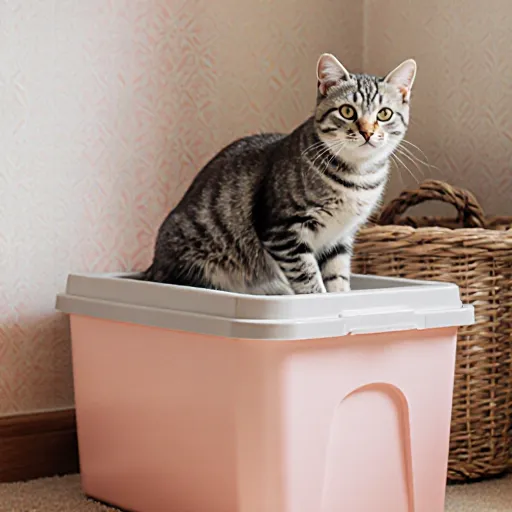
Tips and Tricks for Successful Litter Training
How to Litter Train a Cat
Table of Contents
- Choosing the Right Litter Box
- Selecting the Best Litter for Your Cat
- Introducing the Litter Box to Your Cat
- Establishing a Routine
- Reward-Based Training
- Using Positive Reinforcement
- Handling Accidents and Clean-Up
- Dealing with Spraying Behavior
- Training Multiple Cats
- Indoor vs. Outdoor Litter Training
- Handling Resistance to Litter Training
- Common Mistakes to Avoid
- Signs of Successful Litter Training
- Conclusion
- FAQ
Choosing the Right Litter Box
Choosing the right litter box is crucial for your cat's comfort and well-being, as it directly influences how successfully they will learn to use the litter box. This section delves deeper into selecting the appropriate size, type, and location of a litter box to ensure that you are on the path to successful litter training.
The size of the litter box should be proportionate to your cat's body. Generally speaking, it is recommended that the litter box is large enough for your cat to enter comfortably and turn around without feeling cramped. For a small cat, a 10-inch box might suffice, while larger breeds may need one that measures at least 15 inches long by 12 inches wide.
For multiple cats, the general rule is to provide one litter box per cat plus an additional one for shared use. This reduces competition and stress among your pets, which can prevent litter box issues from arising in the first place.
There are several types of litter boxes available on the market today, each with its own advantages and disadvantages. The most common types include:
- Traditional Open-Top Boxes: These are standard litter boxes that have an open top where your cat can easily access the litter. They come in various shapes and sizes, but they can be less attractive to cats who prefer a covered box.
- Covered Litter Boxes: Covered boxes offer privacy for your cat, which some cats find appealing. However, they require regular cleaning as waste tends to accumulate in the corners of these boxes more quickly than in open-top boxes.
- Kitty Scoopable Litter Boxes: These boxes have a grate that allows you to remove clumps and waste easily without disturbing your cat's litter. They are particularly convenient for managing larger quantities of litter, but they can be more expensive and require more frequent scooping.
The location of the litter box is also important in the training process. Cats tend to follow their own routines, so it's best to place the litter box in a quiet area that your cat frequents but away from food and water dishes to avoid any unpleasant scents.
Place the litter box on an easily accessible level for all cats in the household, especially if you have older or arthritic cats. A step stool may be necessary in some cases to ensure easy access.
- Create a Routine: Consistency is key when training your cat. Feed your cat at the same time daily and take them to their litter box shortly after eating or waking up, as cats often go after meals.
- Encourage Positive Behavior: Offer praise and treats immediately following successful use of the litter box to reinforce good behavior.
- Be Patient: Every cat is different, and some may take longer to catch on. If your cat seems hesitant or reluctant, try different types of litters until you find one they prefer.
- Monitor and Maintain Cleanliness: Regular cleaning of the litter box is essential for maintaining a clean environment. Scoop the litter at least once daily and change it completely every week to prevent ammonia build-up which can be off-putting to your cat.
Selecting the right litter box is just one aspect of successful litter training. By ensuring that you provide an appropriately sized, well-placed, and clean litter box, you are setting up a positive environment for your cat's bathroom habits, which in turn supports their overall health and happiness.
Selecting the Best Litter for Your Cat
Choosing the right litter for your cat is as important as training them properly. The type of litter you choose can greatly affect your cat's bathroom habits, comfort, and overall health. Here are some key factors to consider when selecting the best litter for your cat:
There are several types of litter available in the market: clumping, non-clumping, crystal, and herbal litters.
- Clumping Litter: This type of litter is known for its ability to form clumps around waste, making it easy to scoop. It's highly absorbent, which helps in odor control. However, some cats may find the texture abrasive and could be more prone to urinary tract issues.
- Non-Clumping Litter: Non-clumping litters do not form clumps around waste but are still very absorbent and effective at controlling odors. They might require a bit more frequent scooping, but they are gentler on your cat's paws.
- Crystal Litter: Crystal litter is designed to be broken down by the urine into crystals, which then float to the top of the litter box for easy removal. Some cats may have a preference for this type as it mimics natural soil but requires regular cleaning and maintenance.
- Herbal Litter: These litters are scented with herbs like lavender or mint, which can be soothing to your cat. However, they might not provide the same level of odor control as other types and could attract pests if not properly maintained.
Every cat is different, and their preferences can vary widely when it comes to litter texture and scent. Some cats may prefer fine-grained litters, while others might go for coarse grains. Scents also play a significant role; some cats are attracted to scented litters, while others avoid them.
- Texture: Cats generally prefer finer textures that don't irritate their paws when they dig in the litter box. If your cat has sensitive skin or paws, it might be worth trying a softer texture.
- Scent: While some cats enjoy scented litters, others find them overwhelming. Opt for unscented options if you notice that your cat avoids the litter box when it's too strong.
To ensure your cat is comfortable and healthy while using their litter box:
- Provide Multiple Boxes: Having multiple litter boxes in different areas of the home can reduce stress for cats, making them more likely to use the litter box.
- Clean Regularly: Scoop your cat's litter box daily and replace it completely every 4-6 weeks. This prevents waste buildup and keeps odors at bay.
- Observe Your Cat’s Behavior: Keep an eye on your cat's behavior around the litter box. If they start avoiding it or showing signs of discomfort, try different types of litters until you find one that suits them best.
Selecting the right litter for your cat is a process of trial and error, but by considering their preferences and needs, you can ensure they have a comfortable and clean bathroom experience. Remember, a happy and healthy kitty starts with a well-chosen litter.
Introducing the Litter Box to Your Cat
Introducing a new litter box into your home is an important step in creating a comfortable and hygienic environment for your cat. This process, often referred to as litter training, can be made easier by following some practical advice. Here's how you can successfully introduce the litter box to your cat.
Choosing the Right Litter Box
The size of the litter box is crucial for your cat’s comfort. A general rule of thumb is that the box should be at least one and a half times the length of your cat from nose to tail. For multiple cats, you'll need an additional box for each cat plus one extra. Opt for a low-sided box if your cat has trouble climbing in or out.
Placement
Cats are very particular about where they relieve themselves, so choose a quiet spot away from their food and water bowls. Avoid placing the litter box near windows or noisy areas, as these can distract your cat. Additionally, keep the litter box easily accessible to your cat at all times.
Introducing the Litter
Cats are typically drawn to sand-like textures for their comfort when using a litter box. You have several options: clumping, non-clumping, scented or unscented, and even crystal-based litters. It’s important to choose one your cat prefers from the start. Start with a single type of litter until you find what works best.
Consistency
Cats thrive on routine. Once you've placed the litter box in a suitable location and chosen an appropriate litter, stick to this setup for consistency. Changing these variables (such as type of litter or location) can confuse your cat, leading to accidents outside the litter box.
Encouragement
Positive reinforcement goes a long way in training your cat. When they use the litter box correctly, praise them and provide treats as rewards. This can help reinforce good behavior, making it easier for your cat to understand where their bathroom is.
Patience
Be patient with your cat during this process. Every cat learns differently, and some may take longer than others to fully adapt to using the litter box. Avoid scolding or punishing your cat for accidents; instead, focus on encouraging positive behavior.
Accidents
If your cat has an accident outside of the litter box, clean it up thoroughly with a solution that doesn’t contain ammonia (which is very attractive to cats) or strong scents. Instead, opt for baking soda or vinegar solutions. Remember, accidents happen—your goal is to correct the issue and continue training.
Final Thoughts
Introducing a litter box to your cat may seem daunting at first, but with the right setup and approach, it can be an easy transition. By considering factors such as size, placement, consistency, and providing positive reinforcement, you'll set up your furry friend for success in their new home.
Establishing a Routine
Establishing a routine is fundamental when it comes to litter training your cat. Just like how humans thrive on structure and predictability, cats also benefit from having a consistent schedule that includes feeding times, playtime, and of course, bathroom breaks. This section will walk you through the process of creating a daily routine for your feline friend.
To effectively litter train your cat, it’s essential to understand their natural behaviors and preferences. Cats are creatures of habit and tend to repeat actions in the same location. By observing where your cat usually goes to the bathroom, you can establish a consistent spot for them.
Observation
Pay close attention to how often your cat uses their litter box, what time they prefer to do so, and any patterns that emerge. Cats are typically nocturnal, but they may also have specific times of the day when they feel the urge to use the litter box.
Consistency is Key
Once you’ve identified your cat's preferred bathroom location, it’s important to be consistent with their schedule. This means setting a regular feeding time and ensuring that the litter box is always clean and available. Cats thrive on routine, so consistency helps them understand where they are supposed to go.
To establish a routine for your cat, consider creating a daily schedule that includes specific times for feeding, playtime, and bathroom breaks. Here’s an example of what this might look like:
- Breakfast: 7:00 AM
- Playtime: 8:30 AM to 10:00 AM
- Lunch: 12:00 PM
- Nap Time: 1:00 PM to 4:00 PM
- Dinner: 6:30 PM
- Late Night Playtime: 9:00 PM
A clean litter box is crucial for maintaining a positive bathroom experience. Cats are very hygienic and prefer a clean environment. Make it a habit to clean your cat’s litter box every day, or at least once a day if you have more than one litter box available.
Signs of a Clean Litter Box
- The litter should be dry and free from clumps.
- There should not be any obvious signs of waste left in the litter box.
- The litter box itself should be washed periodically to remove odors and bacteria.
To encourage your cat to use the litter box properly, it’s important to praise them when they do so correctly. Positive reinforcement can go a long way in training your cat. Here are some tips:
- Place your cat in front of the litter box after meals or wake-up calls.
- Encourage your cat to stay in the litter box for 1-2 minutes by gently stroking their back.
- If your cat does use the litter box correctly, praise them and give them a treat as a reward.
Litter training can take time, especially for young kittens. Be patient with your feline friend, and avoid punishing them if they accidents happen outside the litter box. Instead, focus on guiding them back to the correct spot.
By establishing a routine that includes feeding times, playtime, and regular cleaning of the litter box, you can help your cat develop good bathroom habits. Remember, consistency is key in this process, and with time and patience, your cat will learn where they are supposed to go.
Reward-Based Training
Reward-based training is an effective and humane method for teaching your cat litter box habits. Unlike punitive methods, which can cause stress and fear in cats, reward-based training focuses on positive reinforcement to encourage desired behaviors. This approach not only helps your cat learn faster but also strengthens the bond between you and your pet.
Understanding the Basics of Reward-Based Training
Reward-based training involves giving your cat a treat or praise when they use the litter box correctly. The key is consistency and timing—your cat should receive the reward immediately after using the litter box properly to make the connection clear.
- Choose the Right Reward: Some cats prefer treats, while others might enjoy verbal praise or a gentle petting. Choose what works best for your cat and stick with it to maintain consistency.
- Create a Positive Environment: Ensure that the litter box is clean and in a quiet area where your cat feels safe. This helps reduce stress and encourages regular use of the litter box.
- Praise Your Cat: When your cat uses the litter box correctly, make sure to praise them immediately. A simple "good boy/girl" or a pet on the head can reinforce positive behavior.
Practical Steps for Litter Training with Reward-Based Techniques
The goal is to have your cat associate using the litter box with receiving a reward. Here’s how you can implement this:
- Show Your Cat the Litter Box: Introduce your kitten or new cat to their litter box by showing it to them and letting them sniff around. Make sure they understand where they should go.
- Encourage Proper Use: If you catch your cat using a corner of the room as its bathroom, gently pick them up and place them in the litter box. Follow this with immediate praise or treat if done correctly.
- Use Positive Reinforcement: Once your cat begins to use the litter box on their own, make sure to reward them generously for each successful attempt. This could be a small treat, a toy, or simply some extra attention from you.
Additional Tips and Considerations
While reward-based training is generally effective, there are a few things to keep in mind:
- Patience is Key: Some cats learn faster than others. Be patient and consistent with your rewards.
- Avoid Punishment: Never punish your cat for accidents or using the wrong spot. This can lead to fear and anxiety, which may worsen the behavior.
- Regular Cleanliness: Keep the litter box clean at all times. Cats are more likely to use a litter box that is free of odors and clutter.
Conclusion
Reward-based training offers a gentle, effective way to teach your cat good litter box habits. By using positive reinforcement, you can make the learning process enjoyable for both you and your pet. Remember to be patient, consistent, and always provide praise or treats when needed.
Using Positive Reinforcement
Litter training your cat is a fundamental aspect of pet ownership that can significantly enhance both the comfort of your home and the wellbeing of your feline companion. One of the most effective methods for teaching your cat to use its litter box properly involves using positive reinforcement techniques. Positive reinforcement not only helps in training but also strengthens the bond between you and your cat by making the learning process enjoyable and stress-free.
Positive reinforcement is a psychological technique that involves rewarding desirable behaviors to encourage their repetition. When applied correctly, it can be incredibly effective in shaping behavior and creating positive associations with appropriate actions like using the litter box.
Step-by-Step Guide to Litter Training with Positive Reinforcement
- Select a Suitable Litter Box: Choose a litter box that is large enough for your cat to feel comfortable. The general rule of thumb is that the box should be at least one and a half times wider than your cat.
- Pick the Right Litter: Opt for a type of litter that your cat prefers, as some cats have a strong preference for certain textures or scents.
- Establish a Routine: Cats thrive on routine. Try to take your cat to its designated litter box at regular intervals, especially after meals and naps.
- Catch the Moment: If you catch your cat using the litter box correctly, immediately provide positive reinforcement by offering a small treat or verbal praise such as "good kitty." This helps associate the act of using the litter box with a positive reward.
- Be Consistent and Patient: Cats learn at their own pace. Keep practicing consistently but be patient, and remember that consistency is key.
Practical Examples
Imagine you have a new kitten, and it has just started using the litter box independently. You want to reinforce this behavior. Here’s how you can do it:
- Catch the Moment of Success: Let's say your kitten successfully uses the litter box. Immediately after, give it a small piece of its favorite treat or pet it gently.
- Tips: Make sure the treat is small enough not to overwhelm the cat but significant enough to be rewarding.
- Note: Avoid using overly loud or sudden praise, as this might startle your kitten. Instead, use a gentle tone and soft words like "good kitty."
If your cat has an accident outside the litter box, it’s important to handle the situation correctly:
- Ignore Accidents: Do not punish or scold your cat for an accident. Instead, clean up any mess with a cleaner that does not leave residues, as ammonia-based cleaners can be harmful if ingested.
- Tips: After cleaning the area thoroughly, reset the litter box and ensure it is accessible to your cat immediately afterwards.
- Note: It’s also advisable to move the litter box to a quieter location if possible. Cats sometimes avoid noisy or busy areas for this purpose.
Conclusion
Using positive reinforcement in litter training your cat is not only effective but also promotes a bond of trust and respect between you and your pet. By consistently rewarding good behavior, you can help ensure that your cat uses its litter box correctly and happily.
Handling Accidents and Clean-Up
Just as you would with litter training a cat, handling accidents and clean-up is an essential part of maintaining a clean and healthy living environment for your pets. Proper management can help prevent the spread of odors and potentially harmful bacteria.
While litter training involves teaching your cat to use a litter box, handling accidents is about managing situations when your cat does not use the litter box properly. Both processes are critical in ensuring that your pet remains healthy and happy.
Cleaning Up Accidents
The first step after an accident is cleaning it up thoroughly to prevent further mess or odors. Use a product specifically designed for pet accidents, such as enzyme cleaners. These products break down the organic matter that causes odors more effectively than regular household cleaners.
- Use Enzyme Cleaners: Apply the cleaner directly to the soiled area and allow it to sit for a few minutes before scrubbing. This ensures all traces of urine or feces are removed, reducing the chances of re-soiling.
- Thoroughly Rinse: After cleaning with an enzyme-based product, rinse the area thoroughly with water to remove any remaining residues.
- Air Dry: Allow the area to air dry completely before returning your pet to the space. This prevents the risk of dampness leading to mold or mildew growth.
Preventing Accidents
Just as you would with litter training, consistency is key in preventing accidents. Cats are creatures of habit and thrive on routine. Here are some practical tips:
- Regular Cleaning: Keep the litter box clean by scooping it daily and changing the litter weekly or more often if needed. A clean litter box is less likely to be avoided.
- Multiple Boxes: If you have multiple cats, provide one litter box per cat plus an additional one. This reduces competition and stress among your pets.
- Litter Box Location: Ensure the litter boxes are in quiet locations with easy access. Cats prefer privacy when using the litter box.
Dealing With Persistent Issues
If accidents continue despite your best efforts, it may be time to consult a veterinarian or a professional trainer. There could be underlying health issues that need addressing or behavioral problems requiring intervention.
By treating litter training and accident management with the same level of care and attention, you can ensure a healthy living environment for your pets while maintaining peace in your home.
Dealing with Spraying Behavior
Just as litter training is essential for establishing proper bathroom habits, understanding and addressing a cat's spraying behavior is crucial for maintaining a peaceful household. Spraying can be a sign of stress or frustration, and addressing it promptly can prevent further issues.
Understanding Spraying Behavior
Spraying is different from defecation; instead of using the litter box, your cat will mark surfaces with urine. This behavior often indicates that your cat feels territorial or stressed about its environment. Common triggers include changes in routine, new pets or people in the home, and even small disruptions like moving furniture.
Steps to Address Spraying
- Identify the Cause: Just as with litter training, understanding why your cat is spraying is key. Observe changes around the house that might be contributing to stress. Is there a new pet? Has someone been over lately? Even subtle changes can affect your cat's behavior.
- Create a Comfortable Environment: Ensure your cat has plenty of space, toys, and climbing structures. Cats are territorial creatures, so giving them areas where they feel safe is important. This could mean closing off certain rooms or providing multiple perches.
- Maintain Routine: Cats thrive on routine. Try to keep feeding times consistent and stick to a regular schedule for playtime and interaction. A stable daily routine can reduce stress and prevent your cat from feeling the need to mark territory.
- Use Repellents or Scents: There are products designed specifically to make furniture unappealing to cats, similar to how you might use a litter training pad. These often have scents that deter spraying. Alternatively, using a diffuser that emits the scent of another cat can sometimes help if your cat is stressed by territorial marking.
Practical Tips for Training
Just as you would reward a cat for using the litter box, positive reinforcement can be used to discourage spraying. Here are some tips:
- Catch Them in the Act: If you catch your cat spraying, use a water spritzer to startle them without scaring them too much. Cats generally don't like water and this is an effective deterrent.
- Use Scents or Repellants: As mentioned earlier, certain scents can make furniture less appealing for marking. You might also try using a product that mimics the smell of another cat to deter your pet from spraying in specific areas.
- Consult with a Veterinarian: If your cat continues to spray despite these measures, it may be due to a medical issue or deeper psychological problem. A vet can offer additional insights and treatments.
Final Thoughts
Addressing spraying behavior early on is important for both the well-being of your cat and your household harmony. By creating a stress-free environment, establishing routines, and using positive reinforcement techniques, you can help your cat overcome this issue.
Training Multiple Cats
Training multiple cats can be both rewarding and challenging. While litter training one cat is a common task, managing the toileting behaviors of multiple cats requires additional strategies to ensure each feline learns appropriate bathroom habits without conflicts or accidents.
Understanding Individual Needs
Just like with single-cat litter training, understanding individual needs is crucial when training multiple cats. Each cat may have different preferences regarding litter box size, location, and type of litter. It's important to observe each cat's behavior to determine what works best for them.
- Litter Box Size: Ensure that the litter box is large enough for your cats to feel comfortable. A good rule of thumb is a box that is one and a half times the length of your cat from nose to tailtip.
- Location: Place litter boxes in quiet, undisturbed areas away from food and water bowls. Cats are territorial and may avoid using a box they feel threatened near.
- Type of Litter: Experiment with different types of litter (clay, wood, crystal) to see what your cats prefer. Some cats like the feel of clumping litters while others might prefer non-clumping options.
Multiplying the Number of Boxes
Generally speaking, there should be at least one litter box per cat plus an extra one for additional peace. This is known as the "Plus One" rule and helps prevent cats from feeling territorial or stressed over access to a shared resource.
Consistency is Key
Consistency in training multiple cats involves providing similar routines, locations, and times for litter box usage. Cats thrive on routine, so establish a schedule where each cat knows when it's time to use the litter box.
Encouraging Positive Behavior
Praise your cats for using the litter box correctly. Positive reinforcement can encourage good behavior. You might give your cats treats or playtime as rewards after they’ve used the litter box properly.
Detecting and Solving Problems
- Multiple Cats Using One Box: If you notice that multiple cats are using one litter box, consider adding more boxes. This reduces competition and stress between your felines.
- Litter Box Avoidance: If a cat suddenly starts avoiding the litter box, check for cleanliness (cats dislike dirty boxes), proper size, or if there’s been an addition to the household that has caused new stresses.
In conclusion, training multiple cats requires patience and understanding. By observing each cat's preferences and providing them with a comfortable and stress-free environment, you can successfully litter train your multi-cat family. Remember, consistency in both routine and positive reinforcement is the key to success.
Indoor vs. Outdoor Litter Training
When considering litter training for your cat, it's important to understand the differences between indoor and outdoor litter training. Each has its own set of benefits and considerations, especially when following the steps outlined in "How to Litter Train a Cat."
Indoor litter training is typically the most common method for house cats due to the safety and convenience it offers. By keeping your cat indoors, you can control their environment more effectively and protect them from outdoor hazards such as traffic, predators, and harsh weather conditions.
Benefits
- Safety: Indoor cats are safer from dangers like cars, wildlife, and extreme weather.
- Hygiene: You have full control over the litter box, ensuring cleanliness and reducing odors within your home.
- Consistency: It's easier to maintain a consistent routine for both you and your cat when training indoors.
Steps According to "How to Litter Train a Cat"
- Create a Routine: Establish a feeding schedule that aligns with litter box visits. Cats typically eliminate shortly after eating, so timing can help reinforce positive behavior.
- Select the Right Litter Box: Choose a size and type of litter box suitable for your cat’s needs. A larger box may be necessary if you have multiple cats or an older cat who has trouble bending down.
- Pick the Right Litter: Some cats prefer clumping litter, while others do better with plain sand. Experiment to find what works best for your pet.
Outdoor litter training is less common but can be beneficial in certain situations, such as when you have a large yard and are comfortable allowing your cat outside. However, it’s important to note that outdoor litter training does not mean letting your cat roam freely; instead, it involves using an outdoor litter box placed securely in the garden or another suitable location.
Benefits
- Natural Environment: Cats often prefer to eliminate in a natural setting when given the opportunity. This can reduce stress and improve your cat's well-being.
- Predator Protection: If you live in an area with wildlife, outdoor litter training can help prevent predation by keeping your cat closer to home.
Steps According to "How to Litter Train a Cat" for Outdoor Training
- Choose the Right Spot: Select an area in your yard that is sheltered from wind and rain. The box should be positioned at least 10 feet away from your home and other cats.
- Maintain Cleanliness: Regularly clean the outdoor litter box to prevent odors and attractants for wildlife. This will help keep your cat using it consistently.
- Encourage Use: Place a small amount of urine or feces from their indoor litter box in the outdoor box to encourage scent marking, which may entice them to use it initially.
In conclusion, whether you choose indoor or outdoor litter training for your cat depends on your lifestyle and preferences. Both methods have their own set of benefits, but indoor litter training is generally more practical for most households due to the convenience and safety it provides. However, if you live in a secure environment and are willing to take precautions, outdoor litter training can be a rewarding experience that enhances your bond with your feline companion.
Handling Resistance to Litter Training
Resisting litter training can be one of the most challenging aspects of cat ownership. Cats are naturally clean animals, but some may take longer to adapt to using a litter box than others. Understanding why your cat might resist and knowing how to handle this resistance effectively is key to ensuring a smooth transition.
Cats can resist litter training for various reasons, including:
- Inappropriate Litter Box Location: Cats prefer privacy and may not use the litter box if it is in a noisy or busy area. Try placing the litter box in a quiet, calm location.
- Type of Litter: Some cats are sensitive to the texture or scent of certain litters. Experiment with different types until you find one your cat enjoys.
- Litter Box Size and Shape: Ensure the litter box is large enough for your cat to fully turn around without feeling cramped. Cats often prefer tall boxes as they feel more secure.
- Frequency of Cleanings: A dirty litter box can be off-putting to a cat. Scoop the box daily and clean it thoroughly at least once a week.
If your cat is not using the litter box, consider these practical steps:
- Check for Medical Issues: Sometimes, cats resist using a litter box due to health problems such as cystitis or arthritis. If you suspect this might be the case, consult your veterinarian.
- Create an Attractive Litter Area: Make the litter area appealing by keeping it clean and well-maintained. You can also add small toys or treats nearby to encourage your cat to visit the area.
- Use Positive Reinforcement: Reward your cat with treats when they use the litter box correctly. This positive reinforcement can help reinforce good behavior.
- Limit Outdoor Access: If possible, limit your cat's access to areas where they may have been using an outdoor bathroom. Keeping them inside for a while might encourage them to use the litter box instead.
Here are some additional tips that can be particularly helpful:
- Encourage Exploration: Provide your cat with toys, scratching posts, and other stimulating activities. Cats that are engaged in play or exploration may be less likely to resist using the litter box.
- Use a Multi-Level Litter Box: Some cats enjoy multi-level boxes which provide them with different areas for digging and urination. These can be particularly useful if you have more than one cat, as they offer additional privacy.
- Monitor Behavior Closely: Keep an eye on your cat's behavior around the litter box. If you notice signs of stress or discomfort, address these issues promptly to avoid any behavioral resistance.
Handling resistance to litter training requires patience and understanding. By identifying potential causes for the reluctance and implementing practical solutions, you can help your cat adapt more easily to using a litter box. Remember that every cat is different, so it may take some trial and error to find what works best for yours.
Common Mistakes to Avoid
Training your cat to use the litter box is an important aspect of pet care, and making a few simple mistakes can lead to frustration for both you and your feline friend. Below are some common pitfalls to watch out for when training your cat.
Mistake 1: Choosing the Wrong Litter
One of the most frequent mistakes is using an unsuitable litter type or brand. Cats have very specific preferences, and it's crucial to choose a litter that suits their needs. Some cats prefer clumping litter for easy cleaning, while others may be more comfortable with non-clumping options like sand or wood pellets. Always observe your cat’s behavior; if they are avoiding the box, try changing the type of litter.
Example: If your cat is digging through the litter and then leaving it outside the box, you may need to switch to a different litter type that better suits their preferences. Cats often dislike litters that smell too strong or are too dusty.
Mistake 2: Not Cleaning the Litter Box Regularly
A dirty litter box can be a significant deterrent for your cat, leading them to look elsewhere for a place to relieve themselves. Cats have very high standards and will avoid an unsanitary environment. Ensure you clean the litter box at least once a day and change the litter completely every few days.
Practical Advice: Make cleaning the litter box part of your daily routine or set a reminder on your phone to ensure consistency. Over time, your cat will learn that it belongs in the litter box if they always find it clean.
Mistake 3: Placing the Litter Box in an Inconvenient Location
The location of the litter box is crucial for a cat to feel safe and comfortable using it. Cats prefer privacy, so placing the box near loud appliances or in busy areas can lead to avoidance. Additionally, having only one box may not be sufficient if you have multiple cats.
Example: If your house has two stories, consider placing litter boxes on both levels. This ensures that your cat doesn't feel the need to go elsewhere because they are uncomfortable traveling between floors or rooms.
Mistake 4: Moving the Litter Box Too Frequently
Changing the location of the litter box too often can confuse your cat, leading them to avoid using it altogether. Cats have a strong sense of routine and need time to adjust to new locations.
Advice: Only move the litter box if necessary, such as when you are making renovations or repairs in the house. If you must move the box, do so gradually over several days to give your cat time to adapt.
Mistake 5: Punishing Your Cat for Accidents
Never punish your cat if they have an accident outside the litter box. Cats are highly intelligent and may not understand why they are being scolded, which can lead to stress and even behavioral issues. Instead, clean up accidents promptly using a cleaner that doesn't leave any odors behind.
Practical Tip: Use an enzymatic cleaner designed for pet messes; these products break down the odor completely, ensuring your cat won’t be drawn back to the spot after cleaning it. Positive reinforcement and patience are key when training a new behavior.
Mistake 6: Not Providing Enough Litter Boxes
Having multiple litter boxes can prevent territorial disputes between cats in multi-cat households and reduce stress, which is especially important for older or sick cats. The general rule of thumb is to have one litter box per cat plus an extra one.
Example: If you have two cats, it would be best to provide three litter boxes placed strategically around the house. This setup reduces competition and makes it easier for each cat to maintain their bathroom hygiene.
Mistake 7: Ignoring Sudden Changes in Behavior
Suddenly your cat is avoiding the litter box, using different rooms, or having accidents outside? These are signs of a problem that may need veterinary attention. Health issues such as urinary tract infections, diabetes, or even behavioral problems like anxiety can cause changes in litter box habits.
Advice: If you notice any unusual behavior, consult your vet for an examination. Early intervention can prevent more serious health complications and ensure that your cat stays healthy and happy.
Signs of Successful Litter Training
Once your cat has successfully completed its litter training, you can expect to see several clear signs that indicate they have understood and accepted the training process. Here are some key indicators:
- No accidents inside the home: Your cat should no longer be having accidents in places where it shouldn't be, such as on your bed or carpet. This is a clear sign that your cat has grasped the concept of using the litter box.
- Consistent use of the litter box: A well-trained cat will consistently use its litter box for all bathroom needs. Over time, you should start to notice specific patterns, such as certain times when the cat uses the litter box or how long it spends in there after an incident.
- No digging behavior indoors: Cats are naturally inclined to bury their waste by digging into soil or sand-like materials. Once your cat is properly trained, they will demonstrate this behavior by digging and covering their waste in the litter box instead of just leaving it exposed on the floor.
- Avoidance of inappropriate areas: Cats that are successfully potty-trained will avoid using inappropriate areas such as curtains, plants, or other household items. Over time, you may notice your cat starting to show preference for certain spots within the litter box itself, indicating a deeper understanding and comfort with its location.
- No signs of stress: Cats can sometimes be reluctant to use their litter boxes if they feel stressed due to changes in routine, environment, or the presence of other pets. A successful training process should minimize any stress your cat might experience while using the box. If you notice your cat hesitating at the litter box or showing signs of discomfort, it could indicate that further adjustments are needed.
- Regular maintenance of the litter box: Cats are clean animals by nature and will often choose to stay away from a dirty litter box. Keeping the litter box clean is crucial for maintaining your cat's interest in using it. Signs that your cat is successfully trained include its willingness to use the box despite the occasional cleaning.
- No marking behavior: While not related directly to litter training, cats who are well-trained do not engage in urine-marking behaviors such as spraying around the house. This indicates a strong bond between you and your cat, where they feel secure enough to avoid this kind of stress-related activity.
Practical advice: To ensure continuous success with litter training, it's important to reinforce positive behavior consistently. Praise your cat when they use the litter box correctly and gently correct any accidents by cleaning up promptly without showing anger or frustration. This approach helps build trust between you and your pet while encouraging them to continue using their litter box.
Conclusion
When it comes to litter training a cat, understanding the nuances of their behavior and preferences can significantly ease the process. Cats are naturally clean animals, but like humans, each one has its own unique personality that influences how they adapt to new routines.
The key to successful litter training lies in providing the right setup. This includes choosing an appropriately sized litter box for your cat (one that is neither too big nor too small), using a litter type that suits their preferences, and ensuring the box is easily accessible yet not overcrowded with other items.
Consistency is crucial during the training process. Cats thrive on routine; therefore, maintaining a regular schedule for feeding, playtime, and litter box visits helps them learn and adjust quicker. For instance, if you have a new cat at home, try to stick to a consistent pattern of taking your pet to the litter box shortly after meals or when they wake up.
Positive reinforcement plays an essential role in training cats. Cats respond well to treats or verbal praise when they use the litter box correctly. However, it's important not to overdo it; too many rewards can make your cat associate using the litter box with a chore rather than a natural behavior.
Patience is paramount when training a cat. Some cats may catch on quickly, while others might take longer. Avoid punishment or harsh words if they accidentally soil outside the litter box. Instead, pick up and discard the waste immediately and return them to their litter box. Cats learn through repetition and positive experiences.
Finally, remember that every cat is different. What works for one cat may not work for another. Observing your pet's behavior and adjusting your training methods accordingly can help ensure a smooth and successful litter training experience.
FAQ
Litter training your cat is an essential part of pet ownership, ensuring that your cat uses a litter box instead of urinating or defecating in inappropriate places. Here are some common questions and detailed answers to help you with the process.
What Should I Look for in a Litter Box?
The size of the litter box is important, especially if you have multiple cats. A good rule of thumb is that each cat should have a litter box plus one additional box to avoid competition and stress. The litter box should be large enough for your cat to turn around easily.
- Choose a litter box with high sides or an enclosed litter box if you want to reduce the smell and mess outside of the box.
- Consider using a low-maintenance litter option like clumping litter, which helps contain odors and makes cleaning easier.
When Should I Start Litter Training My Cat?
Cats naturally have an instinct to dig in soft soil or sand, so they can usually be trained as soon as they are brought home. It’s important to start the litter training process right away.
- Introduce your cat to the litter box on their first day at home and keep it in a quiet area where they feel safe.
- Place a small amount of old cat litter or some of their droppings in the litter box to encourage them to use it from the start.
How Often Should I Clean the Litter Box?
Cleaning the litter box regularly is crucial for maintaining a clean and healthy environment. Cats are very particular about cleanliness, so they won’t use a dirty litter box.
- Clean the litter box at least once a day by scooping out waste and odors.
- Replace the entire litter completely every one to two weeks or whenever it starts to smell bad.
- If you notice your cat avoiding the litter box, clean it thoroughly as it might be too dirty for them to use.
What Should I Do If My Cat Doesn't Use the Litter Box?
It’s important to address any issues with litter box usage immediately. Cats not using their litter boxes can be a sign of medical problems or stress, so it’s crucial to investigate.
- Clean the litter box thoroughly and check for any hidden spots where your cat might feel uncomfortable.
- Try switching to a different type of litter (e.g., from clumping to non-clumping) as some cats are sensitive to certain types.
- If the problem persists, consult with your veterinarian to rule out any underlying health issues.
How Can I Encourage My Cat to Use the Litter Box?
Paying attention and encouraging positive behavior can significantly help in litter training.
- Always place the litter box in a quiet, private spot away from loud noises or busy areas of your home.
- Encourage your cat to explore the litter box by placing treats near it. Over time, they will associate the litter box with positive experiences.
- Praise and reward your cat immediately after they use the litter box correctly as this reinforces good behavior.
What Should I Do If My Cat Has an Accident Outside the Litter Box?
Cat owners are often frustrated when their cats have accidents outside the litter box. However, it’s essential to handle these situations carefully and calmly.
- Clean up any accidents immediately using a product specifically designed for pet waste as regular cleaning solutions can leave odors behind.
- Ensure that you clean in an area where your cat is most likely to use the litter box so they associate cleanliness with good behavior.
- Be patient and try not to punish or yell at your cat, as this can increase stress and make the problem worse.
Conclusion
Litter training is a process that requires patience, consistency, and attention to your cat’s needs. By providing the right environment and positive reinforcement, you can help ensure that your cat uses the litter box appropriately from the start.
Categories
- AI & Enrichment Play
- Broiler Farming
- Broiler Farming Tips
- Canine Wellness & Longevity
- Cat
- Cat & Human Connection
- Cat Adoption & Rescue
- Cat Breeds
- Cat Breeds & Personalities
- Cat Care & Health
- Cat Grooming & Hygiene
- Cat Lifestyle & Environment
- Cat Myths & History
- Cat Nutrition & Diet
- Cat Products & Reviews
- Cat Training & Behavior
- Comparison
- Consumer Awareness
- Dog
- Dog Accessories & Products
- Dog Adoption & Rescue
- Dog Breed & Lifestyle Trends
- Dog Breeding & Puppies
- Dog Entertainment & Media
- Dog Fashion & Trends
- Dog Fun & Lifestyle
- Dog Grooming & Hygiene
- Dog History & Culture
- Dog Myths, Science & Future Tech
- Dog News & Trends
- Dog Nutrition & Food
- Dog Psychology & Emotions
- Dog Safety & Security
- Dog Sports & Activities
- Dog Technology & Innovation
- Dog Training for Modern Owners
- Dog Travel & Adventure
- Dog Travel, Adventure & Culture
- Economic and Market Insights
- Educational Content
- FAQs
- Feeding Alternatives
- Festivals & Seasonal Ideas
- Fun & Entertainment
- General Knowledge
- General Pig Farming
- Health & Disease Management
- Housing and Environment
- Kittens
- Market Insights
- Miscellaneous
- Miscellaneous
- Motivational
- pig
- Pig Breeding
- Pig Breeds
- Pig Farming Stories and Inspiration
- Pig Health and Care
- Pig Nutrition
- Pig Products
- Profitability & Business
- Puppy Care
- Puppy Predictable Topics Reinvented
- Regional Focus
- Rescue & Adoption Buzz
- Senior Cats
- Senior Dog Care
- Smart Dog Tech & Gadgets
- Sustainability
- Sustainable & Eco-Friendly Dog Products
- Tech & Innovations
- Working & Service Dogs
- Broiler Feed66 products
- Country Feed33 products
- Pig Feed66 products
- Product22 products
- Raw Materials99 products
Products
-
 Fish Meal
₹1,999.00 – ₹2,999.00Price range: ₹1,999.00 through ₹2,999.00Rated 0 out of 5
Fish Meal
₹1,999.00 – ₹2,999.00Price range: ₹1,999.00 through ₹2,999.00Rated 0 out of 5 -
 FATTENING BROILER FEED
₹2,299.00 – ₹2,349.00Price range: ₹2,299.00 through ₹2,349.00Rated 0 out of 5
FATTENING BROILER FEED
₹2,299.00 – ₹2,349.00Price range: ₹2,299.00 through ₹2,349.00Rated 0 out of 5 -
 LAYER COUNTRY FEED
₹1,549.00 – ₹1,649.00Price range: ₹1,549.00 through ₹1,649.00Rated 0 out of 5
LAYER COUNTRY FEED
₹1,549.00 – ₹1,649.00Price range: ₹1,549.00 through ₹1,649.00Rated 0 out of 5 -
 COUNTER BROILER FEED
₹1,199.00 – ₹1,299.00Price range: ₹1,199.00 through ₹1,299.00Rated 0 out of 5
COUNTER BROILER FEED
₹1,199.00 – ₹1,299.00Price range: ₹1,199.00 through ₹1,299.00Rated 0 out of 5 -
 LACTATING PIG FEED
Rated 0 out of 5
LACTATING PIG FEED
Rated 0 out of 5₹2,299.00Original price was: ₹2,299.00.₹1,740.00Current price is: ₹1,740.00. -
 Maize
Rated 0 out of 5
Maize
Rated 0 out of 5₹1,650.00Original price was: ₹1,650.00.₹1,300.00Current price is: ₹1,300.00. -
 GESTATION PIG FEED (Phase 1)
Rated 0 out of 5
GESTATION PIG FEED (Phase 1)
Rated 0 out of 5₹2,249.00Original price was: ₹2,249.00.₹1,699.00Current price is: ₹1,699.00. -
 Pre Starter Broiler Feed
₹2,399.00 – ₹2,499.00Price range: ₹2,399.00 through ₹2,499.00Rated 0 out of 5
Pre Starter Broiler Feed
₹2,399.00 – ₹2,499.00Price range: ₹2,399.00 through ₹2,499.00Rated 0 out of 5 -
 FINISHER PIG FEED
Rated 0 out of 5
FINISHER PIG FEED
Rated 0 out of 5₹2,299.00Original price was: ₹2,299.00.₹1,749.00Current price is: ₹1,749.00. -
 Broiler Premix
Rated 0 out of 5
Broiler Premix
Rated 0 out of 5₹820.00Original price was: ₹820.00.₹699.00Current price is: ₹699.00.