
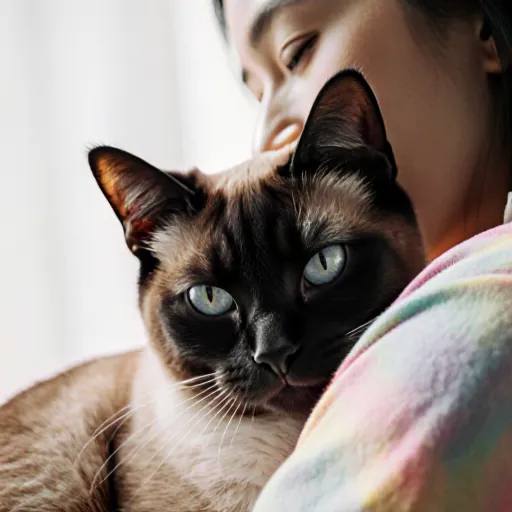
Unlock love secrets from the mysterious Siamese cat.
How to Love Like a Siamese Cat Does
Table of Contents
- Introduction to Siamese Cats
- History of the Siamese Cat Breed
- Siamese Cat Colors and Patterns
- Temperament and Personality Traits
- Communication with Siamese Cats
- Intelligence Levels of Siamese Cats
- Health Issues Common in Siamese Cats
- Dietary Needs for Siamese Cats
- Exercise Requirements of Siamese Cats
- Training Your Siamese Cat
- Grooming Needs for Siamese Cats
- Lifespan of a Siamese Cat
- Adopting a Siamese Cat
- Conclusion
- FAQs about Siamese Cats
Introduction to Siamese Cats
Siamese cats, known for their striking blue eyes and distinctive pointed coloring, have been captivating cat lovers around the world for generations. Originating from Thailand (formerly Siam), these elegant felines have a rich history that intertwines with myths and legends. They are not only beloved pets but also hold significant cultural importance.
The Siamese's personality is one of its most endearing traits, making it an excellent choice for those looking for an interactive companion. Known for their intelligence, curiosity, and vocal nature, these cats often form strong bonds with their owners and can be quite talkative, frequently communicating through chirping or meowing. Unlike some other breeds that may be more aloof, Siamese cats are highly social and thrive in environments where they receive plenty of attention.
Despite their lively personalities, Siamese cats also have a gentle side, especially when it comes to handling and petting them. They enjoy being pampered and can make great lap cats if given the right attention. Their playful nature makes them excellent companions for children and other pets; however, they do require a certain level of engagement to prevent boredom.
Caring for Siamese cats involves more than just providing food and shelter. Their health and well-being are influenced by several factors that owners should be aware of:
- Diet: Siamese cats have a high metabolic rate, which means they need a balanced diet rich in protein to meet their energy needs. Consult with your veterinarian to choose the right food for your cat.
- Exercise: Given their active nature, Siamese cats benefit from regular playtime and interactive toys. This helps keep them physically fit and mentally stimulated.
- Grooming: While Siamese cats have short coats, they still require regular brushing to remove dead hair and prevent matting. Additionally, their ears should be cleaned regularly as they are prone to infections.
- Mental Stimulation: Mental exercise is crucial for a Siamese cat's happiness. Puzzle toys, interactive sessions, and training can keep them engaged and reduce the chances of behavioral issues due to boredom.
In summary, Siamese cats are unique in their appearance, personality, and care requirements. With proper attention to diet, exercise, grooming, and mental stimulation, these cats can thrive as cherished family members for many years.
History of the Siamese Cat Breed
The history of the Siamese cat breed is deeply intertwined with ancient legends and cultural significance. Originating from Thailand (formerly known as Siam), these graceful and elegant cats have captivated hearts for centuries. The Siamese, or "Wattalasab" in Thai, has a rich history that dates back to the royal courts of Ayutthaya in the 13th century.
Siamese cats were believed to be sacred and were often found in the temples and palaces. Legends speak of these cats being descendants of mythical creatures sent by the gods to protect and guide people. The first written records of Siamese cats appeared during the reign of King Rama I, who is credited with introducing them to the Western world.
The breed gained popularity in Europe and North America in the late 19th century when British and American travelers brought back Siamese cats as exotic pets. This exposure helped standardize the breed's characteristics, such as its slender body, almond-shaped green eyes, and distinctive color points. The Siamese became a symbol of elegance and refinement.
As the breed evolved, breeders began to refine the Siamese's unique traits, including its intelligence and vocal nature. These cats are often referred to as "chatterboxes" due to their tendency to communicate frequently with their owners through meowing. The Siamese's adaptability and affectionate personality made them a favorite among pet owners.
The breed standard for the Siamese cat was established in 1886 by Harrison Weir, an English artist and author who wrote extensively about animal breeding. His work helped to formalize the standards that breeders continue to follow today, ensuring consistency in the physical attributes of the Siamese.
Today, the Siamese cat remains a beloved companion for many households around the world. While the original color point pattern is still highly sought after, modern breeding has expanded the palette to include a variety of colors and patterns while preserving the breed's distinctive features. The Siamese continues to captivate with its charm and intelligence.
For those looking to welcome a Siamese into their home, understanding the breed's personality is key. As mentioned in "Siamese Cats: Personality and Care," Siamese cats are known for their active and curious nature. They thrive on interaction and attention from their owners, making them excellent companions for those who can provide ample playtime and socialization.
The care of a Siamese cat involves providing a stimulating environment that includes toys, scratching posts, and opportunities for exploration. Regular health check-ups are also essential to ensure the cat remains in optimal physical condition. Due to their slender bodies, Siamese cats can be prone to certain health issues, such as dental problems and obesity if not kept active.
In conclusion, the history of the Siamese cat breed is a testament to its enduring appeal and cultural significance. From ancient legends to modern-day pets, the Siamese has consistently captured the hearts of people worldwide with its unique personality and striking appearance.
Siamese Cat Colors and Patterns
The Siamese cat, known for its striking appearance and unique personality, comes in a variety of colors and patterns that have captivated cat lovers worldwide. The most common color points include seal point (brown), blue point (gray), chocolate point (cinnamon), and lilac point (light lavender). These distinctive colorations are not only visually appealing but also highlight the Siamese's unique genetic makeup.
Seal Point Siamese
The seal point is one of the most popular colors for Siamese cats. This variety features a rich brown color on the face, ears, paws, and tail. The seal point can range from a dark chocolate to a light cinnamon color, with eyes that are typically large and almond-shaped.
Blue Point Siamese
The blue point is characterized by its striking gray or bluish hue on the points of the body. This coloration often results in an almost ghostly appearance when compared to other varieties. Blue point Siameses typically have lighter coats and a distinct contrast between their pointed areas and the rest of their body.
Chocolate Point Siamese
The chocolate point, less common than seal or blue points, features a warm cinnamon color on the points. This variety gives the cat an elegant appearance with rich tones that complement its expressive eyes. Chocolate point Siameses have a slightly different genetic makeup compared to their seal and blue counterparts.
Lilac Point Siamese
The lilac point is the lightest of all the color points, featuring a soft lavender or pinkish hue on the points. This variety is often associated with a more delicate and feminine appearance in Siamese cats. Like other pointed varieties, the lilac point has a striking contrast between its pointed areas and the rest of its coat.
Patterns
In addition to color points, Siamese cats can have various patterns that further enhance their unique appearance. The most common pattern is the "solid," where the cat's body has one solid color with distinct points. However, some Siamese cats may also exhibit "bi-color" or "tri-color" patterns.
Bi-Color Siamese
A bi-color Siamese has two distinct colors on its body, typically white and another color such as seal, blue, chocolate, or lilac. This pattern is less common but adds a splash of elegance to the cat's appearance.
Tri-Color Siamese
A tri-color Siamese combines three colors on its body, often with a white base and two other colors in the points. This rare pattern is a testament to the genetic diversity within the Siamese breed.
The color patterns of Siamese cats are not only beautiful but also provide insights into their genetics. Understanding these colorations can help potential owners appreciate the unique beauty of each individual cat and choose one that best suits their preferences.
Practical Advice
When considering a Siamese cat, it's essential to understand the care required for maintaining its distinct appearance. Regular grooming is crucial as Siamese cats can be prone to matting and shedding. Additionally, providing them with toys that match their color points can help keep them entertained and active.
Siamese cats are known for their intelligence and affectionate nature. By dedicating time to interact with your cat through play and cuddling, you can strengthen the bond between you both. Understanding their care needs and providing a stimulating environment will ensure that your Siamese cat remains healthy and happy.
Temperament and Personality Traits
Siamese cats are known for their unique temperaments and distinct personality traits that make them stand out among other cat breeds. These traits can significantly influence how well they fit into your household and the care you need to provide.
Natural Curiosity
Siamese cats have a strong sense of curiosity, which often translates to an active and playful nature. They are known for their intelligence and enjoy engaging in interactive games or activities with their owners. Their curiosity also makes them more prone to exploring their surroundings, so it's important to ensure your home is safe and secure.
High Energy Levels
Due to their high energy levels, Siamese cats require plenty of stimulation both physically and mentally. They thrive in environments where they can play, climb, and explore. Regular playtime, puzzle toys, and interactive sessions are essential to keep them content and prevent boredom which could lead to destructive behaviors.
Intense Bonding
Siamese cats form deep bonds with their human companions and often seek constant attention and affection. They can become very attached to one or two individuals in the household, making them great for families where members are home frequently and can provide ample care.
Vocal Communication
One of the most noticeable traits of Siamese cats is their vocal nature. They tend to communicate more frequently with their owners through meowing or chirping, often seeking attention when they want something. While this trait can be charming, it's important to set boundaries early on to prevent excessive vocalization.
Adaptability
Siamese cats are adaptable and can thrive in various environments as long as they have a stable routine and the attention they need. However, significant changes in their environment or daily routines may cause stress, so it's important to maintain consistency.
Independent Yet Social
Siamese cats are known for being both independent and social at the same time. They enjoy spending quality time with their owners but also value their alone time. Providing them with a comfortable space where they can retreat when needed is crucial.
Care Requirements Based on Personality
Given these traits, caring for a Siamese cat involves providing ample attention and mental stimulation. Their intelligence means that training sessions should be engaging and rewarding to keep them motivated. Additionally, considering their high energy levels, daily playtimes are essential.
To ensure your Siamese cat remains happy and healthy, it's advisable to provide:
- Daily playtime
- Climbing structures for exercise
- Interactive toys and games
- A calm but stimulating living environment
- Regular interaction with their owner(s)
In summary, understanding the unique temperaments and personality traits of Siamese cats can greatly enhance your experience as a pet owner. By meeting their needs for attention, stimulation, and care, you'll have a loyal and loving companion.
Communication with Siamese Cats
Siamese cats are known for their vocal nature, often meowing more frequently than other cat breeds. This high level of communication can sometimes be overwhelming for owners who are not familiar with this behavior. Understanding how to communicate effectively with your Siamese cat is crucial in building a strong bond and ensuring its emotional well-being.
Siamese cats use various forms of communication, including vocalizations, body language, and scent marking. Meowing is the most common form of vocalization and can range from soft chirps to loud, drawn-out calls. Unlike other breeds that meow mainly as a response to humans or during mating season, Siamese cats are known for their constant communication throughout the day.
Vocalizations
- Meowing: This is perhaps the most noticeable form of communication. A Siamese cat will use meows to express a wide range of emotions, from hunger or thirst to wanting attention or play.
- Purring: Purring in Siamese cats can indicate contentment but also stress. If your Siamese is purring while sitting on its own, it might be signaling discomfort or anxiety.
Body Language
Siamese cats use their body language to convey messages as well. Tail movements and posture are particularly important:
- Tail Position: A tail held high with a slight curve at the tip often indicates excitement or playfulness.
- Crouch: When a Siamese crouches low to the ground, it is usually an invitation for play. However, if your cat looks tense and hunched, it could be signaling stress or fear.
Scent Marking
Scent marking by rubbing against objects or people is a natural behavior in Siamese cats. This not only marks territory but also leaves a scent that communicates the cat's presence and well-being to other cats or even humans.
To effectively communicate with your Siamese cat, it’s important to recognize and respond appropriately to its various signals. Here are some practical tips:
Tailored Response to Meowing
- Identify the Cause: Different types of meows can indicate different needs or moods. If your cat is hungry, it might give a short, high-pitched meow. For attention-seeking behavior, it could be more drawn out.
- Respond Promptly: Siamese cats are very patient and persistent when they want something. Ignoring their calls can lead to frustration, which may result in increased vocalization or unwanted behaviors like scratching furniture.
Interactive Play
Siamese cats love playtime! Engaging your cat in interactive games that mimic natural hunting behavior is a great way to bond and keep them physically and mentally stimulated. Toys such as feather wands, laser pointers, or small prey-like toys can be excellent choices.
Daily Routine
Establishing a consistent daily routine helps Siamese cats feel secure and understood. This includes regular feeding times, play sessions, and cuddle time. A predictable schedule minimizes stress and ensures your cat knows what to expect.
Effective communication with Siamese cats is a two-way street. By paying attention to their vocalizations, body language, and scent marking, you can better understand their needs and preferences. This not only strengthens your bond but also ensures that they live a happy and fulfilling life.
Intelligence Levels of Siamese Cats
The intelligence levels of Siamese cats are one of the many fascinating aspects that make them beloved pets. Known for their high level of intelligence, curiosity, and ability to learn, Siamese cats often display behaviors that reflect advanced cognitive capabilities.
Intelligence in cats is not just about obedience or problem-solving skills but also about their emotional awareness and social behavior. Siamese cats are known for being highly trainable, which can be attributed to their intelligence levels. Owners often report that their Siamese cats understand commands quickly and respond well to training.
Cognitive Capabilities
Siamese cats possess several cognitive capabilities that contribute to their high intelligence:
- Problem-Solving Skills: Siamese cats are excellent at solving puzzles and figuring out how things work. They enjoy interactive toys that challenge their minds, such as puzzle feeders or moving objects.
- Learning Abilities: Their quick learning abilities make them easy to train for tricks and commands. Owners can teach them simple tasks like using a litter box properly or recognizing specific words.
- Social Intelligence: Siamese cats are highly social and can form deep bonds with their owners. This social intelligence allows them to understand human emotions and respond accordingly, often providing comfort in times of distress.
Examples of Intelligent Behaviors
Here are some examples that showcase the intelligent behaviors of Siamese cats:
- Interactive Play: Siamese cats often engage in interactive play, where they use their problem-solving skills to figure out how to open doors or reach toys. They are naturally curious and enjoy games that challenge them.
- Understanding Commands: With consistent training, Siamese cats can learn a variety of commands and tricks. For instance, they can be taught to fetch items, sit on command, or even walk on a leash with some practice.
- Emotional Awareness: These cats are known for their ability to empathize with their owners. They often respond to emotional cues and may offer comfort when you're feeling down.
Practical Advice for Owners
To fully leverage the intelligence of your Siamese cat, consider these practical tips:
- Engage in Playtime: Regular play sessions are essential to keep their minds active and engaged. Use interactive toys that require problem-solving skills.
- Consistent Training: Train them using positive reinforcement methods. Cats respond well to treats and verbal praise, making training both effective and enjoyable for the cat.
- Create Mental Stimulation: Provide puzzles or treat-dispensing toys that challenge their minds throughout the day. This helps prevent boredom and encourages mental health.
Conclusion
In conclusion, Siamese cats' high intelligence levels make them not only intelligent but also rewarding pets. By understanding their cognitive capabilities and providing appropriate stimulation, you can ensure that your Siamese cat remains happy, healthy, and engaged.
Health Issues Common in Siamese Cats
Despite their generally healthy nature, Siamese cats are prone to certain health issues that cat owners should be aware of. Understanding these common health concerns is crucial for providing the best care and ensuring a long and happy life for your Siamese pet.
Respiratory Infections
Siamese cats, like many other breeds, can experience respiratory infections that are often caused by viruses such as rhinotracheitis or feline herpesvirus. These infections lead to sneezing, runny noses, and eye discharge. It's important for owners to keep their Siamese cats in a clean environment to minimize the risk of these illnesses.
Periodontal Disease
Siamese cats are susceptible to periodontal disease due to their unique tooth structure and high activity levels. Regular brushing and dental check-ups by a veterinarian can help prevent this issue. Providing rawhide chews or other safe treats can also promote good oral hygiene.
Obesity
Giving in to your Siamese's playful, affectionate nature might lead to overfeeding, resulting in obesity. Obesity not only affects their quality of life but can also increase the risk of other health issues like diabetes and arthritis. Feed a high-quality diet and ensure they get plenty of exercise through playtime and interactive toys.
Genetic Disorders
Siamese cats may inherit certain genetic disorders, such as progressive retinal atrophy (PRA), which leads to vision loss over time. Regular eye exams by a veterinarian can help monitor their eyesight and catch any issues early on.
Renal Disease
Siamese cats are predisposed to renal disease, particularly chronic kidney disease. Early signs of this condition include increased thirst and urination, weight loss, and lethargy. Monitoring your Siamese's water intake and feeding them a balanced diet can help manage the risk.
Practical Advice
- Keep your Siamese in a clean environment to reduce the risk of respiratory infections.
- Establish a routine for regular dental care, including brushing and professional cleanings.
- Maintain a healthy diet with proper portion sizes to avoid obesity.
- Arrange for periodic veterinary check-ups to screen for genetic disorders like PRA.
- Observe your Siamese's behavior for signs of renal disease, and consult your veterinarian immediately if you notice any changes.
By being vigilant about these common health issues and implementing the practical advice provided, you can help ensure that your Siamese cat enjoys a long, healthy life. Remember, early detection and intervention are key to managing these conditions effectively.
Dietary Needs for Siamese Cats
Siamese cats have unique dietary needs that reflect their active personalities and high energy levels. Understanding these needs is crucial for ensuring they receive all the necessary nutrients for a healthy, vibrant life.
Understanding Siamese Cat Nutrition
Siamese cats are known for their intelligence, curiosity, and activity. These traits require a diet that can fuel their energetic lifestyles effectively. Cats are obligate carnivores, meaning they need animal-based proteins to thrive.
Protein Needs
Siamese cats should consume diets rich in high-quality protein. This includes meat such as chicken, fish, and beef. High-protein foods help maintain muscle mass and support their active lifestyle. Avoid low-protein cat food or vegetarian options.
Fat Content
While it's important to provide lean proteins, a moderate amount of healthy fats is also crucial for energy. Omega-3 fatty acids are particularly beneficial as they can support skin and coat health. However, excessive fat content can lead to obesity, which is common in Siamese cats due to their active nature.
Vitamins and Minerals
A balanced diet should include essential vitamins like A, E, and B-complex, as well as minerals such as calcium and phosphorus. These nutrients are vital for bone strength and overall health. It's important to choose a premium cat food that includes these elements.
Feeding Schedule
Siamese cats thrive on multiple small meals throughout the day rather than one large meal. This mimics their natural hunting behavior, keeping them energized and engaged. Feeding three to four times a day is recommended for these active felines.
Hydration
Maintaining hydration is essential for Siamese cats. Providing clean water at all times can prevent urinary tract issues common in this breed. Consider using fountains or interactive feeders to encourage drinking and keep your cat engaged.
Snacks and Treats
While treats are a great way to reward your Siamese for their behavior, it's important not to overdo them. Opt for healthy alternatives like small pieces of cooked chicken or tuna as occasional snacks rather than regular treats.
Monitoring and Adjustments
Regularly monitor your Siamese cat's weight and overall health. If you notice any changes in behavior or appearance, it might be time to adjust their diet accordingly. Consulting with a veterinarian is always recommended for personalized advice.
In summary, providing a high-protein, balanced diet tailored to the active lifestyle of Siamese cats can ensure they live long, healthy lives. By understanding and addressing these specific dietary needs, you're taking a crucial step in caring for your beloved pet.
Exercise Requirements of Siamese Cats
Siamese cats are known for their high energy levels, intelligence, and playful nature. As active cats, they require regular exercise to maintain their physical health, mental stimulation, and overall well-being. Here’s a detailed look at the exercise requirements of Siamese cats based on the book "Siamese Cats: Personality and Care."
Siamese cats are naturally curious and enjoy exploring their environment. They thrive when they have opportunities to engage in both physical and mental activities. Regular exercise helps prevent boredom, which can lead to destructive behaviors. Here are some ways to ensure your Siamese cat gets the necessary exercise:
Interactive Playtime
Siamese cats love interactive play sessions that challenge their minds as well as their bodies. You can use toys such as feather wands, laser pointers, or small balls. These toys stimulate their natural hunting instincts and provide hours of fun. For example, you might engage your cat in a game where you wave the wand in front of them while they chase it across the room.
Climbing and Jumping
Siamese cats are agile climbers and jumpers. Providing them with high platforms or multi-level cat trees encourages these natural behaviors. This setup not only helps burn calories but also provides a safe space for your Siamese to climb, leap, and explore. It’s important to ensure that any climbing structure is stable and secure.
Regular Walks
While Siamese cats can stay indoors most of the time safely, they still benefit from walks under supervision. A harness and leash are essential for these excursions as cats cannot be trusted to walk on a collar alone. During walks, your cat will get fresh air, enjoy new sights and smells, and have an opportunity to run free (within safe boundaries). This is also an excellent time for you to bond with your Siamese.
Environmental Enrichment
Cats are creatures of habit, but they can quickly become bored if their environment remains static. Adding new elements such as scented treats or rotating toys every few days will keep them engaged and interested in exploring. You might also consider puzzle feeders that require your Siamese to work for their food—a great way to stimulate both mind and body.
Consistency is Key
To meet the exercise needs of a Siamese cat, it’s important not just to be consistent but also to vary activities. Too much repetition can lead to decreased interest, while varied exercises keep them excited and engaged. By incorporating these elements into your daily routine, you’ll help ensure that your Siamese remains healthy and happy.
In summary, Siamese cats need regular exercise tailored to their active nature and intelligence. By providing interactive playtime, climbing structures, supervised walks, and environmental enrichment, you can help meet these needs effectively. Remember, a contented cat is more likely to be a healthy one.
Training Your Siamese Cat
Training your Siamese cat can be a rewarding experience, thanks to their intelligent and curious nature. Siamese cats are known for being social, vocal, and interactive, which makes them excellent candidates for basic training exercises. However, due to their high energy levels and independent personalities, it’s important to approach training with patience, consistency, and positive reinforcement.
Understanding Your Siamese Cat's Personality
Siamese cats are often described as "people cats," meaning they enjoy spending time with humans. They are known for their affectionate behavior and can be quite vocal, sometimes even meowing to get your attention. Understanding these traits is crucial when training them.
Siamese cats have a strong sense of independence but also crave social interaction. This makes them adaptable learners in training sessions. However, they may become easily distracted or frustrated if the environment is too stimulating or if the routine isn’t consistent. Therefore, it’s important to create a calm and controlled atmosphere during training sessions.
Training Tips for Siamese Cats
- Consistency: Siamese cats respond well to consistent routines and commands. Use the same words or phrases for each training exercise, and ensure all family members follow the same protocol.
- Positive Reinforcement: Siamese cats thrive on positive reinforcement, such as treats, praise, or playtime. Reward your cat immediately after they perform a desired behavior to strengthen the association between the action and the reward.
- Short Sessions: Given their high energy levels, short training sessions are more effective than long ones. Aim for 5-10 minute sessions several times a day to keep your Siamese engaged and avoid burnout.
For example, if you're teaching your Siamese cat to sit, say "sit" every time they do it correctly. Over time, this will help them associate the word with the action.
A simple example is praising your Siamese for using their litter box correctly or rewarding them with a small treat when they come when called.
Basic Training Exercises
Start by teaching simple commands like "sit," "stay," or "come." These exercises not only help manage your Siamese's behavior but also strengthen the bond between you and your cat.
- Sit: Hold a treat above your cat’s head, encouraging them to look up. As their bottom lowers, say "sit" and immediately give them the treat. Repeat this exercise several times until your Siamese understands what is expected of them.
- Stay: Once your Siamese has learned to sit on command, you can start teaching them to stay in that position for a few seconds. Say "stay" and offer the treat as they maintain their seated position. Gradually increase the duration by offering treats only after longer periods of staying.
- Come: To teach your Siamese cat to come when called, use a high-pitched voice to get their attention and say "come." As they approach you, give them a treat and lots of praise. Consistency is key in this exercise as well.
Advanced Training Tips
If your Siamese cat responds well to basic training exercises, consider moving on to more advanced tasks such as walking on a leash or learning tricks like "roll over." These activities will keep your Siamese engaged and provide opportunities for further bonding.
Always remember that every cat is unique, so it's essential to observe your Siamese’s individual preferences and adapt the training methods accordingly. With patience, consistency, and positive reinforcement, you'll be well on your way to successfully training your intelligent and affectionate Siamese cat.
Grooming Needs for Siamese Cats
Siamese cats, known for their sleek, short coats, generally require minimal grooming. This is due to their low-shedding nature compared to other breeds. However, regular grooming is still essential to keep your Siamese cat's coat in optimal condition and ensure a healthy skin and coat.
Regular brushing is recommended at least once or twice a week. While they do not shed much like some other long-haired breeds, dead hair can still build up on their coats, leading to matting if not addressed properly. A soft-bristled brush or a rubber curry comb can be used effectively for this purpose.
Additionally, during the spring and fall seasons when shedding typically peaks in most cat breeds, it's crucial to increase your brushing sessions to twice a week or more. This will help you remove loose hairs without causing any discomfort to your Siamese cat.
To keep your Siamese cat looking their best, consider giving them occasional baths if they become very dirty. However, avoid frequent bathing as this can strip away essential oils from their skin and coat. Bathe only when necessary, using a gentle, pH-balanced feline shampoo to ensure that you do not disturb the natural balance of your Siamese cat's skin.
It is also important to check your Siamese cat’s nails regularly as they are prone to overgrowth due to their active lifestyle. Trim them every few weeks using a good quality cat nail clipper, being cautious to avoid cutting into the quick, which can cause bleeding and pain.
The ears should be cleaned if you notice any dirt or debris accumulating inside them. Use a cotton ball with a mild ear cleaner; never use Q-tips as they could potentially damage your Siamese cat’s delicate ear canal. Regular cleaning helps prevent infections and keeps their hearing in good condition.
Finally, providing mental and physical stimulation through play sessions is crucial for the overall well-being of your Siamese cat. Engaging in interactive play not only helps to keep their coat healthy but also promotes a strong bond between you and your pet.
Lifespan of a Siamese Cat
Siamese cats are known for their affectionate personalities, striking appearance, and graceful movements. Understanding the typical lifespan of a Siamese cat can help pet owners provide appropriate care throughout each stage of their life. While individual variations do occur, on average, Siamese cats live between 12 to 15 years; however, with proper care and health management, some Siamese cats have been known to live up to 20 years.
Factors Influencing Lifespan
The lifespan of a cat can be influenced by several factors including genetics, environment, diet, exercise, and overall health. Siamese cats are prone to certain inherited conditions such as hypertrophic cardiomyopathy (HCM) and dental issues which could impact their longevity.
- Genetics: Purebred Siamese cats may carry genetic predispositions that can affect their lifespan. Regular veterinary check-ups help in early detection of health issues related to genetics.
- Diet and Nutrition: A balanced diet rich in essential nutrients supports overall health and longevity. Feeding a high-quality food tailored for Siamese cats is crucial.
- Regular Veterinary Care: Routine check-ups, vaccinations, and dental cleanings are vital to maintaining the cat's health and spotting potential issues early.
Dietary Considerations
A well-balanced diet is key for a Siamese cat's longevity. High-quality canned food or dry kibble, supplemented with treats that are low in sugar and fat can be beneficial. It’s important to consult with your veterinarian regarding the specific dietary needs of your Siamese cat.
Exercise and Environmental Enrichment
Siamese cats are highly active and enjoy interaction, which makes them thrive in stimulating environments. Providing opportunities for exercise and play can help maintain their physical health and mental well-being. Interactive toys such as feather wands or laser pointers are excellent ways to keep your Siamese cat engaged.
Health Management
Regular veterinary visits are essential for monitoring the health of a Siamese cat. Early detection of potential issues can significantly improve treatment outcomes. Common conditions in Siamese cats include HCM, dental disease, and urinary tract issues.
- Hypertrophic Cardiomyopathy (HCM): This is the most common heart condition seen in Siamese cats. Monitoring for signs of respiratory distress or difficulty breathing can help catch this early.
- Dental Issues: Dental hygiene should be a priority. Regular brushing and professional cleanings are recommended to prevent issues like gingivitis and tooth loss.
- Urinary Tract Problems: Keeping the cat hydrated and monitoring for signs of discomfort or difficulty urinating can help in managing this issue.
Conclusion
In summary, while Siamese cats generally live between 12 to 15 years, with proper care, they can lead healthy lives that exceed these averages. By focusing on a balanced diet, regular exercise, and timely veterinary visits, owners can contribute significantly to the longevity of their beloved Siamese cat.
Adopting a Siamese Cat
Adopting a Siamese cat can be an incredibly rewarding experience, but it's important to understand their unique personality and care needs beforehand. Siamese cats are known for their intelligence, vocal nature, and affectionate behavior.
Understanding the Siamese Personality
Siamese cats tend to be very social and enjoy being around people. They often form strong bonds with their families and can become quite attached to individuals. However, this also means that they may not do well in environments where they are left alone for long periods of time. Siamese cats are extremely vocal, known for meowing loudly and frequently. They are curious and energetic, always exploring their surroundings and getting into mischief.
Preparing Your Home
Before adopting a Siamese cat, it's essential to prepare your home environment. Siamese cats are active and playful, so they will need plenty of space to explore. Provide them with climbing trees, scratching posts, and toys to keep them entertained. Make sure you have all the necessary supplies such as food bowls, litter boxes, and a comfortable bed.
Meeting the Needs
To meet the needs of a Siamese cat, it's important to provide plenty of attention and interaction. Spend time playing with your cat regularly, especially if you have a young or energetic one. Siamese cats also enjoy interactive playtime where they can use their paws to manipulate objects like feather wands or laser pointers.
Feeding and Nutrition
Siamese cats have high energy levels, so it's crucial to provide them with a balanced diet that meets their nutritional needs. Consult with your veterinarian regarding appropriate food choices for your Siamese cat's age and activity level. Avoid feeding table scraps as this can lead to digestive issues.
Health and Grooming
Siamese cats generally have a healthy lifespan, but like all pets, they require regular veterinary check-ups. They are prone to dental problems, so daily brushing of their teeth is recommended. Siamese cats also need regular grooming to keep their coat in good condition. Daily brushing can help prevent matting and reduce shedding.
Conclusion
In conclusion, adopting a Siamese cat requires some preparation and understanding of their unique traits. By providing them with the right environment and care, you will be able to enjoy many years of companionship from your new feline friend.
Conclusion
Siamese cats are known for their striking appearance and affectionate personalities. With their distinctive "pointing" pattern, where darker fur appears on the face, tail, paws, and ear tips, Siamese cats have captivated cat lovers around the world. This breed is not only visually stunning but also incredibly social and vocal, often seeking constant attention from their human companions.
Their intelligence makes them easy to train, and many owners report that their Siamese can learn tricks and even respond to commands like a dog. However, this intelligence also means they are very curious and may get into mischief if left unattended for long periods. Regular mental stimulation is essential for keeping these cats happy and healthy.
In terms of care, while Siamese cats are generally low-maintenance when it comes to grooming, their social needs demand a significant amount of attention from their owners. They thrive in environments where they can interact with people frequently and have the opportunity to engage in playtime. Providing them with interactive toys and puzzle feeders can help fulfill some of their mental and physical needs while you're away.
Health-wise, Siamese cats are generally robust, but like all breeds, they can be prone to certain genetic conditions such as patellar luxation (slipping kneecaps) and progressive retinal atrophy. Regular vet check-ups and maintaining a balanced diet are crucial in keeping your Siamese cat healthy.
For those considering bringing a Siamese into their family, it's important to ensure that the environment can meet these cats' high socialization needs. Providing plenty of love, attention, and engagement will contribute to their overall well-being. With the right care and companionship, a Siamese cat can become an incredibly rewarding pet for many years.
FAQs about Siamese Cats
Q: Are Siamese cats prone to health issues?
Siamese cats, like all other breeds, can inherit certain genetic predispositions. However, when properly cared for, they tend to be quite healthy. It's important to note that they are susceptible to a condition known as Progressive Retinal Atrophy (PRA), which leads to blindness over time due to the degeneration of the retina. Regular veterinary check-ups and maintaining their overall health can help manage this issue.
Q: What is the personality trait of Siamese cats?
Siamese cats are renowned for being vocal and expressive. They have a reputation for being very talkative, often making loud chirping or 'meowing' sounds when they want attention. They are also known for their loyalty and affection towards their owners. If you're considering adopting one, be prepared for them to follow you around the house, wanting to stay close to you.
Q: How active are Siamese cats?
Siamese cats are quite energetic and playful. They need plenty of mental and physical stimulation to keep them happy and healthy. Regular play sessions can help exhaust their energy, but it's also important to provide them with toys that stimulate both their mind and body.
Q: What do Siamese cats eat?
Siamese cats have a high metabolism which means they burn calories quickly. This makes it crucial for owners to feed them the right type of food. It's recommended to provide a balanced diet rich in protein, vitamins, and minerals that can support their active lifestyles.
Q: How much exercise do Siamese cats need?
To keep your Siamese cat healthy and happy, it is important to offer them ample opportunities for physical activity. Playtime with interactive toys like laser pointers or feather wands can be a great way to engage them both mentally and physically.
Q: What grooming needs do Siamese cats have?
Siamese cats have a short, sleek coat that does not require as much maintenance compared to long-haired breeds. Regular brushing can help remove dead hair and reduce shedding. However, because of their shorter coats, they are also more sensitive to temperature changes so it's essential that they stay warm during cold weather.
Q: Can Siamese cats be left alone?
Siamese cats thrive on interaction and companionship. They can become lonely and stressed when left alone for extended periods, which could lead to behavioral issues such as excessive meowing or even destruction of household items out of boredom.
Q: How long do Siamese cats live?
The average lifespan of a Siamese cat is around 12-15 years, but with proper care and attention to their health needs, some can even reach up to 20 years.
Q: Are Siamese cats good pets for families?
Siamese cats are generally friendly towards children as long as the kids know how to handle them gently. However, it is always advisable to supervise interactions between young children and any pet to ensure safety for everyone involved.
Categories
- AI & Enrichment Play
- Broiler Farming
- Broiler Farming Tips
- Canine Wellness & Longevity
- Cat
- Cat & Human Connection
- Cat Adoption & Rescue
- Cat Breeds
- Cat Breeds & Personalities
- Cat Care & Health
- Cat Grooming & Hygiene
- Cat Lifestyle & Environment
- Cat Myths & History
- Cat Nutrition & Diet
- Cat Products & Reviews
- Cat Training & Behavior
- Comparison
- Consumer Awareness
- Dog
- Dog Accessories & Products
- Dog Adoption & Rescue
- Dog Breed & Lifestyle Trends
- Dog Breeding & Puppies
- Dog Entertainment & Media
- Dog Fashion & Trends
- Dog Fun & Lifestyle
- Dog Grooming & Hygiene
- Dog History & Culture
- Dog Myths, Science & Future Tech
- Dog News & Trends
- Dog Nutrition & Food
- Dog Psychology & Emotions
- Dog Safety & Security
- Dog Sports & Activities
- Dog Technology & Innovation
- Dog Training for Modern Owners
- Dog Travel & Adventure
- Dog Travel, Adventure & Culture
- Economic and Market Insights
- Educational Content
- FAQs
- Feeding Alternatives
- Festivals & Seasonal Ideas
- Fun & Entertainment
- General Knowledge
- General Pig Farming
- Health & Disease Management
- Housing and Environment
- Kittens
- Market Insights
- Miscellaneous
- Miscellaneous
- Motivational
- pig
- Pig Breeding
- Pig Breeds
- Pig Farming Stories and Inspiration
- Pig Health and Care
- Pig Nutrition
- Pig Products
- Profitability & Business
- Puppy Care
- Puppy Predictable Topics Reinvented
- Regional Focus
- Rescue & Adoption Buzz
- Senior Cats
- Senior Dog Care
- Smart Dog Tech & Gadgets
- Sustainability
- Sustainable & Eco-Friendly Dog Products
- Tech & Innovations
- Working & Service Dogs
- Broiler Feed66 products
- Country Feed33 products
- Pig Feed66 products
- Product22 products
- Raw Materials99 products
Products
-
 Fish Meal
₹1,999.00 – ₹2,999.00Price range: ₹1,999.00 through ₹2,999.00Rated 0 out of 5
Fish Meal
₹1,999.00 – ₹2,999.00Price range: ₹1,999.00 through ₹2,999.00Rated 0 out of 5 -
 FATTENING BROILER FEED
₹2,299.00 – ₹2,349.00Price range: ₹2,299.00 through ₹2,349.00Rated 0 out of 5
FATTENING BROILER FEED
₹2,299.00 – ₹2,349.00Price range: ₹2,299.00 through ₹2,349.00Rated 0 out of 5 -
 LAYER COUNTRY FEED
₹1,549.00 – ₹1,649.00Price range: ₹1,549.00 through ₹1,649.00Rated 0 out of 5
LAYER COUNTRY FEED
₹1,549.00 – ₹1,649.00Price range: ₹1,549.00 through ₹1,649.00Rated 0 out of 5 -
 COUNTER BROILER FEED
₹1,199.00 – ₹1,299.00Price range: ₹1,199.00 through ₹1,299.00Rated 0 out of 5
COUNTER BROILER FEED
₹1,199.00 – ₹1,299.00Price range: ₹1,199.00 through ₹1,299.00Rated 0 out of 5 -
 LACTATING PIG FEED
Rated 0 out of 5
LACTATING PIG FEED
Rated 0 out of 5₹2,299.00Original price was: ₹2,299.00.₹1,740.00Current price is: ₹1,740.00. -
 Maize
Rated 0 out of 5
Maize
Rated 0 out of 5₹1,650.00Original price was: ₹1,650.00.₹1,300.00Current price is: ₹1,300.00. -
 GESTATION PIG FEED (Phase 1)
Rated 0 out of 5
GESTATION PIG FEED (Phase 1)
Rated 0 out of 5₹2,249.00Original price was: ₹2,249.00.₹1,699.00Current price is: ₹1,699.00. -
 Pre Starter Broiler Feed
₹2,399.00 – ₹2,499.00Price range: ₹2,399.00 through ₹2,499.00Rated 0 out of 5
Pre Starter Broiler Feed
₹2,399.00 – ₹2,499.00Price range: ₹2,399.00 through ₹2,499.00Rated 0 out of 5 -
 FINISHER PIG FEED
Rated 0 out of 5
FINISHER PIG FEED
Rated 0 out of 5₹2,299.00Original price was: ₹2,299.00.₹1,749.00Current price is: ₹1,749.00. -
 Broiler Premix
Rated 0 out of 5
Broiler Premix
Rated 0 out of 5₹820.00Original price was: ₹820.00.₹699.00Current price is: ₹699.00.