
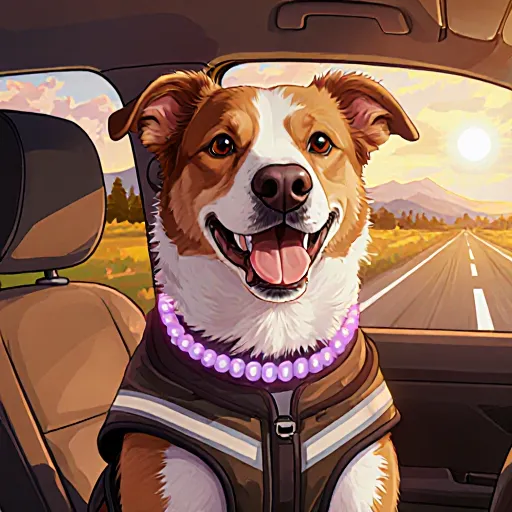
Pack, seat, and hit the road—dog‑friendly travel made easy!
How to Prepare Dogs for Road Trips Safely
Table of Contents
- Introduction: Why Road Trips Need Planning for Dogs
- Assess Your Dog’s Health Before the Journey
- Choose a Pet‑Friendly Vehicle and Secure Seating Options
- Pack Essential Supplies: Food, Water, Medications, and Treats
- Create a Comfortable Rest Area Inside the Car
- Practice Short Drives to Build Your Dog’s Confidence
- Plan Frequent Breaks for Exercise and Bathroom Needs
- Keep Your Dog Hydrated Without Overfeeding Water
- Use Calming Aids: Collars, Treats, or Music
- Maintain Proper Identification and Documentation
- Stay Safe on the Road: Avoid Overexertion and Heatstroke
- Prepare for Emergencies: First Aid Kit and Vet Contacts
- Know the Rules of Dog Travel in Different States or Countries
- Conclusion: A Safe and Enjoyable Trip for You and Your Dog
- FAQ: Common Questions About Road‑Triping With Dogs
Introduction: Why Road Trips Need Planning for Dogs
Planning a road trip with your canine companion isn’t just about packing a cooler or booking an Airbnb – it’s a comprehensive process that ensures safety, comfort, and enjoyment for both of you. Without proper preparation, even the most scenic drive can become stressful, risky, and ultimately unsatisfying.
1. Health & Safety First
- Medical Check‑ups: A vet visit before departure confirms that your dog’s vaccinations are up to date and that there are no underlying conditions that could worsen on the road.
- Emergency Kit: Include a first aid kit, copies of medical records, and any prescription medication. Having these items handy can be lifesaving if an unexpected health issue arises.
2. Comfort & Stress Reduction
Dogs are highly sensitive to changes in environment. By planning ahead you reduce the anxiety that often accompanies long drives:
- Familiar Bedding: Bring a blanket or crate pad with familiar scents.
- Hydration Strategy: Plan frequent water breaks and carry bottled water.
- Temperature Control: Ensure your vehicle’s AC or heating is set to a comfortable range, especially during extreme weather.
3. Legal & Logistical Considerations
Many states have specific regulations for traveling with pets, such as crate requirements or leash laws at certain rest stops. By researching these rules beforehand you avoid fines and ensure a smooth journey.
4. Feeding & Nutrition Planning
- Meal Schedule: Stick to your dog’s regular feeding times as much as possible to prevent nausea or digestive upset.
- Special Diets: If your dog follows a special diet, bring enough food and a dedicated container to avoid cross‑contamination with other travelers’ meals.
5. Entertainment & Exercise
Long periods of inactivity can lead to restlessness or even destructive behavior:
- Interactive Toys: Chew toys, puzzle feeders, and fetch balls keep your dog mentally engaged.
- Scheduled Stops: Plan short walks every hour or so to stretch legs and relieve stress.
6. Documentation & Identification
Always carry a recent photo of your dog, proof of ownership (registration), and microchip registration details in case you get separated from them during the trip.
Below is a step‑by‑step guide that consolidates the above points into actionable tasks:
- Vet Check (30–60 days before departure): Schedule an appointment, update vaccinations, and discuss any concerns.
- Create a Travel Kit (7 days before departure): Assemble a bag with water bottle, bowls, leash, collar, ID tags, waste bags, treats, toys, first aid kit, medication, and copies of records.
- Acclimate to the Vehicle (2–3 weeks prior): Start with short rides in a quiet environment. Gradually increase duration while monitoring for signs of anxiety.
- Test Crate or Seat Belt (1 week before): If you plan to use a crate, ensure your dog is comfortable and can sleep inside. Practice using the seat belt harness during short drives.
- Plan Your Route & Stops (3–5 days before): Use GPS to identify pet‑friendly rest stops, parks, or veterinary clinics along the way.
- Pack Smartly (Day of departure): Keep essentials within easy reach. Place heavier items at the back for better weight distribution.
- Onboard Safety Checks: Secure your dog’s harness, double‑check crate seals, and ensure no loose items that could become projectiles.
By following these steps, you create a safe, comfortable, and enjoyable road trip experience for both yourself and your furry friend. Remember: the key to a successful journey is thoughtful preparation—so start planning early, stay organized, and hit the road with confidence!
Assess Your Dog’s Health Before the Journey
Before you pack your dog’s favorite toys and start planning the route, it’s essential to evaluate your pet’s overall health. A thorough assessment ensures that any underlying conditions are identified early, reducing the risk of complications during travel.
1. Schedule a Pre‑Trip Vet Visit
- Vaccination Check: Confirm that core vaccines (Rabies, Distemper, Parvovirus) and non‑core shots (Bordetella, Lyme disease) are up to date.
- Microchip & Identification: Verify the microchip number matches your registration records and that tags on collars contain current contact information.
- Health History Review: Discuss any chronic conditions (e.g., arthritis, heart disease) that might affect travel comfort.
2. Conduct a Physical Examination
During the vet visit, pay special attention to these areas:
- Weight & Body Condition: Overweight dogs may experience joint strain; underweight dogs might lack energy.
- Lungs & Heart: A clear chest and normal heart rate reduce the risk of respiratory distress in confined spaces.
- Mouth & Teeth: Dental problems can lead to pain when chewing on harnesses or collars.
- Skin & Coat: Inspect for parasites, skin infections, or allergies that could flare up under stress.
3. Review Medications and Supplements
Make a list of all prescription drugs, over‑the‑counter meds, and supplements your dog takes. Discuss with the vet whether any should be adjusted before travel to avoid side effects or interactions.
4. Test for Travel Tolerance
If possible, simulate short car rides (15–20 minutes) to observe how your dog reacts:
- Signs of Anxiety: Panting, whining, or attempting to escape.
- Physical Discomfort: Stiffness, limping, or reluctance to sit.
5. Gather Documentation
Keep a digital and hard copy of:
- Vaccination records
- Recent vet visit notes
- Emergency contact list (vet, local animal hospital)
- Prescription labels and dosage instructions
6. Create a “Travel Kit” Based on Health Needs
Your kit should include:
- First‑aid supplies (bandages, antiseptic wipes)
- Medication doses (as prescribed)
- Comfort items (favorite blanket or toy)
- Water and a collapsible bowl
- Food appropriate for any dietary restrictions
7. Plan for Medical Emergencies
Identify the nearest veterinary clinics along your route using GPS or travel apps. In case of sudden illness, knowing exact locations saves precious time.
Pro Tip: For dogs with chronic conditions, carry a copy of their medical chart in case you need to provide details quickly to emergency staff.
8. Re‑check Health Before Departure
A day before the trip, give your dog a quick wellness check: ensure they’re hydrated, have had an appropriate meal, and are not showing signs of distress.
By following these steps, you’ll provide your canine companion with the best chance for a safe, comfortable journey. Remember, a healthy dog is a happy traveler!
Choose a Pet‑Friendly Vehicle and Secure Seating Options
When planning a road trip with your canine companion, the first decision you’ll face is the type of vehicle that best accommodates both comfort and safety. Below are practical tips for selecting a pet‑friendly car or truck, followed by step‑by‑step instructions on how to secure your dog’s seat so they stay safe while you drive.
1. Vehicle Options That Work Well With Dogs
- SUVs and Crossover SUVs: Most models offer a flat cargo area with ample legroom, making it easy to lay down a blanket or set up a dog bed. Look for vehicles that come with built‑in rear seat rails or tie‑down anchors.
- Minivans: With three rows of seats and the ability to fold the third row flat, minivans create a large, level space where you can place your dog’s crate or a soft bed. Many vans also have a “dog-friendly” package that includes built‑in pet gates.
- Pickup Trucks (with Cargo Beds): If you prefer an open cargo area, choose a truck with a high‑quality cargo liner to keep the bed clean and dry. A removable dog crate or a padded hammock can convert the bed into a safe sleeping spot.
- Station Wagons: Similar to minivans but more compact, wagons offer a long rear deck that’s ideal for smaller dogs who enjoy stretching out.
2. Assessing Your Dog’s Size and Temperament
Before you decide on a vehicle, weigh your dog’s size, activity level, and temperament:
- Large or Active Dogs: They’ll need more space to move around safely. A cargo area with a crate or a hammock that can be secured is ideal.
- Small or Anxious Dogs: A rear seat with a dog harness or a small crate can help them feel secure and reduce motion sickness.
3. Securing Your Dog’s Seat: Step‑by‑Step Guide
- Choose the Right Harness:
- Use a seat‑belt harness that attaches to your car’s seat belt anchor points.
- A “dog seat belt” or “pet safety harness” is typically designed with an adjustable D-ring for easy attachment.
- Position the Harness:
- Place the harness on your dog’s chest area, ensuring it fits snugly but comfortably.
- Check that the straps are not too tight—your dog should be able to breathe easily and move their head slightly.
- Attach the Seat Belt:
- Thread your car’s seat belt through the harness’s D-ring or strap.
- Fasten it securely, then adjust so that there is no slack but also no restriction of movement.
- Use a Dog Seat Cover (Optional):
- If you’re concerned about fur or mess, place a waterproof seat cover over the rear seats before securing your dog. This protects both the upholstery and your pet.
- Check for Additional Safety Measures:
- Some vehicles come with built‑in “pet barriers” that block the front seat from being accessed by a dog. If yours does, use it to keep your dog in the rear.
- Consider installing a secondary safety net or a mesh screen if you have a large dog who might climb onto the dashboard.
- Test the Setup:
- Once everything is in place, gently test the harness by moving your dog’s shoulders and hips to ensure there is no undue strain or restriction.
- Re‑check after a short drive; sometimes straps can loosen with motion.
4. Practical Tips for Long Drives
- Frequent Breaks: Stop every 2–3 hours to let your dog stretch, hydrate, and use the bathroom.
- Temperature Control: Never leave a pet unattended in a parked car, even with windows slightly open. Use shade covers or keep the AC on low.
- Hydration & Snacks: Carry a collapsible water bowl and some treats to keep your dog comfortable during stops.
By carefully selecting a vehicle that suits both you and your pet’s needs, and by securing your dog properly in the seat, you’ll create a safe, enjoyable journey for everyone on board. Happy travels!
Pack Essential Supplies: Food, Water, Medications, and Treats
A well‑planned supply kit is the backbone of any safe road trip with your dog. It ensures that you can keep them comfortable, hydrated, nourished, and calm throughout the journey. Below we break down each category and give practical tips on how to pack efficiently while keeping everything within easy reach.
1. Food
- Choose a consistent brand. Stick with the food your dog eats at home to avoid stomach upset during travel.
- Portion control. Pre‑measure meals in small, bite‑sized containers or use a measuring cup. A good rule of thumb is 1–2% of body weight per day, divided into two or three servings.
- Use travel bowls. Collapsible silicone or lightweight plastic bowls are easy to store and can be filled directly from the container.
- Keep it cool. If you’re traveling in hot weather, pack a small cooler bag with ice packs to keep food fresh for up to 24 hours.
- Emergency stash. Bring an extra 1–2 days’ worth of food in case of delays. Store it in a separate, sealed bag.
2. Water
- Hydration is key. Dogs need about 1 oz per pound of body weight each day, plus extra for exercise or heat.
- Water bottles and dispensers. Portable water bottles with a built‑in bowl (e.g., Lixit) allow you to fill on the go. A collapsible bowl can also be handy.
- Ice cubes. Add ice to water for cooler temperatures, especially in hot climates.
- Carry enough. For a 30‑mile trip with two dogs, bring at least 8–10 cups of water (about 2–3 liters).
- Use a dedicated container. Avoid mixing food and water in the same bag to keep both clean.
3. Medications
- Keep a list. Note the dog’s name, medication name, dosage, and schedule on a paper or digital note that’s always with you.
- Proper storage. Store medications in their original containers with labels. Use a small pill organizer if you need to carry multiple drugs.
- Emergency meds. Pack an extra dose of any medication (e.g., anti‑nausea, anti‑anxiety) in case of unexpected stops or delays.
- Vet contact info. Keep your vet’s phone number and emergency clinic details on hand.
4. Treats
- Use treats for training. Small, low‑calorie treats are great for rewarding calm behavior at stops or during car acclimation.
- Hydration treats. Gel or freeze‑dried treats can help keep your dog hydrated on long trips.
- Portion control. Treats should not exceed 10% of daily caloric intake. Pack just enough for the trip duration plus a few extra for emergencies.
- Variety matters. Include a mix of chew toys and treats to keep your dog mentally stimulated during breaks.
Practical Packing Checklist
- Food containers (pre‑measured) – 2–3 servings per dog.
- Travel bowls (collapsible or silicone).
- Cooler bag with ice packs for hot weather.
- Water bottles/dispensers + extra water supply.
- Ice cubes and a small cooler for water if needed.
- Pill organizer + medication containers.
- Vet contact card + emergency clinic list.
- Treats – 5–10 per dog, plus a few extras.
- Chew toys or interactive treats to keep them occupied.
- Spare food & water for unforeseen delays.
By thoughtfully organizing these supplies and keeping everything within easy reach, you’ll ensure your dog stays healthy, hydrated, and happy throughout the entire journey. Remember that a calm pet makes for a smoother drive – so plan ahead, stay organized, and enjoy the adventure together!
Create a Comfortable Rest Area Inside the Car
When you’re planning a long road trip with your dog, the inside of the car should feel like a mini‑home rather than a cramped vehicle. A well‑designed rest area reduces anxiety, keeps your pet safe, and makes the drive enjoyable for everyone.
1. Choose the Right Seat or Cargo Space
- Front Seat with Seatbelt Harness: If you prefer your dog to sit beside you, use a high‑quality seatbelt harness that attaches to the car’s existing seat belt system. This keeps them restrained without restricting airflow.
- Cargo Area with Dog Bed: For larger dogs or those who dislike sitting in front, convert the cargo area into a cozy zone using a padded dog bed or crate. Line it with a blanket that matches your car’s interior for a seamless look.
2. Keep Airflow and Temperature Controlled
Dogs are sensitive to heat, especially in hot climates. Use the following tactics:
- Window Shades: Install reflective window shades or curtains to block direct sunlight.
- Ventilation Mats: Place a lightweight, breathable mat under the dog’s bedding that can be removed for cleaning.
- Portable Fan: For very hot trips, a small battery‑powered fan with an adjustable stand can circulate air without disrupting the vehicle’s airflow system.
3. Provide Adequate Hydration
A water bowl that doesn’t tip over is essential. Consider these options:
- Collapsible Travel Bowls: Made from silicone or BPA‑free plastic, they are lightweight and easy to pack.
- Bowl Holders with Velcro Straps: Attach the holder to a seat belt or console for stability.
- Always refill the bowl every 2–3 hours on long drives.
4. Keep Essentials Within Reach
Create a “dog travel kit” that includes:
- Treats and chews for positive reinforcement during stops.
- Leash, collar or harness, and spare ID tags.
- A first‑aid kit with items like gauze, tweezers, and a small bottle of antiseptic.
- Comforting items such as a favorite toy or blanket to reduce stress.
5. Use a Dog Seat Cover for Protection
A durable seat cover protects your upholstery from hair, mud, and accidental spills. Look for covers that are:
- Water‑resistant or waterproof.
- Easy to clean (machine washable).
- Non‑slip backing so the dog can move freely without sliding.
6. Plan Regular Breaks for Exercise and Bathroom Needs
Even with a comfortable rest area, dogs need physical activity and bathroom breaks:
- Every 2–3 Hours: Stop at scenic pull‑outs or pet‑friendly parks to let your dog stretch and relieve themselves.
- Keep Calm: Use a calm voice, avoid abrupt stops, and allow the dog to sniff around safely before returning to the car.
7. Safety First: Secure Your Dog Properly
A secure dog prevents distractions while driving and protects your pet in case of sudden braking:
- Use a dog seat belt or harness that attaches to the vehicle’s seat belt system.
- If using a crate, ensure it is secured with a seat belt or strap so it doesn’t slide during motion.
8. Add Personal Touches for Comfort
A few personal touches can transform the car interior into a soothing space:
- Place a small, dog‑safe diffuser with lavender or chamomile scents (if your pet is not sensitive).
- Use a soft blanket that smells like home.
- Play calming music at low volume—some dogs respond well to classical or nature sounds.
Practical Example: A One‑Day Road Trip Setup
Imagine driving from New York City to the Catskills (≈2 hours). Here’s a quick checklist:
- Before Departure: Pack water, collapsible bowl, treats, leash, ID tags, and a first‑aid kit.
- In the Car: Set up a padded dog bed in the cargo area with a seat cover. Attach a water bowl to a Velcro holder. Use reflective window shades.
- During the Drive: Stop every 90 minutes for a short walk, let your dog stretch, and offer treats.
- At Destination: Allow your dog to explore the area while you relax, then return to the car with a fresh water bowl.
By combining these strategies—proper seating, temperature control, hydration, safety harnesses, and personal comforts—you’ll create an environment that keeps your dog calm, safe, and happy throughout any road trip.
Practice Short Drives to Build Your Dog’s Confidence
Before embarking on a long road trip, it’s essential to acclimate your dog to the vehicle environment. Short drives help them get used to motion, sounds, and the routine of being in a car without overwhelming stress.
Step‑by‑Step Guide
- Start with Familiar Routes: Drive around your neighborhood or a quiet park. Keep the distance short (5–10 minutes) so your dog doesn’t feel trapped in motion for too long.
- Keep the Environment Calm: Play soft music, keep the windows slightly open to allow fresh air, and avoid sudden stops or sharp turns that could trigger anxiety.
- Use Positive Reinforcement: Bring treats, a favorite toy, or a calming pheromone collar. Reward your dog when they remain calm or look at you during the drive.
- Gradually Increase Distance: Once your dog seems comfortable on short trips, add 5–10 minutes each week until you reach the desired distance for the actual road trip.
- Introduce New Sounds and Scenarios: Drive past construction sites, through busy streets, or in traffic to expose them to varied stimuli while maintaining a calm demeanor.
- Monitor Body Language: Watch for signs of stress—panting, drooling, whimpering, or attempts to escape. If any occur, stop the drive and let your dog settle before resuming.
Practical Tips & Examples
- Example 1: The “Tire Rotation” Test – Drive a short loop around your town’s main road, turning at each intersection. This simulates the turns and stops you’ll encounter on a longer trip.
- Example 2: The “Stop‑and‑Sit” Drill – Every time you pass a stop sign or traffic light, pause for 15–30 seconds and reward your dog with a treat. This trains them to stay calm when the vehicle halts unexpectedly.
- Use a Crate Wisely: If your dog is crate‑trained, place them in a well-ventilated crate during short drives. Keep the crate door open if they seem anxious; close it once they’re relaxed to prevent escape attempts.
Safety Precautions During Short Drives
Even on brief trips, safety should not be overlooked:
- Seat Belts & Harnesses: Secure your dog with a pet seat belt or harness to prevent injury during sudden braking.
- No Loose Items: Ensure no loose toys, leashes, or other objects can become projectiles.
- Temperature Check: Never leave your dog in the car unattended. Use a temperature gauge if you’re unsure.
When to Seek Professional Help
If your dog shows persistent anxiety, restlessness, or aggression during short drives, consider consulting a certified animal behaviorist or veterinarian. They can recommend targeted training plans or medication if necessary.
Conclusion
By systematically exposing your dog to short car rides and reinforcing calm behavior, you’ll lay a solid foundation for a stress‑free long road trip. Consistency, patience, and positive reinforcement are the keys to turning a simple drive into a confidence‑building experience.
Plan Frequent Breaks for Exercise and Bathroom Needs
When heading out on a long drive with your dog, it’s essential to schedule regular stops. Not only do these breaks keep your pet comfortable, but they also help prevent restlessness, anxiety, and even health issues such as urinary tract infections or muscle stiffness.
How Often Should You Stop?
- Small dogs (≤20 lb): Every 45–60 minutes is usually sufficient. They tend to be more restless and may need a quick walk to stretch their legs.
- Medium dogs (21–50 lb): Aim for stops every 60–75 minutes. A short walk around the parking lot or a nearby park can help them relieve themselves and burn off excess energy.
- Large dogs (>50 lb) and active breeds: Stop every 90 minutes or sooner if you notice signs of discomfort, such as whining or pacing.
Choosing the Right Break Spot
- Pet-friendly rest areas: Many highway service plazas now feature dedicated dog parks or open green spaces. Check local listings before departure.
- Parking lots of restaurants or gas stations: These are convenient because you can grab a quick snack while your dog stretches.
- Scenic viewpoints: If the route passes through natural parks, these spots provide both exercise and a mental break for your pet.
What to Bring on Each Break
- Water bowl & fresh water: Hydration is key. A collapsible bowl makes it easy to carry.
- Leash and collar (or harness): Even if your dog is used to being off-leash, a short walk on a leash keeps them safe from traffic or other hazards.
- Towels or waste bags: Clean up after your pet promptly; it’s courteous to the park staff and preserves the area for others.
- A small bag of treats: Positive reinforcement during breaks helps keep your dog calm and eager to return to the car.
Practical Tips for a Smooth Break Experience
- Practice before the trip: Take short drives with frequent stops in your local area. This trains both you and your dog to expect regular breaks.
- Keep the car temperature comfortable: Dogs can overheat quickly, especially if they’re standing for long periods. Use air conditioning or open windows slightly (always keep the window at a safe height).
- Use a designated “dog zone”: If you’re in a crowded parking lot, find an area with fewer cars and pedestrians so your dog can roam safely.
- Observe for signs of fatigue or distress: If your dog appears overly tired or reluctant to walk, consider extending the break or choosing a more shaded spot.
Common Mistakes to Avoid
- Skipping breaks because of time pressure: It’s tempting to rush to keep on schedule, but neglecting your dog’s needs can lead to accidents or health complications.
- Leaving the dog unattended for long periods: Even a short stretch in the car without supervision can result in chewing, pacing, or anxiety.
- Forgetting waste bags: Not picking up after your pet is not only disrespectful but also illegal in many jurisdictions and can lead to fines.
By integrating frequent breaks into your travel plan, you’ll help keep your dog physically healthy, mentally relaxed, and ready for the adventure ahead. Remember: a well-rested pup makes for a smoother, safer journey for everyone on board.
Keep Your Dog Hydrated Without Overfeeding Water
While it’s tempting to give your dog a constant stream of water, especially during long road trips or hot weather, over‑drinking can lead to digestive upset, bloating, and even electrolyte imbalances. The key is to encourage regular sipping while preventing excess intake.
1. Use a Portable Water Bowl with a Controlled Flow
- Collapsible bowls: Lightweight and easy to pack; they can be sealed to prevent spills when the vehicle vibrates.
- Water dispenser bottles: Devices such as the PetSafe Drinkwell or a simple Gatorade bottle with a small opening allow your dog to drink at their own pace without drowning in water.
2. Schedule Water Breaks Strategically
Plan stops every 1–2 hours during long drives, giving your dog the chance to hydrate and relieve themselves. If you’re traveling with a senior or a dog prone to urinary issues, consider more frequent breaks.
3. Monitor Your Dog’s Intake
- Weight check: A sudden weight gain during the trip can indicate over‑hydration.
- Observe stool consistency: Loose or watery stools may signal that your dog is drinking too much.
4. Incorporate Hydrating Foods
Adding wet food or a small amount of low‑salt chicken broth to meals can increase overall fluid intake without the need for extra water bottles.
5. Use Ice Cubes as a Fun Hydration Aid
- Freeze plain water, unsalted beef broth, or even diluted commercial dog treats in small molds.
- Let your dog lick the ice; it cools them down and encourages sipping without bulk consumption.
6. Keep Track with a Simple Log
Create a quick table or use a mobile app to note how many times your dog drinks at each stop, how much they consume (in ounces), and any signs of discomfort. This data helps you fine‑tune the hydration strategy for future trips.
Practical Example: A Day Trip with a Medium‑Sized Dog
- Pre‑trip: Fill a collapsible bowl with about 1 cup of water and place it in the back seat. Pack an ice cube tray for a snack.
- First stop (2 hours): Let your dog drink from the bowl, then offer a few ice cubes to cool down.
- Second stop (4 hours): Switch to a water dispenser bottle with a small opening. Observe that the dog drinks about 3–4 ounces during this break.
- Return: Check for any signs of bloating or loose stools before re‑hydration.
By following these guidelines, you can keep your dog comfortably hydrated throughout a road trip while avoiding the pitfalls of overfeeding water. Remember that each dog is unique—adjust portions based on size, breed, age, and activity level for optimal hydration health.
Use Calming Aids: Collars, Treats, or Music
When preparing your dog for a road trip, the environment inside the vehicle can be stressful. Even if your pet is accustomed to car rides, long journeys can trigger anxiety, leading to restlessness, drooling, or even destructive behavior. Calming aids—such as specially designed collars, calming treats, and soothing music—can help create a more relaxed atmosphere for both you and your furry companion.
1. Calming Collars
- Thundershirt® or similar compression vests: These garments apply gentle pressure to the torso, mimicking a safe hug. The snug fit can reduce heart rate and promote calmness during travel.
- Flea & Tick Collars with natural calming ingredients: Some collars are infused with lavender or chamomile extracts that release subtle scents known for their soothing properties.
- Tip: Introduce the collar at home before the trip. Let your dog wear it during short car rides to build familiarity and prevent resistance.
2. Calming Treats & Supplements
- CBD-infused treats: Many pet owners report reduced anxiety in dogs after administering CBD treats prior to travel. Always check with your vet for dosage recommendations.
- L-theanine or melatonin-based supplements: These amino acids and hormones can promote relaxation without sedation, making them ideal for day-long trips.
- Natural herbs (e.g., valerian root, passionflower): Available in chewable form, they can be mixed with food or given as a small snack. Monitor your dog’s reaction to avoid over-sedation.
- Practical advice: Offer the treat about 30 minutes before departure so it has time to take effect but not so close that your dog feels nauseated from travel.
3. Soothing Music and Audio Stimuli
- “Paws & Relax” or similar playlists: These tracks are specifically engineered with frequencies that calm dogs. The music typically features soft percussion, gentle strings, and ambient sounds.
- White noise machines or apps: A consistent background hum can mask the rumble of tires and engine noise, preventing startling spikes in your dog’s stress level.
- Use a speaker on low volume: Place the speaker near the seat but not directly in front of the dog to avoid overwhelming them. Adjust the tone based on your dog’s reaction—if they start whimpering, reduce the volume or switch tracks.
4. Combining Calming Aids for Maximum Effect
For many dogs, a multi‑modal approach works best. For example:
- Start with a calming collar as soon as you enter the car.
- Give a CBD treat or L-theanine supplement 30 minutes before departure.
- Play soothing music at low volume once the journey begins.
This layered strategy ensures that if one method doesn’t fully calm your dog, another is in place to support them.
5. Practical Tips for Implementation
- Test before the trip: Run a short practice drive with all aids in use to observe how your dog reacts and adjust accordingly.
- Keep treats small: Large treats can lead to choking or upset stomach, especially during motion.
- Monitor behavior: If you notice signs of extreme anxiety (e.g., excessive drooling, pacing, whining), pause the trip if possible and consider a brief break in a safe area.
- Consult your veterinarian before using any supplement or new product to ensure it’s appropriate for your dog’s health condition.
By thoughtfully integrating calming collars, treats, and music into your road‑trip preparation routine, you can help your dog stay relaxed, making the journey enjoyable for everyone involved.
Maintain Proper Identification and Documentation
Before you hit the road, make sure your dog’s identification is up‑to‑date and all paperwork is in order. This not only protects your pet in case of loss or injury but also satisfies local regulations and makes travel smoother.
1. Microchip & ID Tags
- Microchip: Ensure the microchip number matches the information on file with a reputable registry (e.g., AKC, ISO). Update your contact details annually and after any move.
- ID tags: Attach a collar tag with:
- Your full name and phone number
- The dog’s name (optional)
- Any medical conditions or medications (e.g., “Allergic to peanuts”)
2. Veterinary Records
Keep a digital copy of the latest health check, vaccinations, and any special instructions.
- Vaccination record: Most states require proof of rabies vaccination before travel. Bring an official certificate or a printed PDF on your phone.
- Health certificates: For interstate or international trips, obtain a veterinary health certificate issued within 10 days of departure.
- Medication logs: If your dog takes medication (e.g., heartworm prevention), include dosage and schedule instructions in a small notebook.
3. Travel Documentation Checklist
| Document | Where to Get It | When to Update |
|---|---|---|
| Microchip registration | Veterinarian or microchip company website | Annually |
| Vaccination certificate | Local vet clinic | After each vaccination series |
| Health certificate (interstate/international) | Licensed veterinarian within 10 days of travel | Before departure |
| Insurance policy (optional but recommended) | Pet insurance provider | Annually or after policy changes |
4. Practical Tips for Carrying Documentation
- Digital backup: Store PDFs in a cloud service (Google Drive, iCloud) and download them to your phone or tablet.
- Physical copies: Keep a small folder in the glove compartment with printed documents. Label each sheet clearly.
- Emergency contact list: Include local vets along your route, emergency shelters, and any pet rescue organizations.
5. Legal Considerations
Some states require dogs to carry a health certificate when crossing borders or entering certain parks. Always check the regulations of each jurisdiction you’ll travel through.
Example Scenario: Road Trip from California to Colorado
- Before departure: Your vet updates your dog’s microchip registration, provides a recent vaccination certificate, and issues a health card valid for the next 10 days.
- On the road: You keep the health card in your car's glove box. If you stop at a pet-friendly rest area, you can show proof of vaccinations to staff or local authorities if requested.
- Arrival in Colorado: The state has no special entry requirements for dogs from California, but you still need to verify that the microchip is registered with an ISO-compliant database. Your digital backup ensures you can prove compliance quickly.
By keeping your dog’s identification and documentation organized, you’ll reduce stress during travel and ensure a safe, compliant journey for both of you.
Stay Safe on the Road: Avoid Overexertion and Heatstroke
If you’re traveling with your dog, it’s essential to plan ahead so that both you and your furry companion stay healthy and comfortable. The combination of a hot climate, long drives, and unfamiliar surroundings can quickly turn a fun trip into a health emergency.
1. Understand the Risk Factors
- High temperatures: Even if the outside temperature is mild, the interior of a car can reach dangerous levels within minutes.
- Long periods of inactivity: Dogs that are left in a vehicle for extended periods—especially during breaks or layovers—are at higher risk.
- Physical exertion: Running, playing, or exercising before a trip can deplete your dog’s energy reserves and increase the chance of overheating.
2. Pre‑Trip Preparation
- Schedule regular breaks: Every 1–2 hours, pull over to allow your dog to stretch, hydrate, and relieve themselves.
- Hydration plan: Bring a collapsible water bowl and at least one bottle of fresh water per trip. Use a pet‑safe electrolyte solution for longer journeys or very hot days.
- Exercise the right way: A short walk before departure helps burn excess energy, but avoid strenuous activity that could leave your dog feeling overheated during the drive.
- Weight management: Overweight dogs are more prone to heatstroke. Keep a consistent diet and schedule light exercise in the weeks leading up to travel.
3. During the Trip
- Temperature monitoring: Use an external thermometer or a smartphone app that checks the car’s interior temperature. If it exceeds 85°F (29°C), pull over immediately.
- Ventilation strategy: Keep windows slightly ajar to allow airflow, but avoid letting your dog slip out. A pet seat belt or crate with proper ventilation works best.
- Check for signs of distress: Excessive panting, drooling, rapid breathing, lethargy, or a warm, pale tongue are red flags. If any appear, stop the vehicle and seek veterinary care.
4. Post‑Trip Care
- Cool down gradually: After a long drive, allow your dog to rest in the shade before giving them a walk.
- Hydration re‑introduction: Offer small sips of water every 10–15 minutes for the first hour after travel.
- Monitor health: If you notice any abnormal behavior—such as vomiting, diarrhea, or depression—contact your veterinarian within 24 hours.
5. Essential Gear and Accessories
- Cooling vest or bandana: These are especially useful for breeds with short noses or thick coats.
- Portable fan or misting spray: A battery‑powered fan can circulate air inside the vehicle, while a fine mist helps lower body temperature.
- Pet-safe sunscreen (optional): For dogs with light-colored fur or skin exposure during stops, use a veterinarian‑approved sunscreen.
By following these steps—understanding the risks, preparing ahead, monitoring during travel, and caring for your dog afterward—you can reduce the likelihood of overexertion and heatstroke. Always remember: safety first means both you and your pet arrive at your destination healthy and happy.
Prepare for Emergencies: First Aid Kit and Vet Contacts
A well‑planned first aid kit can make the difference between a minor mishap and a serious health crisis on your road trip. Pairing it with a list of reliable veterinary contacts ensures you’re never left guessing where to go in case of an emergency.
Building Your Dog’s Road‑Trip First Aid Kit
- Basic Supplies:
- Sterile gauze pads (2–4)
- Adhesive tape (bandage tape and non‑sticky wrap)
- Antiseptic wipes or solution (e.g., chlorhexidine)
- Hydrogen peroxide (1.5%–3%) for mild vomiting
- Scissors, tweezers, and a pair of disposable gloves
- Medications & Treatments:
- Prescription medications (ensure you have an adequate supply)
- Anti‑nausea medication (e.g., Cerenia, if prescribed)
- Allergy relief drops or antihistamines (only under vet guidance)
- Dog‑safe eye wash solution for ocular irritation
- Specialized Items:
- Portable water purification tablets or a small bottle of iodine solution for fresh water in remote areas
- Heat packs (reusable) and cold packs for swelling or injury management
- A collapsible bowl and extra food portions if you anticipate delayed access to pet stores
Storage Tips:
- Keep the kit in a waterproof, insulated pouch that’s easy to reach—ideally in your glove compartment or a dedicated seat pocket.
- Check expiration dates every 3–6 months and replace any expired items immediately.
- Label each item clearly with its purpose (e.g., “Gauze Pads – for cuts”).
Practice Makes Perfect:
- Do a mock first aid scenario at home before the trip to familiarize yourself with every tool.
- Teach your co‑traveler (or family member) how to use the kit in case you’re not available.
Vet Contacts & Emergency Hotlines
Having a ready list of veterinary professionals and emergency hotlines is crucial, especially when traveling through rural or unfamiliar regions.
- Local Veterinary Clinics:
- Write down the name, address, phone number, and hours of operation for every town you’ll pass through. Use Google Maps to create a quick‑access list.
- If possible, call ahead to confirm they can handle emergencies on short notice.
- 24/7 Emergency Veterinary Services:
- Example: “PetCare 24/7” – Phone: (555) 123‑4567, Email: [email protected]
- Check for regional hotlines such as the American Animal Hospital Association’s Vet Locator or local animal rescue networks.
- Hospital and Wildlife Rescue Contacts:
- List the nearest general hospital with a pet‑friendly emergency department (e.g., “City General – 123 Main St – 555‑987‑6543”).
- Include wildlife rescue centers or humane societies for cases involving wild animal encounters.
- Online Resources:
- Use apps like “Pet First Aid” to access step‑by‑step guidance during emergencies.
- Store the Vetster or PetCoach app for quick video consultations if you’re unable to reach a clinic immediately.
Organize Your Contacts:
- Create a dedicated phone contact group titled “Dog Emergency” and add all numbers.
- Print a laminated card with the same information for quick reference in your vehicle.
- Save digital copies to your phone’s notes app or cloud storage (Google Drive, iCloud).
Before You Leave:
- Verify that all contact numbers are current and that the clinics have open hours during your travel dates.
- If traveling internationally, research local veterinary regulations and obtain a copy of your dog’s health record in both English and the local language if possible.
Road‑Trip Emergency Checklist
Print or save this checklist to ensure you’re fully prepared:
- [ ] First aid kit contents verified.
- [ ] All medications are within expiration dates and stored correctly.
- [ ] Vet contacts list updated and accessible.
- [ ] Emergency phone numbers saved in your phone’s contact group.
- [ ] A copy of the dog’s medical records (including vaccination history) is packed.
- [ ] Extra water, food, and a spare leash are on hand.
Know the Rules of Dog Travel in Different States or Countries
Before you hit the road (or the border), it’s essential to understand that each state in the U.S. and most countries around the world have their own regulations regarding pet travel. These rules cover everything from documentation, health certificates, quarantine requirements, to specific vehicle safety standards. Ignoring them can lead to fines, denial of entry, or even forced return of your dog.
Key Areas to Check
- Health and Vaccination Requirements: Most destinations require proof that your dog is up‑to‑date on core vaccines (rabies, distemper, parvovirus). Some countries demand a “certificate of good health” issued within 10–30 days before travel.
- Microchip Standards: Many regions mandate an ISO 11784/11785 compliant microchip. If your chip isn’t compatible, you’ll need to purchase a new one or use a temporary adapter.
- Quarantine Rules: Certain places still enforce quarantine periods (e.g., some Asian countries). The length can range from 14 days to several months depending on the destination and your dog’s vaccination history.
- Import/Export Forms: U.S. states like California require a “Pet Import Permit” for certain breeds, while other states may not have any special forms at all. Internationally, many countries use the USDA or local veterinary authority export certificates.
- Vehicle Safety Regulations: States such as New York and California enforce specific dog restraint laws (e.g., seat belts, travel crates). In some European countries, pets must be kept in designated areas of the vehicle to avoid obstruction of drivers.
State‑by‑State Snapshot (U.S.)
| State | Microchip Requirement | Restraint Law | Health Certificate Needed? |
|---|---|---|---|
| California | ISO compliant (mandatory) | Seat belt or crate in passenger seat | Yes, for interstate travel |
| Texas | No state‑wide requirement, but local vet may ask | Any approved restraint system | No, unless traveling to another country |
| Florida | ISO compliant (recommended) | Crate or harness in front seat | Yes, for interstate trips |
International Highlights
- United Kingdom: Requires a valid EU pet passport or an official veterinary certificate if coming from outside the EU. Dogs must be microchipped and have a rabies vaccination valid for at least 12 months.
- Germany: Similar to the UK but with stricter quarantine rules for some countries (e.g., no entry allowed from certain African nations without a 30‑day quarantine).
- Australia & New Zealand: Very strict biosecurity. Even vaccinated dogs may face up to 120 days of quarantine unless they come through approved “pet passport” programs.
- Canada: Requires an official veterinary health certificate and a rabies vaccination. Some provinces (e.g., British Columbia) have additional import permits for certain breeds.
Practical Steps to Prepare
- Start Early: Begin gathering documentation at least three months before your departure date.
- Consult the Veterinary Office: They can verify which certificates are accepted in your destination and provide up‑to‑date health records.
- Check Airline or Border Agency Websites: Many airlines publish “Pet Travel” sections with state‑specific guidelines. Border agencies (e.g., U.S. Customs, UK Border Force) list required forms.
- Use a Pet Travel App: Apps like DogVoyager or Paws Passport keep track of microchip numbers, vaccination dates, and destination requirements.
Common Mistakes to Avoid
- Assuming a single health certificate is sufficient for all states—each may require its own copy or specific wording.
- Forgetting the microchip compatibility check; non‑ISO chips can trigger denial of entry.
- Underestimating quarantine timelines; always verify if your destination has any temporary bans or extended stays.
By staying informed and preparing meticulously, you’ll reduce stress for both you and your canine companion. Remember: the rules are in place to protect animal health—compliance ensures a smoother, safer journey.
Conclusion: A Safe and Enjoyable Trip for You and Your Dog
Planning a road trip with your canine companion doesn’t have to be stressful. By following the practical steps below, you’ll ensure that both you and your dog stay healthy, happy, and comfortable throughout the journey.
1. Start With a Vet Check‑In
- Vaccinations & Health Records: Bring copies of all recent shots and a medical summary in case an emergency arises.
- Medication Schedule: If your dog takes daily medication, set up a reminder to administer it at the same time each day during travel.
2. Pack Smart
Keep essential items within easy reach:
- Food & Water: Portable bowls, a water bottle with a built‑in bowl, and enough food for the entire trip.
- Toys & Comfort Items: A favorite toy or blanket can reduce anxiety during stops.
- Safety Gear: Leash, harness, travel crate, and an ID tag with updated contact information.
3. Create a Comfortable Travel Environment
The vehicle should feel safe and familiar:
- Temperature Control: Never leave your dog unattended in a hot or cold car. Use air conditioning, fans, or shade as needed.
- Ventilation & Safety Belts: Secure the dog with a seat belt harness or crate to prevent injury during sudden stops.
4. Plan Frequent Breaks
Every 1–2 hours, stop for a short walk:
- Bathroom & Stretching: Allows your dog to relieve themselves and stretch legs.
- Hydration Check: Offer water after each break; avoid over‑drinking in one go to prevent discomfort.
5. Keep Calm During Travel
A relaxed driver helps keep the dog calm:
- Gentle Voice & Minimal Noise: Avoid loud music or abrupt conversations that could startle your pet.
- Positive Reinforcement: Praise and treat during breaks to reinforce good behavior.
6. Prepare for Emergencies
Even the best plans can face unforeseen events:
- First Aid Kit: Include items such as gauze, tweezers, and an emergency contact list.
- Know Nearby Vet Clinics: Use apps or GPS to locate veterinary services along your route.
7. Enjoy the Journey Together
Remember that a road trip is as much about bonding as it is about reaching a destination. Take photos, share stories with fellow travelers, and savor the adventure together.
By preparing thoroughly and paying attention to your dog’s needs at every step, you’ll create a memorable and safe travel experience for both of you. Safe travels!
FAQ: Common Questions About Road‑Triping With Dogs
What kind of dog is best suited for a long car ride?
While any breed can enjoy a road trip, medium‑to‑large dogs with calm temperaments tend to handle the motion better. Breeds like Golden Retrievers, Labrador Retrievers, Australian Shepherds, and even smaller breeds such as Corgis or French Bulldogs can adapt if you give them ample preparation time. Key traits include low anxiety levels, a history of traveling well, and the ability to stay still for long periods.
How do I keep my dog comfortable during stops?
Bring a portable travel bed or blanket that smells familiar. Pack a shallow dish of water and a collapsible bowl to avoid spills. When you pull over, let your dog stretch in a safe spot—ideally off the curb—and use a leash for safety. A few minutes of gentle walking can help relieve built‑up pressure before re‑entering the vehicle.
Should I feed my dog right before the trip?
It’s best to finish a light meal at least two hours prior to departure. Overeating can lead to motion sickness, while an empty stomach may cause discomfort or anxiety. If your dog is prone to nausea, consider feeding a bland diet (rice and boiled chicken) and monitor for any signs of distress.
What safety gear should I bring?
- Dog seat belt or harness: Secures your pet in place, preventing injury if the car stops suddenly.
- Crash‑worthy crate: If your dog prefers a crate, ensure it meets ISO 9001 standards for vehicle safety.
- First‑aid kit: Include items like gauze, antiseptic wipes, and a small bottle of car‑friendly pain relief (only under vet guidance).
- Cooling mat or reflective blanket: Helps regulate body temperature in hot climates.
How can I prevent motion sickness?
Choose a seat on the passenger side, as dogs often feel less motion there. Keep windows slightly open for fresh air and avoid strong smells that might trigger nausea. If motion sickness is severe, consult your vet about safe over‑the‑counter remedies or prescription medication.
What documents do I need for traveling with my dog?
- Vaccination record: Proof of rabies and core vaccines.
- Health certificate: Issued within 10 days before travel by a licensed veterinarian.
- Microchip registration: If your dog is microchipped, bring proof of chip number.
Many pet‑friendly hotels and campsites require these documents upon check‑in.
How do I keep my dog safe in the event of an accident?
Keep your dog on a seat belt or secured crate. If you’re driving, avoid abrupt braking; use cruise control if available. In emergencies, pull over to a safe spot and gently check your dog for injuries—especially around the neck, chest, and limbs. Call your vet immediately if any signs of distress appear.
What should I do if my dog gets anxious during the trip?
Offer a familiar scent (a blanket or toy) and keep talking in a calm, reassuring voice. If anxiety escalates, consider using a calming aid like a pheromone spray or a natural supplement after consulting your vet. For severe cases, a short break every hour can help reset the dog’s emotional state.
How do I handle different climates on a long trip?
In hot weather, use reflective seat covers and keep windows partially open for airflow. Dress your dog in a lightweight jacket if it tends to overheat. In cold regions, bring an insulated blanket and consider a heated travel mat. Always monitor body temperature by checking the dog's ears or belly; pale gums may indicate overheating.
Can I take my dog on a plane as part of a road trip?
Most airlines allow small dogs in the cabin if they fit under the seat. Bring a carrier that meets IATA standards, label it clearly with your contact information, and prepare an emergency kit. For larger dogs, check cargo policies and consider pet travel services to ensure comfort.
What are the best ways to entertain my dog during long drives?
- Toy rotation: Bring a few chew toys, puzzle feeders, or interactive games.
- Audio stimulation: Some dogs enjoy calming music; try classical or nature‑based tracks.
- Training cues: Use short, positive training sessions during breaks to reinforce good behavior and strengthen your bond.
How can I ensure my dog’s health after a long trip?
Schedule a post‑trip vet visit if you notice any changes in appetite, energy, or behavior. Check for skin irritations from bedding or harnesses and examine the paws for foreign debris. A routine cleaning of ears and teeth can prevent infections that may have been exacerbated by travel.
Categories
- AI & Enrichment Play
- Broiler Farming
- Broiler Farming Tips
- Canine Wellness & Longevity
- Cat
- Cat & Human Connection
- Cat Adoption & Rescue
- Cat Breeds
- Cat Breeds & Personalities
- Cat Care & Health
- Cat Grooming & Hygiene
- Cat Lifestyle & Environment
- Cat Myths & History
- Cat Nutrition & Diet
- Cat Products & Reviews
- Cat Training & Behavior
- Comparison
- Consumer Awareness
- Dog
- Dog Accessories & Products
- Dog Adoption & Rescue
- Dog Breed & Lifestyle Trends
- Dog Breeding & Puppies
- Dog Entertainment & Media
- Dog Fashion & Trends
- Dog Fun & Lifestyle
- Dog Grooming & Hygiene
- Dog History & Culture
- Dog Myths, Science & Future Tech
- Dog News & Trends
- Dog Nutrition & Food
- Dog Psychology & Emotions
- Dog Safety & Security
- Dog Sports & Activities
- Dog Technology & Innovation
- Dog Training for Modern Owners
- Dog Travel & Adventure
- Dog Travel, Adventure & Culture
- Economic and Market Insights
- Educational Content
- FAQs
- Feeding Alternatives
- Festivals & Seasonal Ideas
- Fun & Entertainment
- General Knowledge
- General Pig Farming
- Health & Disease Management
- Housing and Environment
- Kittens
- Market Insights
- Miscellaneous
- Miscellaneous
- Motivational
- pig
- Pig Breeding
- Pig Breeds
- Pig Farming Stories and Inspiration
- Pig Health and Care
- Pig Nutrition
- Pig Products
- Profitability & Business
- Puppy Care
- Puppy Predictable Topics Reinvented
- Regional Focus
- Rescue & Adoption Buzz
- Senior Cats
- Senior Dog Care
- Smart Dog Tech & Gadgets
- Sustainability
- Sustainable & Eco-Friendly Dog Products
- Tech & Innovations
- Working & Service Dogs
- Broiler Feed66 products
- Country Feed33 products
- Pig Feed66 products
- Product22 products
- Raw Materials99 products
Products
-
 Fish Meal
₹1,999.00 – ₹2,999.00Price range: ₹1,999.00 through ₹2,999.00Rated 0 out of 5
Fish Meal
₹1,999.00 – ₹2,999.00Price range: ₹1,999.00 through ₹2,999.00Rated 0 out of 5 -
 FATTENING BROILER FEED
₹2,299.00 – ₹2,349.00Price range: ₹2,299.00 through ₹2,349.00Rated 0 out of 5
FATTENING BROILER FEED
₹2,299.00 – ₹2,349.00Price range: ₹2,299.00 through ₹2,349.00Rated 0 out of 5 -
 LAYER COUNTRY FEED
₹1,549.00 – ₹1,649.00Price range: ₹1,549.00 through ₹1,649.00Rated 0 out of 5
LAYER COUNTRY FEED
₹1,549.00 – ₹1,649.00Price range: ₹1,549.00 through ₹1,649.00Rated 0 out of 5 -
 COUNTER BROILER FEED
₹1,199.00 – ₹1,299.00Price range: ₹1,199.00 through ₹1,299.00Rated 0 out of 5
COUNTER BROILER FEED
₹1,199.00 – ₹1,299.00Price range: ₹1,199.00 through ₹1,299.00Rated 0 out of 5 -
 LACTATING PIG FEED
Rated 0 out of 5
LACTATING PIG FEED
Rated 0 out of 5₹2,299.00Original price was: ₹2,299.00.₹1,740.00Current price is: ₹1,740.00. -
 Maize
Rated 0 out of 5
Maize
Rated 0 out of 5₹1,650.00Original price was: ₹1,650.00.₹1,300.00Current price is: ₹1,300.00. -
 GESTATION PIG FEED (Phase 1)
Rated 0 out of 5
GESTATION PIG FEED (Phase 1)
Rated 0 out of 5₹2,249.00Original price was: ₹2,249.00.₹1,699.00Current price is: ₹1,699.00. -
 Pre Starter Broiler Feed
₹2,399.00 – ₹2,499.00Price range: ₹2,399.00 through ₹2,499.00Rated 0 out of 5
Pre Starter Broiler Feed
₹2,399.00 – ₹2,499.00Price range: ₹2,399.00 through ₹2,499.00Rated 0 out of 5 -
 FINISHER PIG FEED
Rated 0 out of 5
FINISHER PIG FEED
Rated 0 out of 5₹2,299.00Original price was: ₹2,299.00.₹1,749.00Current price is: ₹1,749.00. -
 Broiler Premix
Rated 0 out of 5
Broiler Premix
Rated 0 out of 5₹820.00Original price was: ₹820.00.₹699.00Current price is: ₹699.00.