
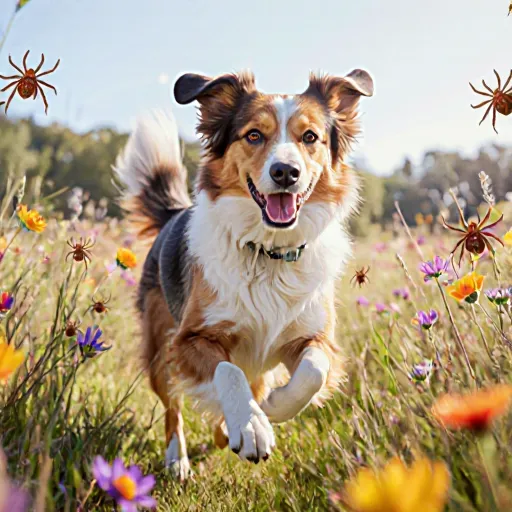
Stay Tick-Free: Top Tips for Dog Owners
How to Protect Dogs from Ticks Outdoors
Table of Contents
- Identify Common Tick Species Found on Dogs
- Understand the Risks of Tick Bites for Dogs
- Create a Tick-Free Yard and Environment
- Regularly Check Your Dog for Ticks
- Use Proper Tick Prevention Products
- Keep Your Dog on a Leash When Outdoors
- Avoid Areas Known for High Tick Populations
- Trim Overgrown Grass and Shrubs in the Yard
- Use Insect Repellents Safely Around Your Dog
- Educate Yourself About Tick-Borne Diseases
- Consult with a Veterinarian for Professional Advice
- Maintain Regular Vet Checkups to Monitor Your Dog’s Health
- Create an Emergency Action Plan in Case of Tick-Borne Disease
- Conclusion
- FAQ
Identify Common Tick Species Found on Dogs
Ticks are a significant threat to dogs, especially those who spend time outdoors. Identifying the common tick species that can be found on dogs is crucial for effective protection and treatment. Here’s an overview of the most common ticks you might encounter:
1. American Dog Tick (Dermacentor variabilis)
The American dog tick is commonly found in grassy areas, parks, and wooded regions. It is a brown to grayish color with a distinct white pattern on its back.
- Where Found: Grassy fields, parks, and wooded areas.
- Risk Factors: High risk in the spring and early summer months.
- Treatment: Use tick repellents containing DEET or permethrin. Regularly check your dog for ticks after outdoor activities.
2. Black-legged Tick (Ixodes scapularis)
The black-legged tick, also known as the deer tick, is prevalent in forested areas and near wooded habitats. It has a dark brown to black color with a lighter colored abdomen.
- Where Found: Dense forests, brushy fields, and areas where deer are present.
- Risk Factors: Active during spring, summer, and fall. Known carriers of Lyme disease.
- Treatment: Use tick collars or spot-on treatments. Conduct thorough body checks post-outdoor activities.
3. Rocky Mountain Wood Tick (Dermacentor andersoni)
The rocky mountain wood tick is primarily found in the western United States, especially in high-altitude areas like forests and alpine meadows.
- Where Found: High-altitude forests and alpine regions.
- Risk Factors: Active during early spring to late fall. Can transmit Rocky Mountain spotted fever.
- Treatment: Use tick repellents, and check your dog for ticks regularly post-outdoor excursions.
To protect dogs from ticks outdoors effectively, consider the following tips:
- Tick Repellent Usage: Apply tick repellents containing DEET or permethrin to your dog. These can be applied topically or used in collars and spot-on treatments.
- Dog Grooming: Regularly groom your dog, especially after walks or hikes through wooded areas. Look for ticks during these grooming sessions.
- Check Your Dog: Perform thorough body checks on your dog daily, focusing on hard-to-reach areas like underbelly and ears.
- Treat the Environment: If possible, treat your yard with tick-killing products. This can help reduce the number of ticks in your environment.
By understanding these common tick species and implementing effective protection strategies, you can significantly minimize the risk of tick-related illnesses for your dog when they are outdoors.
Understand the Risks of Tick Bites for Dogs
Understanding the risks of tick bites for dogs is crucial for keeping them safe and healthy outdoors. Ticks are tiny parasites that can pose significant health threats to your pet, especially if they go unnoticed or untreated.
Ticks can transmit diseases such as Lyme disease, Rocky Mountain spotted fever, and Ehrlichiosis. These diseases can cause a range of symptoms including fever, lethargy, joint pain, and even more severe conditions if left untreated.
Symptoms to Watch For
- Loss of appetite
- Lethargy or decreased energy levels
- Joint stiffness or lameness
- Fever
- Vomiting or diarrhea
- Hemorrhage in extreme cases (if tick-borne disease is not treated)
Use Tick Repellent Products
Applying a tick repellent can be an effective way to keep your dog safe. Look for products that contain permethrin, which is highly effective against ticks. You should also consider using flea and tick collars, sprays, or spot-on treatments recommended by your veterinarian.
Dress Your Dog Appropriately
When taking your dog outdoors, especially in areas known to have high tick populations, dress them in clothing that covers their legs and body. Light-colored clothes can help you spot ticks more easily if they manage to attach themselves.
Regular Tick Checks
After spending time outside, it's important to check your dog for ticks. Use a fine-toothed comb or simply run your fingers through their fur to find any hitchhikers. Be sure to inspect areas where ticks are most likely to attach, such as the head, neck, ears, and legs.
Use Tick-Resistant Breeds
If you have a choice in dog breeds, consider opting for breeds that are less prone to tick-related issues. For example, some hounds like the Beagle or Bloodhound may be more susceptible due to their long ears and heavy coats which can trap ticks.
Consult Your Veterinarian
A vet can provide guidance tailored specifically for your dog’s health and risk factors. They might recommend additional preventive measures like vaccinations against tick-borne diseases or other treatments that could help safeguard your pet from potential risks.
In conclusion, while it's important to understand the dangers ticks pose to dogs, there are numerous steps you can take to protect them effectively. By being vigilant and proactive, you can greatly reduce the risk of tick-borne illnesses for your beloved pet.
Create a Tick-Free Yard and Environment
Protecting your environment from ticks is crucial, especially if you have dogs that frequently venture outdoors. Ticks can pose serious health risks to both pets and humans. By implementing the following strategies, you can create a tick-free yard and environment for yourself and your furry friends.
1. Keep Your Yard Well-Maintained
The first step in creating a tick-free zone is maintaining a well-kept lawn and garden. Ticks thrive in overgrown areas, so keeping your grass trimmed short can significantly reduce their population. Remove any debris such as leaves, pine needles, and fallen branches that could provide shelter for ticks.
2. Create Tick-Unfriendly Borders
A clear buffer zone around your yard acts as a natural barrier against tick habitats. Consider planting tick-repellent plants like lavender, rosemary, or marigolds along the edges of your property. These plants can help deter ticks from entering your yard.
3. Use Proper Mulches and Compost
Avoid using mulch that contains wood chips from untreated pine trees as they are known to attract ticks. Instead, opt for gravel or stone pathways and patios which create a dry environment less conducive to tick survival.
4. Use Tick Repellent Products
Consider using pet-safe tick repellents in your yard. Spraying a permethrin-based product around the perimeter of your property can effectively kill ticks on contact and keep them away from your home and pets.
5. Regularly Check Your Pets for Ticks
No matter how many precautions you take, it’s essential to regularly check your dogs (and cats) for ticks after outdoor excursions. Early detection helps prevent tick-borne diseases like Lyme disease from taking hold.
6. Practice Safe Lawn and Garden Practices
When mowing or working in the garden, wear long sleeves and pants to protect exposed skin. After your activities, remove any ticks found on clothing immediately by using tweezers to grasp them close to the skin and pull them out.
7. Encourage Natural Predators
Encouraging natural predators of ticks such as birds and certain insects can help keep your yard tick-free. Providing bird feeders or creating habitats that attract beneficial insects can be effective in reducing the tick population.
In conclusion, creating a tick-free environment requires a combination of preventive measures and regular maintenance. By following these practical advice, you can ensure that both you and your pets remain safe from ticks outdoors.
Regularly Check Your Dog for Ticks
Protecting your dog from ticks is crucial, especially if you live in areas where tick-borne diseases are prevalent. One of the most effective ways to ensure your dog's safety is by regularly checking them for ticks. Here’s why this practice is important and how you can implement it:
Why Regular Checks Are Crucial
Ticks not only cause discomfort but also pose serious health risks to dogs, such as Lyme disease, Rocky Mountain spotted fever, and Ehrlichiosis. These diseases can lead to severe symptoms like fever, joint pain, lethargy, and even life-threatening conditions if left untreated.
Where to Look for Ticks
- Under the legs and tail area
- In and around the ears
- Between the toes
- Neck and shoulders
- Under the collar
How to Perform a Tick Check
- Gather supplies: Have a pair of tweezers, scissors (for cutting tick removal devices), and a container for disposing of ticks.
- Examine your dog: Start by running your hands through your dog’s fur, especially focusing on the areas mentioned above.
- Use proper tools: If you find a tick, use tweezers to grasp it as close to the skin as possible. Avoid squeezing the body of the tick or using your bare hands. Gently pull the tick straight out from the dog’s skin.
- Disposal: Place the tick in a sealed container and dispose of it properly.
Tips for Preventing Tick Infestations
In addition to regular checks, there are other measures you can take to reduce your dog's risk of encountering ticks outdoors:
- Use tick-repellent products recommended by a vet.
- Maintain your yard well-pruned and free from tall grasses where ticks like to hide.
- Avoid areas known for high tick populations, especially during peak times when they are most active.
- Consider using tick-control treatments on your property or dog’s bedding.
Conclusion
Regularly checking your dog for ticks is an essential part of responsible pet ownership. By being proactive and vigilant, you can significantly reduce the risk of disease transmission and ensure that your furry friend remains healthy and happy. Remember, prevention is always better than cure.
Use Proper Tick Prevention Products
Protecting your dog from ticks is crucial for their health and well-being, especially if they spend time outdoors. Tick-borne diseases like Lyme disease, Rocky Mountain spotted fever, and Ehrlichiosis can cause serious health issues in dogs. To keep your furry friend safe, it's essential to use proper tick prevention products.
Selecting the appropriate product depends on various factors such as your dog’s lifestyle and the prevalence of ticks in your area. Here are some popular types of tick prevention products:
- Tick Repellent Treats: These treats contain ingredients that repel or kill ticks, providing an effective way to protect your dog when you're out walking them. Treats like Frontline Plus and K9 Advantix II are popular choices.
- Liquid Tick Repellents: Spraying your dog with a liquid repellent can be a good option for outdoor activities. Products such as Flea & Tick Spray can offer extended protection against ticks.
- Tick Collars: Tick collars are effective for long-term tick prevention. They release chemicals that repel or kill ticks, providing continuous protection over several months.
Follow the manufacturer's instructions carefully to ensure your dog receives maximum protection:
- Tick Repellent Treats: Administer treats as directed, usually weekly or monthly depending on the product.
- Liquid Tick Repellents: Apply the repellent according to package instructions, typically once a month.
- Tick Collars: Replace collars every few months as they gradually lose their effectiveness. Check for any signs of skin irritation or discoloration on your dog's neck after application.
In addition to using prevention products, consider these additional measures:
- Doggy Check-Ups: Regularly check your dog for ticks during grooming sessions or after outdoor activities. Remove any ticks found promptly and properly.
- Grooming: Regular grooming can help in early detection of ticks on your dog's skin.
To protect your dog from ticks outdoors, it’s important to use proper tick prevention products and follow the recommended usage guidelines. By taking proactive steps, you can keep your pet safe and healthy throughout their outdoor adventures.
Keep Your Dog on a Leash When Outdoors
To effectively protect your dog from ticks outdoors, keeping them on a leash is one of the most important steps you can take. Ticks are small, blood-sucking parasites that can transmit serious diseases to both dogs and humans. By keeping your dog leashed, you significantly reduce their exposure to environments where ticks thrive, such as grassy areas, woodlands, and brush.
Why Leashes Matter
A leash provides a clear boundary for your dog's exploration, guiding them away from tick-infested areas. It also allows you to monitor your dog closely, helping you spot potential tick issues early on. Dogs are naturally curious and may wander into areas where ticks are more prevalent, increasing their risk of exposure.
Choosing the Right Leash
Not all leashes are created equal when it comes to outdoor safety. Opt for a sturdy leash that can handle your dog's energy level and weight. Additionally, consider a leash with reflective material if you plan on walking in low-light conditions, such as early mornings or evenings.
Tips for Leash-Walking
- Stay on Paths: Keep your dog close to well-maintained paths and trails. These areas are typically more cleared of tall grasses and brush, reducing the chances of ticks.
- Check Regularly: Every few minutes, pause to check your dog for any signs of ticks. Ticks often latch onto the skin near the head, ears, neck, or legs.
- Clean Up Promptly: If you find a tick on your dog, remove it carefully and dispose of it properly. Do not crush the tick with your fingers; instead, use tweezers to grasp it as close to the skin as possible and pull it out firmly.
Supplementary Measures
In addition to leash-walking, consider using tick prevention methods like tick repellent collars or sprays. Your veterinarian can recommend suitable products based on your dog's needs and the local tick population. Regularly grooming your dog by brushing them helps in detecting any ticks early.
Conclusion
By keeping your dog leashed when outdoors, you take a proactive approach to protecting them from ticks and other outdoor hazards. This simple measure can make all the difference in ensuring their health and safety while enjoying the great outdoors together.
Avoid Areas Known for High Tick Populations
To protect your dogs from ticks outdoors, it's important to avoid areas known for high tick populations. Ticks thrive in dense, wooded areas with tall grass and leaf litter where they can easily hide and wait for hosts such as deer or dogs. Some of the most common tick habitats include:
Wooded Areas
Ticks are often found in heavily forested regions where there is abundant underbrush, fallen leaves, and other organic matter that provides shelter. These areas serve not only as breeding grounds but also as safe havens for ticks to attach to passing animals.
Shady Locations
Ticks prefer shady spots because they are sensitive to heat. Shady environments help maintain the cool, humid conditions that ticks need to survive and reproduce. Examples include areas under large trees or along streams and rivers where the canopy provides cover.
Grassy Fields
Ticks can also be found in grassy fields, especially if they are overgrown or not frequently mowed. Ticks will climb onto tall grasses to wait for a host, making these areas particularly dangerous for pets that may wander through them.
Overgrown Shrubs
Shrubbery with dense growth provides excellent hiding spots for ticks. They can easily attach themselves to the fur of animals as they pass by or rest in these areas.
Tips for Keeping Your Pet Safe
- Stay on Paths: When walking your dog, try to keep to cleared paths and trails whenever possible. This minimizes contact with dense vegetation where ticks thrive.
- Dress Appropriately: Dressing your pet in light-colored clothing can make it easier to spot ticks before they attach. Additionally, consider using tick-repellent clothing treatments on your dog's collar and paws.
- Regular Checks: After spending time outdoors, check your dog thoroughly for any signs of ticks. Pay special attention to areas such as the head, ears, legs, and tail where they are more likely to attach.
By being aware of these environments and taking preventive measures, you can significantly reduce the risk of tick-borne diseases for your dog. Always consult with a veterinarian regarding the best prevention methods tailored to your pet's specific needs.
Trim Overgrown Grass and Shrubs in the Yard
Trimming overgrown grass and shrubs in your yard is not just about enhancing the aesthetic appeal of your outdoor space; it's also a crucial step in maintaining a safe environment for you, your family, and your pets. One important aspect to consider when trimming is how these efforts can protect dogs from ticks outdoors.
Why Trim Overgrown Grass and Shrubs?
Overgrown grass and shrubs provide ideal habitats for pests like ticks, which pose a significant risk to both pets and humans. By keeping your yard well-trimmed, you reduce the areas where these pests can thrive.
Safety Considerations
The primary reason for trimming overgrown grass and shrubs is to create a safer environment for your dogs. Ticks are particularly drawn to tall, dense vegetation because it offers them protection from direct sunlight and drying winds, making it easier for them to attach themselves to passing animals or humans.
Practical Tips for Trimming
- Regular Maintenance: Consistently trimming your grass to a height of 6-12 inches can significantly reduce the tick population. This height prevents ticks from finding refuge among the vegetation.
- Edge Trimming: Ensure that you trim the edges of your lawn, especially where it meets wooded areas or overgrown gardens. These are common entry points for ticks into your yard.
- Use a Sharp Tool: Invest in a good quality pair of pruning shears to ensure clean cuts which help prevent stress on plants and reduce the risk of disease transmission.
Protecting Your Pets
Once you've trimmed your yard, it's important to establish a routine for checking your dogs for ticks. Early detection can prevent tick-borne diseases such as Lyme disease or Rocky Mountain spotted fever from becoming serious health issues.
- Daily Checks: Spend a few minutes each day combing through your dog's fur, especially in areas where ticks are most likely to attach, such as the head, neck, and armpits.
- Bathing Regularly: Regular baths with anti-tick shampoos can help keep your pet clean from pests. Make sure to check for any signs of infestation after each bath.
Conclusion
In summary, trimming overgrown grass and shrubs is a vital task in maintaining an outdoor environment that is safe for dogs and other pets. By keeping your yard well-trimmed and taking the necessary precautions to protect your pets from ticks, you can ensure their health and happiness.
Use Insect Repellents Safely Around Your Dog
Protecting your dog from ticks is crucial for their health, especially if they spend a lot of time outdoors. While using insect repellents can be an effective tool in this effort, it's important to use them safely around your pet to avoid any adverse effects. Here’s how you can protect dogs from ticks outdoors while keeping your dog safe.
Choosing the Right Repellent
The first step in protecting your dog is choosing a repellent that is both effective and safe for use around them. Opt for products that are specifically designed for use on pets, as these are formulated to be less toxic to animals than those meant for humans. Look for ingredients like permethrin, which is commonly used in tick control products for dogs.
Application Tips
- Avoid the Face and Eyes: When applying insect repellents, be sure to avoid getting them on your dog’s face and eyes. If you accidentally get it there, wash it off immediately with water.
- Check for Allergies: Before using any new product, perform a patch test on a small area of skin to check for allergic reactions. This is especially important if you’re trying out a different brand or formulation.
- Follow Instructions Closely: Always follow the manufacturer’s instructions regarding application frequency and coverage areas. Over-application can be harmful, while under-application may not provide sufficient protection.
Tips for Outdoor Activities
If you’re planning an outdoor activity with your dog, consider taking additional precautions:
- Check Your Dog Regularly: After walks or hikes, thoroughly check your dog’s coat and skin for ticks. Pay special attention to areas like the head, ears, legs, and neck.
- Use Tick Removal Tools: If you find a tick attached, use a tick remover or tweezers to carefully remove it. Avoid twisting or crushing the tick, as this can release more of its fluids into your dog’s body. After removal, dispose of the tick properly.
- Consult Your Vet: If you’re unsure about which repellent to use or if your dog has been exposed to ticks, consult with your veterinarian for advice tailored to your pet's needs and environment.
Conclusion
By taking these steps, you can effectively protect your dog from ticks while ensuring that the insect repellent is used safely around them. Always prioritize your pet’s health and well-being by being vigilant about their protection and using products responsibly.
Educate Yourself About Tick-Borne Diseases
Protecting your dog from ticks outdoors is crucial, and it's equally important to educate yourself about tick-borne diseases. These diseases can have serious health implications for both dogs and humans. Familiarizing yourself with the various types of tick-borne illnesses and understanding how they affect your pet is a critical step in maintaining their overall health.
- Lyme Disease: Caused by the bacterium Borrelia burgdorferi, this disease spreads through the bite of infected ticks. Symptoms can include fever, lethargy, and joint pain. Early diagnosis is essential for effective treatment.
- Ehrlichiosis: This disease affects the dog's white blood cells and is transmitted by certain types of ticks. Signs may include loss of appetite, weight loss, and bleeding disorders.
- Anaplasmosis: Similar to Ehrlichiosis, this condition is also spread by ticks and can cause severe illness in dogs. Symptoms often mimic those of other tick-borne illnesses but can vary widely between individual cases.
- Regular Check-Ups: After spending time outdoors, it's important to thoroughly check your dog for ticks. Pay special attention to areas like the ears, tail, and legs.
- Use Tick Repellents: Products containing permethrin can be used on your dog as a repellent against ticks. Always follow product instructions carefully.
- Doggy Apparel: Consider using tick-repellent collars or clothing designed to keep ticks away from your pet's skin.
- Garden Maintenance: Keep your yard free of debris and tall grass where ticks like to hide. Regularly mowing the lawn can also help reduce their population.
In addition to protecting your dog from ticks, it's important to maintain a healthy lifestyle that supports overall pet well-being. A balanced diet, regular exercise, and routine veterinary check-ups are all essential components of keeping your furry friend happy and healthy.
By taking these proactive steps, you can significantly reduce the risk of tick-borne diseases affecting your dog. Stay informed and vigilant to ensure that your pet remains safe and healthy when spending time outdoors.
Consult with a Veterinarian for Professional Advice
Protecting your dog from ticks outdoors is crucial for maintaining their health and well-being. While there are various preventive measures you can take, it's important to consult with a veterinarian for professional advice tailored to your specific needs. A vet can provide guidance on the most effective treatments, including tick prevention medications, collars, and topical products.
Tailored Prevention Plans
Veterinarians often recommend a comprehensive approach to tick control that may include a combination of environmental modifications, personal care for your dog, and professional treatments. Your vet can assess the specific risks in your area and recommend a plan that suits your dog's lifestyle and environment.
Tick Prevention Medications
Veterinarians can prescribe medications that are safe and effective for your dog. These may include topical treatments, oral medications, or even injections that provide long-lasting protection against ticks. Always follow the vet’s instructions carefully to ensure proper use.
Tick Collars
Tick collars are another popular option recommended by veterinarians. These collars release chemicals that kill or repel ticks, providing a barrier of protection throughout your dog's coat. However, it's important to choose the right collar for your pet and monitor for any allergic reactions.
Topical Products
Veterinarians can recommend topical products that are applied directly to your dog’s skin. These treatments are effective at killing ticks upon contact and can be a good option if oral or injectable medications aren't suitable for your pet.
Regular Vet Visits
In addition to preventive measures, regular visits to the veterinarian are essential. Your vet can monitor your dog’s health closely and provide updates on new treatments and prevention methods as they become available.
Environmental Modifications
Veterinarians may also suggest making environmental changes around your home or yard to reduce tick populations. This could involve trimming overgrown grass, removing leaf litter, and using appropriate landscaping techniques that make the area less hospitable for ticks.
In conclusion, while there are many steps you can take on your own to protect your dog from ticks outdoors, consulting with a veterinarian is key to ensuring comprehensive protection. A vet’s professional advice will help you implement the most effective strategies tailored specifically to your pet and environment.
Maintain Regular Vet Checkups to Monitor Your Dog’s Health
Maintaining regular veterinary checkups is crucial for ensuring your dog’s overall health and well-being. During these visits, veterinarians can monitor various aspects of your pet’s health, detect potential issues early, and provide necessary vaccinations to protect them from diseases. This proactive approach helps in preventing minor problems from escalating into more severe conditions.
Why Regular Vet Checkups Are Important
- Early Detection of Health Issues: Many health issues, including dental disease, ear infections, and skin allergies, can be detected early during routine checkups. Early intervention often leads to better treatment outcomes.
- Vaccinations and Preventive Care: Regular checkups allow your veterinarian to keep your dog up-to-date on vaccinations, which are essential for protecting them from life-threatening diseases like rabies, parvo, and distemper.
- Behavioral Health: Vet visits also provide an opportunity for the vet to assess your pet’s behavior and mental health. Changes in temperament or unusual behaviors may be early signs of underlying issues that need attention.
Ticks and Tick-Borne Diseases: A Growing Concern
Protecting dogs from ticks outdoors is critical because ticks can transmit harmful pathogens such as Lyme disease, Anaplasmosis, and Ehrlichiosis. These diseases can cause serious health problems in dogs, leading to lethargy, joint pain, fever, and even organ damage if not treated promptly.
Tips for Preventing Tick-Borne Diseases
- Use Tick Repellent: Apply tick repellents that are safe for dogs according to the instructions provided. These can be sprayed on your dog’s coat or applied as a spot treatment.
- Doggy Tick Collars: Consider using a collar designed specifically to repel ticks. Ensure you choose one approved by your veterinarian and suitable for your dog's size.
- Dietary Supplements: Some supplements, like those containing garlic or certain essential oils, may help repel ticks. However, always consult with your vet before introducing any new supplement to your dog’s diet.
- Regular Tick Checks: After outdoor activities, carefully check your dog for ticks. Remove them promptly using a fine-tipped tweezer by grasping the tick close to the skin and pulling it out steadily without twisting.
The Role of Regular Vet Checkups in Tick Protection
During regular vet visits, your veterinarian can provide advice tailored specifically for your dog’s environment and lifestyle. They may recommend additional measures such as specialized tick preventative treatments or discuss the use of environmental control methods to reduce tick populations around your home.
Promoting a Healthy Lifestyle Through Regular Checkups
In addition to disease prevention, regular checkups contribute significantly to maintaining your dog’s overall health. They ensure that your pet is thriving in terms of physical fitness and mental well-being. By staying proactive about your dog's health through routine veterinary care, you can help them enjoy a long, happy, and healthy life.
Create an Emergency Action Plan in Case of Tick-Borne Disease
To safeguard your pets and ensure prompt action if a tick-borne disease is suspected, creating an emergency action plan is crucial. Below are steps tailored to help you protect dogs from ticks outdoors while also addressing how to respond in case of a tick-borne illness.
- Identify Common Tick-Borne Diseases: Familiarize yourself with diseases like Lyme disease, Anaplasmosis, and Ehrlichiosis. Understanding these conditions will help you recognize symptoms early.
- Inspect Dogs Regularly: Conduct thorough checks for ticks after outdoor activities. Pay special attention to hard-to-reach areas such as the ears, legs, and underbelly. Early removal can prevent disease transmission.
- Use Effective Tick Prevention Products: Employ tick collars, sprays, or treatments prescribed by your veterinarian. These can provide long-lasting protection against ticks.
- Monitor for Symptoms: Watch for signs of illness such as lethargy, fever, joint pain, and loss of appetite. Early detection is key in treating tick-borne diseases effectively.
- Seek Veterinary Attention Promptly: If you suspect your dog has been infected with a tick-borne disease, contact a vet immediately. They can diagnose the condition accurately and prescribe appropriate treatment.
Implementing these measures into an emergency action plan will ensure that you are prepared for any potential tick-borne illness your dog might encounter outdoors:
- Keep Your Environment Clean: Remove leaf litter and debris where ticks thrive. This reduces the risk of exposure to ticks when your dog is outside.
- Vaccinate Appropriately: Discuss with your vet about vaccinations that could protect your dog against certain tick-borne diseases.
- Educate Yourself and Others: Stay informed about the latest information on ticks, their habits, and the diseases they carry. Share this knowledge with family members who spend time outdoors.
Your emergency action plan should be a living document that you review and update regularly based on new information or changes in your dog's lifestyle. By following these steps and advice, you can help ensure the health and well-being of your pet while enjoying outdoor activities together safely.
Conclusion
To effectively protect dogs from ticks outdoors, it is crucial to adopt a multi-faceted approach that includes preventive measures, regular checks, and timely treatments. Preventive steps should start with using tick repellent collars or sprays containing effective ingredients such as permethrin or flumethrin. These products can be applied regularly and are known for their long-lasting efficacy in deterring ticks.
Regularly checking your dog's body, especially around the ears, paws, and tail, is equally important. Ticks often prefer these areas because of their warmth and humidity. Early detection can significantly reduce the risk of tick-borne diseases. If you find a tick, it is advisable to remove it carefully using fine-pointed tweezers or a tick remover tool. Gently grasp the tick close to the skin's surface and pull upwards with steady pressure without twisting.
Taking your dog for regular check-ups at the vet can also help in identifying potential tick issues early on. Vets can provide personalized advice based on your dog’s breed, lifestyle, and geographical location. Additionally, they might recommend specific treatments or vaccinations that could further enhance protection against ticks and related diseases.
Incorporating natural deterrents like planting tick-repellent plants such as rosemary or lavender around the yard can also be beneficial. These plants not only add aesthetic value but also create a less inviting environment for ticks. Moreover, maintaining your lawn in good condition through regular mowing and trimming helps to reduce hiding spots for ticks.
Lastly, understanding the life cycle of ticks is vital. Ticks are most active during certain seasons, such as spring and summer months when temperatures rise and humidity levels increase. By being aware of these conditions, you can better prepare your dog and outdoor spaces by taking necessary precautions. For instance, limiting exposure to tick-infested areas like tall grass or woodland edges during peak times can significantly reduce the risk.
In conclusion, protecting dogs from ticks outdoors requires a combination of preventive measures, regular checks, timely treatments, and understanding the environment where your dog spends time. By following these steps, you can ensure that your furry friend remains safe and healthy while enjoying outdoor activities.
FAQ
Ticks are not just a nuisance; they can pose serious health risks to your dog, including the transmission of diseases such as Lyme disease and Rocky Mountain spotted fever. Here’s how you can protect your furry friend from these pests while spending time outdoors.
1. Use Tick Repellent Products
Topical treatments like tick repellents or flea and tick collars provide a barrier that keeps ticks away from your dog's skin. Look for products containing permethrin, which is highly effective at repelling ticks. Be sure to follow the manufacturer’s instructions carefully, especially regarding application frequency and safety around children.
2. Regular Tick Checks
Even with repellents, it's important to regularly check your dog for ticks after outdoor activities. Ticks are small, so you may need a magnifying glass to spot them easily. Check common tick-hiding spots like the head, ears, neck, and belly. Early removal is crucial as ticks can start transmitting diseases within 24-48 hours of attachment.
3. Proper Grooming
A thorough grooming routine helps to remove any parasites that have made their way onto your dog’s fur. Brush your dog frequently, especially during seasons when ticks are more prevalent. Consider using a fine-toothed comb for additional tick removal.
4. Tick-Resistant Dog Clothing
Specialized clothing designed to repel ticks can be an effective preventive measure. These clothes often contain permethrin or other active ingredients that are safe for your dog but extremely unappealing to ticks. Choose items like tick-repellent boots, vests, and hats suitable for dogs of all sizes.
5. Create Tick-Free Zones
If possible, create areas in your yard where your dog can play without encountering ticks. Clear tall grasses and leaf piles from the yard, as these are common tick habitats. Planting certain plants like lavender or rosemary is said to deter ticks naturally.
6. Vaccination
Vaccines for Lyme disease are available in some regions, which can provide additional protection against tick-borne illnesses. Discuss the benefits and potential risks of vaccination with your veterinarian before deciding on this option.
7. Use Environmental Control Measures
If ticks are a major issue in your area, consider treating your yard with acaricides (tick-killing chemicals) or using biological control measures like certain types of nematodes that target tick larvae. Always ensure these treatments do not pose any risk to pets and people.
8. Educate Yourself and Your Dog
The more you understand about ticks, the better equipped you will be to protect your dog. Educate yourself on how ticks behave and where they are most likely to be found in different seasons. Encourage your dog to avoid areas known for high tick populations by training them appropriately.
Conclusion
Protecting your dog from ticks outdoors requires a combination of preventive measures, regular checks, and awareness. By implementing these strategies consistently, you can significantly reduce the risk of your dog contracting diseases transmitted by ticks. Always consult with your veterinarian for personalized advice tailored to your dog’s specific needs.
Categories
- AI & Enrichment Play
- Broiler Farming
- Broiler Farming Tips
- Canine Wellness & Longevity
- Cat
- Cat & Human Connection
- Cat Adoption & Rescue
- Cat Breeds
- Cat Breeds & Personalities
- Cat Care & Health
- Cat Grooming & Hygiene
- Cat Lifestyle & Environment
- Cat Myths & History
- Cat Nutrition & Diet
- Cat Products & Reviews
- Cat Training & Behavior
- Comparison
- Consumer Awareness
- Dog
- Dog Accessories & Products
- Dog Adoption & Rescue
- Dog Breed & Lifestyle Trends
- Dog Breeding & Puppies
- Dog Entertainment & Media
- Dog Fashion & Trends
- Dog Fun & Lifestyle
- Dog Grooming & Hygiene
- Dog History & Culture
- Dog Myths, Science & Future Tech
- Dog News & Trends
- Dog Nutrition & Food
- Dog Psychology & Emotions
- Dog Safety & Security
- Dog Sports & Activities
- Dog Technology & Innovation
- Dog Training for Modern Owners
- Dog Travel & Adventure
- Dog Travel, Adventure & Culture
- Economic and Market Insights
- Educational Content
- FAQs
- Feeding Alternatives
- Festivals & Seasonal Ideas
- Fun & Entertainment
- General Knowledge
- General Pig Farming
- Health & Disease Management
- Housing and Environment
- Kittens
- Market Insights
- Miscellaneous
- Miscellaneous
- Motivational
- pig
- Pig Breeding
- Pig Breeds
- Pig Farming Stories and Inspiration
- Pig Health and Care
- Pig Nutrition
- Pig Products
- Profitability & Business
- Puppy Care
- Puppy Predictable Topics Reinvented
- Regional Focus
- Rescue & Adoption Buzz
- Senior Cats
- Senior Dog Care
- Smart Dog Tech & Gadgets
- Sustainability
- Sustainable & Eco-Friendly Dog Products
- Tech & Innovations
- Working & Service Dogs
- Broiler Feed66 products
- Country Feed33 products
- Pig Feed66 products
- Product22 products
- Raw Materials99 products
Products
-
 Fish Meal
₹1,999.00 – ₹2,999.00Price range: ₹1,999.00 through ₹2,999.00Rated 0 out of 5
Fish Meal
₹1,999.00 – ₹2,999.00Price range: ₹1,999.00 through ₹2,999.00Rated 0 out of 5 -
 FATTENING BROILER FEED
₹2,299.00 – ₹2,349.00Price range: ₹2,299.00 through ₹2,349.00Rated 0 out of 5
FATTENING BROILER FEED
₹2,299.00 – ₹2,349.00Price range: ₹2,299.00 through ₹2,349.00Rated 0 out of 5 -
 LAYER COUNTRY FEED
₹1,549.00 – ₹1,649.00Price range: ₹1,549.00 through ₹1,649.00Rated 0 out of 5
LAYER COUNTRY FEED
₹1,549.00 – ₹1,649.00Price range: ₹1,549.00 through ₹1,649.00Rated 0 out of 5 -
 COUNTER BROILER FEED
₹1,199.00 – ₹1,299.00Price range: ₹1,199.00 through ₹1,299.00Rated 0 out of 5
COUNTER BROILER FEED
₹1,199.00 – ₹1,299.00Price range: ₹1,199.00 through ₹1,299.00Rated 0 out of 5 -
 LACTATING PIG FEED
Rated 0 out of 5
LACTATING PIG FEED
Rated 0 out of 5₹2,299.00Original price was: ₹2,299.00.₹1,740.00Current price is: ₹1,740.00. -
 Maize
Rated 0 out of 5
Maize
Rated 0 out of 5₹1,650.00Original price was: ₹1,650.00.₹1,300.00Current price is: ₹1,300.00. -
 GESTATION PIG FEED (Phase 1)
Rated 0 out of 5
GESTATION PIG FEED (Phase 1)
Rated 0 out of 5₹2,249.00Original price was: ₹2,249.00.₹1,699.00Current price is: ₹1,699.00. -
 Pre Starter Broiler Feed
₹2,399.00 – ₹2,499.00Price range: ₹2,399.00 through ₹2,499.00Rated 0 out of 5
Pre Starter Broiler Feed
₹2,399.00 – ₹2,499.00Price range: ₹2,399.00 through ₹2,499.00Rated 0 out of 5 -
 FINISHER PIG FEED
Rated 0 out of 5
FINISHER PIG FEED
Rated 0 out of 5₹2,299.00Original price was: ₹2,299.00.₹1,749.00Current price is: ₹1,749.00. -
 Broiler Premix
Rated 0 out of 5
Broiler Premix
Rated 0 out of 5₹820.00Original price was: ₹820.00.₹699.00Current price is: ₹699.00.