
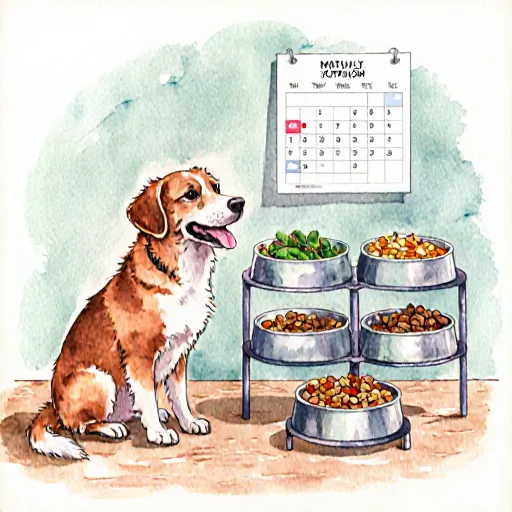
Safely Spin Your Dog’s Meals
How to Rotate Dog Food Safely
Table of Contents
- Introduction
- Benefits of Rotating Dog Food
- Choosing a Rotation Schedule
- Preparing Your Dog’s Food
- Storing Food Safely
- The Rotation Process
- Checking Expiration Dates
- Avoiding Spoilage and Mold
- Feeding Frequency Guidelines
- Portion Control Tips
- Using Leftover Meals Wisely
- Cleaning Bowls and Utensils
- Monitoring Your Dog’s Health
- Conclusion
- FAQ
Introduction
Rotating your dog’s food isn’t just a novelty—it’s a proven strategy to keep your pet’s diet balanced, prevent nutrient deficiencies, and reduce the risk of allergies or digestive upset. Whether you’re feeding a commercial kibble blend, a raw diet, or a mix of both, understanding how to rotate safely will help you maximize health benefits while maintaining consistency.
Why Food Rotation Matters
- Nutrient Coverage: No single brand contains every vitamin and mineral in the ideal proportions. Rotating ensures your dog receives a broader spectrum of nutrients.
- Avoiding Sensitivities: Repeated exposure to one protein or grain can trigger food sensitivities or allergies over time.
- Digestive Health: Diverse fiber types promote a healthy gut microbiome and prevent constipation or diarrhea.
Key Principles for Safe Rotation
- Choose Complementary Brands: Pick foods that vary in protein source (beef, chicken, fish), carbohydrate base (rice, barley, sweet potato), and fat profile. This reduces the chance of overlapping allergens.
- Start with a Small Batch: When introducing a new food, feed only 10–20% of the meal for 3–5 days before gradually increasing to full replacement. Watch for vomiting, diarrhea, or changes in coat quality.
- Keep a Rotation Log: Use a simple spreadsheet or note‑taking app to record dates, brands, and any reactions. This helps you spot patterns and adjust the schedule.
- Avoid Overlap of Key Ingredients: If one food contains corn, avoid another that also uses corn for at least two weeks. The same goes for wheat, soy, or common allergens like dairy.
- Consult Your Vet: For dogs with specific health conditions (e.g., kidney disease), your veterinarian can tailor a rotation plan that respects dietary restrictions.
Practical Rotation Schedule Examples
| Week | Food A (Protein: Beef) | Food B (Protein: Chicken) | Food C (Protein: Fish) |
|---|---|---|---|
| 1–2 | Premium Grain‑Free Kibble | Homemade Cooked Chicken & Sweet Potato | Raw Salmon with Vegetables |
| 3–4 | Organic Turkey & Brown Rice | Commercial Fish‑Based Kibble | Homemade Beef Stew (no onions) |
| 5–6 | Raw Chicken with Greens | Grain‑Free Kibble (Pea Protein) | Commercial Beef & Barley Mix |
Tip: If your dog has a picky appetite, pair each new food with a familiar treat or topper to encourage acceptance.
Monitoring and Adjusting the Plan
- Track body condition score (BCS) every month. A sudden weight gain or loss may signal an imbalance in caloric density.
- Observe stool quality: smooth, well‑formed stools indicate good digestion; loose or watery stools could mean a new food is too high in fiber or fat.
- Check for skin and coat changes—dryness, itchiness, or shedding can hint at nutrient gaps.
By following these guidelines, you’ll create a robust feeding routine that keeps your dog healthy, happy, and resilient against common dietary pitfalls. Rotate thoughtfully, observe closely, and adjust as needed—you’ll be giving your canine companion the best nutrition possible.
Benefits of Rotating Dog Food
Rotating your dog’s diet isn’t just a trend—it’s a scientifically backed strategy that can improve health, prevent nutrient deficiencies, and keep your pet’s palate exciting.
- Balanced Nutrition Over Time
- Commercial diets often emphasize certain nutrients (e.g., protein or fat) while underrepresenting others. By rotating between a high-protein grain-free formula, a moderate-fat kibble, and a limited-ingredient line, you ensure a more comprehensive nutrient profile.
- Example: If your dog eats 30% of a grain-free diet (high in omega‑3s) for two weeks, switch to a balanced dry food with added calcium for the next two weeks. Over a month, your dog receives both essential fatty acids and adequate bone-supporting minerals.
- Reduced Risk of Food Sensitivities
- Dogs can develop sensitivities to ingredients they’re exposed to frequently. Rotating limits prolonged exposure, decreasing the likelihood of an allergic reaction or chronic skin irritation.
- Practical tip: If you notice itching after a particular brand, swap it out for a different protein source (e.g., switch from chicken to salmon) and monitor for improvement.
- Diverse Flavor Profiles Keep Mealtime Interesting
- Just like humans get bored with the same food, dogs can become picky. Introducing new flavors—such as beef, lamb, or turkey—can reignite their appetite.
- Actionable advice: Offer a small sample of a new flavor each week and observe if your dog shows increased enthusiasm or better portion control.
- Enhanced Digestive Health
- Different foods contain varying fiber types—soluble, insoluble, prebiotic. Rotating ensures a balanced mix that supports gut motility and microbiome diversity.
- Case study: A dog with occasional loose stools began eating a kibble high in beet pulp for one month; the following month, switching to a recipe rich in pumpkin fiber helped stabilize stool consistency.
- Long-Term Cost Efficiency
- High-end specialty foods can be pricey. Rotating allows you to intersperse premium formulas with more economical options without compromising overall nutrition.
- Budget tip: Allocate 70% of your monthly food budget to a balanced dry kibble and 30% to a rotating premium or limited-ingredient line.
How to Implement a Safe Rotation Schedule
- Start with a Baseline Diet
Choose one high-quality commercial food that meets AAFCO standards. Feed it for 2–4 weeks to establish baseline health metrics.
- Create a Rotation Calendar
Use a simple spreadsheet or calendar app to plan transitions every 2–3 weeks. Mark the date you’ll switch foods and note any observations.
- Introduce New Foods Gradually
- Mix 25% of the new food with 75% of the current one for a few days, then increase to 50/50 before fully switching.
- This gradual transition reduces digestive upset and gives your vet data on how your dog reacts.
- Monitor Health Indicators
Track weight, coat condition, energy levels, stool quality, and any allergic signs. Adjust the rotation frequency if you notice patterns (e.g., weight gain after a high-fat diet).
- Consult Your Veterinarian
If your dog has medical conditions such as renal disease or diabetes, discuss a tailored rotation plan that aligns with dietary restrictions.
By thoughtfully rotating dog food, you’re not only ensuring balanced nutrition but also enhancing your pet’s overall well‑being and keeping mealtime exciting for both of you.
Choosing a Rotation Schedule
A well‑structured rotation schedule is the backbone of any successful dog food rotation plan. It ensures that your pet receives a balanced mix of nutrients over time while preventing the buildup of harmful bacteria or mold. Below are practical steps, examples, and expert tips to help you create an effective rotation routine for your canine companion.
1. Assess Your Dog’s Needs
- Age & Life Stage: Puppies require higher protein and calories; senior dogs benefit from joint‑supporting supplements.
- Health Conditions: Dogs with food allergies or sensitivities need a rotation that minimizes exposure to known triggers.
- Activity Level: Highly active breeds may need more frequent protein sources, whereas less active dogs can handle longer intervals between high‑protein meals.
2. Select the Number of Food Varieties
While you could rotate two foods, using three to five distinct formulas gives your dog a richer nutrient profile and reduces the risk of bacterial overgrowth.
Example Rotation Set (5 Foods)
- Chicken & Rice Formula
- Lamb & Sweet Potato Formula
- Beef & Barley Formula
- Fish & Oatmeal Formula
- Turkey & Quinoa Formula
3. Decide on the Rotation Cycle Length
A common approach is a weekly rotation, where each food is fed for two to three days before switching. For dogs prone to bacterial growth, a shorter cycle (e.g., daily) may be safer.
| Cycle Length | Ideal for | Pros | Cons |
|---|---|---|---|
| Daily | High‑risk dogs (e.g., those with compromised immune systems) | Maximizes safety, reduces bacterial buildup. | Can be confusing; may require more frequent shopping. |
| Every 2–3 Days | General healthy dogs with moderate activity | Balances variety and simplicity. | May still allow some bacterial growth if storage is poor. |
| Weekly | Dogs on stable diets, minimal health concerns | Simplifies meal planning. | Higher risk of bacterial proliferation; requires strict temperature control. |
4. Implement a Food “Rotation Log”
Keep a simple spreadsheet or notebook where you note the date, food type, and any observed reactions. This log helps you spot patterns—such as digestive upset after a particular protein—and adjust your schedule accordingly.
5. Maintain Proper Storage Practices
- Store all foods in airtight containers or sealed bags.
- Keep the refrigerator at or below 40°F (4°C).
- Use a timer or calendar reminder to rotate promptly—delaying a switch can compromise safety.
6. Monitor and Adjust
After setting up your rotation, observe your dog for any changes in stool consistency, coat quality, or energy levels. If you notice new issues, consider narrowing the variety or switching to a higher‑quality formula.
Case Study: Max the Labrador
- Initial Problem: Frequent loose stools after switching brands.
- Solution: Adopted a 3‑food rotation (Chicken, Beef, Fish) with a two‑day cycle.
- Result: Stool consistency improved within four weeks; coat became shinier.
7. When to Seek Professional Guidance
If your dog has chronic digestive issues, food allergies, or a compromised immune system, consult a veterinarian before starting any rotation plan. A veterinary nutritionist can tailor the schedule and ingredient selection specifically for your pet’s health profile.
| Dog Type | Recommended Foods | Cycle Length |
|---|---|---|
| Puppy (0–12 months) | High‑protein grain‑free, joint support, DHA | Daily to every 2 days |
| Adult Active Breed | Balanced protein, complex carbs, antioxidants | Every 3–4 days |
| Seniors with joint issues | Omega‑3 rich, glucosamine, low calorie | Weekly (if stable) or biweekly (if sensitive) |
Remember: The goal of a rotation schedule is to keep your dog’s meals safe, nutritionally balanced, and exciting. By following these guidelines and staying vigilant about storage and health signs, you’ll provide your furry friend with the best possible diet while minimizing food‑borne risks.
Preparing Your Dog’s Food
The way you prepare and serve your dog’s food can make a huge difference in their digestion, overall health, and even their enjoyment of mealtime. Below are step‑by‑step instructions, practical examples, and safety tips for rotating foods while keeping the process simple and consistent.
1. Gather Your Ingredients
- High‑quality dry kibble or canned food: Choose a brand that lists real meat as the first ingredient.
- Fresh proteins (optional):** Grilled chicken, lean beef, or fish can be added for variety.
- Vegetables:** Carrots, peas, spinach, and sweet potatoes are dog‑friendly options. Steam or lightly sauté them to improve digestibility.
- Healthy fats (optional):** A teaspoon of salmon oil or a splash of coconut oil can boost skin and coat health.
2. Decide on Your Rotation Schedule
Rotating food not only prevents nutritional gaps but also reduces the risk of allergies. A typical rotation schedule might look like this:
| Day | Food Type |
|---|---|
| Monday & Tuesday | Kibble (Brand A) |
| Wednesday & Thursday | Canned food (Brand B) + Fresh protein |
| Friday | Kibble (Brand C) + Veggies |
| Saturday & Sunday | Free‑style meal (home‑cooked) |
3. Portion Control
Use the feeding guidelines on the package as a starting point, then adjust based on your dog’s weight, activity level, and body condition score.
- Weight‑based portion: 0.5% of body weight per day for active dogs.
- Measure with a cup or kitchen scale: Consistency helps avoid overfeeding.
4. Mixing Dry and Wet Food Safely
If you’re combining kibble with canned food, follow these steps to keep the mixture fresh:
- Warm the canned food: Microwave for 10–15 seconds or place in a bowl of warm water.
- Add the dry kibble: Stir gently to distribute moisture evenly.
- Check temperature: Ensure it’s lukewarm before serving.
5. Adding Fresh Ingredients
Fresh veggies and proteins can be mixed in at the same time as the kibble, but remember:
- Cooked vs raw: Raw meats may carry bacterial risks; cooked alternatives are safer for most dogs.
- Vegetable prep: Chop into bite‑sized pieces to prevent choking.
- Use a small amount of healthy oil (like olive or salmon) only if your vet recommends it.
6. Storage Tips for Rotated Food
Keep each type of food in separate airtight containers. Label them with the date and brand to track freshness.
- Dry kibble: Store in a cool, dry place; avoid direct sunlight.
- Canned food: Once opened, refrigerate any leftovers within 48 hours.
- Home‑cooked meals: Freeze portions for up to 3 months.
7. Monitor Your Dog’s Response
After rotating foods, watch for signs of digestive upset or allergic reactions:
- Diarrhea or constipation – may indicate a new ingredient is problematic.
- Itchy skin or ear infections – could be an allergy to a specific protein source.
- Lethargy or loss of appetite – consult your vet if symptoms persist beyond 48 hours.
8. Practical Example: A Week in the Life of Bella (a 25‑lb Labrador)
Monday: 1 cup dry kibble (Brand X) + 2 tbsp steamed carrots.
Tuesday: Same as Monday, but add a teaspoon of salmon oil.
Wednesday: ¾ cup canned food (Brand Y) + ¼ cup boiled chicken breast.
Thursday: Repeat Wednesday’s meal, swap chicken for baked salmon.
Friday: 1 cup dry kibble (Brand Z) + a handful of peas.
Saturday & Sunday: Homemade mix: ½ cup cooked rice, ¼ cup lentils, ½ cup diced zucchini, and a small piece of turkey breast. Serve with a drizzle of olive oil.
9. Safety Checklist
- [ ] All ingredients are dog‑safe.
- [ ] Food is stored properly to prevent spoilage.
- [ ] Portions match your dog’s caloric needs.
- [ ] You have a plan for monitoring digestive health.
By following these detailed steps, you can rotate your dog’s food safely while ensuring they receive balanced nutrition and enjoy every meal.
Storing Food Safely
Proper storage and rotation of your pet’s food are essential for maintaining freshness, preventing spoilage, and ensuring that every meal is as nutritious as the first. Below you’ll find a step‑by‑step guide to rotating dog food safely, along with practical tips, real‑world examples, and troubleshooting advice.
1. Understand Your Dog’s Feeding Schedule
- Daily Portions: Most dogs eat two meals per day. Knowing the exact portion size helps you calculate how many days a batch will last.
- Special Diets: Dogs on prescription diets or with allergies may require more frequent changes in brand or flavor to avoid tolerance buildup.
2. Store Food in Airtight Containers
Use high‑quality, food‑grade containers that seal tightly. Vacuum‑sealed bags are ideal for long‑term storage but can be expensive; reusable silicone bags work well for short‑term use.
Example: A 20‑lb bag of dry kibble might last 5 days if the dog consumes 1 cup per meal. Store it in a sealed container and keep it on an indoor shelf away from direct sunlight.
3. Label Everything
- Date Purchased: Write the purchase date on the container.
4. Follow the “FIFO” Rule (First In, First Out)
The core principle of rotating dog food is to feed the oldest batch first. This prevents any portion from sitting too long and going stale or moldy.
- Day 1: Serve a bowl of the oldest available kibble.
- Day 2–5: Continue with the same batch until it’s depleted.
- Next Batch: Replace with the next oldest bag or container.
5. Keep an Inventory Log
Use a simple spreadsheet or a dedicated app to track:
- Brand, flavor, and batch number.
- Purchase date, opening date, and expiration date.
- Number of servings left.
6. Watch for Signs of Spoilage
Even with proper rotation, food can go bad if exposed to moisture or extreme temperatures. Look out for:
- Off odors (sour, moldy).
- Visible mold or discoloration.
- Changes in texture (clumping or crumbling).
7. Adjust Rotation Frequency for Seasonal Changes
During hot months, food can spoil faster due to increased humidity. Consider storing a smaller portion and rotating more frequently. In winter, lower temperatures may extend shelf life slightly.
8. Dealing with Unexpected Situations
- Lost or Expired Food: If you discover expired food in the pantry, discard it immediately and replace it with a fresh batch.
- Traveling: Pack only what you’ll need for the trip (usually one to two days’ worth) and keep it in a cooler bag.
9. Practical Example: A Two‑Dog Household
Let’s say you have two dogs, each eating 1 cup of dry food twice daily. That’s 2 cups per day total. If a 20‑lb bag yields about 80 servings (assuming 1 cup per serving), you’ll need one bag every 40 days.
- Buy the bag on Day 0, label it “Bag A – Purchased 07/01.”
- Open and store in an airtight container.
- Feed from Bag A each day until it’s empty (Day 40).
- On Day 41, switch to a new bag (“Bag B – Purchased 07/15”).
10. Final Checklist Before You Serve
- Is the food within its “Best Before” date?
- No visible spoilage or off smells.
- The container is sealed and free of moisture.
- You’re feeding the oldest batch first.
By following these steps, you’ll ensure your dog’s meals remain fresh, safe, and full of flavor—every single time.
The Rotation Process
Rotating dog food isn’t just a fancy marketing term – it’s a scientifically grounded strategy that helps keep your pet’s diet balanced, palatable, and safe over time. Below is a step‑by‑step guide on how to implement a rotation plan effectively, complete with practical tips, real‑world examples, and troubleshooting advice.
Why Rotate? What Happens When You Don’t?
- Nutrient Imbalance: Even the best commercial formulas can become unbalanced if fed exclusively for months. Rotating ensures that macro‑ (protein, fat, carbs) and micro‑nutrients (vitamins, minerals) stay within recommended ranges.
- Food Sensitivities: Dogs can develop sensitivities to a protein or grain after repeated exposure. Rotation reduces the risk of allergies or digestive upset.
- Palatability & Weight Management: Dogs often become bored with a single flavor, leading to over‑eating or refusing food. Switching foods keeps meals exciting and can help maintain healthy body condition.
The Core Steps of a Successful Rotation Plan
- Select Three to Five High‑Quality Foods: Choose products that meet AAFCO (Association of American Feed Control Officials) standards. They should cover different protein sources (e.g., chicken, lamb, salmon), varying grain content, and distinct flavor profiles.
- Create a Feeding Calendar: Decide on a rotation cycle – common options are weekly, bi‑weekly, or monthly. A 4‑week schedule works well for most dogs because it balances exposure time without allowing any single ingredient to dominate.
- Mix Gradually (If Switching Within the Same Day): If you want to change foods mid‑day, start by mixing a small amount of the new food with the old one. Increase the proportion gradually over 3–5 days to avoid digestive upset.
- Track Intake & Observe: Keep a simple log: date, food brand, portion size, and any behavioral or health changes (e.g., vomiting, diarrhea, coat shine). This data helps you refine your rotation schedule.
Sample Rotation Schedule for an Average‑Sized Dog
| Week | Food #1 (Protein A) | Food #2 (Protein B) | Food #3 (Protein C) |
|---|---|---|---|
| 1 | Chicken & Brown Rice | Lamb & Sweet Potato | Salmon & Oats |
| 2 | Lamb & Sweet Potato | Salmon & Oats | Chicken & Brown Rice |
| 3 | Salmon & Oats | Chicken & Brown Rice | Lamb & Sweet Potato |
| 4 | Repeat Week 1 (or add a new variety) |
Practical Tips for Implementation
- Use Separate Bowls: Assign each food its own bowl to avoid cross‑contamination. This also helps you see which food your dog prefers.
- Adjust Portions Based on Weight Changes: If your dog gains or loses weight during a rotation, recalibrate the calorie count rather than changing the formula.
- Incorporate Wet Food Occasionally: Mixing wet and dry foods can increase palatability. Just be sure to account for the extra calories.
- Stay Consistent with Feeding Times: Dogs thrive on routine, so keep meal times predictable even as you rotate foods.
Troubleshooting Common Issues
| Issue | Possible Cause | Solution |
|---|---|---|
| Vomiting after a new food | Sudden ingredient change | Introduce the new food gradually over 5–7 days. |
| Loss of appetite during rotation | Food boredom or palatability drop | Add a small amount of wet food or a flavored topper. |
| Weight gain despite rotation | High‑calorie foods chosen repeatedly | Rotate to lower‑calorie formulas, monitor portions closely. |
When to Seek Professional Guidance
- If your dog has a chronic health condition (e.g., kidney disease, diabetes) that requires a specialized diet.
- If you notice persistent digestive issues or allergic reactions even after careful rotation.
- Before starting any drastic dietary changes in puppies or senior dogs – consult a veterinarian first.
Final Thoughts
Implementing a thoughtful rotation plan is an investment in your dog’s long‑term health, happiness, and vitality. By following these structured steps and staying attentive to your pet’s responses, you’ll create a balanced, enjoyable feeding routine that supports optimal nutrition for years to come.
Checking Expiration Dates
One of the simplest yet most effective ways to keep your dog’s food safe is to routinely check the expiration dates on each bag or container. Dogs, like humans, can develop health issues if they consume expired or spoiled food, and owners often overlook this basic step in favor of more elaborate safety protocols.
Why Expiration Dates Matter
- Nutrient Loss: Over time, vitamins and essential fatty acids degrade. An older batch may lack the nutritional value you expect.
- Mold Growth: Certain grains and legumes can become a breeding ground for mold spores after their shelf life has passed.
- Texture & Flavor Changes: Expired food often tastes stale or rancid, which may discourage your dog from eating it—leading to nutritional gaps.
Practical Steps for Checking Dates
- Locate the Date: Most commercial pet foods list either a “Best By,” “Sell By,” or “Use By” date on the front or back of the packaging. If you’re unsure, check the manufacturer’s website.
- Record It: Create a simple spreadsheet or use a phone note to track dates for each purchase. This helps you spot trends and avoid buying in bulk without monitoring.
- Inspect Packaging Integrity: Even if the date is recent, a torn seal or bulging bag can indicate contamination. If any packaging appears compromised, discard it.
- Rotate Stock: Store food in a cool, dry place and use the “first‑in, first‑out” rule: put newer bags on the back of your pantry shelf and move older ones to the front.
Common Scenarios & How to Handle Them
| Scenario | Recommended Action |
|---|---|
| You bought a large bag that’s already past its “Best By” date. | Check for any signs of spoilage (odd odor, mold). If none are present, you can still feed it but consider using it within the next week and store it in the freezer if possible. |
| Your dog shows decreased appetite after eating a product that’s close to its expiration date. | Stop feeding that batch immediately. Switch to fresh food, monitor for any adverse reactions, and consult your vet if symptoms persist. |
| You have multiple brands with different dates on the same shelf. | Create a “rotation board” where each brand’s expiration date is clearly visible. Pick the brand with the earliest date first. |
Integrating Expiration Checks into Your Routine
Make checking expiration dates an automatic part of your pet care checklist:
- Weekly Review: Set a reminder to scan all dog food packages each week.
- During Purchases: When buying new food, immediately note the date and add it to your tracking system.
- Before Feeding: Take one quick glance at the front of the bag before scooping out a meal. This simple habit can prevent accidental consumption of spoiled food.
Conclusion
While rotating storage and proper temperature control are vital, never underestimate the power of a thorough expiration date check. By keeping an eye on dates, you safeguard your dog’s health, preserve nutritional quality, and maintain peace of mind knowing that every bite is safe.
Avoiding Spoilage and Mold
Rotating your dog’s food isn’t just about keeping the kibble fresh—it also helps prevent spoilage, mold growth, and bacterial contamination that can harm your pet’s health.
Why Spoilage Happens Fast in Dog Food
- Moisture: Even a small amount of moisture left on the bag or in a partially opened container can create an ideal environment for mold spores to thrive.
- Temperature: Dogs often store their food in warm, humid areas such as cupboards near ovens or radiators. Warmer temperatures accelerate bacterial growth.
- Exposure to Air: Each time a bag is opened, the kibble comes into contact with air and oxygen, which can oxidize fats and lead to rancidity.
Practical Steps to Keep Food Fresh
- Store in a Cool, Dry Place: Choose a pantry or cupboard that stays below 70 °F (21 °C). Avoid spots with high humidity or direct sunlight.
- Use Airtight Containers: Transfer kibble to resealable plastic containers or vacuum‑sealed bags. This blocks air and moisture while keeping the food’s original flavor intact.
- Label Each Batch: Write the purchase date on a dry erase marker or adhesive label so you can track how long each batch has been stored.
- Rotate Frequently: Follow the “first in, first out” rule: always use the oldest bag before opening a new one. This ensures that no food sits for longer than its recommended shelf life.
- Check Regularly: Inspect the kibble for off odors, discoloration, or visible mold. Even if it looks fine, give it a quick sniff; rancid food will often smell musty or like old oil.
What to Do If You Find Mold or Spoilage
- Discard Immediately: Throw away any bag that shows signs of mold or has an off odor. Never feed it to your dog.
- Clean the Storage Area: Wipe down shelves, containers, and the surrounding area with a mild detergent solution to remove any lingering spores.
- Inspect Other Batches: If one bag is moldy, check nearby bags for early signs of spoilage. It’s better to err on the side of caution.
When to Replace Your Food Supply
The general recommendation is to use dog food within 6–12 months of opening. However, if you notice any of the following, it’s time for a fresh purchase:
- Kibble that has turned brown or looks discolored.
- Food that smells sour, oily, or otherwise off.
- Any visible mold growth.
Bonus: Using the “First in, First Out” Method at Home
To make rotation easy:
- Place newly purchased bags on top of older ones.
- When you buy a new bag, label it with the date and put it above the oldest one.
- When feeding your dog, always use the bottom-most (oldest) bag first.
By following these simple steps, you’ll keep your dog’s food safe, nutritious, and free from mold—ensuring that every meal is as healthy as the last.
Feeding Frequency Guidelines
The number of meals you give your dog each day depends on a handful of key factors: age, size, activity level, and overall health. Below is a practical framework to help you decide how often to feed your canine companion, followed by actionable steps for implementing the plan safely.
1. Puppies (0–12 months)
- Neonatal (0–2 weeks): Feed every 2–3 hours; primarily formula or a highly digestible puppy milk replacer.
- Early Puppyhood (2–4 weeks): Increase to 4–5 meals per day. Use a commercial puppy food mixed with warm water or broth to aid digestion.
- Late Puppyhood (4–12 months): Transition to 3 meals per day by 6 months, then gradually reduce to 2 meals if the dog is healthy and active.
2. Adult Dogs (1–7 years)
Most adult dogs thrive on two balanced meals a day—morning and evening—at roughly equal portions. For very large or highly energetic breeds, a third meal in the afternoon may help maintain steady energy levels.
3. Senior Dogs (7+ years)
- Older dogs often have slower metabolisms and can benefit from smaller, more frequent meals to aid digestion.
- Consider splitting the daily ration into 2–3 portions, especially if your dog has joint pain or gastrointestinal sensitivity.
4. Special Considerations
- Weight Management: For dogs needing to lose weight, reduce portion sizes but keep the same feeding frequency; this helps prevent binge eating and keeps metabolism steady.
- Medical Conditions: Dogs with diabetes or kidney disease often require more frequent, smaller meals to stabilize blood sugar or manage fluid balance. Always consult a vet before changing the schedule.
- Highly Active Working Dogs: These dogs may need up to 4 meals per day to support energy demands and muscle recovery.
Practical Implementation Steps
- Use a Timer or Alarm: Set reminders on your phone or use a smart feeder to ensure consistency, especially if you have a busy schedule.
- Measure Portions Accurately: Use a measuring cup or digital scale to keep portions consistent; this prevents accidental overfeeding.
- Observe and Adjust: Watch your dog’s weight, coat condition, and energy levels. If you notice rapid weight loss/gain or lethargy, tweak the meal size or frequency.
- Rotate Food Safely (See “How to Rotate Dog Food Safely”): When rotating between different kibble flavors or brands, keep the feeding frequency stable for at least one week before switching again. This avoids digestive upset and helps your dog acclimate to new proteins.
Sample Feeding Schedule (2-Month-Old Puppy)
| Time | Meal Size | Description |
|---|---|---|
| 7:00 AM | ¼ cup (warm) puppy food + water | First meal of the day |
| 11:00 AM | ¼ cup (warm) | Mid-morning snack |
| 3:00 PM | ¼ cup (warm) | Afternoon feed |
| 7:00 PM | ¼ cup (warm) | Evening meal |
Remember, consistency is key. Once you settle on a feeding frequency that suits your dog’s needs, stick to it and only make changes gradually. This helps maintain digestive health, prevents obesity, and supports overall wellbeing.
Portion Control Tips
When you’re rotating your dog’s diet to keep their meals interesting and nutritionally balanced, it’s just as important to manage portion sizes as it is to choose the right foods. Proper portion control helps prevent weight gain, ensures consistent nutrient intake, and makes transitions smoother.
1. Know Your Dog’s Daily Calorie Needs
- Calculate a baseline: Use an online calculator or consult your vet to estimate the calories your dog needs per day based on age, weight, activity level, and health status.
- Adjust for rotation: When you switch foods, keep the total calorie count consistent. Even if one brand is more calorie-dense, use a smaller portion to match the overall daily intake.
2. Use Measuring Cups and Food Scale
Standard kitchen measuring cups (1 cup = 8 oz) are handy for dry kibble, while a digital food scale is best for wet or mixed diets. Recording the exact amount each day builds consistency.
3. Follow the “Portion Chart” Method
- Step 1: Determine your dog’s ideal weight and desired daily calorie intake.
- Step 2: Look up the food’s kcal per cup (often listed on the bag).
- Step 3: Divide the total calories by the kcal per cup to get the number of cups needed.
Example: A 50‑lb dog needs 1,200 kcal/day. Food X has 400 kcal/cup. Portion = 1,200 ÷ 400 = 3 cups total per day. If you’re feeding twice daily, give 1½ cups each meal.
4. Keep a Feeding Log
Record the brand, portion size, and date for each meal. Over time, you’ll spot trends—like which foods lead to weight changes or digestive upset—and can tweak portions accordingly.
5. Adjust Portions During Food Swaps
- Short-term swaps: If you’re swapping a high‑protein kibble for a lower‑protein one, reduce the portion slightly to avoid excess calories.
- Long-term swaps: For a new diet that’s more calorie-dense (e.g., homemade meals), increase the portion gradually and monitor weight.
6. Use Treats Wisely
Treats should make up no more than 10% of daily calories. When rotating foods, count treats toward that limit—especially if you’re giving a high‑calorie treat to compensate for a lower‑calorie main meal.
7. Monitor Weight and Body Condition Score (BCS)
Weigh your dog every 4–6 weeks and assess BCS using a simple visual scale (1–9). If the score climbs, trim portions or switch to a lower‑calorie brand.
8. Consult Your Vet for Special Cases
If your dog has medical conditions—such as diabetes, kidney disease, or food allergies—your vet may recommend specific calorie goals and portion adjustments during rotations.
9. Make the Transition Gradually
When introducing a new brand, mix 25% of the new food with 75% of the old for a week, then increase to 50/50, and finally 100% new over 7–10 days. Keep portions constant during this period so your dog’s body can adjust.
10. Stay Consistent With Meal Times
Feed at the same times each day (e.g., morning and evening). Consistency helps regulate metabolism and prevents overeating when the dog anticipates a meal.
Bottom line: By pairing precise portion control with careful rotation, you give your dog a balanced diet that’s both tasty and healthy. Track everything, stay observant, and adjust as needed—your pup will thank you with a happy, well‑maintained weight.
Using Leftover Meals Wisely
When you have a big dinner party or a weekend cook‑out, it’s easy to end up with leftovers that can feel like waste. Instead of tossing them out, you can turn those meals into nutritious and budget‑friendly treats for your dog—provided you do so safely and responsibly.
Why It Works
- Nutrient Balance: Most human meals contain a mix of protein, fats, carbohydrates, vitamins, and minerals that dogs also need. By adding them in moderation, you can supplement your dog’s diet without overloading any single nutrient.
- Cost Efficiency: You’re essentially “freeing” the calories you’d otherwise throw away, reducing the cost per meal for both you and your pet.
- Reduced Food Waste: Dividing human leftovers between yourself and your dog can help close the food waste loop in your household.
Practical Guidelines
-
Check Ingredients First:
Before giving any leftover to your dog, confirm that none of the components are toxic. Avoid onions, garlic, chocolate, grapes, raisins, xylitol (often found in sugar‑free gum), alcohol, and excessive salt or spices.
-
Start Small:
If you’re introducing a new type of food, begin with just 1–2 tablespoons for a medium dog. Monitor for digestive upset (vomiting, diarrhea) over the next 24–48 hours.
-
Portion Control:
A general rule: no more than 10% of your dog's daily caloric intake should come from human food. For a 50‑lb dog eating ~1,000 calories/day, that’s about 100 calories—roughly one small chicken breast or half a cup of cooked rice.
-
Use the “Dog Food Rotation” Principle:
Just as you rotate commercial kibble to avoid over‑exposure to certain proteins, rotate leftover meals. If your dog receives one type of human food on Monday, switch to a different meal on Tuesday. This reduces the risk of developing allergies or intolerances.
-
Keep It Simple:
A plain, unseasoned boiled chicken breast, steamed carrots, and a small portion of brown rice are excellent starter combinations. Overly saucy or heavily spiced dishes can upset the stomach.
-
Record & Review:
Maintain a simple log: date, food type, quantity, and any reaction. If you notice patterns (e.g., always mild diarrhea after beans), adjust accordingly.
Sample Leftover Meal Recipes for Dogs
- Turkey & Sweet Potato Mash: Cooked turkey breast (no skin or seasoning) mixed with mashed sweet potato and a sprinkle of plain Greek yogurt.
- Lentil & Brown Rice Bowl: Boiled lentils combined with brown rice, diced carrots, and a dash of olive oil.
- Beef & Veggie Stir‑Fry: Lean beef strips (no sauce) sautéed with broccoli, zucchini, and a splash of low‑sodium broth.
When to Avoid Leftovers
If the meal has been left out at room temperature for more than two hours or if it contains ingredients known to be harmful (e.g., onions, garlic), discard it. Dogs are particularly sensitive to certain foods that can cause hemolytic anemia or other serious conditions.
Final Thought
Using leftover meals wisely is a win‑win: you reduce waste and give your dog a tasty treat—provided you follow safe rotation practices, portion control, and ingredient safety checks. Treat leftovers as an occasional supplement, not a staple replacement for a balanced commercial diet.
Cleaning Bowls and Utensils
Keeping your dog’s bowls, plates, and any feeding utensils clean is essential for preventing bacterial growth, parasites, and foodborne illnesses. Below are detailed steps, practical examples, and safety tips that align with the “How to Rotate Dog Food Safely” approach.
1. Daily Rinse & Wash
- Rinse immediately after use: Use hot tap water to remove all food residue. A quick rinse stops bacteria from settling on the surface.
- Dishwasher‑safe bowls: If your bowls are labeled dishwasher safe, run them through a cycle on the high‑heat setting (at least 120 °F) for optimal sanitization.
- Hand wash non‑dishwasher items: Use hot soapy water and a clean sponge or brush. Scrub both sides of bowls, lids, and any attached accessories like food mats.
2. Deep Cleaning Every Week
- Soak in hot vinegar solution: Mix one cup of white vinegar with a gallon of hot water. Soak bowls for 15–20 minutes to break down mineral deposits and kill microbes.
- Scrub with baking soda paste: After soaking, create a thick paste (baking soda + water) and scrub the interior of each bowl. This removes stubborn stains without scratching plastic or stainless steel.
- Rinse thoroughly: Flush all surfaces with clean hot water to remove any vinegar or baking soda residue.
3. Rotating Bowls for Freshness
Just as you rotate dry and wet food, rotating bowls ensures that no single container stays damp for too long, reducing bacterial growth.
- Use at least two bowls: Alternate between them each meal. While one is being washed, the other is ready for use.
- Label bowls: Mark each with a waterproof sticker indicating the last cleaning date. This visual cue helps maintain a consistent schedule.
4. Special Care for Feeding Accessories
Dog owners often use feeders, slow‑feed bowls, or water fountains. These items require extra attention:
- Slow‑feed bowls: Remove the inner insert and wash it separately with hot soapy water. The outer shell can go in the dishwasher.
- Water fountains: Clean every two weeks. Replace filters as recommended by the manufacturer and rinse all components before reassembly.
5. Safety Tips & Common Mistakes
- Avoid plastic that cracks or scratches: Cracks can harbor bacteria. Inspect bowls regularly and replace any that show signs of wear.
- No bleach on food‑contact surfaces: Bleach can leave residues toxic to dogs. Stick to vinegar, baking soda, and soap solutions.
- Dry thoroughly before storage: Moisture left inside bowls promotes mold growth. Let them air dry or wipe with a clean towel.
6. Practical Example: A Two‑Week Cleaning Calendar
| Date | Bowl #1 (Dry Food) | Bowl #2 (Wet Food) |
|---|---|---|
| Monday | Rinse & wash after use | Rinse & wash after use |
| Wednesday | Deep clean with vinegar soak | Deep clean with vinegar soak |
| Friday | Rinse & wash after use | Rinse & wash after use |
By integrating these practices, you’ll ensure your dog’s feeding environment remains hygienic, fresh, and safe—mirroring the careful rotation of food storage for optimal health.
Monitoring Your Dog’s Health
Keeping a close eye on your canine companion is essential for early detection of health issues and ensuring that the food rotation plan you’ve set up remains effective. Below are practical steps, key indicators to watch for, and how to adjust your feeding routine when something feels off.
1. Daily Observation Checklist
- Energy Level: Note if the dog is unusually lethargic or hyperactive compared to its baseline.
- Appetite: Track how much food is consumed each meal and look for sudden drops in intake.
- Body Condition Score (BCS): Use a 1–9 scale; aim for 4–5. Document changes every month.
- Behavioral Signs: Watch for signs of discomfort, such as whimpering or reluctance to jump.
2. Weekly Health Log
Create a simple spreadsheet with columns for date, food type, portion size, weight, BCS, and any notes on behavior or symptoms. Example entry:
Date      | Food Type   | Portion | Weight (lb) | BCS | Notes
------------------------------------------------------------
2025-08-01| Grain‑Free  | 1 cup   | 68          | 4   | Normal appetite, active.
3. Spotting Food‑Related Symptoms
When rotating foods, keep an eye out for the following:
- Gastrointestinal Upset: Vomiting, diarrhea, or changes in stool color.
- Allergic Reactions: Itchy skin, hives, ear infections, or swelling around the face.
- Dental Issues: Bad breath or visible plaque buildup that may be linked to certain kibble textures.
4. Adjusting the Rotation Plan
If you notice any of the symptoms above, follow these steps:
- Pause the new food: Stop offering the suspect variety for at least 48 hours.
- Re‑introduce gradually: Add a small amount (1–2 teaspoons) to the regular diet and monitor.
- Consult a vet: If symptoms persist, schedule an appointment for blood work or allergy testing.
5. Seasonal Adjustments
Temperature changes can affect metabolism. During hot months, reduce portion sizes slightly and increase water intake; during cooler periods, you might need to bump up calories. Always adjust gradually.
6. Using Technology for Tracking
Apps like “PawTrack” or “Dog Log” allow you to log food types, weights, and health notes on the go. Sync data with your vet’s portal if they support it—this gives a comprehensive view during check‑ups.
7. Sample Food Rotation Schedule
| Week | Primary Food | Secondary Food (Allergy Testing) |
|---|---|---|
| 1–2 | Premium Grain‑Free Chicken & Rice | Limited Ingredient Beef & Sweet Potato |
| 3–4 | Standard Dry Kibble (Chicken) | Raw Food Diet (Chicken, Veggies) |
Remember: the goal of rotation is to prevent over‑exposure to any single allergen while maintaining a balanced diet. Regular monitoring ensures you catch issues early and keep your dog healthy and happy.
Conclusion
Rotating a dog’s diet is more than just changing flavors—it’s a proactive strategy for long‑term health, improved digestion, and a happier, more vibrant pet. By following the steps below, you can confidently implement a rotation schedule that benefits both your dog’s well‑being and your peace of mind.
1. Build a Balanced Rotation Plan
- Choose 2–4 core foods: Pick one or two high‑quality commercial brands (grain‑free, whole‑food, or prescription diets) and supplement with a homemade or raw option if your vet approves.
- Include protein diversity: Rotate between beef, chicken, lamb, fish, and plant‑based proteins to cover all essential amino acids.
- Vary the texture: Alternate between wet and dry kibble, pâté, or shredded meat. This helps prevent dental issues and encourages chewing.
2. Create a Clear Schedule
A simple calendar works wonders. For example:
| Week | Food A | Food B |
|---|---|---|
| 1–2 | Grain‑free kibble (beef) | Wet food (chicken) |
| 3–4 | Homemade stew (turkey + veggies) | Raw salmon |
3. Monitor and Record Reactions
- Keep a feeding diary: note appetite, stool quality, energy levels, and any signs of discomfort.
- Use a simple spreadsheet or mobile app to track changes over time.
- If you spot consistent issues (e.g., loose stools after a specific food), adjust the rotation or consult your vet.
4. Manage Transition Periods
When switching foods, mix the new diet with the old at a 25/75 ratio for three days, then gradually increase the proportion of the new food over the next week. This helps prevent digestive upset and ensures your dog’s gut microbiome stays balanced.
5. Address Allergies Early
- If you suspect an allergy, introduce only one new ingredient at a time.
- Wait 10–14 days before adding another variable to isolate the trigger.
- Consider hypoallergenic diets or elimination trials under veterinary guidance.
6. Keep the Process Simple for Your Lifestyle
Use pre‑portion containers, label them with the rotation date, and store foods in a cool, dry place. A rotating jar system can make it easy to switch between options without rummaging through bags.
7. Consult Your Veterinarian Regularly
Your vet can help tailor a rotation plan specific to your dog’s age, weight, and health conditions—especially for breeds prone to food sensitivities or metabolic disorders.
Final Thought: By rotating foods thoughtfully, you’re not only preventing boredom and allergies but also fostering a resilient digestive system that supports overall vitality. Start small, stay consistent, and watch your furry friend thrive on the diverse nutrition you provide.
FAQ
1. Why should I rotate my dog’s food?
Rotating foods helps prevent nutrient deficiencies or excesses, reduces the risk of food allergies, and keeps your pet’s diet exciting. By varying protein sources and kibble brands, you also minimize the chance that a single contaminant will affect your dog.
2. How many different foods should I keep on hand?
For most dogs, rotating between two to four distinct kibble or wet food flavors is sufficient. A good rule of thumb: one protein source per week. For example:
- Week 1: Chicken & rice
- Week 2: Beef & barley
- Week 3: Salmon & sweet potato
- Week 4: Lamb & quinoa
3. How do I transition between foods without upsetting my stomach?
Gradual transitions are key. Follow this 7‑day plan:
- Day 1–2: Mix 25% new food with 75% current food.
- Day 3–4: Increase to 50/50 mix.
- Day 5–6: Switch to 75% new and 25% old.
- Day 7: Feed 100% new food.
4. Can I mix wet and dry foods in rotation?
Yes—mixing textures keeps meals interesting. Keep a consistent ratio (e.g., 1 cup of dry food to ½ cup of wet food). However, avoid sudden changes in moisture content; do the same gradual transition method described above.
5. How should I store multiple foods?
Store each brand or flavor separately in airtight containers or sealed bags. Label them with the name, protein source, and “Rotate” date. Keep foods in a cool, dry place away from direct sunlight to preserve freshness.
6. What if my dog has allergies?
Rotating helps identify allergens. If you suspect an allergy, document which food was fed and any reactions that follow. Work with your vet to conduct elimination trials—feed a single novel protein for 8–12 weeks, then reintroduce foods one at a time while watching for signs.
7. How often should I update my rotation schedule?
Reevaluate every 6 months or after any health changes. If your dog gains weight, loses muscle mass, or shows new behavioral symptoms, adjust protein levels or consult a nutritionist.
8. Are there any pitfalls to avoid?
- Skipping the transition: Sudden changes can cause digestive upset.
- Mixing incompatible brands: Some premium kibbles contain high levels of certain minerals; combining them may lead to imbalances.
- Neglecting vet guidance: Always discuss major diet shifts with your veterinarian, especially for senior dogs or those with chronic conditions.
Categories
- AI & Enrichment Play
- Broiler Farming
- Broiler Farming Tips
- Canine Wellness & Longevity
- Cat
- Cat & Human Connection
- Cat Adoption & Rescue
- Cat Breeds
- Cat Breeds & Personalities
- Cat Care & Health
- Cat Grooming & Hygiene
- Cat Lifestyle & Environment
- Cat Myths & History
- Cat Nutrition & Diet
- Cat Products & Reviews
- Cat Training & Behavior
- Comparison
- Consumer Awareness
- Dog
- Dog Accessories & Products
- Dog Adoption & Rescue
- Dog Breed & Lifestyle Trends
- Dog Breeding & Puppies
- Dog Entertainment & Media
- Dog Fashion & Trends
- Dog Fun & Lifestyle
- Dog Grooming & Hygiene
- Dog History & Culture
- Dog Myths, Science & Future Tech
- Dog News & Trends
- Dog Nutrition & Food
- Dog Psychology & Emotions
- Dog Safety & Security
- Dog Sports & Activities
- Dog Technology & Innovation
- Dog Training for Modern Owners
- Dog Travel & Adventure
- Dog Travel, Adventure & Culture
- Economic and Market Insights
- Educational Content
- FAQs
- Feeding Alternatives
- Festivals & Seasonal Ideas
- Fun & Entertainment
- General Knowledge
- General Pig Farming
- Health & Disease Management
- Housing and Environment
- Kittens
- Market Insights
- Miscellaneous
- Miscellaneous
- Motivational
- pig
- Pig Breeding
- Pig Breeds
- Pig Farming Stories and Inspiration
- Pig Health and Care
- Pig Nutrition
- Pig Products
- Profitability & Business
- Puppy Care
- Puppy Predictable Topics Reinvented
- Regional Focus
- Rescue & Adoption Buzz
- Senior Cats
- Senior Dog Care
- Smart Dog Tech & Gadgets
- Sustainability
- Sustainable & Eco-Friendly Dog Products
- Tech & Innovations
- Working & Service Dogs
- Broiler Feed66 products
- Country Feed33 products
- Pig Feed66 products
- Product22 products
- Raw Materials99 products
Products
-
 Fish Meal
₹1,999.00 – ₹2,999.00Price range: ₹1,999.00 through ₹2,999.00Rated 0 out of 5
Fish Meal
₹1,999.00 – ₹2,999.00Price range: ₹1,999.00 through ₹2,999.00Rated 0 out of 5 -
 FATTENING BROILER FEED
₹2,299.00 – ₹2,349.00Price range: ₹2,299.00 through ₹2,349.00Rated 0 out of 5
FATTENING BROILER FEED
₹2,299.00 – ₹2,349.00Price range: ₹2,299.00 through ₹2,349.00Rated 0 out of 5 -
 LAYER COUNTRY FEED
₹1,549.00 – ₹1,649.00Price range: ₹1,549.00 through ₹1,649.00Rated 0 out of 5
LAYER COUNTRY FEED
₹1,549.00 – ₹1,649.00Price range: ₹1,549.00 through ₹1,649.00Rated 0 out of 5 -
 COUNTER BROILER FEED
₹1,199.00 – ₹1,299.00Price range: ₹1,199.00 through ₹1,299.00Rated 0 out of 5
COUNTER BROILER FEED
₹1,199.00 – ₹1,299.00Price range: ₹1,199.00 through ₹1,299.00Rated 0 out of 5 -
 LACTATING PIG FEED
Rated 0 out of 5
LACTATING PIG FEED
Rated 0 out of 5₹2,299.00Original price was: ₹2,299.00.₹1,740.00Current price is: ₹1,740.00. -
 Maize
Rated 0 out of 5
Maize
Rated 0 out of 5₹1,650.00Original price was: ₹1,650.00.₹1,300.00Current price is: ₹1,300.00. -
 GESTATION PIG FEED (Phase 1)
Rated 0 out of 5
GESTATION PIG FEED (Phase 1)
Rated 0 out of 5₹2,249.00Original price was: ₹2,249.00.₹1,699.00Current price is: ₹1,699.00. -
 Pre Starter Broiler Feed
₹2,399.00 – ₹2,499.00Price range: ₹2,399.00 through ₹2,499.00Rated 0 out of 5
Pre Starter Broiler Feed
₹2,399.00 – ₹2,499.00Price range: ₹2,399.00 through ₹2,499.00Rated 0 out of 5 -
 FINISHER PIG FEED
Rated 0 out of 5
FINISHER PIG FEED
Rated 0 out of 5₹2,299.00Original price was: ₹2,299.00.₹1,749.00Current price is: ₹1,749.00. -
 Broiler Premix
Rated 0 out of 5
Broiler Premix
Rated 0 out of 5₹820.00Original price was: ₹820.00.₹699.00Current price is: ₹699.00.