
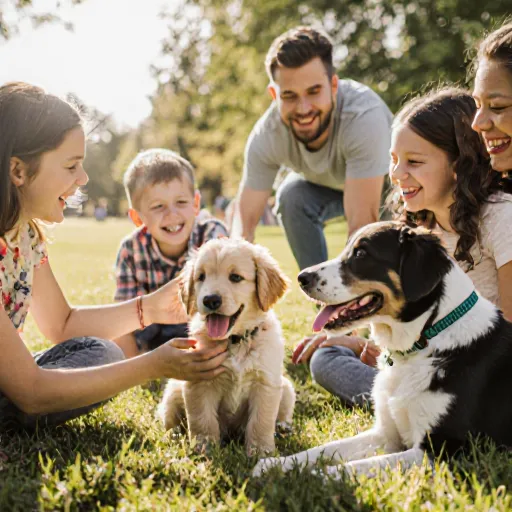
Tips to Build Your Pup's Confidence!
How to Socialize a Dog the Right Way
Table of Contents
- Understanding the Importance of Socialization
- Timing is Everything: When to Start Socializing Your Dog
- Creating a Positive Environment for Socialization
- Introducing Your Dog to People
- Exposing Your Dog to Other Dogs
- Handling the Introduction of New Animals Like Cats or Rabbits
- Socializing Your Dog in Various Environments
- Playtime: A Key Component to Successful Socialization
- Using Rewards and Reinforcement Positively
- Managing Fear or Aggression During Socialization
- Consistency is Key: Maintaining Good Socialization Habits
- Recognizing and Rewarding Well-Behaved Social Behavior
- Conclusion
- Frequently Asked Questions (FAQ)
- Additional Resources for Dog Owners
Understanding the Importance of Socialization
Understanding the importance of socialization is crucial for a dog's overall well-being and behavior. Just as children need to learn how to interact with others in society, puppies require exposure to different people, animals, environments, and experiences during their critical developmental stages. This process helps them develop confidence, reduces anxiety, and fosters positive behaviors.
The Critical Period for Socialization
It is generally accepted that dogs undergo a crucial socialization period between the ages of 3 to 14 weeks old. During this time, puppies are most receptive to learning and forming new relationships. This window provides an ideal opportunity for owners to introduce their puppies to various stimuli in a controlled manner, ensuring they have positive experiences.
Benefits of Proper Socialization
- Reduces Fearfulness: Puppies that are not adequately socialized may develop fear or aggression towards unfamiliar people, animals, or environments. By exposing them to diverse situations during the critical period, you can minimize these issues.
- Fosters Trust and Confidence: Proper socialization helps puppies trust humans and other creatures they encounter. This leads to a more confident and well-adjusted dog.
- Promotes Friendliness: Socialized dogs are generally friendlier, making them better companions for both family members and visitors.
- Avoids Aggression Issues: Dogs that have been properly socialized tend to be less aggressive or reactive in confrontational situations because they understand boundaries and respect others' space.
Practical Steps for Socializing Your Dog
To ensure your dog has the best socialization experience, follow these practical steps:
- Create Positive Experiences: Always make sure that new experiences are positive ones. Reward your puppy with treats and praise when they interact calmly.
- Vary Environments: Take your dog to different places like parks, pet stores, or even just around the neighborhood. Each place will expose them to different stimuli.
- Introduce Different People: Encourage interaction with a variety of people, especially those who look and act differently from their owner. This includes children, elderly individuals, people wearing hats or carrying umbrellas, etc.
- Exposure to Other Animals: If possible, introduce your puppy to friendly dogs in a controlled environment where both animals are supervised by knowledgeable handlers.
In conclusion, socializing your dog is not just about exposing them to different things; it's about ensuring they do so in positive and safe environments. By understanding the importance of this process during their developmental stages, you can help create a well-adjusted, confident, and friendly companion.
Timing is Everything: When to Start Socializing Your Dog
The timing of socialization plays a crucial role in shaping your dog's behavior and temperament. The right time to start socializing your puppy or even an adult dog can significantly impact its ability to interact positively with people, other animals, and the environment. Understanding when and how to begin this process is essential for ensuring a well-rounded and confident pet.
Early Socialization (Ages 3-16 Weeks)
Puppies are highly receptive to learning during their early stages of development. This period, commonly referred to as the "critical socialization window," is crucial for imprinting positive behaviors and reducing fear-based reactions. During this time, puppies should be introduced to various stimuli in a safe and controlled manner.
- New People: Allow your puppy to meet different individuals, including children, men, women, and elderly people. Encourage these encounters by offering treats or toys as positive reinforcement.
- Different Surfaces: Introduce your puppy to various textures like grass, dirt, carpet, and tiles. This helps them become comfortable in diverse environments.
- Variety of Sounds: Expose your puppy to different household sounds such as the vacuum cleaner, blender, or phone ringing. Gradually increase the volume if they seem uncomfortable but ensure it remains a positive experience.
Maintaining Socialization (Ages 16 Weeks - 4 Months)
Even after the initial critical window has passed, continuous socialization is still important. Puppies continue to learn and adapt during this phase. It's vital to keep introducing them to new people, places, and situations in a controlled environment.
- Variety of Locations: Take your puppy to different places such as parks, dog-friendly restaurants, or pet stores. Each visit should be positive with treats or playtime.
- New Animals: If possible, introduce your puppy to other puppies and adult dogs in a supervised setting. This helps them learn proper canine social behavior.
- Different Situations: Practice different situations like walking on leashes, being touched by strangers, or even riding in vehicles. Consistency is key during this stage.
Adult Dogs: It's Never Too Late
While the critical window is primarily for puppies, it’s important to note that adult dogs can benefit from socialization too. If your dog has not had much exposure before, you should start slowly and gradually expand their experiences.
- Social Activities: Enroll in obedience classes where they meet other dogs and learn commands. This provides a structured environment for positive interactions.
- Pet Sitters & Trainers: Consider hiring professional trainers or pet sitters who can expose your dog to new people, places, and situations safely.
- Variety of Scenarios: Expose your adult dog to different scenarios such as car rides, trips to the vet, and visits to new parks. Each experience should be positive and rewarding.
In conclusion, the timing of socialization is crucial in determining your dog's behavior and adaptability. Early exposure to diverse stimuli sets a strong foundation for a well-socialized pet. By following these guidelines, you can help ensure that your dog grows up to be confident, friendly, and comfortable in various situations.
Creating a Positive Environment for Socialization
In the realm of creating a positive environment for socialization, especially when drawing parallels to how one would socialize a dog the right way, it's crucial to understand that both human and canine environments can profoundly influence behavior. Just as a well-socialized dog is more likely to be happy, healthy, and well-adjusted, fostering a positive social atmosphere for your blog readers ensures engagement, trust, and loyalty.
The first step in creating a positive environment for socialization is to ensure that your blog space feels welcoming. This involves not only the design elements but also the tone of voice you use when interacting with readers.
- Design Elements: Choose colors and fonts that are inviting and easy on the eyes. A clutter-free layout can help reduce stress for both your visitors and yourself, making it easier to focus on meaningful interactions.
- Tone of Voice: Use a warm, friendly tone in your blog posts and comments sections. Encourage open dialogue without fear of judgment or criticism. This helps to build trust and encourages readers to feel comfortable sharing their own thoughts and experiences.
Just like training a dog, engaging with your audience is key to building strong relationships online. Here are some practical tips:
- Respond to Comments Promptly: A timely response shows that you value their input and care about fostering meaningful connections.
- Ask Questions: Encourage readers to share their stories or ask questions. This not only promotes engagement but also helps tailor your content to meet the needs of your audience.
- Host Contests or Giveaways: These can be a fun way to encourage interaction and participation from your community.
Consistency is essential in any relationship, whether you're talking about a dog or a reader. Here’s how consistency plays out:
- Publish Regularly: Keeping a consistent posting schedule helps your audience know what to expect and look forward to each time they visit your blog.
- Adhere to Your Promises: If you promise something in your content or interactions, make sure to follow through. This builds credibility and trust with your readers.
In both dog training and blog socialization, empathy is a key component. Recognize that every reader comes from different backgrounds, with unique perspectives and experiences.
- Be Understanding: Show understanding towards differing viewpoints by responding thoughtfully and respectfully to all comments and inquiries.
- Show Compassion: In cases where a reader has shared something personal or difficult, offer your support. This can go a long way in making people feel valued and appreciated.
Creating a positive environment for socialization is not just about setting up the right conditions but also actively participating in the process. By following these guidelines, you'll be well on your way to fostering an engaged, loyal community of readers who feel comfortable and valued.
Introducing Your Dog to People
Socializing your dog with people is a crucial step in ensuring that they grow up to be confident, friendly, and well-adjusted pets. Proper socialization helps prevent fear-based reactivity or aggression towards unfamiliar individuals. This process involves introducing your dog gradually and positively to different types of people – from children to adults, men to women, and even individuals with disabilities.
Step-by-Step Guide to Socializing Your Dog
- Create a Comfortable Environment: Choose a quiet area where your dog feels safe. This could be in your backyard or a park where there are fewer distractions and less noise.
- Ensure that the space is free from any stressors such as loud noises, unfamiliar scents, or overly active dogs.
- Start Slowly: Begin by introducing your dog to one person at a time. Start with individuals who are calm and have experience handling dogs. Allow your pet to approach them on their own terms without any pressure.
- Introduce your dog to the person standing still first, then gradually move towards more dynamic interactions like walking together or playing fetch in a controlled setting.
- Vary the Interaction: Mix up different types of people, including children, older adults, and individuals with varying physical characteristics (such as height, weight, clothing). This helps your dog learn that all humans are generally safe and similar in nature.
- Invite friends over who have experience working with dogs to help facilitate these interactions. They can also provide additional support if your dog shows any signs of discomfort or anxiety.
- Praise and Rewards: Positive reinforcement is key when introducing your dog to new people. Praise them for their calm behavior, give treats, and pet them softly as a reward for good conduct during these sessions.
- Avoid scolding or punishing the dog if they show signs of fear or anxiety; instead, simply remove them from the situation gently and continue socializing in more controlled environments.
- Gradual Exposure: As your dog becomes more comfortable with different people, gradually increase the level of interaction. You might start by having a person walk past your dog while sitting down, then have them sit closer and finally engage in short play sessions if appropriate.
Practical Tips for Successful Socialization
- Monitor Body Language: Always be attentive to your dog’s body language during introductions. Signs of stress or fear include a lowered head, ears back, or tail tucked between their legs. If you notice any of these signs, it's important to immediately remove the source of discomfort.
- Use Leashes Wisely: While walking your dog through socialization exercises, keep them on a loose leash so they have some control over what happens around them but still allow for natural exploration and interaction.
- Be Patient and Consistent: Socialization takes time, and every dog is unique. Be patient with the process and remain consistent in your approach to ensure your dog feels secure during these new experiences.
Examples of Real-Life Scenarios
Imagine you are at a park one day when you see a woman pushing a stroller. At first, your dog might be hesitant or even shy around this new person and situation. However, by following the steps above—creating a comfortable environment, starting slowly, varying interaction types, praising good behavior, and gradually increasing exposure—you can help your dog become more at ease.
- Start with the woman standing still near you while your dog is on leash.
- Once your dog seems relaxed around her, have the woman gently pet your dog from a short distance. Offer treats during this time to make it a positive experience.
- Gradually move closer and eventually invite the person to walk alongside or slightly ahead of you with their stroller. Always keep an eye on your dog's reaction and adjust accordingly.
Through consistent practice, your dog will learn that interacting with people is a positive experience, fostering trust and friendship between them and others in society.
Exposing Your Dog to Other Dogs
When it comes to socializing your dog, exposing them to other dogs is an essential part of ensuring they grow up to be well-rounded and confident pets. This process should be done gradually, in a controlled manner that ensures both the safety and positive experience for all involved. Here’s how you can approach this crucial aspect of your dog's development:
Socialization is about introducing your dog to various environments, people, animals, sounds, and other stimuli in a way that helps them become comfortable and confident. Exposing your dog to other dogs plays a significant role in their social skills, especially since they are pack animals by nature.
Start with controlled exposure to ensure safety. This can be done at a park during off-peak hours or through organized puppy playgroups where the environment is managed and the dogs are of similar age and temperament. It’s important to observe your dog's reactions closely during these interactions.
Signs Your Dog is Enjoying the Interaction
- Tail wagging
- Playful barking or yipping
- Happy, relaxed posture
Signs of Stress or Uncomfortability
- Ears back
- Tail between legs
- Crouching position
If you notice signs of stress, it's important to remove your dog from the situation and try again in a controlled manner later.
Selecting other dogs for playdates is crucial. Opt for well-socialized, friendly dogs with similar energy levels and temperaments. Meeting dogs that are too aggressive or overly excited can be overwhelming for your dog. Always introduce them to a few different dogs over time instead of all at once.
Introducing Your Dog to New Dogs
- Calm and Neutral Environment: Choose an enclosed space where you have control over the situation, such as a backyard or dog park.
- Positive Reinforcement: Reward your dog for calm behavior. Use treats or praise to encourage good interactions.
- Short Sessions: Start with short play sessions and gradually increase the duration as your dog becomes more comfortable.
Always keep a close eye on both dogs during their interaction. If you notice any signs of discomfort, it’s essential to step in quickly and separate them if necessary. Ensure that all play is safe and enjoyable for everyone involved.
If you find that your dog isn't picking up socialization skills as expected or has shown aggression towards other dogs, consider seeking help from a professional trainer. They can provide guidance on how to handle specific situations and ensure the process is safe and effective for all involved.
Exposing your dog to other dogs is an essential part of their socialization journey. By approaching this process with patience, careful observation, and positive reinforcement, you can help ensure that your dog grows up to be a well-adjusted and sociable companion.
Handling the Introduction of New Animals Like Cats or Rabbits
Introducing new animals, such as cats or rabbits, into your household is similar to introducing a new dog. While the process may seem simpler at first glance, it involves several steps that ensure both the existing pets and the newcomers are comfortable and happy in their environment.
Just as with dogs, gradually allowing your current pets to become familiar with the new animal is crucial. This helps prevent stress and potential aggression. Start by introducing the animals in a neutral area where neither has established territory yet. For example, if you are bringing home a cat or rabbit, set up its cage in another room temporarily.
Use positive reinforcement to make the process enjoyable for all pets involved. Provide treats and praise when they interact positively with each other. For instance, if your existing pet approaches the new animal without fear or hostility, reward both with a treat.
Pay close attention to the body language of all animals involved. Dogs can show signs of stress through pacing, panting, or changes in their usual behavior. Cats and rabbits might hide, flatten their ears, or flick their tails. If any animal shows signs of distress, immediately step back and give them space.
Cats and rabbits are particularly sensitive to territorial issues. Allow your existing pets time to adjust to the new arrival without immediate confrontation. Gradually let the animals explore each other’s scents, sounds, and presence through closed doors or windows.
Even when you are certain that all animals are getting along well, continue to supervise their interactions closely during playtime. Introduce toys and treats as distractions if tensions arise. This helps keep the environment peaceful and reduces the risk of accidents or injuries.
A comfortable living space for each animal is essential. Ensure that the new pet has its own cozy spot, food bowl, water dish, and litter box if applicable. Encourage exploration by providing puzzle feeders or hiding treats around the house so your pets can discover their environment at their own pace.
Introducing new animals requires patience and understanding. Every pet reacts differently to changes in its routine, especially when a new family member joins the household. Be patient and allow time for your pets to adjust comfortably to each other's presence.
In conclusion, handling the introduction of new animals like cats or rabbits is an important aspect of responsible pet ownership. By following these steps—gradual introduction, positive reinforcement, observing body language, respecting territorial needs, supervising interactions, creating a comfortable environment, and maintaining patience—you can ensure that all pets feel secure and happy in their home.
Playtime: A Key Component to Successful Socialization
In the realm of dog training and socialization, playtime holds a paramount importance. Just as it is crucial for puppies to engage in play with their littermates or humans during early development stages, this principle extends seamlessly into the world of WordPress-compatible blogs where engaging content can foster meaningful connections between readers.
During the critical developmental period from 3 to 16 weeks old, puppies must engage in a wide array of social interactions and play activities. This helps them learn appropriate behaviors, understand boundaries, and establish positive relationships with humans and other animals.
- Mimicry in Blog Content: Just as puppies mimic their littermates' behaviors during playtime, bloggers can replicate this by creating content that resonates with their target audience. This involves understanding the interests and needs of readers to produce engaging posts.
- Diverse Interactions: Puppies interact with various objects and animals during playtime. Similarly, a well-rounded blog should offer diverse content such as tutorials, reviews, interviews, and guest posts to cater to different reader preferences.
Engaging in play helps puppies develop essential life skills:
- Bonding with Humans: Regular play sessions between owners and their dogs strengthen the bond, creating a foundation of trust and affection.
- Cognitive Development: Puppies learn problem-solving during play, which can translate into improved writing skills for bloggers who engage in creative thinking.
- Muscle Development: Physical activity during playtime helps puppies grow strong muscles. For bloggers, this could be metaphorically interpreted as "exercising" their writing and research abilities to produce high-quality content.
To ensure that your blog is a vibrant space where readers can find value and connect with you, consider the following:
- Create Engaging Content: Just as puppies need stimulating toys during playtime, bloggers should provide engaging content such as interactive quizzes or polls to keep their audience interested.
- Vary Your Topics: Like puppies playing with different objects, vary the topics on your blog. This keeps readers coming back for more and ensures that you cover a wide range of interests.
- Engage with Readers: Encourage comments and feedback from your readers. This not only strengthens community but also provides valuable insights into what your audience wants to see more of.
In summary, just as playtime is essential for puppies during socialization, it is equally important for bloggers to ensure that their content is engaging and diverse. By understanding the needs and interests of your readers, you can create a space where connections are formed and relationships flourish.
Using Rewards and Reinforcement Positively
When it comes to socializing dogs, using rewards and reinforcement plays a crucial role just as it does in blogging or any other form of communication. Rewards don't have to be tangible treats; they can also include praise, affection, or simply the opportunity for playtime. The key is consistency and positive association.
In dog socialization, rewards are used to reinforce desirable behaviors. This means that when a dog exhibits good behavior during interactions with other dogs, people, or new environments, they receive something that they find rewarding – this could be a treat, a toy, verbal praise, or even just your attention.
The consistency of rewards and reinforcement is crucial. Dogs need to learn that good behavior leads to positive outcomes. For example, if you give your dog a treat every time they calmly greet another dog, they will start to associate this behavior with receiving the treat.
The right use of rewards helps build a positive association between the desired behavior and its reward. This is similar to how you would encourage engagement on your blog by offering readers useful content in exchange for their time and attention. For instance, if visitors find value in your posts, they are more likely to come back.
- Use Treats Sparingly: While treats can be effective, overuse might lead to weight issues. Instead, use them as occasional rewards to maintain the excitement of learning new behaviors.
- Combine with Verbal Praise: Sometimes verbal praise is enough. Combining it with treats or playtime can enhance the effectiveness of reinforcement.
In blogging, this translates to using calls-to-action and engaging content to keep readers coming back for more.
In your blog, this could be through personalized comments, thank-you notes, and direct communication with readers to show that their engagement means something to you.
Imagine a scenario where a dog is shy around new people. Instead of pushing them into the interaction, start by rewarding the dog for taking small steps towards a person or sitting calmly nearby. Over time, as they become more comfortable, gradually increase the level of interaction.
In blogging, think about how you might reward your most loyal followers with exclusive content or early access to new posts. This not only reinforces their loyalty but also encourages others to engage more actively.
Just as in dog socialization where using rewards and reinforcement positively can lead to a well-behaved, confident pet, applying these principles in your blog will help you build a strong community of engaged readers. By consistently providing value and rewarding good behavior, whether it’s through comments or sharing content, you create an environment that encourages growth and engagement.
Managing Fear or Aggression During Socialization
In the process of socializing a dog, one common challenge is managing fear or aggression. These behaviors can be particularly challenging but are also ones that with proper guidance and understanding can be overcome. Here’s how you can address these issues effectively.
Understanding Fear and Aggression
Fear and aggression in dogs often stem from a lack of socialization during the critical period, which is typically between 3 to 14 weeks old. If puppies do not receive adequate exposure to different environments, people, and other animals during this time, they may develop fear or aggressive behaviors later in life.
Fear can manifest as cowering, trembling, hiding, or even snapping at unfamiliar stimuli. Aggression is more complex and can range from subtle signs like growling to overt aggression such as biting. It's important to understand that these behaviors are not just about the dog's character but also about their experiences.
Building Confidence Gradually
The key to managing fear or aggression is to build your dog’s confidence gradually. Start by introducing them to new people, environments, and animals in controlled settings. Begin with low-intensity interactions where the dog feels safe and comfortable.
Example: If your dog shows signs of fear around strangers, invite a few friends over for short visits where they can interact at their own pace. Gradually increase the duration or frequency as the dog becomes more comfortable.
Positive Reinforcement
Using positive reinforcement is essential when addressing fear and aggression. Reward your dog for calm, relaxed behavior during socialization. This could be through treats, praise, or petting, but always ensure that the rewards are immediate to strengthen the connection between good behavior and positive outcomes.
Practical Tip: If your dog is afraid of a particular sound, such as fireworks, start with very low-volume sounds played in short intervals. Praise them for calm reactions and gradually increase the volume while continuing to reward their calmness.
Professional Help
In some cases, fear or aggression may require professional help from a certified dog trainer or behaviorist. These professionals can provide tailored strategies based on your dog’s specific needs and history. They might recommend desensitization techniques, which involve gradually exposing the dog to triggers of their fear or aggression in controlled doses.
Example: If your dog is aggressive towards other dogs, a trainer may suggest starting with positive interactions at a distance and gradually decreasing the distance as the dog becomes more comfortable. This approach helps build trust and confidence without overwhelming the animal.
Consistency and Patience
The most critical factor in managing fear or aggression is consistency and patience. Every dog learns at their own pace, and it's important not to rush them into situations they are uncomfortable with. Consistent exposure and positive reinforcement will help your dog overcome their fears and build confidence.
Advice: Keep a journal of your socialization sessions. Note what worked well and what didn’t. This can provide valuable insights for future interactions and adjustments as needed.
Conclusion
Managing fear or aggression during the socialization process requires understanding, patience, and consistent effort. By gradually exposing your dog to new experiences in a safe environment and using positive reinforcement, you can help them overcome their fears and develop into a well-socialized and confident companion.
Consistency is Key: Maintaining Good Socialization Habits
Consistency is Key: Maintaining Good Socialization Habits
In the world of dog training, consistency has always been a cornerstone principle. Similarly, in your WordPress blog, maintaining consistency can significantly enhance user engagement and experience. Just as with dogs, where consistent socialization helps them develop good behaviors and interact well with people, in blogging, consistency ensures that visitors know what to expect from you and your content.
Firstly, think about the structure of your blog posts. Consistency in format can make it easier for readers to navigate through your content. Whether you choose a listicle style or a more traditional narrative approach, sticking to one style will help keep your audience engaged. For instance, if you decide to use bullet points and short paragraphs for easy reading, try to maintain that structure across all posts.
Another aspect of consistency is the frequency and timing of updates. Just like how dogs need regular socialization sessions, a blog needs to be updated regularly to keep its audience coming back. If you commit to posting once a week, make sure it's either Monday mornings or Friday afternoons—whichever fits your schedule best but remains consistent for your readers.
Content quality is also crucial and should remain consistently high. Whether you're sharing informative articles, personal stories, or helpful tips, ensure that each piece adds value to the reader’s experience. If you're writing about WordPress plugins, always strive to provide in-depth reviews rather than just a quick rundown of features.
Consistency extends beyond just the blog itself. Engaging with your audience through comments and social media platforms helps build a community around your content. Whether it's responding to questions or sharing interesting articles related to WordPress, consistent interaction can foster loyalty among followers.
In summary, consistency in maintaining good socialization habits is essential for both dogs and blogs alike. By being consistent with how you present information, when you post, the quality of your content, and your approach to community engagement, you create a reliable platform that readers will return to time and time again.
Recognizing and Rewarding Well-Behaved Social Behavior
In the context of training a dog, recognizing and rewarding well-behaved social behavior is essential for fostering positive interactions with both humans and other animals. This principle can be applied to various aspects of human-animal relationships by drawing parallels from effective dog training techniques.
Understanding Well-Behaved Social Behavior
Just as a well-socialized dog exhibits behaviors such as approachability, friendliness, and ease in new situations without fear or aggression, humans too can model these qualities. Recognizing when someone is exhibiting such behavior involves observing their actions—whether it's greeting strangers calmly, engaging in polite conversation, or showing respect during group activities.
Positive Reinforcement Techniques
In the same way that treats and praise are used to reward a dog for good behavior, there are numerous ways to acknowledge someone’s well-behaved social interactions. Here are some practical examples:
- Praise: Simply acknowledging a person's efforts can go a long way in reinforcing desired behaviors. A simple “great job” or “thank you for your kindness” can encourage continued positive behavior.
- Tangible Rewards: Offering tokens of appreciation like small gifts, flowers, or handwritten notes can be equally effective in rewarding good social behavior.
- Public Recognition: Highlighting someone’s contributions at events or meetings can boost their confidence and inspire others to behave similarly. This could include mentioning their efforts during a company meeting or posting on social media platforms.
Practical Advice for Encouraging Well-Behaved Social Interaction
To encourage well-behaved social behavior, it’s important to create an environment where positive interactions are rewarded and encouraged. Here are some tips:
- Create Opportunities for Positive Interactions: Arrange settings that naturally promote friendly encounters between people. For example, organizing community events or team-building exercises can help individuals get comfortable around each other.
- Model Behavior: Children learn by observing adults, and the same principle applies to adults learning from one another. Model appropriate social behaviors yourself so others can follow suit.
- Provide Constructive Feedback: When providing feedback on someone’s social interactions, focus on what went well rather than dwelling on mistakes. This helps build confidence while encouraging improvement in areas that need attention.
Conclusion
Recognizing and rewarding well-behaved social behavior is crucial for building strong, positive relationships within communities and organizations. By applying the same principles used in dog training—positive reinforcement and encouragement—you can foster environments where everyone feels valued and motivated to continue exhibiting desirable behaviors.
Conclusion
Understanding how to socialize a dog correctly is crucial for their development into well-rounded, happy pets. Just like humans, dogs benefit from consistent, positive interactions with various people, animals, and environments early on in life. This process helps them build confidence and reduces the likelihood of developing fearful or aggressive behaviors later.
One effective method to socialize a dog is through structured play sessions. For instance, introducing your puppy to different breeds during playtime can help them understand that all dogs are not threats. Always supervise these interactions to ensure they remain positive and safe for everyone involved. It's important to observe the body language of both your dog and the other animals; if there’s any sign of discomfort or fear, it’s better to end the interaction gently.
Another key aspect is socializing dogs through community activities such as dog parks or local events. These settings provide opportunities for dogs to meet new friends and experience different stimuli in a controlled environment. However, not all dogs may feel comfortable in crowded spaces at first. Gradually expose your dog to these environments, starting with short visits where they can observe but not necessarily interact. Over time, as they become more accustomed to the sounds and sights of the park, they will likely be more willing to participate.
Consistency is also vital in socialization efforts. Regularly exposing your dog to new situations helps reinforce positive behaviors and builds lasting confidence. For example, if you start taking your dog on short trips around town, gradually increase the distance and duration of these outings. This way, your dog learns that new places are not scary or overwhelming.
It's important to note that socialization should be tailored to each individual dog’s personality and comfort level. Some dogs may naturally adapt more quickly than others, but all dogs deserve the opportunity for a fulfilling life filled with positive experiences. Remember, the goal is to make your dog feel secure and confident in various situations.
By following these tips and maintaining a consistent approach, you can ensure that your dog grows up to be a well-socialized companion. Just as outlined in "How to Socialize a Dog the Right Way," proper socialization sets the foundation for a happy, healthy pet who enjoys life to its fullest.
Frequently Asked Questions (FAQ)
- Q: How long does it take to socialize a dog correctly?
A: Socializing a dog takes time and consistency. Generally, puppies are more receptive to socialization between the ages of 3 to 14 weeks. However, the process can vary depending on the breed, temperament, and individual needs of your pet. It's important to introduce new experiences gradually and positively. Consistency is key, as each dog learns at its own pace. For older dogs that haven't been socialized, expect a longer period, possibly several months or even a year, before they become fully comfortable in various environments. - Q: What are the best ways to socialize a dog?
A: The right way to socialize a dog involves exposing them to different people, animals, and environments. Begin by taking your puppy or adult dog to places like parks, pet stores, and community events where they can meet new people in a controlled environment. Introduce them to various objects, sounds, and textures. For instance, you could take your dog to a place with soft grass and then gradually introduce them to a concrete surface. Encourage positive interactions by rewarding good behavior with treats or praise. - Q: Can I socialize my dog while they are still young?
A: Yes, you can start socializing your puppy as soon as you bring it home. Puppies have an exceptional ability to learn and adapt during their early weeks of life. Early socialization helps puppies develop a positive attitude toward new experiences. Avoid overwhelming them with too many stimuli at once; instead, focus on introducing one or two new elements per day. This gradual approach ensures that your puppy feels safe and confident in different situations. - Q: Is it necessary to socialize an adult dog?
A: While puppies are more open to socialization during their early weeks, you can still effectively socialize adult dogs. It may take longer for older dogs to become comfortable with new experiences, but the process is just as important. Adult dogs might be afraid of certain things or have specific phobias that need addressing. Patience and consistency are crucial here. Start by introducing small, manageable changes in their routine and gradually build up to more challenging situations. - Q: How do I handle my dog's fear during socialization?
A: If your dog exhibits signs of fear or anxiety during the socialization process, it's important to address these feelings gently. Recognize that every dog is unique and may react differently to different stimuli. If your dog shows distress, take a step back and allow them to feel safe again before progressing further. Positive reinforcement techniques can be very effective in helping your dog overcome their fears. Reward calm behavior and avoid punishing fear-related reactions. - Q: What should I do if my dog becomes aggressive during socialization?
A: Aggression is not a typical response to socialization, but it can happen in some cases. If your dog shows signs of aggression, the first step is to seek guidance from a professional trainer or behaviorist. It's important to understand that addressing aggression requires careful and specialized handling. Avoid forcing interactions or pushing your dog into uncomfortable situations. Instead, focus on teaching your dog alternative behaviors through training exercises.
Additional Resources for Dog Owners
Socializing your dog is one of the most important aspects of raising a well-rounded and happy pet. Proper socialization helps your dog develop positive interactions with people, other animals, and various environments. Here are some additional resources that can help you on this journey:
- ASPCA's Guide to Socializing Your Puppy - This resource provides a comprehensive guide from introducing your puppy to new people and environments to more advanced socialization techniques. It also includes tips on how to handle common socialization challenges.
- WebMD Pets: Socializing Your Puppy - This article offers practical advice on how to start the process of socialization early and keep it consistent. It includes specific examples of what activities can be beneficial for your puppy's development.
- Pet Education: How to Socialize a Dog - This site provides detailed information on the stages of socialization and how to approach each one. It also discusses the importance of early socialization and the impact it has on your dog's future behavior.
- DogTime: Socializing Dogs - This resource focuses on different methods to socialize dogs, including positive reinforcement techniques. It offers insights into creating a safe and enjoyable environment for your dog during the socialization process.
In addition to these online resources, consider joining local pet clubs or finding a professional trainer who specializes in dog socialization. These real-world opportunities allow you to observe and learn from others while providing your dog with more diverse experiences. Always remember that consistency is key when socializing your dog. Regularly exposing your pet to different stimuli will reinforce positive behaviors and help build confidence.
For those looking for a hands-on approach, consider reading books such as "The Socialization of Dogs" by Dr. Ian Dunbar or "How to Raise a Puppy You Can Live With" by Casey Lomonaco. Both provide expert advice on socializing puppies and adult dogs alike.
Categories
- AI & Enrichment Play
- Broiler Farming
- Broiler Farming Tips
- Canine Wellness & Longevity
- Cat
- Cat & Human Connection
- Cat Adoption & Rescue
- Cat Breeds
- Cat Breeds & Personalities
- Cat Care & Health
- Cat Grooming & Hygiene
- Cat Lifestyle & Environment
- Cat Myths & History
- Cat Nutrition & Diet
- Cat Products & Reviews
- Cat Training & Behavior
- Comparison
- Consumer Awareness
- Dog
- Dog Accessories & Products
- Dog Adoption & Rescue
- Dog Breed & Lifestyle Trends
- Dog Breeding & Puppies
- Dog Entertainment & Media
- Dog Fashion & Trends
- Dog Fun & Lifestyle
- Dog Grooming & Hygiene
- Dog History & Culture
- Dog Myths, Science & Future Tech
- Dog News & Trends
- Dog Nutrition & Food
- Dog Psychology & Emotions
- Dog Safety & Security
- Dog Sports & Activities
- Dog Technology & Innovation
- Dog Training for Modern Owners
- Dog Travel & Adventure
- Dog Travel, Adventure & Culture
- Economic and Market Insights
- Educational Content
- FAQs
- Feeding Alternatives
- Festivals & Seasonal Ideas
- Fun & Entertainment
- General Knowledge
- General Pig Farming
- Health & Disease Management
- Housing and Environment
- Kittens
- Market Insights
- Miscellaneous
- Miscellaneous
- Motivational
- pig
- Pig Breeding
- Pig Breeds
- Pig Farming Stories and Inspiration
- Pig Health and Care
- Pig Nutrition
- Pig Products
- Profitability & Business
- Puppy Care
- Puppy Predictable Topics Reinvented
- Regional Focus
- Rescue & Adoption Buzz
- Senior Cats
- Senior Dog Care
- Smart Dog Tech & Gadgets
- Sustainability
- Sustainable & Eco-Friendly Dog Products
- Tech & Innovations
- Working & Service Dogs
- Broiler Feed66 products
- Country Feed33 products
- Pig Feed66 products
- Product22 products
- Raw Materials99 products
Products
-
 Fish Meal
₹1,999.00 – ₹2,999.00Price range: ₹1,999.00 through ₹2,999.00Rated 0 out of 5
Fish Meal
₹1,999.00 – ₹2,999.00Price range: ₹1,999.00 through ₹2,999.00Rated 0 out of 5 -
 FATTENING BROILER FEED
₹2,299.00 – ₹2,349.00Price range: ₹2,299.00 through ₹2,349.00Rated 0 out of 5
FATTENING BROILER FEED
₹2,299.00 – ₹2,349.00Price range: ₹2,299.00 through ₹2,349.00Rated 0 out of 5 -
 LAYER COUNTRY FEED
₹1,549.00 – ₹1,649.00Price range: ₹1,549.00 through ₹1,649.00Rated 0 out of 5
LAYER COUNTRY FEED
₹1,549.00 – ₹1,649.00Price range: ₹1,549.00 through ₹1,649.00Rated 0 out of 5 -
 COUNTER BROILER FEED
₹1,199.00 – ₹1,299.00Price range: ₹1,199.00 through ₹1,299.00Rated 0 out of 5
COUNTER BROILER FEED
₹1,199.00 – ₹1,299.00Price range: ₹1,199.00 through ₹1,299.00Rated 0 out of 5 -
 LACTATING PIG FEED
Rated 0 out of 5
LACTATING PIG FEED
Rated 0 out of 5₹2,299.00Original price was: ₹2,299.00.₹1,740.00Current price is: ₹1,740.00. -
 Maize
Rated 0 out of 5
Maize
Rated 0 out of 5₹1,650.00Original price was: ₹1,650.00.₹1,300.00Current price is: ₹1,300.00. -
 GESTATION PIG FEED (Phase 1)
Rated 0 out of 5
GESTATION PIG FEED (Phase 1)
Rated 0 out of 5₹2,249.00Original price was: ₹2,249.00.₹1,699.00Current price is: ₹1,699.00. -
 Pre Starter Broiler Feed
₹2,399.00 – ₹2,499.00Price range: ₹2,399.00 through ₹2,499.00Rated 0 out of 5
Pre Starter Broiler Feed
₹2,399.00 – ₹2,499.00Price range: ₹2,399.00 through ₹2,499.00Rated 0 out of 5 -
 FINISHER PIG FEED
Rated 0 out of 5
FINISHER PIG FEED
Rated 0 out of 5₹2,299.00Original price was: ₹2,299.00.₹1,749.00Current price is: ₹1,749.00. -
 Broiler Premix
Rated 0 out of 5
Broiler Premix
Rated 0 out of 5₹820.00Original price was: ₹820.00.₹699.00Current price is: ₹699.00.
Socializing Your Dog in Various Environments
To ensure your dog is well-rounded and comfortable in various environments, it's crucial to socialize them properly. Socialization involves exposing your dog to different people, animals, sounds, sights, and experiences. This helps prevent fear-based reactions and promotes confidence. Below are some practical tips on how to socialize a dog the right way in different settings.
1. Public Spaces
Public spaces like parks, beaches, and shopping centers can be exciting but also overwhelming for dogs. To ensure your dog feels safe and comfortable:
2. Traffic and Noise
Dogs can get anxious around loud noises or busy traffic. Here's how you can help them cope:
3. Other Animals
Interactions with other animals are essential but can be challenging. Here's how to manage these situations:
4. Home Environment
Your home should be a safe haven for your dog, but it can also introduce new challenges as they grow and mature. To keep your dog happy at home:
5. Grooming and Vet Visits
Grooming and vet visits can be stressful for dogs, but they are essential for their health. To make these experiences easier:
By consistently exposing your dog to different environments in a positive and controlled manner, you'll help them develop into a well-socialized companion. Remember that socialization is an ongoing process that requires patience and understanding from both the owner and the dog.