
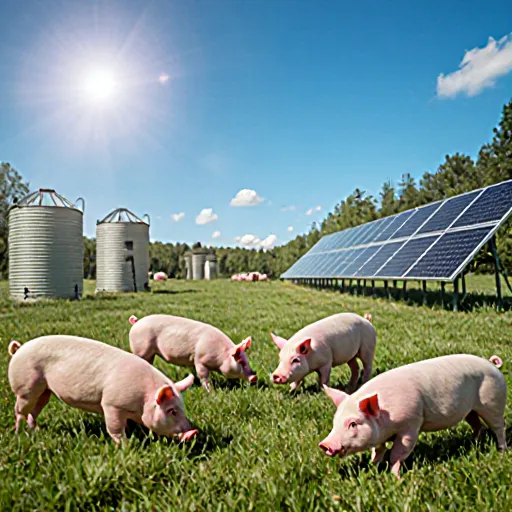
Grow Your Business While Saving the Planet!
How to Start a Sustainable Pig Farm
Introduction
Pig farming can be a profitable venture, but to ensure long-term success and minimize environmental impact, adopting sustainable practices is essential. A sustainable pig farm not only benefits the farmer but also contributes to environmental conservation and animal welfare. This guide will provide detailed insights on starting and managing a sustainable pig farm.
From planning your farm layout to implementing eco-friendly feeding and waste management systems, every step is designed to help you build a thriving and responsible pig farming business.
Placeholder for Image 1
1. Planning Your Sustainable Pig Farm
Proper planning is the foundation of any successful farming venture. For sustainable pig farming, this includes selecting a suitable location, understanding legal requirements, and setting clear goals.
Key Steps in Farm Planning
- Location: Choose a site with adequate space, good drainage, and accessibility to water sources.
- Budget: Create a detailed budget covering initial setup, feeding, veterinary care, and marketing.
- Regulations: Ensure compliance with local agricultural and environmental laws.
2. Designing an Eco-Friendly Pig Farm
An eco-friendly design minimizes environmental impact while maximizing efficiency. Focus on housing, ventilation, and energy use to achieve sustainability.
Best Practices for Farm Design
- Housing: Use natural materials and ensure proper insulation to maintain optimal temperatures.
- Ventilation: Install efficient ventilation systems to improve air quality and reduce disease risks.
- Renewable Energy: Utilize solar panels or biogas systems for energy needs.
Placeholder for Image 2
3. Choosing the Right Pig Breeds
Selecting the right pig breeds is crucial for meeting your farm's goals. Consider breeds that adapt well to your local climate and align with your production objectives.
Popular Pig Breeds
| Breed | Characteristics |
|---|---|
| Large White | High growth rate and good meat quality |
| Berkshire | Known for flavorful, marbled meat |
| Duroc | Efficient feed conversion and adaptability |
4. Sustainable Feeding Practices
Feeding accounts for a significant portion of pig farming costs. Adopting sustainable feeding practices can reduce expenses while ensuring pigs receive balanced nutrition.
Feeding Tips
- Utilize Food Waste: Repurpose safe food waste as pig feed.
- Grow Feed Crops: Cultivate crops like maize or soybeans to reduce reliance on commercial feeds.
- Balance Diets: Include proteins, carbohydrates, and minerals to meet nutritional requirements.
5. Effective Waste Management
Managing waste responsibly is essential for sustainability. Implement systems to recycle pig manure into valuable resources like fertilizer or biogas.
Waste Management Methods
- Composting: Convert manure into organic fertilizer.
- Biogas Production: Use manure to generate renewable energy.
- Wastewater Treatment: Treat effluents to prevent contamination.
6. Disease Prevention and Biosecurity
Preventing diseases is crucial for animal health and farm profitability. A robust biosecurity plan can significantly reduce risks.
Key Practices
- Vaccination: Follow a regular vaccination schedule.
- Hygiene: Keep housing areas clean and disinfected.
- Quarantine: Isolate new or sick pigs to prevent disease spread.
7. Developing a Marketing Strategy
A good marketing strategy ensures your products reach the right customers. Focus on building a strong local network and exploring niche markets.
Marketing Tips
- Local Markets: Build relationships with local butchers and restaurants.
- Value-Added Products: Offer processed products like sausages or bacon.
- Online Presence: Use social media and websites to reach a wider audience.
Placeholder for Image 3
FAQs
What is the most important aspect of sustainable pig farming?
Balancing environmental impact with profitability is key. Focus on eco-friendly practices like renewable energy and waste recycling.
How much land is needed for a sustainable pig farm?
The required land depends on the number of pigs and your farming system. Typically, 1 acre can accommodate a small-scale operation with proper planning.
Conclusion
Starting a sustainable pig farm requires careful planning, commitment, and a focus on eco-friendly practices. By following the steps outlined in this guide, you can build a profitable and environmentally responsible pig farming business. Remember, sustainability is not only about reducing environmental impact but also ensuring long-term profitability.
Placeholder for Image 4
Categories
- AI & Enrichment Play
- Broiler Farming
- Broiler Farming Tips
- Canine Wellness & Longevity
- Cat
- Cat & Human Connection
- Cat Adoption & Rescue
- Cat Breeds
- Cat Breeds & Personalities
- Cat Care & Health
- Cat Grooming & Hygiene
- Cat Lifestyle & Environment
- Cat Myths & History
- Cat Nutrition & Diet
- Cat Products & Reviews
- Cat Training & Behavior
- Comparison
- Consumer Awareness
- Dog
- Dog Accessories & Products
- Dog Adoption & Rescue
- Dog Breed & Lifestyle Trends
- Dog Breeding & Puppies
- Dog Entertainment & Media
- Dog Fashion & Trends
- Dog Fun & Lifestyle
- Dog Grooming & Hygiene
- Dog History & Culture
- Dog Myths, Science & Future Tech
- Dog News & Trends
- Dog Nutrition & Food
- Dog Psychology & Emotions
- Dog Safety & Security
- Dog Sports & Activities
- Dog Technology & Innovation
- Dog Training for Modern Owners
- Dog Travel & Adventure
- Dog Travel, Adventure & Culture
- Economic and Market Insights
- Educational Content
- FAQs
- Feeding Alternatives
- Festivals & Seasonal Ideas
- Fun & Entertainment
- General Knowledge
- General Pig Farming
- Health & Disease Management
- Housing and Environment
- Kittens
- Market Insights
- Miscellaneous
- Miscellaneous
- Motivational
- pig
- Pig Breeding
- Pig Breeds
- Pig Farming Stories and Inspiration
- Pig Health and Care
- Pig Nutrition
- Pig Products
- Profitability & Business
- Puppy Care
- Puppy Predictable Topics Reinvented
- Regional Focus
- Rescue & Adoption Buzz
- Senior Cats
- Senior Dog Care
- Smart Dog Tech & Gadgets
- Sustainability
- Sustainable & Eco-Friendly Dog Products
- Tech & Innovations
- Working & Service Dogs
- Broiler Feed66 products
- Country Feed33 products
- Pig Feed66 products
- Product22 products
- Raw Materials99 products
Products
-
 Fish Meal
₹1,999.00 – ₹2,999.00Price range: ₹1,999.00 through ₹2,999.00Rated 0 out of 5
Fish Meal
₹1,999.00 – ₹2,999.00Price range: ₹1,999.00 through ₹2,999.00Rated 0 out of 5 -
 FATTENING BROILER FEED
₹2,299.00 – ₹2,349.00Price range: ₹2,299.00 through ₹2,349.00Rated 0 out of 5
FATTENING BROILER FEED
₹2,299.00 – ₹2,349.00Price range: ₹2,299.00 through ₹2,349.00Rated 0 out of 5 -
 LAYER COUNTRY FEED
₹1,549.00 – ₹1,649.00Price range: ₹1,549.00 through ₹1,649.00Rated 0 out of 5
LAYER COUNTRY FEED
₹1,549.00 – ₹1,649.00Price range: ₹1,549.00 through ₹1,649.00Rated 0 out of 5 -
 COUNTER BROILER FEED
₹1,199.00 – ₹1,299.00Price range: ₹1,199.00 through ₹1,299.00Rated 0 out of 5
COUNTER BROILER FEED
₹1,199.00 – ₹1,299.00Price range: ₹1,199.00 through ₹1,299.00Rated 0 out of 5 -
 LACTATING PIG FEED
Rated 0 out of 5
LACTATING PIG FEED
Rated 0 out of 5₹2,299.00Original price was: ₹2,299.00.₹1,740.00Current price is: ₹1,740.00. -
 Maize
Rated 0 out of 5
Maize
Rated 0 out of 5₹1,650.00Original price was: ₹1,650.00.₹1,300.00Current price is: ₹1,300.00. -
 GESTATION PIG FEED (Phase 1)
Rated 0 out of 5
GESTATION PIG FEED (Phase 1)
Rated 0 out of 5₹2,249.00Original price was: ₹2,249.00.₹1,699.00Current price is: ₹1,699.00. -
 Pre Starter Broiler Feed
₹2,399.00 – ₹2,499.00Price range: ₹2,399.00 through ₹2,499.00Rated 0 out of 5
Pre Starter Broiler Feed
₹2,399.00 – ₹2,499.00Price range: ₹2,399.00 through ₹2,499.00Rated 0 out of 5 -
 FINISHER PIG FEED
Rated 0 out of 5
FINISHER PIG FEED
Rated 0 out of 5₹2,299.00Original price was: ₹2,299.00.₹1,749.00Current price is: ₹1,749.00. -
 Broiler Premix
Rated 0 out of 5
Broiler Premix
Rated 0 out of 5₹820.00Original price was: ₹820.00.₹699.00Current price is: ₹699.00.