
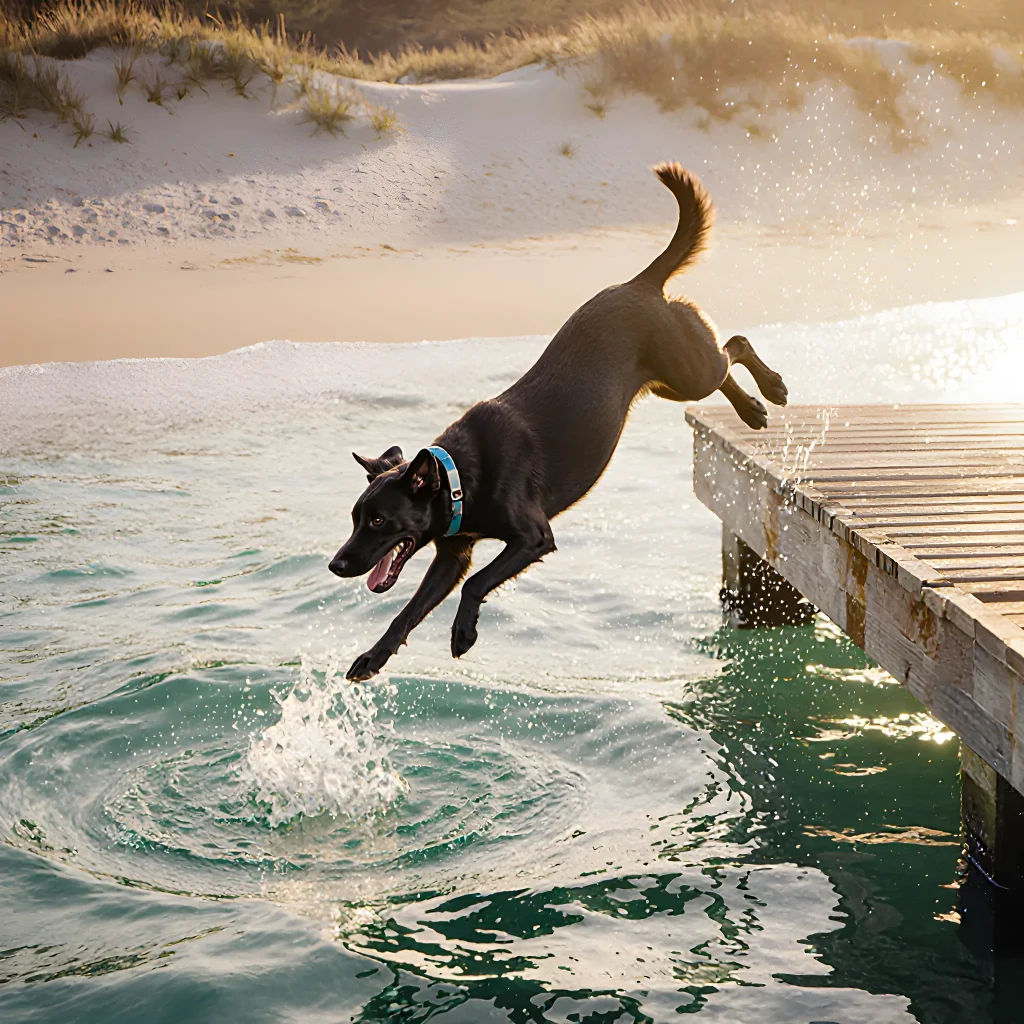
Dive Into Fun With Your Furry Friend
How to Start Dock Diving with Your Dog
Table of Contents
- Introduction to Dock Diving
- Safety First: Choosing the Right Dog
- Essential Equipment and Gear
- Finding a Suitable Docking Location
- Preparing Your Dog for Water Activities
- Teaching the Basic Jump Command
- Using Positive Reinforcement and Rewards
- Gradual Distance Training on the Dock
- Introducing the Water Splash Target
- Building Confidence with Longer Jumps
- Monitoring Your Dog’s Physical Condition
- Handling Common Challenges and Setbacks
- Keeping the Training Sessions Fun and Engaging
- Conclusion: Enjoying Dock Diving Together
- FAQ – Frequently Asked Questions
Introduction to Dock Diving
Dock diving, also known as water docking, is a high‑energy sport that blends the love of swimming with the joy of training your dog. The premise is simple: a sturdy dock or platform over a body of water (usually a lake, pond, or calm sea) serves as the launch point for a thrilling leap and splash. While it may look like a spontaneous burst of fun, dock diving requires careful planning, safety precautions, and consistent practice to keep your dog safe and happy.
Why Dock Diving Is Great for Dogs
- Physical exercise: A full body workout that improves cardiovascular health, muscular strength, and joint mobility.
- Mental stimulation: Learning to time a jump, follow commands, and maintain focus keeps the mind sharp.
- Bonding experience: Shared success builds confidence and strengthens the human‑dog relationship.
- Natural instincts: Many breeds love water; dock diving satisfies that instinct in a controlled way.
Key Components of a Successful Dock Diving Session
- The Dock: A flat, stable surface at least 1–2 meters above the water. Use a wooden or PVC platform with non‑slip edges.
- The Dog: Ideally a high‑energy breed (Labrador, Golden Retriever, Border Collie, German Shorthaired Pointer). However, any dog that loves to swim can participate with proper training.
- The Launch Technique: A short sprint or hop from the dock’s edge. The jump should be powerful but controlled, using a natural stride.
- The Landing: A splash that covers at least one body length of water. The dog should aim for a smooth entry, not a splash‑and‑splash style that risks injury.
Safety First: Rules and Tips
- Check the water: Ensure it is calm, free from debris, and within safe depth (at least 1.5 m for most dogs).
- Inspect the dock: Look for splinters, loose boards, or rusted nails.
- Use a leash on first days: Keep the dog close until you’re confident in its jumping ability.
- Never force a jump: Let your dog naturally decide when it feels ready.
- Stay hydrated: Provide fresh water after each session, especially on hot days.
Practical Steps to Get Started (Referencing “How to Start Dock Diving with Your Dog”)
- Choose the Right Spot: A shallow, protected area like a marina dock or a private pool’s edge. Verify local regulations and obtain any necessary permits.
- Create a Routine: Begin with short practice sessions of 5–10 minutes to build confidence before extending time.
- Introduce the Jump: Place treats on the dock’s edge, encouraging your dog to step up and then leap. Use a verbal cue like “jump” or “dock.”
- Reward Success: Praise loudly and give a treat immediately after the splash to reinforce positive behavior.
- Progress Gradually: Once comfortable, increase the distance from the water’s edge and the height of the dock. Add timed intervals or count how many successful jumps in a row.
Example Training Plan (4‑Week Beginner Program)
| Week | Focus | Duration |
|---|---|---|
| 1 | Dock Familiarization & Short Leaps | 10 min, 2 sessions/day |
| 2 | Increasing Jump Distance | 12 min, 3 sessions/day |
| 3 | Consistent Splash & Endurance Building | 15 min, 4 sessions/day |
| 4 | Timed Trials & Competition Prep | 20 min, 5 sessions/day |
Remember: Every dog progresses at its own pace. Celebrate small milestones—whether it’s a clean entry or simply stepping onto the dock—and keep training fun and positive.
Safety First: Choosing the Right Dog
When you’re planning to start a new water‑based activity like dock diving, the first step is to make sure your dog’s temperament and physical condition are a good match for the sport. A well‑suited dog will enjoy the experience, stay safe, and help you build confidence in handling the water environment.
1. Assess Your Dog’s Personality
- Water‑loving vs. Water‑averse: Some dogs are naturally drawn to splashy play, while others may feel anxious around bodies of water. Observe your dog in a controlled pool setting before attempting dock diving.
- Energetic vs. Calm: Dock diving demands bursts of speed and power. A high‑energy breed such as a Border Collie or Labrador Retriever will typically thrive, whereas a more laid‑back breed might struggle to maintain the required stamina.
2. Evaluate Physical Health
- Joint Condition: Dock diving involves repeated jumps and landings that can stress knees, hips, and ankles. Dogs with hip dysplasia or arthritis should be evaluated by a vet before participating.
- Heart & Lung Capacity: A strong cardiovascular system is essential for repeated dives. If your dog has any history of heart disease or respiratory issues, consult a veterinarian first.
3. Size Matters
While there’s no hard rule about the ideal size, medium to large dogs tend to generate more momentum for longer jumps. A small dog can still participate but may need shorter distances and more rest periods.
4. Training Background
- Basic Obedience: Dogs that reliably respond to “sit,” “stay,” and “come” commands are easier to manage near water.
- Water Familiarity: Prior experience with swimming, paddle‑boarding, or other aquatic activities will shorten the learning curve for dock diving.
5. Practical Test Run
- Set up a small, shallow pool and let your dog splash around freely.
- Observe how they react to jumping off a low step or curb into the water.
- If they show enthusiasm and recover quickly after each jump, it’s a good sign they’re ready for more advanced dock diving sessions.
6. Vet Check‑In
Before starting any new sport, especially one involving water and high impact, have your veterinarian conduct a full check-up. Bring records of vaccinations, recent physical exams, and any known health concerns.
7. Start Slow & Build Confidence
- Begin with short distances (10–15 ft) from the dock to the water.
- Use positive reinforcement—treats, praise, or a favorite toy—to reward successful jumps and calm behavior.
- Gradually increase the distance as your dog’s confidence and endurance improve.
8. Safety Gear Checklist
- Life Jacket: Especially important for smaller or less confident swimmers.
- First Aid Kit: Include items like antiseptic wipes, bandages, and a small splint kit.
- Water‑Proof Phone Case: Keep your phone safe while you monitor the dog’s safety.
Choosing the right dog for dock diving isn’t just about picking a breed; it’s a holistic assessment of temperament, health, and training. By taking these steps, you’ll create a safer, more enjoyable experience for both you and your canine companion.
Essential Equipment and Gear
Before you head out to the water, make sure you and your dog have all the gear that will keep both of you safe, comfortable, and ready for a fun dock‑diving session. Below is a comprehensive list of must‑have items, plus some optional extras that can enhance the experience.
1. Dog Life Jacket (DLJ)
- Why it matters: Even if your dog loves water, a life jacket provides buoyancy and keeps them upright in turbulent conditions or when they’re tired.
- Choosing the right size: Measure your dog’s chest circumference (between shoulder blades) and weight. Most manufacturers provide a sizing chart; fit should be snug but not restrictive.
- Features to look for:
- High‑visibility color or reflective strips
- Quick‑release buckle for emergencies
- Ventilation panels to prevent overheating
2. Dock‑Safe Harness & Leash Combo
- Purpose: A harness distributes pressure evenly across the dog’s chest, preventing strain on the neck.
- Leash length: Use a short leash (2–4 ft) to maintain control while giving your dog enough room to move. Some trainers recommend an extended‑length leash with a quick‑release attachment for safety.
3. Waterproof Dog Boots
If you’re diving in rocky or sandy areas, waterproof boots protect paws from sharp objects and hot surfaces. Look for breathable materials and a snug fit that won’t slip off during jumps.
4. Handheld Floatation Device (Optional)
A small inflatable buoy or hand‑hold float can help your dog stay on the dock’s edge while you adjust their position, especially in stronger currents.
5. First Aid Kit
- Include items for both humans and dogs: bandages, antiseptic wipes, gauze, tweezers (for splinters), and a small emergency whistle.
- Carry a copy of your dog’s medical records in case of injury.
6. Cooling Towels & Hydration
Water can be hot, especially after a dive. Keep a cooling towel ready to wrap around your dog’s neck or head, and provide fresh water in a collapsible bowl.
7. Training Collar/Head Halter (Optional)
If you’re new to dock diving, a head halter can help keep your dog’s head forward and prevent them from pulling too hard during jumps.
8. Waterproof Camera or GoPro
- Document the fun! A waterproof action camera can capture high‑speed dives and your dog’s enthusiastic reactions.
- Use a floating mount or attach it to a harness for stable footage.
9. Dock Safety Signage & Warning Flags
If you’re using a private dock or frequently visiting public docks, consider placing clear signage that indicates the presence of dogs and reminds others to keep a safe distance during diving sessions.
10. Personal Protective Equipment (PPE)
- Waterproof gloves: Protect your hands from splashes and sudden movements.
- Eye protection: Goggles can shield you from water spray, especially if you’re prone to eye irritation.
Practical Packing Checklist
- Dog life jacket (properly fitted)
- Harness and short leash
- Waterproof dog boots
- First aid kit
- Cooling towel & water bowl
- Optional: head halter, floatation device, waterproof camera, PPE
By assembling these items ahead of time and checking each piece for integrity (no tears, secure buckles), you’ll ensure a safe, enjoyable dock‑diving experience that keeps both you and your dog happy.
Finding a Suitable Docking Location
Before you even think about letting your dog jump into the water, it’s essential to find a safe and convenient docking spot. A good dock not only makes the experience enjoyable for both of you but also reduces the risk of accidents or injuries.
1. Check Local Regulations and Safety Rules
- Permits: Some lakes, rivers, or coastal areas require a permit for docking or even for launching small boats. Contact your local marina office or park ranger to confirm.
- No‑docking zones: Look out for “no docking” signs—these are often placed near wildlife habitats or fragile ecosystems.
- Pet policies: Many public docks allow dogs, but some restrict them during peak hours. Verify with the managing authority (e.g., city parks department).
2. Evaluate the Dock’s Physical Features
- Stability: A dock that feels solid and does not wobble is crucial. Inspect for loose boards or rusted metal fasteners.
- Height above water: Too low can make the jump difficult, while too high may increase the splash risk. Aim for a height of 2–4 ft (0.6–1.2 m) if you’re just starting out.
- Clearance: Ensure there’s ample space on both sides of the dock so your dog can safely land and take off without colliding with other users or objects.
- Surface material: Non-slip surfaces (e.g., textured decking, rubberized mats) help prevent slips during takeoff and landing.
3. Assess the Water Conditions
Even a great dock can become hazardous if the water conditions are wrong. Check these factors:
- Depth: A minimum of 2–3 ft (0.6–1 m) is recommended for beginners.
- Tide and current: Avoid docking during strong currents or high tides that can push the dog back into the dock.
- Temperature: Cold water can shock a dog’s system. Use a thermometer to keep the temperature above 60 °F (15 °C) for most breeds.
- Debris and hazards: Look for submerged logs, rocks, or trash that could injure your pet.
4. Practical Examples of Ideal Docking Spots
| Location Type | Pros | Cons | Best For |
|---|---|---|---|
| Private marina dock (small boat launch) | Secure, usually well-maintained, controlled traffic. | May require a permit; sometimes restricted to members. | First‑time dog divers who want a calm environment. |
| Public beach boardwalk | Easy access, often non-slip surfaces, scenic views. | High foot traffic; possible restrictions during peak season. | Experienced dogs in a fun setting. |
| Riverbank with natural wooden outcrop | Free to use, natural scenery. | Unstable footing, variable water depth. | Advanced divers who can handle rough conditions. |
5. Step‑by‑Step Dock Selection Checklist
- Search online for local docks or ask at nearby pet stores and vet offices.
- Visit the site early in the morning to observe traffic patterns.
- Inspect the dock’s structure: look for cracks, loose boards, and a solid base.
- Check water depth with a measuring stick or gauge; ensure it meets your dog’s skill level.
- Confirm any rules or permits required—write down contact info of the managing authority.
- Make a note of potential hazards (e.g., other boats, swimmers).
6. Final Tips for a Smooth Docking Experience
- Use a leash or tether: Especially when first learning the jump; it keeps your dog close and under control.
- Mark the takeoff line: Place a lightweight flag or rope on the dock to guide your dog’s approach.
- Practice in dry land first: Let your dog get comfortable with the jump motion before adding water.
- Stay vigilant: Watch for changes in weather, sudden currents, or other users that might affect safety.
By carefully selecting a docking location and preparing for the conditions, you’ll create a fun, safe, and memorable dock‑diving experience for your dog. Happy jumping!
Preparing Your Dog for Water Activities
Before you and your pup hit the dock or lake, there are several practical steps to ensure a safe, enjoyable experience. Below we break down the most important aspects: safety gear, acclimation, health checks, training techniques, and on‑site etiquette.
1. Invest in Reliable Safety Equipment
- Life Jacket: Choose a U.S. Coast Guard–approved life jacket that fits snugly but allows free movement of the head and neck. Look for adjustable straps, reflective tape, and a secure buckle.
- Leash & Harness: Even if your dog is a strong swimmer, keep a short leash (3‑6 ft) attached to a sturdy harness. This provides immediate control in case of accidental falls or sudden wind gusts.
- First Aid Kit: Pack waterproof containers with items such as antiseptic wipes, gauze, tweezers, and a small bottle of saline solution for rinsing.
2. Gradual Water Exposure
- Start Small: Begin with shallow, calm water—think a kiddie pool or a puddle on a sunny day. Let your dog explore at its own pace.
- Use Positive Reinforcement: Reward with treats and praise when your pup steps into the water or swims a few strides. Avoid forcing them; patience builds confidence.
- Introduce the Dock: Once comfortable, walk your dog onto a dock in a calm environment. Let them sniff the railing and feel the board under their paws before attempting jumps.
3. Vet Visit & Physical Readiness
Before any water activity, schedule a quick check‑up to confirm:
- Vaccination status: Ensure rabies and other relevant shots are up to date.
- Heart & lung health: A healthy cardiovascular system is essential for sustained swimming.
- Joint condition: Dogs with arthritis or hip dysplasia may struggle with the impact of repeated jumps.
4. Structured Dock Diving Drills
Follow a progressive training plan similar to this:
- Command Recognition: Teach “Jump” and “Stop” using consistent hand signals.
- Short Jumps: Start with 1‑2 ft jumps over a low board, rewarding each successful attempt.
- Increasing Height & Distance: Gradually raise the board to 4–6 ft and extend the jump distance by adding a small obstacle (e.g., a floating buoy). Always keep the dog within sight.
- Mock Competition: Simulate a timed run: place a marker on the dock, have your dog sprint across, jump, and land in the water. Time the total duration to build excitement.
5. Dock & Water Etiquette
- Respect Other Users: Keep your dog calm near other swimmers and avoid sudden splashes.
- Leave No Trace: Clean up any waste, rinse off the dog's fur with fresh water before leaving, and use biodegradable shampoos if you plan to bathe them afterward.
- Watch Weather Conditions: Strong winds or sudden rain can create dangerous waves. If conditions deteriorate, return your dog to shore immediately.
6. Quick Pre‑Jump Checklist
| Item | Status |
|---|---|
| Life Jacket fitted properly? | ✔ |
| Leash & harness secure? | ✔ |
| Dog’s energy level appropriate? | ✔ |
| Weather conditions safe? | ✔ |
| First aid kit nearby? | ✔ |
With these preparations in place, you’ll be ready to enjoy a fun and safe dock‑diving experience that strengthens the bond between you and your canine companion.
Teaching the Basic Jump Command
The jump command is one of the most versatile and rewarding tricks you can teach your dog. Whether you’re aiming for a simple “jump over” obstacle, a high‑fly trick for agility competitions, or just a fun way to engage with your pet, the fundamentals are the same: clear communication, positive reinforcement, and consistent practice.
Step‑by‑Step Guide
- Choose the Right Spot: Start in a quiet area with minimal distractions. Use a low hurdle or a sturdy broomstick placed on two boxes to keep the height manageable for beginners.
- Get Your Dog’s Attention: Hold a treat in your hand and let your dog sniff it, then raise it slightly above their head to encourage natural jumping behavior.
- Use a Clear Cue: Say “Jump” or “Fly” in an upbeat tone while moving the treat upward. Keep the cue consistent; avoid mixing up words like “Hop.”
- Reward Immediately: As soon as your dog clears the obstacle, give them the treat and praise enthusiastically (“Good jump!”). Timing is crucial—delayed rewards can confuse the pup.
- Gradually Increase Height: Once your dog reliably jumps over a low hurdle, raise it incrementally. Aim for small increments (1–2 inches) each session to avoid frustration.
- Introduce Variations: Practice with different objects—a cone, a box, or even a friend’s hand—to help your dog generalize the command.
Common Mistakes and How to Fix Them
- Over‑rewarding before the jump: If you give treats while your dog is still on the ground, they may not associate the treat with the act of jumping. Keep the reward strictly after the obstacle.
- Using a too-high hurdle from the start: This can discourage your dog. Begin low and build confidence.
- Lack of consistency in the cue word: Switching between “Jump,” “Fly,” or “Over” confuses the dog. Pick one word and stick with it.
Practical Tips for Everyday Training
Integrate jump training into daily routines to keep your dog engaged:
- Short Sessions: Keep training blocks to 5–10 minutes. Dogs have limited attention spans.
- Use Playful Challenges: Turn a hallway or backyard into an obstacle course with cushions, boxes, and furniture for spontaneous practice.
- Positive Reinforcement Only: Avoid scolding if the dog fails. Instead, gently reset the hurdle and try again.
- Progress Tracking: Record your dog's jump height or time in a training journal to celebrate milestones.
Linking Jump Training to Dock Diving
The fundamentals of jumping—clear cues, consistent rewards, gradual progression—translate directly into dock diving. When you teach your dog to leap from a low hurdle, you’re essentially building the muscle memory and confidence needed for bigger jumps off a dock or water platform.
“Training a jump is about teaching confidence in movement.” – Professional Dog Trainer
Next Steps
Once your dog masters the basic jump, you can explore advanced variations:
- Jumping with a Target: Use a target stick or a ball to guide the jump.
- High‑Fly Tricks: Gradually increase height to train your dog for agility competitions.
- Dock Diving Prep: Practice jumping off a raised platform and immediately running into water, mimicking the dock diving scenario.
Remember, patience, consistency, and positive reinforcement are your best tools. Happy training!
Using Positive Reinforcement and Rewards
Positive reinforcement is the cornerstone of any successful dog training program, especially when teaching a skill as exciting—and potentially intimidating—as dock diving. By rewarding desired behaviors rather than punishing unwanted ones, you build confidence in your pup, strengthen the human‑dog bond, and accelerate learning.
Why Positive Reinforcement Works
- Motivation: Dogs naturally seek treats, praise, or playtime. When a behavior earns one of these rewards, they’re more likely to repeat it.
- Clarity: A clear reward signals exactly what the trainer wants—no ambiguity about which action earned the treat.
- Confidence Building: Successful experiences reinforce self‑esteem and reduce anxiety around new activities like jumping into water.
Choosing the Right Rewards
The most effective rewards are immediate, high-value, and tailored to your dog’s preferences. Here’s a quick guide:
- Food treats: Small, soft biscuits that can be consumed quickly (e.g., Tiny Tummy Treats). Use a “clicker” or the word “Yes!” as an audible marker before giving the treat.
- Praise & petting: Verbal affirmation (“Good boy!”) combined with gentle strokes. This works best for dogs who thrive on social bonding.
- Playtime: A quick fetch or tug game can be a powerful reward, especially for high-energy breeds.
- Toys: A favorite squeaky toy or chew can serve as a substitute when treats aren’t available (e.g., during a long day at the dock).
Step‑by‑Step Reinforcement Routine for Dock Diving
Below is a practical workflow that you can use during your first few training sessions. Feel free to adapt it based on your dog’s temperament and progress.
| Stage | Action | Reward | Timing Tips |
|---|---|---|---|
| 1. Approaching the Dock | Guide your dog to step onto the dock’s edge. | Treat + “Good job!” | Give reward immediately after they step on. |
| 2. Standing Still | Hold them in a calm, stationary position. | Soft praise + short play tug. | Reward when the dog remains still for 3–5 seconds. |
| 3. Jump Initiation | Use a verbal cue (“Jump!”) and hand gesture. | Treat + high‑energy praise. | Reward at the apex of the jump (the moment they leave the dock). |
| 4. Water Entry | Encourage them to enter water calmly. | Treat + gentle petting. | Reward once they step fully into the water. |
| 5. Retrieval (optional) | Ask for a toy or ball after landing. | Playtime with toy + praise. | Reward when they bring the item back to you. |
Practical Tips for Consistency
- Keep sessions short: 5–10 minutes of focused training prevents fatigue and keeps enthusiasm high.
- Use a consistent cue word: The same verb or phrase (“Jump,” “Go!”) each time eliminates confusion.
- Reward immediately: Delayed rewards weaken the association between action and reward.
- Vary reward types: Mix treats, praise, and play to keep motivation fresh.
- Gradual increase in difficulty: Start with a low dock edge; once your dog is comfortable, raise it incrementally.
Common Pitfalls & How to Avoid Them
- Over‑rewarding: Giving too many treats can create a “chew‑everywhere” habit. Stick to one reward per successful action.
- Inconsistent cues: Switching between “Jump” and “Go” confuses your dog. Pick one cue and use it consistently.
- Delaying praise: Dogs have a short memory span; if you wait too long, they may not link the reward to the action.
Final Thought
Positive reinforcement transforms dock diving from a daunting task into an enjoyable adventure for both of you. By rewarding precise actions, maintaining consistency, and celebrating small victories, your dog will learn to jump confidently, enjoy the water, and, most importantly, strengthen their trust in you as a supportive trainer.
Gradual Distance Training on the Dock
Once your dog is comfortable jumping from a short distance, it’s time to introduce gradual increases in both distance and height. This step-by-step approach helps build confidence, reduces the risk of injury, and keeps training fun for both you and your pup.
Step 1: Set Up a Baseline
- Choose a safe spot: Find a calm dock with a clear view of the water. The surface should be smooth and free from debris.
- Start close: Place your dog on the dock and have them stand behind you or just a few feet away. This is the “starting point” for all subsequent distances.
- Use a consistent cue: A simple command like “Jump!” or “Splash!” signals that it’s time to take off. Pair this with a hand gesture if it helps your dog focus.
Step 2: Incremental Distance Increases
The key is to increase the distance in small, manageable increments—usually no more than 1–2 feet (30–60 cm) at a time. Here’s a sample progression:
- Day 1–2: Start 1 foot away from the water edge.
- Day 3–4: Move to 2 feet.
- Day 5–6: Increase to 3 feet.
- Day 7–8: Advance to 4 feet.
- Day 9–10: Reach 5 feet.
After each jump, reward with praise and a treat. If your dog hesitates or shows signs of fatigue (lagging behind the water line, panting excessively), hold back at that distance until they’re ready to progress.
Step 3: Add Height Gradually
Once your dog is comfortable jumping from a set distance, start raising the height of the dock platform by 1–2 inches (2.5–5 cm) each week. A simple way to do this is:
- Use adjustable planks: Many docks come with removable boards or brackets that let you change the deck’s elevation.
- Mark the height: Place a small flag or tape on the side of the dock to remind yourself of the current height.
- Reassess after each jump: If your dog lands cleanly and appears confident, move up. Otherwise, stay at the current level until they’re ready.
Step 4: Combine Distance & Height Progression
Once both distance and height are comfortable individually, start combining them in a single training session. For example:
- Session A: 3 feet away, dock at 2 inches.
- Session B: 4 feet away, dock at 3 inches.
- Session C: 5 feet away, dock at 4 inches.
Keep each session short—no more than 10–12 jumps—to avoid overexertion. Always finish with a cool-down walk and plenty of water for your dog.
Practical Tips & Common Pitfalls
- Use a consistent reward system: Treats, praise, or a favorite toy should follow every successful jump to reinforce the behavior.
- Watch body language: A relaxed tail, perked ears, and steady breathing indicate readiness. Signs of hesitation (shuffling feet, drooping ears) mean it’s time to pause.
- Avoid overtraining: Fatigue can lead to poor form or injuries. If your dog seems tired, end the session early.
- Safety first: Always supervise, keep a leash nearby for extra safety during early sessions, and ensure the water is calm.
Sample Training Log
| Date | Distance (ft) | Height (in) | Jumps Completed | Notes |
|---|---|---|---|---|
| 2025-09-01 | 1 | 0 | 8 | Dog excited, quick jumps. |
| 2025-09-02 | 2 | 0 | 6 | Slight hesitation at start. |
By following this gradual distance training plan, you’ll help your dog develop the strength, confidence, and technique needed for safe, enjoyable dock diving. Remember: consistency, patience, and positive reinforcement are the keys to success!
Introducing the Water Splash Target
If you’re new to dock diving or just want to give your pup a safer start, begin with a simple “water splash target.” This is basically a shallow, visible area on the dock that encourages your dog to jump into the water without risking a full dive. It’s an excellent training tool for dogs of all ages and sizes.
Why Use a Splash Target?
- Confidence Building: Dogs often feel more secure when they can see how far their jump will land.
- Safety First: A shallow splash reduces the risk of injury if your dog misjudges the distance.
- Progressive Training: Once comfortable, you can gradually raise the water level and lengthen the jump.
Step‑by‑Step Setup
- Select a Flat Dock Section: Choose an area that’s at least 1.5–2 meters long, with no obstacles or uneven boards.
- Create the Target Zone: Place a bright-colored mat or towel on the dock, about 30–40 cm from the edge. The color should contrast with the water to make it visible from above.
- Mark the Water Line: Use floating rope or a piece of string tied at the same height as the mat to delineate where the water meets the dock.
Training Tips
- Keep It Low: Start with the water level below your dog’s shoulder. This ensures a gentle splash rather than a full plunge.
- Use Positive Reinforcement: Whenever your dog approaches or steps onto the mat, reward with treats and praise.
- Introduce the Jump Gradually: Begin by standing close to the dock, then gradually step back as your dog gains confidence.
- Observe Body Language: Watch for signs of hesitation or excitement. If your dog shows fear, reduce the distance or water depth.
Practical Example
Imagine a 4‑year‑old Labrador named “Finn.” He’s always eager to play fetch but never attempts a real dive. Here’s how you can use a splash target:
- Day 1: Set the mat 30 cm from the dock edge, water depth 20 cm. Let Finn sniff the area while you toss a ball just beyond the mat.
- Day 2–3: Move the ball farther out each day and reward every time Finn steps onto the mat to reach it.
- Day 4–5: Increase the water depth to 30 cm, keep the target distance constant. Encourage Finn with a “go!” command before he jumps.
- Final Step: Once Finn reliably jumps into the shallow splash, start adding a second mat farther out—gradually turning the splash into a full dive over weeks.
Safety Checklist
- Check weather conditions: wind can push the water edge.
- Ensure no one is standing in front of the dock during training.
- Use a leash or tether if your dog has a history of running off.
- Never force your dog to jump; always let them choose when they’re ready.
By starting with a water splash target, you give your dog a low‑risk introduction that builds confidence and sets the stage for more advanced dock diving skills. Happy training!
Building Confidence with Longer Jumps
Once your dog has mastered the basics of dock diving—standing on the dock, taking off from a short jump, and landing safely in the water—you’re ready to push the limits. Gradually increasing the length of each jump helps build muscle memory, confidence, and excitement for the ultimate challenge: the long‑jump sprint.
Step‑by‑Step Progression
- Measure the Starting Point: Use a measuring tape to mark the current “safe” distance from the dock—typically one or two dog lengths. This is where you’ll begin adding extra distance.
- Add 5–10% Each Session: Every training session, extend the jump by about five to ten percent of the previous length. For a dog that jumps comfortably at 6 ft (2 m), try 6.3 ft next time.
- Use Visual Cues: Place a small flag or bright ball at the landing spot. This visual target keeps your dog focused and gives them a clear endpoint to aim for.
- Celebrate Every Success: As soon as your dog lands safely, give enthusiastic praise, treat, and a quick play session. Positive reinforcement is key to maintaining confidence.
Practical Tips for Longer Jumps
- Warm‑Up First: A brief jog around the dock or light tug‑of‑war helps increase blood flow and reduces muscle stiffness before jumping.
- Maintain a Consistent Take‑Off Point: Keep your dog’s starting position steady. Use a small line or a piece of rope to mark where they should begin each jump.
- Keep the Water Shallow at First: For longer distances, ensure the landing zone is shallow enough that if the dog misjudges the jump, they can still float comfortably without panic.
- Check for Fatigue: Dogs tire quickly during long jumps. If you notice slowed movements or hesitation, stop and give a rest period before attempting another longer jump.
Example Training Session (10‑Minute Routine)
| Time | Activity |
|---|---|
| 0:00–0:02 | Warm‑up jog around the dock, light tug. |
| 0:02–0:04 | Short jump (current safe distance), treat reward. |
| 0:04–0:06 | Increase jump by 5% of previous length, repeat. |
| 0:06–0:08 | Longer jump (next incremental distance), treat reward. |
| 0:08–0:10 | Cool‑down walk around the dock, final praise. |
Common Mistakes to Avoid
- Jumping Too Far Too Soon: This can lead to injury or loss of confidence. Stick to gradual increments.
- Neglecting the Take‑Off Point: A shifting start line confuses your dog and disrupts rhythm.
- Overlooking Safety Checks: Always ensure there are no obstructions in the landing zone before each jump.
Progress Tracking
Create a simple log sheet or use a training app to record:
- Date and time of session
- Distance jumped (feet/meters)
- Number of successful jumps
- Observations (e.g., enthusiasm, hesitation, fatigue)
Reviewing this data weekly will help you spot trends and adjust your training plan accordingly.
Final Thought
Longer dock dives are not just about distance—they’re a testament to trust, preparation, and the bond between you and your dog. With consistent practice, positive reinforcement, and careful progression, your canine companion will leap farther, faster, and with greater confidence than ever before.
Monitoring Your Dog’s Physical Condition
Before you dive into the excitement of dock diving, it’s crucial to ensure your dog is physically fit for the activity. Dock diving can be intense on joints, muscles, and cardiovascular health, especially if performed repeatedly or over long periods. By regularly assessing your dog’s condition, you’ll reduce injury risk, improve performance, and enjoy a healthier, happier partnership.
1. Baseline Health Check
- Veterinary Visit: Schedule an annual exam that includes blood work, heart screening (echocardiogram if necessary), and a musculoskeletal assessment.
- Body Condition Score (BCS): Aim for a score of 4–5 on the 9-point scale. Overweight dogs are more prone to joint strain during jumps.
- Joint Health: Look for signs of arthritis—limpness, stiffness after rest, or reluctance to jump. If you notice these, discuss anti-inflammatory medications or supplements with your vet.
2. Cardiovascular Fitness Tests
Dock diving demands a strong heart and lungs. Use the following simple tests at home:
- Walking Test: Walk your dog on a leash for 15 minutes. Notice how quickly they recover—if their breathing remains elevated after stopping, consider a cardio boost.
- Jump Count: Have them jump over a low hurdle or step five times in a row. A quick recovery indicates good cardiovascular endurance.
3. Strength & Flexibility Assessment
- Muscle Tone Check: Gently palpate the hindquarters, thighs, and shoulders. Muscles should feel firm but not rigid.
- Flexibility Drills: Perform a simple “bridge” test—lay your dog on their back, gently lift the hindquarters off the ground, and observe how easily they can straighten their legs. Difficulty may signal tight hamstrings or hip flexors.
4. Hydration & Nutrition
A well‑hydrated, balanced diet fuels performance:
- Water Intake: Ensure fresh water is available before and after training sessions.
- Protein Levels: High-quality protein supports muscle repair. Aim for 18–25% of daily calories from protein sources like chicken, fish, or whey protein supplements.
- Omega‑3 Fatty Acids: Add salmon oil or flaxseed to reduce inflammation and support joint health.
5. Daily Observation Checklist
Create a simple log each day you train or play at the dock:
| Date | Energy Level (1–10) | Limping/Joint Pain? | Recovery Time (min) |
|---|---|---|---|
| 2025‑09‑12 | 8 | No | 2 |
6. When to Seek Veterinary Care
- Persistent limping or swelling after a session.
- Unexplained fatigue, coughing, or rapid breathing.
- Sudden loss of appetite or weight loss.
- Signs of heatstroke—panting heavily, drooling, vomiting, or collapse during warm days.
7. Adjusting Training Based on Findings
If your dog shows signs of fatigue or joint discomfort:
- Reduce Intensity: Shorten sessions and increase rest intervals.
- Introduce Low‑Impact Drills: Replace high jumps with shorter, controlled leaps.
- Incorporate Strengthening: Add gentle resistance exercises like “sit‑to‑stand” repeats or weighted vests (under vet guidance).
8. Long‑Term Monitoring Tips
- Use a smartwatch or fitness tracker designed for dogs to track heart rate and activity.
- Schedule semi-annual rechecks with your vet to monitor joint health as your dog ages.
- Keep a digital photo log of gait changes over time; visual trends can catch subtle issues early.
By staying vigilant, you’ll not only keep your canine companion safe but also maximize the fun and fulfillment that dock diving offers. Happy training!
Handling Common Challenges and Setbacks
Dock diving with your dog can be a thrilling experience, but it’s not without its hurdles. Whether you’re dealing with a nervous pup, an unpredictable environment, or simply progress stalls, the key is to identify the problem early and apply practical solutions. Below we break down the most frequent challenges and offer step‑by‑step strategies that have worked for countless owners.
1. Fear of Water
- Symptom: Your dog hesitates to jump, backs away from the edge, or shows signs of anxiety (whining, trembling).
- Root Cause: Past negative experiences, lack of exposure, or simply being a “dry” dog.
- Solution Steps:
- Start Small: Begin on the dock’s land side. Let your dog explore the boardwalk while you keep treats in hand.
- Introduce Splash Gradually: Use a shallow kiddie pool or a spray bottle to create controlled splashes. Reward calm behavior.
- Positive Association: Pair water exposure with high‑value rewards (cheese puffs, bacon bits) and praise. Do this in short 5‑minute sessions, gradually increasing duration.
- Practical Tip: Use a “water buddy” – a calm dog that has already learned to enjoy water. The social proof can reduce anxiety for the hesitant pup.
2. Inconsistent Performance
Even after mastering the basics, you might notice performance dips during certain sessions or weather conditions.
- Check Physical Condition: Fatigue, dehydration, or injury can affect jumps. Ensure your dog has a balanced diet and sufficient rest.
- Environmental Factors: Windy days reduce control; strong currents make it harder to maintain position. Train in different conditions to build resilience.
- Motivation Levels: Dogs may lose interest if the routine becomes monotonous. Vary jump lengths, add new obstacles (e.g., a small platform or a floating ball), and keep sessions fun.
3. Handling Equipment Issues
Dock diving equipment—boards, ropes, harnesses—can wear out or be improperly fitted, leading to accidents or reduced performance.
- Regular Inspection: Check for fraying rope, cracked boards, and loose fittings at least once a week.
- Proper Fit: A harness that’s too tight can cause discomfort while one that’s loose may allow your dog to slip. Use the “two‑finger test” to gauge fit: you should be able to slide two fingers between the harness and your dog’s body.
- Replacement Schedule: Replace boards after 50–70 jumps or whenever cracks appear; replace ropes every 3 months for safety.
4. Over‑excitement and Loss of Focus
Enthusiasm is great, but uncontrolled excitement can lead to reckless jumps, collisions with other dogs or swimmers, and decreased learning.
- Calm Commands: Teach “sit” and “stay” on the dock before jumping. Use a cue like “focus” when you want your dog to watch the water.
- Controlled Environment: Limit distractions during practice. Start in a quiet area, gradually adding swimmers or other dogs as your pup stays composed.
- Reward Timing: Give treats only after a clean jump. This reinforces the idea that calm execution leads to reward.
5. Health Concerns (Heatstroke, Joint Issues)
Dock diving can be physically demanding. Watch for signs of overheating, joint pain, or other health issues.
- Temperature Check: Never dive during peak heat hours (10 am–4 pm). Use a thermometer to ensure water temperature is suitable (ideally 70–75°F for most breeds).
- Hydration & Rest: Provide fresh water before and after sessions. Allow at least 24 hours of rest between intense dives.
- Veterinary Guidance: If you suspect joint pain or other discomfort, schedule a check‑up. Some breeds (e.g., Labradors) are prone to hip dysplasia that can be aggravated by repetitive jumps.
Practical Checklist for a Successful Session
- Pre‑session: Warm‑up with light walks, check equipment, hydrate.
- Begin with a “ready” cue; reward calm approach to the dock edge.
- Progressively increase jump distance while monitoring focus.
- End with a cool‑down walk and praise.
By anticipating these challenges and applying the outlined strategies, you’ll build confidence, safety, and enjoyment for both you and your dog. Remember: consistency, patience, and positive reinforcement are the cornerstones of a successful dock diving journey.
Keeping the Training Sessions Fun and Engaging
Dock diving is a high‑energy sport that requires your dog to stay focused while also having fun. If the training feels like a chore, both you and your pup will lose motivation quickly. Below are practical strategies to keep every session enjoyable, rewarding, and effective.
1. Keep It Short & Sweet
- Duration: Aim for 5–10 minute bursts rather than long sessions that wear your dog out.
- Frequency: Train 2–3 times a day if possible, especially during the first few weeks of learning new cues.
- Example: Start with a single “Jump” cue, reward immediately, then pause for a short walk or play break before continuing.
2. Reward with Play & Treats
Use high‑value treats (e.g., cheese cubes, freeze‑dried chicken) and short bursts of play as dual rewards.
- Play‑Reward Combo: After a successful dive, toss the ball in the water for a few seconds before giving the treat. This keeps the activity varied.
- Training Games: Turn “fetch” into a mini‑competition by timing how fast your dog retrieves the ball from the dock.
3. Change Scenery and Obstacles
Dogs thrive on novelty, so mix up the training environment to maintain interest.
- Different Docks: Practice at multiple docks with varying widths and heights.
- Obstacle Integration: Add a lightweight hurdle or a rope over the water to encourage higher jumps.
- Tip: Use a “visual cue” like a colored flag on each new dock so your dog associates that color with the jump routine.
4. Use Encouraging Body Language
Your tone and posture can make or break a session.
- Smile & Speak Softly: Dogs pick up on your emotions; a calm voice helps them stay relaxed.
- Use Hand Signals: Pair verbal cues with hand gestures to give the dog clear, consistent signals.
- Example: A “high‑five” gesture after a successful dive reinforces success and keeps the atmosphere upbeat.
5. Turn Training Into Mini‑Games
Gamifying training helps your dog stay mentally engaged.
- “Red Light/Green Light”: Walk the dock while saying “green light” for jumps and “red light” to pause. This teaches impulse control in a playful way.
- Timed Challenges: Use a stopwatch to see how many successful dives your dog can perform in 30 seconds. Celebrate each milestone.
6. Match Your Energy Level
Your enthusiasm is contagious; a bored trainer leads to a bored dog.
- Use High‑Vibe Music: Play upbeat music in the background (if safe) to keep everyone motivated.
- Take Breaks When Needed: If you feel drained, pause for a quick stretch or water break before resuming. Your dog will sense your energy shift and respond accordingly.
7. Finish with Praise & Play
A positive conclusion reinforces the learning loop.
- Grand Finale: After a series of jumps, let your dog perform one final “super jump” for extra praise and treats.
- Cool‑Down Walk: End with a slow walk around the dock to help your dog transition from high excitement to calmness.
Remember, consistency paired with fun creates the best learning environment. By keeping training sessions short, rewarding, varied, and energetic, you’ll not only build a skilled dock diver but also strengthen the bond between you and your dog.
Conclusion: Enjoying Dock Diving Together
Dock diving is more than a sport—it’s an opportunity for you and your dog to build confidence, strengthen their bond, and have fun in a safe environment. Below are practical steps and tips to help you make the most of every session.
1. Keep Training Consistent
- Daily Warm‑Ups: Even on short days, spend 5–10 minutes doing simple fetch or tug games near the dock to keep your dog’s muscles loose and their mind focused.
- Reinforce Commands: Use “Jump,” “Stay,” and “Come” regularly so that your dog can anticipate what you expect during each dive. A clear verbal cue paired with a hand signal will reduce confusion in the water.
2. Safety First
Safety is paramount when your dog is in or near water.
- Inspect Equipment: Check that the dock rail, rope, and any harnesses are free from cracks or frayed edges before each session.
- Know Your Dog’s Limits: If your dog shows signs of fatigue—heavy panting, slowing down—give them a rest break. Overexertion can lead to muscle strain or heat exhaustion.
- Use a Floatation Aid: For beginners or older dogs, a lightweight dog life jacket provides an extra layer of security and makes the first few jumps less intimidating.
3. Gradual Progression
Just like any sport, progress should be incremental.
- Short Jumps First: Start with a 1–2 foot jump and reward each successful attempt with praise or a treat.
- Add Distance: Once your dog is comfortable, extend the rope by a few feet and introduce a new “Jump” cue.
- Introduce Variety: Vary the direction of jumps (left to right, diagonal) to keep your dog mentally engaged.
4. Celebrate Small Wins
Positive reinforcement is essential for motivation.
- Treats and Praise: Immediately after a successful dive, give a high‑value treat and enthusiastic verbal praise.
- Use a Clicker: If you’re clicker training, the distinct sound helps your dog associate the exact moment of success with the reward.
5. Make It Social
Dock diving can be more enjoyable when shared with others.
- Join a Club: Many communities have dock diving clubs that offer structured training sessions and friendly competition.
- Invite Friends: A small gathering of dog owners can turn practice into a fun event, complete with snacks for both humans and pets.
6. Keep Learning
Every dog is unique; what works for one might not work for another. Stay open to adjusting your approach based on your dog’s behavior and preferences.
- Observe Body Language: Watch for signs of excitement, anxiety, or fatigue, and adjust the training intensity accordingly.
- Consult a Professional: If you encounter persistent issues—like hesitation to jump or fear of water—a certified dog trainer can provide tailored guidance.
7. Record Your Progress
Documenting your sessions helps track improvements and spot patterns.
- Video Clips: Short videos of each dive allow you to review technique and celebrate milestones.
- Training Log: Note the distance jumped, number of attempts, and any behavioral observations in a notebook or digital app.
By integrating these practices into your routine, dock diving becomes an enriching experience that strengthens the bond between you and your dog while promoting physical fitness and mental stimulation. Remember to keep the focus on fun, safety, and consistent encouragement—your dog’s enthusiasm will follow suit!
FAQ – Frequently Asked Questions
1. What is dock diving?
Dock diving is a canine sport where dogs jump from a dock or platform into a body of water, aiming to cover the greatest distance or height in a single leap. It combines athleticism, obedience training, and pure fun for both dog and owner.
2. Do I need a special dock?
No, you can start with any sturdy platform that’s at least 12–15 ft from the water surface. Many pet owners use a simple wooden or plastic step ladder anchored to a pier, dock, or even a beach boardwalk. Just make sure the surface is stable and free of sharp edges.
3. Which breeds are best for dock diving?
- Labrador Retriever: Strong, buoyant, loves water.
- Golden Retriever: Similar to Labradors with great endurance.
- Border Collie: Highly trainable and energetic.
- Australian Shepherd: Agile and enthusiastic.
- German Shorthaired Pointer: Excellent jumpers with a love for water.
However, any healthy, athletic dog can learn to dock dive with patience and consistency.
4. How do I train my dog for dock diving?
- Build a base of obedience: Teach “sit,” “stay,” and “come.” Use high‑value treats or a favorite toy.
- Introduce the water: Let your dog explore shallow water. Reward calm behavior.
- Use a lure: Place a floating toy or treat at the water’s edge to encourage jumping.
- Progressive jumps: Start with short hops from the dock, then gradually increase distance as confidence builds.
- Positive reinforcement: Celebrate every successful jump with praise and treats.
5. What safety precautions should I take?
- Check the water depth; it should be at least 2–3 ft deep for a safe landing.
- Avoid windy days or rough waves that could disorient your dog.
- Keep an eye on weather conditions and never leave a dog unattended in water.
- Use a life vest if your dog is not a strong swimmer or you’re training outdoors.
6. How do I measure distance for competition?
Use a measuring tape or laser rangefinder from the dock’s edge to where your dog lands. Mark the landing spot with a flag or chalk so you can track progress over time.
7. Can I train my dog indoors?
Yes, many trainers use an indoor “dock” made from a sturdy step ladder and a pool or kiddie pool. The key is to replicate the platform’s height and provide a safe landing surface.
8. What should I feed my dog before training?
Offer a light meal 2–4 hours prior to training, followed by a high‑protein snack (like boiled chicken or commercial treats) just before the session. Hydration is essential—always have fresh water available.
9. How long does it take to become proficient?
With consistent training (2–3 sessions per week), most dogs can achieve a solid jump within 4–6 weeks. Mastery for competition typically requires several months of focused practice.
10. Where can I find local dock diving clubs or events?
- Check the Dock Diving Association of America (DDAA) website for club listings.
- Search “dock diving near me” on Google or Facebook groups dedicated to water sports with dogs.
- Visit local pet stores or veterinary clinics—they often have flyers for upcoming events.
Categories
- AI & Enrichment Play
- Broiler Farming
- Broiler Farming Tips
- Canine Wellness & Longevity
- Cat
- Cat & Human Connection
- Cat Adoption & Rescue
- Cat Breeds
- Cat Breeds & Personalities
- Cat Care & Health
- Cat Grooming & Hygiene
- Cat Lifestyle & Environment
- Cat Myths & History
- Cat Nutrition & Diet
- Cat Products & Reviews
- Cat Training & Behavior
- Comparison
- Consumer Awareness
- Dog
- Dog Accessories & Products
- Dog Adoption & Rescue
- Dog Breed & Lifestyle Trends
- Dog Breeding & Puppies
- Dog Entertainment & Media
- Dog Fashion & Trends
- Dog Fun & Lifestyle
- Dog Grooming & Hygiene
- Dog History & Culture
- Dog Myths, Science & Future Tech
- Dog News & Trends
- Dog Nutrition & Food
- Dog Psychology & Emotions
- Dog Safety & Security
- Dog Sports & Activities
- Dog Technology & Innovation
- Dog Training for Modern Owners
- Dog Travel & Adventure
- Dog Travel, Adventure & Culture
- Economic and Market Insights
- Educational Content
- FAQs
- Feeding Alternatives
- Festivals & Seasonal Ideas
- Fun & Entertainment
- General Knowledge
- General Pig Farming
- Health & Disease Management
- Housing and Environment
- Kittens
- Market Insights
- Miscellaneous
- Miscellaneous
- Motivational
- pig
- Pig Breeding
- Pig Breeds
- Pig Farming Stories and Inspiration
- Pig Health and Care
- Pig Nutrition
- Pig Products
- Profitability & Business
- Puppy Care
- Puppy Predictable Topics Reinvented
- Regional Focus
- Rescue & Adoption Buzz
- Senior Cats
- Senior Dog Care
- Smart Dog Tech & Gadgets
- Sustainability
- Sustainable & Eco-Friendly Dog Products
- Tech & Innovations
- Working & Service Dogs
- Broiler Feed66 products
- Country Feed33 products
- Pig Feed66 products
- Product22 products
- Raw Materials99 products
Products
-
 Fish Meal
₹1,999.00 – ₹2,999.00Price range: ₹1,999.00 through ₹2,999.00Rated 0 out of 5
Fish Meal
₹1,999.00 – ₹2,999.00Price range: ₹1,999.00 through ₹2,999.00Rated 0 out of 5 -
 FATTENING BROILER FEED
₹2,299.00 – ₹2,349.00Price range: ₹2,299.00 through ₹2,349.00Rated 0 out of 5
FATTENING BROILER FEED
₹2,299.00 – ₹2,349.00Price range: ₹2,299.00 through ₹2,349.00Rated 0 out of 5 -
 LAYER COUNTRY FEED
₹1,549.00 – ₹1,649.00Price range: ₹1,549.00 through ₹1,649.00Rated 0 out of 5
LAYER COUNTRY FEED
₹1,549.00 – ₹1,649.00Price range: ₹1,549.00 through ₹1,649.00Rated 0 out of 5 -
 COUNTER BROILER FEED
₹1,199.00 – ₹1,299.00Price range: ₹1,199.00 through ₹1,299.00Rated 0 out of 5
COUNTER BROILER FEED
₹1,199.00 – ₹1,299.00Price range: ₹1,199.00 through ₹1,299.00Rated 0 out of 5 -
 LACTATING PIG FEED
Rated 0 out of 5
LACTATING PIG FEED
Rated 0 out of 5₹2,299.00Original price was: ₹2,299.00.₹1,740.00Current price is: ₹1,740.00. -
 Maize
Rated 0 out of 5
Maize
Rated 0 out of 5₹1,650.00Original price was: ₹1,650.00.₹1,300.00Current price is: ₹1,300.00. -
 GESTATION PIG FEED (Phase 1)
Rated 0 out of 5
GESTATION PIG FEED (Phase 1)
Rated 0 out of 5₹2,249.00Original price was: ₹2,249.00.₹1,699.00Current price is: ₹1,699.00. -
 Pre Starter Broiler Feed
₹2,399.00 – ₹2,499.00Price range: ₹2,399.00 through ₹2,499.00Rated 0 out of 5
Pre Starter Broiler Feed
₹2,399.00 – ₹2,499.00Price range: ₹2,399.00 through ₹2,499.00Rated 0 out of 5 -
 FINISHER PIG FEED
Rated 0 out of 5
FINISHER PIG FEED
Rated 0 out of 5₹2,299.00Original price was: ₹2,299.00.₹1,749.00Current price is: ₹1,749.00. -
 Broiler Premix
Rated 0 out of 5
Broiler Premix
Rated 0 out of 5₹820.00Original price was: ₹820.00.₹699.00Current price is: ₹699.00.