
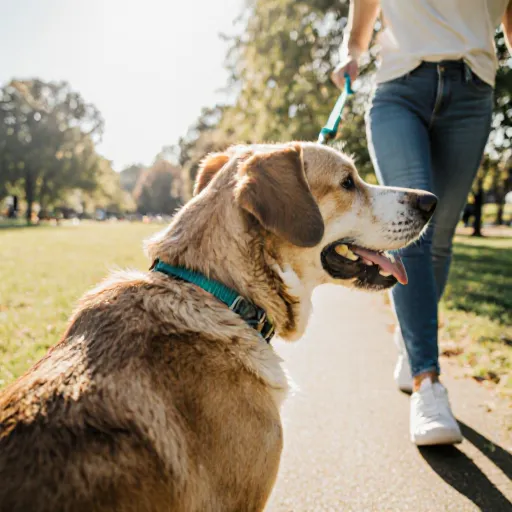
Master leash training with these simple tips.
How to Stop Your Dog from Pulling on the Leash
Table of Contents
- Identify the Cause of Your Dog's Leash Pulling
- Start Training Early and Consistently
- Use a Harness Instead of a Collar
- Practice Leash Walking in Short Sessions
- Use Positive Reinforcement Techniques
- Avoid Pulling Backwards or Yanking the Leash
- Teach Your Dog Commands for Stopping
- Use a Head Collar to Alter Your Dog's Gait
- Increase Exercise and Mental Stimulation
- Be Patient and Consistent in Training
- Consider Professional Help if Necessary
- Stay Calm During Walking Sessions
- Use Leash Corrections Appropriately and Sparingly
- Practice Walks in Diverse Locations
- Frequently Asked Questions (FAQ)
- Conclusion
Identify the Cause of Your Dog's Leash Pulling
To effectively address your dog’s tendency to pull while on a leash, it is crucial to first identify the root cause. Understanding why your dog pulls can help you develop strategies that are tailored specifically to your pet's needs and personality. Let’s explore some common causes of leash pulling:
1. Excitement
Many dogs pull on their leashes because they are excited about something in the environment, such as other dogs, people, or interesting scents. This excitement can cause them to tug forward eagerly. To combat this issue, try to engage your dog before you even leave the house by playing a game of fetch or using treats to keep their focus on you.
2. Lack of Training
If your dog has not been properly trained regarding walking on a leash, they may not know how to walk calmly beside you without pulling. Consistent and positive reinforcement training is key in teaching your dog the desired behavior. Start by practicing short walks indoors or in an enclosed area where distractions are minimal.
3. Attention Seeking
Your dog might be using their leash pulling as a way to gain attention, especially if they have discovered that this action gets them what they want faster than waiting for you to respond. Ignore these attempts at getting your attention by looking away and continuing walking calmly until they match your pace.
4. Boredom
A common cause of leash pulling is boredom, particularly during long walks where there are few stimulating activities. To alleviate this issue, mix up your routine with short play sessions or treats to keep your dog mentally engaged while walking.
5. Unfavorable Environment
If the environment around you is full of distractions that attract your dog's attention and make them want to pull towards them, it can be difficult for them to learn to walk calmly on a leash. Choose routes with fewer distractions or times when such places are less busy.
6. Physical Restraints
Sometimes physical restraints like harnesses or head halters can help manage leash pulling by providing more control and better communication between you and your dog. These tools can be particularly useful for dogs with strong pulling habits that are resistant to training.
Practical Advice
- Consistency is Key: Use the same commands every time, and ensure all family members follow the same routine so your dog does not get confused.
- Stay Calm: Avoid reacting to pulling by pulling back on the leash. Instead, remain calm and continue walking until your dog moves beside you.
- Treats as Rewards: Use treats to reward good behavior when walking calmly. This can reinforce desired actions and make training more enjoyable for both of you.
- Regular Walks: Regular exercise helps release pent-up energy, reducing the likelihood of pulling due to boredom or excitement.
By identifying the cause of your dog's leash pulling behavior, you can start implementing strategies that work for both you and your pet. Remember, patience is essential, as training takes time. With persistence and positive reinforcement, your dog will learn to walk calmly beside you without pulling.
Start Training Early and Consistently
To effectively stop your dog from pulling on the leash, it is crucial to start training early and consistently. Early intervention helps your dog understand boundaries and expectations much more quickly. By starting the training process when your puppy is still young, you can prevent bad habits from forming in the first place.
Consistency is key in this type of training. Dogs thrive on routine and predictability. If you give one command today but a different one tomorrow or apply inconsistent leash pulling corrections, your dog will be confused and less likely to learn the desired behavior. Consistently using specific commands and responses can make all the difference.
Step-by-Step Training Plan
- Identify the trigger: First, identify what triggers your dog to pull when on a leash. Is it another dog? A squirrel? Or simply moving forward too slowly?
- Create a baseline behavior: Establish what you want your dog to do instead of pulling. Most dogs will either stop and sit or walk at a comfortable pace beside you.
- Praise and reward: Whenever your dog stays by your side without pulling, praise them immediately. Using treats as rewards can make the training experience more enjoyable for both you and your pet.
- Practice in different environments: Start in a quiet area where distractions are minimal, and gradually work up to busier areas like parks or streets. This will help your dog generalize the behavior across various settings.
- Be patient: Remember that consistency and patience go hand-in-hand when training. It may take several weeks of consistent practice before you see significant improvement.
To further illustrate this, imagine a scenario where you are walking in your neighborhood with your dog. Every time the leash starts to pull, gently but firmly stop walking. Wait for your dog to look at you and then continue moving forward only when they have stopped pulling and are walking by your side. Over time, your dog will learn that pulling results in a halt of movement, while walking beside you leads to continued progress.
For practical advice, consider using a head halter or harness that can provide more control over the dog's direction without causing discomfort. These tools can be particularly useful during early training stages when consistency and correction are essential. Additionally, enlisting the help of a professional trainer can provide expert guidance tailored to your specific situation.
Starting early and consistently is not just about stopping pulling; it’s also about building a strong bond with your dog based on mutual understanding and respect. By dedicating time and effort to this training process, you are setting the foundation for a lifetime of enjoyable walks and a healthier relationship between you and your pet.
Use a Harness Instead of a Collar
Using a harness instead of a collar is an effective strategy for stopping your dog from pulling on the leash. While collars can sometimes exacerbate pulling behavior, harnesses provide better support and control over your dog's movements, which helps in teaching them to walk calmly by your side.
The Benefits of Using a Harness
- Improves Control: A well-fitted harness gives you greater control over your dog’s body, making it easier to redirect their pulling behavior. Unlike collars that may only pull on the dog's neck, harnesses distribute pressure across the chest and shoulders, which is less likely to encourage pulling.
- Better Posture: A properly fitting harness can improve your dog’s posture by ensuring they are standing correctly with their head at a natural angle. This helps in reducing tension that might lead to pulling.
- Facial Freedom: Collars put pressure on the dog's throat and face, which can be uncomfortable or even painful for some dogs. Harnesses allow your dog’s neck and facial muscles to remain relaxed, making them more comfortable during walks.
Examples of Effective Harness Styles
There are several types of harnesses available that cater to different needs and sizes:
- PullHarness: This is a standard harness design with straps around the chest and shoulders. It’s effective for most dogs and can be adjusted for comfort.
- Wedge Harness: Designed to help larger breeds, this type of harness features a wide strap that runs from the back under the dog's belly up to their shoulders. It provides excellent support and is especially useful for dogs prone to pulling.
- Buster Collar Alternative: This unique harness is designed to prevent pulling by gently applying pressure when your dog starts to pull, encouraging them to walk calmly beside you.
Tips for Using a Harness Effectively
To ensure the best results when using a harness as part of your leash training:
- Proper Fitting: Always check that the harness fits snugly but not too tight. A poorly fitting harness can cause discomfort and make walking more stressful for your dog.
- Positive Reinforcement: Reward good behavior with treats, praise, or play to reinforce the idea of calm leash walking.
- Consistency: Stick to using the harness during walks and gradually reduce its use as your dog learns to walk without pulling. Consistency is key in any training process.
In conclusion, switching from a collar to a harness for leash walking can significantly improve your dog’s behavior on walks. By providing better control, comfort, and posture, harnesses help in teaching dogs to walk calmly by your side. Remember that patience and positive reinforcement are essential components of effective training.
Practice Leash Walking in Short Sessions
To effectively stop your dog from pulling on the leash, one of the most practical strategies is to practice walking in short sessions. This method not only breaks down the training process into manageable parts but also ensures that you and your pet stay patient and motivated throughout the journey.
Why Short Sessions?
Short sessions are ideal for several reasons:
- Better Focus: Dogs have shorter attention spans compared to humans, and keeping training sessions short helps maintain their focus. Long, drawn-out sessions can easily lead to frustration or boredom.
- Positive Reinforcement: You can quickly reward your dog for good behavior during these brief sessions, making the learning process more effective. Immediate rewards are particularly powerful in shaping desired behaviors.
- Maintaining Patience: Short sessions help you and your pet stay patient. It’s crucial to avoid becoming frustrated or anxious, as this can inadvertently reinforce pulling behavior.
How to Implement Short Sessions
To start practicing walking in short sessions with your dog:
- Select a Quiet Area: Choose an area where there are few distractions. This allows you and your dog to concentrate solely on the training.
- Keep Sessions Short (5-10 Minutes): Start with brief walks, gradually increasing the duration as your dog’s leash manners improve. Five to ten minutes should be sufficient for a session.
- Use Positive Reinforcement: Every time your dog walks calmly beside you without pulling, reward them with a treat or praise. This reinforces the desired behavior and motivates your dog to continue walking nicely.
- Consistency is Key: Consistently apply this method during each short session. Your dog will quickly associate calm leash walking with positive experiences.
Examples of Short Session Scenarios
Here are some practical examples to help you visualize how these sessions might look:
- Morning Walks: Start your day with a short walk where you focus on walking beside you without pulling. Reward your dog for calm behavior.
- Short Leash Breaks During the Day: Take regular, short leash breaks throughout the day to practice walking nicely. This helps reinforce the behavior in different contexts.
- Special Treat Sessions: Use a specific treat that your dog really loves as an incentive during these sessions. For example, you could use small pieces of cheese or specially formulated treats designed for training dogs.
Tips and Tricks
To further enhance the effectiveness of short session walking:
- Start Slowly: If your dog is particularly prone to pulling, start by walking in very short sessions (1-2 minutes) until they get used to the idea.
- Vary Your Route: To make each session interesting and engaging for your dog, vary the route or location of your walks. This keeps things fresh and prevents boredom.
- Use Leash Corrections Gently: If your dog does pull despite all your efforts, gently correct them by stopping abruptly and turning them back to walk beside you before continuing. Ensure this is done calmly but firmly.
By consistently practicing walking in short sessions, you’re not only teaching your dog the importance of calm leash behavior but also reinforcing a positive association between walking and rewards. This approach makes the training process enjoyable for both you and your pet, leading to long-term success in preventing leash pulling.
Use Positive Reinforcement Techniques
To effectively stop your dog from pulling on the leash, it's crucial to harness the power of positive reinforcement techniques. This approach focuses on rewarding your dog for desired behaviors rather than punishing unwanted ones. By using treats, praise, and other rewards, you can encourage your pet to walk beside you calmly and confidently.
Understanding the Basics
The key to stopping leash pulling lies in teaching your dog that walking beside you is rewarding. Start by keeping short walks initially, so as not to overwhelm or tire your dog. Use a lightweight, flexible leash, which can make it easier for both of you.
Step-by-Step Guide
- Start with Short Walks: Begin by taking short walks around your home or yard. This helps in keeping the environment familiar and less stimulating, making it easier to focus on training.
- Use a Clicker (Optional): A clicker can help you mark the exact moment your dog behaves correctly. When they walk beside you without pulling, give them a treat immediately after you hear the click.
- Stay Calm and Patient: Your dog will learn more from your calm demeanor than from any action or reaction. Avoid pulling back on the leash; instead, gently turn in the direction of your dog’s pull to show that walking beside you is where you want to go.
- Rewards for Good Behavior: Use treats and praise as positive reinforcement every time your dog walks calmly by your side. This teaches them that this behavior leads to rewards, not pulling or straining on the leash.
Consistency is Key
To ensure lasting results, consistency in training is essential. Always walk with your dog using a harness designed for walking, and practice these techniques daily until your pet develops a habit of walking beside you without pulling.
Additional Tips
- Use Leash Corrections Gently: If your dog insists on pulling, gently pull the leash back toward you. This action can signal to them that they are moving in the wrong direction and need to walk by your side.
- Vary Your Routes: Dogs tend to become accustomed to their usual routes. By varying these, you keep walking interesting and prevent boredom from leading to pulling behavior.
- Praise Excessively: When your dog does walk beside you calmly, make sure to praise them generously with both words and treats. This reinforces the desired behavior in their mind.
Remember, positive reinforcement techniques not only help stop pulling on the leash but also build a stronger bond between you and your pet. With time, patience, and consistent practice, your dog will learn to walk beside you calmly, making your walks enjoyable for both of you!
Avoid Pulling Backwards or Yanking the Leash
When walking your dog, it's important to avoid pulling backwards or yanking the leash. This not only helps prevent injury but also reinforces good behavior from your pet. Pulling on a leash can be stressful for both you and your dog, leading to frustration that can negatively impact your relationship with your pet.
Leash pulling is a common behavior in dogs, especially those with high energy levels or breeds known for their strong pulls. When your dog pulls on the leash, it’s often because they are excited about something ahead of them—perhaps another dog, a bird, or even just the walk itself.
When you pull backwards on the leash to correct pulling behavior, you can unintentionally reinforce the very behavior you're trying to stop. Dogs are quick learners and will continue to repeat behaviors that lead to a release from pressure or attention—whether positive or negative.
Physical Risks
- Human Injuries: Yanking on a leash can cause strain in your muscles, ligaments, and joints. Over time, this can lead to injuries such as carpal tunnel syndrome or even broken bones if the dog is particularly strong.
- Dog Injuries: Dogs who are yanked on leashes can also suffer from pulled muscles or even joint issues if they are not used to being walked in a controlled manner.
To stop your dog from pulling, it's best to use positive reinforcement methods. These techniques focus on rewarding the behavior you want and ignoring unwanted behaviors like pulling.
Step-by-Step Guide to Stop Pulling
- Stay Calm: When your dog starts to pull, remain calm and do not react by pulling back or yelling. Your tone should be neutral.
- Use a Short Leash: Start with a short leash (4-6 feet) to ensure you have control over the situation without giving off signals of tension.
- Stop Walking: The moment your dog begins to pull, stop walking. Do not move forward until your dog has stopped pulling and is looking at you or beside you.
- Reward Good Behavior: Once your dog stops pulling and stays close to you, reward them with a treat or praise. This reinforces the behavior you want to see.
- Repeat: Practice this method consistently during walks until it becomes second nature for both you and your dog.
Training your dog not to pull on the leash takes time and patience. Remember, every dog learns at their own pace. Be consistent with your training methods and always stay positive. With persistence, your dog will learn to walk beside you calmly and confidently.
- Blinker Leash: A blinker leash is designed to give the handler a quick correction when pulling occurs. It can help deter unwanted behavior gently but effectively.
- Head Collar: Head collars like the Halti or Gentle Leader are designed specifically to prevent pulling by providing pressure on the neck and head. They require careful use under supervision as they can be uncomfortable for some dogs.
- Gentle Leader: This is a no-pull harness that provides pressure around the dog's muzzle, helping them focus their attention on you rather than on what's ahead.
Avoiding pulling backwards or yanking the leash is crucial for both your safety and your dog's. By using positive reinforcement techniques and understanding the importance of consistent training, you can help your dog learn to walk beside you calmly and confidently. Remember, every session with your dog should be a positive experience, reinforcing trust and mutual respect.
Teach Your Dog Commands for Stopping
Taught properly, commands like "stop" can be just as crucial to a dog's training as commands such as "sit," "stay," or "come." This guide will walk you through the process of teaching your dog to stop in various situations using positive reinforcement techniques. For a deeper dive into this topic, we'll also explore how these skills relate to addressing common issues like leash pulling.
Understanding the Importance of Teaching Stop Commands
The ability for dogs to understand and execute the "stop" command can be vital in many scenarios. Whether it's preventing your dog from darting into traffic or ensuring they wait politely at a crosswalk, mastering this skill is key. By teaching your dog this command early on, you'll also set yourself up for better control during walks, making outdoor activities safer and more enjoyable.
Step-by-Step Guide to Teaching the "Stop" Command
- Choose a Quiet Area: Find a calm environment where distractions are minimal. This helps your dog focus on learning without getting overwhelmed by external stimuli.
- Select a Consistent Cue: Decide on a word or phrase that will signal the stop command (e.g., "wait," "stop," or "freeze"). Using consistent verbal cues ensures clarity and consistency for your dog, making it easier to teach them.
- Use Positive Reinforcement: When your dog stops when you give the cue, immediately reward them with a treat, praise, or playtime. This positive reinforcement will encourage your dog to associate stopping with good things.
- Practice in Different Environments: Once your dog has learned the basic command at home, gradually introduce it into various settings (e.g., parks, streets). Consistent practice helps your dog generalize the behavior across different environments.
Relating Stop Commands to Leash Pulling
The skills you develop when teaching your dog "stop" commands directly relate to addressing issues like leash pulling. By teaching them to stop on command, you're equipping your dog with the necessary tools to handle distractions and maintain control during walks.
For example, if your dog is prone to pulling while walking, teaching a robust "stop" command can help redirect their focus when they start to pull. Instead of continuously adjusting your grip on the leash, you'll be able to give them the stop cue, rewarding calm behavior. Over time, this approach not only reduces pulling but also strengthens the bond between you and your dog through consistent training.
Consistency is Key
No matter how clever or well-behaved your dog is, consistency in teaching commands is crucial for their success. Ensure that everyone in the household uses the same command word and follows similar training techniques. This uniformity helps avoid confusion and reinforces learned behaviors more effectively.
Conclusion
Taking the time to teach your dog essential commands like "stop" can lead to a safer, more rewarding experience for both you and your pet. By following these steps and relating your training efforts to real-life scenarios such as leash pulling, you're not only improving your dog's behavior but also enhancing the overall quality of life spent together.
Use a Head Collar to Alter Your Dog's Gait
Using a head collar is an effective method for not only correcting your dog’s pulling behavior but also for altering their gait. This approach can help improve your dog's posture and overall movement, making walks more comfortable for both you and your pet.
The Benefits of Using a Head Collar
- Encourages Proper Posture: A head collar gently guides the dog’s neck and head, encouraging them to walk with better posture. This can lead to a more natural and relaxed gait.
- Better Control: Head collars provide more control over the direction your dog heads in compared to traditional harnesses or leashes. You have greater precision when turning or stopping your dog.
- Reduces Tugging: By applying gentle pressure on the neck, head collars can help discourage pulling by redirecting your dog’s focus from the stimuli they were previously attracted to.
How to Choose the Right Head Collar
Selecting a suitable head collar is crucial for its effectiveness and comfort. Ensure it fits well and is made of materials that are both durable and comfortable for your dog. Here are some popular options:
- Easy Walk Harnesses: These collars are designed to fit over the dog’s head, with a nose loop that keeps them in place.
- Blinkie Collars: A variation of easy walk harnesses, these often come with reflective strips and can be used for night walks or training sessions.
- Snap-On Head Collars: These are quick to put on but may not offer the same level of control as other models.
Training Tips
To effectively use a head collar, consistent training is key. Here are some practical tips:
- Familiarize Your Dog with the Head Collar: Before taking your dog out for walks, practice putting on the head collar in your home environment to ensure they feel comfortable and secure.
- Short Walks Initially: Start with short walks to acclimate both you and your dog to walking together again. This helps reinforce good behavior without overwhelming them.
- Praise and Rewards: Positive reinforcement goes a long way in training. Praise and treats can make the experience enjoyable for your dog, encouraging them to follow commands more readily.
Examples of Successful Cases
Many pet owners have seen positive results from using head collars. Here are a couple of examples:
- Case Study 1: Sarah had been struggling with her golden retriever’s pulling on the leash for months. After switching to an easy walk harness, she noticed a significant improvement in her dog's gait and posture.
- Case Study 2: John adopted a high-energy border collie that was prone to intense pulling. By introducing a blinkie collar, he not only reduced the pulling but also improved his dog’s overall walking behavior.
Potential Drawbacks
While head collars are effective, they may come with some drawbacks:
- May Take Time to Adjust: Some dogs require time to get used to the sensation of a head collar.
- Sensitive Skin Issues: Ensure the material is hypoallergenic and check for any signs of irritation on your dog’s skin.
In conclusion, using a head collar can be an excellent tool in altering your dog's gait and preventing pulling behavior. With consistent training and proper use, you can see noticeable improvements in both walking comfort and your dog's overall movement.
Increase Exercise and Mental Stimulation
To effectively stop your dog from pulling on the leash, it's essential to increase their exercise and mental stimulation. Just like humans, dogs need both physical activity and mental challenges to maintain a balanced lifestyle. Here are some practical tips and examples to help you achieve this:
Regular Exercise
Ensuring your dog gets enough exercise is fundamental in reducing leash pulling behavior. Dogs that lack sufficient physical activity often become restless, which can lead to pulling on the leash while walking.
- Daily Walks: Aim for at least two walks a day—morning and evening. This routine helps burn off excess energy and provides your dog with mental stimulation as they explore their surroundings.
- Playtime in the Park: Spend time playing games like fetch or tug-of-war, which are not only fun but also tire them out. Always supervise these activities to ensure safety.
- Hiking and Running: If your dog is physically capable, hiking trails or running with your dog can be a great way to get both of you active in nature.
Mental Stimulation
Mental exercises are equally important as they keep your dog's mind sharp and reduce the likelihood of them becoming bored, which can lead to pulling on the leash or other destructive behaviors.
- Interactive Toys: Use puzzle toys that require your dog to work for their treats. This type of play mimics hunting behavior and keeps their mind engaged.
- Training Sessions: Incorporate short, focused training sessions into your daily routine. Teaching new commands or tricks can be both mentally stimulating and rewarding for you both.
- Cognitive Games: Use apps or websites designed specifically for dogs that offer cognitive challenges. These games are a fun way to keep your dog’s mind active while you're busy with other tasks.
Consistency and Patience
Remember, changing behavior takes time and consistency. Be patient as you implement these strategies into your daily routine. Consistent efforts will help reinforce the positive changes in your dog's behavior.
In conclusion, by increasing exercise and mental stimulation for your dog, you're not only addressing their physical needs but also enhancing their overall well-being. This approach is crucial for preventing leash pulling behaviors and fostering a stronger bond between you and your pet. Happy walking!
Be Patient and Consistent in Training
Stopping your dog from pulling on the leash requires patience, consistency, and a structured training approach. Every dog is different, and it may take time to see results, so be prepared for some challenges along the way. Here’s how you can achieve this with consistent effort.
Understand the Root Cause
Pulls on the leash often stem from excitement, overstimulation, or a lack of proper training. Understanding what triggers your dog to pull is crucial in addressing the issue effectively. For instance, if your dog pulls when you pass by other dogs, it could be due to excitement and the desire for socialization.
Use Leash Corrections Appropriately
Leash corrections are a necessary tool but should be used carefully and sparingly. When you notice your dog pulling, gently stop walking and wait until they have relaxed their body. Once they do, resume walking forward in a slow, steady manner. This teaches them that walking with you is the desired behavior.
For example, if your dog pulls when approaching a tree or bush, stop at a distance where there's no pulling. Allow your dog to smell and investigate while remaining calm and patient. Gradually increase the distance from the object as they learn not to pull.
Practice in Controlled Environments
Start training in quiet, low-distraction areas before moving on to busier environments. This helps your dog understand what is expected of them without being overwhelmed by external stimuli. For example, if you're starting with a new puppy, begin walking short distances around the neighborhood park or your backyard.
Use Positive Reinforcement
Positive reinforcement is key in training. Reward your dog for good behavior when they walk calmly beside you on the leash. This could be treats, praise, or simply positive attention. The reward should follow the desired behavior immediately to reinforce it effectively.
Example: If your dog walks nicely next to you during a walk around a quiet street, stop and give them a treat followed by plenty of praise. Repeat this process multiple times until they associate walking calmly with getting treats or attention.
Consistency is Key
The most important aspect of training your dog not to pull on the leash is consistency. Everyone in your household must adhere to the same commands and methods. If one person allows pulling while another does not, it can confuse your dog. It’s essential that all family members are consistent in their approach.
Practical advice: Have a family meeting where everyone agrees on specific steps and strategies for training. Ensure each member of the household is aware of what to do when the dog starts pulling or otherwise misbehaves during walks.
Stay Calm
Your dog can sense your emotions, and if you start showing frustration or anxiety, they may pick up on it and mirror that behavior. Stay calm and maintain a steady pace even if your dog is pulling. If necessary, stop walking completely until your dog calms down.
End the Walk When Necessary
If your dog continues to pull despite your best efforts, you can end the walk early or wait for them to relax before continuing. This shows them that good behavior leads to more walks and playtime.
Example: If during a walk in a park, your dog starts pulling towards other dogs, stop walking immediately. Wait until they calm down and focus on something else like sniffing the ground or looking at you. Once relaxed, continue walking slowly and steadily.
Be Patient
Remember that training takes time, especially with behaviors as deeply ingrained as pulling on a leash. Some dogs may take longer to learn than others. Patience is crucial in this process. Celebrate small victories along the way—whether it's walking without pulling for five seconds or ten minutes.
Conclusion
To stop your dog from pulling on the leash, patience and consistency are essential elements of effective training. By understanding the root cause of the behavior, using appropriate corrections, practicing in controlled environments, and relying on positive reinforcement, you can teach your dog to walk calmly beside you. Stay calm, be patient, and keep working at it, and eventually, your dog will learn that walking nicely is the best way to enjoy walks.
Consider Professional Help if Necessary
Stopping your dog from pulling on the leash can be challenging, but it's important to address this behavior for both your dog's well-being and safety. While consistent training and positive reinforcement techniques are crucial, there may come a point when you should consider seeking professional help if necessary.
When Should You Seek Professional Help?
- If you have tried various methods for several weeks without any improvement in your dog's behavior.
- If the pulling is causing strain or discomfort to yourself, leading to stress and frustration.
- If your dog displays other problematic behaviors that are not improving despite training efforts.
What Can a Professional Trainer Offer?
A professional dog trainer can provide personalized advice tailored to your specific situation. They can offer new strategies and techniques that might be more effective than those you've tried on your own. For instance, they may introduce advanced training methods such as clicker training or use of head collars which have proven successful in many cases.
Examples of Professional Help
- Behavior Consultations: A trainer can conduct a thorough assessment to understand the root cause of your dog's pulling behavior. This might involve observing how you interact with your dog during walks and offering insights into potential triggers.
- Ongoing Training Sessions: Regular sessions that reinforce good walking habits, including the use of positive reinforcement techniques like treats or playtime as rewards for desired behaviors.
- Detailed Plan Development: A professional trainer can develop a comprehensive plan that includes not just leash training but overall behavior modification aimed at creating a well-behaved companion.
Tips for Considering Professional Help
- Look for trainers certified by reputable organizations such as the Association of Pet Dog Trainers (APDT) or the Certification Council for Professional Dog Trainers (CCPDT).
- Check reviews and testimonials from previous clients to gauge their experience with the trainer.
- Ensure the trainer uses humane and positive training methods. Avoid trainers who recommend harsh punishment techniques, as these can be counterproductive in the long run.
In conclusion, while it's beneficial to try various approaches at home first, don't hesitate to reach out for professional help if you're struggling with your dog's leash pulling behavior. Proper guidance and support can make a significant difference in both the effectiveness of your training efforts and the overall relationship between you and your pet.
Stay Calm During Walking Sessions
Stopping your dog from pulling on the leash can be a challenging task, but remaining calm during walking sessions is crucial for both you and your furry friend. Here are some strategies to help you stay calm and effective:
1. Stay Relaxed
The first step in preventing your dog from pulling is to ensure that you remain relaxed. Dogs can sense tension and excitement in their human companions, which can inadvertently encourage them to pull on the leash. Practice deep breathing exercises or simply take a moment before each walk to center yourself.
2. Use Positive Reinforcement
Positive reinforcement is key when training your dog not to pull. Every time you reach your desired walking pace, reward your dog with treats and praise. This will help them associate calm behavior with positive outcomes. For example:
- When your dog stops pulling, pause for a moment and let them enjoy the scenery.
- Praise them verbally or use hand signals to acknowledge their good behavior.
- Once you resume walking, continue moving at a steady pace.
3. Practice Patience
Training your dog not to pull takes time and patience. It’s important not to get frustrated if progress is slow or setbacks occur. Remember that consistency is key. Regularly practice walking sessions in different environments, such as a quiet park or along busy streets.
4. Use Leash Techniques
To help your dog understand what you want from them, use proper leash techniques:
- Hold the leash firmly but not too tight.
- When your dog pulls, simply stop walking and wait for them to walk calmly beside you before resuming.
- Avoid giving commands in a rushed or frantic manner. Speak slowly and clearly instead.
5. Consider Professional Help
If your dog continues to struggle with pulling, consider consulting a professional trainer or behaviorist. They can provide personalized advice and techniques tailored to your specific situation. Many trainers offer group classes that focus on leash walking, which can be beneficial for both you and your pet.
6. Practice at Home
Before tackling walks in public spaces, practice walking your dog around the house or yard. This helps to reinforce good behavior and allows your dog to learn to walk calmly beside you without pulling. Use treats and praise during these sessions to make them a positive experience.
By staying calm, patient, and consistent during walking sessions, you'll not only help your dog learn to walk politely on the leash but also strengthen the bond between you both. Remember, every step forward is progress!
Use Leash Corrections Appropriately and Sparingly
Using leash corrections appropriately and sparingly is crucial for training your dog to walk nicely on a leash. Over-reliance on corrections can lead to stress, fear, or even aggression in dogs. It's important to recognize that positive reinforcement techniques are more effective and humane methods of teaching your pet desirable behaviors.
Positive reinforcement involves rewarding your dog for desired behaviors, such as walking calmly beside you without pulling. This approach is not only kinder to your pet but also more effective in the long run. Dogs learn faster and are more motivated when they understand what behavior leads to a reward.
There will be instances where using a leash correction is necessary, especially during training stages or when dealing with strong pulling tendencies. However, these should be used as a last resort and only after you have established trust and understanding between you and your dog.
Example Scenario
Imagine walking down the street, and your dog suddenly takes off in pursuit of another animal. In this situation, a firm verbal command followed by a gentle pull on the leash is appropriate to redirect their attention back to you. The key here is consistency—repeating the command multiple times until the dog responds, coupled with immediate correction.
- Use a No-Pull Harness: Certain types of harnesses are designed specifically to prevent pulling by placing pressure on your dog's shoulders or chest. This can help redirect their focus and encourage them to walk beside you.
- Short Leash Training: Initially, use a shorter leash to give the dog less freedom to pull. Gradually increase the length of the leash as they learn to walk calmly.
- Clicker Training: Pairing verbal commands with clicking sounds and treats can make training sessions more engaging and effective for both you and your dog.
If you do need to use a correction, it should be firm yet gentle. The goal is to get the dog's attention and redirect their behavior rather than scaring or punishing them. Here are some practical tips:
- Stay Calm: Your tone of voice and body language play significant roles in how your dog perceives a correction.
- Be Consistent: Always use the same command or signal when you want your dog to stop pulling. Consistency helps reinforce the behavior.
- Use a Gentle Pull: A quick, firm tug on the leash can be effective in stopping a pull without causing pain or fear.
Trainging your dog to walk calmly on a leash is an ongoing process that requires patience and time. Every dog learns at their own pace, so it's essential not to rush the training. Regular practice sessions and positive reinforcement will yield better results than sporadic attempts.
By using corrections only when necessary and focusing primarily on positive reinforcement techniques, you can create a harmonious walking experience with your dog that benefits both of you.
Practice Walks in Diverse Locations
To effectively stop your dog from pulling on the leash, it's essential to practice walks in diverse locations. This variety can help engage your dog's curiosity and reduce the likelihood of pulling due to boredom or overstimulation by familiar stimuli.
Exploring Different Environments
Dogs thrive when they have new experiences, which can be a great way to counteract pulling tendencies. By taking your dog on walks through different environments such as parks, forests, beaches, and urban areas, you expose them to varied sights, sounds, and smells.
- Parks: Parks are full of other dogs, people, and various activities like disc throwing or agility training. These dynamic settings can be both stimulating and calming for your dog, depending on their temperament.
- Forests: Walking in a forest provides fewer distractions but offers a different kind of stimulation with natural scents and sights that can be fascinating to dogs. This environment allows you to focus more on the leash training techniques discussed previously.
- Beaches: The soft sand and water can provide a novel experience for your dog, potentially reducing their urge to pull as they get distracted by these new sensations.
- Urban Areas: Busy streets with people walking, cycling, and dogs of all sizes offer rich sensory input that can engage your dog's attention. However, be mindful of traffic and other potential hazards in urban settings.
Tips for Effective Leash Walking
Consistency is key when practicing leash walking techniques across different environments. Here are some practical tips to help reinforce good behavior:
- Stay Calm and Patient: Your dog looks to you for cues, so maintaining a calm demeanor will help prevent anxiety or excitement that might lead to pulling.
- Use Positive Reinforcement: Reward your dog with treats, praise, or play when they walk calmly beside you. This positive reinforcement encourages them to maintain the desired behavior in different settings.
- Practice 'Heel': Teach your dog the "heel" command and practice it frequently during walks. This will help guide their movement on-leash consistently.
- Use a Harness: For dogs that have strong pulling tendencies, using a harness instead of just a collar can provide better control and make training more effective.
Consistent Practice is Crucial
No matter where you go, consistency is the cornerstone of successful leash walking. Regular practice in various locations will reinforce good behavior and make your dog less likely to pull when out for walks.
Remember, each dog is unique, so it may take time to see significant improvements. However, with persistence and a variety of environments, you'll find that your dog's pulling habits diminish over time, making walks more enjoyable for both you and your furry friend.
Frequently Asked Questions (FAQ)
How to Stop Your Dog from Pulling on the Leash
Q: Why does my dog pull on the leash?
Pulling while walking on a leash is often a behavior that develops over time as your dog learns that pulling can be an effective way to get where they want to go faster. Dogs are naturally curious and may also find it rewarding if you move in response to their pulling.
Q: What should I do when my dog pulls on the leash?
The key is to stop reinforcing your dog’s pulling behavior by not moving forward when they pull. Instead, wait for your dog to walk beside you calmly before continuing your walk. This means using a consistent signal or command that lets your dog know it's time to move.
Q: How long does it take to stop my dog from pulling?
The duration can vary depending on the dog and how consistently you apply the training. Some dogs may respond more quickly, while others might need a bit more time. Patience is crucial; consistency in your approach will yield results over several weeks.
Q: Are there any tools that can help with leash pulling?
Yes, there are several training aids you can use to make it easier to manage your dog's pulling. These include:
- Leash Walker Harnesses: A harness designed specifically for walking provides better control and comfort.
- No-Pull Leashes: These leashes are designed to gently apply pressure when your dog pulls, discouraging the behavior.
- Head Collars: Head collars can also be effective as they encourage dogs to look at you rather than pulling forward.
Q: What are some positive reinforcement techniques for stopping leash pulling?
You can use treats or praise as rewards. When your dog walks beside you without pulling, stop and reward them immediately with a treat and verbal praise. Over time, they will learn that walking calmly earns the most rewards.
Q: Can I just ignore my dog when they pull?
Ignoring is generally not effective in this case because your dog needs to understand that pulling does not get them where they want to go. Instead, you should redirect their focus by using a command like "let’s go" and wait for the calm behavior before continuing.
Q: Is it okay to punish my dog for pulling?
Punishment is generally not recommended as it can create fear or aggression in your dog. Instead, focus on positive reinforcement techniques that teach your dog what you do want them to do. Consistent and rewarding training is more effective.
Q: How can I prevent my dog from pulling during walks?
To prevent pulling, it's important to start the walk by walking in one spot until your dog is calm and facing you. Then, take a step forward only when they have demonstrated good behavior. Gradually increase the length of your steps as their behavior improves.
Conclusion
To effectively stop your dog from pulling on the leash, it's important to understand that this is a behavior issue that can often be corrected with consistent training and positive reinforcement. The key lies in teaching your dog that walking calmly by your side is what gets them where they want to go.
Consistency is Key
Consistency in commands, rewards, and responses is crucial when dealing with leash pulling behavior. Dogs thrive on routine and predictability, so ensuring that every walk begins and ends the same way can help establish a pattern. For example, if you always start your walks by saying "let's go" and then immediately heading out, your dog will soon learn to associate this phrase with the upcoming walk.
Positive Reinforcement
Using positive reinforcement techniques such as treats, praise, or playtime can greatly enhance training effectiveness. When your dog walks calmly beside you without pulling, reward them immediately. This could be a simple “good boy/girl” or giving them a small treat. Over time, this will help reinforce the desired behavior and make it more likely that they'll repeat it.
Short Walks Can Be Effective
Long walks can sometimes exacerbate pulling because dogs are eager to reach their destination as quickly as possible. Instead, try shorter, more frequent walks. This not only reduces the likelihood of excessive pulling but also keeps your dog mentally stimulated and physically fit.
Use a Harness for Extra Control
If your dog has a particularly strong pulling habit, consider using a front-clip harness. These harnesses are designed to help redirect your dog’s pulling back towards you by providing more control in the direction of movement. They work by applying pressure across the chest area when your dog tries to pull forward.
Teach Your Dog Commands and Sit
Incorporating commands like "wait" or "sit" can also be effective during walks. These commands not only give you more control over your dog but also provide a break from the walking. For instance, when your dog pulls, stop walking until they sit and then reward them for sitting calmly by your side.
Be Patient and Persistent
Training a dog to walk without pulling is a gradual process that requires patience and persistence on your part. It's important not to get frustrated if progress seems slow. Every dog is different, and what works for one may not work for another. The key is to stay consistent with your training methods and remain positive.
Final Tips
- Use a Leash: A well-fitted leash can provide the necessary control during training.
- Stay Calm: Your dog will sense your frustration, so maintaining a calm demeanor is crucial.
- Practice in Different Environments: Training should be done in various settings to ensure that walking behavior generalizes to different environments.
In summary, by being consistent with commands and rewards, using positive reinforcement, shortening walk durations, utilizing a front-clip harness, teaching sit and wait commands, and practicing patience and persistence, you can effectively address your dog's pulling behavior. Remember, every training session is an opportunity to strengthen the bond between you and your pet.
Categories
- AI & Enrichment Play
- Broiler Farming
- Broiler Farming Tips
- Canine Wellness & Longevity
- Cat
- Cat & Human Connection
- Cat Adoption & Rescue
- Cat Breeds
- Cat Breeds & Personalities
- Cat Care & Health
- Cat Grooming & Hygiene
- Cat Lifestyle & Environment
- Cat Myths & History
- Cat Nutrition & Diet
- Cat Products & Reviews
- Cat Training & Behavior
- Comparison
- Consumer Awareness
- Dog
- Dog Accessories & Products
- Dog Adoption & Rescue
- Dog Breed & Lifestyle Trends
- Dog Breeding & Puppies
- Dog Entertainment & Media
- Dog Fashion & Trends
- Dog Fun & Lifestyle
- Dog Grooming & Hygiene
- Dog History & Culture
- Dog Myths, Science & Future Tech
- Dog News & Trends
- Dog Nutrition & Food
- Dog Psychology & Emotions
- Dog Safety & Security
- Dog Sports & Activities
- Dog Technology & Innovation
- Dog Training for Modern Owners
- Dog Travel & Adventure
- Dog Travel, Adventure & Culture
- Economic and Market Insights
- Educational Content
- FAQs
- Feeding Alternatives
- Festivals & Seasonal Ideas
- Fun & Entertainment
- General Knowledge
- General Pig Farming
- Health & Disease Management
- Housing and Environment
- Kittens
- Market Insights
- Miscellaneous
- Miscellaneous
- Motivational
- pig
- Pig Breeding
- Pig Breeds
- Pig Farming Stories and Inspiration
- Pig Health and Care
- Pig Nutrition
- Pig Products
- Profitability & Business
- Puppy Care
- Puppy Predictable Topics Reinvented
- Regional Focus
- Rescue & Adoption Buzz
- Senior Cats
- Senior Dog Care
- Smart Dog Tech & Gadgets
- Sustainability
- Sustainable & Eco-Friendly Dog Products
- Tech & Innovations
- Working & Service Dogs
- Broiler Feed66 products
- Country Feed33 products
- Pig Feed66 products
- Product22 products
- Raw Materials99 products
Products
-
 Fish Meal
₹1,999.00 – ₹2,999.00Price range: ₹1,999.00 through ₹2,999.00Rated 0 out of 5
Fish Meal
₹1,999.00 – ₹2,999.00Price range: ₹1,999.00 through ₹2,999.00Rated 0 out of 5 -
 FATTENING BROILER FEED
₹2,299.00 – ₹2,349.00Price range: ₹2,299.00 through ₹2,349.00Rated 0 out of 5
FATTENING BROILER FEED
₹2,299.00 – ₹2,349.00Price range: ₹2,299.00 through ₹2,349.00Rated 0 out of 5 -
 LAYER COUNTRY FEED
₹1,549.00 – ₹1,649.00Price range: ₹1,549.00 through ₹1,649.00Rated 0 out of 5
LAYER COUNTRY FEED
₹1,549.00 – ₹1,649.00Price range: ₹1,549.00 through ₹1,649.00Rated 0 out of 5 -
 COUNTER BROILER FEED
₹1,199.00 – ₹1,299.00Price range: ₹1,199.00 through ₹1,299.00Rated 0 out of 5
COUNTER BROILER FEED
₹1,199.00 – ₹1,299.00Price range: ₹1,199.00 through ₹1,299.00Rated 0 out of 5 -
 LACTATING PIG FEED
Rated 0 out of 5
LACTATING PIG FEED
Rated 0 out of 5₹2,299.00Original price was: ₹2,299.00.₹1,740.00Current price is: ₹1,740.00. -
 Maize
Rated 0 out of 5
Maize
Rated 0 out of 5₹1,650.00Original price was: ₹1,650.00.₹1,300.00Current price is: ₹1,300.00. -
 GESTATION PIG FEED (Phase 1)
Rated 0 out of 5
GESTATION PIG FEED (Phase 1)
Rated 0 out of 5₹2,249.00Original price was: ₹2,249.00.₹1,699.00Current price is: ₹1,699.00. -
 Pre Starter Broiler Feed
₹2,399.00 – ₹2,499.00Price range: ₹2,399.00 through ₹2,499.00Rated 0 out of 5
Pre Starter Broiler Feed
₹2,399.00 – ₹2,499.00Price range: ₹2,399.00 through ₹2,499.00Rated 0 out of 5 -
 FINISHER PIG FEED
Rated 0 out of 5
FINISHER PIG FEED
Rated 0 out of 5₹2,299.00Original price was: ₹2,299.00.₹1,749.00Current price is: ₹1,749.00. -
 Broiler Premix
Rated 0 out of 5
Broiler Premix
Rated 0 out of 5₹820.00Original price was: ₹820.00.₹699.00Current price is: ₹699.00.