
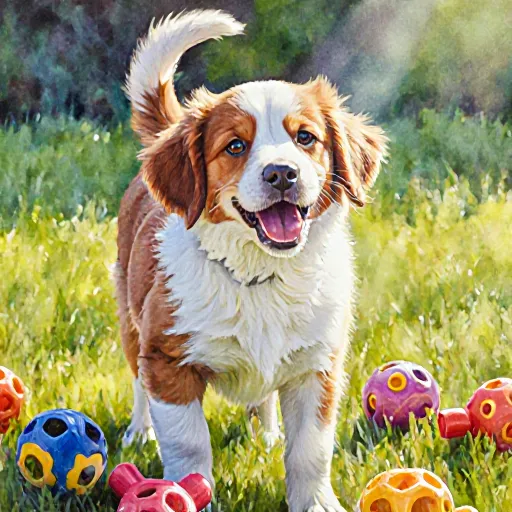
Master the art of dog training with these fetch techniques!
How to Train Dogs for Fetch the Right Way
Table of Contents
- Choosing the Right Equipment for Fetch
- Understanding Your Dog's Behavior and Motivations
- Establishing a Safe and Suitable Environment
- Starting with Short Distances and Easy Retrieves
- Using Positive Reinforcement Techniques Effectively
- Consistency in Commands and Rewards
- Gradually Increasing Distance and Difficulty Levels
- Teaching Your Dog to Bring the Toy Back to You
- Practicing in Different Locations and Situations
- Handling Mistakes and Setbacks Gracefully
- Maintaining Regular Practice Sessions
- Encouraging Your Dog's Natural Enthusiasm for Fetch
- Providing Alternatives to Keep the Game Fun and Engaging
- Conclusion: The Joy of Training Together
- FAQ: Frequently Asked Questions About Dog Fetch Training
Choosing the Right Equipment for Fetch
To train your dog effectively for fetch, choosing the right equipment is crucial. The goal of fetch training isn't just about retrieving toys; it's also about enhancing communication and trust between you and your pet. Here are some key considerations when selecting the appropriate tools:
- Ball Toys: These are versatile and can be used for various games beyond fetch, such as scent training. Look for balls that are durable enough to withstand your dog's energy but soft enough not to hurt if accidentally swallowed.
Example: Ultra-bounce tennis balls or rubber dog toys designed specifically for energetic retrievers.
- Frisbees are excellent for long-distance fetch games and can help improve your dog's coordination and aim. Ensure the frisbee is made of a non-toxic material that won't harm if ingested.
Example: Plastic frisbees with reinforced edges to prevent shattering during play.
- Pouches and tunnels add an element of fun to fetch games by encouraging your dog to retrieve the toy quickly from one point to another. They also help develop problem-solving skills.
Example: Agility tunnels or interactive puzzle toys that dispense treats when a toy is successfully retrieved.
- A good quality leash should be strong yet flexible, allowing you to maintain control while still being comfortable for your dog during extended play sessions.
- The collar should fit snugly but comfortably around your dog's neck without restricting their breathing. It should also have enough adjustment so that it grows with the dog as they mature.
Example: Reflective leashes for nighttime walks and lightweight, breathable collars to keep your dog cool during play.
- Treats are essential not only as rewards but also to reinforce good behavior during training sessions. They should be small enough for quick delivery and tasty enough to motivate your dog.
Example: Small, freeze-dried treats or homemade mini-biscuits that your dog loves.
- Start Simple: Begin by introducing your dog to the basic fetch command using a simple toy. This helps build confidence and understanding before moving on to more complex scenarios.
- Vary the Environment: Take your dog to different locations such as grassy fields, beaches, or even your backyard to give them variety in their training environment.
- Consistency is Key: Regular practice sessions will help reinforce learning and make fetch more enjoyable for both you and your pet. Aim for short, frequent sessions rather than long, infrequent ones.
Understanding Your Dog's Behavior and Motivations
In conclusion, understanding your dog's behavior and motivations is key to training them effectively for fetch. By observing their natural inclinations and tailoring your approach accordingly, you can create a rewarding experience that benefits both you and your pet. Remember, the goal of fetch isn't just about catching toys but also about strengthening the bond between you and your dog.
Establishing a Safe and Suitable Environment
To effectively train dogs for fetch, it is crucial to establish a safe and suitable environment where both you and your pet can practice without any distractions. This not only ensures that your training sessions are productive but also helps in building trust between you and your dog. Here’s how you can create the right setup:
Select a spacious, enclosed area where your dog feels comfortable and is safe from any potential hazards or interruptions. This could be your backyard, a park with minimal foot traffic, or even an open field near your home. The key is to ensure that there are no obstacles like sharp rocks, busy roads, or dangerous wildlife.
Once you’ve chosen the location, set up a few essentials:
- Toys: Make sure to have durable fetch toys that are suitable for your dog’s size and energy level. Soft tennis balls or sturdy rubber discs work well for most dogs.
- Treats: Keep a supply of treats on hand as positive reinforcement during training sessions. Choose treats that your dog loves, such as small pieces of cheese or special doggie treats.
- Fences or Boundaries: If you’re using an outdoor space like a park, set up temporary boundaries with cones to help manage your dog’s attention and focus on the game.
To make sure that fetch training is enjoyable for both of you, consider these tips:
- Start Slowly: Begin with short sessions and gradually increase the duration as your dog becomes more comfortable. This helps in maintaining enthusiasm without overwhelming them.
- Vary Your Approach: Rotate through different toys or use different commands to keep things exciting for your dog. This also helps in reinforcing learning and preventing boredom.
- Stay Positive: Always maintain a positive tone during training sessions, praising and rewarding good behavior. Even if they don’t get the toy back on their first attempt, encourage them with words of encouragement.
Here are some practical steps to ensure that your environment is perfect for fetch training:
- Condition Your Dog: Before starting, make sure your dog understands the basic commands like “come,” “sit,” and “stay.” This will help in managing their behavior during playtime.
- Use Leashes Wisely: When training outdoors, use a leash to keep your dog close by if you’re not in an enclosed area. This ensures that you can control the environment better while also teaching them to listen to commands.
- Practice Regularly: Consistency is key in training. Try to set aside specific times for fetch practice, and make it a fun routine rather than a chore. This will strengthen your bond with your dog and improve their skills over time.
In conclusion, creating the right environment is essential for successful fetch training. By selecting an appropriate location, setting up necessary items, and following these tips, you can ensure that both you and your furry friend have a rewarding experience every time.
Starting with Short Distances and Easy Retrieves
Starting with Short Distances and Easy Retrieves: A Foundation for Successful Fetch Training
When teaching your dog how to play fetch, it's important to start simple. Just like in the article How to Train Dogs for Fetch the Right Way, we emphasize that the first step is to ensure you're setting up the right environment and expectations from the very beginning.
Why Short Distances?
- Safety First: Starting with short distances minimizes the risk of accidents. Dogs, especially those new to fetch, can easily overexert themselves if you throw the toy too far initially.
- Better Control: By keeping your dog within a manageable distance, you have better control over their actions and reactions during training sessions.
Imagine throwing the ball just beyond your pet's reach. When they start learning fetch, this is the sweet spot. It encourages them to retrieve without being too taxing on their physical capabilities. Once they've mastered this initial phase, you can gradually increase the distance as their stamina and confidence grow.
Easy Retrieves: Setting Up for Success
- Choose the Right Toys: For beginners, opt for toys that are easy to retrieve. Soft rubber balls or light frisbees work well because they don't roll too far and can be easily picked up by your dog.
- Positive Reinforcement: Encourage your pet with praise and treats immediately after a successful fetch. This reinforces the positive behavior, making them more eager to play in future sessions.
- Patience is Key: Remember that every dog learns at their own pace. Some will catch on quickly while others may need extra time. Patience ensures that you're not putting unnecessary pressure on your pet.
The goal of these early stages isn't just about teaching your dog to fetch, but also about building a strong bond with them through play. This foundation sets the stage for more advanced training as they grow and develop better skills.
By starting with short distances and easy retrieves, you're not only preparing your pet for successful fetch sessions but also creating an enjoyable experience that strengthens your relationship. As stated in How to Train Dogs for Fetch the Right Way, the key is consistency and positive reinforcement throughout the learning process.
Tips for Beginners:
- Always throw the toy at a height your dog can easily reach; this helps them feel successful from the start.
- Vary the type of toys you use to keep things interesting. Different textures and sizes of toys can keep your dog engaged and motivated.
- Start in a safe, enclosed area like your backyard or a park where there's less risk of your dog getting lost or hurt.
In conclusion, laying the groundwork with short distances and easy retrieves is crucial for both you and your pet. It ensures that training sessions are enjoyable and productive, setting the stage for more advanced fetch techniques as your dog grows and learns.
Using Positive Reinforcement Techniques Effectively
Positive reinforcement techniques are widely used not just in dog training but also in various fields, including human psychology and education. In the context of WordPress-compatible blogs, these methods can be applied to engage your audience more effectively by rewarding desired behaviors and encouraging continuous improvement.
In the realm of dog training for fetch, positive reinforcement involves rewarding a dog when it performs the correct action. For example, praising or giving treats when a dog successfully retrieves an item is a form of positive reinforcement. This technique helps dogs understand what behavior leads to rewards and encourages them to repeat that behavior.
Application in Blog Writing
In your WordPress blog, you can apply similar principles by acknowledging and rewarding the actions of your readers that align with your goals. For instance:
- Promoting Engaging Content: Encourage comments on your posts by praising insightful or constructive comments. This not only enhances community engagement but also provides motivation for others to participate.
- Fostering Social Interaction: Use positive reinforcement techniques to encourage social sharing and interaction. For example, thanking readers who share your blog post on social media can lead to more shares in the future.
Practical Examples
1. Interactive Features: Implement interactive elements such as quizzes or surveys within your posts. When visitors complete these activities and submit their answers, acknowledge their participation by providing immediate feedback. This can be done through a simple "Thank you for participating!" message or even small rewards like exclusive content.
2. Email Newsletters: Regularly send out newsletters with updates about new posts, upcoming events, and special offers. Recognize loyal subscribers by sending personalized messages or offering early access to premium content. This reinforces their commitment and keeps them engaged with your blog.
Consistency is Key
To ensure that positive reinforcement techniques are effective, consistency plays a crucial role. Readers should consistently experience rewards for desirable behaviors, whether it's through comments, social shares, or newsletter subscriptions. By maintaining this pattern, you create an environment where readers feel valued and motivated to continue interacting with your content.
Conclusion
By understanding and applying positive reinforcement techniques effectively in your WordPress-compatible blog, you can foster a more engaged and loyal audience. Just like how training dogs for fetch requires consistent rewards for correct actions, building an interactive and engaging website demands regular acknowledgment of reader efforts.
Consistency in Commands and Rewards
Consistency is key when training your dog, especially if you're following a method like "How to Train Dogs for Fetch the Right Way." Consistency ensures that your commands and rewards are clear, reliable, and predictable. This not only helps in building trust between you and your pet but also speeds up the learning process. Here’s how consistency can be applied to training your dog for fetch:
Consistent Commands
The first step in teaching your dog fetch is ensuring that both you and other family members use the same command words every time. For instance, if "fetch" or "get it" is used as a cue, always say these phrases exactly the same way. This consistency helps dogs understand what you expect without confusion. If different commands are used, your dog may get confused about which word means go fetch.
Consistent Rewards
Similarly, using consistent rewards is crucial for reinforcing good behavior during training sessions. Whether it's a treat, praise, or playtime with the ball, always give the reward immediately after your dog performs the correct action. If you change up what kind of reward you use or when you offer it, your dog might not understand that their actions are leading to a positive outcome.
Practical Advice for Consistency
- Consistent Timing: Always deliver the command and treat simultaneously. This synchronization helps dogs associate the action with the reward, making it easier for them to learn.
- Consistent Tone of Voice: Try to maintain a calm, clear tone when giving commands. Dogs can sense your mood and stress levels, which can affect their behavior.
- Consistent Environment: Train in the same area if possible. This helps dogs focus better during training sessions and reduces distractions that could hinder learning.
Examples of Consistency
Imagine you're teaching your dog to fetch a red ball. Every time you throw the red ball, say "fetch" in the same tone and immediately reward with a treat or playtime. Over time, this consistency will help your dog understand that whenever they hear "fetch," it's time to go get the red ball.
Conclusion
In summary, maintaining consistency in commands and rewards is fundamental for effective training. By adhering strictly to a set of rules—whether it’s using the same words or providing the same type of praise—you ensure that your dog learns faster and better. Consistency builds trust between you and your pet, making learning enjoyable and reinforcing positive behaviors.
Gradually Increasing Distance and Difficulty Levels
To effectively teach your dog the fetch game, it's crucial to gradually increase both the distance and difficulty levels as your pet progresses. This approach not only ensures that your dog stays engaged but also helps in building their confidence and skills step by step.
Starting Simple
The training process begins with simple commands and close distances. Start by teaching your dog the "fetch" command followed by throwing a toy just a few feet away from you. This foundational level is essential for dogs to understand what fetching means and where they should go to retrieve the toy.
Building Distance Gradually
Once your dog has mastered the basic steps of retrieving, gradually increase the distance over time. Begin by throwing the toy a little further each day until you reach an appropriate distance for your backyard or park environment. It's important to ensure that this distance is still manageable and safe for both you and your pet.
Adding Difficulty Factors
To maintain interest and challenge, start incorporating additional elements into the game. These could include:
- Multiple Toys: Introduce different toys to make the retrieval more interesting for your dog.
- Various Throwing Methods: Practice throwing the toy in various ways, such as rolling it on the ground or tossing it high into the air. This variety helps keep training fun and engaging.
- Environmental Changes: Move to different locations like a quiet park, beach, or even indoors (if space allows) to provide new stimuli for your dog.
Consistency is Key
To reinforce learning and ensure that your dog retains the skills you've taught them, consistency in training is vital. Set aside regular times each day dedicated solely to fetch practice. Consistent reinforcement will help solidify these behaviors into long-term habits.
Positive Reinforcement
Always use positive reinforcement techniques during this process. Praise your dog enthusiastically when they perform the task correctly, and offer treats as rewards if appropriate for your pet. Positive feedback encourages repetition of desired actions, speeding up learning processes significantly.
Patience is Vital
Remember that every dog learns at their own pace. Some may pick up on these concepts quickly while others might need more time and practice before they're comfortable with longer distances or complex retrieval methods. Be patient, stay persistent, and enjoy the journey as you both develop this cherished activity together.
Possible Challenges and Solutions
- Problem: Dog won't drop toy once retrieved.
Solution: Practice "drop it" commands before starting fetch sessions. Use treats or pats to encourage the dog to release the ball when asked, making sure not to pull harshly on the toy as this can cause injury.
- Problem: Dog loses interest easily.
Solution: Vary the environment and type of toys used. Occasionally mix things up by introducing new games or locations which can reignite enthusiasm for playing fetch.
Conclusion
By following these guidelines, you'll find that your dog will not only learn how to play fetch but also enjoy it immensely. Remember to celebrate each small victory along the way; after all, patience and positivity are key ingredients in successful training.
Teaching Your Dog to Bring the Toy Back to You
Training your dog to bring the toy back to you is not just about teaching them a fun game; it's an essential part of building trust and communication with your pet. This behavior helps manage playtime, ensures safety during outdoor activities, and strengthens the bond between you and your dog. Here’s how to train your dog for fetch the right way:
- Start with a Basic 'Fetch' Command: Begin by teaching your dog the basic "fetch" command. Use short, simple sentences like "fetch" or "bring it here." Pair these commands with the action of playing fetch to help your dog associate the words with the behavior.
- Use Positive Reinforcement: Reward your dog every time they bring the toy back to you. This could be through treats, praise, or playtime. Dogs learn quickly when they receive positive reinforcement for their actions.
- Practice with Different Toys: Use various toys during training sessions to ensure your dog understands that "fetch" applies to all of them. Start by using the same toy consistently and progress to different ones as your dog becomes more proficient.
- Teach the 'Drop It' Command: If your dog holds onto the toy instead of bringing it back, teach them a 'drop it' command. Use treats or playtime to encourage them to release the toy and return for more fetch sessions.
- Gradually Increase Distance: Once your dog has mastered fetching close by, gradually increase the distance you throw the toy. This helps build their confidence and improves their retrieval skills.
- Use Consistent Commands: Always use the same words for each command to avoid confusion. For example, if you say "bring it here" every time during training, your dog will learn to associate that phrase with bringing the toy back.
Consistency is Key: Consistent practice and repetition are crucial in successfully teaching your dog this behavior. For example, if you train for just 5 minutes a day, make sure to do it at the same time each day so that your dog learns to associate this activity with specific times.
Use Short Sessions: Dogs have short attention spans, especially puppies and young dogs. Keep training sessions short but frequent (about 10-15 minutes) to avoid overwhelming them and ensure they stay engaged and motivated.
Play Fun Games: Incorporate games like "fetch" into your daily routine as a fun way to practice this skill. For example, you could play fetch in the backyard or at the park where there are fewer distractions for your dog.
- Mixing Up Commands: Ensure you use clear and consistent commands so that your dog doesn’t get confused. For instance, if you say "come" but mean "fetch," it can lead to misbehavior.
- Punishment Instead of Positive Reinforcement: Avoid scolding or punishing your dog during training sessions as this can create negative associations with the game and may discourage them from participating in the future.
- Inconsistent Rewards: Make sure you always provide consistent rewards for good behavior. Dogs learn better when they know what to expect, so be dependable with treats and praise.
By following these steps and tips, you can effectively train your dog to bring the toy back to you in a way that’s fun and rewarding for both of you. Remember, patience and consistency are key to successful training. Happy training!
Practicing in Different Locations and Situations
Training your dog to fetch effectively requires consistent practice across various locations and situations. This ensures that your furry friend understands the command no matter where you are or what distractions may arise. Here, we provide a detailed guide on how to train dogs for fetch the right way by practicing in different environments.
Begin your training indoors or in a small, enclosed area where there are no external distractions. This allows you and your dog to focus solely on learning the command. For example, practice in your backyard until your dog consistently brings back the toy without hesitation.
Practical Advice
- Use a consistent cue: Always use the same word or phrase when you throw the toy so that your dog associates it with fetching. For instance, say "fetch" every time you throw the ball.
- Encourage enthusiasm: Use high-pitched voices and gestures to show excitement about playing fetch. Dogs often mirror our emotions, making them more likely to follow your lead.
Once your dog is comfortable fetching in smaller areas, gradually expand the practice space. Start with a larger backyard or park where there are still limited distractions. This helps your dog learn that "fetch" means coming back regardless of location.
Examples and Tips
- Use markers: Markers like clicks from clicker training can help reinforce correct behavior immediately after it happens.
- Throw the toy in various places: Practice by throwing the toy into different spots within your larger space. This teaches your dog that "fetch" means to bring back no matter where you throw the object.
Expose your dog to a variety of situations, such as different times of day or in varied weather conditions. This makes them more adaptable and reliable during real playtime.
Real-World Scenarios
- Morning fetch: Practice early in the morning when there are fewer people around, reducing potential distractions.
- Rainy days: If you have a safe indoor space or an enclosed outdoor area, continue training during inclement weather. This helps reinforce that fetching is always part of your routine.
As your dog becomes proficient at fetch, gradually introduce more distractions to simulate real-life scenarios. The goal is for your dog to focus on the command rather than the surroundings.
Strategies to Try
- Use high-value treats: If your dog starts getting distracted, use a higher-value treat as an immediate reward. This can help refocus them quickly when they get sidetracked by other stimuli.
- Practice with people around: Have friends or family members join in the fetch session while you give commands. This prepares your dog to ignore them and focus on you.
By consistently practicing in different locations and situations, you ensure that your dog's training remains effective and enjoyable for both of you. Remember that patience and consistency are key elements in successful dog training.
Handling Mistakes and Setbacks Gracefully
In training a dog, just as in writing a blog or any other form of content creation, mistakes and setbacks are an inevitable part of the learning process. Whether you're teaching your dog to fetch correctly or enhancing your WordPress blog's functionality, handling these challenges with grace can make all the difference.
In dog training, a mistake is not necessarily a failure; it’s an opportunity for improvement. Similarly, in creating content for your blog, every setback can be seen as a stepping stone towards better performance. Recognize that both dogs and readers may have their own learning curves. Patience is key.
Examples from Dog Training
- Mistake: Your dog drops the ball instead of bringing it back.
Setback: The dog forgets the command due to a distraction. - Solution: Reinforce the recall command, use positive reinforcement, and practice in different environments. Similarly, when your blog posts are not well received, review analytics for insights into what went wrong.
Just as you would calmly correct a dog that doesn't understand the fetch command, be kind to yourself when your blog posts don’t achieve the intended results. Here are some practical tips:
- Stay Positive: Always approach mistakes with a positive attitude. Encourage your dog with praise and treats instead of scolding it if it makes a mistake.
- Adjust Your Approach: If something isn’t working, try a different method. In dog training, this might mean using a new command or training in quieter environments. For blogs, consider rewriting blog posts based on feedback received from readers.
- Learn from Mistakes: Every misstep can teach you something valuable. Review your blog analytics to understand why certain posts didn’t resonate with your audience and adjust your strategy accordingly.
Conclusion
In both dog training and content creation, it's important to handle mistakes and setbacks gracefully. By staying patient, learning from each challenge, and adjusting your approach, you can improve not only in dog training but also in enhancing the quality of your WordPress blog.
Maintaining Regular Practice Sessions
Consistency is key when training your dog for fetch. Just like any other skill, consistent practice sessions help reinforce what you've taught and ensure that your dog retains the behavior over time.
To maintain regular practice sessions effectively:
- Set a Routine: Establish a regular schedule for your training sessions. Dogs thrive on routine, so try to keep fetch time consistent each day. For example, you might choose right after dinner or during the morning walk.
- Short Sessions are Key: Short, frequent practice sessions are more effective than long ones. A 10-15 minute session every other day is often better for maintaining skills than a single 30-minute session once a week. This keeps your dog engaged and prevents them from getting bored or distracted.
- Vary the Environment: To prevent your dog from becoming complacent, mix it up by taking your practice sessions to different locations. It could be in the backyard, park, or even at home with new toys. Changing the environment helps reinforce that fetch is a behavior you want performed anywhere.
- Incorporate Positive Reinforcement: Always use treats and verbal praise as rewards during training sessions. This not only reinforces good behavior but also strengthens your bond with your dog. Make sure to give immediate feedback; dogs respond well when they know exactly what they've done right or wrong.
- Use Different Toys: Variety keeps things interesting for both you and your dog. Try different types of balls, frisbees, and other fetch-related toys. This can also help identify which toy your dog prefers most, making the training experience more enjoyable for them.
Practical Advice: Remember to keep each session fun and engaging. Dogs are more likely to continue participating in activities they enjoy. Additionally, make sure you are always patient during these sessions; dogs learn at their own pace.
Examples: If your dog tends to bring back the wrong toy or forgets what "fetch" means after a few days, review the basic commands and cues that you've already taught. You might need to go back to some of the earlier stages of training to reinforce these behaviors.
Consistent practice ensures that your dog not only remembers how to fetch but also looks forward to it as an enjoyable part of their daily routine.
Encouraging Your Dog's Natural Enthusiasm for Fetch
Encouraging your dog’s natural enthusiasm for fetch is one of the most rewarding aspects of dog ownership. Fetching isn’t just a fun game; it also helps strengthen the bond between you and your pet while promoting physical exercise and mental stimulation. However, to truly harness this potential, understanding how to train dogs for fetch in the right way is essential.
The key to making fetch enjoyable for both you and your dog lies in tapping into their natural instincts. Dogs are pack animals with a strong drive to retrieve objects, often mimicking behaviors they see from their human companions. By understanding what motivates your specific dog, you can tailor your approach to suit their preferences.
Some dogs are naturally drawn to small, fast-moving toys like tennis balls or frisbees, while others might prefer larger items that mimic prey, such as plush squirrels or ducks. Observe how your dog reacts during play sessions and note which types of toys they seem most interested in. This observation will guide you in choosing the right type of fetch toy for them.
The variety of fetch toys available can be overwhelming, but selecting the appropriate one based on your dog’s size and energy level is crucial. Here are some popular options:
- Tennis Balls: Ideal for medium to large dogs who enjoy a good toss and chase. Ensure the ball is durable enough to withstand play.
- Frisbees: Perfect for dogs that love to run in a straight line after the disc, especially those with high energy levels.
- Plush Toys: Great for smaller breeds or older dogs who might not have as much stamina. These can also be used indoors if you prefer games where the toy doesn’t go far.
- Birdies and Squirrels: Realistic-looking plush toys that mimic prey, perfect for stimulating hunting instincts in terriers or other herding breeds.
Introducing your dog to fetch should start with simple steps to ensure they understand the concept. Here’s a breakdown of how to get started:
- Choose the Right Time and Place: Start in an enclosed area, such as a fenced yard or park, where you can safely throw the toy without worrying about it going too far.
- Show Excitement: Dogs are often influenced by their human’s emotions. By showing enthusiasm while tossing the toy, you encourage your dog to follow suit.
- Encourage Your Dog: Use positive reinforcement by praising and rewarding your dog with treats or verbal encouragement when they bring the toy back to you.
- Practice Retrieval Skills: Once your dog has brought the toy back, gently throw it again. This repetition helps reinforce the behavior while keeping the game fun for both of you.
- Gradually Increase Difficulty: As your dog becomes more comfortable with fetch, introduce slightly longer throws or changes in terrain to keep things interesting.
To make sure that fetch remains an enjoyable activity for both you and your dog, consider these tips:
- Use Positive Reinforcement: Always praise or reward your dog after successful retrieves. This encourages them to repeat the behavior.
- Vary Your Throws: Keeping throws unpredictable can make fetch more exciting and challenging for your dog.
- Incorporate Other Activities: Mix up fetching with other activities like agility training or scent work to provide a balanced approach to exercise and mental stimulation.
- Be Patient: Every dog learns at their own pace. Some may catch on quickly, while others need more time and repetition.
- Respect Your Dog’s Limits: If your dog appears tired or disinterested during a session, it’s important to end the game on a positive note rather than pushing them further.
In conclusion, encouraging your dog’s natural enthusiasm for fetch involves understanding their individual preferences, using the right toys, and employing effective training techniques. With patience, consistency, and positive reinforcement, you’ll not only strengthen your bond but also provide an exciting outlet for your pet’s energy and instincts.
Providing Alternatives to Keep the Game Fun and Engaging
Keeping a dog's mind and body engaged is essential for maintaining their happiness and well-being. Just like training your puppy to fetch, it’s important to vary the activities you do with your pet. This can make playtime more exciting and reduce boredom which might lead to destructive behaviors.
The right toy or game can greatly enhance a dog's enjoyment of fetch. For instance, using an interactive frisbee can be much different from tossing around a regular ball. Frisbees are made for catching and are less likely to get lost compared to other toys, making them excellent choices for active dogs. Another alternative is playing with puzzle feeders or treat-dispensing toys; these not only make fetching more challenging but also encourage your dog to think and use problem-solving skills.
Dogs can get bored of the same routine, much like how they would tire of fetch in the same location. Changing the environment by taking them to different parks or fields keeps things exciting. You could even incorporate elements from their training for fetch, such as teaching them specific commands or hand signals before releasing the toy.
Another way to keep fetching engaging is to involve other family members or friends in the game. This not only makes it more fun but also ensures that your dog gets lots of exercise and socialization. It’s important to train all participants so everyone understands how to play by the same rules.
Always remember to use positive reinforcement when playing fetch or any other game with your dog. Praise, treats, and affection go a long way in encouraging good behavior. Make sure that these rewards are used consistently during playtime so that your dog associates them with enjoyable experiences.
Incorporate training exercises into the fetching routine to add an extra layer of challenge and fun. For example, you could teach your dog to 'sit' before throwing the toy or to 'wait' after catching it. These commands make the game more interactive and rewarding.
Just like with human athletes, dogs need their limits. Ensure that you monitor your dog's energy levels and health before starting a fetching session. If they show signs of fatigue or pain, it might be time to take a break or choose an easier game.
In conclusion, keeping the game fun and engaging requires creativity and adaptability. By providing alternatives like different toys, varying the environment, involving others, using positive reinforcement, training for specific commands, and monitoring your dog's health, you can make fetch even more enjoyable for both you and your furry friend.
Conclusion: The Joy of Training Together
The Joy of Training Together
Training a dog is not just about teaching them commands or tricks; it's also an opportunity to bond and strengthen the relationship between you and your pet. When training together, especially in activities like fetch, both the human and canine partners can experience immense joy and satisfaction.
The process of fetching involves several components that contribute to its success: motivation, understanding, and consistency. Motivation comes from the desire of the dog to please their owner and earn treats or praise. Understanding is crucial for the dog to grasp what you want them to do, which can be achieved through clear commands and positive reinforcement techniques.
Consistency is key in training; both the human and the dog need to follow the same rules and procedures every time they engage in fetch. This helps build trust and reinforces the learning process. For example, always use the same command word when you want your dog to retrieve, such as "fetch" or "come." Consistent behavior from both parties ensures that everyone is on the same page.
Practical advice for effective training includes keeping sessions short but frequent. Dogs have shorter attention spans than humans, so it's best to train in five-to-ten minute bursts and take breaks if necessary. Additionally, always end a training session on a high note by rewarding your dog with treats or praise.
Using toys that are appropriate for your dog’s size and energy level can also enhance the experience of fetch. Soft, squeaky toys may be perfect for small dogs, while larger breeds might enjoy retrieving heavy balls. Make sure the toy is durable enough to withstand your dog's enthusiasm.
The bond formed during training sessions can lead to a more harmonious and enjoyable relationship with your pet. As you both grow together in this activity, you'll find that not only are you improving your dog's skills but also deepening your understanding of their needs and desires.
In conclusion, the joy of training together lies in the shared experience and mutual respect that develop between human and canine partners. Whether it's fetch or any other activity, the key is to have fun, remain patient, and always be there to support each other through every step of the learning process.
FAQ: Frequently Asked Questions About Dog Fetch Training
Training a dog for fetch involves teaching them to retrieve objects and return them to you. The key steps include:
- Start with simple commands. Use basic obedience training like "sit," "stay," and "come" before moving on to more complex behaviors.
- Pick the right toy or object. Choose something that your dog enjoys and is motivated by. This could be a ball, frisbee, or even a homemade stuffed toy.
- Set up a safe environment. Ensure you have an area where your dog can run safely without obstacles or hazards.
- Use positive reinforcement. Reward your dog with treats, praise, and play when they successfully fetch the object.
- Practice consistent commands. Always use the same words and gestures to ensure clarity for your dog.
Your dog should be at least six months old before you start fetch training. Here are some signs that indicate your dog is ready:
- Your dog has a good attention span.
- They follow basic commands like "sit" and "stay."
- They exhibit play behavior, such as bringing you objects or showing interest in toys.
- They have the energy to engage in physical activities.
This is a common issue, but you can correct it with proper training:
- Encourage your dog to retrieve by saying "get" or "bring."
- Use treats as motivation. When they return the toy, reward them immediately.
- Practice in a controlled environment where distractions are minimal.
- If they drop the toy, walk away without engaging until they follow your command to bring it back.
To keep your dog engaged and challenge them further, you can introduce variations:
- Increase distance. Gradually increase the distance where they need to fetch the toy from you.
- Vary the object. Use different types of toys or change their shape and size.
- Add obstacles. Incorporate cones, tunnels, or jumps into your training area.
- Incorporate time limits. Set a limit on how long they have to fetch the toy before returning it.
To keep your dog interested in fetch, you can:
- Vary the environment where you play.
- Incorporate new toys or objects into the game.
- Change up the commands and signals used for fetching.
- Limit the frequency of training sessions to avoid burnout but ensure regular practice.
Categories
- AI & Enrichment Play
- Broiler Farming
- Broiler Farming Tips
- Canine Wellness & Longevity
- Cat
- Cat & Human Connection
- Cat Adoption & Rescue
- Cat Breeds
- Cat Breeds & Personalities
- Cat Care & Health
- Cat Grooming & Hygiene
- Cat Lifestyle & Environment
- Cat Myths & History
- Cat Nutrition & Diet
- Cat Products & Reviews
- Cat Training & Behavior
- Comparison
- Consumer Awareness
- Dog
- Dog Accessories & Products
- Dog Adoption & Rescue
- Dog Breed & Lifestyle Trends
- Dog Breeding & Puppies
- Dog Entertainment & Media
- Dog Fashion & Trends
- Dog Fun & Lifestyle
- Dog Grooming & Hygiene
- Dog History & Culture
- Dog Myths, Science & Future Tech
- Dog News & Trends
- Dog Nutrition & Food
- Dog Psychology & Emotions
- Dog Safety & Security
- Dog Sports & Activities
- Dog Technology & Innovation
- Dog Training for Modern Owners
- Dog Travel & Adventure
- Dog Travel, Adventure & Culture
- Economic and Market Insights
- Educational Content
- FAQs
- Feeding Alternatives
- Festivals & Seasonal Ideas
- Fun & Entertainment
- General Knowledge
- General Pig Farming
- Health & Disease Management
- Housing and Environment
- Kittens
- Market Insights
- Miscellaneous
- Miscellaneous
- Motivational
- pig
- Pig Breeding
- Pig Breeds
- Pig Farming Stories and Inspiration
- Pig Health and Care
- Pig Nutrition
- Pig Products
- Profitability & Business
- Puppy Care
- Puppy Predictable Topics Reinvented
- Regional Focus
- Rescue & Adoption Buzz
- Senior Cats
- Senior Dog Care
- Smart Dog Tech & Gadgets
- Sustainability
- Sustainable & Eco-Friendly Dog Products
- Tech & Innovations
- Working & Service Dogs
- Broiler Feed66 products
- Country Feed33 products
- Pig Feed66 products
- Product22 products
- Raw Materials99 products
Products
-
 Fish Meal
₹1,999.00 – ₹2,999.00Price range: ₹1,999.00 through ₹2,999.00Rated 0 out of 5
Fish Meal
₹1,999.00 – ₹2,999.00Price range: ₹1,999.00 through ₹2,999.00Rated 0 out of 5 -
 FATTENING BROILER FEED
₹2,299.00 – ₹2,349.00Price range: ₹2,299.00 through ₹2,349.00Rated 0 out of 5
FATTENING BROILER FEED
₹2,299.00 – ₹2,349.00Price range: ₹2,299.00 through ₹2,349.00Rated 0 out of 5 -
 LAYER COUNTRY FEED
₹1,549.00 – ₹1,649.00Price range: ₹1,549.00 through ₹1,649.00Rated 0 out of 5
LAYER COUNTRY FEED
₹1,549.00 – ₹1,649.00Price range: ₹1,549.00 through ₹1,649.00Rated 0 out of 5 -
 COUNTER BROILER FEED
₹1,199.00 – ₹1,299.00Price range: ₹1,199.00 through ₹1,299.00Rated 0 out of 5
COUNTER BROILER FEED
₹1,199.00 – ₹1,299.00Price range: ₹1,199.00 through ₹1,299.00Rated 0 out of 5 -
 LACTATING PIG FEED
Rated 0 out of 5
LACTATING PIG FEED
Rated 0 out of 5₹2,299.00Original price was: ₹2,299.00.₹1,740.00Current price is: ₹1,740.00. -
 Maize
Rated 0 out of 5
Maize
Rated 0 out of 5₹1,650.00Original price was: ₹1,650.00.₹1,300.00Current price is: ₹1,300.00. -
 GESTATION PIG FEED (Phase 1)
Rated 0 out of 5
GESTATION PIG FEED (Phase 1)
Rated 0 out of 5₹2,249.00Original price was: ₹2,249.00.₹1,699.00Current price is: ₹1,699.00. -
 Pre Starter Broiler Feed
₹2,399.00 – ₹2,499.00Price range: ₹2,399.00 through ₹2,499.00Rated 0 out of 5
Pre Starter Broiler Feed
₹2,399.00 – ₹2,499.00Price range: ₹2,399.00 through ₹2,499.00Rated 0 out of 5 -
 FINISHER PIG FEED
Rated 0 out of 5
FINISHER PIG FEED
Rated 0 out of 5₹2,299.00Original price was: ₹2,299.00.₹1,749.00Current price is: ₹1,749.00. -
 Broiler Premix
Rated 0 out of 5
Broiler Premix
Rated 0 out of 5₹820.00Original price was: ₹820.00.₹699.00Current price is: ₹699.00.