
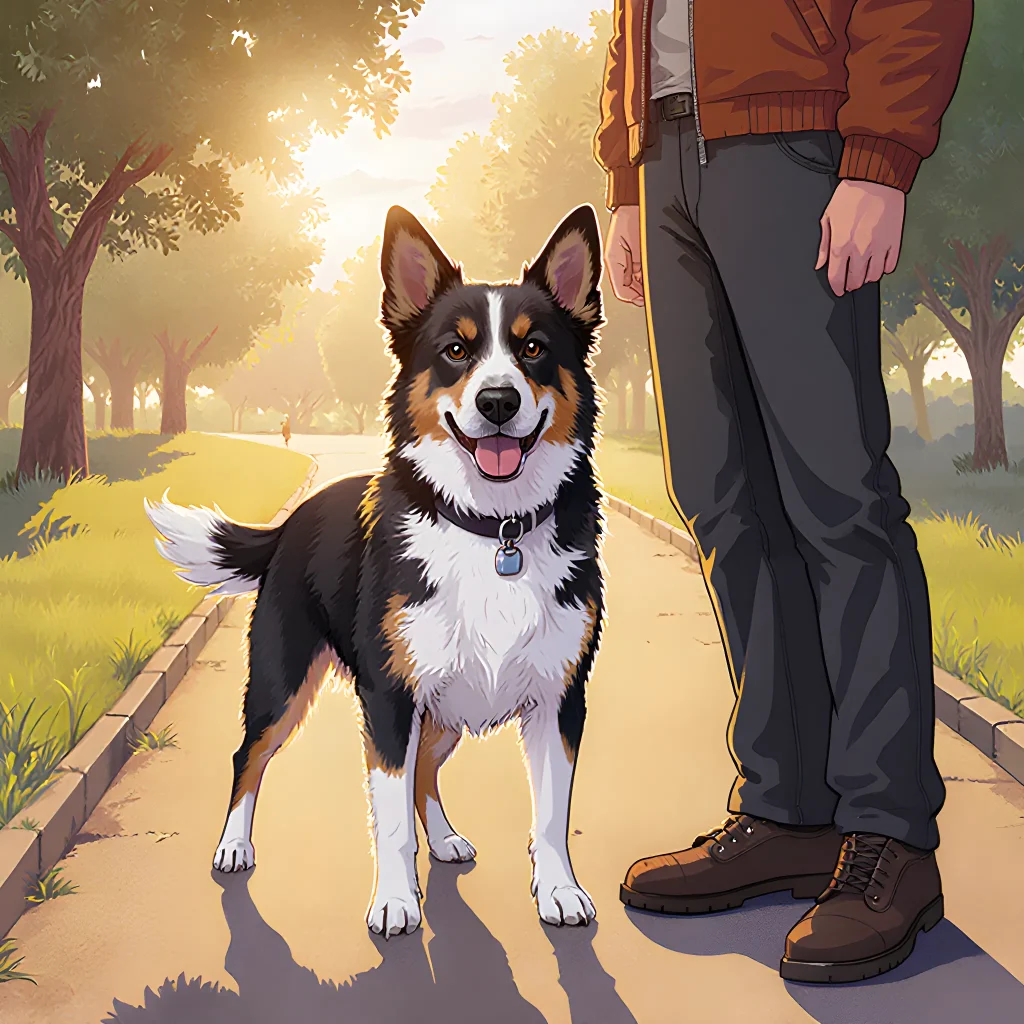
Teach your pup confidence around new faces
How to Train Your Dog to Avoid Strangers
Table of Contents
- Introduction: Why Training Matters
- Understanding Your Dog’s Natural Instincts
- Choosing the Right Environment for Training
- Establishing Basic Obedience Commands
- Positive Reinforcement Techniques
- Desensitizing Your Dog to New People
- Using Controlled Exposure Sessions
- Teaching the “Leave It” Command
- Encouraging Calm Behavior Around Strangers
- Managing Aggression and Fear Responses
- Gradual Increase in Distractions
- Reinforcing Good Behavior Outside the Home
- Monitoring Progress and Adjusting Techniques
- Conclusion: Consistency is Key
- FAQ: Common Questions About Training
Introduction: Why Training Matters
Why Training Matters
Training is the foundation of a safe and harmonious relationship between you and your dog. When it comes to teaching your dog to avoid strangers, proper training not only protects both parties, but also builds trust, reduces anxiety, and reinforces positive behaviors that last a lifetime.
- Prevents Aggression: A well-trained dog learns to recognize and respect boundaries, reducing the risk of growling or snapping at unfamiliar people.
- Reduces Fear Responses: Dogs that feel secure in their environment are less likely to react unpredictably when confronted with strangers.
Consistent cues and rewards help your dog understand what is expected of them. By repeatedly practicing the “avoid” command in controlled settings, you create a predictable pattern that boosts confidence and reduces stress during real encounters.
Practical Example: The “Leave It” Drill
- Start with a low-value treat: Place it on the floor while your dog is focused.
- Say “leave it” calmly: When your dog tries to snatch, pause and redirect their attention.
- Reward compliance: Give them a high-value treat when they look away or sit calmly.
- Repeat until the dog reliably obeys the command before moving on to higher distractions.
Using treats, praise, and play as rewards encourages voluntary cooperation. Negative reinforcement or punishment can create fear, which may cause a dog to become wary of strangers even more intensely.
Real-World Scenario
Imagine walking in the park where a stranger approaches. With training:
- Your dog remains calm and stays at your side.
- You give a gentle command (“stay”) while you politely acknowledge the stranger.
- When the situation resolves, reward your dog with a treat to reinforce the positive outcome.
Training sessions are interactive moments that deepen mutual respect. A dog who trusts you will be more likely to listen when strangers come close, because they know your commands mean safety and rewards.
- Practice in Varied Settings: Train at home, in the yard, then move to quiet streets, eventually progressing to busy sidewalks.
- Use a Leash for Control: Keep your dog on a short leash during initial training phases to maintain control without restricting freedom entirely.
- Stay Calm and Patient: Dogs pick up on human emotions. A relaxed demeanor encourages calm behavior from them.
- Set Realistic Goals: Aim for gradual progress—first, a calm sit; next, ignoring the stranger; finally, walking peacefully together.
Training your dog to avoid strangers is not just about preventing unwanted interactions—it’s an investment in safety, confidence, and a stronger bond. By applying consistent, positive techniques, you equip your dog with the tools they need to navigate the world safely while maintaining trust and companionship.
Understanding Your Dog’s Natural Instincts
Before you can effectively train your dog to avoid strangers, it’s essential to recognize the instinctual drivers behind their behavior. Dogs evolved as pack animals with a strong “protective” instinct that can manifest as wariness or aggression toward unfamiliar people. By understanding these instincts, you’ll be better equipped to design training that respects your dog’s natural tendencies while keeping both your pet and strangers safe.
Key Instincts That Influence Stranger Aversion
- Pack Hierarchy & Loyalty: Dogs are wired to protect their pack members. When a stranger approaches, they may perceive the person as an outsider who could threaten the group’s cohesion.
- Territoriality: Many breeds guard their home territory fiercely. A new face in the yard or on a walk can trigger a defensive response.
- Fear & Anxiety: Dogs that have had negative experiences with strangers may develop generalized fear, leading to avoidance or aggression.
- Curiosity vs. Caution: Some breeds (e.g., Border Collies) are naturally curious and will investigate new people, while others (e.g., Basenjis) tend to be more reserved.
Practical Training Steps
- Start with Socialization:
Expose your dog to a variety of people in controlled settings. Use positive reinforcement (treats, praise) when the dog remains calm around strangers.
- Use Controlled Introductions:
When meeting a new person, have the stranger hold a treat or a favorite toy. Ask your dog to sit and stay while the stranger approaches slowly. Reward compliance with a treat.
- Teach “Leave It” & “Watch Me” Commands:
These commands help redirect attention away from strangers. Practice in low-distraction environments before applying them outdoors.
- Desensitization Sessions:
Gradually increase the proximity of a stranger while keeping your dog at a comfortable distance. Use high-value treats and praise to associate the presence of strangers with positive outcomes.
- Set Clear Boundaries:
Use a short leash or a well‑trained recall to prevent your dog from darting toward strangers. Consistently enforce boundaries so that the dog learns it’s safe to stay in place.
- Positive Exposure with “Safe” Strangers:
Invite friends or family members who are patient and calm to interact with your dog. Encourage them to sit quietly while you reward the dog for remaining relaxed.
- Address Aggression Early:
If your dog displays aggressive signs (growling, snapping), stop training sessions immediately and consult a professional trainer or behaviorist. Ignoring these cues can worsen the problem.
Real‑World Example: Training a Border Collie to Avoid Strangers on Walks
A 1‑year‑old Border Collie named Milo was overly curious and would dart toward every passerby. His owner, Lisa, followed these steps:
- Used the “Watch Me” cue to get Milo’s attention whenever a stranger approached.
- Rewarded with a high‑value treat (mini cheese) each time Milo stayed on her side of the path.
- Gradually increased the distance between herself and the stranger while keeping Milo on a short leash.
- Once comfortable, Lisa began practicing in parks where strangers were present but at a safe distance.
Result: Within six weeks, Milo no longer darted toward strangers and remained calm during social encounters.
Common Pitfalls to Avoid
- Over‑exposure: Forcing a dog into stressful situations too quickly can reinforce fear.
- Inconsistent Commands: Mixing “Sit” and “Stay” with “Leave It” confuses the dog. Stick to one command per behavior.
- Negative Reinforcement: Avoid shaming or scolding; these tactics can exacerbate anxiety.
Final Tips
- Keep training sessions short (5–10 minutes) to avoid fatigue.
- Always end on a positive note with a treat or a game.
- Seek professional help if your dog shows signs of severe aggression or fear.
By understanding the instinctual roots of your dog’s behavior and applying consistent, compassionate training methods, you can teach your pet to remain calm around strangers, ensuring safer interactions for everyone involved.
Choosing the Right Environment for Training
The success of teaching your dog to stay calm around strangers hinges on where you conduct the training sessions. A well‑chosen environment minimizes distractions, keeps your pup focused, and allows you to gradually increase difficulty. Below are practical guidelines, real‑world examples, and step‑by‑step advice for selecting and using the best settings for this type of training.
1. Start Indoors – A Controlled, Familiar Space
- Why indoors? Your home or a quiet apartment offers a controlled environment where you can limit variables such as traffic, loud noises, and unexpected animals.
- Example: In the living room, place your dog on a mat. Invite a trusted friend to stand 10 feet away with a leash. Keep the door closed so no one else can enter. This setup reduces surprises while still exposing the dog to another person.
- Practical tip: Use a low‑noise, neutral space (e.g., an empty bedroom) for initial sessions. As your dog shows confidence, gradually move to rooms with more ambient noise, like a kitchen during meal prep.
2. Transition to a Quiet Outdoor Area
- Why outdoors? Natural light and fresh air help calm many dogs, but the open space also allows for more realistic social interactions.
- Example: A fenced backyard or a secluded park corner works well. Start with a short walk on a leash while your friend stands at a distance, then slowly close that gap as your dog remains relaxed.
- Practical tip:** Keep the path free of other dogs and loud traffic. If you’re in a busy neighborhood, choose a quiet street or a park early in the morning when foot traffic is low.
3. Gradual Exposure to Real‑World Settings
Once your dog can handle strangers at a distance, it’s time to simulate real encounters.
- Sidewalks near home: Walk along the sidewalk with your friend standing in front of you. Keep the distance comfortable for your dog (e.g., 15–20 feet) and reward calm behavior.
- Crowded places: Progress to a busy street corner or a small market stall, but only after repeated success in quieter settings.
- Use controlled crowds: Invite a group of friends to join the walk at intervals. This introduces multiple strangers without overwhelming your dog.
4. Incorporate Distractions Gradually
The key to robust training is exposure to distractions that mimic everyday life.
- Noise: Play recorded traffic or crowd noise at low volume while training outdoors.
- Movement: Have a friend walk past your dog on the leash, then gradually let them approach without a leash.
- Scent: Bring a treat or favorite toy to keep the dog's attention focused despite external scents.
5. Consistency and Timing
The environment should remain consistent enough for your dog to form clear associations but varied enough to generalize behavior.
- Session length: Keep training sessions short (10–15 minutes) to avoid overstimulation.
- Frequency: Practice at least twice a day, alternating between indoor and outdoor settings.
- Timing: Train during times when your dog is naturally alert but not exhausted—typically after a meal or play session.
6. Safety First – Leash, Harness, and Control
- Always use a leash or harness for safety, especially during outdoor sessions.
- Consider a short‑length training collar (e.g., a 4–5 foot leash) to maintain proximity without restricting the dog's movement entirely.
- Use positive reinforcement—treats, praise, and gentle petting—to reward calm behavior around strangers.
7. Monitor Body Language and Adjust Accordingly
Watch for signs of stress: flattened ears, tail tucked, growling, or a stiff posture. If your dog shows any of these, retreat to a calmer environment, reinforce calmness, then re‑introduce the stimulus at a slower pace.
8. Real‑World Success Story
Case Study – “Bella”: Bella was a 2‑year‑old Labrador who would bark aggressively whenever strangers approached her. Her owner began training in the living room with a friend at a distance, gradually moving to the backyard, then a quiet park corner. By day 14, Bella calmly greeted visitors within five feet and even allowed them to pet her without barking. The key was consistent, low‑stress exposure across different environments.
Conclusion
Choosing the right training environment is a step-by-step process that starts with a safe, familiar indoor space and progresses to real‑world settings. By controlling variables, gradually increasing difficulty, and reinforcing calm behavior, you can teach your dog to confidently avoid strangers or at least respond calmly when they appear. Remember: patience, consistency, and positive reinforcement are your best tools for success.
Establishing Basic Obedience Commands
Before you can teach your dog to avoid strangers safely and confidently, you need a solid foundation of basic obedience. A well‑trained dog will listen to you in any situation, making it easier to steer them away from potential threats or unfamiliar people.
1. Choose the Right Commands
- “Sit” – The most common starting point; helps calm the dog and gives you control.
- “Stay” – Essential for keeping your dog away from strangers until you give a release cue.
- “Come” (Recall) – Critical for bringing your dog back to you if they become curious or distracted.
- “Leave it” / “Drop it” – Useful when a stranger offers food or objects the dog should ignore.
2. Build Confidence with Consistent Training Sessions
Keep sessions short (5–10 minutes) and frequent (two to three times daily). Use high‑value treats, toys, or praise to reinforce desired behavior.
- Start in a low‑distraction environment. A quiet room or backyard works best for initial learning.
- Use the “Sit” cue first. Hold a treat above the dog’s nose, move it back slowly; when the dog sits naturally, say “Sit,” give the treat, and reward with praise.
- Progress to “Stay.” After a few sit repetitions, add the stay command: say “Stay,” step back one foot, then return. If the dog stays, reward; if not, gently guide them back to the spot before rewarding.
- Introduce “Come” with a release word. Use a distinct cue such as “Hey!” or “Go!” after you’ve called them. Reward generously to make recall exciting.
3. Practice “Leave It” in Controlled Scenarios
This command is vital when strangers approach with food or objects your dog might be tempted to grab.
# Step 1: Show a treat and say "Drop it" (or "Leave it").
# Step 2: If the dog releases, reward immediately.
# Step 3: If they hold on, do not force. Instead, replace the treat with a higher‑value item or toy that the dog prefers.
4. Transition to Real‑World Settings
Gradually expose your dog to more distractions while reinforcing commands.
- Walks in parks. Keep your leash short and use “Sit” or “Stay” when a stranger passes by.
- Controlled introductions. Have a friend act as a stranger. Approach slowly, give the “Leave it” command if they offer food, then release with “Come.”
5. Consistency Across Family Members
Everyone interacting with the dog should use the same cues and reward systems. Mixed signals can confuse your dog and undermine training.
6. Troubleshooting Common Issues
| Issue | Solution |
|---|---|
| Dog ignores “Sit” command | Re‑teach from scratch, using a higher value treat. Ensure you’re not giving the cue too early. |
| Dog fails to stay when distracted | Increase distance gradually; use a longer leash or a harness for better control. |
| Dog refuses to come back on recall | Practice in safe, enclosed spaces. Use a long line and call with enthusiasm. Avoid punishing the dog if they don’t respond immediately; instead, reward every step toward you. |
7. Reinforce with Positive Experiences
When your dog successfully follows commands around strangers, celebrate! Give extra treats, a favorite toy, or a quick play session. Positive reinforcement builds trust and encourages them to repeat the behavior in future encounters.
By establishing these basic obedience skills first, you create a reliable communication channel between yourself and your dog. This foundation makes it far easier to teach them how to avoid strangers safely and confidently.
Positive Reinforcement Techniques
When teaching your dog to avoid strangers, the key is to reward the behaviors you want rather than punishing the ones you don’t. Positive reinforcement not only builds trust but also speeds up learning because dogs naturally gravitate toward activities that earn them treats, praise, or play.
1. Treat‑Based Rewards
- High‑value treats: Use small, soft chews (e.g., chicken bits, cheese cubes) that your dog can consume quickly and that are more appealing than regular kibble.
- Timing is everything: Drop the treat immediately after your dog shows the desired behavior—looking away from a stranger, maintaining distance, or returning to you. A delayed reward can confuse the association.
- Progressive shaping: Start with rewarding “any calm eye contact” and gradually raise the bar to “no eye contact when a stranger approaches.” This stepwise approach ensures your dog isn’t overwhelmed.
2. Verbal Praise & Affection
- Use a warm, upbeat tone: Dogs respond better to positive vocal cues than stern or quiet ones. Say “Good girl!” or “Nice job!” right after the behavior.
- Physical affection as a reward: A gentle pet behind the ears or a quick scratch can reinforce calmness when your dog remains relaxed around strangers.
- Consistency across handlers: If multiple people are involved, agree on the same praise phrase and tone so the dog doesn’t receive mixed signals.
3. Play & Toy Rewards
- Short play sessions: Use a favorite toy or a quick game of tug as an incentive for maintaining distance from strangers.
- “Go to your spot” games: Teach a command like “place” where the dog sits on a mat; reward with a toy when they stay in place during stranger interactions.
4. Time‑Based Rewards (Clicker Training)
- Use a clicker: The clicking sound marks the exact moment of correct behavior, followed by a treat. This is especially useful when you’re training in public and need precise timing.
- Gradual fading: Once your dog consistently responds to the click, reduce the frequency of treats while keeping the click as the primary marker.
5. Environmental Reinforcement
- Controlled exposure sessions: Arrange short walks with a calm stranger present in a park setting. Reward your dog for staying relaxed and not lunging or barking.
- Gradual increase of distractions: Start with one stranger, then add more as the dog demonstrates comfort. Each step should be reinforced positively.
Practical Tips for Success
- Keep sessions short and fun: Aim for 5–10 minutes of focused training followed by a break. Dogs tire easily, especially in new environments.
- Use a consistent cue word: “Stay,” “back,” or “watch” can be used to signal the desired response. Consistency helps your dog understand what’s expected.
- Monitor body language: If your dog shows signs of anxiety (panting, tucked tail), pause and reset before resuming training.
- Practice in varied settings: Train at home, in a quiet park, then in busier areas. The more environments you expose them to, the more generalizable the behavior becomes.
- Reinforce with real-life rewards: When your dog successfully avoids a stranger during a walk, offer extra playtime or a favorite treat afterward—this links the training session to everyday rewards.
By consistently rewarding calm and controlled interactions around strangers, you’ll help your dog develop confidence, reduce fear-based reactions, and strengthen the bond between you. Remember: patience and positive reinforcement are your best tools in shaping safe, respectful behavior toward new people.
Desensitizing Your Dog to New People
If your dog has a strong reaction—whether it’s barking, lunging, or freezing—when new people approach, you’re not alone. The key is to gradually expose your pet to unfamiliar faces in a controlled and positive way. Below are step‑by‑step techniques that align with the principles of “How to Train Your Dog to Avoid Strangers.”
1. Start With Low‑Intensity Exposure
- Choose a calm environment: A quiet park or a friend’s yard works well.
- Keep the distance: Position the new person at least 10–15 feet away from your dog. This allows your dog to see and hear them without feeling threatened.
- Use treats as incentives: Offer high‑value rewards (e.g., small pieces of cheese or a special snack) when your dog remains calm.
2. Introduce “Positive Association” Through Scent
Before the new person even steps onto the property, let them hold a treat or a piece of fabric that smells like them (e.g., a T‑shirt). Let your dog sniff it and reward calmly. This builds a positive mental link between the scent and good things.
3. Gradual Distance Reduction
- Day 1: New person stays at 10 feet, speaks softly, offers treats.
- Day 2–3: Move to 8 feet; keep the same routine.
- Day 4–5: Reduce to 6 feet. If your dog shows any sign of discomfort (e.g., tail tucked, ears back), pause and go back a step.
- Continue until: Your dog is comfortable at 2–3 feet while remaining calm.
4. Practice “Look‑At” Commands
Teach your dog to look at you when a new person approaches. Use a cue like “watch me.” This helps redirect their focus and gives you more control during introductions.
5. Role‑Playing with Friends or Family
Ask a trusted friend to play the role of the new person. Have them walk slowly, maintain eye contact, and offer treats when your dog stays calm. This mimics real-life scenarios while keeping the environment predictable.
6. Use “Desensitizing” Play Sessions
- Let the new person sit quietly while you engage in a short play session (e.g., fetch). The dog associates the presence of strangers with positive, fun activities.
- Keep sessions under 5 minutes to avoid overstimulation.
7. Monitor Body Language
Always watch for signs of stress: lip licking, yawning, or a stiff body. If any appear, retreat to the previous safe distance and resume training later.
8. Consistency is Key
Repeat these steps daily until your dog consistently behaves calmly around new people. Avoid sudden changes in routine that could reset progress.
Practical Example: “The Friendly Neighbor” Scenario
- Setup: Your neighbor visits for a quick chat. They stand 10 feet away, waving politely.
- Step 1: You give your dog a treat while saying, “Good boy.” The dog watches the neighbor calmly.
- Step 2: Gradually reduce distance over several visits until the dog accepts being within arm’s reach without reacting.
Troubleshooting Common Issues
- Barking or Lunging: If your dog barks, pause the session. Reward calm behavior and try again later at a greater distance.
- No Interest in Treats: Use an even higher‑value reward or incorporate a favorite toy.
By following these structured steps, you’ll help your dog build confidence and reduce fear around strangers. Remember, patience and positive reinforcement are the cornerstones of successful desensitization.
Using Controlled Exposure Sessions
Controlled exposure is a systematic approach that gradually introduces your dog to unfamiliar people in a safe, predictable way. The goal is to build confidence and reduce the fear or aggression that often triggers a stranger‑avoidance response. Below is a step‑by‑step guide, complete with practical examples and tips for success.
1. Preparation: Set Your Goals & Choose the Right Environment
- Define Success: Decide what “avoiding strangers” looks like—e.g., no barking, relaxed posture, or simply a calm sniff.
- Pick a Quiet Spot: Start in a low‑traffic area (your backyard, a quiet park corner) where the dog feels secure and distractions are minimal.
2. The Exposure Ladder
Think of exposure as climbing a ladder—each rung is a step that’s slightly more challenging than the last.
- Visual Contact Only: A stranger stands at least 20–30 ft away. The dog can see them but they’re out of hearing range.
- Audio Introduction: Increase distance to 10–15 ft so the stranger’s voice is audible but still soft.
- Approach with a Treat: The stranger moves closer, about 5 ft away, holding a treat. The dog receives a reward for calm behavior.
- Brief Interaction: The stranger says “hello” and extends a hand while the dog is still at ~3 ft. No forcing; the dog decides whether to approach.
- Full Engagement: The stranger walks around or sits, giving the dog a chance to observe without pressure.
3. Timing & Frequency
Consistency beats intensity. Conduct 2–3 short sessions (5–10 min each) per day, allowing at least 30 minutes between them for rest and reset.
4. Positive Reinforcement Techniques
- Treats: Use high‑value treats that the dog loves—cheese bits, small pieces of chicken, or a special training treat.
- Verbal Praise: “Good boy!” in an upbeat tone reinforces calm behavior.
- Calm Environment: Keep the background noise low and avoid sudden movements that could startle the dog.
5. Managing Negative Triggers
If your dog starts barking or backing away, pause immediately:
- Reset: Step back to a safe distance and give the dog time to recover.
- Re‑introduce at Lower Level: Return to the previous rung on the ladder before attempting again.
- Use a Calm Voice: A steady tone helps signal that everything is fine.
6. Real‑World Example: The “Neighborhood Walk”
Scenario: Your dog tends to growl at people on your daily walk. You decide to use controlled exposure.
- Step 1: Walk past a quiet street where strangers are visible but far away (30 ft). Observe the dog’s reaction.
- Step 2: When the dog remains calm, pause and give a treat for staying relaxed.
- Step 3: Repeat with closer distances over several walks, always rewarding calmness.
- Result: Over weeks, the dog becomes comfortable approaching strangers, often greeting them politely instead of growling.
7. Common Pitfalls to Avoid
- Too Fast Progression: Jumping levels can reinforce fear. Stick to what the dog is comfortable with.
- Negative Association: If a stranger’s voice or gesture scares the dog, they’ll associate strangers with danger.
- Lack of Follow‑Up: One successful session isn’t enough; ongoing practice maintains confidence.
8. Tracking Progress
Keep a simple log:
| Date | Level | Dog’s Reaction | Reward Given? |
|---|---|---|---|
| 2025‑09‑12 | Visual Contact (30 ft) | Calm | Yes |
9. When to Seek Professional Help
If your dog displays severe aggression or extreme fear that doesn’t improve after several weeks, consider consulting a certified animal behaviorist. They can tailor exposure sessions and address underlying issues.
10. Final Tips
- Be Patient: Building trust takes time—celebrate small wins.
- Use Consistent Commands: “Stay,” “sit,” and “come” help maintain control during exposure.
- Keep Sessions Short & Positive: A positive end leaves a lasting impression.
By following these steps, you’ll transform your dog’s reaction to strangers from fearful or aggressive to calm and confident—making walks, social gatherings, and everyday encounters far more enjoyable for everyone involved.
Teaching the “Leave It” Command
The “Leave It” command is a cornerstone of safe dog ownership. It tells your pup to stop focusing on an object, food, or person and return to you immediately. When applied consistently, it can keep your dog from chasing strangers, picking up hazardous items, or getting into trouble.
Why “Leave It” Is Essential for Stranger Avoidance
- Reduces impulsive behavior: Dogs often react to novel scents or movements. The command gives them a clear cue to pause and reassess.
- Builds self‑control: Training “Leave It” strengthens impulse control, which translates to better responses around unfamiliar people.
- Creates safe boundaries: When strangers approach, your dog knows to disengage rather than lunge or bark.
Step‑by‑Step Training Guide
- Start with low‑value treats: Use something your dog likes but isn’t obsessed over. Place a treat in the palm of one hand and close it tightly.
- Introduce the cue: Say “Leave It” calmly while showing the closed fist. If your dog stops sniffing or jumps away, reward with a high‑value treat from your other hand.
- Gradually increase difficulty: Once your dog reliably responds to the closed fist, move to an open hand with a visible treat, then to a treat on the floor. Each time you use “Leave It,” give praise and a reward if they comply.
- Incorporate distractions: Practice in different rooms, outdoors, or near other dogs. Add a stranger’s presence by having a friend walk past with a neutral gesture.
- Use “Leave It” before approaching strangers: When you see an unfamiliar person, cue your dog to sit and say “Leave It.” This establishes the idea that they should stay calm until you give permission to engage.
Practical Tips for Real‑World Scenarios
- Use a long leash or harness: When walking in public, keep your dog on a short leash so you can quickly command “Leave It” if they notice a stranger.
- Keep your voice steady: Dogs react to tone. A firm but calm “Leave It” is more effective than a raised voice.
- Reward the right behavior: When your dog obeys, give them a treat and affection. If they ignore the cue, calmly redirect them with a gentle tug on the leash or a different activity.
- Practice “Leave It” at home first: Use household items (e.g., toys, food) to teach the concept before moving to street situations.
Common Mistakes and How to Avoid Them
- Using the wrong cue word: Stick with “Leave It” consistently. Mixing words confuses your dog.
- Rewarding after the fact: Wait until the dog stops focusing before giving a treat; otherwise, they’ll associate the reward with the object instead of the command.
- Ignoring setbacks: If your dog fails, do not punish. Instead, reset and try again with a lower‑value target.
Real-Life Example
Imagine you’re walking in the park and see a jogger wearing bright neon clothing—a potential trigger for your high‑energy terrier. You pause, place your hand on the dog’s chest, say “Leave It,” and gently guide them to sit. The dog stops staring at the jogger, sits obediently, and you can continue walking without incident.
Next Steps
- Combine “Leave It” with the “Sit” command for a two‑step obedience routine: “Leave It,” then “Sit.” This gives your dog an alternative focus.
- Introduce “Stay” training to reinforce longer periods of calm around strangers.
- Practice in increasingly distracting environments—shopping malls, festivals—to ensure the command holds up under real-world pressure.
By mastering the “Leave It” command, you give your dog a reliable tool for safe interaction with strangers and reduce the risk of unwanted incidents. Consistency, patience, and positive reinforcement are key—over time, your pup will learn to trust you as their guide in any situation.
Encouraging Calm Behavior Around Strangers
Why it matters: A dog that reacts impulsively to unfamiliar people can feel unsafe, stress the owner, and create a negative social environment. By training your dog to remain calm around strangers, you promote confidence, reduce anxiety, and ensure smoother interactions at parks, vet visits, or during walks.
1. Establish a Strong Foundation of Obedience
- Basic Commands: Make sure commands like sit, stay, heel, and come are reliable in low‑distraction settings before introducing strangers.
- Consistent Reinforcement: Use high‑value treats, praise, or a favorite toy to reward compliance. The dog should associate following your lead with positive outcomes.
- Practice “Leave It” and “Look at Me”:** These cues help redirect attention away from the stranger and back to you.
2. Controlled Exposure Techniques
Gradual exposure reduces fear by allowing the dog to encounter strangers at a comfortable distance before progressing closer.
- Step 1 – The “Safe Distance”: Position yourself and your dog at least 15–20 feet from a stranger. Ask the person to remain still while you give a command such as sit. Reward the dog for compliance.
- Step 2 – The “Approach with Permission”: Have the stranger say something friendly (“Hi, I’m Alex”) and then step forward slowly. If the dog remains calm, reward immediately. If the dog shows signs of anxiety (tail tucked, lip licking), calmly walk back to a safe distance.
- Step 3 – The “Controlled Interaction”: Once the dog is comfortable at a closer range (about 5–10 feet), allow a brief interaction—such as a gentle pet or a short sniff—while you continue to monitor body language. Reward calm behavior and gently disengage if tension rises.
3. Use “Desensitization” with Positive Associations
Pair the presence of strangers with something enjoyable:
- Treat‑Based Desensitization: Give a treat every time a stranger enters the frame, even if it’s just standing at a distance. This rewires the dog to view strangers as neutral or positive.
- Leash Pulling Control: If your dog pulls toward a stranger, use a short leash and reward for keeping your side of the line. Over time, the dog learns that staying by you is more rewarding than chasing unfamiliar people.
4. Teach “Leave It” in Real‑World Scenarios
Use real strangers as training stimuli:
- Scenario A – The Busy Café: While walking, a stranger approaches with a bag of groceries. Ask the dog to stay. If the dog remains calm, reward. If the dog tries to approach, calmly say leave it, guide them back, and reward for compliance.
- Scenario B – The Park Bench: A child waves at your dog. Instead of reacting, have the dog perform a pre‑trained cue like down. Reward for staying calm even as the child approaches.
5. Manage Environmental Factors
- Leash Length: A short leash (1–2 feet) gives you more control during unfamiliar encounters, preventing sudden pulls or jumps.
- Timing: Train during times when strangers are less likely to be present—early morning or late evening—to reduce surprise triggers.
- Use a Harness with Front‑Clip: This design discourages pulling and gives you better positional control over the dog’s movements.
6. Reward-Based “Redirect” Techniques
If your dog shows excitement or anxiety, use these strategies to redirect attention:
- “Find Your Spot”:** Ask the dog to locate a specific spot (e.g., a mat) and reward for arriving there calmly.
- “Buddy System”:** Pair your dog with another calm dog during training sessions. The presence of a companion can reduce anxiety and encourage relaxed behavior.
7. Consistency Across People and Settings
The same command should be used regardless of who the stranger is. This consistency helps the dog understand that the expectation—remain calm—is universal, not just for one particular person.
8. Monitor Body Language for Early Signs of Stress
Common indicators include:
- Tightening body posture or stiff tail
- Lip licking or yawning (not sleep)
- Sudden darting movements toward the stranger
When you spot these signs, calmly interrupt and redirect before the situation escalates.
9. Reinforce Calm Behavior After Interaction
Even after a successful encounter, continue to reward calmness to cement the behavior:
- Give an extra treat or a brief play session after the dog remains composed around the stranger.
- Use a high‑value cue like “good calm” (a gentle clap or hand signal) to reinforce the desired state.
10. When to Seek Professional Help
If your dog consistently reacts aggressively or becomes overly fearful despite consistent training, consult a certified dog behaviorist or trainer. They can tailor a program specific to your dog's temperament and past experiences.
Bottom line: By combining solid obedience fundamentals, gradual exposure, positive reinforcement, and vigilant monitoring of body language, you’ll guide your dog toward calm,
Managing Aggression and Fear Responses
When training your dog to avoid strangers, it’s essential to address both aggression and fear. These two emotional states often coexist, making the learning process more complex but not impossible. Below is a step‑by‑step guide that blends science-backed techniques with everyday practicality.
1. Identify the Root Cause
- Aggression: Often triggered by perceived threats to territory, resource guarding, or past negative encounters.
- Fear: Usually a result of insufficient socialization, traumatic events, or genetic predisposition.
Use a behavior diary: note the dog’s body language (tail position, ear posture), environment, and any triggers. This data will guide your training plan.
2. Establish a Safe Baseline
- Safe Distance: Start training at a distance where the dog is relaxed but still attentive. For a fearful dog, this might be several yards; for an aggressive one, you may need to use a leash or barrier.
- Positive Reinforcement: Reward calm behavior with treats, praise, or play. Use high‑value rewards (e.g., chicken jerky) when the dog’s confidence is low.
3. Desensitization & Counter-Conditioning
This twin approach gradually reduces fear and replaces negative associations with positive ones.
Desensitization Steps
- Start Low: Present a stranger at a distance where the dog shows no reaction.
- Gradual Progression: Slowly decrease the distance over successive sessions, always staying within the dog’s comfort zone.
Counter‑Conditioning Steps
- Pair with Rewards: Every time a stranger is near, immediately give a treat or engage in play.
- Use a “Signal”:** Teach the dog a cue like “look at me” to redirect attention away from the stranger and toward you.
4. Managing Aggression Specifically
- Command Training: Master basic obedience commands (“sit,” “stay,” “come”) so that your dog has a clear focus during stressful moments.
- Controlled Exposure: If the dog shows aggression, use a muzzle (only if necessary and safe) and practice controlled exposure with a professional trainer.
- Body Language Check: Look for signs such as stiff body, raised hackles, or growling. If any appear, retreat to a safer distance immediately.
5. Practical Scenarios and Tips
| Scenario | Potential Trigger | Recommended Action |
|---|---|---|
| Walking in a crowded park | Multiple strangers, loud noises | Use the “look at me” cue; keep distance until dog calms. |
| Encounter with a stranger carrying food | Resource guarding instinct | Train “leave it” and reward calmness when the stranger walks away. |
| Dog sees a child running | Fear of sudden movement | Practice slow, controlled approaches with a toy to distract. |
6. When to Seek Professional Help
If aggression escalates (growling, snapping, lunging) or if fear becomes debilitating (constant trembling, avoidance of all people), consult a certified animal behaviorist. A professional can design a tailored program and monitor progress.
7. Consistency is Key
- Train daily for short periods—10–15 minutes is often enough to reinforce learning.
- Keep commands, rewards, and cues consistent across all family members.
- Use a training log to track improvements or setbacks.
8. Celebrate Small Wins
Every time your dog maintains calm in the presence of strangers, reward them with extra affection or a favorite treat. Positive reinforcement reinforces the desired behavior and builds confidence.
By combining desensitization, counter‑conditioning, consistent training, and professional guidance when needed, you can effectively manage both aggression and fear responses, helping your dog navigate social situations safely and confidently.
Gradual Increase in Distractions
Once your dog has mastered the basics of staying calm around familiar people and low‑level distractions, it’s time to move on to more challenging environments. The key is a progressive exposure plan—start with subtle cues and slowly ramp up the intensity until your dog can remain composed even in the most chaotic settings.
Step‑by‑Step Exposure Schedule
- Quiet Street Walks (Week 1–2)
- Choose a residential street with minimal traffic and few pedestrians.
- Keep your dog on a short leash and reward calm behavior when strangers pass by.
- Use a distraction-free zone (e.g., no stores, parks) to reinforce the “stay” command.
- Low‑Traffic Shopping Area (Week 3–4)
- Visit a small grocery store or boutique on a weekday when it’s not busy.
- Allow your dog to observe shoppers from a distance; gradually decrease the distance while maintaining calm.
- Introduce a “watch” cue: reward the dog for keeping its eyes on you rather than the passerby.
- Busy Street with Bicyclists (Week 5–6)
- Walk on streets that experience moderate traffic and occasional cyclists.
- Teach a “heel” or “focus” cue to redirect attention from the distraction.
- Use high‑value treats or a favorite toy as an incentive for staying attentive.
- Public Parks and Dog Runs (Week 7–8)
- Enter parks during off‑peak hours to start, then gradually move to peak times.
- Introduce controlled exposure to other dogs by arranging short “play dates” with calm, vaccinated pets.
- Practice the “leave it” command whenever a new scent or noise catches your dog’s interest.
- High‑Traffic Areas (Week 9–10)
- Visit busy streets, malls, or festivals on weekends.
- Keep the leash short but not restrictive; focus on maintaining eye contact and a relaxed body language.
- Use a “signal” cue (e.g., a hand clap) to remind your dog of the desired behavior before each new distraction appears.
- Real‑World Scenarios (Week 11+)
- Simulate emergency situations: a sudden shout, a car honk, or a child’s scream.
- Reward the dog for staying calm and focusing on you despite the noise.
- Continue to vary the environment—different cities, countries, or even indoor venues—to build robust generalization.
Practical Tips for Success
- Consistent Timing: Train at similar times of day to avoid fatigue and ensure your dog’s focus is optimal.
- Use a Portable Training Aid: A small, portable training crate or a “stay” mat can help create a safe zone during intense distractions.
- Reward Timing: Give treats immediately after the desired behavior to reinforce the connection.
- Calm Demeanor: Dogs read owners’ body language. Maintain a relaxed posture and calm voice throughout training.
- Record Progress: Keep a journal or video log of each session, noting what distractions appeared and how your dog responded.
Common Pitfalls to Avoid
- Jumping the Line: If you move too quickly into high‑traffic areas before your dog is ready, they may become overwhelmed. Slow down the progression.
- Over‑Rewarding Excitement: Treats given when a dog jumps or yips can reinforce unwanted behavior. Reward only calm, compliant actions.
- Neglecting Desensitization and Counterconditioning: Simply exposing a dog to strangers without pairing with positive reinforcement can lead to fear rather than confidence.
By methodically increasing distractions while consistently reinforcing calm, focused behavior, you’ll equip your dog with the tools needed to navigate any social situation—whether it’s a quiet suburban stroll or a bustling city street. Remember: patience, consistency, and positive reinforcement are your best allies in this journey.
Reinforcing Good Behavior Outside the Home
When your dog starts behaving well in controlled environments, the next step is to translate that success into the unpredictable world outside the house. The goal is not only to keep your dog calm around strangers but also to reinforce the positive behaviors you’ve trained at home. Below are practical strategies, examples, and actionable tips to help you cement good behavior on walks, at parks, and in any public setting.
1. Use a Consistent Cue System
- "Sit" + "Stay": Before approaching a new person, give your dog the “sit” cue. Once seated, add the “stay” command to hold position until you’re ready to move on.
- "Leave It": This command is essential when strangers try to touch or pet your dog. Teach it by offering a treat, saying “leave it,” and rewarding with a different treat once the dog looks away.
- "Watch Me": A simple eye contact cue that redirects your dog's focus from the stranger back to you.
2. Practice Controlled Exposure Sessions
Start in low‑traffic areas and gradually increase difficulty:
- Quiet sidewalk: Walk near a quiet street, letting strangers pass by without interaction. Use “sit” and “watch me” to keep attention on you.
- Busy park entrance: Bring your dog in during off‑peak hours. As people approach, use “leave it” if they touch the dog; reward compliance with praise or a treat.
- High‑traffic intersection: Once your dog consistently obeys commands at lower traffic levels, practice at a busy crosswalk. Maintain distance from strangers until you’re ready to proceed.
3. Leverage Positive Reinforcement with Treats and Praise
- High‑value treats: Use small, enticing biscuits (e.g., chicken jerky) that your dog loves but doesn’t get all the time.
- Praise timing: Verbally acknowledge good behavior immediately: “Good boy! Good girl!” This builds a clear association between obedience and reward.
- Gradual decrease of treats: As your dog becomes more reliable, reduce treat frequency while keeping praise consistent to avoid over‑reliance on food.
4. Implement the “Two‑Step” System
This method ensures safety and promotes calmness around strangers.
- Step One – Distance: Keep a safe distance (at least 6–8 feet) from strangers until you’re ready to engage.
- Step Two – Interaction: If the stranger wishes to pet, ask them to hold out their hand. Then give your dog “leave it.” Once your dog looks away, reward and allow a brief sniff if appropriate.
5. Use the "Drop It" Command for Unwanted Items
If your dog picks up something from a stranger (e.g., a toy or piece of trash), use “drop it.” Teach this by offering a treat in exchange for the item, reinforcing that you get more valuable rewards when they comply.
6. Maintain Calm Body Language
- Walk with a relaxed posture; avoid tense shoulders.
- Keep your voice steady and friendly—this signals to your dog that everything is safe.
- Avoid sudden movements or loud noises that could startle the animal.
7. Gradual Increase of Distractions
Once your dog can handle strangers in quiet settings, introduce additional distractions:
- Other dogs on leashes: Let them pass by calmly while you keep commands active.
- Children running: Practice “sit” and “stay” when kids approach; reward compliance with a treat.
- Buses or cars: Allow your dog to observe from a safe distance, using the “watch me” cue to maintain focus on you.
8. End Each Session Positively
Always finish walks with a rewarding activity—play fetch, give an extra treat, or simply allow free roaming in a fenced area. This reinforces that outside exposure is enjoyable and safe.
9. Keep a Training Log
- Document dates, locations, distractions encountered, commands used, and outcomes.
- Use this data to spot patterns—e.g., certain times of day or specific stranger types that trigger anxiety.
- Adjust your training plan accordingly.
10. Seek Professional Guidance When Needed
If you notice persistent fear, aggression, or confusion despite consistent practice, consider a certified dog trainer or behaviorist. They can provide tailored strategies and help troubleshoot specific issues.
Remember: Consistency, patience, and positive reinforcement are the cornerstones of successful outdoor training. By systematically exposing your dog to strangers in controlled ways and rewarding calm responses, you’ll build confidence and reinforce good behavior outside the home.
Monitoring Progress and Adjusting Techniques
Training a dog to stay calm around strangers is an ongoing process that requires careful observation, record‑keeping, and flexibility. Below are practical steps you can take to track your dog's progress and tweak your training plan when needed.
1. Keep a Training Log
- Date & Time: Note when each session occurs.
- Location: Home, park, street, etc.
- Stimulus: Describe the stranger (age, clothing, behavior).
- Dog’s Response: Tail position, eye contact, barking, pacing.
- Reward Used: Treat type, praise, toy.
- Duration of Calm Period: Seconds or minutes before the dog reacts.
Review your log weekly to spot trends—does the dog react more in certain lighting? Does a particular stranger type trigger a stronger reaction?
2. Use Objective Scoring
| Behavior | Score (0‑5) |
|---|---|
| No eye contact, tail down, relaxed posture | 5 |
| Brief eye contact, tail up slightly, calm walk | 4 |
| Barks once, then calms quickly | 3 |
| Paces or sniffs aggressively for >10 sec | 2 |
| Full growl or lunges | 1 |
Assign scores after each encounter and calculate an average. A rising score indicates improvement.
3. Identify Triggers & Adjust Exposure Levels
- Low‑Intensity Exposure: Start with a stranger standing at least 20 ft away while you walk your dog on a long leash.
- Medium‑Intensity Exposure: Reduce distance to 10–15 ft once the dog consistently scores ≥3 in low intensity.
- High‑Intensity Exposure: Bring the stranger closer (5–7 ft) or have them approach you while keeping the dog on a short leash. Use this only if the dog maintains calm behavior at medium intensity.
If your dog shows signs of stress—whining, retreating, or growling—pause and revert to the previous level. Gradual desensitization prevents setbacks.
4. Introduce New Rewards & Positive Associations
- High‑Value Treats: Use a small piece of cheese or a premium jerky that your dog rarely gets at home.
- Interactive Toys: A squeaky toy can be offered immediately after the stranger passes, reinforcing calmness.
- Verbal Praise: Combine “Good boy!” with a gentle pat—dogs respond to tone as well as touch.
If progress stalls, swap the reward type. Some dogs become bored with treats; switching to a favorite toy can reignite motivation.
5. Use Counter‑Conditioning Techniques
When your dog starts reacting before you can offer a reward, try these steps:
- Pause the Encounter: Walk away for 10–15 seconds.
- Offer Reward: Give a treat or toy immediately after the stranger passes.
- Repeat: Gradually reduce the pause time as the dog remains calm.
This approach teaches the dog that strangers are not threats but opportunities for rewards.
6. Seek Professional Guidance When Needed
- If your dog displays persistent aggression (growling, snapping) or severe anxiety (panicking, excessive drooling), consult a certified animal behaviorist.
- A professional can tailor a safety plan and may recommend medication in extreme cases.
7. Celebrate Milestones
Set short‑term goals such as:
- Walking past a stranger without barking for 2 minutes.
- Maintaining eye contact with the stranger while staying on a loose leash.
Reward your dog for each milestone with extra playtime or a favorite treat. Positive reinforcement boosts confidence and speeds up learning.
8. Re‑Evaluate Every 4–6 Weeks
At the end of this period, review your log and scores:
- If average score > 4: Consider moving to a more challenging environment (e.g., busy street).
- If average score < 3: Re‑introduce earlier exposure levels or revisit basic obedience drills.
Consistency, patience, and adaptability are the keys to successful training. By monitoring progress closely and adjusting techniques thoughtfully, you’ll help your dog feel safe and confident around strangers—benefiting both of you for years to come.
Conclusion: Consistency is Key
When it comes to teaching your dog to stay calm around strangers, the most powerful tool you have is consistency. Dogs thrive on routine and clear expectations; when they receive mixed signals, confusion follows, which can manifest as anxiety or aggression.
Why Consistency Matters
- Reinforces Learning: Repeating the same cues and responses helps your dog form strong neural pathways that make the desired behavior automatic.
- Reduces Stress: A predictable environment lowers cortisol levels, making training sessions feel safer for both you and your pup.
- Builds Trust: Consistent actions demonstrate reliability, strengthening the bond between owner and dog.
Practical Ways to Maintain Consistency
- Use the Same Commands: Stick with one verbal cue (“sit,” “stay”) and one hand signal. Avoid swapping words mid‑training, which can confuse your dog.
- Keep Body Language Steady: A calm posture signals to your dog that everything is fine. Sudden shifts (e.g., darting movements or loud noises) can trigger a defensive response.
- Schedule Regular Sessions: Short, frequent training blocks (5–10 minutes) are more effective than long, sporadic ones. Aim for 3–4 sessions daily during the first few weeks.
- Involve All Family Members: Everyone who interacts with your dog should use the same commands and reward structure. A unified approach prevents mixed messages.
- Set Clear Boundaries: Decide in advance what constitutes “stranger” territory (e.g., a specific area of the yard). Keep training within that zone until confidence builds.
Common Consistency Pitfalls
- Switching Rewards: Switching from treats to praise can confuse dogs about what behavior is being rewarded. Stick with one primary reward during each session.
- Mixed Signals from Other Dogs: If your dog sees other pets behaving unpredictably, it may mirror that uncertainty. Keep training environments controlled until the desired behavior is solidified.
- Changing Timing: Rewarding too late or not immediately after the correct action can weaken the association. Aim to reward within 2–3 seconds of the target behavior.
Tracking Progress
Create a simple training log: note the date, duration, commands used, reward type, and any notable reactions from your dog. Reviewing this log helps you spot patterns, adjust strategies, and celebrate milestones.
Final Thought
Consistency is not just about repetition; it’s about creating a stable learning environment where your dog feels secure enough to explore new situations safely. By maintaining uniform commands, rewards, and expectations, you give your dog the best chance to develop confidence around strangers—transforming potential anxiety into calm curiosity.
FAQ: Common Questions About Training
What is the best way to start teaching my dog to avoid strangers?
The foundation of this training is consistency, patience, and positive reinforcement. Start by creating a controlled environment where you can control who your dog sees. Use a short leash or a harness so you can keep your dog at a safe distance while still allowing them to observe.
- Step 1: Choose a quiet, familiar location (e.g., your backyard).
- Step 2: Bring a reward that your dog loves (treats, a favorite toy).
- Step 3: Invite a trusted friend or family member to act as the “stranger.” Keep them at least 6–8 feet away.
- Step 4: When your dog shows interest in the stranger, give a calm command like “watch me” and reward them for focusing on you instead of the person.
How can I use positive reinforcement without overfeeding my dog?
Use high-value treats (small, soft pieces) only when your dog demonstrates the desired behavior. Combine treats with verbal praise and gentle petting. If you’re concerned about calories, consider using a small portion of kibble or a treat substitute like freeze-dried chicken.
What should I do if my dog reacts aggressively toward strangers?
Stop training temporarily and consult a professional. Aggression can stem from fear, protectiveness, or lack of socialization. A certified dog trainer or behaviorist can assess the situation and create a tailored desensitization plan.
Can I train my dog to avoid strangers in public places like parks?
Yes, but it requires gradual exposure. Start with low-traffic times and gradually increase the number of people around. Use a long leash or a “tether” system so you can maintain control while letting your dog observe without being overwhelmed.
How long does it typically take to see results?
Every dog is different, but most owners notice progress within 2–4 weeks of consistent training. Key factors include the dog's age, previous socialization experience, and how consistently you practice the exercises.
What are some common mistakes to avoid?
- Using punishment or force—this can increase fear and aggression.
- Training in overly stressful environments—start small and build up gradually.
- Inconsistent cues or rewards—keep your commands clear and always reward the correct behavior.
Should I use a muzzle during training?
A muzzle can be useful if you have a history of aggression, but it should never replace proper training. If you choose to use one, make sure your dog is comfortable wearing it and that the muzzle does not impede breathing or cause distress.
How do I transition from a controlled environment to real-world situations?
Gradually introduce your dog to more complex settings. Start with a neighbor’s house, then move to a quiet street, and finally to busy parks or sidewalks. Each step should be reinforced with the same commands and rewards you used during initial training.
What role does leash length play in this training?
A short leash (6–8 feet) gives you control while allowing your dog to see and react to strangers. As your dog becomes more comfortable, gradually increase the leash length to give them a sense of freedom without compromising safety.
When should I seek professional help?
If you notice persistent fear, aggression, or confusion that doesn’t improve after several weeks of training, it’s time to consult a certified trainer or veterinary behaviorist. Early intervention can prevent the development of more serious issues.
Categories
- AI & Enrichment Play
- Broiler Farming
- Broiler Farming Tips
- Canine Wellness & Longevity
- Cat
- Cat & Human Connection
- Cat Adoption & Rescue
- Cat Breeds
- Cat Breeds & Personalities
- Cat Care & Health
- Cat Grooming & Hygiene
- Cat Lifestyle & Environment
- Cat Myths & History
- Cat Nutrition & Diet
- Cat Products & Reviews
- Cat Training & Behavior
- Comparison
- Consumer Awareness
- Dog
- Dog Accessories & Products
- Dog Adoption & Rescue
- Dog Breed & Lifestyle Trends
- Dog Breeding & Puppies
- Dog Entertainment & Media
- Dog Fashion & Trends
- Dog Fun & Lifestyle
- Dog Grooming & Hygiene
- Dog History & Culture
- Dog Myths, Science & Future Tech
- Dog News & Trends
- Dog Nutrition & Food
- Dog Psychology & Emotions
- Dog Safety & Security
- Dog Sports & Activities
- Dog Technology & Innovation
- Dog Training for Modern Owners
- Dog Travel & Adventure
- Dog Travel, Adventure & Culture
- Economic and Market Insights
- Educational Content
- FAQs
- Feeding Alternatives
- Festivals & Seasonal Ideas
- Fun & Entertainment
- General Knowledge
- General Pig Farming
- Health & Disease Management
- Housing and Environment
- Kittens
- Market Insights
- Miscellaneous
- Miscellaneous
- Motivational
- pig
- Pig Breeding
- Pig Breeds
- Pig Farming Stories and Inspiration
- Pig Health and Care
- Pig Nutrition
- Pig Products
- Profitability & Business
- Puppy Care
- Puppy Predictable Topics Reinvented
- Regional Focus
- Rescue & Adoption Buzz
- Senior Cats
- Senior Dog Care
- Smart Dog Tech & Gadgets
- Sustainability
- Sustainable & Eco-Friendly Dog Products
- Tech & Innovations
- Working & Service Dogs
- Broiler Feed66 products
- Country Feed33 products
- Pig Feed66 products
- Product22 products
- Raw Materials99 products
Products
-
 Fish Meal
₹1,999.00 – ₹2,999.00Price range: ₹1,999.00 through ₹2,999.00Rated 0 out of 5
Fish Meal
₹1,999.00 – ₹2,999.00Price range: ₹1,999.00 through ₹2,999.00Rated 0 out of 5 -
 FATTENING BROILER FEED
₹2,299.00 – ₹2,349.00Price range: ₹2,299.00 through ₹2,349.00Rated 0 out of 5
FATTENING BROILER FEED
₹2,299.00 – ₹2,349.00Price range: ₹2,299.00 through ₹2,349.00Rated 0 out of 5 -
 LAYER COUNTRY FEED
₹1,549.00 – ₹1,649.00Price range: ₹1,549.00 through ₹1,649.00Rated 0 out of 5
LAYER COUNTRY FEED
₹1,549.00 – ₹1,649.00Price range: ₹1,549.00 through ₹1,649.00Rated 0 out of 5 -
 COUNTER BROILER FEED
₹1,199.00 – ₹1,299.00Price range: ₹1,199.00 through ₹1,299.00Rated 0 out of 5
COUNTER BROILER FEED
₹1,199.00 – ₹1,299.00Price range: ₹1,199.00 through ₹1,299.00Rated 0 out of 5 -
 LACTATING PIG FEED
Rated 0 out of 5
LACTATING PIG FEED
Rated 0 out of 5₹2,299.00Original price was: ₹2,299.00.₹1,740.00Current price is: ₹1,740.00. -
 Maize
Rated 0 out of 5
Maize
Rated 0 out of 5₹1,650.00Original price was: ₹1,650.00.₹1,300.00Current price is: ₹1,300.00. -
 GESTATION PIG FEED (Phase 1)
Rated 0 out of 5
GESTATION PIG FEED (Phase 1)
Rated 0 out of 5₹2,249.00Original price was: ₹2,249.00.₹1,699.00Current price is: ₹1,699.00. -
 Pre Starter Broiler Feed
₹2,399.00 – ₹2,499.00Price range: ₹2,399.00 through ₹2,499.00Rated 0 out of 5
Pre Starter Broiler Feed
₹2,399.00 – ₹2,499.00Price range: ₹2,399.00 through ₹2,499.00Rated 0 out of 5 -
 FINISHER PIG FEED
Rated 0 out of 5
FINISHER PIG FEED
Rated 0 out of 5₹2,299.00Original price was: ₹2,299.00.₹1,749.00Current price is: ₹1,749.00. -
 Broiler Premix
Rated 0 out of 5
Broiler Premix
Rated 0 out of 5₹820.00Original price was: ₹820.00.₹699.00Current price is: ₹699.00.