
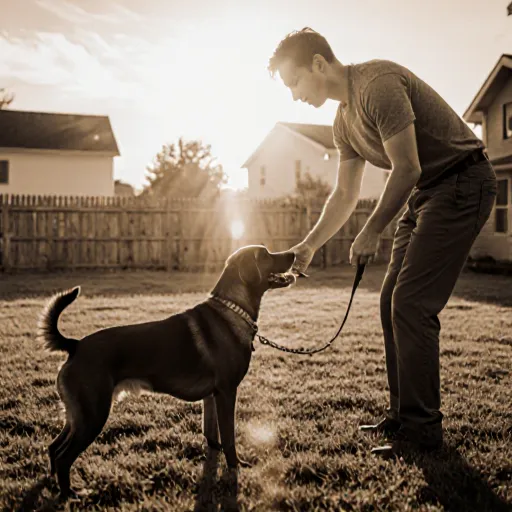
'Hear That Call, Fido!' Tips for Training Your Pup
How to Train Your Dog to Come When Called
Table of Contents
- Selecting the Right Time to Begin Training
- Establishing a Routine for Training Sessions
- Choosing the Right Commands and Tone of Voice
- Keeping Training Sessions Short and Positive
- Using Treats as an Incentive
- Consistency in Commands
- Training the Dog Indoors First
- Gradually Taking Training Outdoors
- Using Clicker Training Techniques
- Teaching Your Dog to Come When Called in Noisy Environments
- Handling Distractions during Training Sessions
- Building Up Distance and Time Before Calling the Dog
- Using Positive Reinforcement Outside of Training Sessions
- Patience and Persistence in Training Your Dog
- FAQs About Training Your Dog to Come When Called
- Conclusion
Selecting the Right Time to Begin Training
When it comes to training your dog to come when called, selecting the right time to begin this crucial exercise is essential for both the dog's success and your peace of mind. Starting too early might lead to confusion, while starting too late could make the dog resistant to commands. Here are some key points to consider:
Dogs reach different developmental stages at various ages. For instance, puppies typically start showing signs of understanding basic commands around 6 months old. However, this can vary depending on the breed and individual dog. Ensuring your dog is physically capable of paying attention to you without distractions is key.
Consistency is crucial in training. Establish a routine where you practice calling your dog every day, preferably at the same time or after specific activities like walks or meals. This helps reinforce the command and makes it second nature for your dog.
The environment plays a significant role in training. Start in a quiet place with minimal distractions to help your dog focus on learning the command. Gradually increase the level of distraction as your dog becomes more proficient, ensuring they can still respond reliably.
Using positive reinforcement is not just about rewarding the dog when it comes, but also praising and rewarding them for making an attempt to come. This encourages repetition and strengthens the association between the command and the action.
Like any other skill, consistent practice makes perfect. Dedicate short, focused sessions rather than long ones. Keep each session engaging by mixing in different scenarios and commands. For example, you might call your dog from a distance while they are playing or after a walk.
To avoid confusion, always use the same phrase when calling your dog to come. Over time, your dog will learn to associate that specific sound or word sequence with coming to you. For instance, "come here" could be used consistently.
If you find it challenging to train independently, consider seeking help from a professional trainer. They can provide tailored advice and techniques based on your dog's specific needs and behavior patterns.
- Early Morning Walks: Utilize the time when you're getting ready for work or school as a great opportunity to practice. Your dog is likely more focused in the morning, and you can set up short training sessions.
- Dinner Time: Timing your calls just before mealtime can enhance motivation since food is involved. However, ensure not to feed immediately after each call; use treats instead for reinforcement.
- Garden Play Sessions: During play time in the garden or park, practice calling your dog from a distance while they are still excited and attentive.
In conclusion, choosing the right time to begin training is pivotal. By considering factors like your dog's development, establishing routines, selecting appropriate environments, using positive reinforcement consistently, practicing regularly, being consistent with commands, and seeking professional help when necessary, you can ensure a successful training process for "Come When Called."
Establishing a Routine for Training Sessions
Establishing a routine for training sessions is crucial for effective dog training, especially when teaching your dog to come when called. Consistency and regularity help reinforce the desired behavior in your pet, making it easier for them to learn and remember commands.
Just like humans, dogs thrive on routine. By establishing a specific time and place for training sessions, you create an environment that signals learning is about to take place. For instance, if you always call your dog to come when called during breakfast or after dinner, they will start associating this time with the activity. Consistency in timing helps them understand what's expected of them.
Dogs have short attention spans, so it’s important to keep training sessions brief and engaging. A 10-15 minute session is usually enough for effective learning. Shorter sessions also make the experience enjoyable for your dog, reducing the likelihood of them becoming bored or distracted.
To train your dog to come when called, positive reinforcement plays a pivotal role. Every time your dog comes when called, reward them with treats, praise, and affection. This not only makes training fun but also helps your dog associate coming when called with something they enjoy.
To ensure your dog understands the command fully, gradually increase the distance between you and your dog during practice sessions. Start by calling them from a few feet away, then progressively move further apart while still keeping within your dog's line of sight. This helps reinforce the concept that coming when called is about moving towards where they are being called.
To avoid confusion and mixed signals, use a consistent command every time you call your dog. For example, using "come" instead of "here," "get me" or any other variation ensures that your dog recognizes the word as meaning to approach you. It’s also helpful if everyone in the household uses the same command.
Dogs need to learn that coming when called works everywhere, not just at home. Therefore, it's essential to practice this skill in various environments and situations your dog might encounter outside the house. This could include parks, neighborhoods, or even busy streets (if safe). The more versatile and consistent you are with training, the better your dog will perform.
Remember that every dog learns at their own pace. Patience is crucial during this process as consistency ensures that you’re reinforcing the correct behavior each time. Be prepared to repeat training sessions multiple times until your dog gets it right consistently.
In summary, by following a routine for your dog's training sessions and focusing on consistent timing, short durations, positive reinforcement, gradual increases in distance, using commands consistently, practicing in different environments, and maintaining patience and consistency, you'll be well on your way to teaching your dog to come when called effectively. Your efforts will not only strengthen the bond between you and your pet but also make your training sessions enjoyable and rewarding for both of you.
Choosing the Right Commands and Tone of Voice
In training your dog to come when called, choosing the right commands and tone of voice is fundamental. Commands should be clear, consistent, and concise. Tone can make or break a training session; it sets the emotional context for learning and can significantly impact your dog's receptiveness. Here’s how you can ensure that both elements are optimized:
- Be Simple and Clear: Use simple, easy-to-understand words like "come," "stay," or "sit." Avoid complex sentences as they can confuse your dog. For instance, instead of saying, "Come here so we can go for a walk," say just "Come!"
- Keep Commands Consistent: Consistency is crucial in training. Use the same command each time you want to train or reinforce an action. This helps your dog understand that certain words always mean specific actions.
- Use a Single Word: For basic commands, using one-word commands can be more effective than multiple-word commands. For example, "Sit" is better than "Please sit down."
The tone of voice you use during training can significantly influence your dog's behavior. A calm, confident, and clear tone can help reinforce positive behaviors while a stern or anxious tone might cause confusion or anxiety in your dog.
- Use Calm Tone: When teaching your dog to come when called, using a calm and steady voice will reassure them that you are in control. For example, if your dog hesitates to come, say "Come!" calmly rather than with an urgent or angry tone.
- Stay Confident: Confidence is key. Your dog can sense doubt or hesitation even when you think they can't hear you. A confident tone helps reinforce that coming when called is a priority and not optional.
- Vary Tone for Emphasis: Sometimes, varying the pitch of your voice can add emphasis to certain words in your command. For example, saying "Come here!" with a slightly rising pitch at the end can make it clearer that you are expecting immediate action.
To ensure that both commands and tone of voice contribute to effective dog training:
- Pick a Quiet Environment: Start training in a quiet environment where distractions are minimal. This makes it easier for your dog to focus on learning the command.
- Practice Regularly: Consistent practice is crucial for reinforcing commands and tones. Make sure you train daily or at least several times a week, gradually increasing the difficulty of the training by introducing distractions.
- Praise and Reward: Always follow your command with positive reinforcement such as praise and treats. This reinforces good behavior and motivates them to continue complying.
In summary, selecting the right commands and adopting an appropriate tone of voice can greatly enhance the effectiveness of training your dog to come when called. By being consistent in your approach and patient with practice, you'll be able to build a strong bond with your furry friend and ensure they respond reliably to your calls.
Keeping Training Sessions Short and Positive
Keeping training sessions short and positive is crucial for effective dog training, especially when teaching your pet to come when called. Shorter, more frequent training intervals not only help prevent burnout but also make the experience enjoyable for both you and your furry friend. This approach is particularly beneficial because dogs have a limited attention span, typically around 10-15 minutes depending on their age and breed.
Training sessions that are too long can lead to frustration for both you and your dog. When dogs get tired or bored during training, they may lose focus and become less receptive to commands. By keeping each session brief, you maintain your dog's enthusiasm and attention throughout the training process.
A positive reinforcement approach is key in ensuring that your dog associates good behavior with rewards rather than punishment. This method strengthens the bond between you and your pet while making learning a fun experience for them. Here are some practical ways to make training sessions positive:
- Use Treats Wisely: Choose high-value treats that your dog enjoys, such as small pieces of cheese or special training treats. Timing is crucial; give the treat immediately after your dog responds correctly to the command.
- Praise and Pats: In addition to treats, verbal praise (such as "good boy/girl") and affection can boost your dog's confidence and motivation.
- Avoid Negative Reinforcement: Avoid using harsh words or physical corrections. Instead, focus on rewarding the correct behavior and ignoring or redirecting inappropriate actions gently.
Teaching your dog to come when called is one of the most important commands you can teach them. Here are some steps and tips to help ensure success:
- Start with a Quiet Environment: Begin training in a controlled, quiet environment where distractions are minimal. This allows your dog to focus on learning the command without getting overwhelmed.
- Use a Reliable Leash: Have a sturdy leash handy to ensure you can safely and calmly guide your dog if necessary during practice sessions.
- Be Consistent with Commands: Use the same words or phrase each time you want your dog to come. This consistency helps your dog understand what is expected of them.
- Practice Regularly but Spaced Out: Incorporate short, positive training sessions into your daily routine. For example, call your dog whenever they are nearby and reward them for coming quickly.
By keeping training sessions short and positive, you create an environment where learning is enjoyable and effective. Remember that consistency, patience, and a little creativity go a long way in making the process rewarding for both you and your dog. With these tips, you'll be well on your way to teaching your pet to come when called reliably.
Using Treats as an Incentive
Using treats as an incentive is one of the most effective methods for training your dog to come when called. Treats serve as a powerful motivator that can help reinforce positive behavior and make learning enjoyable for your pet. Here’s how you can effectively use treats in conjunction with other training techniques to teach your dog this essential command.
Consistency is Key
To ensure your dog learns the “come when called” command, it's crucial to be consistent in both the words you use and the treats you provide. Choose a specific word or phrase as your recall signal (e.g., "come" or "here"), and always deliver the treat immediately after your dog responds by coming to you.
Choose the Right Treats
The type of treats you use can significantly influence how quickly your dog learns. Soft, easily consumed treats like cheese cubes or small pieces of chicken work well for most dogs. However, consider your dog’s individual preferences. Some dogs may respond better to a particular flavor or texture.
Timing is Everything
The timing of when you give the treat can make all the difference in effective training. Always provide the treat immediately after your dog comes to you, emphasizing that the behavior was rewarded. This helps strengthen the association between coming and getting a treat.
Use Treats Sparingly
While treats are essential for motivation, it's important not to overuse them. Once your dog consistently responds correctly to the recall command, you can gradually phase out the use of treats. You might substitute with praise or a favorite toy instead.
Practice in Different Environments
To ensure that your dog understands and follows the “come when called” command reliably, practice in various locations such as parks, streets, or even your backyard. Dogs need to learn to come back regardless of distractions. By practicing consistently across different environments, you'll help build their confidence and reliability.
Use Leashes for Safety
While using treats can enhance training, always use a leash during the initial stages to ensure your dog's safety. This way, if they don't come when called or hesitate, you have control over them. Gradually reduce the need for leashes as your dog becomes more reliable in responding.
Stay Positive and Patient
Dog training is a journey that requires patience and positivity. If your dog doesn’t respond right away, don’t get frustrated or angry. Instead, calmly repeat the process using treats to encourage them to come when called. Remember, every dog learns at their own pace.
By consistently employing treats as part of your training strategy, you can effectively teach your dog to come when called. With practice and positive reinforcement, this command will become a reliable skill that benefits both you and your furry friend in countless situations.
Consistency in Commands
In training your dog to come when called, one of the most crucial elements is consistency. Consistent commands ensure that your dog understands and responds reliably every time you call them. This section will delve deeper into why consistency matters and how it can be achieved effectively.
Consistency in commands is foundational to any successful training program, especially for teaching your dog to come when called. When commands are inconsistent, dogs get confused because they don't know what behavior you expect each time you call them. This confusion can lead to frustration and a lack of motivation to obey. Consistency helps create a clear association between the command and the desired action in your dog's mind.
To ensure that your dog comes when called consistently, it is essential to practice commands in various environments. Dogs need to understand that "come" means the same thing whether you're at home or out for a walk. For example:
- Home Environment: Start by calling your dog from different rooms and rewarding them each time they come promptly.
- Garden: Move training to the garden where there may be more distractions, like birds chirping or other dogs barking. Repeat the exercise with consistent reinforcement.
- Park or Neighborhood: Gradually introduce outdoor settings as your dog's obedience improves. This helps build their confidence and responsiveness in diverse situations.
The timing and tone of your voice play a significant role in the effectiveness of commands. Here’s how to use them:
- Timing: Always call your dog at the same time of day, during similar activities, or when they are in a specific state (e.g., after playing). This consistency helps your dog recognize and respond more reliably.
- Tone: Use an upbeat and firm tone when you issue the command. A gentle but assertive tone can convey authority without being harsh.
To maintain consistency, positive reinforcement is key. Each time your dog comes when called, reward them with a treat or praise. This reinforces the behavior and ensures that your dog continues to respond in the same way:
- Treats: Offer small, high-value treats immediately after they arrive.
- Praise: Use words of encouragement like "Good boy!" or "Well done!"
Dogs are naturally curious and can be easily distracted. To ensure consistency, it's important to practice in environments where distractions are present. Here’s how:
- Use Leashes: During initial training, use a leash to keep your dog close as you call them.
- Gradual Exposure: Once your dog responds well at home and in the garden, gradually increase the level of distraction. Start with smaller distractions and build up over time.
Training is an ongoing process that requires consistent effort from both you and your dog. To maintain consistency:
- Practice Regularly: Dedicate short, regular training sessions to reinforce the command.
- Review Periodically: Occasionally revisit previous training sessions to ensure that the behavior has not slipped due to lack of practice.
- Patience and Persistence: Understand that dogs learn at different paces. Be patient and persistent in your efforts.
In summary, consistency is vital for training your dog to come when called. By practicing consistently across various environments, using the right timing and tone of voice, applying positive reinforcement, and dealing with distractions effectively, you can ensure that your dog responds reliably every time they are called. With patience and persistence, you’ll build a strong bond and an obedient companion.
Training the Dog Indoors First
Training your dog indoors is a crucial step before you venture outside. Indoor training sets the foundation for outdoor obedience, especially when teaching your dog to come when called. The environment at home provides controlled settings where you can focus on reinforcing positive behaviors and correcting any mistakes without external distractions.
- No Distractions: Indoor training offers a quiet, distraction-free environment which is perfect for teaching your dog basic commands like "come," "sit," and "stay."
- Consistency: You can maintain consistent routines and schedules indoors, making it easier to reinforce the training over time.
- Safety: Training at home ensures that both you and your dog are safe from hazards such as traffic or other animals.
- Create a Routine: Establish a daily routine where you practice the "come" command at consistent times. This helps your dog understand when to expect training sessions and makes learning more effective.
- Use Positive Reinforcement: Reward your dog with treats, praise, or playtime whenever it successfully comes when called. Consistently rewarding good behavior encourages repetition of desired actions.
- Start Simple: Begin by calling your dog from a short distance within the house and gradually increase this distance as it gets more comfortable with the command.
- Mix It Up: Occasionally, try different locations within your home to see if distractions or new environments can influence your dog's response. Consistent training in various settings helps build reliability.
Dogs sometimes fail to respond when called due to various reasons, such as excitement or being focused on a toy. Here are some tips to address these issues:
- If your dog is distracted by toys: Start training with all distractions removed until your dog shows reliability in coming when called.
- If the dog ignores commands: Ensure you have its attention before calling; use a firm but gentle voice. If necessary, start with simple commands and gradually increase complexity once mastered.
Consider the following scenarios to understand how indoor training can be effective:
- Dog Fetching Toys: Use the "come" command after your dog has brought a toy back. Reward it immediately for coming and retrieving.
- Stopping Unwanted Behavior: Call your dog away from an inappropriate action, like chewing on furniture. Redirect its attention to a chew toy and reward it for obeying you.
By training your dog indoors first, you lay the groundwork for successful outdoor training. Consistency, positive reinforcement, and gradually increasing challenges are key elements of effective indoor training. Remember that each dog is unique, so be patient and adapt your methods to suit your pet's learning style.
Gradually Taking Training Outdoors
Once your dog has mastered coming when called indoors, it's time to gradually introduce the skill outdoors. This is crucial because real-world environments come with various distractions and challenges that are different from a controlled indoor space. Here’s how you can safely transition your training outside.
Step 1: Start in a Familiar Outdoor Area
Begin by choosing an area where the dog feels comfortable, such as your backyard or a nearby park you regularly visit. The familiar environment will make it easier for both of you to focus on training without overwhelming distractions.
- Choose a quiet spot: Start in a less busy part of the park or yard where there are fewer people and animals.
- Use positive reinforcement: Reward your dog for staying on command, even if they don’t immediately come when called. This reinforces good behavior.
Step 2: Gradually Increase Distractions
As your dog becomes more comfortable in the outdoor setting, start introducing slight distractions to simulate real-life scenarios. Remember, gradual exposure is key.
- Add background noise: Start by having a TV on or playing music at home while you practice indoors. Gradually increase the volume when practicing outdoors.
- Introduce other dogs: Start with far-off dog sounds, then move to real-life interactions as your dog gains confidence.
Step 3: Practice in New Locations
Once your dog is comfortable in familiar outdoor spaces, expand the training to new locations. This helps them understand that “come when called” works anywhere and under any circumstances.
- Vary environments: Take your training to different parks, fields, or even busy streets (initially from a distance).
- Use visual aids: If you’re in a new area and it’s too crowded for direct practice, use a remote control toy to call the dog without them feeling overstimulated.
Tips and Tricks
Here are some practical tips to ensure success during your outdoor training sessions:
- Keep sessions short: Dogs, just like humans, can get tired. Limit each practice session to around 10-15 minutes.
- Stay patient: Every dog learns at their own pace. Be consistent and never force the process.
- Use high-value treats: Dogs are more likely to respond quickly when they know a treat is coming!
By following these steps, you can successfully transition your dog’s training from indoors to outdoors. Remember, patience and consistency will lead to a well-trained companion who responds confidently in all environments.
Using Clicker Training Techniques
Clicker training is a highly effective method of dog training that has gained popularity for its ability to positively reinforce desired behaviors. This technique involves using a small handheld clicker to mark the exact moment your dog performs the correct action, followed by immediate rewards such as treats or praise. The goal in this method is to create a strong association between the sound of the click and the reward, teaching the dog that good behavior is rewarded.
How Clicker Training Works
The process starts with introducing your dog to the clicker itself. This is done by clicking the clicker and immediately offering a treat. The aim here is for the dog to understand that each time they hear the click, they will receive something positive from you. It's important to note that consistency in this step is crucial; always pair the sound of the click with a treat.
Training Your Dog to Come When Called
The ability for your dog to come when called can be critical, especially in situations where safety is at stake. Here’s how you can use clicker training to achieve this:
- Start with short distances: Begin by positioning yourself a few feet away from your dog and call them using their name. If they come running, immediately click the clicker and give them a treat.
- Increase distance gradually: As your dog starts to respond reliably at shorter distances, increase this distance incrementally. Each time they successfully come when called within that range, reward them with a click and a treat.
- Introduce distractions: Once you have established consistent response near you without any distractions, start introducing low-level distractions like other people or objects nearby. Continue rewarding the correct behavior of coming to you.
- Add more complex commands: Once your dog understands the basic concept and can respond reliably in various scenarios, add a verbal command or hand signal that accompanies "come." This helps transition them from relying solely on hearing their name to recognizing multiple cues for this action.
It’s essential during all these steps to maintain patience and positivity. Avoid using negative reinforcement (punishment) as it can create anxiety in your dog, reducing the effectiveness of training sessions. Instead, focus on praising and rewarding correct behaviors consistently.
Pitfalls to Avoid
- Irregular timing: Ensure that you only click at the exact moment the behavior is occurring rather than waiting until after they’ve completed the task. This helps in creating a clear signal for your dog.
- Overuse of treats: While treats are crucial during training, overusing them may lead to your dog becoming overly focused on food rewards instead of responding based on commands or signals.
- Inconsistent timing: Make sure that the click and treat come simultaneously so your dog associates these elements correctly.
Additional Tips
Consistency is key in any training program. Regular practice ensures that your dog retains what they’ve learned over time. Also, remember to vary your sessions by changing locations or introducing different types of rewards (like toys) occasionally.
Incorporating clicker training into your routine can significantly enhance the effectiveness of teaching your dog essential commands like "come." With practice and patience, you’ll see improvements in both obedience and bond with your pet.
Teaching Your Dog to Come When Called in Noisy Environments
Teaching your dog to come when called, especially in noisy environments, is a crucial skill that every responsible pet owner should prioritize. Noise distractions can easily overwhelm dogs and make them hesitant to obey commands. However, with consistent training and practical strategies, you can teach your furry friend to focus on you amidst chaos.
Dogs are often more reactive to sounds than humans, which makes noisy environments particularly challenging for them. The loud noises from sirens, construction sites, or even a dog park can easily divert their attention away from you and your commands. It's important to recognize that while dogs may not understand the concept of "quiet," they can learn to stay focused on you during these distractions.
- Choose a Quiet Space: Start your training in a quiet environment where there are no distractions. This will help your dog understand the basic command before moving on to more challenging scenarios.
- Use Positive Reinforcement: Reward your dog with treats, praise, or playtime whenever they obey your "come" command. This reinforces the behavior and makes training a positive experience for both of you.
- Practice in Controlled Noisy Environments: Once your dog is familiar with the basic command, gradually introduce low-level distractions such as turning on the TV at a low volume or having another person walk by outside. Encourage your dog to come back to you despite these noises.
- Gradual Increase in Distraction Level: As your dog becomes more confident and reliable with their "come" command, gradually increase the level of noise and complexity. This could involve visiting a park during quieter hours or practicing near construction sites during off-peak times.
- Use Commands Consistently: Always use the same verbal cue ("Come," "Here") and hand signal when you want your dog to come to you. Consistency is key in training, as it helps your dog associate the command with the action.
- Stay Calm: Your dog will pick up on your emotions and reactions. If you appear anxious or stressed, they may become confused or overwhelmed by the noise.
- Use High-Quality Treats: Offer treats that are irresistible to your dog but not so large that eating them slows down the training process.
- Practice Patience: Training a dog to come when called, especially in noisy environments, takes time and repetition. Be patient with your pet and celebrate small successes along the way.
- Stay Positive: Keep sessions short and fun. If your dog struggles, take a break and try again later. Positivity can go a long way in building trust and confidence between you and your pet.
Imagine you're at the beach on a windy day when a loud jet flies overhead. Your dog, who is enjoying the sand, suddenly perks up and looks towards the sky. Instead of letting this moment turn into chaos, you calmly call out "Come!" with a high-energy voice that grabs their attention. If your dog hesitates but eventually comes to you, praise them as soon as they reach you.
Teaching your dog to come when called in noisy environments is not just about training; it's about building a strong bond between you and your pet. By following these steps and tips, you'll be able to provide your furry friend with the tools they need to focus on you during even the noisiest of situations.
Handling Distractions during Training Sessions
When training your dog to come when called, distractions can significantly impact the effectiveness of your training sessions. Handling these interruptions is crucial for ensuring that your dog learns and retains the desired behavior. Here are some practical strategies and tips to help you manage distractions during training.
Understanding Distractions
Dogs, like humans, can be easily distracted by their environment. Common distractions include other dogs, toys, food, or even birds flying overhead. Understanding what distracts your dog is the first step in managing these interruptions effectively.
Strategies to Handle Distractions
- Create a Reliable Cue: Reinforce the "come" command consistently during training sessions. Use a high-pitched, enthusiastic voice and offer positive reinforcement (treats or praise) every time your dog responds correctly.
- Example: Call your dog using a clear, consistent tone: "Come!" and reward them immediately with a treat or verbal praise when they obey. Over time, this will create a strong association between the command and the action.
- Selectively Ignore Distractions: When distractions arise during training, it's important to ignore them rather than reinforcing your dog’s attention on them. This teaches your dog that focusing on you is more rewarding than engaging with external stimuli.
- Example: If a squirrel runs by while your dog is focused on the "come" command, continue to call and reward their response without acknowledging the distraction. Over time, your dog will learn that paying attention to you is more beneficial.
- Use Leash Control: For dogs who are easily distracted by external stimuli, using a leash can help maintain control during training sessions. This way, you have immediate physical control over your dog if they start moving toward the distraction.
- Example: When walking with your dog and a squirrel appears, immediately use the leash to redirect their focus back on you by gently pulling them towards you while calling out "come."
- Practice in Controlled Environments: Start training in low-distraction areas where there are fewer distractions. Gradually increase the difficulty of your training sessions as your dog’s response improves.
- Example: Begin training indoors or in a quiet park, and then progress to more challenging environments like busy streets or crowded parks.
- Predictable Rewards: Consistency is key when rewarding your dog for responding correctly. Ensure that the rewards are delivered immediately after the desired behavior so that your dog associates them with performing the command.
- Example: Every time your dog comes to you upon hearing "come," reward them instantly with a treat, followed by praise.
Tips for Success
Consistency and patience are essential when training your dog. Here are some final tips to keep in mind:
- Always use a consistent command word.
- Reward every successful response promptly.
- Gradually increase the difficulty of distractions as your dog masters the basic "come" command.
- Stay calm and positive during training sessions, even if your dog struggles with certain distractions.
By implementing these strategies, you can effectively handle distractions during training sessions, ensuring that your dog learns to come when called reliably in various environments. Remember, consistent practice is key to building a strong bond between you and your pet while teaching them valuable commands like "come."
Building Up Distance and Time Before Calling the Dog
Before you can confidently call your dog to come when called, it's essential to build up both the distance and time between you and your dog. This process is crucial for ensuring that your dog responds reliably even in more challenging situations. Here’s how you can do this effectively:
Step 1: Start Close
Begin by standing close to your dog, about three or four feet away. Call your dog using a clear and consistent voice command. Once the dog comes to you, reward with praise and treats. This initial step helps establish trust and confidence in the command.
Step 2: Gradually Increase Distance
Once your dog reliably responds at close distances, gradually increase the distance between you two. Start by moving a few feet further away from your dog and calling again. If your dog comes to you after this slight increase in distance, reward as before. Continue increasing the distance slowly but steadily.
Step 3: Extend Time Between Calls
After your dog has mastered coming closer distances, focus on extending the time between calls. You can start by giving a few commands close together and gradually space them out longer as your dog shows improvement. This teaches your dog to wait for your command rather than rushing back immediately.
Step 4: Practice in Different Environments
To make sure your dog's response is reliable, practice the commands in various environments and situations. For example, start by practicing at home where there are fewer distractions. Once your dog demonstrates consistent behavior, move to more challenging places like a park or busy street.
Step 5: Use Consistent Commands
Consistency is key in training. Always use the same word or phrase every time you want your dog to come back. This helps the dog recognize and respond appropriately to the command, no matter where it's given.
Step 6: Keep Sessions Short and Positive
To maintain a positive learning experience, keep each training session short and fun. Avoid making your dog stay in one place too long or for too many repetitions without breaks. A few sessions of five to ten minutes can be more effective than longer ones.
By following these steps, you will build up the distance and time between you and your dog effectively. Remember that patience is key when training dogs. With regular practice and positive reinforcement, your dog will learn to come when called consistently and confidently.
Using Positive Reinforcement Outside of Training Sessions
While positive reinforcement is crucial during training sessions to teach your dog specific commands, its benefits extend far beyond these structured environments. Using positive reinforcement outside of formal training sessions can reinforce the behavior you’ve taught and create a stronger bond between you and your pet.
Consistency is Key
To ensure that your dog consistently comes when called, it’s important to use treats or praise as a reward for coming. This consistency helps solidify the association in their mind between the command “come” and the positive reinforcement you provide.
Short Sessions with High Engagement
Short sessions are more effective than long ones because they keep your dog’s attention high. For example, after playing a quick game of fetch or engaging in another fun activity like a frisbee throw, call your dog and reward them immediately for coming to you.
Create Positive Associations
Positive associations outside of training sessions can be created by integrating the “come” command into your daily routine. For instance, when it’s time to go inside after playtime or feed your dog, call out “Come!” and reward them with a treat. Over time, this will make coming when called more rewarding for them.
Use Rewards Sparingly
While using treats is an effective way to reinforce behavior, it’s important not to overdo it. Mix in verbal praise or petting as rewards too. This variety keeps your dog engaged and excited about coming when called.
Predictability in Rewards
Consistency with when you reward your dog will also help them learn faster. If they know that every time they come to you, they’ll receive a treat or praise, they’re more likely to continue the behavior.
Practice in Different Environments
To ensure your dog responds reliably no matter where you are, practice the “come” command in various environments. This could be at home, during a walk in the park, or even in crowded places like the grocery store. The more varied the environment, the stronger the behavior will become.
Stay Patient and Positive
It’s important to stay patient and maintain a positive attitude when teaching your dog new commands. If they don’t respond right away, it doesn’t mean you’ve failed as an owner. Instead, try different strategies or take a step back if needed. Remember, every dog learns at their own pace.
Encourage Others to Practice Too
To make sure your dog’s behavior is consistent across all members of the household and even guests, encourage everyone who interacts with your dog to use the same command words and positive reinforcement methods. This uniformity helps reinforce the desired behavior more effectively.
By using positive reinforcement outside of training sessions, you can enhance the effectiveness of your “come” command training. Consistency, short engaging sessions, creating positive associations, and rewarding predictably are all key to building a strong foundation for reliable obedience in everyday situations.
Patience and Persistence in Training Your Dog
Patience and persistence are essential virtues when training your dog, particularly when teaching them to come when called. This fundamental behavior is crucial for safety, especially in outdoor environments or public spaces where dogs might get distracted by various stimuli.
Training a dog takes time, effort, and above all, patience. Dogs learn at their own pace, and some may be more inclined to respond quickly while others take longer to grasp new commands. It's important not to get frustrated if your dog doesn't seem to understand the "come" command immediately. Every dog is unique, and what works for one might not work for another.
Consistency is Key
Consistent training sessions can significantly enhance a dog’s learning process. Establish a routine where you practice the "come when called" command daily. This regularity helps reinforce the desired behavior and makes it easier for your dog to recognize the command. For instance, you could choose a specific time after breakfast or dinner as your training session.
Positive Reinforcement
Using positive reinforcement during training sessions can make all the difference in keeping your dog motivated and engaged. Every time your dog successfully comes when called, reward them with treats, praise, or playtime. This not only encourages good behavior but also strengthens the bond between you and your pet.
While patience ensures that training progresses without stress, persistence guarantees that the training continues until your dog masters the command. Dogs need repetition to learn new behaviors effectively. You should be persistent in practicing the "come" command even if it means repeating it several times during a single session.
Handling Distractions
One of the most challenging aspects of teaching dogs to come when called is dealing with distractions. In real-world scenarios, there are numerous stimuli that can divert your dog's attention away from you. To prepare them for these situations, practice training in different environments and with various distractions present. This could be at a park, on a busy street, or even near other animals.
Building Confidence
Through persistent training, your dog builds confidence in their ability to follow commands. As they grow more confident, they are less likely to ignore the "come" command when faced with distractions. Building this confidence also helps reduce anxiety and stress during training sessions.
To effectively train your dog to come when called:
- Use a consistent cue: Always use the same word or phrase when calling your dog. This helps them recognize the command more easily.
- Start in a controlled environment: Begin training indoors where distractions are minimal, then gradually move to outdoor settings as your dog gains confidence.
- Practice with high value rewards: Use treats that your dog really enjoys and save them for specific "come" command sessions.
- Stay positive: Keep the tone of your voice upbeat and cheerful during training. Dogs can sense your emotions, so maintaining a positive attitude is crucial.
By combining patience with persistence, you'll be better equipped to teach your dog the "come when called" command effectively. Remember, every dog learns at their own speed, but consistent practice and positive reinforcement will help ensure that your training sessions are successful.
FAQs About Training Your Dog to Come When Called
Training your dog to come when called is a crucial skill for their safety and well-being. Here are some frequently asked questions along with detailed answers to guide you through this process.
Q: What supplies do I need to train my dog?
A: You'll need a leash, treats, and patience. The treats can be small pieces of cheese or your dog's favorite snacks. Consistency is key in training, so having these items on hand will ensure you're ready for every training session.
Q: When should I start training my dog?
A: Start as soon as possible! The earlier you begin training, the easier it will be for your dog to learn and remember commands. Puppies are especially receptive to new skills during their early months.
Q: How do I make sure my dog comes when called?
A: Consistency is crucial in this process. Start by calling your dog's name followed by "come" while offering a treat. When they respond, immediately reward them with the treat and lots of praise. Gradually increase the distance between you and your dog as they master shorter distances.
Q: What if my dog doesn't come when called?
A: If your dog isn't responding initially, it might be due to distractions or not being fully engaged in the training. Ensure that the environment is free from significant distractions and make sure you have their attention before calling them. Sometimes, starting with a shorter distance can help build confidence.
Q: How do I deal with my dog running away?
A: If your dog tends to run away, it's essential to train them to come back promptly and reliably. Use the same steps as outlined for training to come when called but focus on reinforcing the command more frequently. Consistency is key here too.
Q: What if my dog gets distracted during training?
A: Distractions are common, especially in outdoor settings or areas where your dog is used to running around freely. To handle this, practice indoors where there are fewer distractions first. Gradually increase the complexity of the environment as your dog becomes more skilled.
Q: Should I use a clicker during training?
A: Using a clicker can be beneficial if you're already familiar with it, but for most beginners, treats are sufficient. The sound of the clicker can signal the exact moment your dog performs the correct action, which helps in timing rewards accurately.
Q: How long does training take?
A: Training a dog to come when called can vary depending on the breed and individual temperament. On average, it takes several weeks of consistent practice to see significant improvements. Patience is key; every dog learns at their own pace.
Q: Is it okay to use verbal commands only?
A: Using verbal commands exclusively can work, but combining them with hand signals or markers like a clicker enhances the training process and makes it easier for your dog to understand. This combination also aids in reinforcing the command.
Q: What should I do if my dog seems confused?
A: If your dog appears confused, take a step back and review basic commands first. Ensure that you're using clear, consistent language each time you call them. Sometimes, dogs need to be reminded of the association between words and actions.
Q: Should I use positive reinforcement only?
A: Positive reinforcement through treats or praise is generally the most effective method for training. Negative reinforcement or punishment should be avoided as they can cause stress and anxiety in your dog.
Q: How do I ensure my dog comes when called even in crowded places?
A: To teach your dog to come through crowd noise, start by practicing in a noisy environment but with fewer distractions. Gradually increase the level of noise and complexity until they can respond reliably under challenging conditions.
Conclusion
Training your dog to come when called is one of the most essential skills you can teach them, as it ensures their safety and helps build a stronger bond with you. This skill not only prevents potential dangers but also boosts confidence in both you and your pet. To achieve this effectively, consistency and positive reinforcement are key.
- Establish the 'Come' Command: Start by using a specific verbal command like "come" or "here." Make sure you use this word consistently during training.
- Create a Positive Association: Always call your dog to play, eat treats, or go for walks. This positive association will make them more likely to respond when called in other situations.
- Short Sessions with Rewards: Keep your training sessions short (about 10 minutes) and rewarding. Dogs learn best through repetition and small successes.
- Consistency is Crucial: Everyone in the household should use the same command word and follow a consistent routine for reinforcing this behavior.
- Gradual Increase in Difficulty: Once your dog responds reliably to the 'come' command indoors, start practicing outside. You can also increase distance gradually as they get better at responding.
- Use Leashes Wisely: When training outdoors, use a leash to ensure safety and control. It allows you to keep your dog close while they learn.
- Avoid Calling from a Distance: At the beginning of training, it's better to call your dog closer rather than expecting them to come from far away. This builds their confidence and success rate.
- Choose Appropriate Times: Train during times when there are fewer distractions for both you and your dog. Early morning or late afternoon could be ideal.
- Stay Patient and Positive: Training takes time, and dogs learn at their own pace. Stay positive and avoid showing frustration as this can negatively impact the training process.
Every dog is different, and some may face challenges during training. Here are common issues and how to address them:
| Challenge | Solution |
|---|---|
| Distractibility: Your dog gets distracted easily. | Use high-value rewards and try training in quieter environments. Gradually increase the level of distraction as they improve. |
| Lack of Motivation: Your dog seems uninterested or unwilling to come. | Ensure you are using rewarding treats or activities that genuinely motivate them. Make sure the training is fun and engaging for your pet. |
| Dogs Running Away: Your dog runs away when called. | Start with short sessions in a controlled area, then gradually increase distance and complexity as they learn. Always return to the starting point after each successful recall. |
Remember, patience and consistency are your greatest tools when training your dog. By following these steps and tips, you will see steady progress in your dog’s ability to come when called.
Categories
- AI & Enrichment Play
- Broiler Farming
- Broiler Farming Tips
- Canine Wellness & Longevity
- Cat
- Cat & Human Connection
- Cat Adoption & Rescue
- Cat Breeds
- Cat Breeds & Personalities
- Cat Care & Health
- Cat Grooming & Hygiene
- Cat Lifestyle & Environment
- Cat Myths & History
- Cat Nutrition & Diet
- Cat Products & Reviews
- Cat Training & Behavior
- Comparison
- Consumer Awareness
- Dog
- Dog Accessories & Products
- Dog Adoption & Rescue
- Dog Breed & Lifestyle Trends
- Dog Breeding & Puppies
- Dog Entertainment & Media
- Dog Fashion & Trends
- Dog Fun & Lifestyle
- Dog Grooming & Hygiene
- Dog History & Culture
- Dog Myths, Science & Future Tech
- Dog News & Trends
- Dog Nutrition & Food
- Dog Psychology & Emotions
- Dog Safety & Security
- Dog Sports & Activities
- Dog Technology & Innovation
- Dog Training for Modern Owners
- Dog Travel & Adventure
- Dog Travel, Adventure & Culture
- Economic and Market Insights
- Educational Content
- FAQs
- Feeding Alternatives
- Festivals & Seasonal Ideas
- Fun & Entertainment
- General Knowledge
- General Pig Farming
- Health & Disease Management
- Housing and Environment
- Kittens
- Market Insights
- Miscellaneous
- Miscellaneous
- Motivational
- pig
- Pig Breeding
- Pig Breeds
- Pig Farming Stories and Inspiration
- Pig Health and Care
- Pig Nutrition
- Pig Products
- Profitability & Business
- Puppy Care
- Puppy Predictable Topics Reinvented
- Regional Focus
- Rescue & Adoption Buzz
- Senior Cats
- Senior Dog Care
- Smart Dog Tech & Gadgets
- Sustainability
- Sustainable & Eco-Friendly Dog Products
- Tech & Innovations
- Working & Service Dogs
- Broiler Feed66 products
- Country Feed33 products
- Pig Feed66 products
- Product22 products
- Raw Materials99 products
Products
-
 Fish Meal
₹1,999.00 – ₹2,999.00Price range: ₹1,999.00 through ₹2,999.00Rated 0 out of 5
Fish Meal
₹1,999.00 – ₹2,999.00Price range: ₹1,999.00 through ₹2,999.00Rated 0 out of 5 -
 FATTENING BROILER FEED
₹2,299.00 – ₹2,349.00Price range: ₹2,299.00 through ₹2,349.00Rated 0 out of 5
FATTENING BROILER FEED
₹2,299.00 – ₹2,349.00Price range: ₹2,299.00 through ₹2,349.00Rated 0 out of 5 -
 LAYER COUNTRY FEED
₹1,549.00 – ₹1,649.00Price range: ₹1,549.00 through ₹1,649.00Rated 0 out of 5
LAYER COUNTRY FEED
₹1,549.00 – ₹1,649.00Price range: ₹1,549.00 through ₹1,649.00Rated 0 out of 5 -
 COUNTER BROILER FEED
₹1,199.00 – ₹1,299.00Price range: ₹1,199.00 through ₹1,299.00Rated 0 out of 5
COUNTER BROILER FEED
₹1,199.00 – ₹1,299.00Price range: ₹1,199.00 through ₹1,299.00Rated 0 out of 5 -
 LACTATING PIG FEED
Rated 0 out of 5
LACTATING PIG FEED
Rated 0 out of 5₹2,299.00Original price was: ₹2,299.00.₹1,740.00Current price is: ₹1,740.00. -
 Maize
Rated 0 out of 5
Maize
Rated 0 out of 5₹1,650.00Original price was: ₹1,650.00.₹1,300.00Current price is: ₹1,300.00. -
 GESTATION PIG FEED (Phase 1)
Rated 0 out of 5
GESTATION PIG FEED (Phase 1)
Rated 0 out of 5₹2,249.00Original price was: ₹2,249.00.₹1,699.00Current price is: ₹1,699.00. -
 Pre Starter Broiler Feed
₹2,399.00 – ₹2,499.00Price range: ₹2,399.00 through ₹2,499.00Rated 0 out of 5
Pre Starter Broiler Feed
₹2,399.00 – ₹2,499.00Price range: ₹2,399.00 through ₹2,499.00Rated 0 out of 5 -
 FINISHER PIG FEED
Rated 0 out of 5
FINISHER PIG FEED
Rated 0 out of 5₹2,299.00Original price was: ₹2,299.00.₹1,749.00Current price is: ₹1,749.00. -
 Broiler Premix
Rated 0 out of 5
Broiler Premix
Rated 0 out of 5₹820.00Original price was: ₹820.00.₹699.00Current price is: ₹699.00.