
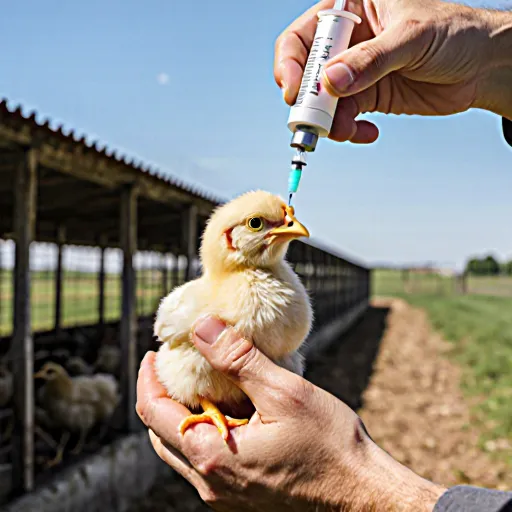
Unlock healthier broilers with this vaccination guide.
Table of Contents
- Introduction to Broiler Chicken Vaccination
- Importance of Vaccination in Broiler Chickens
- Understanding Common Diseases in Broilers
- Choosing the Right Vaccine Type for Broilers
- Sources and Preparation of Vaccines
- Proper Storage Conditions for Vaccines
- Vaccination Timing in Relation to Broiler Growth Stages
- Administering Oral Vaccines to Broilers
- Intramuscular and Subcutaneous Injection Techniques
- Egg Yolk Antibody Transfer Through Maternal Vaccination
- Common Errors to Avoid in Broiler Chicken Vaccination
- Signs of Successful Vaccination in Broilers
- Monitoring and Care After Vaccination
- Conclusion
- FAQ
Introduction to Broiler Chicken Vaccination
Vaccination is a critical component of broiler chicken management, aimed at protecting the flock against various diseases. Proper vaccination ensures robust health and enhances productivity by minimizing mortality rates and improving overall performance. Understanding how to vaccinate broiler chickens effectively can significantly impact farm profitability and sustainability.
Importance of Vaccination
Vaccinations are essential for preventing outbreaks of diseases that could decimate the flock, leading to significant financial losses. Common pathogens targeted in broilers include Gallid herpesvirus 2 (Gumboro), Avian Leukosis Virus (ALV), Salmonella, and Mycoplasma. By vaccinating against these diseases, farmers can ensure that their broiler chickens have a strong immune system to combat infections effectively.
Vaccination Techniques
The most common methods for administering vaccines include:
- Inoculation through drinking water: This method involves mixing the vaccine into clean and fresh drinking water. It is a convenient way to vaccinate large flocks, but it requires careful monitoring of water consumption and ensuring that all birds receive an adequate dose.
- Intramuscular injection: Some vaccines require direct administration into the muscle, such as live virus vaccines. This method ensures precise dosing but can be time-consuming for larger farms.
- Nose drops or eye drops: Live vaccines are often administered directly into the nostrils or eyes of chicks to protect them early in life against diseases like Newcastle Disease.
Choosing the Right Vaccine
Selecting an appropriate vaccine is crucial. It should be based on factors such as the specific disease risks, farm practices, and geographical location. For example, if Salmonella is a prevalent issue in your area, ensure that the vaccine targets this pathogen.
Practical Advice for Successful Vaccination
- Timing: Follow the vaccination schedule provided by the vaccine manufacturer. Early and timely administration of vaccines is crucial to build a strong immune response.
- Storage Conditions: Keep vaccines at recommended temperatures to maintain their efficacy. Exposure to heat or cold can render them ineffective.
- Careful Mixing: If mixing vaccines into drinking water, ensure that the solution is well-mixed and avoid contamination. Use clean equipment for each batch of vaccine mixture.
- Monitoring Post-Vaccination: After vaccination, monitor the flock closely for any signs of adverse reactions or disease outbreaks. Prompt intervention can prevent widespread infection.
Conclusion
Vaccinating broiler chickens is a vital practice that requires careful consideration and execution. By choosing the right vaccines, administering them correctly, and monitoring the flock closely, farmers can significantly reduce the risk of diseases, leading to healthier and more productive broilers.
Importance of Vaccination in Broiler Chickens
The importance of vaccination in broiler chickens cannot be overstated. Vaccinations play a crucial role in protecting broilers from various diseases, which directly impacts their health and productivity. Proper vaccination practices can lead to healthier birds, higher growth rates, better feed efficiency, and increased profitability for poultry farmers.
Vaccinations help stimulate the immune system of broiler chickens, providing protection against specific diseases. This is especially important in broiler farming where stressors like high stocking densities, environmental factors, and poor hygiene can lead to increased susceptibility to illnesses. By vaccinating broilers according to a well-thought-out schedule, farmers can prevent major outbreaks that could otherwise decimate the flock.
- Gallidiviruses: Including Infectious Bursal Disease (IBD) and Marek’s Disease. These diseases can significantly impact broiler performance, leading to reduced growth rates and higher mortality.
- Viral Respiratory Diseases: Such as Infectious Bronchitis Virus (IBV) and Newcastle Disease Virus (NDV), which cause respiratory distress and decreased egg production if present in hens. In broilers, these diseases lead to poor performance and increased mortality rates.
Proper vaccination not only protects against specific pathogens but also enhances overall bird health. This leads to improved growth rates, better feed conversion efficiency, and reduced medication costs. For example, effective vaccination programs for IBD can lead to higher body weights at processing age, which translates directly into increased revenue.
- Consult a Veterinarian: It's crucial to consult with a veterinarian who specializes in poultry health. They can provide tailored advice based on local disease pressures and environmental conditions.
- Vaccination Schedule: Follow the recommended vaccination schedule provided by your veterinarian. This typically includes vaccines for IBD, NDV, IBV, and others depending on the region and farm specifics.
- Careful Handling: Ensure that all vaccinations are handled carefully to maintain potency. Mismanagement can lead to ineffective immunity or even disease transmission.
- Post-Vaccination Monitoring: Monitor the birds closely after vaccination for any signs of adverse reactions. Early detection and treatment can prevent the spread of illness within the flock.
For optimal results, follow these practical tips:
- Vaccinate broilers in a clean environment to ensure the vaccine's effectiveness.
- Ensure all vaccination equipment is sterile and properly maintained.
- Adhere strictly to the recommended dosage and administration methods as outlined by your veterinarian.
- Train your staff thoroughly on proper handling techniques to avoid stress to the birds during the process.
In conclusion, vaccination is a cornerstone of broiler chicken management. By understanding its importance and implementing effective practices, farmers can ensure their broilers grow healthily and reach market weight with minimal stress and maximum profitability.
Understanding Common Diseases in Broilers
Understanding common diseases in broilers is crucial for maintaining optimal health and productivity. These diseases can significantly impact growth rates, feed efficiency, and overall profitability of your poultry farm. By recognizing the signs early and implementing appropriate vaccination strategies, you can effectively manage these issues.
Proper vaccination is one of the most important measures to control diseases in broilers. Vaccination helps stimulate the bird's immune system to produce antibodies against specific pathogens, providing protection during critical phases of growth and development.
Infectious Bronchitis Virus (IBV)
Infectious Bronchitis is a highly contagious viral disease affecting broilers. It primarily impacts respiratory function, reproductive health in hens, and egg quality. To prevent IBV, it's essential to use an appropriate vaccine strain that matches the circulating virus strains in your region.
Escherichia coli (E. coli)
E. coli is a bacterial infection commonly found in broilers, often leading to respiratory issues and diarrhea. Vaccination against E. coli can be challenging due to its wide variety of serotypes. However, live attenuated vaccines are effective for certain serotypes.
Gallid herpesvirus 2 (GHV-2)
More commonly known as Marek's disease, GHV-2 is a significant concern in broiler production. This viral infection affects the nervous system and lymphoid tissues of chickens, leading to reduced meat quality and increased mortality rates. Vaccination against Marek's disease should be done early in the chicken's life to ensure maximum efficacy.
Necrotic Encephalitis Virus (NEV)
NEV is another viral infection that causes respiratory distress, nervous signs, and reduced feed intake. Vaccination against NEV is critical for broilers, especially in high-risk areas where the virus is prevalent.
To effectively vaccinate your broiler chickens, follow these practical steps:
- Select a reliable vaccine provider. Ensure that the vaccines you choose are appropriate for your specific region and disease profile.
- Adhere to vaccination protocols. Follow the manufacturer's instructions carefully regarding dosage, route of administration, and timing of vaccinations.
- Monitor vaccination effectiveness. Regularly assess the health status of your broilers post-vaccination to ensure that they are responding appropriately. Adjust your vaccination strategy if necessary based on these observations.
- Promote a healthy environment. Clean and maintain sanitary conditions in your poultry house, provide adequate ventilation, and manage stress factors which can compromise the immune system of your broilers.
In conclusion, understanding common diseases in broilers and knowing how to vaccinate them is fundamental for successful broiler farming. By staying informed about prevalent pathogens and implementing strategic vaccination practices, you can significantly reduce the risk of disease outbreaks and enhance your flock's health and productivity.
Choosing the Right Vaccine Type for Broilers
Vaccinating broiler chickens is a critical step towards ensuring they grow healthy and robust. The type of vaccine you choose can significantly impact the health, growth, and productivity of your flock. Here’s how to make an informed decision:
Understanding Vaccine Types
Vaccines are broadly categorized into two main types: live attenuated vaccines (LA) and inactivated vaccines (IA). Each has its own advantages and considerations.
- Live Attenuated Vaccines: These vaccines contain the actual virus or bacteria but have been weakened to reduce virulence. They stimulate a strong immune response, providing longer-lasting immunity. However, they are less stable and can be affected by environmental factors such as temperature.
- Inactivated Vaccines: Inactivated vaccines use killed pathogens to stimulate the immune system. They are more stable and easier to store but may require multiple doses to achieve full protection. This type of vaccine is often preferred for broilers due to their stability in storage and handling.
Factors to Consider When Choosing a Vaccine
The choice between live attenuated vaccines and inactivated vaccines should be based on several factors:
- Type of Disease: Some diseases are better controlled with LA vaccines, while others may require IA. For instance, Newcastle disease is typically managed using a live attenuated vaccine due to its effectiveness.
- Stability and Handling: Consider the stability of the vaccine during transport and storage. Inactivated vaccines are generally more stable and easier to handle in hot climates or long distances.
- Dose Requirements: LA vaccines often require fewer doses, which can be beneficial for time-constrained farms. IA vaccines may need multiple doses but provide excellent protection.
- Poultry Age: The age of the broilers at the time of vaccination is also a crucial factor. Some diseases are more prevalent in younger birds, and you should choose a vaccine that targets those specific vulnerabilities.
Practical Advice for Vaccination
To ensure your broilers receive maximum protection from vaccines:
- Follow the Manufacturer's Instructions: Always follow the instructions provided by the vaccine manufacturer. These include dosage, administration method, and interval.
- Administer Vaccines at Correct Ages: Most vaccines are most effective when administered during specific age windows. Ensure you vaccinate your broilers within these recommended periods.
- Use Clean Equipment: Proper equipment sterilization is essential to prevent contamination and ensure the effectiveness of the vaccine.
Examples
Here are some examples of vaccines commonly used for broilers:
- Newcastle Disease Vaccine (LA): Administered at day-old to protect against a highly contagious viral disease.
- Gumboro Disease (IASV) Vaccine (IA): Given in multiple doses from day-old to week-old broilers for protection against infectious bronchitis.
Vaccination is just one part of a comprehensive health management plan. By choosing the right type of vaccine and following best practices, you can help ensure your broilers grow into healthy adults with high productivity levels.
Sources and Preparation of Vaccines
Vaccination is a crucial part of broiler chicken health management to protect them against various diseases. Proper sourcing and preparation of vaccines are essential for effective disease prevention in broiler chickens. This guide provides an overview on how to ensure that the right vaccines are sourced and prepared correctly.
1. Choosing the Right Vaccine
The first step in vaccinating broilers is selecting a high-quality vaccine from reputable sources. Different vaccines are available depending on the specific diseases you wish to prevent, such as Newcastle disease virus (NDV), Infectious Bronchitis Virus (IBV), and Gumboro disease.
Examples of Common Vaccines
- Newcastle Disease Vaccine: A live attenuated vaccine that helps in the development of immunity against NDV. It is usually administered via drinking water or aerosolization.
- Infectious Bronchitis Virus Vaccine: This can be a killed virus or an attenuated strain, and it aims to protect chickens from IBV infection.
- Gumboro Disease Vaccine: Also known as Infectious Bursal Disease (IBD) vaccine, this protects against the lymphoid leucosis virus complex.
2. Sourcing Vaccines
It is important to source vaccines from licensed suppliers and laboratories that have a good reputation in the poultry industry. Always ensure you are purchasing from sources approved by your local agricultural or veterinary authority as unlicensed vaccines may be ineffective or even harmful.
- Licensed Suppliers: Reliable companies with established track records of delivering quality products and providing support for any issues that might arise post-vaccination.
- Government Approved Laboratories: These labs are typically the safest source as they undergo rigorous testing and quality checks, ensuring the vaccines meet the required standards.
3. Preparation Guidelines
Once you have sourced your vaccine, proper preparation is necessary to ensure its effectiveness. The exact steps can vary depending on the type of vaccine, but here are some general guidelines:
Steps for Preparing Vaccines
- Check Labels and Instructions: Always check the label for storage conditions, expiration dates, and specific preparation instructions.
- Mixing with Water: For vaccines that are to be administered via drinking water or aerosolization, ensure you mix them according to the recommended dilution ratios provided by the manufacturer. This typically involves adding a specified volume of vaccine to a set amount of water.
- Aerosolization: If your vaccination method is through aerosolization, make sure to use an appropriate equipment and follow all safety precautions regarding handling the vaccine.
- Storage: Store vaccines under the conditions specified by the manufacturer. Typically, this involves refrigeration at 4°C (39°F) or in a cold room if you are unable to keep it refrigerated for extended periods.
4. Practical Advice
To maximize the effectiveness of your vaccinations and ensure that all chickens receive adequate protection, consider the following practical advice:
- Timing is Critical: Administer vaccines at recommended times during the broiler cycle to avoid missed opportunities for immunity.
- Environmental Factors: Ensure that environmental conditions are optimal when administering vaccines. Avoid vaccination on days of high stress or adverse weather conditions.
- Monitor Chickens: After vaccination, monitor your flock closely for any signs of distress or poor response to the vaccine. This can help identify potential issues early.
Conclusion
The successful preparation and administration of vaccines are key steps in ensuring a healthy broiler flock. By following these guidelines, you can help protect your chickens from common diseases, leading to better growth performance and overall health.
Proper Storage Conditions for Vaccines
In the context of how to vaccinate broiler chickens, maintaining proper storage conditions for vaccines is crucial to ensure their efficacy and safety. The vaccine's integrity can be compromised if not stored under optimal temperature and humidity levels. This section provides a detailed guide on the necessary storage conditions for vaccines used in broiler chicken vaccination.
Temperature Control
The temperature at which vaccines are stored directly affects their shelf life and potency. Most vaccines should be kept refrigerated between 2°C and 8°C (36°F to 46°F). It is essential to avoid exposing the vaccines to temperatures above or below this range as it can lead to degradation of the vaccine components.
Humidity Levels
The appropriate humidity levels also play a significant role in maintaining the effectiveness of vaccines. Vaccines should be stored in an environment with moderate humidity, typically between 30% and 70%. High humidity can lead to moisture build-up which may cause vaccine vials to freeze or become contaminated.
Light Exposure
Avoiding direct light exposure is another critical factor. Vaccines should be stored in a dark place to prevent photodegradation, which can occur if the vaccines are exposed to light for extended periods. Using opaque containers and storing them away from windows or other sources of bright light helps maintain their stability.
Storage Containers
The use of appropriate storage containers is vital in maintaining vaccine quality. Ideally, vaccines should be stored in the original manufacturer's packaging to protect against light, air, and temperature fluctuations. If additional storage or transport is required, consider using coolers with ice packs to maintain the necessary temperature range.
Practical Advice
- Label Vaccines Properly: Ensure that each vial of vaccine is clearly labeled with its name, lot number, expiration date, and any other relevant information. This helps in managing stock levels and ensures timely administration.
- Monitor Temperatures Regularly: Invest in a reliable thermometer or temperature monitoring device to ensure that storage temperatures remain constant and within the specified range. Regular checks help prevent any unauthorized access to the storage area which could lead to temperature fluctuations.
- Follow Manufacturer Guidelines: Always follow the manufacturer's recommendations regarding storage conditions and handling practices. Each vaccine may have specific instructions that should be adhered to for optimal results.
In broiler chicken vaccination, these guidelines are particularly important because they directly affect the health and growth performance of your chicks. Any deviation from the recommended protocol can result in reduced immunity and increased susceptibility to diseases.
For example, when vaccinating broilers, it's crucial to use vaccines that are within their expiry period. Always check the label for accurate dates before administering.
In broiler chicken vaccination, maintaining consistent temperatures is essential as broilers are typically vaccinated multiple times throughout their short life cycle. A sudden temperature change can render some of these vaccines ineffective and compromise your efforts in disease prevention.
Conclusion
Maintaining proper storage conditions for vaccines used in broiler chicken vaccination is fundamental to achieving successful outcomes. By adhering to these guidelines, you ensure that your vaccine remains effective and safe, thereby enhancing the health and productivity of your flock.
Vaccination Timing in Relation to Broiler Growth Stages
Proper vaccination timing is crucial for the health and welfare of broilers. Vaccines are typically administered at specific times during the growth stages to ensure maximum protection against potential diseases without affecting the bird's performance negatively. Understanding the growth stages of broilers helps in determining the best time for vaccinations.
Day-old Chickens: Initial Stage
The vaccination process begins as soon as the broiler chicks arrive at the farm, usually around day-old. During this initial stage, it is important to prioritize vaccines that protect against highly pathogenic diseases such as Newcastle Disease and Gumboro Disease (IBD). These vaccines are typically administered via饮水 Everton
Vaccinating broiler chickens is a critical step in ensuring their health and productivity. While most vaccines are administered through injection, oral vaccines can be an effective alternative for certain pathogens. Administering oral vaccines requires careful planning and execution to ensure they provide the best protection possible. The administration process involves mixing the vaccine with feed or water. Follow these steps: After administering the oral vaccine, it's important to monitor the broilers for any signs of stress or illness. Follow these steps: To ensure the success of oral vaccination, consider these practical tips: Administering oral vaccines to broilers requires careful attention to detail and adherence to proper protocols. By following these steps, you can help ensure that your flock remains healthy and productive throughout the growing period. Vaccination is a critical aspect of broiler chicken management, ensuring the health and productivity of the flock. The two primary injection techniques used are intramuscular (IM) and subcutaneous (SC). Understanding these techniques ensures that vaccines are delivered effectively, thereby enhancing their efficacy. The intramuscular injection technique involves injecting the vaccine into a specific muscle. This method is typically used for vaccines that require a more localized delivery to reach the bloodstream efficiently. Note: Always follow the manufacturer's recommendations for dosage and technique when administering vaccines intramuscularly. The subcutaneous injection involves injecting the vaccine beneath the skin. This method is often preferred for younger chicks or when a more gradual absorption into the bloodstream is desired. Note: It's crucial to observe the birds post-injection for any signs of stress or adverse reactions. If you notice anything unusual, consult a veterinarian immediately. Vaccination is a vital component of broiler chicken management. By mastering these intramuscular and subcutaneous injection techniques, you can ensure that your flock receives the best possible protection against diseases. The process of transferring maternal antibodies from vaccinated dams (female parent birds) to their offspring, specifically broiler chickens, is a critical aspect in broiler chicken vaccination strategies. This transfer ensures that chicks receive passive immunity which helps protect them during the early stages of life when they are most vulnerable. Vaccinating broilers through their parents can provide significant benefits, including: The antibodies present in the egg yolk are primarily IgY (Immunoglobulin Y) proteins. These antibodies, transferred during late gestation and through the first few days of life, provide passive immunity to the chicks. However, it's important to note that maternal antibody levels decline over time, usually within a month after hatching. To maximize egg yolk antibody transfer and its effectiveness: Consider a scenario where broiler chicks are vaccinated using maternal immunity. Suppose the broilers' parents were given a vaccination against Salmonella at 8 weeks old. This would ensure that by the time hatching occurs, the eggs contain high levels of antibodies effective against Salmonella, thereby protecting the chicks during their early critical days. Incorporating maternal vaccination into broiler chicken management practices can be an invaluable tool for ensuring robust chick health and performance. By understanding how egg yolk antibody transfer works and implementing best practices in vaccinating broilers' parents, farmers can significantly enhance the overall health of their flock. Vaccination is a critical aspect of broiler chicken management aimed at preventing diseases that could reduce growth efficiency and profitability. However, improper vaccination practices can lead to significant losses. Here are some common errors to avoid: The most frequent mistake in broiler vaccination is administering the incorrect dose. The vaccine vial contains a specific number of doses based on the manufacturer's recommendation. Failure to follow these guidelines can lead to under-vaccination or over-vaccination. To avoid these issues, carefully read and follow all instructions provided by the vaccine manufacturer. Ensure that you have the correct number of birds for each dose. The storage temperature and conditions can significantly affect the efficacy of vaccines. If not stored correctly, the vaccine may lose its potency or become ineffective. Ensure that you have a reliable thermometer in your storage area and regularly check it to maintain proper temperature control. Additionally, keep detailed records of when vaccines are opened and used to track their freshness. The way the vaccine is handled can greatly affect its performance. Incorrect handling techniques often lead to inefficient vaccination, resulting in reduced immunity. To maintain proper technique, always use appropriate tools for the vaccination process and follow manufacturer guidelines closely. Practice with a small sample of birds before starting large-scale vaccinations to refine your techniques. It's essential to monitor birds after vaccination to ensure that all chickens are protected adequately. Failing to do so can result in undetected issues that may affect the entire flock later on. Maintaining close observation and follow-up can help you address any challenges promptly, ensuring the overall health and productivity of your broilers. The recommended vaccination schedule plays a vital role in disease prevention. Skipping or delaying vaccines can leave your flock susceptible to various pathogens that could disrupt growth and profitability. To avoid this error, keep detailed records of vaccinations and follow up with your vet or specialist as needed. This proactive approach ensures that all necessary vaccines are administered correctly and timely. Ensuring that your broiler chickens have received successful vaccinations is crucial for maintaining a healthy flock and achieving optimal growth performance. Below are some key signs to look out for after vaccinating your broilers, based on the guide "How to Vaccinate Broiler Chickens." A significant reduction in mortality rates is one of the most noticeable signs that vaccination has been successful. If you notice a decrease in the number of dead birds, it indicates that the vaccine has helped protect your broilers against targeted diseases. Successful vaccination often leads to improved growth rates and feed efficiency. Healthy broilers should show consistent weight gain throughout the growing period. If you observe that your birds are gaining weight as expected, it is a positive sign that they are benefiting from the vaccine. A strong immune response is another indicator of successful vaccination. Healthy broilers should show vibrant feather condition and no signs of respiratory distress or other health issues. If your birds appear robust and active, it suggests that their immune system has responded effectively to the vaccine. A key goal of vaccination is to reduce the incidence of respiratory diseases such as Gumboro or Newcastle disease. If you notice fewer cases of sneezing, coughing, or discharge from the nostrils in your flock, it indicates that the vaccine has been effective. If you are breeding broilers for egg production, successful vaccination can lead to enhanced egg quality and quantity. Healthy hens should show consistent laying patterns without signs of illness or stress. This is a clear sign that the vaccine has helped protect them from diseases. In conclusion, monitoring these signs can help you determine if your broiler chickens have successfully responded to the vaccines. By following best practices and closely observing your flock's health, you can ensure that your birds remain healthy and productive throughout their growing period. Vaccination is a critical step in maintaining poultry health, but it’s equally important to monitor your broiler chickens closely after vaccination to ensure their well-being. The immediate post-vaccination period can be challenging as the chickens may show signs of stress or other reactions due to the immunization process. To ensure your broiler chickens recover well after vaccination and remain healthy, follow these practical steps: Maintain optimal environmental conditions by ensuring the temperature is appropriate. Avoid sudden changes in humidity or ventilation rates that could stress the birds further. Adjust their diet to provide necessary nutrients for recovery: Maintaining clean and hygienic conditions in your poultry house can significantly reduce the risk of infection: Regular observation is key to identifying any potential health issues early: Suppose you have recently vaccinated your broilers against Newcastle disease using a live attenuated vaccine. You notice some of the chickens are not eating as much and seem quieter than usual. Here’s what you can do: By following these guidelines, you can help ensure that your broilers recover well from the vaccination process and continue to thrive in a healthy environment. After thoroughly examining the comprehensive guide on how to vaccinate broiler chickens, it becomes evident that proper vaccination plays a crucial role in maintaining the health and productivity of broiler chicken flocks. Vaccination not only helps in preventing diseases but also ensures that farmers can maximize their economic returns by minimizing losses due to illness. The process of vaccinating broiler chickens involves several key steps, each requiring meticulous attention to detail for optimal outcomes. First, the choice of vaccine is critical; it should be selected based on the specific disease risks prevalent in the geographical region and the age-appropriate vaccines available. For instance, Newcastle disease vaccine can significantly reduce mortality rates due to this highly contagious viral infection. Proper handling and administration are also essential components. Vaccines need to be stored at the correct temperature and administered according to the manufacturer's instructions. Techniques such as wing-web vaccination or eye-drop inoculation should be performed carefully by trained personnel to ensure the vaccine is delivered effectively and safely. In addition, environmental factors must be considered during vaccination. Cleanliness of equipment and hygiene practices are paramount in preventing secondary infections. Moreover, maintaining stable conditions within the chicken house can enhance the success rate of vaccinations. Monitoring post-vaccination responses is equally important. Farmers should watch for signs of adverse reactions such as lethargy or respiratory issues. Immediate veterinary intervention may be required if any complications arise following vaccination. In conclusion, while vaccinating broiler chickens appears straightforward on the surface, it involves a series of detailed procedures that require careful planning and execution. By adhering to best practices outlined in guides like "How to Vaccinate Broiler Chickens: A Guide," farmers can ensure their flocks remain healthy and productive, ultimately leading to better economic outcomes. The most common vaccines used in broiler chicken vaccination programs include those against Salmonella, Campylobacter, and Escherichia coli. These bacteria can cause severe health issues and reduce productivity. Additionally, Newcastle disease vaccine is crucial as it can spread rapidly through a flock, causing significant losses if not controlled. Vaccination schedules vary depending on the specific vaccines being used and the disease management strategy of the farm. Typically, vaccination starts at day-old chicks with a maternal antibody response booster given between days 5 to 7. Booster shots are administered around day 21 to ensure immunity persists through the critical period before slaughter. Proper technique is crucial for effective vaccine delivery and ensuring that all birds receive adequate protection. This includes using clean needles, ensuring the correct dosage per bird, and administering vaccines at consistent intervals. For in-ovo vaccinations, it's vital to follow manufacturer instructions closely, as timing can affect efficacy. The signs of a successful vaccination include the absence of disease symptoms such as lethargy, decreased feed consumption, and mortality. Additionally, monitoring for increased weight gain and improved survival rates is indicative of effective vaccine response. In case of an outbreak or suspected disease, immediate action is necessary. This includes quarantining affected birds, cleaning and disinfecting the area, and consulting with a veterinarian for appropriate treatment options. Additionally, reviewing and adjusting your vaccination protocol can help prevent similar issues in the future. Environmental factors such as temperature, humidity, ventilation, and cleanliness significantly impact broiler chicken health. Poor conditions can compromise the immune system, making chickens more susceptible to diseases even after vaccination. Maintaining optimal environmental conditions is essential for maximizing the effectiveness of your vaccination program.Administering Oral Vaccines to Broilers
Preparation
Administration
Post-Vaccination Care
Practical Tips
Intramuscular and Subcutaneous Injection Techniques
Intramuscular Injection Technique
Subcutaneous Injection Technique
Practical Advice
Egg Yolk Antibody Transfer Through Maternal Vaccination
Importance of Maternal Vaccination
How Egg Yolk Antibodies Work
Practical Advice for Vaccination
Examples in Practice
Conclusion
Common Errors to Avoid in Broiler Chicken Vaccination
1. Incorrect Dosing
2. Improper Storage Conditions
3. Poor Handling Techniques
4. Lack of Monitoring Post-Vaccination
5. Skipping Recommended Vaccines
Signs of Successful Vaccination in Broilers
1. Reduced Mortality Rates
2. Improved Growth and Feed Efficiency
3. Strong Immune Response
4. Reduced Incidence of Respiratory Disease
5. Enhanced Egg Production (for Breeders)
Practical Advice
Monitoring and Care After Vaccination
Common Reactions Post-Vaccination
Practical Advice for Post-Vaccination Care
Environmental Control
Nutritional Management
Hygiene and Sanitation
Observation and Record Keeping
Example Scenario
Conclusion
FAQ
What vaccines are commonly used for broiler chickens?
When should broiler chickens be vaccinated?
How do you ensure proper vaccination techniques?
What are the signs of successful vaccination?
How do I handle emergency situations during vaccination?
What role does environmental control play in broiler chicken health?
Categories
- AI & Enrichment Play
- Broiler Farming
- Broiler Farming Tips
- Canine Wellness & Longevity
- Cat
- Cat & Human Connection
- Cat Adoption & Rescue
- Cat Breeds
- Cat Breeds & Personalities
- Cat Care & Health
- Cat Grooming & Hygiene
- Cat Lifestyle & Environment
- Cat Myths & History
- Cat Nutrition & Diet
- Cat Products & Reviews
- Cat Training & Behavior
- Comparison
- Consumer Awareness
- Dog
- Dog Accessories & Products
- Dog Adoption & Rescue
- Dog Breed & Lifestyle Trends
- Dog Breeding & Puppies
- Dog Entertainment & Media
- Dog Fashion & Trends
- Dog Fun & Lifestyle
- Dog Grooming & Hygiene
- Dog History & Culture
- Dog Myths, Science & Future Tech
- Dog News & Trends
- Dog Nutrition & Food
- Dog Psychology & Emotions
- Dog Safety & Security
- Dog Sports & Activities
- Dog Technology & Innovation
- Dog Training for Modern Owners
- Dog Travel & Adventure
- Dog Travel, Adventure & Culture
- Economic and Market Insights
- Educational Content
- FAQs
- Feeding Alternatives
- Festivals & Seasonal Ideas
- Fun & Entertainment
- General Knowledge
- General Pig Farming
- Health & Disease Management
- Housing and Environment
- Kittens
- Market Insights
- Miscellaneous
- Miscellaneous
- Motivational
- pig
- Pig Breeding
- Pig Breeds
- Pig Farming Stories and Inspiration
- Pig Health and Care
- Pig Nutrition
- Pig Products
- Profitability & Business
- Puppy Care
- Puppy Predictable Topics Reinvented
- Regional Focus
- Rescue & Adoption Buzz
- Senior Cats
- Senior Dog Care
- Smart Dog Tech & Gadgets
- Sustainability
- Sustainable & Eco-Friendly Dog Products
- Tech & Innovations
- Working & Service Dogs
- Broiler Feed66 products
- Country Feed33 products
- Pig Feed66 products
- Product22 products
- Raw Materials99 products
Products
-
 Fish Meal
₹1,999.00 – ₹2,999.00Price range: ₹1,999.00 through ₹2,999.00Rated 0 out of 5
Fish Meal
₹1,999.00 – ₹2,999.00Price range: ₹1,999.00 through ₹2,999.00Rated 0 out of 5 -
 FATTENING BROILER FEED
₹2,299.00 – ₹2,349.00Price range: ₹2,299.00 through ₹2,349.00Rated 0 out of 5
FATTENING BROILER FEED
₹2,299.00 – ₹2,349.00Price range: ₹2,299.00 through ₹2,349.00Rated 0 out of 5 -
 LAYER COUNTRY FEED
₹1,549.00 – ₹1,649.00Price range: ₹1,549.00 through ₹1,649.00Rated 0 out of 5
LAYER COUNTRY FEED
₹1,549.00 – ₹1,649.00Price range: ₹1,549.00 through ₹1,649.00Rated 0 out of 5 -
 COUNTER BROILER FEED
₹1,199.00 – ₹1,299.00Price range: ₹1,199.00 through ₹1,299.00Rated 0 out of 5
COUNTER BROILER FEED
₹1,199.00 – ₹1,299.00Price range: ₹1,199.00 through ₹1,299.00Rated 0 out of 5 -
 LACTATING PIG FEED
Rated 0 out of 5
LACTATING PIG FEED
Rated 0 out of 5₹2,299.00Original price was: ₹2,299.00.₹1,740.00Current price is: ₹1,740.00. -
 Maize
Rated 0 out of 5
Maize
Rated 0 out of 5₹1,650.00Original price was: ₹1,650.00.₹1,300.00Current price is: ₹1,300.00. -
 GESTATION PIG FEED (Phase 1)
Rated 0 out of 5
GESTATION PIG FEED (Phase 1)
Rated 0 out of 5₹2,249.00Original price was: ₹2,249.00.₹1,699.00Current price is: ₹1,699.00. -
 Pre Starter Broiler Feed
₹2,399.00 – ₹2,499.00Price range: ₹2,399.00 through ₹2,499.00Rated 0 out of 5
Pre Starter Broiler Feed
₹2,399.00 – ₹2,499.00Price range: ₹2,399.00 through ₹2,499.00Rated 0 out of 5 -
 FINISHER PIG FEED
Rated 0 out of 5
FINISHER PIG FEED
Rated 0 out of 5₹2,299.00Original price was: ₹2,299.00.₹1,749.00Current price is: ₹1,749.00. -
 Broiler Premix
Rated 0 out of 5
Broiler Premix
Rated 0 out of 5₹820.00Original price was: ₹820.00.₹699.00Current price is: ₹699.00.