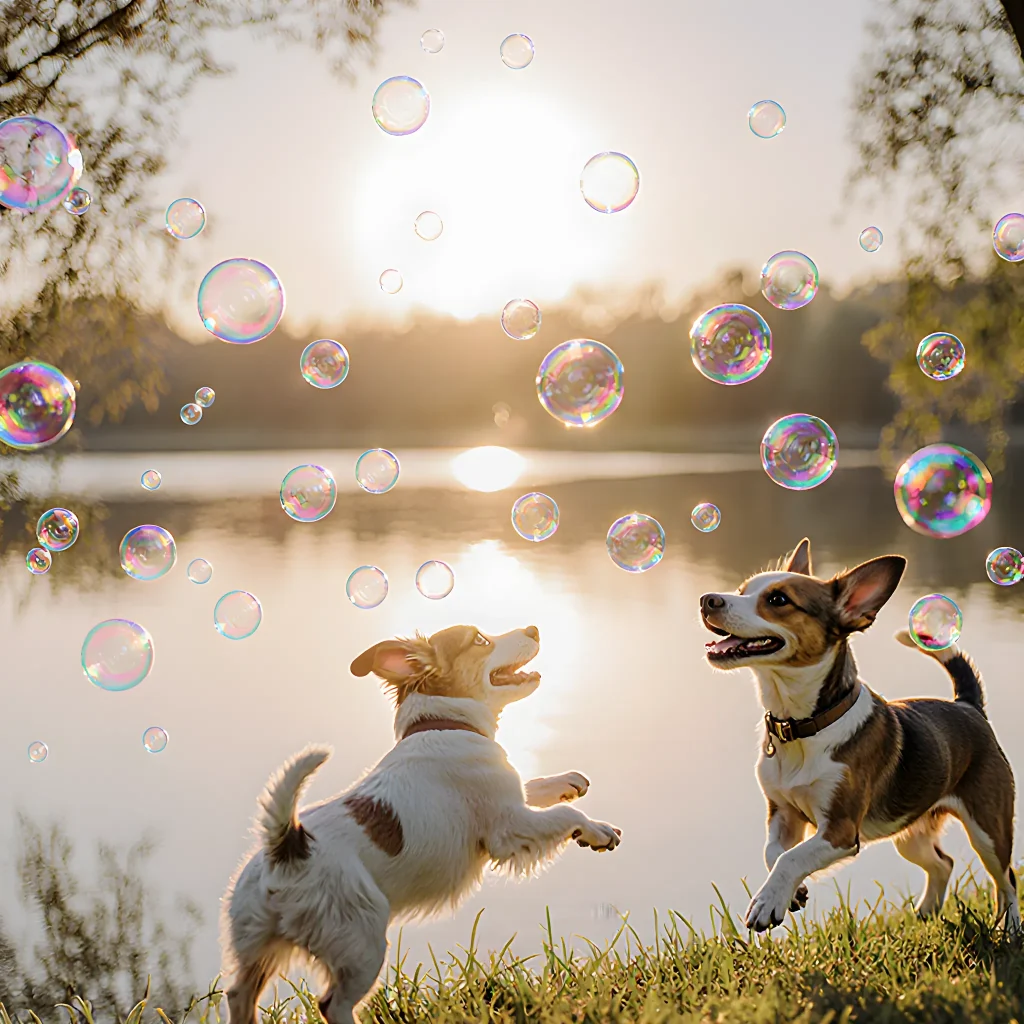
Hydro‑Happiness Hunt for Little Leash‑Lovers
Hydro‑Happiness Hunt for Little Leash‑Lovers
Table of Contents
Introduction to Hydration Games
Keeping your pup cool and hydrated during the sweltering summer months is more than just filling a bowl of water. It’s an opportunity to turn a simple routine into a fun, engaging activity that encourages healthy habits while strengthening the bond between you and your four‑legged friend.
Why Hydration Games Matter for Playful Puppies
- Prevents heat exhaustion: Puppies are prone to overheating because their thermoregulation systems aren’t fully developed.
- Promotes consistent water intake: A playful approach makes drinking feel like a game, not a chore.
- Encourages mental stimulation: Games stimulate the brain and keep energetic pups occupied, reducing destructive behavior.
Popular Hydration Game Ideas
- The Frozen Treat Hunt
Fill a shallow kiddie pool or a large bowl with water and drop in ice‑cube sized treats (e.g., freeze-dried chicken, peanut butter, or small pieces of fruit). Let the puppy sniff around, chase, and paw at the floating goodies. The cold keeps them cool while they work for their reward.
- Water Balloon Toss
Use soft, dog‑safe water balloons (or even a spray bottle) to toss small droplets toward your pup. Encourage them to catch or lick the droplets. This works well on a warm day and can double as a light exercise session.
- Interactive Water Toys
- Floatable treat dispensers: Fill with kibble or treats, then let the puppy splash around to get them out.
- Drinking fountains: Some fountains have built‑in treats that release when the dog drinks. The combination of motion and reward keeps hydration interesting.
- The “Find the Bottle” Game
Hide a water bottle or small container in a shallow kiddie pool, then let your puppy search for it. Once found, they can drink directly from the container. This taps into their natural scavenging instincts.
Practical Tips for Successful Hydration Games
- Start Small: For first‑time players, keep the pool shallow (no more than a few inches) to prevent accidental drowning or panic.
- Use Dog‑Safe Materials: Avoid plastic bags or toys that can be chewed and swallowed. Opt for BPA‑free containers and treats rated safe for dogs.
- Monitor Temperature: Never let your puppy drink from water that’s too hot or too cold—both extremes can cause discomfort or shock.
- Keep Sessions Short: A 10–15 minute play session is usually enough. Over‑exertion in hot weather can lead to overheating.
- Hydration After Play: Offer a fresh bowl of water immediately after the game to replenish lost fluids.
Case Study: Bella, an Energetic Beagle
Bella’s owner, Sarah, noticed that Bella would often refuse her regular water bowl during hot afternoons. After introducing a Frozen Treat Hunt, Bella began eagerly searching for the treats and drank more frequently. Within a week, Sarah observed fewer signs of dehydration (e.g., dry gums) and Bella was calmer after play sessions.
Conclusion
Hydration games transform routine water drinking into an interactive adventure that keeps playful puppies physically cool, mentally stimulated, and happily hydrated. By incorporating simple, safe, and engaging activities into your daily routine, you’ll ensure your pup stays healthy, happy, and ready for the next fetch or tug‑of‑war session.
Why Water is Essential for Puppies
Puppies are in a critical growth phase, and their bodies require more water than adult dogs. Proper hydration supports:
- Metabolic processes: Helps break down food into energy.
- Tissue development: Provides the fluid necessary for muscle and organ growth.
- Temperature regulation: Keeps puppies cool during play and walks.
- Kidney function: Flushes toxins and prevents urinary tract issues.
Signs of Dehydration in Puppies
Keep an eye out for these indicators:
- Dry, tacky gums.
- Lackluster skin that doesn't snap back quickly when pinched.
- Reduced energy and reluctance to play.
- Dark yellow urine or infrequent urination.
Hydration Games for Playful Puppies
Turn water intake into a fun activity that encourages your puppy to drink more often. Here are some tried‑and‑true hydration games:
1. The Water Bottle Challenge
Take an empty plastic bottle, poke a small hole in the cap, and fill it with water. Let your pup sniff, lick, and roll the bottle around. The moving water source stimulates curiosity and rewards them with a tasty drink.
2. Freeze Treats in Water
Fill an ice cube tray with puppy‑safe broth or plain water and add a small piece of kibble or a chew treat to each compartment. Once frozen, drop the cubes into a shallow dish during playtime. The melting process provides gradual hydration while keeping your pup entertained.
3. Water Fetch
Use a lightweight plastic ball or floating toy in a kiddie pool. Toss it gently and let your puppy chase it, splash, and retrieve. Each splash is an opportunity for them to drink from the surrounding water.
4. Treat‑Dispensing Water Fountain
Invest in a small, pet‑safe fountain that mixes water with a little flavored additive (e.g., low‑sodium chicken broth). The running water attracts pups who love to investigate moving streams and encourages continuous sipping.
5. Interactive Puzzle Bowls
Place a bowl of water in a puzzle feeder that requires your puppy to solve a simple task (like nudging a lid) before the liquid is accessible. This not only hydrates but also stimulates mental engagement.
Practical Tips for Maintaining Hydration
- Always provide fresh water: Replace water at least twice daily and clean bowls thoroughly to avoid bacterial growth.
- Use multiple water stations: Spread shallow dishes around the house, especially in high‑traffic play areas.
- Monitor intake during hot weather: Increase water availability and offer cool treats or wet food to supplement hydration.
- Encourage drinking after exercise: Give a small reward (like a chew toy) near the water bowl to reinforce the habit.
By combining these hydration games with consistent monitoring, you’ll help your puppy grow strong, healthy, and ready for every adventure.
Preparing a Safe Play Area
Before you let your puppy dive into any hydration game, make sure the play zone is both safe and stimulating. A well‑prepared area reduces injury risk, maximizes fun, and encourages healthy hydration habits.
- Select an Appropriate Space
- Choose a flat, clutter‑free surface—grass, turf, or a padded indoor floor works best.
- Avoid high‑traffic zones where other pets or people might disturb the game.
- If outdoors, check for sharp objects (stones, broken glass) and remove them.
- Control Temperature & Humidity
- Play during cooler parts of the day—early morning or late afternoon—to prevent overheating.
- For indoor play, keep the room well‑ventilated and use a fan if needed.
- Keep a spray bottle handy to mist the puppy lightly if you notice signs of heat stress (panting, drooling).
- Create a Hydration Hub
- Place a shallow water bowl or kiddie pool at one corner. Fill it with cool water and consider adding ice cubes for extra chill.
- Use a “water‑jump” obstacle—a low, wide board that the puppy can step over into the water—to make the transition fun.
- If you’re using a sprinkler or hose, keep the nozzle at eye level to avoid spraying the puppy’s face directly.
- Incorporate Safe Toys
- Select waterproof chew toys (rubber Kongs, nylon bones) that can float or be submerged.
- Avoid small parts that could be swallowed if the puppy drops them in water.
- Rotate toys to keep the puppy’s interest high and prevent over‑use of a single item.
- Set Boundaries
- Use soft fencing or temporary barriers (e.g., inflatable pool rings) to define the play perimeter.
- Teach your puppy “stay” or “leave it” commands near the edge so they don’t wander off into unsafe areas.
- Keep a leash nearby for quick recall if the puppy gets too excited.
- Monitor & Adapt
- Watch body language: yawning, stretching, and relaxed ears indicate comfort; stiff posture or panting may signal fatigue.
- If the puppy seems exhausted, pause the game and offer a fresh water bowl.
- After play, dry off any wet fur to prevent chill, especially in cooler weather.
- Clean Up Promptly
- Wipe down surfaces with pet‑safe cleaner to remove saliva or urine spots.
- Dispose of any debris (e.g., food wrappers) that could attract pests.
- Store toys and equipment in a dry, shaded area to prolong their life.
Practical Example: For a “Water‑Ball Hunt” game, scatter a few floating tennis balls across the pool. As your puppy splashes around, use a spray bottle to mist them lightly, encouraging them to chase and drink simultaneously. Reward with praise or a dry treat after each successful retrieval.
By following these steps, you’ll create an engaging yet safe environment that keeps your playful pup hydrated, healthy, and happy.
Game 1: The Floating Treat Hunt
One of the most engaging hydration games for playful puppies is the “Floating Treat Hunt.” This activity not only encourages your pup to drink but also taps into their natural instinct to chase and retrieve. Below you’ll find a step‑by‑step guide, practical tips, and safety considerations to make this game both fun and beneficial.
Why It Works
- Instinctual Drive: Dogs have an innate desire to fetch objects that move. A floating treat provides a moving target that stimulates their predatory behavior while promoting water intake.
- Visual and Auditory Cues: The reflection of sunlight on the water and the subtle splash sound capture a puppy’s attention, keeping them engaged longer than static water bowls.
- Positive Association: Linking treats with drinking creates a positive reinforcement loop—pups learn that drinking leads to reward, encouraging regular hydration.
Materials Needed
- Durable floating treat or water‑safe toy (e.g., rubber disc, foam ball)
- High‑value treats (small kibble, dental chews, or a slice of chicken)
- Shallow basin or kiddie pool (size appropriate for your puppy’s breed)
Step‑by‑Step Instructions
- Prepare the Area: Fill a shallow basin with lukewarm water. Ensure it is safe—no sharp edges or chemicals.
- Attach Treats to the Floating Object: Secure one or two treats to the toy using a waterproof adhesive strip or a small elastic band that won’t break in water.
- Introduce the Toy: Let your puppy sniff and investigate the floating treat. Encourage them with a cheerful voice and gentle petting.
- Start the Hunt: Gently push the toy across the surface of the water. Watch as your pup follows, splashes, and attempts to retrieve it.
- Encourage Drinking: When the puppy brings the toy back, let them sniff it and then encourage drinking by placing a small amount of water near their nose or using a spray bottle for a gentle mist.
- Repeat as needed, gradually increasing the distance the toy travels to keep the challenge fresh.
Practical Tips
- Start Small: For tiny breeds or shy pups, use a very shallow bowl and short distances. Gradually increase as confidence grows.
- Use Positive Reinforcement: Praise loudly and offer extra treats after each successful retrieval to reinforce the behavior.
- Monitor Water Temperature: Puppies can get chilled easily; keep water at a comfortable temperature (around body temp, ~38°C). Warm water is especially helpful in cooler climates.
- Keep Sessions Short: 5–10 minute bursts are usually enough. Over‑exertion can lead to fatigue or dehydration.
- Alternate Games: Mix the Floating Treat Hunt with other hydration activities (e.g., “Water Fountain Chase” or “Ice Cube Treasure”) to maintain novelty.
Safety Considerations
- Never leave a puppy unattended near water. Accidents can happen quickly.
- Choose toys that are non‑toxic and free of small parts that could be swallowed.
- Avoid using any treats or toys that might dissolve or degrade in water, causing choking hazards.
- If your puppy shows signs of overheating (panting excessively, lethargy), end the game immediately and provide cool water.
Success Stories
Case Study: Bella, a 10‑week‑old Labrador mix. After three weeks of daily Floating Treat Hunts, Bella’s water intake increased by 30%, and her owner reported fewer signs of lethargy during walks. The game also helped accelerate Bella’s training, as she became more focused on tasks when she knew a treat awaited her at the end of each hunt.
Conclusion
The Floating Treat Hunt is an effective, low‑cost, and highly engaging way to boost hydration in playful puppies. By combining natural instincts with positive reinforcement, you create a learning environment that encourages healthy drinking habits—essential for growth, energy, and overall well‑being.
Game 2: Water Tug‑of‑War
What It Is: A classic game of tug‑of‑war that’s been given a splashy twist by using water instead of a rope or towel.
The idea is to use a waterproof, elastic toy (think a rubber band, a sturdy piece of fabric, or even a small pool noodle) that can be submerged in shallow water. Your pup pulls on one end while you hold the other, and the excitement comes from both the resistance of the tug and the cool sensation of water.
Why It Works:
- Hydration & Thermoregulation: Water helps keep your puppy cool during a vigorous play session.
- Multi‑sensory Stimulation: The combination of tactile tugging and the sound/splash of water engages multiple senses, which can be especially beneficial for high‑energy puppies or those with sensory processing challenges.
- Social Bonding: This game encourages cooperative play and strengthens the bond between you and your puppy.
Materials Needed
- A shallow, secure water source (e.g., a kiddie pool, basin, or backyard pond). Make sure it’s safe and free of debris.
- A waterproof tug toy:
- Rubber band + fabric sleeve
- Paddle‑size pool noodle cut in half
- Water‑proof plush rope (many pet stores carry these)
- A leash or harness for safety (optional but recommended if you’re playing near a body of water).
- Optional: A small towel or bath mat to keep the area dry when you finish.
Step‑by‑Step Instructions
- Set Up: Fill your shallow pool or basin with lukewarm water (around 70–80°F / 21–27°C). Too hot can burn, too cold may be uncomfortable.
- Attach the Toy: Secure one end of your tug toy to a stable object or hold it firmly in your hand. The other end should be accessible to your puppy.
- Introduce the Game: Let your puppy sniff and investigate the water first. Encourage them with playful vocalizations, then present the toy’s free end.
- Tug Time: Once the puppy takes hold, gently pull while letting them pull back. Keep the movement rhythmic—about 2–3 seconds per tug—to give your pup a chance to “catch” and feel the resistance.
- Water Interaction: Every few pulls, allow the toy to dip into the water for a splash. This not only cools the toy but also creates an auditory cue (the splash) that can excite and engage the puppy.
- Duration: Play until your pup shows signs of fatigue or disinterest—usually around 5–10 minutes, depending on their energy level.
- Cool Down & Clean Up: Remove the toy from the water and let it air dry. Gently pat your puppy’s paws with a towel if they’re wet.
Practical Tips for Success
- Safety First: Keep a close eye on your puppy at all times—water can be slippery, and some dogs may over‑exert themselves.
- Use Non‑Toxic Materials: Ensure the toy is made from food‑grade silicone or BPA‑free plastic so that accidental ingestion won’t harm them.
- Adjust Water Depth: If your puppy is still learning to stay calm around water, start with a very shallow depth and gradually increase as they become comfortable.
- Reward & Praise: After each tug session, give verbal praise or a small treat to reinforce positive behavior.
- Timing Matters: Play during cooler parts of the day—early morning or late afternoon—to avoid overheating.
Common Mistakes to Avoid
- Forcing the puppy to play if they’re hesitant; let them approach at their own pace.
- Using a toy that’s too heavy—your pup may struggle and become frustrated.
- Leaving the water unattended; always supervise, especially with small or curious puppies who might ingest water or toys.
Variations for Advanced Play
- Obstacle Tug: Place a few floating objects (like foam balls) around the pool and have your puppy navigate to the tug toy, adding a mild obstacle course.
- Tug & Fetch Combo: After a tug session, toss a water‑safe ball and let your puppy fetch—this keeps the activity dynamic.
- Cooling Tug: Add ice cubes or a chilled towel to the pool for extra cooling on hot days.
Remember: The goal is fun, hydration, and bonding. Tailor the intensity to your puppy’s temperament and always keep safety at the forefront.
Game 3: Splashing Obstacle Course
This is a high‑energy, water‑based activity that turns your backyard or park into an exciting maze of splashes and challenges. It’s perfect for puppies who love to chase, dig, and play in the water.
Why It Works for Playful Puppies
- Instinctual fun: Water is a natural playground that stimulates curiosity and encourages exploration.
- Physical exercise: Running, leaping, and paddling burn energy while strengthening muscles.
- Social learning: Dogs learn to navigate obstacles, improving confidence and problem‑solving skills.
Materials Needed
- Water source: kiddie pool, shallow sprinkler, or a hose with a wide nozzle.
- Obstacles: plastic cones, floating rings, small inflatable pools, duck toys, and sturdy PVC pipes for low walls.
- Safety gear: doggy life vest (optional but recommended for very young puppies).
Step‑by‑Step Setup
- Choose a safe location: Ensure the ground is level and free of debris. Avoid slippery surfaces that could cause injury.
- Create a course layout: Arrange obstacles in a zig‑zag pattern, with a mix of low and high barriers. Use floating rings as “jump” points or target areas for retrieval.
- Add water elements: Position the kiddie pool or sprinkler at the start to create a splash zone. Place a shallow pool or hose outlet midway for a mid‑course dip.
- Mark finish line: Use a bright flag or a large ball to signal the end of the course.
How to Play
- Lead your puppy through the first obstacle while encouraging them with treats and praise.
- When they reach the water zone, let them splash or wade. Use a toy to entice them into jumping in.
- Continue guiding them past each obstacle, rewarding successful navigation.
- Finish with a short sprint to the finish line and a big reward.
Safety Tips
- Never force: Let your puppy decide how deep they want to go. For very young pups, keep water shallow.
- Monitor temperature: Water that’s too cold can chill a dog; avoid extreme temperatures.
- Keep it short: Puppies have limited stamina—limit the course to 10–15 minutes.
- Watch for signs of exhaustion: If your puppy seems tired or uncomfortable, stop and offer water.
Practical Variations
- Use a sprinkler with multiple spray patterns to challenge the pup’s tracking skills.
- Add a “fetch” element by hiding a floating toy in the pool; let your dog retrieve it before moving on.
- Introduce a mild obstacle like a low wall that requires a short jump, then reward them with a splash of water afterward.
Benefits Beyond Fun
This game boosts cardiovascular health, improves coordination, and enhances your dog’s confidence in navigating new environments. It also creates a positive association with water—helpful for future grooming or veterinary visits that involve baths.
Final Thoughts
Remember to keep the environment safe, monitor your puppy’s energy levels, and always celebrate their efforts. A splashing obstacle course is not just a game—it’s an opportunity for bonding, learning, and healthy exercise all in one playful package.
Game 4: The Misting Maze
The Misting Maze is a creative way to combine exercise, mental stimulation, and hydration for your energetic pup. By turning a simple obstacle course into a refreshing adventure, you can help prevent overheating, encourage playful exploration, and teach water safety—all while keeping the game light‑hearted.
Why Misting Mazes Work
- Temperature Regulation: The mist cools your puppy’s skin and helps regulate body temperature during play.
- Encourages Exploration: The scent of water combined with the maze layout stimulates curiosity.
- Positive Association: Puppies learn to enjoy being near water rather than fearing it, which is useful for future training (e.g., swimming lessons).
Materials You’ll Need
- A lightweight spray bottle or misting fan (handheld or battery‑powered).
Tip: Use a nozzle that produces fine droplets, not a strong stream.
- Cones or PVC pipes to create the maze walls.
Tip: Keep the obstacles low (under 12 inches) so puppies can navigate easily.
- Water‑proof mat or towel to keep the floor dry if you’re indoors.
- A small bowl of fresh water for drinking breaks.
Step‑by‑Step Setup
- Create the Path: Arrange cones in a zig‑zag pattern or set up a simple track with PVC pipes. Make sure there are clear entrances and exits.
- Add Water Points: Place a spray bottle at strategic points—right before turns, at the maze’s midpoint, and near the exit. The mist should cover a small area so your puppy gets a quick cool down.
- Test the Flow: Run the spray once to ensure droplets are fine enough and not too forceful. Adjust nozzle if necessary.
- Introduce Your Puppy: Let them sniff the mist first; this helps build comfort with the new sensation.
How to Play
- Lead Through the Maze: Use a long leash or tether to guide your puppy. Keep the pace brisk but not exhausting.
- Encourage Interaction with Mist: When the mist sprays, say “Cool!” and give a treat. This positive reinforcement helps them associate the spray with fun.
- Incorporate Water Breaks: After completing the maze, offer fresh water for a short drinking session. Hydration is crucial after any physical activity.
- Vary the Route: Each time you play, change the order of obstacles or mist locations to keep it mentally stimulating.
Practical Tips & Safety Guidelines
- Weather Considerations: Use this game in mild temperatures. If it's too hot, increase mist frequency or add shade.
- Water Quality: Ensure the water you spray is clean—use filtered or bottled water if your tap water isn’t safe for pets.
- Leash Length: Keep the leash long enough (around 10–12 feet) so the puppy can explore but still under control.
- Monitor Stress Signals: Watch for signs of overheating or discomfort—panting, drooling, or lagging behind. If you see any, pause the game and give a cool water drink.
- Keep It Short: For young puppies, limit each session to 10–15 minutes. Older dogs can handle longer sessions, but always check for fatigue.
Real‑World Examples
- Example 1 – Backyard Fun: A backyard with a kiddie pool as the final reward area. After navigating the maze, the puppy jumps into the shallow water and drinks freely.
- Example 2 – Indoor Training: In a large living room, use a misting fan near a low wall obstacle. The fan’s gentle spray cools while the puppy practices jumping over the low barrier.
Benefits Beyond Hydration
- Socialization with Water: Puppies often fear water; repeated positive experiences reduce anxiety.
- Improved Focus: The combination of movement and sensory input (smell, sound of mist) enhances concentration.
- Strength & Agility Development: Navigating turns while reacting to mist trains coordination and balance.
By integrating the Misting Maze into your routine, you’ll give your playful puppy a refreshing break that’s both fun and essential for their well‑being. Remember to adapt the difficulty level based on your pup’s age, size, and temperament—then enjoy watching them sprint through the cool spray with boundless enthusiasm!
Game 5: Interactive Water Dispenser
Keeping your puppy hydrated is as crucial as providing a balanced diet, yet many owners overlook the fun side of water consumption. An interactive water dispenser turns an ordinary hydration routine into an engaging game that keeps your pup’s tongue busy and encourages frequent drinking—especially during hot days or after vigorous play sessions.
Why Interactive Water Dispensers Work
- Stimulates the senses: The sound of flowing water, the slight resistance when pulling on a straw, and the visual movement all create a multi‑sensory experience.
- Encourages regular intake: Puppies often drink only when thirsty. A dispenser that releases water gradually or in response to a paw tap keeps them coming back for more.
- Reduces the risk of over‑drinking: Some dispensers limit flow, preventing gulping and potential digestive upset.
Top Features to Look For
- Leak‑proof design: A sealed reservoir prevents spills that could attract pests or cause accidents on the floor.
- Easy refill mechanism: Quick access for owners, especially useful during travel or in multi‑pet households.
- Adjustable flow rate: Some models allow you to set how much water is released per tap, ideal for training puppies that need controlled intake.
- Durability & safety: BPA‑free plastic, no sharp edges, and a sturdy base to avoid tipping over during enthusiastic use.
Sample Play Patterns
You can turn the dispenser into an interactive training aid. Here are two simple routines you might try:
1. “Find the Water” Game
- Place the dispenser in a low corner of your play area.
- Encourage your puppy to sniff around and discover the source of running water.
- Once they locate it, let them drink freely. Praise with treats for each successful “find.”
2. “Tug‑and‑Drink” Challenge
- Attach a lightweight tug toy to the dispenser’s nozzle.
- When your puppy pulls on the toy, water flows out in small bursts.
- This teaches coordination—pulling with one paw while sipping with another—and keeps them entertained for longer periods.
Practical Tips for Success
- Start slow: If your puppy is shy, begin by simply placing a few drops near the nozzle to entice them.
- Monitor intake: Even with an interactive dispenser, keep an eye on how much water they drink each session. Overhydration can lead to digestive upset.
- Clean regularly: Bacteria thrive in stagnant water. Wash the reservoir and nozzle every 48 hours to maintain hygiene.
- Use flavored water (optional): A splash of low‑sodium chicken broth or a puppy‑safe vitamin supplement can entice even the most finicky drinkers.
Recommended Products
| Product Name |
Key Feature |
Price (USD) |
| PupHydro Interactive Fountain |
Auto‑flow control + BPA‑free material |
$29.99 |
| FetchWater™ Pumped Water Bowl |
Built‑in tap with adjustable drip rate |
$24.50 |
| HydroPup Leak‑Proof Dispenser |
One‑hand refill + easy‑clean nozzle |
$19.75 |
By integrating an interactive water dispenser into your puppy’s daily routine, you not only promote healthy hydration but also enrich their mental and physical stimulation. Start experimenting today and watch your playful pup thrive!
Safety Tips for Wet Playtime
When your puppy loves to splash around in puddles or play fetch by the pool, it’s essential to keep them safe and hydrated. Below are practical tips, real‑world examples, and game ideas that combine fun with healthy hydration habits.
1. Choose a Safe Play Area
- Check the surface: Avoid slick stones or uneven concrete that can cause slips. A smooth, well‑maintained lawn is ideal.
- Keep an eye on temperature: Puppies are more prone to overheating than adult dogs. Play during cooler parts of the day (early morning or late afternoon) and use a shade structure if you’re near a patio.
- Remove hazards: Clear the area of toxic plants, broken glass, or sharp objects that could injure your pup while they’re distracted by water.
2. Equip Your Puppy with Proper Gear
- Waterproof harness: A snug, lightweight harness keeps the puppy secure without restricting movement in wet conditions.
- Floatation aid: For puppies that love water, a small dog life jacket can prevent drowning if they jump too far or get tired.
- Cooling vest or bandana: These are especially useful on hot days to help regulate body temperature.
3. Hydration Games That Keep Them Cool
Here are three interactive games that encourage drinking while your puppy stays active and entertained:
Freeze & Fetch
- Fill a plastic bottle with water, seal it, and freeze it for 2–3 hours.
- Give the frozen bottle to your puppy. They’ll chew and lick to get at the cold liquid inside.
- After the bottle melts, replace it with a fresh one. This game is great for cooling the pup’s body temperature while they’re engaged in a natural chewing behavior.
Water Dart Hunt
- Spray a small garden hose or use a water bottle to create gentle water darts around the yard.
- Hide treats under the spray, encouraging your puppy to chase and sniff them out while also getting sprayed with cool water.
- Reward with praise and an extra drink from a shallow bowl afterward.
Puddle Puzzle
- Create a shallow “puddle” by spreading a blanket of water over a low area (e.g., a kiddie pool or a small basin).
- Drop floating toys and treats into the puddle. Your puppy will chase, splash, and drink from the surface.
- This activity doubles as a mental challenge—picking up objects while staying hydrated.
4. Monitor Signs of Overheating or Dehydration
- Check skin moisture: Gently touch the back of your puppy’s neck; if it feels dry, give them water immediately.
- Watch for panting: Light panting is normal after play, but excessive or rapid breathing warrants a pause and a cool-down period.
- Observe behavior: Lethargy, drooling, or stumbling can signal heat stress. Stop the game, offer water, and move to shade.
5. Post‑Play Hydration Routine
- Fill a shallow bowl with fresh, cool water and place it within easy reach.
- Encourage drinking by adding a few ice cubes or a splash of low‑sodium chicken broth for flavor.
- Offer a chew toy that can be dipped in water—this keeps the puppy engaged while sipping.
By combining these safety precautions with engaging hydration games, you’ll keep your playful puppy safe, cool, and satisfied during every wet play session. Happy splashing!
Choosing the Right Toys and Accessories
When it comes to keeping your puppy hydrated while they play, the right toys can make all the difference.
Look for items that encourage natural drinking behaviors, stimulate chewing, and are safe for young dogs.
Below we outline key categories, give specific examples, and share practical tips on selecting, maintaining, and using these products.
1. Water‑Dispensing Toys
- KONG Classic (with water or broth) – A durable rubber toy that can be filled with cold water or low‑sodium chicken broth. The liquid slowly seeps out as the puppy gnaws, providing both hydration and mental stimulation.
- Outward Hound Fun Feeder – A slow‑feed bowl disguised as a puzzle. Ideal for puppies that drink too quickly; it forces them to work for each gulp, keeping them engaged longer.
- Doggie Deli Water Bottle with Built‑in Treat Dispenser – Attachable to your leash or collar, this bottle lets you give water on the go. The treat dispenser encourages drinking when your pup’s appetite is high.
2. Cooling Mats and Jackets
- Chill Mat by PetSafe – A gel‑filled mat that stays cool for hours. Place it in a shaded spot or under the dog’s water bowl to create a refreshing environment.
- KONG Cooling Dog Jacket – Woven with breathable fibers and cooling gel pockets, this jacket is perfect for puppies playing outdoors on hot days.
3. Collapsible Water Bowls & Portable Containers
- Hydro Flask Travel Bottle (12 oz) – BPA‑free, insulated, and leak‑proof. Great for short walks or park visits.
- Outward Hound Dog Water Bowl with Wheels – A lightweight bowl that rolls easily into the back of a stroller or car seat.
- Puppy‑Sized Collapsible Silicone Bowl – Folds flat for easy packing, then inflates to a stable base when filled.
4. Interactive Food & Water Dispensers
- PetSafe Busy Buddy Twist 'n Treat – Rotate the dispenser to release small amounts of water or wet food. This encourages slow drinking and keeps your puppy entertained.
- West Paw Zogoflex Water Dispenser – A chew‑proof, flexible tube that delivers water as the dog gnaws, perfect for puppies who love to bite.
5. Safety & Hygiene Tips
- Check Material Quality: Ensure toys are made from non-toxic, BPA‑free materials and have no small parts that could be chewed off.
- Regular Cleaning: Wash water‑dispensing toys at least twice a week with warm soapy water or dishwasher cycles (if safe).
- Monitor Usage: Keep an eye on how your puppy interacts. If they chew excessively, replace the toy to avoid ingestion of fragments.
- Temperature Control: Store cooling mats in a cool place and never freeze them; sudden temperature changes can damage the gel core.
Practical Advice for Everyday Play
- Start with a small water bowl and gradually introduce a water‑dispensing toy. This transition helps puppies learn to drink while chewing.
- During play sessions, alternate between high‑energy activities (fetch, tug) and low‑energy hydration breaks to avoid overheating.
- Use flavored broth or diluted fruit juice (e.g., apple or carrot) in water toys for extra motivation—just keep sodium levels low.
- Set a routine: Offer fresh water before and after play, and check the bowl’s level regularly. A well‑filled bowl encourages spontaneous drinking.
By selecting the right combination of hydration tools and engaging toys, you’ll keep your playful puppy cool, satisfied, and mentally stimulated—all while fostering healthy drinking habits.
Training Your Puppy to Love Water Games
Getting a pup comfortable with water can be a fun and rewarding experience—especially if you incorporate playful hydration games that keep them engaged while ensuring they stay properly hydrated. Below is a step-by-step guide, complete with examples and practical tips, to help your puppy develop a love for water.
1. Start with the Basics: Water Familiarization
- Introduce a shallow bowl: Place a wide, shallow dish of cool water near their feeding area. Let them sniff and explore it on their own terms.
- Use scent cues: Sprinkle a little puppy-safe herbal tea or a splash of broth in the bowl to make the water more enticing.
2. Incorporate Hydration Games
Hydration games transform water drinking into an interactive activity. They are especially useful for puppies who may be hesitant or simply love to play.
Water Fetch
- Fill a plastic bottle with water and seal it tightly.
- Show your puppy how to knock the bottle off a low table. The splash will trigger their curiosity.
- Encourage them to retrieve the bottle, rewarding each successful fetch with praise or a treat.
Flavor‑Infused Water Station
Set up a small kiddie pool or shallow tub and add a few drops of natural dog-safe flavoring—such as plain chicken broth or a splash of coconut water. Puppies often enjoy the taste, which encourages more frequent drinking.
Water Puzzle Toys
- Use toys that release small amounts of water when rolled or shaken (e.g., water‑filled rubber balls).
- Drop a treat inside and let your puppy figure out how to get the liquid out.
3. Create Positive Associations
Pair water play with positive reinforcement:
- After each game, give a high‑value treat or a short training session (e.g., “sit” or “stay”).
- Use gentle praise and petting to reinforce the idea that water is part of fun.
4. Gradual Exposure to Different Water Sources
- Sprinkler play: Turn on a garden sprinkler in a safe area. Puppies love the moving water—just keep an eye out for any signs of stress.
- Shower splash: Gently turn on a low‑pressure shower and let your puppy experience light, warm water. Use a rubber toy to encourage them to jump into it.
5. Monitor Hydration Levels
Even when puppies are enthusiastic about water games, it’s essential to monitor their intake:
- Check the puppy’s weight weekly; sudden gains or losses can signal hydration issues.
- Observe urine color—clear or light yellow indicates adequate hydration.
6. Safety Tips
- Avoid hot water—puppies are sensitive to temperature extremes.
- Never leave a puppy unattended in water, even shallow pools.
- Keep toys and treats out of reach of large bodies of water to prevent accidental swallowing.
Practical Example: A Week‑Long Routine
| Day | Activity |
|---|
| Mon |
Shallow bowl introduction + water fetch (2 minutes) |
| Tue |
Flavor‑infused pool for 5 minutes, treat rewards |
| Wed |
Water puzzle toy + short training session (10 min) |
| Thu |
Sprinkler play + check urine color |
| Fri |
Shower splash with toy, monitor weight |
| Sat |
Repeat favorite activity from the week |
| Sun |
Rest day—only water bowl available |
By integrating these hydration games into your puppy’s daily routine, you’ll not only encourage healthy drinking habits but also foster a lifelong love of water play. Remember to keep the experience positive, safe, and rewarding—your puppy will thank you with wagging tails and happy splashes!
Monitoring Health During Play
Playtime is a cornerstone of a puppy’s development, but it can also be a hidden source of stress or injury if not managed carefully. Below are practical guidelines to keep your energetic pup safe and healthy while they romp and run.
1. Watch for Signs of Fatigue
- Excessive panting: Normal breathing will be steady; sudden heavy or rapid breathing can indicate overheating.
- Lethargy or stumbling: A puppy that appears tired or loses coordination may need a rest break.
- Drooling or shaking: These are classic signs of heat exhaustion.
2. Keep the Environment Safe and Comfortable
- Temperature control: Avoid play during peak sun hours (10 am–4 pm). Use shade, water bowls, or indoor games on hot days.
- Surface selection: Soft grass or carpeted areas reduce impact on joints. Hard surfaces like concrete can lead to joint stress, especially in larger breeds.
- Safe play area: Remove small objects that could be swallowed and secure fences to prevent escape.
3. Hydration Games for Playful Puppies
Hydrating while having fun is essential for maintaining a puppy’s energy levels and preventing dehydration. Here are some interactive water‑based activities:
- Water Balloon Toss: Fill lightweight balloons with water, toss them gently to your pup, and let them chase or retrieve. This promotes cardiovascular activity while encouraging the puppy to drink when they get wet.
- Shower Play: Use a low‑pressure shower head or handheld sprayer during bath time to mimic gentle rain. Encourage your puppy to jump in and out; this helps them stay cool and stimulates natural curiosity.
- Ice Cube Chase: Freeze flavored dog treats or broth into ice cubes, place them on a tray, and let the puppy chase and bite at them. The cold melts slowly, ensuring continuous hydration.
- Water Fetch: In a shallow pool or kiddie pool, toss a floating toy for your puppy to retrieve. This adds an extra layer of exercise while keeping them in contact with cool water.
4. Use the “10‑Minute Rule” as a Checkpoint
During longer play sessions, pause every 10 minutes to assess:
- Breathing rate and depth
- Body temperature (use a digital thermometer on the inner thigh if necessary)
- Behavioral cues such as whining or reluctance to continue
5. Post‑Play Recovery
- Cool down period: Offer gentle petting and a quiet space for your puppy to rest.
- Hydration reminder: Place fresh water within reach and encourage drinking by adding a splash of low‑sodium broth.
- Check for injuries: Inspect paws, ears, and joints for redness, swelling, or lameness. Minor abrasions can be cleaned with mild antiseptic wipes; persistent issues warrant veterinary attention.
6. Tailor Play to Your Puppy’s Age and Breed
Small breeds may tire quickly but excel at agility drills, while larger breeds might benefit from longer, low‑impact activities such as swimming or long walks. Adjust intensity based on weight, age, and developmental stage.
Practical Takeaway Checklist
- Check temperature before play.
- Provide water breaks every 10 minutes.
- Use safe surfaces and remove hazards.
- Observe for fatigue signs; stop if needed.
- Cool down with gentle rest and fresh water.
By staying vigilant, you’ll ensure that playtime remains a joyful, healthy part of your puppy’s life—without compromising their well‑being. Happy playing!
After‑Game Hydration Routines
Once your puppy has finished a vigorous play session or an intense training drill, it’s crucial to help them rehydrate quickly and safely. Proper hydration not only restores fluid balance but also aids in muscle recovery, prevents heat stress, and supports overall health.
1. Offer Fresh Water Immediately
- Use a shallow bowl: Puppies are more likely to drink from a low‑profile container that doesn’t overwhelm them.
- Keep the water cool: A slightly chilled bowl (not ice‑cold) encourages faster intake, especially after hot play.
2. Introduce Electrolyte Solutions
For dogs that have sweated heavily or played for extended periods, plain water may not suffice. A small amount of a dog‑safe electrolyte solution (e.g., Pedialyte with no xylitol) can replenish lost salts.
- Mix ratio: One tablespoon of electrolyte powder per cup of water.
- Limit: No more than one serving per hour to avoid over‑hydration.
3. Use “Hydration Games” as a Reward
Turn the hydration process into an engaging activity that reinforces good habits. Below are some playful ways to encourage your puppy to drink:
- Water‑filled Kong: Fill a Kong toy with ice cubes and a splash of electrolyte solution. The pup will lick and chew, slowly melting the water.
- Freeze‑Dry Treats: Freeze small pieces of chicken broth or commercial freeze‑dry treats in a shallow dish. As they thaw, the puppy drinks naturally.
- “Find the Water” Game: Hide a cup of water around the yard and let your pup sniff it out. Praise and reward when they locate it.
4. Monitor Hydration Signs
Watch for these indicators that your puppy needs more fluids:
- Pale gums or a dry nose
- Lethargy or sudden collapse
- Rapid breathing or panting beyond normal levels
- Reduced urination (less than 1–2 wet diapers per day for puppies)
5. Create a Post‑Game Routine Checklist
Consistency is key. Use the following checklist after every play session:
- Cool down area: Move your puppy to a shaded, comfortable spot.
- Water bowl: Offer fresh water immediately.
- Electrolyte boost (if needed): Add a small dose of electrolyte solution.
- Hydration game: Engage the pup with one of the hydration games above.
- Observe: Check for signs of dehydration and ensure they are drinking steadily.
6. When to Seek Veterinary Advice
If your puppy shows persistent lethargy, vomiting, or an inability to keep fluids down despite multiple attempts, contact your veterinarian immediately. Dehydration can quickly become serious in young dogs.
By integrating these hydration practices into your after‑game routine, you’ll help your playful pup recover faster and stay healthy for many more adventures ahead.
Conclusion
In the end, keeping your puppy hydrated isn’t just a matter of adding water to their bowl; it’s about creating an engaging, playful environment that encourages them to drink more often and in greater quantities. Hydration Games for Playful Puppies combine fun with function, turning a simple hydration routine into an interactive training opportunity.
Puppies have higher metabolic rates than adult dogs, which means they lose water faster through panting, running, and playing. A lack of proper hydration can lead to heatstroke, urinary tract issues, and decreased energy levels. By integrating games that promote drinking, you not only safeguard their health but also reinforce positive behavior.
- The Water Bowl Treasure Hunt: Hide treats around a shallow water bowl. The puppy must sniff out and retrieve each treat, learning that the bowl is safe and rewarding to explore.
- Tire‑Filled Water Fun: Place a small kiddie pool or inflatable tire on a sunny patch of lawn and fill it with cool water. Let your pup splash around; the motion naturally encourages drinking.
- Frozen Treats Challenge: Freeze kibble or chew toys in ice cubes. As they gnaw, they’ll drink the melting water that drips into their bowl.
- Interactive Water Fountain: Invest in a pet‑friendly fountain that runs continuously. The gentle flow entices puppies to drink more often than static bowls.
- Keep it Fresh: Change water at least twice daily and clean bowls thoroughly to prevent bacterial buildup.
- Temperature Matters: Offer cool or room‑temperature water during hot days; avoid freezing temperatures that can discourage drinking.
- Location is Key: Place bowls near play areas but out of direct sun. A shaded spot encourages the puppy to stay nearby and sip regularly.
- Use Positive Reinforcement: Praise or give a quick treat when your pup drinks during a game. This reinforces that drinking is rewarding.
Schedule short hydration sessions after walks, playtime, or training drills. For example, after a 15‑minute fetch session, set up the Water Bowl Treasure Hunt for five minutes. This not only helps replenish fluids but also provides mental stimulation, reducing boredom and destructive behavior.
Observe your puppy’s urine color (light yellow is ideal) and monitor weight changes. If you notice darker urine or a sudden loss of appetite, consult your veterinarian. Consistent use of hydration games can often prevent these issues before they arise.
Hydration Games for Playful Puppies transform routine water breaks into exciting learning opportunities that keep your pup healthy and happy. By combining fun activities with practical hydration strategies, you’re setting the foundation for a well‑balanced, energetic life for your canine companion.
FAQ
Puppies are naturally curious and energetic, which makes them excellent candidates for interactive hydration activities that keep them cool while encouraging proper fluid intake. Below is a collection of engaging games and tips tailored specifically to the playful nature of young dogs.
Frequently Asked Questions
Q: How can I make water more appealing to my puppy?
A: Add a splash of low‑sodium chicken broth or a few drops of tuna juice (plain, no added salt) to the bowl. This mimics natural prey scents and makes the drink irresistible. Alternatively, freeze small portions of broth in ice cube trays for an extra refreshing treat.
Q: What are some fun ways to incorporate water into daily playtime?
A:
- Water Balloon Toss: Fill lightweight balloons with water and gently toss them. Puppies will chase, splash, and then happily drink from the remaining droplets.
- Toy‑Infused Water Bowl: Place a chew toy or a puzzle feeder inside a shallow dish of water. As your puppy gnaws, they’ll sip the surrounding liquid.
- Fetch with a Twist: Attach a small plastic cup to a ball or frisbee. After retrieving it, your pup can drink from the cup before you toss again.
Q: How often should I offer water during play sessions?
A: Puppies need frequent hydration. Offer a small bowl of fresh water every 15–20 minutes during extended outdoor activities, especially in warm weather or after intense exercise.
Q: Can I use flavored treats to encourage drinking?
A: Yes. Low‑sodium, plain broth or a few drops of unsweetened peanut butter (ensure it’s xylitol‑free) can be mixed into water. However, avoid sugary or overly salty options that may upset their stomach.
Q: What signs indicate my puppy is dehydrated?
A: Look for dry gums, sunken eyes, lethargy, or a sudden reluctance to play. If you notice any of these symptoms, offer water immediately and consider consulting your veterinarian if the condition persists.