
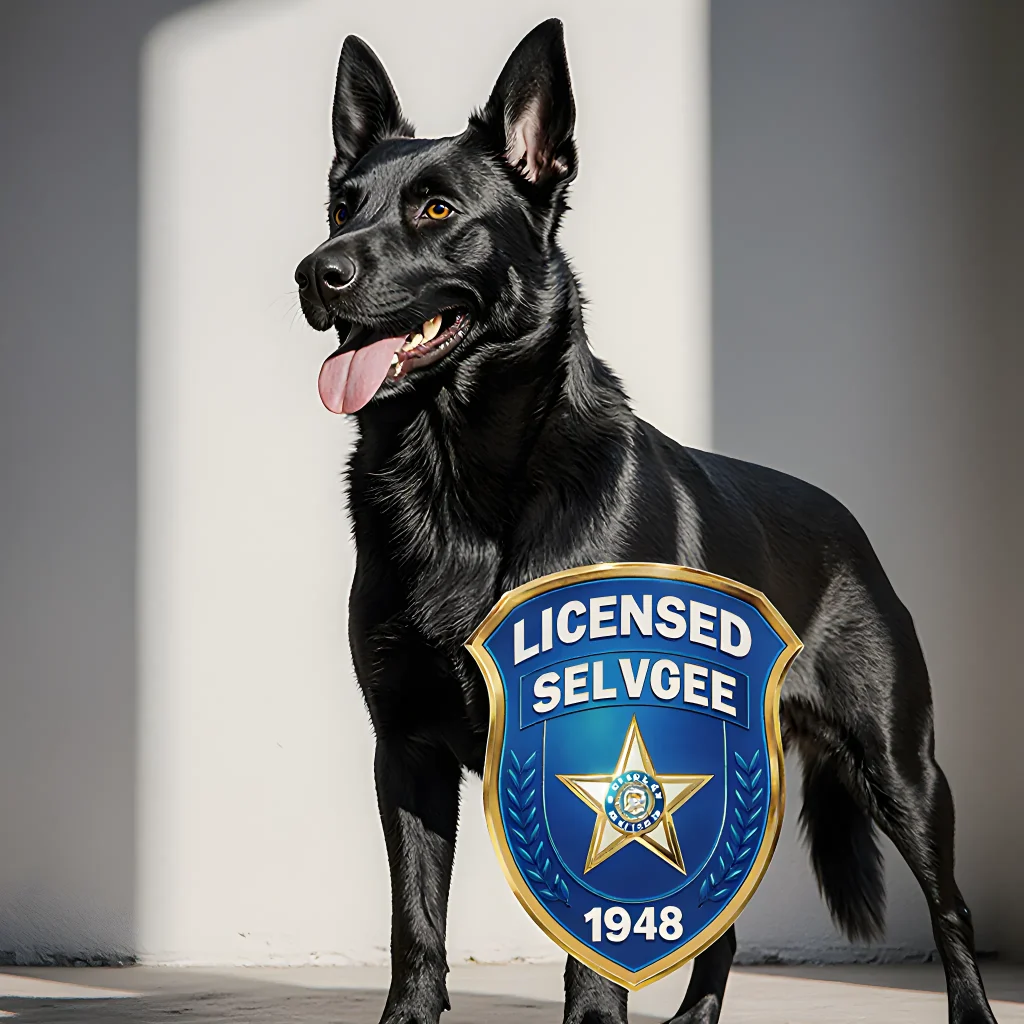
Unleash the Secrets of Service‑Dog Licensing
Inside the Exclusive World of Service Dog Licensing Rules
Table of Contents
- Introduction
- Definition of a Service Dog
- Legal Framework (ADA & Other Laws)
- Training Requirements
- Behavioral Standards in Public Settings
- Health and Hygiene Requirements
- Certification Process Overview
- Documentation Needed for Certification
- Role of Veterinary Physician
- Training Institutes & Certifying Bodies
- Costs and Financial Considerations
- Maintaining Certification Over Time
- Common Misconceptions About Service Dogs
- Conclusion
- FAQ
Introduction
When it comes to legally recognizing a service dog in the United States, the key piece of evidence is a service‑dog certification. While the federal laws that protect service dogs—most notably the Americans with Disabilities Act (ADA) and the Fair Housing Act (FHA)—do not mandate official documentation, many businesses, landlords, and transportation providers still ask for proof. Understanding what constitutes acceptable certification can help you avoid misunderstandings and ensure your dog’s rights are respected.
1. The ADA’s “No Official ID” Stance
The ADA explicitly states that a service dog is identified by the behavior it displays, not by an official ID or paperwork. In practice, this means:
- No federal requirement for a registration card.
- Business owners may request proof of training but are prohibited from demanding specific documents.
- In most cases, a simple written statement or an online training certificate can satisfy a reasonable request.
2. When Certification Becomes Useful
While not legally required, certification becomes handy in the following scenarios:
- Air Travel (DOT Regulations): The Department of Transportation requires airlines to accept a written statement from a qualified medical professional confirming that your dog is trained for its specific service.
- Housing Disputes (FHA): Landlords may ask for documentation if they suspect the animal is not truly a service dog. A reputable certification can help resolve conflicts quickly.
- Public Spaces with Strict Policies: Some municipalities or private establishments enforce strict ID policies. Having a certification card, even if not mandatory, can reduce friction.
3. What Makes a Certification “Valid”?
Not all certifications are created equal. A credible certificate typically includes:
- Trainer Credentials: Name, license number (if applicable), and contact information.
- Training Program Details: Duration, curriculum highlights, and the specific tasks the dog can perform.
- Dog Identification: Microchip or tattoo number, breed mix, age, and photo.
- Expiration Date: Many programs renew certificates annually to ensure ongoing competency.
4. Common Certification Providers
While you can create your own documentation, many owners opt for established organizations that offer standardized training and certification packages:
| Provider | Key Features |
|---|---|
| National Service Dog Registry (NSDR) | Online application, detailed training logs, microchip integration. |
| Service Dogs International (SDI) | Global recognition, multilingual certificates, post‑certification support. |
| Professional Dog Trainers Association (PDTA) | License verification for trainers, customizable training modules. |
5. Practical Tips for Maintaining Your Certification
- Keep Records Updated: If your dog’s microchip number changes or you acquire a new photo, upload the updates to your certification portal.
- Schedule Recertification: Most programs require annual reviews. Set reminders in your calendar.
- Carry Multiple Copies: Have both digital and hard‑copy versions—especially when traveling or dealing with property managers.
- Be Prepared to Explain Training: A brief description of tasks (e.g., “retrieves medication,” “alerts to seizures”) can help non‑trained staff understand your dog’s role.
6. Common Misconceptions
- “A certificate guarantees my dog will be accepted everywhere.” – No, acceptance is still at the discretion of each entity; however, a valid certification reduces disputes.
- “Only dogs from big training schools are legitimate.” – Many reputable local trainers also provide credible certificates that meet ADA and DOT standards.
In summary, while the law does not compel you to carry a service‑dog certification, obtaining one—and keeping it current—provides tangible benefits. It streamlines interactions with airlines, landlords, and public venues, reduces potential conflicts, and reinforces your dog’s recognized status as an essential aid animal.
Definition of a Service Dog
A service dog is a domesticated animal that has been trained to perform specific tasks for an individual with a disability. These tasks directly relate to the person's medical or psychiatric condition and help mitigate the effects of that condition in daily life. The American Veterinary Medical Association (AVMA) and the United States Department of Justice define a service dog as follows:
- Domestic animal: Typically a dog, but can include other animals such as miniature horses.
- Training to perform tasks: The animal must be trained to do at least one specific task that eases the disability of its handler.
- Medical or psychiatric relevance: Tasks are directly related to a recognized medical or mental health condition, such as visual impairment, mobility limitations, seizure anticipation, or PTSD.
Common Tasks Performed by Service Dogs
| Task Category | Examples | Medical Condition Addressed |
|---|---|---|
| Mobility Assistance | Fetching objects, opening doors, pulling a wheelchair, providing balance support. | Amputee, spinal cord injury, Parkinson’s disease. |
| Sensory Support | Guiding visually impaired individuals, alerting to auditory cues. | Blindness, hearing impairment. |
| Medical Alert | Detecting low blood sugar, seizure onset, or elevated heart rate; providing a safe environment. | Diabetes, epilepsy, cardiac conditions. |
| Mental Health Support | Providing pressure therapy, interrupting panic attacks, maintaining personal space during anxiety episodes. | PTSD, depression, generalized anxiety disorder. |
Key Legal Definitions and Rights
The Americans with Disabilities Act (ADA) clarifies that a service dog is not merely a “pet.” The ADA’s definition emphasizes the training aspect:
“A dog that has been individually trained to do work or perform tasks for an individual with a disability.”
Because of this, service dogs are granted public access rights in all areas where people are allowed—restaurants, airports, hotels—without being treated as a nuisance. However, they do not automatically qualify for pet waivers; the handler must provide appropriate documentation if requested.
Practical Steps to Verify Service Dog Status
- Ask for a letter of medical necessity: A licensed healthcare provider can certify that the dog’s tasks are essential for the handler’s health.
- Request training documentation: Many reputable service‑dog organizations provide certificates or proof of specific training modules completed.
- Check for a microchip or collar tag: While not mandatory, some handlers use a “service dog” sticker on the collar to reduce confusion. The ADA does not require any visible identification.
- Observe behavior in public settings: Service dogs typically remain calm and focused even in distracting environments—unlike many pet dogs that may bark or jump excessively.
Service Dog Certification: What’s Required?
Certification varies by country and organization, but the core requirements generally include:
- Health screening: Veterinary check‑ups to ensure the dog is free of contagious diseases.
- Basic obedience training: Sit, stay, heel, recall, loose leash walking.
- Task‑specific training: Tailored to the handler’s needs—often supervised by a certified trainer.
- Public access training: The dog must remain well‑behaved in diverse environments (crowded places, elevators, public transport).
- Documentation package: Includes medical letter, training records, and sometimes a microchip registration.
While the ADA does not mandate certification by a specific organization, having formal documentation from a reputable agency—such as the National Professional Service Dogs (NPSD) or American Service Dog—helps protect both handler and dog in case of disputes.
Common Misconceptions to Avoid
- “All dogs with a service collar are service dogs.” – A collar alone is not proof; the dog must be trained for tasks directly related to the disability.
- “Service dogs can’t be in hotels or restaurants.” – Under the ADA, they have equal access rights unless there’s a legitimate safety concern.
- “The handler owns the dog; no proof needed.” – While ownership is necessary, official documentation is often required for public and legal recognition.
Understanding these distinctions ensures that handlers can confidently navigate public spaces while protecting their rights and those of their service dogs.
Legal Framework (ADA & Other Laws)
The Americans with Disabilities Act (ADA) is the cornerstone of service‑dog rights in the United States. It guarantees that individuals who rely on a trained assistance animal have equal access to public places, employment, and housing. While the ADA does not mandate formal certification or registration for service dogs, it sets clear standards for what constitutes an “assistance animal” and how businesses should treat them.
Key Provisions of the ADA
- Definition: A service dog is a dog that has been individually trained to do work or perform tasks directly related to an individual’s disability.
- No Certification Requirement: The law does not require a dog to be certified, registered, or licensed. It only requires that the animal be well‑behaved and under control.
- Public Accommodations: Businesses must allow service dogs in all areas where customers are allowed, unless doing so would create an undue burden or fundamentally alter their operations.
- Questions Allowed: The only permissible question is whether the dog is a service animal and what work it performs. Questions about vaccination status, training, or breed are prohibited.
Other Relevant Legislation
- Fair Housing Act (FHA): Requires landlords to make reasonable accommodations for tenants with disabilities, including allowing service dogs in housing that otherwise prohibits pets.
- Air Carrier Access Act (ACAA): Grants the right for assistance animals to travel on commercial airlines without additional fees or restrictions.
- State and Local Ordinances: Some states, such as California and New York, have added stricter protections or definitions that go beyond the ADA. Always check local laws before making accommodations.
What’s Required for Service Dog Certification?
Because the ADA does not require formal certification, most people rely on self‑certification—a simple statement from a qualified professional (doctor, therapist, or other licensed disability specialist) confirming that the dog is trained to perform tasks related to the owner’s disability. However, many owners choose to obtain additional documentation for peace of mind and to streamline interactions.
Common Forms of Documentation
- Veterinary Letter: A letter from a licensed veterinarian confirming that the dog is up‑to‑date on vaccinations, has no communicable diseases, and is in good health. This does not prove service status but can be useful for hotels or airlines.
- Service Dog Training Certificate: Issued by an accredited training organization after completing a program that covers basic obedience, public behavior, and task performance.
- Medical Certification Form: A signed statement from a healthcare provider detailing the disability and how the dog assists in daily functioning. Many service‑dog charities provide customizable templates for this purpose.
Practical Tips for Owners
- Keep Records Organized:* Store all certificates, vet records, and training logs in a dedicated folder or cloud drive so you can quickly pull them when needed.
- Use a Service Dog ID Tag:* While not required by law, an ID tag with the owner’s name, contact information, and a note that the dog is a service animal can help staff recognize its status immediately.
- *Carry a Portable Certificate:* Some airlines allow you to present a small paper or PDF document on your phone. Having this ready reduces wait times at security checkpoints.
- **Know Your Rights:** Familiarize yourself with the ADA’s “reasonable accommodation” standard so you can confidently request access when necessary.
Common Misconceptions and How to Address Them
Misconception: A service dog must be registered with a government agency.
Reality: No such registration exists. The ADA’s protection is based on the animal’s function, not its paperwork.
Misconception: All dogs that are well‑behaved can be considered service animals.
Reality: Only dogs trained to perform specific tasks related to a disability qualify. A “pet” dog, no matter how polite, does not meet the ADA definition.
Conclusion
While formal certification isn’t legally required under the ADA, having clear documentation can simplify interactions and protect both you and your service dog. By understanding the legal framework—especially the ADA’s emphasis on function over paperwork—you can confidently navigate public spaces, housing, and travel with peace of mind.
Training Requirements
A service dog’s training is a multi‑phase process that ensures the animal can reliably perform tasks and remain well‑behaved in public settings. The Service Dog Certification: What’s Required? guide outlines these phases, but here we dive deeper into what each step entails, give real‑world examples, and offer practical tips for owners and trainers.
1. Early Socialization (Birth to 6 Months)
- Exposure to stimuli: Gentle handling of ears, paws, mouth, and tails; introduction to household noises (vacuum cleaner, doorbell), traffic sounds, and different surfaces.
- Positive reinforcement: Use treats, praise, or a favorite toy to reward calm reactions. Example: A puppy that remains still when you touch its ear receives a small treat and verbal “good dog.”
- Basic obedience cues: Start with simple commands like “sit,” “stay,” and “come” using hand signals, gradually adding verbal cues.
2. Basic Obedience & Public Access Training (6 Months to 1 Year)
This phase builds on socialization, emphasizing consistent responses in increasingly distracting environments.
- Commands: “Sit,” “down,” “stay,” “heel,” and “leave it.” Each command should be reliable within a few seconds even with loud background noise.
- Public access basics: The dog learns to remain calm while people walk past, sit or lie down on the curb, and ignore distractions such as street vendors or other pets. A common drill: Place a stroller in front of the dog; it should stay seated for 30 seconds while you move around.
- Leash management: The handler must maintain control at a comfortable distance (usually 6–12 inches). Use a short, sturdy leash and practice walking through crowded areas like malls or parks.
3. Task‑Specific Training (1 Year to 2 Years)
Service dogs are trained for specific tasks based on the handler’s medical needs. Examples include:
- Mobility assistance: Retrieving items, opening doors, or providing balance support.
- Medical alerting: Detecting low blood sugar in diabetics or seizure cues in epileptic patients. The dog is taught to nudge, bark, or perform a pre‑agreed signal.
- Sensory assistance: Guiding visually impaired owners through obstacles, pointing out hazards like stairs or uneven pavement.
Each task requires repeated drills until the dog performs it reliably without prompting. Use a “reward schedule” that starts with treats for every correct action and gradually shifts to praise or a favorite toy as performance improves.
4. Public Access Certification (2 Years and Beyond)
Before a dog can be certified, it must pass an evaluation that mimics real‑world scenarios:
- Behavioral assessment: The dog remains calm in a busy store, ignores strangers attempting to pet it, and follows the handler’s commands at all times.
- Task proficiency test: For medical alert dogs, the handler must demonstrate that the dog can reliably signal an impending event. For mobility dogs, tasks like “pulling” or “supporting balance” are evaluated in a controlled setting.
A certified service dog receives a Service Dog Identification Card and is allowed access to public places such as restaurants, airports, and public transport.
5. Ongoing Training & Re‑Certification (Every 12–18 Months)
Even after certification, dogs need refresher training to maintain skills:
- Monthly check‑ins: Short sessions focusing on obedience and task practice.
- Quarterly public access drills: Visiting a new location or simulating a busy street to ensure adaptability.
- Re‑certification exams: Some organizations require proof of continued compliance, which may involve a brief re‑evaluation with a certified examiner.
Practical Tips for Owners & Trainers
- Consistency is key: Use the same hand signals and verbal cues in every setting to avoid confusion.
- Positive reinforcement over punishment: Rewards create stronger, more reliable associations than negative feedback.
- Gradual exposure: Start with low‑distraction environments and slowly increase complexity. For example, practice a “stay” command in your living room before attempting it at a busy park.
- Health monitoring: Regular veterinary check‑ups ensure the dog remains fit for service duties.
- Documentation: Keep detailed training logs, including dates, tasks practiced, and performance notes. These records are invaluable during certification exams or if you need to prove competency.
By following these structured steps and maintaining a disciplined training routine, owners can ensure their service dog meets all requirements for certification and performs reliably in real‑world scenarios.
Behavioral Standards in Public Settings
When a service dog is certified, the owner must demonstrate that the animal consistently exhibits reliable, calm behavior in a variety of public environments. Below are the key behavioral expectations and practical tips for meeting them.
1. Quietness & Lack of Excessive Barking
- What to Expect: The dog should remain quiet during conversations, in restaurants, on public transportation, and while passing other people or animals.
- Practical Advice: Train with a “quiet” cue, reward silence, and practice in increasingly noisy settings (e.g., parks, malls). Use positive reinforcement to reinforce calm behavior.
2. Controlled Excitement & No Jumping
- What to Expect: The dog should not jump on people or display overly excited behavior that could be perceived as aggressive or disruptive.
- Practical Advice: Teach a “sit” and “stay” command before approaching strangers. Use a leash during initial public outings, then gradually transition to off‑leash training once the dog reliably obeys the stay cue.
3. Responsiveness to Owner Commands
- What to Expect: The service dog must promptly respond to verbal or hand signals, especially in situations that require immediate action (e.g., opening a door, retrieving medication).
- Practical Advice: Conduct “distraction drills” where the owner issues commands while nearby distractions (other dogs, people) are present. Consistently reward correct responses to reinforce reliability.
4. Appropriate Interaction with Other Animals
- What to Expect: The dog should avoid aggressive or overly friendly behavior toward other animals, which could pose a safety risk.
- Practical Advice: Socialize the dog early with various breeds and sizes. Use controlled introductions and reward calm, non‑aggressive responses. If the dog shows signs of fear or aggression, seek professional assistance before certification.
5. Obedience in Busy Environments
- What to Expect: The service dog should navigate crowds without pulling, lunging, or becoming distracted by food, toys, or other stimuli.
- Practical Advice: Practice “stay” and “heel” commands in busy settings (shopping centers, airports). Use a weighted harness to provide gentle corrective force if the dog begins to pull. Reward staying on the leash or heel for several minutes to build endurance.
6. Cleanliness & Hygiene
- What to Expect: The dog should remain clean and free of odors that could be offensive in public spaces, especially when the owner is on a medication or has a medical condition.
- Practical Advice: Maintain a regular grooming schedule, use pet-friendly wipes for quick spot cleaning, and keep the dog's bedding and feeding area clean. Carry a small bag of waste bags to pick up after your dog in public places.
7. Consistency Across Environments
Certification requires that the dog behaves appropriately not only in one type of setting but consistently across various environments—restaurants, public transportation, parks, and offices. Build a training schedule that rotates through these settings to ensure the dog adapts smoothly.
8. Documentation & Verification
- Certification Forms: Complete all required paperwork (e.g., Service Dog Registry application) with detailed descriptions of training and behavior.
- Behavioral Report: Provide a third‑party evaluation from a certified trainer or veterinary professional confirming the dog’s compliance with the standards above.
By rigorously meeting these behavioral expectations, owners can confidently introduce their service dogs into public spaces while ensuring safety and respect for everyone involved.
Health and Hygiene Requirements
A certified service dog must not only be trained to perform its tasks but also maintain a high standard of health and hygiene. Owners should understand the key components that inspectors or certification bodies look for, as well as how to keep your animal in optimal condition.
1. Routine Veterinary Care
- Annual Check‑ups: Schedule a full physical exam at least once per year. This should include weight monitoring, dental assessment, and a review of any chronic conditions.
- Vaccinations: Keep core vaccines (Rabies, Distemper, Parvovirus) up to date. If you travel internationally, verify the required vaccination records for each country.
- Parasite Prevention: Use a monthly flea/tick preventer and quarterly heartworm prophylaxis. Inspectors may request proof of recent parasite treatment.
2. Grooming & Hygiene Practices
- Brushing: Brush your dog at least twice a week to prevent matting, especially for long‑haired breeds. Use a slicker brush for dense coats.
- Bathing: Bathe every 4–6 weeks with a pH‑balanced dog shampoo. Over‑bathing can strip natural oils and cause skin irritation.
- Ears & Eyes: Clean ears weekly with veterinarian‑approved solutions; wipe eye discharge daily to avoid infection.
- Nail Trimming: Trim nails every 3–4 weeks. Overgrown nails can affect gait and cause discomfort during service work.
3. Clean Living Environment
The dog’s living space should be free of allergens, mold, and excessive dust. Use a HEPA filter vacuuming schedule and wash bedding weekly in hot water (≥ 60°C) to eliminate bacteria.
4. Diet & Nutrition
- Select a high‑quality commercial dog food that meets AAFCO standards for your dog's life stage.
- Maintain a consistent feeding schedule; sudden changes can affect digestive health and energy levels during tasks.
- Provide fresh water at all times. Consider a water filter if you live in an area with hard or contaminated water.
5. Training‑Related Health Checks
Many certification programs require proof that the dog is free from conditions that could impair performance, such as:
- Orthopedic Issues: No hip dysplasia or arthritis signs.
- Neurological Health: No seizures or vestibular problems.
- Behavioral Stability: No aggression, excessive fear, or anxiety that could interfere with service tasks.
6. Documentation & Record Keeping
Keep a digital folder (or physical binder) containing:
- Vaccination records and dates.
- Vet visit summaries, including any medications prescribed.
- Training logs detailing task performance and progress.
- Recent photographs of the dog in a clean environment (useful for visual inspection).
7. Practical Tips for Maintaining Hygiene
- Travel Prep: Use a collapsible travel bowl, a small towel for quick drying after outdoor activities.
- Public Spaces: Carry a disposable waste bag and a small brush to tidy up after your dog in parks or on public transport.
- Seasonal Adjustments: In hot climates, provide shade and cool water; in cold weather, use a warm coat for breeds with thin coats.
8. When to Seek Veterinary Intervention
If your dog exhibits any of the following, contact your vet immediately:
- Persistent vomiting or diarrhea.
- Lethargy or sudden loss of appetite.
- Visible wounds that do not heal within a week.
- Changes in behavior such as increased aggression or anxiety.
Regular health and hygiene maintenance is essential not only for your dog’s well‑being but also to ensure the reliability of your service dog during certification and everyday tasks.
Certification Process Overview
The certification process for a service dog is designed to ensure that the animal can reliably perform tasks that directly support an individual with a disability. While each country and organization may have slightly different procedures, most follow a common framework of training milestones, documentation, and verification steps.
1. Understand the Legal Definition
- United States (ADA): A service dog is defined as a dog that has been trained to do work or perform tasks for a person with a disability. The dog must be trained to respond to specific cues and remain focused in public settings.
- European Union: Service animals are protected under the EU Directive on the rights of people with disabilities, which requires that dogs be trained for a clear work function and have proper identification.
2. Core Training Milestones
A well‑certified service dog typically completes the following training stages:
- Basic Obedience (Weeks 1–4): Sit, stay, come, heel, and loose‑leash walking.
- Public Access (Weeks 5–12): Exposure to crowds, elevators, stairs, loud noises, and various surfaces while maintaining calm behavior.
- Task Training (Months 3–6): Specific tasks such as retrieving items, opening doors, alerting to medical events, or providing balance support.
- Advanced Public Exposure (Months 7–12): Simulated real‑world scenarios—public transport, grocery stores, offices—to test reliability under stress.
- Final Assessment (Month 13+): An evaluation by a certified trainer or board that verifies all tasks and public behavior meet the required standards.
3. Documentation & Verification
Certification is not just about training; it also requires thorough documentation:
- Training Log: Daily records of sessions, progress notes, and any setbacks.
- Health Records: Veterinary certificates confirming the dog’s health status (vaccinations, parasite control, dental care).
- Certification Certificate: Issued by an accredited organization—e.g., International Association of Assistance Dog Partners (IAADP) or local service‑dog boards.
- Identification Tag: A badge or tag indicating the dog’s status, often containing a QR code linking to the certification details.
4. Practical Advice for Prospective Owners
- Choose the Right Breed or Mix: While many breeds can become service dogs (Labrador, German Shepherd, Golden Retriever), consider temperament, size, and energy levels that match your lifestyle.
- Start Early: Puppies are easier to shape. Begin foundational training before they hit 12 weeks old.
- Hire a Certified Trainer: Look for trainers with experience in service‑dog certification programs and a proven track record of successful placements.
- Set Realistic Goals: Not every dog can perform complex tasks. Define what tasks are essential for your daily life and focus training accordingly.
- Budget Wisely: Certification costs vary widely—training fees, veterinary care, certification fees, and ongoing maintenance can total $5,000–$15,000 or more.
5. Common Pitfalls to Avoid
- Skipping Public Exposure: A dog that performs tasks in the home but fails in public settings will not pass certification.
- Inconsistent Training: Sporadic sessions lead to frustration and regression. Maintain a regular schedule.
- Overlooking Health: Undiagnosed medical issues can compromise performance. Regular vet check‑ups are essential.
6. Resources for Further Learning
- ADA – Service Animals Section
- International Association of Assistance Dog Partners (IAADP)
- National Service Dog Association (NSDA)
- The Right Dog – Training Guides
By following these steps and staying committed to consistent training, documentation, and professional guidance, you can navigate the service dog certification process successfully and bring a reliable companion into your life.
Documentation Needed for Certification
If you’re looking to officially certify your canine companion as a service animal, there are several key documents and steps that will help ensure the process goes smoothly. Below is a step‑by‑step guide, complete with practical examples and tips for each stage.
1. Comprehensive Veterinary Health Records
- Vaccination History: Proof of up‑to‑date core shots (rabies, distemper, parvovirus) and any additional vaccines recommended for your dog’s breed or lifestyle.
- Annual Physical Exam: A recent (within the last 12 months) exam note detailing weight, temperament, and overall health status.
- Behavioral Assessment: Documentation of a professional behavioral evaluation confirming that the dog is calm, well‑socialized, and capable of performing tasks in public without causing disruptions.
Example: A 3‑month stamped “Fit to Work” form from your veterinarian can be attached as a PDF or scanned image. Keep it organized in a folder titled “Vet Records – [Dog’s Name]”.
2. Proof of Service‑Specific Training
- Training Certificates: Any certificates from accredited trainers or organizations (e.g., International Association of Canine Professionals, Certified Assistance Dog Services).
- Task Demonstration Videos: Short clips (1–2 minutes) showing the dog perform its designated tasks—such as retrieving items, opening doors, or alerting to medical conditions.
- Training Logbook: A detailed log of training sessions over time, noting progress and any setbacks addressed.
Tip: Use a consistent naming convention for video files (e.g., “TaskDemo_[DogName]_[Date].mp4”) so they’re easy to locate during the certification review.
3. Identification & Registration Papers
- Service Dog ID Tag: A physical tag or collar that clearly states “Service Animal” and includes the owner’s contact information.
- Official Registration Form: Completed forms from a recognized registry (e.g., Service Dogs International, National Association of Service Dog Owners).
- Proof of Ownership: Current registration or adoption papers that tie the dog to its handler.
Example: Attach a PDF copy of the “Service Animal Registration Certificate” along with a photo of the ID tag worn on the dog’s collar.
4. Legal & Accessibility Compliance Forms
- Americans with Disabilities Act (ADA) Statement: A signed statement from the handler confirming that the dog is trained to assist a person with a disability.
- State/Local Waivers: Any waivers or permits required by local authorities for public access of service animals.
- Insurance Documentation: Liability coverage or proof of pet insurance that covers potential incidents during public outings.
Tip: Store these documents in a cloud folder (e.g., Google Drive, Dropbox) with restricted sharing permissions for quick access by certification bodies.
5. Final Submission Checklist
- Vet Health Records (PDF or scanned images)
- Training Certificates & Demonstration Videos
- Service Dog ID Tag photo and Registration Papers
- ADA Statement, Local Waivers, Insurance Proof
- Completed Certification Application Form (online or printed)
Before submitting, double‑check that all files are named correctly, in the right format (PDF for documents, MP4/MP3 for videos), and that no confidential personal data is exposed inadvertently.
Practical Tips for a Smooth Certification Process
- Start Early: Gather all documents at least 6 months before you plan to apply.
- Use a Dedicated Folder: Keep everything in one place—either digitally or physically—to avoid losing paperwork.
- Keep Copies: Maintain both electronic and hard copies for backup.
- Verify Requirements: Check the specific certification organization’s website; requirements can vary slightly between bodies.
- Stay Updated: Laws and regulations regarding service dogs change; subscribe to newsletters from reputable dog‑service associations.
By following this structured approach, you’ll reduce delays, ensure compliance with legal standards, and give your service dog the best chance of successful certification.
Role of Veterinary Physician
The veterinary physician is a pivotal figure in the journey from an enthusiastic pup to a fully certified service dog. Their responsibilities span health assessments, documentation, and ongoing care that collectively ensure the animal meets the rigorous standards required for certification.
1. Initial Health Screening
- Physical Examination: A thorough check of weight, body condition score, gait analysis, and musculoskeletal health. Any abnormalities—such as hip dysplasia or joint pain—must be identified early.
- Vaccination Record Verification: Confirm up-to-date core vaccines (distemper, parvovirus, rabies) and any additional shots required by the certifying agency.
- Parasite Control: Provide or confirm treatment for fleas, ticks, heartworm, and intestinal parasites. A parasite-free dog is essential for public exposure.
2. Preventive Care & Wellness Planning
Service dogs often undergo rigorous training that can be physically demanding. The vet should develop a tailored wellness plan:
- Nutrition Guidance: Recommend high-quality, balanced diets with appropriate caloric intake based on activity level.
- Exercise Recommendations: Suggest safe exercise routines to build stamina without risking injury.
- Dental Care: Provide dental cleaning and preventive measures; oral health is linked to overall wellness.
3. Documentation & Certification Forms
The certifying agency typically requires a detailed health certificate. The vet must include:
- Vaccination History with dates and lot numbers.
- Microchip Information (if applicable).
- Health Declaration stating the dog is free of communicable diseases, has no behavioral issues that could compromise safety, and meets any breed or age criteria.
4. Behavioral Health Assessment
While behaviorists usually conduct formal assessments, veterinarians can screen for:
- Seizure History: Rule out epilepsy or other neurological conditions.
- Allergies: Identify any food or environmental allergies that could affect training.
- Stress Indicators: Observe signs of anxiety or aggression in unfamiliar settings.
5. Ongoing Monitoring During Training
Service dog candidates often undergo months of intensive training. The vet should schedule periodic check-ups to:
- Track weight and body condition, adjusting nutrition as needed.
- Monitor for new injuries or chronic conditions (e.g., repetitive strain on paws).
- Update vaccination records if booster shots are required during training.
6. Post-Certification Care
Once certified, the dog’s health must remain impeccable to maintain certification status:
- Annual Physical Exams: Ensure continued fitness and address any age-related issues.
- Vaccination Updates: Keep rabies boosters current as per local regulations.
- Document any medical events that could impact the dog’s ability to perform service tasks.
Practical Tips for Owners and Trainers
- Keep a Digital Health Record: Use apps or cloud storage to store vet notes, vaccination dates, and microchip details. Share this with the certifying body as needed.
- Schedule Vet Visits Early in Training: Prevent delays by booking appointments before training milestones.
- Communicate Clearly: Provide the vet with a list of expected tasks the dog will perform to tailor health recommendations accordingly.
In summary, the veterinary physician’s expertise ensures that a service dog candidate is not only physically capable but also compliant with all health standards required for certification. Their role is integral from the first checkup through the dog's entire career as a service animal.
Training Institutes & Certifying Bodies
The pathway to a certified service dog involves both specialized training programs and official recognition from accredited organizations. Below is an overview of the key players in this ecosystem, practical steps for selecting a program, and what certifications you can expect to receive upon completion.
Accredited Training Institutes
- National Service Dog Association (NSDA): Offers a 12‑month curriculum covering basic obedience, public access, and task-specific training. Their “Certified Service Dog” badge is widely recognized by state agencies.
- Service Dogs International (SDI): Known for its hands‑on mentorship model, SDI trains dogs for both mobility assistance and psychiatric support. They provide a detailed progress report after each milestone.
- Dog Aid Foundation: Focuses on equipping dogs to assist veterans with PTSD. Their certification includes an evaluation by a licensed psychologist in addition to canine performance metrics.
When choosing a training institute, consider the following:
- Curriculum Depth: Does the program cover the specific tasks your dog will perform?
- Trainer Credentials: Are trainers certified by recognized bodies such as the Association of Professional Dog Trainers (APDT)?
- Success Rate: Look for statistics on how many dogs successfully pass certification exams.
- Post‑Training Support: Some institutes offer ongoing support or refresher courses to maintain service dog proficiency.
Example: A client with a mobility impairment opted for the NSDA program because of its strong emphasis on public access training and the fact that state disability agencies recognize the NSDA badge as proof of certification.
Certifying Bodies
A certifying body evaluates whether a trained dog meets industry standards. These bodies typically issue an official certificate, badge, or license that can be presented to authorities during public access.
| Certifying Body | Key Standards | Documentation Provided | Recognition Scope |
|---|---|---|---|
| Service Dog Association of America (SDAA) | Public access behavior, task reliability, and health screenings. | Certificate, service dog badge, training log. | Nationwide; recognized by most state agencies. |
| International Service Dog Certification (ISDC) | Global standards for public access and task execution. | International certification card, digital record. | International; recognized in over 30 countries. |
| American Kennel Club (AKC) Service Dog Program | Breed-specific health requirements and temperament assessments. | AKC service dog certificate, breed health report. | Primarily U.S. but accepted in many international airports. |
Practical tip: Always verify that the certifying body’s standards align with local regulations where you intend to use the service dog. Some municipalities require a specific badge or registration number before allowing entry into certain facilities.
Step‑by‑Step Guide to Certification
- Identify Your Needs: List the tasks your dog must perform (e.g., opening doors, retrieving medication).
- Select a Training Institute: Match the institute’s curriculum with your task list.
- Enroll and Train: Participate in or supervise training sessions; maintain a progress log.
- Schedule Evaluation: Arrange an assessment with a certifying body. Provide all required documentation (health records, training logs).
- Receive Certification: Once passed, obtain the official certificate and badge.
- Maintain Compliance: Attend refresher courses every 12–18 months to keep the dog’s certification current.
Example Workflow: A user named Maya enrolled in SDI for a psychiatric support dog. After six months of training, she booked an evaluation with ISDC. The evaluator noted her dog’s consistent task performance and awarded a digital certificate. Maya then used the ISDC badge to gain entry into public transportation systems across Europe.
Frequently Asked Questions
- Do I need a certification if my dog is just for personal use?
- No, but official certification simplifies access to public places and can be required for certain benefits.
- How long does the certification process take?
- Typically 6–12 months depending on task complexity and training institute.
- Can I certify my own dog if it’s already trained?
- You can submit a self‑trained dog for evaluation, but most certifying bodies prefer an accredited program’s assessment.
Costs and Financial Considerations
Owning or training a service dog is not just an emotional commitment; it also involves a range of financial obligations that can vary widely depending on the type of assistance you need, the region where you live, and the specific program you choose. Below we break down the typical cost categories, provide realistic budgeting examples, and offer practical strategies for making the process more affordable.
1. Initial Acquisition Costs
- Breed‑specific purchase price: Premium breeds such as German Shepherds or Labrador Retrievers can range from $2,000 to $5,000 when purchased from a reputable breeder. If you opt for a mixed‑breed dog from an adoption agency, the cost may drop to $200–$800.
- Certification fees: Some certification programs (e.g., National Service Dog Registry) charge $100–$300 for paperwork and background checks. Others include this in their training fee.
2. Training Expenses
The most significant recurring cost is the professional training program, which typically spans 12–24 weeks.
| Program Type | Estimated Cost | Typical Duration |
|---|---|---|
| Basic Obedience + Service Skills | $3,000–$6,000 | 12–16 weeks |
| Advanced Medical Alert (e.g., seizure detection) | $7,500–$10,000 | 18–24 weeks |
| Custom Training for Multiple Disabilities | $12,000–$15,000 | 24–36 weeks |
3. Veterinary and Health Care Costs
- Initial health checks: $150–$300 for vaccinations, microchipping, and baseline blood work.
- Annual check‑ups & preventive meds: $250–$500 per year. For service dogs, owners often budget $1,000–$2,000 annually to cover dental care, flea/tick prevention, and routine grooming.
4. Equipment and Supplies
Service dogs require specialized gear that can add up quickly.
| Item | Cost Range |
|---|---|
| Custom harness & collar set | $50–$150 |
| Training treats (high‑value) | $30–$60/month |
| Food (premium dog food) | $100–$200/month |
| Medical supplies (bandages, first aid kit) | $25–$50 one‑time |
5. Insurance and Liability Coverage
Many states require homeowners or renters insurance to cover liability related to service animals. A typical add‑on can cost $10–$20 per month, but it protects you from potential lawsuits.
6. Ongoing Training Maintenance
- Annual refresher courses: $500–$1,000.
- Behavioral or health workshops (e.g., anxiety management): $200–$400 per session.
Suppose you’re purchasing a German Shepherd for an auditory assistance role. Here’s a rough yearly budget:
| Expense Category | Annual Cost |
|---|---|
| Training (12‑week program) | $4,500 (one‑time, amortized over 3 years = $1,500/year) |
| Veterinary care | $1,200 |
| Food & treats | $1,800 |
| Equipment & supplies | $300 |
| Insurance add‑on | |
| Total (first year) | $8,040 |
- Seek Scholarships & Grants: Organizations like the Service Dog Foundation offer partial funding for qualifying applicants.
- Volunteer Training Programs: Some nonprofits provide free or heavily discounted training in exchange for volunteer work during the program.
- Adopt vs. Buy: Adoption agencies often have pre‑trained dogs available at a fraction of the cost, sometimes including basic certification.
- Shop Around for Vet Care: Look for veterinary clinics that offer discounted preventive care packages or sliding scale fees.
- Bulk Purchasing: Buy treats and supplies in bulk from reputable suppliers; many online retailers ship free on orders over $100.
While the upfront costs of a service dog can seem daunting, remember that this investment is also an investment in your quality of life and independence. By planning ahead, researching reputable programs, and exploring financial assistance options, you can make the journey more affordable and sustainable.
Maintaining Certification Over Time
Once a service dog is certified, the responsibility of keeping that certification current does not end. The Service Dog Certification: What’s Required? guidelines emphasize that certification is an ongoing process. Below are practical steps, timelines, and real‑world examples to help you stay compliant.
1. Annual Re‑Certification Checklist
- Behavioral Assessment: Have a certified trainer or behaviorist evaluate your dog’s performance in public settings (e.g., grocery store, public transport). The assessment should confirm that the dog continues to perform its specific tasks without exhibiting disobedient or aggressive behaviors.
- Health Records: Update veterinary records for vaccinations, parasite control, and any medical conditions. Keep copies of proof of up‑to‑date shots (e.g., rabies, distemper).
- Documentation Review: Verify that all paperwork—certification card, training logs, and the dog’s ID tags—are current and reflect any changes in the dog's name or owner contact details.
2. Periodic Training Refreshers
Service dogs may benefit from refresher courses every 6–12 months to reinforce core commands and tasks. Example: A dog trained to open doors for a visually impaired handler might receive an additional session on navigating newly installed curb cuts.
3. Record‑Keeping Tips
- Create a Digital Folder: Store PDFs of training logs, vet visits, and certification updates in a cloud service with automatic backups.
- Use a Calendar Reminder: Set recurring events for the next re‑certification date and vet appointments.
- Maintain Physical Copies: Keep a hard copy of the original certification card in a waterproof pouch, just in case digital files are lost.
4. Handling Unexpected Situations
If your dog develops a health issue that could affect its ability to perform tasks (e.g., hip dysplasia or chronic ear infections), contact the certifying organization immediately. They may require an additional medical evaluation before granting continued certification.
5. Practical Example: Jane’s Journey
Jane, a college student with a mobility impairment, certified her German Shepherd in 2022. She follows this routine:
- Quarterly Vet Check‑Ins: Ensures vaccinations are current.
- Biannual Training Sessions: Conducted by a local service dog trainer to practice opening doors and retrieving items on campus.
- Annual Review: A certified handler completes a formal assessment, confirming the dog's performance remains consistent.
By staying organized, Jane keeps her certification valid, allowing her to access public transportation and university facilities without interruption.
6. Resources for Ongoing Support
- Service Dog Maintenance Guide
- Veterinary Vaccination Schedules
- Local service dog rescues often offer refresher training workshops—check your city’s listings.
Remember, the goal of maintaining certification is to ensure that both you and your service dog continue to benefit from the legal protections and public access rights afforded by a certified status. Stay proactive, keep detailed records, and schedule regular check‑ins to safeguard this essential partnership.
Common Misconceptions About Service Dogs
Even though the Americans with Disabilities Act (ADA) and the UK Equality Act provide clear legal protections for people who use service dogs, many misconceptions still circulate. These misunderstandings can create unnecessary barriers for both owners and their canine companions. Below we debunk some of the most widespread myths and explain what the actual rules are when it comes to Service Dog Certification: What’s Required?.
Myth #1 – “All Dogs Are Service Dogs.”
The truth: A dog must be specifically trained for a task that directly assists an individual with a disability. This training can include retrieving items, opening doors, providing balance support, or alerting to medical conditions such as seizures or low blood sugar. An untrained pet simply does not qualify.
Myth #2 – “Service Dogs Are Free.”
While many service dog organizations provide dogs at no cost to the owner, there are still expenses involved: training fees, veterinary care, food, grooming, and sometimes a small adoption fee. Prospective owners should budget for these costs and consider whether they can sustain them over the dog's lifetime (often 10–15 years).
Myth #3 – “You Can Just Show Them a Certification Card.”
In the United States, no official certification card exists. Instead, owners often carry a letter of authorization from their service dog training organization. Under the ADA, it is not required to present any documentation in public; however, if an owner chooses to provide proof, it should be a professional, non‑commercial letter that confirms the dog’s role and the individual’s disability.
Myth #4 – “Service Dogs Must Be Small or Medium.”
Size is irrelevant. The ADA allows any breed or size as long as the dog can perform its task effectively and is under the control of its handler. Large breeds like German Shepherds or Bernese Mountain Dogs are common for mobility assistance, while smaller breeds may excel in alerting tasks.
Myth #5 – “Service Dogs Can Be Taken Anywhere.”
Service dogs have the right to accompany their owners in public places such as restaurants, hotels, and transportation. However, they are not permitted on airplanes unless they meet airline requirements (e.g., a carrier, certification letter). Some businesses may still ask for proof or have temporary restrictions during high‑traffic periods, but these requests must be consistent with ADA guidelines.
Myth #6 – “All Service Dogs Are Trained by the Same Organization.”
Numerous reputable organizations exist worldwide: Canine Companions for Independence, The Guide Dog Foundation, Service Dogs International, and many local charities. Each follows a standardized training curriculum, but there may be variations in certification documentation or support services.
Myth #7 – “The Owner Can Train Their Own Dog.”
While some individuals do train their own dogs, the ADA requires that the dog’s training is comprehensive and specific to a disability task. Training from accredited organizations ensures consistency, reliability, and documentation that can be used in case of disputes.
Practical Advice for Prospective Owners
- Research Certification Requirements: Look up the specific criteria set by the organization you plan to adopt from. Many provide downloadable guidelines on their websites.
- Ask About Documentation: Ensure they supply a formal letter of authorization, not just a generic ID card.
- Check for Recertification: Some agencies require annual health checks or refresher training to maintain the dog’s status.
- Understand Legal Rights: Familiarize yourself with both U.S. ADA and local laws (e.g., UK Equality Act, EU Directive 2008/120) that protect your right to use a service dog in public spaces.
- Plan for Expenses: Budget for veterinary care, training updates, and any specialized equipment (like harnesses or medical alert devices).
By dispelling these myths and understanding the real requirements behind Service Dog Certification: What’s Required?, owners can navigate the process more confidently and ensure that their service dog remains a reliable, legally recognized companion.
Conclusion
In the journey of bringing a service dog into your home, understanding and meeting the certification requirements is paramount. The process is not just about legal compliance; it’s about ensuring that both you and your canine companion are fully prepared for public access and responsible ownership.
Key Takeaways
- Training Mastery: Your dog must be trained to perform at least one task directly related to a disability. This could range from retrieving items, opening doors, or alerting to medical conditions.
- Public Access Behavior: Service dogs must exhibit calm, non-aggressive behavior in public settings, including the ability to ignore distractions such as food, other animals, and crowds.
- Health & Vaccination Records: Up-to-date veterinary records, vaccinations, and parasite prevention are mandatory for all certified service dogs.
- Documentation: While a formal certification card is not always required by law, maintaining detailed training logs, medical documentation, and a clear statement of duties can help avoid misunderstandings with the public or businesses.
Practical Advice for New Owners
- Start Early: Begin basic obedience training before moving on to task-specific drills. A solid foundation reduces the risk of behavioral issues later.
- Use a Reputable Trainer: Look for trainers who specialize in service dog programs and have experience with the specific disability you’re addressing.
- Regular Check-Ins: Schedule quarterly evaluations with your trainer to ensure continued proficiency and to address any emerging behavioral concerns.
- Know Your Rights: Familiarize yourself with local regulations—some cities require proof of certification for certain public venues, while others rely on the “reasonable accommodation” framework under the ADA.
Final Thoughts
Certification is more than a badge; it’s a testament to your dog’s dedication and your commitment as an owner. By rigorously following training protocols, maintaining thorough documentation, and staying informed about legal standards, you’ll pave the way for seamless public access and a harmonious partnership that benefits both of you.
FAQ
When you’re preparing a dog for official service‑dog certification, it’s essential to understand the standards that governing bodies and employers expect. While no single government agency mandates a universal “certification” program, most reputable organizations—such as the Service Dog Institute of America (SDIA), the National Service Dog Association (NSDA), and the Paw Services—have well‑documented criteria that owners can follow to ensure their dog meets industry best practices.
1. Core Training Milestones
- Basic Obedience (Sit, Stay, Come, Down): The foundation of all service work. Dogs should perform these commands reliably in a variety of environments—quiet home settings to busy streets.
- Advanced Commands (Heel, Leave It, Place, Fetch Specific Items): These are the tasks that translate directly into functional assistance for people with disabilities.
- Socialization & Exposure: Dogs must be comfortable around strangers, in crowds, near construction zones, and with various stimuli (loud noises, pets). This reduces anxiety during service calls.
- Public Access Etiquette: The dog should walk calmly beside its handler on sidewalks, not pull or jump. It must remain under control when crossing streets and in public transport scenarios.
2. Health & Grooming Standards
- Vaccination Records: Up-to-date rabies, distemper, parvovirus, and leptospirosis shots.
- Routine Vet Checks: Annual wellness exams to catch health issues early. Dogs with chronic conditions that could impair performance (e.g., severe allergies or mobility issues) should be evaluated carefully.
- Grooming Frequency: A clean coat, trimmed nails, and ear hygiene are essential for both comfort and disease prevention—especially if the dog will frequent public spaces.
3. Documentation & Certification Process
- Training Log: Keep a detailed record of training sessions, dates, and progress notes. This log serves as proof of competency for employers or service‑dog certification bodies.
- Behavioral Assessment Test (BAT): Many organizations require an independent assessment by a certified trainer. The BAT typically covers:
- Obedience under distraction
- Task execution accuracy
- Social interaction with strangers and other animals
- Stress tolerance (e.g., exposure to loud sirens)
- Certification Certificate: Once the dog passes the BAT, a certificate is issued. This document often includes:
- Dog’s name and breed
- Handler’s contact information
- Date of certification and expiration date (usually 1–2 years)
- Signature of the certifying trainer or organization head
4. Practical Tips for Homeowners
- Enroll Early: Start training at the puppy stage (8–12 weeks). The earlier you begin, the more ingrained good habits become.
- Use Positive Reinforcement: Treats, praise, and play are more effective than punishment for building a reliable service dog.
- Simulate Real‑World Scenarios: Practice in grocery stores, on public transit, or during neighborhood walks to build confidence.
- Consistent Routine: Dogs thrive on predictability. Keep training sessions short (10–15 minutes) but frequent—daily is ideal.
- Partner with a Certified Trainer: A professional can provide structured guidance, especially for complex tasks like retrieving items or operating electronic devices.
5. Common Pitfalls to Avoid
- Overtraining: Pushing the dog too hard can lead to burnout or anxiety. Monitor body language—tired eyes, drooling, or reluctance indicate overexertion.
- Neglecting Health Checks: A service dog’s effectiveness is directly tied to its health. Skip vet visits at your peril.
- Inconsistent Commands: Different handlers using varied cues can confuse the dog, undermining reliability.
6. Resources & Further Reading
- Service Dog Institute of America – Training Guidelines
- National Service Dog Association – Certification Guide
- American Veterinary Medical Association – Best Practices for Service Dogs
By following these structured steps and maintaining diligent records, you’ll not only prepare your dog to excel in its role but also provide clear evidence of competence for employers or certification bodies. Remember: the goal is a seamless partnership that enhances independence and quality of life for people with disabilities.
Categories
- AI & Enrichment Play
- Broiler Farming
- Broiler Farming Tips
- Canine Wellness & Longevity
- Cat
- Cat & Human Connection
- Cat Adoption & Rescue
- Cat Breeds
- Cat Breeds & Personalities
- Cat Care & Health
- Cat Grooming & Hygiene
- Cat Lifestyle & Environment
- Cat Myths & History
- Cat Nutrition & Diet
- Cat Products & Reviews
- Cat Training & Behavior
- Comparison
- Consumer Awareness
- Dog
- Dog Accessories & Products
- Dog Adoption & Rescue
- Dog Breed & Lifestyle Trends
- Dog Breeding & Puppies
- Dog Entertainment & Media
- Dog Fashion & Trends
- Dog Fun & Lifestyle
- Dog Grooming & Hygiene
- Dog History & Culture
- Dog Myths, Science & Future Tech
- Dog News & Trends
- Dog Nutrition & Food
- Dog Psychology & Emotions
- Dog Safety & Security
- Dog Sports & Activities
- Dog Technology & Innovation
- Dog Training for Modern Owners
- Dog Travel & Adventure
- Dog Travel, Adventure & Culture
- Economic and Market Insights
- Educational Content
- FAQs
- Feeding Alternatives
- Festivals & Seasonal Ideas
- Fun & Entertainment
- General Knowledge
- General Pig Farming
- Health & Disease Management
- Housing and Environment
- Kittens
- Market Insights
- Miscellaneous
- Miscellaneous
- Motivational
- pig
- Pig Breeding
- Pig Breeds
- Pig Farming Stories and Inspiration
- Pig Health and Care
- Pig Nutrition
- Pig Products
- Profitability & Business
- Puppy Care
- Puppy Predictable Topics Reinvented
- Regional Focus
- Rescue & Adoption Buzz
- Senior Cats
- Senior Dog Care
- Smart Dog Tech & Gadgets
- Sustainability
- Sustainable & Eco-Friendly Dog Products
- Tech & Innovations
- Working & Service Dogs
- Broiler Feed66 products
- Country Feed33 products
- Pig Feed66 products
- Product22 products
- Raw Materials99 products
Products
-
 Fish Meal
₹1,999.00 – ₹2,999.00Price range: ₹1,999.00 through ₹2,999.00Rated 0 out of 5
Fish Meal
₹1,999.00 – ₹2,999.00Price range: ₹1,999.00 through ₹2,999.00Rated 0 out of 5 -
 FATTENING BROILER FEED
₹2,299.00 – ₹2,349.00Price range: ₹2,299.00 through ₹2,349.00Rated 0 out of 5
FATTENING BROILER FEED
₹2,299.00 – ₹2,349.00Price range: ₹2,299.00 through ₹2,349.00Rated 0 out of 5 -
 LAYER COUNTRY FEED
₹1,549.00 – ₹1,649.00Price range: ₹1,549.00 through ₹1,649.00Rated 0 out of 5
LAYER COUNTRY FEED
₹1,549.00 – ₹1,649.00Price range: ₹1,549.00 through ₹1,649.00Rated 0 out of 5 -
 COUNTER BROILER FEED
₹1,199.00 – ₹1,299.00Price range: ₹1,199.00 through ₹1,299.00Rated 0 out of 5
COUNTER BROILER FEED
₹1,199.00 – ₹1,299.00Price range: ₹1,199.00 through ₹1,299.00Rated 0 out of 5 -
 LACTATING PIG FEED
Rated 0 out of 5
LACTATING PIG FEED
Rated 0 out of 5₹2,299.00Original price was: ₹2,299.00.₹1,740.00Current price is: ₹1,740.00. -
 Maize
Rated 0 out of 5
Maize
Rated 0 out of 5₹1,650.00Original price was: ₹1,650.00.₹1,300.00Current price is: ₹1,300.00. -
 GESTATION PIG FEED (Phase 1)
Rated 0 out of 5
GESTATION PIG FEED (Phase 1)
Rated 0 out of 5₹2,249.00Original price was: ₹2,249.00.₹1,699.00Current price is: ₹1,699.00. -
 Pre Starter Broiler Feed
₹2,399.00 – ₹2,499.00Price range: ₹2,399.00 through ₹2,499.00Rated 0 out of 5
Pre Starter Broiler Feed
₹2,399.00 – ₹2,499.00Price range: ₹2,399.00 through ₹2,499.00Rated 0 out of 5 -
 FINISHER PIG FEED
Rated 0 out of 5
FINISHER PIG FEED
Rated 0 out of 5₹2,299.00Original price was: ₹2,299.00.₹1,749.00Current price is: ₹1,749.00. -
 Broiler Premix
Rated 0 out of 5
Broiler Premix
Rated 0 out of 5₹820.00Original price was: ₹820.00.₹699.00Current price is: ₹699.00.