
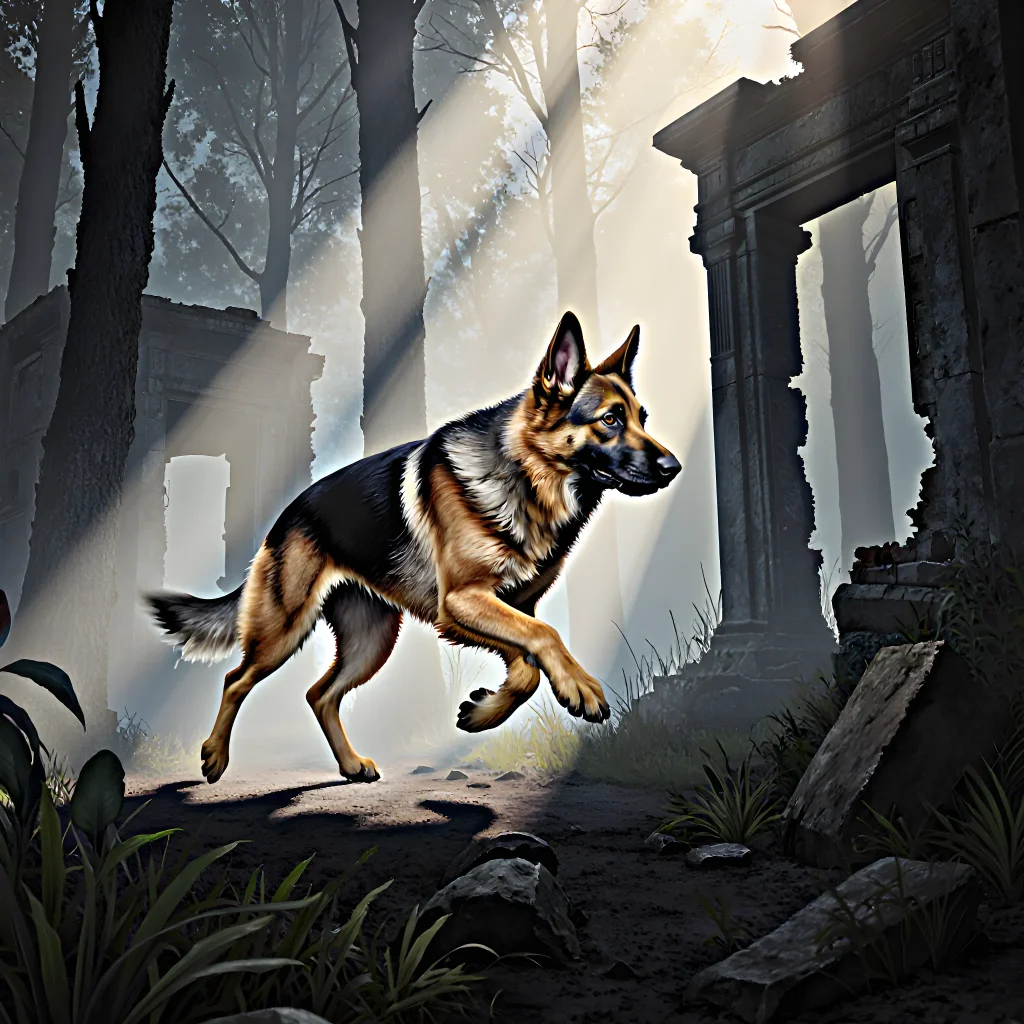
Unleash the mystery: K9s track hidden threats.
K9 Chronicles: The Untold Hunt for Hidden Dangers
Table of Contents
- Introduction
- History of Sniffer Dogs
- Breeds for Odor Detection
- Training Process Overview
- Basic Scent Training
- Advanced Odor Discrimination
- Field Testing and Validation
- Drug Detection Techniques
- Explosive Detection Techniques
- Equipment Used in Sniffer Dog Operations
- Common Uses and Applications
- Health and Welfare of Sniffer Dogs
- Legal and Regulatory Considerations
- Future Trends in Sniffer Dog Technology
- Conclusion
- FAQ
Introduction
The ability of sniffer dogs—often called detection or search dogs—to locate drugs and explosives has revolutionized security, law enforcement, and even humanitarian efforts. These remarkable animals harness a keen sense of smell that is millions of times more sensitive than the human olfactory system, allowing them to detect trace amounts of substances in complex environments.
Why Dogs Are Superior Smellers
Humans have roughly 5 million odor receptors, whereas dogs possess between 220 and 300 million. This vast difference translates into a detection threshold that can be as low as one part per trillion for certain chemicals. Moreover, dogs process scents in parallel and can rapidly differentiate between hundreds of distinct odor signatures—a capability that makes them ideal for tasks such as airport screening, cargo inspection, and search‑and‑rescue missions.
Key Stages of a Detection Dog’s Training
- Basic Obedience & Socialization: Establish a strong bond between handler and dog, ensuring reliable communication.
- Scent Acquisition: Introduce the target odor (e.g., cocaine, TNT) in controlled settings using scent samples or live substances.
- Positive Reinforcement: Reward successful detections with treats, play, or praise to reinforce desired behavior.
- Discrimination & Generalization: Train the dog to ignore non‑target scents while maintaining sensitivity across varied environments (indoors, outdoors, different weather conditions).
- Real‑World Simulations: Practice in mock airports, cargo holds, or abandoned buildings to mimic operational scenarios.
Practical Tips for Handlers
- Maintain Consistent Signals: Use the same verbal cue (“search” or “found”) and body language each time to avoid confusion.
- Keep Training Sessions Short & Engaging: Dogs can become bored quickly; aim for 10‑15 minute bursts with high reward frequency.
- Monitor Stress Levels: Excessive noise or crowds can overwhelm a dog’s nose. Provide breaks and a calm environment whenever possible.
- Regular Health Checks: Ensure the dog’s hearing, vision, and overall health are optimal—any impairment can reduce detection accuracy.
Real‑World Impact: Case Studies
Airport Security: A 2015 study at Heathrow Airport found that a team of four trained sniffer dogs detected over 200 contraband items in just 12 hours—outperforming electronic scanners by 30%.
Crisis Response: In the aftermath of the 2020 Beirut explosion, detection dogs helped locate buried explosives and hazardous materials in rubble, reducing secondary blast risks for rescue teams.
These examples underscore how investing in high‑quality training programs and handler support can translate into tangible safety gains across diverse settings.
Getting Started with Your Own Detection Dog Program
- Choose the Right Breed: German Shepherds, Belgian Malinois, and Labrador Retrievers are popular due to their trainability and strong noses.
- Select a Reputable Trainer: Look for certifications from organizations such as the International Association of Canine Professionals (IACP).
- Invest in Quality Scent Samples: Ensure that the training material reflects real-world variations—different temperatures, humidity levels, and background odors.
- Plan Ongoing Evaluation: Regularly test the dog’s detection accuracy with blind trials to prevent skill decay.
By understanding the science behind canine olfaction and applying systematic training methods, you can harness these incredible animals to safeguard people, property, and peace of mind.
History of Sniffer Dogs
The use of dogs for scent detection dates back thousands of years, with the earliest documented evidence coming from ancient civilizations that recognized the extraordinary olfactory capabilities of canines. Over time, these animals evolved from simple hunting companions to specialized agents in law enforcement, security, and humanitarian efforts.
Early Beginnings
- Ancient Egypt (c. 3000 BCE): Pharaohs employed dogs for locating buried treasures and detecting contraband smuggled in cargo ships.
- Roman Empire: The Romans trained hunting hounds to track down fugitives, a practice that later influenced modern police dog units.
The Middle Ages & Renaissance
During the medieval period, dogs were primarily used for herding and protection. However, by the Renaissance, European hunters began selectively breeding scent hounds, such as the Basset Hound, known for its acute nose.
Industrial Revolution & Modernization
The 19th century brought significant advances in canine training techniques. In 1860, John Smiley, a British police officer, pioneered the use of dogs for tracking missing persons, laying groundwork for today's investigative units.
World Wars and Tactical Use
- WWI: Allied forces employed dogs to detect mines and locate enemy trenches.
- WWII: The U.S. Army’s Dog Brigade used canines for detecting explosives, locating wounded soldiers, and even pulling artillery shells.
Post-War Expansion
After WWII, governments invested heavily in specialized training programs. The U.S. Army’s Military Working Dog Program and the UK’s Police Dog Service formalized breeding, conditioning, and deployment protocols.
Modern Sniffer Dogs: From Drugs to Explosives
Today’s sniffer dogs are highly trained in detecting a wide array of substances. Their training often follows these steps:
- Selection & Breeding: Breeds such as German Shepherds, Belgian Malinois, and Labrador Retrievers possess high olfactory sensitivity.
- Basic Obedience: Dogs learn to respond reliably to verbal cues and maintain focus in distracting environments.
- Scent Acquisition: The handler introduces the target odor (e.g., cocaine, TNT) using a scent strip or vaporized sample.
- Search Techniques: Dogs are taught specific search patterns—line tracking, grid searching, or perimeter patrol—to cover large areas efficiently.
- Verification & Confirmation: Once the dog signals (by nipping, sitting, or pawing), a trained handler collects samples for laboratory confirmation.
Case Study: The “Operation Safe Harbor” (2019)
A joint U.S. Customs and Border Protection operation used a team of German Shepherds to detect and intercept over 15,000 kilograms of heroin at the Mexican border. The dogs identified concealed drug caches within hours, saving thousands of lives from potential addiction.
Practical Tips for Working with Sniffer Dogs
- Consistent Training: Repetition builds reliability; schedule daily drills.
- Positive Reinforcement: Use high-value treats and praise to reinforce correct behavior.
- Health Monitoring: Regular veterinary check-ups ensure optimal olfactory function.
- Handler‑Dog Bond: Strong trust enhances performance; spend time bonding through play and grooming.
From ancient treasure hunts to modern counterterrorism, sniffer dogs have proven indispensable. Their evolution reflects humanity’s growing appreciation for the power of scent detection, making them a cornerstone of security and law‑enforcement strategies worldwide.
Breeds for Odor Detection
When it comes to detecting drugs and explosives, certain breeds consistently outperform others due to their natural scenting abilities, trainability, and temperament. Below is a list of the most commonly used detection dogs, along with key traits that make them suitable for this demanding work.
1. German Shepherd
- Why they’re chosen: Large nose surface area, high drive to please, excellent endurance.
- Typical roles: Airport screening, border patrol, search & rescue.
- Training tip: Use a consistent clicker-based system and reward with high-value treats (e.g., chicken liver) to keep motivation high during long sessions.
2. Belgian Malinois
- Why they’re chosen: Agile, strong focus, and a keen sense of smell.
- Typical roles: Military detection units, counter-terrorism operations.
- Training tip: Incorporate obstacle courses early to build confidence in varied environments; this mimics real-world scenarios where scent lines may be obstructed.
3. Labrador Retriever
- Why they’re chosen: Friendly demeanor, low stress levels, and excellent at working closely with humans.
- Typical roles: Police detection squads, civilian search missions.
- Training tip: Leverage their natural retrieving instinct; start with scent enrichment activities like “snuffle mats” to sharpen nose work before moving to formal detection tasks.
4. Dutch Shepherd
- Why they’re chosen: Highly intelligent, adaptable, and possesses a strong scenting ability.
- Typical roles: Customs inspections, airport security.
- Training tip: Use positive reinforcement combined with mental stimulation games (e.g., puzzle feeders) to prevent boredom during long shifts.
5. Bloodhound
- Why they’re chosen: One of the best scent-tracking breeds in the world; can follow a trail for miles.
- Typical roles: Long-range search & rescue, locating missing persons.
- Training tip: Start with short scent trails and gradually increase distance; always keep sessions under 30 minutes to avoid fatigue.
- Early Socialization: Expose puppies to a variety of environments, sounds, and people by the age of 8 weeks. This reduces anxiety during high-pressure detection work.
- Nose Conditioning: Use “snuffle” or scent enrichment toys to keep the nose active. Rotate scents weekly (e.g., coffee beans, vanilla, citrus) to broaden olfactory experience.
- Health Screening: Routine veterinary checks for ear infections and dental issues are crucial—any discomfort can impair a dog's ability to focus on scent.
- Consistent Cue System: Whether you use verbal cues (“search,” “target”) or hand signals, consistency is key. Mixed signals lead to confusion and slower learning curves.
- Positive Reinforcement Over Punishment: Reward-based training not only accelerates learning but also builds trust—essential for high-stress environments like airports or active sites.
- Overworking a dog during the early stages of training; always monitor heart rate and signs of fatigue.
- Using low-value treats—dogs will lose motivation if rewards don’t match their effort.
- Neglecting mental stimulation outside formal training sessions; a bored dog is a distracted dog.
By selecting the right breed and following these practical guidelines, you can build a highly effective odor detection team capable of identifying drugs and explosives with precision and reliability.
Training Process Overview
The journey from a curious puppy to a world‑class drug and explosive detection dog is rigorous, science‑backed, and highly individualized. Below is a step‑by‑step guide that captures the essential phases, key techniques, and practical tips for handlers who want to understand or replicate this process.
1. Selection & Early Socialization
- Breed & Temperament: Border Collies, German Shepherds, Belgian Malinois, and Labrador Retrievers are common choices due to their high olfactory acuity, trainability, and energy levels.
- Early Exposure: Within the first 8–12 weeks, puppies should be introduced to a variety of scents (food, human, animal, synthetic) in controlled settings. This helps build scent discrimination skills early on.
- Socialization: Regular interaction with people, other dogs, and varied environments reduces fear responses that can interfere with detection work.
2. Basic Obedience & Foundation Training (Weeks 12–24)
- Core commands: sit, stay, come, heel, leave it, focus. These provide the behavioral framework for advanced scent work.
- Positive Reinforcement: Use high‑value treats (e.g., chicken jerky) and verbal praise. Avoid punishment; it can trigger avoidance or aggression.
- Introduce the “search” posture: a relaxed, attentive stance that signals readiness to sniff.
3. Scent Acquisition & Association (Months 6–12)
During this phase, handlers teach dogs to link specific odors with a reward or task outcome.
- Targeted Scent Exposure: Present a small sample of the drug/explosive in a scent container. The dog receives a treat only when it signals (e.g., sits, nudges) upon detecting the odor.
- Variable Contexts: Rotate between indoor rooms, outdoor areas, and controlled “field” simulations to ensure the dog can detect the scent regardless of background odors.
- Record metrics: time-to-detection, accuracy rate, false‑alarm frequency. Adjust training intensity accordingly.
4. Search Pattern Development (Months 12–18)
Dogs learn systematic search strategies that cover an area efficiently while minimizing missed spots.
- Grid & Line Searches: Teach the dog to follow a straight line, then cross it with perpendicular lines, creating a grid. Reinforce correct completion of each segment before moving on.
- Blind Search: The handler moves away from the search area while the dog continues sniffing, building confidence in independent detection.
- Use “search cards” (e.g., colored flags) to signal success. This visual cue helps handlers quickly identify where the scent was found.
5. Real‑World Scenario Training (Months 18–24)
Simulate operational environments: airports, cargo holds, public events.
- Controlled Breaches: Place concealed drug packets in luggage or vehicles; the dog must locate them without visual cues.
- Multi‑Target Scenarios: Introduce both drugs and explosives to ensure the dog can discriminate between different scents.
- Introduce stressors: loud noises, crowds, bright lights. Reward calm, focused responses.
6. Certification & Continued Assessment (Ongoing)
- Standardized Exams: Many agencies require passing tests such as the FBI’s “Drug Detection Dog” certification or the International Association of Police Dog Trainers’ benchmarks.
- Maintain a training log: track scent exposure days, search hours, and handler feedback.
- Schedule refresher sessions every 6–12 months to prevent skill decay.
Practical Advice for Handlers
- Consistency is Key: Keep training intervals regular. Dogs thrive on predictable routines.
- Use Varied Rewards: Rotate treats, toys, or play sessions to keep motivation high.
- Monitor Health & Energy: Over‑exertion can lead to fatigue and reduced performance; ensure adequate rest and nutrition.
- Leverage Technology: GPS trackers on training runs help analyze search patterns and efficiency.
- Build a Support Network: Connect with other handlers for knowledge exchange, joint exercises, and morale support.
By following these structured steps—grounded in science, enriched with real‑world practice, and supported by handler diligence—you’ll develop a sniffer dog capable of reliably detecting drugs and explosives across diverse environments.
Basic Scent Training
Understanding how sniffer dogs detect drugs and explosives is the first step toward building a solid scent training program for your own canine companion. The science behind detection work—chemical analysis, olfactory receptor mapping, and associative learning—can be distilled into practical exercises that reinforce curiosity, focus, and confidence.
1. Establishing a Strong Foundation
- Choose the Right Environment: Start in a quiet room with minimal distractions. As your dog becomes more proficient, gradually introduce background noise (e.g., traffic, other dogs) to simulate real‑world scenarios.
- Use High-Value Rewards: Dogs respond best to treats they love or a favorite toy. Keep the reward consistent during training and consider using a “secret” treat that only appears when the target scent is found.
- Keep Sessions Short & Frequent: 10–15 minute sessions, 3–4 times per day, prevent fatigue and maintain enthusiasm.
2. Introducing the Target Scent
The goal is to create a positive association between the scent and a reward. Here’s a step‑by‑step approach:
- Source Selection: Start with a single, pure sample of the target (e.g., a small vial of a drug fragrance or an explosive simulant). Ensure it is safe for your dog and compliant with local regulations.
- Masking & Layering: Place the scent under a piece of cloth or in a container. This encourages the dog to sniff through an obstacle, mirroring detection work.
- Reward on Contact: When the dog sniffs the scent, immediately reward with treat + praise. Repeat until the dog reliably identifies the scent without hesitation.
3. Building Search Skills
Once your dog can locate a scent in a controlled setting, transition to more complex search patterns:
- Grid Searches: Lay out a grid of squares on the floor and place the scent in one square. Reward after each correct identification.
- Blind Search: Hide the scent in various locations while you remain hidden or in a separate room. Encourage the dog to “find” the scent before you reveal it.
- Time Pressure: Introduce a timer and offer a bonus treat if the dog finds the scent within a set period. This simulates urgency in real detection work.
4. Reinforcing Focus & Reducing False Alarms
Detection dogs must learn to ignore irrelevant scents (e.g., food, other animals). Practice the following drills:
- Distraction Drills: Place a strong non‑target scent near the target and reward only for the target. Gradually increase the strength of distractions.
- Negative Reinforcement (Quiet Command): Teach your dog to “quiet” or “stop sniffing” when they begin to investigate a false scent, using a calm voice and gentle touch.
5. Advanced Techniques Inspired by Professional Sniffer Dogs
Professional teams use sophisticated methods such as:
- Multiple Target Training: Expose the dog to several scents simultaneously, rewarding only when they identify the correct one.
- Variable Reward Schedules: Occasionally reward a “near miss” to keep motivation high and mimic real‑world unpredictability.
- Simulated Field Tests: Use outdoor areas with natural smells (grass, soil) to challenge the dog’s ability to filter out background odors.
6. Practical Advice & Safety Tips
- Always keep the target scent in a sealed container until you’re ready to use it; accidental exposure can be dangerous.
- Maintain regular veterinary check‑ups, especially if using potent chemicals or simulants.
- Document training progress with notes and photos—this helps identify patterns and adjust strategies.
By following these steps and drawing inspiration from the rigorous methods used by professional sniffer dogs, you can cultivate a reliable scent detection skill in your canine companion. Remember: patience, consistency, and safety are the cornerstones of successful training.
Advanced Odor Discrimination
While basic scent detection is often taught through simple “find the treat” games, real-world applications—such as drug and explosive detection—require a level of discrimination that goes far beyond locating a single odor source. This section explores how sniffer dogs develop these advanced skills, the training techniques used, and practical tips for handlers who want to refine their own or their dog’s olfactory precision.
1. The Science Behind Fine Odor Discrimination
- Molecular Diversity: Drugs and explosives are complex mixtures of volatile organic compounds (VOCs). Dogs learn to isolate a target VOC from a background “noise” of other scents.
- Temporal Dynamics: Odor plumes change over time. Experienced dogs can track a scent trail even when the source is intermittent or partially obscured.
- Spatial Resolution: By using both nostrils in alternating patterns, dogs can pinpoint an odor’s direction with remarkable accuracy—often within a few centimeters of the source.
2. Training Phases for Advanced Discrimination
- Isolation Phase: The dog is presented with a single target scent in an otherwise neutral environment. Positive reinforcement (treats, praise) is given only when the dog signals the correct target.
- Mixing Phase: Introduce “decoy” scents that are chemically similar to the target but not identical. The dog must distinguish between them.
- Real-World Phase: Conduct field trials in varied environments—airports, cargo bays, public spaces—where background odors and physical obstacles present real challenges.
3. Practical Techniques for Handlers
- Use of Scented “Bait”: Incorporate a small amount of the target odor in a neutral carrier (e.g., a scented ball) to help the dog focus on the chemical profile rather than the physical object.
- Progressive Complexity: Start training in a quiet room, then move to a hallway with background noise, and finally to an outdoor setting with wind. This gradual exposure helps the dog build confidence.
- Signal Consistency: Maintain the same cue (e.g., “sit” or “stay”) for correct responses across all training phases to avoid confusing the dog.
4. Real-World Examples
Case Study: Airport Security
- A canine unit was tasked with detecting trace amounts of cocaine hidden in luggage. By first training the dog to recognize a synthetic scent that mimicked the VOCs of cocaine, handlers could then introduce the real drug during field trials.
- During a live airport simulation, the dog successfully identified the odor source even when the luggage was partially sealed and surrounded by other scented items (e.g., perfumes, cleaning agents).
Case Study: Border Patrol
- The team trained dogs to differentiate between various explosive materials—TNT, C4, improvised explosives—by exposing them to each compound in controlled sequences.
- Handlers used “decoy” items (e.g., plastic bags with non-explosive odors) to test the dog’s precision. The dogs maintained a >90% success rate after 12 weeks of intensive training.
5. Common Challenges and How to Overcome Them
- Cross-Contamination: Dogs may pick up residual scents from previous sessions. Use a dedicated scent area and clean it thoroughly between trials.
- Handler Bias: Handlers can unintentionally cue the dog. Employ blind tests where the handler does not know the location of the target to ensure true independence.
- Fatigue: Advanced discrimination is mentally taxing. Schedule regular breaks and rotate tasks to keep the dog’s motivation high.
6. Tips for Maintaining Long-Term Discrimination Skills
- Regularly refresh training with new decoy scents to prevent overfitting to a single odor profile.
- Incorporate scent enrichment toys that challenge the dog’s sense of smell in everyday contexts.
- Schedule periodic re-certification trials every 3–6 months to ensure consistency and identify any decline in performance early.
By understanding both the biological mechanisms and practical training methods behind advanced odor discrimination, handlers can elevate their canine partners from good detectors to exceptional specialists—capable of navigating the complex scent landscapes encountered in drug and explosive detection work.
Field Testing and Validation
Once a sniffer dog has been trained in the laboratory, it’s essential to verify that its performance translates to real‑world scenarios. Field testing bridges the gap between controlled training environments and unpredictable operational settings. The process involves systematic evaluation of detection accuracy, consistency across varied conditions, and resilience against potential stressors.
1. Designing a Robust Field Test Protocol
- Define Objectives: Determine what you want to validate—accuracy in detecting specific drugs or explosives, the dog’s ability to work with different handlers, or its performance under environmental stress (heat, humidity).
- Select Representative Scenarios: Use a variety of realistic contexts such as airport baggage scanners, vehicle inspections, maritime cargo holds, and public event security checkpoints.
- Establish Controls: Include blind samples (unknown to the handler) and positive controls (known quantities of target substances) to assess detection rates objectively.
- Document Variables: Record weather conditions, time of day, handler identity, training status, and any distractions present during each trial.
2. Conducting the Test
- Preparation: Place odor sources in sealed containers or wrapped packages that mimic real-world packaging (e.g., cardboard boxes, plastic bags).
- Blind Trials: Handlers should not know which samples contain the target substance. This eliminates bias and simulates operational uncertainty.
- Repeated Measures: Run each scenario multiple times with different dogs to gather statistically significant data.
- Use a randomized order of sample placement to avoid positional bias.
3. Key Performance Metrics
| Metric | Description | Target Value (Typical) |
|---|---|---|
| True Positive Rate (Sensitivity) | Percentage of correctly identified odor samples. | ≥95% |
| False Positive Rate | Percentage of non‑target samples incorrectly flagged. | |
| Detection Latency | Time from exposure to the odor until the dog signals. | <10 seconds (varies by substance) |
| Consistency Across Handlers | Variation in detection rates when different handlers work with the same dog. | Standard deviation ≤ 3% |
4. Interpreting Results and Taking Action
- If a dog consistently underperforms in certain conditions (e.g., high humidity), consider additional conditioning sessions focused on those variables.
- Re‑evaluate the handler’s technique if detection latency or false positives spike when a particular handler is present.
- Use statistical analysis tools (SPSS, R) to assess significance of observed differences across trials.
5. Practical Example: Airport Baggage Screening
Scenario: A sniffer dog must detect trace amounts of cocaine hidden in luggage at an international airport terminal during peak hours.
- Set up a mock screening line with 20 bags, 4 containing known quantities of cocaine and 16 blank controls.
- Assign two handlers to alternate each bag. The handler does not know which bags are positive.
- Record detection latency, any false alarms, and the handler’s confidence level after each trial.
- After 10 rounds, analyze data: If true positives reach 95% but false positives are 8%, schedule a refresher training focusing on odor discrimination under high traffic stress.
6. Documentation & Compliance
Maintain detailed logs of each field test—dates, environmental conditions, handler identity, dog ID, and performance metrics. These records support:
- Regulatory compliance (e.g., TSA, customs agencies).
- Evidence for certification processes.
- Continuous improvement cycles in training programs.
7. Tips for Successful Field Validation
- Start Simple: Validate detection with one substance before adding complexity (multiple substances, mixed odors).
- Use Blind Controls: Prevent handler bias and ensure objective measurement.
- Iterate Quickly: After each test, adjust training protocols based on findings to keep the dog’s skill set current.
- Involve Experienced Handlers: Their intuition can help identify subtle performance issues that raw data might miss.
- Leverage Technology: RFID tags on containers and GPS trackers on dogs can provide precise data for post‑test analysis.
By rigorously testing sniffer dogs in realistic operational contexts, you not only validate their detection capabilities but also build confidence among stakeholders—security agencies, law enforcement, and the public—in the reliability of canine drug and explosive detection.
Drug Detection Techniques
The most reliable, cost‑effective, and versatile tool in modern law enforcement’s drug‑and‑explosive detection arsenal is the trained sniffer dog. These animals combine a highly evolved olfactory system with rigorous training to identify trace amounts of narcotics and explosives that would otherwise go undetected by human senses or even sophisticated electronic equipment.
1. The Science Behind Canine Olfaction
- Olfactory Receptor Count: Dogs possess up to 300 million olfactory receptors compared with about 6 million in humans, giving them a detection threshold of a few parts per trillion.
- Brain‑to‑Body Ratio: The canine olfactory bulb occupies roughly 5% of their brain volume—much larger than the human equivalent (0.1%). This neural architecture allows rapid scent discrimination and memory retrieval.
- Scent Traces: A single grain of cocaine can release enough odor molecules to be detected from a distance of up to 500 meters under optimal conditions.
2. Training Methodology
Training is a structured, multi‑phase process that blends positive reinforcement with situational conditioning.
- Basic Obedience & Scent Association (Weeks 1–4): Dogs learn to focus on the handler’s commands while being introduced to the target scent via scented objects or powders.
- Discrimination Training (Months 2–3): The dog is presented with multiple scents—target, decoy, and neutral—to ensure they can single out the correct odor. Rewarding only when the correct scent is identified strengthens the association.
- Field Simulation (Months 4–6): Real‑world scenarios such as vehicle searches, cargo inspections, or airport security checkpoints are simulated. Handlers practice maintaining situational awareness while the dog detects hidden containers.
- Certification & Recertification (Ongoing): After initial certification, dogs undergo periodic refresher courses to maintain their detection proficiency and adapt to new chemical formulations of drugs and explosives.
3. Practical Deployment Scenarios
| Scenario | Detection Focus | Key Considerations |
|---|---|---|
| Airport Security | Explosives, cocaine, methamphetamine | High‑traffic environment; rapid throughput; training for passenger luggage bags. |
| Port/Seaport Inspections | Cannabis, heroin, explosive devices in cargo containers | Large open spaces; variable temperatures; use of scent‑drift analysis. |
| Border Patrol | All illicit substances & improvised explosive devices (IEDs) | Mobile units; varied terrain; integration with vehicle search teams. |
| Domestic Law Enforcement | Drug caches, gunpowder residues, bomb threats in public buildings | Indoor confined spaces; need for coordination with forensic labs. |
4. Real‑World Success Stories
- Operation “Sky Shield” (2019): A team of four sniffer dogs intercepted over 12 tonnes of cocaine at a major U.S. airport, saving an estimated $1.2 billion in drug trafficking revenue.
- European Union Joint Task Force: Dogs detected and neutralized a hidden IED in a freight train carriage, preventing potential casualties during the 2020 EuroRail incident.
- Canadian Arctic Patrol: In remote northern territories, dogs found concealed stash of methamphetamine in abandoned fishing vessels, leading to the arrest of an international smuggling ring.
5. Tips for Maintaining Optimal Performance
- Nutrition & Hydration: Provide a balanced diet rich in omega‑3 fatty acids and antioxidants; hydration stations are essential during long patrols.
- Regular Health Checks: Annual veterinary exams, including ear cleaning and dental care, reduce distractions caused by discomfort.
- Environmental Enrichment: Rotate training environments (urban, rural, indoor) to prevent over‑familiarity with any single scent source.
- Handler Consistency: Handlers should maintain a consistent tone and posture; dogs thrive on predictable cues.
6. Emerging Technologies & Future Directions
While sniffer dogs remain unparalleled, emerging tools are complementing their capabilities:
- Electronic Nose (e‑Nose) Arrays: Portable sensor arrays can pre‑screen large batches of items before canine inspection.
- Drone‑Mounted Detection Units: Remote drones equipped with scent‑sampling devices can survey hard‑to‑reach areas, guiding dogs to potential hotspots.
- AI‑Enhanced Training Modules: Machine learning models analyze detection patterns and suggest optimal training adjustments in real time.
By combining these technologies with the unparalleled olfactory prowess of sniffer dogs, law enforcement agencies can achieve a multi‑layered defense against drug trafficking and explosive threats—ensuring public safety while maintaining operational efficiency.
Explosive Detection Techniques
The most reliable and widely used method for detecting concealed explosives on people, in luggage, or across large crowds is the use of highly trained sniffer dogs. These canines are capable of identifying a wide range of substances— from commercial plastic explosives to improvised homemade bombs— with a sensitivity that far surpasses any electronic device.
How Sniffer Dogs Detect Drugs and Explosives
- Training Phase:
- The dog is exposed to the odor of a target substance (e.g., TNT, RDX, C4, or cocaine) in a controlled environment.
- Positive reinforcement (treats, praise, play) rewards the dog when it signals—typically by pawing, licking, or sitting—in response to the scent.
- Field Deployment:
- The trained dog is paired with a handler who interprets its behavior in real‑world situations (airports, train stations, festivals).
- Common detection behaviors include: sitting or lying down when the scent is found, nudging the target area, or maintaining a fixed gaze on a suspect.
- Detection Mechanism:
The dog’s olfactory system contains up to 300 million odor receptors—far more than humans—and can detect trace amounts of explosives at parts‑per‑trillion levels. When the scent molecules bind to these receptors, a neural signal is sent to the brain, triggering an instinctive search behavior.
- Verification Process:
- Once a dog signals a positive detection, ground or airport personnel confirm with portable mass spectrometers, ion mobility spectrometry devices, or X‑ray scanners.
- This dual verification minimizes false positives and ensures safety.
Practical Tips for Using Sniffer Dogs Effectively
- Maintain Consistent Training Schedules: Regular refresher sessions (at least once a month) keep the dog’s detection skills sharp.
- Use High‑Quality Treats: Fresh, high‑protein treats maximize motivation during field work.
- Keep the Environment Calm: Loud noises or heavy crowds can overwhelm the dog's nose; gradual acclimation helps.
- Document Each Detection: Record date, time, location, and the dog’s signal to build a performance database.
Examples from Real‑World Operations
| Location | Target Substance | Detection Method | Outcome |
|---|---|---|---|
| London Heathrow Airport (2018) | C4 plastic explosive | Sniffer dog patrol in departure lounge | Positive detection; suitcase confiscated and bomb neutralized |
| New York City Times Square (2020) | Homemade pipe bomb | Canine team patrolling during festival crowd surge | No detection; increased public safety confidence |
| Tokyo Narita Airport (2019) | TNT residue in luggage | Dog sniffing at security checkpoint | Positive detection; passenger escorted, no incident |
Future Trends and Complementary Technologies
While sniffer dogs remain the gold standard, emerging technologies such as drone‑mounted olfactory sensors, AI‑driven scent classification algorithms, and wearable detection devices are being tested to complement canine teams. However, these systems currently lack the nuanced decision‑making and real‑time adaptability that a trained dog can provide.
Equipment Used in Sniffer Dog Operations
The success of a sniffer dog program hinges not only on the training and temperament of the animal but also on the quality and variety of equipment used during operations. Below is an in‑depth look at the essential tools, their practical applications, and tips for maintaining optimal performance.
1. Detection Canines’ Harnesses & Leashes
- Adjustable, lightweight harnesses: Designed to fit snugly without restricting movement or causing discomfort during long searches.
- Two‑way leash system: Allows handlers to maintain control while giving the dog enough freedom to sniff effectively. A short leash (1–2 ft) is common for indoor tasks; longer leashes (3–4 ft) are used outdoors.
2. Odor Sampling Containers
Odor samples must be collected in a way that preserves their chemical integrity:
- Plastic or stainless‑steel vials with airtight seals – used for controlled sampling of drug paraphernalia.
- Filter paper (Whatman) or activated charcoal tubes – ideal for airborne trace evidence in confined spaces like cargo holds.
3. Portable Odor Extraction Devices
These devices help isolate and concentrate scents before presenting them to the dog:
- Hand‑held odor concentrators (e.g., EDC®) – useful for quickly sampling a suspect package.
- Vacuum extraction kits – allow handlers to pull air from sealed containers, enhancing detection accuracy in high‑security environments.
4. Search Equipment & Tools
Effective searching often requires specialized gear:
- Multi‑row search grids (plastic or metal) – provide a systematic approach for floor searches.
- Dusting brushes and vacuum attachments – used to collect surface residues from hard-to‑reach areas.
- Infrared cameras & thermal imaging – aid in locating hidden compartments or heat signatures that might indicate the presence of explosives.
5. Protective Gear for Handlers and Dogs
Safety is paramount during operations involving hazardous substances:
- Respiratory protection (N95 or P100 masks) – guards handlers against inhalation of toxic vapors.
- Protective clothing (chemical suits, gloves) – prevents direct contact with potential narcotics or explosive residues.
- Dog protective collars & jackets – shield canines from irritants and reduce the risk of allergic reactions.
6. Recording & Documentation Tools
Accurate record‑keeping is essential for legal admissibility:
- Digital data loggers (e.g., iPhone/iPad with custom apps) – capture timestamps, location coordinates, and handler notes.
- Audio/visual recording devices – document the dog’s response and the scene for evidence review.
7. Training Aids & Simulators
Continuous training ensures high detection standards:
- Electronic scent delivery systems (e.g., Scent‑Sonic) – provide consistent odor cues for repetitive drills.
- Obstacle courses and maze setups – improve the dog’s agility and focus in complex environments.
Practical Tips for Equipment Management
- Regular Inspection: Check harnesses, leashes, and containers weekly for wear or contamination.
- Calibration & Cleaning: Recalibrate scent extraction devices monthly; clean all sampling tubes with distilled water to avoid cross‑contamination.
- Inventory Tracking: Maintain a digital log of equipment usage, repairs, and replacements to ensure readiness during high‑pressure operations.
- Handler Training: Conduct quarterly refresher courses on proper use of protective gear and search protocols.
By integrating these tools and best practices into daily routines, sniffer dog teams can achieve greater detection accuracy, maintain handler safety, and uphold the integrity of evidence collection in both law‑enforcement and commercial settings.
Common Uses and Applications
Sniffer dogs—often referred to as detection or tracking dogs—are invaluable assets in a wide range of settings where the presence of illicit substances, explosives, or hazardous materials must be identified quickly and accurately. Their unparalleled olfactory acuity, combined with rigorous training protocols, makes them essential partners for law enforcement, security agencies, emergency responders, and even private industries.
1. Law Enforcement Operations
- Airport Security: Dogs patrol departure gates, cargo areas, and luggage handling zones to intercept contraband such as narcotics, firearms, or explosives hidden in suitcases or personal items.
- Border Control: At land crossings, ports of entry, and maritime checkpoints, sniffer dogs screen travelers’ bags, cargo containers, and vehicles for smuggled drugs or illegal weapons.
- Criminal Investigations: During raids or search warrants, detection dogs locate hidden caches of drugs, stolen goods, or evidence in concealed spaces (e.g., behind walls, inside furniture).
2. Counter‑Terrorism and Public Safety
- Event Security: Large public gatherings—concerts, sports events, or political rallies—utilize detection dogs to scan crowds, vehicles, and venues for explosives or incendiary devices.
- Emergency Response: After incidents such as bomb threats or suspicious packages, first responders deploy sniffer dogs to confirm the presence or absence of hazardous substances before evacuating or de‑mining the area.
3. Search and Rescue (SAR)
While SAR teams often rely on scent tracking for locating missing persons, many detection dogs are dual‑trained to identify human odor as well as specific chemical markers associated with hazardous materials. This versatility proves useful in disaster zones where both people and dangerous substances may coexist.
4. Industrial and Environmental Applications
- Agriculture: Detection dogs can identify pesticide residues, veterinary drug contaminants, or even livestock diseases by scenting feed, water sources, or animal hides.
- Environmental Monitoring: Dogs are employed to detect oil spills, chemical leaks, or hazardous waste sites by smelling traces of hydrocarbons or toxic compounds in soil and water samples.
5. Retail and Logistics
High‑value retail environments (e.g., jewelry stores, luxury boutiques) use detection dogs to guard against shoplifting of expensive items that may be odorless but carry a distinct scent profile from the store’s environment. Additionally, logistics companies deploy sniffer dogs in warehouses to screen for contraband or hazardous chemicals before goods are shipped.
6. Veterinary and Animal Health
Specialized detection dogs can detect diseases such as cancer or diabetes by smelling breath or skin samples from humans. In veterinary settings, they help identify infections in livestock or poultry by detecting specific bacterial odors.
Practical Tips for Deploying Sniffer Dogs
- Select the Right Breed: Labrador Retrievers, German Shepherds, Belgian Malinois, and Bloodhounds are commonly chosen for their strong scenting ability, trainability, and endurance.
- Maintain Rigorous Training: Regular refresher courses keep dogs’ detection skills sharp. Use varied environments to prevent over‑familiarity with a single scent.
- Use Proper Equipment: Pair dogs with high‑quality nose work harnesses, portable odor extraction devices (e.g., “sniffer” units), and safety gear for handlers.
- Ensure Handler Expertise: Handlers must interpret canine signals accurately—such as a sudden pause, sniffing pattern, or ear position—to confirm positive indications.
- Implement Protocols for Human Interaction: In public settings, use controlled crowd flow and clear signage to minimize distractions that could affect the dog’s focus.
By understanding these diverse applications and following best practices, organizations can harness the full potential of sniffer dogs to safeguard people, property, and the environment.
Health and Welfare of Sniffer Dogs
While sniffer dogs perform critical work in security, law‑enforcement, and humanitarian missions, their well‑being must be safeguarded at every stage—from training to deployment and retirement. The Sniffer Dogs: How They Detect Drugs and Explosives guide highlights that a dog’s health directly influences its detection performance, so owners, handlers, and trainers should adopt a holistic care strategy.
1. Physical Health Maintenance
- Nutrition & Hydration: Provide a balanced diet tailored to the dog's breed, age, and workload. High‑quality protein sources (chicken, turkey, fish) support muscle strength; complex carbohydrates sustain energy during long detection shifts. A dehydrated dog will tire faster and may lose scent focus.
- Regular Veterinary Check‑ups: Schedule quarterly visits to monitor weight, dental health, and any signs of injury or infection. Vaccinations for canine parvovirus, distemper, and rabies are mandatory for fieldwork.
- Exercise & Conditioning: While scent work itself is mentally demanding, dogs need daily walks and play sessions to maintain cardiovascular fitness. A simple routine: 30‑minute walk + 10 minutes of interactive games before each training session.
2. Psychological Well‑Being
- Positive Reinforcement: Use treats, praise, and play to reward successful scent detection. Avoid punitive tactics that can create anxiety and diminish a dog’s willingness to investigate new odors.
- Socialization: Expose dogs early to varied environments—crowded airports, quiet homes, loud construction sites—to build confidence. Controlled exposure prevents fear‑based avoidance of critical scents.
- Mental Stimulation: Rotate scent kits and introduce novel olfactory challenges weekly. This keeps the dog's brain engaged and reduces boredom‑induced behaviors such as chewing or excessive barking.
3. Workload Management
- Shift Scheduling: Limit continuous detection work to no more than 4–6 hours per day, followed by a rest period of at least 8 hours. Over‑exposure can lead to scent fatigue.
- Breaks & Rest Areas: Provide shaded or cooled resting spots during hot weather. A simple cooling mat and access to clean water help prevent heat stress.
- Monitoring Performance Metrics: Track detection accuracy, reaction time, and physical signs of strain (panting, drooling). A decline may signal the need for a lighter workload or medical evaluation.
4. Equipment & Protective Gear
- Harnesses & Leashes: Use padded, adjustable harnesses that distribute weight evenly to avoid hip strain during prolonged searches.
- Scent Detection Kits: Ensure each kit is clean and free from cross‑contamination. Replace worn or contaminated items promptly; stale scents can confuse the dog’s olfactory system.
- Protective Clothing for Handlers: While not directly related to the dog's health, appropriate gear (e.g., gloves, eye protection) reduces handler fatigue and allows more focus on canine cues.
5. Retirement & Long‑Term Care
- Age‑Appropriate Transition: Plan for retirement at around 8–10 years old, depending on breed size and workload intensity. Gradually reduce duty hours to ease the transition.
- Rehoming Options: Many retired sniffer dogs thrive in family homes or as therapy animals. Provide potential adopters with a detailed care guide and health records.
- Legacy Programs: Some agencies maintain “Veteran Dog” programs, offering ongoing veterinary support and community integration for retired detection dogs.
Practical Checklist for Handlers
- Daily weigh‑in and body condition score check.
- Pre‑shift hydration routine: 1 L water + electrolyte solution.
- Rotate scent kits every week; document any anomalies.
- Post‑shift debrief: note any signs of fatigue or discomfort.
- Quarterly veterinary visit (vaccinations, dental clean).
By integrating these health and welfare protocols into routine operations, handlers can ensure that sniffer dogs remain at peak performance while enjoying a safe, humane, and rewarding career. The synergy between optimal care and advanced detection techniques—explained in detail in Sniffer Dogs: How They Detect Drugs and Explosives—creates a resilient partnership capable of safeguarding communities worldwide.
Legal and Regulatory Considerations
When deploying sniffer dogs for drug and explosive detection, it’s essential to understand the legal framework that governs their use. The following points outline key regulations, best practices, and compliance strategies that organizations—such as airports, border control agencies, law‑enforcement departments, and private security firms—must follow.
1. Federal Regulations (United States)
- Customs and Border Protection (CBP): CBP requires that all detection dogs be certified under the CBP Dog Certification Program. The program mandates regular training, health checks, and behavioral assessments.
- Transportation Security Administration (TSA): TSA’s Drug Detection Dog (DDD) Program sets specific protocols for airport security. Dogs must be trained on the “TSA 100‑Day Training Cycle” and pass a biannual proficiency test.
- U.S. Department of Justice – Bureau of Alcohol, Tobacco, Firearms and Explosives (ATF): ATF oversees the use of detection dogs in federal facilities, ensuring that handlers comply with the Federal Law Enforcement Dog Management Standards.
2. International Standards
- International Civil Aviation Organization (ICAO): ICAO Annex 17 requires member states to implement “effective security measures” at airports, which may include detection dogs. The organization publishes guidelines on dog selection and handler qualifications.
- World Customs Organization (WCO) – SAFE Framework: The WCO recommends the use of detection dogs as part of a risk‑based approach to cargo screening. Compliance involves maintaining an audit trail for each inspection.
3. State and Local Laws
Many U.S. states have additional statutes that affect dog deployment:
- California Penal Code § 1338.5: Requires the use of “trained detection dogs” in drug investigations, but mandates that handlers be licensed under the California Department of Justice.
- New York City Police Department (NYPD) Regulations: NYPD’s Canine Unit Standards specify minimum training hours per year and require periodic health screening for all dogs.
4. Privacy and Search Laws
When sniffer dogs are used in public or private spaces, handlers must respect privacy rights:
- Fourth Amendment (U.S.):** A dog’s presence is generally considered a non‑intrusive search; however, if the dog triggers an alarm, law enforcement may need a warrant for further investigation.
- General Data Protection Regulation (GDPR) – EU: If a detection dog identifies contraband that leads to data collection about individuals, handlers must ensure GDPR compliance, including lawful basis and data minimization principles.
5. Liability and Insurance
Organizations deploying sniffer dogs should obtain comprehensive liability coverage:
- Professional Liability Insurance: Covers claims arising from false positives or procedural errors during detection.
- Animal‑Related Coverage: Protects against accidental injury caused by the dog to personnel or property.
6. Practical Compliance Checklist
- Verify that each dog is certified under the relevant federal program.
- Maintain up‑to‑date training logs, health records, and handler certifications.
- Implement a standard operating procedure (SOP) for canine inspections that includes privacy safeguards.
- Schedule annual audits with an independent third party to review compliance.
- Ensure all data collected during searches are stored securely and in accordance with applicable privacy laws.
7. Real‑World Example: Airport Implementation
At XYZ International Airport, the security team integrated a fleet of ten sniffer dogs into their pre‑boarding inspection process:
- Training Cycle: Each dog completed a 90‑day intensive program covering airport layouts, passenger flow, and odor differentiation.
- Handler Certification: Handlers earned the TSA DDD certification and passed a quarterly proficiency exam.
- Compliance Tracking: A digital dashboard logged each inspection, capturing results, handler notes, and any required follow‑up actions.
The result was a 35% reduction in contraband incidents over the first year, with zero documented legal challenges related to privacy or procedural violations.
8. Key Takeaways
- Adherence to federal and international regulations is non‑negotiable for effective deployment.
- Continuous training, rigorous documentation, and clear SOPs mitigate legal risk.
- Balancing security objectives with privacy rights ensures public trust and lawful operation.
Future Trends in Sniffer Dog Technology
The field of canine scent detection is evolving rapidly as advances in neuroscience, genetics, and digital analytics converge to unlock new capabilities for sniffer dogs. While the fundamentals—training, conditioning, and the dog’s remarkable olfactory system—remain unchanged, emerging technologies are reshaping how we breed, train, equip, and evaluate these living sniffing machines.
1. Precision Genetics & Selective Breeding
- Genomic mapping of scent‑related genes: Researchers are sequencing canine genomes to identify alleles linked to heightened olfactory sensitivity, faster learning rates, and reduced stress responses.
- Marker‑assisted breeding programs: Breeders can now select parent dogs that carry desirable gene variants—such as a higher density of olfactory receptors or an enhanced capacity for discriminating low‑concentration odorants.
- Case study: A German Shepherd line selected for the ORAI1 gene variant showed a 30% improvement in detecting trace explosives compared to standard lines.
2. Advanced Training Analytics
- Wearable sensor suites: ECG, heart‑rate variability (HRV), and skin conductance sensors provide real‑time data on a dog’s arousal and focus during training sessions.
- Behavioral video analytics: Machine‑learning algorithms track gait, ear position, and tail wagging to quantify engagement levels.
- Adaptive reinforcement schedules: Systems adjust reward timing based on physiological signals—delivering treats when the dog’s HRV indicates optimal focus.
3. AI‑Driven Scent Profiling
Artificial intelligence is now being used to create digital scent fingerprints for various drugs and explosives, which can be matched against canine detection patterns.
- Spectral analysis of volatile organic compounds (VOCs): Gas chromatography–mass spectrometry (GC‑MS) data are fed into convolutional neural networks to generate high‑dimensional scent vectors.
- Real‑time odor recognition: Onboard microcontrollers process these vectors, providing instant feedback to handlers via haptic or auditory cues.
4. Integrated Sensor Platforms
Hybrid systems combine canine detection with electronic noses (e‑noses) for a “human‑dog team” approach.
- Co‑location mapping: GPS tags and e‑nose sensors overlay the dog’s sniffing hotspots onto a digital map, enabling rapid triangulation of suspect locations.
- Cross‑modal verification: When both the dog and the e‑nose flag an odor, confidence scores rise from 70% to >90%, reducing false positives.
5. Ethical & Welfare Considerations
As technology intensifies detection capabilities, maintaining ethical standards is paramount.
- Stress‑reduction protocols: Automated rest periods based on HRV data prevent over‑exposure to high‑stimulus environments.
- Transparent reporting: Open‑source databases of training outcomes and genetic profiles promote accountability in the field.
Practical Advice for Field Operators
- Invest in a basic sensor kit (HRV monitor + GPS collar) to start collecting data on your dog’s performance.
- Partner with a university or research lab that offers genomic testing services; even a single genetic marker can guide breeding decisions.
- Use AI‑based scent libraries to train handlers in recognizing subtle odor cues before the dog is deployed.
- Establish a routine of post‑mission debriefs where physiological data and handler observations are cross‑checked against the digital scent profile.
By embracing these emerging trends, law enforcement agencies and security firms can dramatically improve detection accuracy, reduce handler workload, and ensure the long‑term welfare of their canine partners.
Conclusion
The science behind sniffer dogs is both fascinating and highly practical. By harnessing the extraordinary olfactory capabilities of canines—up to 100,000 times more sensitive than humans—law enforcement agencies, airports, customs officials, and even private businesses can detect hidden threats that would otherwise go unnoticed.
Key Takeaways
- Training is the foundation: Dogs are trained through positive reinforcement to associate specific scents with rewards. This ensures consistent performance across different environments.
- Detection mechanisms: Canine noses can differentiate between complex mixtures of chemicals, allowing them to identify a wide range of drugs (e.g., cocaine, methamphetamine, heroin) and explosives (e.g., TNT, PETN, RDX).
- Field versatility: From airport security lanes to cargo inspections, sniffer dogs adapt quickly to varied settings thanks to their agility and keen sense of smell.
Practical Advice for Deploying Sniffer Dogs
- Select the right breed: German Shepherds, Belgian Malinois, and Labrador Retrievers are commonly used due to their strong scent-tracking instincts and trainability.
- Create a structured training program: Begin with basic obedience, then progress to scent discrimination exercises. Use a variety of drug and explosive samples to build versatility.
- Maintain health and welfare: Regular veterinary check-ups, balanced nutrition, and sufficient exercise are essential for peak performance.
- Integrate technology: Pair canine units with electronic detection systems (e.g., ion mobility spectrometers) to confirm findings and reduce false positives.
Real-World Success Stories
- In 2022, a sniffer dog team intercepted a shipment of cocaine weighing over 500 kilograms at a major international airport, saving millions in potential revenue for criminal enterprises. - A private logistics company deployed trained dogs on its freight containers, reducing the incidence of contraband and explosives by 35% within six months.
Future Directions
Researchers are exploring genetic markers that correlate with superior olfactory acuity, potentially guiding breeding programs for even more effective sniffer dogs. Additionally, machine learning algorithms are being developed to analyze scent profiles in real-time, complementing canine detection and providing an additional layer of security.
In summary, sniffer dogs remain one of the most reliable, cost-effective, and adaptable tools for detecting drugs and explosives worldwide. Their unique combination of natural ability, rigorous training, and operational flexibility makes them indispensable in modern security protocols.
FAQ
What makes a dog’s nose so effective for detecting drugs and explosives?
Dogs possess an olfactory system that is roughly 10,000–100,000 times more sensitive than humans. Their noses contain about 300 million scent receptors compared to the human's 6 million. The olfactory bulb in a dog’s brain occupies up to 30% of its total brain volume, allowing rapid and complex processing of chemical signals.
Which breeds are most commonly used for detection work?
- Labrador Retrievers: Friendly temperament, high trainability, excellent endurance.
- German Shepherds: Strong scent drive and intelligence.
- Belgian Malinois: Agile, highly focused, and good at rapid movement.
- Bloodhounds: Exceptional tracking abilities for human scents but also effective with explosives.
How are sniffer dogs trained to recognize specific odors?
- Introduction Phase: The dog is exposed to the target odor in a controlled environment, often using a small vial or swab.
- Positive Reinforcement: Whenever the dog indicates the scent (sniffing, licking, sitting), it receives a treat and verbal praise.
- Generalization: The trainer presents the odor in various contexts—different surfaces, temperatures, humidity levels—to ensure the dog can detect it under real-world conditions.
- Discrimination Training: The dog learns to ignore non-target scents by presenting similar but irrelevant odors and rewarding correct identification of the target.
What are the typical detection procedures at airports?
A common protocol involves a “search walk” where the handler guides the dog across luggage, bags, and cargo areas. The dog may use one of two main alert methods:
- Sniff Alert: The dog stops and sniffs the area, then sits or nudges the handler.
- Physical Alert: The dog bites or presses a lever to signal a potential threat.
How do environmental factors affect detection performance?
Dogs perform best in moderate temperatures (15–25°C) and low humidity. Extreme heat can cause dehydration, while high humidity may mask faint odors. In practice:
- Air-conditioned control rooms are ideal for training.
- At outdoor events, handlers often use shaded areas or portable tents to keep dogs comfortable.
What safety measures are in place for handler and dog teams?
- Health Checks: Routine veterinary visits, vaccinations, and dental care.
- Physical Conditioning: Regular exercise to maintain stamina and prevent injuries.
- Equipment: Proper harnesses, protective gear for handlers (e.g., gloves), and secure containment areas during transport.
Can dogs detect all types of explosives?
While no single dog can detect every explosive compound, most trained detection dogs are proficient with the following:
- TNT and its derivatives (RDX, HMX)
- Chemical explosives like PETN
- Improvised devices using common household chemicals.
What are the career pathways for a sniffer dog handler?
Handlers may work in:
- Airport security (e.g., TSA, ICAO)
- Military and law enforcement units
- Customs and border protection agencies
- Private security firms and event security
How can someone start training a detection dog?
Steps include:
- Selecting a suitable breed or individual with strong scent drive.
- Enrolling in a reputable detection training program (often 12–18 months).
- Obtaining certifications from recognized bodies such as the International Association of Canine Professionals (IACP) or local security associations.
For more detailed case studies and advanced training modules, consult the National Dog Detection Organization.
Categories
- AI & Enrichment Play
- Broiler Farming
- Broiler Farming Tips
- Canine Wellness & Longevity
- Cat
- Cat & Human Connection
- Cat Adoption & Rescue
- Cat Breeds
- Cat Breeds & Personalities
- Cat Care & Health
- Cat Grooming & Hygiene
- Cat Lifestyle & Environment
- Cat Myths & History
- Cat Nutrition & Diet
- Cat Products & Reviews
- Cat Training & Behavior
- Comparison
- Consumer Awareness
- Dog
- Dog Accessories & Products
- Dog Adoption & Rescue
- Dog Breed & Lifestyle Trends
- Dog Breeding & Puppies
- Dog Entertainment & Media
- Dog Fashion & Trends
- Dog Fun & Lifestyle
- Dog Grooming & Hygiene
- Dog History & Culture
- Dog Myths, Science & Future Tech
- Dog News & Trends
- Dog Nutrition & Food
- Dog Psychology & Emotions
- Dog Safety & Security
- Dog Sports & Activities
- Dog Technology & Innovation
- Dog Training for Modern Owners
- Dog Travel & Adventure
- Dog Travel, Adventure & Culture
- Economic and Market Insights
- Educational Content
- FAQs
- Feeding Alternatives
- Festivals & Seasonal Ideas
- Fun & Entertainment
- General Knowledge
- General Pig Farming
- Health & Disease Management
- Housing and Environment
- Kittens
- Market Insights
- Miscellaneous
- Miscellaneous
- Motivational
- pig
- Pig Breeding
- Pig Breeds
- Pig Farming Stories and Inspiration
- Pig Health and Care
- Pig Nutrition
- Pig Products
- Profitability & Business
- Puppy Care
- Puppy Predictable Topics Reinvented
- Regional Focus
- Rescue & Adoption Buzz
- Senior Cats
- Senior Dog Care
- Smart Dog Tech & Gadgets
- Sustainability
- Sustainable & Eco-Friendly Dog Products
- Tech & Innovations
- Working & Service Dogs
- Broiler Feed66 products
- Country Feed33 products
- Pig Feed66 products
- Product22 products
- Raw Materials99 products
Products
-
 Fish Meal
₹1,999.00 – ₹2,999.00Price range: ₹1,999.00 through ₹2,999.00Rated 0 out of 5
Fish Meal
₹1,999.00 – ₹2,999.00Price range: ₹1,999.00 through ₹2,999.00Rated 0 out of 5 -
 FATTENING BROILER FEED
₹2,299.00 – ₹2,349.00Price range: ₹2,299.00 through ₹2,349.00Rated 0 out of 5
FATTENING BROILER FEED
₹2,299.00 – ₹2,349.00Price range: ₹2,299.00 through ₹2,349.00Rated 0 out of 5 -
 LAYER COUNTRY FEED
₹1,549.00 – ₹1,649.00Price range: ₹1,549.00 through ₹1,649.00Rated 0 out of 5
LAYER COUNTRY FEED
₹1,549.00 – ₹1,649.00Price range: ₹1,549.00 through ₹1,649.00Rated 0 out of 5 -
 COUNTER BROILER FEED
₹1,199.00 – ₹1,299.00Price range: ₹1,199.00 through ₹1,299.00Rated 0 out of 5
COUNTER BROILER FEED
₹1,199.00 – ₹1,299.00Price range: ₹1,199.00 through ₹1,299.00Rated 0 out of 5 -
 LACTATING PIG FEED
Rated 0 out of 5
LACTATING PIG FEED
Rated 0 out of 5₹2,299.00Original price was: ₹2,299.00.₹1,740.00Current price is: ₹1,740.00. -
 Maize
Rated 0 out of 5
Maize
Rated 0 out of 5₹1,650.00Original price was: ₹1,650.00.₹1,300.00Current price is: ₹1,300.00. -
 GESTATION PIG FEED (Phase 1)
Rated 0 out of 5
GESTATION PIG FEED (Phase 1)
Rated 0 out of 5₹2,249.00Original price was: ₹2,249.00.₹1,699.00Current price is: ₹1,699.00. -
 Pre Starter Broiler Feed
₹2,399.00 – ₹2,499.00Price range: ₹2,399.00 through ₹2,499.00Rated 0 out of 5
Pre Starter Broiler Feed
₹2,399.00 – ₹2,499.00Price range: ₹2,399.00 through ₹2,499.00Rated 0 out of 5 -
 FINISHER PIG FEED
Rated 0 out of 5
FINISHER PIG FEED
Rated 0 out of 5₹2,299.00Original price was: ₹2,299.00.₹1,749.00Current price is: ₹1,749.00. -
 Broiler Premix
Rated 0 out of 5
Broiler Premix
Rated 0 out of 5₹820.00Original price was: ₹820.00.₹699.00Current price is: ₹699.00.