
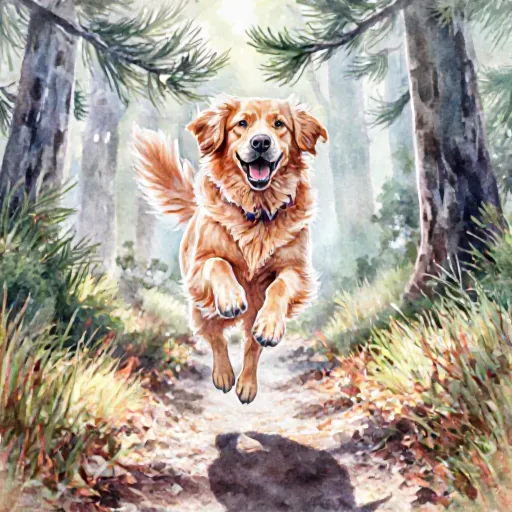
Trail‑time tail wags
Keep Your Dog Happy on Trails
Table of Contents
- Choosing the Right Gear for Your Dog
- Supervising Your Dog at All Times
- Providing Plenty of Water and Snacks
- Checking Weather and Terrain Conditions
- Identifying Poisonous Plants
- Establishing a Resting Spot
- Equipping First Aid Kit
- Leashing Your Dog Appropriately
- Avoiding Overexertion and Heatstroke
- Teaching Basic Commands
- Securing Your Dog's Identification Tags
- Planning the Hike in Advance
- Familiarizing with Local Regulations
- Conclusion
- FAQ
Choosing the Right Gear for Your Dog
When hiking with your dog, choosing the right gear is crucial for ensuring both your safety and that of your furry companion. The checklist provided by Hiking with Dogs serves as a solid foundation, but there are additional considerations to keep in mind when selecting appropriate equipment.
- Leash: A durable leash is essential. Opt for one that suits the terrain you will be hiking on. For rocky or uneven paths, a harness is preferable to a collar as it distributes weight across your dog's chest and torso. Make sure the leash is securely fastened and fits properly.
- Example: A padded harness with reflective strips for visibility in low-light conditions.
- Dog Booties: Protect your dog's paws from sharp rocks, hot surfaces, and thorns. Ensure they fit snugly to prevent them from falling off during the hike.
- Tip: Start training your dog to wear booties at home before the big adventure. This will reduce resistance on the trail.
- Water and Waste Bag: Bring a portable water bottle or hydration pack for both you and your dog. Also, carry a waste bag for any messes made during the hike to keep nature clean.
- Example: A small collapsible water bowl that fits easily in a backpack.
- Doggy First Aid Kit: Always have basic first aid supplies on hand, including bandages, antiseptic wipes, and tweezers. This can be the difference between a minor scrape and a more serious injury.
- Tip: Keep your kit up-to-date with fresh supplies regularly to ensure it remains effective.
Besides the basic gear, there are a few other factors to consider when preparing for a hike with your dog:
- Pack Size: Ensure that any pack you bring is appropriate for your dog's size and weight. Overloading can be harmful.
- Weather Conditions: Dress your dog appropriately based on the weather. For example, if it’s cold out, consider a raincoat or an insulated jacket. In hot conditions, opt for lightweight, breathable clothing to prevent overheating.
By carefully selecting and preparing the right gear, you can ensure that both you and your dog have a safe and enjoyable hiking experience. Follow these guidelines to make sure your adventure is memorable in all the right ways!
Supervising Your Dog at All Times
Ensuring that your dog is supervised at all times while hiking is crucial for both your safety and the well-being of your pet. This practice goes hand-in-hand with following a comprehensive safety checklist like the one provided in Hiking with Dogs: Safety Checklist.
Why Supervision Is Critical
- Avoiding Dangers: Unsupervised dogs may encounter hazards such as wildlife, poisonous plants, or dangerous terrain. Proper supervision ensures that any potential risks are identified and managed promptly.
- Preventing Distractions: Without supervision, your dog might become distracted by external stimuli like other animals or interesting scents, leading to unsafe behavior such as chasing after wildlife or digging into sensitive areas.
- Promoting Positive Behavior: By keeping a close watch on your dog's actions, you can reinforce good behaviors and discourage any unwanted habits that could cause harm or discomfort to both of you during the hike.
Practical Supervision Tips
- Use Leashes: Always use a leash for shorter hikes, especially in unfamiliar areas where your dog's behavior is less predictable. This helps maintain control and ensures that you can quickly address any issues.
- Designate Roles: If you're hiking with friends or family members who also have dogs, assign specific roles such as "leader" for the person who knows the trail best or has more experience in supervision. This division of responsibility can enhance safety and coordination.
- Stay Aware of Your Surroundings: Keep your eyes on where your dog is going at all times. Pay attention to changes in terrain, weather conditions, or signs of distress that might indicate a need for immediate action.
Examples from Hiking with Dogs: Safety Checklist
The Hiking with Dogs: Safety Checklist emphasizes the importance of supervision by suggesting several points:
- Dog Identification: Ensure your dog wears an ID tag, microchip, and current vaccination records. This information can be crucial in case your dog becomes lost or disoriented during a hike.
- Pack Essentials: Bring items like water, treats, first aid supplies, and waste bags to manage any unexpected situations gracefully. Supervision is key here too—ensuring that you distribute these resources effectively can prevent avoidable issues.
Conclusion
In conclusion, supervising your dog at all times while hiking is not just a responsibility but also a safety measure that contributes significantly to the enjoyment and success of your outdoor adventure. By following these tips and adhering to the advice in Hiking with Dogs: Safety Checklist, you can make sure every step of your hike is enjoyable and secure for both you and your furry companion.
Providing Plenty of Water and Snacks
Proper hydration is crucial for both your safety and that of your canine companion during a hiking trip. Dogs can easily suffer from dehydration, especially on hot days or when they are exerting a lot of energy. Ensuring you have enough water and snacks will help maintain their energy levels and prevent health issues.
Water Needs
The amount of water your dog needs depends on several factors including the temperature, humidity, duration of the hike, and exertion level. A good rule of thumb is to provide about 1/2 to 1 ounce of water per pound of body weight for each day they are hiking.
Snack Selection
When selecting snacks for your dog during hikes, choose lightweight, durable options that won't melt or spoil easily. Good choices include:
- High-quality dog treats
- Dry kibble
- Fruit slices (like apples)
- Cheese cubes
Practical Tips for Hiking with Dogs
Carry a portable water bottle or hydration system that can be easily accessed during the hike.
Pack snacks in a waterproof bag to keep them dry and safe from the elements.
Bring a collapsible bowl for easy access when you stop to let your dog drink water.
Signs of Dehydration
To ensure your dog remains hydrated during the hike, it's important to recognize signs of dehydration. These include:
- Dry gums and lips
- Lethargic behavior
- Dark urine or lack of urination
Conclusion
By providing plenty of water and snacks, you can help ensure a safe and enjoyable hiking experience for both you and your dog. Remember to stay hydrated as well; it's essential for your own safety on the trail.
Checking Weather and Terrain Conditions
When hiking with dogs, checking weather and terrain conditions is crucial for ensuring a safe and enjoyable experience. The environment can significantly impact both your dog's comfort and safety, so it's essential to be prepared for various scenarios.
Checking the Weather
The forecast should guide you in deciding whether or not to go hiking. Factors like temperature, wind chill, humidity, and precipitation can all affect both your dog and you. For example:
- Temperature: Dogs can overheat easily, especially if they are thick-coated breeds or if the activity level is high. Temperatures above 80°F (26°C) should be avoided unless you have a climate-controlled environment like an air-conditioned vehicle for the journey.
- Wind Chill: Even moderate temperatures can feel extreme when coupled with strong winds. Wind chill values below 32°F (0°C) may make it too cold for your dog to be outside for extended periods.
- Precipitation: Rain or snow can pose risks, especially if the weather is wet and slippery. It's important to consider how your dog handles rain and whether the terrain will be safe in wet conditions.
Evaluating Terrain Conditions
The terrain you are hiking on also plays a vital role in assessing safety:
- Steep Inclines and Descents: These can be dangerous for dogs, especially if they are not used to such challenging terrains. If the trail has steep sections, consider bringing along a harness that provides extra support.
- Rocky Surfaces: Sharp rocks or loose gravel can hurt your dog's paws and skin. Look into booties for protection against these elements.
- Soft Terrain: Soft ground like mud or sand can be exhausting for both you and your dog, leading to quicker fatigue. It can also increase the risk of injuries from stepping in hidden rocks or branches.
- Crossing Rivers: If there are streams that need crossing, check their depth and current speed. Avoid areas where water flows rapidly as it could be dangerous for both you and your dog.
Safety Checklist
To ensure a safe hike with your dog, here's a checklist to follow:
- Check the weather forecast and terrain conditions thoroughly.
- Ensure your dog is properly hydrated before you start hiking.
- Bring along appropriate gear such as leashes, harnesses, and booties if needed.
- Carry an ample supply of water for both you and your dog.
- Be prepared with snacks and treats to encourage your dog during breaks.
- Stay on marked trails to minimize the risk of getting lost or encountering wild animals.
- Know your dog's limits; avoid pushing them too hard, especially in unfamiliar environments.
In conclusion, by paying close attention to weather and terrain conditions before heading out for a hike with your dog, you can significantly enhance the overall experience. Always be prepared, stay informed, and prioritize your dog's well-being throughout the adventure.
Identifying Poisonous Plants
To ensure your hiking trip is both enjoyable and safe for you and your dog, it's crucial to identify poisonous plants that may be found along the trail. Familiarizing yourself with these plants can help prevent accidents and keep your furry friend out of harm's way.
- Toxicodendron (Poison Ivy): This plant is notorious for causing skin irritation when touched. It can grow as a vine or shrub and often has three leaflets per stem. Be sure to educate your dog on recognizing this plant by using positive reinforcement techniques.
- Rhododendron: Found in many hiking areas, especially in mountainous regions. All parts of the rhododendron are toxic if ingested. If you suspect that your dog has eaten any part of a rhododendron, seek veterinary help immediately.
- Lily-of-the-Valley: This plant is highly toxic to dogs and can cause severe cardiac issues even in small amounts. Keep an eye out for the white, bell-shaped flowers that grow on this plant.
- Aconite (Monkshood): Another plant that grows as a tall flower with distinctive purple or blue spade-shaped blooms. Even the slightest contact can lead to severe poisoning in dogs.
In case of ingestion, it's important to act swiftly:
- Identify the plant and gather a sample for identification by a professional.
- Contact your veterinarian immediately or use a poison control hotline specific to pets. Many organizations provide free consultations if you have a subscription with them.
- If necessary, induce vomiting at home before going to the vet, following instructions from a medical professional.
To minimize the risk of your dog coming into contact with poisonous plants:
- Educate yourself and your dog about the common poisonous plants in your area. Use tools like apps or guides to help identify them.
- Keep your dog on a leash during hikes, especially when you're unfamiliar with the terrain.
- Carry a first aid kit that includes items for treating potential poisonings and allergic reactions.
By taking these steps, you can help ensure a safer hiking experience for both you and your dog. Knowledge is key in preventing accidents on the trail.
Establishing a Resting Spot
When hiking with your dog, establishing a resting spot is crucial for both you and your furry companion's safety and enjoyment. A well-chosen spot can help prevent exhaustion, overheating, or dehydration, ensuring that your hike remains enjoyable and safe.
Selecting the Right Location
Look for areas with shade and protection from wind to keep your dog comfortable. Trees are ideal as they provide natural shelter and cooling through evaporation. Avoid hot spots like rocky areas or sand dunes, which can burn your dog's paws.
- Shade: Choose an area with ample shade to prevent overheating.
- Protection from Wind: Areas that block wind are preferable as they help keep the temperature comfortable.
- Water Source: If possible, have a nearby water source for both you and your dog. This helps in preventing dehydration.
- Level Ground: Flat ground allows your dog to rest comfortably without exerting too much energy trying to stay balanced on uneven terrain.
Packing Essentials
To make resting more comfortable and convenient, it's essential to pack the right gear. Here are some items you should consider including in your hiking kit:
- Leash: Keep control over your dog during breaks.
- Treats: Reward your dog for good behavior and to keep them engaged while resting.
- Pet-Sized Water Bottles: Ensure your dog has access to water even when you can't find a large water source.
- Dog Bed or Blankets: A small, portable bed or some blankets can make the resting spot more comfortable for your dog.
Safety and Supervision
Supervising your dog during rest breaks is crucial. Even in a well-chosen resting spot, dogs can still get into trouble if left unattended:
- Dog Behavior Monitoring: Be observant of your dog's behavior to ensure they are not showing signs of distress or discomfort.
- Leash Use: Keep the leash on during breaks so you can quickly react if needed.
- Check for Parasites and Pests: Regularly check your dog's paws, fur, and body for ticks, fleas, or other parasites. It’s also good to watch out for any signs of insect bites or stings.
Practical Tips
Here are some practical tips to ensure your rest breaks are comfortable and safe:
- Start Early: Take the first break early in the day when it’s cooler.
- Vary Breaks: Vary the type of resting spots you choose—some sunny, some shaded—to give your dog a variety and keep things interesting.
- Hydration Check: Regularly check if your dog is hydrated. Signs of dehydration include lethargy or lack of interest in water.
In conclusion, establishing a resting spot while hiking with dogs involves careful planning and preparation to ensure both you and your pet have a safe and enjoyable experience. By following these guidelines, you can help make your hiking trip memorable for all the right reasons!
Equipping First Aid Kit
When hiking with your dog, safety should be your top priority. A well-equipped first aid kit can make all the difference if an emergency arises. Here’s a detailed checklist to ensure you are prepared for any situation that may arise during your hike:
- Bandages and Adhesive Tape: These are crucial for covering wounds or holding dressings in place. Always carry different sizes to accommodate various injuries.
- Antibiotic Ointment: Helps prevent infection at the site of an injury.
- Burn Cream: Useful if your dog accidentally steps on hot surfaces or encounters a burn source during the hike.
- Cut-resistant Gloves: Protect yourself and your dog from cuts while handling wounds or debris.
- Pet-Specific Pain Relievers: Such as meloxicam, which can help manage pain if your dog gets injured. Always consult with a vet before using any medication.
- Bug Bite Ointment and Antihistamine: Protects against insect bites and allergic reactions that might occur during the hike.
- Eye Wash Solution: Helps clean dirt, debris, or chemicals from your dog's eyes. It can be a lifesaver if they encounter something in their environment that irritates their eyes.
- Brightly Colored Garbage Bags: Useful for disposing of waste safely and responsibly.
- Emergency Contact Information: Include the phone numbers of your local vet, animal poison control center, and emergency services. It’s also a good idea to have a list of nearby veterinary clinics or hiking trail maps.
- Sunscreen and Insect Repellent: Protect both you and your dog from sunburns and insect bites. Dogs can suffer from sunburns on their noses, ears, and paw pads just like humans.
- Veterinary Records: Carry a copy of important medical information about your dog in case they need immediate attention away from home.
- Water and Snacks: While not directly part of the first aid kit, having water and snacks can be crucial if you get stranded or have to wait for rescue. It’s also a good idea to keep them in your pack so that both you and your dog stay hydrated and energized.
- Use a waterproof, durable container with compartments to organize the items neatly.
- Ensure all items are easy to access without unpacking the entire kit each time you need something.
- Regularly check and restock your first aid kit. Replace expired medications and ensure that supplies are fresh and usable.
Equipping a comprehensive first aid kit is an essential part of hiking with dogs safely. By being prepared, you can help ensure the well-being of both you and your furry companion during outdoor adventures. Remember, prevention is key, but having these supplies ready ensures that if something goes wrong, you are ready to handle it effectively.
Leashing Your Dog Appropriately
Leashing your dog appropriately is crucial for a safe and enjoyable hiking experience. Proper leash use ensures that both you and your furry companion have a fun, stress-free trip. Here are some key considerations and practical tips to help you leash your dog correctly during hikes.
Tips for Leashing Your Dog Appropriately
- Choose the Right Leash: Not all leashes are created equal. For hiking, consider a durable leash that is at least 6 feet long to provide your dog enough space while still maintaining control. Look for a leash made from strong materials like nylon or reflective fabric for better visibility in low-light conditions.
- Example: A 6-foot, nylon retractable leash can be ideal as it allows your dog to explore while still staying close to you. Brands like Freedom Leashes offer high-quality options.
- Familiarize Your Dog with the Leash: Before heading into a hike, practice walking on-leash in your backyard or local park to get your pet used to the sensation of wearing a leash. This will make the transition to hiking more comfortable and reduce anxiety.
- Example: Start with short walks around the neighborhood, gradually increasing the distance as your dog becomes more comfortable. Positive reinforcement like treats can help make these training sessions enjoyable for both of you.
- Check for Obstructions: Always ensure that the leash is free from any potential obstructions such as plants or other hiking gear. This prevents accidental tangling and keeps your dog safe.
- Example: Regularly check the leash for wear and tear, particularly at the buckle and handle areas. Replace it if you notice any damage that could compromise its integrity during use.
- Control Loose Leashes: In crowded or busy trails, always maintain a firm grip on your dog’s leash to prevent them from running loose. This not only keeps your dog safe but also ensures you adhere to trail rules and regulations.
- Example: If you encounter other hikers or animals, it's important to keep the leash taut to avoid accidents. A firm grip allows you to quickly adjust if needed.
Practical Advice for Safe Hiking with Dogs
Following a comprehensive safety checklist can ensure that both you and your dog have an enjoyable hiking experience. Here’s how proper leash use aligns with the key points of the Hiking with Dogs: Safety Checklist:
- Leash Appropriately: Make sure your dog is leashed at all times to prevent escapes or encounters that could be harmful, especially in areas with wildlife. This directly supports point 3 of the safety checklist which emphasizes responsible leash use.
- Pack Responsibly: While packing for the hike, remember to include a leash as part of your essential gear. This ensures you're fully prepared and ready to handle any situation during the hike. Proper leash storage is also crucial; make sure it's easily accessible but not in the way while hiking.
- Example: Keep the leash in a small, secure pocket or bag that is part of your backpack or daypack. This keeps the leash out of the way but ready for use if needed.
- Stay Informed: Educate yourself about local trail regulations and any specific leash requirements. Some areas may have rules against leashes, so it's important to know these guidelines before you go. This aligns with the need for informed hiking practices outlined in the safety checklist.
- Example: Research online or contact park rangers to understand any leash restrictions in areas you plan to visit. Always follow local rules to ensure a safe environment for all hikers and their pets.
Conclusion
By following these tips on leashing your dog appropriately, you can contribute significantly to the safety of yourself, your pet, other hikers, and wildlife. Remember that responsible leash use is a fundamental part of being a good steward of nature during your outdoor adventures.
Avoiding Overexertion and Heatstroke
When hiking with dogs, it's crucial to prioritize your pet's safety and well-being. Excessive exertion or exposure to heat can lead to serious health issues for your furry companion. Here’s a detailed checklist to help you avoid overexertion and heatstroke:
Understanding the Risks
Dogs, unlike humans, do not sweat through their skin; instead, they cool themselves by panting. This makes them more susceptible to overheating in hot weather or during intense physical activity.
Signs of Heatstroke in Dogs:
- Panting heavily
- Lethargy and weakness
- Vomiting or diarrhea
- Bright red gums or pale coloration
- Difficulty breathing
- High body temperature (above 105°F)
Safety Checklist for Hiking with Dogs:
Pre-Hike Preparation:
- Check the Weather Conditions: Avoid hiking during peak heat hours (usually from 10 AM to 4 PM). Check the temperature and humidity levels before you start your hike.
- Choose the Right Trail: Opt for shaded, flat trails with easy access to water sources if possible. Steeper terrain increases the risk of overheating and exhaustion.
- Bring Proper Gear: Ensure your dog has a sturdy, comfortable harness or leash, and that they have a properly fitting collar with ID tags.
Hiking Safely:
- Hydration is Key: Always carry enough water for both you and your dog. Bring a portable water bowl if you plan to let your dog drink from streams or lakes.
- Take Breaks Regularly: Allow your dog time to rest in the shade, especially during hot weather. Signs of fatigue in dogs include panting, slowing down, and stopping for long periods.
- Watch Body Language: Pay attention to your dog’s body language. If they seem tired or uncomfortable, it's best to call the hike a day and return home.
Post-Hike Care:
- Avoid vigorous exercise immediately after hiking, especially if it was hot or humid.
- Mist your dog’s body with cool water to help bring down their temperature. Avoid using cold water or ice as this can shock them.
- Let your dog drink small amounts of water frequently rather than large gulps at once.
In conclusion, by following these guidelines and keeping an eye on your dog's behavior during the hike, you can significantly reduce the risk of heatstroke. Always prioritize your pet’s safety to ensure they enjoy every moment of your outdoor adventures!
Teaching Basic Commands
When hiking with dogs, it's essential for both safety and enjoyment that your dog knows basic commands. These commands not only enhance your experience but also ensure a safer adventure in the wilderness.
Teaching your dog simple commands such as "sit," "stay," "come," and "heel" can significantly improve their behavior during hikes. These skills help prevent distractions, reduce stress for both you and your pet, and allow you to focus on enjoying the environment.
- Sit: This command helps keep your dog calm when encountering wildlife or other dogs. It also teaches them patience and attention during walks.
- Example: When you see another dog, give the "sit" command to prevent your dog from rushing over.
- Stay: Essential for keeping your dog in place while you check your surroundings or take a break. It also builds trust and control between you and your pet.
- Example: While setting up camp, use the "stay" command to keep your dog by your side without wandering off.
- Come: This is crucial for preventing accidental separations and ensuring your dog returns when called. It's a life-saving command in case of emergencies.
- Example: In a crowded trailhead or near busy roads, use the "come" command to bring your dog back safely.
- Heel: This command ensures that your dog walks beside you on a leash without pulling. It maintains both your safety and your dog's comfort during hikes.
- Example: On steep trails or uneven terrain, the "heel" command helps maintain control over your dog’s pace and direction.
To effectively teach these commands, consistency is key. Here are some practical tips:
- Patience: Dogs learn at their own pace, so be patient and positive throughout the training process.
- Reinforcement: Reward your dog with treats or praise when they perform a command correctly. Positive reinforcement strengthens good behavior.
- Example: After teaching "sit," give your dog a treat and lots of verbal praise.
- Short Sessions: Dogs have short attention spans, so keep training sessions brief and fun to maintain their interest.
- Example: Train for 5-10 minutes at a time, especially when you're first teaching the commands.
- Practice in Different Environments: Training your dog in various settings prepares them to follow commands regardless of distractions or changes in scenery.
- Example: Practice "sit" and "stay" while hiking on different trails, both with and without other dogs present.
By teaching your dog basic commands like sit, stay, come, and heel, you not only enhance their behavior but also ensure a safer, more enjoyable hiking experience. Remember, the key to effective training is consistency, positive reinforcement, and practice in different environments.
Securing Your Dog's Identification Tags
When hiking with dogs, ensuring your pet’s safety should be a top priority. One crucial aspect of this is securing your dog's identification tags properly. These tags serve as vital information in case your dog gets lost or separated from you on the trail.
Types of Identification Tags
There are various types of identification tags available, each with its own benefits:
- ID Collar Tags: These are the most common and come in both metal and plastic materials. They typically include your pet's name, contact information, and any specific medical needs.
- For example, if your dog has a sensitive stomach or requires medication, this is where you would provide that information.
- Microchip Tags: While not visible to the naked eye, microchips are implanted under the skin and can be scanned by veterinarians. They contain unique identification numbers linked to your contact details.
- This is a permanent solution that ensures your dog's safety even if tags become lost or fall off.
Proper Placement and Secure Fasteners
To ensure your dog’s identification tags stay secure during the hike, it’s important to properly place them on their collar. Here are some tips:
- Select a Comfortable Collar: Make sure the collar fits snugly but comfortably around your dog's neck. An overly tight or loose fit can lead to discomfort or even injury.
- Look for collars made from materials like nylon or leather, which are durable yet comfortable for your pet.
- Use Durable Fasteners: Opt for a collar with quick-release buckles or snap hooks that can easily be opened in case of an emergency. This allows you to quickly remove the tag if needed without causing distress to your dog.
- Avoid clasp collars, as they may not hold tags securely during vigorous activities like hiking.
- Check Regularly: Before each hike, inspect the collar and tags for any signs of wear or damage. Replace them if necessary to ensure everything remains secure.
- This is especially important after a long hike where your dog may have bumped into rocks or branches that could potentially damage the tag or collar.
Additional Safety Measures
In addition to securing identification tags, there are other steps you can take to enhance your dog's safety during hikes:
- Carry a First Aid Kit: Always have a well-stocked first aid kit on hand. Include items like bandages, antiseptic wipes, and tweezers for minor injuries.
- This ensures you can quickly address any cuts or scrapes your dog may incur while on the trail.
- Stay on Marked Trails: Stick to well-maintained trails whenever possible. This reduces the risk of getting lost and decreases chances of encountering hazards like deep water crossings or steep drop-offs.
- If you do encounter a situation where your dog becomes separated from you, having familiar territory can greatly assist in locating them safely.
Conclusion
By taking the time to properly secure and maintain your dog's identification tags, along with implementing other safety measures like carrying a first aid kit and staying on marked trails, you're significantly enhancing their overall safety during hiking adventures. Remember, preparation is key when it comes to protecting your furry companion.
Planning the Hike in Advance
In order to ensure a safe and enjoyable hiking experience with your dog, thorough planning is crucial. Preparing ahead of time can help you avoid common pitfalls and make the most out of your adventure. Below are some key aspects to consider when planning your hike:
Research Your Destination
Before embarking on any hiking trip with your dog, it's important to research the trail and its conditions thoroughly. Check for factors such as distance, elevation gain, terrain type, and weather forecasts. Familiarize yourself with maps and signs that will guide you along the route.
Example: If you're hiking in an area known for rocky trails, ensure your dog's paws are protected by appropriate footwear or booties. Similarly, if the trail passes through dense vegetation, consider whether your dog can navigate such conditions comfortably.
Select Suitable Equipment
The right gear will make all the difference on a hiking trip with dogs. Make sure you have everything necessary including strong leash, ID tags for your pet, water bottles or hydration systems, and snacks or treats to reward good behavior.
Practical Advice: Invest in a quality harness rather than a collar; they are more comfortable on longer hikes as dogs can breathe better. Also, bring along extra poop bags and dispose of them responsibly at designated areas or waste stations.
Create an Emergency Plan
No matter how well planned your hike is, emergencies can happen. Having a solid emergency plan in place will help you respond quickly if something goes wrong. Make sure to inform someone about your hiking route and expected return time. Carry a first aid kit suitable for both humans and pets.
Example: If you notice signs of heat exhaustion or dehydration in your dog, knowing basic first aid techniques can be crucial until help arrives. Always keep emergency numbers handy, including local vets' contact details.
Pack Essentials
Besides the obvious like food and water, there are several other items you shouldn't overlook when preparing for a day out with your doggy companion:
- Leashes (multiple if needed)
- ID tags and microchip information
- First aid kit
- Hydration system or multiple water bottles
- Poop bags
- Treats for positive reinforcement training
Check the Safety Checklist
Refer to the Hiking with Dogs: Safety Checklist provided by experts to ensure you haven't overlooked any critical details:
- Verify the trail allows dogs.
- Evaluate the difficulty level of the trail against your dog's abilities.
- Ensure all members of your party are comfortable with the conditions and pace.
- Check the weather forecast for the day and plan accordingly.
- Carry a backup method of communication like a satellite phone or GPS device.
By following these steps, you can significantly enhance your chances of having a successful and memorable hiking experience with your beloved pet. Remember, proper preparation ensures everyone stays safe and happy during the adventure.
Familiarizing with Local Regulations
Familiarizing yourself with local regulations is crucial when hiking with dogs. Each region may have different rules regarding dog behavior, leash requirements, and permitted areas. Ignoring these regulations can lead to fines or restrictions that could impact your future excursions. Below is a comprehensive safety checklist designed specifically for hikers who bring their dogs.
Leash Requirements
- Check leash laws: Some parks and trails may have specific leash length or usage restrictions. Always ensure your dog is on an appropriate leash to comply with local regulations.
- Enforceable rules: Make sure you are aware of any enforceable regulations that could result in penalties if not followed, such as fines for off-leash dogs in certain areas.
Pickup Responsibility
In addition to leash laws, many regions have "dog waste" cleanup mandates. It is your responsibility to ensure you clean up after your pet and dispose of the waste properly. This not only maintains park cleanliness but also promotes a pleasant experience for other visitors.
- Carry bags: Always bring plastic bags or biodegradable poop bags in case of emergencies when regular trash bins are not available.
- Proper disposal: Familiarize yourself with the park's rules for disposing of pet waste. Some areas have specific receptacles, while others may require you to take it home and dispose of it in a nearby trash bin.
Animal Behavior Standards
Understanding what is expected behavior for dogs can prevent conflicts with other hikers or wildlife. Some areas have specific standards that all dogs must meet, such as no barking, no chasing animals, and being well-behaved.
- Bark control: If your dog tends to bark excessively, consider bringing earplugs for yourself or other hikers who may be affected. Some areas have strict barking regulations.
- No chasing wildlife: Ensure your dog does not chase birds, squirrels, or other animals. This can stress the wildlife and potentially lead to dangerous situations.
Permitted Areas
Not all areas are open for hiking with dogs. Some parks or trails may have designated off-limits zones that could pose risks to both your dog and other visitors.
- Research ahead: Before setting out, research the park's rules regarding hiking with dogs. Websites like the official park website often provide detailed information about which areas are open or closed for dogs.
- Check trailhead signs: Always check signs at trailheads and intersections to ensure you are following local regulations.
Emergency Preparedness
Being prepared for emergencies is essential, especially when hiking with dogs. Familiarize yourself with the park's emergency procedures and your dog's specific needs in case of an emergency situation.
- Contact information: Have a list of local emergency contacts handy, including animal control and wildlife rescue services.
- Dog-specific supplies: Ensure you have all necessary supplies for your dog, such as water, food, first aid kit, and identification tags.
By following these guidelines, you can ensure a safe and enjoyable experience for both yourself and your furry companion while respecting the local regulations and environment. Remember, responsible pet ownership contributes to a positive outdoor experience for everyone involved.
Conclusion
Incorporating your furry companion into outdoor activities like hiking can be a rewarding experience, but it's crucial to ensure both your dog and you stay safe during these adventures. The Hiking with Dogs: Safety Checklist is an essential resource that provides a comprehensive guide to preparing for such outings. By following this checklist, you not only enhance the safety of your hike but also contribute to preserving natural environments.
Exploring the Checklist in Detail
The Hiking with Dogs: Safety Checklist includes several key areas that need attention before heading out on a hiking trip. These include:
- Dog Fitness and Health: Ensure your dog is physically fit for the hike you plan to undertake. Consult with a vet if necessary, especially if your dog has any pre-existing conditions.
- Pack Essentials: Prepare a well-equipped backpack for both you and your dog. This should include water, food, first-aid supplies, leash, waste bags, and identification tags. It's also wise to have a backup plan in case of emergencies.
- Weather Conditions: Check the weather forecast before setting off. Hiking during extreme temperatures or adverse weather can be dangerous for both you and your dog. Always prioritize safety over schedule.
- Natural Environment Respect: Educate yourself on local wildlife, plants, and ecosystems. Keep a safe distance from any wild animals and avoid disturbing natural habitats as much as possible.
Practical Tips for Hiking with Dogs
To make your hiking experience more enjoyable and safer for both you and your dog, consider these practical tips:
- Practice Trail Etiquette: Be aware of the trail rules and etiquette. For instance, keep your dog on a leash in certain areas, especially if there are other hikers or wildlife.
- Stay Hydrated: Just like you, dogs can get dehydrated during hikes. Carry enough water for both of you, and ensure your dog drinks regularly throughout the hike.
- Monitor Your Dog's Behavior: Watch out for any signs that indicate your dog is overexerting themselves or feeling uncomfortable. Promptly take a break if necessary.
In conclusion, by adhering to the Hiking with Dogs: Safety Checklist and employing these additional tips, you can significantly enhance the safety and enjoyment of your hiking trips with your canine companion. Remember, responsible pet ownership extends beyond just caring for your dog at home; it also includes ensuring they have a safe and enjoyable experience in nature.
FAQ
What gear should I bring for hiking with my dog?
To ensure a safe and enjoyable hike, it's important to prepare properly. Here’s what you should consider including in your pack:
- Hiking boots: Ensure that both you and your dog wear appropriate footwear suitable for the terrain.
- Leash and harness: A leash is essential, especially if there are other hikers or wildlife around. Consider a harness to prevent choking loops from becoming problematic on steep ascents.
- Muzzles: If you plan to hike off-leash in a restricted area, make sure your dog wears an appropriate muzzle to protect both your pet and others.
- Water bottles or hydration systems: Bring enough water for both you and your dog. Dehydration is serious, especially on hot days.
- Pet first aid kit: Include basic items like bandages, antiseptic wipes, and a muzzle. Knowing how to use these can be critical in an emergency.
How do I choose the right trail for hiking with my dog?
Selecting the appropriate trail is crucial for both your safety and that of your pet. Consider the following:
- Pet-friendly trails: Research parks and trails known to welcome dogs. Websites like HikingWithDogs.com often provide detailed information.
- Trail difficulty: Ensure the trail aligns with your dog's fitness level, just as you would choose a route suitable for your own physical condition.
- Weather conditions: Check forecasts and adjust plans accordingly. High temperatures or severe weather could be dangerous.
What are the safety precautions I should take during a hike?
Safety is paramount when hiking with your dog. Here are some essential tips:
- Stay on marked trails: This helps prevent getting lost and reduces the risk of disturbing wildlife.
- Pick up after your pet: Always carry waste bags to clean up, keeping the environment tidy for others.
- Watch for signs: Pay attention to any posted signs that indicate restricted areas or hazards like poison oak.
- Dog agility and obedience training: Ensure your dog is trained to follow basic commands. This will help keep both you and your pet safe in various situations.
What should I do if my dog gets lost or injured on the trail?
In case of an emergency, here’s what to do:
- Stay calm: Panicking can make a bad situation worse. Focus on finding your way back and seeking help.
- Contact authorities: Use a cell phone or radio to call local rescue services if available.
- Provide first aid: If your dog is injured, use the items in your pet first aid kit. Remember that it’s temporary and professional help will be needed later.
How do I prepare my dog for a hiking adventure?
To make sure both you and your dog have the best experience, preparation is key:
- Fitness training: Regular exercise helps build endurance. Start with shorter walks to gradually increase the distance.
- Leash practice: Ensure your dog is comfortable walking on a leash before heading out into more challenging terrain.
- Muzzle training (if necessary): If you plan to hike off-leash in restricted areas, practice with the muzzle beforehand so it's not intimidating for them.
Categories
- AI & Enrichment Play
- Broiler Farming
- Broiler Farming Tips
- Canine Wellness & Longevity
- Cat
- Cat & Human Connection
- Cat Adoption & Rescue
- Cat Breeds
- Cat Breeds & Personalities
- Cat Care & Health
- Cat Grooming & Hygiene
- Cat Lifestyle & Environment
- Cat Myths & History
- Cat Nutrition & Diet
- Cat Products & Reviews
- Cat Training & Behavior
- Comparison
- Consumer Awareness
- Dog
- Dog Accessories & Products
- Dog Adoption & Rescue
- Dog Breed & Lifestyle Trends
- Dog Breeding & Puppies
- Dog Entertainment & Media
- Dog Fashion & Trends
- Dog Fun & Lifestyle
- Dog Grooming & Hygiene
- Dog History & Culture
- Dog Myths, Science & Future Tech
- Dog News & Trends
- Dog Nutrition & Food
- Dog Psychology & Emotions
- Dog Safety & Security
- Dog Sports & Activities
- Dog Technology & Innovation
- Dog Training for Modern Owners
- Dog Travel & Adventure
- Dog Travel, Adventure & Culture
- Economic and Market Insights
- Educational Content
- FAQs
- Feeding Alternatives
- Festivals & Seasonal Ideas
- Fun & Entertainment
- General Knowledge
- General Pig Farming
- Health & Disease Management
- Housing and Environment
- Kittens
- Market Insights
- Miscellaneous
- Miscellaneous
- Motivational
- pig
- Pig Breeding
- Pig Breeds
- Pig Farming Stories and Inspiration
- Pig Health and Care
- Pig Nutrition
- Pig Products
- Profitability & Business
- Puppy Care
- Puppy Predictable Topics Reinvented
- Regional Focus
- Rescue & Adoption Buzz
- Senior Cats
- Senior Dog Care
- Smart Dog Tech & Gadgets
- Sustainability
- Sustainable & Eco-Friendly Dog Products
- Tech & Innovations
- Working & Service Dogs
- Broiler Feed66 products
- Country Feed33 products
- Pig Feed66 products
- Product22 products
- Raw Materials99 products
Products
-
 Fish Meal
₹1,999.00 – ₹2,999.00Price range: ₹1,999.00 through ₹2,999.00Rated 0 out of 5
Fish Meal
₹1,999.00 – ₹2,999.00Price range: ₹1,999.00 through ₹2,999.00Rated 0 out of 5 -
 FATTENING BROILER FEED
₹2,299.00 – ₹2,349.00Price range: ₹2,299.00 through ₹2,349.00Rated 0 out of 5
FATTENING BROILER FEED
₹2,299.00 – ₹2,349.00Price range: ₹2,299.00 through ₹2,349.00Rated 0 out of 5 -
 LAYER COUNTRY FEED
₹1,549.00 – ₹1,649.00Price range: ₹1,549.00 through ₹1,649.00Rated 0 out of 5
LAYER COUNTRY FEED
₹1,549.00 – ₹1,649.00Price range: ₹1,549.00 through ₹1,649.00Rated 0 out of 5 -
 COUNTER BROILER FEED
₹1,199.00 – ₹1,299.00Price range: ₹1,199.00 through ₹1,299.00Rated 0 out of 5
COUNTER BROILER FEED
₹1,199.00 – ₹1,299.00Price range: ₹1,199.00 through ₹1,299.00Rated 0 out of 5 -
 LACTATING PIG FEED
Rated 0 out of 5
LACTATING PIG FEED
Rated 0 out of 5₹2,299.00Original price was: ₹2,299.00.₹1,740.00Current price is: ₹1,740.00. -
 Maize
Rated 0 out of 5
Maize
Rated 0 out of 5₹1,650.00Original price was: ₹1,650.00.₹1,300.00Current price is: ₹1,300.00. -
 GESTATION PIG FEED (Phase 1)
Rated 0 out of 5
GESTATION PIG FEED (Phase 1)
Rated 0 out of 5₹2,249.00Original price was: ₹2,249.00.₹1,699.00Current price is: ₹1,699.00. -
 Pre Starter Broiler Feed
₹2,399.00 – ₹2,499.00Price range: ₹2,399.00 through ₹2,499.00Rated 0 out of 5
Pre Starter Broiler Feed
₹2,399.00 – ₹2,499.00Price range: ₹2,399.00 through ₹2,499.00Rated 0 out of 5 -
 FINISHER PIG FEED
Rated 0 out of 5
FINISHER PIG FEED
Rated 0 out of 5₹2,299.00Original price was: ₹2,299.00.₹1,749.00Current price is: ₹1,749.00. -
 Broiler Premix
Rated 0 out of 5
Broiler Premix
Rated 0 out of 5₹820.00Original price was: ₹820.00.₹699.00Current price is: ₹699.00.