
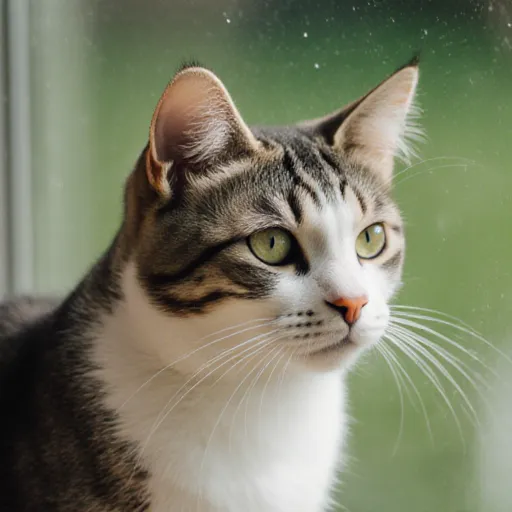
Decide What's Best: Indoors or Outdoors for Your Cat?
Life Choices: Indoor or Outdoor for Your Feline?
Table of Contents
- Indoor Cats: Lifestyle and Health Benefits
- Outdoor Cats: Freedom and Natural Environment
- Indoor Cats: Reduced Risk of Injuries
- Outdoor Cats: Increased Exposure to Diseases
- Indoor Cats: Protection from Predators
- Outdoor Cats: Opportunity for Hunting and Exercise
- Indoor Cats: Easier to Control Diet
- Outdoor Cats: Variable Food Intake
- Indoor Cats: Lower Energy Expenditure
- Outdoor Cats: Higher Risk of Getting Lost or Hit by Cars
- Conclusion
- FAQ
- Indoor Cats: Potential for Boredom
- Outdoor Cats: Challenges in Management and Control
- Indoor vs Outdoor Cats: Balancing Act
Indoor Cats: Lifestyle and Health Benefits
Indoor cats offer a lifestyle that is often more predictable, convenient, and safer compared to their outdoor counterparts. However, this indoor lifestyle comes with its own set of benefits for both the cat and the owner.
In terms of health and longevity, indoor cats typically live longer lives than outdoor cats. Indoor cats are protected from hazards such as traffic accidents, infectious diseases spread by wildlife or stray animals, and encounters with aggressive pets or other dangers present in the outdoors.
For example, an average indoor cat can expect to live between 12 to 18 years, while a typical outdoor cat's life expectancy is around 4 to 5 years. The American Association of Feline Practitioners states that indoor cats have access to safer environments and are therefore healthier for longer periods.
Indoor cats can be fed a more controlled diet, which contributes significantly to their overall health. Outdoor cats often scavenge or eat whatever they find, which might include harmful substances like antifreeze or toxic plants, as well as potentially unbalanced nutrition.
With indoor cats, owners have the opportunity to regulate their food intake and choose quality cat foods that meet nutritional requirements without the risk of consuming contaminated or inappropriate items. This controlled diet can lead to better weight management and lower the likelihood of obesity-related health issues.
Living indoors makes it easier for owners to monitor their cat's health and well-being closely. Regular veterinary check-ups are more practical, which leads to early detection and treatment of potential health problems.
Cats that live outdoors might not be as accessible for regular vet visits, increasing the chances of undiagnosed or untreated conditions. Indoor cats can undergo routine vaccinations, dental cleanings, and other preventive care measures without the stress associated with outdoor risks.
Indoor cats tend to exhibit more predictable behaviors because they are not exposed to unpredictable environmental factors found outdoors. This makes them easier to train and manage in terms of litter box use, scratching behavior, and social interactions within the household.
For instance, indoor cats often form strong bonds with their human families, leading to greater companionship and emotional support for both parties. They are less likely to engage in destructive behaviors like digging or hunting compared to outdoor cats.
Indoor cats can have a more manageable energy level because they don't need to expend as much physical effort to avoid predators or find food. This makes indoor cats generally less active than their outdoor counterparts, but it also means that indoor cats may be calmer and more suitable for apartment living.
Owners of indoor cats should provide plenty of mental stimulation through toys and activities to ensure the cat remains engaged and content. Puzzle feeders, laser pointers, and interactive play sessions can help keep an indoor cat’s mind active and prevent boredom, which might otherwise lead to destructive behaviors or health issues related to inactivity.
Indoor cats do not contribute to the same level of environmental impact as outdoor cats. Outdoor cats are known for leaving behind litter that can contaminate water sources and spread disease, while also potentially hunting local wildlife like birds or small rodents.
An indoor cat does not engage in these practices, helping to preserve both urban environments and natural ecosystems. This is especially beneficial in densely populated areas where outdoor cats could have a significant negative impact on the environment.
In summary, while outdoor cats have their own set of benefits and challenges, indoor cats offer a safer, healthier, and more manageable lifestyle for both the cat and its owner. By providing an appropriate indoor environment with proper care and attention, owners can ensure that their indoor cats enjoy long, happy lives filled with love and companionship.
Outdoor Cats: Freedom and Natural Environment
Outdoor cats have a life that closely mimics their wild ancestors, offering them freedom to explore, hunt, and experience natural environments. This lifestyle can provide outdoor cats with an array of benefits not available to indoor-only pets. However, it is crucial for cat owners to be aware of the pros and cons associated with this choice before deciding on how much time their pet should spend outdoors.
- Natural Behavior Fulfillment: Outdoor cats can engage in behaviors that are natural to them, such as hunting and exploring. This can help reduce stress and boredom.
- Cats may catch small rodents or insects which they would naturally hunt.
- The ability to explore different areas can provide mental stimulation.
Outdoor cats often have more opportunities for exercise and physical activity. This can help them maintain a healthy weight and overall fitness. - Frequent walks or playtime in the backyard can mimic natural hunting activities, keeping muscles toned.
- The variety of terrain they encounter, such as grassy areas or rocky paths, can provide different forms of exercise.
One of the significant risks associated with outdoor cats is the danger posed by vehicles. Cars are a leading cause of death for free-roaming felines. - Cats can dart into roads unexpectedly, especially if chasing after prey or exploring new areas.
- Even small, well-hidden roadsides pose significant dangers due to the speed and unpredictability of vehicles.
Outdoor cats are vulnerable to attacks from larger animals such as dogs, coyotes, or even other cats. In addition, they might encounter dangerous wildlife like snakes, raccoons, or skunks. - Cats can be injured by these encounters, leading to serious health issues and potentially death.
- Encounters with rabid animals could also pose a risk to the cat's safety and the community at large.
Outdoor cats are exposed to various threats that can lead to illness or injury. From exposure to toxins like pesticides in gardens, to parasites such as fleas and ticks. - Their open access to the environment increases their chance of contracting diseases from other animals or insects.
- Contaminated water sources could also lead to health problems if not adequately protected by a collar with ID tags and a microchip for easy tracking in case of injury.
If you are considering allowing your cat outdoor access, it is essential to weigh the risks against the benefits carefully. Here are some practical tips:
- Create a Safe Outdoor Space: Encourage your cat's natural desires and behaviors by providing them with an enclosed space where they can explore and play safely. This could include a secure, fenced-in yard or use of a catio (catio) to provide indoor access to the outdoors.
- Ensure that the area is free from hazards like toxic plants, harmful insects, and dangerous objects.
- Install gates or fences with appropriate mesh size to prevent escape.
Teach your cat basic commands and train them to come when called. This can significantly reduce the chances of them wandering too far from home or getting into dangerous situations. - Cats that are trained to stay close to their owners or within a defined space are less likely to encounter predators, traffic, or other dangers.
- Use positive reinforcement methods such as treats and praise when they follow commands correctly.
For those days when your cat needs to stay indoors for safety reasons (like during a storm), provide enriching activities. Toys, puzzles, and interactive playtime can help keep them engaged and happy.
In conclusion, while outdoor life offers freedom and natural experiences that benefit many cats, it also comes with significant risks. By providing a safe environment and carefully considering your cat's needs, you can make the best decision for both their health and happiness.
Indoor Cats: Reduced Risk of Injuries
Living indoors provides a safer environment for cats, significantly reducing their risk of injuries compared to outdoor cats. This section explores the advantages of keeping your cat inside and how it contributes to a healthier and longer life for your pet.
Reduced Exposure to Hazards
- Poisonous Plants: Indoor cats are protected from harmful plants that can be found outdoors. Cats like to nibble on plants, and some common houseplants such as lilies, chrysanthemums, and philodendrons are toxic to cats. Keeping your cat indoors ensures they won't come into contact with these dangerous plants.
- Road Traffic: Outdoor cats face the constant threat of being hit by cars or trucks. This risk is eliminated for indoor cats who never have to step outside. Studies show that outdoor cats are three times more likely to be killed by road traffic compared to indoor cats.
- Predators and Wildlife: Predatory animals such as dogs, coyotes, and birds of prey pose a significant threat to outdoor cats. Indoor cats are not exposed to these dangers, which can lead to severe injuries or even death.
Better Nutrition and Weight Management
Indoor cats have the advantage of being closely monitored by their owners, allowing for better nutrition management. Owners can control the types of food fed to their indoor cats, ensuring they receive a balanced diet that meets all their nutritional needs. This leads to healthier weight management, reducing the risk of obesity and associated health issues like diabetes and heart disease.
Lower Stress Levels
Outdoor environments are unpredictable and can be stressful for cats, especially in urban areas with lots of noise and activity. Indoor cats live a more stable and predictable life, which leads to lower stress levels. Lower stress is linked to better overall health and longevity. Additionally, indoor cats are less likely to develop behavioral problems such as litter box avoidance or aggression.
Conclusion
In summary, keeping your cat indoors offers numerous benefits in terms of safety and wellness. By protecting them from external hazards like traffic, predators, and toxic plants, you're setting the stage for a longer, healthier life for your feline companion. While some may argue that outdoor cats have access to more exercise, this can often lead to other risks. With proper indoor stimulation through toys and interactive playtime, indoor cats can stay active and fit without facing these dangers.
Outdoor Cats: Increased Exposure to Diseases
Outdoor cats face a higher risk of exposure to various diseases compared to their indoor counterparts. The primary reason for this increased vulnerability lies in the environment and lifestyle differences between these two types of cats. Outdoor cats spend more time outside, which exposes them to a wider range of pathogens, parasites, and infectious agents.
- Feline Leukemia Virus (FeLV): FeLV can be transmitted through bites from infected cats or by sharing food bowls. Outdoor cats are more likely to come into contact with other infected animals, increasing their risk of exposure.
- Feline Immunodeficiency Virus (FIV): Similar to HIV in humans, FIV weakens the immune system and can be spread through saliva during fights or bites with infected animals. Outdoor cats have a higher chance of encountering such encounters.
- Rabies: Rabies is often contracted from wild animals like raccoons, skunks, bats, and foxes. Since outdoor cats spend more time in areas where these wildlife species live, they are at greater risk for rabies exposure.
Outdoor cats are also more susceptible to parasitic infections such as roundworms, hookworms, and tapeworms. These parasites can enter the cat's body through contaminated soil or by eating infected rodents.
- Roundworms: Common in outdoor environments, these worms are highly contagious and pose a significant health threat to cats as well as humans (especially children).
- Tapeworms: Caused by ingesting fleas or small animals infected with tapeworm larvae, these can lead to malnutrition if left untreated.
Vaccinations play a crucial role in protecting both indoor and outdoor cats from diseases. However, the types of vaccines recommended may differ based on lifestyle. For instance, an outdoor cat should be vaccinated against rabies, FeLV, and FIV, while indoor cats might only need vaccinations for common household-based illnesses.
- Vaccinate: Ensure your outdoor cat is up-to-date on all recommended vaccines to build immunity against potentially deadly diseases.
- Deworm and Flea Treatments: Regular deworming and flea treatments are essential for keeping parasites at bay. Consult a veterinarian to find the right products tailored to your pet's specific needs.
- Microchip and ID Tags: Microchipping provides a permanent way of identifying your cat, while ID tags can alert others about your pet’s outdoor life in case they become lost.
- Monitor Health Closely: Regular veterinary check-ups are important to catch any health issues early. Pay special attention if your cat seems lethargic or has unusual behavior.
In summary, while outdoor cats enjoy the freedom and natural environment they thrive in, it comes with increased risks of disease exposure. By understanding these risks and implementing preventive measures, you can help keep your furry friend healthy and happy.
Indoor Cats: Protection from Predators
For cat owners who prefer their pets to live a safer, more controlled lifestyle indoors, keeping cats as indoor-only pets is a popular choice. However, this decision also comes with its own set of challenges when it comes to protecting your feline friend from predators. Indoor versus outdoor living each has its pros and cons, particularly regarding safety. Here’s how you can keep your indoor cat protected:
Understanding the Risks
Cats that live indoors are generally safer from external threats such as wildlife (e.g., raccoons, skunks, coyotes) and vehicular accidents. However, this doesn't mean they are entirely safe. Indoor cats can still face risks like exposure to poisonous household plants or dangerous chemicals. They might also suffer from a lack of physical and mental stimulation, leading to boredom and stress which could contribute to behavioral issues.
Protective Measures
- Secure Your Home: Make sure your home is safe by securing windows and doors. Cats can be quite agile; a small gap around the door or an open window can provide enough room for them to escape.
- Supervision: Supervising your cat while it's outside (which is rare for indoor cats) can help ensure they don't venture into dangerous areas.
- Consider Fencing: If feasible, consider installing a secure fence in your yard. This can prevent other animals from entering the space while still allowing your cat some fresh air and exercise.
- Interactive Toys: Keeping indoor cats mentally stimulated helps reduce stress and boredom, which can lead to behavioral issues. Providing a variety of interactive toys encourages physical activity and mental engagement.
To secure your home, consider using pet-proof locks on doors and windows. These are specifically designed to keep pets inside without compromising human safety when you're out of the house.
If you do have an outdoor space that your cat must access, like a balcony or enclosed porch, make sure to keep them under close supervision. Cats are naturally curious and might try to explore even when they shouldn’t.
Fences should be tall enough to discourage even the most determined climbers or jumpers. A height of about 6 feet is recommended for this purpose.
Examples of interactive toys include laser pointers, feather wands, and treat-dispensing puzzle feeders. These not only keep your cat entertained but also provide physical exercise which is crucial for their health.
Promoting a Balanced Indoor Lifestyle
To balance the protection of an indoor lifestyle with keeping your cat happy and healthy, it's essential to provide a stimulating environment. This includes:
- Regular feeding routines that mimic natural hunting behavior.
- Social interactions with you or other pets (if applicable).
- A routine that includes playtime, grooming, and regular veterinary check-ups.
Conclusion
While indoor cats are generally safer from external threats like predators, it's crucial to recognize the risks they face within the home. By taking proactive steps to secure your living space and providing a rich environment that meets their physical and psychological needs, you can ensure that your indoor cat lives a healthy and happy life.
Outdoor Cats: Opportunity for Hunting and Exercise
For outdoor cats, there is a unique opportunity to engage in hunting and exercise that is not available to their indoor counterparts. Outdoor cats can explore the natural environment, which includes various terrains such as grassy fields, wooded areas, and gardens. This exposure to diverse environments allows them to develop and practice essential skills like stalking, pouncing, and climbing.
Hunting Opportunities
Outdoor cats have a plethora of opportunities for hunting small prey such as birds, mice, voles, and insects. These activities not only provide mental stimulation but also help in maintaining their natural instincts. Hunting can significantly contribute to the physical fitness of outdoor cats. However, it is important to note that while this behavior can be beneficial, excessive predation on wildlife should be discouraged for ethical reasons.
Exercise and Physical Health
The freedom to roam outdoors means that cats can engage in a wide range of physical activities such as chasing after moving objects, climbing trees, or simply running around. These activities help outdoor cats maintain healthy body weights and strong muscles. Regular exercise is crucial for the overall health and well-being of cats; it helps prevent obesity and related health issues.
Comparing Indoor vs Outdoor Cats
- Outdoor Cats: Have more opportunities to engage in hunting and physical activities, which can lead to better mental and physical health. However, they are also at higher risk for accidents, diseases, and predatory encounters.
- Indoor Cats: While lacking the freedom of outdoor exploration, they have lower risks associated with traffic, disease, and predators. Indoor cats are safer but may experience boredom or lack of mental stimulation without adequate playtime or interactive toys.
To ensure that outdoor cats remain safe while benefiting from hunting and exercise opportunities, it is crucial to provide them with appropriate supervision, a secure area within the yard, and regular health check-ups. Additionally, considering the pros and cons of both indoor and outdoor living can help in making informed decisions about your cat's lifestyle.
Indoor Cats: Easier to Control Diet
Indoor cats have a distinct advantage when it comes to managing their diet, which is one of the key aspects to consider when comparing indoor and outdoor cats. The primary reason for this is that indoor cats are not exposed to the same wide array of food sources that outdoor cats encounter daily. This allows owners to take more control over what goes into their pet's body.
Consistency in Feeding
With indoor cats, you can ensure a consistent and balanced diet. Since they are not scavenging for food outside, the responsibility falls entirely on your shoulders to provide them with meals that meet all their nutritional needs. This means carefully selecting high-quality cat food or preparing homemade meals that include all essential nutrients such as protein, fats, carbohydrates, vitamins, and minerals.
For example, if you choose commercial cat foods, look for those labeled as 'complete and balanced' by a veterinary organization like the Association of American Feed Control Officials (AAFCO). These products are formulated to meet all your indoor cat's dietary requirements. On the other hand, homemade meals can be tailored specifically based on your vet’s recommendations.
Portion Control
Indoor cats often require less food than outdoor cats because they have a more sedentary lifestyle and burn fewer calories. As an owner, you need to adjust portion sizes according to the activity level of your cat. For instance, if your indoor kitty spends most of her day lounging around, she won’t need as much energy-rich food compared to another who is more active.
Practical advice: Weigh out each meal before feeding and aim for about 2-3 tablespoons per pound body weight every day. Regularly check the nutritional labels on commercial foods or consult with a veterinarian if you're preparing home-cooked meals. Overfeeding can lead to obesity, which poses serious health risks like diabetes, liver disease, joint problems, etc.
Prevention of Obesity
Obesity is a common issue among indoor cats due to their lack of physical activity and easy access to food. However, by controlling what they eat closely, you can significantly reduce these risks. Monitoring your pet’s weight regularly using scales made specifically for animals will help you identify any changes early.
Consider creating an environment that encourages your indoor cat to move more. Simple activities like providing cat trees or climbing towers stimulate natural behaviors such as hunting and climbing. Interactive toys also promote play and exercise, which can contribute positively towards maintaining a healthy body weight.
Conclusion
In summary, while both types of cats present unique challenges regarding their dietary management, indoor cats provide an opportunity for easier control over what they consume. By understanding your pet's specific needs and making informed choices about their nutrition, you can contribute greatly to their overall health and longevity.
Outdoor Cats: Variable Food Intake
Outdoor cats often exhibit a more variable food intake compared to their indoor counterparts. This difference is primarily due to the differences in their daily routines and environmental factors.
The natural hunting behavior of outdoor cats can lead to irregular feeding patterns. Unlike indoor cats, who typically eat定时生成
Indoor cats have a lower energy expenditure compared to their outdoor counterparts due to several factors that are intrinsic to their indoor lifestyle. Living primarily indoors, they do not engage in the same level of physical activity as outdoor cats, which can lead to different health outcomes. The primary reason for lower energy expenditure in indoor cats is their reduced need for physical exertion. Outdoor cats spend a significant portion of their day hunting and exploring, activities that are essential for their survival but not necessary when living indoors. Indoor cats, on the other hand, rely more heavily on human interaction and playtime to satisfy these natural instincts. The lower energy expenditure in indoor cats can lead to several health implications. One of the most notable is weight gain, which is a common issue among sedentary pets. Obesity in cats can lead to various health problems such as diabetes, joint issues, and respiratory difficulties. Regular playtime and interactive toys are crucial for maintaining their physical fitness. The environment plays a significant role in determining the energy expenditure of indoor cats. The absence of outdoor stimuli means that they rely more on their surroundings to stimulate them. For instance, owners can introduce new toys or rearrange their living space to provide different stimulation every day. This not only increases the cat's activity level but also keeps them mentally stimulated. Example: A study conducted by the Association for Pet Obesity Prevention found that 59% of cats were overweight or obese, a condition often attributed to an inactive lifestyle. This underscores the importance of providing adequate stimulation. Practical Advice: Owners can enhance their indoor cat's energy expenditure and overall health by incorporating daily play sessions using interactive toys such as feather wands or laser pointers. Additionally, vertical space in the home can be utilized to create climbing structures that encourage cats to move more. In summary, indoor cats generally expend less energy than outdoor cats due to their sedentary lifestyle and reduced need for physical activity. However, this does not mean they are any less healthy or content. By providing appropriate stimulation through playtime and interactive environments, owners can ensure that their indoor cats remain physically active and thrive in a controlled environment. Outdoor cats face a higher risk of getting lost or being hit by cars compared to indoor cats. This difference arises primarily from the lifestyle choices and exposure to external factors that outdoor cats experience. The open environment poses several dangers for outdoor cats, including traffic accidents. Outdoor cats are more likely to be hit by cars as they wander into busy streets or roadsides without the protection of being inside a secure home. The lack of a safe shelter can expose them to unpredictable and often life-threatening situations. Cats that spend time outdoors are more susceptible to getting lost due to their natural curiosity and tendency to explore unfamiliar areas. Outdoor cats may roam longer distances, leading to a higher chance of becoming disoriented or unable to find their way back home. Factors such as changes in the neighborhood, construction activities, or even weather conditions can make it difficult for an outdoor cat to navigate its environment effectively. Indoor cats have a significantly lower risk of these dangers because they are confined within a controlled and safe environment. They do not face the same risks associated with traffic or getting lost in unfamiliar territory. However, this does not mean that indoor cats are completely protected from harm. It's crucial to ensure that outdoor cats are microchipped and wearing reflective collars to increase their chances of being found if they ever get lost. In summary, while there are benefits to letting your cat experience the outdoors, it's essential to be mindful of the associated risks. By following these practical steps and providing proper care, you can help ensure that your outdoor cat remains safe from getting lost or being hit by cars. When deciding between an indoor or outdoor cat, it's essential to consider a variety of factors that can significantly impact both your pet’s health and happiness. Each lifestyle has its own set of pros and cons, and understanding these differences is crucial in making the right choice for you and your feline companion. Pros: Cons: Pros: Cons: In conclusion, both indoor and outdoor cat lifestyles come with their own set of advantages and disadvantages. The best decision for your cat depends heavily on your lifestyle and environment. If safety is a priority and you can provide an enriched indoor environment, an indoor cat might be the right choice. However, if you have a safe and secure outdoor space where your cat can roam and enjoy nature, then an outdoor life could suit them better. The primary difference lies in their environment. Indoor cats live primarily indoors, while outdoor cats spend a significant amount of time outside. This distinction can have various implications on their health, behavior, and overall well-being. Keeping a cat indoors comes with several benefits: The decision to keep a cat indoors does come with some drawbacks: Outdoor cats have unique advantages: The decision to let a cat outside also comes with risks: When comparing indoor cats to outdoor cats, one of the key differences lies in their environment. While outdoor cats have the freedom to explore and hunt, indoor cats are confined to a home setting which can sometimes lead to boredom. This is especially true during periods when pet owners are away or unable to provide sufficient stimulation. Outdoor Cats: Indoor Cats: Indoor cats often spend their days indoors, where they may not have enough mental or physical stimulation. This lack of engagement can lead to boredom, which can manifest as destructive behaviors such as scratching furniture, chewing on inappropriate items, or even excessive meowing. To combat boredom and prevent negative behaviors, it is important to provide indoor cats with a variety of stimulating activities. Here are some practical tips: In conclusion, while indoor cats offer many benefits in terms of safety and protection from environmental hazards, it is crucial to address the potential for boredom that comes with this lifestyle. By providing adequate mental and physical stimulation through toys, playtime, and interactive activities, you can ensure your indoor cat remains happy, healthy, and free from behavioral issues. The decision between keeping cats indoors or allowing them to roam outdoors is one that every cat owner must consider. While there are clear benefits to keeping your cat indoors, the management and control of outdoor cats present a set of unique challenges. These challenges can be categorized into several key areas: health risks, behavior issues, environmental impact, and community concerns. Cats that are allowed to roam outdoors face numerous health hazards. One major concern is exposure to diseases such as rabies, fleas, ticks, and other parasites. Outdoor cats are also at a higher risk of being hit by vehicles or attacked by predators, leading to injuries and even death. Outdoor cats can develop behavioral issues that make them difficult to manage. These behaviors include territorial marking (spraying), aggression towards other animals, and difficulty in adapting back to an indoor environment if the cat is brought inside permanently. Additionally, some outdoor cats may become overly reliant on human interaction or display signs of stress when left alone for extended periods. The environmental impact of allowing cats to roam outdoors cannot be overstated. Cats are natural hunters and can significantly reduce local wildlife populations, contributing to biodiversity loss. They also pose a threat to birds and other small creatures, which can lead to imbalances in the ecosystem. Outdoor cats can cause significant community concerns, such as noise pollution from excessive meowing, littering of waste, and potential health hazards for residents. In densely populated areas, these issues can escalate into conflicts between neighbors or even legal disputes. Comparison with Indoor Cats: While indoor cats do not face the same risks as outdoor cats, they also come with their own set of challenges. Indentured cats require more attention and a well-thought-out routine to ensure their mental and physical health. They need stimulation through toys, playtime, and social interaction to prevent boredom and frustration. In conclusion, while keeping cats indoors offers the most protection for both the cat and the community, allowing them to roam outdoors comes with its own set of challenges that need careful management. By understanding these challenges and implementing appropriate strategies, you can help ensure a healthier life for your outdoor cat while minimizing any potential negative impacts on the environment or community. Deciding whether a cat should live indoors or outdoors is one of the most crucial decisions for pet owners. Both environments have their unique set of benefits and challenges, making it essential to weigh pros and cons carefully before choosing where your kitty will spend its days and nights. Living indoors offers a plethora of advantages for both the cat and its owner. Indoor cats generally enjoy longer lifespans, as they are protected from external hazards such as traffic accidents, fights with other animals, and exposure to harsh weather conditions. Outdoor cats, on the other hand, experience a world full of exploration and freedom. They can chase insects, explore new territories, and enjoy the outdoors in all its glory. However, living outside comes with several risks and challenges. The key to making the right choice for your cat lies in finding a balance that meets its needs while keeping it safe. Here are some practical tips and advice: If you decide to let your cat outside, ensure it wears identification tags and consider getting it microchipped for safe recovery in case of accidental separation. Also, keep an eye on the local wildlife to minimize risks and potential conflicts. Some pet owners opt for a semi-outdoor arrangement where cats can have supervised outdoor time under controlled conditions. This approach provides some exposure to natural stimuli while keeping your cat safe from external dangers. In conclusion, whether you choose an indoor or outdoor lifestyle for your feline companion depends on your specific circumstances and preferences. By understanding the pros and cons of each option, you can make a balanced decision that ensures your cat’s well-being and happiness.Indoor Cats: Lower Energy Expenditure
Outdoor Cats: Higher Risk of Getting Lost or Hit by Cars
Conclusion
FAQ
What are the main differences between indoor and outdoor cats?
What are the pros of keeping an indoor cat?
What are the cons of keeping an indoor cat?
What are the pros of letting an outdoor cat roam?
What are the cons of letting an outdoor cat roam?
Indoor Cats: Potential for Boredom
Indoor vs Outdoor Cats: Pros and Cons
Potential for Boredom in Indoor Cats
Examples of Boredom in Cats
Practical Advice for Managing Boredom in Indoor Cats
Outdoor Cats: Challenges in Management and Control
Health Risks
Behavior Issues
Environmental Impact
Community Concerns
Practical Advice for Managing Outdoor Cats
Indoor vs Outdoor Cats: Balancing Act
For Indoor Cats:
For Outdoor Cats:
Mixed Environments:
Categories
- AI & Enrichment Play
- Broiler Farming
- Broiler Farming Tips
- Canine Wellness & Longevity
- Cat
- Cat & Human Connection
- Cat Adoption & Rescue
- Cat Breeds
- Cat Breeds & Personalities
- Cat Care & Health
- Cat Grooming & Hygiene
- Cat Lifestyle & Environment
- Cat Myths & History
- Cat Nutrition & Diet
- Cat Products & Reviews
- Cat Training & Behavior
- Comparison
- Consumer Awareness
- Dog
- Dog Accessories & Products
- Dog Adoption & Rescue
- Dog Breed & Lifestyle Trends
- Dog Breeding & Puppies
- Dog Entertainment & Media
- Dog Fashion & Trends
- Dog Fun & Lifestyle
- Dog Grooming & Hygiene
- Dog History & Culture
- Dog Myths, Science & Future Tech
- Dog News & Trends
- Dog Nutrition & Food
- Dog Psychology & Emotions
- Dog Safety & Security
- Dog Sports & Activities
- Dog Technology & Innovation
- Dog Training for Modern Owners
- Dog Travel & Adventure
- Dog Travel, Adventure & Culture
- Economic and Market Insights
- Educational Content
- FAQs
- Feeding Alternatives
- Festivals & Seasonal Ideas
- Fun & Entertainment
- General Knowledge
- General Pig Farming
- Health & Disease Management
- Housing and Environment
- Kittens
- Market Insights
- Miscellaneous
- Miscellaneous
- Motivational
- pig
- Pig Breeding
- Pig Breeds
- Pig Farming Stories and Inspiration
- Pig Health and Care
- Pig Nutrition
- Pig Products
- Profitability & Business
- Puppy Care
- Puppy Predictable Topics Reinvented
- Regional Focus
- Rescue & Adoption Buzz
- Senior Cats
- Senior Dog Care
- Smart Dog Tech & Gadgets
- Sustainability
- Sustainable & Eco-Friendly Dog Products
- Tech & Innovations
- Working & Service Dogs
- Broiler Feed66 products
- Country Feed33 products
- Pig Feed66 products
- Product22 products
- Raw Materials99 products
Products
-
 Fish Meal
₹1,999.00 – ₹2,999.00Price range: ₹1,999.00 through ₹2,999.00Rated 0 out of 5
Fish Meal
₹1,999.00 – ₹2,999.00Price range: ₹1,999.00 through ₹2,999.00Rated 0 out of 5 -
 FATTENING BROILER FEED
₹2,299.00 – ₹2,349.00Price range: ₹2,299.00 through ₹2,349.00Rated 0 out of 5
FATTENING BROILER FEED
₹2,299.00 – ₹2,349.00Price range: ₹2,299.00 through ₹2,349.00Rated 0 out of 5 -
 LAYER COUNTRY FEED
₹1,549.00 – ₹1,649.00Price range: ₹1,549.00 through ₹1,649.00Rated 0 out of 5
LAYER COUNTRY FEED
₹1,549.00 – ₹1,649.00Price range: ₹1,549.00 through ₹1,649.00Rated 0 out of 5 -
 COUNTER BROILER FEED
₹1,199.00 – ₹1,299.00Price range: ₹1,199.00 through ₹1,299.00Rated 0 out of 5
COUNTER BROILER FEED
₹1,199.00 – ₹1,299.00Price range: ₹1,199.00 through ₹1,299.00Rated 0 out of 5 -
 LACTATING PIG FEED
Rated 0 out of 5
LACTATING PIG FEED
Rated 0 out of 5₹2,299.00Original price was: ₹2,299.00.₹1,740.00Current price is: ₹1,740.00. -
 Maize
Rated 0 out of 5
Maize
Rated 0 out of 5₹1,650.00Original price was: ₹1,650.00.₹1,300.00Current price is: ₹1,300.00. -
 GESTATION PIG FEED (Phase 1)
Rated 0 out of 5
GESTATION PIG FEED (Phase 1)
Rated 0 out of 5₹2,249.00Original price was: ₹2,249.00.₹1,699.00Current price is: ₹1,699.00. -
 Pre Starter Broiler Feed
₹2,399.00 – ₹2,499.00Price range: ₹2,399.00 through ₹2,499.00Rated 0 out of 5
Pre Starter Broiler Feed
₹2,399.00 – ₹2,499.00Price range: ₹2,399.00 through ₹2,499.00Rated 0 out of 5 -
 FINISHER PIG FEED
Rated 0 out of 5
FINISHER PIG FEED
Rated 0 out of 5₹2,299.00Original price was: ₹2,299.00.₹1,749.00Current price is: ₹1,749.00. -
 Broiler Premix
Rated 0 out of 5
Broiler Premix
Rated 0 out of 5₹820.00Original price was: ₹820.00.₹699.00Current price is: ₹699.00.