
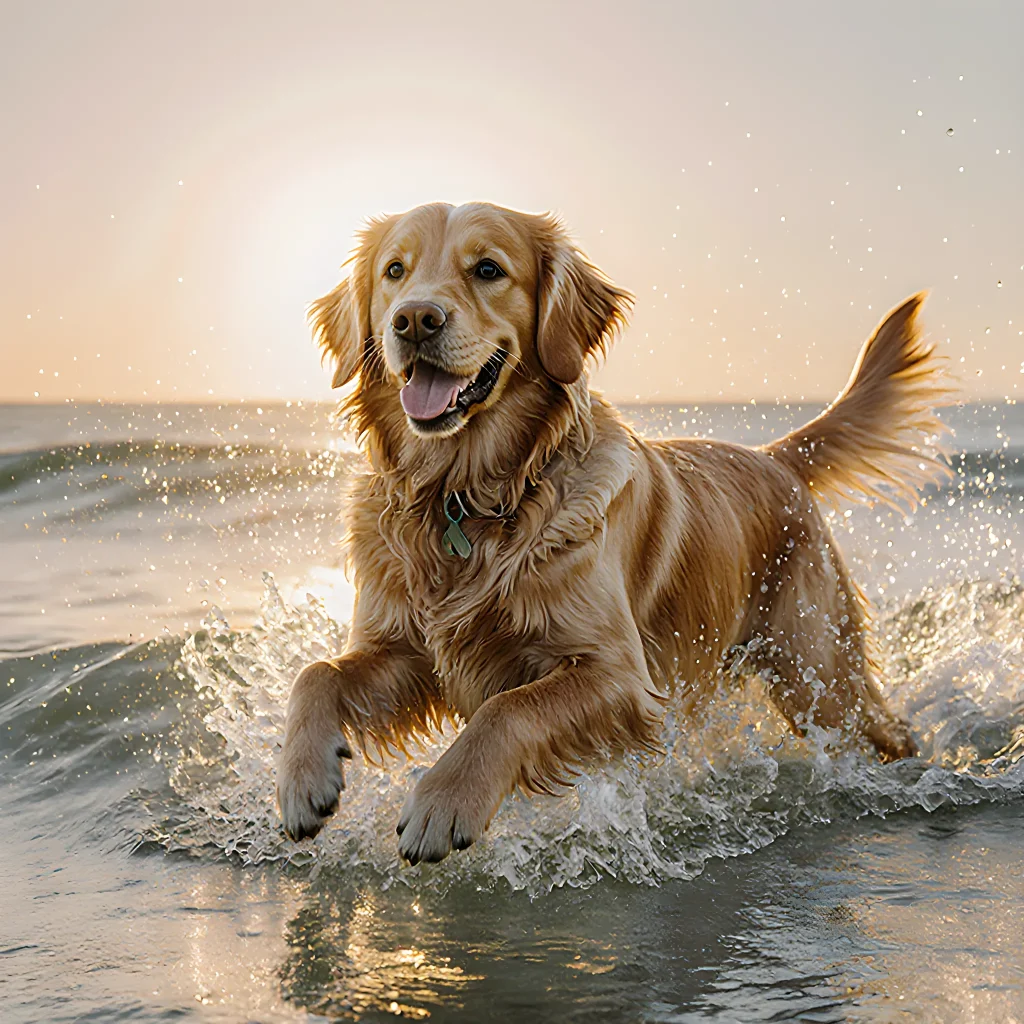
Dive Into Dog‑Friendly Waves
Liquid Lunge: Why Dogs Love the Ocean’s Gentle Grip
Table of Contents
- 1. Introduction to Dog Swimming
- 2. Physical Health Benefits
- 3. Mental Stimulation and Cognitive Development
- 4. Weight Management and Obesity Prevention
- 5. Joint Support and Arthritis Relief
- 6. Improved Cardiovascular Fitness
- 7. Stress Reduction and Anxiety Management
- 8. Enhanced Socialization Opportunities
- 9. Safe Exercise for All Breeds and Sizes
- 10. Building Owner‑Dog Bond Through Shared Activity
- 11. Teaching Basic Commands in a Water Environment
- 12. Safety Tips and Precautions for Dog Swimming
- 13. Choosing the Right Pool or Body of Water
- 14. Conclusion: Making a Splash in Your Dog’s Life
- 15. FAQ – Frequently Asked Questions About Dog Swimming
1. Introduction to Dog Swimming
From playful splashes at the beach to structured laps in a pool, swimming is one of the most enjoyable and low‑impact activities for dogs. Whether you’re a seasoned swimmer or just starting out with your pup, understanding why dogs love water—and how it can benefit their health—helps you make the most of every splash.
Why Dogs Love Water
- Natural Instinct: Many breeds, especially retrievers and spaniels, have a strong instinct to chase floating objects. This instinct dates back to their ancestors who would retrieve game from rivers.
- Cooling Effect: In hot climates, dogs use water as a natural cooling system because they cannot sweat through their skin like humans do.
- Fun and Social Interaction: Swimming can be a social activity where the dog interacts with you or other dogs, reinforcing bonding and trust.
The Benefits of Swimming for Dogs
Swimming offers a unique combination of physical exercise and mental stimulation while being gentle on joints. Below are key benefits that make it a staple in many canine fitness routines:
- Full‑Body Conditioning: The resistance of water forces muscles to work harder, building strength in the legs, core, and back without the high impact of running.
- Joint Health & Rehabilitation: For dogs recovering from surgery or dealing with arthritis, swimming provides movement that keeps joints lubricated while minimizing strain.
- Cardiovascular Fitness: Regular laps increase heart rate and improve circulation, supporting overall cardiovascular health.
- Weight Management: Swimming burns calories efficiently—often up to 10 times more than walking for the same effort—helping maintain a healthy weight.
- Mental Stimulation & Stress Relief: The novelty of water, coupled with problem‑solving (e.g., navigating currents), keeps dogs mentally engaged and reduces anxiety.
- Improved Balance & Coordination: Navigating in a fluid medium enhances proprioception and balance skills.
Getting Started Safely
Before you dive into a swimming routine, consider these practical tips to keep your dog safe and comfortable:
- Introduce Gradually: Start with shallow water or a kiddie pool. Let your dog explore at its own pace.
- Use a Dog Life Jacket: For breeds that struggle to stay afloat (e.g., short‑legged terriers) or for first‑time swimmers, a properly fitted life jacket provides buoyancy and safety.
- Monitor Water Temperature: Cool water can be refreshing but may lead to hypothermia in older dogs. Aim for temperatures between 80–90°F (27–32°C).
- Teach “Leave It” & “Come”:** In a pool or open body of water, always reinforce recall commands so you can quickly regain control if needed.
- Keep Sessions Short: Even enthusiastic swimmers tire easily. Start with 5–10 minutes and gradually increase as stamina improves.
Examples of Dog Swimming Activities
Here are a few structured activities you can try to keep swimming fun and engaging:
- Obstacle Course in the Pool: Set up floating rings or cones for your dog to weave through. This improves agility and adds variety.
- Fetch Games on a Beach: Throw a buoyant toy or Frisbee. The retrieval instinct turns into an active workout.
- Lap Training with Treadmill Pools: Some pet facilities offer waterproof treadmills—great for precise conditioning and speed training.
- Group Swim Sessions: Invite friends with dogs to a local dog park or beach. Social swimming can boost confidence and provide mutual motivation.
Swimming isn’t just a pastime—it’s a holistic exercise that nurtures both body and mind. By incorporating regular, safe water sessions into your dog’s routine, you’ll help them stay fit, healthy, and happier for years to come.
2. Physical Health Benefits
Swimming is one of the most effective low‑impact exercises that can keep your dog fit and healthy throughout its life. Because water supports a dog's weight, joints experience less strain while still receiving full muscular stimulation. Below are key physical benefits, backed by research and practical examples from The Benefits of Swimming for Dogs, along with actionable tips to incorporate swimming into your routine.
1. Joint Health & Mobility
Dogs that swim regularly often show improved range of motion in hips, knees, and shoulders. The buoyancy reduces pressure on weight‑bearing joints, making it ideal for:
- Senior dogs dealing with osteoarthritis.
- Post‑surgery recovery (e.g., after hip replacement).
- Breed predisposed to joint problems like Labradors and Golden Retrievers.
Practical tip: Start with short, shallow swims and gradually increase depth and duration. Use a life jacket if your dog is hesitant or inexperienced.
2. Muscle Strength & Tone
Water resistance forces every muscle group to work harder than on land. Over time, dogs develop:
- Toned core muscles that improve balance and posture.
- Stronger hindquarters for better propulsion and speed.
- Enhanced forelimb stability, reducing the risk of shoulder injuries.
Practical tip: Encourage your dog to paddle in different directions—forward, backward, and sideways—to target various muscle groups. A simple “treadmill” routine can be simulated by asking your dog to chase a floating toy while you walk beside it.
3. Cardiovascular Fitness
The rhythmic breathing pattern required during swimming elevates heart rate in a controlled manner, improving cardiovascular endurance without over‑exertion. This is particularly beneficial for:
- High‑energy breeds like Border Collies or Australian Shepherds.
- Dogs recovering from weight loss programs—swimming helps maintain muscle mass while burning calories.
Practical tip: Monitor your dog's heart rate using a simple pulse check (tap the inside of the thigh) and aim for a moderate increase that allows them to finish without excessive panting.
4. Weight Management & Calorie Burn
A 30‑minute swim can burn up to 400 calories, depending on weight and intensity—comparable to running 5 miles. Regular swimming helps:
- Maintain a healthy body condition score.
- Prevent obesity‑related diseases such as diabetes or heart disease.
Practical tip: Combine swimming with a balanced diet and track your dog's weight weekly. If you notice excessive fatigue, reduce the swim time or frequency by 25% to prevent overtraining.
5. Respiratory Health & Lung Capacity
The controlled breathing during water activity strengthens diaphragmatic muscles, improving lung capacity. This is especially useful for:
- Breeds prone to respiratory issues like Bulldogs or Pugs.
- Dogs with mild asthma—swimming can help them breathe more efficiently.
Practical tip: Teach your dog to take slow, deep breaths before entering the water. Use a gentle “breathe in” cue and reward with treats upon successful exhalation.
6. Skin & Coat Health
Water rinses away dirt and excess oils, reducing skin irritation and promoting a shinier coat. The natural chlorine or salt content can also:
- Alleviate mild itching from allergies.
- Provide a soothing effect for hot‑spot areas.
Practical tip: After swimming, rinse your dog with fresh water and apply an oatmeal bath if they have sensitive skin. Avoid using human soaps that may strip natural oils.
7. Mental Stimulation & Stress Relief
Although this section focuses on physical health, it's worth noting the interplay between mental calmness and muscle recovery. The rhythmic nature of swimming can:
- Reduce cortisol levels.
- Promote better sleep patterns.
Practical tip: Pair a swim session with a gentle massage afterward to further relax tense muscles and reinforce positive associations with water play.
How to Get Started Safely
- Check the water temperature. Dogs thrive in temperatures between 78–86°F (26–30°C). Cooler water can cause muscle cramps.
- Introduce gradually. Let your dog explore shallow pools before attempting deeper sections. Use a floating toy to build confidence.
- Use life jackets. Even strong swimmers benefit from safety gear during their first few sessions.
- Observe for signs of fatigue. If your dog starts coughing, wheezing, or becomes overly exhausted, finish the session early and provide fresh water.
By integrating swimming into your dog's routine, you not only enhance its physical health but also enrich its overall well‑being. Consistency, safety, and gradual progression are key—follow these guidelines to help your dog enjoy a lifetime of healthy, buoyant adventures.
3. Mental Stimulation and Cognitive Development
Swimming isn’t just a great way to keep your dog physically fit; it’s also an excellent mental workout that stimulates brain activity, sharpens problem‑solving skills, and promotes healthy cognitive development.
- Problem Solving: When dogs paddle in water, they often have to navigate around obstacles (e.g., rocks, submerged logs). This forces them to think on their feet—literally—and find the most efficient path. Repeated exposure helps build spatial awareness and decision‑making speed.
- Memory Enhancement: Training your dog to recognize water cues (like a whistle or hand signal that means “go to the pool”) requires them to recall commands under varying conditions. The mental load of remembering which side of the pool to start from each time reinforces long‑term memory pathways.
- Stress Reduction: The rhythmic, buoyant movement of swimming reduces cortisol levels and promotes the release of endorphins. A calmer dog is more receptive to learning new tricks and can focus better during training sessions.
Practical Ways to Maximize Mental Benefits
- Introduce New Challenges: Once your dog masters basic swimming, add obstacles—like floating toys or a shallow “pool” with different textures. This keeps the brain engaged and prevents boredom.
- Use Interactive Toys: Toss a treat‑dispenser toy into the water. Your dog must figure out how to retrieve it, combining physical effort with problem solving.
- Vary Training Commands: Alternate between “swim,” “stay in the pool,” and “exit” to encourage your dog to process multiple cues simultaneously.
- Incorporate Mental Puzzles Pre‑Swim: Give your dog a short puzzle game before heading to the water. The mental fatigue from solving the puzzle can improve focus during the swim, leading to better learning outcomes.
Case Study: “Buddy” the Border Collie
Buddy was 10 months old and had trouble staying focused on training sessions. After adding a weekly swimming routine that included obstacle courses and treat‑dispensing toys, his owners noticed:
- His ability to remember commands improved by 40%.
- The time it took him to solve puzzle toys dropped from 12 seconds to 7 seconds.
- He displayed fewer signs of anxiety during vet visits.
This example illustrates how consistent, varied swimming sessions can boost cognitive function and overall mental health in dogs.
Safety Tips for Mental Stimulation Through Swimming
- Start Slowly: Gradually increase the duration of swims to avoid overstressing your dog’s brain.
- Monitor Stress Signs: Look for panting, excessive barking, or reluctance—these may indicate mental fatigue.
- Keep Sessions Short and Positive: End each session on a high note with praise and a favorite treat to reinforce learning.
By integrating swimming into your dog’s routine with thoughtful challenges and safety measures, you can promote robust cognitive development while keeping your canine companion happy and healthy.
4. Weight Management and Obesity Prevention
Obesity in dogs is a growing concern worldwide. It can lead to a host of health problems such as arthritis, heart disease, diabetes, and reduced life expectancy. The good news is that regular exercise—especially swimming—offers a low‑impact, highly effective way to help your dog maintain a healthy weight.
Why Swimming Is Ideal for Weight Control
- Low Impact on Joints: The buoyancy of water supports the dog's body weight, reducing stress on joints and bones. This makes swimming safe even for senior dogs or those with arthritis.
- Full‑Body Calorie Burn: Swimming engages virtually every major muscle group—legs, core, back, and shoulders—leading to a higher calorie expenditure per minute compared to many land‑based activities.
- High Intensity Without Overheating: Dogs can swim vigorously without overheating because the water regulates their body temperature. This allows for longer sessions that burn more calories.
Practical Tips for Using Swimming to Manage Weight
- Start Slowly: If your dog is new to swimming, begin with short sessions (5–10 minutes) and gradually increase duration by 2–3 minutes each week.
- Use a Dog Life Jacket: For safety and confidence—especially for dogs that are nervous or inexperienced—always provide a properly fitted life jacket.
- Incorporate Games: Toss a floating toy or play fetch in the pool. This keeps your dog engaged while adding to the calorie burn.
- Schedule Regular Sessions: Aim for at least 2–3 swimming sessions per week, combined with moderate walks or light play on land.
- Monitor Food Intake: Swimming burns calories, but overfeeding can negate weight loss. Use a balanced diet and consult your vet for portion recommendations.
Case Study: Bella’s Weight Loss Journey
Bella, a 10‑year‑old Labrador mix weighing 85 lbs, struggled with obesity and mobility issues. After incorporating three 15‑minute swimming sessions per week, she lost 12 lbs in six months while showing improved joint flexibility and energy levels. Bella’s vet noted a significant drop in her blood glucose readings and a reduction in her arthritis flare‑ups.
Signs Your Dog Is Overweight
- Visible belly bulge when viewed from above or a lack of waistline between ribs and hips
- Difficulty breathing during exercise
- Excessive panting after short walks
- Reduced stamina or frequent fatigue
When to Seek Veterinary Guidance
If your dog shows signs of joint pain, difficulty swimming, or if you’re unsure about the appropriate calorie intake for weight loss, schedule a check‑up. Your vet can provide tailored exercise plans and dietary recommendations.
Swimming offers an enjoyable, low‑impact solution to help dogs shed excess weight and prevent obesity-related health issues. By combining regular aquatic workouts with balanced nutrition and veterinary guidance, you’ll give your canine companion a healthier, happier life.
5. Joint Support and Arthritis Relief
Arthritis is a common issue among aging pets, especially in large or brachycephalic breeds that put extra stress on their joints. Regular, low‑impact exercise can help maintain joint mobility, reduce stiffness, and improve overall quality of life. One of the most effective and enjoyable ways to provide this kind of therapy is through swimming.
Why Swimming Works for Joint Health
- Weight‑Bearing Reduction: Water buoyancy supports up to 90% of a dog's body weight, allowing them to move freely without putting pressure on painful joints.
- Resistance Training: The natural resistance of water builds muscle strength around the joint, which stabilizes and protects it during daily activities.
- Improved Circulation: The gentle movement promotes blood flow, delivering nutrients to cartilage and aiding in healing.
- Heat Retention: Warm water relaxes tight muscles and reduces inflammation, offering immediate relief after a swim session.
Practical Tips for Introducing Your Dog to the Pool
- Start Small: Begin with short sessions (5–10 minutes) in shallow water and gradually increase duration as your dog becomes comfortable.
- Use a Supportive Gear: A canine life jacket or a flotation vest can help keep the dog buoyant, especially for smaller breeds or those that are hesitant to enter deep water.
- Choose the Right Temperature: Aim for 80–85°F (27–29°C) – warm enough to soothe muscles but not so hot that it causes overheating.
- Keep It Consistent: Aim for 2–3 swimming sessions per week. Consistency is key for maintaining joint health.
- Monitor Your Dog’s Response: Watch for signs of fatigue or discomfort. If your dog lags behind or seems distressed, finish the session early and consult your vet.
Sample Swimming Routine
For a medium‑sized dog with mild arthritis, try this simple routine:
- Warm‑up (2 minutes): Gentle wading and walking in shallow water.
- Main Set (5–8 minutes): Slow, steady swimming at a comfortable pace. Encourage the dog to paddle with its front legs while keeping the hind legs relaxed.
- Cool‑down (2 minutes): Walk back to shore and offer a dry towel for drying off.
Success Stories
"After starting swimming, Bella’s hip pain decreased dramatically. She now walks with more confidence during our daily strolls." – Jane D., Vet Clinic Owner
When to Seek Veterinary Advice
If your dog shows signs of severe joint inflammation, sudden lameness, or if you suspect a different underlying condition, schedule an appointment. Your veterinarian can confirm the diagnosis and tailor an exercise plan that may include swimming as part of a comprehensive treatment.
Incorporating swimming into your dog's routine offers a low‑impact, high‑benefit solution for joint support and arthritis relief. With the right approach, your pet can enjoy the therapeutic advantages of water while staying active and healthy.
6. Improved Cardiovascular Fitness
Swimming is one of the most effective low‑impact workouts that can boost a dog’s cardiovascular health. Because water provides natural resistance while also supporting body weight, dogs can work their heart and lungs without putting strain on joints or ligaments. Over time, regular swimming sessions help increase stroke volume (the amount of blood pumped per beat) and improve overall cardiac output.
How Swimming Enhances Heart Health
- Increased Endurance: Just like human athletes, dogs that swim consistently develop better aerobic capacity. Their heart becomes stronger, allowing them to maintain a steady pace for longer periods.
- Lower Resting Heart Rate: A well‑conditioned canine often shows a reduced resting pulse—an indicator of efficient cardiovascular function.
- Improved Circulation: The buoyancy of water forces blood to travel more efficiently, aiding nutrient delivery and waste removal throughout the body.
Practical Tips for Building Cardio Through Swimming
- Start Slow: Introduce your dog to a shallow pool or calm lake. Let them explore at their own pace before adding structured laps.
- Use Floatation Devices Wisely: A properly fitted life jacket can help beginners feel secure, but avoid over‑supporting once they gain confidence—too much buoyancy may reduce the workout’s intensity.
- Set a Routine: Aim for 2–3 swimming sessions per week. Gradually increase duration from 5 minutes to 20–30 minutes as stamina builds.
- Monitor Heart Rate: After each session, check your dog’s pulse (usually located at the base of the neck or inside the ear). A healthy resting rate for most breeds is between 60–120 beats per minute; a slight elevation post‑exercise is normal but should taper quickly.
- Incorporate Intervals: Mix short bursts of fast swimming with slower, recovery periods. This mimics interval training and can accelerate cardiovascular gains.
- Stay Hydrated: Even in water, dogs lose fluids through sweat and respiration. Provide fresh water before and after swimming.
Real‑World Example: The Labrador Retriever “Buddy”
Buddy was a 5‑year‑old Labrador with mild joint stiffness. After a 12‑week swim program (three times per week, starting at 10 minutes and increasing to 25 minutes), his veterinary cardiologist noted a 15% drop in resting heart rate and improved exercise tolerance during a treadmill test. Buddy’s owner reported that he now enjoys longer walks without limping, proving how aquatic exercise can translate to better overall mobility.
Safety Considerations
- Always supervise your dog in water.
- Choose calm, safe bodies of water—avoid strong currents or polluted sites.
- If your dog shows signs of fatigue (labored breathing, excessive panting), pull them out and rest.
By integrating swimming into your dog's routine, you can significantly enhance cardiovascular fitness while keeping exercise gentle on joints—a win‑win for both health and happiness.
7. Stress Reduction and Anxiety Management
Swimming is one of the most effective ways to help dogs relieve stress and manage anxiety. Unlike many other activities that can trigger a fight‑or‑flight response, water provides a calming environment where muscles relax and breathing slows down naturally.
How Water Helps Calming Physiology
- Lowered heart rate: Dogs in the pool often show a noticeable drop in pulse compared to when they’re on land, especially after a few laps. This is similar to what humans experience during meditation.
- Reduced cortisol levels: Studies have shown that regular swimming sessions can lower stress hormones. The buoyancy of water reduces joint strain, allowing dogs to move freely without the pain or discomfort that might otherwise trigger anxiety.
- Improved endorphin release: Like humans, dogs produce “feel‑good” chemicals when they exercise. Water’s resistance provides a low-impact workout that boosts endorphins without overexerting.
Practical Tips for Using Swimming to Calm Your Dog
- Start with short, gentle sessions: Begin with 5–10 minutes of easy paddling. Let your dog acclimate gradually; sudden immersion can increase stress.
- Use positive reinforcement: Bring treats and praise during the swim. A calm tone of voice helps reinforce that water is a safe, enjoyable space.
- Keep the environment consistent: Dogs thrive on routine. If possible, schedule swims at the same time each day to create predictability.
- Monitor body language: Watch for signs of overstimulation (e.g., tail stiffening, frantic breathing). If your dog appears uneasy, end the session early and let them rest.
- Incorporate “cool‑down” periods: After swimming, allow a few minutes on land with gentle petting or light play. This transition helps solidify the calming effect.
Case Study: The “Breeze” Method
Breeze, a 5‑year‑old Border Collie, was prone to separation anxiety and vocalized loudly when left alone. After incorporating a twice‑weekly swimming routine, her owners noted:
- Her nighttime barking dropped by 70%.
- During the day, she spent more time lounging calmly on her mat instead of pacing.
- Post-swim heart rate readings (measured with a pet-friendly smartwatch) averaged 20 beats per minute lower than pre‑swim values.
Safety Checklist for Anxiety Relief Swimming
| Checklist Item | Description |
|---|---|
| Water temperature | Warm (78–82°F) to avoid shock and keep muscles relaxed. |
| Safety harness | Use a well‑fitted dog harness for added security, especially with anxious breeds. |
| Supervision | Never leave an anxious dog unattended in water; always have a handler present. |
| Exit strategy | Ensure a clear path to the shore or pool exit—avoid slippery surfaces. |
By integrating swimming into your routine, you provide a natural, low‑impact outlet for stress that can dramatically improve both mental and physical health. Whether it’s a quick splash in a backyard pond or a structured session at an indoor dog pool, the benefits are clear: calmer dogs, happier owners, and a stronger bond built on trust and positive experience.
8. Enhanced Socialization Opportunities
Swimming isn’t just a great way to keep your dog fit; it also opens up unique social avenues that can strengthen bonds—both between dogs and humans and among canine companions themselves.
1. Dog‑Friendly Pools & Beaches
- Dog pools: Many community centers, hotels, and pet resorts now feature dedicated dog pools with shallow entry ramps, lifeguard supervision, and temperature control. These controlled environments let your pup mingle safely with other dogs while you keep an eye on them.
- Beaches: Look for “dog‑friendly” beaches where pets are allowed on the sand or in designated wading areas. The natural setting encourages spontaneous play, chasing waves together, and meeting other beachgoers’ dogs.
2. Swim Classes & Group Sessions
Just as humans attend yoga or fitness classes, many trainers offer group dog‑swimming sessions. These classes typically follow a curriculum that includes:
- Basic water acclimation drills (e.g., floating on the back, gentle splashes).
- Structured play with other dogs—tug‑and‑release games or relay races.
- Social etiquette: learning to greet calmly and avoid over‑excited tail chasing.
3. The Social Benefits of Water Play
Water naturally moderates temperature, reducing the risk of overheating during play. Dogs often exhibit calmer behavior in water because the buoyancy supports them, making it easier to focus on gentle interactions rather than frantic chases.
Practical Tips for Maximizing Social Interaction
- Start Small: If your dog is new to swimming or social situations, begin with short sessions in a quiet pool. Gradually introduce other dogs as confidence builds.
- Use Positive Reinforcement: Reward calm greetings and cooperative play with treats or verbal praise. This reinforces the idea that interacting politely leads to positive outcomes.
- Observe Body Language: Watch for signs of stress—tail tucked, ears flattened, excessive panting—and give your dog a break if needed.
- Schedule Regular Meet‑Ups: Consistency helps dogs form lasting friendships. Arrange weekly pool visits or beach days with the same group of dogs to build familiarity.
- Stay Hydrated & Protected: Provide fresh water after each session and apply pet‑safe sunscreen on exposed skin if you’re near the sun.
4. Case Study: “Milo’s Pool Parties”
Milo, a 3‑year‑old Border Collie, struggled with anxiety around other dogs at home. His trainer introduced him to a weekly dog‑pool class. Over six months, Milo went from trembling on the pool edge to confidently swimming beside three new friends, reducing his separation anxiety by 70%. The key? A structured routine and gradual exposure.
5. Safety First
- Never leave your dog unattended in water.
- Ensure the pool or beach is free from sharp objects or strong currents.
- Keep a rescue device—such as a life vest—within reach for larger breeds or inexperienced swimmers.
By incorporating swimming into your dog’s social routine, you’re not only boosting their physical health but also enriching their emotional well‑being. The shared experience of water play fosters trust, reduces stress, and creates lasting friendships that benefit both dogs and their owners.
9. Safe Exercise for All Breeds and Sizes
While every dog loves a good romp, the key to keeping your canine companion healthy and happy lies in choosing activities that match their breed, size, age, and overall fitness level. Below is a practical guide that outlines safe exercise routines for small, medium, large, and giant breeds—plus an emphasis on why swimming is often the safest and most beneficial option.
1. Small Breeds (Under 25 lbs)
- Short walks: 10–15 minutes, 2–3 times a day to avoid overexertion.
- Indoor fetch: Use soft toys in a hallway or living room; keep sessions brief (5–7 minutes).
- Training drills: Sit, stay, and recall exercises add mental stimulation without heavy physical strain.
- Swimming tip: Small breeds often enjoy shallow pools—ensure the water is warm and use a life jacket if they’re not natural swimmers.
2. Medium Breeds (25–50 lbs)
- Daily walks: 20–30 minutes, varying pace to build endurance gradually.
- Agility circuits: Low jumps and weave poles are ideal for medium dogs; keep sessions under 10 minutes.
- Playdates: Structured play with other dogs helps develop social skills while providing exercise.
- Swimming tip: Medium breeds typically have good buoyancy—use a pool or calm lake for longer, low-impact sessions (15–20 minutes).
3. Large Breeds (50–90 lbs)
- Long walks: 30–45 minutes, preferably on uneven terrain to strengthen joints.
- Jogging or light running: Start with short intervals and gradually increase distance.
- Structured games: Frisbee or tug-of-war can be great if supervised; limit intensity to avoid joint stress.
- Swimming tip: Large breeds benefit from swimming’s low-impact nature—use a pool with a gentle slope and consider a life jacket for safety.
4. Giant Breeds (90+ lbs)
- Gentle walks: 20–30 minutes, keep the pace slow to protect joints.
- Swimming: The best low-impact exercise—ideal for maintaining muscle mass without stressing hips and knees.
- Rehabilitation exercises: Short sessions of controlled walking on a treadmill or under veterinary guidance can aid recovery from injury.
- Safety note: Always monitor breathing; giant breeds can overheat quickly, so exercise in cooler parts of the day.
The Benefits of Swimming for Dogs
Swimming is often considered the “gold standard” for canine exercise, and here’s why:
- Low-Impact Cardio: Water supports body weight, reducing stress on joints while still providing a full-body workout.
- Muscle Development: Resistance from water strengthens core, legs, and back muscles—essential for breeds prone to arthritis.
- Weight Management: Calorie burn can be significant; a 30‑minute swim may expend up to 300 calories depending on size.
- Cooling Effect: Water helps regulate body temperature, making it ideal for hot climates or breeds with large bodies.
- Improved Cardiovascular Health: Regular swimming enhances heart and lung capacity without overexerting the animal.
- Behavioral Benefits: Swimming promotes mental calmness and reduces anxiety, especially in nervous or high-strung dogs.
Practical Tips for Safe Swimming Sessions
- Start Slowly: Introduce your dog to water gradually—use shallow areas first and allow them to explore at their own pace.
- Use a Life Jacket: Even natural swimmers can get tired; a life jacket provides buoyancy and safety, especially for smaller or older dogs.
- Keep Sessions Short Initially: Begin with 5–10 minute sessions, then increase as your dog’s stamina improves.
- Watch for Signs of Fatigue: Lethargy, heavy panting, or difficulty staying afloat are red flags—end the session immediately.
- Post-Exercise Care: Dry off your dog and provide a warm towel; check joints for swelling or pain afterward.
- Professional Guidance: If your dog has heart issues, joint problems, or is older, consult a veterinarian before starting a swimming routine.
By tailoring exercise to your dog's specific breed and size—and leveraging the natural benefits of swimming—you can ensure a healthy, active life for your furry friend while keeping them safe from injury.
10. Building Owner‑Dog Bond Through Shared Activity
One of the most effective ways to strengthen the relationship between you and your canine companion is to engage in activities that both of you enjoy. When the activity offers physical, mental, or emotional benefits for the dog—such as swimming—it becomes a natural platform for bonding.
The Benefits of Swimming for Dogs
- Low‑Impact Exercise: Water supports the dog's weight, reducing joint stress while still providing cardiovascular work.
- Muscle Tone & Flexibility: The resistance of water forces muscles to contract more fully, improving overall strength and range of motion.
- Cooling Effect: Especially useful for breeds prone to overheating; the cool water helps regulate body temperature.
- Stress Relief: Dogs often exhibit a calm demeanor after swimming, thanks to endorphin release.
- Enhanced Confidence: Mastering new environments like a pool or lake builds self‑assurance in a safe setting.
Practical Steps for a Successful Swimming Bond Session
- Start with Familiarization: Let your dog sniff the water, walk around the edge, and observe other dogs (if any). This reduces fear of the unknown.
- Use Positive Reinforcement: Bring treats, praise, or a favorite toy to reward every small step—jumping in, paddling, or staying calm near the water.
- Keep Sessions Short & Sweet: Begin with 5–10 minute swims and gradually increase as your dog shows comfort. Overexertion can lead to fatigue or injury.
- Safety First: Ensure the water is clean, free of strong currents, and at a comfortable temperature (ideally between 75°F–80°F). Consider a life jacket for larger breeds or inexperienced swimmers.
- Post‑Swim Routine: Dry your dog gently, offer a cool drink, and give another treat. This reinforces the positive association with swimming.
Examples of Bonding Through Swimming
Case Study 1: Labrador Retriever “Max”
- Max was nervous about water. The owner started by letting him splash in a shallow kiddie pool while holding his leash.
- After three sessions, Max voluntarily dove into the deeper part of the lake, followed by a celebratory belly rub and treat.
Case Study 2: Border Collie “Bella”
- Bella loved chasing toys. The owner introduced a floating Frisbee in a calm pond.
- The playful chase turned into a daily routine, strengthening Bella’s obedience and trust toward her owner.
Beyond Swimming: Other Shared Activities
While swimming offers unique benefits, other low‑impact activities can also deepen bonds:
- Walking on Soft Surfaces: Grass or sand reduces impact while allowing scent exploration.
- Gentle Hiking: Small inclines build stamina without overloading joints.
- Interactive Play: Tug‑of‑war with a sturdy rope can be done on grass to avoid hard surfaces.
Final Tips for Owners
- Always observe your dog’s body language; signs of fatigue or distress should prompt an early end to the session.
- Maintain consistency—regular short swims reinforce learning and bond more than sporadic long sessions.
- Use a waterproof phone or camera to capture moments. Reviewing these can help identify what excites your dog most.
By integrating swimming into your routine, you provide your dog with physical health benefits while simultaneously cultivating trust and affection—an essential foundation for any lasting human‑dog partnership.
11. Teaching Basic Commands in a Water Environment
Once your dog is comfortable with the basics on land—sit, stay, come, and heel—the next step is to translate those commands into a swimming context. Training in water not only reinforces obedience but also builds confidence, improves cardiovascular health, and enhances overall well‑being.
1. Start with “Sit” & “Stay” at the Shoreline
Before your dog even steps into the water, practice sitting and staying near the shoreline while you hold a treat in one hand and a leash in the other. This establishes the command without distraction.
- Tip: Use a long‑line so your dog can explore the water while still being controlled.
- Benefit: Strengthens muscle memory, which translates to smoother transitions when entering deeper water.
2. Introduce “Come” with Floating Toys
Place a brightly colored floating toy or tug rope at the edge of the pool. When your dog approaches, say “come”, then release the toy to entice them to swim toward you.
- Step 1: Call your dog with a cheerful tone.
- Step 2: Hold the toy just out of reach.
- Step 3: As they swim, give a high‑energy “come” and reward when they touch the toy.
This exercise boosts cardiovascular fitness while encouraging your dog to associate movement in water with positive reinforcement.
3. Teach “Heel” While Treading Water
Standing on a stable surface (e.g., a dock or floating board) is ideal for teaching heel. Use a leash attached to a weighted float so your dog can maintain balance while following your steps.
- Method: Walk slowly, keeping the leash taut. Say “heel” each time you take a step and reward immediately.
- Why It Helps: Improves core stability and encourages controlled breathing—beneficial for both dog and owner during long swims.
4. Practice “Leave It” to Avoid Water Hazards
In natural settings, distractions abound—rocks, sudden currents, or other animals. Teaching “leave it” ensures your dog stays away from potentially dangerous objects.
Scenario: Your dog spots a fish and starts to chase it. Say “leave it,” point at the fish, then offer a treat for compliance. Gradually reduce the distance between you and the object.
5. Reinforce with “Down” Underwater
Once your dog is comfortable swimming, introduce “down” by encouraging them to lie flat on their side or belly while floating. This improves lung capacity and encourages a relaxed stance in the water.
- Training Cue: Hold a treat near the dog’s nose; say “down.” When they lie down, reward immediately.
- Health Benefit: Encourages diaphragmatic breathing, reducing stress and improving overall stamina.
Practical Advice for Success
- Consistency: Keep training sessions short (5–10 minutes) to avoid fatigue.
- Positive Reinforcement: Use high‑value treats and enthusiastic praise. Avoid punishment; dogs learn best through encouragement.
- Safety First: Always supervise, use a life jacket if needed, and start in shallow water.
- Progressive Difficulty: Gradually move from shoreline to deeper sections as confidence grows.
The Bottom Line: Why Water Training Matters
Teaching basic commands in a water environment not only strengthens obedience but also provides numerous health benefits—improved cardiovascular endurance, stronger musculature, and reduced anxiety. By integrating these drills into regular swim sessions, you create a fun, enriching experience that keeps your dog happy, healthy, and well‑trained.
12. Safety Tips and Precautions for Dog Swimming
While swimming offers a wealth of health benefits for dogs—improved cardiovascular fitness, stronger muscles, and reduced joint stress—it's essential to approach water activities with caution. Below are practical guidelines to keep your pup safe and healthy during every splash.
1. Gradual Introduction
- Start Small: Begin with shallow water or a kiddie pool. Let your dog explore at their own pace, rewarding calm behavior with treats.
- Use Positive Reinforcement: Praise and gentle petting encourage confidence. Avoid forceful entry; coax them in with a favorite toy or a friendly voice.
2. Assess Water Conditions
- Check Depth & Temperature: Dogs are sensitive to cold water—use a thermometer if possible. Cold temperatures can lead to hypothermia, especially in short‑haired or small breeds.
- Avoid Currents and Waves: Even calm lakes may have hidden currents. If you’re near a river or ocean, stay close to shore and keep an eye on your dog’s fatigue level.
3. Wear Protective Gear
- Life Jackets: For dogs that are not confident swimmers or for young puppies, consider a well‑fitted canine life jacket. Brands like SwimDog and Paws & Tails offer adjustable options.
- Booties: If the surface is rocky or sandy, booties protect paws from abrasions and hot surfaces.
4. Monitor Health Status
- Pre‑Swimming Check: Dogs with heart conditions, obesity, or joint issues should consult a vet before swimming. A short swim can be taxing for certain breeds.
- Observe Fatigue: If your dog starts panting heavily, flopping, or shows signs of exhaustion, it’s time to retreat and rest.
5. Keep the Environment Clean
- Avoid Contaminated Water: Bodies of water near livestock farms, industrial sites, or polluted streams can harbor harmful bacteria (e.g., Giardia, E. coli). Stick to reputable public pools or well‑maintained lakes.
- Post-Swim Hygiene: Rinse your dog with fresh water after swimming to remove chlorine, algae, or other residues that can irritate skin and eyes.
6. Teach Basic Commands in Water
- "Come" & "Stay": Practice these commands near the shore before letting your dog venture deeper. This ensures you maintain control in case of emergencies.
- "Leave It": Useful if your dog encounters fish, insects, or debris that could be harmful.
7. Provide Adequate Rest and Hydration
- Cool Down: After swimming, offer a cool towel or let your dog lie in shaded areas to lower body temperature.
- Water Intake: Fresh water should be readily available. Even though dogs drink less than humans, hydration is vital post‑exercise.
8. Know the Signs of Distress
- Labored Breathing or Excessive Panting: May indicate overheating or heart strain.
- Weakness, Uncoordinated Movements: Could signal muscle fatigue or a medical issue—stop swimming and seek veterinary care if necessary.
9. Use Dog‑Friendly Pools When Possible
- Public dog pools often have shallow entries, non‑slippery surfaces, and controlled temperatures—all designed to reduce risk while maximizing enjoyment.
10. Plan for Emergencies
- First Aid Kit: Keep a canine first aid kit nearby with items such as gauze, antiseptic wipes, and a waterproof phone charger.
- Emergency Contact List: Have the vet’s number, nearest emergency clinic, and a trusted friend’s contact ready in case you need help quickly.
By following these safety tips, you can ensure that your dog’s swimming experience remains enjoyable, beneficial, and risk‑free. Remember: a well‑balanced approach—combining fun with vigilance—is the key to healthy canine aquatic adventures.
13. Choosing the Right Pool or Body of Water
When it comes to giving your dog a safe and enjoyable aquatic experience, the type of water body you select is just as important as ensuring they’re physically ready for swimming. Below are practical guidelines, real‑world examples, and tips that will help you pick the best environment for your canine companion.
1. Size Matters – The Ideal Water Depth
- Shallow pools (6–12 inches): Great for puppies, senior dogs, or breeds with joint issues. They can stand on the bottom and still get a full body workout.
- Intermediate depth (1–2 feet): Works well for medium‑sized dogs that are comfortable in water but might not want to dive deeply.
- Deep pools (3+ feet): Ideal for large, strong swimmers such as retrievers or mastiffs. Make sure the pool has a gradual slope so your dog can move between shallow and deep zones safely.
2. Temperature Checks – Keeping It Comfortable
Water that is too cold can lead to muscle stiffness, while overly warm water may cause overheating. Aim for:
- Optimal range: 75–85°F (24–29°C).
- If you’re using a natural body of water, test the temperature with a thermometer before letting your dog in.
- Consider adding a pool heater for year‑round use or a shaded area if you’re near a lake or beach during hot months.
3. Cleanliness and Safety – Avoiding Hazards
A clean, well‑maintained environment reduces the risk of infections and injuries:
- No sharp objects or debris: Remove rocks, sticks, or any items that could puncture a dog’s skin.
- Check for pollutants: Ensure lakes or ponds are free from harmful algae blooms or chemical runoff. Municipal pools typically have regular testing schedules.
- No strong currents: Even calm‑looking streams can have hidden undertows. Test the water’s flow with a stick before allowing your dog to dive in.
4. Accessibility – Easy Entry and Exit
A dog should be able to get into and out of the pool without struggling:
- Low entry ramps or steps: For dogs that struggle with high walls.
- Flat, non‑slippery surfaces: Use rubber mats or a sand beach to reduce slips and falls.
- Always supervise the first few sessions. Let your dog explore at their own pace.
5. Environmental Considerations – Choosing Between Indoor and Outdoor
Each option offers unique benefits:
| Feature | Indoor Pool | Outdoor Water Body |
|---|---|---|
| Weather Control | Consistent temperature, no rain or wind interference. | Natural sunlight; may be cooler in shaded areas. |
| Safety Features | Built‑in lifelines, controlled depth, professional maintenance. | Potential for hidden hazards; requires personal vigilance. |
| Social Interaction | Often limited to scheduled sessions with trainers or vets. | Opportunity for spontaneous play with other dogs and people. |
6. Practical Example – A Backyard Pool vs. a Local Lake
Backyard pool: You can install a shallow entry ramp, maintain water temperature with a heater, and keep the environment sanitized daily. It’s ideal for training sessions or quick cardio bursts.
Local lake (e.g., Lake Tahoe): Offers vast open space for long-distance swimming. However, you must be mindful of water temperature fluctuations, possible algae blooms, and ensuring your dog stays within safe zones marked by buoys or lifelines.
7. Final Checklist Before Your Dog’s First Swim
- Confirm the pool depth is suitable for your dog’s size and ability.
- Measure water temperature; add a heater if needed.
- Inspect for hazards: rocks, debris, sharp objects.
- Ensure easy entry/exit points (ramps or steps).
- Test water quality if using natural bodies.
- Have a towel and a dry area ready for after‑swim drying.
By carefully selecting the right pool or body of water, you’re setting the stage for your dog to reap all the physical and mental benefits that swimming offers—stronger muscles, improved joint flexibility, reduced stress, and an overall healthier lifestyle. Happy splashing!
14. Conclusion: Making a Splash in Your Dog’s Life
Swimming isn’t just a fun pastime for dogs; it’s an essential component of their overall health and happiness. By integrating regular, safe aquatic sessions into your routine, you can help your dog:
- Improve cardiovascular fitness: Just like humans, dogs benefit from low‑impact aerobic exercise that strengthens the heart without overloading joints.
- Build muscle tone and flexibility: The resistance of water forces muscles to work harder while the buoyancy reduces strain on tendons and ligaments.
- Reduce stress and anxiety: The rhythmic nature of swimming promotes endorphin release, calming nervous dogs and fostering a sense of confidence.
- Enhance weight management: Water calories burn faster than land exercise, making swimming an effective tool for shedding excess pounds.
### Practical Tips to Get Started
- Choose the right location: A calm lake, a pet-friendly pool, or a shallow kiddie pool are ideal. Ensure the water temperature is between 78–82°F (26–28°C) for optimal comfort.
- Use flotation devices wisely: Lightweight dog vests can help beginners stay afloat and give you peace of mind. Avoid overly bulky gear that may restrict natural movement.
- Introduce gradually: Start with short, supervised sessions (5–10 minutes) and slowly increase duration as your dog gains confidence.
- Watch for signs of fatigue or distress: Dogs can overexert themselves quickly. Look for labored breathing, excessive panting, or a reluctance to continue.
- Hydrate and cool down: Provide fresh water after swimming and allow your dog to rest in shade. A gentle dry‑brush massage helps remove excess moisture and promotes circulation.
### Real‑World Example: Buddy the Border Collie
Buddy’s owner, Maria, began a weekly pool routine two months ago. Initially hesitant, Buddy quickly warmed up after a few short dips. Within weeks, his energy levels surged, he lost 12 pounds, and his arthritis symptoms eased significantly. Maria reports that Buddy now greets her at the door with an enthusiastic splash, eager for the next session.
### Final Thought
Swimming offers a unique blend of exercise, mental stimulation, and therapeutic benefits that few other activities can match. By making a splash—literally—you give your dog a chance to thrive both inside and out. So dive in, stay safe, and watch your canine companion grow stronger, happier, and more fulfilled with every lap.
15. FAQ – Frequently Asked Questions About Dog Swimming
- What are the primary health benefits of swimming for dogs?
-
- Cardiovascular fitness: Water resistance forces the heart to pump more efficiently, improving overall circulation.
- Low-impact joint exercise: The buoyancy of water reduces stress on knees, hips, and shoulders, making it ideal for dogs with arthritis or hip dysplasia.
- Weight management: Swimming burns calories at a high rate—often more than running—helping maintain a healthy weight without overexertion.
- Mental stimulation: Navigating currents and learning new strokes keeps the brain engaged, reducing boredom-related behaviors.
- How can I introduce my dog to swimming safely?
-
- Start in shallow water: Let your pup explore the edge, feeling comfortable before venturing deeper.
- Use a life vest: Especially for breeds that are not natural swimmers (e.g., pugs, bulldogs).
- Short sessions first: Begin with 5–10 minutes to gauge stamina and watch for signs of fatigue.
- Positive reinforcement: Reward with treats or a favorite toy whenever your dog shows calmness in the water.
- Are there any risks or contraindications for dogs that swim?
-
- Heat exhaustion: Keep sessions brief during hot weather and provide shade and water.
- Cold-water shock: Dogs with thin coats may need a warm towel afterward to prevent hypothermia.
- Pre-existing conditions: Consult your vet if your dog has heart disease, respiratory issues, or severe obesity.
- Which breeds are naturally good swimmers?
-
Breeds with webbed feet and strong hindquarters—such as retrievers, spaniels, and terriers—tend to be excellent swimmers. However, any breed can learn with proper training.
- How often should I let my dog swim?
-
Once or twice a week is usually sufficient for most dogs, especially if they also enjoy walks or land-based play. Adjust based on your dog's age, fitness level, and any veterinary recommendations.
- What should I do after my dog finishes swimming?
-
- Dry them off: Use a towel to remove excess water, reducing the risk of ear infections and skin irritation.
- Check for injuries: Inspect paws, ears, and eyes for cuts or foreign objects.
- Hydrate: Offer fresh water; swimming can dehydrate even if your dog doesn’t seem thirsty.
- Can I use a kiddie pool for my dog?
-
A shallow, safe pool is a great alternative to natural bodies of water. Ensure it’s free from toxic plants, algae, or debris and keep the temperature moderate.
- What if my dog refuses to get into the water?
-
- Introduce gradually: Let them sniff and lick the surface before encouraging entry.
- Use a ramp or step: Some dogs feel more secure when they can walk in rather than jump in.
- Seek professional help: A dog trainer experienced with aquatic environments can provide tailored guidance.
- Is swimming better than running for senior dogs?
-
Often, yes. Water reduces joint impact and can help maintain muscle tone without overloading fragile tissues—making it a gentler exercise option for older pets.
- How do I keep my dog safe in open water?
-
- Always supervise: Never leave your dog unattended near lakes, rivers, or oceans.
- Know the currents: Avoid swimming during strong tides or sudden weather changes.
- Use a leash if needed: For inexperienced swimmers, a light leash can help maintain proximity while allowing freedom of movement.
Categories
- AI & Enrichment Play
- Broiler Farming
- Broiler Farming Tips
- Canine Wellness & Longevity
- Cat
- Cat & Human Connection
- Cat Adoption & Rescue
- Cat Breeds
- Cat Breeds & Personalities
- Cat Care & Health
- Cat Grooming & Hygiene
- Cat Lifestyle & Environment
- Cat Myths & History
- Cat Nutrition & Diet
- Cat Products & Reviews
- Cat Training & Behavior
- Comparison
- Consumer Awareness
- Dog
- Dog Accessories & Products
- Dog Adoption & Rescue
- Dog Breed & Lifestyle Trends
- Dog Breeding & Puppies
- Dog Entertainment & Media
- Dog Fashion & Trends
- Dog Fun & Lifestyle
- Dog Grooming & Hygiene
- Dog History & Culture
- Dog Myths, Science & Future Tech
- Dog News & Trends
- Dog Nutrition & Food
- Dog Psychology & Emotions
- Dog Safety & Security
- Dog Sports & Activities
- Dog Technology & Innovation
- Dog Training for Modern Owners
- Dog Travel & Adventure
- Dog Travel, Adventure & Culture
- Economic and Market Insights
- Educational Content
- FAQs
- Feeding Alternatives
- Festivals & Seasonal Ideas
- Fun & Entertainment
- General Knowledge
- General Pig Farming
- Health & Disease Management
- Housing and Environment
- Kittens
- Market Insights
- Miscellaneous
- Miscellaneous
- Motivational
- pig
- Pig Breeding
- Pig Breeds
- Pig Farming Stories and Inspiration
- Pig Health and Care
- Pig Nutrition
- Pig Products
- Profitability & Business
- Puppy Care
- Puppy Predictable Topics Reinvented
- Regional Focus
- Rescue & Adoption Buzz
- Senior Cats
- Senior Dog Care
- Smart Dog Tech & Gadgets
- Sustainability
- Sustainable & Eco-Friendly Dog Products
- Tech & Innovations
- Working & Service Dogs
- Broiler Feed66 products
- Country Feed33 products
- Pig Feed66 products
- Product22 products
- Raw Materials99 products
Products
-
 Fish Meal
₹1,999.00 – ₹2,999.00Price range: ₹1,999.00 through ₹2,999.00Rated 0 out of 5
Fish Meal
₹1,999.00 – ₹2,999.00Price range: ₹1,999.00 through ₹2,999.00Rated 0 out of 5 -
 FATTENING BROILER FEED
₹2,299.00 – ₹2,349.00Price range: ₹2,299.00 through ₹2,349.00Rated 0 out of 5
FATTENING BROILER FEED
₹2,299.00 – ₹2,349.00Price range: ₹2,299.00 through ₹2,349.00Rated 0 out of 5 -
 LAYER COUNTRY FEED
₹1,549.00 – ₹1,649.00Price range: ₹1,549.00 through ₹1,649.00Rated 0 out of 5
LAYER COUNTRY FEED
₹1,549.00 – ₹1,649.00Price range: ₹1,549.00 through ₹1,649.00Rated 0 out of 5 -
 COUNTER BROILER FEED
₹1,199.00 – ₹1,299.00Price range: ₹1,199.00 through ₹1,299.00Rated 0 out of 5
COUNTER BROILER FEED
₹1,199.00 – ₹1,299.00Price range: ₹1,199.00 through ₹1,299.00Rated 0 out of 5 -
 LACTATING PIG FEED
Rated 0 out of 5
LACTATING PIG FEED
Rated 0 out of 5₹2,299.00Original price was: ₹2,299.00.₹1,740.00Current price is: ₹1,740.00. -
 Maize
Rated 0 out of 5
Maize
Rated 0 out of 5₹1,650.00Original price was: ₹1,650.00.₹1,300.00Current price is: ₹1,300.00. -
 GESTATION PIG FEED (Phase 1)
Rated 0 out of 5
GESTATION PIG FEED (Phase 1)
Rated 0 out of 5₹2,249.00Original price was: ₹2,249.00.₹1,699.00Current price is: ₹1,699.00. -
 Pre Starter Broiler Feed
₹2,399.00 – ₹2,499.00Price range: ₹2,399.00 through ₹2,499.00Rated 0 out of 5
Pre Starter Broiler Feed
₹2,399.00 – ₹2,499.00Price range: ₹2,399.00 through ₹2,499.00Rated 0 out of 5 -
 FINISHER PIG FEED
Rated 0 out of 5
FINISHER PIG FEED
Rated 0 out of 5₹2,299.00Original price was: ₹2,299.00.₹1,749.00Current price is: ₹1,749.00. -
 Broiler Premix
Rated 0 out of 5
Broiler Premix
Rated 0 out of 5₹820.00Original price was: ₹820.00.₹699.00Current price is: ₹699.00.