
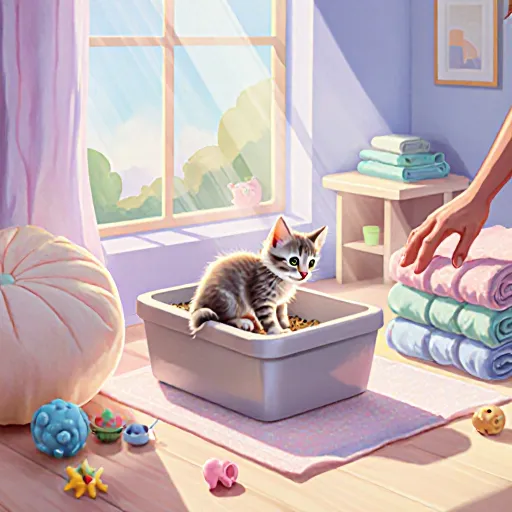
Guide to potty training your kitten like a pro!
Litter Training Made Easy for Your Kitten
Table of Contents
- Selecting the Right Litter Box
- Choosing the Right Litter
- Establishing a Routine
- Introducing Your Kitten to the Litter Box
- Encouraging Your Kitten to Use the Litter Box
- Cleaning the Litter Box Regularly
- Handling Accidents and Mistakes Gracefully
- Addressing Common Training Challenges
- Positive Reinforcement Techniques
- Signs Your Kitten is Ready to Be Trained
- Creating a Litter Training Schedule
- What to Do If Training Isn't Going Well
- Preventing Messes in the House
- Conclusion
- FAQ
Selecting the Right Litter Box
When it comes to litter training a kitten, selecting the right litter box is crucial for both your pet's comfort and proper toilet habits. The litter box should be an essential part of your preparation as you welcome a new furry family member into your home.
Selecting the Right Size Litter Box
The size of the litter box can significantly impact how well your kitten learns to use it. Kittens are small, and their paws and bodies need enough space to maneuver without feeling cramped or afraid. A litter box that is too large might intimidate your little one, while one that’s too small may limit her ability to turn around comfortably.
For a typical 6-8 week old kitten, a litter box about the size of a dinner plate should be sufficient. As your kitten grows, you can gradually move up in size until she uses a standard-sized litter box.
Material and Design Considerations
The material and design of the litter box play an important role in how well it will fit into your home and suit your kitten's needs:
- Pan vs. Covered Litter Box: A pan-style litter box is typically open, making it easier for a small kitten to step into and out of. Covered boxes can be intimidating for young kittens since they may find the enclosed space overwhelming.
- Non-Slip Surfaces: Non-slip mats or textured surfaces inside the litter box help your kitten maintain her balance as she learns how to navigate it.
- Ease of Access: Ensure that the entrance is large enough for your kitten but not so wide that she can easily slip out. This encourages her to stay in the box for longer periods and develop good habits.
Positioning the Litter Box
The location where you place the litter box also matters greatly:
- A Quiet Spot: Kittens, like all pets, prefer privacy when using the toilet. Place the litter box in a quiet and private area of your home to encourage her to use it.
- Adequate Space: Ensure that there is enough space around the litter box so that your kitten can easily approach it without feeling crowded or stressed.
- Nearby Elimination Sites: If you have multiple floors, consider placing a litter box on each level to reduce the distance your kitten has to travel. This makes it easier for her to access the box when she needs to go.
Introducing Your Kitten to the Litter Box
To make the process of learning how to use the litter box as stress-free as possible, follow these steps:
- Show Interest: Encourage your kitten to explore the litter box by gently placing her near it and playing with her paws in the litter. This can help her associate the litter box with a positive experience.
- Regular Monitoring: Kittens are natural cleaners, so they will naturally go into the litter box when they need to eliminate. Regularly check on your kitten during her early days and gently guide her if she seems unsure or hesitant.
- Praise and Positive Reinforcement: When your kitten successfully uses the litter box, give her praise and a small treat as positive reinforcement. This will help her understand that using the litter box is a good thing to do.
Common Mistakes to Avoid
Avoid these common pitfalls when setting up your kitten's litter training routine:
- Placing the Litter Box in an Inconvenient Location: Ensure that the location is easily accessible and not in a place where your kitten might feel threatened.
- Using Strong Perfumes or Scents: Avoid using perfumed litter as it can be overwhelming for a young kitten. Instead, choose unscented litters to help her acclimate more easily.
- Ignoring Accidents: If your kitten has an accident outside the litter box, avoid scolding her. Instead, clean up promptly and place her back in the litter box as soon as possible.
Summary
Selecting the right litter box is just one piece of the puzzle when it comes to successful litter training for a kitten. By considering factors like size, material, design, positioning, and introducing your kitten gradually, you can set her up for success in using the litter box properly.
Choosing the Right Litter
When it comes to litter training your kitten, choosing the right litter is a crucial step. The type of litter you use can significantly impact both your kitten’s comfort and ease during potty training. Below are some key factors and tips to consider when selecting the perfect litter for your little one.
Kittens have small, delicate tummies that are more prone to digestive issues compared to adult cats. Therefore, it is important to choose a litter that does not pose any risks if ingested by mistake. Opt for clumping litters which are easy to scoop and remove, helping in maintaining hygiene.
- Clumping Litter: This type of litter is highly recommended as it helps with the sanitation process due to its ability to form a hard mass around waste. It makes cleaning easier since you can scoop out the clumps and dispose of them.
- Scoopable Litter: Similar to clumping litters, scoopable options are designed to be scooped out for easy disposal. However, it doesn't always form into a hard mass when wet, making it less effective in trapping odors compared to clumping litter.
- Filamentous Litter: These litters consist of small fibers that form a mat over the waste, which can help contain odors and make scooping easier. However, they may not be as effective for deep cleaning or odor control as other types.
The size of the litter grains is another crucial factor to consider. Kittens have smaller paws compared to adult cats, so it’s important that the litter granules are neither too large nor too small for their comfort and safety.
- Medium-sized grains: These are typically best suited for kittens as they provide a good balance between comfort and ease of scooping. The medium size also allows for proper paw traction which is essential during the learning process.
- Large-sized grains: While these work well for adult cats, they might be too heavy for a kitten to manipulate with their tiny paws.
- Small-sized grains: These can be problematic as kittens may have difficulty using them and there’s a higher risk of ingesting the litter grains which could lead to digestive issues.
A good litter should not only help in waste management but also keep your home smelling fresh. Effective odor control is essential for both you and your kitten’s well-being.
- Regular Cleaning: Make sure to clean the litter box daily and completely change the litter at least once a week, depending on how many kittens are using it and their frequency of usage.
- Litter with Built-in Odor Control: Some litters come with built-in enzymes that help in neutralizing odors. This is especially useful if you have more than one kitten or if your litter box is located in a shared space.
The comfort level of the litter can greatly affect how much your kitten enjoys using the litter box, which directly impacts their training success. Kittens are very sensitive to changes in their environment; hence providing them with a comfortable experience is important.
- Soft Texture: Opt for litters that have a soft texture as it will be more comfortable for your kitten’s small paws and prevent any irritation or discomfort.
- Color and Design: Kittens are attracted to bright colors and playful designs, so you might want to choose a litter that has an appealing look for them. This can make the process of using the litter box more enjoyable for your kitten.
To ensure successful litter training, follow these practical tips:
- Introduce Your Kitten Gradually: Start by placing a litter box in the location you want them to use. Gradually increase its usage and reduce access to other areas until your kitten learns to go only in the litter box.
- Supervision and Positive Reinforcement: Always supervise your kitten while they are learning to use the litter box. Reward their successful attempts with treats or praise to encourage good habits.
- Respect Their Routine: Kittens, like adult cats, have a natural routine for using the litter box. Try to respect and maintain this schedule as much as possible.
Selecting the right litter is just one part of successful kitten litter training. By considering factors such as grain size, odor control, comfort, and ease of cleaning, you can make an informed decision that will benefit both your kitten and your household. Remember, patience and consistency are key in this process, so take it step by step.
Establishing a Routine
Litter training your kitten is an essential part of ensuring they grow up healthy and happy. This process involves understanding the kitten's behavior, creating a suitable environment, and providing consistent guidance. Here’s how you can establish a routine for litter training:
1. Choose the Right Litter Box
Selecting an appropriate litter box is crucial. For a small kitten, choose a shallow litter box that allows them easy access. Opt for one with low sides or a lidless version to accommodate their size and encourage exploration.
- Material: Choose between plastic, metal, or glass as they are all sturdy options. Plastic is the most popular choice due to its affordability and ease of cleaning.
- Size: Ensure it’s not too large for your kitten; otherwise, it may be overwhelming.
2. Place the Litter Box in a Quiet Area
Selecting an area that is quiet and away from high-traffic zones will help establish a safe space for your kitten to do their business. Kitten litter boxes should be placed in a calm, low-traffic area of your home.
3. Provide the Right Litter
Selecting the right type of litter can make all the difference in the training process. For kittens, it is important to choose a non-clumping litter as clumps are too large for their tiny paws and mouth.
- Type: Use unscented litters that are safe for your kitten's health.
- Traffic: Avoid litters with high dust levels to prevent respiratory issues in kittens.
4. Feed Your Kitten at Specific Times
Frequent feedings can help regulate your kitten’s digestive system, making it easier for them to learn when they need to use the litter box. Feeding times should be consistent and include a schedule that allows time for play and rest.
5. Encourage Proper Use of the Litter Box
Encourage your kitten to use the litter box by placing them in it shortly after meals, waking up from naps, or playing sessions. This helps associate the litter box with elimination activities and reinforces good habits.
6. Clean the Litter Box Regularly
Regular cleaning is essential for maintaining a clean environment that your kitten will enjoy using. Change the litter at least once a week or more frequently if soiled by accidents. This not only keeps the box hygienic but also helps kittens associate it with cleanliness.
7. Be Patient and Consistent
Litter training can take time, especially for young kittens. It’s important to be patient and consistent in your approach. Avoid punishing accidents as this can lead to fear or anxiety. Instead, clean up accidents promptly using an appropriate cleaner.
8. Monitor Progress
Keep a close eye on your kitten's progress throughout the litter training process. Notice if there are any signs of stress or discomfort that might hinder their learning. Adjust the routine as needed to ensure they feel comfortable and secure in their environment.
By following these steps, you can establish a successful routine for litter training your kitten. Remember, every kitten is unique, so it’s important to adapt the process based on individual needs and behavior. With consistent effort and care, your kitten will learn to use the litter box effectively!
Introducing Your Kitten to the Litter Box
Step-by-Step Litter Training a Kitten
Introducing your kitten to the litter box is an essential part of their early development. Proper training not only ensures that your kitten uses the litter box but also helps in maintaining cleanliness and reducing stress for both you and your pet. Here’s how to get started:
Step 1: Choose the Right Litter Box
Selecting the right type of litter box is crucial. For kittens, a low-sided box can help them climb in more easily. It should also be clean and dry. Avoid scented litters as they may be harmful to your kitten. A simple scoopable litter works well for most kittens.
Step 2: Place the Litter Box in a Quiet Area
A quiet, low-traffic area is best for initial training. Kittens are naturally clean animals and prefer privacy when using the bathroom. Avoid placing the box near the kitten’s food or water bowl as this might make them feel uncomfortable.
Step 3: Encourage Your Kitten to Use the Litter Box
Encouragement is key in litter training your kitten. Gently place your kitten into the box and wait for them to do their business, then praise them softly. If you catch them in the act or right after, give them a treat as positive reinforcement.
Step 4: Clean the Litter Box Regularly
A clean litter box is crucial for your kitten’s training and comfort. Scoop out any waste at least once a day to keep it hygienic. Change the litter completely every few weeks or whenever it starts to smell bad.
Step 5: Be Patient and Consistent
Kittens learn at their own pace, so be patient with the training process. If your kitten has an accident outside the box, clean up any messes immediately using a pet-safe cleaner. Never punish your kitten; instead, focus on positive reinforcement to help them understand what is expected of them.
Step 6: Provide the Right Diet
Proper nutrition plays a role in your kitten's overall health and can indirectly support their training process. A high-quality cat food with appropriate protein levels will ensure that your kitten remains healthy, making it easier for them to maintain good litter box habits.
Practical Tips:
- Watch for signs of a need to go: kittens usually signal their readiness by meowing near the litter box or circling around it.
- Keep the litter box accessible at all times, especially during late-night hours when your kitten might be more active.
- Observe and praise good behavior; this will reinforce positive habits in your kitten.
Litter training a kitten is an important step towards a happy, healthy life together. By following these steps and providing the right environment, you can ensure that your kitten learns to use the litter box effectively and comfortably.
Encouraging Your Kitten to Use the Litter Box
Litter training a kitten is an essential step in ensuring your pet has a comfortable and healthy environment. Proper litter box training not only prevents accidents around the house but also strengthens the bond between you and your kitten. Here are some practical tips, detailed examples, and advice to help make this process smoother.
Understanding Kitten Behavior
Kittens naturally have a strong instinct to dig in soft, sandy soil or earth, which makes them predisposed to using litter boxes. However, they need time to learn the right place and method for doing this. Understanding their behavior can help you guide them effectively:
- Curiosity: Kittens are naturally curious and will explore new objects, including litter boxes.
- Habit Formation: Consistency in training helps kittens form good habits quickly. They learn by repetition and reward.
- Instincts: They have an innate desire to bury waste, but they need to be taught where the appropriate place is.
Choosing the Right Litter Box
The type of litter box you choose can greatly influence your kitten's acceptance:
- Size: Ensure it’s large enough for your kitten to easily turn around. Smaller kittens may need a shallow pan.
- Location: Place the litter box in a quiet, sheltered area away from noisy appliances and high traffic areas.
- Type of Litter: Opt for unscented clumping litter, which is easily scoopable. Avoid using clays or litters with strong scents as they can be overwhelming to your kitten.
Training Tips and Techniques
Consistency is key in training a kitten. Here are some effective methods:
- Introduce the Box Early: Start introducing the litter box early, even before your kitten brings home their first meal.
- Positive Reinforcement: Praise and treats can encourage your kitten to use the litter box correctly. Reward with a small treat immediately after using it properly.
- Paper Training (Temporarily): If your kitten is not getting the message, you can temporarily paper train by placing some of their food on newspaper in one area. When they go there, gently move them to the litter box and praise.
- Patience: Be patient; kittens learn at different rates. Some may pick up the habit faster than others.
Common Issues and Solutions
Even with the best training, issues can arise:
- Accidents Inside the Box: Ensure the box is clean. A dirty litter box can discourage a kitten from using it.
- Avoiding the Litter Box: If your kitten suddenly stops using the litter box, check for health issues by consulting a vet. Stress or anxiety could also play a role. Make sure to provide plenty of attention and comfort.
By following these guidelines and being patient, you can help your kitten learn to use the litter box effectively and efficiently. Remember, each kitten is unique, so adjust training methods as needed for individual preferences and needs.
Cleaning the Litter Box Regularly
Cleaning the litter box regularly is an essential part of maintaining a clean and healthy living environment for your kitten. Proper cleaning ensures that your kitten associates the litter box with comfort, which is crucial during the initial stages of litter training. Here’s a step-by-step guide to help you keep the litter box clean:
Step 1: Choose the Right Litter
Selecting the right type of litter can greatly influence how often and thoroughly your kitten will use it. Clumping litters are popular because they allow for easy scooping, making it easier to remove waste and odors. Opt for a scent-free option when training kittens since strong scents might discourage them from using the box.
Step 2: Scoop Daily
Daily scooping is crucial during your kitten's training period. Remove any clumps of waste and replace partially soiled litter with fresh to maintain a clean environment. This practice also reinforces the kitten’s habit of using the litter box.
Step 3: Deep Clean Once a Week
Beyond daily scooping, it's important to deep clean the litter box at least once a week. Start by completely removing all litter from the box and disposing of any solid waste or clumps that have been left behind. Use warm water and a mild detergent to scrub the inside of the box. Rinse thoroughly with water and allow it to air dry before refilling.
Step 4: Encourage Proper Box Usage
To ensure your kitten uses the litter box correctly, place it in a quiet area away from their food and water bowls. The box should be easily accessible but not too close to sleeping areas where odors might disturb them. Kittens can be attracted to play or interesting objects around the box; consider placing a toy or an object they enjoy nearby.
Step 5: Monitor and Adjust
Observe your kitten's behavior around the litter box. If you notice any signs of stress, such as avoiding the box or eliminating outside it, check if there might be a problem with the setup or routine. Be flexible in adjusting cleaning schedules or locations based on what works best for your kitten.
Conclusion
Cleaning the litter box regularly is not just about hygiene; it's an important part of maintaining a positive and stress-free environment for your kitten during its training period. By following these steps, you can ensure that your kitten learns to use the litter box correctly and enjoys a clean and comfortable space.
Handling Accidents and Mistakes Gracefully
When litter training a kitten, accidents and mistakes are inevitable. It's important to handle these situations with patience, understanding, and grace. Here’s how you can navigate these challenges effectively:
The first step in handling accidents gracefully is staying calm yourself. Reacting harshly or scolding your kitten will only create stress for both of you. Instead, remain composed and focus on the task at hand.
Accidents Happen
Kittens are still learning and exploring their world during litter training. Accidents happen, and it's crucial to accept this as part of the process. When an accident occurs, gently clean up any mess without making a fuss. Cats have sensitive noses; if they smell the mistake, they might accidentally repeat the behavior.
Use Positive Reinforcement
When your kitten successfully uses the litter box, reward them with praise and a small treat. This positive reinforcement will encourage good behavior in the future. However, avoid giving treats immediately after an accident; instead, use verbal praise or playtime.
Consistency is Key
Litter training requires consistent effort from you as well as your kitten. Establish a routine where you take your kitten to the litter box at regular intervals. This helps them understand when it's time to go, reducing the chances of accidents.
Provide the Right Tools
Ensure that your kitten has access to an appropriate litter box in a quiet and private space where they feel safe. The box should be large enough for your kitten to comfortably turn around and dig, but not so large that it becomes difficult for them to navigate.
Clean Up Accidents Promptly
Accidents left unaddressed can confuse your kitten or reinforce the wrong behavior. Use an enzymatic cleaner to thoroughly clean up any messes, ensuring no smell remains behind.
Be Patient and Persistent
Litter training a kitten is a gradual process that requires persistence and patience. Each kitten will progress at their own pace; some may take longer than others. Celebrate every small step towards successful litter training, as it reinforces your efforts and the kitten’s learning.
Seek Professional Advice if Needed
If you're facing persistent issues with litter training or your kitten is exhibiting signs of stress, don't hesitate to seek advice from a veterinarian or professional trainer. They can offer personalized guidance tailored to your specific situation and ensure the health and well-being of your kitten.
Handling accidents and mistakes during litter training gracefully not only makes the process smoother for you but also ensures that your kitten feels secure and learns effectively. By remaining patient, calm, and consistent, you'll be well on your way to successful litter training.
Addressing Common Training Challenges
Litter training a kitten is an essential part of responsible pet ownership. However, just like with puppies or adult cats, there can be common challenges that owners might encounter during this process. Addressing these issues early on ensures smooth integration and happy pets. Below are some steps to tackle the most frequent hurdles in litter training your kitten.
1. Choosing the Right Litter Box
The first step in successful litter training involves selecting an appropriate litter box for your kitten's needs. Kittens tend to prefer smaller boxes, so a shallow one works well. Make sure it is easily accessible and not too high off the ground as kittens have shorter legs than adult cats.
Tip:
Consider using a training litter box with lower sides if you are dealing with an especially young kitten or one that has difficulty climbing into a standard-sized box.
2. Introducing the Litter Box
Once your kitten starts to show interest in exploring its surroundings, it's time to introduce it to the litter box. Place the box near where you think the kitten will spend most of its time—typically close to where it sleeps.
Tip:
Place a small amount of the kitten’s current bedding material or favorite toy inside the litter box to encourage them to associate this area with going potty. This helps imprint the location as their bathroom space.
3. Encouraging Proper Litter Box Behavior
Kittens are naturally clean animals and will usually learn by observing older cats or family members using the litter box. However, they might need some encouragement initially. Try to take your kitten to the box at regular intervals (about every hour for very young kittens), especially after meals and naps.
Example:
If your kitten is old enough, gently lift it into the litter box when you see signs of needing to go, like sniffing around or circling. Praise them softly upon completion but avoid scolding if they miss; instead, simply show them back where they should have gone and repeat the process.
4. Managing Accidents
Accidents happen—this is a natural part of training any young animal. If your kitten has an accident outside the litter box, clean up thoroughly with an enzyme cleaner designed specifically for pet waste. Harsh chemicals can be harmful to both you and your pet.
Tip:
Do not punish or yell at the kitten after a mishap; instead, focus on positive reinforcement when they use the litter box correctly. This approach helps maintain trust between owner and pet while reinforcing good behavior.
5. Gradual Introduction to Outdoor Litter Use
As your kitten grows up and becomes more familiar with using an indoor litter box, gradually introduce them to outdoor litter boxes if you plan on keeping them outside occasionally. Start by taking short walks around the yard while carrying the litter tray so they begin associating being outdoors with their bathroom routine.
Tip:
Ensure that there are no strong odors from the litter box before introducing it to an outdoor area, as cats rely heavily on smell for navigation and marking territories. A clean, fresh-smelling tray is key here.
By following these steps and being patient with your kitten’s learning process, you can effectively address common training challenges related to litter training a kitten. Remember that each pet is unique, so it may take some time and adjustments to find what works best for your specific situation.Positive Reinforcement Techniques
Positive reinforcement techniques are essential for training kittens to use their litter box properly. This method focuses on rewarding good behavior rather than punishing bad habits, which encourages a positive learning environment and helps build a strong bond between you and your kitten.
Understanding Positive Reinforcement
Positive reinforcement involves giving your kitten something they love (a treat, praise, or affection) right after they use the litter box correctly. This lets them know that their behavior is correct and desirable. Over time, this will help them associate using the litter box with positive experiences.
Step-by-Step Litter Training with Positive Reinforcement
- Choose a Suitable Litter Box: Ensure you have a litter box that is appropriate for your kitten's size. A small kitten may find a larger box difficult to use, so it’s important to choose one that allows them easy access and comfort.
- Place the Litter Box in an Appropriate Location: Kittens should be able to reach their litter box easily without having to jump or go too far. A quiet location away from noisy areas is ideal, as this will help your kitten feel secure while using it.
- Use the Right Type of Litter: Some kittens prefer one type of litter over another. Start by experimenting with different types to see what your kitten prefers. Fine-grained litters are often popular among young cats, as they are easier for a small kitten to dig in.
- Encourage the Right Behavior: If you catch your kitten using the litter box properly, immediately praise them and offer a treat. This positive reinforcement will encourage them to repeat the behavior. Be consistent with this approach; consistency is key in training kittens.
- Patience is Key: Like all pets, kittens need time to learn. They may not always use the litter box correctly at first, but by consistently reinforcing good behavior, they will gradually understand what is expected of them.
Practical Tips and Examples
- Praise: Verbal praise can be very effective. When your kitten uses the litter box correctly, say something like “Good kitty!” in a happy tone of voice.
- Treats: Small treats, such as pieces of cheese or catnip, are excellent rewards for using the litter box properly. Make sure they are small enough that it doesn’t encourage overeating.
- Consistency: Always place your kitten near their litter box after meals and when they wake up from a nap. Consistent timing helps them learn where and when to go potty.
Common Mistakes to Avoid
Avoid punishing your kitten if they have an accident outside the litter box. Instead, clean it up thoroughly with an enzyme-based cleaner designed for pet waste. This helps eliminate odors that might entice your kitten to go back there.
By using positive reinforcement techniques, you can help ensure a smooth and successful litter training process for your kitten. Remember, patience and consistency are crucial in the early stages of training, but with time, your kitten will learn and adapt to using their litter box properly.
Signs Your Kitten is Ready to Be Trained
Litter training a kitten can be an exciting but sometimes challenging process. It's important to recognize the signs that your kitten is ready for this step in their development. Here are some key indicators and practical advice on how to proceed.
1. Age and Maturity
Kittens typically begin showing readiness around 4-6 weeks of age, but it can vary depending on the individual kitten's maturity level. Signs that your kitten is ready for litter training include:
- Increased Urination and Defecation Frequency: Kittens under three months old will need to be monitored closely as they are still developing control over their bladder and bowels.
- Solid Waste Elimination: A kitten that is ready for litter training will start eliminating solid waste in one location, usually the litter box. Look for consistent behavior where your kitten chooses a spot to go potty.
- Follow You Around: Kittens may start following you around or watching closely when you are using the litter box. This is a sign they're interested and ready to learn.
2. Playfulness and Curiosity
A curious kitten who plays with their paws, toys, or objects near the litter box may be showing signs of understanding what you are doing there. Encourage this by providing them with interactive toys to play with in the vicinity of the litter box.
3. Appetite and Eating Habits
A well-fed kitten will have a more stable schedule, which can make it easier for them to develop regular bathroom habits. Make sure your kitten has access to food throughout the day and is eating consistently. A hungry kitten may not be ready for training due to their need to eat frequently.
4. Behavioral Patterns
Watch for signs of distress or discomfort when your kitten goes outside the litter box. This can indicate they are ready for training and will help you identify the right moment to start litter training.
Practical Tips for Litter Training a Kitten
- Choose the Right Litter Box: A shallow box with low sides is ideal, as kittens are small and may have trouble climbing in and out of taller boxes. Place it in an easily accessible area but not too close to their sleeping area.
- Pick a Consistent Location: Kittens learn by association. Place the litter box in a quiet location where you can monitor them, but away from areas with excessive foot traffic or noise that might startle them.
- Encourage Potty Behavior: Take your kitten to the litter box several times daily and encourage them to use it by demonstrating the correct behavior. This helps imprint on their mind what you expect of them.
- Patience is Key: Be patient with your new litter trainee; kittens need time to learn this skill, just like babies need time to learn toileting at home.
By recognizing the signs that your kitten is ready and providing them with a consistent routine, you can successfully train your kitten to use the litter box. This not only keeps your home clean but also helps establish good habits early in their life.
Creating a Litter Training Schedule
Creating a litter training schedule for your kitten is an essential part of their early development. Proper training helps prevent accidents and ensures they grow into a well-behaved adult cat. This step-by-step guide will help you establish a consistent routine that aligns with your kitten's natural behaviors.
Kittens typically begin to show interest in litter boxes around 3-4 months of age, which is also the time they start exploring their environment more actively. By 6 months, most kittens will have fully mastered litter box use. Understanding this timeline can help you set realistic expectations for training.
To encourage your kitten to use the litter box, it should be placed in a quiet area away from their feeding area and sleeping quarters. Kittens are very curious and will naturally want to explore and eliminate in a clean environment. Make sure the litter box is easily accessible at all times.
Choosing the Right Litter
Selecting the right type of litter can also influence your kitten’s preference for using the litter box. Some common choices include:
- Clay-based litters, which are absorbent and help maintain cleanliness.
- Bio-degradable or recycled paper litter that is environmentally friendly and dust-free.
- Scented litters, though these can be off-putting to some kittens.
To create an effective training schedule, follow these steps:
- Frequency of Feedings: Kittens need to eat frequently, typically every 4 hours. Feeding times are also ideal for litter box visits.
- Litter Box Visits: Encourage your kitten to use the litter box immediately after meals and upon waking up from naps or sleep. This is because kittens have small bladders and may need to urinate more frequently than adult cats.
- Playtime: Interactive play can stimulate your kitten's natural hunting instincts, which in turn promotes elimination. Plan short play sessions around feeding times for maximum effect.
- Consistency is Key: Kittens thrive on routine and predictability. Stick to the same schedule every day as much as possible.
If your kitten accidentally eliminates outside of the litter box, do not scold or punish them. Instead, clean up any accidents immediately using an enzymatic cleaner that neutralizes odors and prevents recurrence. Then, return your kitten to their litter box and encourage them to use it by gently guiding their paws into the box.
Monitor your kitten’s behavior closely for signs they are successfully learning where to eliminate:
- Moving towards the litter box frequently without accidents.
- Spending time in and around the litter box, showing a natural interest in it.
- Consistent elimination within the litter box.
To ensure your kitten completes their training successfully:
- Create an Encouraging Environment: Place treats and toys near the litter box to associate it with positive experiences.
- Avoid Overcrowding: If you have multiple kittens, consider providing separate litter boxes in different areas of your home to avoid competition and stress.
- Patience is Crucial: Training can take time. Be patient and consistent, and remember that accidents are part of the learning process.
By following these steps and creating a structured schedule, you’ll help your kitten develop good litter box habits early on in their life. This not only promotes cleanliness but also strengthens the bond between you and your new pet.
What to Do If Training Isn't Going Well
Litter training a kitten can be challenging, and it's not uncommon for some kittens to struggle with this process. If you find that your kitten isn't learning as quickly as expected or is having accidents outside the litter box, don't worry—you're not alone! Here’s what to do if training isn’t going well:
1. Ensure Proper Setup
The first thing to check is whether the setup is correct. Kittens should have easy access to their litter box at all times and it should be in a quiet, private area. The box should be large enough for your kitten to comfortably turn around, dig, and eliminate without feeling cramped.
2. Consistency is Key
Consistency in the training process is crucial. Kittens need to understand that they must use the litter box as their designated bathroom spot. Place them gently in the litter box after every meal and before bed. This can help train your kitten to associate this place with elimination.
3. Monitor Timing
Timing plays a significant role in successful training. Kittens need to eat frequently, which means they will also have frequent bathroom breaks. Keep an eye on their eating habits and take them to the litter box right after meals. This can help you catch them when they are about to go.
4. Encourage Correct Behavior
Encouraging correct behavior is essential in training. When your kitten uses the litter box correctly, praise them and give a treat as a reward. Positive reinforcement can make learning much faster. However, never punish your kitten for making a mistake; this could lead to fear or anxiety.
5. Experiment with Different Boxes
If one type of litter box isn’t working out, try another. Some kittens prefer covered boxes, while others may not. You might also experiment with different types of litter—some prefer fine-grain litter, while others like clumping litter.
6. Clean the Litter Box Regularly
A clean litter box is essential for a kitten to feel comfortable using it. Scoop the box at least once a day and completely change the litter every few days. A dirty litter box can be unpleasant and may discourage your kitten from using it.
7. Consider Your Kitten's Age
Kittens under 4 months old are still in their developmental stage, so they might not fully understand what you expect. It’s important to be patient with them during this period. If you’ve been training your kitten for a couple of weeks without any progress and it is older than 4 months, consider seeking advice from a veterinarian.
8. Avoid Overcrowding
If you have multiple kittens in the same household, they might be competing with each other over the litter box. Ensure that there are enough litter boxes for all the cats to avoid stress and conflicts.
9. Keep an Eye on Health Issues
If your kitten is consistently having accidents outside the litter box or shows no interest in using it, there could be a health issue. Consult with a veterinarian to rule out any underlying medical conditions that might be causing this behavior.
10. Stay Patient and Positive
Training can sometimes take longer than expected, but staying patient and positive is crucial. Every kitten learns at their own pace, and consistency in your approach will make a significant difference.
By following these steps, you'll be better equipped to handle any challenges that come up during litter training. Remember, it’s all about patience and persistence. With the right setup and consistent training methods, your kitten will learn to use the litter box effectively.Preventing Messes in the House
Litter training a kitten is an essential skill that will help prevent messes in your home. It's important to understand the process and be patient, as kittens are still learning how to use the litter box. Here’s a step-by-step guide to get you started.
Step 1: Choose the Right Litter Box
Selecting the appropriate litter box is crucial for your kitten's success in using it properly. The litter box should be large enough so that your kitten can easily turn around and dig, but not too big where they might feel scared or overwhelmed.
- Size: Opt for a medium-sized box as they grow to ensure it remains suitable.
- Location: Place the litter box in a quiet area away from their food and water dishes. Kittens are naturally drawn to the scent of their mother’s litter box, so if possible, place it near where your kitten sleeps or spends most of its time.
- Type: Choose a simple, uncovered box initially as covered boxes can be confusing for kittens to learn.
Step 2: Introduce the Litter Box Early
The earlier you introduce your kitten to the litter box, the better. Start this process when your kitten is around four weeks old. Encourage them by showing them where their food and water are and placing the litter box nearby.
Step 3: Use Cat-Preferred Litter
Cats have different preferences for litter types such as clumping, dust-free, or scented. Kittens might not like some litters right away. It’s important to observe your kitten's preferences and choose a litter they seem comfortable with.
- Clumping: This type of litter is great because it can be scooped and keeps the box clean which is ideal for beginners.
- Dust-Free: If you or someone in your home has allergies, dust-free litter might be a better option as it reduces airborne allergens.
- Scented: Cats are generally not drawn to scented litters. Opt for unscented options unless you have a specific need, such as covering strong odors.
Step 4: Encourage Using the Litter Box
Regularly take your kitten to the litter box after meals and naps to encourage them to use it. Praise or gently place their paws in the litter if they are about to eliminate outside the box.
- Praise: Cats respond well to positive reinforcement, so give them a treat or verbal praise when they use the litter box correctly.
- Gentle Guidance: If your kitten is eliminating somewhere else, gently pick them up and place them in the litter box. Avoid scolding as it can cause stress and make the kitten afraid of the litter box.
Step 5: Keep the Litter Box Clean
A clean litter box encourages your kitten to use it properly. Scoop out soiled litter daily, and thoroughly clean the box with soap and water once a week. Overcrowded or dirty litter boxes can discourage kittens from using them.
Step 6: Be Patient and Consistent
Consistency is key in litter training. Kittens might have accidents during the process. If they do, clean up any messes promptly and place them back in their litter box immediately after cleaning. Avoid punishing your kitten; instead, focus on rewarding good behavior.
Final Thoughts
Litter training a kitten is a gradual process that requires patience and consistency from you as a pet owner. By following these steps and providing encouragement, your kitten will learn to use the litter box properly, helping to keep your home clean and tidy. Remember, every kitten learns at their own pace, so be gentle and understanding throughout this journey.
Conclusion
Litter training a kitten can be one of the most rewarding and fulfilling experiences for both you and your new pet. This process is crucial not just for keeping your home clean, but also for promoting good hygiene and ensuring that your kitten grows into a well-adjusted cat. Here’s how to make the litter training process smoother:
Understanding Kitten Behavior
Before diving into the steps of litter training, it's important to understand your kitten's behavior patterns. Kittens have small bladders and need frequent trips outside the litter box. They are also very clean animals and will naturally avoid soiling their sleeping area or favorite spots. By providing a clean and accessible litter box, you can encourage your kitten to use it.
Choosing the Right Litter Box
Selecting the appropriate size and type of litter box is crucial. A smaller box makes it easier for your kitten to maneuver inside. Opt for a low-sided box or one that has high sides but allows your kitten to easily get in and out. You may need to experiment with different types of boxes to find what works best for both you and your pet.
Appropriate Litter Selection
The type of litter used can influence how well your kitten learns the proper elimination habits. Fine-grained litters are preferred as they help cats bury their waste, mimicking nature where they would dig in sand or dirt. Unscented and unsuper absorbent litters work best since strong scents might overwhelm your kitten. Avoid clumping litters until your kitten is fully trained to prevent any accidents.
Creating the Ideal Environment
A quiet, private spot for your kitten’s litter box can help encourage consistent use of it. Ensure that the area is easily accessible and not in a high traffic or busy area where noises might startle your kitten. Multiple boxes are recommended if you have more than one pet to avoid competition.
Consistency is Key
The most important thing in litter training is consistency. It's crucial that you maintain the same routine and make sure that the box is always clean and accessible for your kitten. Kittens need to be taken outside frequently, especially after meals, playtime, or waking up from naps.
Training Tips
Start by showing your kitten where their litter box is located and encourage them to use it by placing a few pieces of freshly soiled paper in the box. Your kitten will naturally associate this with elimination. Be patient as kittens need time to learn, and accidents are expected during this process.
Handling Accidents
If you catch your kitten making an accident outside the litter box, scoop them up immediately without scolding but rather gently guide them back to the litter box. Clean any accidents thoroughly using a pet-safe cleaner; harsh chemicals can be harmful if ingested by your kitten.
Gradual Weaning
Once your kitten is consistently using its litter box, you may start weaning it off of paper or other training aids. This gradual transition allows the kitten to fully adapt to using the litter box as their sole bathroom option.
Patience and Positive Reinforcement
Litter training a kitten takes time and requires a lot of patience on your part. Reward good behavior by praising and petting your kitten after successful use of the litter box. Avoid punishing accidents; instead, focus on encouraging correct behavior.
By following these steps, you'll be able to successfully train your kitten in using the litter box, creating a clean living environment for both you and your pet.FAQ
Q: When should I start litter training my kitten?
Litter training your kitten is an important step in their development. It's best to begin this process when they are around three weeks old, as this is typically when kittens start to show interest in eliminating outside of the litter box. Start by placing them near a litter box and praising them for any attempts at using it.
Q: What kind of litter should I use?
For beginners, unscented clumping litter is recommended as it's easiest to scoop out and clean. Avoid litters with strong scents or dust that could irritate your kitten’s nose. As your kitten grows more comfortable using the box, you can try different types of litters such as recycled paper or clay-based options.
Q: How many litter boxes should I have?
The general rule is to provide one litter box per kitten plus an extra one. This ensures that your kitten always has a clean and accessible option for elimination. If you have multiple kittens, you may need additional litter boxes. Always ensure the litter boxes are in quiet areas of your home.
Q: What if my kitten isn't using the litter box?
If your kitten is not using the litter box, first check that it is clean and accessible. Cats need privacy when they eliminate, so make sure the box is in a quiet location. If the problem persists, consider moving the box to another area or trying different types of litter. Sometimes, stress from changes in the home environment can cause cats to stop using their litter boxes.
Q: How often should I clean the litter box?
Clean the litter box at least once a day to remove any clumps and odors. Scoop out solid waste and replace the litter completely every 2-3 days or when it gets soiled. Regular cleaning helps keep your home smelling fresh and encourages your kitten to continue using the litter box.
Q: What should I do if my kitten has an accident outside of the litter box?
If you catch your kitten in the act, gently pick them up and take them to their litter box. Praise them when they use it properly. Clean any accidents immediately with a mixture of water and white vinegar. Avoid using ammonia-based products as this can smell like urine to cats and may encourage further accidents.
Q: How long does the training process take?
The time it takes for your kitten to fully master litter box training varies, but most kittens will be consistently using the litter box within a few weeks. Some kittens might take longer if they are not yet ready or have encountered challenges such as stress or illness.
Q: What should I do if my kitten is not learning quickly?
If your kitten is not learning quickly, it’s important to be patient and consistent. Ensure that the litter box is easily accessible and clean at all times. If you are using a covered litter box, consider switching to an open one as kittens may find these more inviting. Additionally, spend time with your kitten near the litter box to encourage them.
Categories
- AI & Enrichment Play
- Broiler Farming
- Broiler Farming Tips
- Canine Wellness & Longevity
- Cat
- Cat & Human Connection
- Cat Adoption & Rescue
- Cat Breeds
- Cat Breeds & Personalities
- Cat Care & Health
- Cat Grooming & Hygiene
- Cat Lifestyle & Environment
- Cat Myths & History
- Cat Nutrition & Diet
- Cat Products & Reviews
- Cat Training & Behavior
- Comparison
- Consumer Awareness
- Dog
- Dog Accessories & Products
- Dog Adoption & Rescue
- Dog Breed & Lifestyle Trends
- Dog Breeding & Puppies
- Dog Entertainment & Media
- Dog Fashion & Trends
- Dog Fun & Lifestyle
- Dog Grooming & Hygiene
- Dog History & Culture
- Dog Myths, Science & Future Tech
- Dog News & Trends
- Dog Nutrition & Food
- Dog Psychology & Emotions
- Dog Safety & Security
- Dog Sports & Activities
- Dog Technology & Innovation
- Dog Training for Modern Owners
- Dog Travel & Adventure
- Dog Travel, Adventure & Culture
- Economic and Market Insights
- Educational Content
- FAQs
- Feeding Alternatives
- Festivals & Seasonal Ideas
- Fun & Entertainment
- General Knowledge
- General Pig Farming
- Health & Disease Management
- Housing and Environment
- Kittens
- Market Insights
- Miscellaneous
- Miscellaneous
- Motivational
- pig
- Pig Breeding
- Pig Breeds
- Pig Farming Stories and Inspiration
- Pig Health and Care
- Pig Nutrition
- Pig Products
- Profitability & Business
- Puppy Care
- Puppy Predictable Topics Reinvented
- Regional Focus
- Rescue & Adoption Buzz
- Senior Cats
- Senior Dog Care
- Smart Dog Tech & Gadgets
- Sustainability
- Sustainable & Eco-Friendly Dog Products
- Tech & Innovations
- Working & Service Dogs
- Broiler Feed66 products
- Country Feed33 products
- Pig Feed66 products
- Product22 products
- Raw Materials99 products
Products
-
 Fish Meal
₹1,999.00 – ₹2,999.00Price range: ₹1,999.00 through ₹2,999.00Rated 0 out of 5
Fish Meal
₹1,999.00 – ₹2,999.00Price range: ₹1,999.00 through ₹2,999.00Rated 0 out of 5 -
 FATTENING BROILER FEED
₹2,299.00 – ₹2,349.00Price range: ₹2,299.00 through ₹2,349.00Rated 0 out of 5
FATTENING BROILER FEED
₹2,299.00 – ₹2,349.00Price range: ₹2,299.00 through ₹2,349.00Rated 0 out of 5 -
 LAYER COUNTRY FEED
₹1,549.00 – ₹1,649.00Price range: ₹1,549.00 through ₹1,649.00Rated 0 out of 5
LAYER COUNTRY FEED
₹1,549.00 – ₹1,649.00Price range: ₹1,549.00 through ₹1,649.00Rated 0 out of 5 -
 COUNTER BROILER FEED
₹1,199.00 – ₹1,299.00Price range: ₹1,199.00 through ₹1,299.00Rated 0 out of 5
COUNTER BROILER FEED
₹1,199.00 – ₹1,299.00Price range: ₹1,199.00 through ₹1,299.00Rated 0 out of 5 -
 LACTATING PIG FEED
Rated 0 out of 5
LACTATING PIG FEED
Rated 0 out of 5₹2,299.00Original price was: ₹2,299.00.₹1,740.00Current price is: ₹1,740.00. -
 Maize
Rated 0 out of 5
Maize
Rated 0 out of 5₹1,650.00Original price was: ₹1,650.00.₹1,300.00Current price is: ₹1,300.00. -
 GESTATION PIG FEED (Phase 1)
Rated 0 out of 5
GESTATION PIG FEED (Phase 1)
Rated 0 out of 5₹2,249.00Original price was: ₹2,249.00.₹1,699.00Current price is: ₹1,699.00. -
 Pre Starter Broiler Feed
₹2,399.00 – ₹2,499.00Price range: ₹2,399.00 through ₹2,499.00Rated 0 out of 5
Pre Starter Broiler Feed
₹2,399.00 – ₹2,499.00Price range: ₹2,399.00 through ₹2,499.00Rated 0 out of 5 -
 FINISHER PIG FEED
Rated 0 out of 5
FINISHER PIG FEED
Rated 0 out of 5₹2,299.00Original price was: ₹2,299.00.₹1,749.00Current price is: ₹1,749.00. -
 Broiler Premix
Rated 0 out of 5
Broiler Premix
Rated 0 out of 5₹820.00Original price was: ₹820.00.₹699.00Current price is: ₹699.00.