
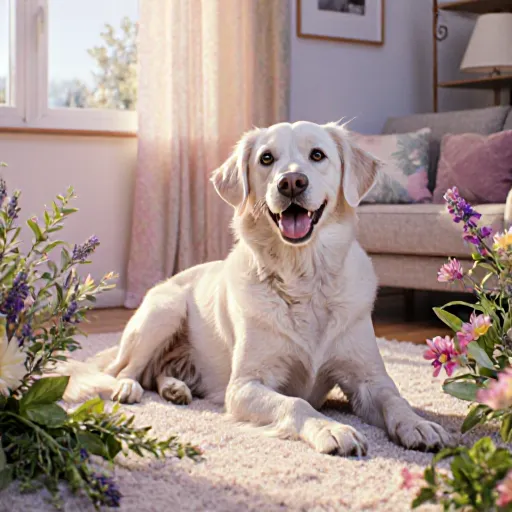
Unlock Love's Healing Power for Senior Dogs
Love Beyond Limits: Ease Aging Dogs
Table of Contents
- Understanding the Needs of Senior Dogs
- Nutritional Adjustments for Aging Dogs
- Regular Veterinary Care and Monitoring
- Exercise: Balancing Activity with Rest
- Hydration: Ensuring Your Senior Dog Drinks Enough Water
- Comfortable Sleeping Arrangements for Older Dogs
- Grooming Needs of Elderly Canines
- Managing Pain and Mobility Issues
- Mental Stimulation for Senior Dogs to Maintain Brain Health
- Handling Behavioral Changes in Older Pets
- Senior Dog Socialization: The Importance of Interaction
- End-of-Life Decisions for Senior Dogs
- Conclusion: Cherishing Every Moment with Your Aging Pet
- FAQ: Frequently Asked Questions About Senior Dog Care
Understanding the Needs of Senior Dogs
As dogs age, their physical and emotional needs change. Understanding these changes is crucial for providing senior dog care that keeps older dogs comfortable and happy. Here are some key areas to consider:
Senior dogs require more frequent veterinary check-ups due to the increased risk of age-related diseases such as arthritis, kidney disease, heart conditions, and cancer. Regular health checks can help catch potential issues early on, ensuring timely treatment.
Dietary Adjustments
A senior dog's nutritional needs differ from those of younger dogs. Their digestive systems may not be as efficient, so a diet rich in easily digestible ingredients is recommended. This can include foods high in antioxidants to support overall health and joint health supplements like glucosamine.
Movement and Exercise
While it's important for senior dogs to stay active, their exercise needs should be adjusted to avoid overexertion or injury. Low-impact activities such as walking, swimming, and gentle stretching exercises are suitable. Regular physical activity helps maintain muscle tone and joint mobility.
Socialization and Mental Stimulation
Just like younger dogs, mental stimulation is essential for senior dogs to keep them mentally sharp. Interactive toys that challenge their minds can provide both entertainment and cognitive exercise. Socialization with humans or other pets also helps reduce feelings of loneliness and depression.
The living environment plays a significant role in the comfort of senior dogs. Creating a safe, cozy space is important to prevent accidents and injuries. Non-slip surfaces, ramps for stairs, and comfortable bedding are essential.
Hygiene and Grooming
Senior dogs may have difficulty reaching certain areas during grooming, so regular baths and brushing should be performed by a helper if necessary. Regular nail trimming is also crucial to prevent discomfort or injury.
Seniors often experience changes in behavior due to physical discomfort or cognitive decline. Patience and understanding are key when dealing with these dogs. Positive reinforcement training can help reinforce good behaviors while providing mental stimulation.
Signs of Aging Stress or Discomfort
It's important to recognize signs that your senior dog is experiencing stress or discomfort, such as changes in behavior, appetite loss, increased sleeping, or frequent urination.
- Regular veterinary check-ups and vaccinations.
- Consult a vet about dietary recommendations.
- Establish a routine that includes exercise, playtime, and rest periods.
- Create a safe living environment with necessary aids like ramps or non-slip surfaces.
In conclusion, understanding the needs of senior dogs is essential for providing them with a comfortable and enjoyable life. By making adjustments to their diet, exercise routine, and living environment, along with offering emotional support, senior dogs can continue to lead fulfilling lives well into their golden years.
Nutritional Adjustments for Aging Dogs
As dogs age, their nutritional needs change. Understanding these changes and making appropriate adjustments can significantly enhance the quality of life for senior dogs. Proper nutrition supports overall health, helps manage chronic conditions common in older pets, and promotes a comfortable and active lifestyle.
Senior dogs require fewer calories to avoid obesity but still need an adequate amount of high-quality protein to maintain muscle mass. Fat content should be moderated as well since older dogs are more prone to digestive issues that could be exacerbated by too much fat.
Sample Meal Plan
- High-protein foods like cooked chicken or turkey
- Fiber-rich vegetables such as carrots and peas
- Limited amounts of whole grains for energy
For instance, a balanced diet might include a mix of 20% protein, 15% fats, and the remainder carbohydrates.
Dogs may not absorb certain nutrients as efficiently as younger dogs. Supplementing with vitamins A, C, E, D, K, B-6, and B-12 can help address deficiencies and support the immune system.
Common Vitamins for Senior Dogs
- Vitamin A - Supports eye health
- Vitamin C - Antioxidant properties to boost immunity
- Vitamin D - Helps with calcium absorption and bone health
Minerals like calcium, phosphorus, magnesium, and potassium are crucial for maintaining strong bones and teeth.
Senior dogs should have access to fresh water at all times. Dehydration can exacerbate existing health issues in older pets. Regular hydration is essential for supporting kidney function and overall organ health.
Promoting Water Consumption
- Provide clean, fresh water bowls daily
- Mix canned food with water to increase moisture content
- Offer ice cubes as treats during hot weather
Encouraging your senior dog to drink more water can be achieved by making mealtime fun, such as using puzzle feeders that require them to work for their food.
Periodontal disease is common in older dogs. Providing dental chews and regular brushing can help prevent tooth loss and infections which might otherwise cause pain or discomfort.
Practical Tips for Dental Health
- Brush your dog’s teeth at least three times a week
- Incorporate dental chews into daily routine
- Regular vet check-ups to monitor oral health
A healthy mouth is key to overall well-being. Ignoring dental issues can lead to more serious problems, including heart and kidney disease.
Keeping your senior dog mentally active helps reduce boredom and stress. This can prevent behavior changes that often accompany aging.
Mind Games for Senior Dogs
- Solve puzzles to feed treats or kibble
- Play games like fetch or hide-and-seek
- Teach new tricks or commands
Mental stimulation also enhances physical activity and helps maintain a healthy body weight.
Nutritional adjustments are just one aspect of senior dog care. By focusing on diet, hydration, dental health, and mental stimulation, you can ensure your older pet remains comfortable, happy, and active for as long as possible.
Regular Veterinary Care and Monitoring
Regular veterinary care and monitoring are crucial for senior dogs, as they face unique health challenges that can arise with age. Maintaining a consistent relationship with your vet ensures timely detection of any potential issues, allowing for early intervention which is vital in managing the specific needs of older dogs.
Annual Check-ups
An annual check-up is essential for monitoring changes in your senior dog's health. This routine visit allows the veterinarian to evaluate overall wellness and address any emerging issues promptly. During these visits, your vet may perform a series of tests including blood work, fecal exams, and heart and dental checks.
Vaccinations
While senior dogs do not necessarily need as many vaccinations as younger pets, it is important to keep them current on core vaccines. Rabies, distemper, parvovirus, and leptospirosis are some of the key vaccines that should be considered. Discuss with your vet about a vaccination schedule tailored for your dog's age and lifestyle.
Dietary Adjustments
As dogs age, their nutritional requirements can change. It is important to discuss dietary adjustments with your veterinarian. A senior dog may need fewer calories due to decreased activity levels or a switch to a specialized diet formulated for older pets that supports joint health and promotes kidney function.
Monitoring Joint Health
Dogs, especially larger breeds, are prone to arthritis as they age. Regular monitoring of your dog's mobility can help detect early signs of discomfort or pain. Your vet might recommend supplements like glucosamine or joint lubricants if necessary.
Regular Dental Care
Dental health is often overlooked in senior dogs but it plays a significant role in their overall well-being. Routine dental cleanings and exams can prevent tooth decay, gum disease, and infections that could spread to other organs.
Mental Stimulation
Keeping your senior dog mentally stimulated is equally important as physical health. Engage them with puzzle toys or training exercises that challenge their minds. This not only keeps them sharp but also helps in managing cognitive decline which can occur naturally with age.
Emergency Preparedness
Having an emergency plan in place is critical for senior dogs, who may be more prone to sudden illnesses or accidents. Ensure you have a comprehensive health record readily accessible and a list of emergency contact numbers including your vet, local animal hospitals, and poison control.
By integrating these practices into your routine, you can help ensure that your senior dog lives a comfortable and healthy life. Regular check-ups and monitoring are the foundation for maintaining their quality of life as they age.
Exercise: Balancing Activity with Rest
For senior dogs, finding the right balance between activity and rest is crucial for maintaining their overall health and comfort. As dogs age, their bodies undergo various changes that can affect mobility and energy levels. Ensuring they get enough exercise to stay healthy while also providing ample opportunities for rest is key in senior dog care.
Understanding the Needs of Senior Dogs
Senior dogs may not have the same energy levels or endurance as younger dogs. They are more prone to joint pain, muscle weakness, and other age-related health issues. Therefore, it's important to tailor their exercise routines to meet these needs.
Benefits of Appropriate Exercise
- Maintains Joint Health: Regular, low-impact exercises like walking help improve joint flexibility and reduce stiffness. This can significantly enhance your dog's comfort and mobility.
- Promotes Muscle Tone: Gentle exercise helps maintain muscle tone which is essential for supporting the joints.
- Better Digestion: Regular, light activity can aid in better digestion by stimulating the digestive system.
Examples of Suitable Exercise Activities
- Short Walks: A daily walk or two shorter walks are great for senior dogs. Choose a park with soft ground to minimize joint stress.
- Swimming: Swimming is excellent exercise as it provides full-body workout without putting pressure on the joints.
- Short Play Sessions: Engage in short play sessions with your dog using toys that are easy for them to fetch. This can keep their minds active and bodies moving gently.
Signs Your Senior Dog Needs More Rest
If you notice signs like limping, reluctance to move, or showing signs of discomfort during exercise, it's important to adjust the activity level. These could indicate that your dog needs more rest and less strenuous activity.
Creating a Balanced Routine
- Monitor Your Dog: Keep an eye on how much energy they have each day. Adjust the duration and intensity of their activities accordingly.
- Rest Periods: Ensure there are regular rest periods during exercise, even if it's just a short break to sit and relax.
- Vary Activities: To keep things interesting for your dog and to avoid repetitive strain on their body, vary the types of activities they do.
Pain Management
If your senior dog is experiencing pain, consulting with a veterinarian can provide guidance on how to manage it. Pain management may include changes in diet, supplements like glucosamine and chondroitin, or other therapies recommended by a vet.
Conclusion
In conclusion, balancing activity and rest is vital for senior dogs to maintain their comfort and health. By understanding your dog's needs, providing appropriate exercise, recognizing signs of discomfort, and creating a balanced routine, you can help ensure that your senior dog enjoys an active but not overly taxing lifestyle.
Hydration: Ensuring Your Senior Dog Drinks Enough Water
Ensuring your senior dog drinks enough water is a crucial aspect of their care, especially as they age. Dehydration can lead to serious health issues and discomfort for older dogs. In Senior Dog Care: Keeping Older Dogs Comfortable, we discussed the importance of maintaining a healthy diet, providing adequate exercise, and keeping an eye on their overall well-being. Hydration plays a pivotal role in this holistic approach.
Understanding Dehydration in Senior Dogs
Dehydration can occur more easily in senior dogs due to decreased thirst sensitivity, reduced kidney function, and increased medication use. Older dogs may not feel as thirsty or recognize the signs of dehydration as readily as they did when younger.
Symptoms of Dehydration
- Less frequent urination or smaller amounts of urine
- Dry gums and nose
- Lethargy and weakness
- Dull coat and lackluster appearance
- Pale or dark yellow-colored urine
How to Promote Hydration in Senior Dogs
To ensure your senior dog stays hydrated, consider the following tips:
Provide Fresh Water Regularly
Ensure that fresh water is always available for your senior dog. Place multiple bowls around your home or yard to encourage more frequent drinking.
Incorporate Hydration into Their Diet
If your senior dog's diet includes dry food, opt for a higher moisture content option like canned food or adding water to their kibble. Adding beef or chicken broth (without salt) can also make the water more appealing.
Encourage Water Intake through Wet Treats
Making homemade wet treats with lean meats and vegetables can increase your dog's water intake without additional calories. Just ensure that the meat is properly cooked to avoid any potential health risks.
Create a Comfortable Environment for Drinking
Make sure drinking areas are quiet, peaceful, and free from distractions or stressors like loud noises or other pets. This can encourage your senior dog to drink more readily.
Monitor Water Intake
Keep track of how much water your senior dog is consuming daily. If you notice a significant decrease in their water intake, consult with your veterinarian as it could indicate an underlying health issue.
The Role of Hydration in Senior Dog Health
Proper hydration supports kidney function and helps manage conditions like arthritis by keeping joints lubricated. It also aids digestion and prevents constipation, which can be particularly problematic for senior dogs. Additionally, staying hydrated can help improve your dog's overall energy levels and mood.
Consult Your Veterinarian
If you're unsure about how to best support your senior dog's hydration needs, or if they show signs of dehydration, it’s important to consult with your veterinarian. They can provide personalized advice based on your dog's specific health conditions and needs.
Comfortable Sleeping Arrangements for Older Dogs
Providing comfortable sleeping arrangements is crucial for senior dogs, as they may experience joint pain or discomfort due to age-related issues. Ensuring that your older dog has a supportive and cozy place to rest can significantly enhance their quality of life.
Selecting the appropriate bedding is an important step in keeping your senior dog comfortable. Look for beds that are large enough for your dog to stretch out fully, but not so big that they feel cold or exposed. Memory foam beds and orthopedic cushions can provide excellent support for sore joints.
Memory Foam Beds
These beds adapt to the shape of your senior dog's body, providing pressure relief and reducing discomfort caused by arthritis or other joint issues. They also tend to be cooler in temperature, which can help prevent overheating during hot weather.
Orthopedic Cushions
An orthopedic cushion placed on top of an existing bed can add extra support and comfort for your senior dog. These cushions are designed with firm foam that conforms to the shape of your dog's body, helping to alleviate pressure points.
The environment in which your senior dog sleeps should be quiet, cool, and free from drafts. Ensure that their sleeping area is away from direct sunlight and air conditioning vents. A small heater or heating pad can also be used to keep the space at an ideal temperature.
Temperature Control
Aim for a room temperature between 65°F and 72°F (18°C to 22°C). Dogs are less tolerant of extreme temperatures, especially as they age. Monitor your senior dog's behavior to ensure they're comfortable in their sleeping environment.
Quiet and Peaceful
A quiet space can help reduce stress for older dogs who may have hearing issues or be more sensitive to noise. Minimize disruptions by keeping the area free from loud sounds, such as barking dogs, televisions, or busy household activities.
Maintaining your senior dog's sleeping arrangements is essential for their ongoing comfort and well-being. Regularly clean and replace bedding as needed to prevent the buildup of dirt, dust, and odors that could irritate sensitive skin or exacerbate respiratory issues.
Hygiene
A clean bed can help reduce stress and discomfort for your senior dog. Wash bedding at least once a week with pet-safe detergent and air dry them completely before use. Consider using hypoallergenic covers if your dog has sensitive skin or allergies.
- Monitor Sleep Patterns: Keep an eye on how much time your senior dog spends sleeping and whether they are comfortable in their current arrangement. If you notice a change, consider adjusting their bedding or environment accordingly.
- Adjust as Needed: As your dog's needs change with age, be prepared to adjust the type of bed or cushioning material used. For example, if arthritis becomes more pronounced, switching from a memory foam bed to an orthopedic cushion may provide better support.
- Promote Mobility: Some senior dogs have mobility issues, so it's important that their sleeping area is easily accessible without requiring them to jump up or down. Providing steps or ramps can make the transition in and out of bed less stressful for your dog.
In conclusion, creating a comfortable sleeping arrangement for your older dog is an essential part of senior dog care. By addressing their specific needs and ensuring they have supportive bedding and a calm environment, you can help improve their overall comfort and well-being.
Grooming Needs of Elderly Canines
For senior dogs, grooming is an essential part of their care routine. As canines age, they may experience changes that affect their skin and coat health, making regular grooming more important than ever. Proper grooming not only enhances the dog’s comfort but also helps in early detection of any potential health issues.
1. Increased Skin Sensitivity
As dogs grow older, their skin becomes thinner and less elastic, leading to increased sensitivity. Grooming can help prevent irritation by keeping the coat clean and free from tangles. Regular brushing also stimulates blood circulation to the skin surface, promoting a healthy appearance.
Practical Advice:
- Type of Brush: Use soft-bristled brushes or combs designed for senior dogs to avoid causing pain or discomfort during grooming sessions.
- Frequent Grooming Sessions: Depending on the breed and individual dog’s coat type, daily brushing might be necessary. However, it is essential to observe your pet's comfort level and adjust the frequency accordingly.
2. Coat Changes
The coat of senior dogs may undergo significant changes as they age. Many older dogs experience a gradual thinning or shedding of their fur due to hormonal changes. Regular grooming can help manage these changes by reducing excessive shedding and keeping the coat looking tidy.
Examples:
- Senior Poodles: These breeds often develop what is called "plucking," where they lose their undercoat, leading to a patchy appearance. Regular grooming can help manage this condition effectively.
- Rottweilers and Boxers: Both are known for their thick double coats which tend to shed more as the dog ages. Grooming can also aid in preventing matting by addressing shedding promptly.
3. Early Detection of Health Issues
Grooming provides an excellent opportunity for pet owners and veterinarians to monitor a senior dog’s overall health. Regular check-ups during grooming sessions allow early detection of skin conditions, tumors, or other abnormalities that can be indicative of various diseases.
Steps to Take:
- Inspect the Coat: Look for any unusual lumps, spots, or changes in coloration. Pay particular attention to areas where matting might have formed.
- Avoid Neglecting the Undercoat: Ensure you also check and groom the undercoat thoroughly as it can sometimes be overlooked.
4. Preventing Skin Infections
Older dogs are more susceptible to skin infections due to reduced immune function and increased vulnerability of their skin barrier. Grooming helps in maintaining a healthy skin environment by ensuring that the coat is free from dirt, debris, and excess oils.
Additional Measures:
- Dry Shampoo: In between professional baths, dry shampoos can be used to keep your senior dog’s coat fresh without exposing them to harsh chemicals in a full bath.
- Treat Any Skin Issues Promptly: If you notice any signs of irritation or infection during grooming, consult your vet for appropriate treatment.
Conclusion
In summary, proper grooming is crucial for senior dogs to maintain their overall comfort and health. By adapting grooming routines to the unique needs of aging canines, pet owners play a vital role in ensuring their pets enjoy a comfortable and happy life during their golden years.
Managing Pain and Mobility Issues
Managing pain and mobility issues is a crucial aspect of senior dog care, ensuring that your aging pet remains comfortable and can continue to enjoy life. As dogs age, they are more prone to developing conditions such as arthritis, hip dysplasia, or degenerative joint disease (DJD), which can lead to significant discomfort and reduced mobility.
Understanding the Signs of Pain and Mobility Issues
- Reduced Activity Level: Your senior dog may suddenly become less interested in playing or exercising, showing a reluctance to move around.
- Painful Gait: Watch for signs such as limping, favoring one leg over another, or walking with a hunched back.
- Increased Rest Periods: Older dogs may spend more time lying down and less time moving around. This could indicate pain that is causing them discomfort.
- Agitation during Movement: If your dog shows signs of distress or agitation when trying to stand up, it might be due to joint pain or stiffness.
Tips for Managing Pain and Mobility Issues
Here are some practical strategies you can implement to help manage your senior dog's pain and mobility issues:
1. Controlled Exercise
Regular, low-impact exercise is essential for maintaining joint health and muscle tone in older dogs. Activities such as swimming or short walks on a leash are ideal because they put less stress on the joints compared to running or jumping.
Example: A daily 15-minute swim session can provide excellent exercise without putting too much strain on your dog's legs and hips.
2. Pain Management
Consult with your veterinarian to determine the most appropriate pain management plan for your senior dog. This may include non-steroidal anti-inflammatory drugs (NSAIDs), joint supplements like glucosamine, or other medications that can help alleviate discomfort.
Practical Advice: Always follow your vet's instructions carefully and monitor your dog closely when administering any medication. NSAIDs should be used cautiously as they can have side effects if not managed properly.
3. Diet and Nutrition
A well-balanced diet rich in omega-3 fatty acids, glucosamine, and chondroitin can help reduce inflammation and support joint health. Speak to your vet about formulating a specialized meal plan for your senior dog.
Example: Foods containing fish oil are great sources of Omega 3 which help in reducing inflammation and promoting healthier joints.
4. Comfortable Resting Spaces
Provide your senior dog with a cozy, warm bed or blanket to rest on, especially during colder months or if they have arthritis that affects their mobility. Elevated feeding bowls can also help reduce the strain on their neck and back when eating.
Practical Tip: Use cushions and soft materials for your dog's resting areas to provide additional comfort and support.
5. Regular Veterinary Check-Ups
Regular visits to the vet are vital in monitoring any changes in your senior dog’s health and adjusting treatment as necessary. Early intervention can significantly improve quality of life for older pets.
Example: Bi-annual check-ups allow veterinarians to detect early signs of arthritis or DJD, which can then be managed effectively with appropriate interventions like physical therapy or additional supplements.
Conclusion
In conclusion, managing pain and mobility issues in senior dogs requires a combination of medical treatment, lifestyle adjustments, and supportive care. By being proactive and attentive to your dog’s needs, you can help ensure they live their remaining years comfortably and happily.
Mental Stimulation for Senior Dogs to Maintain Brain Health
Mental stimulation is a crucial aspect of senior dog care, playing an essential role in maintaining brain health and overall well-being. Just like humans, dogs experience cognitive decline as they age, which can lead to behavioral changes such as confusion, lethargy, and loss of interest in activities that once brought them joy. Engaging your senior dog in mental exercises not only helps prevent or slow down the progression of age-related cognitive issues but also strengthens the bond between you and your pet.
Benefits of Mental Stimulation
- Enhances Cognitive Function: Activities that challenge your dog's mind, such as puzzle toys or learning new tricks, can improve their ability to remember commands and recognize familiar objects. This helps in preventing cognitive decline.
- Promotes Physical Activity: Mental exercises often require physical engagement, which is important for maintaining muscle tone and overall fitness. For instance, teaching your dog a new trick involves moving around and using the mind-body connection effectively.
- Reduces Stress and Anxiety: Engaging in mental activities can help reduce anxiety levels in senior dogs by providing them with an outlet for excess energy and reducing boredom. This is particularly beneficial for older dogs who may feel more isolated as their physical abilities diminish.
Examples of Mental Stimulation Activities
- Puzzle Toys: These toys are designed to challenge your dog’s problem-solving skills. Brands like Nina Ottosson offer a wide range of puzzle feeders and interactive toys that require your dog to solve puzzles in order to get their food.
- Interactive Training Sessions: Spend time each day teaching your senior dog new commands or tricks. This can be as simple as "sit," "stay," or more complex like "roll over." Not only does this keep them mentally sharp, but it also provides a fun and rewarding activity for both of you.
- Hide-and-Seek Games: Playing hide-and-seek is an excellent way to stimulate your dog's senses. Hide treats around the house or yard and encourage your senior dog to find them using their nose, eyes, and memory.
- Scent Work: Scent work involves using various scents to engage your dog’s sense of smell. You can create a simple game by placing small amounts of a specific scent (like vanilla or lavender) in different areas of your home or yard and letting your senior dog sniff them out.
Practical Advice for Implementing Mental Stimulation
Consistency is key when it comes to mental stimulation. Start by introducing one new activity at a time, allowing your dog to master it before moving on to the next challenge. It's important to observe how they respond to each activity and adjust accordingly. Some dogs may not enjoy certain activities as much as others, so it’s essential to find what works best for your senior pet.
Remember that mental stimulation doesn’t have to be limited to formal training sessions or expensive toys. Simple activities like playing fetch in a new environment or letting them explore different scents can provide ample mental exercise. The goal is to keep their minds active and engaged, just as you would with any other senior citizen.
Handling Behavioral Changes in Older Pets
As dogs age, they often experience changes in their behavior due to physical and mental health issues. These changes can be subtle at first but may become more pronounced over time. Understanding these behavioral shifts is crucial for providing the best care possible during a senior dog's twilight years.
- Sleep Patterns: Older dogs might sleep more than younger ones, sometimes due to joint pain or discomfort. It’s important to ensure they have comfortable bedding and a quiet environment where they can rest.
- Lack of Interest in Play: While some older dogs may still enjoy playtime, others may show less interest. This doesn’t mean they no longer enjoy interaction; it could be due to fatigue or a preference for more relaxed activities like gentle walks.
- Increased Restlessness: Some senior dogs become more restless and agitated, often seeking attention or pacing more frequently than usual. This can indicate discomfort or stress, which should be addressed by providing additional comfort and reassurance.
The behavioral changes in older pets are not always easy to pinpoint but understanding potential causes can help manage them effectively:
- Joint Pain: Arthritis and other joint issues can significantly affect a dog's mobility and comfort. Regular exercise, joint supplements, and a nutritious diet can help manage these symptoms.
- Deafness or Blindness: Seniors may lose some of their senses, which can lead to changes in behavior. Providing clear cues and maintaining routines can help them navigate their environment more easily.
- Cognitive Decline: Similar to Alzheimer's disease in humans, cognitive dysfunction syndrome (CDS) can affect older dogs. Cognitive stimulation through toys or short walks can help delay the progression of this condition.
To keep your senior dog comfortable and happy, consider these practical tips:
- Adapt Exercise Routines: Adjust walking schedules to match the dog’s energy levels. Shorter walks or slower-paced activities can be beneficial.
- Create a Safe Space: Designate a cozy area for your senior dog where they feel secure and protected from noise or stress.
- Dietary Adjustments: Consult with your vet to ensure the diet meets your senior dog’s nutritional needs, especially as their metabolism changes over time.
- Mental Stimulation: Engage your dog in mental challenges through toys or training exercises. This can also help prevent cognitive decline.
Handling the behavioral changes that come with aging requires patience, understanding, and proactive care. By recognizing these changes early on and addressing them appropriately, you can ensure your senior dog remains comfortable and happy throughout their golden years.
Senior Dog Socialization: The Importance of Interaction
As senior dogs age, their physical and mental health can sometimes decline. However, socialization remains crucial even as they grow older. Engaging them in meaningful interactions with people, pets, and even just short walks can significantly enhance their overall quality of life.
- Reduces Loneliness: Just like younger dogs, senior dogs require companionship. Regular interaction helps alleviate feelings of isolation and depression that can develop in older pets.
- Mental Stimulation: Keeping their minds active through play and training exercises can slow down cognitive decline and improve memory retention.
- Better Physical Health: Short walks or gentle interactions can promote better circulation, which is beneficial for overall health. Additionally, these activities help maintain joint flexibility.
- Start Slow: Begin with short sessions of interaction to ensure your dog does not overexert themselves. For example, start with a 5-minute walk and gradually increase the duration as they adapt.
- Incorporate Training: Use positive reinforcement techniques like treats or praise for good behavior during socialization activities. This keeps them mentally engaged without causing stress.
- Mix It Up: Vary the types of interactions—try different people, pets, and environments to keep things interesting. This can include visits to dog parks, playdates with younger dogs, or simple games at home.
Here are some examples you can try:
- Doggy Playdates: Arrange a meet-up with another senior dog or a friendly pup. Ensure both dogs are comfortable and supervised to prevent any stress.
- Structured Playtime: Engage in activities like fetch, tug-of-war (if safe), or simple obedience training exercises which can be both fun and mentally stimulating.
- Sensory Walks: Take your dog on walks through various environments such as parks, gardens, or even busy streets. This helps them experience new sights, sounds, and smells.
Incorporating socialization into your senior dog's routine is a vital aspect of their care. It not only enhances their physical health but also enriches their emotional well-being. By providing them with opportunities to interact, you are helping ensure they remain active and happy companions for years to come.
End-of-Life Decisions for Senior Dogs
Managing end-of-life decisions for senior dogs is a deeply personal and challenging task that requires careful consideration of your pet's comfort, health, and quality of life. As dogs age, they may experience various health issues such as arthritis, cognitive decline, heart disease, or kidney problems, which can significantly impact their mobility and overall well-being.
When a senior dog reaches the end of its life, it's crucial to focus on making decisions that prioritize comfort and quality. Here are some steps you can take:
- Evaluate Quality of Life: Regularly assess your dog’s health status and determine if their overall quality of life is still good or if they are experiencing significant pain and suffering.
- Pain Management: Discuss with your veterinarian about the best options for managing your senior dog's pain. This could include medications, physical therapy, or alternative therapies like acupuncture.
- End-of-Life Care: Palliative care can be provided to ensure that your pet experiences as little discomfort and stress as possible in their final days. Hospice care focuses on comfort rather than curing the illness.
In addition to medical decisions, emotional support is also important during this time. Spend extra time with your dog, give them affection, and make sure they feel loved and secure. This can help alleviate some of their stress and anxiety.
It's also advisable to consult with a veterinarian who specializes in geriatric care or palliative medicine for guidance on the best course of action. They can provide insights based on your dog’s specific health condition and life expectancy.
Ultimately, the decision about when it is time to let go should be made thoughtfully and collaboratively between you and your veterinarian. It's important to trust your instincts as a pet owner but also seek professional advice when needed.
Practical Advice: Keep emergency contact information for your vet easily accessible, including their after-hours number or the nearest 24-hour animal hospital. This can be especially useful if you need immediate assistance during difficult times.
Conclusion: Cherishing Every Moment with Your Aging Pet
Cherishing Every Moment with Your Aging Pet
Caring for an aging pet, especially a senior dog, can be both rewarding and challenging. As your furry friend enters their golden years, it's important to focus on providing comfort, love, and quality care. Here are some practical tips to help you keep your older dog comfortable:
1. Adjust Their Routine
Their energy levels may have changed, so adjust their daily routine accordingly. Ensure they get regular exercise but avoid overexertion. Short, gentle walks or low-impact activities can be beneficial.
2. Monitor Their Diet
As your dog ages, their nutritional needs also change. Consult with a veterinarian to determine the best diet for your senior dog. They may require foods that are lower in calories but higher in nutrients like glucosamine and chondroitin to support joint health.
3. Provide Comfortable Resting Areas
Your aging pet will appreciate having soft, warm spots where they can rest comfortably. Consider adding orthopedic beds or cushions that provide extra padding for their joints. Make sure these areas are in quiet, secure locations to help them feel safe and content.
4. Regular Vet Check-Ups
Regular visits to the vet are crucial for monitoring any health changes in your senior dog. Early detection of conditions like arthritis or kidney disease can significantly improve their quality of life with appropriate treatment.
5. Offer Mental Stimulation and Playtime
Mental stimulation is as important for senior dogs as physical activity. Keep them engaged by providing puzzle toys, interactive games, and plenty of positive reinforcement during training sessions. This will help keep their minds sharp and reduce feelings of boredom or frustration.
6. Show Lots of Affection
The most essential thing you can do for your aging pet is to shower them with love and affection. Spend quality time together, whether it's reading a book aloud, watching TV, or simply petting them. These moments are invaluable and will strengthen the bond between you both.
7. Plan for Emergencies
Prepare for any potential health emergencies by keeping your vet’s contact information handy and having a plan in place should something unexpected arise. This peace of mind can help ensure that you're always ready to provide the best care possible for your senior dog.
In conclusion, cherishing every moment with your aging pet is about recognizing their unique needs and providing them with love, comfort, and the best care they deserve. By following these tips, you'll be able to keep your older dog comfortable and happy during their golden years. Remember, it's not just about extending their life; it's about enriching their lives with meaningful moments of joy and companionship.
FAQ: Frequently Asked Questions About Senior Dog Care
1. How can I tell if my senior dog is experiencing pain?
Senior dogs may show signs of discomfort or pain that are often overlooked. Common indicators include reduced mobility, difficulty getting up from a lying position, changes in appetite and energy levels, decreased interest in play or exercise, and increased vocalization.
2. What kind of diet is best for my senior dog?
A tailored diet that meets the nutritional needs of senior dogs can significantly improve their quality of life. Foods with fewer calories but higher levels of essential nutrients are recommended to help manage weight and support joint health. Examples include Hill's Prescription Diet j/d or Royal Canin Mature Joints.
3. How often should I take my senior dog for veterinary check-ups?
Avoiding illness and managing existing conditions is crucial for senior dogs. It is generally advised to schedule a visit with your veterinarian every six months, especially as they get older. Regular check-ups allow the vet to monitor overall health and catch any potential issues early.
4. Can I still play with my senior dog?
Yes, playing is important for stimulating both physically and mentally in senior dogs. However, it's essential to adjust activities based on your pet’s capabilities. Low-intensity games like fetch or short walks can be fun and beneficial without being overly taxing.
5. What are the signs of a healthy senior dog?
A healthy senior dog should maintain an appropriate weight, have good muscle tone, display alertness when approached, eat and drink normally, and show interest in their surroundings. Regular exercise and proper nutrition play significant roles in maintaining these indicators.
6. How do I choose the right supplements for my senior dog?
Supplements like glucosamine, chondroitin, omega-3 fatty acids, and joint support formulas can provide additional benefits to your senior pet’s health. Always consult with a veterinarian before adding any supplements to ensure they are appropriate for your dog's specific needs.
7. What should I do if my senior dog starts showing signs of cognitive decline?
Cognitive dysfunction syndrome (CDS) is common in older dogs and can manifest as confusion, disorientation, decreased interaction with people, and changes in sleep-wake cycles. Engaging your dog with mental stimulation activities like puzzles or training sessions, along with a diet rich in antioxidants such as those found in blueberries, may help.
8. Can I still train my senior dog?
Definitely! Training remains an excellent way to keep your senior dog’s brain active and engaged. Focus on simple commands that require less physical exertion. Positive reinforcement methods are always effective for any age of dogs, including seniors.
9. How do I ensure my senior dog gets enough exercise?
Even in later years, moderate exercise is vital for a senior dog's health. Activities like gentle walks, short runs (if possible), and swimming are great options that provide cardiovascular benefits without being too strenuous.
10. What should I look out for if my senior dog shows signs of dehydration?
Signs of dehydration in older dogs include a dry nose, lethargy, lack of skin elasticity when you gently pinch it, and sunken eyes. Ensure your pet has access to fresh water at all times and monitor their hydration closely.
Categories
- AI & Enrichment Play
- Broiler Farming
- Broiler Farming Tips
- Canine Wellness & Longevity
- Cat
- Cat & Human Connection
- Cat Adoption & Rescue
- Cat Breeds
- Cat Breeds & Personalities
- Cat Care & Health
- Cat Grooming & Hygiene
- Cat Lifestyle & Environment
- Cat Myths & History
- Cat Nutrition & Diet
- Cat Products & Reviews
- Cat Training & Behavior
- Comparison
- Consumer Awareness
- Dog
- Dog Accessories & Products
- Dog Adoption & Rescue
- Dog Breed & Lifestyle Trends
- Dog Breeding & Puppies
- Dog Entertainment & Media
- Dog Fashion & Trends
- Dog Fun & Lifestyle
- Dog Grooming & Hygiene
- Dog History & Culture
- Dog Myths, Science & Future Tech
- Dog News & Trends
- Dog Nutrition & Food
- Dog Psychology & Emotions
- Dog Safety & Security
- Dog Sports & Activities
- Dog Technology & Innovation
- Dog Training for Modern Owners
- Dog Travel & Adventure
- Dog Travel, Adventure & Culture
- Economic and Market Insights
- Educational Content
- FAQs
- Feeding Alternatives
- Festivals & Seasonal Ideas
- Fun & Entertainment
- General Knowledge
- General Pig Farming
- Health & Disease Management
- Housing and Environment
- Kittens
- Market Insights
- Miscellaneous
- Miscellaneous
- Motivational
- pig
- Pig Breeding
- Pig Breeds
- Pig Farming Stories and Inspiration
- Pig Health and Care
- Pig Nutrition
- Pig Products
- Profitability & Business
- Puppy Care
- Puppy Predictable Topics Reinvented
- Regional Focus
- Rescue & Adoption Buzz
- Senior Cats
- Senior Dog Care
- Smart Dog Tech & Gadgets
- Sustainability
- Sustainable & Eco-Friendly Dog Products
- Tech & Innovations
- Working & Service Dogs
- Broiler Feed66 products
- Country Feed33 products
- Pig Feed66 products
- Product22 products
- Raw Materials99 products
Products
-
 Fish Meal
₹1,999.00 – ₹2,999.00Price range: ₹1,999.00 through ₹2,999.00Rated 0 out of 5
Fish Meal
₹1,999.00 – ₹2,999.00Price range: ₹1,999.00 through ₹2,999.00Rated 0 out of 5 -
 FATTENING BROILER FEED
₹2,299.00 – ₹2,349.00Price range: ₹2,299.00 through ₹2,349.00Rated 0 out of 5
FATTENING BROILER FEED
₹2,299.00 – ₹2,349.00Price range: ₹2,299.00 through ₹2,349.00Rated 0 out of 5 -
 LAYER COUNTRY FEED
₹1,549.00 – ₹1,649.00Price range: ₹1,549.00 through ₹1,649.00Rated 0 out of 5
LAYER COUNTRY FEED
₹1,549.00 – ₹1,649.00Price range: ₹1,549.00 through ₹1,649.00Rated 0 out of 5 -
 COUNTER BROILER FEED
₹1,199.00 – ₹1,299.00Price range: ₹1,199.00 through ₹1,299.00Rated 0 out of 5
COUNTER BROILER FEED
₹1,199.00 – ₹1,299.00Price range: ₹1,199.00 through ₹1,299.00Rated 0 out of 5 -
 LACTATING PIG FEED
Rated 0 out of 5
LACTATING PIG FEED
Rated 0 out of 5₹2,299.00Original price was: ₹2,299.00.₹1,740.00Current price is: ₹1,740.00. -
 Maize
Rated 0 out of 5
Maize
Rated 0 out of 5₹1,650.00Original price was: ₹1,650.00.₹1,300.00Current price is: ₹1,300.00. -
 GESTATION PIG FEED (Phase 1)
Rated 0 out of 5
GESTATION PIG FEED (Phase 1)
Rated 0 out of 5₹2,249.00Original price was: ₹2,249.00.₹1,699.00Current price is: ₹1,699.00. -
 Pre Starter Broiler Feed
₹2,399.00 – ₹2,499.00Price range: ₹2,399.00 through ₹2,499.00Rated 0 out of 5
Pre Starter Broiler Feed
₹2,399.00 – ₹2,499.00Price range: ₹2,399.00 through ₹2,499.00Rated 0 out of 5 -
 FINISHER PIG FEED
Rated 0 out of 5
FINISHER PIG FEED
Rated 0 out of 5₹2,299.00Original price was: ₹2,299.00.₹1,749.00Current price is: ₹1,749.00. -
 Broiler Premix
Rated 0 out of 5
Broiler Premix
Rated 0 out of 5₹820.00Original price was: ₹820.00.₹699.00Current price is: ₹699.00.