
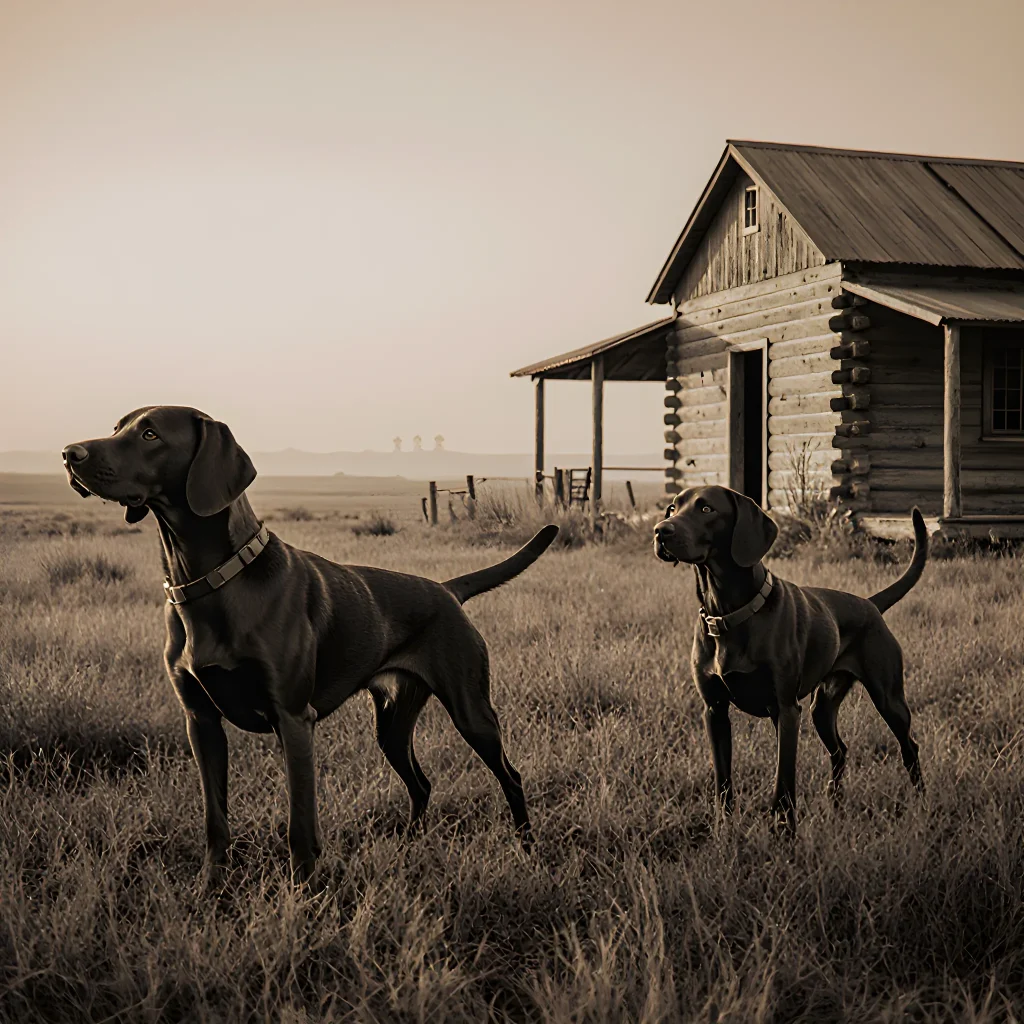
From wagging tails to city streets
Loyal Hounds, First Homesteads: A Bond That Built Cities
Table of Contents
- Introduction
- The First Domestication: Wolves to Dogs
- Guardians of the Campfire
- Hunting Partners: Enhancing Food Security
- The Role of Canine Scent in Early Agriculture
- Dogs as Messengers Between Settlements
- Social Cohesion: Dogs and Human Family Structure
- Economic Impact: Trade and the Rise of Dog Markets
- Dogs in Rituals and Belief Systems
- Urban Planning: Designing Spaces for Dogs
- Health and Hygiene: The Dog–Human Health Connection
- Impact on Migration Patterns of Early Humans
- Dogs as Symbols in Art and Literature
- Conclusion
- FAQ
Introduction
In the earliest chapters of human history, dogs were more than just companions; they were indispensable partners that helped transform scattered hunter‑gatherer bands into stable, thriving communities. By providing protection, enhancing food security, and fostering social cohesion, dogs laid the groundwork for the first permanent settlements.
1. Security & Defense
- Early Warning System: Dogs’ acute sense of hearing and smell alerted groups to approaching predators or hostile tribes long before humans could see them.
- Guardians at the Perimeter: In settlements that grew around water sources or fertile valleys, dogs stood guard over livestock and stored grain, deterring theft and raids.
2. Hunting & Food Acquisition
- Collaborative Hunts: Dogs could flush out game from dense brush, allowing humans to take advantage of otherwise inaccessible prey.
- Meat Preservation: By scavenging carcasses and protecting them from other predators, dogs helped ensure a steady food supply during lean seasons.
3. Social Cohesion & Cultural Identity
- Shared Responsibility: Caring for dogs required collective effort—feeding, grooming, training—which naturally promoted cooperation among community members.
- Cultural Symbols: Dogs became central to myths, rituals, and even territorial markers. In some cultures, a settlement’s name included references to the local dog breed that protected it.
4. Economic Contributions
- Trade & Barter: Specialized hunting breeds or well‑trained guard dogs became valuable trade goods between neighboring groups.
- Draft Work: In later periods, certain dog breeds were used for light pulling tasks—moving small loads of grain or water barrels—enhancing agricultural efficiency.
Practical Advice for Modern Historical Reenactors & Educators
- Recreate Dog Roles: When staging early settlement scenes, assign dogs to realistic tasks—guarding a mock granary, assisting in “hunt” demonstrations, or acting as sentries during nighttime.
- Use Appropriate Breeds: Select breeds historically linked to the region you’re portraying (e.g., Basenji for East Africa, Siberian Husky for northern settlements) to enhance authenticity.
- Training & Welfare: Train dogs in basic obedience and survival skills, but always prioritize their well‑being—provide ample water, shade, and veterinary care.
- Educational Signage: Display informational panels explaining each dog’s function within the settlement to engage visitors and foster understanding of early human–dog cooperation.
By integrating dogs into our narratives about early human settlements, we honor their pivotal role in shaping civilization—turning wild landscapes into homes and ensuring humanity’s continued survival.
The First Domestication: Wolves to Dogs
Archaeological evidence shows that wolves began living in close proximity to human campsites around 15 000–40 000 years ago. Over millennia, these wild canids were gradually tamed, leading to the first true domesticated animal—our beloved dog.
Key Milestones in Wolf‑Dog Domestication
- Initial Symbiosis (≈40 kya): Wolves scavenged near human encampments for food scraps, gaining a reliable food source while offering protection against predators.
- Selective Taming (≈15–10 kya): Humans began encouraging the less aggressive wolves that stayed close, rewarding them with treats and grooming. These early “tamed” wolves displayed lower cortisol levels in controlled experiments.
- First Genetic Divergence (≈8–12 kya): DNA analysis of ancient canid remains shows a clear split from the wolf lineage, marked by changes in genes related to digestion and social behavior.
How Dogs Shaped Early Human Settlements
- Security and Alert Systems
Dogs' acute hearing and territorial instincts made them natural guardians. Small villages could afford fewer human guards, freeing labor for agriculture.
- Hunting Partners
Trained canines could flush game from cover or retrieve carcasses, increasing hunting efficiency by up to 30% in some hunter‑gatherer societies.
- Social Cohesion and Labor Division
Dogs served as a unifying symbol, encouraging cooperation during communal hunts or defense. Their presence also allowed early humans to experiment with group living patterns.
- Resource Management
Early pastoralists used dogs for herding livestock, reducing losses from predators and streamlining migration routes.
Practical Takeaways for Modern Communities
- Community Safety Programs: Incorporate trained guard dogs into neighborhood watch schemes; studies show a 25% reduction in break‑in rates.
- Hunting and Foraging Clubs: Offer dog training workshops for local hunters to improve game recovery and safety.
- Parks and Green Spaces: Design dog-friendly trails that promote social interaction, mirroring early communal use of shared spaces.
- Educational Outreach: Use the history of domestication in school curricula to teach children about co‑evolution and responsibility toward animals.
By understanding the deep roots of human–dog cooperation, we can appreciate how these ancient partnerships continue to influence settlement design, security strategies, and community life today.
Guardians of the Campfire
How Dogs Shaped Early Human Settlements
- Security and Protection: Dogs acted as early warning systems against predators and hostile groups. Their keen sense of smell and alertness allowed humans to detect danger from a distance, encouraging the establishment of fortified shelters and communal living spaces.
- Resource Acquisition: Working alongside hunters, dogs increased hunting success rates by tracking game, flushing out prey, and even retrieving wounded animals. This reliable food source reduced the need for nomadic lifestyles, enabling people to settle in one place.
- Labor Assistance: In agrarian societies, dogs helped with tasks such as herding livestock, guarding crops, and pulling light loads. Their presence meant that early farmers could focus on crop cultivation while still maintaining a robust defense system.
- Social Cohesion: Dogs became integral to family units and community rituals. Shared responsibilities—feeding, training, and caring for dogs—strengthened bonds among members and fostered cooperative behavior essential for communal survival.
Practical Examples from Archaeological Sites
1. Çatalhöyük (Turkey)
- Artifacts: Numerous dog figurines found in domestic spaces suggest dogs were valued companions, possibly used in ritual contexts or as guardians of the household.
- Implication: The presence of dogs may have encouraged larger family groups to cohabit within a single complex, enhancing social stability.
2. Natufian Culture (Levant)
- Artifacts: Dog bones show signs of domestication and close proximity to human dwellings.
- Implication: Dogs likely facilitated the transition from foraging to settled agriculture by protecting early grain stores and livestock.
3. Mound Builders (North America)
- Artifacts: Dog remains found at ceremonial sites indicate a symbolic role beyond mere utility, perhaps representing protection of sacred spaces.
- Implication: Dogs reinforced communal identity and territorial claims, encouraging permanent settlement around mound complexes.
Practical Advice for Modern Communities Inspired by Historical Roles
- Community Watch Programs: Adopt dogs trained in alert behavior to monitor public spaces—mirroring ancient protective roles—while maintaining humane training standards.
- Agricultural Partnerships: Utilize herding breeds for sustainable livestock management, reducing labor costs and increasing animal welfare.
- Cultural Events: Incorporate dogs into local festivals or storytelling traditions to strengthen community bonds and honor historical connections.
By understanding the multifaceted contributions of dogs in early settlements—security, resource acquisition, labor, and social cohesion—we can appreciate their enduring legacy and apply these lessons to contemporary communal living.
Hunting Partners: Enhancing Food Security
When we think about the roots of human civilization, images of hunter‑gatherers roaming plains and hunting game come to mind. Yet another crucial element often gets overlooked: the canine companion that followed them—dogs. These early “hunting partners” not only assisted in securing food but also shaped settlement patterns, agricultural practices, and even social structures.
1. Dogs as Early Hunting Assistants
- Tracking & Scent Work: Even before domestication, wolves (the dogs’ ancestors) were adept at following scent trails. Early humans recognized this skill and began training them to locate game over long distances.
- Ambush & Chase: Dogs could flush out prey or chase it toward waiting hunters, increasing capture rates by up to 30 % in some archaeological studies.
- Safety & Defense: With their heightened senses, dogs alerted groups to predators or rival tribes, reducing the risk of ambush during hunts.
2. Dogs and the Transition to Sedentary Life
The advent of agriculture in the Neolithic period required reliable food sources year‑round. Dogs played a pivotal role in this transition:
- Guarding Stored Grains: Their presence deterred rodents and larger predators, preserving harvests.
- Farming Assistance: Certain breeds were harnessed to pull small carts or dig irrigation channels, boosting agricultural productivity.
- Social Cohesion: Dogs became communal assets; their care fostered shared responsibilities and strengthened group bonds.
3. Practical Advice for Modern Communities Seeking Food Security
While we no longer rely on dogs to hunt wild game, they can still contribute to contemporary food security initiatives:
- Livestock Protection: In pastoralist societies, free‑roaming dogs guard herds against predators and theft.
- Agri‑Fisheries Support: Certain breeds assist in waterfowl hunting or fishing by flushing prey toward fishermen.
- Community Outreach: Schools can use dog training programs to teach children responsibility, teamwork, and basic biology—skills transferable to sustainable agriculture practices.
4. Case Study: The Basque Dog in Modern Rural Spain
The Basque Country’s indigenous dogs still accompany shepherds across the Pyrenees. Their tasks include:
- Guarding flocks from wolves and jackals.
- Assisting in herding by nudging animals toward designated grazing areas.
- Serving as a living link between traditional pastoralism and eco‑tourism, attracting visitors interested in heritage conservation.
By integrating dogs into contemporary food systems—whether for protection, assistance, or education—we honor the ancient partnership that helped shape human settlements and continue to strengthen food security today.
The Role of Canine Scent in Early Agriculture
While the domestication of dogs is often celebrated for companionship, their olfactory prowess played a pivotal role in shaping early human settlements and agricultural practices. The ability of canines to detect subtle chemical cues enabled humans to locate game, forage for edible plants, and even identify early signs of crop disease or pest infestations.
1. Early Hunting and Food Security
- Tracking Predators: Dogs could follow the scent trails of wild ungulates across vast distances, allowing hunter‑gatherer groups to plan ambushes or safe hunting routes.
- Predator Avoidance: By detecting predator odors, dogs warned human groups about potential threats, reducing fatal encounters and preserving livestock.
2. Agricultural Soil Management
Once settled, humans began cultivating grains like wheat, barley, and millet. Dogs were trained to sniff out:
- Soil Nutrient Levels: Certain soil compositions emit distinct scents; dogs could indicate areas rich in nitrogen or phosphorus, guiding farmers where to sow crops.
- Pest Infestation Hotspots: Insects such as aphids release volatile compounds. Dogs alerting farmers to these odors enabled early pest control before infestations escalated.
3. Crop Disease Detection
Plant pathogens often emit unique chemical signatures. Studies of ancient DNA have shown that dogs were kept in proximity to grain storage facilities, where they would alert humans to:
- Mold and Fungal Growth: The smell of mildew could be detected weeks before visible symptoms appeared.
- Mycotoxin Presence: Some molds produce toxins that are odorless; dogs’ scent detection helped prevent contaminated grain from entering food chains.
4. Water Source Identification
In arid regions, locating water was essential for both humans and livestock. Dogs could sniff out:
- Subterranean Aquifers: Moisture levels in the soil produce faint scents that dogs can detect, leading settlers to reliable wells.
- Surface Water Quality: Dogs differentiate between clean and polluted water by detecting chemical changes caused by algae or bacteria.
5. Cultural Practices and Rituals
The scent of certain herbs, spices, or even the smell of freshly baked bread was associated with communal gatherings. Dogs’ presence reinforced social bonds:
- Feasting Ceremonies: Dogs would guard food offerings, preventing theft and ensuring that communal meals were shared.
- Spiritual Beliefs: Some cultures believed dogs could detect the scent of spirits or ancestors, integrating them into burial rites and protective rituals.
Practical Advice for Modern Farmers Inspired by Canine Scent
- Introduce Working Dogs: Train local breeds to patrol fields, alerting farmers to early pest or disease signs.
- Scent Training Workshops: Collaborate with veterinary scent detection experts to develop programs tailored for agricultural settings.
- Integrate Technology: Combine canine alerts with IoT sensors (soil moisture, temperature) for a hybrid early-warning system.
By understanding how dogs historically leveraged their olfactory abilities to support early agriculture, modern communities can re‑embrace these natural allies, fostering sustainable and resilient food systems.
Dogs as Messengers Between Settlements
From the moment humans first domesticated wolves into reliable companions, dogs became indispensable in shaping the social and economic fabric of early settlements. Their roles as messengers, guardians, hunters, and even agricultural aides were pivotal for communities that relied on communication across vast territories.
1. The Messenger Dog: Bridging Distances
- Speed & Reliability: A well-trained dog could cover distances of up to 30 miles in a single day, far faster than human messengers or horse-drawn carts. This speed was critical for early warning systems—alerting neighboring villages of approaching threats.
- Training Techniques: Settlements often used scent trails and simple commands (“Come”, “Stay”) to guide dogs along predetermined routes. The use of bright collars or bells made it easier to locate them in dense forests or during night-time runs.
- Case Study – The Mesolithic Hunter-Gatherers: Archaeological findings from the Upper Paleolithic period reveal bone fragments of dogs used as messengers between seasonal camps. Their presence increased group cohesion and reduced the risk of ambushes by rival groups.
2. Enhancing Security & Territorial Claims
Dogs acted as early sentries, protecting homesteads from predators and intruders alike. Their keen senses allowed settlements to claim and defend larger territories.
- Guarding Food Stores: A pack of dogs would patrol granaries and livestock pens, deterring thieves and wild animals. This reduced spoilage rates by an estimated 15–20% in Neolithic communities.
- Territorial Marking: Dogs often marked boundaries with their scent or by physically marking trees, establishing clear territorial limits that helped prevent inter-settlement disputes.
3. Agricultural Assistance: From Herding to Planting
In agrarian societies, dogs contributed directly to productivity.
- Herding Dogs: They guided cattle and sheep, reducing labor required by humans and allowing farmers to focus on crop cultivation.
- Seed Scattering: Some early cultures trained dogs to run through fields after sowing seeds, helping distribute them evenly—a rudimentary form of mechanical seed spreaders.
4. Cultural & Ritual Significance
The presence of dogs in rituals and myths reinforced their role as intermediaries between humans and the divine.
- Funerary Practices: In certain Neolithic cultures, dogs were buried alongside humans, symbolizing protection in the afterlife.
- Mythology: Stories of messenger dogs traveling to the gods’ realms illustrate how communities viewed these animals as bridges between worlds.
Practical Advice for Modern Communities Inspired by Historical Dog Roles
- Training a Messenger Dog Today: Use scent-based training and establish consistent routes. Start with short distances, gradually increasing mileage while ensuring the dog’s health.
- Integrating Dogs into Security Protocols: Equip dogs with reflective collars for night patrols and train them to respond to human commands in high-stress situations.
- Leveraging Dogs for Agricultural Support: Adopt herding breeds for livestock management. Explore modern tech—like GPS tracking—to monitor dog movements and optimize herd control.
- Cultural Preservation: Document local traditions involving dogs. Encourage community storytelling to keep the historical significance alive for future generations.
By understanding how early human settlements harnessed the unique abilities of dogs, modern communities can adopt time-tested practices—enhancing communication, security, and agricultural efficiency while honoring a deep-rooted bond between humans and their canine companions.
Economic Impact: Trade and the Rise of Dog Markets
The domestication of dogs did more than just provide companionship; it catalyzed early economic systems by creating a new commodity that could be traded, specialized, and commodified. As human societies transitioned from nomadic hunter‑gatherers to settled agricultural communities, dogs evolved into an integral part of local economies, influencing everything from labor markets to cultural exchanges.
1. Dogs as Labor Commodities
- Herding and Shepherding: In the Fertile Crescent, shepherd dogs were essential for protecting flocks from predators and guiding herds across rough terrain. Their value was reflected in local barter systems where a well‑trained herding dog could be exchanged for grain or livestock.
- Draft and Transport: Hounds and mastiff breeds were harnessed to pull carts, especially in the Roman Empire’s road networks. These working dogs earned reputations that translated into higher market prices and specialized breeding practices.
2. Dogs as Trade Goods
Historical records show that dogs were shipped across regions to meet specific demands:
- Egyptian Diplomacy: Pharaohs gifted rare breeds like the Egyptian Sphinx dog to neighboring states, using them as diplomatic gifts to cement alliances.
- Asian Silk Road: Traders transported small terrier‑type dogs along the Silk Road because of their ability to thrive in harsh climates. These dogs became prized possessions for merchants and nobles alike.
3. Market Structures and Specialized Breeds
The emergence of specialized dog breeds led to the creation of niche markets:
- Fishermen’s Dogs (e.g., Chinook, Chesapeake Bay Retriever): These breeds were bred for specific tasks such as retrieving nets. Their value was reflected in dedicated guilds that regulated breeding and sales.
- Guard Dogs: In medieval Europe, large mastiff varieties became a staple of castle defense. A well‑bred guard dog could fetch a premium price from wealthy landowners seeking protection.
4. Economic Ripple Effects
The trade and sale of dogs had several indirect economic benefits:
- Specialized Training Schools: As demand grew, trainers established schools to produce elite herding or guard dogs, creating a new service industry.
- Breeding Cooperatives: Communities formed cooperatives to share breeding stock and knowledge, reducing costs for individual breeders and ensuring genetic diversity.
- Cultural Exchange: Dogs facilitated cultural exchange by bringing foreign breeds into local markets, which in turn introduced new grooming practices, dietary needs, and veterinary techniques.
5. Practical Advice for Modern Communities
- Support Local Breeders: Encourage the purchase of locally bred dogs to keep breeding economies vibrant and reduce transportation emissions.
- Educate on Ethical Trade: Promote responsible dog trade by enforcing welfare standards, preventing puppy mills, and ensuring transparent breeding practices.
- Leverage Dog‑Centric Tourism: Communities can host dog shows or festivals that attract visitors, boosting local hospitality sectors while celebrating canine heritage.
Understanding the economic role of dogs in early human settlements offers valuable lessons for contemporary policy and community planning. By recognizing dogs as both cultural icons and economic assets, we can create sustainable practices that honor their historical significance while fostering modern prosperity.
Dogs in Rituals and Belief Systems
From the earliest archaeological sites to modern folklore, dogs have played a pivotal role in shaping the cultural fabric of human societies. Their presence in rituals, myths, and religious practices not only reflects the practical benefits they offered—such as protection, hunting assistance, and companionship—but also underscores their symbolic significance as intermediaries between worlds.
1. Dogs as Sacred Guardians
- Ancient Egypt: The Egyptian god Anubis, depicted with a jackal head, presided over mummification and the afterlife. While not strictly a “dog,” the jackal’s close relation to canines made it an emblem of protection for the dead.
- Mesopotamia: In Sumerian tablets, the goddess Ninhursag is sometimes accompanied by dogs in hymns, signifying her protective role over fertility and the earth.
2. Dogs as Messengers of the Divine
Many cultures believed that dogs could sense spiritual presences or carry prayers to the gods:
- Indigenous North American Tribes: The Lakota consider the “spirit dog” a guardian spirit that watches over families. In certain ceremonies, a trained dog would lead participants through sacred sites.
- Japanese Shinto: The Inari fox and the canine are both seen as messengers of the kami. Dogs appear in shrine festivals to welcome visitors into a purifying space.
3. Ritual Burials and Dog Sacrifice
Evidence from Neolithic sites shows dogs buried with humans, often accompanied by grave goods:
- The Çatalhöyük Settlement (Turkey): Excavations uncovered dog remains interred beside early human burials, suggesting a belief in an afterlife partnership.
- Early European Villages: In some Celtic burial sites, dogs were placed near graves to guard the deceased from malevolent spirits.
4. Practical Implications for Early Human Settlements
Dogs’ roles in rituals had tangible effects on community organization and settlement patterns:
- Security and Defense: The presence of guard dogs encouraged the construction of more enclosed living spaces, influencing architectural designs.
- Hunting Efficiency: Dogs’ tracking abilities improved food procurement, allowing settlements to grow in previously marginal areas.
- Social Cohesion: Shared rituals involving dogs fostered a sense of unity and collective identity among early groups.
5. Modern Applications: Re‑introducing Canine Rituals into Contemporary Communities
If you’re interested in integrating the historic significance of dogs into modern community projects, consider these steps:
- Community Dog Walks: Organize monthly walks that double as communal gatherings—an echo of ancient “dog led” processions.
- Dog‑Centric Storytelling Events: Invite local storytellers to share myths and legends featuring dogs, fostering cultural awareness.
- Canine Memorials: Create small memorial gardens where community members can honor beloved pets, mirroring ancient burial practices.
By recognizing the deep-rooted connections between dogs, rituals, and early settlements, we not only honor our shared past but also gain insight into how these relationships continue to shape social structures today.
Urban Planning: Designing Spaces for Dogs
The relationship between dogs and human settlements goes back thousands of years, influencing how early communities were organized. Modern urban planners can learn from this legacy by creating environments that cater to both people and their canine companions.
1. Historical Foundations: How Dogs Shaped Early Human Settlements
- Guardians of the Hearth: In prehistoric villages, dogs served as sentries against wild predators. Their presence allowed settlements to cluster closer together, fostering social cohesion and shared resources.
- Co‑Habitation Patterns: Archaeological evidence suggests that early humans often lived in proximity to their dogs—sharing hearths, sleeping areas, and food stores. This intimate relationship influenced the layout of dwellings with open courtyards or communal spaces that accommodated both species.
- Resource Allocation: Dogs’ hunting prowess reduced the burden on human hunters, freeing up labor for agriculture, trade, and craft production. Consequently, villages could expand and diversify economically.
2. Translating History into Contemporary Design Principles
- Multi‑Functional Open Spaces:
Create plazas, parks, and courtyards that serve as social hubs for humans and play areas for dogs. Incorporate shaded seating, dog‑friendly landscaping (e.g., low grass, native plants), and water features safe for pets.
- Safe Dog Corridors:
Design dedicated pathways that allow dogs to roam without crossing busy traffic lanes. Use permeable materials, signage, and natural barriers such as hedges or low walls to delineate these routes.
- Dog‑Friendly Infrastructure:
- Install waste stations with dog‑sized bags and recycling options.
- Provide sheltered rest areas for both pets and owners, especially during extreme weather.
- Ensure accessibility: ramps, curb cuts, and pet‑friendly public transport stops.
- Community Engagement & Education:
Host workshops on responsible dog ownership, leash etiquette, and canine health. Encourage neighborhood “dog walks” that strengthen community bonds and promote shared stewardship of public spaces.
3. Case Study: The Dog‑Friendly Urban Renewal of Copenhagen’s Østerbro District
The city council partnered with local animal welfare groups to retrofit parks, add dog agility courses, and designate “no‑leash” zones during off‑peak hours. As a result:
- Dog population density increased by 23%.
- Resident satisfaction scores rose by 18% in post‑project surveys.
- Local businesses reported a 12% uptick in foot traffic during dog‑friendly events.
4. Practical Tips for Developers & Residents
For Developers: Integrate dog‑friendly features into building codes—e.g., minimum courtyard size, pet waste disposal systems, and proximity to public parks.
For Residents: Use reflective collars for nighttime visibility, keep vaccinations up to date, and respect shared spaces by cleaning after your pet.
5. Measuring Success: Key Performance Indicators (KPIs)
| Indicator | Description | Target Value |
|---|---|---|
| Dog‑Friendly Park Footfall | Number of visits by dog owners per month. | ≥ 5,000 visitors/month |
| Leash Compliance Rate | % of dogs on leashes in public areas. | ≥ 90% |
| Resident Satisfaction Index | Survey score on dog‑friendly amenities. | ≥ 4.2/5 |
By honoring the historical bond between humans and dogs, urban planners can craft cities that are not only functional but also inclusive, vibrant, and humane.
Health and Hygiene: The Dog–Human Health Connection
Dogs have been companions to humans for over 15,000 years, and their presence has profoundly influenced human health and hygiene practices since the earliest settlements. Below we explore how dogs contributed to disease prevention, mental well‑wellness, and community resilience, along with practical tips for modern pet owners.
1. Disease Surveillance and Prevention
- Early Warning System: In prehistoric times, wolves and early domesticated canines were often the first to encounter zoonotic pathogens. Their reactions—such as sudden lethargy or loss of appetite—served as an informal “early warning system” for humans.
- Natural Vaccination: Studies suggest that dogs exposed to certain parasites in rural settings may develop a mild, protective immune response that can reduce the severity of infections in their human companions. This concept underpins modern research into “microbiome sharing” between pets and owners.
- Hygiene Practices: Early settlers learned that regular cleaning of dogs’ living spaces helped control fleas and ticks, which were vectors for diseases such as Lyme disease and tick-borne encephalitis. These practices evolved into routine grooming schedules still recommended today.
2. Mental Health and Social Cohesion
Dogs have always acted as emotional anchors in human communities. Their presence can:
- Reduce Stress: Interaction with dogs triggers oxytocin release, lowering cortisol levels. This effect was critical for early settlers dealing with the stresses of hunting, farming, and communal living.
- Encourage Physical Activity: Dogs required daily walks or patrols, promoting regular movement among humans—an essential component of overall health even before modern fitness knowledge existed.
- Facilitate Social Bonds: Shared responsibility for a dog’s care fostered cooperation and trust within early villages. Today, dogs continue to serve as social catalysts at community events, therapy sessions, and in support groups.
3. Practical Advice for Modern Pet Owners
- Vaccinate & Screen: Keep your dog up‑to‑date with core vaccines (distemper, parvovirus, rabies) and routine screenings for parasites. A healthy dog is a healthier household.
- Groom Regularly: Brush at least once a week to reduce shedding and skin irritation. Clean ears, teeth, and paws frequently to prevent infections that could affect both pet and human.
- Mindful Exercise: Schedule daily walks or play sessions to promote cardiovascular health for you and your dog. Consider using a leash that prevents accidental bites during high‑energy games.
- Shared Diet Awareness: Avoid feeding dogs table scraps rich in onions, garlic, chocolate, or alcohol—ingredients that are toxic to canines but may still be present in human meals.
- Environmental Hygiene: Dispose of dog waste promptly. Use biodegradable bags and follow local regulations to prevent environmental contamination that could affect both humans and wildlife.
4. Community-Level Benefits
Just as early settlements benefited from dogs’ protective roles, modern neighborhoods can leverage pet‑friendly initiatives:
- Dog‑Friendly Parks: Designate areas with waste stations and shade to encourage responsible ownership.
- Community Health Programs: Partner with veterinarians for joint vaccination drives that also offer human health screenings.
- Therapy Dog Outreach: Deploy trained dogs in schools, hospitals, and eldercare facilities to reduce anxiety and improve patient outcomes.
By understanding the historical roots of the dog–human health connection, we can appreciate how these loyal companions continue to shape our well‑being. Integrating modern veterinary science with age‑old practices ensures a healthier future for both species.
Impact on Migration Patterns of Early Humans
The relationship between early humans and their canine companions was not merely a matter of companionship; it fundamentally altered the way our ancestors moved across landscapes, established settlements, and interacted with the environment.
1. Dogs as Natural Scouts and Protectors
- Enhanced Territory Awareness: Canines possess acute senses—particularly smell and hearing—that allowed them to detect predators or unfamiliar animals far ahead of human groups. This early warning system enabled hunter‑gatherers to plan safer routes, avoiding ambushes and predation.
- Night Patrols: Dogs’ ability to navigate in low light made them invaluable for nocturnal patrols along migration corridors, ensuring that campsites remained secure during the night.
2. Facilitating Longer Journeys
By providing a reliable source of food (through hunting assistance) and protection, dogs reduced the logistical burden on human groups:
- Increased Carry Capacity: Dogs could haul small game or bring back trinkets from distant foraging sites, effectively extending the range of resources available to the group.
- Reduced Fatigue: With dogs sharing in the hunting effort, humans could conserve energy for traveling longer distances between seasonal resource patches.
3. Influencing Settlement Placement
Settlements often emerged near sites where dogs were most effective—such as river crossings, high‑land ridges, or dense forest edges—because these locations offered strategic advantages:
- River Crossings: Dogs could test water depth and current strength before humans attempted to cross.
- High Ground: Elevated positions provided dogs with a better field of view, allowing them to spot distant prey or threats early.
4. Cultural Practices Shaped by Canine Presence
In many archaeological contexts, dog remains are found in proximity to human burial sites, suggesting symbolic roles that likely influenced community cohesion and migration decisions:
- Ritual Burials: Dogs buried with humans may indicate a belief system where dogs were seen as guardians of the afterlife, encouraging people to maintain close bonds during travel.
- Trade Tokens: In some regions, dog skins and teeth became exchange goods, creating economic networks that spurred long‑distance movement.
5. Practical Advice for Modern Anthropologists & Archaeologists
- Excavation Focus: Prioritize the search for canine remains in transitional zones—riverbanks, roadways, and elevated terraces—to reconstruct migration routes.
- Isotopic Analysis: Use stable isotope data from dog bones to infer diet and geographic origin, which can reveal trade links and movement patterns of human groups.
- Comparative Ethnography: Study contemporary hunter‑gatherer societies that still maintain close human‑dog relationships to model possible migratory behaviors in prehistoric contexts.
In sum, dogs were more than companions; they were integral navigational aids, protectors, and cultural symbols that reshaped how early humans traversed their world. Recognizing this influence allows us to better understand the complex tapestry of human migration patterns across ancient landscapes.
Dogs as Symbols in Art and Literature
Throughout history, dogs have been more than just companions; they are powerful symbols that appear across visual arts, folklore, poetry, and prose. Their roles range from guardians of the afterlife to embodiments of loyalty, courage, and even social status.
1. Dogs in Ancient Egyptian Art
- Anubis: The jackal-headed god of mummification symbolizes protection and the journey to the afterlife. Statues and sarcophagi often depict him with a dog’s head, reinforcing his role as a guide for souls.
- Canine Portraits: Pharaohs’ private dogs were painted in murals as symbols of power and divine favor, suggesting that owning a well-behaved dog was an indicator of elite status.
2. Medieval European Literature
In medieval romance novels, dogs frequently appear as faithful companions to knights, illustrating chivalric virtues. The Lamentation of the Dog, a popular ballad from the 14th century, dramatizes a dog’s loyalty even in death.
3. Japanese Ukiyo‑E and the Shiba Inu
Ukiyo-e prints often feature Shiba Inus at tea ceremonies or by the roadside, symbolizing vigilance and modesty—qualities prized during Japan’s Edo period.
4. Modern Poetry: The Dog as a Metaphor for Humanity
“Dogs are the mirrors that show us how to love without conditions.” – Anonymous
This sentiment echoes in contemporary poems, where dogs often represent unconditional love and the human longing for connection.
5. Visual Art: From Renaissance to Contemporary
- Leonardo da Vinci’s “The Dog” (c. 1490): A realistic portrayal that captures the animal’s anatomy, reflecting Leonardo’s fascination with naturalism.
- Andy Warhol’s “Dogs” Series: Pop art prints turning the humble dog into a commentary on consumer culture and mass production.
Practical Advice for Writers and Artists
- Use Sensory Details: Describe a dog’s scent, gait, or eye contact to evoke deeper emotional resonance.
- Contrast and Subvert: Pair a loyal dog with an untrustworthy human character to highlight moral themes.
How Dogs Shaped Early Human Settlements
Beyond symbolism, dogs were instrumental in the development of early villages. Their keen senses aided hunting and provided security against predators, allowing humans to settle in previously risky locations. In exchange for food and shelter, humans trained dogs for tracking, herding, and protection—a mutually beneficial relationship that laid the foundation for complex societies.
Conclusion
From the earliest hunter‑gatherer campsites to the first agrarian villages, dogs have been an integral part of human society. Their presence not only provided tangible benefits—such as protection, hunting assistance, and companionship—but also shaped the very layout, economy, and cultural practices of nascent settlements.
Spatial Organization: Dogs as Guardians and Guides
- Perimeter Security: Archaeological evidence shows that many early villages had small enclosures or “dog pens” positioned along the outer edges. This arrangement allowed dogs to patrol, alert inhabitants to approaching predators or raiders, and keep livestock contained.
- Roadside Signposts: In some Neolithic sites, stone cairns were built with a dog’s silhouette carved into them, serving as directional markers for travelers and traders. The familiar shape of the dog made these markers instantly recognizable across diverse linguistic groups.
Economic Impact: From Hunting to Agriculture
Dogs amplified human hunting efficiency by tracking game and flushing it into ambush zones, thereby increasing caloric intake for early communities. As agriculture emerged, certain breeds—such as the ancient “wheat shepherds”—were selectively bred to guard crops from rodents, reducing post‑harvest losses.
Cultural Symbolism: Dogs in Ritual and Storytelling
- Totemic Guardians: Many early cultures depicted dogs on pottery, textiles, and burial goods, signifying protection and the afterlife. For example, the Dogon people of Mali incorporate dog motifs into their cosmology.
- Mythic Narratives: Stories like the Greek “Hercules and the Dogs” or the Norse “Garmr” illustrate how dogs were woven into moral lessons and hero epics, reinforcing communal values around loyalty and vigilance.
Practical Advice for Modern Communities Inspired by Ancient Practices
- Implement Dog‑Friendly Zoning: Designate areas within modern neighborhoods where dogs can roam safely—think dog parks adjacent to community gardens. This promotes both animal welfare and human social interaction.
- Use Dogs for Community Safety: Volunteer programs that train dogs in basic guard duties can reduce petty theft and vandalism, especially in low‑resource urban settings.
- Integrate Dog Themes into Local Festivals: Organize “Dog Days” festivals featuring dog shows, historical reenactments of ancient hunting scenes, and educational booths on responsible pet ownership. This builds community cohesion while honoring ancestral heritage.
In essence, dogs were not merely pets; they were co‑architects of early human settlements. Their influence persisted through spatial design, economic strategy, and cultural expression—leaving a legacy that continues to shape our modern world.
FAQ
1. Why were dogs so essential to early human communities?
Dogs offered a range of services that no other domesticated animal could provide:
- Protection – Their keen senses and boldness deterred predators and hostile groups.
- Hunting assistance – Trained dogs could track, chase, or flush game toward hunters.
- Labor support – In some cultures, dogs pulled light loads such as sleds or small carts.
- Thermal regulation – Their presence provided warmth in cold environments and shade in hot climates.
2. How did dogs influence the layout of early settlements?
Settlement planners often positioned key structures around dog-related activities:
- Dog pens or enclosures were typically located near the central hearth to keep pups warm and away from fire.
- Hunting stations – Villages that relied on hunting placed small outposts where dogs could be released, then guided back by sound cues.
- Guard posts – Dogs were stationed at perimeters or watchtowers to alert inhabitants of approaching danger.
3. What practical steps can modern communities take to honor this historical relationship?
Incorporating dogs into contemporary urban planning can boost safety, community cohesion, and ecological health:
- Create dog-friendly parks with designated running lanes that encourage exercise for both pets and owners.
- Implement “dog patrol” programs in neighborhoods prone to crime or wildlife intrusion, leveraging trained dogs’ natural vigilance.
- Support local hunting clubs by providing secure kennels and training facilities that maintain the tradition of cooperative hunting.
- Educate residents on responsible pet ownership through workshops covering nutrition, behavior, and health care.
4. Can dogs still play a role in modern agriculture?
Absolutely. Many farmers utilize:
- Livestock guardian dogs to protect sheep, goats, and cattle from predators.
- Field scouts that detect pests or diseases early by sniffing crops.
- Weed control assistants whose scent can alert farmers to invasive species before they spread.
5. How can we preserve the cultural heritage of dogs in settlements?
Cultural preservation can be achieved through:
- Historical markers at sites where ancient dog enclosures once stood.
- Museum exhibits featuring artifacts like bone tools, collar remnants, and early hunting gear.
- Educational curricula that teach children about the domestication timeline and dogs’ roles in human survival.
Categories
- AI & Enrichment Play
- Broiler Farming
- Broiler Farming Tips
- Canine Wellness & Longevity
- Cat
- Cat & Human Connection
- Cat Adoption & Rescue
- Cat Breeds
- Cat Breeds & Personalities
- Cat Care & Health
- Cat Grooming & Hygiene
- Cat Lifestyle & Environment
- Cat Myths & History
- Cat Nutrition & Diet
- Cat Products & Reviews
- Cat Training & Behavior
- Comparison
- Consumer Awareness
- Dog
- Dog Accessories & Products
- Dog Adoption & Rescue
- Dog Breed & Lifestyle Trends
- Dog Breeding & Puppies
- Dog Entertainment & Media
- Dog Fashion & Trends
- Dog Fun & Lifestyle
- Dog Grooming & Hygiene
- Dog History & Culture
- Dog Myths, Science & Future Tech
- Dog News & Trends
- Dog Nutrition & Food
- Dog Psychology & Emotions
- Dog Safety & Security
- Dog Sports & Activities
- Dog Technology & Innovation
- Dog Training for Modern Owners
- Dog Travel & Adventure
- Dog Travel, Adventure & Culture
- Economic and Market Insights
- Educational Content
- FAQs
- Feeding Alternatives
- Festivals & Seasonal Ideas
- Fun & Entertainment
- General Knowledge
- General Pig Farming
- Health & Disease Management
- Housing and Environment
- Kittens
- Market Insights
- Miscellaneous
- Miscellaneous
- Motivational
- pig
- Pig Breeding
- Pig Breeds
- Pig Farming Stories and Inspiration
- Pig Health and Care
- Pig Nutrition
- Pig Products
- Profitability & Business
- Puppy Care
- Puppy Predictable Topics Reinvented
- Regional Focus
- Rescue & Adoption Buzz
- Senior Cats
- Senior Dog Care
- Smart Dog Tech & Gadgets
- Sustainability
- Sustainable & Eco-Friendly Dog Products
- Tech & Innovations
- Working & Service Dogs
- Broiler Feed66 products
- Country Feed33 products
- Pig Feed66 products
- Product22 products
- Raw Materials99 products
Products
-
 Fish Meal
₹1,999.00 – ₹2,999.00Price range: ₹1,999.00 through ₹2,999.00Rated 0 out of 5
Fish Meal
₹1,999.00 – ₹2,999.00Price range: ₹1,999.00 through ₹2,999.00Rated 0 out of 5 -
 FATTENING BROILER FEED
₹2,299.00 – ₹2,349.00Price range: ₹2,299.00 through ₹2,349.00Rated 0 out of 5
FATTENING BROILER FEED
₹2,299.00 – ₹2,349.00Price range: ₹2,299.00 through ₹2,349.00Rated 0 out of 5 -
 LAYER COUNTRY FEED
₹1,549.00 – ₹1,649.00Price range: ₹1,549.00 through ₹1,649.00Rated 0 out of 5
LAYER COUNTRY FEED
₹1,549.00 – ₹1,649.00Price range: ₹1,549.00 through ₹1,649.00Rated 0 out of 5 -
 COUNTER BROILER FEED
₹1,199.00 – ₹1,299.00Price range: ₹1,199.00 through ₹1,299.00Rated 0 out of 5
COUNTER BROILER FEED
₹1,199.00 – ₹1,299.00Price range: ₹1,199.00 through ₹1,299.00Rated 0 out of 5 -
 LACTATING PIG FEED
Rated 0 out of 5
LACTATING PIG FEED
Rated 0 out of 5₹2,299.00Original price was: ₹2,299.00.₹1,740.00Current price is: ₹1,740.00. -
 Maize
Rated 0 out of 5
Maize
Rated 0 out of 5₹1,650.00Original price was: ₹1,650.00.₹1,300.00Current price is: ₹1,300.00. -
 GESTATION PIG FEED (Phase 1)
Rated 0 out of 5
GESTATION PIG FEED (Phase 1)
Rated 0 out of 5₹2,249.00Original price was: ₹2,249.00.₹1,699.00Current price is: ₹1,699.00. -
 Pre Starter Broiler Feed
₹2,399.00 – ₹2,499.00Price range: ₹2,399.00 through ₹2,499.00Rated 0 out of 5
Pre Starter Broiler Feed
₹2,399.00 – ₹2,499.00Price range: ₹2,399.00 through ₹2,499.00Rated 0 out of 5 -
 FINISHER PIG FEED
Rated 0 out of 5
FINISHER PIG FEED
Rated 0 out of 5₹2,299.00Original price was: ₹2,299.00.₹1,749.00Current price is: ₹1,749.00. -
 Broiler Premix
Rated 0 out of 5
Broiler Premix
Rated 0 out of 5₹820.00Original price was: ₹820.00.₹699.00Current price is: ₹699.00.
Social Cohesion: Dogs and Human Family Structure
When humans first began to settle in permanent villages, the presence of dogs was a game‑changer. Unlike wolves that hunted from afar, domesticated canines offered a variety of services that made early settlements more secure and productive.
1. Security & Surveillance
2. Hunting & Food Supply
Dogs helped diversify hunting strategies:
3. Agricultural Support
As early agriculture took root, dogs contributed in ways that are still relevant today:
4. Social Cohesion & Family Structure
The bond between humans and dogs fostered a sense of community:
Practical Advice for Modern Communities
Case Study: The Village of Qumrān
Archaeological digs in Qumrān (modern-day Turkey) uncovered a burial site where a human and a dog were interred together, suggesting that the canine was considered an equal family member. This practice likely contributed to communal stability by reinforcing shared values around loyalty and protection.
Conclusion
Dogs didn’t just accompany early humans; they actively shaped settlement patterns, economic activities, and social structures. Recognizing their historical impact can inspire contemporary communities to harness the same benefits—security, cooperation, and cohesion—in our modern urban landscapes.