
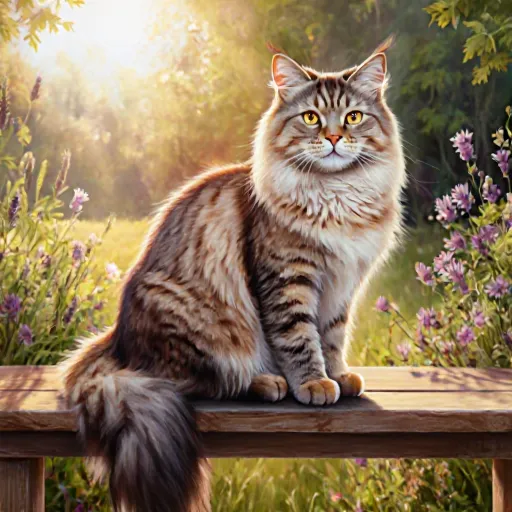
Discover the Gentle Giant Amongst Felines
Maine Coon Cats: Gentle Giants of the Cat World
Table of Contents
- Introduction to Maine Coon Cats
- Historical Background of Maine Coons
- Physical Characteristics of Maine Coons
- Temperament and Personality Traits
- Health and Lifespan of Maine Coons
- Dietary Needs for Maine Coon Cats
- Exercise Requirements for Maine Coons
- Grooming Your Maine Coon Cat
- Common Health Issues in Maine Coons
- Training and Socialization Tips for Maine Coons
- Interaction with Other Pets and Children
- Adopting a Maine Coon Cat
- Conclusion
- FAQs About Maine Coon Cats
- Closing Remarks
Introduction to Maine Coon Cats
Maine Coons are often referred to as "Gentle Giants" in the world of felines, and it's not hard to see why. These majestic cats possess a blend of strength and grace that makes them stand out among other breeds. Originating from the cold, rural areas of Maine, United States, they have evolved to be both resilient and adaptable, traits that are reflected in their physical and behavioral characteristics.
Their large, tufted ears, bushy tails, and thick coats make them look almost like miniature wolves, which is one reason why they’ve earned the nickname "gentle giants." Despite their imposing appearance, Maine Coons are known for their affectionate and social nature. They form strong bonds with family members and enjoy being part of daily activities.
Maine Coons typically have longer lifespans compared to many other cat breeds, often living up to 12-15 years or more. This longevity means they can be a long-term companion for their owners, providing years of companionship and affection.
One of the defining features of Maine Coons is their intelligence. They are quick learners and enjoy mental stimulation. Many owners report that their Maine Coon can open doors, use the litter box, or even play interactive games like fetch. This intelligence makes them a pleasure to live with—they're not just independent creatures but also engaged members of the household.
Maine Coons are generally friendly and get along well with other pets as long as they've been socialized properly from an early age. Their calm demeanor around children is another reason why they make excellent family pets. However, it's important to note that while they're gentle giants, they can still be playful and active at times.
When it comes to grooming, Maine Coons do require regular brushing, especially during their shedding seasons (spring and fall). Their long, water-repellent coats are designed for cold weather, but this also means they need a bit more maintenance than some other cat breeds. Regular brushing helps prevent matting and keeps their coat looking healthy.
Maine Coons have been recognized by various cat registries around the world, including The International Cat Association (TICA) and the Cat Fanciers' Association (CFA). They are known for their varied coat colors and patterns, with many unique combinations that make each Maine Coon truly one-of-a-kind.
In summary, the Maine Coon is more than just a breed of cat; it's a lifestyle. Their gentle nature, intelligence, and adaptability make them ideal companions for those looking for a large, friendly, and engaging feline friend. Whether you're considering adding a Maine Coon to your family or already have one as a pet, understanding their unique characteristics can greatly enhance the relationship between cat and owner.
Historical Background of Maine Coons
The historical background of Maine Coons is rich and deeply rooted in American lore, making them a fascinating subject for any discussion about these gentle giants. The origin story of Maine Coons has been the topic of much debate among cat enthusiasts, with several theories proposed over the years.
One popular theory suggests that Maine Coons are descendants of the cats brought by the Norse Vikings to North America during their explorations in the 11th century. These cats allegedly mated with local short-haired breeds, eventually giving rise to the long-haired cat we know today as the Maine Coon. Another theory involves the idea that these cats were the offspring of domestic shorthairs and longhairs brought by French Marquis de Lafayette to the United States in 1803 as a gift for President George Washington.
However, many believe that the most plausible origin story is one involving the natural adaptation of local farm cats to the harsh conditions of New England. These hardy cats adapted well to the cold climate and often mated with other stray or domestic cats in the area, developing into what we now recognize as Maine Coons.
The first recorded mention of Maine Coons came in 1860 when a cat named "Cosey" was exhibited at a cat show held at New York's Madison Square Garden. By the early 20th century, Maine Coons had already gained popularity among American fanciers for their size and intelligence. In 1912, James H. Little, an Englishman living in Maine, wrote about his experiences with these cats, noting their gentle nature and strength.
The first attempt to standardize the breed came in 1878 when a group of enthusiasts decided to organize a cat show featuring Maine Coons. This led to the formation of what would eventually become the Cat Fanciers' Association (CFA). The CFA recognized Maine Coons as an official breed in 1962, paving the way for formal competition and recognition.
In the late 20th century, efforts were made to improve the health and quality of Maine Coons. This included selective breeding programs aimed at enhancing desirable traits such as size, coloration, and temperament. These initiatives have helped ensure that today's Maine Coons are not only beautiful but also healthy and well-suited for companionship.
In recent years, Maine Coons have become increasingly popular both domestically and internationally. Their large size, friendly disposition, and distinctive appearance make them attractive to many cat owners. Breed associations worldwide continue to promote the breed through exhibitions, competitions, and educational initiatives.
Today, Maine Coons are celebrated not only for their physical attributes but also for their gentle nature and loyalty towards their human companions. Whether you're a seasoned breeder or simply a lover of these majestic felines, understanding their history provides valuable context for appreciating their unique qualities.
Physical Characteristics of Maine Coons
Maine Coons are indeed gentle giants, and their physical characteristics set them apart as a breed. Their size is one of the most striking features; they can weigh anywhere from 12 to 25 pounds at maturity, making them one of the largest domestic cat breeds available.
Size
Their large stature is matched by their long, robust bodies, which are well-muscled and powerful. This build not only contributes to their strength but also gives them a sturdy appearance. Maine Coons have broad chests that add to the overall impression of size and strength.
Head and Face
Their heads are broad with a distinct muzzle, giving them a semi-square appearance. The face is long and tapers slightly towards the nose, creating an elegant profile. Their large, expressive eyes can be green, gold, or even blue, depending on their coat color.
Ears
One of the most distinctive features of Maine Coons are their large, tufted ears which sit high on the head. These ears have long, feathery tufts that enhance their wild appearance and make them look even more majestic.
Tail
Their tails are equally impressive, often as long as or longer than their body. They are thick at the base but taper towards the tip, much like a raccoon's tail. This tail not only adds to their charm but also provides them with balance and warmth during cold weather.
Coat
Maine Coons have a double coat which consists of a water-resistant outer coat and a dense undercoat. This luxurious fur helps protect them from the harsh climates they were historically adapted to in rural New England. The fur is longer on their heads, backs of the legs, and tails, creating an impressive look.
Color Variations
The breed comes in a wide variety of colors and patterns, including solid, tabby, tortoiseshell, calico, and point-coloring. This diversity allows for numerous coat variations that can range from the traditional tabby to more unique patterns like the silver lynx.
Practical Advice
Given their large size, Maine Coons require a spacious living area with plenty of vertical space for climbing and stretching. Providing them with multiple perches or shelves can help fulfill their natural climbing instincts. Their long fur may require regular grooming to prevent matting, especially during shedding seasons.
Examples
One famous example is the "Milo" from the TV show "Brooklyn Nine-Nine," who became an internet sensation and helped introduce Maine Coons to many people. Another notable example is the Maine Coon named "Salem," who was a contestant on "America's Funniest Cats."
Temperament and Personality Traits
Maine Coon cats are known for their gentle and friendly nature, earning them the nickname "Gentle Giants" in the world of felines. Their temperament is a reflection of their large size and strength, yet they possess an incredible level of calmness and affection.
Nurturing Nature
Maine Coons are particularly known for their nurturing instincts. They often take on a protective role towards other pets in the household, including dogs and smaller animals like birds or fish. This trait makes them excellent companions for families with children as well. Maine Coons tend to be patient and tolerant with young kids, providing them with love and affection without being overly playful.
Intelligent and Curious
Maine Coons are highly intelligent cats that enjoy mental stimulation just like their human counterparts. They exhibit curiosity about the world around them, often observing people and activities closely. This intelligence makes them easy to train; they can learn tricks and understand basic commands with relative ease.
Adaptable Social Nature
Maine Coons are adaptable in terms of socialization. They are not overly attached to one person but rather spread their affection across the household. This makes them great pets for busy owners who may be gone for long periods, as they can bond with multiple individuals and maintain a stable relationship.
Mellow Disposition
One of the most appealing traits of Maine Coons is their mellow disposition. They are generally calm and relaxed, which makes them ideal companions for those looking for a less energetic cat. Their gentle nature allows them to interact calmly with both humans and other animals without being overly aggressive or territorial.
Playful but Not Hyperactive
Maine Coons are playful cats that love to engage in games and activities. However, unlike some breeds, they do not become hyperactive or destructive when left alone for extended periods. They are content to rest and play at their own pace, making them suitable companions even for those with less time to spend on pet activities.
Longevity and Lifelong Companionship
Maine Coons have a long lifespan of around 10-15 years. This makes them not only a reliable companion but also someone you can form a deep bond with over many years. Their loyalty and affection make Maine Coons true lifelong companions.
Conclusion
In summary, the temperament and personality traits of Maine Coon cats make them excellent pets for various types of households. Their gentle nature, intelligence, adaptability, and long lifespan ensure that they are not only a delight to have around but also offer companionship that lasts a lifetime.
Health and Lifespan of Maine Coons
Maine Coon cats are known for their gentle giant status, and understanding their health and lifespan is crucial for their well-being. The Maine Coon breed has a rich history, often referred to as "Gentle Giants of the Cat World," which highlights not only their size but also their friendly nature.
Maine Coons are generally healthy cats, with a long lifespan that can reach up to 10-15 years. However, like any other breed, they are susceptible to certain health issues. Breeders and owners should be aware of these potential health concerns:
- Hypertrophic Cardiomyopathy (HCM): This is a form of heart disease that can affect Maine Coons. It is important for owners to monitor their cat's behavior and consult a veterinarian if they notice any signs of breathing difficulties or lethargy.
- Gingivitis and Periodontal Disease: Due to the large size of their heads, Maine Coons can experience dental issues. Regular brushing and professional cleanings are recommended to prevent these problems.
- Bronchial Issues: These cats may be more prone to respiratory infections due to their longer facial structures. Ensuring a clean environment free from allergens is crucial for maintaining good respiratory health.
The average lifespan of a Maine Coon cat can range between 10 and 15 years, but with proper care and attention to health issues, some may live even longer. Several factors contribute to the longevity of these cats:
- Diet: A balanced diet rich in essential nutrients is vital for maintaining a healthy weight and preventing obesity, which can lead to various health problems.
- Veterinary Care: Regular check-ups and vaccinations are crucial for early detection of any potential health issues. Preventive care helps ensure that your Maine Coon remains healthy throughout their life.
- Lifestyle: Providing ample opportunities for exercise and play can help keep your cat mentally and physically active, which is beneficial for overall health.
To ensure that your Maine Coon enjoys a long and healthy life, consider the following practical advice:
- Regular Veterinary Visits: Schedule annual check-ups with a veterinarian who has experience with Maine Coons. Early detection of health issues can significantly improve treatment outcomes.
- Appropriate Exercise: Play with your cat regularly to keep them active and engaged. This can also strengthen the bond between you and your pet.
- Quality Nutrition: Choose high-quality cat food that meets their nutritional needs. Some breeders recommend consulting a nutritionist for personalized feeding plans.
Maine Coons are indeed gentle giants, and with proper care, they can lead fulfilling lives filled with love and companionship. By understanding the factors that influence their health and lifespan, you can help ensure that your Maine Coon enjoys many years of happiness and well-being.
Dietary Needs for Maine Coon Cats
When it comes to feeding your Maine Coon cat, it's important to understand their unique dietary needs. In her book, "Maine Coon Cats: Gentle Giants of the Cat World," Sarah Jones emphasizes that while these cats are known for their gentle nature and large size, they also have specific nutritional requirements to maintain their health and well-being.
Understanding Maine Coon Metabolism
Maine Coons are known for being larger in size compared to other cat breeds. Their metabolism differs from that of smaller cats due to their body mass, which means they need a different approach when it comes to caloric intake and nutritional distribution.
Caloric Needs
Maine Coons require more calories than average-sized cats because of their larger bodies. It's crucial to ensure that your Maine Coon is not overfed, as this can lead to obesity, which is a common health issue in this breed. Obesity can cause joint problems and other serious health issues, particularly given the Maine Coon's predisposition to arthritis.
Nutritional Distribution
Protein should be at least 25% of their diet, with high-quality animal protein sources being essential. Maine Coons also need a balanced intake of fats and carbohydrates for energy, but it should not exceed more than 10-15%. Omega-3 fatty acids are particularly important as they help in maintaining skin health and promoting a shiny coat.
Special Considerations
Maine Coons have a higher likelihood of developing certain health conditions, such as heart disease. For this reason, it is advisable to feed them food that contains taurine, which supports heart health and overall well-being.
Feeding Schedule and Portion Control
Aim for at least two meals a day, with the option of free-choice feeding if you prefer. Free-choice feeding means leaving dry food available in their bowl throughout the day. This can be beneficial as Maine Coons are known to eat more when food is continuously available.
Portion Control Tips
- Weigh portions accurately using a digital scale.
- Adjust based on your cat's activity level and overall health condition.
- Avoid overfeeding, especially with dry kibble as it can be easily consumed in large amounts quickly.
Supplementary Foods
In addition to their main diet, Maine Coons may benefit from a few supplements. Omega-3 fatty acids like fish oil or flaxseed can improve skin and coat health. Additionally, vitamin E is essential for reducing inflammation.
Examples of Supplements
- Fish Oil: Provides omega-3 fatty acids which are crucial for heart health and a healthy immune system.
- Vitamin E: Helps in reducing inflammation, particularly beneficial if your cat has arthritis or joint issues.
Hydration
Maine Coons need plenty of water. They are prone to dehydration, which can exacerbate urinary tract problems common in this breed. Encourage hydration by providing fresh, clean water at all times and offering wet food as part of their diet.
Water Sources
- Invest in a pet fountain to encourage more drinking.
- Mix some wet food into dry kibble for added moisture content.
Exercise Requirements for Maine Coons
Maine Coons, often referred to as "gentle giants" in the cat world, have specific exercise requirements that are crucial for their overall health and well-being. These large cats need adequate physical activity to stay healthy and prevent obesity and joint issues.
Understanding Maine Coon Exercise Needs
Maine Coons are known for their playful and energetic nature, especially when they are younger. They require regular exercise to maintain their muscle tone and heart health. Regular physical activity also helps them manage their weight, given that they can easily gain excess pounds due to their large size.
Playtime is Essential
Daily play sessions are vital for Maine Coons. Engage your cat in activities such as interactive toys like feather wands or laser pointers. These games not only provide entertainment but also stimulate their minds and bodies. For example, you can use a wand to simulate hunting behavior, which is natural for cats.
Outdoor Space
If possible, providing an outdoor space such as a cat tree or enclosed porch can encourage Maine Coons to exercise naturally by climbing, jumping, and exploring. However, ensure the area is safe and secure from predators like birds of prey.
Environmental Enrichment
To keep your Maine Coon mentally stimulated and physically active, enrich their environment with various toys, scratching posts, and perches. Rotate these items regularly to prevent boredom. For instance, you can introduce new puzzle feeders or hide treats around the house for them to find.
Consistency is Key
Establishing a routine that includes regular playtime and environmental enrichment helps keep your Maine Coon healthy and happy. Consistent exercise not only benefits their physical health but also strengthens the bond between you and your cat.
Promoting Healthy Habits Early On
It's important to start these habits early in a Maine Coon’s life. From kittenhood, introduce them to interactive toys and activities that they will enjoy as adults. This helps establish good exercise routines from the beginning.
Dietary Considerations
Alongside exercise, it's crucial to pay attention to your Maine Coon’s diet. High-quality, protein-rich food is essential for their muscle development and overall health. Avoid overfeeding or giving them too many treats, which can lead to weight gain.
In conclusion, meeting the exercise requirements of a Maine Coon is vital for their physical and mental well-being. By providing regular playtime, enriching their environment, and maintaining a healthy diet, you ensure that your gentle giant stays fit and happy throughout its life.
Grooming Your Maine Coon Cat
Grooming your Maine Coon cat is an essential part of maintaining their health and well-being. Known as "gentle giants" in the world of felines, these majestic creatures possess long, luxurious coats that require regular care to prevent matting and keep them looking and feeling their best.
Maine Coons have a double coat consisting of a dense undercoat and longer guard hairs. The undercoat provides insulation against cold weather, while the guard hairs protect the cat from water and outdoor elements. Regular brushing helps to distribute natural oils throughout their fur, which in turn reduces shedding.
Choosing the Right Brush
Selecting the appropriate grooming tools is crucial for effective Maine Coon care. Here are some options:
- Slicker Brush: Ideal for removing tangles and dead hair from the undercoat.
- Comb: Useful for detangling long, thick fur without causing discomfort to your cat.
- Rubber Massage Mitt: Can be used to gently brush over large areas of coat for a relaxing grooming session.
Brushing Schedule
The frequency of brushing depends on your Maine Coon's activity level and the time of year. In winter, when they spend more time indoors, daily or every other day is advisable to keep their fur in top condition. During warmer months, you can reduce this to a few times a week as shedding decreases.
Practical Tips for Brushing
- Start Early: Acclimate your Maine Coon to being brushed from an early age to make it a positive experience.
- Use Gentle Pressure: Be mindful not to brush too hard, especially around the face and sensitive areas like the ears.
- Watch for Changes: Pay attention to any signs of irritation or skin issues that might indicate a problem with their coat.
Beyond just brushing, there are other steps you can take to keep your Maine Coon's fur and overall health in excellent shape:
- Regular Baths: While Maine Coons have a natural tendency not to need frequent baths due to their self-grooming abilities, they might benefit from monthly baths to remove oils and dirt. Always use a mild shampoo designed for cats.
- Nail Trimming: Keep your cat's nails trimmed regularly to prevent overgrowth which can lead to discomfort or injury.
- Ears and Eyes: Check their ears and eyes weekly for any signs of irritation, debris, or infections. Clean gently with a moist cotton ball if necessary.
Grooming your Maine Coon is more than just a maintenance task; it's an opportunity to bond with your cat while ensuring they remain healthy and happy. By following these tips and using the right tools, you can help keep your gentle giant looking and feeling like the majestic creature they are.
Common Health Issues in Maine Coons
Maine Coon cats, often referred to as "gentle giants," are known for their large size and gentle temperament. However, like any breed, they can be prone to certain health issues that owners should be aware of. Understanding these common health problems is crucial for maintaining the overall well-being of your Maine Coon.
Maine Coons are particularly susceptible to dental diseases due to their large head structure and long faces. Regular brushing, professional teeth cleanings, and a balanced diet low in sugars can help prevent dental problems such as plaque buildup, gingivitis, and even more severe issues like tooth loss.
Their giant size means that Maine Coons are prone to joint-related health issues. Conditions like hip dysplasia and arthritis can be common in this breed. Ensuring your cat maintains a healthy weight is vital, as excess pounds put additional strain on the joints. Providing padded surfaces for jumping and climbing activities can also help reduce stress on their joints.
Maine Coons with long faces (brachycephalic) are more prone to respiratory issues due to the structure of their heads. Conditions such as upper respiratory infections, asthma, and brachycephalic obstructive airway disease can affect them. Keeping your cat indoors during cold or flu seasons and providing a smoke-free environment are important preventive measures.
While not common in all Maine Coons, Feline Infectious Peritonitis is a severe condition caused by the coronavirus. It can lead to fluid build-up in the abdominal cavity or chest and is often fatal. Vaccination against this virus is crucial, along with regular veterinary check-ups.
Their large eyes make Maine Coons susceptible to various eye conditions such as conjunctivitis, corneal ulcers, and glaucoma. Regular eye exams by a veterinarian are recommended, especially if you notice any discharge, redness, or changes in your cat's vision.
Maine Coons can easily become overweight due to their large size and sedentary lifestyle. Obesity can lead to numerous health issues such as diabetes, heart disease, and joint problems. Offering a balanced diet that meets the specific nutritional needs of Maine Coons and providing plenty of opportunities for exercise are essential.
To ensure your Maine Coon remains healthy throughout its life, it is important to establish a relationship with a veterinarian who understands this breed. Regular check-ups, vaccinations, and dental cleanings can help catch any potential health issues early on. Early detection often leads to better outcomes.
By being informed about these common health issues in Maine Coons and taking proactive steps, you can ensure your gentle giant lives a long, healthy life filled with joy and companionship.
Training and Socialization Tips for Maine Coons
Maine Coons are known for their gentle and friendly nature, which makes them excellent pets. However, like any cat, they still require proper training and socialization to ensure they behave well in the household. Here are some tips that can help you train and socialize your Maine Coon effectively:
Early Socialization
Starting socialization early is crucial for a Maine Coon's development. Expose them to different people, pets, and environments from an early age. This helps them become more comfortable in diverse settings. For instance, introducing your kitten to various textures (like carpet, wood, and fabric) can help it adapt better when meeting new surfaces at home.
Consistent Routine
Maine Coons thrive on routine. Establish a consistent daily schedule that includes feeding times, playtime, and petting sessions. Consistency helps reduce stress and anxiety in your cat. For example, playing with your Maine Coon for 15 minutes every evening can become a relaxing ritual for both of you.
Positive Reinforcement
Using positive reinforcement is key when training your Maine Coon. Reward good behavior with treats or praise. For instance, if your cat uses the litter box correctly, give it a treat and some verbal encouragement. Avoid using harsh words or physical punishments, as this can be counterproductive.
Interactive Toys
To keep your Maine Coon mentally stimulated, provide interactive toys that encourage play and exploration. Puzzle feeders are great for mental exercise, as they require the cat to figure out how to get food rewards. For example, you can use a toy mouse with a bell inside it; this encourages your cat to stalk and pounce, which is natural behavior.
Introducing Guests Gradually
If you have guests over or plan on having visitors often, introduce them gradually to your Maine Coon. Let the cat approach new people at its own pace. This reduces stress for both your pet and the visitor. For example, start by letting your cat smell a guest's hand before being picked up.
Safe Spaces
Maine Coons need safe spaces where they can retreat when feeling overwhelmed or stressed. Provide high perches and cozy corners for them to relax in. For instance, you could install a cat tree with plenty of hiding spots. This helps your Maine Coon feel secure and less anxious.
Training Commands
You can train basic commands like "come" or "sit." These commands not only make your Maine Coon easier to manage but also strengthen the bond between you two. For example, you can teach your cat to come when called by using a treat as an incentive.
By following these tips and consistently applying them, you can ensure that your Maine Coon grows into a well-trained and socialized companion. Remember, each cat is unique, so adjust the training methods based on your individual cat's personality and needs.
Interaction with Other Pets and Children
Maine Coon cats, often referred to as "gentle giants" due to their large size and gentle nature, are known for their friendly and sociable behavior. This makes them excellent companions not only for humans but also for other pets and children in the household.
When introducing a Maine Coon cat to another pet in your home, it is essential to monitor their interactions closely at first. However, due to their natural friendliness, Maine Coons are usually quite tolerant and patient with other animals. They often form strong bonds with dogs, sharing playtime and even acting as protectors towards smaller pets.
- Early Socialization: Proper socialization is key for ensuring positive interactions between different pets. Allow the Maine Coon to gradually get used to other animals in a controlled environment before full integration.
- Predictable Behavior: Maine Coons tend to have predictable behaviors, which makes them easier to introduce and integrate into multi-pet households without causing stress or conflicts.
Their calm demeanor helps in creating a harmonious environment where all pets feel secure. However, as with any introduction, it's important to keep an eye on the interactions and intervene if any signs of aggression appear. Maine Coons are generally more likely to approach first rather than run away or hide when meeting new animals.
Maine Coon cats are particularly well-suited for households with children due to their gentle and patient nature. They enjoy playful interactions, making them ideal companions for children who love to play and spend time outdoors. Their size allows them to safely engage in games without causing harm.
- Safe Playmates: Maine Coons are known for their tolerance towards rough play. While they can handle some playful aggression, it's always advisable to supervise interactions between children and pets to ensure everyone is safe.
- Teaching Responsibility: Having a Maine Coon as part of the family offers children an opportunity to learn about responsibility and nurturing relationships with animals.
To further enhance safety, always teach children proper handling techniques. For instance, they should avoid pulling on ears or tails and should be gentle when holding the cat. Encouraging a slow approach and offering treats can make interactions more enjoyable for both child and pet.
- Create Neutral Territory: Allow time for all pets to get used to each other in a neutral space before introducing them into the home environment. This helps reduce stress and fear.
- Maintain Routine: Consistency is crucial in household dynamics, especially when new additions are introduced. Maine Coons thrive on routines, which helps them feel secure and happy.
Maine Coons bring a lot of joy and companionship to their families by being gentle giants that can interact positively with other pets and children. By following these guidelines, you can create an environment where all members of the family, including your Maine Coon, feel at ease and happy.
Adopting a Maine Coon Cat
Adopting a Maine Coon cat can be an incredibly rewarding experience. These gentle giants are known for their size, friendly nature, and unique appearance. However, before you bring one into your home, it's important to consider several factors that will ensure both you and your new feline friend have the best possible experience.
Maine Coons are often called "gentle giants" due to their large size and gentle temperament. On average, they can weigh between 10-15 pounds for males and 8-12 pounds for females. Their thick double coats come in a variety of colors and patterns, which contributes to their unique appearance.
Despite their size, Maine Coons are known for being exceptionally gentle and friendly towards humans. This makes them wonderful pets for families with children or other pets. However, it's important to note that they do have high energy levels, especially when young, so they require plenty of space and stimulation.
The first step in adopting a Maine Coon is finding a reputable shelter or breeder who can provide you with the right information about the cat's background. It's important to ensure that the kitten or adult has been properly socialized and vaccinated.
Once you've found your perfect match, it's time to prepare your home for their arrival. This includes setting up a comfortable space for them to rest and play, as well as preparing all necessary supplies such as food, water bowls, litter box, scratching posts, toys, and grooming tools.
The transition from the shelter or breeder's home to your own can be stressful for a cat. To help ease this process, it's recommended that you provide them with a safe space where they can feel secure and comfortable until they're ready to explore more of their new environment.
Introduce them gradually to different areas of the house using positive reinforcement techniques such as treats and praise. This will help build trust between you both, making it easier for your Maine Coon to adjust to life at home.
To keep your Maine Coon happy and healthy, regular veterinary check-ups are essential. In addition to routine vaccinations and parasite control measures, make sure you provide them with plenty of playtime and mental stimulation through interactive toys.
Maine Coons love to climb and explore high places, so consider adding cat trees or windowsills where they can enjoy the view outside while feeling safe. Regular brushing is also important for maintaining their beautiful coats and preventing matting.
In conclusion, adopting a Maine Coon can be an incredibly fulfilling experience if done thoughtfully and carefully. By understanding these gentle giants' needs beforehand and preparing adequately, you'll set yourself up for success in creating a happy and healthy home environment for both you and your new feline companion.
Conclusion
Exploring the world of cat breeds, one breed that stands out for its gentle and friendly nature is the Maine Coon. Known as the "gentle giants" of the cat world, these majestic felines are not only beautiful but also incredibly affectionate. Their large size, dense coat, and friendly demeanor make them a favorite among many cat enthusiasts.
One of the most striking features of a Maine Coon is its size. These cats can grow quite large, with males typically weighing between 13 to 18 pounds and females slightly less at around 9 to 12 pounds. This impressive size combined with their gentle nature makes them both imposing and lovable. Their long, water-resistant coats come in a wide array of colors and patterns, allowing for endless choices that can complement any home decor.
Despite their large build, Maine Coons are surprisingly agile and athletic. Their strong bodies allow them to leap high into the air or stretch out on window sills to catch every passing bird. This agility is not just a form of exercise; it also serves as an ancestral trait that helps them survive in cold climates by hunting for food.
Their long tails, often described as fluffy and bushy, are another distinctive feature of Maine Coons. These tails are so thick and full that they can wrap around the cat like a blanket, providing extra warmth during colder months. This adaptation is thought to help them survive in harsh environments.
Their intelligence and adaptability make Maine Coons excellent companions for families with children or other pets. They are known to form strong bonds with their owners and enjoy interactive play sessions. Many cat lovers appreciate how these cats can be easily trained to walk on a leash, making them a great option for those who want to take their feline friend outside.
In summary, the Maine Coon is more than just a breed of cat; it's a symbol of nature's beauty and adaptation. Their gentle giants status reflects not only their size but also their kind-hearted and loving personalities. Whether you are looking for a loyal companion or simply admire their regal appearance, the Maine Coon offers much to those who choose them as part of their family.
FAQs About Maine Coon Cats
1. What makes a Maine Coon Cat unique?
Maine Coon Cats are often referred to as the "gentle giants" of the cat world due to their large size and gentle temperament. They are known for their thick, water-resistant coats, bushy tails, and distinctive ruffs around their necks. These features make them stand out from other breeds, especially in colder climates where they thrive.
2. Are Maine Coon Cats hypoallergenic?
While no cat breed is completely hypoallergenic, some people find that certain breeds are more tolerable for those with allergies. Maine Coons generally do not shed as much as other long-haired cats, which can help reduce allergens in the home. However, individual reactions may vary.
3. How big do Maine Coon Cats typically grow?
Male Maine Coons can weigh anywhere from 12 to 25 pounds, while females are usually smaller, ranging from 9 to 14 pounds. Their large size is one of the defining characteristics that sets them apart.
4. What is their temperament like?
Maine Coons are known for their friendly and affectionate nature. They are social cats who enjoy the company of people, making them excellent companions for families. Unlike some breeds, they do not meow excessively but instead communicate through purring and gentle vocalizations.
5. Do Maine Coon Cats make good pets?
Absolutely! Their gentle nature, playful personality, and loyalty to their owners make them wonderful family pets. They are also known for being very intelligent, which makes training relatively easy compared to other cat breeds.
6. What kind of care do Maine Coon Cats need?
Maine Coons generally have low grooming needs due to their naturally water-resistant coats, but they still require regular brushing to keep their fur healthy and prevent matting. Additionally, like any cat, they need a balanced diet, fresh water, and plenty of exercise through playtime and interactive toys.
7. Are Maine Coon Cats good with children?
Yes, they are typically very tolerant of children due to their patient and gentle nature. However, it's important for both the cat and child to be properly introduced and supervised to ensure a positive relationship.
8. Do Maine Coon Cats have any health concerns?
Like all cats, Maine Coons can be prone to certain health issues such as dental problems or obesity if not properly cared for. Regular vet check-ups are important, and maintaining a healthy diet is crucial to preventing these common problems.
9. How long do Maine Coon Cats typically live?
With proper care and a healthy lifestyle, Maine Coons can live up to 15 years or more. Their gentle nature and good health make them long-lived pets that provide many years of companionship.
10. Are there any famous Maine Coon Cats?
Yes! Many celebrities have owned Maine Coons, including Anne Hathaway, who has a cat named Marmalade, and Sarah Jessica Parker, who owns several Maine Coons. These cats are often featured in popular media and inspire many people to adopt them.
Closing Remarks
The journey through the world of Maine Coon cats has been nothing short of fascinating. These gentle giants, with their large, tufted ears and expressive eyes, are not just pets but ambassadors for the art of feline companionship. Their history is rich in lore, having been associated with ancient seafaring tales and myths. Despite these origins, it's their modern-day demeanor that truly captivates those lucky enough to have one as a pet.
Maine Coons are known for their loyalty and affectionate nature. They often form deep bonds with their owners and can be incredibly gentle with children and other pets in the household. This makes them an excellent choice for families who desire not only companionship but also a cat that is easy to socialize.
When it comes to care, Maine Coons require a bit more attention than some of their smaller counterparts. Their luxurious double coats demand regular grooming to prevent matting and ensure the cat remains comfortable. Despite this need for maintenance, many owners find the process rewarding, as it allows them to spend quality time with their furry friends.
Feeding a Maine Coon is another aspect where attention to detail can make all the difference. While they are generally healthy cats, their larger size means that they have higher caloric needs. Offering a balanced diet that includes high-quality protein and essential nutrients is crucial for maintaining their health. Supplements like fish oil can also be beneficial in promoting coat and skin health.
In summary, Maine Coons are more than just pets; they are companions who offer unconditional love and loyalty. Whether you're an experienced cat owner or new to the world of feline care, a Maine Coon can bring joy and fulfillment into your life. So, if you’re looking for a gentle giant that will become a cherished member of your family, consider adopting one today.
Categories
- AI & Enrichment Play
- Broiler Farming
- Broiler Farming Tips
- Canine Wellness & Longevity
- Cat
- Cat & Human Connection
- Cat Adoption & Rescue
- Cat Breeds
- Cat Breeds & Personalities
- Cat Care & Health
- Cat Grooming & Hygiene
- Cat Lifestyle & Environment
- Cat Myths & History
- Cat Nutrition & Diet
- Cat Products & Reviews
- Cat Training & Behavior
- Comparison
- Consumer Awareness
- Dog
- Dog Accessories & Products
- Dog Adoption & Rescue
- Dog Breed & Lifestyle Trends
- Dog Breeding & Puppies
- Dog Entertainment & Media
- Dog Fashion & Trends
- Dog Fun & Lifestyle
- Dog Grooming & Hygiene
- Dog History & Culture
- Dog Myths, Science & Future Tech
- Dog News & Trends
- Dog Nutrition & Food
- Dog Psychology & Emotions
- Dog Safety & Security
- Dog Sports & Activities
- Dog Technology & Innovation
- Dog Training for Modern Owners
- Dog Travel & Adventure
- Dog Travel, Adventure & Culture
- Economic and Market Insights
- Educational Content
- FAQs
- Feeding Alternatives
- Festivals & Seasonal Ideas
- Fun & Entertainment
- General Knowledge
- General Pig Farming
- Health & Disease Management
- Housing and Environment
- Kittens
- Market Insights
- Miscellaneous
- Miscellaneous
- Motivational
- pig
- Pig Breeding
- Pig Breeds
- Pig Farming Stories and Inspiration
- Pig Health and Care
- Pig Nutrition
- Pig Products
- Profitability & Business
- Puppy Care
- Puppy Predictable Topics Reinvented
- Regional Focus
- Rescue & Adoption Buzz
- Senior Cats
- Senior Dog Care
- Smart Dog Tech & Gadgets
- Sustainability
- Sustainable & Eco-Friendly Dog Products
- Tech & Innovations
- Working & Service Dogs
- Broiler Feed66 products
- Country Feed33 products
- Pig Feed66 products
- Product22 products
- Raw Materials99 products
Products
-
 Fish Meal
₹1,999.00 – ₹2,999.00Price range: ₹1,999.00 through ₹2,999.00Rated 0 out of 5
Fish Meal
₹1,999.00 – ₹2,999.00Price range: ₹1,999.00 through ₹2,999.00Rated 0 out of 5 -
 FATTENING BROILER FEED
₹2,299.00 – ₹2,349.00Price range: ₹2,299.00 through ₹2,349.00Rated 0 out of 5
FATTENING BROILER FEED
₹2,299.00 – ₹2,349.00Price range: ₹2,299.00 through ₹2,349.00Rated 0 out of 5 -
 LAYER COUNTRY FEED
₹1,549.00 – ₹1,649.00Price range: ₹1,549.00 through ₹1,649.00Rated 0 out of 5
LAYER COUNTRY FEED
₹1,549.00 – ₹1,649.00Price range: ₹1,549.00 through ₹1,649.00Rated 0 out of 5 -
 COUNTER BROILER FEED
₹1,199.00 – ₹1,299.00Price range: ₹1,199.00 through ₹1,299.00Rated 0 out of 5
COUNTER BROILER FEED
₹1,199.00 – ₹1,299.00Price range: ₹1,199.00 through ₹1,299.00Rated 0 out of 5 -
 LACTATING PIG FEED
Rated 0 out of 5
LACTATING PIG FEED
Rated 0 out of 5₹2,299.00Original price was: ₹2,299.00.₹1,740.00Current price is: ₹1,740.00. -
 Maize
Rated 0 out of 5
Maize
Rated 0 out of 5₹1,650.00Original price was: ₹1,650.00.₹1,300.00Current price is: ₹1,300.00. -
 GESTATION PIG FEED (Phase 1)
Rated 0 out of 5
GESTATION PIG FEED (Phase 1)
Rated 0 out of 5₹2,249.00Original price was: ₹2,249.00.₹1,699.00Current price is: ₹1,699.00. -
 Pre Starter Broiler Feed
₹2,399.00 – ₹2,499.00Price range: ₹2,399.00 through ₹2,499.00Rated 0 out of 5
Pre Starter Broiler Feed
₹2,399.00 – ₹2,499.00Price range: ₹2,399.00 through ₹2,499.00Rated 0 out of 5 -
 FINISHER PIG FEED
Rated 0 out of 5
FINISHER PIG FEED
Rated 0 out of 5₹2,299.00Original price was: ₹2,299.00.₹1,749.00Current price is: ₹1,749.00. -
 Broiler Premix
Rated 0 out of 5
Broiler Premix
Rated 0 out of 5₹820.00Original price was: ₹820.00.₹699.00Current price is: ₹699.00.