
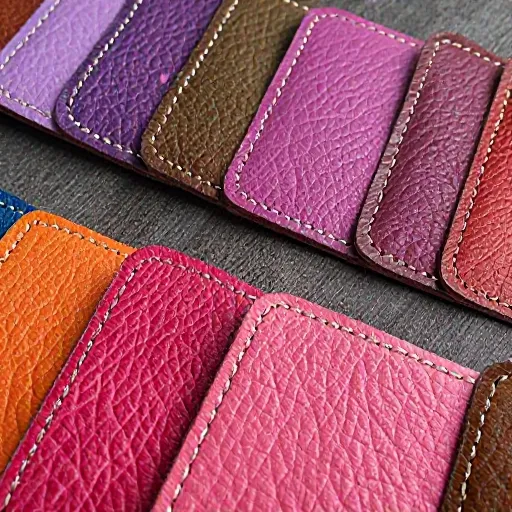
Discover how pig leather can skyrocket your profits!
Table of Contents
- Introduction to Pig Leather
- Raw Materials for Processing Pig Leather
- Traditional Methods of Pig Leather Production
- Modern Techniques in Pig Leather Processing
- Quality Control in Pig Leather Manufacturing
- Environmental Considerations and Sustainable Practices
- Applications of Pig Leather Products
- Market Trends for Pig Leather
- Global Demand for Pig Leather
- Price Analysis of Pig Leather
- Competitors in the Pig Leather Industry
- Future Prospects and Growth Opportunities
- Challenges Facing Pig Leather Manufacturers
- Conclusion
- FAQs
Introduction to Pig Leather
Pig leather, a lesser-known yet highly versatile material, has been gaining prominence in the fashion and accessory industry. Unlike traditional cow or goat leather, pig leather offers unique characteristics that make it an attractive option for designers and manufacturers. Pig leather is sourced from pigs that have not been used for food production, thus making efficient use of by-products.
The processing of pig leather involves several steps to ensure the quality and durability of the material. The hides are first cleaned thoroughly before undergoing a series of tanning processes. Tanning is crucial as it preserves the leather and prevents it from decomposing. Various tanning methods, such as vegetable-tanned or chrome-tanned, can be applied depending on the desired final product.
The market potential for pig leather is significant, driven by its sustainable sourcing and eco-friendly production processes. With increasing consumer awareness about environmental impact, pig leather provides a viable alternative to reduce reliance on resources used in leather production. The sustainability aspect of pig leather makes it particularly appealing as the hides are not intended for food consumption.
Additionally, pig leather offers several advantages over traditional leather types, including lightweight, flexibility, and durability. These attributes make it an ideal choice for a variety of products such as handbags, wallets, shoes, and even upholstery. Due to its unique properties, pig leather is often favored in high-quality fashion lines that emphasize sustainability.
Designers are increasingly incorporating pig leather into their collections due to its aesthetic appeal and performance. The material can be dyed a wide range of colors, allowing for creative design possibilities. Moreover, the texture of pig leather can vary from smooth to slightly textured, offering versatile options for various product lines.
The demand for pig leather is expected to grow as more brands and consumers adopt sustainable practices. With its growing market potential, it is crucial for businesses to stay informed about trends and innovations in pig leather production and use. This will help them leverage the material's advantages and contribute positively to both sustainability efforts and business success.
Raw Materials for Processing Pig Leather
Pig leather, also known as porkskin or veal leather when derived from young pigs, has been gaining significant traction in the fashion and accessory industry due to its unique characteristics. The processing of pig leather involves careful selection and utilization of raw materials that contribute significantly to the final product's quality and market potential.
- Pig Skin: The primary raw material used in the processing of pig leather is the skin itself. The quality of the skin directly impacts the final product's texture, durability, and appearance. Skins are typically sourced from young pigs (porkskin) as they have a finer grain and more uniform texture compared to older pig skins.
- Water: Water is an essential component in the tanning process of pig leather. It helps in softening the skin, opening up the structure for better absorption of tannins, and achieving the desired suppleness of the finished product. The quality of water used can also influence the overall texture and finish.
- Tannins: Tannins are crucial in transforming raw pig leather into durable, long-lasting leather products. Commonly derived from bark, oak apples, or synthetic tannins, these agents play a vital role in fixing the color to the skin and making it resistant to moisture and wear.
- Salt: Salt is used during the pickling process to remove excess hair and other impurities from the skins. It helps preserve the leather by drawing out moisture, preventing bacterial growth, and maintaining a pH level that supports proper tanning.
- Bleaching Agents: These are used to whiten pig leather or prepare it for dyeing. Peroxide-based bleaches like hydrogen peroxide are commonly used for this purpose. The choice of bleaching agent is critical as excessive use can weaken the leather and affect its color fastness.
- Dyes: Dye selection plays a pivotal role in determining the market potential of pig leather products. Pig leather can be dyed to match various trends and consumer preferences. Choosing high-quality dyes that are colorfast, fade-resistant, and environmentally friendly is crucial for maintaining product quality.
- Lime: Lime is used in conjunction with salt during the pickling process to further clean the skin and prepare it for tanning. It helps neutralize acids present in the skin, making the leather more receptive to tanning agents.
- Consistency: Ensure that all raw materials are of consistent quality. Variations in material quality can lead to inconsistencies in the final product, affecting its overall market appeal.
- Sourcing Locally: Sourcing local pig leather and raw materials can help reduce transportation costs and environmental impact. Additionally, local suppliers may offer unique products that cater specifically to regional demand.
- Eco-Friendly Options: Consider using eco-friendly alternatives for tannins and dyes whenever possible. This not only enhances the product's marketability but also aligns with growing consumer preferences for sustainable products.
Pig leather is versatile and can be used in various applications, including:
- Vintage-style handbags that evoke a retro appeal.
- Eco-friendly wallets and credit card holders for the environmentally conscious consumer.
- Cosmetics bags that offer a luxurious touch to beauty products.
- Sportswear, particularly in jackets and accessories where durability is key.
These examples highlight how pig leather can be utilized across different segments of the fashion industry, thereby broadening its market potential.
Traditional Methods of Pig Leather Production
Pig leather, often referred to as "glue hide," is a type of leather made from pig skins. Historically, traditional methods of producing pig leather have been deeply rooted in agricultural and rural communities where pigs were a common part of the livelihoods. These methods are not only a testament to the resourcefulness of these communities but also hold cultural significance.
The production process begins with the skins obtained from pig farming. The hides must be cleaned thoroughly, which involves removing dirt, hair, and other residues using natural methods such as soaking in water mixed with ash or wood ashes (a practice known as "liming"). This process helps to loosen the hair follicles on the skin surface.
After cleaning, the skins are stretched out over a frame to dry. Natural drying under the sun is preferred for its ability to naturally tan and color the leather using minerals from the soil and sunlight's natural bleaching effects. This method also ensures that the leather acquires a unique texture and finish.
The tanning process, which stabilizes the structure of the hide to make it durable and waterproof, is crucial in traditional pig leather production. Historically, this was done using vegetable extracts such as oak bark, sumac, or other locally available plants. These plants contain natural astringent chemicals that help preserve the leather.
For instance, the bark of the oak tree has been used for centuries due to its tannin content. Tannins are compounds that react with proteins in the hide to form a complex bond, making the leather resistant to decay and suitable for long-term use. The hides were soaked in these solutions for days or even weeks to ensure they absorb enough of these natural tannins.
Besides its practical applications, pig leather production has significant cultural importance. In many communities, the process is passed down through generations and plays a crucial role in maintaining local traditions and skills. It is not just about creating products but also about preserving the knowledge of these methods.
While traditional methods remain vital for cultural heritage, modern pig leather production has incorporated some industrial techniques to enhance efficiency and quality. For example, mechanical stretching tools have replaced manual efforts in preparing hides. Additionally, synthetic tanning agents are used alongside natural ones to ensure a consistent product.
The market for pig leather is growing steadily due to its durability and unique texture. It finds applications in various sectors such as footwear, accessories, and upholstery. The processing and market potential of pig leather, according to the book "Pig Leather: Processing and Market Potential," highlights its versatility and demand.
The book emphasizes that understanding traditional methods can help innovators and manufacturers in this field create high-quality products that meet international standards while preserving cultural heritage.
In conclusion, the traditional methods of pig leather production are not just ancient crafts but also valuable resources for modern industries. They offer a sustainable approach to material use and can contribute significantly to the market potential of pig leather in the future.
Modern Techniques in Pig Leather Processing
The pig leather industry has seen significant advancements in recent years, driven by increasing demand for high-quality and sustainable materials. These modern techniques not only enhance the quality of finished products but also contribute to more efficient production processes. Here are some key methods used in contemporary pig leather processing:
1. Precision Cutting
Precision cutting is a crucial step in pig leather processing, ensuring that each piece is cut accurately and efficiently. This technique involves using advanced laser systems or water jets to cut leather with minimal waste. The precision of these machines allows for better utilization of raw materials, reducing the overall cost while improving product quality.
Example: A company uses a CNC (Computer Numerical Control) machine that can cut multiple layers of pig leather simultaneously, ensuring consistent and accurate cuts across all pieces. This not only speeds up production but also minimizes errors and waste.
2. Eco-Friendly Tanning
Tanning is one of the most important processes in pig leather manufacturing as it converts raw hides into finished leather that can be used for various products. Modern techniques focus on reducing environmental impact while maintaining high-quality standards.
- Chrome-Free Tanning: This method uses alternative tannins like bark extracts, plant-based compounds, or synthetic agents instead of chromium salts. It significantly reduces water pollution and improves the sustainability profile of leather products.
- Bio-Tanning: Utilizing enzymes derived from living organisms to treat raw hides in a more eco-friendly manner compared to traditional chemical processes.
3. Digital Printing
Digital printing allows for intricate designs and patterns that can be directly applied onto pig leather without the need for pre-printed rolls or screens. This flexibility enables manufacturers to produce custom products tailored to specific customer preferences, enhancing both design creativity and market appeal.
Example: A manufacturer uses digital inkjet printers capable of printing on different surfaces including pig leather with vibrant colors that remain durable even after several washes.
4. Quality Control Using IoT Sensors
Internet of Things (IoT) technology has revolutionized quality control in the pig leather industry by providing real-time data insights throughout the production cycle. Sensors embedded into machines monitor parameters such as temperature, humidity levels, and chemical concentrations, ensuring optimal conditions for processing.
Example: A facility equipped with IoT sensors ensures that all stages of production are maintained within specified limits, leading to consistent product quality and reducing waste due to deviations from standard operating procedures.
5. Sustainable Packaging Solutions
Around pig leather products is an integral part of their lifecycle; therefore, adopting sustainable packaging solutions helps in minimizing environmental impact at every stage. Biodegradable materials such as paperboard or cornstarch-based films are increasingly being used over traditional plastic alternatives.
Example: A retailer chooses biodegradable packaging for shipping pig leather goods which decomposes naturally without leaving harmful residues, aligning with consumer expectations towards eco-friendly practices.
By incorporating these modern techniques into their operations, companies within the pig leather sector are not only able to meet growing market demands but also position themselves as leaders in sustainability and innovation. As technology continues to evolve, it is expected that further improvements will lead to even greater efficiencies and environmental benefits across all aspects of pig leather production.
Quality Control in Pig Leather Manufacturing
Quality control in pig leather manufacturing is a critical aspect that ensures the production of high-quality products meeting both industry standards and customer expectations. Pig leather, derived from animal hides, requires stringent quality control measures to ensure durability, aesthetic appeal, and functionality.
Importance of Quality Control
The importance of quality control in pig leather manufacturing cannot be overstated. High-quality pig leather is essential for various applications such as automotive upholstery, footwear, handbags, wallets, and other luxury goods. Ensuring the right quality standards helps maintain brand reputation and customer satisfaction.
Key Steps in Quality Control
- Raw Material Inspection: The first step in ensuring high-quality pig leather is to inspect the raw materials thoroughly. This includes checking for any defects, blemishes, or inconsistencies that could affect the final product.
- Consistency and Uniformity: Pig leather should be consistent in terms of color, texture, and thickness throughout production. Any deviations can lead to quality issues down the line.
- Hygiene and Safety: Maintaining strict hygiene standards is crucial as pig leather might come into contact with food or human skin. Ensuring that all manufacturing processes comply with safety regulations helps prevent contamination and ensures product integrity.
- Tanning Processes: Proper tanning of the hides is vital to enhance durability, flexibility, and water resistance while retaining the natural look and feel of pig leather. Each stage of the tanning process must be carefully monitored to achieve consistent results.
Practical Examples
One practical example of quality control in pig leather manufacturing is the use of advanced technology for color matching. By using sophisticated software, manufacturers can replicate exact shades and patterns, ensuring consistency across batches. Another example includes rigorous testing procedures where samples are subjected to various stress tests to determine their strength and durability.
Market Potential
The market potential for pig leather is significant due to its unique properties that make it a preferred choice in many industries. According to the report "Pig Leather: Processing and Market Potential," the demand for pig leather is expected to grow steadily, driven by increasing trends towards sustainability and eco-friendly products.
Conclusion
In conclusion, quality control plays an indispensable role in pig leather manufacturing. By adhering to strict standards and implementing effective quality control measures, manufacturers can produce superior-quality pig leather that meets both current and future market demands. This not only enhances the value of the product but also contributes positively to brand reputation.
Environmental Considerations and Sustainable Practices
Pig leather, often overlooked for its environmental impact compared to more popular materials like cowhide, has gained attention in recent years as a sustainable alternative. The production of pig leather involves several key stages that have significant environmental considerations, from processing to market potential. Understanding these aspects is crucial for businesses looking to incorporate sustainable practices into their supply chains.
Processing Considerations
The processing of pig leather involves several steps that can significantly impact the environment:
- Tanning Process: Tanning is one of the most resource-intensive processes in the leather industry. Traditional tanning methods, such as chromium tanning, contribute to high levels of water and chemical pollution. However, there are sustainable alternatives like vegetable-tanned pig leather, which uses natural ingredients like bark, tree leaves, and fruit pits instead of chromium salts. This method reduces chemical waste and water usage.
- Example: Companies like Vege-Tan, a brand known for its vegetable-tanned leathers, offer sustainable options that minimize environmental impact without compromising quality.
- Energy Consumption: Leather processing requires significant energy inputs. The production of pig leather can consume large amounts of electricity, which often comes from non-renewable sources. Therefore, sourcing renewable energy for the manufacturing process is essential to reduce carbon footprints.
Sustainable Practices
Implementing sustainable practices not only helps in reducing the environmental footprint but also enhances brand reputation and customer satisfaction:
- Recycling Waste: Leather production generates substantial amounts of waste. By adopting recycling methods, such as using offcuts for other products or turning waste into biofuel, businesses can minimize landfill contributions.
- Sourcing Local Materials: Reducing transportation emissions by sourcing pig leather locally reduces the carbon footprint associated with long-distance shipping. Additionally, supporting local farmers and producers fosters a more resilient supply chain.
- Example: Brands like PuraVita Leather have embraced local sourcing to minimize their environmental impact while maintaining product quality.
Market Potential
The market for sustainable pig leather products is growing rapidly as consumers become more environmentally conscious. This trend presents significant opportunities for businesses:
- Growing Consumer Demand: As environmental awareness increases, so does the demand for eco-friendly and sustainable products. Pig leather's versatility makes it suitable for a wide range of applications, from fashion accessories to upholstery.
- Economic Benefits: Adopting sustainable practices can lead to cost savings in the long term by reducing waste and energy consumption. Additionally, being part of the growing green market can open up new revenue streams and partnerships with eco-conscious brands and retailers.
Conclusion
In conclusion, pig leather offers a sustainable alternative to traditional leather production methods. By focusing on sustainable processing techniques, implementing recycling practices, and adopting local sourcing strategies, businesses can significantly reduce their environmental impact while capitalizing on the growing market for eco-friendly products.
Applications of Pig Leather Products
Pig leather products have gained significant traction in recent years, offering a unique blend of durability, softness, and versatility. These products are not only environmentally friendly but also provide a sustainable alternative to traditional animal leathers. The processing methods used for pig leather ensure that the final product is both functional and aesthetically pleasing.
The processing of pig leather involves several steps, each aimed at enhancing its quality and suitability for various applications. These steps include:
- Cleaning: The hide is cleaned thoroughly to remove any dirt or impurities.
- Soaking: The hides are soaked in a mixture of water and chemicals to soften them and make the tanning process easier.
- Tanning: This step stabilizes the hide's structure, making it more durable. There are various types of tanning processes including vegetable-tanned (using plant extracts) and chrome-tanned (using chromium).
- Dyeing: The pig leather is dyed to achieve the desired color, enhancing its appearance.
- Fatliquoring: This process involves treating the leather with oils or waxes to improve its flexibility and softness.
Pig leather products find application in a wide range of industries, leveraging their unique properties. Some key applications include:
- Clothing: Pig leather can be used to create high-quality garments such as coats, jackets, and trousers.
- Furnishing: This includes the production of items like upholstery for sofas, chairs, and car interiors. The soft texture of pig leather makes it ideal for these applications.
- Satchels and Accessories: Pig leather bags, wallets, belts, and other accessories are popular due to their durability and stylish look.
- Ventilation Panels: Pig leather is sometimes used in sports equipment like tennis rackets and footballs for better aerodynamics and handling.
The market potential for pig leather products is vast, driven by growing consumer preferences for sustainable and eco-friendly products. Factors such as the increasing demand for vegan and vegetarian options, coupled with a rise in environmental awareness, are expected to fuel this growth.
- Sustainability: Pig leather production is considered more sustainable compared to other types of leather due to reduced water usage and lower carbon emissions during processing.
- Vegan Appeal: With the rise in veganism, pig leather offers a viable alternative for those looking for cruelty-free options.
- Aesthetic Appeal: The unique texture and color of pig leather make it a popular choice among designers and consumers alike.
In conclusion, pig leather products offer a promising future in the world of fashion and furnishing. Their sustainable processing methods and versatile applications make them an attractive option for both producers and consumers.
Market Trends for Pig Leather
The market trends for pig leather are showing a steady growth, driven by increasing consumer demand for eco-friendly and sustainable products. Pig leather is gaining popularity due to its unique properties such as durability, softness, and versatility in design, which make it an attractive material for various industries.
Processing Trends
The processing of pig leather involves several steps that enhance the quality and functionality of the product. One of the key trends is the use of modern tanning techniques to improve durability and water resistance. The铬鹕⚗️
The global demand for pig leather has been steadily increasing, driven by a growing preference for eco-friendly materials and innovative uses across various industries. Pig leather, derived from the hides of pigs, offers unique properties that make it highly sought after in the market. Its durability, water resistance, and natural texture provide a sustainable alternative to traditional leather sources. The processing of pig leather involves several steps designed to preserve its quality while enhancing its usability. The initial stages include tanning, which stabilizes the collagen fibers in the hide and prevents decay. Different tanning methods can be used depending on the desired characteristics of the final product. For instance, chrome tanning is commonly used for its ability to produce soft and supple leather, while vegetable tanning provides a more environmentally friendly option. After tanning, pig leather undergoes various finishing processes such as dyeing, embossing, and buffing. These steps not only enhance the aesthetic appeal but also protect the leather from external elements like water and abrasion. The choice of dye can significantly influence the final product's colorfastness and durability. The market potential for pig leather is vast, with a wide range of applications across different sectors. In footwear, pig leather is valued for its comfort and durability, making it a popular choice for both casual and formal shoes. The automotive industry also benefits from the use of pig leather due to its superior strength and resistance to heat and UV rays. In addition to these traditional uses, pig leather is finding increasing applications in fashion accessories such as bags and belts. Its eco-friendly credentials are particularly attractive in today's market where consumers are increasingly prioritizing sustainability. The furniture industry has also seen a rise in demand for pig leather due to its high-quality finish and long-lasting nature. To capitalize on the growing demand for pig leather, manufacturers and retailers should focus on sustainability. Consumers are becoming more environmentally conscious, and highlighting the eco-friendly aspects of pig leather can be a significant marketing advantage. Partnering with suppliers that offer high-quality pig leather products is essential to meet market expectations. For businesses looking to introduce pig leather into their product lines, it’s crucial to understand the specific properties and maintenance requirements of this type of leather. Proper care instructions should always be provided to ensure longevity and appeal. Additionally, staying updated on industry trends can help in identifying new markets and consumer preferences. The price analysis of pig leather is a critical aspect for manufacturers and buyers alike, as it directly impacts profitability and purchasing decisions. Understanding this involves considering several factors including market demand, processing costs, supply chain efficiency, and global economic trends. The demand for pig leather varies significantly depending on the region and application. For instance, pig leather is commonly used in footwear, clothing, accessories, and automotive interiors. In regions where there's a high preference for vegan or cruelty-free products, pig leather might face competition from synthetic alternatives like PU (Polyurethane) leather. For example, in Europe and North America, where the fashion industry is highly competitive, pig leather prices can be influenced by seasonal trends. During peak fashion seasons, there could be a surge in demand leading to higher prices. Conversely, off-peak periods might see lower demand and consequently lower prices. The processing of pig leather involves several steps such as tanning, dyeing, and finishing, which can significantly impact its final price. The quality and type of leather (e.g., grain, split, etc.) also play a crucial role. Factors such as the choice of chemicals used in tanning, environmental regulations, labor costs, and technological advancements can influence processing expenses. For instance, using eco-friendly tanning processes may increase production costs but also open up new markets that prioritize sustainability. The efficiency of the supply chain can greatly affect pig leather prices. Efficient logistics, reduced transportation times, and streamlined inventory management are all beneficial factors. An example from a global perspective is how proximity to production centers influences pricing. Proximity reduces shipping costs and time, making it economically feasible for manufacturers in nearby regions to buy at lower rates compared to those who source internationally. The economic climate of key manufacturing countries can greatly influence pig leather prices. For instance, a strong economy with high consumer spending power tends to increase demand and subsequently push up prices. A practical example is China’s growing middle class, which has increased the demand for luxury goods made from pig leather. This trend not only raises local production costs but also influences international markets through higher import demands. In conclusion, a thorough understanding of pig leather pricing requires considering multiple interlinked factors such as market demand, processing costs, supply chain efficiency, and economic trends. By carefully analyzing these elements, manufacturers and buyers can make more informed decisions that optimize their operations and maximize profits. The pig leather industry has seen significant growth over recent years, driven by increasing demand for sustainable materials and innovative processing techniques. However, this burgeoning market is not without its competitors. Understanding the landscape of competitors in the pig leather industry is crucial for manufacturers and businesses looking to carve out a niche within this competitive space. The pig leather industry has several key players that are influencing market dynamics: Example: Hugo Boss has launched a line using recycled pig leather, emphasizing both sustainability and high-quality craftsmanship. Example: A startup using 3D printing technology for pig leather molds is revolutionizing how prototypes and samples are created, potentially reducing costs and time-to-market. Example: PELTEX has been expanding its portfolio by incorporating innovative pig leather blends into its product lines, targeting both industrial and consumer markets. The market potential for pig leather is vast due to several factors: To thrive in this competitive environment, businesses need to focus on several key strategies: In conclusion, understanding the competitive landscape in the pig leather industry and leveraging strategies for success can help businesses capitalize on this promising market. By staying ahead of trends and focusing on innovation and sustainability, companies can carve out a successful niche in this dynamic sector. The pig leather market has seen significant growth over the years, driven by increasing demand for sustainable and eco-friendly materials. As consumers become more environmentally conscious, there is a growing interest in products that are both stylish and responsibly sourced. This shift presents exciting prospects for businesses involved in pig leather processing. One of the key drivers for future growth in the pig leather market is its alignment with sustainable practices. Pig leather, when processed correctly, can offer a viable alternative to traditional synthetic leathers or animal hides that are less environmentally friendly. Many brands are now focusing on using pig leather in their collections due to its biodegradability and reduced carbon footprint compared to other materials. For instance, some companies have started implementing closed-loop systems where waste is minimized, and by-products are repurposed back into the production cycle. This not only reduces environmental impact but also enhances the reputation of brands committed to sustainability. Advancements in technology have opened up new opportunities for innovation in pig leather processing. Modern techniques such as enzyme treatment, biopolishing, and digital printing allow manufacturers to create unique textures and colors that were previously unattainable with conventional methods. A notable example is the use of hydrolyzed collagen treatments which enhance durability while maintaining a soft texture. These innovations make pig leather more versatile and appealing across various sectors including fashion, furniture, automotive interiors, and footwear. The versatility of pig leather makes it suitable for multiple industries beyond just clothing. In the automotive industry, pig leather is increasingly being used in high-end models where its luxurious feel meets durability standards. Similarly, furniture manufacturers are exploring its use to cater to eco-conscious consumers who prefer sustainable materials. Footwear companies also recognize the potential of pig leather given its flexibility and comfort, leading to a variety of new product designs. The demand for shoes made from this material is expected to rise as awareness about sustainability grows among shoe buyers. The global expansion of the pig leather market presents another significant growth opportunity. Countries with established textile and footwear industries are likely to adopt pig leather more widely. Additionally, emerging markets that prioritize cost-effective yet high-quality solutions will find pig leather particularly attractive. To tap into these opportunities effectively, manufacturers need to focus on establishing robust supply chains and ensuring consistent quality control across different regions. Collaboration between local suppliers and international brands can help facilitate this expansion process. Understanding consumer trends is crucial for predicting future demand patterns in pig leather products. As younger generations become more involved in purchasing decisions, they are likely to prioritize ethical sourcing practices over price points alone. Brands that can effectively communicate their commitment to sustainability will be better positioned to capture this segment of the market. Moreover, trends towards minimalist and timeless styles could drive demand for pig leather items that offer long-lasting value rather than fast fashion trends. By staying ahead of these shifts, businesses can ensure they remain relevant and competitive in an ever-evolving marketplace. Pig leather manufacturing presents a unique set of challenges that require manufacturers to navigate carefully to ensure sustainability, quality, and market demand. Below are some of the key challenges faced by pig leather manufacturers in the context of processing and market potential. The primary challenge for pig leather manufacturers is the availability of high-quality raw materials. While pigs are a plentiful resource, ensuring that they meet specific quality standards can be difficult. The variability in skin quality from different breeds and geographical locations adds complexity to sourcing consistent materials. Example: Some pig farms may not prioritize raising pigs specifically for their leather, leading to inconsistent skin thickness and texture. This can result in lower-quality raw hides that are more challenging to process into high-end leather products. Solution: Establishing direct relationships with specialty pig farmers who focus on raising animals for their skins can help ensure a steady supply of consistent quality materials. Additionally, investing in advanced selection and breeding programs can enhance the quality of pigs raised for leather production. Efficient processing techniques are critical to transforming pig hides into usable leather. However, traditional methods may not always yield optimal results due to differences in skin structure compared to cowhide or other commonly used leathers. Example: Pig hide is thinner and more delicate than cowhide, which can make it harder to treat without causing damage during the tanning process. This requires manufacturers to use more sophisticated machinery and techniques tailored specifically for pig leather. Solution: Investing in modern processing technologies such as laser cutting or ultrasonic trimming can help maintain the integrity of the skin while ensuring that it is prepared correctly for further stages of production like dyeing, finishing, and curing. Pig leather has gained popularity in recent years due to its eco-friendliness; however, market demand remains relatively small compared to other types of leather such as cowhide or synthetic alternatives like PVC. Educating consumers about the benefits of pig leather is essential for growing this segment. Example: Many consumers still perceive pig leather as a niche product rather than a mainstream option, which limits its appeal in retail stores and online marketplaces. Solution: Promoting the environmental benefits of pig leather through marketing campaigns can help increase consumer awareness and acceptance. Highlighting how using less resource-intensive materials contributes positively to sustainability efforts can make pig leather more attractive to environmentally conscious consumers. Manufacturers must comply with various regulations related to animal welfare, environmental impact, and product safety when producing pig leather. Ensuring adherence to these standards requires significant investment in infrastructure and ongoing monitoring. Example: Changes in legislation aimed at reducing carbon footprints or improving working conditions for livestock can force manufacturers to adapt their operations accordingly. Solution: Staying informed about regulatory changes and implementing proactive measures to meet new requirements early on can help minimize disruptions and costs associated with compliance. Partnering with industry leaders who specialize in sustainability practices might also provide valuable insights into best practices for meeting current and future regulations. Like any business, managing production costs is crucial for pig leather manufacturers. The cost of raw materials, labor, energy consumption, and other expenses directly affect profitability. Example: While the initial investment in specialized equipment may be high, ongoing operational costs such as electricity usage for processing large volumes of hides could become prohibitive if not managed carefully. Solution: In conclusion, while pig leather offers promising market potential due to its sustainability credentials and unique properties, overcoming the aforementioned challenges is vital for manufacturers looking to succeed in this niche but growing segment of the leather industry. Exploring the world of pig leather, it becomes evident that this material holds a unique place in both tradition and modern innovation. Pig leather, derived from the hides of pigs, has been used for centuries due to its durability and versatility. The processing techniques have evolved over time, blending traditional methods with contemporary industrial processes to maintain high-quality standards. One of the key aspects of pig leather processing involves tanning, a process that stabilizes the collagen in the hide and prevents it from rotting. Various tanning methods are used depending on the desired outcome:铬塑填料
Pig leather, also known as pork leather or meat leather, is a type of animal skin used for making various products such as wallets, belts, shoes, and handbags. Unlike cowhide, pigskin is thinner and more flexible, which makes it suitable for intricate designs and delicate items. The processing of pig leather involves several steps to ensure that the skin remains supple and strong. The process begins with cleaning the raw hide, which includes removing hair, fat, and other residues. Afterward, the skin undergoes tanning using chemicals like chromium salts or vegetable tan extracts to preserve it. Once processed, pig leather can be dyed in various colors and finishes to suit different product designs. Special treatments may also be applied to enhance its durability and appearance. Pig leather is known for its soft texture, which makes it a popular choice in fashion items like gloves, shoes, and bags. Its thinness allows for detailed craftsmanship, while its strength ensures longevity. Additionally, pig leather can be treated to become water-resistant or even fire-retardant. Pig leather finds extensive use in fashion accessories such as handbags, wallets, and belts. It is also used in footwear for its durability and comfort. Due to its flexibility, pig leather can be cut into small pieces for intricate designs like watch straps or shoe linings. The global market for pig leather is expected to grow steadily due to increasing demand from fashion and footwear industries. The rise in eco-conscious consumers has led to a surge in sustainable products, making pig leather an attractive option compared to synthetic alternatives. According to industry reports, the demand for pig leather is particularly strong in regions like Europe and Asia where high-end fashion brands are leading the trend towards more natural materials. Additionally, the growing interest in vegan and cruelty-free lifestyles also supports this market segment. To successfully enter the pig leather market, it is essential to establish reliable suppliers and understand quality standards. Collaboration with experienced tanners can help ensure consistent product quality. Additionally, staying updated on trends and customer preferences will be crucial for developing successful products. Marketing efforts should focus on highlighting the unique properties of pig leather, such as its sustainability and craftsmanship. Retail partnerships with high-end brands or specialty stores can also enhance market reach. The processing of pig leather does come with challenges, primarily related to maintaining the quality and consistency of the final product. Proper handling during each stage of the process is critical to avoid defects or inconsistencies. Additionally, ensuring compliance with environmental regulations regarding chemical usage can be a hurdle. Pig leather and cowhide have different characteristics that make them suitable for various applications. While pig leather is more flexible and thinner, making it ideal for detailed designs, cowhide offers greater durability and a wider range of sizes. Both materials are valued in the fashion industry, but their specific properties influence which is chosen for particular products.Global Demand for Pig Leather
Price Analysis of Pig Leather
Market Demand
Processing Costs
Supply Chain Efficiency
Global Economic Trends
Practical Advice
Competitors in the Pig Leather Industry
Future Prospects and Growth Opportunities
Sustainability and Eco-Friendly Initiatives
Innovation in Pig Leather Processing
Market Potential Across Industries
Global Expansion
Consumer Trends Shaping the Future
Challenges Facing Pig Leather Manufacturers
1. Raw Material Availability
2. Processing Techniques
3. Market Demand and Consumer Perception
4. Regulatory Compliance
5. Cost Management
Conclusion
Conclusion
FAQs
1. What is Pig Leather?
2. How is Pig Leather Processed?
3. What Are the Unique Properties of Pig Leather?
4. What Are the Common Uses of Pig Leather?
5. What Is the Market Potential of Pig Leather?
6. How Can One Enter This Market?
7. Are There Any Challenges in Processing Pig Leather?
8. How Does Pig Leather Compare to Cowhide?
Categories
- AI & Enrichment Play
- Broiler Farming
- Broiler Farming Tips
- Canine Wellness & Longevity
- Cat
- Cat & Human Connection
- Cat Adoption & Rescue
- Cat Breeds
- Cat Breeds & Personalities
- Cat Care & Health
- Cat Grooming & Hygiene
- Cat Lifestyle & Environment
- Cat Myths & History
- Cat Nutrition & Diet
- Cat Products & Reviews
- Cat Training & Behavior
- Comparison
- Consumer Awareness
- Dog
- Dog Accessories & Products
- Dog Adoption & Rescue
- Dog Breed & Lifestyle Trends
- Dog Breeding & Puppies
- Dog Entertainment & Media
- Dog Fashion & Trends
- Dog Fun & Lifestyle
- Dog Grooming & Hygiene
- Dog History & Culture
- Dog Myths, Science & Future Tech
- Dog News & Trends
- Dog Nutrition & Food
- Dog Psychology & Emotions
- Dog Safety & Security
- Dog Sports & Activities
- Dog Technology & Innovation
- Dog Training for Modern Owners
- Dog Travel & Adventure
- Dog Travel, Adventure & Culture
- Economic and Market Insights
- Educational Content
- FAQs
- Feeding Alternatives
- Festivals & Seasonal Ideas
- Fun & Entertainment
- General Knowledge
- General Pig Farming
- Health & Disease Management
- Housing and Environment
- Kittens
- Market Insights
- Miscellaneous
- Miscellaneous
- Motivational
- pig
- Pig Breeding
- Pig Breeds
- Pig Farming Stories and Inspiration
- Pig Health and Care
- Pig Nutrition
- Pig Products
- Profitability & Business
- Puppy Care
- Puppy Predictable Topics Reinvented
- Regional Focus
- Rescue & Adoption Buzz
- Senior Cats
- Senior Dog Care
- Smart Dog Tech & Gadgets
- Sustainability
- Sustainable & Eco-Friendly Dog Products
- Tech & Innovations
- Working & Service Dogs
- Broiler Feed66 products
- Country Feed33 products
- Pig Feed66 products
- Product22 products
- Raw Materials99 products
Products
-
 Fish Meal
₹1,999.00 – ₹2,999.00Price range: ₹1,999.00 through ₹2,999.00Rated 0 out of 5
Fish Meal
₹1,999.00 – ₹2,999.00Price range: ₹1,999.00 through ₹2,999.00Rated 0 out of 5 -
 FATTENING BROILER FEED
₹2,299.00 – ₹2,349.00Price range: ₹2,299.00 through ₹2,349.00Rated 0 out of 5
FATTENING BROILER FEED
₹2,299.00 – ₹2,349.00Price range: ₹2,299.00 through ₹2,349.00Rated 0 out of 5 -
 LAYER COUNTRY FEED
₹1,549.00 – ₹1,649.00Price range: ₹1,549.00 through ₹1,649.00Rated 0 out of 5
LAYER COUNTRY FEED
₹1,549.00 – ₹1,649.00Price range: ₹1,549.00 through ₹1,649.00Rated 0 out of 5 -
 COUNTER BROILER FEED
₹1,199.00 – ₹1,299.00Price range: ₹1,199.00 through ₹1,299.00Rated 0 out of 5
COUNTER BROILER FEED
₹1,199.00 – ₹1,299.00Price range: ₹1,199.00 through ₹1,299.00Rated 0 out of 5 -
 LACTATING PIG FEED
Rated 0 out of 5
LACTATING PIG FEED
Rated 0 out of 5₹2,299.00Original price was: ₹2,299.00.₹1,740.00Current price is: ₹1,740.00. -
 Maize
Rated 0 out of 5
Maize
Rated 0 out of 5₹1,650.00Original price was: ₹1,650.00.₹1,300.00Current price is: ₹1,300.00. -
 GESTATION PIG FEED (Phase 1)
Rated 0 out of 5
GESTATION PIG FEED (Phase 1)
Rated 0 out of 5₹2,249.00Original price was: ₹2,249.00.₹1,699.00Current price is: ₹1,699.00. -
 Pre Starter Broiler Feed
₹2,399.00 – ₹2,499.00Price range: ₹2,399.00 through ₹2,499.00Rated 0 out of 5
Pre Starter Broiler Feed
₹2,399.00 – ₹2,499.00Price range: ₹2,399.00 through ₹2,499.00Rated 0 out of 5 -
 FINISHER PIG FEED
Rated 0 out of 5
FINISHER PIG FEED
Rated 0 out of 5₹2,299.00Original price was: ₹2,299.00.₹1,749.00Current price is: ₹1,749.00. -
 Broiler Premix
Rated 0 out of 5
Broiler Premix
Rated 0 out of 5₹820.00Original price was: ₹820.00.₹699.00Current price is: ₹699.00.