
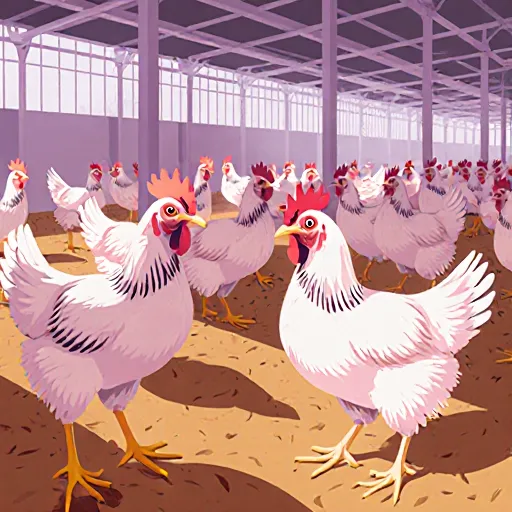
'Broiler Farms' Legal Insights for Maximum Profits
Table of Contents
- What is Broiler Farming?
- Purpose and Importance of Broiler Farming
- Land Requirements for Broiler Farms
- Environmental Regulations and Standards
- Health and Safety Regulations
- Water Supply and Quality Standards
- Feed Composition and Quality Controls
- Biosecurity Measures for Disease Prevention
- Animal Welfare Regulations
- Veterinary Services and Medications
- Slaughterhouse and Meat Processing Standards
- Certification and Inspection Requirements
- Record Keeping and Reporting Obligations
- Compliance and Enforcement Measures
- FAQs
What is Broiler Farming?
Broiler farming, also known as broiler chicken farming or meat chicken farming, is a specialized form of poultry farming focused on raising chickens primarily for meat production. These birds are specifically bred to grow rapidly and reach market weight within a relatively short period, typically around 6-8 weeks. Broilers are highly efficient at converting feed into meat, making them an economically viable choice for commercial meat production.
Key Aspects of Broiler Farming
- Breeding and Genetics: Modern broilers are the result of selective breeding aimed at maximizing growth rate, feed efficiency, and carcass quality. Breeders use advanced genetic techniques to produce specific strains that optimize meat yield.
- Rearing Conditions: Broilers are kept in controlled environments with precise temperature, humidity, lighting, and ventilation to ensure optimal growth and health. They require specialized housing systems such as battery cages or floor pens.
- Feeding and Nutrition: A balanced diet is crucial for broilers to achieve their full potential. The feed formula includes high protein levels, vitamins, minerals, and other essential nutrients tailored to the specific needs of growing chickens.
What Are the Legal Requirements for Broiler Farming?
To ensure ethical practices and environmental sustainability, governments around the world have established legal frameworks governing broiler farming. These regulations typically cover:
- Licensing and Permits: Farmers must obtain a license or permit from local agricultural authorities to operate a broiler farm.
- Housing Standards: Housing conditions must meet strict standards regarding space, ventilation, hygiene, and access to outdoor areas if applicable. These standards aim to prevent diseases and provide humane living environments for the chickens.
- Feed Regulations: The quality of feed is strictly regulated to ensure it meets nutritional requirements without containing prohibited substances like antibiotics or hormones unless specifically allowed by law.
- Animal Welfare: Laws often mandate minimum welfare standards, including restrictions on overcrowding and the humane treatment of animals throughout their life cycle. Farmers are also required to provide proper veterinary care if needed.
- Ethical Slaughter Practices: Broilers must be slaughtered in accordance with humane slaughter practices that minimize pain and distress. This usually involves stunning the birds before slaughter.
Practical Advice for Successful Broiler Farming
To achieve profitability and sustainability, farmers should follow these best practices:
- Regular Monitoring: Continuous monitoring of feed intake, water consumption, body weight, and health indicators helps identify issues early.
- Vaccination Programs: Implementing a robust vaccination program protects broilers from common poultry diseases.
- Hygiene Practices: Maintaining high hygiene standards within the farm reduces the risk of disease outbreaks. This includes regular cleaning and disinfection of facilities.
- Sustainable Practices: Adopting sustainable farming methods such as recycling waste, using renewable energy sources where possible, and minimizing water usage enhances long-term viability.
Conclusion
Broiler farming plays a significant role in meeting global demand for chicken meat. By adhering to legal requirements and implementing best practices, farmers can ensure ethical operations that balance profitability with sustainability and animal welfare.
Purpose and Importance of Broiler Farming
The purpose and importance of broiler farming extend far beyond simply providing a source of meat. Broilers, which are specifically bred chicken raised for their high meat yield, play a critical role in meeting the growing global demand for poultry products while ensuring food security. The legal requirements for broiler farming ensure that these operations meet ethical and environmental standards, promoting sustainable practices.
Meeting Global Demand for Poultry Products
Broilers are bred to achieve rapid weight gain within a short period, typically 6-8 weeks from hatching. This efficiency in meat production makes them a crucial component of the poultry industry. As global populations grow and dietary preferences shift towards increased protein intake, particularly in developing countries, the demand for broilers continues to rise. Broiler farming not only meets this demand but also contributes significantly to local economies by creating employment opportunities in rural areas where such farms are often located.
Ensuring Food Security
Broilers contribute to food security by providing a reliable source of protein, which is essential for combating malnutrition. In regions with limited access to diverse diets, broiler meat offers an affordable and accessible option. By supporting local broiler farming operations, communities can reduce their reliance on imported foods, thereby enhancing self-sufficiency.
Legal Requirements for Broiler Farming
To ensure that broiler farming practices are sustainable and humane, governments worldwide have established various legal requirements. These include:
- Animal Welfare Standards: Farms must adhere to strict welfare standards to prevent cruelty. This includes providing adequate space for the birds, proper ventilation, clean water, and nutritious feed.
- Safety Regulations: Ensuring that farms meet safety regulations is crucial for minimizing health risks associated with foodborne diseases. This involves regular inspections, hygiene protocols, and proper handling of equipment and chemicals.
- Environmental Standards: Broiler farming can have a significant environmental impact due to the large quantities of waste generated by the birds. Farms must implement measures to minimize this impact, such as recycling water, managing manure, and using renewable energy sources where possible.
Promoting Sustainable Practices
Broiler farming is not just about production; it's also about sustainability. Farmers are encouraged to adopt practices that reduce the environmental footprint of their operations. For instance, implementing rotational grazing can help maintain soil health and biodiversity. Additionally, using organic feed sources and natural pest control methods can further enhance sustainability.
Practical Advice for Broiler Farmers
- Educate Yourself: Stay informed about the latest practices in broiler farming by attending workshops, reading industry journals, and networking with other farmers. This knowledge can help you stay ahead of trends and challenges.
- Seek Certification: Consider obtaining certifications that demonstrate your commitment to ethical and sustainable practices. Certifications like Good Agricultural Practice (GAP) or Animal Welfare Approved (AWA) can enhance your marketability and consumer trust.
- Invest in Technology: Utilize modern technology to improve efficiency, such as automated feeding systems, climate control technologies, and waste management solutions. This not only saves time and labor but also reduces costs.
In conclusion, broiler farming is essential for meeting global demand for poultry products while promoting food security. By adhering to legal requirements and implementing sustainable practices, farmers can ensure the ethical treatment of animals, safe food production, and environmental responsibility. These efforts contribute not only to the success of individual farms but also to the well-being of communities and the planet.
Land Requirements for Broiler Farms
When it comes to establishing a broiler farm, ensuring that you meet all land requirements is crucial not only for the health and well-being of your birds but also for compliance with local regulations. The legal requirements for broiler farming can vary widely depending on location, so it's important to thoroughly understand both the legal framework and practical considerations.
The land you choose for your broiler farm must be suitable in terms of soil type, drainage, proximity to water sources, and elevation. A well-drained area is essential to prevent standing water that can lead to health issues among the birds.
Soil Type
The soil should be free from contamination and ideally have good drainage properties. Sandy loam or clay-loam soils are often preferred for broiler farming as they retain moisture well but also allow water to drain effectively, preventing issues like muddy areas that can promote disease.
Drainage
Adequate drainage is critical to prevent the accumulation of excess water, which can lead to a breeding ground for pathogens and parasites. Poorly drained areas may require additional measures such as raised platforms or trench drains to manage water runoff effectively.
Proximity to Water Sources
Broilers need access to clean drinking water at all times, which makes proximity to a reliable source of potable water essential. However, it's important to keep the farm at a safe distance from sources like rivers or lakes to avoid contamination risks.
Elevation
Selecting land that is not in low-lying areas can help reduce flood risks and provide better air circulation, which is crucial for maintaining good ventilation within the broiler houses. This reduces the risk of respiratory problems among your flock.
In addition to environmental considerations, there are also legal aspects that must be adhered to when setting up a broiler farm. These can include zoning regulations, permits, and compliance with health and safety standards.
Zoning Regulations
Check local zoning laws to ensure that the land you select falls within permissible agricultural or livestock zones. Violating these rules could lead to penalties and legal challenges.
Permits
In most cases, a permit from relevant authorities is required before commencing operations. This may include permits for construction of broiler houses, water supply connections, and any other infrastructure needed on the farm.
Health and Safety Standards
Your land must meet certain health and safety standards to protect not only your birds but also the environment. This includes proper handling of waste, maintaining hygiene in and around the farm, and ensuring that no harmful chemicals are used in agricultural practices.
To summarize, selecting the right land for a broiler farm involves careful consideration of both environmental suitability and legal compliance. By adhering to these guidelines, you can create an optimal environment for your broilers while ensuring that all necessary permits and regulations are met.
For example, imagine a scenario where you plan to establish a new broiler farm near a river. You would need to ensure that the land is on higher ground, far enough away from the water source to avoid contamination risks. Additionally, you should consult with local authorities about any specific regulations regarding proximity to water bodies.
By following these guidelines and seeking expert advice where necessary, you can set up a successful broiler farm that meets all legal requirements and provides a healthy environment for your birds.
Environmental Regulations and Standards
Broiler farming, a critical component of poultry production, is subject to strict environmental regulations aimed at ensuring the health of both animals and human consumers. Compliance with these regulations not only helps in maintaining high-quality standards but also protects the environment from potential pollution hazards.
Key Environmental Regulations
The legal requirements for broiler farming vary by country, but there are several common regulations that ensure environmental compliance:
- Waste Management: Farms must have a proper waste management plan to handle manure and other agricultural wastes. This includes composting or anaerobic digestion of the waste materials.
- Pollution Control: Broiler farms are required to implement measures that prevent water, air, and soil pollution. This may include the installation of effluent treatment systems and the use of low-emission technologies in poultry housing.
- Air Quality Standards: Farms must comply with air quality standards set by local or national authorities. This involves minimizing dust emissions from feed and bedding materials as well as managing ammonia levels to avoid odors and health issues for both farm workers and the public.
Practical Compliance Strategies
To ensure compliance with environmental regulations, broiler farms can implement the following practical strategies:
- Regular Audits: Conduct regular audits to assess compliance with environmental standards and identify areas for improvement. This helps in maintaining regulatory adherence throughout operations.
- Training Programs: Provide comprehensive training programs for farm employees on best practices regarding waste management, pollution control, and air quality management.
- Technology Implementation: Invest in modern technologies that improve environmental performance. For instance, using automated feeding systems can reduce feed spillage, thereby minimizing the amount of waste generated.
Case Studies
Here are a couple of case studies demonstrating how effective compliance with environmental regulations has positively impacted broiler farming:
- CASE 1: Greenhouse Gas Emissions Reduction: A farm in Brazil implemented an anaerobic digestion system to manage its manure, significantly reducing greenhouse gas emissions. This not only helped the farm comply with environmental regulations but also provided a valuable by-product for local farmers.
- CASE 2: Water Quality Improvement: An American broiler operation improved water quality by installing advanced filtration systems at their waste ponds. This action reduced pollution levels and enhanced the quality of nearby water sources, benefiting both aquatic life and communities downstream.
Conclusion
In conclusion, adhering to environmental regulations is not only a legal necessity but also a strategic move for sustainable broiler farming. By understanding these requirements and implementing effective management practices, farmers can ensure their operations are both environmentally responsible and economically viable.
Health and Safety Regulations
The legal requirements for broiler farming are crucial to ensure the health and safety of both the animals and the workers involved. Compliance with these regulations not only helps in maintaining high-quality poultry but also ensures that farmers and consumers meet legal standards and ethical practices.
Health and Safety for Animals
Broilers, due to their rapid growth rates, are particularly sensitive to health issues. The following are some key regulatory requirements:
- Veterinary Oversight: Farms must have regular visits from veterinarians to monitor the health of the broilers and ensure that they receive appropriate vaccinations and treatments.
- Housing Conditions: Broilers should be housed in clean, well-ventilated facilities with access to fresh water. The housing must provide sufficient space for birds to move freely without overcrowding, which can lead to stress and disease.
- Nutritional Standards: Feeding broilers a balanced diet that meets their nutritional needs is essential. This includes proper protein levels, vitamin supplements, and appropriate amounts of minerals.
Health and Safety for Workers
The health and safety of the workers who manage the broiler farms are equally important to ensure a productive and safe working environment:
- Adequate Protection Gear: Farmers should provide workers with appropriate personal protective equipment (PPE) such as gloves, masks, and overalls. This helps protect them from exposure to harmful bacteria and chemicals.
- Safe Handling Practices: Workers must be trained in safe handling practices for transporting and processing broilers. This includes proper lifting techniques to prevent musculoskeletal injuries and using tools that reduce the risk of cuts or other injuries.
- Regular Breaks and Hydration: Extended working hours can lead to fatigue, which increases the risk of accidents. Regular breaks and access to clean water are essential for worker well-being and safety.
Environmental Considerations
Broiler farming also has an impact on the environment, so there are specific regulations aimed at minimizing this impact:
- Waste Management: Proper waste management practices must be implemented to reduce pollution. This includes managing manure and other farm waste in ways that prevent contamination of soil and water resources.
- Air Quality Control: Farms should have measures in place to monitor and control air quality, ensuring it meets safety standards for both workers and the surrounding community.
Record Keeping and Documentation
To ensure compliance with regulations, thorough record-keeping is necessary:
- Daily Logs: Farms should keep detailed daily logs of feed consumption, water supply, health issues, and any treatments administered to the broilers.
- Training Records: Documentation of worker training sessions and certifications is important for demonstrating compliance with safety standards.
In conclusion, adhering to these legal requirements is not only a regulatory obligation but also essential for maintaining a sustainable and ethical broiler farming industry. By focusing on the health and safety of both animals and workers, farmers can ensure that their practices are both legally compliant and responsible.
Water Supply and Quality Standards
The quality of water is crucial for broiler farming, as it directly impacts the health and productivity of the birds. The legal requirements for broiler farming often include specific standards related to water supply and quality. Ensuring that the water provided meets these standards not only complies with regulatory laws but also contributes to better animal welfare.
Legal Requirements
In many countries, there are specific legal requirements for broiler farming that include water supply and quality standards. These regulations aim to ensure that the birds have access to clean, fresh, and suitable water at all times. For instance, in the United States, the Animal Welfare Act (AWA) sets certain guidelines for the care of farm animals, including provisions related to water availability.
Water Supply
The supply of water is one of the key aspects that need to be addressed. Broilers have high metabolic rates and require a constant supply of fresh water to maintain their health and performance. The legal requirements often dictate the frequency and duration of water provision, ensuring that there are no shortages or interruptions.
Water Quality
The quality of the water used for broiler farming is equally important. Water must be free from harmful bacteria, chemicals, and other contaminants that could negatively affect the birds' health. Compliance with legal requirements typically involves regular testing of water samples to ensure they meet specified standards.
Practical Advice
To maintain compliance with legal requirements and provide optimal conditions for broiler farming, farmers should consider implementing the following practices:
- Regular Inspection: Conduct regular inspections of water systems to ensure they are functioning correctly and efficiently.
- Water Quality Testing: Perform routine testing of water samples for contaminants and harmful microorganisms. This helps in identifying any issues early on.
- Cleaning and Maintenance: Regularly clean and maintain all water delivery systems to prevent the buildup of bacteria or other contaminants.
- Filtration Systems: Install appropriate filtration systems to ensure that the water supplied is clean and free from impurities.
Examples
In some regions, farmers are required to have a water supply system that can provide at least 1 liter of drinking water per bird every hour. Additionally, there may be specific guidelines regarding the pH level and mineral content of the water.
An example from Canada would require that broiler farms have access to clean, potable water for all birds at all times. The Canadian Food Inspection Agency (CFIA) sets out these standards in its code of practice for the care and handling of farmed animals.
Feed Composition and Quality Controls
In broiler farming, feed composition and quality controls are critical factors that significantly influence bird health, growth performance, and welfare. Proper feed management is not only essential for meeting the nutritional requirements of broilers but also plays a crucial role in compliance with legal requirements. The legal framework governing broiler farming often includes specific standards regarding feed ingredients, additives, and safety measures.
The legal requirements for broiler farming vary by country or region, but generally encompass aspects such as the use of approved feed ingredients, maximum levels of certain contaminants like heavy metals, and restrictions on the addition of specific medications or growth promoters. For instance, in many parts of the world, the World Organization for Animal Health (OIE) recommends guidelines that align with international standards.
Feed Ingredients
The composition of broiler feed must meet precise nutritional specifications to ensure optimal performance and health. Key ingredients include:
- Protein Sources: Commonly derived from soybean meal, wheat gluten, or fishmeal.
- Fat Sources: Provide energy; often sourced from vegetable oils or animal fats.
- Carbohydrates: Primarily supplied by cereals like corn and barley.
- Vitamins & Minerals: Essential for various physiological processes, including bone development and immune function.
Quality Controls
To ensure feed quality, farms implement rigorous testing protocols. These may include:
- Nutritional Analysis: Regularly assess the nutrient content to align with feed specifications.
- Bacteriological Testing: Check for harmful microorganisms or pathogens that could affect broiler health and safety.
- Toxicity Checks: Ensure feeds do not contain prohibited substances such as banned antibiotics, hormones, or pesticides.
- Ash Content Limits: Excessive ash content can indicate the presence of non-nutritive materials that may negatively impact bird health.
Promoting Compliance
To stay compliant with legal requirements, broiler farms should:
- Stay updated on regional and international regulations.
- Work closely with veterinarians and nutritionists to tailor feed formulations.
- Purchase feed from reputable suppliers who adhere to strict quality control measures.
- Implement an audit system to monitor feed ingredients and processing methods regularly.
Practical Advice for Blog Readers
If you are a blogger or content creator focused on broiler farming, here’s how you can incorporate this information into your blog:
- Create Infographics: Visualize feed composition and quality controls to make complex topics more accessible.
- Interview Experts: Feature interviews with veterinarians or nutritionists who provide insights on feed safety and legal compliance.
- Case Studies: Share real-world examples of farms that have successfully navigated legal requirements through innovative feed management practices.
Biosecurity Measures for Disease Prevention
Biosecurity measures are crucial for preventing diseases on broiler farms, ensuring that birds remain healthy and productive. These measures not only protect the farm but also safeguard public health by reducing the risk of disease transmission to humans through contaminated meat or water sources.
Legal Requirements
The legal requirements for broiler farming can vary significantly depending on the country, state, and local regulations. However, some common elements include adherence to national animal health standards, implementation of biosecurity protocols, and compliance with environmental protection laws. In many regions, farms must obtain permits or licenses from government bodies responsible for agriculture and public health.
Key Biosecurity Measures
- Controlled Access: Limit the number of people entering the farm to essential personnel only. Visitors should be screened, sanitized, and wear clean clothing and footwear provided by the farm. This helps prevent the introduction of pathogens from outside sources.
- Quarantine Procedures: Newly acquired birds or equipment should undergo a quarantine period before being introduced into the main flock to monitor for signs of infection.
- Hygiene Practices: Regular cleaning and disinfection of all areas, including feeding troughs, drinking water systems, and living quarters. Use appropriate chemicals approved by regulatory bodies.
- Pest Management: Implement strategies to control pests such as insects, rodents, and birds that can carry diseases. This includes maintaining good sanitation practices and using traps or insecticides when necessary.
- Vaccination Programs: Develop a vaccination schedule in consultation with veterinarians to protect against specific diseases prevalent in the region. Vaccines should be administered according to manufacturer guidelines to ensure efficacy.
Practical Advice
To effectively implement biosecurity measures, it is important to establish clear policies and procedures that all staff members understand and follow consistently. Regular training sessions can reinforce these practices and help identify potential weaknesses in the system. Additionally, maintaining good communication with veterinarians and other industry experts ensures that farms stay up-to-date on best practices and emerging threats.
Examples
- A broiler farm located near a wetland area may implement additional measures to prevent water contamination by installing barriers around the ponds or wells used for irrigation.
- In regions with frequent outbreaks of Avian Influenza, farms might adopt strict isolation protocols, limiting movement within the facility and avoiding contact between different batches of birds.
By adhering to these biosecurity measures and staying informed about legal requirements, broiler farmers can significantly reduce the risk of disease outbreaks on their operations. This not only protects the welfare of the birds but also contributes to maintaining a safe food supply for consumers worldwide.
Animal Welfare Regulations
What Are the Legal Requirements for Broiler Farming?
- Space Allotment: Broilers must be provided with adequate space to move around and perform natural behaviors. The specific amount of space required depends on various factors including breed, climate, and housing type.
- Environmental Conditions: Farms are required to maintain appropriate environmental conditions such as temperature, humidity, air quality, light, and ventilation. These conditions must be suitable for the broilers' health and welfare throughout their life cycle.
- Feeding Practices: Broilers should receive a balanced diet that meets all nutritional requirements for growth and health. Feed must be provided in clean feeders and waterers to ensure access at all times, without causing harm or discomfort.
- Hygiene and Sanitation: Farms need to maintain high standards of hygiene and sanitation to prevent the spread of diseases among broilers. This includes regular cleaning and disinfection of facilities and equipment.
- Veterinary Care: Access to veterinary care is essential for broiler farming. Sick or injured birds should be promptly identified, treated, and isolated if necessary to prevent the spread of disease within the flock.
- Handling and Transport: Broilers must be handled and transported humanely. This includes providing appropriate facilities, minimizing stress during handling, and ensuring safe transport conditions that protect the birds from injury or distress.
- Space Allotment Example: For example, in a modern broiler house, each bird might have around 0.3 square feet (9 cm²) of floor space at full growth. This allows for basic movement but also depends on the breed and environmental conditions.
- Environmental Conditions Example: Farms should maintain an optimal temperature between 75°F to 85°F (24°C to 29°C). Humidity levels should be kept within a range that supports respiratory health, typically around 60% to 70%. Ventilation is crucial for removing ammonia and other noxious gases from the air.
- Feeding Practices Example: Broilers are fed multiple times per day with feed provided in automated feeders. Waterers should be checked regularly to ensure they do not become clogged or overflow, which could lead to health issues.
- Hygiene and Sanitation Example: Farms implement strict cleaning schedules for broiler houses between batches. Floors are cleaned using water and detergent, followed by disinfection with appropriate chemicals before the next batch of birds is placed.
- Veterinary Care Example: Regular health checks by veterinarians are part of standard practice on broiler farms. Sick birds may be treated with antibiotics or other medications prescribed by a veterinarian. Isolation facilities should be available for contagious cases to prevent widespread infection.
- Handling and Transport Example: Broilers are handled gently using appropriate equipment such as loading ramps and trailers. During transport, they should have access to clean water and be provided with enough space in the trailer to move comfortably without overcrowding.
Fulfilling these legal requirements is not only essential for the welfare of broilers but also helps maintain high standards of food safety and quality. By adhering to these regulations, farmers can ensure that their broilers live healthy lives leading up to slaughter.
Veterinary Services and Medications
The role of veterinary services and medications in broiler farming is crucial for maintaining animal health, ensuring productivity, and compliance with legal requirements. Proper veterinary management not only enhances the welfare of the birds but also supports sustainable farming practices.
Legal Requirements for Broiler Farming
The legal requirements for broiler farming vary by country, but they generally encompass several key areas including animal health, medication use, environmental standards, and biosecurity. Ensuring compliance with these regulations is essential to prevent violations that could lead to penalties or bans.
Animal Health Management
Veterinarians play a pivotal role in broiler farming by conducting regular health checks, providing preventive care, and implementing vaccination programs. This helps in early detection of diseases and minimizes the spread of infectious agents within the flock. Veterinary services include:
- Health monitoring
- Vaccination schedules
- Disease diagnosis and treatment
- Antimicrobial stewardship
Medication Use Guidelines
The use of medications in broiler farming must be strictly regulated to ensure the safety and efficacy of the products. Medications should only be administered under veterinary supervision, and it is important to follow label instructions carefully.
- Antibiotics: Use antibiotics judiciously to prevent resistance. Consult a veterinarian for appropriate dosages and treatment protocols.
- Vaccines: Administer vaccines according to the recommended schedule provided by the manufacturer.
- Medications: Follow label instructions closely, including withdrawal periods before slaughter to ensure product safety.
Environmental and Biosecurity Standards
Compliance with environmental standards is vital for reducing the risk of disease spread. This includes maintaining clean water sources, proper sanitation practices, and pest control measures. Biosecurity measures should be implemented to protect against external contamination.
- Clean Water: Provide access to clean drinking water at all times.
- Sanitation: Regularly disinfect feeders and watering systems.
- Pest Control: Implement strategies to control pests that could transmit diseases.
Practical Advice for Broiler Farmers
To ensure compliance with legal requirements, broiler farmers should:
- Work closely with a licensed veterinarian to develop and implement an animal health management plan.
- Adopt best practices in medication use, including the judicious use of antibiotics.
- Prioritize environmental and biosecurity measures to minimize disease risks.
- Stay informed about regulatory changes and updates through professional organizations or government agencies.
In conclusion, veterinary services and medications are integral components of broiler farming that support animal health and compliance with legal requirements. By adhering to these guidelines, farmers can ensure the welfare of their birds while maintaining a sustainable and profitable operation.
Slaughterhouse and Meat Processing Standards
When it comes to broiler farming, ensuring that slaughterhouses and meat processing standards meet legal requirements is crucial. These processes not only ensure food safety but also uphold ethical practices in the industry. The legal requirements for broiler farming are stringent, covering various aspects including animal welfare, humane handling, and proper hygiene during processing.
The first step towards meeting legal requirements is ensuring that broilers are treated humanely both before and after slaughter. This includes providing adequate space for the birds to move around freely, access to fresh water, and a clean environment free from stressors such as overcrowding or poor sanitation.
Transportation
Birds should be transported under conditions that minimize stress and injury. The crates used must provide enough space so that each bird has room to move comfortably without being cramped or forced into unnatural positions. It is also important for transport vehicles to maintain a stable temperature, humidity levels, and proper ventilation to prevent heat stress.
Stunning and Slaughter
The process of stunning followed by killing must be swift and effective to ensure minimal suffering for the animals involved. Electrical stimulation or gas stunning are commonly used methods; however, their application must follow strict guidelines set forth by relevant authorities. Properly trained personnel should perform these tasks with precision to avoid any unnecessary pain or distress.
In addition to animal welfare considerations during the slaughtering process, maintaining high standards of cleanliness throughout all stages of meat production is essential. This involves thorough cleaning and disinfection procedures for equipment used in handling carcasses as well as adherence to good manufacturing practices (GMP).
Carcass Inspection
Each batch of processed broilers undergoes rigorous inspection by qualified veterinarians or inspectors who look for signs of disease, contamination, or other defects that could affect the quality and safety of the meat products. Only those found fit for consumption are allowed to enter commercial channels.
To ensure compliance with national and international regulations governing broiler farming practices, regular audits and certifications may be required depending on where your farm operates. Certifications like Global Gap or FLOCAL can help demonstrate adherence to best management practices and gain consumer trust.
Continuous Improvement
The industry should continuously strive for improvement by staying updated with new research findings related to animal husbandry, processing techniques, and public health concerns. By doing so, farmers can better adapt their operations while maintaining or enhancing the quality of their products.
By adhering strictly to these legal requirements concerning broiler farming practices at slaughterhouses and meat processing plants, we not only produce safer food but also contribute positively towards ethical treatment of animals within our industry.Certification and Inspection Requirements
The legal requirements for broiler farming encompass a variety of certifications and inspections to ensure that the birds are raised, processed, and marketed under safe and humane conditions. These requirements are crucial not only for compliance with local, state, or federal laws but also for maintaining consumer trust in the quality and safety of the products.
Certifications
Broiler farms must adhere to specific certification standards set by regulatory bodies such as the U.S. Department of Agriculture (USDA), Food Safety Inspection Service (FSIS), or equivalent agencies in other countries. These certifications ensure that broilers are raised and processed under conditions that meet hygiene, health, and welfare standards.
- Animal Welfare Certifications: Farms may seek certification from organizations like the Animal Welfare Approved (AWA) or Global Animal Partnership (GAP). These certifications often involve third-party audits to verify compliance with specific animal care practices. For example, broilers raised under these programs are typically provided with more space and better living conditions compared to conventional farming methods.
- Organic Certification: If a broiler farm is certified organic, it must adhere to strict guidelines regarding feed, medication use, and living conditions. Organic certification ensures that the broilers have been raised without synthetic pesticides, fertilizers, or genetically modified organisms (GMOs).
- Certification for Humane Farming: Farms can also seek certifications like the American Humane Certified label, which involves animal welfare audits and compliance with humane handling practices.
Inspection Processes
Regular inspections are conducted by regulatory agencies to ensure that broiler farms comply with all legal requirements. These inspections can be routine or triggered by specific complaints or incidents.
- Pre-Slaughter Inspection: Prior to slaughter, broilers must undergo a health inspection to ensure they are free from diseases and infections that could affect the safety of the meat. This is typically conducted by FSIS inspectors in the United States.
- Post-Slaughter Inspection: After slaughter, the carcasses are inspected for signs of contamination or other quality issues. This step ensures that only safe and high-quality products reach consumers.
Practical Advice
To ensure compliance with certification and inspection requirements, broiler farm operators should:
- Stay informed about the latest regulations and standards. This includes regular updates from regulatory agencies and industry associations.
- Prioritize animal welfare by providing proper living conditions, nutrition, and health care to prevent disease outbreaks that could lead to non-compliance.
- Keep detailed records of all inspections, certifications, and any actions taken in response to deficiencies. These records are often required during follow-up inspections or audits.
- Engage with third-party certifiers to ensure the farm meets the rigorous standards set by these organizations. This can help build a reputation for high-quality products and increase market access.
Conclusion
In summary, broiler farming requires adherence to strict certification and inspection requirements to guarantee product safety, quality, and ethical practices. By understanding and meeting these legal obligations, farmers can ensure compliance with regulations, enhance consumer trust, and maintain a sustainable business model.
Record Keeping and Reporting Obligations
Understanding and meeting the legal requirements for broiler farming is crucial for ensuring compliance with local, national, and international standards. One of the key aspects that farmers must pay attention to is record keeping and reporting obligations. These requirements are designed to ensure transparency, accountability, and traceability in agricultural practices.
The legal framework governing broiler farming can vary significantly depending on the country or region. Typically, these regulations cover areas such as animal welfare, environmental protection, food safety, and public health. Record keeping and reporting obligations are integral to these broader requirements.
Record Keeping Obligations
Records are essential for documenting various aspects of broiler farming operations. These records help in monitoring the health and welfare of the birds, compliance with regulatory standards, and ensuring traceability throughout the production process. Here are some key areas where detailed records should be maintained:
- Health Records: Documentation of vaccinations, treatments, and any instances of disease or illness.
- Feeding Logs: Detailed information on what feed is provided to the broilers at different stages of their growth. This includes the type, quantity, and frequency.
- Environmental Conditions: Records of temperature, humidity, ventilation, and lighting conditions inside the broiler houses.
- Feed Conversion Ratios (FCR): Data on feed efficiency to optimize resource use.
- Poultry Management Logs: Notes on bird behavior, growth rates, and any changes in the flock.
Reporting Obligations
Besides maintaining internal records, there are often external reporting requirements that farmers must adhere to. These reports provide regulatory authorities with necessary insights into farming practices and can help identify areas for improvement or potential risks. Here’s what you need to know about these:
- Annual Reports: Submission of annual production statistics, including numbers of broilers raised, feed consumption, and mortality rates.
- Sustainability Reporting: Providing data on the environmental impact of farming operations. This might include greenhouse gas emissions or water usage.
- Animal Welfare Reports: Documentation of measures taken to ensure the well-being of broilers throughout their lives.
- Food Safety Reports: Information about quality checks, hygiene practices, and any incidents involving contamination or recalls.
Practical Advice
To effectively manage record keeping and reporting obligations, it is advisable to implement a structured system. This could involve using software solutions that are compatible with WordPress to streamline the process:
- Select Appropriate Software: Look for software that integrates well with your existing WordPress site or can be easily adapted. Features like customizable forms, data entry tools, and report generation capabilities are beneficial.
- Regular Training: Ensure all staff involved in broiler farming receive regular training on how to maintain accurate records and generate necessary reports.
- Stay Updated: Keep abreast of any changes in legal requirements. Regulatory bodies often issue updates, so it’s important to stay informed.
- Implement Regular Audits: Conduct internal audits to ensure that all records are accurate and up-to-date. This also helps identify potential areas for improvement.
In conclusion, while the specifics of record keeping and reporting obligations will vary by jurisdiction, adhering to these practices is not just a compliance issue but can also enhance overall farm management. By maintaining thorough records and generating comprehensive reports, broiler farmers contribute positively to both industry standards and public trust.
Compliance and Enforcement Measures
The legal requirements for broiler farming are crucial to ensure food safety, animal welfare, and environmental sustainability. Compliance with these regulations not only protects the health of consumers but also ensures ethical treatment of animals and minimizes adverse impacts on the environment.
Legal Requirements Overview
To comply with legal requirements, broiler farming operations must adhere to a variety of standards set by government agencies and industry organizations. These include regulations related to feed quality, veterinary practices, waste management, and worker safety. Understanding these guidelines ensures that farmers operate within the bounds of the law.
Feed Quality Standards
Feeding broilers is a critical aspect of broiler farming. The legal requirements mandate the use of feed that meets specific nutritional standards to promote optimal growth and health. Farmers must ensure their feed suppliers provide ingredients that are free from contaminants, additives, and harmful substances.
Example: In the United States, the Food and Drug Administration (FDA) oversees compliance with feed quality standards for broilers. Farmers must follow FDA guidelines to prevent diseases like salmonellosis, which can be transmitted through contaminated feed.
Veterinary Practices
Veterinarians play a vital role in broiler farming by providing medical advice and ensuring the health of the flock. Legal requirements mandate proper veterinary care, including timely treatment of illnesses and administering vaccines. Farmers are responsible for maintaining detailed records of all treatments administered to their broilers.
Example: In Europe, the European Food Safety Authority (EFSA) sets guidelines for veterinarians working in broiler farming. These include protocols for diagnosing diseases and prescribing medications safely and effectively.
Waste Management
The disposal of waste from broiler farms is subject to strict environmental regulations. Farms must implement proper waste management practices that prevent contamination of water sources, soil, and air. This includes composting organic materials and disposing of non-compostable waste in an environmentally friendly manner.
Example: In Australia, the Environmental Protection Authority (EPA) enforces strict standards for waste disposal on broiler farms to minimize pollution. Farmers are required to have a comprehensive waste management plan that includes regular monitoring and reporting of environmental impacts.
Worker Safety
The safety of workers is paramount in broiler farming operations. Legal requirements mandate the provision of safe working conditions, including protective equipment, ergonomic workstations, and regular health checks. Employers must also provide training on emergency procedures to ensure a quick response in case of accidents or emergencies.
Example: In Canada, the Canadian Food Inspection Agency (CFIA) enforces worker safety regulations for broiler farming. Farms are required to have comprehensive safety policies that include regular inspections and updates based on new health and safety guidelines.
Enforcement and Penalties
Government agencies responsible for enforcing these laws conduct routine inspections of broiler farms to ensure compliance with all legal requirements. Non-compliance can result in penalties, fines, and even closure of the farm if significant violations are found.
Example: In the United Kingdom, the Animal Welfare Act 2006 provides a framework for enforcing legal requirements related to broiler farming. The Ministry of Agriculture, Fisheries and Food (MAFF) or its successor body ensures that all farms adhere to these standards through regular inspections and audits.
Promoting Compliance
To promote compliance with legal requirements, it is essential for farmers to stay informed about the latest regulations and best practices. Participating in industry training programs, networking with other farmers, and engaging with regulatory bodies can help ensure that farms operate within the bounds of the law.
Example: The American Poultry Association (APA) offers a variety of resources and workshops to educate broiler farmers about compliance requirements. These resources include detailed guides on feed quality standards, waste management practices, and worker safety protocols.
FAQs
The legal requirements for broiler farming can vary significantly depending on your location, whether you are operating within a country or adhering to international standards. Here's an in-depth look at some key considerations:
1. Zoning and Land Use Regulations
To start a broiler farm, you must first ensure compliance with local zoning laws and land use regulations. This includes obtaining the necessary permits from your local government or agricultural department.
- Zoning Compliance: Check if your property is zoned for agriculture. Some areas have restrictions on what types of agricultural activities are allowed in certain zones.
- Parking and Road Access: Ensure there's enough parking space and that the farm has adequate road access to transport broilers and products efficiently.
2. Environmental Regulations
Broiler farming can have environmental impacts, so it’s crucial to comply with local environmental laws.
- Water Quality: Broilers require a lot of water for drinking and cooling purposes. Ensure that your farm does not contaminate nearby water sources by implementing proper waste management and runoff control systems.
- Air Quality: Consider the potential for air pollution from ammonia emissions, especially in closed houses. Implement measures to minimize this impact.
- Biodiversity: Protect local ecosystems by avoiding the use of pesticides or antibiotics that could harm non-target species.
3. Animal Welfare and Health
Animal welfare laws are crucial for broiler farming, ensuring humane treatment and health safety.
- Space Requirements: Broilers need adequate space to move around freely without overcrowding. Overcrowded conditions can lead to stress and disease spread.
- Disease Control: Maintain strict biosecurity measures to prevent the introduction of diseases into your flock. This includes regular health checks, vaccination schedules, and proper waste disposal practices.
4. Health and Safety Standards
Your farm must comply with safety regulations for both workers and visitors.
- Occupational Health: Workers should receive regular training on safe handling of broilers, proper use of equipment, and emergency procedures in case of accidents or health emergencies.
- Educational Requirements: Ensure that employees meet the necessary educational requirements to safely handle animals and operate machinery.
5. Documentation and Records
Careful record-keeping is essential for compliance with legal requirements.
- Licensing: Obtain a license from the relevant authorities to legally operate your broiler farm.
- Health Certificates: Keep detailed records of health checks and treatments administered to your flock.
- Production Records: Maintain accurate records of feed consumption, growth rates, and other production metrics for regulatory compliance.
Practical Advice
To ensure a smooth operation and avoid legal issues, consider the following tips:
- Stay Informed: Regularly check local and national regulations for updates. Changes in laws can impact your farming practices.
- Hire Experts: Engage with agricultural experts who specialize in broiler farming to ensure you meet all legal requirements effectively.
- Network: Join agricultural associations or cooperatives that provide resources and support to stay updated on best practices and regulatory changes.
Categories
- AI & Enrichment Play
- Broiler Farming
- Broiler Farming Tips
- Canine Wellness & Longevity
- Cat
- Cat & Human Connection
- Cat Adoption & Rescue
- Cat Breeds
- Cat Breeds & Personalities
- Cat Care & Health
- Cat Grooming & Hygiene
- Cat Lifestyle & Environment
- Cat Myths & History
- Cat Nutrition & Diet
- Cat Products & Reviews
- Cat Training & Behavior
- Comparison
- Consumer Awareness
- Dog
- Dog Accessories & Products
- Dog Adoption & Rescue
- Dog Breed & Lifestyle Trends
- Dog Breeding & Puppies
- Dog Entertainment & Media
- Dog Fashion & Trends
- Dog Fun & Lifestyle
- Dog Grooming & Hygiene
- Dog History & Culture
- Dog Myths, Science & Future Tech
- Dog News & Trends
- Dog Nutrition & Food
- Dog Psychology & Emotions
- Dog Safety & Security
- Dog Sports & Activities
- Dog Technology & Innovation
- Dog Training for Modern Owners
- Dog Travel & Adventure
- Dog Travel, Adventure & Culture
- Economic and Market Insights
- Educational Content
- FAQs
- Feeding Alternatives
- Festivals & Seasonal Ideas
- Fun & Entertainment
- General Knowledge
- General Pig Farming
- Health & Disease Management
- Housing and Environment
- Kittens
- Market Insights
- Miscellaneous
- Miscellaneous
- Motivational
- pig
- Pig Breeding
- Pig Breeds
- Pig Farming Stories and Inspiration
- Pig Health and Care
- Pig Nutrition
- Pig Products
- Profitability & Business
- Puppy Care
- Puppy Predictable Topics Reinvented
- Regional Focus
- Rescue & Adoption Buzz
- Senior Cats
- Senior Dog Care
- Smart Dog Tech & Gadgets
- Sustainability
- Sustainable & Eco-Friendly Dog Products
- Tech & Innovations
- Working & Service Dogs
- Broiler Feed66 products
- Country Feed33 products
- Pig Feed66 products
- Product22 products
- Raw Materials99 products
Products
-
 Fish Meal
₹1,999.00 – ₹2,999.00Price range: ₹1,999.00 through ₹2,999.00Rated 0 out of 5
Fish Meal
₹1,999.00 – ₹2,999.00Price range: ₹1,999.00 through ₹2,999.00Rated 0 out of 5 -
 FATTENING BROILER FEED
₹2,299.00 – ₹2,349.00Price range: ₹2,299.00 through ₹2,349.00Rated 0 out of 5
FATTENING BROILER FEED
₹2,299.00 – ₹2,349.00Price range: ₹2,299.00 through ₹2,349.00Rated 0 out of 5 -
 LAYER COUNTRY FEED
₹1,549.00 – ₹1,649.00Price range: ₹1,549.00 through ₹1,649.00Rated 0 out of 5
LAYER COUNTRY FEED
₹1,549.00 – ₹1,649.00Price range: ₹1,549.00 through ₹1,649.00Rated 0 out of 5 -
 COUNTER BROILER FEED
₹1,199.00 – ₹1,299.00Price range: ₹1,199.00 through ₹1,299.00Rated 0 out of 5
COUNTER BROILER FEED
₹1,199.00 – ₹1,299.00Price range: ₹1,199.00 through ₹1,299.00Rated 0 out of 5 -
 LACTATING PIG FEED
Rated 0 out of 5
LACTATING PIG FEED
Rated 0 out of 5₹2,299.00Original price was: ₹2,299.00.₹1,740.00Current price is: ₹1,740.00. -
 Maize
Rated 0 out of 5
Maize
Rated 0 out of 5₹1,650.00Original price was: ₹1,650.00.₹1,300.00Current price is: ₹1,300.00. -
 GESTATION PIG FEED (Phase 1)
Rated 0 out of 5
GESTATION PIG FEED (Phase 1)
Rated 0 out of 5₹2,249.00Original price was: ₹2,249.00.₹1,699.00Current price is: ₹1,699.00. -
 Pre Starter Broiler Feed
₹2,399.00 – ₹2,499.00Price range: ₹2,399.00 through ₹2,499.00Rated 0 out of 5
Pre Starter Broiler Feed
₹2,399.00 – ₹2,499.00Price range: ₹2,399.00 through ₹2,499.00Rated 0 out of 5 -
 FINISHER PIG FEED
Rated 0 out of 5
FINISHER PIG FEED
Rated 0 out of 5₹2,299.00Original price was: ₹2,299.00.₹1,749.00Current price is: ₹1,749.00. -
 Broiler Premix
Rated 0 out of 5
Broiler Premix
Rated 0 out of 5₹820.00Original price was: ₹820.00.₹699.00Current price is: ₹699.00.
Recently Viewed Products
-
 Rice DDGS (Distillers Dried Grains with Solubles from Rice)
₹1,600.00Original price was: ₹1,600.00.₹1,449.00Current price is: ₹1,449.00.