
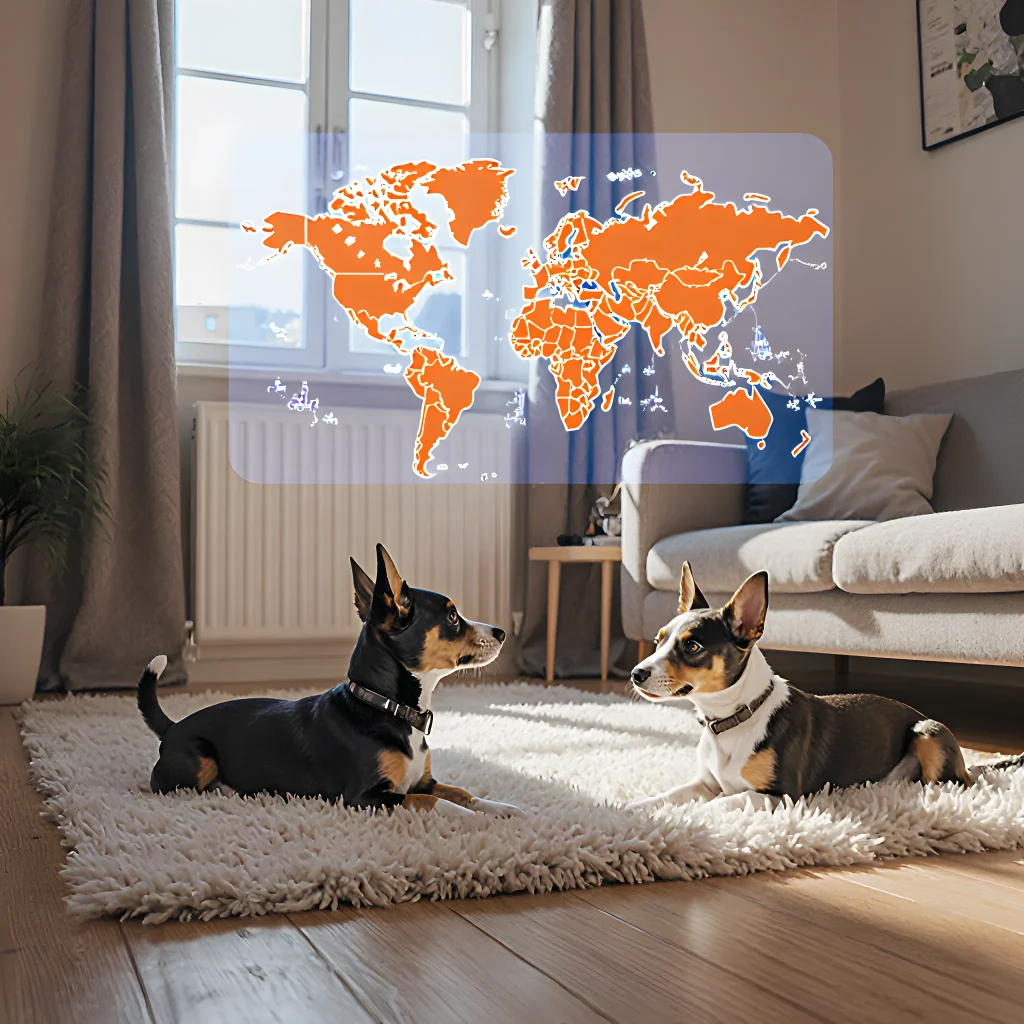
Tiny Tails, Big City Vibes
Metro Mutt Magic: Small Dogs That Love Apartment Life
Table of Contents
- 1. Introduction to Apartment Living with Dogs
- 2. What Makes a Dog “City-Friendly”?
- 3. Small Breeds That Thrive in Compact Spaces
- 4. Medium‑Sized Breeds for the Apartment Dweller
- 5. Large Breeds that Can Adapt to City Life
- 6. Low‑Energy Breeds for Quiet Urban Environments
- 7. Highly Trainable Breeds for Apartment Rules
- 8. Breeds with Minimal Grooming Needs
- 9. Considerations for Allergies and Sensitive Homes
- 10. Noise Levels: How Loud Do They Get?
- 11. Exercise Requirements for Urban Dogs
- 12. Socialization Tips for Apartment Living
- 13. Choosing the Right Breed for Your Lifestyle
- Conclusion: Finding Your Perfect City‑Friendly Companion
- FAQ: Common Questions About Dogs in Apartments
1. Introduction to Apartment Living with Dogs
Living in an apartment doesn’t mean you have to give up the joy of having a canine companion. In fact, many city dwellers find that their compact living spaces are perfectly suited for certain dog breeds that thrive on human interaction, mental stimulation, and moderate exercise. The key is choosing a breed—or mix—that aligns with your lifestyle, the size of your apartment, and the noise tolerance of your building.
Why Apartment‑Friendly Breeds Matter
- Energy Level: High‑energy dogs may become destructive if not given enough outlets for their enthusiasm. Lower‑to‑moderate energy breeds are easier to manage in tight spaces.
- Size: Small to medium dogs are more comfortable in apartments because they require less room to move around and can sleep comfortably on a couch or bed.
- Noise Tolerance: Some breeds bark frequently. Choosing a quieter breed helps maintain good relations with neighbors.
Top City‑Friendly Dog Breeds for Apartment Living
- French Bulldog – Known for their calm demeanor and minimal barking, Frenchies love cuddles and short walks. Their small size (20–28 lbs) makes them ideal for tight living spaces.
- Cavalier King Charles Spaniel – Gentle, affectionate, and adaptable. They enjoy companionship and are content with moderate exercise—just a daily stroll or play session in the park.
- Pug – Playful yet laid‑back, Pugs thrive on human interaction. Their short snouts mean they’re prone to overheating, so keep them cool during hot city days.
- Boston Terrier – Small, energetic, and friendly. Boston Terriers are great for apartment life because they’re quick learners and enjoy interactive toys.
- Dachshund – With their long backs and short legs, Dachshunds fit well in apartments but need gentle exercise to prevent back strain.
Practical Tips for Apartment‑Friendly Dogs
- Daily Exercise: Even small dogs need regular walks. Aim for at least two 15–20 minute walks per day or a 30‑minute jog if the dog’s energy level permits.
- Indoor Enrichment: Use puzzle toys, treat-dispensing balls, and interactive games to keep your dog mentally stimulated when you’re inside.
- Noise Management: If barking is a concern, consider using a white‑noise machine or background music to mask the sounds. Training with positive reinforcement can also reduce excessive vocalization.
- Safe Space: Create a designated area—like a cozy crate or a corner with a dog bed—where your pet feels secure and can retreat when overwhelmed by city noise.
- Community Etiquette: Always clean up after your dog in shared spaces, keep leashes short on sidewalks, and be mindful of building rules regarding pets.
Case Study: A Day in the Life of a French Bulldog Apartment Owner
Morning: A quick 10‑minute walk around the block to allow the dog to relieve itself and get some fresh air. The owner then spends 15 minutes playing fetch with a squeaky toy, which keeps the bulldog’s mind active.
Afternoon: While cooking dinner, the Frenchie lounges on the sofa, enjoying the presence of its human companion. A puzzle feeder is placed in front to challenge the dog’s problem‑solving skills while it eats.
Evening: After a light evening stroll, the owner and pet engage in a short training session—treats for sit, stay, and recall—to reinforce good behavior. The dog then settles into its crate with a soft blanket before bedtime.
Final Thoughts
Choosing the right breed is just the first step. Consistent routine, positive reinforcement training, and providing mental stimulation are essential to ensuring that both you and your four‑legged friend enjoy a harmonious apartment life.
2. What Makes a Dog “City-Friendly”?
A “city‑friendly” dog is one that thrives in the unique environment of urban life—small apartments, noisy streets, and limited outdoor space. While temperament is paramount, several practical traits also determine how well a pup will adapt to city living:
- Energy Level & Exercise Needs
- Low‑to‑moderate energy dogs require less daily exercise and can comfortably spend most of their time indoors.
- High‑energy breeds need structured workouts (e.g., brisk walks, agility courses) to prevent boredom‑induced behavior problems.
- Noise Tolerance
- Urban areas are filled with traffic, construction, and neighbor chatter. Dogs that remain calm when hearing sudden noises reduce anxiety and barking.
- Training early on exposure to varied sounds helps build resilience.
- Size & Space Requirements
- Smaller breeds (under 30 lb) are naturally more adaptable to confined spaces.
- Medium‑sized dogs can still thrive if they receive adequate daily movement.
- Socialization & Trainability
- A well‑socialized dog is less likely to develop fear or aggression toward strangers and city sounds.
- Quick learners benefit from consistent, positive reinforcement training—critical for apartment rules (e.g., no barking on the stairs).
- Grooming & Hygiene
- Low‑shedding or hypoallergenic coats reduce indoor allergens.
- Breeds with minimal shedding also lower maintenance for apartment owners who may have limited cleaning time.
- Adaptability & Independence
- Dogs that can entertain themselves during short absences prevent destructive behaviors.
- Independence is especially useful for apartment dwellers with unpredictable work schedules.
City‑Friendly Dog Breeds for Apartment Living
Below are some breeds that excel in city environments, along with practical tips for each:
| Breed | Size (Weight) | Energy Level | Key City Traits | Training Tips |
|---|---|---|---|---|
| Miniature Schnauzer | 15‑20 lb | Moderate | Low shedding, alert temperament; good at guarding. | Use puzzle toys to keep mental stimulation high during work hours. |
| French Bulldog | 16‑28 lb | Low–Moderate | Very tolerant of noise; thrives on human companionship. | Avoid overexertion—short walks and gentle play suffice. |
| Boston Terrier | 12‑25 lb | Low–Moderate | Adaptable, low maintenance coat; good with kids and neighbors. | Consistent daily walks keep them content without overdoing exercise. |
| Pembroke Welsh Corgi | 25‑30 lb | High | Strong bond with owners; requires daily mental and physical activity. | Incorporate scent games and short, frequent walks to channel energy. |
| Dachshund | 16‑32 lb | Low–Moderate | Compact size, low shedding; excellent for apartments with no yard. | Use positive reinforcement to curb digging or chewing when bored. |
| Shih Tzu | 9‑16 lb | Low–Moderate | Friendly, low shedding; thrives on lap time. | Regular grooming sessions keep coat healthy and reduce indoor allergens. |
| Greyhound | 60‑80 lb | Low | “Labrador in a tuxedo”—quiet, calm, minimal shedding. | Daily short walks are enough; they enjoy lounging during the day. |
| Australian Cattle Dog | 25‑35 lb | High | Intelligent, loyal; needs mental stimulation to avoid boredom. | Provide interactive toys and train for short bursts of activity. |
Practical Takeaways:
- Always match a breed’s energy level with your schedule—high‑energy dogs can become destructive if left idle.
- Invest in quality chew toys, puzzle feeders, and short daily walks to keep your city dog mentally engaged.
- Maintain consistent training routines; use clicker or treat-based methods to reinforce desired behaviors quickly.
- Keep the apartment environment safe: secure loose wires, block off stairways, and use baby gates if necessary.
3. Small Breeds That Thrive in Compact Spaces
Living in an apartment or a small townhouse doesn’t mean you have to give up on having a canine companion. The key is choosing a breed that naturally fits the constraints of limited floor area while still offering companionship, energy, and personality.
Top City‑Friendly Breeds
- French Bulldog – A short‑mouthed, low‑energy dog that loves to lounge. They’re affectionate but require minimal exercise, making them ideal for tight living quarters.
- Pug – With their playful yet laid‑back nature, pugs are great for apartment dwellers who want a friendly companion without demanding long walks.
- Cavalier King Charles Spaniel – These affectionate lap dogs thrive on human interaction and enjoy short daily strolls around the block.
- Boston Terrier – Known for their high intelligence, Boston Terriers adapt quickly to small spaces and are easy to train with consistent routines.
- Shih Tzu – A sturdy companion that enjoys indoor play. Their grooming needs keep them busy, and they’re usually content in cozy apartments.
- Miniature Schnauzer – Energetic yet manageable, this breed loves short walks and interactive play sessions inside the home.
- Jack Russell Terrier – If you can provide a bit more exercise time, Jack Russells are incredibly lively but adapt well to indoor living when given mental stimulation.
Practical Tips for Apartment Living
- Daily Exercise: Even small breeds need regular movement. Plan two short walks (10–15 minutes each) or a quick play session in the hallway to keep them physically and mentally stimulated.
- Noise Management: Choose breeds with moderate barking tendencies, such as the Cavalier or Shih Tzu. Use white‑noise machines or soft background music to reduce sound transmission between units.
- Indoor Play Zones: Create a safe play area using puppy gates or low walls so your dog can run and jump without scaring neighbors.
- Training & Obedience: Early training reduces unwanted behaviors. Use positive reinforcement, short sessions (5–10 minutes), and consistency to build good habits.
- Grooming Routine: Frequent brushing helps keep shedding under control—a big advantage in apartments with close neighbors.
- Socialization: Schedule visits to dog parks or community pet events. This exposure reduces anxiety and improves behavior in a confined space.
Choosing the Right Fit for You
When selecting a small breed, consider your own lifestyle. If you work long hours, breeds like the French Bulldog or Pug that are low‑maintenance might suit you better. For those who love outdoor activities, a Miniature Schnauzer or Jack Russell could be a perfect match, provided you can commit to their exercise needs.
Always meet a dog in its current living environment before adoption. Observe how it behaves with neighbors and whether it adapts comfortably to noise and confined spaces—this is the best indicator of long‑term compatibility.
4. Medium‑Sized Breeds for the Apartment Dweller
If you’re looking for a companion that’s big enough to feel like a real dog but small enough to fit comfortably in a studio or one‑bedroom loft, medium‑sized breeds are an excellent choice. These dogs typically weigh between 30 and 55 pounds (13–25 kg) and have a balanced mix of energy, trainability, and adaptability—perfect for the fast pace and limited space of city life.
Why Medium‑Sized Breeds Shine in Urban Settings
- Energy Management: They usually need moderate exercise—two short walks a day or a quick run in a nearby park—making it easy to fit their needs into tight schedules.
- Avoiding Over‑Exertion: Unlike larger breeds that can tire quickly on uneven sidewalks, medium dogs are sturdy enough for city streets but not so heavy they strain the pavement or your knees during daily walks.
- Noise Levels: Many medium breeds have calm, non‑barking temperaments, which is essential when living close to neighbors or in shared buildings with noise restrictions.
Top Medium‑Sized City‑Friendly Breeds
- Australian Shepherd (Miniature)
These smart, agile dogs love a good challenge. They thrive on mental stimulation—think puzzle toys or scent games—and enjoy short bursts of play. Their moderate exercise needs fit well into the quick‑walk lifestyle of apartment living.
- English Cocker Spaniel
A gentle, affectionate companion that enjoys both indoor cuddles and outdoor strolls. Their friendly nature makes them great neighbors in close quarters.
- Coton de Tulear
Known for their silky coat and playful disposition, Cotons are low‑maintenance in terms of shedding and grooming—an advantage when living in shared spaces with air‑conditioning constraints.
- Miniature Schnauzer
Highly trainable and alert, this breed is excellent for apartment dwellers who want a watchdog that won’t over‑excite the building’s residents. Their short coat requires minimal grooming.
- Bichon Frise
Though often considered small, many Bichons weigh around 20–30 lb and are perfect for those who want a lively yet manageable dog. Their hypoallergenic coat is ideal for apartment dwellers with allergies.
Practical Tips for Apartment Living with Medium‑Sized Dogs
- Exercise Schedule: Aim for at least 30–45 minutes of activity each day. Use nearby parks, dog‑friendly cafés, or indoor agility kits to keep your pup stimulated.
- Noise Management: Train basic commands like “quiet” and use soft voice tones during greetings to prevent startling neighbors.
- Grooming Routine: Brush weekly and schedule professional grooming every 6–8 weeks. Clean ears regularly to avoid infections, especially in breeds prone to ear problems.
- Socialization: Arrange playdates with other dogs in the building or at community dog parks. This helps prevent boredom and reinforces good manners.
- Health Monitoring: Keep up with routine vet visits, vaccinations, and flea/tick prevention. Many medium breeds are prone to hip dysplasia; regular weight checks help mitigate this risk.
Choosing the Right Breed for Your Lifestyle
When selecting a medium‑sized dog for apartment living, consider:
- Your Daily Schedule: A highly energetic breed may require more time than you can spare.
- Allergies: Breeds with hypoallergenic coats (e.g., Bichon Frise) are better for sensitive owners.
- Noise Tolerance: If your building has strict quiet hours, choose a calmer breed.
- Training Experience: Some breeds are more trainable than others; if you’re new to dog ownership, opt for a naturally eager-to-please breed.
By pairing the right medium‑sized breed with thoughtful care and a structured routine, apartment dwellers can enjoy all the joys of canine companionship without compromising on comfort or community harmony.
5. Large Breeds that Can Adapt to City Life
When you think of a big dog in a small apartment, the image that comes to mind is often one of excess barking or destructive chewing. However, with proper training, exercise, and a bit of creativity, many large breeds can thrive in an urban environment. Below are some of the most city‑friendly large dogs, along with practical tips on how to make their transition smoother.
1. Greyhound
- Why they work well in cities: Despite their racing pedigree, greyhounds are remarkably calm indoors and enjoy long naps. They’re light sleepers and don’t bark excessively.
- Exercise needs: A daily walk of 30–45 minutes plus a few short bursts of running or playtime in a nearby park is sufficient.
- Apartment hacks: Use a crate to give them a safe, den-like space. Keep a small water bowl and a couple of chew toys to prevent boredom during the day.
2. Standard Poodle
- Why they work well in cities: Intelligent and highly trainable, standard poodles adapt quickly to routines. Their hypoallergenic coat reduces shedding problems for apartment dwellers.
- Exercise needs: They thrive on interactive play sessions (fetch, tug‑of‑war) and brisk walks—ideally 45 minutes to an hour each day.
- Apartment hacks: Provide puzzle feeders or treat-dispensing toys during the day to keep them mentally stimulated. Consider a doggy daycare once or twice a week for socialization.
3. Boxer
- Why they work well in cities: Boxers are affectionate family dogs that enjoy being around people. Their high energy can be channeled into structured play rather than destructive behavior.
- Exercise needs: A minimum of an hour of vigorous exercise daily—runs, agility drills, or a game of fetch in a safe outdoor area.
- Apartment hacks: Use a sturdy dog door to give them access to a balcony or nearby park. Invest in chew-resistant toys to protect your furniture.
4. Great Dane (Small‑Size Variant)
- Why they work well in cities: The smaller version of the iconic Great Dane still carries a gentle temperament, making them excellent companions for apartment living.
- Exercise needs: Moderate daily walks (30–60 minutes) combined with occasional bursts of running are enough to satisfy their stamina.
- Apartment hacks: Because they’re large, crate training can be challenging; opt for a spacious dog bed and ensure the room is dog‑proofed. Use low‑impact activities like swimming if you have access to a pool or lake.
5. Bernese Mountain Dog (Miniature Variant)
- Why they work well in cities: Miniature Berners are affectionate and have a calm disposition, making them suitable for apartment life while still providing the presence of a large breed.
- Exercise needs: Two daily walks (45 minutes each) plus interactive play sessions. They enjoy being part of family activities.
- Apartment hacks: Their thick coat requires regular brushing, but this can be done in short bursts during the day to keep them comfortable. Provide a shaded area if you’re near a balcony or patio that gets direct sun.
Practical Tips for All Large Breeds in City Settings
- Routine is key: Large dogs appreciate predictable schedules. Feed, walk, and play at consistent times to reduce anxiety.
- Use vertical space: If you have a balcony or loft, train your dog to use it as a safe resting area. This can help keep them off the floor during the day.
- Noise management: Install soft rugs or carpeting in high‑traffic areas to dampen sounds and protect the floor from scratches.
- Training classes: Enroll in a basic obedience course. A well-trained dog is less likely to exhibit destructive behavior due to frustration.
- Socialization: Arrange playdates with other dogs at local parks or dog‑friendly cafés to keep them mentally stimulated and socially healthy.
Choosing a large breed for city life requires thoughtful consideration of your living environment, lifestyle, and the dog's specific needs. With the right plan in place, these majestic companions can bring joy, love, and even a touch of calm into the hustle and bustle of apartment living.
6. Low‑Energy Breeds for Quiet Urban Environments
If you live in a bustling city or a small apartment, you probably want a dog that is calm indoors, doesn’t require endless runs, and can happily spend long afternoons on the couch. Below are some of the most popular low‑energy breeds that thrive in urban settings, along with practical tips for keeping them happy and healthy.
1. Basset Hound
- Energy level: Very low – enjoys short walks and long naps.
- Size: Medium (20–35 lb).
- Key traits for apartments: Short legs reduce the need for large spaces, while their laid‑back nature means they’re content with a cozy bed.
- Care tips:
- Keep an eye on weight; they love food and can easily become overweight.
- Regular ear cleaning is essential due to their droopy ears.
- A short, daily walk (10–15 min) usually suffices for exercise.
2. Greyhound (Mini‑Greyhound)
- Energy level: Low to moderate – they’re “couch potatoes” but can sprint for short bursts.
- Size: Medium to large; Mini‑Greyhounds are perfect for apartments.
- Key traits for apartments: Quiet, gentle, and rarely bark. Their slender bodies fit well in tight spaces.
- Care tips:
- Provide a comfortable, padded bed to support their joints.
- Even though they’re low energy, give them one short walk per day for mental stimulation.
- They enjoy “playtime” with interactive toys like puzzle feeders.
3. Cavalier King Charles Spaniel
- Energy level: Low to moderate – loves gentle strolls and snuggling.
- Size: Small (13–18 lb).
- Key traits for apartments: Friendly, adaptable, and generally quiet. Their affectionate nature makes them great companions in tight spaces.
- Care tips:
- Regular grooming is essential; their long coat can mat if neglected.
- Short daily walks (10–20 min) keep them healthy without exhausting the apartment.
- Provide mental enrichment with chew toys and simple training sessions.
4. Shih Tzu
- Energy level: Low – content with indoor play and short walks.
- Size: Small (9–16 lb).
- Key traits for apartments: Compact, low‑maintenance coat, and generally quiet.
- Care tips:
- Brush their coat daily to prevent tangles.
- Short, frequent walks (5–10 min) are usually enough for exercise.
- They thrive on routine and enjoy gentle handling.
5. French Bulldog
- Energy level: Low – enjoys relaxed periods but can be playful when stimulated.
- Size: Small (16–28 lb).
- Key traits for apartments: Short snout breeds may have breathing issues; they’re best suited to cooler indoor environments.
- Care tips:
- Avoid excessive heat and provide cool surfaces.
- Keep their weight in check with a balanced diet.
- Short walks (10–15 min) plus indoor play keep them content.
Practical Advice for All Low‑Energy Breeds
- Establish a Routine: Dogs feel secure when they know what to expect. Feed, walk, and play at consistent times.
- Use Enrichment Toys: Puzzle feeders, treat-dispensing toys, and chew items keep their minds occupied.
- Monitor Weight: Low‑energy breeds are prone to obesity; regular vet checkups help maintain a healthy weight.
- Provide Safe Spaces: A designated bed or crate gives them a “home” within the apartment.
- Consider Professional Training: Even calm dogs benefit from basic obedience training to prevent small issues from becoming big ones.
Choosing a low‑energy breed that aligns with your lifestyle can transform your city living experience. With thoughtful care, these breeds thrive in quiet apartments while offering loyal companionship and gentle affection.
7. Highly Trainable Breeds for Apartment Rules
When choosing a companion that thrives in an urban setting, it’s essential to pick breeds known for their trainability and adaptability. These dogs not only respect apartment rules—quiet hours, leash etiquette, and obedience commands—but also fit comfortably into smaller spaces.
Top City‑Friendly Breeds
- Boston Terrier – Small, low‑maintenance, and highly responsive to training. Their friendly nature makes them great neighbors in multi‑unit buildings.
- Cavalier King Charles Spaniel – Gentle yet eager to please. With consistent short‑session training, they can master basic commands quickly.
- French Bulldog – Despite their stubborn streak, many Frenchies excel when taught using positive reinforcement and clear boundaries.
- Australian Shepherd (Miniature) – Energetic but highly trainable; they thrive on mental stimulation and structured routines.
- Pug – Small, affectionate, and surprisingly quick to learn simple cues when training is consistent and rewarding.
Practical Training Tips for Apartment Living
- Set Clear Boundaries Early: Use a crate or defined play area to give your dog a sense of security. Train them to respect this space, especially during quiet hours.
- Use Positive Reinforcement: Treats, praise, and petting work best for encouraging desired behavior such as staying calm near the door or obeying “sit” before going outside.
- Short, Frequent Sessions: Dogs in apartments have limited space; keep training sessions to 5–10 minutes, multiple times a day, to maintain focus without overstimulation.
- Leash Etiquette: Teach your dog to walk calmly beside you. Use commands like “heel” and reward them for staying within the designated path, especially on stairs or in hallways.
- Noise Management: Train a quiet command (“shush”) using a clicker or hand signal. Pair it with treats so your dog learns that silence earns rewards.
Integrating Training into City Life
Utilize city resources such as local dog parks, community classes, and pet‑friendly cafés to reinforce training in varied environments. A well-trained apartment dog not only enjoys a comfortable life but also enhances the living experience for neighbors.
Remember: consistency is key. Even highly trainable breeds benefit from a routine that balances exercise, mental stimulation, and clear communication—exactly what makes them ideal companions in an urban setting.
8. Breeds with Minimal Grooming Needs
If you live in an apartment or a high‑rise condo, a low‑maintenance coat is often the key to a harmonious relationship between your dog and the building’s rules. Below are some of the top breeds that keep shedding at bay, require little brushing, and still thrive in tight spaces.
1. French Bulldog
- Coat: Short, fine hair that needs only a quick wipe‑down or occasional bath every few weeks.
- Why it’s apartment‑friendly: Their calm temperament and minimal exercise requirements make them perfect for small spaces. They’re also naturally quiet, which helps avoid noise complaints.
2. Boston Terrier
- Coat: Short, smooth coat that requires a weekly brushing to remove loose hairs.
- Why it’s apartment‑friendly: They are affectionate but not overly demanding of space or exercise. Their small size means they can comfortably sleep on your couch or bed.
3. Cavalier King Charles Spaniel
- Coat: Medium-length silky coat that needs a few minutes of brushing each week to prevent matting.
- Why it’s apartment‑friendly: Their gentle nature and moderate energy levels make them great companions for city dwellers. They’re also known for their affectionate, calm demeanor.
4. Greyhound
- Coat: Very short coat with minimal shedding; a quick weekly brush is enough.
- Why it’s apartment‑friendly: Despite their size, Greyhounds are surprisingly low‑energy and love lounging on the couch. Their long legs do not require much space for daily walks—just a brisk stroll around the block will keep them happy.
5. Basenji
- Coat: Short, fine coat that sheds little and requires minimal grooming.
- Why it’s apartment‑friendly: Known as the “barkless dog,” the Basenji’s quiet nature keeps noise to a minimum. They’re also very clean animals, often grooming themselves like cats.
6. Chihuahua
- Coat: Short or long coat; short‑haired Chihuahuas need only occasional brushing.
- Why it’s apartment‑friendly: Their tiny size means they can sleep in a basket on your lap, and their moderate exercise needs can be met with indoor play or brief walks.
7. Shih Tzu
- Coat: Long, flowing coat that requires regular brushing to prevent tangles—but it’s still considered low‑shedding.
- Why it’s apartment‑friendly: They are affectionate, adaptable, and thrive in small living environments. Their playful yet calm nature makes them excellent indoor companions.
Practical Grooming Tips for Apartment Dogs
- Weekly Brushing: Even minimal‑shedding breeds benefit from a weekly brush to remove loose hairs and keep their coat shiny.
- Bath Frequency: Once every 4–6 weeks is usually enough for most city dogs; over‑bathing can strip natural oils.
- Ear & Eye Care: Check ears weekly for wax buildup or infection and wipe eyes with a damp cloth to prevent irritation.
- Trim Nails Regularly: Short nails reduce the risk of scratching floors and keep your dog comfortable during indoor walks.
Choosing a low‑maintenance breed is just one part of creating a happy home for both you and your canine companion. Always pair proper grooming with regular exercise, mental stimulation, and plenty of love—no matter the size or coat type.
9. Considerations for Allergies and Sensitive Homes
If you or someone in your household suffers from allergies—or simply prefers a low‑maintenance, “sensitive” environment—choosing the right dog can make all the difference. Below are practical tips and breed suggestions that blend well with apartment living while keeping allergy triggers to a minimum.
1. Understand What Triggers Allergies
- Allergens: Dander (tiny skin flakes), saliva, urine, and sometimes hair.
- Common triggers: Frequent shedding, large amounts of dander, or strong scent from certain breeds.
- Seasonal factors: Some dogs shed more during spring/fall; others may produce more dander when they’re excited.
2. Practical Home Management Tips
- Regular Grooming: Brush your dog at least twice a week to remove loose fur and dander. A weekly bath with hypoallergenic shampoos helps reduce allergens.
- Clean Environment: Vacuum high‑frequency areas (carpets, beds) using HEPA filters. Wash bedding in hot water weekly.
- Air Quality: Use an air purifier with a HEPA filter near the dog’s resting spot to trap airborne allergens.
- Pet-Free Zones: Designate rooms or areas where pets are not allowed, especially bedrooms.
3. Choosing the Right Breed for Allergy‑Sensitive Apartments
The following city‑friendly breeds are often recommended for allergy sufferers due to their low shedding, minimal dander production, and generally calm temperaments—ideal for small apartments.
| Breed | Key Allergy Traits | Apartment Suitability | Typical Size & Weight |
|---|---|---|---|
| Bichon Frise | Curly, non‑shedding coat; minimal dander. | Excellent for tight spaces; enjoys indoor play. | 10–20 lb (4.5–9 kg) |
| Poodle (Toy/Miniature) | Hypoallergenic coat; low shedding. | Highly trainable, thrives in apartments with regular walks. | 10–35 lb (4.5–16 kg) |
| Shih‑Tzu | Long coat that doesn’t shed; requires grooming. | Quiet, affectionate—great for apartment living. | 9–16 lb (4–7 kg) |
| Havanese | Low shedding; hypoallergenic coat. | Friendly and adaptable, loves indoor spaces. | 12–18 lb (5.4–8.2 kg) |
| Cavalier King Charles Spaniel | Moderate shedding but manageable with grooming; low dander. | Very sociable, enjoys apartment life with regular walks. | 13–18 lb (5.9–8.2 kg) |
4. Practical Walk‑through: Grooming a Bichon Frise for Allergy Control
- Brushing: Use a slicker brush twice a week to keep fur clean and remove loose hair.
- Bathing: Bathe every 4–6 weeks with an allergy‑friendly shampoo (e.g., Earthbath All-Natural). Rinse thoroughly to avoid residue.
- Drying: Pat dry with a towel; use a blow dryer on low heat if needed, ensuring the dog stays comfortable.
5. Monitoring and Adjustments
- Keep an allergy diary: note any spikes in symptoms after introducing a new pet or during specific seasons.
- If symptoms persist, consult an allergist for possible immunotherapy or medication adjustments.
- Consider regular veterinary check‑ups to ensure the dog’s coat remains healthy and free from skin conditions that could exacerbate allergies.
By combining thoughtful breed selection with diligent home care practices, you can enjoy a happy, healthy apartment life—both for your pet and for anyone sensitive to allergens.
10. Noise Levels: How Loud Do They Get?
When choosing a pup for an apartment or condo, one of the most critical factors is how much noise the breed tends to produce. In a shared building, loud barking can quickly become a source of conflict with neighbors and may even trigger complaints that lead to eviction notices. Below we break down what you should look for, how to measure it, and give concrete examples from some of the most popular city‑friendly breeds.
1. Understanding Barking Patterns
- Frequency: How often does a dog bark in a typical day? A calm breed might bark only 10–20 times, while an excitable one can reach 100+ barks per hour.
- Volume: Measured in decibels (dB). The average apartment noise level is about 45 dB. Breeds that consistently exceed 60 dB are considered noisy for tight spaces.
- Purpose: Some dogs bark to alert you of intruders or noises; others bark out of boredom or anxiety.
2. How to Measure Your Dog’s Barking
- Use a smartphone app (e.g., “Decibel Meter” for Android or “Sound Level Meter” for iOS) and record the volume during peak barking moments.
- Keep a log of how many times your dog barks in an hour. Many pet owners find it useful to note triggers such as doors, mail delivery, or passing cars.
- Compare the numbers against the thresholds mentioned above; if you’re consistently over 60 dB or more than 50 barks per hour, consider a quieter breed.
3. City‑Friendly Breeds and Their Typical Noise Levels
| Breed | Average Decibel Range | Bark Frequency (per hour) | Why It’s Apartment‑Friendly |
|---|---|---|---|
| Boston Terrier | 35–45 dB | 5–15 | Small size, low energy; they tend to bark only when alerting or playing. |
| Pug | 30–40 dB | 3–10 | Very quiet and affectionate; minimal barking unless startled. |
| French Bulldog | 40–55 dB | 8–20 | Known for being calm indoors, but watch out for occasional “growls” when excited. |
| Cavalier King Charles Spaniel | 30–45 dB | 4–12 | Gentle, rarely vocalizes unless you’re ignoring them. |
| Labrador Retriever (smaller mixes) | 45–60 dB | 15–30 | Very friendly, but can bark a lot when left alone; good for active apartments with regular walks. |
4. Practical Tips to Keep Noise Down
- Training: Teach the “quiet” command early and reward silence.
- Exercise: A tired dog is a quiet dog. Aim for at least one 30‑minute walk or play session daily.
- Mental Stimulation: Puzzle toys, scent games, and training sessions keep dogs mentally occupied.
- Use White Noise: A fan or white‑noise machine can mask occasional barks from neighbors.
- Consistent Routine: Dogs thrive on predictability; irregular feeding or walk times often trigger anxiety barking.
5. When to Seek Professional Help
If your dog’s barking exceeds the thresholds above and remains unresponsive to training, consider consulting a certified dog trainer or behaviorist. In some cases, underlying health issues (e.g., hearing loss) can cause excessive vocalization.
By understanding noise levels and selecting a breed that naturally aligns with apartment life, you’ll enjoy a peaceful home—and happy neighbors.
11. Exercise Requirements for Urban Dogs
Living in an apartment or a high‑rise building doesn’t mean your dog can’t get the daily exercise they need. In fact, city dogs often require more structured activity to keep them mentally and physically healthy. Below is a practical guide on how to meet these needs while staying mindful of noise restrictions, limited space, and the unique challenges that come with urban living.
1. Understand Your Dog’s Energy Level
- Low‑energy breeds: Basset Hound, Chihuahua, French Bulldog – a brisk walk 2–3 times per day usually suffices.
- Moderate‑energy breeds: Beagle, Cocker Spaniel, Australian Shepherd – aim for 30–45 minutes of moderate activity daily.
- High‑energy breeds: Jack Russell Terrier, Border Collie, German Shorthaired Pointer – require at least an hour of vigorous exercise plus mental stimulation.
2. Create a Daily Routine
- Morning walk (15–20 min): Start the day with a short stroll around your block or to the nearest dog park. This helps reduce nighttime barking and restlessness.
- Mid‑day play session (10–15 min): Use indoor fetch, tug‑of‑war, or an interactive puzzle toy while you’re at work. If possible, schedule a brief “doggy break” during your lunch hour.
- Evening walk (20–30 min): End the day with a longer walk that allows your dog to explore different scents and sounds. Try varying routes to keep things interesting.
3. Leverage City Resources
- Dog parks: Many cities have dedicated dog parks with separate areas for small, medium, and large dogs. These are ideal for socialization and off‑leash exercise.
- Pet-friendly cafés or co‑working spaces: Some venues allow dogs during certain hours, providing a relaxed environment for short walks and human interaction.
- Neighborhood dog groups: Join local Facebook or Meetup groups to arrange group walks, playdates, or even “exercise swaps” with other owners.
4. Indoor Exercise Ideas (When Weather Fails)
| Activity | Duration | Benefits |
|---|---|---|
| Indoor fetch with a lightweight ball or plush toy | 10–15 min | Cardiovascular workout, improves coordination |
| Tug‑of‑war using a sturdy rope | 5–10 min | Strengthens jaw muscles, encourages controlled play |
| Puzzle feeders or treat-dispensing toys | 15–20 min | Mental stimulation, reduces boredom |
| Obstacle course using furniture and cushions | 10–12 min | Agility training, improves balance |
5. Monitor Signs of Over‑Exertion
City dogs can sometimes overwork themselves when they’re excited or if they’re not used to regular activity.
- Watch for excessive panting, drooling, or a rapid heart rate.
- Look out for signs of fatigue such as slouching or reluctance to move.
- Keep a hydration station nearby – especially during hot summer days.
6. Practical Tips for Apartment Living
- Use a leash with an attached treat bag: This keeps your dog focused and prevents them from chasing pigeons or other distractions.
- Noise‑reducing ear protection: Some dogs get startled by the city’s constant sounds. A soft, breathable muzzle can help calm anxious pets during walks.
- Schedule “quiet hours” in your routine: After a vigorous walk, give your dog a calm period before bedtime to avoid hyperactivity that could disturb neighbors.
7. Recommended City‑Friendly Breeds for Apartment Living
While all dogs can adapt with the right care, certain breeds tend to thrive in compact urban settings:
- English Bulldog: Low exercise needs, affectionate companion.
- Boston Terrier: Small, moderate energy; loves short walks.
- Shih Tzu: Friendly, requires gentle daily strolls.
- Pug: Playful yet low‑maintenance; perfect for apartment life.
- Cavalier King Charles Spaniel: Gentle temperament, enjoys moderate walks and indoor play.
By combining a balanced routine with city resources and breed‑appropriate activities, you can keep your urban dog healthy, happy, and well‑adjusted to apartment life. Remember that consistency, mental stimulation, and regular social interaction are key components of any successful exercise plan for city dogs.
12. Socialization Tips for Apartment Living
Living with a dog in an apartment requires thoughtful socialization strategies to keep your pup happy, healthy, and well‑behaved. Below are practical tips that work especially well when paired with city‑friendly breeds such as the French Bulldog, Boston Terrier, or Greyhound.
1. Structured Daily Walks
- Timing matters: Aim for two walks per day—one in the morning and one in the evening—to align with your dog's natural energy peaks.
- Short, frequent: City dogs often thrive on short, high‑intensity strolls (10–15 minutes) rather than long hikes. Use a leash that’s comfortable for both you and your dog.
- Explore different routes: Vary your paths to expose the pup to new sights, sounds, and smells—key elements in preventing boredom and fearfulness.
2. Socialization with Neighbors
Apartment buildings are built for community. Use this to your advantage:
- Introduce on a walk: When walking, let your dog meet other dogs and people in the hallway or courtyard.
- Respect boundaries: Keep the leash short if the building has strict policies. If you’re in a pet‑friendly unit, allow controlled playdates with neighbors’ pets.
- Attend community events: Many apartment complexes host pet days or “dog‑walk” socials—great for natural interaction.
3. Controlled Playdates
Set up playdates with dogs of similar size and temperament. For city breeds like the Boston Terrier, which enjoy gentle companionship, a small group of well‑behaved dogs works best.
- Pick neutral ground: A local park or dog park is ideal.
- Observe body language: Watch for signs of stress—tail tucked, ears pinned back—and intervene early.
- Use a “go-to” command (e.g., “leave it”) to manage play if your dog gets too excited.
4. Enrichment Inside the Apartment
City dogs often have limited outdoor space, so indoor stimulation is crucial:
- Puzzle toys: Offer treat‑dispensing puzzles to keep your pup mentally engaged.
- Training sessions: Short, daily training (5–10 minutes) reinforces good manners and builds a bond.
- Rotate toys: Keep novelty high by rotating the dog’s favorite toys every few days.
5. Addressing Noise Sensitivity
City environments can be noisy. Gradually acclimate your dog to background sounds:
- Use white‑noise machines: These help mask traffic and neighbor chatter.
- Desensitization training: Play recordings of city sounds at low volume, gradually increasing it while rewarding calm behavior.
6. Regular Veterinary Check‑Ins
Keep up with vaccinations and wellness exams to ensure your dog is healthy enough for frequent social interactions.
7. Leverage City-Friendly Breeds’ Traits
When selecting a breed, consider these city‑friendly traits:
- Low exercise needs (e.g., French Bulldog): Great for apartment living as long as daily walks are maintained.
- Good with strangers (e.g., Boston Terrier): Easier to socialize in high‑traffic areas.
- Calm disposition (e.g., Greyhound): Excellent for indoor environments where noise can be a trigger.
By combining these socialization strategies with the right breed choice, you’ll create a harmonious apartment life that benefits both your dog and your neighbors. Happy walking!
13. Choosing the Right Breed for Your Lifestyle
If you live in an apartment or a small urban home, selecting a dog that fits your living situation is just as important as picking one that fits your personality. Below are key factors to consider and some of the most popular city‑friendly breeds that thrive in tight spaces.
1. Space & Size
- Small & Medium Breeds: Ideal for apartments because they require less floor space and are easier to move around indoors.
- Large Breeds in Small Homes: Some large dogs, like the Cavalier King Charles Spaniel or Bichon Frise, can adapt if you provide adequate exercise outside.
2. Exercise Needs
Even a small dog needs daily movement to stay healthy and happy. Consider:
- Low‑Energy Breeds: Bulldogs, Basset Hounds, or Greyhounds (when not racing) enjoy short walks.
- High‑Energy Breeds: Jack Russell Terriers and Australian Shepherds need longer walks or indoor play sessions.
3. Noise & Barking Tendencies
Apartment living often means neighbors nearby. Look for breeds known for quieter habits:
- Quiet Breeds: Basenjis, Shih Tzus, and Pugs typically bark less.
- Alert Breeds: Beagles or German Shepherds can be noisy if not properly trained.
4. Grooming Requirements
Regular grooming is essential to keep shedding under control and maintain a clean apartment.
- Low‑Shedding Breeds: Poodles, Portuguese Water Dogs, and Bichon Frises are great for allergy sufferers.
- High‑Shedding Breeds: Huskies or German Shepherds may require frequent brushing.
5. Temperament & Social Needs
A dog that is sociable yet adaptable will blend well into apartment life.
- Friendly, Low‑Stress Breeds: Cavalier King Charles Spaniels, French Bulldogs, and Corgis are known for their calm demeanor.
- Independent Breeds: Chihuahuas or Dachshunds can be a good match if you’re often away during the day.
Popular City‑Friendly Dog Breeds
| Breed | Size | Exercise Level | Noise Level | Grooming Needs |
|---|---|---|---|---|
| French Bulldog | Small | Low | Low | Low |
| Cavalier King Charles Spaniel | Medium | Moderate | Low | Moderate |
| Pug | Small | Low | Medium | Low |
| Bichon Frise | Small | Moderate | Low | High (needs regular grooming) |
| Jack Russell Terrier | Small | High | Medium-High | Low |
Practical Tips for Apartment Dog Owners
- Create a Routine: Dogs thrive on consistency. Schedule regular walks, feeding times, and play sessions.
- Use Dog‑Friendly Parks: Many cities have pet parks or dog walkways—great for exercise without overcrowding your apartment.
- Invest in a Comfortable Bed: A designated spot helps them feel secure and reduces destructive behavior.
- Train Basic Commands: Simple commands like “sit,” “stay,” and “quiet” can help manage noise and keep your dog safe indoors.
- Keep a Clean Living Space: Regular vacuuming, pet‑friendly cleaning products, and lint rollers will minimize shedding issues.
Choosing the right breed is the first step toward a harmonious urban life with your canine companion. By aligning a dog’s natural traits with your living environment, you’ll enjoy countless walks, cuddle sessions, and peace of mind in your apartment setting.
Conclusion: Finding Your Perfect City‑Friendly Companion
Choosing a dog that thrives in an apartment setting is more than just picking a cute face. It’s about matching the animal’s energy level, size, grooming needs, and temperament with your own lifestyle, schedule, and living space. Below are some practical steps to help you make an informed decision and find the dog that feels like home for both of you.
1. Assess Your Daily Routine
- Work Hours: If you’re away most of the day, look for breeds known for their calm nature or those that can comfortably sleep in a crate or on a bed.
- Exercise Needs: High‑energy dogs like Jack Russell Terriers require regular walks and playtime. Pair them with a nearby park or dog‑friendly cafe to keep them happy.
- Time for Training: Breeds that are eager to learn, such as Pug or Boston Terrier, can adapt quickly to apartment rules but may need consistent training sessions.
2. Size Matters: Space & Mobility
Smaller dogs (under 25 lb) such as the Cavalier King Charles Spaniel and Bichon Frise are naturally more agile in tight spaces, while larger breeds like the Labrador Retriever or English Bulldog can still thrive if you provide ample daily walks. Consider the size of your balcony or nearby parks when making a choice.
3. Grooming & Maintenance
Apartment living often means limited time for grooming. Breeds with low shedding and minimal coat maintenance—like the Poodle (Toy/Miniature), Shih Tzu, or Boston Terrier—are ideal. Conversely, high‑shedding breeds such as the German Shepherd may require more frequent brushing and can leave hair on furniture.
4. Health & Longevity
Longer‑lived breeds (10–15 years) reduce the frequency of future pet ownership transitions. Look for breeds with lower incidences of common apartment‑related health issues such as obesity, separation anxiety, or noise sensitivity. The French Bulldog, while prone to breathing problems, is short‑lived and may suit those seeking a shorter commitment.
5. Personality & Compatibility
Every dog has its quirks—some are more tolerant of living with other pets or noisy neighbors. If you have children or other dogs, consider breeds known for their friendly disposition such as the Cocker Spaniel or Golden Retriever. For a quieter environment, the Maltese or Bichon Frise typically exhibit gentle temperaments.
6. Adopt vs. Buy: The Ethical Choice
Adopting from shelters not only saves a life but often gives you access to well‑documented health histories. Shelters frequently house mixed‑breed dogs that combine the best traits of city‑friendly breeds—compact size, moderate energy, and affectionate nature—making them excellent apartment companions.
7. Trial Periods & Home Visits
If possible, arrange a “meet-and-greet” in your apartment to observe how the dog reacts to confined spaces, noises, and other pets. Many breeders or rescue organizations allow short trial periods before final adoption, ensuring a good fit for both parties.
Final Thought
Finding the right city‑friendly dog is an investment in happiness—for you and your new four‑legged friend. By aligning breed characteristics with your living situation, you’ll create a harmonious environment that nurtures companionship, health, and joy for years to come.
FAQ: Common Questions About Dogs in Apartments
If you’re considering a dog for apartment living, you’ve probably run into a handful of questions that keep you up at night. Below is a comprehensive FAQ covering the most frequently asked topics—especially as they relate to city‑friendly breeds that thrive in smaller spaces.
1. Can I have a dog if my lease says “no pets”?
Most leases prohibit pets outright, but many landlords are willing to make exceptions for certain breeds or sizes. City‑friendly breeds—such as French Bulldogs, Cavalier King Charles Spaniels, and Boston Terriers—are often favored because they’re small, low maintenance, and less likely to cause damage. If you’re in a no‑pets lease, consider:
- Negotiating a pet addendum with a guaranteed fee.
- Offering to pay an extra security deposit or pet rent.
- Providing references from previous landlords who can attest to your responsible ownership.
2. Which breeds are best for apartment living?
City‑friendly dogs tend to be:
- Small or Medium Sized: Boston Terrier, French Bulldog, Cavalier King Charles Spaniel, Shih Tzu.
- Low Shedding: Bichon Frise, Portuguese Water Dog, Japanese Chin.
- Quiet & Calm: Pug, Greyhound (adult), West Highland White Terrier.
- Energetic but manageable: Cocker Spaniel, Miniature Schnauzer, Jack Russell Terrier (short bursts).
3. How much exercise does a city‑friendly dog need?
Even small breeds require daily physical and mental stimulation. A balanced routine might look like:
- Morning walk: 20–30 minutes, brisk pace.
- Afternoon play session: Short bursts of fetch or tug‑of‑war inside.
- Evening stroll: Another 15–20 minute walk before bed.
Use puzzle toys, treat‑dispensing balls, and interactive games to keep their brains engaged without taking up too much space.
4. What about noise concerns? Will my dog bark all night?
Proper training is key:
- Socialize early—expose them to different people, sounds, and environments.
- Teach the “quiet” command with positive reinforcement.
- Provide adequate exercise; tired dogs are less likely to bark out of boredom.
- Use white‑noise machines or calming music to mask street noises that might trigger barking.
5. How do I manage shedding in a small apartment?
Choose breeds with low shedding and adopt regular grooming habits:
- Weekly brushing: Removes loose hair before it ends up on furniture.
- Use a lint roller or microfiber cloth for quick clean‑ups.
- Consider vacuuming twice weekly—many city apartments come with built‑in vacuums that are perfect for pet hair.
6. Are there health considerations I should be aware of?
City‑friendly breeds often have breed‑specific health issues:
- French Bulldogs & Boston Terriers: Brachycephalic airway syndrome—keep them cool and avoid intense exercise.
- Cavalier King Charles Spaniels: Mitral valve disease—regular vet check‑ups are essential.
- Small breeds in hot climates: They’re prone to overheating; always provide shade and fresh water.
7. How can I keep my apartment clean with a dog?
Implement these practical strategies:
- Use washable, stain‑resistant rugs for high‑traffic areas.
- Place a designated “dog zone”—a mat or small crate where the pup can relax.
- Keep grooming supplies handy: combs, wipes, and deshedding tools.
- Schedule regular professional cleaning of carpets if you’re in a studio or small unit.
8. What should I do before bringing a dog into my apartment?
Preparation is crucial:
- Check the lease and local ordinances.
- Create a safe space: A crate or playpen that’s comfortable yet contained.
- Purchase essential supplies: food, water bowls, bed, toys, leash, and a first‑aid kit.
- Set up a schedule for walks, vet visits, grooming, and training sessions.
9. How do I handle neighbor complaints?
Proactive communication can prevent conflicts:
- Introduce your dog to neighbors with a friendly hand‑shake or treat.
- Show them the steps you’re taking to control barking and manage shedding.
- If they still have concerns, offer to meet at their convenience for an in‑person discussion.
10. Is it possible to adopt a senior dog for apartment living?
Absolutely! Senior dogs often have lower energy levels, making them ideal for smaller spaces. They may require:
- Regular vet check‑ups for age‑related conditions.
- A balanced diet tailored to their metabolism.
- Gentle exercise—short walks or indoor play sessions.
Adopting a senior dog can also reduce the likelihood of behavioral issues and may come at a lower cost than a puppy. Many shelters have “city‑friendly” senior dogs ready for adoption.
11. Where can I find reputable breeders or shelters?
Use these resources:
- American Kennel Club (AKC) Approved Breeders—search by breed and location.
- Local animal shelters & rescue groups—often have city‑friendly breeds or mixed‑breed
Categories
- AI & Enrichment Play
- Broiler Farming
- Broiler Farming Tips
- Canine Wellness & Longevity
- Cat
- Cat & Human Connection
- Cat Adoption & Rescue
- Cat Breeds
- Cat Breeds & Personalities
- Cat Care & Health
- Cat Grooming & Hygiene
- Cat Lifestyle & Environment
- Cat Myths & History
- Cat Nutrition & Diet
- Cat Products & Reviews
- Cat Training & Behavior
- Comparison
- Consumer Awareness
- Dog
- Dog Accessories & Products
- Dog Adoption & Rescue
- Dog Breed & Lifestyle Trends
- Dog Breeding & Puppies
- Dog Entertainment & Media
- Dog Fashion & Trends
- Dog Fun & Lifestyle
- Dog Grooming & Hygiene
- Dog History & Culture
- Dog Myths, Science & Future Tech
- Dog News & Trends
- Dog Nutrition & Food
- Dog Psychology & Emotions
- Dog Safety & Security
- Dog Sports & Activities
- Dog Technology & Innovation
- Dog Training for Modern Owners
- Dog Travel & Adventure
- Dog Travel, Adventure & Culture
- Economic and Market Insights
- Educational Content
- FAQs
- Feeding Alternatives
- Festivals & Seasonal Ideas
- Fun & Entertainment
- General Knowledge
- General Pig Farming
- Health & Disease Management
- Housing and Environment
- Kittens
- Market Insights
- Miscellaneous
- Miscellaneous
- Motivational
- pig
- Pig Breeding
- Pig Breeds
- Pig Farming Stories and Inspiration
- Pig Health and Care
- Pig Nutrition
- Pig Products
- Profitability & Business
- Puppy Care
- Puppy Predictable Topics Reinvented
- Regional Focus
- Rescue & Adoption Buzz
- Senior Cats
- Senior Dog Care
- Smart Dog Tech & Gadgets
- Sustainability
- Sustainable & Eco-Friendly Dog Products
- Tech & Innovations
- Working & Service Dogs
- Broiler Feed66 products
- Country Feed33 products
- Pig Feed66 products
- Product22 products
- Raw Materials99 products
Products
-
 Fish Meal
₹1,999.00 – ₹2,999.00Price range: ₹1,999.00 through ₹2,999.00Rated 0 out of 5
Fish Meal
₹1,999.00 – ₹2,999.00Price range: ₹1,999.00 through ₹2,999.00Rated 0 out of 5 -
 FATTENING BROILER FEED
₹2,299.00 – ₹2,349.00Price range: ₹2,299.00 through ₹2,349.00Rated 0 out of 5
FATTENING BROILER FEED
₹2,299.00 – ₹2,349.00Price range: ₹2,299.00 through ₹2,349.00Rated 0 out of 5 -
 LAYER COUNTRY FEED
₹1,549.00 – ₹1,649.00Price range: ₹1,549.00 through ₹1,649.00Rated 0 out of 5
LAYER COUNTRY FEED
₹1,549.00 – ₹1,649.00Price range: ₹1,549.00 through ₹1,649.00Rated 0 out of 5 -
 COUNTER BROILER FEED
₹1,199.00 – ₹1,299.00Price range: ₹1,199.00 through ₹1,299.00Rated 0 out of 5
COUNTER BROILER FEED
₹1,199.00 – ₹1,299.00Price range: ₹1,199.00 through ₹1,299.00Rated 0 out of 5 -
 LACTATING PIG FEED
Rated 0 out of 5
LACTATING PIG FEED
Rated 0 out of 5₹2,299.00Original price was: ₹2,299.00.₹1,740.00Current price is: ₹1,740.00. -
 Maize
Rated 0 out of 5
Maize
Rated 0 out of 5₹1,650.00Original price was: ₹1,650.00.₹1,300.00Current price is: ₹1,300.00. -
 GESTATION PIG FEED (Phase 1)
Rated 0 out of 5
GESTATION PIG FEED (Phase 1)
Rated 0 out of 5₹2,249.00Original price was: ₹2,249.00.₹1,699.00Current price is: ₹1,699.00. -
 Pre Starter Broiler Feed
₹2,399.00 – ₹2,499.00Price range: ₹2,399.00 through ₹2,499.00Rated 0 out of 5
Pre Starter Broiler Feed
₹2,399.00 – ₹2,499.00Price range: ₹2,399.00 through ₹2,499.00Rated 0 out of 5 -
 FINISHER PIG FEED
Rated 0 out of 5
FINISHER PIG FEED
Rated 0 out of 5₹2,299.00Original price was: ₹2,299.00.₹1,749.00Current price is: ₹1,749.00. -
 Broiler Premix
Rated 0 out of 5
Broiler Premix
Rated 0 out of 5₹820.00Original price was: ₹820.00.₹699.00Current price is: ₹699.00.