
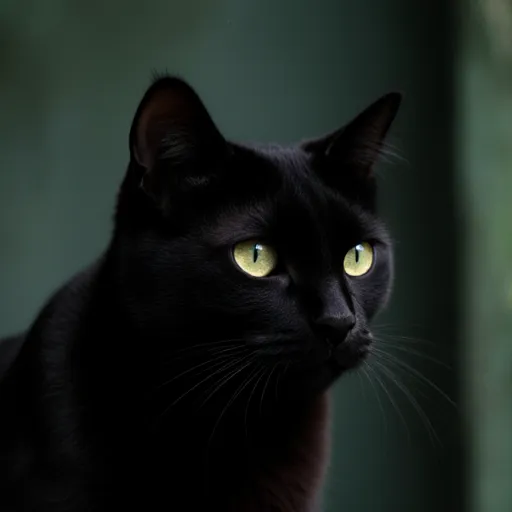
Black cats bring luck—here's what science says.
Myths Unveiled: The Real Power of Black Cats
Table of Contents
- Introduction to Black Cats in Culture
- Origins of the Mythology Surrounding Black Cats
- Beliefs and Superstitions About Black Cats in Various Cultures
- The Role of Religion in Shaping Opinions on Black Cats
- Historical Perspectives on the Luckiness of Black Cats
- Economic Impact of the Belief in Good Fortune with Black Cats
- How Literature and Media Portray Black Cats
- Scientific Studies on Pet Ownership and Psychological Well-being
- Personal Experiences and Anecdotes Related to Black Cats
- Famous People Associated with Black Cats
- Cultural Shifts in Attitudes Towards Black Cats
- The Impact of Social Media on Perceptions of Black Cats
- Conclusion: Balancing Luck and Misfortune
- FAQs About Black Cats
Introduction to Black Cats in Culture
The enigmatic black cat has long captivated human imagination, weaving through various cultures and mythologies. Black cats have been both revered and feared throughout history, often carrying connotations that vary widely depending on the cultural context in which they are viewed.
In many cultures, black cats are seen as symbols of good luck. For instance, in Japanese culture, the Maneki-neko is a figurine often depicted with a black cat. This figure is believed to bring fortune and prosperity to its owner. Similarly, in Western traditions, having a black cat cross your path or visiting someone who has one is considered lucky.
However, the perception of black cats can also be deeply rooted in fear and superstition. In medieval Europe, black cats were often associated with witchcraft and evil. They were frequently burned or killed during the height of the witch hunts. This negative association persists today in some parts of the world where a black cat crossing one's path is considered an omen of bad luck.
The portrayal of black cats in modern pop culture further reinforces these mixed perceptions. Characters like Salem from "Sabrina, the Teenage Witch" and Luna Lovegood’s cat Crookshanks in "Harry Potter" have popularized the idea that black cats can be wise companions. On the other hand, fictional depictions of malevolent creatures such as witches’ familiars also contribute to their negative image.
If you are a blogger looking to incorporate themes around black cats into your content, consider exploring both positive and negative representations. Highlight the cultural significance of black cats in different parts of the world. Provide interesting facts about their behavior or health benefits they might offer. Encourage readers to embrace the positive connotations while being mindful of historical prejudices.
Origins of the Mythology Surrounding Black Cats
The mythology surrounding black cats has deep roots that span across various cultures and time periods. The perception of black cats as either lucky or unlucky is multifaceted, influenced by superstitions, folklore, and cultural beliefs.
In medieval Europe, black cats were often associated with witchcraft and the devil due to their all-black fur. Cats themselves have long been seen as creatures that could communicate between worlds, leading to suspicions about their involvement with magic or dark forces. In some areas, seeing a black cat crossing one's path was considered an omen of bad luck.
In Norse mythology, the goddess Freya had a chariot pulled by two cats. This mythological connection to divinity and power could have contributed to the view that black cats were not merely pets but also symbols of good fortune. However, this positive perception did not always hold true.
In England, it was believed that a black cat crossing your path brought bad luck. This belief was particularly prevalent during the Middle Ages when fear of witchcraft ran high. Yet, in Scotland, the opposite was sometimes true; finding a black cat on your doorstep could bring prosperity.
Today, many people view black cats as bringing good luck. For example, in Japan, there is a popular superstition that if you see a black cat, you will have good fortune for the next seven years. In contrast, in Western countries like the United States and parts of Europe, black cats are sometimes associated with Halloween and are seen more as symbols of Halloween than luck.
- If you encounter a black cat on your property, consider it a sign of good fortune. Avoid walking under ladders or making any negative comments about the sighting for best results.
- In Japan, if you spot a black cat, you might want to carry out random acts of kindness over the next seven years as a way to honor this belief in good luck.
- For those who are superstitious, it's advisable not to make any major decisions until after seeing a black cat. This could be seen as seeking a positive omen before proceeding with important matters.
Beliefs and Superstitions About Black Cats in Various Cultures
Throughout history, black cats have held significant cultural and superstitious meanings across various regions. These beliefs can be both lucky and unlucky, depending on the culture.
The perception of black cats as either lucky or unlucky varies widely between cultures:
Western Cultures
In Western countries such as the United States and parts of Europe, a black cat crossing one's path is generally considered an omen of bad luck. This belief stems from medieval times when cats were often associated with witchcraft due to their mysterious nature at night.
Examples:
- Ireland: Black cats are believed to bring misfortune, especially if one is seen walking backwards across a threshold or into someone's home uninvited.
- United Kingdom: In some parts of the UK, it's considered bad luck if a black cat crosses your path. However, in Scotland, having a black cat on the roof of a house is thought to bring good fortune.
Japanese Culture
In Japan, black cats are generally seen as lucky creatures that bring good fortune to their owners and families. They are often associated with protection against evil spirits.
Examples:
- Tokyo: Many apartment complexes in Tokyo have black cats as mascots, believed to guard the buildings from bad luck or harm.
- Nagoya: The city of Nagoya is home to a large black cat population, and local superstition suggests that having a black cat within your household can bring prosperity.
Brazilian Beliefs
In Brazil, black cats are considered highly lucky animals. They are often seen as bringers of good fortune in many regions across the country.
Examples:
- Rio de Janeiro: In the city's Carnival celebrations, it is a tradition to release black cats into the streets, symbolizing freedom and luck for the people of Rio.
- São Paulo: Some neighborhoods in São Paulo have superstitions that keeping a black cat as a pet can bring wealth and happiness to the family.
Superstitions and Practices
In some cultures, there are specific practices or beliefs surrounding the treatment of black cats:
Feeding Black Cats
In many European countries, it is believed that if you feed a black cat on Halloween night, they will bring you good luck. This practice has been followed in various forms over centuries.
Care and Respect
Some cultures emphasize the need for care and respect towards these animals. For example, in Japan, it is common to see black cats in public spaces like parks where people regularly feed them treats as a sign of goodwill.
The perception of black cats being lucky or unlucky can be attributed to several factors including cultural associations, historical events, and religious beliefs. These interpretations shape how different societies view these animals:
- Luck: In cultures where black cats are seen as protectors against evil spirits (e.g., Japan), they are often considered lucky.
- Unlucky: In regions where there is a strong historical association between black cats and witchcraft or devilry, these animals may be viewed unfavorably.
In summary, the beliefs about black cats being lucky or unlucky are deeply embedded in cultural practices and superstitions. Understanding these differences helps to appreciate the diverse perspectives on this fascinating topic across various parts of the world.
The Role of Religion in Shaping Opinions on Black Cats
The role of religion in shaping opinions on black cats is a fascinating intersection between cultural beliefs and superstitions. Across various religious traditions, black cats have held significant symbolic value that often reflects both luck and misfortune.
In many cultures, particularly in Japan, black cats are regarded as bringers of good fortune. In Japanese folklore, the Maneki-neko (literally "beckoning cat"), which is often depicted as a black cat with one paw raised, symbolizes prosperity and good luck. This belief has roots in religious practices that honor the natural world and its creatures.
In contrast, many Western cultures have long associated black cats with bad omens and misfortune. One of the most notorious examples is the superstition that seeing a black cat cross one's path will bring ill luck or even cause misfortune to befall someone. This belief has its roots in medieval Christianity, where black cats were often seen as companions to witches and warlocks.
Historical Context
The persecution of witchcraft during the Middle Ages further entrenched these negative views on black cats. In Europe, the association between black cats and witchcraft was so strong that in 1684, Scotland officially declared all black cats to be witches' familiars—a form of magical companion or animal spirit. This led to widespread killing of black cats as a means to protect against supposed witchcraft.
Modern Perspectives
Today, the perception of black cats varies widely depending on cultural and religious backgrounds. In some places, such as the United States, black cats are often seen during Halloween as symbols of the holiday rather than omens. However, in other regions, particularly those with strong Christian or pagan traditions, these negative views persist.
Practical Advice
To navigate this complex topic, it's important to be mindful of your audience and their cultural background when discussing black cats. In cultures where they are seen as unlucky, it might be prudent to approach the subject with sensitivity. Conversely, in regions where they are considered lucky, you can celebrate these positive associations without causing offense.
Conclusion
The role of religion and cultural beliefs has significantly shaped opinions on black cats throughout history. While some see them as symbols of good fortune, others view them with suspicion or fear. Understanding these differences not only enriches your content but also helps ensure respectful and inclusive discussions.
Historical Perspectives on the Luckiness of Black Cats
The belief that black cats are either lucky or unlucky has deep historical roots that span across various cultures and time periods. Historically, the perception of black cats as omens of good fortune or misfortune varies widely depending on the societal context.
In medieval Europe, black cats were often associated with witchcraft and magic. People believed that witches could shape-shift into black cats to commit mischief. However, during times of plague or other crises, some communities saw these same creatures as harbingers of change, both positive and negative.
Medieval Superstitions
The superstition that killing a black cat would bring bad luck persists in many parts of Europe. This belief was so strong that in some regions, it was illegal to harm or even own a black cat. It’s believed this stemmed from the idea that black cats were sacred to certain deities.
Modern Interpretations
Today, many people associate black cats with Halloween and witchcraft, reinforcing negative connotations. Yet, there are also modern interpretations where a black cat crossing one's path is seen as bringing good fortune, particularly in British culture.
In Japan, the view of black cats has been more positive historically. In traditional Japanese folklore, black cats are seen as protectors and bringers of good luck. This perception is linked to the belief that they guard homes from evil spirits.
Modern Cultural Influence
Japanese media often portrays black cats in a favorable light. For instance, characters like Nyamo, the black cat familiar of Himeko Toudou in manga and anime, are depicted as wise and helpful companions. This positive portrayal has influenced how many people worldwide view black cats.
In contrast to European and Japanese views, cultures like those found in Africa and the Americas have had mixed perceptions of black cats over time. Some indigenous American tribes saw them as sacred animals with protective qualities, while others viewed them suspiciously or with fear.
Practical Advice
- If you're in Europe: Be cautious about crossing paths with a black cat; it might be wise to avoid bad omens by walking backwards three times.
- In Japan: Embrace the luck that comes with encountering a black cat, perhaps by adopting one as your family pet or offering them treats.
- If you're in other parts of the world: Be open to different beliefs and interpretations; what matters most is how you personally feel about it.
The cultural significance of black cats being lucky or unlucky stems from a blend of historical, mythological, and psychological factors. Understanding these perspectives can help navigate the varied views on this interesting creature.
Economic Impact of the Belief in Good Fortune with Black Cats
The belief in good fortune associated with black cats has a significant economic impact, particularly in regions where this superstition is deeply rooted. In cultures that view black cats as harbingers of luck rather than misfortune, the perception can influence various sectors, including tourism, retail, and even insurance.
In areas known for their positive beliefs about black cats, tourists might be more inclined to visit. For instance, towns that celebrate the legend of a black cat bringing good fortune could see an influx of visitors looking to experience this firsthand. Local businesses such as hotels, cafes, and shops may benefit from increased foot traffic, leading to higher sales and revenue.
The demand for products associated with black cats can also rise. Stores might stock more merchandise like plush toys, clothing items, or home decor featuring images of black cats. For example, shops that cater to a belief in good fortune with black cats could see increased sales during specific events or holidays dedicated to these animals.
In markets where the perception of black cats is positive, insurance companies might offer special policies or discounts for pet owners who have black cats. This can lead to more clients signing up for pet-related services, which in turn boosts business for veterinarians, groomers, and other professionals involved in pet care.
In many parts of the world, media representations play a crucial role in shaping beliefs. For example, films or TV shows that portray black cats as lucky can further reinforce these perceptions, potentially influencing consumer behavior and economic activity. The character of "Lucky" in popular culture is often cited as an example, where black cats are associated with good fortune.
To capitalize on the positive beliefs surrounding black cats, business owners can consider creating themed events or promotions. For instance, a pet store could host a "Black Cat Day" sale, offering discounts and special items to attract customers who believe in good fortune. Additionally, restaurants located near areas with significant black cat populations might introduce menu items inspired by these animals.
The economic impact of the belief in good fortune associated with black cats is undeniable, especially when it aligns with cultural superstitions and positive perceptions. By understanding and leveraging this belief, businesses can enhance their market presence and profitability, benefiting from the power of perception and tradition.
How Literature and Media Portray Black Cats
Throughout history, black cats have held a mysterious and often contradictory place in literature and media. Their portrayal is as varied as it is fascinating, reflecting cultural beliefs and societal attitudes that influence their perception.
In literature, black cats are frequently used to symbolize mystery, intuition, and sometimes danger. One example comes from the works of Edgar Allan Poe, whose character Cyprian in "The Pit and the Pendulum" is a black cat that adds an element of eerie suspense to the story. In more recent times, the character Blackie from Stephen King’s The Shining is another example where black cats are used to heighten the sense of dread.
In film and television, black cats continue this trend. In horror films like "The Ring," a black cat often accompanies the main character as a harbinger of misfortune or impending doom. The black cat’s role in these narratives is to symbolize the unknown and the sinister. On the flip side, in some children's stories, such as those from Harry Potter, the black cats are seen as loyal companions that protect and bring good fortune.
The cultural significance of black cats is deeply intertwined with their portrayal in literature and media. In Western cultures, black cats have often been associated with bad luck. This belief persists to some degree today, where many people avoid keeping a black cat as a pet out of fear or superstition. Conversely, in Japanese culture, the Maneki-neko, which is traditionally depicted as a white cat but can also be black, is considered lucky and is placed in homes for prosperity.
To counteract the negative portrayal of black cats, it’s important to promote positive stories. For instance, creating media that highlights the loyalty and intelligence of black cats can help shift public perception. Stories where a black cat is a hero or brings good fortune can make significant impacts on how people view these animals.
- Avoid using black cats purely as symbols of fear and doom unless it serves the narrative.
- Ensure that any character, whether a black cat or another animal, is fully developed to avoid stereotyping.
- Consider how you can use black cats to enhance storytelling by adding depth and meaning rather than just for shock value.
In conclusion, the portrayal of black cats in literature and media reflects deep cultural beliefs. By understanding these influences and choosing positive portrayals, writers can contribute positively to changing public perception about this fascinating animal.
Scientific Studies on Pet Ownership and Psychological Well-being
The relationship between pet ownership and psychological well-being has been a subject of extensive research, with numerous scientific studies highlighting the positive impact pets can have on mental health. Pets provide companionship, emotional support, and a sense of responsibility, all of which contribute to better overall psychological well-being.
A study published in the "Journal of Personality and Social Psychology" found that pet owners experienced lower rates of depression compared to those without pets. This is largely attributed to the companionship that pets provide, which can reduce feelings of loneliness and isolation. Pets also offer unconditional love and support, fostering a sense of belonging and reducing stress levels.
Research from the American Psychological Association indicates that pet owners tend to have lower cortisol levels, the hormone associated with stress. Interacting with pets, such as playing or simply petting them, has been shown to increase oxytocin and serotonin production, both of which contribute to a feeling of calm and well-being.
Pet ownership encourages a sense of responsibility, which can be particularly beneficial for those struggling with mental health issues. Establishing routines around feeding, walking, and caring for pets helps provide structure to daily life. This routine can lead to greater feelings of purpose and control over one's environment.
Pets often serve as icebreakers in social settings, encouraging their owners to interact with others. Dog walking, for example, has been shown to increase opportunities for social interaction, which can improve overall mental health by providing a support network.
- Bowlby's Attachment Theory: John Bowlby’s theory of attachment posits that pets provide a form of secure base, helping to reduce anxiety and promote psychological resilience.
- Campbell's Study: A 1976 study by Campbell found that pet owners had higher self-esteem levels than non-owners. This was attributed to the increased confidence in handling life’s challenges provided by pets.
- Pet-Facilitated Therapy (PFT): PFT programs have been used successfully in hospitals and mental health facilities, where patients interact with therapy animals. These interactions lead to significant reductions in anxiety levels among participants.
The perception of black cats as both lucky and unlucky is deeply rooted in cultural superstitions. In many Western cultures, black cats are believed to bring bad luck, particularly around Halloween. This belief stems from medieval times when witches were often depicted with black cats. However, in some Eastern cultures, such as Japan, black cats are considered symbols of good fortune.
Despite the varied cultural perceptions, the scientific consensus remains that owning a pet, regardless of its color, can significantly enhance one's psychological well-being by providing emotional support and reducing stress.
Personal Experiences and Anecdotes Related to Black Cats
In my personal journey, I've encountered quite a few stories surrounding black cats that have left an indelible mark on me. These tales often revolve around the beliefs about their supposed luck or ill-omened reputation.
One memorable experience was during a family reunion where we were told a story of my great-grandmother’s black cat named Midnight. She believed strongly in the tradition that black cats bring good fortune, and whenever one visited her home, it would be met with open arms. One night, when Midnight came to stay for a few days, she said she felt an unusual sense of calm and happiness around the house. It was as if the presence of the black cat brought something extra special into their lives, which my great-grandmother attributed to the belief that black cats are lucky.
Another anecdote comes from when I worked at a local shelter. We had rescued a beautiful black cat named Luna who seemed to have an almost magical way of cheering up the visitors and staff alike. One day, a visitor came in looking for her usual spot, only to find that someone else had been visiting her more frequently. The person who took care of her shared that during this time, she felt unusually blessed and was experiencing a series of positive events. From finding a long-lost item to receiving unexpected gifts, they couldn't help but believe there was something special about the period when Luna visited.
I've also heard from friends who have had black cats and noticed that their pets seemed to bring a sense of peace and protection into their homes. For instance, my friend Sarah’s cat, Shadow, was often found sitting by her bedside at night. She said she felt incredibly safe and rested whenever Shadow was around. Many attributed this feeling to the belief in black cats as lucky creatures.
However, not all stories are positive. There have been instances where negative stereotypes about black cats have also played a role. In one instance, I witnessed a family being treated with suspicion when they adopted a black cat because of the common belief that black cats are bad luck. The parents had to reassure everyone that these beliefs were just superstition and that their experience could be different.
Reflecting on these experiences, it's clear that while there is a strong tradition regarding the luck or misfortune associated with black cats, many people are finding personal meaning in them beyond mere superstition. They symbolize much more than just good or bad omens – they can bring comfort, joy, and even a sense of protection.
Famous People Associated with Black Cats
The superstition surrounding black cats varies widely across cultures, but one thing is consistent: black cats have often been associated with famous people throughout history. This association can range from lucky to unlucky, depending on the context and belief system.
In many cultures, black cats are seen as omens of either good or bad fortune. In some parts of Europe, a black cat crossing your path is considered very lucky because it means that death will not come to you for the next year. Conversely, in other regions such as Japan, owning a black cat can be unlucky.
1. Charles Dickens and his Black Cat
Charles Dickens is known to have had a deep affection for animals, especially his pet black cat, Bob. In his novels, he often referenced the magical qualities of black cats. One famous instance is in "A Christmas Carol," where Scrooge’s redemption is seen as an act of faith, much like the belief that keeping a black cat brings good luck.
2. Edgar Allan Poe and his Black Cat
Edgar Allan Poe's famous poem "The Bells" and his story "The Black Cat" both feature a black cat as a significant symbol. In the story, the narrator’s relationship with the black cat is complex; it represents both good luck (as seen in its early appearances) and bad luck (as its eventual demise brings misfortune). This duality mirrors how black cats are viewed in popular culture.
3. Sir Isaac Newton's Black Cat
Sir Isaac Newton, one of history’s greatest scientists, had a black cat named Whiskers. Newton is known to have kept his black cat with him at all times during his research and writing. His attachment to the black cat is often cited as an example of how even great minds can share in the superstitions surrounding these animals.
1. Lady Gaga’s Black Cat
Lady Gaga, a global pop icon, is known for her unique style and bold statements. In 2015, she made headlines when she claimed that she was lucky to own a black cat named Meow the Great. Her statement reflects a modern take on the luck associated with black cats, though it's more about personal belief than cultural superstition.
2. Elon Musk’s Black Cat
Elon Musk, the CEO of Tesla and SpaceX, is often seen as someone who relies heavily on intuition and luck in his business ventures. While he has not directly commented on black cats bringing him good fortune, his success can be viewed through a lens that includes superstitions about lucky animals like black cats.
The association between famous people and black cats is rich with cultural significance. Whether viewed as lucky or unlucky, these associations reflect the enduring fascination with black cats across different eras and societies. From literature to pop culture, black cats continue to play a pivotal role in our collective imagination.
Cultural Shifts in Attitudes Towards Black Cats
The cultural perceptions surrounding black cats have undergone significant transformations over time, reflecting broader societal shifts and evolving attitudes. Historically, black cats have been associated with a mix of fear and superstition in many cultures due to their appearance and behavior. These associations can be traced back centuries when these animals were often linked with witchcraft and dark magic.
For instance, in medieval Europe, black cats were seen as the familiars of witches, believed to aid them in their malevolent activities. This led to widespread persecution of both witches and their supposed animal companions, including countless executions. Over time, however, attitudes have evolved, and there has been a growing recognition that such beliefs are rooted in superstition rather than fact.
Today, the sentiment towards black cats is increasingly positive, especially within countries like the United States where they are often associated with Halloween celebrations and seen as symbols of mystery and charm. In some regions, black cats have even been embraced as a symbol of good luck, much to the contrary of their historical reputation.
For example, in Japan, black cats are considered to bring good fortune, particularly for single men who hope they will attract a partner. Similarly, in certain parts of Europe, finding a black cat on your doorstep is seen as a sign of prosperity and happiness. This change in perception can be attributed to the increased awareness of the cruelty associated with mistreating or abandoning these animals.
Practical advice for those looking to adopt a black cat includes understanding that while they may bring good luck, it's important to ensure their well-being. Adopting a black cat involves providing them with proper care, including food, shelter, and medical attention. Additionally, educating oneself about common myths surrounding black cats can foster greater acceptance and appreciation.
As societies continue to evolve, the attitudes towards black cats will likely continue to shift. It is crucial for individuals to stay informed and play a role in promoting positive views of these animals, ensuring they are treated with respect and care.
The Impact of Social Media on Perceptions of Black Cats
The influence of social media on perceptions regarding black cats cannot be overstated. Historically, black cats have had a complex legacy tied to both luck and superstition. In many cultures, black cats are associated with good fortune; for instance, in Japan, it is believed that if a black cat crosses your path, you will receive a gift from the heavens within three days. Conversely, in Western folklore, they are often seen as omens of bad luck or even harbingers of death.
With the advent and widespread use of social media platforms, these perceptions have been further amplified and diversified. Social media allows for rapid dissemination of information, which can either reinforce existing beliefs or introduce new ones. For example, a viral post about a black cat saving its owner from a fire can significantly alter public sentiment towards black cats, emphasizing their protective nature rather than their supposed malevolence.
However, social media’s impact is not always positive. Misinformation and stereotypes can spread just as quickly. A negative tweet or image of a black cat in an unfortunate situation can reinforce the fear and prejudice some people have towards these animals. This has led to increased cruelty and abandonment rates for black cats in many parts of the world.
To combat these harmful stereotypes, several campaigns and initiatives aimed at promoting positive imagery and stories about black cats have emerged. Organizations like Black Cat Rescue or social media movements such as #BlackCatLovesYou use platforms like Instagram, Twitter, and Facebook to share heartwarming tales and photos of black cats living happy, healthy lives.
Practical advice for those who want to contribute positively to changing perceptions includes sharing supportive content, engaging with communities that celebrate black cats, and encouraging friends and followers to do the same. By fostering a culture of acceptance and appreciation, we can help shift public attitudes towards these beautiful creatures from fear or superstition to admiration and respect.
Conclusion: Balancing Luck and Misfortune
The concept of a black cat being either lucky or unlucky is deeply rooted in cultural beliefs that vary widely across different societies. In many Western cultures, encountering a black cat is often seen as an omen of bad luck, particularly if it crosses one's path while walking from left to right. This superstition has persisted for centuries, with some attributing the negative connotation to medieval times when cats were viewed with suspicion due to their association with witchcraft.
However, in other cultures such as Japan and certain parts of Europe, black cats are considered lucky. In Japan, a black cat crossing one's path is believed to bring good fortune rather than ill. Similarly, in some European countries, black cats are seen as protectors against evil spirits and bringers of prosperity.
The balance between luck and misfortune when it comes to black cats thus depends heavily on cultural context. It’s important to recognize that these beliefs are not based on rational or empirical evidence but rather on cultural traditions and folklore. Understanding the different perspectives can help in appreciating the diversity in human culture and belief systems.
In practical terms, while superstitions about black cats may seem irrational, they play a significant role in shaping social behaviors and personal attitudes towards these animals. For instance, in cultures that view black cats as unlucky, pet owners might avoid adopting them or treat them with caution. In contrast, in cultures where black cats are considered lucky, they might be seen more positively.
Ultimately, the balance between luck and misfortune when it comes to black cats is a reflection of cultural nuances and personal beliefs. By embracing these differences, we can foster greater respect and understanding for various cultural practices and traditions.
FAQs About Black Cats
Black cats have long been associated with various beliefs and superstitions, ranging from lucky to unlucky. Here are some frequently asked questions about black cats that explore these interesting perceptions.
1. Are Black Cats Considered Lucky or Unlucky?
In many parts of the world, especially in Western cultures, black cats have a reputation for being both lucky and unlucky depending on the situation and cultural context.
Luckiness: In several countries, particularly in Europe and the United States, owning or seeing a black cat is believed to bring good fortune. For instance, in some Irish folklore, if you meet a black cat crossing your path from left to right, it's considered a sign of good luck.
Unlucky: Conversely, in other cultures, such as Japan and parts of Europe, encountering a black cat can be seen as an omen of bad luck. In particular, in some European countries during the Middle Ages, it was believed that black cats were associated with witchcraft.
2. Why Is It Believed That Black Cats Bring Luck?
The belief in lucky black cats can be traced back to ancient civilizations like Egypt, where Bastet, a goddess with a cat-headed statue often depicted as black, was seen as the protector of households and a symbol of good luck.
In modern times, this association with good fortune may stem from the idea that black cats represent mystery and protection. Their all-black fur can make them less visible to predators, which some believe is a reflection of their ability to protect people.
3. What Are Some Superstitions About Black Cats?
Superstitions surrounding black cats vary widely across different cultures:
- In Britain: It is considered bad luck if a black cat crosses your path from right to left.
- In the United States: Some believe that if you see a black cat during the day, it brings good luck; however, seeing one at night can bring misfortune.
- In Japan: Black cats are considered unlucky and are often seen as bad omens for weddings or other special occasions.
4. How Can You Tell If a Black Cat Brings Good Luck?
According to some superstitions, certain actions can reinforce the luck brought by black cats:
- Crossing Paths Left to Right: In many cultures, if you see a black cat crossing from left to right, it is believed that good fortune will follow.
- Gifting or Adopting: Gifting or adopting a black cat may also bring luck to the recipient. This belief has led to an increase in adoptions during certain months like October when black cats are sought after as pets.
5. Are There Any Health Benefits Associated With Black Cats?
Beyond superstitions, there is scientific evidence that spending time with any cat can have health benefits:
Cats in general are known to reduce stress and anxiety due to their calming presence. Studies show that petting a cat can lower blood pressure and improve overall mental well-being.
Black cats, specifically, do not possess unique health benefits over other colored cats; however, their rarity makes them more sought after by people who believe in the luck they bring.
Conclusion
The beliefs about black cats being lucky or unlucky are deeply rooted in cultural superstitions and folklore. Whether you see a black cat as a symbol of good fortune or bad omens depends largely on your personal beliefs and the culture you belong to.
Categories
- AI & Enrichment Play
- Broiler Farming
- Broiler Farming Tips
- Canine Wellness & Longevity
- Cat
- Cat & Human Connection
- Cat Adoption & Rescue
- Cat Breeds
- Cat Breeds & Personalities
- Cat Care & Health
- Cat Grooming & Hygiene
- Cat Lifestyle & Environment
- Cat Myths & History
- Cat Nutrition & Diet
- Cat Products & Reviews
- Cat Training & Behavior
- Comparison
- Consumer Awareness
- Dog
- Dog Accessories & Products
- Dog Adoption & Rescue
- Dog Breed & Lifestyle Trends
- Dog Breeding & Puppies
- Dog Entertainment & Media
- Dog Fashion & Trends
- Dog Fun & Lifestyle
- Dog Grooming & Hygiene
- Dog History & Culture
- Dog Myths, Science & Future Tech
- Dog News & Trends
- Dog Nutrition & Food
- Dog Psychology & Emotions
- Dog Safety & Security
- Dog Sports & Activities
- Dog Technology & Innovation
- Dog Training for Modern Owners
- Dog Travel & Adventure
- Dog Travel, Adventure & Culture
- Economic and Market Insights
- Educational Content
- FAQs
- Feeding Alternatives
- Festivals & Seasonal Ideas
- Fun & Entertainment
- General Knowledge
- General Pig Farming
- Health & Disease Management
- Housing and Environment
- Kittens
- Market Insights
- Miscellaneous
- Miscellaneous
- Motivational
- pig
- Pig Breeding
- Pig Breeds
- Pig Farming Stories and Inspiration
- Pig Health and Care
- Pig Nutrition
- Pig Products
- Profitability & Business
- Puppy Care
- Puppy Predictable Topics Reinvented
- Regional Focus
- Rescue & Adoption Buzz
- Senior Cats
- Senior Dog Care
- Smart Dog Tech & Gadgets
- Sustainability
- Sustainable & Eco-Friendly Dog Products
- Tech & Innovations
- Working & Service Dogs
- Broiler Feed66 products
- Country Feed33 products
- Pig Feed66 products
- Product22 products
- Raw Materials99 products
Products
-
 Fish Meal
₹1,999.00 – ₹2,999.00Price range: ₹1,999.00 through ₹2,999.00Rated 0 out of 5
Fish Meal
₹1,999.00 – ₹2,999.00Price range: ₹1,999.00 through ₹2,999.00Rated 0 out of 5 -
 FATTENING BROILER FEED
₹2,299.00 – ₹2,349.00Price range: ₹2,299.00 through ₹2,349.00Rated 0 out of 5
FATTENING BROILER FEED
₹2,299.00 – ₹2,349.00Price range: ₹2,299.00 through ₹2,349.00Rated 0 out of 5 -
 LAYER COUNTRY FEED
₹1,549.00 – ₹1,649.00Price range: ₹1,549.00 through ₹1,649.00Rated 0 out of 5
LAYER COUNTRY FEED
₹1,549.00 – ₹1,649.00Price range: ₹1,549.00 through ₹1,649.00Rated 0 out of 5 -
 COUNTER BROILER FEED
₹1,199.00 – ₹1,299.00Price range: ₹1,199.00 through ₹1,299.00Rated 0 out of 5
COUNTER BROILER FEED
₹1,199.00 – ₹1,299.00Price range: ₹1,199.00 through ₹1,299.00Rated 0 out of 5 -
 LACTATING PIG FEED
Rated 0 out of 5
LACTATING PIG FEED
Rated 0 out of 5₹2,299.00Original price was: ₹2,299.00.₹1,740.00Current price is: ₹1,740.00. -
 Maize
Rated 0 out of 5
Maize
Rated 0 out of 5₹1,650.00Original price was: ₹1,650.00.₹1,300.00Current price is: ₹1,300.00. -
 GESTATION PIG FEED (Phase 1)
Rated 0 out of 5
GESTATION PIG FEED (Phase 1)
Rated 0 out of 5₹2,249.00Original price was: ₹2,249.00.₹1,699.00Current price is: ₹1,699.00. -
 Pre Starter Broiler Feed
₹2,399.00 – ₹2,499.00Price range: ₹2,399.00 through ₹2,499.00Rated 0 out of 5
Pre Starter Broiler Feed
₹2,399.00 – ₹2,499.00Price range: ₹2,399.00 through ₹2,499.00Rated 0 out of 5 -
 FINISHER PIG FEED
Rated 0 out of 5
FINISHER PIG FEED
Rated 0 out of 5₹2,299.00Original price was: ₹2,299.00.₹1,749.00Current price is: ₹1,749.00. -
 Broiler Premix
Rated 0 out of 5
Broiler Premix
Rated 0 out of 5₹820.00Original price was: ₹820.00.₹699.00Current price is: ₹699.00.