
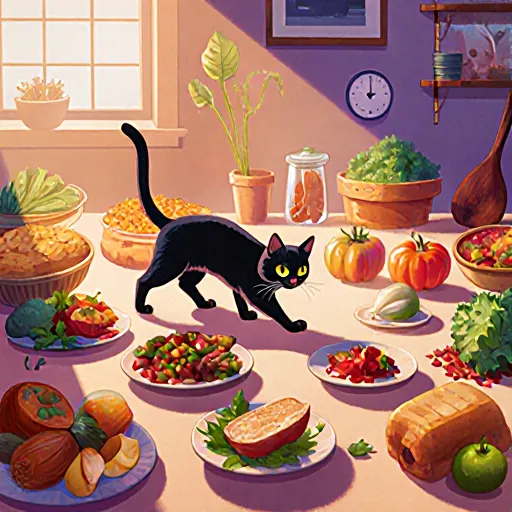
Pawsitively exploring healthier options for your feline friend.
Navigating the Path to New Cat Food
Table of Contents
- How to Transition Your Cat's Diet Gradually
- Why Gradual Transition is Important for Cats
- Preparation Before the Transition
- Choosing the Right Cat Food
- Mixing New and Old Foods
- Increasing the Percentage of New Food Gradually
- Monitoring Your Cat's Health During Transition
- Signs that Your Cat is Adjusting to the New Diet
- Handling Common Challenges During the Transition
- Adjusting for Special Diets or Sensitivities
- Transitioning Cats with Health Issues
- FAQ: Common Questions About Transitioning Cat Food
- Conclusion
- Final Words and Encouragement
- Appendix: Resources for More Information
How to Transition Your Cat's Diet Gradually
Transitioning your cat’s diet gradually is crucial for their health and well-being. A sudden change can lead to digestive issues, loss of appetite, or even more severe conditions like feline constipation. To help ease the transition safely, follow these steps:
1. Assess Your Cat's Current Diet
Before making any changes, it’s important to understand your cat’s current dietary needs and preferences. Cats can be quite particular about their food, so knowing what they enjoy is the first step in successfully transitioning them.
2. Choose a New Food
When selecting a new food, consider factors such as your cat’s age, health conditions, and any dietary restrictions or sensitivities. It’s also important to ensure that the new food aligns with your cat's preferences for taste and texture.
3. Start Slow
Begin by mixing a small amount of the new food into your cat’s current diet. For instance, you could start by blending one-fourth new food with three-fourths of their existing food. Over the course of several days, gradually increase this ratio until you reach 100% of the new food.
4. Monitor Your Cat's Health
Throughout the transition period, closely observe your cat for any signs of discomfort or illness. If your cat shows reluctance to eat the new food, try offering it at different times of the day and in various locations.
5. Offer Water
Ensure that your cat has access to fresh water throughout the transition period. Dehydration can exacerbate digestive issues, so keeping your pet well-hydrated is essential.
6. Gradual Introduction Tips
- Small Increments: Increase the proportion of new food by 25% each day.
- Consistency: Maintain a consistent feeding schedule during the transition period.
- Taste Test: If your cat is hesitant, you might want to introduce the new food in small taste tests before full integration into their diet.
7. Seek Professional Advice
For cats with specific health conditions or dietary needs, it’s advisable to consult a veterinarian for personalized advice on transitioning diets.
Examples of Gradual Transition
- Cat Food Brand Switch: Replace 25% of the current brand with the new one over five days.
- Changing to a New Formula: Mix in a portion of dry food with wet food gradually for three weeks, depending on your cat's tolerance level.
By following these steps and tips, you can help ensure that the transition is smooth and comfortable for your pet. Remember, every cat is different, so it’s important to pay attention to their individual needs and adjust the process accordingly.
Why Gradual Transition is Important for Cats
Switching cat food can be a challenging process, but it is crucial for your pet's health and well-being. Cats are creatures of habit, and abrupt changes in their diet can lead to digestive issues, malnutrition, and other health problems. A gradual transition allows your cat’s digestive system to adapt smoothly to the new food, reducing stress on both you and your feline friend.
Why Gradual Transition is Important
- Avoid Digestive Upset: Cats have sensitive stomachs. An abrupt switch can cause digestive upset, including diarrhea, vomiting, and loss of appetite. These symptoms can be uncomfortable for your cat and may even lead to dehydration.
- Prevent Malnutrition: If your cat stops eating due to the sudden change in diet, it might not receive all the necessary nutrients from their food. This could result in malnutrition or other health issues over time.
- Promote Comfort and Acceptance: By making the transition gradual, you can help ensure that your cat remains comfortable with the new food. Cats are more likely to accept a new diet if they have been slowly introduced to it over several days or weeks.
How to Transition Cat Food Safely
To transition your cat’s food gradually, follow these steps:
- Determine the Duration of the Transition: Start by deciding how long you will need for this transition. A general guideline is about one to two weeks, but it can vary depending on the type and brand of cat food.
- Mix New and Old Foods Gradually: Begin by mixing 25% of the new food with 75% of your cat’s current diet. Gradually increase this ratio over the next few days, aiming for a 50/50 split after about five days.
- Observe Your Cat's Reaction: Keep an eye on your cat during the transition period to ensure they are not showing any signs of discomfort or distress. If you notice any issues, consider slowing down the transition process or seeking advice from a veterinarian.
- Monitor Food Preferences: Cats can be picky eaters, and some might take longer than others to adjust to the new food. Be patient and persistent; it’s important that your cat enjoys their meals during this transition period.
Examples of Gradual Transition
Here are some examples of how you can gradually introduce a new brand or type of cat food:
- Chicken and Rice to Duck and Lentils: Start by mixing equal parts of chicken and rice with the new duck and lentil formula. Over several days, increase the ratio until your cat is eating only the new diet.
- High-Moisture Foods to Dry Food: If you're switching from wet food to dry kibble, mix a small amount of kibble with the wet food for the first few days. Gradually reduce the wet food portion and increase the kibble until your cat is eating only dry food.
- Veterinary Prescription Food: If you're transitioning your cat onto a prescription diet from their regular food, follow the same gradual mixing process to ensure they adjust easily.
Practical Advice for Gradual Transition
To make the transition as smooth and stress-free as possible:
- Start Early: Plan ahead so you can start the transition a few days before any significant life changes, such as moving or traveling.
- Keep Feeding Routine Consistent: Maintain your cat’s regular feeding times and locations throughout the transition. This helps keep their routine consistent and reduces stress.
- Consider Flavor Enhancements: If your cat is resistant to the new food, try adding a small amount of chicken broth or tuna water to the mix to make it more appealing.
- Watch for Signs of Discomfort: Be attentive to any signs that your cat isn’t adjusting well. These might include decreased appetite, vomiting, or diarrhea. If you notice these symptoms, consult a veterinarian promptly.
By taking the time and care needed during this transition, you can ensure that your cat makes the switch to new food smoothly and without stress, maintaining their health and happiness in the process.
Preparation Before the Transition
To ensure a smooth transition for your cat, it's crucial to prepare adequately before making any changes to their diet. This process is essential when you're looking to switch your cat's food, such as how to transition cat food safely. Here are some steps and tips to help make this changeover as stress-free as possible:
Step 1: Evaluate Your Cat’s Current Health Needs
Before you begin transitioning your cat's diet, it's important to understand their current health needs. Cats have unique nutritional requirements that can vary based on age, activity level, and any health conditions they may have. Consult with your veterinarian to determine if a change in diet is appropriate for your cat.
Step 2: Choose the New Cat Food Wisely
Selecting the right new food is critical. Opt for high-quality brands that meet nutritional standards set by organizations like AAFCO (Association of American Feed Control Officials). Look for foods with complete and balanced nutrition, ensuring they contain all essential vitamins and minerals your cat needs.
Step 3: Start Slowly
Introduce the new food gradually over a period of one to two weeks. Mix increasing amounts of the new food into the old diet each day. For example, start by mixing a small amount (about a quarter) of the new food with three-quarters of the old food on day one. Gradually increase this ratio until you are feeding only the new food.
Step 4: Observe Your Cat’s Reaction
During the transition period, closely monitor your cat for any signs of digestive distress or discomfort. Cats may exhibit symptoms like vomiting, diarrhea, or reduced appetite if they are not used to the new food. Adjust the transition method accordingly if needed.
Step 5: Keep Water Available
Ensure your cat has access to clean water at all times during the transition. Hydration is vital for overall health and helps prevent digestive issues that may arise from dietary changes.
Practical Advice
- Transition Gradually: A gradual change allows your cat’s digestive system to adjust more easily, reducing the risk of gastrointestinal upset.
- Consult Your Veterinarian: If you have a senior cat or one with specific health conditions, consult your vet before making any changes to their diet.
- Be Patient: Cats can take time to adjust to new foods. Be patient and persistent during the transition process.
Examples
Here are some examples of how you might implement these steps:
- Evaluating Health Needs: Your cat is a senior and has been on the same diet for years. You want to transition them to a food that promotes joint health.
- Selecting New Food: You choose a senior formula with glucosamine and chondroitin, ensuring it's AAFCO-approved.
- Starting Slowly: Over the course of one week, you mix increasing amounts of the new food into your cat’s diet. On day seven, you feed only the new food.
- Observing Reaction: You notice that your cat starts to eat less and has mild diarrhea for a couple of days but returns to normal eating habits after four days.
- Keeping Water Available: You place fresh water in multiple locations around the house to ensure your cat can access it easily.
Choosing the Right Cat Food
Selecting the right cat food is crucial for your pet's health and well-being. Different factors like age, breed, lifestyle, and any existing health conditions should be considered when choosing cat food. Here’s how to make an informed decision:
Understanding Nutritional Needs
Cats have specific nutritional requirements that differ from dogs or humans. For instance, cats are obligate carnivores, meaning their diet must primarily consist of animal-based proteins. Essential nutrients like taurine and arachidonic acid are critical for your cat's health.
Age-Specific Needs
- Premium Kitten Food: High in protein to support muscle development, essential fatty acids for healthy skin and coat, and appropriate levels of calcium and phosphorus for strong bones.
- Grown Cat Food: Lower in calories but still rich in nutrients to maintain weight and health. It should not have too much fat as it can lead to obesity.
- Senior Cat Food: Formulated with fewer calories, less protein (to avoid kidney stress), and more fiber for digestive support.
Lifestyle Considerations
Cats that are more active may require higher calorie diets to meet their increased energy needs. Indoor cats often need a slightly different diet than outdoor cats, as outdoor cats tend to burn more calories through physical activity.
Health Conditions
- Cat with Allergies: Look for hypoallergenic cat foods that contain minimal ingredients and are less likely to cause allergic reactions. Ingredients like chicken, fish, and turkey are often used as they are less likely to cause allergies.
- Cats with Kidney Disease: Choose a food low in protein and phosphorus but high in quality animal proteins to help manage the disease without exacerbating it further.
Transitioning Cat Food Safely
When transitioning your cat’s diet, do so gradually over 7-14 days. Start by mixing a small amount of the new food with the old one and increase this proportion daily until you are feeding only the new food. This helps in minimizing digestive upset.
To summarize, consider your cat's age, activity level, any health conditions, and choose high-quality foods that meet their specific nutritional needs. By choosing the right cat food and transitioning it safely, you can ensure your pet stays healthy and happy for years to come.
Mixing New and Old Foods
Transitioning your cat's diet from one food to another is a common practice, especially when switching to new brands or types of cat food. However, it’s crucial to do this safely and gradually to avoid upsetting your cat’s digestive system. Mixing old and new foods can help make the transition smoother and less stressful for both you and your pet.
The primary reason for mixing is to allow your cat's stomach time to adjust to changes in diet. Cats have sensitive digestion, so abrupt changes can lead to digestive issues like vomiting, diarrhea, or constipation. By gradually introducing the new food into the old one, you give your cat’s body a chance to adapt.
The mixing process involves slowly increasing the proportion of the new food while decreasing the amount of the old food over several days or even weeks. Here’s how you can do it:
- Start Slowly: Begin by mixing a small portion (about 1/4 to 1/3) of the new food with your cat's current diet.
- Gradually Increase: Over the next few days, gradually increase the amount of new food in each meal while reducing the old food. For instance, you might mix 50% old food and 50% new food for a week, then switch to 75% new and 25% old food.
- Monitor Your Cat: Keep an eye on your cat’s behavior and appearance during the transition. If your cat shows signs of discomfort or stress, such as lethargy or reduced appetite, you may need to slow down the process or revert back slightly in the mix ratio.
There are various types of new foods that can be introduced into your cat’s diet. Here are some popular options:
- Dry Cat Food: If you’re switching from wet to dry food or vice versa, start by mixing the two.
- Grain-Free Diets: Many cats have trouble digesting grains, so a grain-free diet might be beneficial. Mix this in gradually with your current brand.
- Hypoallergenic Foods: If your cat has allergies or sensitivities, hypoallergenic foods can help. Try mixing these into their regular meals to see if they agree with them.
- Premium Brands: Sometimes switching brands can be beneficial for better nutrition. Mix in a premium brand to assess the difference it makes in your cat’s health and happiness.
To ensure that the transition goes smoothly, follow these practical tips:
- Consistency is Key: Keep the mixing ratio consistent across meals to avoid confusion or digestive issues. Consistency also helps your cat understand what’s changing in their routine.
- Hydration Matters:
Making sure that your cat stays hydrated during this process is important, especially if they are prone to constipation or have been on a new diet for some time. Provide fresh water at all times and consider using wet food as part of the transition.
Mixing old and new foods is an effective strategy for safely transitioning your cat’s diet. By following this method, you can help minimize stress on your pet’s digestive system and ensure a smoother switch to whatever new food you are introducing.
Increasing the Percentage of New Food Gradually
Transitioning your cat's diet from one food to another can be a delicate process. Cats, being creatures of habit, may not readily accept new foods due to their sensitive digestive systems and preference for familiar flavors. To ensure that the transition is smooth and safe, it's crucial to introduce new food gradually over an extended period.
A common approach to transitioning a cat's diet involves increasing the percentage of the new food in your cat’s meal day by day. This method allows your cat's digestive system to adjust slowly, reducing the risk of digestive upset such as diarrhea or vomiting which are not uncommon when sudden changes are made.
Here is a step-by-step guide on how you can gradually increase the new food in your cat’s diet:
- Start by mixing 25% of the new food with 75% of the current food. Feed this mixture to your cat for one day.
- On the second day, increase the proportion slightly, using 50% new food and 50% old food in the meal. Continue feeding this combination for another full day.
- Gradually reduce the amount of old food over a period of days until your cat is eating only the new diet. This usually takes about 7 to 14 days, depending on how quickly your cat adjusts.
It's important to observe your cat during this transition phase. If you notice any signs of discomfort such as loss of appetite or unusual behavior, it might be a good idea to consult with a veterinarian before proceeding further. Cats are sensitive creatures and may take longer than expected to adjust.
Once the transition is complete, you can continue offering your cat the new diet consistently. Remember that consistency in feeding helps maintain your cat's routine and reduces stress during such transitions.
In summary, transitioning a cat’s food gradually by increasing the percentage of new food over time ensures a smoother adjustment process. This method minimizes digestive issues and allows your pet to adapt more comfortably to its new diet.
Monitoring Your Cat's Health During Transition
Transitioning your cat’s diet can be a challenging process, but it is crucial for their overall health and well-being. Monitoring your cat's health during this transition ensures that the changeover goes smoothly without causing stress or discomfort to your pet.
As you begin transitioning your cat’s food, keep an eye out for any signs of distress. Common symptoms include vomiting, diarrhea, and loss of appetite. These could indicate that the change is too sudden or that there are sensitivities to the new ingredients.
Monitor Appetite
Cats can be finicky eaters, so it’s important to monitor their eating habits closely during the transition. If your cat suddenly stops eating or shows a decrease in appetite, it might signal that they are not adjusting well to the new food. Encourage small, frequent meals throughout the day rather than large ones.
Observe Behavior
Cats may also exhibit behavioral changes during this period. Keep an eye on their energy levels and general behavior. If your cat becomes unusually lethargic or agitated, it could be a sign that they are not tolerating the new food well.
The key to transitioning your cat’s diet safely is to do so gradually over several days. Start by mixing a small amount of the new food with the old one in each meal. Gradually increase this ratio until you are feeding only the new food. This helps reduce the risk of gastrointestinal upset and allows your cat's digestive system time to adjust.
Example: Gradual Transition Plan
- Day 1: Mix 75% old food with 25% new food.
- Day 2: Mix 50% old food with 50% new food.
- Day 3: Mix 25% old food with 75% new food.
- Day 4: Feed only the new food.
Ensure that the new cat food you are transitioning to is nutritionally balanced. Cats have specific dietary needs, including taurine, which must be obtained from animal-based sources and not plant substitutes. Make sure the new diet meets all these requirements to avoid deficiencies or imbalances.
Consult a Veterinarian
If you are unsure about the nutritional content of your cat’s current food or if you have concerns about transitioning, it is always advisable to consult with a veterinarian. They can provide personalized advice and ensure that any changes align with your cat's specific health needs.
Maintaining close monitoring of your cat’s health during the transition period is essential for their well-being. By being vigilant, following a gradual approach, and ensuring nutritional balance, you can help ensure a smooth and successful changeover to new cat food.
Signs that Your Cat is Adjusting to the New Diet
Transitioning your cat to a new diet can be challenging, but it's crucial for their health and well-being. Once the transition is complete, you'll want to monitor your cat closely for signs that they are adjusting well to the new food. Here are some key indicators:
Weight Stability
If your cat has lost or gained weight during the transition period, it's important to ensure their diet is now stable and consistent. A healthy adjustment will usually result in a gradual return to a normal weight. Regular weigh-ins can help you track this.
Improved Coat Condition
A lustrous coat is often one of the first signs that your cat has adjusted well to their new diet. Cats with poor skin or fur health may experience improved grooming behavior, indicating they are more comfortable eating the new food.
Better Energy Levels
Cats that have been lethargic during the transition period may show increased activity and playfulness once they're settled on their new diet. This is a clear sign that your cat feels better and has adapted to their new nutritional intake.
No Digestive Issues
After making any significant changes, such as switching to a new food brand or type, it's essential to monitor for digestive issues like diarrhea or constipation. A well-adjusted cat will have regular and healthy bowel movements without signs of discomfort.
Energetic Sleep Patterns
Cats that are adjusting well often experience more restful sleep patterns. They may sleep deeper, longer, or wake up feeling refreshed rather than sluggish or irritable.
Appetite Consistency
If your cat has been showing signs of appetite loss during the transition period, a good sign that they are settling into their new diet is an increase in interest and activity at feeding time. A healthy appetite can also indicate that the food agrees with them.
Remember, every cat is different, so it's important to observe your pet closely throughout the adjustment period. Transitioning cat food safely takes time, but these signs will help you determine when your cat has successfully made the change and is thriving on their new diet.
Handling Common Challenges During the Transition
Transitioning your cat's diet can sometimes be a challenging process. While it's important to gradually introduce new food, there are several common challenges that pet owners might encounter during this period. Below are some practical tips and examples to help you handle these challenges smoothly.
1. Digestive Upset
The most frequent issue when transitioning cat food is digestive upset. Cats' stomachs can be sensitive, and a sudden change in diet can lead to diarrhea or vomiting. To minimize this, it's essential to introduce the new food gradually over several days.
- Example: Start by mixing 25% of the new cat food with 75% of the old food for the first day. Gradually increase the proportion of the new food each subsequent day until you reach a 100% switch.
- Tips: Monitor your cat's stool and behavior closely during this transition period. If diarrhea or vomiting persists, consider mixing back in some of the old food for a few days before trying again.
2. Decreased Appetite
Cats can become hesitant to eat new foods due to changes in taste or texture. To encourage your cat to eat, you might need to use some creative strategies.
- Example: Warm the food slightly (without heating it) to enhance its aroma and make it more appealing. You can also try offering smaller portions more frequently instead of one large meal.
- Tips: Some cats prefer their food at room temperature or even cold, so experiment with different temperatures until you find what works best for your pet. Additionally, consider using a different dish or placing the food in an area where they feel safe and comfortable to eat.
3. Behavioral Changes
Cats can sometimes exhibit changes in behavior during the transition period due to stress from dietary changes. It's crucial to provide a stable environment for your cat during this time.
- Example: Ensure that your cat has a quiet space where they feel secure while adjusting to the new food. Spend extra time with them, petting and talking softly to help soothe any anxiety caused by changes in their routine.
- Tips: If you notice excessive grooming or other signs of stress, it may be helpful to consult a veterinarian for advice on how to support your cat's transition emotionally. Sometimes, small adjustments like changing the feeding schedule can make a big difference.
4. Nutritional Balance
Ensuring that the new food maintains proper nutritional balance is critical during any dietary change. It's important to choose high-quality cat foods that meet your veterinarian’s recommendations.
- Example: When choosing a new brand or formulation, read labels carefully and look for ingredients that align with your vet's advice on protein sources, fats, and vitamins. You can also consult with your vet about any specific dietary needs your cat might have, such as increased levels of taurine.
- Tips: Transitioning to a new food doesn't mean you should skip regular veterinary check-ups. Your veterinarian can provide ongoing support and adjustments based on your cat's health status during the transition period.
In conclusion, transitioning cat food safely requires patience and careful planning. By addressing common challenges proactively, you can help ensure a smooth transition that benefits both you and your feline friend.
Adjusting for Special Diets or Sensitivities
Transitioning your cat's diet safely is crucial for maintaining their health and well-being, especially when adjusting for special diets or sensitivities. Cats have unique nutritional needs, and sudden changes in their food can lead to digestive issues such as vomiting, diarrhea, and loss of appetite. Therefore, it’s essential to make these transitions gradually over several days.
Understanding Special Diets and Sensitivities
Different cats have different dietary needs based on their health conditions or sensitivities. For instance:
- Cats with Food Allergies: If your cat has a known food allergy, it’s vital to switch to hypoallergenic cat foods that do not contain the allergen. Ingredients like duck, rabbit, and fish are often used in these formulas.
- Cats with Digestive Issues: Cats with sensitive stomachs or digestive issues may need a diet rich in fiber, such as those made from chicken and rice.
- Cats with Kidney Disease: Cats suffering from kidney disease should be on a low protein diet to reduce the strain on their kidneys. Brands like Hill’s Prescription Diet k/d are specifically formulated for this purpose.
Safe Transition Steps
To transition your cat's food safely, follow these steps:
- Start Gradually: Mix the new food with the old one in a 50:50 ratio for the first few days. Then slowly increase this ratio over the next few days until you are feeding only the new diet.
- Monitor Your Cat’s Health: Keep an eye on your cat’s behavior and health during the transition period. If they show signs of distress, such as vomiting or diarrhea, it might be a good idea to slow down the transition process or return to the previous food temporarily.
- Hydration is Key: Ensure that your cat has plenty of fresh water available at all times during the transition. Hydration can help mitigate any digestive issues that may arise.
Examples and Practical Advice
Here are some practical examples to guide you through the transition process:
- Transitioning from Dry to Wet Food: If your cat is used to eating dry food but needs a change due to health reasons, start by mixing small amounts of wet food into their dry food. Gradually increase the amount of wet food over the next few days.
- Switching Brands: When switching brands, ensure that both new and old foods are of high quality. Look for brands that meet or exceed AAFCO (Association of American Feed Control Officials) standards. For example, Blue Buffalo Wilderness or Wellness CORE.
- Introducing New Ingredients: If your vet recommends introducing a new ingredient like sweet potato to balance out your cat's diet, start by mixing it into their current food in small amounts and increase gradually over time.
Transitioning Cats with Health Issues
When transitioning a cat's diet, especially for those dealing with health issues, it is crucial to approach the process carefully. Cats with specific health conditions may have unique nutritional needs that require careful attention during a food transition.
To safely transition your cat's diet, you first need to understand any underlying health issues they might be facing. For instance, if your cat has kidney disease or diabetes, their dietary needs will differ significantly from a healthy cat. Cats with kidney disease often require lower protein and phosphorus levels in their food, while diabetic cats may need foods that help regulate blood sugar.
Always consult your veterinarian before making any changes to your cat’s diet. They can provide personalized recommendations based on your cat's health condition and dietary needs. For example, a vet might recommend switching to a specific type of food or supplement that is tailored for cats with kidney disease.
A gradual transition allows the digestive system to adjust slowly without causing stress or discomfort. Start by mixing a small amount of new food into your cat’s current food, gradually increasing it over several days until you reach 100% of the new diet. This method is especially important for cats with sensitive stomachs or those recovering from health issues.
If your cat is on any supplements or medications, ensure that the new food does not interfere with their effectiveness. For example, certain foods may affect the absorption of vitamins and minerals necessary for kidney disease management. It’s important to check with both your vet and nutritionist if you are unsure about interactions.
While transitioning your cat's diet, closely observe their behavior and health indicators. Look out for signs of distress such as vomiting, diarrhea, or loss of appetite. If you notice any negative reactions, it might be necessary to revert temporarily to the previous diet and consult a vet.
- Kidney Disease: Diets rich in high-quality proteins like turkey or chicken, low in phosphorus and sodium. Brands such as Hill’s Prescription Diet k/d can be beneficial.
- Diabetes: Foods with lower carbohydrate content to help manage blood sugar levels. Brands like Royal Canin Veterinary Diabetic Management provide suitable options.
To make the transition easier, you can introduce new foods in different ways:
- Mix the new food with a small portion of your cat’s current diet for several days.
- Gradually increase the proportion of the new food over the course of one to two weeks.
- Praise and reward your cat during this time to create positive associations with the new food.
FAQ: Common Questions About Transitioning Cat Food
Question 1: Why is it important to transition my cat's food gradually?
Transitioning your cat’s diet gradually helps prevent digestive upset, which can include diarrhea, vomiting, and loss of appetite. Cats have sensitive stomachs, and sudden changes in their diet can lead to stress on their gastrointestinal tract. A gradual transition allows your cat's digestive system to adjust over time.
Question 2: How long does the transition process usually take?
The duration of the transition can vary depending on how much you are changing the diet, but a common recommendation is about 7-14 days. During this period, you should mix increasing amounts of the new food with decreasing amounts of the old food in each meal.
Question 3: What if my cat refuses to eat the new food?
If your cat shows no interest in the new food, it’s important not to force them. Instead, offer small portions and try mixing a small amount of the old food with the new one. Gradually increase the proportion of the new food over time. You can also consider using treats or canned options to entice your cat to eat.
Question 4: Can I transition my cat’s food too quickly?
Yes, transitioning too quickly can lead to digestive issues and other health problems for your cat. Even if your cat seems eager to try the new food right away, it's best to follow a gradual transition schedule as recommended by veterinarians.
Question 5: Is it safe to switch between dry and wet cat foods?
Switching between dry and wet cat foods can be done safely if approached gradually. The key is to ensure that your cat remains hydrated, especially when making these changes. Hydration is crucial for cats’ health, so make sure they have access to fresh water at all times.
Question 6: How do I introduce a new brand of dry cat food?
To introduce a new brand of dry cat food safely:
- Mix the old and new foods in a ratio of about 75% to 25%, depending on your cat's preference.
- Gradually increase the proportion of the new food over several days until you are feeding only the new brand.
- Monitor for any signs of digestive issues or changes in behavior.
Question 7: What should I do if my cat’s behavior changes during the transition?
If your cat’s behavior changes, it could indicate that they are experiencing discomfort. In such cases, it's important to consult a veterinarian. They can provide guidance and possibly adjust the transition plan or recommend other steps to ensure a smooth changeover.
Conclusion
To successfully transition your cat's diet from one type of food to another, it is crucial to take a gradual and cautious approach. This process helps minimize digestive stress on your feline companion, ensuring a smoother transition without the risk of upset stomachs or other health issues. Here are some practical steps and tips to help you make this change safely:
1. Assess Your Cat's Current Health
Before making any changes to your cat's diet, it is important to assess their current health status. Some cats may have specific dietary needs or restrictions that should be considered before starting a transition process. Consulting with your veterinarian can provide personalized advice and recommendations tailored to your pet’s unique needs.
2. Choose the Right New Cat Food
Selecting the appropriate type of cat food is key. Factors such as protein content, carbohydrate levels, fat ratio, and any specific dietary requirements should be considered when choosing a new diet. For instance, if your cat has sensitive digestion, you might opt for a high-quality, grain-free option. Always choose foods that are nutritionally balanced according to AAFCO (Association of American Feed Control Officials) guidelines.
3. Gradual Transition Method
The gradual transition method involves mixing the old and new food over several days until you are feeding only the new diet. Start by mixing about 25% of the new food with 75% of the current diet for a few days, then gradually increase this ratio each day until your cat is eating exclusively the new food.
- Day 1-3: Mix old and new food in a 75/25 ratio.
- Day 4-6: Increase to a 50/50 mix.
- Day 7-9: Use a 25/75 mix of the new diet with your cat's current food.
- After Day 9: Transition to feeding only the new diet.
4. Monitor Your Cat’s Health and Behavior
During the transition period, closely observe any changes in your cat's behavior or health. Look out for signs of discomfort such as vomiting, diarrhea, lethargy, or loss of appetite. If you notice anything unusual, it might be best to temporarily pause the transition until the issue is resolved.
5. Transition Tips
- Consistency: Maintain consistency in your cat’s feeding schedule and environment during the transition period to avoid additional stress.
- Fresh Water: Ensure that fresh water is always available for your cat, as hydration plays a vital role in digestion.
- Special Treats: Avoid offering human food or special treats that could disrupt the transition process unless they are part of the new diet.
By following these steps and tips, you can safely transition your cat's diet from one type of food to another. Remember, patience is key during this period, as each cat may respond differently to changes in their diet. Stay consistent and attentive throughout the process to ensure a positive outcome for your feline friend.
Final Words and Encouragement
Transitioning your cat's food safely is crucial for their overall health and well-being. Just like humans, sudden changes can upset a cat’s digestive system, leading to discomfort or even more serious issues such as pancreatitis. To ensure a smooth transition, it's important to follow these steps meticulously:
Step-by-Step Transition Guide
- Start Slowly: Begin by mixing the new food with your cat's current diet in small proportions over a week or two. For example, you could start by mixing 25% of the new food with 75% of the old food for the first day, gradually increasing the ratio each day.
- Observe Your Cat: Keep an eye on your cat’s behavior and health during this period. Look out for signs such as vomiting, diarrhea, lethargy, or a lack of appetite. If you notice any issues, consult with your veterinarian immediately.
- Eat Together: Cats often follow the eating habits of their owners. By eating the new food yourself, you can encourage your cat to try it too. This not only helps in transitioning but also strengthens the bond between you and your pet.
- Hydration is Key: Ensure that your cat has access to fresh water at all times. Hydration plays a vital role in preventing digestive issues during transitions.
Examples of New Foods to Try
Cats can be quite particular, so it's important to introduce new foods that suit their taste and nutritional needs. Here are some examples:
- Premium Canned Cat Food: Brands like Hill’s Science Diet or Royal Canin offer a wide range of premium canned food options suitable for different life stages and health conditions.
- Dry Cat Food with Added Flavor Boosters: Foods that include fish, chicken, or other flavors can be appealing to cats who are picky eaters. Brands like Blue Buffalo and Iams have excellent dry cat foods with added flavor enhancers.
- Premium Freeze-Dried Treats: For transitioning treats, consider premium freeze-dried options such as Nature’s Variety or Zuke’s. These can help encourage your cat to try the new food by associating it with something they enjoy.
Practical Advice for a Successful Transition
To make the transition easier and more effective, consider these tips:
- Consistency is Key: Stick to the timeline you've set. Consistency will help your cat adapt to the new food without any disruptions.
- Cat Feeding Schedule: Maintain a consistent feeding schedule throughout the transition period. Cats thrive on routine, and this can make the process smoother for them.
- Consult Your Veterinarian: If you're unsure about the specific brand or type of food to introduce, consult your veterinarian. They can provide personalized recommendations based on your cat's unique needs.
In summary, transitioning your cat’s food safely requires patience and careful planning. By following these steps, providing the right nutrition, and being attentive to your cat’s health and behavior, you’ll help ensure a smooth transition that benefits both you and your beloved pet. Remember, every cat is different, so adjust as necessary and always prioritize their well-being.
Appendix: Resources for More Information
Transitioning your cat's diet can be a challenging process, as cats are creatures of habit and sudden changes in their food can lead to digestive issues or even refusal to eat. A gradual transition allows your cat’s digestive system time to adjust, ensuring they receive the necessary nutrients without any discomfort.
Step-by-Step Guide
- Start Slowly: Begin by mixing a small amount of the new food with your cat's current diet. Start with about one-fourth of the new food and gradually increase this proportion over several days.
- Monitor Your Cat: Keep a close eye on your cat during the transition period to ensure they are eating well and show no signs of stress or discomfort. If you notice any negative reactions, consider slowing down the process or consulting with a veterinarian.
- Transition Timeframe: The time it takes to complete the transition will vary depending on how different your new food is from the old one. Typically, this can take anywhere from 7 to 14 days but may require more time if there are significant differences in formulation or brand.
- Quality Check: Make sure that the new cat food you choose meets all nutritional requirements for your pet. Always opt for high-quality brands that adhere to AAFCO guidelines, as these are designed specifically for cats' dietary needs.
Additional Resources
- PetMD: How to Transition Cat Food Safely
- Veterinary Partner: How to Transition Cat Food Safely
- AVMA: Tips for Transitioning Your Cat's Diet
Practical Advice
If you're unsure about the best approach to transitioning your cat’s food, consider consulting a veterinarian. They can provide personalized advice based on your cat’s health and dietary preferences.
Remember that while it's important to change diets for various reasons—such as switching brands or preparing for a new pet—it should be done carefully to avoid upsetting your cat’s system.
Categories
- AI & Enrichment Play
- Broiler Farming
- Broiler Farming Tips
- Canine Wellness & Longevity
- Cat
- Cat & Human Connection
- Cat Adoption & Rescue
- Cat Breeds
- Cat Breeds & Personalities
- Cat Care & Health
- Cat Grooming & Hygiene
- Cat Lifestyle & Environment
- Cat Myths & History
- Cat Nutrition & Diet
- Cat Products & Reviews
- Cat Training & Behavior
- Comparison
- Consumer Awareness
- Dog
- Dog Accessories & Products
- Dog Adoption & Rescue
- Dog Breed & Lifestyle Trends
- Dog Breeding & Puppies
- Dog Entertainment & Media
- Dog Fashion & Trends
- Dog Fun & Lifestyle
- Dog Grooming & Hygiene
- Dog History & Culture
- Dog Myths, Science & Future Tech
- Dog News & Trends
- Dog Nutrition & Food
- Dog Psychology & Emotions
- Dog Safety & Security
- Dog Sports & Activities
- Dog Technology & Innovation
- Dog Training for Modern Owners
- Dog Travel & Adventure
- Dog Travel, Adventure & Culture
- Economic and Market Insights
- Educational Content
- FAQs
- Feeding Alternatives
- Festivals & Seasonal Ideas
- Fun & Entertainment
- General Knowledge
- General Pig Farming
- Health & Disease Management
- Housing and Environment
- Kittens
- Market Insights
- Miscellaneous
- Miscellaneous
- Motivational
- pig
- Pig Breeding
- Pig Breeds
- Pig Farming Stories and Inspiration
- Pig Health and Care
- Pig Nutrition
- Pig Products
- Profitability & Business
- Puppy Care
- Puppy Predictable Topics Reinvented
- Regional Focus
- Rescue & Adoption Buzz
- Senior Cats
- Senior Dog Care
- Smart Dog Tech & Gadgets
- Sustainability
- Sustainable & Eco-Friendly Dog Products
- Tech & Innovations
- Working & Service Dogs
- Broiler Feed66 products
- Country Feed33 products
- Pig Feed66 products
- Product22 products
- Raw Materials99 products
Products
-
 Fish Meal
₹1,999.00 – ₹2,999.00Price range: ₹1,999.00 through ₹2,999.00Rated 0 out of 5
Fish Meal
₹1,999.00 – ₹2,999.00Price range: ₹1,999.00 through ₹2,999.00Rated 0 out of 5 -
 FATTENING BROILER FEED
₹2,299.00 – ₹2,349.00Price range: ₹2,299.00 through ₹2,349.00Rated 0 out of 5
FATTENING BROILER FEED
₹2,299.00 – ₹2,349.00Price range: ₹2,299.00 through ₹2,349.00Rated 0 out of 5 -
 LAYER COUNTRY FEED
₹1,549.00 – ₹1,649.00Price range: ₹1,549.00 through ₹1,649.00Rated 0 out of 5
LAYER COUNTRY FEED
₹1,549.00 – ₹1,649.00Price range: ₹1,549.00 through ₹1,649.00Rated 0 out of 5 -
 COUNTER BROILER FEED
₹1,199.00 – ₹1,299.00Price range: ₹1,199.00 through ₹1,299.00Rated 0 out of 5
COUNTER BROILER FEED
₹1,199.00 – ₹1,299.00Price range: ₹1,199.00 through ₹1,299.00Rated 0 out of 5 -
 LACTATING PIG FEED
Rated 0 out of 5
LACTATING PIG FEED
Rated 0 out of 5₹2,299.00Original price was: ₹2,299.00.₹1,740.00Current price is: ₹1,740.00. -
 Maize
Rated 0 out of 5
Maize
Rated 0 out of 5₹1,650.00Original price was: ₹1,650.00.₹1,300.00Current price is: ₹1,300.00. -
 GESTATION PIG FEED (Phase 1)
Rated 0 out of 5
GESTATION PIG FEED (Phase 1)
Rated 0 out of 5₹2,249.00Original price was: ₹2,249.00.₹1,699.00Current price is: ₹1,699.00. -
 Pre Starter Broiler Feed
₹2,399.00 – ₹2,499.00Price range: ₹2,399.00 through ₹2,499.00Rated 0 out of 5
Pre Starter Broiler Feed
₹2,399.00 – ₹2,499.00Price range: ₹2,399.00 through ₹2,499.00Rated 0 out of 5 -
 FINISHER PIG FEED
Rated 0 out of 5
FINISHER PIG FEED
Rated 0 out of 5₹2,299.00Original price was: ₹2,299.00.₹1,749.00Current price is: ₹1,749.00. -
 Broiler Premix
Rated 0 out of 5
Broiler Premix
Rated 0 out of 5₹820.00Original price was: ₹820.00.₹699.00Current price is: ₹699.00.