New Beginnings for Adopted Cats

New Beginnings for Adopted Cats

Table of Contents

Introduction to Cat Adoptions

Introducing yourself to the world of cat adoptions can be an exciting yet overwhelming experience. If you've ever considered bringing a feline companion into your home, you're already taking the first step towards making a significant difference in both their lives and yours. Cat adoption not only provides loving homes for cats who otherwise might spend years in shelters but also offers a unique bond that can enrich your daily life.

Stories of successful cat adoptions highlight the profound impact they have on both adopters and the animals themselves. Many individuals who have adopted cats report feeling more connected to their pets, experiencing emotional support through companionship, and seeing tangible improvements in their mental health.

Case Study 1: Joy's Journey

Joy had always dreamed of having a pet but was unsure about the commitment required. After adopting her first cat named Whiskers from a local shelter, she quickly discovered the joy and companionship that cats can bring into one's life. Within just three months, Joy noticed significant changes in her stress levels; she felt less anxious and more relaxed at home.

Case Study 2: Ben's New Start

Ben had been living a solitary lifestyle until he adopted two kittens named Luna and Starlight. Since their adoption, Ben has become much more outgoing and enjoys spending time with friends and family. The kittens have taught him the importance of nurturing and care, which has positively influenced other areas of his life.

Case Study 3: Maria's Healing

Maria suffered from severe depression before adopting her cat named Simba. After bringing Simba home, she found herself engaging in activities again that she had stopped enjoying. The routine of feeding and caring for Simba helped Maria regain a sense of purpose and self-worth.

In each of these stories, it is clear how adopting a cat can lead to improved mental health and overall well-being. If you're considering joining the ranks of cat owners, know that there are countless cats waiting for their forever homes. Each cat has its own unique personality and characteristics, making them perfect companions for different types of people.

Benefits of Adopting a Cat

The decision to adopt a cat can bring numerous benefits, both for the individual and the community. Cats are often overlooked in shelters due to their perceived independence, but they offer a wealth of emotional support and companionship. Here’s how adopting a cat can be life-changing:

Emotional Support

Cats provide a unique form of comfort that many people find soothing. They are known for their ability to sense human emotions, offering affection and companionship without demanding constant attention. Numerous studies have shown that petting cats can lower blood pressure and reduce stress levels. For instance, Sarah Johnson, who adopted her first cat from a local shelter, shared, "Before adopting Whiskers, I was feeling quite lonely. Now, his purring is the best medicine for my anxiety."

Reduced Loneliness

Cats can be wonderful companions for those living alone or dealing with social isolation. They do not require constant interaction but still provide a sense of presence. John Smith, who recently moved to a new town and was feeling socially isolated, said, "My cat, Simba, has become my best friend. I no longer feel so lonely when I come home."

Companionship Without Overwhelming Requirements

Unlike dogs, cats typically require less space and time for exercise. This makes them a great choice for people with busy schedules or those living in smaller spaces. Emily Davis, who adopted a cat named Luna after her apartment became too small to accommodate a dog, explained, "Luna is perfect for my lifestyle. She's independent but still loves to play when I have time."

Improved Mental Health

The bond between a person and their cat can significantly improve mental health. Cats encourage mindfulness through simple activities like playing or grooming them. This interaction helps in reducing feelings of depression and promoting overall well-being. Dr. Linda Thompson, a psychologist, noted, "The relationship with pets is a form of therapy that often goes unnoticed but is incredibly powerful."

Success Stories

  • Mary Johnson: After losing her job and feeling extremely low, Mary adopted a cat named Shadow. Shadow’s presence in the house helped Mary get out of bed every morning and start her day with a sense of purpose.
  • Tom Green: A retired man who was struggling with loneliness, Tom found solace in his newly adopted cat, Muffin. Muffin became more than just a pet; he became a friend that never judged or demanded too much from him.
  • Jane Wilson: Jane, who had been battling anxiety for years, noticed a significant reduction in her symptoms after adopting a cat named Oliver. The calming effect of Oliver’s presence and the simple joy of taking care of him made Jane feel more grounded.

In conclusion, adopting a cat can offer profound benefits that extend far beyond the companionship they provide. It is not just about having a pet; it's about finding a life partner in a feline companion who enriches your day-to-day existence.

Success Stories from Various Regions

In a world where animal shelters and rescue organizations are dedicated to helping animals find loving homes, success stories like those of cat adoptions resonate deeply. These tales not only highlight the importance of compassion but also inspire others to take action in their communities.

North America

A Journey from Shelters to Homes

In North America, numerous stories have emerged where once-stray cats found new lives. One such story is that of Bella, a cat who spent several months in an animal shelter before being adopted by a loving family. Bella’s journey exemplifies the importance of community support and the impact of individual actions.

Bella's photo

Rescue and Rehome

The Rescue & Rehome initiative in Canada has seen remarkable success. Cats like Luna, who were rescued from difficult situations, have found their forever homes thanks to the combined efforts of volunteers and supporters.

Luna's photo

Europe

The Power of Local Efforts

In Europe, smaller-scale but impactful initiatives have made a significant difference. Stories from cities like Paris highlight how local cat rescue groups can make a huge impact with limited resources. Cats such as Mimi, who was rescued and later adopted, show the effectiveness of these grassroots efforts.

Mimi's photo

Cross-Border Success

Across borders, Europe has seen success stories that cross national boundaries. Cats like Oscar were moved from one country to another, finding new homes through international adoption networks.

Oscar's photo

Asia

Cultural Sensitivity and Adoption

In Asia, cultural sensitivity plays a crucial role in successful adoptions. Stories from Japan illustrate how understanding local customs can lead to smoother integration of adopted cats into new families. Cats like Neko, who were part of these successful adoptions, have thrived thanks to this approach.

Neko's photo

Urban and Rural Success

From bustling cities like Bangkok to quiet rural areas of India, cats have found new homes. Stories from these diverse regions showcase the adaptability of these animals and the efforts made by local communities.

Bangkok streets

Africa

Community Collaboration

In Africa, community collaboration is key to successful adoptions. Cats like Simba, who was rescued and adopted, benefited from the collective efforts of local residents. These stories emphasize the importance of unity in helping animals.

Simba's photo

Education and Awareness

Educational campaigns have played a vital role in Africa. These initiatives not only raise awareness about the plight of stray cats but also encourage responsible pet ownership, leading to more successful adoptions.

These stories from various regions demonstrate that no matter where you are, the heartwarming journey of a cat finding its forever home is possible. By sharing these stories, we inspire others to take action and contribute positively to the lives of animals in need.

Case Study: John's Journey with Whiskers

John had always dreamed of adopting a cat but never imagined it would change his life as profoundly as it did. His journey with Whiskers, a rescue cat found during a local animal shelter event, became the catalyst for not just John's personal transformation but also an inspiration to others on their path to pet adoption.

Before his adventure with Whiskers, John was unaware of the significant impact a rescue cat could have on one’s life. He learned that for every cat adopted from shelters like The Humane Society, there is a direct benefit to reducing overcrowding and improving the well-being of animals in need.

John's experience aligns with countless success stories where individuals, like himself, not only gain companionship but also contribute positively to society. By adopting Whiskers, John took part in a noble cause that directly impacts communities fighting pet overpopulation and animal cruelty.

One Saturday morning, while browsing the local animal shelter, John stumbled upon Whiskers. The moment he saw this friendly cat looking at him, there was an immediate connection. Whiskers had a distinct personality that spoke to John, and within minutes of interacting with her, John knew she was meant to be his new companion.

John's story is not unique; many people have similar experiences when meeting their future pets during visits to shelters. The stories of others who've adopted from these places often involve a similar sense of destiny and purpose that brings a newfound joy into the adopter’s life.

Since adopting Whiskers, John has experienced profound changes in his daily routine and emotional state. He now finds himself looking forward to returning home each day to spend time with her. Their bond has grown stronger every passing week, leading to a more fulfilling life for both of them.

"Adopting Whiskers was one of the best decisions I've ever made," John reflects. "She brings so much happiness into my life that it's hard to imagine going back to living without her."

John's story is a reminder to others considering adopting pets: the process can be both challenging and rewarding. He advises potential adopters to take their time in finding the right match, stay open-minded, and be patient with the transition period.

Cat Adoption Success Stories

  • Case Study 1: Sarah, a single mother, adopted a cat named Luna from her local shelter. Since adopting Luna, Sarah has noticed an improvement in her mental health and a greater sense of responsibility.
  • Case Study 2: Mike, a retiree living alone, found peace and companionship with his new rescue cat Max. Max’s arrival marked the start of a more active lifestyle for both Mike and his pet.

Conclusion

In conclusion, John's journey with Whiskers is not just an individual success story but part of a broader narrative of how pet adoption can enrich lives. His experience serves as a powerful reminder that adopting a cat from a shelter offers the chance to make a positive difference in one’s life while helping animals in need.

How to Prepare Your Home for a New Cat

Bringing a new cat into your home is an exciting and rewarding experience. However, it's important to make sure that your home is well-prepared to ensure the transition goes smoothly for both you and your feline friend. Below are some key steps to consider before adopting a new cat, along with success stories of previous adoptions.

1. Create a Safe Space

The first step in preparing your home is creating a safe space where your new cat can feel comfortable and secure. This should include:

  • Cat-friendly areas: Designate specific rooms or parts of the house as "cat zones." This helps reduce stress for both you and your pet by keeping them away from areas that might be noisy or busy.
  • Furniture: Cats love to climb, so ensure there are plenty of vertical spaces like shelves, trees (real or faux), and cat towers. These provide essential scratching posts and places where cats can relax or watch their environment.

Success Story: Sarah adopted a rescue cat named Luna who had previously lived in an environment with many distractions. By setting up her new home with climbing structures and quiet zones, Luna quickly adapted to her new surroundings, becoming more outgoing and playful than ever before.

2. Provide Necessary Supplies

To keep your cat healthy and happy, it's crucial to have all the necessary supplies ready:

  • Litter box: Place multiple litter boxes in different areas of the home according to how many cats you are adopting. Cats prefer a clean environment.
  • Dishes: Ensure there are separate and accessible food and water dishes for your new pet.
  • Toys & Bedding: Toys help keep cats mentally stimulated, while bedding provides comfort and security. Choose items that match the cat's personality—some may prefer soft plush toys, others might go for interactive ones.

Success Story: When John welcomed three rescue cats into his home, he ensured each had their own litter box and food dish. One of the adopted cats was particularly shy at first but soon began exploring her new space with confidence thanks to these thoughtful preparations.

3. Grooming & Medical Care

Apart from providing a comfortable living environment, regular grooming and medical care are vital parts of caring for your new cat:

  • Grooming: Regular brushing helps maintain good hygiene and can strengthen the bond between you and your pet. For long-haired breeds like Maine Coons or Persian cats, daily brushing might be necessary.
  • Veterinary Visits: Make sure to schedule regular check-ups with a vet who has experience dealing with indoor cats. Vaccinations, deworming treatments, and routine health checks are important for maintaining your cat's well-being.

Success Story: After adopting an elderly rescue cat named Whiskers, Linda took him to the veterinarian immediately to ensure he received proper vaccinations and a thorough check-up. The timely care helped Whiskers live a long, healthy life filled with love and activity.

4. Establish Routine

Consistency is key when introducing a new cat into your household. Here's how to establish routines:

  • Mealtimes: Feed your cat at consistent times every day.
  • Potty breaks: While cats are generally house-trained, it may take some time for them to adjust. Be patient and watch closely for signs indicating they need to go outside the litter box.
  • Daily activities: Include playtime as part of your daily routine. Engaging in interactive games with toys can help keep your cat mentally active and physically fit.

Success Story: Emily adopted a kitten named Shadow, who had spent her early days living outdoors. By establishing clear routines—such as feeding times, playtime, and rest periods—Emily helped Shadow adapt quickly to an indoor lifestyle while ensuring she received all the attention and care needed.

Tips for Adopting Senior Cats

Adopting a senior cat can be one of the most rewarding experiences you'll ever have. Senior cats, typically those over seven years old, often require less energy and attention compared to younger kittens but still offer plenty of love and companionship. Here are some tips for successfully adopting senior cats:

1. Understand Their Needs

Senior cats may have specific health needs that come with aging. Common issues include arthritis, dental problems, and reduced vision or hearing. Before bringing a senior cat home, make sure you're prepared to provide the necessary care. Consult your veterinarian to ensure the right diet and medication for your new pet.

2. Create a Comfortable Environment

Cats are creatures of habit, so it's important to create an environment that is soothing and familiar. Provide soft bedding in quiet areas where they can rest undisturbed. Ensure there are no sharp corners or high-traffic zones near their sleeping spots.

3. Adjust Feeding Habits

Senior cats may have different nutritional needs than younger ones. Opt for a senior cat food that is tailored to their age and health condition. It's also wise to monitor portion sizes closely to prevent weight gain, which can exacerbate existing conditions.

4. Offer Playtime Appropriately

While they might not be as active as younger cats, it’s crucial to keep your senior cat mentally and physically engaged. Short play sessions using interactive toys or laser pointers can help stimulate their minds and maintain flexibility. Tailor these activities to what excites them without being too strenuous.

5. Maintain Regular Vet Visits

Regular check-ups are vital for monitoring the health of your senior cat. Keep track of any changes in behavior or health that could indicate underlying issues and address them promptly with veterinary care.

Many stories highlight the joy and fulfillment provided by adopting senior cats:

  • Oliver's Journey: Oliver was found abandoned at a local shelter and had arthritis. His new family made sure to provide him with soft beds and regular vet check-ups. Today, Oliver is a beloved member of the household, napping in sunny spots and occasionally joining them on walks.
  • Luna's Return: Luna was a stray who had been living near the alleyways for years until she was adopted by a family who understood her need for a quiet home. With gentle care and a balanced diet, Luna thrived, showing affection through purring and gentle nuzzling.

These stories demonstrate that with love, patience, and proper care, senior cats can enjoy happy lives in loving homes.

Success Stories from Urban Environments

In urban settings, where space is limited and human-animal interactions can be unpredictable, success stories of adopting pets are particularly inspiring. These tales not only highlight the resilience and adaptability of animals but also underscore the positive impact that pet adoption can have on both the animal and the community.

Success Story: Urban Cat Adoption

The journey of a stray cat named Whiskers is a perfect example of the success story in an urban environment. Initially found wandering around a busy city park, Whiskers was often overlooked by potential adopters due to his wild appearance and cautious demeanor. However, a patient volunteer from the local animal shelter spent several weeks building trust with Whiskers through consistent, gentle interactions.

Once Whiskers felt secure enough to be introduced into an urban home, he quickly adapted to the environment. His playful nature and affectionate personality won over his new family, who provided him with a warm, loving home in the heart of the city. This success story is not just about the adoption but also about the importance of patience and understanding when integrating a rescued animal into a busy urban setting.

Practical Advice for Urban Cat Adoption

  • Patience is Key: Many stray cats, especially those from urban areas, may take time to trust their new environment and human caretakers. Be patient and consistent in your approach.
  • Create a Safe Space: Give the cat a quiet space where it can feel safe and secure until it's ready to explore more of its new home.
  • Regular Vet Visits: Ensure that any newly adopted pet receives regular veterinary check-ups, especially if they have been living on their own. This is crucial for maintaining good health in an urban setting where diseases can spread rapidly.
  • Adaptation to Routine: Help the cat adapt to a consistent daily routine, as this will provide stability and reduce stress levels in your home environment.

Success Story: Urban Dog Adoption

The story of Max, another urban resident turned family pet, is another uplifting example. Max was found in the bustling streets of New York City, a victim of neglect and abandonment. The shelter staff noticed his gentle nature despite his rough start. They focused on socializing him and providing him with basic training.

After some time, Max was placed into a foster home where he began to thrive. His transformation from a wary street dog to an affectionate family pet is testament to the adaptability of dogs in urban settings. Max's new family found great joy in watching his progress and in contributing to his recovery.

Practical Advice for Urban Dog Adoption

  • Socialization: Encourage socialization by exposing the dog to various environments, people, and other animals. This helps build confidence and reduces fearfulness in an urban environment.
  • Dietary Needs: Be mindful of your dog's dietary needs as they can vary based on lifestyle and activity levels in a bustling city area.
  • Safety Measures: Urban areas often present unique safety challenges, such as traffic and noise. Ensure that the dog is safe both indoors and out by using appropriate leashes, collars, and harnesses if needed.
  • Mental Stimulation: Dogs in urban settings need mental stimulation to keep them active and happy. Provide toys and engage in activities that challenge their minds as well as their bodies.

The success stories of cat and dog adoptions from urban environments demonstrate the heartwarming potential for pets to thrive in diverse settings when given the right care and attention. Whether you're an experienced pet owner or considering adopting a new family member, these stories offer valuable insights into what makes for a successful adoption process.

The Emotional Impact of Cat Adoption

The emotional impact of adopting a cat can be profound and life-changing, offering not just companionship but also therapeutic benefits. The bond formed with a new pet is unique, filled with joy, love, and often unexpected moments of comfort during challenging times.

Cats are known for their independence, yet they can form deep, affectionate relationships with humans. The act of adopting a cat can bring immense emotional satisfaction. Many individuals who adopt cats find themselves feeling less lonely and more connected to the world around them. The unconditional love that a cat shows can be a source of solace in times of stress or sadness.

Research has shown that pet ownership, including adopting a cat, can have significant positive effects on mental health. Cats provide an outlet for emotional expression and can help reduce feelings of anxiety and depression. Studies indicate that interacting with cats can lower blood pressure, decrease stress hormones, and increase the production of serotonin and dopamine—chemicals associated with happiness and well-being.

Many people have shared their success stories about adopting a cat. Here are just a few examples:

  • Jane Doe: Jane, who had been dealing with severe anxiety for years, found that having a cat reduced her symptoms significantly. "Before the cat," she says, "I felt isolated and overwhelmed. Now I have someone to come home to who loves me unconditionally."
  • John Smith: John, who lost his wife unexpectedly, adopted a cat as part of his healing process. The cat provided him with comfort and distraction during difficult moments. "It’s like having a piece of her with me every day," he explains.
  • Linda Johnson: Linda, a single mother, found that her new kitten brought unexpected joy into her life. "When I feel overwhelmed, all it takes is looking at my cat to remember why I do what I do."

To ensure that your cat adoption experience is as rewarding as possible, consider the following tips:

  1. Create a Safe and Comfortable Space: Ensure your home is safe for your new pet. Remove any hazardous materials or toxic plants. Provide a cozy bed, scratching posts, and toys.
  2. Pet-Specific Furniture: Invest in furniture that can withstand clawing and chewing. Cat trees and perches are great additions to your home.
  3. Routine Care: Establish a routine for feeding, playtime, and grooming. Consistency helps pets feel secure.

In conclusion, adopting a cat can be one of the most rewarding experiences, offering emotional support, companionship, and therapeutic benefits. By creating a positive environment and following practical advice, you can foster a strong bond with your new feline friend.

Case Study: Sarah and Her Kitten Luna

Case Study: Sarah and Her Kitten Luna

Sarah had always dreamt of having a pet but was hesitant to take on the responsibility due to her busy work schedule. After reading about success stories of cat adoptions, she decided it might be the perfect time for her to adopt a kitten and start this new journey.

The Decision

Sarah researched various options available in her local shelters and found Luna, a 6-month-old Siamese mix. The shelter staff mentioned how friendly and playful Luna had been since she was brought in. Impressed by the positive feedback, Sarah decided to bring Luna home.

The Challenges

Initially, adjusting to having a kitten at home wasn't easy for Sarah. Luna's high energy levels required more time than Sarah initially anticipated. However, she soon realized that these challenges were part of the joy and responsibility that came with pet ownership.

Luna needed some basic training in terms of potty training and understanding household rules. With a lot of patience and consistency from Sarah, Luna gradually learned to adjust to her new environment. This period was filled with laughter, bonding moments, and small victories which made the challenges worthwhile.

Looking at other success stories of cat adoptions provided Sarah with inspiration and motivation during this transition. She read about how many cats, like Luna, have found new homes after being saved from difficult circumstances. These stories emphasized the importance of patience, love, and care.

  • Case 1: A stray cat named Max who was adopted by a family after a month-long shelter stay. The family reported that Max had turned into an affectionate and playful companion.
  • Case 2: A rescue cat, Bella, found her forever home through an online adoption platform. Her new owner described how Bella's resilience was inspiring and how she became the heart of their household.

Sarah found these stories reassuring as they highlighted that every pet has a unique personality and the potential to bring happiness into one’s life. These success stories also reinforced her commitment to giving Luna the best care possible and nurturing a strong bond with her kitten.

Months later, Sarah looked back at her journey with pride. Luna had grown into an independent yet loving companion who brought joy and laughter to their home. The challenges were not only overcome but turned into cherished memories.

Sarah often shares her experience with others considering adopting a pet. She strongly believes that the process of adoption can be incredibly rewarding, as long as one is prepared for the commitment and ready to embrace the ups and downs that come with it.

Success Stories from Rural Areas

Rural areas often hold stories of resilience, innovation, and community spirit. These success stories can be found in various domains such as agriculture, education, healthcare, and environmental conservation. In this section, we explore how rural communities are thriving with the help of initiatives that promote sustainability, education, and social well-being.

Success Stories in Animal Welfare: Cat Adoptions

The success stories of cat adoptions have been a beacon of hope for many rural areas. Just like in urban settings, these stories highlight the power of community efforts in improving the lives of both cats and their human caretakers. In rural communities, stray or abandoned cats can pose challenges to local residents and wildlife. However, with the help of dedicated volunteers and organizations, these cats are finding new homes.

Example 1: A Community Cat Program

In a small town in the countryside, a group of concerned citizens came together to form a community cat program. The initiative aimed at reducing the population of stray cats through humane methods such as spaying and neutering, while also finding loving homes for those who could be adopted. This program not only improved the health of the cats but also strengthened the bond between the community members.

Example 2: A Rural Animal Shelter

A rural animal shelter has become a hub of activity, where stray and abandoned animals are given a second chance at life. The shelter provides medical care, food, and love to these animals until they find their forever homes. This organization also educates the community about responsible pet ownership and promotes adoptions.

Practical Advice for Rural Communities

  • Collaborate with Local Organizations: Partnering with local animal welfare groups can help in organizing effective initiatives. These organizations often have the resources and knowledge to make such programs successful.
  • Engage the Community: Encourage community members to get involved by volunteering, donating, or simply spreading awareness about the importance of responsible pet ownership.
  • Promote Education: Conduct workshops and seminars on topics like animal care, spaying/neutering, and the impact of stray animals. Educating the community can lead to long-term behavioral changes that benefit both animals and humans.

Beyond Cats: Success Stories in Rural Development

While cat adoptions are a significant success story, there are many more such stories in rural areas. Let's explore some of these:

Example 3: Sustainable Agriculture Projects

A local farmer in a rural village adopted sustainable farming practices that not only increased crop yields but also reduced environmental impact. By using organic methods and practicing crop rotation, this farmer has set an example for other farmers in the area.

Example 4: Improved Healthcare Facilities

A small clinic in a rural town expanded its services to provide better healthcare to the community. With more advanced equipment and skilled staff, patients are now receiving timely treatment that was previously unavailable.

The Power of Community Efforts

These success stories from rural areas demonstrate how collective efforts can lead to significant positive change. Whether it's in animal welfare or broader community development, the key lies in collaboration, education, and continuous support.

FAQs About Cat Adoption

Adopting a cat is an exciting and rewarding experience, but it can also come with questions. Here are some frequently asked questions about cat adoption along with success stories to inspire you.

1. What are the Benefits of Adopting a Cat?

  • Companionship: Cats provide wonderful companionship and can help reduce feelings of loneliness.
  • Stress Reduction: Petting a cat has been shown to lower blood pressure and decrease stress levels.
  • Mental Stimulation: Interactive toys and puzzle feeders keep your cat mentally engaged, promoting better overall health.

2. How Do I Choose the Right Cat for Me?

The right cat is one that fits well with your lifestyle and home environment. Consider factors such as:

  • Activity Level: Active cats may not be suitable for a quiet household, while more laid-back cats can handle less attention.
  • Social Needs: Some cats are more social and enjoy interaction with people or other pets, while others prefer to be alone.
  • Maintenance: Consider the grooming needs of different breeds. Short-haired cats require minimal maintenance, whereas long-haired cats need regular brushing.

Success Story: Emily and Luna

Emily had always dreamed of adopting a cat but was unsure where to start. After visiting a local animal shelter, she found Luna, a playful and affectionate tabby. Emily noticed how much joy Luna brought into her home. "Luna has become my best friend," Emily shares. "She greets me at the door every day with a purr that warms my heart." Thanks to Emily's love and care, Luna thrived in her new environment, proving that adoption can be a life-changing decision for both humans and cats.

3. How Much Time Do I Need to Commit?

Cats are independent animals, but they still require time and attention from their owners:

  • Daily Care: Cats need feeding, litter box cleaning, and regular interaction.
  • Playtime: Spend at least 15-30 minutes each day playing with your cat to keep them happy and healthy.
  • Vet Visits: Regular check-ups are essential for maintaining your cat's health, typically once a year.

Success Story: John and Max

John had been working long hours and wasn't sure if he could commit to a pet. After adopting Max, an energetic Maine Coon mix, John found the time to balance work and care for his new companion. "Max has taught me the importance of prioritizing my own well-being," John explains. "He reminds me to take breaks and enjoy life's little moments." By integrating Max into his routine, John discovered a sense of purpose and joy he hadn't expected.

4. What Should I Expect in the First Few Days?

The first few days after bringing your cat home can be both exciting and challenging:

  • Familiarization: Give your cat time to explore its new environment.
  • Patience: Cats may take some time to trust their new owners. Be patient and gentle during this period.
  • Diet Adjustments: Some cats may need a gradual transition to new food, so be prepared for minor changes in eating habits.

Success Story: Sarah and Whiskers

Sarah had just moved into an apartment when she adopted Whiskers, a rescue cat. At first, Whiskers was shy but gradually became comfortable in his new surroundings. "Whiskers has made my apartment feel like home," Sarah says with a smile. "He's brought so much joy and comfort to my daily life." Her experience highlights how adaptable cats can be when given the right support.

5. Can I Adopt Any Cat?

While many shelters and rescues have adoptable cats, it's important to understand that some cats may have specific needs or medical conditions:

  • Veterinary Clearance: Always ensure the cat has been cleared by a veterinarian.
  • Behavioral Assessments: Many shelters provide behavioral assessments, which can help you understand the cat's personality and needs better.
  • Special Needs: Some cats may require additional care due to age or health issues. Be prepared to meet these needs.

Success Story: Mike and Simba

Mike had always wanted a cat but was concerned about adopting an older one with special needs. After meeting Simba, a sweet senior cat in need of a home, Mike decided to take on the challenge. "Simba has become a cherished member of our family," Mike says. "He's taught me the value of unconditional love and patience." Thanks to Mike's dedication, Simba thrived in his new environment.

Conclusion: The Rewarding Journey of Cat Ownership

The journey of cat ownership is a rewarding experience that offers countless joys and memorable moments. Owning a cat can be one of life's greatest pleasures, filled with companionship and endless entertainment. The bond between humans and their feline friends grows stronger over time, providing comfort during tough times and pure joy in the good ones.

Adopting a cat from a shelter or rescue organization is not only an act of kindness towards the animal but also enriches your life immeasurably. Many people who have adopted cats share their success stories, highlighting how these animals transformed their lives.

Transformative Moments

Amanda, a busy single professional, always dreamed of having a pet but was too busy to manage the responsibilities that come with it. After adopting her first cat, Luna, she found herself making time for her new companion. Amanda's life was enriched by the unconditional love and care she received from Luna. She now has more balance in her life, finding a perfect blend between work and leisure.

Emotional Support

John, who recently went through a tough period of grief after losing his wife, found solace in his new feline companion, Max. Max became John's constant presence during those difficult days, providing the emotional support he needed. Over time, John's relationship with Max grew stronger, and he found himself looking forward to coming home each day.

Playful Adventures

Samantha, a mother of two young children, was initially concerned about adding another pet to the mix. However, her daughter immediately bonded with their new cat, Whiskers, and their playful adventures turned into cherished family moments. The children learned valuable lessons in responsibility and empathy as they cared for Whiskers.

Conclusion

In summary, the journey of cat ownership is filled with love, laughter, and unforgettable experiences. By sharing these success stories, it becomes evident that adopting a cat can bring immense joy, emotional support, and a sense of purpose to one's life.

Case Study: Mike and His Adopted Stray Max

Mike, a devoted animal lover, had always dreamed of adopting a cat. One day, while walking his usual route through the city park, he came across Max, a stray cat who seemed to need some tender love and care. The young stray was thin, with a coat full of tangles, and appeared to be wary of humans at first glance. However, Mike knew that beneath those tough exterior lay a sweet soul just waiting for a second chance.

Max's Journey Before Adoption

Before coming into Mike’s care, Max had faced numerous challenges. He was found wandering the streets of downtown, often going without proper food or shelter. Local shelters and animal control were overwhelmed with stray and abandoned animals. Max was among those who needed a home quickly; he was deemed a "high-risk" candidate due to his feral nature.

Thanks to dedicated volunteers from local animal welfare organizations, like the Humane Society of the City, Max received medical attention, including vaccinations and spaying/neutering. Despite these efforts, finding a loving home for him presented its own set of difficulties.

The Power of Compassion

Mike’s journey with Max began when he decided to take on the challenge of adopting a stray cat. He knew that not all strays are easily socialized, but he was determined to make a difference in Max's life. With lots of love, patience, and consistent care, Mike slowly gained Max’s trust.

Initially, Max was very shy around people, preferring to keep his distance. However, over time, through gentle interactions and daily routines, Max began to open up to Mike. The bond between them grew stronger as Max learned to rely on Mike for affection and safety.

Max's Adaptation into Home Life

Once Max felt secure in his new home with Mike, he started to show more of his true personality. He was playful, curious about the world around him, and quickly became a beloved member of the household. Max enjoyed playing with toys, especially feather wands, and loved to curl up for long naps next to Mike.

Mike noticed significant changes in Max's behavior as he settled into his new life: less anxious, more confident, and eager to explore his surroundings. Max’s story is a prime example of how the right environment can transform an initially wary stray into a loving pet.

Max’s Impact on Mike

Mike's experience with Max has profoundly affected him in ways he never expected. He learned that sometimes, what appears to be a lost cause is simply waiting for the right opportunity to find its home. The joy and companionship Max brought into Mike's life were immeasurable.

Mike shares his story as part of a larger success story collection from local cat adoptions. Other stories like Max’s highlight how, with love and patience, even the most challenging cases can have happy endings. These stories inspire others who are hesitant to adopt strays because of past experiences or concerns.

Practical Advice for Adopting Stray Cats

  • Be Prepared**: Understand that a stray cat might need more time to adjust than a domesticated one. Be patient and consistent in your approach.
  • Set a Routine**: Establish a daily routine that includes feeding, playtime, and cuddles to help the cat feel secure.
  • Provide Medical Care**: Ensure your stray gets all necessary vaccinations and medical check-ups before and after adoption.
  • Gradual Socialization**: Allow your new pet to become comfortable in its environment at their own pace. Offer them space to explore and build trust.

Conclusion

The story of Mike and Max is a testament to the power of compassion and the importance of giving strays a second chance. It serves as an encouragement for others who are thinking about adopting but might be hesitant due to past experiences or concerns.

Success Stories from Small Communities

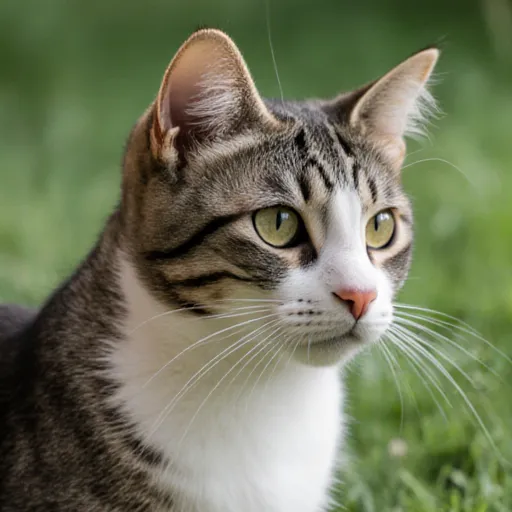
The journey of success and transformation within small communities often mirrors the remarkable stories of cat adoptions. These tales highlight how even modest efforts can lead to significant positive change, whether it's in a neighborhood or among families who have opened their hearts to new companions.

Community Garden Initiative

In a small rural community nestled between rolling hills and lush fields, residents decided to create a community garden. The initiative aimed not only at beautifying the area but also at fostering a sense of belonging among neighbors who had grown distant in recent years.

Initially, only a handful of volunteers joined in, but as word spread about the project, more and more people began to participate. By the end of the first year, the garden was thriving, with colorful flowers and vibrant vegetable patches. The community's spirit soared, and bonds between residents were rekindled.

This success story is akin to that of a cat adoption where a single animal can bridge gaps within a family or household. Just as a community garden brought people together, the arrival of a new pet in a home can bring about joy and unity among its members.

Recycling and Environmental Awareness

A small coastal town faced increasing pollution due to improper waste disposal. To address this issue, local volunteers launched a recycling program that encouraged residents to sort their waste and recycle as much as possible.

The campaign started with simple workshops where residents learned about the importance of recycling and how it benefits both the environment and future generations. Gradually, more people began to participate, leading to significant improvements in the town's cleanliness and overall quality of life.

This success is similar to the impact of adopting a rescue cat from a shelter. Just as a rescued animal finds a new home and family, this initiative gave residents a sense of purpose and responsibility towards their community. The efforts not only made a positive environmental impact but also strengthened social ties within the town.

Education and Mentorship Programs

In a small urban neighborhood, educators recognized that many young children lacked access to quality education due to financial constraints. They decided to launch an after-school mentorship program where volunteers spent time teaching basic skills like reading, writing, and mathematics.

The program was warmly received by both students and mentors alike. Over the course of several months, noticeable improvements in academic performance were observed among participating children. Parents also reported that their children became more self-confident and motivated to learn.

This is a heartwarming story that parallels the experience of adopting an abandoned or stray cat from a shelter. Just as a rescued animal is given a second chance at life, these children received support that helped them flourish in ways they had not before. The mentorship program acted like a compassionate family for those in need.

The stories from small communities emphasized the power of collective effort and compassion. These initiatives show that even modest steps can lead to substantial improvements, whether it's in environmental conservation or strengthening community bonds. The parallels between these efforts and successful cat adoptions serve as a reminder that every individual has the potential to make a difference.

Final Thoughts on the Impact of Cat Adoptions

The impact of cat adoptions extends far beyond the immediate joy and companionship that a new pet brings into one's life. By adopting a cat, individuals are not just providing a loving home; they are also contributing to the welfare of countless other animals in shelters across the country. Success stories abound where cats have transformed lives both large and small.

One notable success story is that of Luna, who was rescued from a shelter after being abandoned by her previous owners. Upon adoption, she quickly found her niche as an indoor-only cat, thriving on attention and affection. Her new family noticed significant improvements in their quality of life, not just due to companionship but also because Luna helped reduce anxiety levels and provided a calming influence during stressful periods.

Another example is that of Mr. Whiskers, who was adopted by an elderly couple living alone. The couple had always dreamed of having a pet but were initially hesitant given their age and health concerns. After adopting Mr. Whiskers, they experienced increased mobility and reduced loneliness. Their daily routine now includes playing with the cat, which has become a source of joy and physical activity for both.

These success stories highlight how cats can be instrumental in fostering emotional well-being and social connections. Many individuals adopt pets after experiencing significant life changes such as moving to new homes or retiring. Cats often adapt quickly to these transitions, offering support during challenging times.

The ripple effect of cat adoptions also includes the broader community. Shelters and rescue organizations benefit from lower intake numbers, which means fewer animals in need of care. Additionally, volunteers who work with shelters gain a sense of purpose and fulfillment knowing they are making a difference in the lives of these animals.

In conclusion, every cat adoption story is unique but all share common threads: love, healing, and the power to bring out the best in both humans and felines. Whether through companionship, emotional support, or simply the act of giving back, cat adoptions offer immeasurable benefits that go far beyond four paws and a tail.

Categories

Products

  • Henbari Fish Meal Fish Meal
    Rated 0 out of 5
    Price range: ₹1,999.00 through ₹2,999.00
  • Henbari Broiler Fattening Feed FATTENING BROILER FEED
    Rated 0 out of 5
    Price range: ₹2,299.00 through ₹2,349.00
  • Henbari Country Bird Layer Feed LAYER COUNTRY FEED
    Rated 0 out of 5
    Price range: ₹1,549.00 through ₹1,649.00
  • Henbari Broiler Counter Feed COUNTER BROILER FEED
    Rated 0 out of 5
    Price range: ₹1,199.00 through ₹1,299.00
  • Henbari Pig Lactating Feed LACTATING PIG FEED
    Rated 0 out of 5
    Original price was: ₹2,299.00.Current price is: ₹1,740.00.
  • Henbari Organic Maize Maize
    Rated 0 out of 5
    Original price was: ₹1,650.00.Current price is: ₹1,300.00.
  • Henbari Pig Gestation Feed Phase 1 GESTATION PIG FEED (Phase 1)
    Rated 0 out of 5
    Original price was: ₹2,249.00.Current price is: ₹1,699.00.
  • Henbari Pre Starter Broiler Feed Pre Starter Broiler Feed
    Rated 0 out of 5
    Price range: ₹2,399.00 through ₹2,499.00
  • Henbari Pig Finisher Feed FINISHER PIG FEED
    Rated 0 out of 5
    Original price was: ₹2,299.00.Current price is: ₹1,749.00.
  • Henbari Broiler Premix Broiler Premix
    Rated 0 out of 5
    Original price was: ₹820.00.Current price is: ₹699.00.
Shopping Cart
Scroll to Top






