
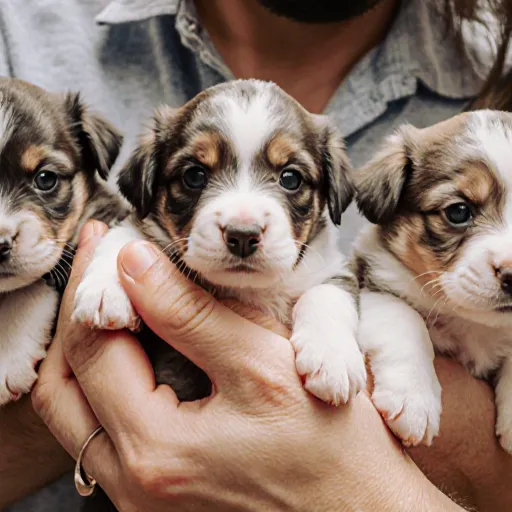
Discover key responsibilities for new puppy parents.
New Born Puppies: A Parent's Responsibility
Table of Contents
- Selecting a Healthy Puppy
- Setting Up the Right Environment
- Establishing a Feeding Schedule
- Providing Proper Hygiene and Cleanliness
- Identifying and Responding to Signs of Illness
- Ensuring Adequate Rest and Sleep
- Introducing Socialization Early On
- Maintaining a Balanced Diet
- Providing Appropriate Toys for Mental Stimulation
- Regular Veterinary Check-ups and Vaccinations
- Managing Teething Periods Properly
- Handling Separation Anxiety If Necessary
- Establishing a Routine Early On
- Preparing for the Transition to Adult Puppies
- Conclusion
- FAQ
Selecting a Healthy Puppy
Selecting a healthy puppy is crucial for ensuring they grow into strong, happy dogs that make wonderful companions. When choosing your puppy, it's important to consider several factors that contribute to their overall health and well-being. Here are some key points to keep in mind:
Observing Behavior
Puppies should be lively and alert. They should not appear lethargic or overly shy. A healthy puppy will show interest in its surroundings, respond to people, and engage in playful activities.
Evaluating Physical Health
- Body Condition: The puppy should have a well-muscled body without being overly thin or fat. Its ribs should be easily visible but not protruding.
- Eyes and Ears: Clear eyes and ears with no signs of discharge are important indicators of good health.
- Mouth: Check for clean, white teeth; they shouldn't have any loose or discolored ones. Gums should be pink and not red or yellow.
Checking Vaccinations
Make sure the breeder provides proof of vaccinations for common puppy diseases such as parvovirus, distemper, and hepatitis. Puppies should have received at least their first round of vaccines before being sold.
Assessing Temperament
A healthy puppy will exhibit a calm but sociable demeanor. It should be friendly towards both humans and other animals. Avoid puppies that are overly aggressive or scared.
Selecting the Right Breed
Puppies of different breeds have varying needs, so it's important to choose one whose characteristics align with your lifestyle. For example:
- Small breeds: Require less space and are ideal for apartment living.
- Moderate-sized breeds: Suitable for homes with yards, but they still need plenty of exercise.
- Larger breeds: Need lots of room to run around and daily walks.
Practical Advice
If you're considering bringing a puppy home, here are some practical tips for caring for newborn puppies:
- Create a Comfortable Environment: Ensure the puppy has access to a warm and clean space. The temperature should be kept at around 85-90°F (29-32°C) until they are about six weeks old.
- Nutrition: Puppies need high-quality food that is appropriate for their age group. Consult with your veterinarian to determine the best diet.
- Vet Visits: Regular check-ups and vaccinations are essential for maintaining good health. Follow all recommendations from your vet regarding care and grooming.
By carefully selecting a healthy puppy, you're setting them up for a long and happy life with you as their owner. Remember that proper selection is just the first step in ensuring they grow into a well-cared-for dog.
Setting Up the Right Environment
Setting up the right environment is crucial for the health and well-being of newborn puppies. Just as you would carefully prepare a space for human infants, it's important to provide a safe, warm, and comfortable area where they can grow and develop properly. The following steps will help ensure that your new puppies have all the necessary resources to thrive.
The ideal temperature for newborn puppies should be around 85-90 degrees Fahrenheit (29-32°C) during their first week of life, which can gradually decrease by about five degrees each week until they are old enough to regulate their own body temperatures. Using heat lamps or a heating pad under one side of the puppy box can help maintain this temperature. Make sure there is an alternative area where puppies can move away from the heat source if needed.
Example: If you have a small enclosure, place a heating lamp on one end and ensure it's not too close to the pups so as not to cause overheating. Gradually reduce the temperature as they grow older.
Maintaining cleanliness is essential for newborn puppies. Puppies have weak immune systems, making them susceptible to various infections and diseases if their living area isn't kept clean. Regularly wash bedding materials with a mild detergent and air dry them before use.
Practical Advice: Consider using washable bedding made from materials like fleece or cotton. This makes cleaning easier while ensuring comfort for the puppies. Replace soiled bedding immediately to prevent any buildup of bacteria or odor that could affect their health.
Adequate lighting is important as it helps regulate the pups' circadian rhythms, which are essential for proper growth and development. However, avoid using direct sunlight or very bright lights, especially early in life, as this can stress them out.
Example: Place the enclosure near a window but not directly in front of it to get natural light without risking overheating. Use soft lighting fixtures if artificial lighting is necessary.
A well-ventilated area helps prevent heat buildup and reduces the risk of respiratory issues among puppies. Ensure that air can circulate freely within the enclosure, but avoid drafts that could cool down the space too quickly.
Tips: Keep doors or windows slightly open during warmer months to allow fresh air in while keeping the temperature controlled. Use fans sparingly and only when necessary; direct airflow can be uncomfortable for young puppies.
The bedding should provide enough cushioning so that the pups don't rest on cold surfaces, yet be firm enough to support their growth without compressing them too much. Providing several layers of soft materials like fleece or towels allows puppies freedom of movement and warmth.
Example: Place a thick layer of soft material at one end of the enclosure covered by a heating pad during colder months, allowing them to seek out warmth when needed without being confined in one spot.
Regularly check on your puppies for signs of illness or discomfort such as lethargy, loss of appetite, runny noses, or coughing. Early detection and intervention are key to treating any health concerns promptly.
Practical Advice: Learn basic puppy care knowledge, including recognizing common signs that indicate when a pup needs medical attention. If you're not sure about something, don't hesitate to reach out to your veterinarian for guidance.
Caring for newborn puppies requires careful planning and attention to detail. By setting up the right environment, you are giving them a strong foundation for their future health and happiness. Remember that each puppy is unique; observe their needs closely and adjust accordingly as they grow.
Establishing a Feeding Schedule
Establishing a feeding schedule is crucial for newborn puppies, as it ensures they receive adequate nutrition and helps stimulate their digestive system. Newborn puppies cannot regulate their own body temperature effectively, so providing them with the necessary nutrients through frequent feedings is vital to their survival.
During the first few weeks of life, newborn puppies require constant feeding. Typically, this means feeding every 2-4 hours during the day and night. This consistent schedule helps maintain their energy levels and aids in proper growth and development.
Example Feeding Schedule
| Age | Feeding Frequency |
|---|---|
| Newborn (0-2 weeks) | Every 2-4 hours |
| 2-4 weeks old | Every 3-4 hours |
| 4-6 weeks old | Every 5-6 hours |
Puppies cannot consume solid food until they are approximately four weeks old. Until then, a milk replacement formula is necessary to meet their nutritional needs. It's important to use the right type of formula; for instance, puppy milk replacers are specifically formulated to provide essential nutrients that regular cow’s milk lacks.
Practical Advice
- Use a bottle or dropper: Bottles designed for puppies have softer nipples that are less likely to irritate the puppy's mouth. Alternatively, a dropper can be used for small amounts.
- Warmth is key: Ensure the formula is warm but not too hot; it should feel slightly warmer than body temperature when tested on your wrist.
- Consistency matters: Follow the feeding schedule closely to ensure puppies get enough nutrients. Overfeeding or underfeeding can lead to health issues.
Monitoring your puppies' eating habits and overall health is essential. Signs that they are receiving adequate nutrition include:
- Blooming energy levels
- Healthy weight gain (ask a vet for growth guidelines)
- No signs of discomfort or digestive issues
Establishing and adhering to a feeding schedule is fundamental in the early stages of a puppy’s life. By providing consistent, nutritious feedings, you are setting your puppy on a path towards healthy growth and development.
Providing Proper Hygiene and Cleanliness
Caring for newborn puppies requires a high level of attention to hygiene and cleanliness. This is crucial not only for their comfort but also for their overall health and development.
The immune systems of newborn puppies are underdeveloped, making them highly susceptible to infections. Proper hygiene ensures that any potential pathogens are minimized, reducing the risk of illness. Cleanliness also helps in maintaining a stress-free environment for the puppies.
Cleaning Supplies
- Cleaning Solutions: Use mild, pet-safe cleansers to clean the living area and any equipment used by the puppies.
- Towels or Cloths: Soft towels are essential for drying the puppies after cleaning or bathing.
- Baby Wipes: Useful for quick, gentle clean-ups of the puppies’ skin.
Cleaning the Living Area
The living area should be cleaned regularly. This includes removing waste and replacing soiled bedding. It is important to ensure that this environment is dry and free from odors, as excessive moisture can lead to infections in newborn puppies.
Washing Newborn Puppies
Washing a newborn puppy should be done sparingly and only when necessary. Over-washing can strip the skin of its natural oils, leading to dryness and irritation. If washing is required, use warm water and a gentle pet shampoo.
Regular maintenance includes checking for any signs of infection or irritation. This involves looking at their nails, ears, and eyes for any abnormalities. Early detection can prevent more severe issues later on.
Drying After Cleaning
After cleaning the puppies or bathing them, ensure they are thoroughly dried to avoid dampness which could lead to health issues. Use warm towels to gently pat the puppy dry without causing discomfort.
- Daily Inspection: Conduct a daily inspection of each puppy's condition and environment for cleanliness and any signs of illness or discomfort.
- Hydration: Ensure that the puppies have access to clean water at all times. However, they should not be bathed too frequently as it can cause skin irritation.
- Breeding Environment: Make sure the environment where the puppies are born is kept clean and dry before and after birth. This reduces the risk of infections in both mother and newborns.
Maintaining proper hygiene and cleanliness for newborn puppies is essential for their health and well-being. By following these guidelines, you can help ensure that they grow strong and healthy.
Identifying and Responding to Signs of Illness
When caring for newborn puppies, it is crucial to be vigilant about identifying signs that may indicate illness. The early detection and prompt response can significantly improve the chances of recovery and ensure the health of your litter. Here are some key indicators and practical advice on how to respond:
Identifying Signs of Illness
- Vital Signs: Monitor the puppies' temperature, heart rate, and respiratory rate regularly. A normal body temperature for a newborn puppy is around 97-100°F (36-38°C). If their temperature drops below 95°F (35°C), they are at risk of hypothermia.
- Eating Habits: Puppies should nurse frequently. A lack of interest in nursing or frequent vomiting can be signs of illness.
- Digestion and Excretion: Look for any changes in their stool consistency, frequency, or color. Diarrhea or constipation could indicate an underlying issue.
- Skin and Coat Condition: Check the puppies' skin for redness, irritation, or unusual discharge. A dull coat can also be a sign of illness.
- Movement and Behavior: Watch for any signs of lethargy or lack of coordination. Puppies should be alert and active. If they are unusually quiet or unresponsive, it could indicate an underlying problem.
Responding to Signs of Illness
- Immediate Care: In case you notice any signs of illness, provide immediate care by ensuring the puppies stay warm. Use a heating pad wrapped in a towel and placed under their bedding. Avoid direct contact with the heat source.
- Contact a Veterinarian: If the symptoms persist or worsen, it is essential to consult a veterinarian immediately. They can offer expert advice and necessary treatment.
- Promote Hydration: Ensure that the puppies have access to clean water at all times. For mild dehydration, you might consider offering them electrolyte solutions or rehydration salts.
- Isolate Affected Puppies: To prevent the spread of illness, isolate any puppies showing signs of sickness from the rest of the litter. This helps in containing the issue and protecting other healthy pups.
- Provide Comfort: Ensure that the affected puppies are kept comfortable and stress-free. This can involve providing a quiet environment or gentle handling if necessary.
Promoting Health and Preventing Illness
- Proper Nutrition: Feed the puppies high-quality puppy formula to ensure they receive all essential nutrients for growth and development. Follow the feeding schedule recommended by your veterinarian.
- Vaccinations: Ensure that the puppies receive their first round of vaccinations as advised by your vet, which typically includes protection against parvovirus, distemper, and other common illnesses.
- Hygiene: Keep the puppies' living area clean and dry to prevent infections. Regularly disinfect feeding equipment and bedding to maintain hygiene standards.
Ensuring Adequate Rest and Sleep
Ensuring adequate rest and sleep is crucial for newborn puppies, just as it is important for humans. Proper sleep helps these tiny creatures grow and develop properly. Puppies spend a significant portion of their time sleeping during the first few weeks of life, which is essential for their physical growth, brain development, and overall health.
Sleep plays a vital role in the growth and development of a newborn puppy. During sleep, puppies' bodies work to repair tissues, grow bone and muscle, and strengthen their immune systems. This is why it's essential for owners to ensure that their new puppies get sufficient rest.
The environment where your puppy sleeps should be quiet, cozy, and warm. It’s important to provide them with a bed or safe space that they can call their own. A good sleeping spot for newborn puppies is typically in a small, enclosed area such as a crate or basket that is lined with soft, clean blankets.
Temperature
The temperature of the sleep environment should be kept between 80°F and 85°F (27°C to 29°C). As puppies grow older, they will gradually be able to regulate their body temperatures better. However, newborns are especially vulnerable to extremes in temperature.
Quietness
A quiet environment is crucial for ensuring that your puppy gets the rest it needs. Noise can disturb sleep and contribute to stress, which might hinder proper development. Make sure there's minimal noise around their sleeping area.
While newborn puppies do not follow strict routines yet, establishing a routine as early as possible is beneficial. This includes regular feeding and sleep schedules. Newborns typically need to eat every two to three hours during the first few days after birth.
Feeding Schedule
Newborn puppies should be fed every 2-4 hours, depending on their age and size. After about a week, they can begin to consume formula or puppy milk replacer if bottle feeding is used. Gradually, as the puppies get older, they will need less frequent feedings.
Consistency
Consistency in the timing of their meals and sleep helps establish a routine that promotes better rest for your puppy. This can also help reduce anxiety and stress associated with irregular schedules.
If you notice any signs that your puppy might not be getting enough sleep, it's essential to address the issue promptly. Signs of inadequate rest include:
- Excessive crying or fussiness.
- Appearing listless during wake times.
- Skin and coat looking dull rather than shiny.
If you observe any of these signs, it might be worth checking the sleeping environment for potential improvements or consulting a veterinarian to rule out any underlying health issues.
In summary, ensuring that newborn puppies get adequate rest and sleep is fundamental to their healthy development. By creating a comfortable, quiet, and warm environment and establishing feeding schedules, you can help your puppy grow into a healthy and happy adult dog.
Introducing Socialization Early On
Introducing socialization early on is crucial for newborn puppies, as it sets the foundation for their future behavior and emotional well-being. Early socialization helps puppies develop trust, confidence, and a positive attitude towards new people, animals, environments, and experiences. This process should be gentle and gradual to ensure the puppy feels safe and secure throughout.
Key Elements of Socializing Newborn Puppies
- Frequent Handling: Gently handling puppies from an early age (starting around 2-3 weeks) can help them become accustomed to human touch. This includes holding, petting, and gently lifting the puppies. It is important to be gentle and ensure that you do not startle or scare them.
- Exposure to Different Voices: Puppies begin to hear sounds from the moment they are born, but exposure to different voices is important during their early weeks. Speak softly and calmly around them, or play recordings of different voices for them to get used to hearing a variety of sounds.
- Movement and Grooming: Introduce puppies to slow, gentle movements such as walking near them, and let them get used to being petted and groomed. This helps reduce fear of movement later on in life.
- Gentle Introduction to Other Animals: If possible, introduce puppies to other friendly animals like cats or adult dogs. This should be done in a controlled and safe environment where all animals are calm and gentle.
- Familiarization with Novel Environments: Take puppies out regularly into different environments. This could be parks, gardens, or even just the backyard. The key is to expose them to various places without overwhelming them.
- Handling by Strangers: Gradually introduce puppies to different people. Start with one person at a time and allow the puppy to approach them if they feel comfortable. This helps build trust in unfamiliar faces.
Example: Gently pick up a puppy and hold it for short periods, then put it back in its safe space. This helps build trust and reduces fear of handling later in life.
Example: Use toys with different sounds like rattles or bells to introduce various auditory stimuli gently into the puppy's environment.
Example: Use a soft brush or comb to gently brush the puppies’ fur while speaking softly to them.
Example: Place the puppy in a room with a calm cat or another dog for short periods of time, ensuring everyone is on their best behavior to avoid any aggressive interactions.
Example: Take the puppy for short walks in your neighborhood, ensuring it encounters people and animals on leashes while keeping a safe distance.
Example: Invite friends or family members over to handle the puppy under your supervision, ensuring everyone is gentle and patient.
Practical Tips for Early Socialization
- Create a Positive Environment: Ensure that all interactions are positive. Use treats and praise as rewards to encourage good behavior during socialization exercises.
- Avoid Overwhelming the Puppy: It is important not to overwhelm the puppies. Each session should be short and manageable for them.
- Stay Consistent: Regular socialization helps build consistency in how puppies react to new situations. Try to have a routine for when you introduce them to new stimuli and stick to it as much as possible.
- Watch for Signs of Stress: Keep an eye on the puppy's body language. If they show signs of stress or discomfort (like cowering, trembling, or hiding), it is important to stop the session immediately and try again later when they are more comfortable.
Tips: Offer small treats when the puppy interacts with new people or environments, reinforcing positive experiences.
Tips: Start with 5-10 minutes of interaction at a time, gradually increasing the duration as they become more comfortable.
Tips: Establish a schedule that includes daily or weekly socialization sessions with consistent people, places, and activities.
Tips: Always prioritize the puppy’s comfort above all else. Slow down the process if needed and ensure a safe space for them.
Maintaining a Balanced Diet
Maintaining a balanced diet is crucial for newborn puppies, just as it is essential for humans. A well-balanced diet ensures that they receive all necessary nutrients to support their rapid growth and development. Here are some key points to consider when feeding newborn puppies:
Understanding Nutrient Requirements
Newborn puppies cannot be fed solid foods; instead, they rely solely on their mother's milk for the first few weeks of life. It is vital that the mother dog consumes a high-quality, balanced diet to produce nutritious milk for her puppies. If nursing mothers are not provided with proper nutrition, it can lead to deficiencies in the puppies' diets.
Transition to Puppy Food
As newborns grow into puppies, around 4 weeks old, they will start to transition from milk to puppy food. It is important to introduce them gradually and choose a high-quality puppy formula that meets their nutritional needs at this stage of development.
Portion Control
Proper portion control is essential during the transition period. Too much food can lead to digestive issues, while too little may cause malnutrition. Start with small meals and gradually increase the amount as they grow stronger.
Hydration
Water intake is crucial for puppies at all stages of their development. Ensure that fresh water is always available, especially during feeding times when they are growing rapidly.
Vitamins and Minerals
Puppies require specific vitamins and minerals to support bone growth and overall health. Puppy food formulated specifically for this age group typically includes these essential nutrients. Supplements may be necessary if a veterinarian recommends them.
Monitoring Growth
Regularly monitor your puppies' weight and physical development to ensure they are growing at an appropriate rate. Consult with a vet if you notice any unusual changes or signs of poor health.
Professional Advice
Always consult with a veterinarian for personalized advice tailored to your specific situation. They can provide guidance on appropriate feeding schedules, types of food, and any additional supplements that might be beneficial for your puppies.
Puppy Feeding Schedule Example
| Age (Weeks) | Feeding Frequency | Amount per Meal |
|---|---|---|
| 0-2 Weeks | Every 1.5 - 3 Hours | Varies by litter size and mother's milk production |
| 3-4 Weeks | Every 3-4 Hours | 80-120 ml (Varies by puppy) |
| 5-6 Weeks | Every 4-5 Hours | 120-160 ml (Varies by puppy) |
This table provides a general guideline for feeding newborn puppies. However, every litter is different, and individual needs may vary.
Providing Appropriate Toys for Mental Stimulation
When caring for newborn puppies, one of the most critical aspects is providing appropriate toys for mental stimulation. Just as human babies benefit from sensory and cognitive activities, newborn puppies require mental exercises to help develop their brains and social skills. While toy selection may seem less pressing in the early stages of a puppy’s life, it is essential to lay the foundation for future learning and playfulness.
Mental stimulation is crucial during the critical developmental periods of puppies. This phase starts from birth up until about 16 weeks of age when they are learning essential skills such as socialization, communication, and problem-solving. Toys play a significant role in this process by engaging their senses and encouraging them to explore.
- Bolster Sensory Development: Newborn puppies rely heavily on their senses to learn about the world. Providing soft, safe toys with different textures can help in sensory exploration. Examples include plush toys or small, non-toxic rattles.
- Foster Social Interaction: Puppies are naturally curious and often engage more effectively when they have interactive toys that promote social play. Soft squeaky balls or simple puzzle toys can encourage teamwork and cooperation between littermates.
- Encourage Problem-Solving Skills: As puppies grow, introducing slightly more challenging toys will help develop their problem-solving skills. These could be small boxes to explore or toy blocks that require manipulation.
Here are some practical tips for choosing and using appropriate toys during the newborn puppy stage:
- Frequency of Play: While it's important to provide mental stimulation, young puppies should not be overstimulated. Limit playtime with toys to short periods (about 10-15 minutes) and ensure that rest is prioritized.
- Multipurpose Toys: Choose versatile toys that can serve multiple purposes; for example, a soft toy can double as a chew toy once the puppy’s teething begins.
- Monitor Your Pup: Always supervise playtime to ensure safety and prevent overexertion or accidents. Pay attention to any signs of stress or discomfort and adjust activities accordingly.
Here are some specific examples of toys that can be used to stimulate mental development in newborn puppies:
- Squeaky Toys: Soft, squeaky toys can help puppies learn about sound and texture. Ensure the toy is non-toxic and safe for chewing.
- Balls and Plushies: Simple, soft balls or plush toys are great for encouraging exploration and play with littermates.
- Toys Made of Textured Materials: Toys made from different materials like cotton, fleece, or wool can help puppies identify various textures through touch.
- Puzzle Toys: As they grow a bit older, you could introduce simple puzzle toys that require manipulation to retrieve treats. This helps in developing fine motor skills and problem-solving abilities.
By providing the right toys during this critical period of development, you are not only enhancing their mental capabilities but also helping them become well-rounded pets later on.
Regular Veterinary Check-ups and Vaccinations
Regular veterinary check-ups and vaccinations are crucial steps in ensuring the health and longevity of your newborn puppies. Just like human infants, puppies need constant care and attention to develop properly. Proper healthcare practices can significantly impact a puppy's growth and overall well-being.
Early Vet Visits
The first few weeks of a puppy's life are critical for proper development. Early visits to the vet can help identify any potential health issues early on, ensuring that your puppies grow up healthy and strong. These check-ups typically include:
- General health assessment
- Vital sign monitoring (temperature, weight)
- Blood tests to ensure no underlying conditions
- Deworming treatment if necessary
- Eye and ear examinations
Importance of Vaccinations
Vaccinations play a vital role in protecting puppies from serious illnesses. It's essential to follow the recommended vaccination schedule provided by your vet, which usually includes:
- Puppy distemper (DHPP) vaccine
- Rabies vaccine
- Hepatitis vaccine
- Bordetella or kennel cough vaccine for puppies that will be socialized in public spaces
Vaccinations are typically administered at specific intervals during the first few months of a puppy's life. It is crucial to adhere strictly to this schedule as any delay could leave your puppies vulnerable to diseases.
Practical Tips for Care During Check-ups
- Preparation: Bring all previous records and notes about the puppy's health. This helps your vet provide more accurate care.
- Comfort: Ensure that puppies are comfortable during their check-ups by providing a familiar environment or bringing along a favorite toy for them to relax with.
- Follow-up Care: After the check-up, make sure you follow any post-visit instructions your vet provides. This may include medication, dietary changes, or additional care recommendations specific to your puppy's needs.
Examples of Health Issues in Newborn Puppies
Regular check-ups are especially important as newborn puppies can be prone to several health issues. Some common problems include:
- Dehydration: Ensuring adequate hydration is crucial, particularly for newborns who may not yet be eating solid food.
- Infections: Puppies are more susceptible to infections due to their underdeveloped immune systems. Regular check-ups can help catch and treat these issues early.
- Anemia: Some puppies might suffer from anemia, which requires prompt medical attention. Blood tests during vet visits can help identify this condition.
By following a consistent schedule of regular veterinary check-ups and vaccinations, you are taking significant steps to ensure that your newborn puppies grow up healthy and happy. Early intervention in health care is key to preventing more serious issues down the line.
Managing Teething Periods Properly
Managing teething periods properly is crucial for both puppies and young WordPress-compatible blogs. Just as newborn puppies need special care to ensure they grow strong and healthy, a blog during its early stages requires attention to detail in content creation, audience engagement, and platform optimization.
The teething period for puppies typically lasts from around three months to six months. During this time, puppies experience significant growth and development, including the eruption of their adult teeth. Similarly, a blog goes through phases where it might face challenges such as low traffic, difficulty in establishing itself, or finding its unique voice.
Identify Key Challenges
- Content Creation: Just like puppies need appropriate chew toys to avoid damaging furniture, a blog needs quality content to attract and retain readers. Poorly written articles can deter visitors and affect your SEO.
- Engagement: Puppies require socialization with other pets and humans; similarly, a blog must engage its audience through comments, sharing, and community building.
- Publishing Schedule: Establishing a consistent schedule for content publication is essential, just as regular feeding times are crucial for puppies’ development.
To manage teething periods effectively, consider these strategies:
Consistent Content Updates
Regularly publishing high-quality content is like providing a puppy with nutritious food. It keeps your blog healthy and growing. Use tools like WordPress plugins to schedule posts or maintain a consistent posting calendar.
Engage Your Audience
Interactive features such as comments, polls, and social media sharing can help engage readers. This is akin to providing puppies with playtime which helps in their mental development. For example, you could run regular contests or surveys on your blog.
Seek Feedback
Just like puppies respond well to positive reinforcement, a blog benefits from feedback and constructive criticism. Use tools like Google Analytics and user reviews to understand what works and what doesn’t.
Regularly check the health of your blog by analyzing traffic patterns, engagement metrics, and conversion rates. This is similar to a vet checking the puppies’ growth milestones.
- Analyze Performance: Use WordPress plugins like Google Analytics or Yoast SEO to monitor how well your content performs.
- Adjust Strategies: Based on the data collected, make necessary adjustments. If certain types of posts perform better than others, focus more on those formats.
In conclusion, managing teething periods properly ensures a robust and successful blog just as it does for a growing puppy. With consistent care, engagement, and strategic adjustments, your WordPress-compatible blog can thrive during its formative stages.
Handling Separation Anxiety If Necessary
When caring for newborn puppies, it's essential to understand that they are highly dependent on their mother and littermates. If you're taking care of them, managing separation anxiety can be a challenge. Here are some practical tips and advice based on how to care for newborn puppies.
Recognizing Separation Anxiety
Sepetation anxiety in puppies can manifest as crying, whining, or even attempting to escape their designated sleeping area when left alone for extended periods. This is especially common during the first few weeks of a puppy's life when they are still developing social bonds with their mother and littermates.
Creating a Comfortable Environment
To help your puppies overcome separation anxiety, it's crucial to create a safe and comfortable environment. This includes:
- Providing a Quiet Space: Ensure the area is free from noise and distractions that could cause stress.
- Using a Crate or Bed: A soft, cozy bed in their designated space can make them feel secure. Puppies are more comfortable when they know where to go for rest and comfort.
- Offering Security Blankets: Providing a blanket or towel that has your scent on it can provide reassurance.
Establishing a Routine
Puppies thrive on routine, which helps them feel secure and less anxious. Establish a feeding schedule and set times for play and rest to help them understand what to expect each day. Consistency is key in minimizing anxiety.
Interactive Playtime
Engaging your puppies in interactive play can also be beneficial. Use toys that mimic sounds or movements they would hear from their mother and littermates, such as squeaky toys or plushes. This not only helps them bond with you but also provides mental stimulation.
Gradual Separation
If you need to leave your puppies alone for short periods, it's helpful to gradually increase the time they are left in their designated area. Start by leaving the room for a few minutes, then extend this as they become more comfortable with being alone.
Consulting a Veterinarian
If your puppies' anxiety persists or worsens, it's important to consult with a veterinarian. They can provide guidance and potentially recommend medication if necessary. Early intervention is key in managing any behavioral issues effectively.
By following these steps, you can help your newborn puppies manage separation anxiety more comfortably. Remember that consistency and gradual exposure are crucial in helping them develop healthy habits and reduce stress.
Establishing a Routine Early On
Establishing a routine early on is crucial when it comes to caring for newborn puppies. A well-established schedule helps ensure that your puppies are healthy, grow strong, and develop normally. Here’s how you can create an effective routine:
Newborn puppies need frequent feedings because they cannot yet digest solid food. Feeding every two to three hours is recommended until the puppy is about four weeks old. Use a bottle with a nipple made specifically for puppies, as their mouths and digestive systems are not ready for regular feeding bottles.
Sample Feeding Schedule:
- 0-2 Weeks: Feed every 2 hours day and night.
- 2-4 Weeks: Gradually decrease the frequency, aiming for feeding every 3 to 4 hours during the day.
Maintaining cleanliness is key in preventing infections. After each feeding session, gently wipe your puppy’s mouth with a soft cloth. Ensure that the feeding bottles and nipples are sterilized between uses to avoid bacteria buildup.
Cleaning Tips:
- Use warm water and mild soap for cleaning.
- Avoid harsh chemicals or detergents, which can irritate your puppy’s skin.
- Boil bottles in a pot of water to sterilize them between uses.
Newborn puppies require around the clock care and should be kept warm. Place them in an incubator or use a heated puppy bed, ensuring it stays at a comfortable temperature of approximately 85 to 90 degrees Fahrenheit.
Sleeping Tips:
- Keep the sleeping area quiet and free from drafts.
- Cover the incubator or bed with a soft blanket for added warmth without blocking air circulation.
- Monitor your puppies frequently to ensure they are not overheating.
Scheduling regular check-ups is essential for monitoring the health and development of your newborn puppies. Visit a veterinarian within 48 hours of bringing them home, then follow up with additional visits as advised by your vet.
Practical Advice:
- Keep detailed notes about feedings, bowel movements, and any observations you make during each visit.
- Avoid giving over-the-counter medications without consulting a veterinarian first.
- Ensure the puppy’s vaccinations are up to date as recommended by your vet.
Starting socialization early is important for puppies. Even though they’re very small, gentle handling and quiet play can help them bond with their owners and develop trust. Avoid over-stimulation as it could be overwhelming.
Safe Play Activities:
- Gently rubbing their tummies or giving belly scratches.
- Socializing with older, vaccinated dogs under supervision.
Establishing a routine early on is essential for the care of newborn puppies. By following these guidelines and tips, you can ensure that your little ones are healthy and developing properly as they grow into happy, energetic dogs.
Preparing for the Transition to Adult Puppies
Caring for newborn puppies is a delicate and rewarding task, but as these little bundles of joy grow into adult puppies, they require different attention. The transition from the care needed by newborns to that required by adult puppies involves several changes in diet, exercise, socialization, and medical needs. Preparing for this transition starts early and should be approached thoughtfully to ensure your puppy grows up healthy and happy.
Just as with newborn puppies, adult puppies also need a balanced diet rich in essential nutrients to support their rapid growth. However, the amount and type of food will change as they grow older. Start transitioning your puppy to an adult dog food gradually around 6-8 months old by mixing it into their current food over several weeks. This helps avoid digestive issues that can come from sudden changes.
Monitor your puppy's weight closely during this period and adjust the amount of food as necessary. Overfeeding a growing puppy can lead to health problems later in life, such as joint disease or obesity.
While puppies are full of energy from birth, it's important not to overdo it with young adult puppies who still have developing bones. As they grow into adulthood, you can increase the intensity and duration of their playtime and exercise, but always keep in mind that too much activity can be detrimental.
Introduce new games and activities that help build both physical strength and mental agility. For example:
- Interactive toys like puzzle feeders
- Cat-like laser pointers or wand toys for chasing
- Jogging together with a leash (once you have built trust and their physical readiness)
During the early stages of puppyhood, socialization is crucial to prevent fear-based behaviors later in life. However, as puppies transition into adulthood, they may need less frequent structured training sessions but more consistent reinforcement of basic commands.
Continue exposing them to different environments, people, and animals, but do so gently now that they are more mature. This includes:
- Variety in locations for walks
- Meeting new friends at the dog park or through community events
- Petting by strangers (with their permission) to build confidence
Maintaining your puppy's health is essential, especially as they grow into adulthood. Regular vet check-ups should continue even after the puppy stage ends. Update vaccinations according to your veterinarian’s recommendations, and pay special attention to spaying or neutering if this hasn’t already been done.
Some adult puppies may also need additional shots like those for Lyme disease depending on geographical risk factors. Always consult with a vet regarding specific needs based on your puppy's breed and lifestyle.
A well-structured routine benefits both you and your growing puppy, promoting consistency and predictability which are key to good behavior management.
- Daily feeding schedule
- Predictable times for walks and playtime
- Regular grooming sessions (brushing, nail trimming)
These steps not only prepare your puppy for adult life but also strengthen the bond between you two. By understanding their nutritional needs, providing adequate exercise, ensuring proper socialization, keeping up with medical care, and creating a routine, you can help ensure that your growing puppy becomes a well-adjusted, healthy adult dog.
Conclusion
Proper nutrition is paramount during the early stages of a puppy's life. Newborn puppies cannot digest solid food; therefore, they rely solely on their mother’s milk or an appropriate formula in case of orphaned pups.
When bottle-feeding, it's important to ensure that the milk is at body temperature (approximately 102°F/38.9°C) and not too hot or cold for the puppies' sensitive mouths. A nipple with tiny holes should be used so as not to cause choking.
Frequency of feeding depends on the puppy's age and size. Generally, newborns need to be fed every two hours around the clock. As they grow older, this interval can be extended to three or four hours.
The environment where the puppies are kept must provide a warm and safe space. Puppies have minimal body fat and cannot regulate their temperature as effectively as adults. A heated dog house or an incubator may be necessary, especially if there is no mother present.
It's crucial to monitor the temperature closely. The ideal range for newborn puppies should hover around 90°F (32°C) during the first week of life and gradually decrease to approximately 85°F (29°C) by the third week. This can be achieved using heat lamps, electric blankets covered with a blanket, or similar devices.
Maintaining cleanliness is essential for preventing infections in newborn puppies. Regularly clean and disinfect their living area to ensure they are not exposed to harmful bacteria.
Be mindful of the bedding material used; soft, absorbent materials like cotton or fleece are preferable over harsh fabrics that could irritate sensitive skin.
Regular health checks and vaccinations are vital for ensuring the puppies grow up healthy. Keep an eye out for any signs of illness such as lethargy, refusal to nurse, or unusual discharge from eyes or nose.
Contact a veterinarian immediately if you observe any abnormalities or suspect your puppy might be sick. Early intervention can make all the difference in treating health issues effectively.
Even at this young age, social interaction plays an important role in the puppies' development. Gentle handling and exposing them to different stimuli help form positive associations with humans and other animals later on.
It's advisable not to over-stimulate very young puppies; instead, spend short periods of time interacting with each puppy individually while their mother is present.
By following these guidelines closely, you can provide the optimal care needed for newborn puppies. Each step contributes significantly towards ensuring they have a strong foundation in health and behavior as they grow into mature dogs.FAQ
1. What Should I Feed Newborn Puppies?
Newborn puppies cannot eat solid food and rely entirely on their mother's milk for the first few weeks of life. If the mother is not available or unable to nurse, puppy formula can be used as a substitute. It is crucial to ensure that the formula is prepared according to the instructions provided by your veterinarian. Feeding too frequently or too often can lead to diarrhea and other health issues in newborn puppies.
2. How Often Should I Feed Newborn Puppies?
Newborn puppies need to be fed every 2-4 hours, around the clock. This frequent feeding schedule is essential for their growth and development. It may seem exhausting at first, but it ensures that the puppies receive the necessary nutrients they require for survival. Over time, as the puppies grow older, the frequency of feedings will gradually decrease.
3. Do Newborn Puppies Need Special Care During Sleep?
Newborn puppies should always be kept in a warm and quiet environment with easy access to their food source. They need constant supervision during sleep to ensure they are not left alone for long periods, as they are vulnerable to hypothermia and dehydration. A heating pad or heat lamp can be used to maintain the temperature of the area where the puppies rest.
4. How Do I Keep Newborn Puppies Clean?
Cleaning newborn puppies is essential, but it must be done gently and carefully. After each feeding, gently wipe their faces with a warm, damp cloth to remove any milk residue. Avoid washing the puppies too frequently as they are still developing their immune systems. It’s also important not to bathe them until they are at least two weeks old.
5. What Should I Watch for in Newborn Puppies?
Monitoring your newborn puppies is crucial to ensure their healthy development. Look out for signs of proper weight gain, alertness, and regular elimination patterns. If you notice any abnormalities such as lethargy, difficulty breathing, or loss of appetite, contact a veterinarian immediately. Early intervention can make all the difference in ensuring the puppies’ well-being.
6. How Do I Prepare for Caring for Newborn Puppies?
Before bringing newborn puppies home, ensure you have all necessary supplies ready, including feeding bottles, puppy formula, a heating pad or heat lamp, and clean bedding materials. It’s also wise to establish a routine and be mentally prepared for the challenges that come with caring for them. Building a supportive community of fellow pet owners can provide valuable advice and support during this time.
Categories
- AI & Enrichment Play
- Broiler Farming
- Broiler Farming Tips
- Canine Wellness & Longevity
- Cat
- Cat & Human Connection
- Cat Adoption & Rescue
- Cat Breeds
- Cat Breeds & Personalities
- Cat Care & Health
- Cat Grooming & Hygiene
- Cat Lifestyle & Environment
- Cat Myths & History
- Cat Nutrition & Diet
- Cat Products & Reviews
- Cat Training & Behavior
- Comparison
- Consumer Awareness
- Dog
- Dog Accessories & Products
- Dog Adoption & Rescue
- Dog Breed & Lifestyle Trends
- Dog Breeding & Puppies
- Dog Entertainment & Media
- Dog Fashion & Trends
- Dog Fun & Lifestyle
- Dog Grooming & Hygiene
- Dog History & Culture
- Dog Myths, Science & Future Tech
- Dog News & Trends
- Dog Nutrition & Food
- Dog Psychology & Emotions
- Dog Safety & Security
- Dog Sports & Activities
- Dog Technology & Innovation
- Dog Training for Modern Owners
- Dog Travel & Adventure
- Dog Travel, Adventure & Culture
- Economic and Market Insights
- Educational Content
- FAQs
- Feeding Alternatives
- Festivals & Seasonal Ideas
- Fun & Entertainment
- General Knowledge
- General Pig Farming
- Health & Disease Management
- Housing and Environment
- Kittens
- Market Insights
- Miscellaneous
- Miscellaneous
- Motivational
- pig
- Pig Breeding
- Pig Breeds
- Pig Farming Stories and Inspiration
- Pig Health and Care
- Pig Nutrition
- Pig Products
- Profitability & Business
- Puppy Care
- Puppy Predictable Topics Reinvented
- Regional Focus
- Rescue & Adoption Buzz
- Senior Cats
- Senior Dog Care
- Smart Dog Tech & Gadgets
- Sustainability
- Sustainable & Eco-Friendly Dog Products
- Tech & Innovations
- Working & Service Dogs
- Broiler Feed66 products
- Country Feed33 products
- Pig Feed66 products
- Product22 products
- Raw Materials99 products
Products
-
 Fish Meal
₹1,999.00 – ₹2,999.00Price range: ₹1,999.00 through ₹2,999.00Rated 0 out of 5
Fish Meal
₹1,999.00 – ₹2,999.00Price range: ₹1,999.00 through ₹2,999.00Rated 0 out of 5 -
 FATTENING BROILER FEED
₹2,299.00 – ₹2,349.00Price range: ₹2,299.00 through ₹2,349.00Rated 0 out of 5
FATTENING BROILER FEED
₹2,299.00 – ₹2,349.00Price range: ₹2,299.00 through ₹2,349.00Rated 0 out of 5 -
 LAYER COUNTRY FEED
₹1,549.00 – ₹1,649.00Price range: ₹1,549.00 through ₹1,649.00Rated 0 out of 5
LAYER COUNTRY FEED
₹1,549.00 – ₹1,649.00Price range: ₹1,549.00 through ₹1,649.00Rated 0 out of 5 -
 COUNTER BROILER FEED
₹1,199.00 – ₹1,299.00Price range: ₹1,199.00 through ₹1,299.00Rated 0 out of 5
COUNTER BROILER FEED
₹1,199.00 – ₹1,299.00Price range: ₹1,199.00 through ₹1,299.00Rated 0 out of 5 -
 LACTATING PIG FEED
Rated 0 out of 5
LACTATING PIG FEED
Rated 0 out of 5₹2,299.00Original price was: ₹2,299.00.₹1,740.00Current price is: ₹1,740.00. -
 Maize
Rated 0 out of 5
Maize
Rated 0 out of 5₹1,650.00Original price was: ₹1,650.00.₹1,300.00Current price is: ₹1,300.00. -
 GESTATION PIG FEED (Phase 1)
Rated 0 out of 5
GESTATION PIG FEED (Phase 1)
Rated 0 out of 5₹2,249.00Original price was: ₹2,249.00.₹1,699.00Current price is: ₹1,699.00. -
 Pre Starter Broiler Feed
₹2,399.00 – ₹2,499.00Price range: ₹2,399.00 through ₹2,499.00Rated 0 out of 5
Pre Starter Broiler Feed
₹2,399.00 – ₹2,499.00Price range: ₹2,399.00 through ₹2,499.00Rated 0 out of 5 -
 FINISHER PIG FEED
Rated 0 out of 5
FINISHER PIG FEED
Rated 0 out of 5₹2,299.00Original price was: ₹2,299.00.₹1,749.00Current price is: ₹1,749.00. -
 Broiler Premix
Rated 0 out of 5
Broiler Premix
Rated 0 out of 5₹820.00Original price was: ₹820.00.₹699.00Current price is: ₹699.00.