
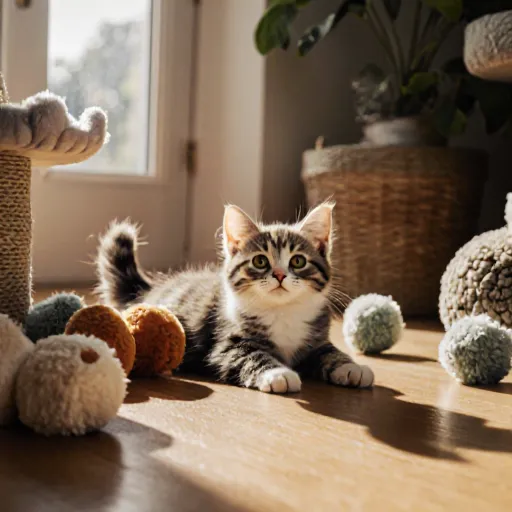
Unlock the Joy: Tips for New Pet Owners
New Owners' Secret Weapon for Happy Kittens
Table of Contents
- Introduction to Kitten Care
- Choosing the Right Kitten
- Setting Up Your Kitten's Environment
- Understanding Kitten Nutrition
- Providing Fresh Water and Food
- Hygiene and Grooming Basics
- Introducing Kitten to the Household
- Behavioral Training for Your Kitten
- Handling and Playing with Your Kitten
- Common Illnesses in Kittens
- Vaccinations and Spaying/Neutering
- Conclusion of Kitten Care 101
- FAQs About Kitten Care
- Additional Resources for Kitten Care
Introduction to Kitten Care
Kitten care can be an overwhelming task for new owners, but with the right guidance and knowledge, it can turn into a rewarding experience. This section is designed to provide you with essential information that will help you understand how to properly care for your kitten in its early stages of life. Drawing from the principles outlined in "Kitten Care 101 for New Owners," we aim to cover everything from dietary needs and hygiene practices to behavioral development.
Proper nutrition is crucial during kittenhood as it sets the foundation for their future health. Kittens require a diet high in protein and fat, which can be found in special kitten food formulated by veterinarians. Feeding them regular meals three to four times daily will ensure they receive all necessary nutrients. It’s important not to introduce solid foods too early; instead, focus on providing appropriate wet or dry kitten food until around six months of age.
Maintaining cleanliness is vital for keeping your kitten healthy and happy. Regular grooming helps keep their coat shiny and reduces shedding by removing dead hair. Bathing should be done sparingly since it can strip away natural oils from the skin, but brushing at least twice a week is advisable. Pay attention to cleaning their ears weekly with an ear-cleaning solution recommended by a vet, as well as trimming their nails every few weeks.
Beyond physical care, understanding and encouraging behavioral development plays a significant role in raising a well-adjusted kitten into an adult cat. Early socialization is key; exposing them to different environments, people, sounds, and other animals helps prevent fear or aggression later on. Playtime is also crucial for mental stimulation; interactive toys that mimic prey can keep them active and engaged.
Apart from routine vaccinations which are essential to protect your kitten against common diseases, regular visits to the vet should include dental care evaluations. This ensures early detection of any potential issues before they become serious problems. Monitoring weight gain and overall behavior during these checkups allows you to catch signs of illness promptly.
Incorporating these practices into your daily routine will help you provide the best possible care for your kitten, fostering strong bonds between you two while ensuring they grow up to be healthy and vibrant cats. Remember that each kitten is unique; observe their specific needs closely and adjust accordingly as needed.
Choosing the Right Kitten
Selecting the right kitten is a significant step towards ensuring your new pet will thrive. A well-chosen kitten can bring joy and companionship to your household, but it's crucial to consider various factors before bringing one home. In this section of Kitten Care 101 for New Owners, we provide insights on how to choose the right kitten.
Health
Choosing a healthy kitten is paramount. Visit your local shelter or breeder and ask for health certifications such as those from a veterinarian confirming that the kitten has been vaccinated, dewormed, and checked for common diseases like feline leukemia (FeLV) and feline immunodeficiency virus (FIV). A healthy kitten should be alert, lively, and free from any signs of illness.
Temperament
The temperament of a kitten is very important. Observe the kitten's behavior to assess its personality. Look for kittens that are curious but not overly shy or aggressive. Kittens that play well with others, including people and other pets in the household, tend to make better companions. If you’re looking for a quieter cat who might be less interactive, choose an older kitten.
Energy Level
Consider your lifestyle when choosing a kitten based on its energy level. Kittens are naturally active and playful. If you lead a sedentary life with limited time for play, ensure the kitten’s energy level is suitable for your schedule. On the other hand, if you enjoy long walks or outdoor activities, an energetic kitten could be perfect.
Space Considerations
Your living space should also influence your choice of a kitten. Larger kittens will require more space and resources than smaller ones. Ensure that the space in your home can accommodate the size and needs of the kitten you are considering. For example, if you have limited space, choose a smaller breed or a calmer kitten.
Compatibility with Existing Pets
If you already have pets at home, ensuring compatibility is essential to avoid conflicts. Spend time observing how the kitten interacts with other animals in your household. Kittens that play well with others are more likely to adapt smoothly into a multi-pet environment.
Adopting from Shelters
A great way to choose a kitten is by adopting one from an animal shelter or rescue organization. Shelter kittens often need extra love and care, making them excellent pets for new owners who are willing to give back. Many shelters also have foster programs where you can get to know the kitten before adoption.
Practical Advice
- Research thoroughly: Before deciding on a kitten, research different breeds and their specific care needs.
- Visit multiple breeders or shelters: Spend time with several kittens to find one that fits your lifestyle and home environment.
- Prepare your home: Ensure that you have the necessary supplies such as food, litter box, toys, and bedding ready before bringing the kitten home.
In conclusion, choosing the right kitten requires careful consideration of its health, temperament, energy level, space requirements, and compatibility with your existing pets. By taking these factors into account, you can make an informed decision that sets the stage for a happy and healthy relationship between you and your new kitten.
Setting Up Your Kitten's Environment
In order to ensure your kitten has a comfortable and stimulating environment, it's important to set up their living space thoughtfully. This section of Kitten Care 101 for New Owners will guide you through the essentials of creating an ideal environment that promotes their physical health, mental well-being, and overall happiness.
Safe and Comfortable Space
Your kitten's living space should be safe and free from potential hazards. Ensure that any areas where your kitten can reach are kitten-proofed to prevent access to harmful substances or objects. This includes securing electrical cords, removing small items that could be swallowed, and ensuring that windows and doors are properly closed.
Consider creating a cozy corner with soft blankets or pillows for your kitten to rest and sleep. A quiet space away from the hustle and bustle of family life can help them feel secure and relaxed.
Nutritious Eating and Hydration
A balanced diet is crucial for your kitten's growth and development. Set up a feeding station in an easily accessible location where your kitten can eat without being disturbed by other pets or household noises. Make sure the area has enough space to accommodate their food bowl, water dish, and any treats.
Provide fresh, clean water at all times and ensure that the water dish is easy for your kitten to reach. Many kittens enjoy drinking from a running source like a fountain; you can invest in a pet fountain if your kitten shows interest.
Toys and Play Areas
Playing is essential for your kitten's development, helping them build muscles and develop important motor skills. Set up various play areas around the home where your kitten can explore and engage in activities that mimic natural hunting behaviors. Provide a variety of toys such as: - Feather wands - Catnip toys - Puzzle feeders
Rotating their toys regularly will keep them interested and prevent boredom, which is crucial for maintaining your kitten's mental health.
Litter Training
Toilet training a kitten can be one of the most rewarding aspects of pet ownership. Begin by introducing your kitten to the litter box early on so they understand where to eliminate waste. Place their food and water near the litter box to encourage them to stay in the designated area.
Be patient with the process as it may take time for your kitten to fully grasp the concept of using a litter box. Monitor closely and provide positive reinforcement when they use the box appropriately, but do not punish if accidents occur—mistakes are part of the learning process.
Socialization
Your kitten's socialization is critical during their early weeks to ensure that they become friendly and well-adjusted adult cats. Encourage interaction with family members and other pets, but also allow them time alone as needed. Provide a range of social experiences so your kitten can learn appropriate behaviors.
Introduce them gently to new environments and people outside the home by gradually increasing their exposure over time. Supervised interactions are key in this process to ensure that both your kitten and visitors feel comfortable and safe.
Nighttime Accommodations
Kittens may not be fully nocturnal, but they tend to be more active at night than during the day. To make sure your kitten gets enough rest, set up a quiet sleeping area in a low-traffic part of the house where they can retreat when tired.
Consider using blackout curtains or blinds if you want to minimize morning light exposure for their sleep cycles. Provide soft bedding and ensure that the temperature is comfortable, not too hot nor too cold, which will help your kitten feel secure while sleeping.
Conclusion
Setting up an appropriate environment for your kitten is a crucial step in their development into a healthy, happy adult cat. By providing them with safe spaces, nutritious meals, stimulating toys, proper litter training, socialization opportunities, and comfortable nighttime accommodations, you are setting the foundation for a strong bond between both of you.
Understanding Kitten Nutrition
Understanding kitten nutrition is crucial for new owners as it directly impacts your kitten's growth, health, and overall well-being. Proper nutrition during a kitten’s early stages of life can lay the foundation for a strong immune system and healthy development.
- Protein: Kittens require more protein than adult cats because they are growing rapidly. Protein helps build muscle, organs, and tissues. It is essential to choose a high-quality kitten food that meets these needs.
- Fat: Fats provide energy for the kitten, but it should be of digestible forms as kittens have a lower ability to metabolize certain types of fats. Omega-3 and omega-6 fatty acids are particularly important as they support healthy skin and coat.
- Vitamins & Minerals: Vitamins like A, C, E, D, K, B vitamins, along with minerals such as calcium and phosphorus play vital roles in bone development, immune system function, and overall growth. Deficiencies can lead to severe health issues.
Kittens start consuming solid food around 4 weeks of age but should continue nursing until about 6-8 weeks when they are weaned off milk. It's important to introduce kitten-specific formulas gradually, mixing with mother’s milk if available or using a formula like Esbilac or Kitten Milk Replacer.
When choosing commercial cat food for your kitten, look for foods labeled as 'complete and balanced' by the Association of American Feed Control Officials (AAFCO). These formulas are designed to meet all nutritional requirements specified in the feeding guide on the package.
- Wet vs Dry Food: Wet food can be more appealing for kittens due to its high moisture content, which aids hydration. It also helps prevent urinary tract issues common in indoor cats. Dry food is better for teeth cleaning and providing a complete diet when fed alongside wet food.
- Brand Selection: Not all brands are created equal. Research reputable brands known for using quality ingredients. Avoid products that contain too much filler, artificial colors, flavors, or preservatives.
In addition to a balanced diet, certain supplements can be beneficial for your kitten's health:
- Vitamin E: Helps boost the immune system and supports healthy skin.
- Glucosamine & Chondroitin: Important for joint health, especially if the kitten shows signs of early arthritis or is predisposed to it due to genetics.
Treats should be given in moderation as they can contribute extra calories and sugars. Opt for healthy treats like small pieces of chicken breast or carrots instead of commercial treats that are high in preservatives and artificial ingredients.
To ensure your kitten is receiving adequate nutrition, monitor their weight regularly using a digital scale. Healthy kittens should gain about 1-1.5 ounces per week during the first few months of life. If you notice a significant deviation from this growth pattern, consult your veterinarian immediately.
Understanding kitten nutrition is an essential part of kitten care for new owners. By providing balanced meals tailored to their specific needs and actively monitoring their health, you can help ensure that your kitten grows into a healthy adult cat. Always consult with your veterinarian if you have any doubts or concerns about the nutritional requirements of your particular kitten.
Providing Fresh Water and Food
In kitten care, ensuring that your new furry friend has access to fresh water and high-quality food is one of the most critical aspects of their health and well-being. Proper nutrition and hydration are essential for a kitten's growth and development.
Fresh Water
Just like humans, kittens need plenty of clean, fresh water to stay healthy. It’s important to provide them with water that is free from impurities and harmful chemicals such as chlorine. Here are some tips on how to ensure your kitten has access to fresh water:
- Change the Water Regularly: Kittens may be more likely to drink from a clean bowl, so it’s important to change their water at least once or twice a day. Dirty or stagnant water can lead to health issues.
- Use Clean Bowls: Make sure you use food-grade stainless steel or ceramic bowls for your kitten's water. Avoid plastic as it can harbor bacteria and have chemicals that are harmful to kittens when ingested.
- Encourage Hydration: Some kittens may not drink enough water, especially if they prefer eating wet food. To encourage hydration, consider providing them with a shallow bowl of ice cubes or adding a small amount of chicken broth (beef for pregnant and nursing mothers) to the water.
- Monitor Water Intake: Keep an eye on how much your kitten drinks, especially during warmer weather when they need more hydration. Increased thirst could be a sign that something is wrong with their health.
High-Quality Food
Proper nutrition is crucial for the growth and development of kittens. They have different nutritional needs compared to adult cats, so it’s important to provide them with food specifically formulated for their age group.
- Formulated Cat Food: Look for high-quality kitten-formulated cat food from reputable brands that contain all the essential nutrients kittens need. These foods are typically higher in protein and fat than adult cat food, which helps support growth and development.
- Wet vs Dry Food: While some kittens prefer wet food, others will do better with dry food. It’s important to experiment a bit to find what your kitten enjoys most. Wet food can be more hydrating and easier for them to eat if they are still learning how to lap water from a bowl.
- Transition Carefully: If you’re transitioning from one type of food to another, do it gradually over several days to avoid upsetting your kitten’s stomach. Mix small amounts of the new food with their current food until you can switch fully.
- Supplements and Vitamins: While a well-balanced diet should provide all necessary nutrients, some veterinarians recommend supplements like omega-3 fatty acids for coat health or vitamins to boost immunity. However, always consult your vet before adding any supplements to your kitten’s diet.
Practical Advice
To make sure you’re providing the best care possible, consider these practical tips:
- Set a Feeding Schedule: Kittens need to eat more frequently than adult cats. Feed them three or four times a day until they are about six months old.
- Observe Eating Habits: Keep an eye on your kitten’s eating habits and appetite. Changes in food intake could be an early indicator of illness.
- Safe Environment for Water and Food: Make sure the area where you place their water and food is safe, clean, and away from any potential hazards or toxins such as chemicals or small objects that can pose a choking risk.
By following these guidelines, you’ll be well on your way to providing your kitten with all they need for fresh water and nutritious food. Remember, the key is consistency, observation, and making adjustments based on your kitten’s individual needs and preferences.
Hygiene and Grooming Basics
Caring for a kitten involves more than just providing food, water, and a warm bed. Proper hygiene and grooming are crucial in ensuring your kitten grows into a healthy, happy adult cat. Here are some essential tips to help you keep your kitten clean and comfortable.
Daily Care Routine
- Brushing: Kittens have soft fur that can easily become matted or tangled if not properly maintained. Brush your kitten regularly, especially during shedding seasons. Use a soft-bristled brush suitable for kittens to avoid causing discomfort.
- Nail Trimming: Regularly trimming your kitten's nails is important to prevent overgrowth and potential damage to furniture or walls. Start early with gentle training so that nail trimming becomes an acceptable part of your routine.
- Ear Cleaning: While kittens do not need frequent ear cleanings, it’s good practice to check their ears weekly for any signs of infection. Use a cotton ball and pet-safe ear cleaner if necessary; never insert anything into the ear canal.
Bathing Your Kitten
While kittens do not require frequent baths, it is important to acclimate them to water early on. Over-bathing can strip your kitten's natural oils and lead to skin issues. Bathe your kitten only when necessary, using a mild pet shampoo designed for sensitive skin.
Toiletry Needs
- Brush: Invest in a good quality grooming brush that is appropriate for kittens’ delicate skin and fur. Different types of brushes serve different purposes: a slicker brush for removing loose hair, a comb for longer coats, and a pin brush for styling.
- Bowls: Provide your kitten with separate bowls for water and food to encourage good hygiene habits from the start.
Dental Hygiene
Even though kittens lose their milk teeth before they reach adulthood, maintaining dental health is important. Offer your kitten safe chew toys that can help keep their teeth clean and healthy.
Making Grooming Enjoyable
Grooming should be a positive experience for both you and your kitten. Make it fun by providing treats during grooming sessions, and always praise and reward your kitten for good behavior.
Common Mistakes to Avoid
- Over-Grooming: While keeping your kitten clean is important, over-grooming can cause stress and discomfort. Be mindful of the frequency and duration of grooming sessions.
- Inadequate Hygiene Checks: Regularly check for any signs of skin irritations or infections that could indicate a larger issue that needs veterinary attention.
By following these hygiene and grooming basics, you can ensure your kitten remains healthy and well-cared-for. Remember, the foundation you set during the early stages of your kitten’s life will contribute significantly to their overall health and happiness as they grow into adulthood.
Introducing Kitten to the Household
When you bring a new kitten into your household, it is essential to understand that kittens are highly curious and energetic creatures. They need time to adjust to their surroundings and feel safe and secure. This process is crucial for them to grow up healthy and happy. Here’s how you can introduce your kitten to the family and home environment step-by-step:
The first thing to do when introducing your new kitten is to set up a safe space where they can feel secure. This area should be away from any busy areas of the house or pets that may be territorial and aggressive towards the kitten. The safe space should include:
- A soft bed with a blanket or a few blankets
- Several toys (make sure they are appropriate for kittens)
- A litter box
- A feeding area with food and water dishes
- A scratching post or kitty tree if you have enough space
Once the safe space is ready, start introducing your kitten to the rest of the household. Start by allowing them to observe their new surroundings from a safe distance. Let them get used to the sounds and smells of the house first before interacting directly with other pets or family members.
Tip:
If you have other cats, it’s best to introduce one at a time. Supervise all interactions closely during this period to ensure that no aggressive behavior takes place.
Kittens need consistency in their daily routines which help them feel safe and secure. Start establishing a feeding schedule, playtime, and nap times as soon as they are comfortable with the environment. This helps them understand what is expected of them.
Example:
If your kitten enjoys playing fetch, set up a routine where you throw a toy for them to chase at specific times during the day. This not only helps in strengthening the bond but also keeps them mentally stimulated and physically active.
Cats are social creatures that need attention and affection. Spend time with your kitten, playing with them, petting them gently, and talking to them softly. This helps build a strong bond between you and the kitten from the very beginning.
Practical Advice:
Avoid overhandling the kitten as they are still young and may not appreciate being held or cuddled too much by strangers initially. Start with short, gentle interactions to avoid overwhelming them.
Regularly check your kitten for signs of illness, such as lethargy, loss of appetite, or changes in behavior. Keep an eye on their litter box habits, eating patterns, and overall activity levels to ensure that they are adjusting well.
Reference:
Kitten Care 101 for New Owners, a resource guide by the ASPCA advises keeping a close watch on your kitten’s health and behavior during this critical period of adjustment.
Introducing a kitten to a new home requires patience, love, and understanding. By following these steps and providing proper care, you can help ensure that your kitten has a smooth transition into their new environment and grows up to be a happy, healthy pet.
Behavioral Training for Your Kitten
Once you bring your adorable kitten home, it's essential to start behavioral training early. This not only helps in shaping positive behaviors but also ensures a harmonious relationship between you and your furry friend. Behavioral training is an important aspect of kitten care that every new owner should be aware of.
Why Behavioral Training Matters
Behavioral training plays a crucial role in the overall well-being of your kitten. It helps prevent unwanted behaviors such as scratching furniture, biting, and clawing at inappropriate surfaces. Early intervention can significantly reduce stress for both you and your kitten during this transitional period.
Basic Training Tips
- Establish a Routine: Cats thrive on routine. Set consistent times for feeding, playtime, and nap time to help your kitten adjust faster. This consistency will make it easier to train them.
- Cat-Proof Your Home: Make sure that any areas where the kitten should not go are off-limits by using baby gates or closed doors. Keep items like electrical cords, toxic plants, and small objects out of reach to prevent accidents.
- Use Positive Reinforcement: Reward good behavior with treats or praise. This encourages your kitten to repeat those actions. Avoid harsh punishments as they can be traumatic for the animal.
Common Behavioral Issues and Solutions
Understanding common behavioral issues helps in addressing them effectively:
- Scratching Furniture: Provide your kitten with a scratching post or cat tree. Encourage the use of these by rubbing scented oil on the posts to attract your kitten.
- Biting and Nipping: Redirect play biting into appropriate activities like playing with toys instead of human fingers or hands. If necessary, use bitter sprays on items you don't want them to chew on.
- Urination Outside the Litter Box: Ensure that the litter box is clean and accessible at all times. If your kitten continues to have issues, check the box for any potential health problems or if it's too small for the kitten.
Interactive Playtime
Playtime is not only fun but also crucial for behavioral development and physical exercise. Engage your kitten in interactive play sessions using toys like feather wands, laser pointers, or catnip mice. These activities can help channel your kitten's energy positively.
Conclusion
Behavioral training is a vital part of kitten care that should be started early on. By providing consistent routines, safe spaces, and using positive reinforcement techniques, you'll set the stage for a happy and well-behaved kitten as they grow into an adult cat.
Handling and Playing with Your Kitten
Welcome to a crucial section of your kitten's care journey. Handling and playing with your kitten are essential activities that help build trust, ensure proper socialization, and foster a healthy relationship between you and your pet. This guide will provide you with practical advice on how to handle and play with your kitten safely and effectively.
Handling Your Kitten
Proper handling is vital for both the kitten's well-being and your peace of mind. Here are some key tips:
- Support the kitten properly: Always support the kitten’s entire body when lifting it to prevent any injuries.
- Avoid startling the kitten: Make sure you approach slowly and allow your kitten time to get used to you before picking them up.
- Respect their boundaries: Observe how much handling they are comfortable with, and respect any signs of stress or discomfort.
Safe Toys for Playtime
To keep your kitten entertained and mentally stimulated, it's important to provide appropriate toys. Here are some suggestions:
- Bird feathers: These are great for batting around and can be easily found or purchased.
- Interactive toys: Toys that require you to play with your kitten, such as a laser pointer or a wand toy, are excellent for encouraging interaction.
- Kitten-safe scratching posts: These help your kitten exercise their claws and reduce the chance of them damaging furniture.
Playtime Activities
Engaging playtime is not only fun but also crucial for your kitten’s physical development. Try these activities:
- Chase games: Use a feather or toy to mimic the movements of prey, which can help exercise and entertain your kitten.
- Hide-and-seek: Let your kitten find hidden treats or toys around the house. This encourages problem-solving skills.
- Tug-of-war games: Avoid tug-of-war with kittens; instead, opt for a game where you both pull on a toy together to simulate natural hunting behaviors.
Consistency is Key
To make sure your kitten enjoys these activities and becomes comfortable around you, it's important to be consistent:
- Establish a routine: Set aside time each day for playtime and handling. Kittens thrive on routines.
- Be patient: Every kitten is different; some may take longer to warm up to you than others.
- Observe your kitten's behavior: Pay attention to what activities they enjoy most, and incorporate those into your playtime routine.
Conclusion
Handling and playing with your kitten is a rewarding experience that will strengthen the bond between you. By following these tips, you can ensure that both you and your kitten have fun while promoting healthy development. Remember, every interaction counts in establishing trust and creating a happy home environment for your new pet.
Common Illnesses in Kittens
Caring for a kitten can be an incredibly rewarding experience, but it also comes with its own set of challenges. One of the most important aspects of kitten care is recognizing and addressing common illnesses early on to ensure your little furball stays healthy. Below are some of the most frequent health issues that you might encounter in kittens.
Respiratory Infections
Upper respiratory infections (URIs) are one of the most common ailments for young cats. These infections can be caused by viruses or bacteria and often result in symptoms such as sneezing, runny nose, congestion, and difficulty breathing.
- Symptoms: Nasal discharge, coughing, increased respiratory rate.
- Treatment: Consult your veterinarian for the appropriate treatment. Antibiotics may be prescribed if a bacterial infection is present.
- Prevention: Vaccinate against URI viruses and keep the kitten in a clean environment to reduce exposure.
Feline Panleukopenia
This viral disease, also known as feline distemper, is highly contagious and can be fatal if not treated promptly. It affects the digestive tract and immune system of kittens.
- Symptoms: Fever, lethargy, vomiting, diarrhea, loss of appetite.
- Treatment: Hospitalization may be necessary to provide fluid therapy and supportive care. Vaccination is the best prevention method.
- Prevention: Ensure your kitten receives all recommended vaccinations on time.
Intestinal Parasites
Infectious parasites such as roundworms, hookworms, and tapeworms are common in kittens. These parasites can be transmitted through contaminated environments or infected prey.
- Symptoms: Weight loss, diarrhea, vomiting, pot-bellied appearance, and sometimes visible worms around the anus.
- Treatment: Your vet will prescribe deworming medication. Regular fecal examinations are recommended to monitor for parasites.
- Prevention: Keep your kitten indoors where possible, use clean litter boxes, and provide a nutritious diet.
Upper Respiratory Infections (URIs)
Another frequent ailment in kittens is URIs, which can be caused by viruses such as feline herpesvirus or calicivirus. These infections are highly contagious and can spread quickly among multiple cats.
- Symptoms: Sneezing, watery eyes, discharge from the nose, fever.
- Treatment: Antiviral medications may be prescribed. Supportive care is essential to help your kitten recover.
- Prevention: Vaccination and proper hygiene are key in preventing URI outbreaks.
Dental Health Issues
Kittens begin teething around 2-4 months of age, which can lead to discomfort or pain. Poor dental hygiene can also result in more serious issues down the road.
- Symptoms: Drooling, pawing at mouth, loss of appetite due to painful gums.
- Treatment: Monitor your kitten’s teeth and gums. Provide safe chew toys to help keep their teeth clean.
- Prevention: Regular tooth brushing with a soft-bristled brush or finger toothbrush specifically designed for kittens.
In conclusion, understanding the common illnesses that affect kittens is crucial for any new owner. By recognizing these issues early and following preventive measures such as vaccinations and good hygiene practices, you can help ensure your kitten grows into a healthy adult cat.
Vaccinations and Spaying/Neutering
As a new kitten owner, ensuring your pet receives the proper care is crucial to their long-term health and well-being. Vaccinations and spaying/neutering are two of the most important steps you can take in your kitten’s early development.
Vaccinations: Protecting Your Kitten from Disease
Vaccinations play a critical role in protecting your kitten against various diseases that could be harmful or even fatal. Kittens typically begin their vaccination series at around six weeks of age and continue this process until they are about four months old.
- FVRCP (Feline Viral Rhinotracheitis, Calicivirus, Panleukopenia): This core vaccine protects against three serious diseases that can be life-threatening. It's important to ensure your kitten receives this vaccine as it builds immunity early in their development.
- Rabies: Depending on local laws and regulations, the rabies vaccine may be given at around 12 weeks of age or later. It’s essential to check with your veterinarian regarding the timing of this vaccination.
- Bordetella (Kennel Cough): If you plan to take your kitten to a cattery, boarding facility, or if they will be around other cats frequently, this vaccine is recommended. It's usually administered as part of an intranasal spray.
To ensure your kitten’s vaccinations are effective, it’s important to follow the schedule provided by your veterinarian and return for all necessary booster shots. Skipping a dose or not following the recommended timeline can leave your kitten vulnerable to disease.
Spaying/Neutering: Responsible Pet Ownership
Spaying (for females) and neutering (for males) are crucial procedures that help prevent unwanted litters, reduce behavioral issues, and improve overall health. These surgeries also help extend your kitten’s lifespan by reducing the risk of certain cancers.
- Female Kittens: Spaying involves removing the ovaries and uterus before your female kitten reaches sexual maturity, typically around six months old. This procedure prevents her from coming into heat and reduces the risk of ovarian cancer and uterine infections later in life.
- Male Kittens: Neutering involves surgically removing both testicles to prevent unwanted behavior such as roaming and spraying urine, which can be a sign of territorial marking. It also helps reduce the likelihood of prostate problems and certain types of cancer.
Both spaying and neutering are minor surgeries that your veterinarian will perform under general anesthesia. The procedure is safe when performed by an experienced professional, and recovery time is usually minimal. Ensuring you choose a reputable veterinarian for these procedures is key to your kitten's health and well-being.
Tips for New Owners
- Consult Your Veterinarian: Always consult with your pet’s veterinarian regarding the appropriate vaccination schedule and whether spaying or neutering is right for your kitten at the recommended age.
- Choose a Reputable Clinic: Ensure that you choose a reputable veterinary clinic to perform these procedures. Read reviews, ask for recommendations from friends and family, and ensure the staff are experienced in feline surgery.
- Prepare Your Kitten: Before the procedure, your vet may provide specific instructions on how to prepare your kitten. Follow all pre-surgery guidelines carefully.
By prioritizing vaccinations and spaying/neutering, you are taking a proactive approach to ensure your kitten grows into a healthy, happy adult cat. Remember, these steps not only benefit your pet but also contribute positively to the well-being of the community by reducing the number of stray or unwanted animals.
Conclusion of Kitten Care 101
Now that you've completed your journey through Kitten Care 101, it's time to reflect on all the knowledge and practical advice you've gathered. Throughout this guide, we've covered everything from understanding a kitten's nutritional needs to fostering a bond with your new furry friend. Here’s what you should remember and consider as you continue your journey in being an excellent pet owner.
- Nutritional Needs: Kittens have different dietary requirements compared to adult cats. Ensure that the food you provide is rich in protein and nutrients, such as those found in high-quality kitten formulas. Offer small, frequent meals to meet their rapid growth needs.
- Vaccinations and Health Checks: Regular visits to the vet are crucial. Kittens need a series of vaccinations starting early in life to protect them from various diseases. Always consult your veterinarian about the appropriate vaccination schedule and any other health checks needed.
- Socialization: Socializing a kitten early helps them become friendly and trusting. Expose your kitten to different people, environments, sounds, and experiences. This will help prevent fearful or aggressive behaviors later on.
- Cleaning and Grooming: Depending on the breed, kittens may require regular grooming. Brush them to keep their coat healthy and remove loose fur. Regular cleaning of litter boxes is also essential for maintaining a clean living space.
- Safety and Supervision: Kittens are curious and can get into trouble easily. Ensure that your home is kitten-proofed, removing any potential hazards such as electrical cords or small objects they might swallow. Always supervise them when outside or in a play area to keep them safe.
Example: A typical diet for a kitten should consist of high-protein foods like chicken or turkey, supplemented with vitamins and minerals essential for development.
Practical Advice: Keep track of when each vaccine is due, and make sure you have an appointment booked well in advance.
Example: Playing with your kitten in various rooms of the house can simulate real-world social interactions and reduce anxiety.
Practical Tip: Use a soft-bristled brush for short-haired breeds or a slicker brush for long-haired kittens. Clean the litter box at least once a day to prevent odors and infections.
Example: Install safety gates on stairs and cover sharp edges with protective padding.
- When should I start training my kitten? Training can begin as early as 8 weeks, focusing on litter box use, basic commands like "come" and "sit," and house rules.
- How much exercise does a kitten need? Kittens are naturally active. Provide them with toys that encourage play to help burn off excess energy. Aim for at least 30 minutes of playtime daily.
- What if my kitten has accidents outside the litter box? Accidents can happen, especially during potty training. Address this by ensuring your kitten knows where the litter box is and clean any mistakes promptly to discourage them from repeating the behavior.
In conclusion, Kitten Care 101 for New Owners aims to provide you with a comprehensive guide to ensure your kitten grows up healthy and happy. Remember that every kitten is unique, so be patient and observant as you adjust care practices to suit their individual needs. With love, attention, and proper care, your little bundle of joy will thrive in your home.
FAQs About Kitten Care
Welcome to our guide on kitten care! This section is designed specifically for new owners, offering practical advice and common questions answered about raising a healthy and happy kitten. Here are some frequently asked questions you might have:
Finding the Right Food
Q: What type of food should I feed my kitten?
A: Kittens need specialized nutrition for growth and development. It's important to choose a high-quality kitten food that meets their nutritional needs. Look for foods formulated by veterinarians or brands recommended by your vet. Avoid feeding them adult cat food as it may not provide adequate nutrients.
Hygiene and Grooming
Q: How often should I clean my kitten's litter box?
A: Litter boxes should be cleaned daily to keep the area hygienic. Cats are fastidious about cleanliness, so a clean environment is crucial for their health. Make sure you use an unscented cleaner and avoid clumping litter that can be harmful if ingested.
Vaccinations
Q: When should I start vaccinating my kitten?
A: Vaccinations are crucial for protecting your kitten against common diseases. Typically, the first set of shots is given between 6 to 8 weeks old and booster shots follow at 10 to 12 weeks old. Always consult with a veterinarian regarding an appropriate vaccination schedule based on local health risks.
Playtime and Exercise
Q: How much playtime should I give my kitten?
A: Kittens are full of energy! They need plenty of time to play, which helps them develop muscles, coordination, and social skills. Spend at least 15-20 minutes each day playing with your kitten using toys like feather wands or small balls.
Socialization
Q: Why is socialization important for kittens?
A: Socializing your kitten early on helps them become well-adjusted adults who are friendly and comfortable around people, other animals, and new environments. Introduce them to different sounds, sights, and experiences gradually. This can include letting them meet visitors at home or taking short walks with you in the park.
Behavioral Issues
Q: What should I do if my kitten starts exhibiting destructive behavior?
A: Destructive behaviors like chewing on furniture can be a sign that your kitten needs more stimulation. Provide them with appropriate toys and consider scratching posts or pads to direct their energy towards something constructive. Positive reinforcement training methods, such as praising good behavior, can also help manage behavioral issues.
Medical Checks
Q: How often should I take my kitten to the vet?
A: Regular check-ups are essential for your kitten's health. Plan to visit the veterinarian at least once a year for routine checkups, vaccinations updates, and dental exams if necessary. Your vet can also provide advice on parasite control (like fleas) and other preventive measures.
Conclusion
Caring for a kitten is an exciting journey filled with love and responsibility. By providing proper nutrition, hygiene, socialization, exercise, and regular veterinary care, you can ensure your furry friend grows into a healthy and happy adult cat. Remember, every kitten is unique, so adjust these guidelines based on your specific situation.
Additional Resources for Kitten Care
Kitten care can be both rewarding and challenging. Ensuring your kitten has a healthy start in life is crucial, and there are several resources available to help new owners navigate the process. Below are some of the most useful tools and guides that provide comprehensive kitten care advice.
Online Guides
- PetMD - Cat Nutrition Guide - This guide covers the essentials of feeding your kitten a balanced diet, including the importance of protein and vitamins.
- ASPCA's Complete Guide to Cat Care - Offers detailed information on all aspects of cat care, from vaccinations to grooming.
Veterinary Resources
- American Veterinary Medical Association (AVMA) - Cat Care Information - Provides expert advice on cat behavior, health issues, and general care.
- VCA Hospitals - Cat Health Care - Offers insights into common diseases and conditions that can affect kittens.
Videos and Tutorials
Visual learning can be very effective. Here are some YouTube channels and tutorials that provide practical advice on kitten care:
- Catster TV - Offers a variety of videos covering topics from litter box training to socialization.
- Dr. DVM Channel - Features educational content on health and wellness for pets, including kittens.
Books and eBooks
If you prefer reading material, these books are highly recommended:
- Kitten Care 101: A Guide for New Owners by Dr. Sarah Johnson - This book provides step-by-step instructions on how to care for a kitten from the first few weeks to the first year.
- The Kitten Care Book by Carol Bauer - Offers comprehensive advice on feeding, training, and maintaining good health for kittens.
Local Animal Shelters and Humane Societies
Visiting your local animal shelter or humane society can provide you with direct support and resources. Many of these organizations offer free advice on kitten care as well as other pet-related services.
Community Forums
Joining online forums where experienced cat owners share their knowledge can be incredibly beneficial:
Conclusion
By utilizing these resources, you can ensure that your kitten receives the best possible care. Remember that each kitten is unique, so it's important to adapt this advice based on your pet's individual needs.
Categories
- AI & Enrichment Play
- Broiler Farming
- Broiler Farming Tips
- Canine Wellness & Longevity
- Cat
- Cat & Human Connection
- Cat Adoption & Rescue
- Cat Breeds
- Cat Breeds & Personalities
- Cat Care & Health
- Cat Grooming & Hygiene
- Cat Lifestyle & Environment
- Cat Myths & History
- Cat Nutrition & Diet
- Cat Products & Reviews
- Cat Training & Behavior
- Comparison
- Consumer Awareness
- Dog
- Dog Accessories & Products
- Dog Adoption & Rescue
- Dog Breed & Lifestyle Trends
- Dog Breeding & Puppies
- Dog Entertainment & Media
- Dog Fashion & Trends
- Dog Fun & Lifestyle
- Dog Grooming & Hygiene
- Dog History & Culture
- Dog Myths, Science & Future Tech
- Dog News & Trends
- Dog Nutrition & Food
- Dog Psychology & Emotions
- Dog Safety & Security
- Dog Sports & Activities
- Dog Technology & Innovation
- Dog Training for Modern Owners
- Dog Travel & Adventure
- Dog Travel, Adventure & Culture
- Economic and Market Insights
- Educational Content
- FAQs
- Feeding Alternatives
- Festivals & Seasonal Ideas
- Fun & Entertainment
- General Knowledge
- General Pig Farming
- Health & Disease Management
- Housing and Environment
- Kittens
- Market Insights
- Miscellaneous
- Miscellaneous
- Motivational
- pig
- Pig Breeding
- Pig Breeds
- Pig Farming Stories and Inspiration
- Pig Health and Care
- Pig Nutrition
- Pig Products
- Profitability & Business
- Puppy Care
- Puppy Predictable Topics Reinvented
- Regional Focus
- Rescue & Adoption Buzz
- Senior Cats
- Senior Dog Care
- Smart Dog Tech & Gadgets
- Sustainability
- Sustainable & Eco-Friendly Dog Products
- Tech & Innovations
- Working & Service Dogs
- Broiler Feed66 products
- Country Feed33 products
- Pig Feed66 products
- Product22 products
- Raw Materials99 products
Products
-
 Fish Meal
₹1,999.00 – ₹2,999.00Price range: ₹1,999.00 through ₹2,999.00Rated 0 out of 5
Fish Meal
₹1,999.00 – ₹2,999.00Price range: ₹1,999.00 through ₹2,999.00Rated 0 out of 5 -
 FATTENING BROILER FEED
₹2,299.00 – ₹2,349.00Price range: ₹2,299.00 through ₹2,349.00Rated 0 out of 5
FATTENING BROILER FEED
₹2,299.00 – ₹2,349.00Price range: ₹2,299.00 through ₹2,349.00Rated 0 out of 5 -
 LAYER COUNTRY FEED
₹1,549.00 – ₹1,649.00Price range: ₹1,549.00 through ₹1,649.00Rated 0 out of 5
LAYER COUNTRY FEED
₹1,549.00 – ₹1,649.00Price range: ₹1,549.00 through ₹1,649.00Rated 0 out of 5 -
 COUNTER BROILER FEED
₹1,199.00 – ₹1,299.00Price range: ₹1,199.00 through ₹1,299.00Rated 0 out of 5
COUNTER BROILER FEED
₹1,199.00 – ₹1,299.00Price range: ₹1,199.00 through ₹1,299.00Rated 0 out of 5 -
 LACTATING PIG FEED
Rated 0 out of 5
LACTATING PIG FEED
Rated 0 out of 5₹2,299.00Original price was: ₹2,299.00.₹1,740.00Current price is: ₹1,740.00. -
 Maize
Rated 0 out of 5
Maize
Rated 0 out of 5₹1,650.00Original price was: ₹1,650.00.₹1,300.00Current price is: ₹1,300.00. -
 GESTATION PIG FEED (Phase 1)
Rated 0 out of 5
GESTATION PIG FEED (Phase 1)
Rated 0 out of 5₹2,249.00Original price was: ₹2,249.00.₹1,699.00Current price is: ₹1,699.00. -
 Pre Starter Broiler Feed
₹2,399.00 – ₹2,499.00Price range: ₹2,399.00 through ₹2,499.00Rated 0 out of 5
Pre Starter Broiler Feed
₹2,399.00 – ₹2,499.00Price range: ₹2,399.00 through ₹2,499.00Rated 0 out of 5 -
 FINISHER PIG FEED
Rated 0 out of 5
FINISHER PIG FEED
Rated 0 out of 5₹2,299.00Original price was: ₹2,299.00.₹1,749.00Current price is: ₹1,749.00. -
 Broiler Premix
Rated 0 out of 5
Broiler Premix
Rated 0 out of 5₹820.00Original price was: ₹820.00.₹699.00Current price is: ₹699.00.