
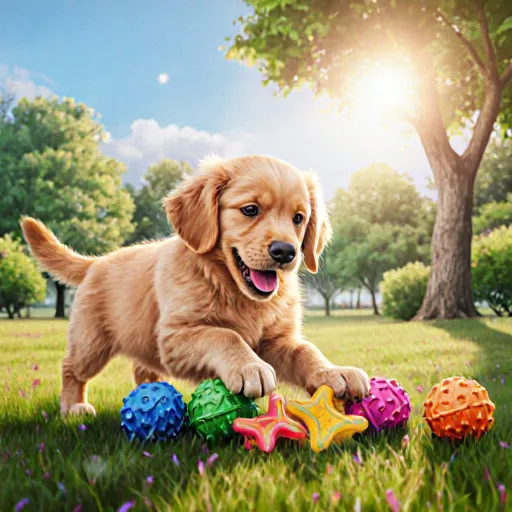
Unlock joy with these new tricks!
New Tricks to Keep Your Dog Happy
Table of Contents
- Section 1: Indoor Agility Course
- Section 2: Hide and Seek
- Section 3: Fetch with a Twist
- Section 4: Treasure Hunt
- Section 5: Obstacle Course
- Section 6: Scavenger Hunt
- Section 7: Puzzle Toys
- Section 8: Balloon Volleyball
- Section 9: Freeze Dance
- Section 10: Doggie Obstacle Course
- Section 11: Indoor Fetch with a Twist
- Section 12: Couch Potato Chase
- Section 13: Hide-and-Seek With Treats
- Section 14: Puzzle Treat Games
- Conclusion
- FAQ
Section 1: Indoor Agility Course
Creating an indoor agility course can be a fun and engaging way to keep your dog physically active indoors, especially during colder months or inclement weather. This setup not only provides exercise but also enhances mental stimulation, strengthens the bond between you and your pet, and helps manage behavior issues such as excessive energy.
Setting Up Your Indoor Agility Course
To create a basic indoor agility course, gather materials that you have around the house. You can use items like chairs, cushions, small hurdles (like pillows), cones from a garden center, or even boxes. Arrange these objects in a way that encourages your dog to jump, weave, and navigate through the course.
Examples of Activities
- Weave Poles: Use small chairs or cushions placed side by side for your dog to weave between. This exercise improves coordination and focus.
- Hurdles: Place pillows or boxes at different heights and distances from each other to simulate jumping over obstacles.
- Lateral Jumps: Create a line of chairs or cushions that the dog must jump over. This helps in building confidence and agility.
Tips for Success
- Start Simple: Begin with a few basic elements to avoid overwhelming your pet. Gradually increase complexity as they become more comfortable.
- Positive Reinforcement: Reward good behavior with treats, praise, or playtime to encourage your dog to continue participating enthusiastically.
- Vary the Course Regularly: Dogs get bored easily; changing the setup can keep things interesting and challenging for them.
Fun Indoor Games
Incorporating an indoor agility course into your daily routine with some fun games can make it even more enjoyable for both you and your dog. Here are a few ideas:
- Cop the Pole: Place a small object at various points in your course and see if your dog can fetch it back to you.
- Follow Me: Start the course with yourself leading the way, encouraging them to follow along.
- Time Trials: See how fast they can complete the course and try to beat their previous time in subsequent sessions.
Benefits for Your Dog
The advantages of an indoor agility course extend beyond just physical exercise. It also promotes mental stimulation, which is crucial for dogs' well-being. Regular engagement in such activities can help reduce stress and anxiety, making your pet happier and healthier.
Conclusion
An indoor agility course offers a versatile platform to enhance your dog's physical fitness and mental acuity indoors. By incorporating this into your daily routine with fun games and positive reinforcement, you'll not only strengthen the bond between you but also ensure that your pet remains active and content.
Section 2: Hide and Seek
Playing hide and seek is not just a fun indoor game for humans; it can also be an engaging activity for your dog. This game helps stimulate your pet's natural hunting instincts, making them feel challenged and excited. Here’s how you can set up this game for your furry friend:
Setting Up the Game
To play hide and seek with your dog, start by selecting a safe indoor space where your dog won’t be able to escape or get into any trouble. It could be a room or an area in your house that you’ve cleared of hazards. The game involves one person hiding while the other person (your dog) tries to find them. For dogs, this translates to someone hiding and letting your pet search for them.
Choosing Your Hiding Spot
Select a spot where your dog will have difficulty finding you right away. This could be behind furniture, in a closet, or even under the bed. The goal is not to hide too well but rather to provide enough challenge for your dog to think and work through how to find you. Avoid hiding in dangerous spots like under heavy furniture that might fall over.
Engaging Your Dog
To get your dog excited about the game, use a treat or toy as motivation. Start by showing them the item, then hide it and let them search for it. This adds an element of anticipation and reward, making the game more enjoyable for both you and your pet.
Training Tips
- Consistency: Always use the same commands or signals to begin the game. For example, say "Find me" when it's time to play hide and seek.
- Praise: Praise your dog every time they find you, even if it takes a while. Positive reinforcement will make them eager to continue playing.
- Vary the Location: To keep the game interesting, change where you hide each time you play. This helps prevent boredom and keeps your dog engaged.
Examples of Hide and Seek
Here are a few variations of how to make this game more exciting:
- Multiple Hiders: If you have other pets or children, involve them in the game. It can be hilarious when multiple dogs or people hide, and your dog has to find all of them!
- Different Levels of Difficulty: For more advanced games, you could set up obstacles or small puzzles for your dog to solve before finding you.
- Use a Timer: Set a timer to see how long it takes your dog to find you. This can be a fun competition if you have other pets or family members playing along.
Practical Advice
Remember that while this game is primarily for fun, it's also an excellent way to bond with your dog. Be patient and observe how your pet responds; adjust the level of difficulty based on their abilities. If they seem overwhelmed or too excited, you can always reduce the complexity.
Hide and seek can be a simple yet effective way to keep your indoor dog active and entertained. With some creativity and consistent play, this game will become a favorite activity for both you and your pet!
Section 3: Fetch with a Twist
Incorporating fetch into your indoor routine for playing with your dog can be both fun and effective. However, by adding a "twist," you not only make the game more engaging but also ensure it remains challenging and mentally stimulating for your furry friend. Here are some creative ideas to spice up your traditional fetch game:
Interactive Toys
- Treat-Filled Puzzle Toys: Use toys that require your dog to work for their treats, such as the Kong Wobbler or Buster Cube. This not only adds an element of challenge but also encourages problem-solving skills.
- Interactive Feeder Mats: These mats have openings where you can hide treats. As your dog moves around to find them, they get engaged in a physical and mental activity.
Multipurpose Games
Switching up the environment and props can make fetch more exciting for both you and your dog. Here are some ideas:
- Use Household Items: Turn a simple game of fetch into an obstacle course by using pillows, furniture cushions, or even boxes to create barriers.
- Incorporate Other Toys: Use frisbees, tennis balls, or even rolled-up socks as an alternative to the usual toy. This keeps your dog on their toes and prevents them from getting bored.
Advanced Tricks
To add a bit of skill and agility into fetch, you can teach your dog some basic commands:
- Drop It: When your dog brings back the toy to you, have them drop it by saying "drop" followed by a treat reward. This adds a new layer to the game.
- Fetch and Return: After retrieving the toy, ask your dog to bring it back to you before taking another fetch. This builds trust and cooperation between you both.
Regular Breaks
It’s important not to overdo things when playing with your dog. To keep the excitement going without exhausting them, consider:
- Timed Sessions: Limit each fetch session to 5-10 minutes and then take a break. This keeps your dog energized rather than tired.
- Vary the Intensity: Alternate between short, fast-paced sessions and slower, calmer moments to keep things dynamic.
Incorporating these "twists" into your fetch game can make it more enjoyable for both you and your dog. It’s a great way to build stronger bonds while ensuring that your furry friend stays active and mentally stimulated indoors.
Section 4: Treasure Hunt
Indoor games are a great way to keep your dog mentally and physically stimulated, especially during colder months or when you're stuck inside. One particularly enjoyable game is the "Treasure Hunt," which involves hiding treats or toys around the house and encouraging your dog to find them. This not only provides exercise but also strengthens the bond between you and your pet.
Setting Up the Game
To set up a treasure hunt game for your dog, follow these simple steps:
- Select Suitable Treats or Toys: Choose treats that are small enough to be easily hidden and that your dog really enjoys. You can also use toys that your dog loves to play with.
- Choose the Right Location: Make sure you choose a safe area of your home where there are no hazardous objects or areas for your dog to get into trouble.
- Hide the Treats or Toys: Scatter the treats or toys around different rooms and spaces within the chosen location. Ensure that they are not in places where they could be dangerous, such as under furniture or electrical outlets.
Playing the Game
Once you've set up your treasure hunt, it's time to let your dog play! Here’s how:
- Release Your Dog: Open a door or allow your dog access to the area where the treats are hidden. Watch for signs of excitement and engagement.
- Encourage Exploration: Stay nearby but give your dog some space to explore. Encourage them to sniff out their treats by saying "Find it!" in an excited tone.
Tips and Tricks
To make the game more engaging, consider these tips:
- Vary the Hiding Places: Change the hiding spots regularly to keep the game fresh and exciting for your dog.
- Incorporate Puzzle Toys: Use puzzle toys that require your dog to work for their treat. This adds an extra challenge and mental stimulation.
- Use Commands: Incorporate simple commands like "Find it!" or "Go find the toy!" to make the game more interactive.
Benefits of Treasure Hunt
Playing treasure hunts with your dog offers numerous benefits:
- Mental Stimulation: The game encourages problem-solving and critical thinking, which are crucial for a healthy mind.
- Muscle Strengthening: Searching for treats or toys requires physical activity, helping to keep your dog fit and active.
- Bonding Opportunity: Spending time together in an interactive game strengthens the bond between you and your pet.
Conclusion
The treasure hunt is a simple yet effective indoor game that can keep your dog entertained and happy. By hiding treats or toys around your home, you create an exciting adventure for your furry friend right in your own living space. With a little creativity and planning, you'll have endless fun with your dog while keeping them both mentally sharp and physically active.
Section 5: Obstacle Course
Creating an obstacle course for your dog can be a fun and engaging way to keep them physically active and mentally stimulated indoors. This activity not only promotes physical health but also strengthens the bond between you and your pet. Here’s how you can set up an obstacle course that is both challenging and enjoyable:
Setting Up the Course
The first step in creating a successful indoor obstacle course is to choose a suitable space within your home. Look for an area that has enough room to lay out various obstacles such as tunnels, jumps, and balance beams without causing any obstruction to doorways or other household items.
Indoor Obstacles
- Tunnels: These can be made using laundry tubes, cardboard boxes, or even a large tube from the store. Simply cut out one end of the box to form a tunnel where your dog can crawl through.
- Jumps: You can create simple jumps by placing cushions or pillows on either side of a doorway and encouraging your dog to jump over them.
- Balance Beams: A thick book or a sturdy piece of wood placed across the floor creates an effective balance beam. Ensure it is wide enough for your dog to walk comfortably but not too narrow as this could cause imbalance.
Making It Fun
To make sure that playing the obstacle course remains enjoyable and rewarding, consider incorporating treats or toys into the setup. Place them at various points along the route so your dog has something to look forward to as they progress through each challenge.
For example, after completing a jump successfully, you might place their favorite treat inside one of the tunnels for them to find once they’ve passed it. This adds an element of surprise and motivation which will keep your pet excited about participating in the game.
Tips for Success
- Start Simple: If you’re new to setting up obstacle courses, start with fewer obstacles. Gradually increase complexity as both you and your dog become more comfortable with this activity.
- Stay Positive: Always maintain a positive attitude during training sessions. Encourage rather than scold if mistakes are made; dogs learn best when they feel loved and supported.
- Vary the Course Regularly: Dogs can get bored just like humans do, so it’s important to keep things interesting by changing up the layout of your obstacle course periodically. This keeps the exercise exciting for both you and your pet.
Conclusion
An obstacle course provides more than just physical benefits; it enhances cognitive skills too! By engaging in this activity regularly, not only will your dog stay fit and healthy but also develop problem-solving abilities. Remember to always supervise closely while playing this game, especially if there are small objects used as obstacles or treats.
Section 6: Scavenger Hunt
The scavenger hunt is a fantastic indoor game that not only keeps your dog entertained but also promotes mental stimulation and problem-solving skills. This activity can be tailored to fit various spaces, making it perfect for those long winter days when outdoor activities are limited.
Setting Up the Scavenger Hunt
To set up a scavenger hunt for your dog, start by selecting safe and non-toxic items that you can hide around your home. This could include toys, treats, or even small containers filled with kibble. Ensure that the hiding spots are not dangerous or inaccessible to your dog. For example, you might place some treats under furniture, in a laundry basket, or behind cushions.
Steps to Play
- Prepare the Treats: Choose your dog's favorite treats and prepare them by cutting them into small pieces. Hide these around your home, ensuring that they are out of reach for humans but easily accessible for your dog.
- Create Clues: If you want to make the game more challenging, create simple clues or use a leash to lead your dog to each hiding spot. You can also hide small pieces of paper with words like "left" or "right" leading them from one spot to another.
- Release Your Dog: Once everything is set up, let your dog loose in the house. Observe and encourage them as they follow the treats or clues to each hiding spot.
Benefits of Scavenger Hunt
- Mental Stimulation: Scavenger hunts keep your dog mentally engaged, which is crucial for their overall health and happiness. It helps prevent boredom and reduces the risk of behavioral issues.
- Vigorous Exercise: While it may be indoors, a scavenger hunt can provide significant physical activity as your dog moves around to find all the treats or toys.
- Bonding Opportunity: This game is an excellent way to bond with your pet. It’s a fun and interactive activity that strengthens the human-dog relationship.
Examples of Scavenger Hunt Themes
You can vary the scavenger hunt to keep it interesting for both you and your dog. Here are some theme ideas:
- Pirate Adventure: Use a treasure map as a clue, and hide "treasure" (treats or toys) around the house. You can even dress up in pirate clothing to make it more exciting!
- Superhero Mission: Hide treats inside superhero-themed containers like masks, capes, and boots.
- Farm Fun: Set up a small farm scenario with toy animals or vegetables. Your dog can "collect" these items as they search around the house.
Tips for Success
- Start Small: If you're new to this game, start with a few treats and gradually increase the number. This helps prevent overwhelming your dog.
- Use Familiar Items: At first, use items that your dog is already familiar with to make it easier for them to find.
- Vary the Hiding Spots: Rotate where you hide treats or toys so your dog doesn’t get bored. You can even move the game to different rooms each time.
By incorporating a scavenger hunt into your regular routine, you'll not only provide your dog with a fun and stimulating indoor activity but also strengthen the bond between you both. Happy hunting!
Section 7: Puzzle Toys
Introducing puzzle toys into your dog's daily routine can significantly enhance their mental stimulation, physical activity, and overall well-being. These toys are designed to challenge your pup in unique ways, making playtime more engaging and fun. Puzzle toys come in various forms, each offering a different level of difficulty, so you can gradually increase the complexity as your dog masters the easier versions.
Types of Puzzle Toys
- Treat Dispensing Toys: These toys are designed to release treats when the dog interacts with them in a specific way. This encourages your dog to use their problem-solving skills and patience to get the treat.
- Hide-and-Seek Toys: Similar to hide-and-seek, these toys require dogs to find hidden compartments or parts of the toy that contain treats or other rewards.
- Magnetic Puzzle Toys: For larger breeds or more advanced dogs, magnetic puzzle toys challenge them with a higher level of difficulty. These might involve solving a specific pattern or aligning different parts of the toy to release treats.
Benefits of Puzzle Toys
Puzzle toys provide numerous benefits beyond just fun and excitement:
- Mental Stimulation: Keeping your dog mentally stimulated is crucial for their overall health. Puzzle toys help prevent boredom, which can lead to destructive behaviors.
- Cognitive Development: Engaging with these toys helps in developing cognitive skills and problem-solving abilities.
- Fully-Occupied Dog: A dog that is fully occupied by a puzzle toy is less likely to engage in destructive behaviors such as chewing furniture or barking excessively.
Selecting the Right Puzzle Toy
To ensure your dog enjoys and benefits from their new puzzle toys, it's important to choose ones that match their size, energy level, and interests:
- Size: Make sure the toy is appropriate for your dog’s size. Small breeds need smaller toys, while larger dogs require sturdy puzzles that can withstand more vigorous play.
- Energy Level: For high-energy dogs, opt for toys that are harder to solve and require more effort to dispense treats.
- Interests: Some dogs prefer interactive games like hide-and-seek, while others might enjoy the challenge of magnetic puzzles. Observe your dog's preferences to find the perfect toy.
Practical Tips for Using Puzzle Toys
To get the most out of puzzle toys and make playtime more engaging:
- Start Simple: Begin with easier puzzles to build your dog’s confidence. Gradually move on to more challenging ones as they become adept at solving simpler puzzles.
- Vary the Toys: Introduce different types of puzzle toys frequently to keep the experience fresh and exciting for your dog.
- Use Treats Wisely: Use puzzle toys during training sessions or when you want to reward good behavior. This will reinforce positive associations with solving puzzles.
Examples of Puzzle Toys
Here are some popular examples of puzzle toys that can be integrated into your dog’s play routine:
- Tug-a-Wool: A classic toy where a string is pulled to release treats, this toy challenges dogs' pulling and tugging abilities.
- Click & Treat Dispensing Toys: These toys are operated by pressing buttons or turning knobs to dispense treats. They’re great for rewarding your dog’s problem-solving skills.
- Magnetic Puzzle Toys: For larger dogs, these magnetic puzzle toys can be a fun and challenging way to engage them physically and mentally.
Incorporating puzzle toys into your indoor games not only keeps your dog entertained but also promotes their physical and mental health. By providing these challenges through play, you’re fostering a strong bond with your pet while ensuring they receive the mental stimulation they need to thrive.
Section 8: Balloon Volleyball
Balloon volleyball is a fun and interactive game that can be played indoors, making it a great alternative to traditional outdoor activities. This game involves hitting or volleying a lightweight balloon over a net between two teams, with the objective of making the other team miss the hit. It’s an excellent way to stay active while enjoying some friendly competition.
Why Balloon Volleyball?
Balloon volleyball is particularly beneficial for indoor settings due to its low space requirements and minimal equipment needed. The game can be played in a small area, such as a living room or gym, which makes it perfect for schools, offices, and homes. It encourages teamwork, quick thinking, and physical activity without the need for complex rules or extensive setup.
Rules of Balloon Volleyball
- The game is played with two teams on opposite sides of a net.
- A lightweight balloon serves as the ball in this version of volleyball.
- The objective is to hit the balloon over the net and make the opposing team fail to return it.
- Points are scored when an opponent fails to return the balloon or commits a fault, such as hitting it out of bounds.
Practical Tips for Playing Balloon Volleyball
To ensure that playing balloon volleyball is enjoyable and fair for all participants, here are some practical tips:
- Select the right net height: The height of the net should be adjusted to accommodate the skill levels of the players. For beginners or children, a lower net can make the game more accessible.
- Use proper technique: Encourage players to use their hands and arms for hitting the balloon rather than using elbows or forearms. This helps in maintaining control over the direction of the balloon.
- Focus on teamwork: Balloon volleyball is a team sport, so emphasize cooperation among teammates. Assign roles such as blockers, setters, and hitters to enhance coordination.
- Incorporate fun elements: Add challenges or games within the game to keep things exciting. For example, players can earn points for specific types of hits or for hitting the balloon in a particular direction.
Connecting Balloon Volleyball with Fun Indoor Games for Dogs
Balloon volleyball shares some similarities with fun indoor games designed for dogs. Just like how playing balloon volleyball promotes teamwork and physical activity, engaging your dog in games can also enhance their mental and physical well-being.
- Fetch: This classic game involves throwing a toy or a ball for your dog to fetch and return. It not only improves your dog’s fetching skills but also gets them moving around the house.
- Tug of War: Although it’s important to use discretion when playing tug-of-war with dogs, this game can be stimulating if done safely. Ensure that you are strong enough and have a toy rather than your fingers.
- Hide-and-Seek: Playing hide-and-seek with your dog can provide them with mental stimulation while also getting them moving around the house or yard.
In conclusion, balloon volleyball is an excellent indoor game that promotes teamwork and physical activity. By adapting some of its principles to games for your dog, you can create a fun-filled environment where both humans and pets can enjoy themselves. Whether you're hitting a balloon over a net or playing fetch with your furry friend, the key is to have fun while staying active!
Section 9: Freeze Dance
Freeze Dance is an exciting indoor game that can bring lots of joy and exercise to your four-legged friend. It's a simple yet effective way to keep your dog active on those rainy or cold days when going outside isn't the best option.
How to Play Freeze Dance
The basic idea behind Freeze Dance is similar to the popular human version of the game, with some adjustments for our furry friends. Here's how you can set it up:
- Select a song. Choose an upbeat song that your dog enjoys and knows well. This will make it easier for them to follow along.
- Dance with your dog. Start by dancing around the room with your dog, letting them follow you or lead if they prefer. Encourage them to move their bodies in time with the music.
- Pause when the music stops. When the song ends, immediately freeze and stop moving. Your dog should do the same.
- Cheer and reward. Once your dog has frozen, give them praise, a treat, or simply pet them to reinforce positive behavior.
Benefits of Freeze Dance for Dogs
Freeze Dance offers numerous benefits both physically and mentally for your dog:
- Muscle Strengthening. The game helps to build up the muscles in your dog’s body, making them stronger and healthier.
- Burns Energy. For dogs that have excess energy or are feeling restless, Freeze Dance provides a great outlet for their pent-up energy.
- Mental Stimulation. The game requires your dog to focus on the music and follow commands, which can enhance their mental capabilities and keep them mentally sharp.
- Bonding Time. Playing Freeze Dance with your dog is a fantastic way to strengthen the bond between you. It’s an opportunity for quality time spent together in a fun environment.
Tips for Success
To ensure that your game of Freeze Dance goes smoothly and is enjoyable for both you and your dog, here are some practical tips:
- Start Slowly. If your dog is new to the concept or doesn’t have much experience with music-based games, start slowly. Begin with short sessions that gradually increase in length as they get more comfortable with the game.
- Vary the Songs. Dogs can easily become bored with playing the same song over and over again. Try different songs from various genres to keep things interesting and engaging for your dog.
- Incorporate Commands. Add simple commands like “freeze” or “dance” into the game to make it more interactive and challenging. This can also help in training sessions.
- Use Treats as Motivation. A treat at the end of a successful session is an excellent motivator for your dog, making them look forward to playing Freeze Dance again!
Examples of Success Stories
Many pet owners have seen great results from incorporating Freeze Dance into their daily routine with their dogs. Here are a couple of examples:
- Case Study 1: Mr. Whiskers the Cat-like Dog.
- Mrs. Johnson adopted Mr. Whiskers, who was quite energetic but also had separation anxiety issues. After introducing Freeze Dance to their routine, they noticed a significant reduction in his anxious behavior and an increase in overall energy levels. Now, playing Freeze Dance has become one of the highlights of their day.
- Case Study 2: Lucy the Labradoodle.
- Lucy was always very playful but also needed more mental stimulation. Through Freeze Dance sessions, her owners observed that she became more focused and calm after playing this game. Lucy now looks forward to these sessions as a way to stay active indoors.
Section 10: Doggie Obstacle Course
Introducing an exciting indoor obstacle course for your furry friend can be a fantastic way to keep your dog physically active and mentally stimulated, especially during the colder months or when you're stuck indoors. This activity not only strengthens their muscles but also enhances problem-solving skills and reinforces training commands.
Setting Up Your Indoor Obstacle Course
The first step in creating an obstacle course for your dog is to gather simple household items that can be used as obstacles. These could include cushions, chairs, cardboard boxes, cones, and even a small ramp or stairs if you have them at home.
- Cushions: Use cushions to create tunnels where dogs need to crawl through.
- Chairs: Arrange chairs in a line for your dog to walk over. You can also place treats or toys under some of the chairs as an incentive.
- Cardboard Boxes: Set up boxes at different heights, encouraging your dog to jump on and off them.
- Cone Stand: Use cones to create a zigzag path that requires your dog to weave through. This can be both fun and challenging for dogs of all sizes.
Training Your Dog
To make the obstacle course effective, it's important to train your dog before they attempt the course independently. Start by teaching basic commands such as "go," "stop," and "down." These commands will help guide your dog through each section of the course smoothly.
Once your dog has grasped these basics, introduce them to the obstacles one at a time. For instance, start with a simple tunnel made from cushions before progressing to more complex tasks like jumping over chairs or weaving between cones.
Making It Fun
Just as you would for yourself in an indoor game, make sure your dog enjoys the experience by incorporating treats and toys into the obstacle course. Place treats at strategic points along the route to encourage your dog to complete each section successfully.
You can also add fun elements like a mini treasure hunt where your dog must find hidden items after completing the course. This not only makes the game more engaging but also rewards them for their efforts.
Benefits of a Doggie Obstacle Course
- Mental Stimulation: The variety and complexity provided by different obstacles help keep your dog mentally sharp.
- Vigorous Exercise: Regular participation in obstacle courses can improve muscle tone and cardiovascular health.
- Socialization: Engaging with you during the game fosters a stronger bond between you and your pet.
Remember, consistency is key when it comes to training and playing games like this. Regularly incorporating obstacle courses into your routine can lead to a healthier, happier dog who looks forward to these sessions eagerly each day.
Section 11: Indoor Fetch with a Twist
Incorporating an exciting twist into your indoor fetch games can keep your dog mentally and physically stimulated, especially during colder months or inclement weather. This variation of the classic fetch game not only strengthens the bond between you and your pet but also provides numerous benefits for their health and well-being.
Choosing the Right Toy
Selecting a toy that fits the "twist" can make all the difference in keeping your dog engaged. For instance, you could use a squeaky ball or a plush toy with a hidden compartment for treats. This not only makes the game more enjoyable but also serves as an excellent training tool.
- Squeaky Ball: A standard tennis ball that mimics the sound of prey, which can be incredibly motivating for your dog.
- Hiding Treats: Use a toy with a hidden treat compartment to encourage your pet to retrieve it. This adds an element of challenge and reward.
Setting Up the Game
The layout of your indoor play area can affect how engaging the game is for your dog. Ensure that there are no obstacles or hazards that could harm either you or your pet during playtime. Here’s a simple setup:
- Create a clear path for your dog to run in.
- Clear away any sharp objects or fragile items to prevent accidents.
- Choose a space that is spacious enough for your dog to move without restrictions.
Incorporating the Twist
The "twist" can be as simple or complex as you want it to be. Here are some ideas:
- Time-Limited Retrieval: Set a timer and see how many retrieves your dog can complete in one minute. This adds an element of competition.
- Treasure Hunt: Hide the toy around the house, creating a "treasure hunt" scenario where your dog has to find it.
- Obstacle Course: Set up a small obstacle course with cushions or pillows and have your dog navigate through it to retrieve the toy.
Tips for Success
To ensure that your indoor fetch game is both fun and effective, consider these practical tips:
- Consistency: Be consistent with commands like "fetch" or "bring." This helps reinforce training.
- Rewards: Always follow up a successful retrieve with praise and a treat. Positive reinforcement is key to keeping your dog motivated.
- Variety: Mix it up by changing the toy, the location, or even the time of day you play. This keeps the game fresh and exciting for both you and your pet.
Conclusion
Indoor fetch with a twist is an excellent way to bring some fun and excitement into your home while ensuring that your dog gets plenty of exercise. By incorporating different elements, such as hidden treats or obstacle courses, you can create engaging games that cater to various aspects of your pet's development.
Section 12: Couch Potato Chase
While "Couch Potato" is often used as a term for people who spend excessive time watching television, it can also be creatively adapted into an engaging indoor game suitable for playing with your dog. This activity not only provides mental stimulation but also helps to bond you and your furry friend in a fun, interactive way.
Game Setup
The setup is simple yet effective. All you need is a cozy area that's free from hazards and a toy that your dog loves. Choose a spot where both you and your pet can move comfortably without any obstructions or distractions.
How to Play Couch Potato Chase
- Select the "Potato": Pick up the chosen toy, ensuring it's something that will attract your dog's attention and enthusiasm.
- Create a "Chase" Scenario: Pretend to be a couch potato by sitting down or lying on the floor. Your body language should exude relaxation, as this is part of the game's charm.
- Initiate the Chase: Slowly move your "potato" across the room in a casual manner. Encourage your dog to chase after it, but not so fast that they become overly excited.
- Engage and Reward: When your dog retrieves the toy, interact playfully. Praise them warmly, and maybe even give a treat as a reward for their effort.
Benefits of Couch Potato Chase
- Mental Stimulation: This game requires your dog to think about how to approach the toy in a relaxed manner, which can be mentally stimulating and rewarding for them.
- Bonding Opportunity: The interaction between you and your dog during this game is an excellent way to strengthen the bond between you. It's a chance to connect and share joyful moments.
- Exercise: While it may seem like just play, Couch Potato Chase can also help burn off some energy for your dog, making them more content and less prone to destructive behavior.
Tips for Effective Play
To make the game even more fun and engaging:
- Vary the Toys: Use different toys during each session. Your dog will find this exciting, and it keeps the game fresh.
- Increase Difficulty Gradually: As your dog gets better at catching the toy, you can start to move faster or change directions more frequently.
- Include Other Family Members: If possible, involve other family members to make it a group activity. This adds an extra layer of fun and interaction for everyone involved.
Conclusion
Couch Potato Chase is more than just another indoor game; it's a delightful way to combine relaxation with play, offering both entertainment and health benefits for your dog. Whether you're a busy parent or simply looking for ways to enhance your bond with your pet, this game is sure to bring joy and laughter into your home.
Section 13: Hide-and-Seek With Treats
Playing "hide-and-seek" with treats is a delightful indoor game that can keep your dog entertained and mentally stimulated. This game not only provides fun but also helps in strengthening the bond between you and your pet. Here's how you can play:
Setting Up
- Treats: Choose small, easily digestible treats that are appropriate for your dog's size.
- Quiet Space: Find a large room or area in your home where you can play without interruptions.
- Toys (Optional): You might want to use toys to make the game more engaging, especially if your dog is easily distracted.
How to Play
- Select Your Role: Decide who will be "it." If you're playing with only one dog, taking turns can keep the game fresh and exciting for both of you. Alternatively, have a friend or family member join in to play "it."
- Hiding Treats: Once you've selected "it," it's time to hide the treats around the room. Make sure they are hidden well enough so that your dog has to search for them but not too challenging where it becomes frustrating.
- The Search Begins: Allow your dog to find and retrieve the treats. Encourage him by praising or rewarding with small treats when he finds one.
Tips and Tricks
To make this game more engaging, consider varying where you hide the treats each time you play:
- Use different hiding spots within the same room to challenge your dog's sense of smell.
- Hide treats at various heights—on shelves or under furniture—to encourage your dog to search thoroughly.
- Gradually increase the complexity by adding more treats, hiding them in tricky places, or using a combination of verbal commands and hand signals.
Benefits
This game offers numerous benefits for both you and your dog:
- Mental Stimulation: Keeps your dog's mind active and can help prevent boredom or destructiveness.
- Muscle Exercise: The searching process helps to keep your dog physically fit.
- Bonding Opportunity: It’s a great way to spend quality time together while strengthening the bond between you.
- Behavior Training: Encourages obedience and recall, as dogs learn to respond when called or given commands.
Conclusion
"Hide-and-Seek with Treats" is a fun indoor game that can be easily incorporated into your daily routine. Not only does it provide entertainment for your dog but also helps in promoting mental and physical health. Remember, the key to keeping this game enjoyable is to keep things fresh by varying hiding spots and using different toys or commands.
Section 14: Puzzle Treat Games
Integrating puzzle treat games into your indoor activities can significantly enhance your dog's cognitive skills and provide a stimulating environment for play. These games not only keep your pet entertained but also help prevent boredom, which is crucial for maintaining mental health. Puzzle treats come in various shapes and sizes, making them suitable for dogs of all ages and breeds.
Examples of Puzzle Treat Games
- Treat Dispensing Toys: These toys require your dog to work through different openings or mechanisms to disperse treats. For example, the Buster Cube is a popular toy that comes with a set of discs that can be arranged in various ways to challenge your dog.
- Tips: Start by placing one treat at a time and gradually increase the complexity as your dog masters the initial setup. This helps build their confidence and problem-solving skills.
- Treat Maze Toys: These toys have tunnels or mazes that your dog needs to navigate in order to retrieve treats. The Snuffle Mat is an excellent example where you can hide treats under the mat for your dog to find.
- Tips: Encourage your dog by guiding them through the maze initially until they understand how it works. Over time, reduce assistance and allow them to work independently.
- Scent Games: Scent games are particularly effective for dogs with a strong sense of smell. Hide treats around the house or yard and let your dog find them using their scenting abilities. This can be combined with puzzle toys to increase difficulty.
- Tips: Hide treats in multiple locations and gradually introduce more complex hiding spots as your dog becomes proficient at finding them.
Puzzle Treat Games for Fun Indoor Activities
Incorporating puzzle treat games into your indoor activities can make playtime both educational and enjoyable. Here are some ideas to keep your dog engaged:
- Structured Play Sessions: Set aside specific times each day for structured play sessions where you use puzzle treats as part of the routine. This helps establish a consistent schedule and keeps things exciting.
- Tips: Vary the toys or methods used to keep your dog intrigued and prevent them from becoming bored with any particular game.
- Interactive Play with Family Members: Encourage family members to participate in puzzle treat games. This not only strengthens family bonds but also provides additional mental stimulation for your dog.
- Tips: Rotate who hides the treats or operates the toys so that all family members can enjoy this activity together.
- Multipurpose Activities: Combine puzzle treat games with other activities like hide-and-seek or fetch to create a more comprehensive mental and physical workout for your dog. For instance, after hiding treats around the house, you could have your dog find them using scent cues before playing a round of fetch.
- Tips:
Benefits of Puzzle Treat Games
Puzzle treat games offer numerous benefits beyond just fun and entertainment. They contribute to your dog's overall well-being by:
- Mental Stimulation: Keeps your dog mentally sharp and prevents cognitive decline.
- Physical Exercise: Encourages physical activity, which is essential for maintaining good health.
- Social Bonding: Enhances the bond between you and your pet through shared activities and playtime.
- Stress Reduction: Helps reduce stress and anxiety by providing mental outlets and diversions.
In conclusion, puzzle treat games are an invaluable addition to your indoor dog activities. By incorporating these games into your routine, you can ensure that your dog remains mentally stimulated and physically active even on rainy days or during colder months. Experiment with different toys and methods to find what best suits your pet's personality and preferences.
Conclusion
Expanding on the topic of fun indoor games to play with your dog, it's important to recognize that these activities not only enhance your bond but also contribute significantly to your pet’s mental and physical health. Indoor playtime is a wonderful opportunity for you and your canine companion to have fun together without stepping outside during inclement weather or in cold conditions.
One popular game is "hide-and-seek," which can be easily adapted for both small and large dogs. To play, hide treats or toys around the house and give your dog a few hints on where they might be located. This not only provides mental stimulation but also encourages your pet to explore their surroundings in a safe environment.
Another engaging activity is "fetch" inside using soft, lightweight toys that are easy for your dog to catch without causing harm if dropped suddenly. You can set up different areas of the house as "zones," and encourage your dog to fetch from each one, which helps improve their agility and coordination while keeping them entertained.
Interactive puzzle feeders provide a fun way to engage your dog’s mind and reward them at the same time. These toys require your dog to solve puzzles or work for food rewards, which can be both mentally stimulating and rewarding. Puzzle feeders come in various designs, from simple mazes to complex multi-level structures, offering different challenges depending on your pet's skill level.
Incorporating these games into your daily routine can significantly improve the quality of time you spend together. Dogs are pack animals, and they thrive when they have a structured environment with clear boundaries and consistent interactions. By engaging in activities that challenge their minds as well as their bodies, you're not only keeping them physically fit but also enriching their emotional well-being.
Remember to observe your dog's behavior during these sessions; if at any point your pet appears overwhelmed or stressed, it might be time to scale back the intensity of the game or choose a different activity. The key is to ensure that both you and your dog enjoy the experience while maintaining a positive relationship built on trust and affection.
By integrating indoor games into your daily routine, you're not only providing a fun outlet for your dog but also reinforcing the importance of mental stimulation in their overall health. With creativity and consistency, these activities can become an essential part of your pet's lifestyle, leading to a happier and healthier companion.
FAQ
- Q: What are some fun indoor games I can play with my dog?
A: Playing with your dog indoors doesn't have to be boring! Here are a few games you can try:
- Tug of War: This is one of the most popular games for dogs. It's important to use a rope toy and not your clothing or hands, as it could lead to injury.
- Hide and Seek: Simply hide treats around your house and let your dog find them. Make sure they are safe places where your dog won't hurt themselves.
- Fetch with a Ball: This is a classic game that can be played indoors or outdoors, but it’s perfect for keeping your dog active in smaller spaces. Use a small ball that fits easily in your hand and your dog's mouth.
- Puzzle Feeders: These are toys designed to dispense treats when the dog solves puzzles. This keeps your dog mentally stimulated and entertained while they eat.
- Q: How can I make indoor playtime more challenging for my dog?
A: To keep your dog engaged, you can add challenges to their indoor games. For example:
- Incorporate a treat-stuffed toy where they have to paw at it or roll it over to release the treats.
- Use a ramp or stairs for them to climb up and down, which adds both physical and mental stimulation.
- Change the hiding spots in your hide-and-seek game so that finding the treats is not always easy. This encourages problem-solving skills.
- Q: What are some quiet games I can play with my dog if we live in an apartment?
A: Living in an apartment means you need to be mindful of noise levels. Here are some indoor activities that are both fun and quiet:
- Scent Work: Use treats or small objects to hide around the house, encouraging your dog to use their sense of smell to find them.
- Tea Bag Game: Place used tea bags in various places indoors and let your dog sniff them out. This is a gentle game that doesn’t require any special equipment.
- Tummy Taps: Lay down on the floor with your dog, and have them “tap” you gently with their nose or paw to get treats from you.
- Q: How can I ensure my indoor playtime is safe for both me and my dog?
A: Safety should be a priority during any playtime with your dog. Here are some tips:
- Avoid games that could lead to choking hazards or injuries, such as chasing small objects that they might swallow.
- Always supervise young puppies and older dogs who may have difficulty with more vigorous activities.
- Ensure your dog is on a leash if you’re playing in a space where there are other animals or people to avoid any accidents.
- Q: Are there any games that can help my dog learn new commands?
A: Absolutely! You can incorporate training into your indoor playtime. For example:
- Teaching Commands: During fetch or hide-and-seek, use the command "bring it here" when they bring back their toy.
- Encouraging Cooperation: When playing tug-of-war, teach them to release by saying a specific word like "drop it."
- Using Positive Reinforcement: Reward your dog with treats and praise each time they follow a command correctly during playtime.
Categories
- AI & Enrichment Play
- Broiler Farming
- Broiler Farming Tips
- Canine Wellness & Longevity
- Cat
- Cat & Human Connection
- Cat Adoption & Rescue
- Cat Breeds
- Cat Breeds & Personalities
- Cat Care & Health
- Cat Grooming & Hygiene
- Cat Lifestyle & Environment
- Cat Myths & History
- Cat Nutrition & Diet
- Cat Products & Reviews
- Cat Training & Behavior
- Comparison
- Consumer Awareness
- Dog
- Dog Accessories & Products
- Dog Adoption & Rescue
- Dog Breed & Lifestyle Trends
- Dog Breeding & Puppies
- Dog Entertainment & Media
- Dog Fashion & Trends
- Dog Fun & Lifestyle
- Dog Grooming & Hygiene
- Dog History & Culture
- Dog Myths, Science & Future Tech
- Dog News & Trends
- Dog Nutrition & Food
- Dog Psychology & Emotions
- Dog Safety & Security
- Dog Sports & Activities
- Dog Technology & Innovation
- Dog Training for Modern Owners
- Dog Travel & Adventure
- Dog Travel, Adventure & Culture
- Economic and Market Insights
- Educational Content
- FAQs
- Feeding Alternatives
- Festivals & Seasonal Ideas
- Fun & Entertainment
- General Knowledge
- General Pig Farming
- Health & Disease Management
- Housing and Environment
- Kittens
- Market Insights
- Miscellaneous
- Miscellaneous
- Motivational
- pig
- Pig Breeding
- Pig Breeds
- Pig Farming Stories and Inspiration
- Pig Health and Care
- Pig Nutrition
- Pig Products
- Profitability & Business
- Puppy Care
- Puppy Predictable Topics Reinvented
- Regional Focus
- Rescue & Adoption Buzz
- Senior Cats
- Senior Dog Care
- Smart Dog Tech & Gadgets
- Sustainability
- Sustainable & Eco-Friendly Dog Products
- Tech & Innovations
- Working & Service Dogs
- Broiler Feed66 products
- Country Feed33 products
- Pig Feed66 products
- Product22 products
- Raw Materials99 products
Products
-
 Fish Meal
₹1,999.00 – ₹2,999.00Price range: ₹1,999.00 through ₹2,999.00Rated 0 out of 5
Fish Meal
₹1,999.00 – ₹2,999.00Price range: ₹1,999.00 through ₹2,999.00Rated 0 out of 5 -
 FATTENING BROILER FEED
₹2,299.00 – ₹2,349.00Price range: ₹2,299.00 through ₹2,349.00Rated 0 out of 5
FATTENING BROILER FEED
₹2,299.00 – ₹2,349.00Price range: ₹2,299.00 through ₹2,349.00Rated 0 out of 5 -
 LAYER COUNTRY FEED
₹1,549.00 – ₹1,649.00Price range: ₹1,549.00 through ₹1,649.00Rated 0 out of 5
LAYER COUNTRY FEED
₹1,549.00 – ₹1,649.00Price range: ₹1,549.00 through ₹1,649.00Rated 0 out of 5 -
 COUNTER BROILER FEED
₹1,199.00 – ₹1,299.00Price range: ₹1,199.00 through ₹1,299.00Rated 0 out of 5
COUNTER BROILER FEED
₹1,199.00 – ₹1,299.00Price range: ₹1,199.00 through ₹1,299.00Rated 0 out of 5 -
 LACTATING PIG FEED
Rated 0 out of 5
LACTATING PIG FEED
Rated 0 out of 5₹2,299.00Original price was: ₹2,299.00.₹1,740.00Current price is: ₹1,740.00. -
 Maize
Rated 0 out of 5
Maize
Rated 0 out of 5₹1,650.00Original price was: ₹1,650.00.₹1,300.00Current price is: ₹1,300.00. -
 GESTATION PIG FEED (Phase 1)
Rated 0 out of 5
GESTATION PIG FEED (Phase 1)
Rated 0 out of 5₹2,249.00Original price was: ₹2,249.00.₹1,699.00Current price is: ₹1,699.00. -
 Pre Starter Broiler Feed
₹2,399.00 – ₹2,499.00Price range: ₹2,399.00 through ₹2,499.00Rated 0 out of 5
Pre Starter Broiler Feed
₹2,399.00 – ₹2,499.00Price range: ₹2,399.00 through ₹2,499.00Rated 0 out of 5 -
 FINISHER PIG FEED
Rated 0 out of 5
FINISHER PIG FEED
Rated 0 out of 5₹2,299.00Original price was: ₹2,299.00.₹1,749.00Current price is: ₹1,749.00. -
 Broiler Premix
Rated 0 out of 5
Broiler Premix
Rated 0 out of 5₹820.00Original price was: ₹820.00.₹699.00Current price is: ₹699.00.