
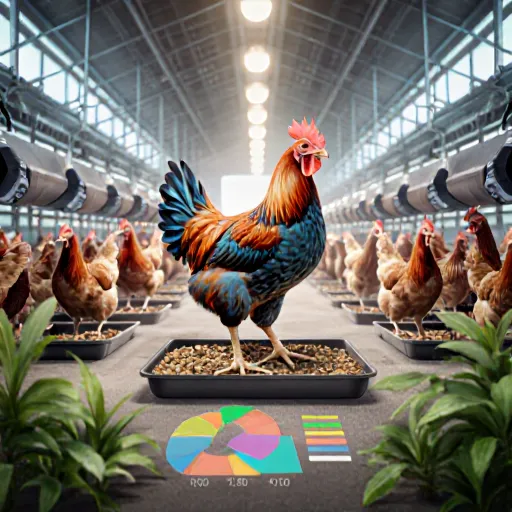
Maximize your broiler business with these profit tips!
Table of Contents
- Identifying Suitable Broiler Chickens for Export
- Choosing the Right Breeder and Supplier
- Understanding Export Regulations and Requirements
- Health Certifications and Vaccinations
- Feeding and Nutrition Guidelines for Broilers
- Hygiene Practices in Farming
- Transportation Preparation of Broilers
- Scheduling the Transportation
- Documentation and Paperwork for Export
- Customs Clearance Procedures
- Handling During Transportation
- Arrival and Quarantine Period
- Post-arrival Health Monitoring
- Conclusion
- FAQs
Identifying Suitable Broiler Chickens for Export
When identifying suitable broiler chickens for export, it is crucial to consider various factors that ensure quality, health, and compliance with international standards. This section will delve deeper into the criteria and practices recommended in "Exporting Broiler Chickens: A Step-by-Step Guide."
The first step in identifying suitable broiler chickens for export is to ensure they meet strict health standards. This includes regular veterinary checks, vaccination schedules, and biosecurity measures to prevent the spread of diseases. Diseases such as Salmonella, Campylobacter, and Colibacillosis are particularly concerning for exports.
- Regular Veterinary Checks: Chickens should undergo frequent health evaluations by a qualified veterinarian. This helps in early detection and treatment of any health issues.
- Vaccination Schedules: Implementing a robust vaccination program is essential to protect the flock from common diseases. Vaccines should be administered according to the manufacturer's guidelines.
- Biosecurity Measures: Maintaining strict biosecurity protocols such as quarantine periods, controlled movement of personnel and equipment, and proper disposal of waste can significantly reduce the risk of disease transmission.
The nutritional content of broiler chickens plays a vital role in their growth rate and meat quality. Proper nutrition ensures that the birds are healthy and produce high-quality meat suitable for export markets.
- Protein Content: Broilers require diets rich in protein to support rapid muscle development. The feed should be formulated specifically for broilers, with a minimum of 20-22% crude protein.
- Fat Content: A moderate level of fat is necessary to enhance meat flavor and texture. However, excessive fat can lead to poor export grades.
- Vitamins and Minerals: Essential vitamins and minerals must be included in the diet to support overall health and growth. Deficiencies in these nutrients can result in substandard meat quality.
Selective breeding is a key factor in producing broilers that meet export standards. Breeders should select birds with desirable traits such as fast growth rates, good feed efficiency, and superior meat quality.
- Fast Growth Rates: Breeding for faster growth ensures that the chickens reach market weight within an optimal timeframe, typically around 6-7 weeks. This also reduces production costs and improves profitability.
- Breed Efficiency: Breeders should aim to produce broilers with high feed efficiency, meaning they can convert feed into meat more effectively.
- Muscle Quality: Selecting birds that have a good balance of lean muscle and fat is important for producing high-quality export-grade meat.
The management practices on the poultry farm are critical in ensuring that broilers meet export standards. Proper husbandry, hygiene, and environmental control contribute significantly to the birds' health and welfare.
- Hygiene Practices: Maintaining a clean environment is essential for preventing disease outbreaks. Regular cleaning and disinfection of the farm premises are necessary.
- Environmental Control: Controlling factors such as temperature, humidity, ventilation, and lighting ensures optimal growth conditions for the broilers.
- Feeding Management: Feeding schedules should be strictly followed to ensure that the birds receive the correct amount of feed at the right times. Overfeeding or underfeeding can negatively impact their health and meat quality.
The final stages of broiler chicken export involve careful packing and transportation to maintain the quality of the birds until they reach their destination.
- Careful Packing: Proper packaging is essential to protect the birds during transit. This includes using appropriate crates or containers that provide adequate ventilation and padding to prevent damage.
- Transportation Conditions: Ensuring that transportation vehicles are clean, dry, and well-ventilated helps maintain bird health during transit. The temperature should be controlled to minimize stress on the birds.
In conclusion, identifying suitable broiler chickens for export requires a comprehensive approach that encompasses health standards, nutritional requirements, selective breeding, poultry farm management, and careful packing and transportation practices. By following these guidelines, producers can ensure that their broilers meet international quality standards and command premium prices in the export market.
Choosing the Right Breeder and Supplier
Choosing the right breeder and supplier is a critical step when exporting broiler chickens. The quality of your chicks will directly affect their performance, health, and ultimately your profitability. Here are some key factors to consider:
1. Reputation and Experience
Look for breeders and suppliers with a strong reputation in the industry. Experienced breeders have a better understanding of genetics, nutrition, and disease management. They can provide you with chicks that are more likely to meet your export standards.
Example: A breeder who has been exporting broiler chickens for over 20 years is likely to have a better track record than a newer operation. Their experience includes understanding the specific requirements of different markets and regions, which can be crucial when shipping live animals across borders.
2. Genetics
The genetics of your broiler chickens play a significant role in their growth rate, feed efficiency, and meat quality. A good breeder will have access to top-quality genetics that are specifically designed for export markets. These breeds should be well-suited to the climate and market demands of your target region.
Practical Advice: Research the breeds available from different suppliers and select those that offer the best growth potential and meat quality for your specific needs. For example, if you're exporting to a hot climate, look for breeds that are known for their heat tolerance.
3. Health Certification
Exporting broiler chickens requires strict health certifications to ensure the chicks meet international standards. The breeder or supplier should be able to provide these documents, which typically include freedom from specific diseases relevant to your export destination.
Example: If you are exporting to Europe, you will need certification that the chicks are free from diseases such as Salmonella and Campylobacter. A reputable breeder will have a robust biosecurity program in place to prevent these issues.
4. Quality Control
Consistent quality is essential when exporting broiler chickens. The supplier should have a strong quality control system in place, ensuring that each batch of chicks meets the required specifications.
Practical Tips: Ask for sample chicks from different batches to ensure consistency. Look for suppliers who conduct regular inspections and have a zero-tolerance policy for substandard products. This will help you maintain your reputation as an exporter.
5. Delivery and Logistics
The logistics involved in exporting broiler chickens can be complex, including transportation, packaging, and customs clearance. A reliable breeder or supplier should have experience with these processes and can provide guidance to ensure a smooth export journey.
Example: Some suppliers offer door-to-door delivery services, which can significantly reduce stress on the chicks during transit. They may also have relationships with reputable logistics providers who specialize in handling live animals.
Conclusion
In summary, selecting the right breeder and supplier is vital for the success of your broiler chicken export business. By focusing on reputation, genetics, health certification, quality control, and delivery logistics, you can ensure that your chicks are in the best possible condition when they reach their destination.
Understanding Export Regulations and Requirements
Understanding export regulations and requirements is crucial when exporting broiler chickens. Each country has its own set of rules and guidelines, which can vary widely in terms of health standards, quarantine periods, labeling, packaging, documentation, and more. Here’s a step-by-step guide to help you navigate these complexities.
To ensure compliance with international standards, it is essential to familiarize yourself with the World Organization for Animal Health (OIE) guidelines. These guidelines provide a framework that many countries use as a basis for their own regulations. OIE standards are designed to promote global animal welfare and trade facilitation.
A health certificate is mandatory in most cases when exporting broiler chickens. This document certifies that the birds meet all sanitary and phytosanitary (SPS) requirements set by importing countries. To obtain a health certificate, you must follow these steps:
- Animal Identification: Ensure each bird is properly identified according to OIE recommendations.
- Vaccination Records: Provide complete vaccination records for all birds.
- Health Checkup: Conduct a health checkup by a veterinarian licensed in the exporting country. The results should be documented thoroughly.
- Reporting to Authorities: Submit your application along with all required documents and fees to the appropriate authorities in your country.
Some importing countries may require a quarantine period during which the broiler chickens are observed for any signs of disease. The duration of this period can vary, depending on factors such as travel time and the health status of the birds. It is important to understand these requirements in advance.
Correct labeling and packaging are critical components of successful exports. Labels must include:
- The name and address of the exporter.
- A unique identifier for each consignment or batch.
- Information about the species, quantity, date of slaughter, etc.
Packaging must be suitable for long-distance transportation to protect against damage during transit. Consider factors like temperature control and protection from contamination.
A complete set of documentation is necessary for smooth clearance through customs in the importing country. This typically includes:
- Commercial Invoice.
- Packing List.
- Health Certificate.
- Veterinary Inspection Report (if required).
- Safety and Quality Assurance Certificates.
Once all the necessary documentation is prepared, it's time to handle customs clearance. This process involves:
- Filing Import Declaration: Submit a formal declaration of importation to customs authorities in the importing country.
- Paying Duties and Taxes: Calculate and pay any duties or taxes due on the imported goods.
- Inspection: Be prepared for possible inspections by officials from the importing country. They may inspect both the documentation and the physical goods.
After entering the importing country, continuous monitoring of the chickens is often necessary to ensure they remain healthy. This may involve ongoing veterinary inspections or other forms of surveillance.
In conclusion, understanding and adhering to export regulations and requirements for broiler chickens involves careful planning and preparation. By following this step-by-step guide, you can ensure a smooth and compliant export process, thus protecting the health and welfare of your birds while meeting international standards.
Health Certifications and Vaccinations
In the process of exporting broiler chickens, ensuring that they are healthy and free from diseases is crucial. Health certifications and vaccinations play a vital role in meeting international standards and requirements for safe and lawful exportation. Below are the key steps and considerations regarding health certificates and vaccinations.
1. Required Certifications
- Vaccination Records: Broiler chickens must have a complete record of all vaccinations administered during their lifecycle, including proof that they were given at the appropriate ages as per international standards.
- Health Certification: A comprehensive health certification from an accredited veterinarian is required. This document certifies that the broilers are free from specific diseases and meet all health requirements for export.
- Animal Identification: Each bird should have a unique identifier, such as a tag or tattoo, to ensure traceability in case of any issues during transport or at the destination.
2. Vaccination Protocols
To prevent diseases that could affect broiler chickens and potentially lead to export rejection, specific vaccinations are recommended:
- Breeder Chickens: Ensure the breeder flock is vaccinated against Newcastle Disease (ND) at least 2 weeks before hatching. This helps in passing on immunity to the chicks.
- Hatchery Procedures: Vaccinate chicks between 1-3 days of age for diseases such as Infectious Bronchitis and Marek’s Disease.
- Growth Period: Continue vaccinations during the growth period, focusing on preventing common poultry diseases like Pullorum disease (Typhoid), Fowl cholera, and Salmonella.
3. Quarantine and Testing
Before exportation, broiler chickens may need to undergo a quarantine period where they are monitored for signs of illness or infection. Additionally:
- Laboratory Tests: Samples from the flock should be tested in an approved laboratory to check for pathogens and ensure compliance with health standards.
- Environmental Checks: The environment where the chickens are kept must also be tested for contamination, including water sources and feed.
4. Documentation
All health-related documentation should be in order to facilitate a smooth export process:
- Veterinary Certificates: Ensure these are issued by an accredited veterinarian and comply with the importing country’s regulations.
- Export Health Certificate: This certificate, issued by the relevant governmental agency, certifies that all health requirements have been met.
5. Practical Advice
To ensure a successful export of broiler chickens:
- Plan Ahead: Start the certification and vaccination process early to avoid delays at the last minute.
- Consult Experts: Work with veterinarians, poultry experts, and exporters who have experience in international exports.
- Follow Protocols Strictly: Adhere to all local and international regulations regarding health certificates and vaccinations without deviation.
By following these guidelines, you can ensure that your broiler chickens are not only healthy but also meet all the necessary requirements for export. Proper planning and adherence to protocols will help in minimizing risks and ensuring a smooth process.
Feeding and Nutrition Guidelines for Broilers
Feeding and nutrition guidelines are crucial for broilers, especially when it comes to exporting them. Proper feeding ensures healthy growth, optimal weight gain, and enhanced meat quality, which are critical factors in the successful export of broiler chickens.
Understanding Broiler Nutrition
The nutritional requirements of broilers vary depending on their age, breed, environmental conditions, and the specific market requirements for exported birds. A balanced diet should include essential nutrients such as proteins, carbohydrates, fats, vitamins, minerals, and water.
- Proteins: Proteins are crucial for muscle development in broilers. The recommended protein level depends on the age of the chicken; younger broilers require more protein to grow faster. Typically, diets for starter broilers should contain between 20-23% crude protein.
- Carbohydrates: Carbohydrates are essential for energy and include starches from grains like corn. Corn is a staple in broiler feed due to its high energy content. Ensure that the diet contains around 65-70% of carbohydrates.
- Fats: Fats provide additional energy but should be used sparingly, as excessive fat can lead to health issues. A moderate level of fats (around 2%) is recommended in broiler diets.
- Vitamins and Minerals: Vitamins and minerals play a vital role in maintaining overall health and growth. Vitamin supplements are often added to broiler feed to ensure they receive the necessary nutrients.
Feeding Practices for Broilers
The feeding schedule should be carefully planned to meet the nutritional needs of the broilers throughout their growing period. Here are some practical tips:
- Starter Feed (0-2 weeks): This is the most crucial stage where rapid growth and muscle development occur. Provide starter feed that contains a higher protein content, around 23%, to support early growth.
- Growing Feed (3-6 weeks): As broilers grow, their nutritional requirements change. Growing feed should contain about 18% crude protein and should be provided in increasing amounts as the broilers grow larger.
- Finisher Feed (7-8 weeks): The finisher feed is designed to increase weight gain rapidly before slaughter. It typically contains a lower protein content, around 16%, to reduce fat content while maximizing meat yield.
Water and Hydration
Access to clean water is essential for broilers at all stages of growth. Water consumption can be up to three times the feed intake, so it's crucial that fresh, clean water is always available.
Tips: Provide a waterer with an adequate flow rate and ensure that the water is clean and free from contaminants. Regularly check and maintain the water supply system to prevent any interruptions in water availability.
Supplements and Additives
To enhance performance, broilers can be supplemented with certain additives:
- Bacitracin: This is an antibiotic used to control bacteria like Salmonella and E. coli in the intestines of broilers.
- Enzymes: Enzyme supplements help break down feed ingredients, improving digestion and nutrient absorption.
- Antioxidants: Antioxidants such as vitamin E and selenium help protect cells from oxidative stress and improve overall health.
Monitoring Feed Consumption and Growth
Regular monitoring of feed consumption and growth is essential to ensure that the broilers are receiving adequate nutrition. Here’s how you can monitor them:
- Weighing: Weigh the broilers at regular intervals (weekly) to track their weight gain.
- Feed Intake Monitoring: Keep a record of feed intake, especially during critical growth stages like weaning and transition feeds.
- Veterinary Checks: Regular veterinary checks can help identify any health issues early on, ensuring that the broilers are receiving appropriate treatment and nutrition.
Conclusion
Proper feeding and nutrition are fundamental to producing healthy and high-quality broiler chickens for export. By adhering to these guidelines, you can ensure that your broilers grow optimally, leading to better meat quality and higher profitability in the export market.
Hygiene Practices in Farming
To ensure that broiler chickens are exported in a manner that meets international hygiene standards, it is crucial to implement strict hygiene practices throughout the farming process. These practices not only enhance the health and well-being of the birds but also contribute significantly to food safety and quality. Here’s a detailed step-by-step guide on how to maintain high hygiene standards in broiler chicken farming.
The first step in maintaining hygiene is ensuring that the farm premises are clean and disinfected regularly. This includes cleaning feeders, waterers, and other equipment thoroughly before each use. Disinfection should be done using approved disinfectants to eliminate harmful bacteria.
Example:
- Use a 1:50 bleach solution for general cleaning.
- Apply a 1:200 formaldehyde solution for deep cleaning and disinfection.
Regular sanitation is essential to prevent the buildup of harmful bacteria that can affect the quality and safety of exported broilers. This involves not only cleaning but also inspecting equipment regularly and replacing worn-out parts as needed.
Practical Advice:
- Clean feeders daily and refill with fresh feed.
- Disinfect waterers weekly to prevent contamination.
- Inspect poultry houses for structural integrity and repair any leaks or holes immediately.
The personal hygiene of farm workers plays a vital role in maintaining the cleanliness and safety of broiler chickens. Farmers should ensure that all workers adhere to strict personal hygiene practices, including regular hand washing, wearing clean and appropriate clothing, and avoiding contact with sick animals.
Example:
- Provide handwashing stations with soap and water at strategic locations on the farm.
- Supply workers with disposable gloves when handling feed or chicks.
To prevent diseases from affecting broiler chickens, it is important to implement strict disease prevention and control measures. This includes regular vaccination schedules, early detection of sick birds, and isolation of affected animals.
Steps:
- Vaccinate all broilers against common poultry diseases as per the recommended schedule provided by veterinarians.
- Monitor birds regularly for signs of illness and isolate any sick birds immediately.
- Consult with a veterinarian to develop a comprehensive disease control plan tailored to your farm’s needs.
Efficient waste management is crucial in maintaining hygiene on the farm. Properly managing manure and other wastes can prevent contamination of both the environment and the birds themselves.
Tips:
- Install proper manure storage facilities far from water sources and living areas.
- Regularly remove waste using appropriate machinery or manual labor.
- Ensure that all waste is properly disposed of to prevent contamination.
The transportation of broiler chickens should be done in a manner that ensures the birds remain healthy and free from stress, which can compromise their quality. Proper transport hygiene includes using clean, ventilated, and well-ventilated vehicles for transport.
Practical Steps:
- Clean and disinfect transport vehicles thoroughly before each use.
- Ensure that the vehicle is properly ventilated to maintain air quality during transit.
- Provide enough space in the truck to allow proper ventilation and prevent overcrowding.
Maintaining strict hygiene practices throughout the broiler chicken farming process is essential for exporting high-quality, safe poultry products. By following these steps, farmers can ensure that their birds remain healthy and meet international export standards, thereby enhancing both profitability and consumer satisfaction.
Transportation Preparation of Broilers
Transportation Preparation of Broilers: Ensuring that broilers are properly prepared for transportation is crucial to maintaining their health and ensuring a successful export process. Proper preparation includes several key steps that must be followed meticulously.
Health Check
The first step in preparing broilers for transportation is conducting a thorough health check. This should be done by experienced veterinarians or poultry specialists who are familiar with the specific breeds being transported. The purpose of this check is to identify any signs of illness, injury, or stress that could compromise the birds' well-being during transit.
Example: A health check might include verifying that all broilers have clear eyes and nostrils, no visible injuries, and are generally active. Any bird showing signs of illness should be quarantined until it has recovered or been deemed fit to travel.
Vaccination Schedule
Broilers must adhere to a strict vaccination schedule as recommended by the exporting country’s regulatory body. Vaccinations protect the birds from common diseases and ensure they meet quarantine requirements upon arrival at their destination. It is essential that all broilers are vaccinated according to this schedule.
Practical Advice: Always consult with a veterinarian or poultry expert to determine the appropriate vaccination schedule for your specific export scenario. Keep detailed records of vaccinations administered, as these may be required by customs officials at various checkpoints during transit and upon arrival in the destination country.
Nutritional Management
Proper nutritional management is vital before transportation to ensure that broilers have enough energy reserves for the journey. Birds should not be fasted too long as it can stress them, but they also need to avoid overeating which could lead to digestive issues.
Example: Broilers typically receive a reduced-feed regime starting 24 hours before transportation. This helps maintain their energy levels without causing distress from overeating.
Water Availability
Maintaining access to fresh water is crucial for broilers during transport. Lack of water can lead to dehydration and stress, which are detrimental to the birds' health.
Solution: Ensure that each container has adequate space for birds to drink comfortably without overcrowding. Provide multiple containers if necessary to prevent fights over access.
Transportation Containers
The right type of transportation container is essential for safe and humane transport of broilers. These containers must provide sufficient ventilation while minimizing drafts, ensuring the birds do not get overheated or chilled during transit.
Example: Use climate-controlled containers with adjustable vents that can be opened gradually as needed to allow air circulation. Ensure containers are clean and disinfected before use to prevent disease spread.
Temperature Control
Maintaining optimal temperature levels during transportation is critical for the health of broilers. Temperatures must neither be too high nor too low, as both extremes can cause stress and health issues.
Practical Tips: Regularly monitor temperatures inside the containers using thermometers or other suitable tools. Adjust ventilation based on temperature readings to keep it within safe ranges.
Packing Density
The density at which broilers are packed into their transport containers plays a significant role in their comfort and safety during transit.
Guidelines: Follow the recommended packing densities provided by industry standards or guidelines issued by regulatory bodies. Overpacking can lead to stress, injuries, and other health problems.
Document Preparation
Comprehensive documentation is required for broilers being exported. This includes health certificates, vaccination records, export permits, and any other necessary documents mandated by the importing country or international organizations.
Advice: Start preparing these documents well in advance of your shipment date to avoid last-minute delays. Have all necessary information readily available for inspection during transit and upon arrival at the destination.
Scheduling the Transportation
Scheduling the Transportation with Reference to Exporting Broiler Chickens: A Step-by-Step Guide
Proper scheduling of transportation is crucial in ensuring that broiler chickens are exported safely, efficiently, and legally. This step involves careful planning and coordination among various stakeholders including farmers, transporters, customs officials, and importers. Here’s a detailed guide to help you through the process:
1. Understand Regulations
The first step in scheduling transportation is understanding all relevant regulations and requirements for exporting broiler chickens. Each country has its own set of rules regarding animal health certificates, export permits, packaging, labeling, and documentation.
- Health Certificates: Ensure that your broilers have been vaccinated against diseases such as Newcastle Disease, Infectious Bronchitis, and others required by importing countries. Obtain a valid health certificate from a recognized veterinary authority.
- Export Permits: Apply for export permits well in advance of the shipment date to avoid delays. This process can vary significantly between different countries and regions.
2. Plan Logistics
Effective logistics planning is key to successful transportation.
- Packaging: Use appropriate packaging materials that protect the chickens from stress during transit. Commonly used are sturdy crates with adequate ventilation and padding inside.
- Loading Capacity: Determine how many birds can be safely loaded into each container based on the size of the crates and the weight limit of the transport vehicle or aircraft.
- Travel Time: Calculate travel time based on distance, weather conditions, and expected delays. Aim for a balanced journey that minimizes stress to the animals.
3. Arrange Transportation
Select reliable transportation providers who have experience in handling live poultry exports. It is advisable to choose those with good track records and certifications related to animal welfare.
- Aircraft Charter: For international shipments, consider chartering a private aircraft if there are no regular commercial flights available. This option allows for flexibility regarding timing but comes at a higher cost.
- Cargo Space Booking: Book cargo space on scheduled airlines or freight forwarders specializing in live animal transport well ahead of your schedule to secure availability.
4. Prepare Documentation
Accurate and complete documentation is essential for compliance with international trade laws.
- Shipment Bill: Include details such as consignee, consignor, description of goods (broiler chickens), packaging type, number of crates, date of dispatch, etc.
- Health Certificates: Attach all health certificates required by the importing country. These should be stamped by a competent official and remain valid throughout the journey.
5. Monitor During Transport
Once your shipment is on its way, continuous monitoring is necessary to ensure well-being of the birds.
- Temperature Control: Maintain appropriate temperatures within the transport container to prevent stress and illness among the broilers.
- Water Supply: Provide sufficient water supply if permitted by regulations. However, avoid overwatering which can lead to contamination in the crates.
- Feeding: If feeding is allowed under specific circumstances, ensure that feed quality is high and quantity is adequate but not excessive.
6. Arrive Safely at Destination
The goal of any export journey should be to deliver the broilers alive and healthy without any significant mortality rates.
- Customs Clearance: Have all necessary documents ready for smooth customs clearance upon arrival. This includes health certificates, permits, invoices, packing lists, etc.
- Immediate Care: Upon unloading, provide immediate care to the birds including fresh water and food if required by local regulations.
Scheduling transportation is a critical part of the export process for broiler chickens. By following these steps meticulously, you can ensure that your broilers reach their destination safely and compliantly with all applicable rules and guidelines.
Documentation and Paperwork for Export
Exporting broiler chickens involves meticulous attention to documentation and paperwork. This ensures compliance with international standards, facilitates smooth transportation, and protects the birds' health throughout the export process. Below is a comprehensive guide on the essential documents required for exporting broiler chickens.
Health Certificates
The first and most critical document in this process is the health certificate issued by an official veterinarian. This document verifies that all birds meet specific health standards set by importing countries or regions. It must detail the following:
- List of diseases from which the chickens are free.
- Detailed vaccination records and their status.
- Results of any tests conducted, including blood samples or fecal examinations.
Veterinary Inspection Reports
A detailed veterinary inspection report accompanies the health certificate. This document provides a comprehensive overview of the flock's overall health and well-being during the last 14 days before exportation. It should include:
- Observations made by the vet regarding bird behavior, feed intake, water consumption, etc.
- Any signs of illness or stress noted in the birds.
- Photos and videos if any significant findings are observed.
Transportation Documentation
The transportation documentation ensures that the broilers will be transported under safe and hygienic conditions. This includes:
- Details about the transport vehicle, including its capacity and cleanliness.
- A schedule of stops during transit to allow for rest and feeding breaks if necessary.
- Pest control measures that will be implemented during transport to prevent contamination or infestation.
Customs Documentation
The customs documentation is crucial for navigating through the border formalities smoothly. This includes:
- A complete manifest of all goods being exported, including broilers and any associated equipment like feeders or waterers.
- Detailed information about the consignee (the recipient in the importing country).
- Customs declarations outlining duties, taxes, and other fees applicable to the shipment.
Insurance Documentation
To safeguard against any unforeseen risks during transportation or upon arrival at the destination, insurance documentation should be prepared. This includes:
- A comprehensive policy covering loss, damage, and theft.
- Detailed information on the insurer and contact details in case of claims.
Labeling and Marking
The labeling must clearly identify the consignment. This should include:
- Type of product (broiler chickens).
- Date of dispatch.
- Contact information for both the exporter and importer.
Practical Advice
To ensure a successful export, it is advisable to:
- Work closely with veterinarians and customs officials well in advance of the scheduled export date.
- Keep all documentation up-to-date and accessible at all times.
- Train staff involved in transport on hygiene practices and the importance of adhering to health protocols.
By following these guidelines, exporters can ensure that their broiler chickens meet international standards and are safely transported to their destinations. This not only protects the birds' health but also ensures compliance with legal requirements and enhances the reputation of the exporting company.
Customs Clearance Procedures
Customs Clearance Procedures for Exporting Broiler Chickens
The customs clearance procedures for exporting broiler chickens are crucial to ensure that your export meets all the necessary legal and regulatory requirements. This step-by-step guide will help you navigate through these procedures smoothly.
1. Pre-Export Documentation
To begin with, it's essential to have all the required documentation in place before you start the export process. This includes:
- Certificate of Origin: A document that certifies where the broiler chickens were produced.
- Veterinary Certificate: An official veterinary certificate issued by a recognized authority, confirming that the birds meet specific health standards and are free from any contagious diseases.
- Packing List: This should detail the number of broilers packed in each container, their weight, and any other relevant information necessary for customs clearance.
- Health Certificates: These are issued by official veterinarians to ensure that all birds meet specific health standards.
- Export License (if required): Some countries may require an export license. Make sure you check the requirements of your destination country.
2. Compliance with Destination Country Regulations
To avoid any delays or complications, ensure that you fully comply with all regulations set by the destination country. This includes:
- Checking and adhering to quarantine periods if required.
- Ensuring that the broilers meet specific health standards for the destination country.
- Knowing about any special importation requirements like packaging, labeling, or tagging.
3. Customs Declaration
The customs declaration is a crucial part of the clearance process. It should include:
- All required documentation as mentioned above.
- Detailed information about the consignment including quantity, type, and value of goods.
- Contact details for both the exporter and importer.
4. Inspection and Quarantine
In some cases, your export might undergo inspection by customs officials or quarantine authorities. Be prepared for:
- Potential delays during inspections.
- The possibility of additional checks if there are any signs of disease.
5. Payment and Duties
Carefully review the payment terms with your buyer to ensure that all payments are made on time. Be aware that:
- Duties may be applicable based on the destination country’s regulations.
- Payment in local currency or acceptable foreign currencies should be arranged.
6. Release of Goods
The release of goods can occur once all necessary documents are in order and any required payments have been made. At this stage, ensure:
- All documentation matches the actual shipment.
- You receive a customs clearance certificate indicating that your export is now free to be moved out of the country.
By following these steps meticulously, you can ensure smooth and timely customs clearance for exporting broiler chickens. Always stay informed about any changes in regulations or requirements from both your home and destination countries.
Handling During Transportation
Proper handling and transportation are critical factors that can significantly affect the health, welfare, and quality of broiler chickens during export. Ensuring that the birds are handled correctly from farm to port is essential for maintaining their well-being and minimizing stress, which in turn improves meat quality and reduces waste.
Preparation Before Transportation
To ensure a smooth transportation process, it's important to prepare adequately before loading the broiler chickens into transport vehicles. This includes:
- Inspection: Conduct thorough inspections of the birds to identify any health issues or injuries that could be exacerbated during transport.
- Feeding and Watering: Do not feed the chickens for at least 4-6 hours before transport. Ensure they have access to water until departure to prevent dehydration.
- Handling Gently: Handle the birds gently to avoid causing stress or injury. Use soft materials like paper towels when picking them up.
Transportation Conditions
The transportation environment must be carefully managed to ensure a safe and comfortable journey for the broilers. Key factors include:
- Temperature Control: Maintain an optimal temperature range, generally between 12°C to 15°C (54°F to 59°F), depending on the breed and age of the chickens.
- Air Circulation: Ensure proper ventilation but avoid drafts. The air should be clean and free from odors or fumes that could stress the birds.
- Crowding: Avoid overcrowding in the transport vehicles to prevent injury and ensure each bird has enough space to move freely.
Handling During Loading
The loading process is critical as it can determine how well the birds will handle the journey ahead. Tips for handling during this phase include:
- Load Gradually: Load the birds gradually and carefully to avoid causing stress or injury.
- Use Loading Pens: Use loading pens with soft, non-slip surfaces to prevent slipping and sliding during transport.
- Minimize Movement: Keep the loading area as quiet and stable as possible. Avoid sudden movements that could startle or stress the birds.
Monitoring During Transportation
During transportation, continuous monitoring is essential to ensure the well-being of the broilers. This includes:
- Check Temperatures Regularly: Monitor temperatures frequently and adjust as necessary.
- Inspect Birds Periodically: Inspect birds periodically for signs of distress or injury.
- Provide Water: Ensure that the birds have access to water at regular intervals. This is especially important in hot climates where dehydration can be a concern.
Promoting Welfare and Quality
To promote the welfare of broiler chickens during transportation, follow these additional steps:
- Use Suitable Vehicles: Ensure that all vehicles used for transport are suitable for carrying live poultry. This includes having appropriate bedding material in cages or crates.
- Comply with Regulations: Follow all local and international regulations regarding the transportation of live animals, including those related to health checks and documentation.
In conclusion, careful handling during transportation is vital for the well-being of broiler chickens. By following these guidelines, you can ensure a stress-free journey that minimizes risks and maximizes the quality of the birds when they reach their destination.
Arrival and Quarantine Period
The arrival and quarantine period is a critical phase in the exporting process of broiler chickens, as it ensures that all birds are free from any diseases or contaminants before they enter foreign markets. This phase is crucial for maintaining biosecurity standards and protecting both animal welfare and international trade agreements.
Importance of Biosecurity
Biosecurity measures during the arrival and quarantine period help prevent the introduction of new pathogens into a country's poultry population. These measures include strict hygiene practices, controlled environments, and thorough inspections by veterinary officials. Proper biosecurity protocols reduce the risk of disease transmission and protect the health of both imported and domestic poultry.
Quarantine Period
The quarantine period typically lasts for a specified number of days, which can vary depending on the importing country's regulations and requirements. During this time, all broiler chickens are closely monitored by veterinarians to ensure they are healthy and free from any signs of illness or disease.
- Health Checks: Regular health checks are conducted during the quarantine period. This includes examining body temperature, behavior, feather condition, and overall appearance.
- Disease Testing: Blood samples may be taken for laboratory testing to check for any signs of infectious diseases such as avian influenza or Newcastle disease.
- Environmental Control: The quarantine area must maintain a controlled environment that mimics the conditions in which the broiler chickens were raised. This includes maintaining proper temperature, humidity levels, and air quality.
Practical Advice for Exporters
Exporters should ensure they are fully compliant with all quarantine regulations set by the importing country. This may involve:
- Prepare Documentation: Gather all necessary documentation, including health certificates, vaccination records, and any other required paperwork.
- Select Suitable Transport: Use transport methods that are suitable for broiler chickens, such as climate-controlled trucks or ships, to ensure the birds remain healthy during transit.
- Coordinate with Authorities: Work closely with local and international veterinary authorities to ensure a smooth process. This includes scheduling inspections and ensuring all requirements are met.
Examples of Successful Exporting
To illustrate the importance of the arrival and quarantine period, consider the following examples:
- Case Study 1: A poultry exporter in Brazil followed all biosecurity protocols during the quarantine period. As a result, their broiler chickens were successfully imported into Europe without any issues.
- Case Study 2: Another exporter failed to follow proper quarantine procedures and was forced to destroy a shipment due to the discovery of avian influenza in the birds. This not only cost them financially but also damaged their reputation with international buyers.
In conclusion, the arrival and quarantine period is an essential step in the exporting process of broiler chickens. By following strict biosecurity measures and adhering to all regulatory requirements, exporters can ensure a smooth and successful exportation process while maintaining the health and welfare of their poultry.
Post-arrival Health Monitoring
In the context of exporting broiler chickens, post-arrival health monitoring is a critical step that ensures the well-being and productivity of your flock upon their arrival at the destination. Proper monitoring helps identify any health issues early on, which can significantly impact the quality and market value of your birds.
The stress associated with transportation can weaken a chicken's immune system, making them more susceptible to diseases. Post-arrival health monitoring helps in mitigating these risks by providing an opportunity for early intervention and treatment if any signs of illness are detected.
Early Detection and Intervention
By closely observing your broilers after they arrive, you can detect any unusual behaviors or physical signs that might indicate health issues. Common symptoms to look out for include lethargy, reduced appetite, labored breathing, and abnormal droppings.
Practical Monitoring Techniques
To effectively monitor the health of your broilers post-arrival:
- Visual Inspection: Regularly check each bird for any signs of illness. This includes observing their feathers, skin condition, and overall body posture.
- Weighing: Weigh a sample group daily to detect any sudden weight losses that might suggest stress or disease.
- Temperature Monitoring: Use thermometers to check the temperature of the broilers. A slight variation from the normal body temperature can indicate illness.
- Water and Feed Intake: Monitor feed and water consumption levels. Any significant decrease in these could be indicative of health problems.
Common Health Issues to Look For
Some common issues that might arise after the arrival of broilers include:
- Growth Deformities: Such as leg weakness or joint deformities.
- Infections: Respiratory infections, eye infections, and skin diseases are frequent concerns post-arrival.
- Parasites: Parasitic infestations can be a significant issue in broilers. Regular checks for parasites like mites or lice are necessary.
Treatment and Management
If any health issues are detected during post-arrival monitoring, timely treatment is crucial:
- Consult a Veterinarian: A veterinarian can provide specific advice and treatments based on the identified problems.
- Isolate Affected Birds: Keeping sick birds separate from healthy ones prevents the spread of diseases within your flock.
- Adjust Management Practices: Sometimes, changing certain management practices such as feed or water quality can help in recovery.
Preventative Measures
To minimize the risk of post-arrival health issues:
- Pack Appropriately: Ensure your broilers are packed properly to reduce stress during transportation.
- Use Approved Transportation Facilities: Opt for transport facilities that have good reputation and standards for animal welfare.
- Pre-travel Vaccination: Administer necessary vaccines before shipping to boost the birds' immunity.
In conclusion, post-arrival health monitoring is not just a step but a fundamental practice in exporting broiler chickens. It plays a crucial role in maintaining the health and productivity of your flock, ensuring they reach their full potential for market readiness.
Conclusion
After carefully navigating through all stages of exporting broiler chickens, from initial planning to post-export compliance, it becomes evident that each step is crucial for ensuring a successful and compliant process. Exporting broiler chickens involves not only adhering to strict health standards but also understanding the unique challenges associated with international transportation.
Health certifications are among the first steps in this journey. These documents ensure that the exported birds meet all local and importing country's health requirements, thus reducing the risk of disease transmission across borders. For instance, countries like Australia have stringent biosecurity measures which require exporters to provide detailed health records and vaccination schedules for each shipment. Ensuring these details are accurate and up-to-date is vital.
Transportation logistics also play a significant role in the export process. The choice of transportation method (air or sea) can significantly impact the quality of life for the birds during transit. Airlines like Emirates or Cathay Pacific offer specialized cargo services tailored to poultry, ensuring that the temperature and handling conditions are optimal throughout the journey. Additionally, the use of insulated containers on ships can help maintain proper temperature levels, which is critical for minimizing stress and mortality rates.
Documentation requirements extend beyond health certificates; they include export licenses, customs declarations, and sanitary and phytosanitary (SPS) agreements. Each country has its own set of rules that must be strictly followed to avoid delays at ports or even the rejection of shipments. For example, Japan's import regulations are very specific about packaging materials used for live poultry, requiring them to be made from non-porous material.
Post-export compliance is equally important. This includes monitoring the arrival and disposition of the broilers in the importing country as well as maintaining records of any issues that arise during transit or upon arrival. A robust post-export tracking system helps in identifying potential areas for improvement and ensuring transparency throughout the entire process.
In conclusion, exporting broiler chickens is a complex yet rewarding endeavor when approached systematically. By following all recommended steps outlined in "Exporting Broiler Chickens: A Step-by-Step Guide," exporters can ensure they comply with international standards while enhancing the overall welfare of their birds during transport and after arrival.
FAQs
Have you been following "Exporting Broiler Chickens: A Step-by-Step Guide"? Here are some frequently asked questions that might help clarify various aspects of the process.
1. What Are the Key Steps in Exporting Broiler Chickens?
- Selection and Breeding: Choose breeds known for their rapid growth, good feed efficiency, and meat quality. Ensure they are suitable for export markets.
- Feeding and Management: Maintain a balanced diet that supports quick weight gain but does not compromise meat quality. Regular health checks and monitoring are crucial.
- Health Certifications: Obtain all necessary health certificates from official veterinary services to ensure the chickens meet importing country standards.
- Transportation Logistics: Plan transportation carefully, ensuring the right equipment for loading, unloading, and maintaining temperature control during transit.
- Customs Regulations: Familiarize yourself with import/export regulations of both your home and target countries. This includes understanding duties, tariffs, and any special permits required.
2. How Do I Ensure Quality Control Throughout the Export Process?
To maintain high-quality broiler chickens for export:
- Consistent Feeding Programs: Use scientifically formulated feeds that meet international standards to ensure consistent growth rates and meat quality.
- Health Monitoring: Implement a robust health monitoring program with regular visits from veterinarians. Vaccinate against common diseases relevant to your region.
- Environmental Controls: Maintain optimal temperature, humidity, ventilation, and lighting in the broiler houses to prevent stress and illness.
- Hygiene Standards: Adopt stringent hygiene practices throughout all stages of production to avoid contamination and ensure food safety compliance.
3. What Documentation Is Required for Exporting Broiler Chickens?
A comprehensive set of documents is essential for a smooth export process:
- Health Certificates: Official veterinary health certificates issued by the exporting country's government, certifying that the broilers meet specific sanitary and phytosanitary (SPS) requirements.
- Consignment Notes: Documents detailing the number of chickens, their weight, breed, and date of dispatch.
- Certificates of Origin: Proving that the broilers were produced in your country. This is crucial for tariff determination.
- Customs Declarations: Forms declaring all aspects of the shipment to customs authorities.
4. How Do I Handle Transportation Challenges?
Transporting broiler chickens safely and efficiently involves several challenges:
- Palletizing Chickens Safely: Use crates that are sturdy enough to withstand transit but allow proper ventilation. Palletize them carefully to avoid damage.
- Temperature Control: Ensure the transport vehicle has adequate refrigeration or heating capabilities depending on the season and destination.
- Nutritional Support: Provide a nutritious diet during transit if possible, but ensure it does not interfere with flight regulations.
- Stress Management: Minimize stress by providing comfortable conditions in transit, avoiding unnecessary handling, and using sedatives if necessary under veterinary supervision.
5. What Are the Best Practices for Post-Export Monitoring?
After exporting broiler chickens, it's important to follow up:
- Sales Analysis: Review sales data to understand market demand and adjust future production accordingly.
- Feedback Collection: Gather feedback from buyers about product quality and packaging. Use this information to improve future exports.
- Pricing Strategies: Analyze pricing trends in the export markets to refine your competitive edge.
- Continuous Improvement: Regularly review all aspects of the export process, from breeding to transportation, for continuous improvement and efficiency gains.
Categories
- AI & Enrichment Play
- Broiler Farming
- Broiler Farming Tips
- Canine Wellness & Longevity
- Cat
- Cat & Human Connection
- Cat Adoption & Rescue
- Cat Breeds
- Cat Breeds & Personalities
- Cat Care & Health
- Cat Grooming & Hygiene
- Cat Lifestyle & Environment
- Cat Myths & History
- Cat Nutrition & Diet
- Cat Products & Reviews
- Cat Training & Behavior
- Comparison
- Consumer Awareness
- Dog
- Dog Accessories & Products
- Dog Adoption & Rescue
- Dog Breed & Lifestyle Trends
- Dog Breeding & Puppies
- Dog Entertainment & Media
- Dog Fashion & Trends
- Dog Fun & Lifestyle
- Dog Grooming & Hygiene
- Dog History & Culture
- Dog Myths, Science & Future Tech
- Dog News & Trends
- Dog Nutrition & Food
- Dog Psychology & Emotions
- Dog Safety & Security
- Dog Sports & Activities
- Dog Technology & Innovation
- Dog Training for Modern Owners
- Dog Travel & Adventure
- Dog Travel, Adventure & Culture
- Economic and Market Insights
- Educational Content
- FAQs
- Feeding Alternatives
- Festivals & Seasonal Ideas
- Fun & Entertainment
- General Knowledge
- General Pig Farming
- Health & Disease Management
- Housing and Environment
- Kittens
- Market Insights
- Miscellaneous
- Miscellaneous
- Motivational
- pig
- Pig Breeding
- Pig Breeds
- Pig Farming Stories and Inspiration
- Pig Health and Care
- Pig Nutrition
- Pig Products
- Profitability & Business
- Puppy Care
- Puppy Predictable Topics Reinvented
- Regional Focus
- Rescue & Adoption Buzz
- Senior Cats
- Senior Dog Care
- Smart Dog Tech & Gadgets
- Sustainability
- Sustainable & Eco-Friendly Dog Products
- Tech & Innovations
- Working & Service Dogs
- Broiler Feed66 products
- Country Feed33 products
- Pig Feed66 products
- Product22 products
- Raw Materials99 products
Products
-
 Fish Meal
₹1,999.00 – ₹2,999.00Price range: ₹1,999.00 through ₹2,999.00Rated 0 out of 5
Fish Meal
₹1,999.00 – ₹2,999.00Price range: ₹1,999.00 through ₹2,999.00Rated 0 out of 5 -
 FATTENING BROILER FEED
₹2,299.00 – ₹2,349.00Price range: ₹2,299.00 through ₹2,349.00Rated 0 out of 5
FATTENING BROILER FEED
₹2,299.00 – ₹2,349.00Price range: ₹2,299.00 through ₹2,349.00Rated 0 out of 5 -
 LAYER COUNTRY FEED
₹1,549.00 – ₹1,649.00Price range: ₹1,549.00 through ₹1,649.00Rated 0 out of 5
LAYER COUNTRY FEED
₹1,549.00 – ₹1,649.00Price range: ₹1,549.00 through ₹1,649.00Rated 0 out of 5 -
 COUNTER BROILER FEED
₹1,199.00 – ₹1,299.00Price range: ₹1,199.00 through ₹1,299.00Rated 0 out of 5
COUNTER BROILER FEED
₹1,199.00 – ₹1,299.00Price range: ₹1,199.00 through ₹1,299.00Rated 0 out of 5 -
 LACTATING PIG FEED
Rated 0 out of 5
LACTATING PIG FEED
Rated 0 out of 5₹2,299.00Original price was: ₹2,299.00.₹1,740.00Current price is: ₹1,740.00. -
 Maize
Rated 0 out of 5
Maize
Rated 0 out of 5₹1,650.00Original price was: ₹1,650.00.₹1,300.00Current price is: ₹1,300.00. -
 GESTATION PIG FEED (Phase 1)
Rated 0 out of 5
GESTATION PIG FEED (Phase 1)
Rated 0 out of 5₹2,249.00Original price was: ₹2,249.00.₹1,699.00Current price is: ₹1,699.00. -
 Pre Starter Broiler Feed
₹2,399.00 – ₹2,499.00Price range: ₹2,399.00 through ₹2,499.00Rated 0 out of 5
Pre Starter Broiler Feed
₹2,399.00 – ₹2,499.00Price range: ₹2,399.00 through ₹2,499.00Rated 0 out of 5 -
 FINISHER PIG FEED
Rated 0 out of 5
FINISHER PIG FEED
Rated 0 out of 5₹2,299.00Original price was: ₹2,299.00.₹1,749.00Current price is: ₹1,749.00. -
 Broiler Premix
Rated 0 out of 5
Broiler Premix
Rated 0 out of 5₹820.00Original price was: ₹820.00.₹699.00Current price is: ₹699.00.