
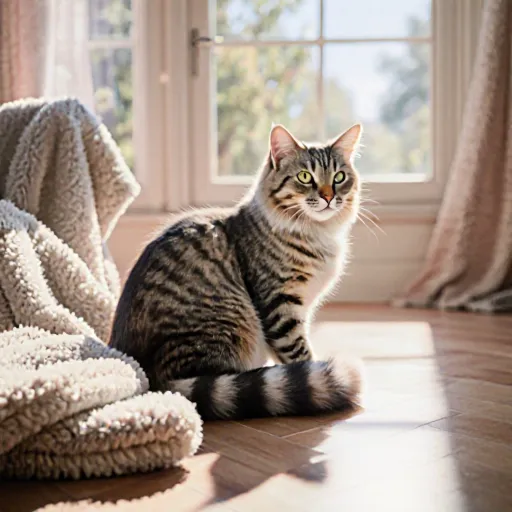
Love Matters: Nurturing Your Senior Cat Gracefully
Nurturing Senior Cats with Love
Table of Contents
- Understanding the Aging Process for Cats
- Recognizing Signs of Aging in Senior Cats
- Nutritional Needs and Diet Adjustments
- Hydration: Ensuring Your Senior Cat Drinks Enough Water
- Vaccinations and Preventive Health Care for Older Cats
- Regular Veterinary Check-Ups for Senior Cats
- Exercise and Play to Maintain Mobility and Mental Alertness
- Managing Pain in Aging Cats: Exploring Natural Remedies
- Cognitive Support for Senior Cats with Senility
- Enhancing Comfort and Safety at Home for Older Cats
- Behavioral Changes in Senior Cats: What to Expect
- Caring for Cats with Special Needs Due to Aging
- Preparing for End-of-Life Care and Hospice for Senior Cats
- Conclusion: A Commitment to Caring for Your Senior Cat
- FAQs About Caring for Senior Cats
Understanding the Aging Process for Cats
Caring for senior cats requires a deep understanding of their aging process. As felines age, they experience various physical and behavioral changes that can significantly impact their quality of life. It's important to recognize these changes early on so you can provide appropriate care.
Cats typically enter their senior years around the age of seven or eight, depending on the breed and size of the cat. As they age, several physical changes occur:
- Reduced Mobility: Older cats may experience reduced flexibility and mobility due to arthritis. This can make it difficult for them to jump onto high surfaces like counters or climb stairs.
- Weight Gain: Obesity is a common issue in senior cats, often leading to joint problems. Providing an appropriate diet and regular exercise can help manage this.
- Tooth Decay: Aging cats are prone to dental issues such as plaque and tartar buildup, which can lead to painful infections if not addressed.
- Hearing Loss: Just like humans, many senior cats suffer from hearing loss. This might make it challenging for them to hear warning sounds or the approach of their owners.
Aging can also bring about behavioral changes that reflect physical and mental health:
- Increased Sleep: Older cats tend to sleep more due to lower energy levels. However, this doesn't mean they are less active; they just need more rest.
- Litter Box Issues: Some senior cats may have difficulty using the litter box due to mobility issues or other health problems. Regular cleaning and maintaining a clean environment can help mitigate these issues.
- Changes in Appetite: Older cats might experience changes in their appetite, either becoming more or less hungry than before. Monitoring food intake closely is crucial for managing weight and overall health.
To help your senior cat live comfortably and happily, consider the following:
- Regular Veterinary Check-ups: Visiting the vet regularly can ensure that any health issues are caught early. Blood tests, dental cleanings, and other check-ups are essential.
- Appropriate Diet: Consult your veterinarian about a diet plan suitable for senior cats. Many commercial cat foods cater to senior felines' nutritional needs, such as reduced protein content or lower calorie intake.
- Adequate Exercise: Encourage your cat to stay active by providing toys and interactive play sessions. This can help maintain muscle mass and joint health.
- Create a Comfortable Environment: Ensure that your senior cat has easy access to their favorite spots, whether it's a cozy bed or a sunny window. Make sure their living space is free of obstacles that could cause them harm.
Understanding the aging process for cats is key to providing comprehensive care that enhances their quality of life as they grow older. By recognizing and addressing physical and behavioral changes, you can ensure your senior cat remains healthy and happy.
Recognizing Signs of Aging in Senior Cats
Caring for senior cats can be a rewarding experience, but it also comes with its own set of challenges. One crucial aspect of responsible pet ownership is recognizing the signs of aging in your cat. As cats age, they may start to show various physical and behavioral changes that indicate they are entering their later years. By understanding these signs early on, you can provide appropriate care and ensure your senior cat lives a comfortable and healthy life.
- Decreased Mobility: Cats may start to move more slowly or have difficulty jumping onto furniture. This could be due to joint pain or muscle weakness, both common in older cats.
- Weight Changes: Weight loss or gain can be signs of aging. Some senior cats lose weight due to decreased activity and appetite changes, while others may gain weight from reduced exercise and a slower metabolism.
- Hair Coat Changes: Older cats often develop duller coats that lack the luster they once had. This is usually attributed to less grooming or a natural slowing down of their coat production as they age.
- Skin Changes: The skin may become thinner and more prone to injury, and older cats may have a harder time maintaining a clean fur coat due to reduced physical activity.
- Increased Resting or Sleeping: Older cats often sleep more than younger cats. This is partly due to decreased energy levels and changes in metabolism, but it can also be related to pain or discomfort.
- Changes in Vocalization: Some senior cats may start meowing more frequently or loudly, while others may become less vocal overall. Changes in vocalization could indicate dental issues, hearing loss, or other health problems.
- Sensitivity to Handling: Older cats may be more sensitive when being picked up or handled. They might shy away from gentle touches and show signs of stress more easily than they did as kittens or young adults.
Maintaining your senior cat's health involves regular veterinary check-ups to monitor any potential age-related conditions. Common health issues that affect older cats include:
- Dental Disease: Older cats are more prone to dental problems such as plaque buildup, tartar, and tooth loss.
- Arthritis: Joint pain is a common issue in senior cats. Providing soft bedding, ramps for climbing stairs, and comfortable indoor spaces can help manage arthritis symptoms.
- Kidney Disease: Senior cats are at higher risk for kidney disease. Monitoring their water intake and diet may be necessary to support kidney health.
To ensure your senior cat enjoys its twilight years, consider the following practical advice:
- Provide a soft, warm place for them to rest and sleep. This could be a bed or a cushion in a quiet area of the home.
- Offer more interactive play sessions to maintain mental stimulation and physical activity. Even with reduced mobility, many senior cats still enjoy engaging games that are appropriate for their age.
- Stay consistent with routine feeding schedules and ensure they have access to fresh water at all times.
- If you notice any significant changes in your cat's behavior or health, consult a veterinarian immediately. Early intervention can make a big difference in managing age-related conditions.
Nutritional Needs and Diet Adjustments
As cats age, their nutritional needs change. Understanding these changes is crucial for maintaining your senior cat's health and well-being. Proper diet adjustments can significantly impact the quality of life for older felines.
Energy Requirements Decrease
Cats in their senior years tend to be less active, leading to a reduced energy requirement. This means that the amount of food they need decreases, and it's important to adjust accordingly to prevent obesity. Obesity can lead to various health issues such as diabetes, joint problems, and respiratory difficulties.
Increased Protein Intake
Senior cats still require high-quality protein to support muscle mass maintenance and overall body function. However, the type of protein is important; it should be easily digestible for older cats who may have reduced digestive efficiency. High-quality proteins like chicken, fish, or turkey are excellent choices.
Essential Fatty Acids
Felines, especially seniors, need essential fatty acids such as omega-3 and omega-6 for skin health, coat shine, and joint comfort. These nutrients can be found in fish oil supplements or through a high-quality senior cat food that includes these components.
Reduced Fiber Content
While cats of any age require some fiber to maintain digestive health, older cats often need less. High-fiber diets for seniors can lead to constipation and other gastrointestinal issues. Look for a senior cat food that offers low to moderate fiber content.
Maintaining Hydration
Senior cats are at higher risk of dehydration due to reduced thirst drive. To counteract this, it's important to ensure they have access to fresh water throughout the day. Additionally, feeding canned food can help increase their hydration levels.
Supplements for Senior Cats
Beyond diet adjustments, certain supplements might be beneficial for senior cats:
- Vitamin E: Supports the immune system and helps with skin health.
- Zinc: Essential for wound healing and overall cellular function.
- Betaine: Important for maintaining healthy gastrointestinal function and reducing hairballs.
Sample Diet Plan
Here's a sample diet plan to consider for your senior cat, keeping in mind individual needs may vary:
| Meal Time | Dish Content | Caloric Intake (kcal) |
|---|---|---|
| Morning | Canned food with high-quality protein and essential fatty acids. | 80-100 kcal |
| Evening | Dry food with low fiber content and added vitamins for hydration support. | 70-90 kcal |
Potential Health Issues to Watch For
By adjusting their diet, you can help your senior cat stay healthier. However, it's important to monitor for signs of potential health issues such as:
- Inactivity or loss of appetite.
- Increased thirst and urination.
- Weight gain or loss.
- Skin or coat changes.
Pet-Specific Products
Many pet stores offer senior cat food options that are tailored to the nutritional needs of older cats. Look for foods labeled as 'senior' or 'geriatric,' which often contain lower calories, increased protein, and essential fatty acids.
Always consult with your veterinarian before making significant changes to your senior cat's diet. A professional can provide personalized advice based on your cat's health history and current condition.
Hydration: Ensuring Your Senior Cat Drinks Enough Water
Caring for senior cats can be incredibly rewarding, but it also comes with its own set of challenges. One critical aspect to consider is ensuring that your senior cat drinks enough water. Hydration is vital for overall health and wellness, especially as cats age. In the Caring for Senior Cats: Complete Guide, we emphasize how maintaining proper hydration helps in managing various age-related issues.
Why Hydration Matters
As senior cats age, their bodies undergo numerous changes that can affect water intake and retention. Proper hydration supports several key functions:
- Promotes Kidney Health: Older cats are more susceptible to kidney disease, and adequate hydration helps in diluting waste products in the blood.
- Better Digestion: Hydration aids in softening stools, which can help prevent constipation that is common in senior cats.
- Maintains Joint Health: Water lubricates joints and cartilage, reducing pain associated with arthritis, a condition often seen in older felines.
Signs of Dehydration
Recognizing the signs of dehydration is crucial for early intervention. Some common indicators include:
- Dry mouth
- Lethargy and listlessness
- Dull coat or lackluster appearance
- Sunken eyes
- Decreased skin elasticity (when you gently pull on the skin, it does not spring back quickly)
Tips for Encouraging Water Consumption
To ensure your senior cat drinks enough water, consider these practical tips:
- Switch to Wet Food: Cats often prefer wet food over dry kibble. Wet cat foods can contain up to 75% moisture, which is a significant source of hydration.
- Offer Fresh Water: Ensure there are always clean and fresh water sources available for your senior cat. Rotate between different types like bowls, fountains, or elevated feeders to keep things interesting.
- Flavor Enhancement: Some cats respond well to flavored water (excluding toxic substances) such as tuna water or chicken broth. However, always check with your vet before introducing new flavors.
- Interactive Feeding: Use puzzle feeders that require your cat to work for their food and water. This can make eating and drinking more engaging and enjoyable.
Monitoring and Adjusting
Regular monitoring of your senior cat’s hydration levels is essential. We recommend checking the color and consistency of your cat's urine as a simple indicator of hydration status. If you notice that their urine has become darker or more concentrated, it might be time to adjust their diet or water intake.
Potential Health Concerns
Ensuring adequate hydration can help manage several health issues common in senior cats:
- Urinary Tract Infections (UTIs): Proper hydration can help flush out bacteria, reducing the risk of UTIs.
- Constipation and Digestive Issues: Hydration is key to maintaining a healthy digestive system. A well-hydrated cat is less likely to experience constipation.
In conclusion, ensuring your senior cat drinks enough water is an essential aspect of their health care routine. By understanding the importance of hydration and implementing practical strategies to encourage water consumption, you can significantly enhance your senior cat's quality of life.
Vaccinations and Preventive Health Care for Older Cats
As cats age, their immune systems naturally weaken, making them more susceptible to diseases. Therefore, vaccinations and preventive health care play a crucial role in maintaining the overall health of older cats. This section provides an in-depth look at how these practices can benefit senior cats.
While it's important to maintain a vaccination schedule throughout a cat's life, the needs may change as they age. Typically, core vaccines such as rabies and feline leukemia virus (FeLV) are recommended annually or every three years depending on the vaccine and your veterinarian’s recommendation.
Rabies Vaccine
The rabies vaccine is mandatory in many areas due to public health concerns. It should be administered regularly, following local laws and guidelines. The frequency of this vaccination can vary between one year and three years depending on the type of vaccine used (killed versus live attenuated).
Feline Leukemia Virus (FeLV)
FeLV is particularly dangerous for older cats, as it can lead to significant health issues including cancer. Cats that have tested positive for FeLV should be kept indoors and isolated from other cats to prevent the spread of the virus.
Feline Immunodeficiency Virus (FIV)
FIV is another important consideration, especially if your cat has been exposed or shows signs of infection. While there isn't a cure for FIV, managing the condition through proper nutrition and monitoring can help manage symptoms.
Beyond vaccinations, regular visits to your veterinarian are essential for older cats. These check-ups allow for early detection of any health issues that may arise as a cat ages. Common tests include blood work, urinalysis, and fecal exams which can help identify conditions like kidney disease or diabetes.
Senior Wellness Plans
Many veterinary clinics offer senior wellness plans tailored specifically for older cats. These plans often include discounted rates on necessary vaccinations, routine lab tests, and other preventive care services. They also ensure that your cat receives the best possible care as they age.
Dietary Considerations
Aging cats may require different dietary needs to maintain their health. Older cats often benefit from a diet lower in calories but higher in protein, which can help support muscle mass and overall body function. Consulting with your veterinarian about the best type of food for your senior cat is crucial.
Regular Exercise
Maintaining regular exercise helps keep older cats active and strong. Even low-intensity activities like playing with toys or short walks can make a significant difference in their overall health and well-being.
In conclusion, vaccinations and preventive health care are vital components of caring for senior cats. By staying informed about the specific needs of your aging feline companion and working closely with your veterinarian, you can ensure that they enjoy a long, healthy life.
Regular Veterinary Check-Ups for Senior Cats
Caring for senior cats involves a holistic approach that includes regular veterinary check-ups. These visits are not just about vaccinations and routine tests but also provide an opportunity to monitor overall health, catch any potential issues early, and ensure your cat remains comfortable and happy in their golden years.
- Detection of Early Health Issues: Senior cats are more prone to certain diseases such as arthritis, kidney disease, and dental problems. Regular check-ups allow for early detection, which can significantly improve the effectiveness of treatment.
- Pain Management: Cats often hide signs of pain due to their natural instinct not to show weakness. Vet visits can help identify pain early on so that appropriate pain management strategies can be implemented.
- Behavioral Changes: As cats age, they might exhibit changes in behavior which could be linked to health issues like cognitive decline or discomfort. Regular check-ups provide a chance to address these behaviors proactively.
To make the vet visit as stress-free as possible, there are several steps you can take:
- Cat-Specific Carrier: Familiarize your cat with their carrier by placing it in an area they frequently visit. Reward them for going into the carrier and bring treats during vet visits.
- Short Trips: Before a vet appointment, take short trips to the car. This helps acclimate your cat to being in the vehicle.
- No Distractions: During the visit, avoid allowing other pets or people into the exam room to minimize distractions and stress.
Your vet will perform a thorough examination that may include:
- A complete physical examination of your cat, focusing on any new lumps or changes in behavior.
- Blood tests and other diagnostics to check for underlying conditions such as kidney disease or diabetes.
- Discussion about diet and nutrition, ensuring that the food you're providing is appropriate for a senior cat’s needs.
After your visit, it's important to follow any recommendations made by your vet. This may include:
- Adjusting the diet based on the results of blood tests or other diagnostics.
- Taking medications as prescribed for conditions like arthritis or kidney disease.
- Regular grooming and activity to maintain good health.
Regular veterinary check-ups are a critical component of caring for senior cats. They help in maintaining the overall health and well-being of your aging feline companion, ensuring they live out their golden years comfortably and happily.
Exercise and Play to Maintain Mobility and Mental Alertness
Caring for senior cats involves a holistic approach that addresses their physical, mental, and emotional needs. One crucial aspect of this care is ensuring they maintain mobility and mental alertness through regular exercise and play. Engaging in these activities can help prevent or slow down the progression of age-related issues such as joint pain, muscle atrophy, and cognitive decline.
Benefits of Exercise for Senior Cats
- Pain Management: Regular exercise can alleviate arthritis symptoms by keeping joints flexible and muscles strong. This helps reduce discomfort and enhances the cat's overall quality of life.
- Muscle Tone: As cats age, muscle mass naturally decreases. Engaging in light exercises like walking or using interactive toys can help maintain muscle tone and strength.
- Better Digestion: Physical activity promotes better digestion by stimulating the digestive system, which is especially important for senior cats prone to constipation.
- Mental Stimulation: Interactive play sessions are excellent for keeping your cat mentally sharp. It helps prevent cognitive decline and keeps them engaged with their environment.
Safe Exercises for Senior Cats
While it's important to encourage activity, always ensure that the exercises you choose are safe and appropriate for your senior cat's health condition. Here are some ideas:
Walking Indoors
Using a harness and leash to take your senior cat on short walks indoors can be both fun and beneficial. This activity provides gentle exercise while keeping the cat safe from outdoor dangers.
Interactive Toys
Incorporating interactive toys that encourage play is an excellent way to keep your senior cat engaged. Options like feather wands, laser pointers, or small balls can stimulate both their body and mind. Make sure the toy isn't too complex for them; it should be easy enough for them to interact with comfortably.
Cat Trees and Climbing Structures
Cat trees with multiple levels provide exercise through climbing, jumping, and exploring different heights. This activity helps maintain muscle tone and can even improve balance in older cats.
Promoting Mental Alertness Through Play
Mental alertness is just as important for senior cats as physical health. Here are some activities that can boost your cat's mental acuity:
- Hide and Seek Games: Hide treats around the house and encourage your cat to find them. This not only stimulates their minds but also provides a sense of accomplishment.
- Scent Games: Use toys that release scents or create simple mazes using paper tubes for your senior cat to navigate through. These activities challenge their senses and cognitive skills.
- Teaching New Tricks: Senior cats can still learn new behaviors with patience and positive reinforcement. Teaching them commands like "sit" or "come" can be a rewarding experience for both of you.
Consistency is Key
Establishing a routine where you spend time exercising and playing with your senior cat daily is beneficial. Consistent engagement helps reinforce positive behaviors, keeps them stimulated, and strengthens the bond between you.
In summary, incorporating exercise and play into your senior cat's daily routine can significantly contribute to their overall well-being. By providing safe activities that are tailored to their abilities, you help maintain their mobility and mental alertness, enhancing their quality of life.
Managing Pain in Aging Cats: Exploring Natural Remedies
Caring for senior cats can present unique challenges, with one of the most common issues being managing pain associated with aging. While conventional veterinary medicine offers various treatments, many pet owners are increasingly turning to natural remedies to alleviate their furry friends' discomfort. This section delves into effective and safe natural approaches that can enhance your cat's quality of life as they age.
1. Omega-3 Fatty Acids
Omega-3 fatty acids, particularly EPA (eicosapentaenoic acid) and DHA (docosahexaenoic acid), are crucial for reducing inflammation in cats. These can be found in high-quality fish oil supplements or flaxseed oil. By incorporating these into your cat's diet, you may notice a decrease in joint pain and stiffness.
Example: A senior cat named Whiskers was experiencing significant joint discomfort. His owner started him on a daily dose of fish oil with positive results—Whiskers could move more freely without the constant signs of pain.
2. Glucosamine and Chondroitin
Glucosamine and chondroitin supplements are widely used to support joint health. These nutrients help maintain cartilage, which is essential for preventing wear-and-tear that can lead to arthritis. They also have anti-inflammatory properties, making them beneficial for managing pain in aging cats.
Practical Advice: When choosing a supplement, look for products formulated specifically for pets and containing the appropriate dosage recommended by your veterinarian. Administer the supplements consistently as directed.
3. Acupuncture
Acupuncture is an ancient Chinese practice that has gained popularity in veterinary medicine for treating pain and inflammation. It involves stimulating specific points on a cat's body using fine needles, which can help reduce pain by releasing endorphins and improving circulation.
Example: Mr. Mitts, a 12-year-old cat with chronic arthritis, responded positively to acupuncture treatments provided at his local animal clinic. Over time, he became more active and less irritable due to reduced joint discomfort.
4. Herbal Remedies
Herbal remedies such as turmeric, ginger, and devil's claw have been used for centuries in human medicine to reduce inflammation and pain. These herbs contain compounds like curcumin and gingerol that possess potent anti-inflammatory properties when administered orally.
Caution: While herbal remedies can be effective, it is crucial to consult with a veterinarian before introducing any new supplement or treatment. Some herbs may interact adversely with other medications your cat might be taking.
5. Environmental Adjustments
Beyond dietary and supplementary interventions, making environmental adjustments can significantly enhance an aging cat's comfort level. Providing soft bedding in warm locations reduces strain on joints when sleeping. Additionally, creating accessible pathways around the home ensures your senior cat can easily navigate from one area to another without encountering obstacles.
Example: Mrs. Whisker, a 15-year-old Siamese, had difficulty climbing stairs due to arthritis. Her owner installed ramps leading into her home and onto her favorite windowsill, which made it easier for her to move around comfortably.
Conclusion
The management of pain in aging cats involves a holistic approach combining natural remedies with proper care and attention. By exploring these options under the guidance of your veterinarian, you can help ensure that your senior cat enjoys a comfortable and happy life.
Cognitive Support for Senior Cats with Senility
Caring for senior cats, especially those experiencing senility or cognitive decline, can be both challenging and rewarding. Senility in cats is often referred to as Cognitive Dysfunction Syndrome (CDS) and manifests similarly to Alzheimer's disease in humans. This condition affects the cat’s ability to remember familiar places, people, and routines, leading to confusion and disorientation.
Cognitive Support for senior cats with senility involves understanding the signs of cognitive decline. Common symptoms include:
- Increased sleeping or decreased activity
- Misplaced or lost behaviors, such as forgetting where their food and water bowls are located
- Decreased recognition of familiar people and places
- Peeing or toileting in inappropriate places
A proper diet is crucial for supporting a senior cat’s cognitive health. Foods rich in antioxidants, fatty acids, and vitamins are beneficial:
- Antioxidants: Such as those found in blueberries, which help protect brain cells from oxidative stress.
- Fatty Acids: Omega-3 fatty acids, particularly DHA (docosahexaenoic acid), are essential for maintaining brain health. They can be sourced from fish oil supplements or certain types of cat food formulated with these nutrients.
- Vitamins: Vitamins E and C have been shown to support cognitive function in older animals.
To combat the effects of senility, mental stimulation is vital. Here are some practical activities you can incorporate into your cat’s routine:
- Interactive Toys: Puzzle feeders and interactive toys that require your cat to use their mind to get treats or food.
- Play Time: Engage in play sessions where you mimic hunting behaviors, which can help stimulate the brain. This not only helps with cognitive function but also strengthens the bond between you and your cat.
- Catnip Toys: While some cats may be less responsive to catnip as they age, it’s worth trying to see if it still engages them in play or just provides a sensory experience that can help stimulate their mind.
Senior cats with senility may need adjustments in their daily routine and living environment:
- Create Familiar Spaces: Ensure that your senior cat has a quiet, familiar place to rest and relax. This might mean a cozy corner where they can hide and feel safe.
- Consistent Routines: Cats thrive on routine, especially as they age. Try to maintain a consistent feeding time, playtime, and other daily activities that help provide structure to their day.
In some cases, your veterinarian may recommend medications to support cognitive function in your senior cat:
- Anxiety Medications: Such as buspirone can help if the cat is stressed or anxious.
- Antioxidants and Supplements: Your vet might suggest supplements like Coenzyme Q10, which has been shown to support cognitive function in older animals.
Remember, every senior cat is unique, so it’s important to work closely with your veterinarian to tailor a plan that best meets the needs of your pet. Early intervention and consistent care can help manage the symptoms of senility and improve your cat's quality of life.
Enhancing Comfort and Safety at Home for Older Cats
Enhancing comfort and safety at home is crucial for older cats, especially as they age. As senior cats experience physical changes such as decreased mobility, vision loss, and hearing impairment, creating a safe and comfortable environment can greatly improve their quality of life. This section provides practical advice on how to cater to the specific needs of aging felines, drawing from the comprehensive guide "Caring for Senior Cats: Complete Guide."
Older cats often have slower reflexes and may stumble or experience balance issues. Ensuring that your home is free from obstacles can help prevent accidents. Consider removing loose rugs, electrical cords, and any clutter that could pose a hazard.
- Cord Management: Use cord clips to tuck away wires and cables, especially those near walkways or areas where the cat frequents.
- Tactile Markers: Install raised edges along walkways to help guide your cat. These can be as simple as creating a narrow strip of tape on the floor or using textured tiles.
Older cats may have reduced vision, making it challenging for them to navigate their environment. Improving lighting and adding visual cues can make your home safer for them.
- Low-Light Adjustments: Install energy-efficient LED lights that provide even illumination throughout the home, particularly in areas where your cat spends most of its time.
- Visual Cues: Use brightly colored tape or reflective strips to mark steps or important areas. This can help guide your cat and reduce the risk of falls.
Age-related changes like arthritis can make it difficult for older cats to access high surfaces. Ensuring that food and water bowls are easily accessible is essential for maintaining their health and well-being.
- Elevated Bowls: Consider using elevated feeding stations or placing food and water dishes on low platforms near the floor.
- Automatic Feeders: For cats who have difficulty eating, automatic feeders can provide a stress-free mealtime experience. These devices dispense small portions of food at regular intervals throughout the day.
A comfortable space where your cat can relax is vital for their well-being. Older cats may prefer soft, warm areas to lie in or nap. Providing a variety of resting options can help them find the perfect spot for relaxation and rest.
- Soft Blankets: Place soft blankets in various parts of the home where your cat likes to spend time. Look for materials that are easy on their sensitive skin, such as fleece or microfiber.
- Cat Beds: Invest in a plush cat bed with side walls that can help older cats feel secure and comfortable while they rest.
- Window Seats: Cats often enjoy the warmth of the sun. Create window seats where your cat can bask in natural light, provided it is not directly on its resting place to avoid burns.
While enhancing comfort at home, regular veterinary check-ups are crucial for monitoring any potential health issues that may arise due to aging. Early detection can lead to timely intervention and better management of conditions such as arthritis or kidney disease.
- Annual Vet Visits: Schedule annual visits with your veterinarian to monitor overall health and discuss any concerns you might have about your cat's behavior or routine.
- Vital Signs Monitoring: Keep an eye on changes in weight, appetite, activity levels, and litter box habits. These can be early indicators of underlying health issues that require professional attention.
By implementing these strategies, you can create a home environment that promotes the comfort and safety of your aging cat. Remember that each senior cat is unique, so it's important to observe their specific needs and adjust accordingly for a tailored care plan.
Behavioral Changes in Senior Cats: What to Expect
As cats age, they may experience various physical and behavioral changes. Understanding these changes can help you provide better care for your senior cat. Below are some common behavioral changes that you might observe:
Increased Sleep and Reduced Activity
Senior cats tend to sleep more than younger cats. This is because they tire easily due to decreased energy levels and lower activity. It's important to provide them with comfortable spaces where they can rest without disturbances.
Loss of Appetite or Changes in Eating Habits
Senior cats might show a decrease in appetite or preference for smaller, more frequent meals rather than large ones. It is crucial to ensure that your cat receives proper nutrition. Consult with your veterinarian if you notice significant changes in eating habits.
Changes in Litter Box Usage
Some senior cats might have difficulties using the litter box due to mobility issues or changes in their elimination patterns. Providing a lower-sided, easy-access litter box and experimenting with different types of litters can help make the process more comfortable for your cat.
Social Withdrawal
Cats may become less social as they age, spending more time alone or avoiding interaction with people. This is a natural part of aging but it's important to continue engaging and interacting with them regularly to ensure their emotional well-being.
Increased Vocalization
Senior cats may vocalize more frequently than younger ones, which can sometimes be alarming for owners. This change is usually not due to distress but rather a natural part of aging. However, if you notice sudden or unusual changes in your cat's vocalizations, it’s advisable to consult with your veterinarian.
Changes in Personality
The personality of senior cats may also change over time. Some may become more affectionate while others might seem less playful. These changes are usually gradual and can be managed with adjustments in their environment and care routine.
Pain Management and Its Impact on Behavior
Chronic pain, such as arthritis, can significantly affect a senior cat's behavior. Cats in pain may exhibit irritability, difficulty moving around, or even aggression towards you or other household pets. Pain management through medication prescribed by your veterinarian is essential to alleviate their discomfort.
Practical Advice for Managing Behavioral Changes
- Observe and Adapt: Keep a close eye on any changes in behavior and adjust your care routine accordingly. This might mean providing more rest areas, changing litter box locations, or modifying feeding times.
- Consult Your Veterinarian: If you notice significant behavioral changes that concern you, consult with your veterinarian for advice tailored to the specific needs of your senior cat.
- Pain Management: Ensure that any pain management strategies are in place. This might include regular veterinary check-ups and possibly medication prescriptions.
In conclusion, understanding and preparing for behavioral changes in senior cats is an important aspect of their care. By being vigilant and responsive to these changes, you can ensure a comfortable and happy life for your aging feline friend.
Caring for Cats with Special Needs Due to Aging
Caring for Senior Cats: Complete Guide is a comprehensive resource that delves into the specific needs of aging cats. One significant aspect of this guide is addressing cats with special needs due to aging, which often requires additional care and attention.
Aging brings about various physical changes in cats, including reduced mobility, decreased sensory capabilities, and increased vulnerability to certain health issues. Cats with special needs may also require adjustments in their diet, environment, and daily routines. Here’s how you can provide the best care for your aging cat:
Cats with special needs due to aging might have conditions such as arthritis, cognitive dysfunction syndrome (CDS), or chronic kidney disease (CKD). These conditions can make it difficult for them to move around, eat, drink, and even use the litter box. Understanding these needs is crucial in providing appropriate care.
Arthritis
Cats with arthritis need a comfortable environment that minimizes stress on their joints. Providing soft bedding, padded steps, and ramps can help them move comfortably without exacerbating joint pain. You might also consider using anti-inflammatory medications prescribed by your veterinarian to manage the discomfort.
Cognitive Dysfunction Syndrome (CDS)
Cats with CDS exhibit behaviors similar to those seen in elderly humans—such as disorientation, confusion, and changes in sleeping patterns. To help them, you can create a predictable daily routine and provide stimulating toys or puzzles that challenge their minds without causing undue stress.
Chronic Kidney Disease (CKD)
Cats with CKD require a specialized diet low in phosphorus and protein to support kidney function. Regular veterinary check-ups are essential, as well as monitoring for signs of dehydration or changes in urination habits. Ensuring your cat stays hydrated through fresh water and possibly wet food can also be beneficial.
The home environment plays a critical role in the care of senior cats with special needs. Here are some modifications you can make to ensure their comfort:
- Padded Litter Boxes: Cats may have trouble climbing into standard litter boxes, so consider getting one that is lower or has a ramp.
- Elevated Feeding and Drinking Stations: To prevent back strain, place feeding and drinking stations at a height where your cat can easily reach them without bending too much.
- Soft Bedding: Use soft, warm bedding that is easy for your cat to get into and out of. Consider using heating pads (under the supervision of a vet) to provide additional warmth.
As cats age, their nutritional needs change. Senior cats require diets that are easier to digest, rich in antioxidants to support organ health, and low in phosphorus for those with CKD. Supplements like omega-3 fatty acids can also be beneficial for joint health.
Keeping your senior cat mentally stimulated is important to maintain their cognitive function. Interactive toys, puzzle feeders, and regular playtime are all effective ways to keep them engaged and happy. Even short sessions of interactive play can go a long way in keeping their minds sharp.
Regular veterinary visits for senior cats are crucial for monitoring health conditions and adjusting treatments as needed. Your vet can also provide advice on specific care plans tailored to your cat's unique needs, including medication management and dietary recommendations.
Caring for a senior cat with special needs requires patience and love. These animals have been companions to you for many years and may need more time and attention as they age. By providing the care they require, you can ensure that their golden years are as comfortable and fulfilling as possible.
Remember, every cat is unique, and what works for one might not work for another. Always consult with your veterinarian to develop a personalized care plan for your senior cat.
Preparing for End-of-Life Care and Hospice for Senior Cats
As senior cats age, their health needs may change, and it's important to be prepared for the end of life. Caring for a senior cat involves more than just routine veterinary check-ups; it includes understanding when to consider hospice care or end-of-life options. This guide will help you prepare emotionally, physically, and practically.
Emotional Preparedness
Cats are known for their resilience, but as they age, the possibility of a decline in health becomes more real. It’s important to acknowledge this reality without letting fear take over. By approaching end-of-life care with an open heart and mind, you can ensure that your senior cat's final days are filled with comfort and love.
Consider discussing your feelings with family members or friends who will be involved in the caregiving process. Sharing these emotions can provide relief and help you all prepare for what lies ahead.
Physical Preparation
To ensure a smooth transition, it’s crucial to have some physical preparations ready:
- Consult Your Veterinarian: Regular check-ups are essential. Discuss your senior cat's health with your vet and explore the possibility of hospice care if needed.
- Obtain Necessary Medications: If your cat is on any medication, ensure you have a good supply before the end-of-life stage begins.
- Create a Comfortable Environment: Ensure your senior cat's living space is cozy and free from stress. This might include softer bedding, more quiet areas, or even rearranging furniture to create a more inviting environment.
Practical Steps for End-of-Life Care
The transition into hospice care can be challenging, but it’s important to focus on maintaining your cat's quality of life. Here are some practical steps you can take:
- Pain Management: Pain is one of the most significant challenges for senior cats. Work closely with your veterinarian to ensure your cat receives appropriate pain management.
- Nutritional Needs: As cats age, their nutritional needs may change. Discuss dietary adjustments with your vet and consider supplements or special diets that can help manage health issues.
- Hydration: Ensuring proper hydration is crucial for senior cats. If your cat has difficulty drinking water, try offering smaller amounts more frequently or use a wet food diet if appropriate.
Signs to Consider Hospice Care
It's important to know the signs that might indicate it’s time to consider hospice care:
- Pain and Discomfort: Persistent pain or discomfort can significantly impact your cat's quality of life.
- Loss of Appetite: A loss of appetite for more than a couple of days could indicate issues that need addressing.
- Social Withdrawal: If your cat is showing signs of social withdrawal, it may be due to physical or mental discomfort.
Seeking Hospice Care
If you decide hospice care is the right option for your senior cat, make sure to choose a facility that provides compassionate and supportive care. Many shelters offer this service, but there are also dedicated hospice facilities available.
- Respect Their Comfort: Ensure that all caregivers respect your cat's boundaries and comfort levels. Cats often prefer being held or having their favorite toy nearby.
- Be Present: Spend time with your cat, whether it’s petting them, talking to them, or simply sitting in the same room. Your presence can provide a sense of security and companionship.
Remember, every senior cat's journey is unique, and what works for one may not work for another. By being prepared emotionally, physically, and practically, you can ensure that your senior cat’s final days are filled with love and comfort.
Conclusion: A Commitment to Caring for Your Senior Cat
A Commitment to Caring for Your Senior Cat
As your cat enters their senior years, typically defined as seven years and older, they begin to experience physical and behavioral changes that require special care. Caring for a senior cat is not just about maintaining their health but also ensuring they live their remaining years with dignity and comfort.
The first step in caring for your senior cat involves regular veterinary check-ups. These visits are crucial for early detection of common age-related conditions such as arthritis, kidney disease, dental issues, and heart problems. Regular vet visits ensure that any potential health issues can be addressed promptly, preventing them from escalating into more serious conditions.
Feeding your senior cat a balanced diet is essential. As cats age, their nutritional needs change. They may require fewer calories to maintain an appropriate weight, as well as additional nutrients like omega-3 fatty acids for joint health and antioxidants for overall wellness. Consult with your veterinarian to determine the best diet plan for your senior cat.
Exercise is also important for senior cats. Even though they may not be as active as younger cats, regular exercise helps maintain muscle tone and joints. Interactive play sessions or using toys that mimic prey can encourage your senior cat to move around more. Additionally, providing a comfortable area where they can rest without feeling cramped or uncomfortable is crucial.
Behavioral changes are common in senior cats. They may become less active, sleep more, or show signs of confusion. It's important to understand these behaviors and provide the necessary support. Creating a safe and stimulating environment can help keep your cat mentally sharp and reduce stress. Puzzle feeders and interactive toys that challenge their minds can be particularly beneficial.
Senior cats may also require additional grooming due to changes in their coat, skin, and nails. Regular brushing helps prevent hairballs and keeps the fur clean and healthy. Checking for signs of skin irritation or lumps during grooming sessions is also important. Nail trimming should be done regularly to avoid discomfort for your cat.
Lastly, showing love and affection is vital in caring for a senior cat. Spend quality time with them, whether it's cuddling, playing, or just sitting together. Emotional support plays a significant role in their overall well-being and can make all the difference in enhancing their quality of life.
In conclusion, caring for your senior cat involves a combination of medical care, proper nutrition, exercise, environmental adjustments, and emotional support. By providing these essentials, you are fulfilling your commitment to ensuring that your senior cat enjoys their twilight years with health, comfort, and companionship.
FAQs About Caring for Senior Cats
1. How can I tell if my cat is a senior?
Cats are considered seniors when they reach the age of seven years or more, although this varies depending on individual cats and their health conditions. Signs that your cat may be aging include slower movement, changes in behavior, increased sleeping time, and changes in litter box habits. Regular veterinary check-ups can help monitor your cat's health as they age.
2. What dietary changes should I make for my senior cat?
Senior cats often have different nutritional needs than younger cats due to reduced activity levels and potential health issues like arthritis or kidney disease. A diet rich in antioxidants, high-quality protein, and easily digestible nutrients is recommended. Foods that are lower in calories but higher in fiber can help manage weight while supporting digestive health. Consulting with a veterinarian about specific dietary requirements for your senior cat is essential.
3. How do I ensure my senior cat gets enough exercise?
Senior cats may not have the same energy levels as younger ones, but they still need some form of physical activity to maintain muscle tone and joint health. Interactive toys that encourage play can be a good option. Gentle daily walks or short play sessions with feather wands or laser pointers can provide both mental stimulation and exercise without being overly strenuous.
4. What are some common health issues for senior cats?
Some of the most common health issues affecting senior cats include arthritis, kidney disease, dental problems, and hearing loss. Regular veterinary visits can help detect these conditions early on. Providing supportive care at home, such as using soft bedding and creating a low-stress environment, can also improve your cat's comfort.
5. How do I keep my senior cat comfortable?
Making small adjustments around the house can greatly enhance your senior cat's quality of life. Ensure that their living space is warm and free from drafts, provide soft bedding and multiple resting spots at different heights, and make sure they have easy access to food and water stations. Regular grooming sessions can also help reduce stress for both you and your cat.
6. What should I expect during my senior cat's veterinary visits?
During these check-ups, your veterinarian will likely perform a comprehensive health assessment, including blood tests to monitor kidney function and other vital signs. They may also recommend vaccinations if needed and discuss any changes in diet or medication that might be necessary due to age-related conditions.
7. Can I help my senior cat stay mentally stimulated?
Mental stimulation is just as important for senior cats as physical activity. Puzzle feeders, interactive games, and opportunities to climb or scratch can all contribute to keeping your cat's mind sharp. Providing environments that encourage exploration and interaction with their surroundings can also promote a healthier cognitive state.
Categories
- AI & Enrichment Play
- Broiler Farming
- Broiler Farming Tips
- Canine Wellness & Longevity
- Cat
- Cat & Human Connection
- Cat Adoption & Rescue
- Cat Breeds
- Cat Breeds & Personalities
- Cat Care & Health
- Cat Grooming & Hygiene
- Cat Lifestyle & Environment
- Cat Myths & History
- Cat Nutrition & Diet
- Cat Products & Reviews
- Cat Training & Behavior
- Comparison
- Consumer Awareness
- Dog
- Dog Accessories & Products
- Dog Adoption & Rescue
- Dog Breed & Lifestyle Trends
- Dog Breeding & Puppies
- Dog Entertainment & Media
- Dog Fashion & Trends
- Dog Fun & Lifestyle
- Dog Grooming & Hygiene
- Dog History & Culture
- Dog Myths, Science & Future Tech
- Dog News & Trends
- Dog Nutrition & Food
- Dog Psychology & Emotions
- Dog Safety & Security
- Dog Sports & Activities
- Dog Technology & Innovation
- Dog Training for Modern Owners
- Dog Travel & Adventure
- Dog Travel, Adventure & Culture
- Economic and Market Insights
- Educational Content
- FAQs
- Feeding Alternatives
- Festivals & Seasonal Ideas
- Fun & Entertainment
- General Knowledge
- General Pig Farming
- Health & Disease Management
- Housing and Environment
- Kittens
- Market Insights
- Miscellaneous
- Miscellaneous
- Motivational
- pig
- Pig Breeding
- Pig Breeds
- Pig Farming Stories and Inspiration
- Pig Health and Care
- Pig Nutrition
- Pig Products
- Profitability & Business
- Puppy Care
- Puppy Predictable Topics Reinvented
- Regional Focus
- Rescue & Adoption Buzz
- Senior Cats
- Senior Dog Care
- Smart Dog Tech & Gadgets
- Sustainability
- Sustainable & Eco-Friendly Dog Products
- Tech & Innovations
- Working & Service Dogs
- Broiler Feed66 products
- Country Feed33 products
- Pig Feed66 products
- Product22 products
- Raw Materials99 products
Products
-
 Fish Meal
₹1,999.00 – ₹2,999.00Price range: ₹1,999.00 through ₹2,999.00Rated 0 out of 5
Fish Meal
₹1,999.00 – ₹2,999.00Price range: ₹1,999.00 through ₹2,999.00Rated 0 out of 5 -
 FATTENING BROILER FEED
₹2,299.00 – ₹2,349.00Price range: ₹2,299.00 through ₹2,349.00Rated 0 out of 5
FATTENING BROILER FEED
₹2,299.00 – ₹2,349.00Price range: ₹2,299.00 through ₹2,349.00Rated 0 out of 5 -
 LAYER COUNTRY FEED
₹1,549.00 – ₹1,649.00Price range: ₹1,549.00 through ₹1,649.00Rated 0 out of 5
LAYER COUNTRY FEED
₹1,549.00 – ₹1,649.00Price range: ₹1,549.00 through ₹1,649.00Rated 0 out of 5 -
 COUNTER BROILER FEED
₹1,199.00 – ₹1,299.00Price range: ₹1,199.00 through ₹1,299.00Rated 0 out of 5
COUNTER BROILER FEED
₹1,199.00 – ₹1,299.00Price range: ₹1,199.00 through ₹1,299.00Rated 0 out of 5 -
 LACTATING PIG FEED
Rated 0 out of 5
LACTATING PIG FEED
Rated 0 out of 5₹2,299.00Original price was: ₹2,299.00.₹1,740.00Current price is: ₹1,740.00. -
 Maize
Rated 0 out of 5
Maize
Rated 0 out of 5₹1,650.00Original price was: ₹1,650.00.₹1,300.00Current price is: ₹1,300.00. -
 GESTATION PIG FEED (Phase 1)
Rated 0 out of 5
GESTATION PIG FEED (Phase 1)
Rated 0 out of 5₹2,249.00Original price was: ₹2,249.00.₹1,699.00Current price is: ₹1,699.00. -
 Pre Starter Broiler Feed
₹2,399.00 – ₹2,499.00Price range: ₹2,399.00 through ₹2,499.00Rated 0 out of 5
Pre Starter Broiler Feed
₹2,399.00 – ₹2,499.00Price range: ₹2,399.00 through ₹2,499.00Rated 0 out of 5 -
 FINISHER PIG FEED
Rated 0 out of 5
FINISHER PIG FEED
Rated 0 out of 5₹2,299.00Original price was: ₹2,299.00.₹1,749.00Current price is: ₹1,749.00. -
 Broiler Premix
Rated 0 out of 5
Broiler Premix
Rated 0 out of 5₹820.00Original price was: ₹820.00.₹699.00Current price is: ₹699.00.