
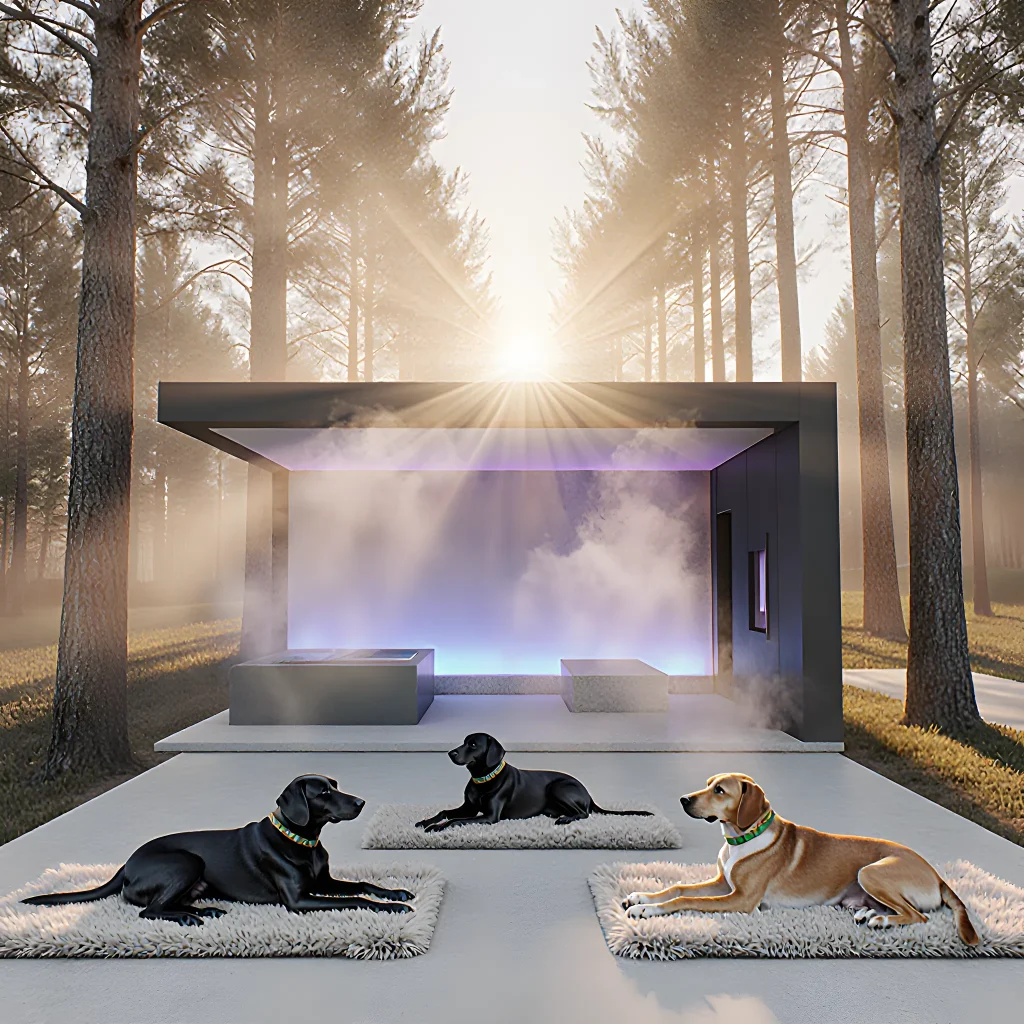
Unwind & Rejuvenate—Your Dog’s Sanctuary Awaits
Pamper Paws: Secure Serenity at Dog Wellness Retreats
Table of Contents
- Introduction
- Why Dogs Deserve Wellness Spas
- Choosing the Right Spa for Your Dog
- Check the Facility’s Certifications and Licenses
- Review Staff Qualifications and Experience
- Assess Safety Protocols (Sanitation, Emergency Plans)
- Understand the Services Offered (Massage, Hydrotherapy, Grooming)
- Ask About Dog‑Specific Treatments and Contraindications
- Discuss Your Dog’s Health History with the Therapist
- Plan for Transportation and Travel Safety
- Prepare Your Dog Before the Visit (Vaccinations, Diet)
- During the Spa: Monitor Comfort and Stress Levels
- Post‑Treatment Care and Follow‑Up
- Conclusion
- FAQ
Introduction
Dog wellness spas have become a popular way for pet owners to treat their furry friends with massages, hydrotherapy, and grooming services that promote physical and mental health. However, ensuring a safe and enjoyable experience requires careful preparation and an understanding of how these facilities operate. Below is a practical guide that covers everything from choosing the right spa to what to do during your visit.
1. Researching the Spa
- Check Credentials: Look for licensed veterinarians or certified pet massage therapists on staff. Many reputable spas display their certifications prominently.
- Read Reviews: Platforms like Google, Yelp, and specialized pet forums can reveal real experiences from other owners.
- Visit in Person (if possible): A quick walk-through lets you gauge cleanliness, noise levels, and how staff interact with animals.
2. Preparing Your Dog
- Health Check: Schedule a vet visit to confirm your dog is healthy enough for spa treatments (e.g., no open wounds or contagious conditions).
- Vaccinations & ID: Ensure all vaccinations are up-to-date and that your dog wears an ID tag with current contact information.
- Training Basics: Teach your dog to stay calm in new environments. Simple commands like “sit,” “stay,” and “leave it” help keep the session stress‑free.
- Bathing & Grooming History: Bring a recent bath or grooming record if you’ve had your dog treated elsewhere, so staff can avoid repeating procedures.
3. Safety Protocols During the Visit
- Secure Environment: Verify that treatment rooms have secure doors and non-slip flooring to prevent accidental falls.
- Temperature Control: Water used for hydrotherapy or steam should be within a safe range (typically 90–100°F). If your dog is sensitive, ask the staff to adjust accordingly.
- Allergy Checks: Inform the spa of any known allergies—especially to soaps, shampoos, or essential oils used during massages.
- Monitoring: Keep an eye on your dog’s behavior. Signs of discomfort (whining, shaking, avoidance) warrant immediate discussion with staff.
4. Post‑Treatment Care
- Hydration: Offer fresh water immediately after hydrotherapy or massage to help flush out toxins and prevent dehydration.
- Observe for Side Effects: Watch for swelling, redness, or unusual lethargy. Contact your vet if symptoms persist beyond 24 hours.
- Follow‑up Vet Visit: For dogs with chronic conditions (arthritis, skin disorders), a post‑spa check can confirm the treatment’s effectiveness.
5. Practical Examples
- Case Study: Arthritis Relief – A 10‑year‑old Labrador received a 30‑minute canine massage and low‑temperature hydrotherapy session at a certified spa. Within two weeks, his owner reported improved mobility and reduced paw pain.
- Case Study: Anxiety Reduction – An anxious terrier was treated with a gentle aromatherapy massage using lavender-infused oils. Post-treatment, the dog slept through the night for the first time in months.
6. Checklist Before You Go
| Item | Status |
|---|---|
| Vet clearance | ✔️ |
| Vaccination record | ✔️ |
| ID tag on collar | ✔️ |
| Comfortable clothing for you | ✔️ |
| Water bottle for dog | ✔️ |
By following these guidelines, you can ensure that your dog’s spa experience is not only luxurious but also safe and beneficial. Remember, a well‑planned visit starts long before the first massage—right from selecting the right facility to caring for your pet afterward.
Why Dogs Deserve Wellness Spas
While humans often associate wellness spas with relaxation and indulgence, dogs can benefit just as much—if not more—from a dedicated spa experience tailored to their unique physiological needs.
- Improved Circulation: Gentle massages stimulate blood flow, helping to reduce stiffness in joints and improve overall mobility.
- Stress Reduction: A calm environment with soothing music or aromatherapy (dog‑safe essential oils) lowers cortisol levels, leading to calmer behavior both at home and on walks.
- Skin & Coat Health: Professional grooming combined with hypoallergenic shampoos removes excess oil and dirt, preventing skin irritation and promoting a shiny coat.
- Early Detection of Health Issues: Regular spa visits provide an opportunity for veterinarians or licensed groomers to spot lumps, bumps, or abnormal swelling that might otherwise go unnoticed.
Practical Tips for Taking Your Dog Safely to a Wellness Spa
- Choose the Right Facility:
- Verify that the spa is accredited and employs licensed groomers or veterinarians.
- Ask about their hygiene protocols—clean water, sanitized tools, and proper waste disposal.
- Check reviews for any reported incidents of aggressive behavior or mishandling.
- Prepare Your Dog:
- Keep your dog on a short leash during the visit; this helps you maintain control and reduces anxiety.
- Bring familiar items—treats, toys, or blankets—to provide comfort in an unfamiliar setting.
- Ensure vaccinations are up to date to avoid contagion risks.
- Communicate Clearly:
- Inform staff of any medical conditions, medications, or sensitivities (e.g., allergies to certain shampoos).
- Specify the exact services you want: full grooming, massage, or a simple bath.
- Ask about the duration of each service and how they handle unexpected complications.
- Safety During Treatments:
- Never leave your dog unattended in the spa’s treatment area; many spas require a guardian to be present.
- Watch for signs of distress—panting, whining, or attempts to escape—and immediately communicate with staff if you notice them.
- Ensure any water used is at a comfortable temperature (not too hot or cold).
- Post‑Visit Care:
- Allow your dog to rest in a quiet space for at least an hour after the spa session.
- Monitor for any skin reactions or behavioral changes over the next 24–48 hours.
- Keep track of the spa’s contact information and services used for future reference.
Incorporating wellness spa visits into your dog’s routine—once every few months—is a proactive way to enhance their physical health, emotional well-being, and overall quality of life. By selecting reputable facilities and following these safety guidelines, you can ensure that the experience is both enjoyable and beneficial for your furry companion.
Choosing the Right Spa for Your Dog
When it comes to pampering your canine companion, a wellness spa can be an excellent way to keep them healthy and happy. However, not all spas are created equal—some specialize in grooming while others offer holistic treatments such as massage, aromatherapy, or hydrotherapy. Below is a practical guide to help you select the best spa for your dog and ensure a safe, enjoyable experience.
1. Define Your Dog’s Needs
- Grooming & Hygiene: If your dog needs regular bathing, nail trimming, or ear cleaning, look for spas that offer comprehensive grooming services.
- Therapeutic Treatments: Dogs with joint pain, anxiety, or skin conditions may benefit from massage, acupuncture, or specialized baths. Verify that the spa has certified therapists or licensed veterinarians on staff.
- Behavioral Support: For dogs prone to separation anxiety or excessive barking during visits, choose a facility that trains staff in gentle handling and offers calm environments (e.g., separate rooms, soft music).
2. Check Credentials & Staff Qualifications
Reputable spas often list credentials on their websites:
- Certified Dog Groomers (CDG): Indicates formal training in safe grooming techniques.
- Licensed Veterinary Technicians: Essential for medical-grade treatments such as laser therapy or hydrotherapy.
- Pet Massage Certification: Look for certifications from organizations like the International Association of Pet Professionals (IAPP).
3. Review Facility Hygiene and Safety Protocols
A clean, well-maintained spa reduces the risk of infections and injuries.
- Sanitation: Inspect how frequently equipment is disinfected and whether single-use items (e.g., towels) are available for each client.
- Ventilation & Temperature Control: Dogs can overheat easily; ensure the spa maintains a comfortable environment.
- Emergency Preparedness: Check if the spa has first-aid kits, emergency contact numbers, and an evacuation plan for inclement weather.
4. Evaluate Services & Pricing Transparency
Transparent pricing helps you avoid surprise fees. Look for:
- A clear menu of services with base prices and optional add-ons (e.g., extra grooming, special shampoos).
- Package deals that bundle multiple treatments—great for seasonal wellness plans.
- Cancellation policies to protect you if your dog needs to skip a session due to illness or travel.
5. Consider Accessibility and Convenience
Location matters, especially if you have a busy schedule:
- Parking & Drop‑Off Areas: Adequate parking with easy access to the spa reduces stress for both you and your dog.
- Transport Options: Some spas offer shuttle services or allow pets in car seats, which can be a lifesaver for large breeds.
6. Read Reviews & Ask for Recommendations
Customer feedback is invaluable. Look for patterns in reviews about staff friendliness, treatment effectiveness, and overall experience. If possible, ask fellow dog owners or your veterinarian for personal recommendations.
7. Prepare Your Dog for the Spa Visit
- Vaccination Records: Bring up-to-date shots to ensure your dog meets health requirements.
- Pre‑Visit Routine: A short walk before the appointment helps calm nerves and reduces anxiety.
- Comfort Items: Bring a familiar blanket or toy if your dog is prone to stress.
8. Safety Checklist for Taking Dogs to Wellness Spas
Here’s a quick reference you can bring along during the visit:
- Verify that the spa staff knows your dog’s name and any medical conditions.
- Confirm the temperature of water used in baths (should be lukewarm).
- Ask about the type of shampoo or soap—avoid harsh chemicals if your dog has sensitive skin.
- Check that all equipment (e.g., massage tables, hydrotherapy tubs) is secure and clean.
- Ensure the spa’s staff use a leash or harness when moving your dog to prevent escape.
Choosing the right wellness spa for your dog involves careful consideration of services, staff qualifications, facility safety, and convenience. By following this guide and preparing ahead, you’ll help ensure that every spa visit is a positive, stress‑free experience—both for your furry friend and for you.
Check the Facility’s Certifications and Licenses
Before booking a wellness spa for your dog, it’s essential to verify that the establishment holds all necessary certifications and licenses. These documents ensure that the staff is properly trained, the facility meets health and safety standards, and that you’re placing your pet in a reputable environment.
Why Certifications Matter
- Professional Training: Certified groomers or therapists have completed accredited courses covering anatomy, behavior, and emergency procedures.
- Health Standards: Licensed facilities must adhere to local health department regulations, reducing the risk of disease transmission.
- Insurance Coverage: A valid license often indicates that the spa carries liability insurance, protecting you if an accident occurs.
Common Certifications and Licenses to Look For
- State Grooming License – Required in most U.S. states; proves compliance with state grooming regulations.
- AIC (American Institute of Canine) Certified Spa Professional – Indicates advanced training in canine massage, aromatherapy, and hydrotherapy.
- Board of Veterinary Technician Certification (if applicable) – Shows that the spa employs qualified veterinary technicians for medical treatments.
- Local Business License & Health Permit – Confirms the business is registered with city or county authorities and meets sanitation standards.
How to Verify Credentials
Follow these steps to confirm a spa’s legitimacy:
- Ask for Documentation: Request to see copies of licenses or certificates during your first visit. Legitimate businesses will gladly share this information.
- Check Online Databases: Many states maintain online directories of licensed groomers and veterinary technicians. Search by name, zip code, or business type.
- Read Reviews & Testimonials: Look for comments about professionalism and safety. Consistent praise for staff knowledge is a good sign.
- Inspect the Facility: A clean, organized spa with clearly labeled equipment suggests adherence to health standards.
Practical Advice for Pet Owners
- Schedule a Pre-Visit Tour: If possible, walk through the facility before booking. Observe how staff handle animals and maintain hygiene.
- Ask About Staff Credentials: Inquire whether groomers or therapists hold specific certifications (e.g., AIC, Certified Animal Massage Therapist).
- Confirm Insurance Coverage: Verify that the spa has liability insurance. Ask for proof if you’re unsure.
- Document Your Findings: Keep a copy of any licenses or certificates you receive; this can be handy for future reference or in case of disputes.
Example Scenario
Suppose your dog is scheduled for a spa day that includes a hot tub and massage. You call the spa and ask:
“Could you provide copies of your state grooming license, AIC certification, and business permit?”
The staff sends scanned PDFs via email. You then cross-check the license number on the state’s online directory, confirming it matches the spa’s name and location. Feeling confident, you book the appointment knowing that the facility meets professional standards.
Final Checklist
| Certification / License | Verification Method | Status Needed |
|---|---|---|
| State Grooming License | Online state database or in-person document | Current & Valid |
| AIC Certified Spa Professional | Certificate copy & contact with AIC if needed | Active & up-to-date |
| Local Business License & Health Permit | City/county website or in-person inspection | Issued & unexpired |
| Insurance Proof (Liability) | Request a copy from the spa | Current coverage |
By diligently checking these certifications and licenses, you ensure that your dog receives safe, professional care while enjoying a relaxing wellness experience.
Review Staff Qualifications and Experience
When you decide to bring your canine companion to a wellness spa, the expertise of the staff becomes as important as the services offered. A qualified team ensures that every treatment is safe, effective, and tailored to your dog’s individual needs.
1. Veterinary Credentials
- Licensed Veterinarian on Staff: Look for a board‑certified vet who can oversee all procedures, especially those involving medication or anesthesia.
- Vet Assistants & Technicians: Should hold certifications such as the Veterinary Technician National Examination (VTNE) and be trained in canine physiology.
- Continuing Education: Facilities that encourage ongoing training in areas like dermatology, physiotherapy, or anesthesia demonstrate a commitment to staying current with best practices.
2. Specialized Training for Spa Treatments
Beyond general veterinary skills, staff should possess specific knowledge related to spa services:
- Aquatic Therapy & Hydrotherapy Specialists: Certified in aquatic physiotherapy to safely guide dogs through water‑based exercises.
- Canine Massage Therapists: Accredited by the American Massage Therapy Association (AMTA) or similar bodies, with experience in treating musculoskeletal issues.
- Dermatology Experts: Qualified to assess and treat skin conditions such as allergies, hot spots, or fungal infections.
3. Experience With Different Breeds & Temperaments
The best spa teams have a track record with a wide range of breeds, sizes, and temperamental profiles:
- Large vs. Small Dogs: Techniques for handling heavy dogs differ significantly from those needed for small or fragile pets.
- Active vs. Sedentary Dogs: Tailored exercise regimens—like swimming for high‑energy breeds versus gentle stretching for older dogs.
- Anxiety & Fear Management: Staff who use positive reinforcement and desensitization techniques can reduce stress during treatments.
4. Practical Advice When Choosing a Spa
- Ask About Credentials: Request copies of veterinary licenses, certifications for massage or hydrotherapy, and proof of ongoing education.
- Observe Staff Interaction: Notice how they handle your dog—are they calm, patient, and observant? This can indicate their level of experience.
- Review Past Cases: Many reputable spas will share case studies or testimonials that highlight successful treatments for various conditions.
- Check Insurance & Liability Coverage: A well‑insured spa signals professional responsibility and protects you in case of mishaps.
5. Real‑World Example: The “Canine Wellness Center”
This facility boasts a board‑certified vet, two licensed massage therapists with canine specialization, and an aquatic therapy instructor certified by the International Association of Aquatic Therapy. Their staff has collectively performed over 10,000 treatments on breeds ranging from Chihuahuas to Great Danes. Clients consistently report reduced joint pain in their German Shepherds after a series of hydrotherapy sessions.
6. Bottom Line
Choosing a wellness spa with highly qualified and experienced staff is non‑negotiable for your dog’s safety and well‑being. Vet credentials, specialized certifications, breed‑specific experience, and a culture of continuous learning should all be part of your decision matrix.
Assess Safety Protocols (Sanitation, Emergency Plans)
When choosing a wellness spa for your canine companion, cleanliness is non‑negotiable. A spotless environment reduces the risk of infections, allergic reactions, and behavioral stress.
- Equipment Disinfection: All tubs, brushes, towels, and grooming tools must be sterilized between each client. Look for spas that use hospital‑grade disinfectants (e.g., EPA‑approved bleach solutions or quaternary ammonium compounds) and maintain a documented log.
- Water Quality: Spa water should be filtered and treated with ultraviolet (UV) light or ozone to eliminate bacteria, fungi, and parasites. Verify that the spa provides certificates of water testing for each treatment session.
- Towel & Bathing Cloth Management: Dedicated towel sets per dog prevent cross‑contamination. Single‑use towels are preferable for bathing; reusable ones must be laundered at a minimum of 130°F (54°C).
- Ventilation & Air Filtration: Adequate airflow prevents mold growth and reduces airborne allergens. High‑efficiency particulate air (HEPA) filters should be in place, especially in areas where dogs are exposed to chemicals or hot tubs.
A comprehensive emergency plan protects both your dog and the spa staff during unforeseen incidents such as fires, power outages, or severe weather.
- Fire Safety:
- All spays should have functional smoke detectors, fire extinguishers (Class A/B), and clearly marked exit routes.
- Staff must conduct quarterly fire drills and keep a roster of evacuation responsibilities.
- Medical Emergencies:
- First aid kits stocked with bandages, antiseptic wipes, emergency eye wash, and an EpiPen for allergic reactions.
- On‑site veterinary support or a rapid transport agreement with a local clinic ensures timely care if a dog experiences a sudden reaction (e.g., to a spa product).
- Power Outages:
- Backup generators must power essential equipment such as water heaters, ventilation units, and emergency lighting.
- Spas should have an inventory of portable hand‑held fans or cooling mats to keep dogs comfortable during extended outages.
- Storm & Flood Preparedness:
- Elevate all electronic devices and ensure that spa tubs are drained or sealed before heavy rain.
- Staff training should include protocols for safely moving dogs to higher ground if flooding threatens the facility.
Choosing a reputable spa is only half the battle. Here are actionable steps you can take to ensure your dog’s safety and comfort:
- Pre‑Visit Checklist: Ask the spa about their sanitation policy, emergency protocols, and staff certifications. Request to see their cleaning logs.
- Health Screening: Bring a recent health record and a copy of any vaccination certificates. Some spas require proof of up‑to‑date vaccinations before allowing treatment.
- Trial Sessions: Start with a short, low‑risk treatment (e.g., a basic massage) to observe how your dog reacts to the environment and staff handling.
- Emergency Contact Sheet: Provide the spa with an emergency contact list that includes your vet’s details, a secondary phone number, and any known medical conditions or allergies.
- Post‑Treatment Observation: Keep an eye on your dog for at least 24 hours after spa visits. Look for signs of dehydration, skin irritation, or behavioral changes that might indicate an adverse reaction.
By combining rigorous sanitation practices with well‑structured emergency plans, reputable wellness spas create a safe haven where dogs can relax and rejuvenate without compromising their health.
Understand the Services Offered (Massage, Hydrotherapy, Grooming)
A reputable dog wellness spa typically provides three core services that cater to your pet’s physical and emotional well‑being: massage therapy, hydrotherapy, and grooming. Knowing what each service entails—and how it can benefit your dog—helps you choose the right treatment plan and ensures a safe, enjoyable experience for both of you.
1. Massage Therapy
- What it is: A hands‑on technique that uses rhythmic pressure on muscles, tendons, and connective tissue to relieve tension, improve circulation, and promote relaxation.
- Benefits for dogs:
- Reduces pain from arthritis or injury
- Improves flexibility and range of motion
- Alleviates anxiety and stress during travel or vet visits
- Enhances overall circulation, aiding in faster recovery
- Practical tips before a session:
- Bring any medication your dog is on; inform the therapist.
- Check that your dog has no open wounds or skin conditions that could be irritated.
- Give your dog a short walk to release excess energy—this makes them calmer during massage.
2. Hydrotherapy (Aquatic Therapy)
- What it is: Controlled water exercises performed in a shallow pool or specialized hydrotherapy equipment that uses buoyancy to support the dog’s weight while allowing movement.
- Benefits for dogs:
- Low‑impact joint exercise—ideal for senior dogs or those with arthritis
- Strengthens muscles without strain, aiding in rehabilitation after surgery
- Improves cardiovascular fitness and coordination
- Can be combined with massage for a full-body recovery program
- Practical tips before a session:
- Ensure your dog is comfortable around water—start with short, supervised sessions.
- Check that the pool temperature matches your dog’s breed and coat type (cooler for thick‑coated dogs).
- Bring a towel or floating toy to help your dog feel secure and entertained.
3. Grooming Services
- What it includes: Brushing, bathing, hair trimming, nail clipping, ear cleaning, dental care, and sometimes specialty treatments like de‑matting or skin conditioning.
- Benefits for dogs:
- Prevents matting, hot spots, and skin infections
- Reduces shedding and improves coat health
- Early detection of abnormal lumps, bumps, or parasites during a thorough check‑up
- Provides an opportunity for gentle handling that can calm nervous dogs
- Practical tips before a session:
- Schedule grooming between meals to avoid digestive upset.
- Check the spa’s policy on bringing your own shampoo or medications if needed.
- Keep your dog’s harness and leash ready; most spas require a short walk before bathing.
Safety Checklist for Taking Your Dog to a Wellness Spa
- Vet clearance: Confirm that any medical condition is stable enough for massage or hydrotherapy.
- Insurance and liability: Verify the spa’s liability coverage and whether your pet insurance covers alternative therapies.
- Travel plan: Bring a familiar blanket, treat, or toy to reduce travel anxiety.
- Post‑care instructions: Ask for written guidelines on how to care for your dog after each service (e.g., drying time, medication schedule).
By understanding these services and preparing accordingly, you’ll help ensure that every spa visit is a positive, therapeutic experience for your canine companion.
Ask About Dog‑Specific Treatments and Contraindications
While human wellness spas have become a staple of modern self‑care, many pet owners are now exploring similar experiences for their canine companions. A dog spa can offer services such as hydrotherapy, massage, aromatherapy, and even gentle grooming sessions designed to reduce stress and improve overall health. However, because dogs differ physiologically from humans, certain treatments that are safe for people may pose risks for animals. Below is a comprehensive guide to help you make informed decisions about the best spa experiences for your dog while avoiding potential contraindications.
1. Understand Your Dog’s Health Status
- Chronic Conditions: Dogs with arthritis, heart disease, or respiratory issues may react poorly to certain massage techniques or hot tubs.
- Recent Surgeries: Post‑operative dogs should avoid any pressure points that could interfere with healing.
- Age Considerations: Senior dogs often have reduced flexibility and joint pain; gentle, low‑impact treatments are recommended.
2. Common Spa Treatments & Their Contraindications
| Treatment | Benefits for Dogs | Potential Risks / Contraindications |
|---|---|---|
| Hydrotherapy (warm water pool) | Improves circulation, aids joint mobility. | Dogs with open wounds, skin infections, or heart failure may suffer from increased blood pressure and fluid retention. |
| Canine Massage | Relieves muscle tension, reduces anxiety. | Aggressive deep tissue massage can be harmful to dogs with osteoporosis, recent fractures, or certain heart conditions. |
| Aromatherapy (essential oils) | Calming scents like lavender may reduce stress. | Many essential oils are toxic to dogs—avoid eucalyptus, tea tree, peppermint, and citrus. Use only pet‑safe blends under professional guidance. |
| Sauna / Steam Room | Promotes detoxification in some human protocols. | Dogs are prone to overheating; even a brief sauna session can lead to hyperthermia or dehydration. |
| Grooming (shampoo, bath) | Maintains skin health and reduces shedding. | Avoid harsh chemicals if your dog has eczema, allergies, or a compromised immune system. |
3. Practical Tips for a Safe Spa Visit
- Pre‑Visit Vet Check: Obtain a written clearance note indicating your dog is fit for spa services, especially if they have medical issues.
- Ask About Ingredients: Inquire about the oils, shampoos, and any topical treatments used. Request that all products be hypoallergenic or specifically labeled “dog‑safe.”
- Observe Your Dog’s Behavior: Signs of distress—whining, pacing, rapid breathing—mean the session should stop immediately.
- Hydration & Temperature Control: Provide fresh water before and after treatments. Ensure that pool or hot tub temperatures are set no higher than 82°F (28°C).
- Limit Session Duration: Start with short sessions (10–15 minutes) to gauge tolerance, then gradually increase if your dog remains comfortable.
- Follow Up Care: Keep a record of any changes in behavior or physical condition post‑spa. Report concerns to your vet promptly.
4. Example Spa Packages & How They Fit Different Dog Profiles
- “Gentle Splash” Package: Light hydrotherapy in a shallow, lukewarm pool; ideal for dogs with mild arthritis or senior dogs needing joint relief.
- “Calm & Comfort” Package: Aromatherapy (lavender + chamomile) plus a soft massage—suitable for anxious puppies and dogs with anxiety disorders.
- “Full‑Body Rejuvenation” Package: Full grooming, hot‑towel wrap, and optional hydrotherapy—best for healthy adult dogs with no underlying conditions.
5. When to Skip the Spa
If your dog shows any of the following signs, avoid spa treatments:
- Open wounds or recent surgery
- Severe heart or respiratory disease
- Skin infections (e.g., hot spots, dermatitis)
- Allergic reactions to previous grooming products
- Behavioral signs of extreme stress or anxiety during routine handling
Bottom line: A dog spa can be a wonderful way to enhance your pet’s well‑being, but only if you tailor the experience to their specific health needs. By consulting with your veterinarian, asking detailed questions of the spa staff, and closely monitoring your dog during and after treatments, you can ensure that every wellness visit is both safe and enjoyable.
Discuss Your Dog’s Health History with the Therapist
Before booking a spa session for your canine companion, it’s essential to share a comprehensive health history with the therapist or spa staff. This ensures that every treatment is tailored to your dog’s specific needs and avoids potential complications.
Why It Matters
- Medical Conditions: Chronic illnesses such as hypothyroidism, arthritis, or heart disease can influence which therapies are safe.
- Medications: Certain drugs (e.g., steroids, painkillers) may interact with spa treatments like hot tubs or massage oils.
- Allergies: Allergic reactions to soaps, shampoos, or essential oils can be triggered during a spa visit.
- Recent Surgeries: Post-operative dogs need special care; some treatments may delay healing.
Key Information to Provide
- Vaccination Record: Confirm that all core vaccines (distemper, parvovirus, rabies) are up‑to‑date. Some spas require proof before allowing dogs into the facility.
- Current Medications: List dosage and frequency for any prescription or over‑the‑counter drugs.
- Past Surgeries & Wound History: Note any recent procedures, especially on joints or skin.
- Behavioral Observations: Highlight any signs of anxiety, aggression, or sensitivity to touch.
- Allergies & Sensitivities: Specify known triggers such as certain shampoos, fragrances, or environmental factors (e.g., dust).
Practical Advice for a Smooth Spa Experience
- Schedule a Pre‑Visit Consultation: Many wellness spas offer a brief intake call or visit. Use this time to discuss your dog’s history and ask about the therapist’s experience with specific conditions.
- Bring Documentation: A printed copy of recent vet visits, medication lists, and vaccination records can speed up the check‑in process.
- Ask About Treatment Protocols: Inquire how the spa handles dogs on pain medications or with joint issues—do they use gentle massages, hydrotherapy, or heat therapy?
- Check for Allergens in Products: Request that the therapist uses hypoallergenic, fragrance‑free shampoos and lotions if your dog has a known sensitivity.
- Observe Your Dog’s Reaction: During the first session, keep a close eye on breathing, heart rate, and overall comfort. If anything seems off, inform the therapist immediately.
Examples of Tailored Spa Plans
| Condition | Recommended Treatments | Precautions |
|---|---|---|
| Arthritis | Low‑pressure massage, warm compresses, hydrotherapy (shallow pool) | Avoid deep tissue work; monitor joint pain during the session. |
| Skin Allergy | Hypoallergenic shampoo, oatmeal bath, gentle drying | Test a small area first; avoid fragrances or essential oils. |
| Recent Surgery (e.g., hip replacement) | Light massage around unaffected joints, infrared therapy | No pressure on the operated site; keep session short. |
By thoroughly communicating your dog’s health history and following these practical steps, you can ensure a safe, enjoyable, and beneficial wellness spa experience for your furry friend.
Plan for Transportation and Travel Safety
Getting your dog safely to and from a wellness spa requires thoughtful preparation. Below is a step‑by‑step guide that covers everything from choosing the right mode of transport to handling emergencies on the road.
1. Decide How You’ll Get There
- By Car: The most common option. Keep your dog in a well‑ventilated crate or use a seat belt harness for extra security.
- Public Transit: Some cities allow dogs on buses and trains if they’re leashed or in a carrier. Check the specific rules of your transit authority.
- Ride‑Share Services: Companies like UberPet or Lyft’s “pet-friendly” option let you bring pets in their vehicles, but always confirm pet policies before booking.
- Walking/Running: If the spa is within a short distance, walking with a sturdy leash can be a good exercise for your dog.
2. Prepare Your Dog’s Travel Kit
Pack a small bag with essentials that keep your dog comfortable and safe:
- Water & Portable Bowl – Hydration is key, especially on hot days.
- Flea/Tick Repellent (as advised by vet)
- First Aid Kit – Include gauze, antiseptic wipes, and any prescribed medications.
- Identification Tags & Microchip Info
- Comfort Items – A favorite blanket or toy can reduce anxiety.
3. Safety Measures While Driving
When traveling by car, keep your dog secure and calm:
- Use a Crate or Dog Seat Belt: Prevents sudden movements that could cause injury.
- Ventilation: Keep windows partially open for fresh air but avoid drafts that can chill the dog.
- Stop Frequently: For long trips, stop every 2–3 hours to allow your dog a brief walk and bathroom break.
- Do Not Leave Unattended: Never leave a dog in a parked vehicle; temperatures can rise quickly and become lethal.
4. Managing Travel Stress
Many dogs feel anxious during travel. Try these tactics to ease the experience:
- Pre-Trip Exercise: A short walk or play session before departure helps expend excess energy.
- Calming Aids: Consider pheromone sprays (e.g., Adaptil) or a calming collar if your dog is highly nervous.
- Familiar Smells: Place a worn t-shirt in the carrier to provide comfort.
5. Emergency Preparedness
Be ready for unforeseen situations by knowing what to do if your dog becomes ill or you encounter an accident:
- Contact Information: Keep the spa’s phone number, local emergency vet clinic, and a trusted neighbor’s contact handy.
- Know Your Dog’s Health History: Bring a copy of recent veterinary records in case you need to explain medications or allergies.
- Travel Insurance: Some pet insurance plans cover travel accidents—review your policy before departure.
6. Post-Visit Care
After the spa session, give your dog a calm ride back home and observe for any lingering effects of treatments (e.g., skin irritation from hot stone therapy). A gentle bath with a mild dog shampoo can soothe sensitive areas.
Practical Example: Weekend Spa Trip
Scenario: You’re taking your Labrador to a local spa for a massage and mud treatment. Here’s how you might plan:
- Book the spa appointment for mid‑morning to avoid peak traffic.
- Pack a carrier with water, a blanket, and his favorite chew toy.
- During the drive, play soft music and use a calming spray. Stop at a dog park halfway to let him stretch.
- Upon arrival, keep him in a crate or harness until he’s settled. The spa staff will guide you through any necessary pre‑treatment prep.
- After the session, give him a short walk and a fresh water bowl before heading home.
With these steps in place, both you and your dog can enjoy a safe, relaxing journey to the wellness spa.
Prepare Your Dog Before the Visit (Vaccinations, Diet)
A well‑prepared dog makes for a smoother and safer experience at any wellness spa. Below are practical steps you can take to ensure your pup arrives healthy, calm, and ready to enjoy the pampering session.
1. Keep Vaccinations Current
- Core vaccines: Rabies, distemper, parvovirus, adenovirus, parainfluenza, and hepatitis.
- Non‑core vaccines (depending on lifestyle): Bordetella (kennel cough), leptospirosis, Lyme disease, and canine influenza.
- Proof of vaccination: Most spas require a recent vaccination record. Ask your vet for an official certificate or digital copy that shows dates and vaccine brand.
- Timing: If you’re traveling to a spa in another state or country, verify the required interval between the last dose and arrival (often 30 days).
2. Maintain a Balanced Diet
Proper nutrition keeps your dog’s immune system strong and reduces the risk of digestive upset during the spa visit.
- Feed a high‑quality kibble or balanced homemade diet: Look for products with real meat, vegetables, and no artificial fillers.
- Timing of meals: Feed your dog at least 4–6 hours before the appointment to avoid nausea or vomiting during treatments such as hydrotherapy or massage.
- Avoid new foods or treats right before the visit: Sudden changes can lead to stomach upset. Stick to familiar foods.
3. Hydration Matters
Adequate water intake is essential, especially if your dog will be in a hot tub or sauna.
- Offer fresh water: Provide a clean bowl of water at least an hour before the spa.
- Monitor thirst: If your dog shows signs of dehydration (dry gums, sunken eyes), postpone the visit and consult your vet.
4. Review Medications & Health Conditions
Certain medications or medical conditions can affect how a dog tolerates spa treatments.
- Medications: Tell the spa staff about any prescription drugs (e.g., antibiotics, anti‑inflammatories) your dog is taking.
- Health issues: Dogs with heart disease, diabetes, or joint problems may need modified treatments. Discuss these with both your vet and the spa professionals.
5. Conduct a Pre‑Visit Check‑In
A quick health assessment ensures nothing has changed since the last visit.
- Temperature & pulse: Use a thermometer and check heart rate for any abnormalities.
- Skin inspection: Look for cuts, infections, or skin conditions that could flare up during spa services.
- Ask the spa staff to perform a brief walk‑through of your dog’s condition if you’re unsure.
6. Pack Essentials for Comfort
Small comforts can reduce anxiety and help your dog relax.
- Toy or blanket: Something familiar to soothe nerves.
- Leash & collar: Even if the spa allows loose dogs, a leash is handy for quick recalls.
- First‑aid kit: Include items like gauze, antiseptic wipes, and a small bottle of saline solution.
7. Follow Spa Guidelines & Communicate Clearly
Each spa may have specific protocols—always read them ahead of time.
- Arrival time: Arrive early to allow for paperwork and a calm introduction.
- Behavior expectations: Inform the staff if your dog is shy, aggressive, or has special needs.
- Emergency contact: Provide an up‑to‑date phone number in case the spa needs to reach you.
By following these steps, you’ll give your dog the best chance for a safe, enjoyable wellness spa experience. Remember: when in doubt, consult your veterinarian—your dog's health is always the top priority.
During the Spa: Monitor Comfort and Stress Levels
Once your dog has arrived at the wellness spa, it’s crucial to keep a close eye on their behavior and physiological cues. A calm, relaxed pet will enjoy the experience; a stressed or uncomfortable one may need immediate attention.
1. Observe Body Language
- Relaxed ears & tail: Pointing forward or gently wagging indicates comfort.
- Soft eyes & open mouth: A relaxed dog often shows a soft gaze and may even pant lightly.
- Tense muscles, stiff posture: These signs can signal anxiety; the pet might need a break or a calming technique.
2. Check Physical Indicators
Even if your dog appears calm, subtle changes in heart rate or breathing can reveal underlying stress. A quick pulse check on the inside of the thigh or a gentle feel for heat around the ears can help you gauge their state.
3. Use a Calm Voice and Gentle Touch
Speaking softly and using light, reassuring strokes can help maintain a peaceful environment. Avoid loud noises, sudden movements, or abrupt handling of your dog’s fur.
4. Provide Breaks When Needed
If you notice signs of distress—whining, pawing at the floor, or attempts to escape—the spa staff should offer a short break in a quiet corner. This pause allows your pet to reset before resuming the treatment.
5. Encourage Hydration
After massages or hot stone treatments, dogs can become dehydrated. Offer fresh water and monitor for signs of thirst—such as licking lips or searching for a bowl.
6. Keep Your Dog’s Favorite Items Nearby
A familiar blanket or toy can reduce anxiety by providing a sense of ownership in an unfamiliar setting.
7. Communicate with the Staff
- Share your dog’s routine: Note any medications, allergies, or preferred handling techniques.
- Ask about monitoring protocols: Inquire how often they check on pets and what measures they use for stress reduction.
8. Post-Treatment Check
After the session, give your dog a few minutes to settle before returning home. Watch for any lingering signs of discomfort or unusual behavior—such as excessive drooling or reluctance to walk—which might indicate a reaction to the spa’s environment.
Practical Tips for Owners
- Pack a comfort kit: Include your dog’s favorite chew, a calming spray (e.g., pheromone diffusers), and a water bottle.
- Schedule short visits: Start with one or two treatments per month to allow your dog to acclimate gradually.
- Stay present but unobtrusive: Your presence can reassure, but avoid hovering over the treatment area unless instructed by staff.
By actively monitoring comfort and stress levels during spa visits, you ensure a safe, enjoyable experience that promotes both physical health and emotional well‑being for your canine companion.
Post‑Treatment Care and Follow‑Up
After your dog has undergone a spa treatment—whether it’s a therapeutic massage, a special shampoo, or an advanced grooming session—it’s essential to provide proper aftercare at home. This not only maximizes the benefits of the treatment but also helps prevent complications such as skin irritation, infection, or behavioral changes.
1. Immediate Post‑Treatment Steps
- Drying and Cooling: Gently pat your dog’s coat with a towel to remove excess water. If the treatment involved hot or cold compresses, allow the skin to return to normal temperature before handling.
- Check for Irritation: Inspect the skin for redness, swelling, or unusual texture. Minor irritation is common after deep cleansing but should resolve within 24–48 hours.
- Limit Physical Activity: Keep your dog calm and restrict vigorous exercise for at least 12–24 hours to prevent strain on treated areas.
2. Daily Care Routine
- Feeding Schedule: Stick to a regular meal routine. A balanced diet supports skin health and immune function, aiding recovery.
- Hydration: Ensure fresh water is always available. Adequate hydration helps the body flush out toxins and keeps skin supple.
- Gentle Grooming: Use a soft brush to detangle fur without pulling on the skin. Avoid harsh shampoos or conditioners until your vet clears it.
3. Monitoring for Complications
Watch for signs that may require veterinary attention:
- Persistent redness, swelling, or heat in the treated area.
- Pain or reluctance to touch the skin during routine handling.
- Excessive scratching, licking, or chewing of the treated region.
- Changes in appetite, vomiting, diarrhea, or lethargy.
4. Follow‑Up Appointments
Schedule a check‑in with your groomer or spa therapist if you notice any concerning symptoms. Many wellness spas offer follow‑up consultations to ensure the treatment’s effectiveness and address any issues promptly.
5. Practical Advice for Taking Dogs to Wellness Spas Safely
- Vet Clearance: Obtain a recent health certificate if your dog has chronic conditions (e.g., skin allergies, arthritis). This ensures the spa staff can tailor treatments appropriately.
- Bring Medication List: Provide a full list of any current medications or supplements so the spa can avoid potential interactions.
- Discuss Allergies: Inform staff about known allergies (to shampoo ingredients, dust mites, etc.) to prevent allergic reactions during treatment.
- Safety Gear: For dogs prone to slipping on wet surfaces, consider a non‑slip mat or a harness that allows controlled movement during massages.
- Post‑Spa Routine: After the spa visit, follow the post‑treatment care steps above. If your dog is scheduled for multiple treatments in a short period, space them out to allow adequate recovery time.
6. Example Scenario: Post‑Massage Care
Scenario: Your 4‑year‑old Labrador received a deep tissue massage at the spa.
- Immediately after, you gently pat his back dry and allow him to rest in a quiet room.
- During the next day, you observe no signs of soreness. You give him his regular lunch and encourage short walks (10–15 minutes) on soft grass.
- If he begins licking or scratching the massage area after two days, you call the spa therapist for advice—perhaps a mild soothing ointment is needed.
By integrating these post‑treatment practices into your routine and ensuring clear communication with wellness spa professionals, you’ll help your dog enjoy lasting benefits from every visit while maintaining safety and comfort.
Conclusion
Taking your dog to a wellness spa can be an enriching experience that promotes both physical and mental well‑being. By following the practical guidelines below, you’ll help ensure that every visit is safe, enjoyable, and beneficial for your furry companion.
- Vet Check‑In: Before booking a spa session, have your dog examined by a veterinarian to confirm they’re healthy enough for extra grooming, massages, or hydrotherapy. This is especially important if your dog has joint issues, skin conditions, or any chronic illnesses.
- Choose the Right Facility:
- Look for spas that are certified by reputable organizations such as the Veterinary Spa Association. Certifications often mean staff have undergone specialized training in canine care.
- Visit the spa beforehand or read recent reviews to ensure a clean, calm environment. Check that the staff are experienced with different breeds and temperaments.
- Prepare Your Dog:
- Trim nails and brush fur before the appointment; this reduces the chance of accidental scratches or matting during spa treatments.
- Introduce your dog to any new items (e.g., a special towel, hypoallergenic shampoo) at home so they aren’t startled by unfamiliar scents or textures.
- If your dog is nervous about water, practice short showers at home with lukewarm water and treats.
- Pack Essentials:
- Bring a favorite toy or blanket to help your dog feel secure during the stay.
- Carry a small bag of their regular food, especially if they’re sensitive to changes in diet. If the spa offers feeding options, confirm that the meal is suitable for any dietary restrictions.
- Have a leash and collar with a spare ID tag on hand in case you need to leave quickly.
- During the Spa Visit:
- Stay present at least during the initial greeting and before any treatments begin. This helps your dog acclimate to new people and reduces anxiety.
- Ask the spa staff about the specific products they’ll use. If you’re allergic or if your dog has sensitivities, request hypoallergenic options.
- Observe how your dog reacts during massages or hydrotherapy. If they show signs of discomfort—such as whining, stiffening, or pulling away—request a pause or stop the session.
- Post‑Treatment Care:
- After baths or massages, dry your dog thoroughly with a towel or blow dryer set on low heat. Excess moisture can lead to skin irritation.
- Check for any new marks, redness, or swelling that might indicate an allergic reaction or injury.
- Re‑hydrate by offering fresh water and consider giving a light snack if the spa’s policy allows.
- Safety Tips:
- Never leave your dog unattended in a hot or crowded spa environment; heat can cause dehydration, especially during hydrotherapy sessions.
- If you’re traveling with your dog to an overseas spa, verify that the facility complies with local health regulations and has appropriate vaccinations for your pet.
- Keep emergency contacts handy—both the spa’s phone number and your vet’s office—in case of accidental injuries or sudden illnesses.
- Choosing the Right Spa Services:
- For dogs with arthritis, consider a hydrotherapy session with shallow pools; the buoyancy reduces joint stress while promoting circulation.
- If your dog suffers from anxiety or separation issues, a gentle massage can help calm their nervous system. Look for therapists trained in canine body language to avoid overstimulation.
- For dogs prone to skin allergies, opt for a hypoallergenic shampoo and a post‑shower rinse with oatmeal-infused water to soothe the coat.
- Follow Up:
After each spa visit, monitor your dog’s behavior over the next 24–48 hours. Look for any signs of lingering discomfort or unusual mood changes. If anything seems off, contact both the spa and your veterinarian promptly.
By combining careful preparation with attentive supervision, you’ll create a safe and enjoyable spa experience that enhances your dog’s health and strengthens your bond. Treat each visit as an opportunity to celebrate your pet’s well‑being—one soothing massage at a time.
FAQ
1. What is a dog wellness spa and what services can I expect?
A dog wellness spa offers a range of non-invasive, pampering treatments that promote physical health, mental relaxation, and overall well‑being for your pet. Common services include:
- Professional Grooming: Bath, haircut, nail trim, ear cleaning.
- Massage & Myofascial Release: Reduces muscle tension, improves circulation.
- Aromatherapy & Essential Oils: Calming blends (lavender, chamomile) or stimulating ones (peppermint).
- Hydrotherapy & Water Play: Low‑impact exercise for joint health.
- Facial Cleansing & Eye Care: Removes debris and reduces irritation.
- Wellness Consultations: Nutritional advice, supplement recommendations, and preventive care tips.
2. How do I choose a reputable dog wellness spa?
Use the following checklist to ensure you pick a high‑quality facility:
- Licensing & Certifications: Verify that staff hold recognized certifications (e.g., Certified Dog Groomer, Veterinary Technician).
- Reviews & Testimonials: Read recent customer feedback on Google, Yelp, or the spa’s website.
- Facility Hygiene Standards: Inspect cleanliness of grooming stations, treatment rooms, and communal areas.
- Animal Handling Protocols: Staff should use gentle handling techniques and avoid startling the dog.
- Emergency Preparedness: Confirm that first‑aid kits, emergency veterinary contacts, and evacuation plans are in place.
- Transparent Pricing & Policies: Look for clear fee structures, cancellation policies, and no hidden charges.
3. What preparations should I make before bringing my dog to the spa?
Preparation ensures a smooth experience for both you and your pet:
- Health Check: Bring recent veterinary records; inform staff of any chronic conditions (e.g., arthritis, skin allergies).
- Vaccination Proof: Many spas require up‑to‑date shots for rabies and distemper.
- Dietary Restrictions: Avoid feeding heavy meals 4–6 hours before the appointment to reduce nausea or vomiting risk.
- Familiarization: If your dog is nervous, let them explore the spa area on a short walk with you first.
- Comfort Items: Bring a favorite blanket, toy, or scent item (e.g., a piece of your clothing) to help calm anxiety.
4. Are there any dog breeds that should avoid certain spa treatments?
Yes, some breeds or individual dogs may have contraindications for specific services:
| Breed/Condition | Recommended Treatment | Things to Avoid |
|---|---|---|
| Large, heavy breeds (e.g., German Shepherd, Labrador) | Hydrotherapy, gentle massage. | High‑intensity cardio or hot tubs that may cause overheating. |
| Breeds with skin sensitivities (e.g., Bichon Frise, Poodle) | Low‑pH shampoos, hypoallergenic sprays. | Strong fragrances or harsh detergents. |
| Dogs with joint issues (arthritis, hip dysplasia) | Joint‑supportive massage, controlled hydrotherapy. | Heavy lifting during grooming; excessive heat. |
5. How can I keep my dog calm during spa visits?
Use these evidence‑based techniques:
- Positive Reinforcement: Reward with treats or praise after each successful step (e.g., entering the grooming station).
- Desensitization & Counter‑Conditioning: Gradually expose your dog to spa sounds and smells in a controlled manner, pairing them with positive experiences.
- Calming Aids: Consider natural supplements (CBD oil, melatonin) or pheromone diffusers if recommended by your vet.
- Consistent Routine: Keep appointment times predictable; avoid last‑minute changes that may cause stress.
6. What should I do if my dog experiences an adverse reaction during a spa treatment?
Immediate steps:
- Notify Staff: Inform the technician or manager right away.
- Stop the Treatment: Cease whatever activity was being performed.
- Observe Symptoms: Note signs such as hives, vomiting, difficulty breathing, or sudden lethargy.
- Contact Your Veterinarian: Call your vet and describe the symptoms; follow their instructions.
- Keep Records: Document what happened (time, treatment type) to share with both the spa and your vet for future reference.
7. Can wellness spas help with specific health issues like anxiety
Categories
- AI & Enrichment Play
- Broiler Farming
- Broiler Farming Tips
- Canine Wellness & Longevity
- Cat
- Cat & Human Connection
- Cat Adoption & Rescue
- Cat Breeds
- Cat Breeds & Personalities
- Cat Care & Health
- Cat Grooming & Hygiene
- Cat Lifestyle & Environment
- Cat Myths & History
- Cat Nutrition & Diet
- Cat Products & Reviews
- Cat Training & Behavior
- Comparison
- Consumer Awareness
- Dog
- Dog Accessories & Products
- Dog Adoption & Rescue
- Dog Breed & Lifestyle Trends
- Dog Breeding & Puppies
- Dog Entertainment & Media
- Dog Fashion & Trends
- Dog Fun & Lifestyle
- Dog Grooming & Hygiene
- Dog History & Culture
- Dog Myths, Science & Future Tech
- Dog News & Trends
- Dog Nutrition & Food
- Dog Psychology & Emotions
- Dog Safety & Security
- Dog Sports & Activities
- Dog Technology & Innovation
- Dog Training for Modern Owners
- Dog Travel & Adventure
- Dog Travel, Adventure & Culture
- Economic and Market Insights
- Educational Content
- FAQs
- Feeding Alternatives
- Festivals & Seasonal Ideas
- Fun & Entertainment
- General Knowledge
- General Pig Farming
- Health & Disease Management
- Housing and Environment
- Kittens
- Market Insights
- Miscellaneous
- Miscellaneous
- Motivational
- pig
- Pig Breeding
- Pig Breeds
- Pig Farming Stories and Inspiration
- Pig Health and Care
- Pig Nutrition
- Pig Products
- Profitability & Business
- Puppy Care
- Puppy Predictable Topics Reinvented
- Regional Focus
- Rescue & Adoption Buzz
- Senior Cats
- Senior Dog Care
- Smart Dog Tech & Gadgets
- Sustainability
- Sustainable & Eco-Friendly Dog Products
- Tech & Innovations
- Working & Service Dogs
- Broiler Feed66 products
- Country Feed33 products
- Pig Feed66 products
- Product22 products
- Raw Materials99 products
Products
-
 Fish Meal
₹1,999.00 – ₹2,999.00Price range: ₹1,999.00 through ₹2,999.00Rated 0 out of 5
Fish Meal
₹1,999.00 – ₹2,999.00Price range: ₹1,999.00 through ₹2,999.00Rated 0 out of 5 -
 FATTENING BROILER FEED
₹2,299.00 – ₹2,349.00Price range: ₹2,299.00 through ₹2,349.00Rated 0 out of 5
FATTENING BROILER FEED
₹2,299.00 – ₹2,349.00Price range: ₹2,299.00 through ₹2,349.00Rated 0 out of 5 -
 LAYER COUNTRY FEED
₹1,549.00 – ₹1,649.00Price range: ₹1,549.00 through ₹1,649.00Rated 0 out of 5
LAYER COUNTRY FEED
₹1,549.00 – ₹1,649.00Price range: ₹1,549.00 through ₹1,649.00Rated 0 out of 5 -
 COUNTER BROILER FEED
₹1,199.00 – ₹1,299.00Price range: ₹1,199.00 through ₹1,299.00Rated 0 out of 5
COUNTER BROILER FEED
₹1,199.00 – ₹1,299.00Price range: ₹1,199.00 through ₹1,299.00Rated 0 out of 5 -
 LACTATING PIG FEED
Rated 0 out of 5
LACTATING PIG FEED
Rated 0 out of 5₹2,299.00Original price was: ₹2,299.00.₹1,740.00Current price is: ₹1,740.00. -
 Maize
Rated 0 out of 5
Maize
Rated 0 out of 5₹1,650.00Original price was: ₹1,650.00.₹1,300.00Current price is: ₹1,300.00. -
 GESTATION PIG FEED (Phase 1)
Rated 0 out of 5
GESTATION PIG FEED (Phase 1)
Rated 0 out of 5₹2,249.00Original price was: ₹2,249.00.₹1,699.00Current price is: ₹1,699.00. -
 Pre Starter Broiler Feed
₹2,399.00 – ₹2,499.00Price range: ₹2,399.00 through ₹2,499.00Rated 0 out of 5
Pre Starter Broiler Feed
₹2,399.00 – ₹2,499.00Price range: ₹2,399.00 through ₹2,499.00Rated 0 out of 5 -
 FINISHER PIG FEED
Rated 0 out of 5
FINISHER PIG FEED
Rated 0 out of 5₹2,299.00Original price was: ₹2,299.00.₹1,749.00Current price is: ₹1,749.00. -
 Broiler Premix
Rated 0 out of 5
Broiler Premix
Rated 0 out of 5₹820.00Original price was: ₹820.00.₹699.00Current price is: ₹699.00.