
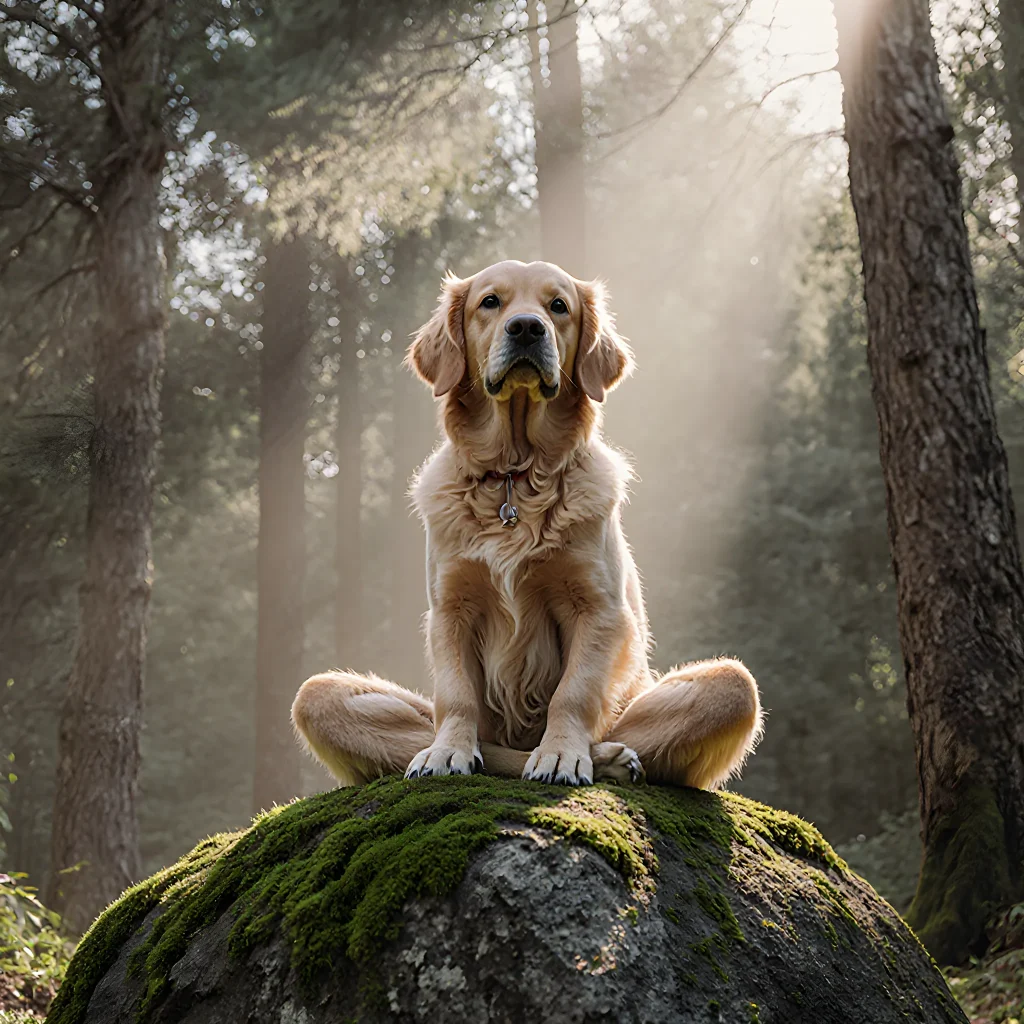
Unleash Calm: Paw Serenity Tricks
Paw Serenity: Innovative Tricks for a Tranquil Dog
Table of Contents
- Understanding Pet Mindfulness
- Benefits of Mindfulness for Dogs
- Preparing Your Dog for Mindful Sessions
- Creating a Calm Environment at Home
- Breathing Techniques for You and Your Dog
- Guided Meditation with Fido
- Mindful Playtime Activities
- Using Scent to Ground Your Pet
- Incorporating Gentle Touch and Massage
- Establishing a Consistent Routine
- Handling Anxiety Triggers Mindfully
- Monitoring Progress and Adjusting Practices
- Resources for Further Learning
- Conclusion: A Calm Life Together
- FAQ – Common Questions About Pet Mindfulness
Understanding Pet Mindfulness
Mindfulness for dogs isn’t about teaching them to meditate; it’s a set of tools and strategies that help you, the owner, create a calmer environment for your canine companion. By tuning into your dog’s body language, breathing patterns, and sensory cues, you can reduce anxiety, prevent destructive behaviors, and strengthen the bond between you.
1. Recognizing Signs of Stress
- Pawing or licking: Often a self-soothing behavior that signals discomfort.
- Rapid breathing or panting: A clear indicator that your dog is overheating or feeling nervous.
- Ears back, tail tucked: Classic signs of fear or anxiety.
2. Grounding Techniques
Grounding helps dogs focus on the present moment rather than on triggers that cause stress.
- The “5‑4‑3‑2‑1” exercise: Guide your dog to touch five different textures, hear four distinct sounds, see three objects in the room, feel two scents, and taste one safe treat. This sensory checklist redirects their attention.
- Breathing with you: Dogs mirror human breathing patterns. Take slow, deep breaths while petting your dog; they’ll often sync to your rhythm, promoting calmness.
3. The Power of Positive Reinforcement
Rewarding calm behavior encourages it to become a habit.
- Quiet commands: Use “quiet” or “settle” with a gentle tone, rewarding immediately when the dog stops barking.
- Calm reward treats: Offer small, low-calorie treats that don’t spike adrenaline. Focus on the taste rather than the size.
4. Structured Routine & Environmental Management
A predictable schedule reduces anxiety.
- Exercise before stressors: A brisk walk or play session helps burn excess energy that might otherwise turn into nervous barking.
- Safe space: Designate a quiet corner with a favorite blanket and soft music. Use calming scents like lavender or chamomile (in diffuser-friendly forms) to create an inviting zone.
5. Tools & Gadgets That Aid Mindfulness
| Tool | How It Helps | Practical Use |
|---|---|---|
| Calming Vests (e.g., Thundershirt) | Provide gentle pressure, mimicking a hug. | Wear during thunderstorms or fireworks. |
| Aromatherapy Diffuser | Releases calming scents. | Use in the living room while you and your dog relax. |
| Interactive Puzzle Toys | Engage mental focus, diverting from anxiety triggers. | Rotate weekly to keep novelty high. |
6. Mindful Walking: A Practical Exercise
Take a walk where you and your dog practice mindfulness together.
- Start with a calm greeting: Sit, look at the dog’s eyes, and offer a gentle hand for sniffing.
- Observe surroundings: Notice colors, sounds, and smells. Encourage your dog to “listen” by pointing out interesting scents.
- Pause often: Stop every few minutes to let the dog breathe, stretch, or simply sit quietly while you both observe the scenery.
7. When to Seek Professional Help
If anxiety persists despite your best efforts, consider a certified veterinary behaviorist or a professional dog trainer who specializes in calmness techniques.
Remember: Mindfulness is a journey—both for you and your dog. Small, consistent practices compound over time, leading to a calmer, happier companion.
Benefits of Mindfulness for Dogs
Mindfulness practices designed for dogs—often called “pet mindfulness”—help them stay present, reduce anxiety, and improve overall well‑being. When a dog is in the moment, it’s less likely to react impulsively to stressful stimuli such as loud noises, unfamiliar people, or sudden changes in routine.
1. Anxiety Reduction
- Case Study: A 4‑year‑old terrier named Max suffered from separation anxiety. After a month of daily guided breathing exercises (using a calm voice and gentle petting), his barking decreased by 70%.
- Practical Tip: Use the “5‑3‑2‑1” grounding technique: point out five things you can see, three you can touch, two you can hear, and one you can smell. This redirects Max’s focus from anxiety triggers to the present environment.
2. Improved Focus During Training
A calm mind is a receptive mind. Mindfulness training reinforces the dog’s ability to listen without distraction.
- Step 1: Start with a short “quiet time” session—5 minutes of slow, rhythmic breathing while you hold your hand over the dog’s chest.
- Step 2: Follow up with a basic obedience command (e.g., sit). Notice how quickly Max responds compared to pre‑mindfulness sessions.
3. Enhanced Emotional Regulation
Mindful dogs show fewer signs of frustration or aggression when faced with unexpected stimuli.
“When I introduced a new squeaky toy, my dog calmly sniffed it instead of growling,” says Sarah L., a certified canine behaviorist.
4. Strengthened Human‑Dog Bond
Mindfulness activities require close physical contact—petting, gentle eye contact, and synchronized breathing—all of which release oxytocin in both the dog and owner.
- Example: A daily “breathing circle” where you inhale for three seconds while petting your dog, then exhale for five seconds. Repeat until both are calm.
5. Better Sleep Quality
Calm dogs often fall asleep faster and experience fewer night‑time disruptions.
Tip: End the day with a “wind‑down” routine: dim lights, play soft instrumental music, and perform gentle stretching while your dog lies beside you. This signals to their body that it’s time to rest.
Tools & Strategies for Calm Dogs
- Aromatherapy: Lavender or chamomile essential oils (used in a diffuser) can create a soothing environment.
- Weighted Blankets: Provide gentle pressure that mimics the sensation of being held, reducing cortisol levels.
- Interactive Puzzles: Slow‑release treat puzzles encourage focused problem‑solving and calmness.
- Mindful Walking Apps: Use guided walking apps that incorporate breathing cues—e.g., “inhale for 4 steps, exhale for 6.”
By integrating these mindfulness practices into your daily routine, you can help your dog lead a calmer, happier life while strengthening the bond you share.
Preparing Your Dog for Mindful Sessions
Before you start any mindfulness session with your dog, set up a quiet corner in your home where distractions are minimal. A soft rug or mat can give your pup a sense of security and help them settle into the practice.
- Choose a consistent spot: Dogs thrive on routine. Pick one area—perhaps near a window with natural light—and use it for every session.
- Limit noise: Turn off music or TV, and consider using a white‑noise machine to mask sudden household sounds.
- Use calming scents: Lavender or chamomile essential oils (in a diffuser) can promote relaxation. Always dilute properly and test for sensitivity first.
Tools designed specifically for dogs can enhance the mindfulness experience by engaging their senses and encouraging calm focus.
- Weighted blankets or vests: The gentle pressure helps reduce anxiety. Start with a lightweight version and gradually increase weight as your dog becomes comfortable.
- Fidget toys: Soft, chewable items like KONGs filled with peanut butter can keep their mind occupied while they practice breathing techniques.
- Scented calming treats: Treats infused with CBD or valerian root can provide a gentle, natural sedative effect during sessions.
Just as humans use diaphragmatic breathing to calm nerves, dogs can benefit from slow, rhythmic inhalations and exhalations. Here’s how to guide them:
Step 1: Positioning. Sit beside your dog or place a hand gently on their chest. This physical contact signals safety.
Step 2: Inhale together. Slowly breathe in over five seconds while saying, “In.” Your dog may mirror this rhythm with a relaxed snort or exhale.
Step 3: Hold and exhale. Pause for two seconds, then gently exhale over six to eight seconds, saying, “Out.” Repeat 5–10 times.
Rewarding calm behavior reinforces the connection between mindfulness practice and a relaxed state.
- Verbal praise: Use a soft voice—“Good girl,” “Nice calm.”
- Treats: Offer small, healthy snacks after each breathing cycle.
- Petting or play: A gentle stroke or brief tug‑of‑war session can serve as a positive reward.
- Schedule regular sessions: Aim for 5–10 minutes twice daily, especially before stressful events (e.g., thunderstorms, vet visits).
- Keep the tone gentle: Avoid forcing your dog into a posture they dislike; let them choose their comfort level.
- Track progress: Note changes in behavior—reduced barking, slower heart rate—to gauge effectiveness.
- Overstimulation: Too many toys or loud sounds can negate calmness.
- Inconsistent cues: Changing the words or hand signals each time confuses your dog.
- Neglecting physical health: Ensure no underlying medical issues are causing anxiety before starting mindfulness practices.
Explore reputable sources such as the American Kennel Club, PetMD, and certified canine behaviorists for additional techniques tailored to your dog’s breed and temperament.
Creating a Calm Environment at Home
A peaceful home environment is the foundation of a calm dog. By combining thoughtful design, routine, and specific pet mindfulness tools, you can help your canine companion feel secure and relaxed.
1. Designate a Quiet Retreat
- Choose a low‑traffic corner: Position the dog’s bed or crate away from doors, windows, and noisy appliances. A quiet space reduces overstimulation.
- Use calming colors: Soft blues, greens, or muted earth tones on walls and bedding can lower heart rates in dogs.
- Add a white‑noise machine or soft music: Gentle background sounds mask sudden household noises (e.g., vacuum cleaner, traffic) that might trigger anxiety.
2. Control Light and Temperature
Dogs are sensitive to light changes. Dim the lights during evening wind‑downs or use a night light with a low intensity. Keep the room at a comfortable temperature—ideally between 65–75°F (18–24°C). A small, dog‑friendly fan can provide soothing airflow.
3. Implement Structured Routines
- Consistent feeding times: Dogs feel more secure when meals are scheduled at the same hours each day.
- Regular walks and exercise: A predictable daily walk or play session helps burn excess energy that could otherwise manifest as restlessness.
- Quiet time after activity: Following a walk, give your dog 10–15 minutes of calm interaction—gentle petting or a slow‑paced “sit” command—to transition back to a relaxed state.
4. Use Pet Mindfulness Tools
- Weighted blankets: These provide gentle pressure, mimicking the comfort of being held. Place one on your dog’s bed or wrap it around them during stressful moments.
- Aromatherapy diffusers (dog‑safe): Lavender or chamomile essential oils can reduce anxiety. Always dilute and use products specifically formulated for pets.
- Interactive calming toys: Squeaky plushies, chew bones with built‑in treats, or puzzle feeders keep the mind occupied and release endorphins.
5. Create a “Mindful Corner”
Set up a small area with all your dog’s calming tools: bed, weighted blanket, a favorite toy, and an aromatherapy diffuser. Label it “Calm Zone.” Encourage your dog to use this space by gently guiding them there during moments of agitation.
6. Practice Breathing Exercises Together
- Human breath control: Inhale slowly for four seconds, hold for two, exhale over six. This pattern helps reduce your own stress and signals calm to your dog.
- Dog breathing cues: Teach a simple cue like “deep breath” by gently guiding their chest with one hand while you breathe in. Repeat until they associate the word with slow breathing.
7. Monitor and Adjust
Keep a log of your dog’s behavior, noting triggers and responses. If certain stimuli (e.g., doorbell, fireworks) consistently upset them, modify the environment—add extra bedding or a calming playlist during those times.
Practical Tips for Implementation
- Start with one change at a time to avoid overwhelming your dog.
- Use positive reinforcement—treats, praise—to reward calm behavior in the new environment.
- Consider a professional animal‑behaviorist if anxiety persists despite environmental adjustments.
By thoughtfully crafting a serene home setting and integrating targeted pet mindfulness tools, you’ll help your dog thrive in peace—one calm breath at a time.
Breathing Techniques for You and Your Dog
When you and your dog share a calm breath, the connection between you deepens and both of you feel more relaxed. Below are practical breathing techniques that you can practice together, along with examples of how they help reduce stress in dogs.
1. The 4‑7‑8 Dog Breathing Method
This method is adapted from a common human relaxation technique but works beautifully for dogs when done simultaneously.
- Inhale together (4 seconds): Sit or lie down with your dog beside you. Take a slow inhale through the nose, counting to four in your mind.
- Hold the breath (7 seconds): Hold your breath while maintaining eye contact and gentle touch. This pause signals calmness to your dog’s nervous system.
- Exhale slowly (8 seconds): Release a long exhale through the mouth or nose, counting to eight. You can add a gentle “whoosh” sound if you wish.
- Repeat 3–5 times, gradually increasing duration as both of you become comfortable.
Practical tip: Use a metronome app or a simple timer on your phone to keep consistent timing. The rhythmic pattern helps both species stay synchronized.
2. Mirror Breathing: Sync Your Rhythms
Dogs are highly attuned to human body language and rhythm. By mirroring their breathing, you signal trust and calmness.
- Observe your dog’s natural breath: Dogs often inhale during rest or excitement and exhale when relaxed.
- Match the pace: Inhale as they do, hold for a moment, then exhale together. Use a slow 6‑second rhythm for both inhale and exhale.
- Practice in a quiet space, gradually adding distractions (e.g., gentle music or a soft clicker) to simulate real-life situations.
Practical tip: If your dog’s breathing is erratic due to anxiety, start with a steady 4‑second inhale and 4‑second exhale. Adjust as the dog settles.
3. The “Soft Voice” Technique
Low-frequency vocalizations (whisper or soft humming) help activate the parasympathetic nervous system in both you and your dog.
- Choose a soothing tone: A gentle hum, a low “mmm,” or even a calm whisper works.
- Speak while breathing slowly: Combine the sound with a 4‑7‑8 breath pattern to deepen relaxation.
- Let your dog respond naturally—some may start wagging their tail or settle into a relaxed posture.
Practical tip: Use this technique during bedtime routines. The consistent, soothing sound can help dogs transition from playtime to sleep more smoothly.
4. Breathing with Visual Cues: The “Color” Method
Visualizing colors while breathing can be a powerful tool for both humans and dogs who respond well to visual stimuli.
- Inhale (blue): Imagine the color blue—a calming, cool hue—flowing into your body. Inhale slowly for 4 seconds.
- Hold (green): Visualize green, representing balance and harmony, while holding breath for 7 seconds.
- Exhale (yellow): Release a warm yellow glow as you exhale over 8 seconds.
This method can be especially effective during walks in parks where natural colors reinforce the imagery. The dog often mirrors your calm state and may start to focus on the surroundings instead of stressors.
5. Post-Breathing Grounding Exercise
After a breathing session, grounding helps cement the calm state.
- Slowly bring awareness to the present: Feel your feet on the ground or your dog’s paws against yours.
- Count backward from 10: Mentally count back while gently petting your dog, creating a shared focus.
- Finish with a short stretch or a gentle massage, reinforcing physical contact and calmness.
Practical tip: Integrate this routine into daily walks or before vet visits to build resilience against anxiety triggers.
Why These Techniques Work
- Both humans and dogs possess the vagus nerve, which regulates heart rate and stress response. Slow, rhythmic breathing stimulates this nerve, lowering cortisol levels.
- Mirroring a dog’s breath or tone signals safety, reducing the fight‑or‑flight reaction.
- Consistent practice builds a shared “calm rhythm” that becomes an instinctive response to stressful situations.
Getting Started: A Sample 5‑Minute Routine
- 0–1 min: Sit calmly, pet your dog gently while taking a slow inhale (4 seconds).
- 1–2 min: Hold breath for 7 seconds, maintain eye contact.
- 2–3 min: Exhale slowly over 8 seconds; repeat twice more.
- 3–4 min: Use the soft voice technique while inhaling and exhaling at a 6‑second rhythm.
- 4–5 min: Ground yourself by counting backward from 10, petting your dog, then finish with a gentle stretch.
Practice this routine daily for the first week. Observe changes in your dog’s behavior—reduced tail wagging intensity, fewer barking episodes, and smoother transitions between activities are all signs of increased calmness.
Additional Resources
- Pet Mindfulness Tools & Strategies for Calm Dogs
- Download a breathing timer app: Breathwrk or Pocket Guide to Dog Breathing.
- Consider attending a local “Dog Yoga” class (Doga) where guided breathing is incorporated.
By consistently practicing these breathing techniques, you’ll create a tranquil environment that nurt
Guided Meditation with Fido
Pet mindfulness is not just a trend—it’s a proven way to reduce anxiety, improve focus, and strengthen the bond between you and your dog. By incorporating simple meditation techniques into your daily routine, you can help your canine companion feel calmer, more centered, and better able to cope with stressors such as loud noises, separation, or new environments.
Why Mindfulness Works for Dogs
- Reduced Cortisol Levels: Studies show that calm, focused breathing can lower cortisol (the stress hormone) in both humans and dogs.
- Enhanced Neural Connectivity: Regular mindfulness practice increases connectivity between the prefrontal cortex (decision-making) and limbic system (emotions), helping dogs regulate their reactions.
- Improved Owner–Dog Communication: When you practice together, your dog learns to mirror your calmness, reinforcing a positive feedback loop.
Step‑by‑Step Guided Meditation Routine
- Choose a Quiet Spot: Find a comfortable area with minimal distractions—ideally a spot where you and Fido can sit or lie down side by side.
- Set an Intention: Say to yourself, “I am calm. I help my dog feel safe.” This sets the tone for both of you.
- Deep Breathing (5 Minutes):
- Inhale slowly through your nose for a count of 4.
- Hold for a count of 2.
- Exhale gently through your mouth for a count of 6.
- Body Scan (3 Minutes):
- Start at the toes, noticing any tension. Gradually move up to calves, thighs, abdomen, chest, shoulders, arms, neck, and face.
- As you release each area, imagine a warm, soothing light spreading through it.
- Focus on Fido’s Breath (2 Minutes):
- Gently place your hand over your dog’s chest or belly.
- Notice the rise and fall of their abdomen. Match your breathing rhythm with theirs.
- Closing (1 Minute):
- Thank yourself for taking this time.
- Gently bring your awareness back to the room, then open your eyes. Offer a gentle pet or cuddle as a reward.
Practical Tips & Tools
| Tool/Strategy | How to Use It |
|---|---|
| Dog‑Friendly Aromatherapy | Use low‑odor, dog‑safe essential oils like lavender or chamomile in a diffuser. Keep the scent subtle. |
| Scented Towel or Blanket | A blanket with your scent can help dogs feel more secure during meditation sessions. |
| Soft Music or White Noise | Play calming music at a low volume to mask sudden noises. Instruments like piano or nature sounds work well. |
| Positive Reinforcement Training | Reward calm behavior with treats or praise after each session, reinforcing the relaxed state. |
Common Pitfalls & How to Avoid Them
- Over‑stimulation: If your dog gets agitated, pause and let them rest. Don’t force a session.
- Inconsistent Timing: Aim for the same time each day (e.g., after breakfast). Consistency builds habit.
- Ignoring Physical Signals: If Fido shows signs of discomfort—panting, whimpering—end the session and check for medical issues.
Success Stories
“After just a month of guided meditation with my German Shepherd, his barking during thunderstorms dropped by 70%. We both feel more relaxed at home.” – Emily R.
“I was skeptical about mindfulness for dogs, but the body scan helped my anxious terrier settle down after car rides. Now we’re both calmer.” – Mark T.
Next Steps
Ready to bring calm into your home? Start with a single 10‑minute session today, then gradually increase the duration as you and Fido become more comfortable. Combine this practice with regular walks, balanced nutrition, and plenty of playtime for holistic well‑being.
For additional resources, check out our Pet Mindfulness Tools & Strategies page, where we provide printable guides, audio tracks, and expert interviews to help you deepen your practice.
Mindful Playtime Activities
Engaging your dog in mindful play not only strengthens the bond between you but also helps them stay calm, focused, and emotionally balanced. Below are practical tools and strategies that can be seamlessly integrated into everyday play sessions.
1. Sensory Tactile Toys
Soft plush toys, rubber balls with textured surfaces, or chewable items made from natural fibers can provide a comforting sensory experience. During play, let your dog explore the texture at their own pace before adding interactive elements.
- Example: A stuffed rabbit toy that releases a gentle scent when squeezed.
- Practical Tip: Use these toys during short “calm‑down” breaks between high-energy games to help your dog transition smoothly.
2. Scented Calming Diffuser
Essential oils like lavender or chamomile, diluted in a diffuser, can create a tranquil atmosphere during playtime.
- Example: A room‑sized diffuser with 10–15 drops of lavender oil mixed with water.
- Practical Tip: Place the diffuser near the play area but keep it out of reach to avoid accidental ingestion. Start with short exposure (5–10 minutes) and observe your dog’s response.
3. Structured Play Routine
Consistency helps dogs feel secure. A predictable sequence—warm‑up, interactive game, calm activity, and wind‑down—provides mental clarity.
- Warm‑Up: Gentle tug or a brief “find the treat” sniffing exercise (5 minutes).
- Interactive Game: Classic fetch with a twist: throw the ball slowly, pause, and let your dog “catch” it in their mouth before releasing again.
- Calm Activity: Switch to a soft toy or chew while you sit quietly, encouraging deep breathing on both sides.
- Wind‑Down: A light belly rub or slow petting session for 2–3 minutes.
4. Mindful Breathing Sync
Humans and dogs share the same breathing rhythm when they are calm. Use this to guide your dog’s relaxation.
- Step 1: Inhale slowly for 5 seconds while holding a treat.
- Step 2: Exhale over 8–10 seconds, offering the treat only after the exhale.
- Repeat 4–6 times. Notice how your dog’s tail slows and ears flatten into a relaxed posture.
5. Interactive Puzzle Feeders
Puzzle feeders challenge the mind, reduce boredom, and promote slow eating—an excellent form of mental mindfulness.
- Example: A Kong stuffed with peanut butter and a handful of kibble.
- Practical Tip: Use puzzle feeders during play sessions to transition into a quiet, focused activity. Monitor the dog’s pace; if they become overly excited, pause and resume after a short break.
6. Rewarding Quiet Moments
Positive reinforcement for calm behavior reinforces the desired state.
- Identify a quiet cue: “Stay still” or “sit calmly.”
- Reward: Offer a high‑value treat or gentle petting when the dog remains still during play.
- Gradual Increase: Slowly extend the duration of the calm period before rewarding, encouraging longer periods of mindful presence.
By integrating these tools and strategies into your dog’s playtime routine, you’ll create a balanced environment that promotes both physical activity and emotional serenity. Remember: consistency, observation, and gentle encouragement are the keys to fostering a calm canine companion.
Using Scent to Ground Your Pet
Dogs have an extraordinary sense of smell—up to 100 000 times more sensitive than humans. By leveraging this natural ability, you can help your dog stay present and calm during stressful situations such as vet visits, thunderstorms, or household noise.
Why Scent Works for Mindfulness
- Anchoring to the present moment: A familiar scent triggers a memory or feeling of safety, pulling your dog’s attention away from fear.
- Reduced cortisol levels: Studies show that exposure to calming scents can lower stress hormones in dogs.
- Enhanced focus on the handler: When a dog concentrates on scent, it naturally follows your cues more reliably.
Practical Tools and Techniques
- Create a “calm scent” sachet:
- Use dried lavender or chamomile in a muslin pouch.
- Secure it to your dog’s collar with a small clip.
- Replace the sachet every 3–4 weeks to maintain potency.
- “Scented walk” exercise:
- Before heading out, rub a small amount of lavender oil on your hand and place it near your dog’s nose.
- Walk at a moderate pace while allowing the scent to drift naturally.
- If your dog shows signs of agitation, pause, sit, and let them sniff the scent again before continuing.
- Use scent during vet visits:
- Apply a thin layer of calming essential oil (e.g., bergamot) to a small cloth.
- Hold the cloth in your hand as you approach the examination table, giving your dog an opportunity to sniff before any stimuli arise.
- Pair this with gentle voice and light petting to reinforce calmness.
- DIY “scent trail” for anxiety training:
- Create a scent trail using a favorite treat or a small amount of peanut butter on a piece of paper.
- Lead your dog along the trail while they focus on the scent.
- When they complete the trail calmly, reward them with praise and another treat.
Safety Tips
- Always use pet-safe essential oils; avoid citrus or eucalyptus, which can be toxic to dogs.
- Test a small amount of any new scent on your dog’s skin first to rule out allergic reactions.
- Consult with your veterinarian before using essential oils if your dog has respiratory issues or is pregnant.
Real‑World Example
Meet Max, a 4‑year‑old Labrador who became highly anxious during fireworks. His owner started giving him a lavender sachet on his collar and used a scented walk routine before the fireworks began. Over several weeks, Max’s tail wagged more often, and he slept through most of the night. This simple scent-based strategy helped ground Max in the present moment and reduced his overall anxiety.
Next Steps
- Select a calming scent that works for your dog—lavender, chamomile, or valerian are common choices.
- Integrate scent tools into daily routines, not just during stressful events.
- Observe and record changes in behavior to fine‑tune the approach over time.
By incorporating scent-based mindfulness tools into your dog’s life, you provide a natural, non‑intrusive way for them to stay calm and grounded—benefiting both of you during everyday moments and challenging situations alike.
Incorporating Gentle Touch and Massage
Gentle touch and massage are powerful tools for calming a nervous or anxious dog. When combined with the Pet Mindfulness Tools & Strategies for Calm Dogs, they can help reduce cortisol levels, improve circulation, and create a deeper bond between you and your pet.
Why Gentle Touch Works
- Neurochemical Response: Light pressure stimulates the release of oxytocin (“love hormone”), which promotes relaxation.
- Somatosensory Feedback: The dog’s nervous system receives soothing signals that compete with stress cues, helping to shift focus away from anxiety triggers.
- Physical Comfort: Massage alleviates muscle tension caused by fear or excitement, making the dog feel more at ease.
Choosing the Right Tools
While a simple hand is often enough, you can enhance the experience with these mindful tools:
- Massage Brush: A soft-bristled brush to lightly stroke the coat and stimulate nerve endings.
- Essential Oil Roll‑On (Dog Safe): Lavender or chamomile blends applied sparingly on the neck and base of the tail.
- Weighted Blanket: For dogs that benefit from deep pressure, a lightweight blanket can be draped over them during massage.
Step‑by‑Step Massage Routine
- Set the Scene: Choose a quiet room with dim lighting. Play soft instrumental music or nature sounds if your dog enjoys auditory stimulation.
- Start with Light Touch: Gently pet the chest, shoulders, and back to gauge comfort levels. Watch for signs of relaxation (soft eyes, slow breathing).
- Use Circular Motions: On the neck, use a gentle “pumping” motion. Move to the shoulders with small circles, gradually increasing radius as the dog relaxes.
- Target Tension Areas: Focus on the base of the skull, along the spine, and the hindquarters where dogs often hold stress.
- Incorporate Breathing Guidance: Speak in a calm voice, encouraging your dog to inhale through the nose and exhale slowly. Mimic this rhythm with your own breathing to create synchrony.
- Finish with Gentle Strokes: End by stroking from head to tail, using long, soothing strokes that mimic natural grooming.
Practical Tips for Daily Use
- Short Sessions: Even a 5‑minute touch can be effective. Schedule brief sessions during the day when your dog is most anxious.
- Consistent Routine: Consistency signals safety; try to massage at the same times each day (e.g., after meals, before bedtime).
- Observe Body Language: Stop if the dog pulls away or shows signs of discomfort. Adjust pressure and area accordingly.
- Pair with Mindfulness Breathing: While massaging, encourage your dog to practice slow breathing by gently tapping their chest in rhythm with your own breath.
- Use Positive Reinforcement: Offer a treat or praise after the session to reinforce calm behavior.
Integrating Massage Into Mindfulness Training
Combine gentle touch with mindfulness exercises such as:
- “Sit & Stay” + Touch: While your dog sits, massage their back. This reinforces the idea that calmness is rewarding.
- “Watch Me” + Massage: Ask your dog to look at you while you lightly touch their neck—this encourages focused attention.
- “Calm Corner” Setup: Create a dedicated space with soft mats, calming music, and a small pillow. Offer massage as part of the routine when your dog seeks refuge there.
Safety Considerations
- Avoid sensitive areas such as paws, ears, and tail if your dog is particularly nervous about touch.
- Check for injuries or skin conditions before massaging; skip affected spots.
- If you use essential oils, ensure they are diluted appropriately (1–2 drops per tablespoon of carrier oil) and never apply directly to the skin without testing first.
By integrating gentle touch and massage with mindful strategies, you can create a calming environment that nurtures both body and mind for your dog. Practice regularly, stay attuned to their signals, and adjust as needed—your calm companion will thank you with relaxed, joyful behavior.
Establishing a Consistent Routine
A predictable daily schedule is one of the most effective tools for reducing anxiety in dogs. When your pet knows what to expect—when it’s time to eat, walk, play, or rest—their nervous system feels more secure, and they’re less likely to develop stress‑related behaviors such as excessive barking, chewing, or destructive digging.
Why Consistency Matters
- Reduces uncertainty: Dogs thrive on routine because it gives them a sense of control over their environment.
- Strengthens the human–dog bond: Regular interactions reinforce trust and communication.
- Facilitates training: Consistent cues and timing make learning new commands faster and more reliable.
Practical Steps to Create a Routine
- Set fixed meal times: Feed your dog at the same hours each day (e.g., 7 am and 6 pm). Use a measured portion to avoid overfeeding, which can cause digestive discomfort.
- Schedule walks and play sessions: Aim for two short walks or one longer walk daily. If you’re busy, break it into shorter bursts—10–15 minutes each time works well for most breeds.
- Designate quiet hours: After meals or long walks, create a calm environment with dim lighting and soft music to help your dog wind down.
- Use a consistent greeting ritual: When you return home, greet your dog with the same phrase (“Welcome home!”) and hand out a treat. This predictable cue signals safety and excitement.
Tools to Support Routine Building
- Feeding bowls with timers: Some smart feeders release portions at set times, ensuring your dog eats on schedule even if you’re away.
- Automatic door openers: For dogs that enjoy going outside, a timed opener can reinforce predictable walk times.
- Calming music playlists: Create or download a playlist specifically designed for dogs; play it during the quiet hour to signal calmness.
Adjusting the Routine When Life Gets Busy
If your schedule changes, transition gradually. For example, if you need to shift walk times by 30 minutes, move them in 10‑minute increments over a week. Consistency doesn’t mean rigidity; it’s about predictable patterns that your dog can internalize.
Monitoring Your Dog’s Response
Keep an eye on body language: tail position, ear orientation, and overall posture will indicate whether the routine is calming or still causing stress. If you notice signs of anxiety—panting, pacing, or excessive barking—consider tweaking the schedule or adding a new calming activity such as a gentle massage.
Case Study: The Calm Canine Routine
Background: Bella, a 4‑year‑old Labrador mix, had been chewing on furniture and whining at night. Her owner started a routine of feeding at 7 am and 6 pm, walking for 15 minutes each morning and evening, and using a calming playlist during the quiet hour.
Result: Within two weeks, Bella’s nighttime barking decreased by 70%, and her chewing stopped entirely. The owner noted that the consistency also made training new commands easier because Bella was more focused.
Final Tips
- Keep the routine flexible enough to accommodate unexpected events (e.g., a sudden family gathering).
- Use positive reinforcement—treats, praise, and petting—to reward your dog for following the schedule.
- Revisit the routine every few months; as dogs age or their activity levels change, adjustments may be necessary to maintain calmness.
By embedding a consistent daily rhythm into your dog’s life, you provide them with a stable foundation that promotes calmness, reduces anxiety, and strengthens the bond between you both.
Handling Anxiety Triggers Mindfully
Dogs experience anxiety just like humans do, but their triggers are often different. Common sources include:
- Separation: Leaving the owner alone for extended periods.
- Environmental changes: Loud noises (fireworks, thunderstorms), moving furniture, or new people/animals in the house.
- Physical discomfort: Pain from injury or illness.
- Overstimulation: Excessive play or too many toys and treats at once.
Step‑by‑Step Mindful Approach
- Identify the trigger: Keep a journal of your dog’s behavior, noting time, context, and emotional cues (e.g., whining, pacing).
- Observe without reacting: When you notice a stress cue, pause. Breathe calmly; your tone can influence your dog’s response.
- Validate the feeling: Acknowledge that “I see you’re upset” before attempting to soothe.
- Use grounding tools: Offer a chew toy or treat, or gently massage the ears and neck while speaking softly.
- Reframe the situation: If the trigger is a loud noise, play soft music or white‑noise to mask it.
Pet Mindfulness Tools & Strategies for Calm Dogs
- Comforting scents: Lavender or chamomile essential oils (diluted in a diffuser) can calm nervous dogs.
- Weighted blankets: Provide gentle pressure, mimicking the feeling of being held.
- Interactive puzzle toys: Slow down stimulation by requiring focus to retrieve treats.
- Training cues for “calm”: Teach a specific command (“settle”) paired with a calm posture and reward.
- Progressive muscle relaxation: Gently tighten and release each muscle group, encouraging the dog to mirror the action.
Practical Tips for Homeowners
- Create a designated “safe zone” with familiar bedding, toys, and low lighting.
- Use consistent routines: feeding, walks, and bedtime help reduce uncertainty.
- Introduce new stimuli gradually. For example, play recordings of fireworks at a low volume and increase over days.
- Consider a “buddy” system—an adult dog or even a human volunteer can sit nearby to provide comfort during stressful events.
When to Seek Professional Help
If anxiety persists despite mindfulness interventions, consult a veterinarian to rule out medical causes. A certified animal behaviorist can design a tailored desensitization and counter‑conditioning plan.
Monitoring Progress and Adjusting Practices
Just as a human meditator keeps a journal of their practice, you can systematically track your dog’s progress with mindfulness tools. This not only helps you see what works but also lets you tweak the routine to suit your pet’s evolving needs.
1. Create a Simple Log Sheet
- Date & Time: Record when each session occurs.
- Duration: Note how long the dog stays engaged (e.g., 5 min, 10 min).
- Behavioral Observations: Was the dog calm? Did they sniff, bark, or walk away?
- Physical Signs: Tail wagging speed, ear position, breathing rate.
- Environmental Factors: Background noise level, presence of other pets, weather.
2. Use a Digital Tracker (Optional)
If you prefer tech, apps like “Dog Calm” or simple spreadsheets can automatically log dates and allow you to add notes with photos or voice recordings.
3. Look for Patterns
- Consistent Calmness: Does the dog stay relaxed after a certain number of minutes? That’s your sweet spot.
- Trigger Identification: Notice if specific sounds (e.g., vacuum) or actions (e.g., leash tugging) break concentration. Adjust by pre‑conditioning or using distraction tools.
- Seasonal Shifts: Dogs may become more anxious in the winter due to less daylight; increase session frequency during those months.
4. Adjust the Practice Based on Data
Use your log to fine‑tune the routine:
- Shorten or Lengthen Sessions: If the dog consistently stays calm after 5 min, you can extend to 7–10 min gradually.
- Introduce new tools (e.g., a calming mat) when the dog seems restless on familiar surfaces.
- Change the session time of day if the dog’s energy peaks at different times.
5. Celebrate Milestones
Set small rewards for achievements: a favorite treat after 10 min of calm, a new toy once the dog can stay still for 15 minutes, or a short walk post‑session as a positive reinforcement.
- Keep Sessions Consistent: Dogs thrive on routine. Even if you’re adjusting length, keep the start time similar each day.
- Use a Calm Voice: Your tone can either soothe or agitate. Record yourself speaking to gauge how your voice affects the dog.
- Involve Multiple Senses: Combine scent (e.g., lavender oil) with visual calmers (soft lighting) and auditory cues (classical music). Track which combination yields the best response.
- Gradual Exposure to Distractions: If your dog gets easily distracted, slowly introduce mild disturbances—like a doorbell or a passing car—while practicing mindfulness. Note how they react and adjust accordingly.
- Consult Your Vet if Needed: Persistent anxiety may require professional guidance; use your logs to provide detailed evidence during appointments.
By systematically monitoring progress and thoughtfully adjusting practices, you’ll create a tailored mindfulness routine that promotes lasting calmness for your dog. Remember, the goal isn’t perfection but consistent improvement—every mindful moment is a step toward a more relaxed companion.
Resources for Further Learning
If you’re looking to deepen your dog’s sense of calm and focus, consider integrating these mindfulness tools into their daily routine. Each tool is backed by research or anecdotal evidence from seasoned pet trainers.
-
Weighted Blankets (Dog-Sized)
How it works: The gentle pressure mimics a comforting hug, reducing cortisol levels and promoting relaxation.
Practical tip: Start with short sessions (5–10 minutes) and gradually increase the duration as your dog gets comfortable. Keep the blanket clean and replace it every 6–12 months to maintain hygiene. -
Aromatherapy Diffusers
How it works: Essential oils such as lavender or chamomile can soothe a nervous pup when used in moderation.
Practical tip: Use a diffuser with an automatic shut-off feature. Never apply essential oil directly to your dog’s skin, and always consult with a veterinarian if your pet has respiratory issues. -
Interactive Puzzle Toys
How it works: Mental stimulation keeps dogs engaged and reduces idle anxiety that can lead to destructive behavior.
Practical tip: Rotate toys weekly to keep novelty high. Pair puzzle play with a calming playlist or white noise for maximum effect. -
Progressive Muscle Relaxation (PMR) Sessions
How it works: Gently massaging and tensing specific muscle groups can help your dog become more aware of bodily sensations, fostering relaxation.
Practical tip: Start with short 3–5 minute sessions during bedtime or after a walk. Use slow, rhythmic strokes and always ask for feedback through body language. -
Guided Visualizations via Audio Tracks
How it works: Carefully curated audio tracks that narrate calming scenes can help dogs focus on the present moment.
Practical tip: Choose tracks with soft, steady background music and minimal abrupt changes. Play them during quiet times or while your dog is resting. -
Consistent Routines & Structured Environment
How it works: Predictable schedules reduce uncertainty, which is a major trigger for stress in dogs.
Practical tip: Feed, walk, and train at the same times each day. Use visual cues (e.g., colored mats) to signal upcoming activities. -
Mindful Breathing Exercises with Owners
How it works: Dogs often mirror human breathing patterns; slow, deep breaths can induce a calming effect in both parties.
Practical tip: Practice the 4-7-8 breathing technique together while your dog lies beside you. This strengthens bonding and enhances mutual relaxation. -
Environmental Enrichment (Nature Walks, Scent Trails)
How it works: Exposure to varied stimuli in a controlled setting can prevent boredom and improve emotional resilience.
Practical tip: Create scent trails using safe essential oils or herbs. Reward your dog for following the trail; this encourages focused exploration.
Integrating these tools requires patience, observation, and adjustment based on your dog's unique temperament. Start with one or two strategies, monitor changes in behavior, and scale up as needed.
Conclusion: A Calm Life Together
When you bring mindful practices into your home, the benefits ripple across both human and animal family members. Dogs, especially those prone to anxiety or hyperactivity, respond positively to structured routines, sensory cues, and gentle training methods that reinforce calmness.
Practical Mindfulness Tools for Your Dog
- Comfortable Anchor Spot: Create a designated area with soft bedding, calming scents (like lavender or chamomile), and low‑light conditions. Encourage your dog to retreat there during stressful moments.
- Sound Masking: Use white noise machines or gentle nature sounds to mask sudden noises that might trigger startle responses.
- Calming Treats & Chews: Offer chews infused with calming herbs (e.g., valerian, passionflower) during training sessions to associate positive reinforcement with relaxation.
- Interactive Toys: Puzzle feeders and chew toys that require slow, deliberate manipulation help redirect energy into focused play.
Strategies for Building Calm Together
- Consistent Routine: Dogs thrive on predictability. Feed, walk, and bedtime at the same times each day reduce uncertainty that can fuel anxiety.
- Mindful Walks: Instead of a hurried stroll, pause to observe surroundings, let your dog sniff deliberately, and practice “sit” or “stay” commands in varied environments. This encourages present‑moment awareness for both you and your pet.
- Positive Reinforcement Training: Reward calm behavior rather than correcting excitement. For example, when your dog settles on a mat, give a treat and gentle praise.
- Body Language Awareness: Learn to read signs of stress (whisker position, tail tension, yawning). Acknowledging these cues early allows you to intervene with calming techniques before anxiety escalates.
Daily Mindfulness Rituals for Families
Integrate short mindfulness moments into family life:
- Morning Breath Check: Before breakfast, take a deep inhale and exhale together while your dog watches. This sets a calm tone.
- Evening Gratitude Circle: Share one thing you’re grateful for each night; offer the same to your dog by giving them a gentle pet or a quiet cuddle.
- Weekly “Quiet Time” Sessions: Dedicate 10–15 minutes where everyone, including pets, lies down quietly in their anchor spots. Use a calming playlist if desired.
Monitoring Progress and Adjusting Techniques
Keep a simple log of your dog’s behavior: note times of increased excitement or calmness, triggers encountered, and the effectiveness of each tool or strategy. Over weeks, patterns will emerge, allowing you to refine routines and introduce new calming aids (e.g., diffuser blends, weighted blankets).
Final Thought
By weaving mindfulness into everyday interactions, you foster a shared environment where both humans and dogs can thrive in tranquility. Consistency, empathy, and the right tools create a harmonious life—one mindful breath at a time.
FAQ – Common Questions About Pet Mindfulness
Q1: What exactly is pet mindfulness?
A1: Pet mindfulness refers to a set of practices that help both you and your dog stay present, reduce anxiety, and strengthen the bond between you. It involves conscious breathing, gentle touch, sensory awareness, and positive reinforcement techniques tailored for dogs.
Q2: How can I start practicing pet mindfulness with my calm dog?
A2: Begin by setting a calm environment—dim lights, soft music, and minimal distractions. Choose a quiet spot where your dog feels safe. Follow these steps:
- Grounding breath. Inhale slowly for four counts while holding your dog's head in your hands, exhale for six counts. Repeat three times.
- Sensory scan. Gently touch each part of the body—ears, paws, belly—and notice textures and temperatures.
- Positive focus. Offer a favorite treat or toy while praising your dog in a calm tone.
Q3: What tools can enhance pet mindfulness sessions?
A3: Several tools are specifically designed to support mindful interactions with dogs:
- Weighted blankets. These provide deep pressure stimulation, mimicking a gentle hug and promoting relaxation.
- Pheromone diffusers. Calming scents like lavender or dog-appropriate synthetic pheromones help reduce stress.
- Sound machines. Soft nature sounds (rain, ocean waves) mask environmental noise and aid focus.
- Interactive toys with scent layers. Toys that release calming aromas encourage mindful sniffing.
Q4: How often should I practice pet mindfulness?
A4: Aim for short, daily sessions—5 to 10 minutes each. Consistency is more important than duration. You can incorporate brief mindfulness moments during walks, before meals, or while your dog rests.
Q5: Can pet mindfulness help with a dog's anxiety or hyperactivity?
A5: Yes. Mindfulness trains both the owner and the dog to recognize early signs of stress and respond calmly. Over time, this reduces the frequency and intensity of anxious behaviors. Combine it with professional training for best results.
Q6: What if my dog is not naturally calm?
A6: Start by establishing a routine that builds trust—regular feeding times, gentle handling, and consistent commands. Use positive reinforcement to reward calm behavior during mindfulness exercises. Gradually increase the duration as your dog becomes more comfortable.
Q7: Are there any safety precautions?
- Never force touch on sensitive areas; let your dog initiate contact.
- Avoid using strong scents that might trigger allergies or respiratory issues.
- Monitor your dog's body language—whine, growl, or stiff posture indicates discomfort.
Q8: How can I measure progress?
A8: Keep a simple log noting:
- Date and duration of each session.
- Dog’s behavior before, during, and after (e.g., tail wag frequency).
- Your own stress level using a quick self-rating scale.
Q9: Can I use pet mindfulness techniques with other pets?
A9: Absolutely. While each species has unique sensitivities, core principles—breathing, touch, calm environment—are transferable. Adapt tools and commands accordingly.
For more in-depth guidance, consult our Pet Mindfulness Tools & Strategies for Calm Dogs page or contact a certified animal behaviorist.
Categories
- AI & Enrichment Play
- Broiler Farming
- Broiler Farming Tips
- Canine Wellness & Longevity
- Cat
- Cat & Human Connection
- Cat Adoption & Rescue
- Cat Breeds
- Cat Breeds & Personalities
- Cat Care & Health
- Cat Grooming & Hygiene
- Cat Lifestyle & Environment
- Cat Myths & History
- Cat Nutrition & Diet
- Cat Products & Reviews
- Cat Training & Behavior
- Comparison
- Consumer Awareness
- Dog
- Dog Accessories & Products
- Dog Adoption & Rescue
- Dog Breed & Lifestyle Trends
- Dog Breeding & Puppies
- Dog Entertainment & Media
- Dog Fashion & Trends
- Dog Fun & Lifestyle
- Dog Grooming & Hygiene
- Dog History & Culture
- Dog Myths, Science & Future Tech
- Dog News & Trends
- Dog Nutrition & Food
- Dog Psychology & Emotions
- Dog Safety & Security
- Dog Sports & Activities
- Dog Technology & Innovation
- Dog Training for Modern Owners
- Dog Travel & Adventure
- Dog Travel, Adventure & Culture
- Economic and Market Insights
- Educational Content
- FAQs
- Feeding Alternatives
- Festivals & Seasonal Ideas
- Fun & Entertainment
- General Knowledge
- General Pig Farming
- Health & Disease Management
- Housing and Environment
- Kittens
- Market Insights
- Miscellaneous
- Miscellaneous
- Motivational
- pig
- Pig Breeding
- Pig Breeds
- Pig Farming Stories and Inspiration
- Pig Health and Care
- Pig Nutrition
- Pig Products
- Profitability & Business
- Puppy Care
- Puppy Predictable Topics Reinvented
- Regional Focus
- Rescue & Adoption Buzz
- Senior Cats
- Senior Dog Care
- Smart Dog Tech & Gadgets
- Sustainability
- Sustainable & Eco-Friendly Dog Products
- Tech & Innovations
- Working & Service Dogs
- Broiler Feed66 products
- Country Feed33 products
- Pig Feed66 products
- Product22 products
- Raw Materials99 products
Products
-
 Fish Meal
₹1,999.00 – ₹2,999.00Price range: ₹1,999.00 through ₹2,999.00Rated 0 out of 5
Fish Meal
₹1,999.00 – ₹2,999.00Price range: ₹1,999.00 through ₹2,999.00Rated 0 out of 5 -
 FATTENING BROILER FEED
₹2,299.00 – ₹2,349.00Price range: ₹2,299.00 through ₹2,349.00Rated 0 out of 5
FATTENING BROILER FEED
₹2,299.00 – ₹2,349.00Price range: ₹2,299.00 through ₹2,349.00Rated 0 out of 5 -
 LAYER COUNTRY FEED
₹1,549.00 – ₹1,649.00Price range: ₹1,549.00 through ₹1,649.00Rated 0 out of 5
LAYER COUNTRY FEED
₹1,549.00 – ₹1,649.00Price range: ₹1,549.00 through ₹1,649.00Rated 0 out of 5 -
 COUNTER BROILER FEED
₹1,199.00 – ₹1,299.00Price range: ₹1,199.00 through ₹1,299.00Rated 0 out of 5
COUNTER BROILER FEED
₹1,199.00 – ₹1,299.00Price range: ₹1,199.00 through ₹1,299.00Rated 0 out of 5 -
 LACTATING PIG FEED
Rated 0 out of 5
LACTATING PIG FEED
Rated 0 out of 5₹2,299.00Original price was: ₹2,299.00.₹1,740.00Current price is: ₹1,740.00. -
 Maize
Rated 0 out of 5
Maize
Rated 0 out of 5₹1,650.00Original price was: ₹1,650.00.₹1,300.00Current price is: ₹1,300.00. -
 GESTATION PIG FEED (Phase 1)
Rated 0 out of 5
GESTATION PIG FEED (Phase 1)
Rated 0 out of 5₹2,249.00Original price was: ₹2,249.00.₹1,699.00Current price is: ₹1,699.00. -
 Pre Starter Broiler Feed
₹2,399.00 – ₹2,499.00Price range: ₹2,399.00 through ₹2,499.00Rated 0 out of 5
Pre Starter Broiler Feed
₹2,399.00 – ₹2,499.00Price range: ₹2,399.00 through ₹2,499.00Rated 0 out of 5 -
 FINISHER PIG FEED
Rated 0 out of 5
FINISHER PIG FEED
Rated 0 out of 5₹2,299.00Original price was: ₹2,299.00.₹1,749.00Current price is: ₹1,749.00. -
 Broiler Premix
Rated 0 out of 5
Broiler Premix
Rated 0 out of 5₹820.00Original price was: ₹820.00.₹699.00Current price is: ₹699.00.
Recently Viewed Products
-
 Corn DDGS (Distillers Dried Grains with Solubles from Corn)
₹1,400.00Original price was: ₹1,400.00.₹1,199.00Current price is: ₹1,199.00. -
 Rice DDGS (Distillers Dried Grains with Solubles from Rice)
₹1,600.00Original price was: ₹1,600.00.₹1,449.00Current price is: ₹1,449.00.