
Luxury Example
- Gold‑plated collar with a single diamond charm: Minimalistic design that adds a touch of class without overwhelming the dog.
- Made from 14k gold, 925 sterling silver base, and a certified labradorite stone.
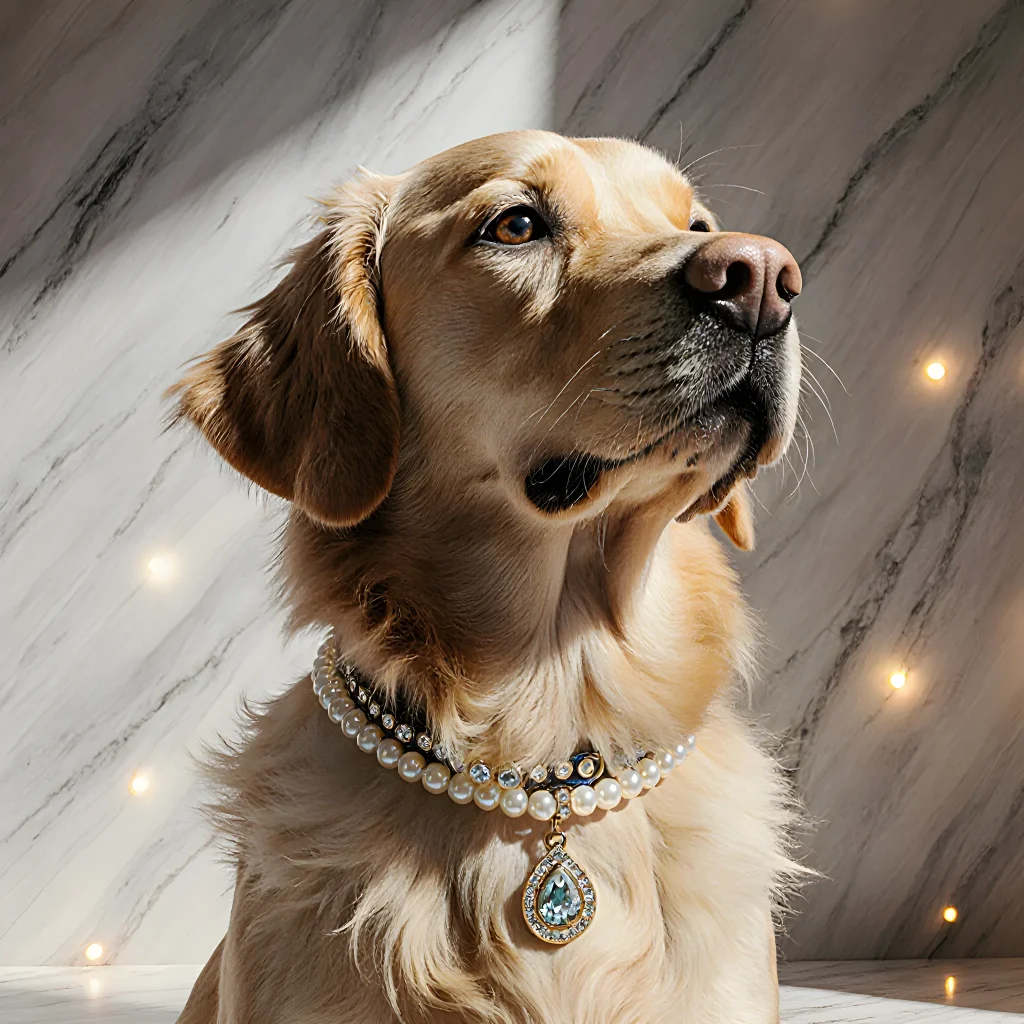
Unleash Elegance: Paws‑On Pearls for Your Pup
When you think of “jewelry,” your mind probably drifts to sparkling rings, elegant necklaces, and polished bracelets—accessories meant for humans. Yet, in recent years a new trend has emerged that brings the same level of luxury to our four‑legged companions: dog jewelry. From gold‑plated collars to diamond‑studded harnesses, pet owners are increasingly treating their dogs like fashion icons.
Dog jewelry is any decorative accessory designed specifically for pets. It can range from simple charms and engraved tags to elaborate pieces made of precious metals or even gemstones. Common categories include:
The answer depends on perspective and purpose. Below are key considerations that can help you decide whether dog jewelry is a worthwhile investment or an unnecessary extravagance.
Luxury dog jewelry typically uses high‑grade metals (18K gold, sterling silver) and genuine gemstones. Cheaper pieces often employ plated finishes that can tarnish quickly or cause skin irritation.
If you’re drawn to luxury items, consider their environmental impact and the sourcing of materials. Look for brands that use recycled metals or responsibly mined gemstones.
Measure your dog’s neck or chest (for harnesses) using a soft tape measure, then consult the brand’s sizing chart. A collar that is too loose can slip off; one that’s too tight can restrict breathing.
Before committing to a pricey piece, test the metal on a small patch of skin (e.g., inside the ear) for 24–48 hours. Nickel allergies are common in dogs and can lead to dermatitis.
A simple 18K gold tag engraved with your dog’s name and your contact information combines elegance with practicality. It’s a subtle way to make your pet “fashionable” while ensuring they’re always identifiable.
This harness offers both style and functionality—perfect for show dogs or pets that love to stand out on the street. The crystals catch light, making every walk a runway moment.
Some designers use reclaimed gold or silver from old jewelry to create eco‑friendly collars. These pieces carry both sentimental value and reduced environmental impact.
Dog jewelry sits at the intersection of pet care, personal expression, and luxury consumerism. If you prioritize your dog’s comfort and safety first, a thoughtfully chosen piece can be a delightful addition to their wardrobe—without feeling over the top. Conversely, if the item is purely decorative with no functional benefit, it may be best reserved for special occasions or photo shoots.
Ultimately, whether you view dog jewelry as an indulgence or a legitimate accessory depends on your values, budget, and your pet’s well‑being. Choose wisely, and your furry friend will thank you—both with wagging tails and sparkling smiles.
The tradition of adorning dogs with precious or decorative items is as old as the bond between humans and canines themselves. From ancient civilizations to modern pet fashion, dog jewelry has evolved in style, purpose, and cultural significance.
During the medieval period, dogs were often associated with hunting and companionship. Wealthy households commissioned jeweled collars that served both functional and ornamental purposes. By the Renaissance, these collars incorporated intricate filigree and gemstone inlays, reflecting the era’s fascination with opulence.
The Victorian era saw a boom in pet ownership among the middle and upper classes. Dog collars began to feature enamel work, miniature brooches, and even tiny lockets that could hold a photograph or a small note. This period cemented the idea that pets were not just animals but cherished family members deserving of luxury.
Today’s dog jewelry ranges from simple stainless steel charms to high-end pieces made with platinum and diamonds. The industry has also embraced sustainability, offering recycled metal options and ethically sourced gemstones.
For further reading on the debate between luxury and practicality in pet accessories, see “Dog Jewelry: Luxury or Over the Top?” which examines market trends, consumer motivations, and ethical considerations surrounding high-end dog jewelry.
When it comes to dog jewelry, the line between a tasteful, high‑quality accessory and an indulgent, unnecessary trinket can be thin. Below we break down the most common materials, highlight key design trends, and give you practical tips for choosing pieces that add style without compromising your pet’s comfort or safety.
Practical Tip: Always opt for a hypoallergenic finish. A simple “P” or “PP” stamped on the piece indicates it’s safe for pets.
Practical Tip: For small dogs, choose smaller stones or opt for a subtle enamel design. Large, heavy gemstones can shift the collar’s balance and cause neck strain.
Practical Tip: Ensure natural materials are sealed with a pet‑safe coating to prevent moisture damage or ingestion if chewed.
| Consideration | Luxury Indicator | Practical Alert |
|---|---|---|
| Weight of the Piece | Heavy metals, large gemstones | May cause neck strain—opt for lightweight alternatives. |
| Durability Under Activity | Polished gold or silver | Can scratch easily—choose matte finishes for active dogs. |
| Comfort & Skin Contact | Fine filigree with exposed edges | Potential irritation—ensure smooth surfaces and hypoallergenic coatings. |
| Maintenance Needs | Enamel or real gemstones | Requires regular cleaning to avoid buildup of dirt or saliva. |
When selecting dog jewelry, ask yourself: Does this piece enhance my pet’s safety and comfort, or is it merely an indulgence? By weighing materials, design, and practicality, you can make a choice that reflects both style and responsibility.
When it comes to pet accessories, the line between high‑end indulgence and frivolous excess can blur quickly. Dog jewelry—ranging from simple charm collars to fully custom jeweled pieces—has surged in popularity as owners seek ways to express their pets’ personalities and status. But is this trend truly a luxury market or just an over‑the‑top fad? Let’s break it down.
For pet owners who treat their dogs as family members or public figures—think celebrity pets, social media influencers, or high‑profile service animals—the luxury aspect can be justified by both status and quality. However, for everyday use, a simpler, durable collar may serve better without compromising safety or style.
In conclusion, dog jewelry sits at an intersection of fashion, function, and fandom. When chosen thoughtfully—taking comfort, safety, and genuine craftsmanship into account—it can be a worthwhile addition to your pet’s wardrobe. If you’re unsure whether a piece is truly luxurious or just over‑the‑top, start with a reputable brand that offers guarantees, customization, and transparent sourcing.
When it comes to adorning our canine companions with necklaces, bracelets, and even rings, the price tag can vary wildly—from a few dollars for a simple charm to several hundred dollars for a handcrafted piece made of precious metals. Understanding where that line between “luxury” and “over‑the‑top” lies is key to making an informed purchase.
| Brand / Product | Material | Price (USD) | Why It’s Luxury | Potential Over‑the‑Top Red Flags |
|---|---|---|---|---|
| Pet Couture “Gold Collar” | 18K Gold (3 g) | $350 | Hand‑engraved crest, custom fit. | N/A – well worth the price for a large breed. |
| CuteCanine “Gemstone Collar” | Stainless Steel + 1 mm Sapphire | $180 | Unique gemstone, solid construction. | High price for minimal gold content; consider cheaper steel alternatives. |
| BarkLux “Platinum Charm” | Platinum (0.5 g) | $650 | Limited edition, hand‑polished finish. | Over‑the‑top packaging; could be sold for $300 without it. |
Luxury dog jewelry is defined by genuine materials, expert craftsmanship, and functional design that respects your pet’s well‑being. Over‑the‑top pieces often inflate costs with unnecessary extras or excessive precious metals that don’t translate into real value. By measuring, reviewing, and setting a realistic budget, you can find the perfect balance—giving your dog both style and comfort without breaking the bank.
Choosing the right dog jewelry can elevate your pet’s look and reinforce their personality. Below are practical, style‑focused tips that draw on the insights from Dog Jewelry: Luxury or Over the Top?, ensuring you make a choice that feels both fashionable and functional.
Collars come in various styles—flat leather, braided nylon, metal chains, and even silicone. Each offers a different backdrop for jewelry:
| Collar Material | Best Jewelry Pairing |
|---|---|
| Leather | Subtle brass or silver name tags that blend with the natural texture. |
| Nylon | Color‑coordinated plastic charms or neon metal studs for high visibility. |
| Metal Chain | Delicate chain links with a single gemstone to avoid clutter. |
A large, ornate necklace can dominate a small dog’s frame. Measure your pet’s neck and choose jewelry that is proportionate:
The article stresses that “luxury” should never compromise safety. Here’s how to ensure your dog stays comfortable:
Layering is stylish but can become chaotic if overdone. Follow these guidelines:
Adapting jewelry to seasons adds a playful twist:
| Season | Jewelry Suggestion |
|---|---|
| Spring | Pastel enamel charms or floral motifs. |
| Summer | Bright, reflective silver studs for visibility on hikes. |
| Fall | Amber‑colored pendants that echo leaf hues. |
| Winter | Gold or brass pieces with subtle gemstone accents to stand out against snowy backgrounds. |
To keep the jewelry looking pristine:
If you’re crafty, personalize your dog’s jewelry:
By blending thoughtful design with practical safety considerations, you can transform ordinary collars into chic, functional accessories that showcase your dog’s unique style—without tipping over the line from luxury to over‑the‑top.
While dog jewelry can add a touch of flair to your pet’s wardrobe, it’s essential to weigh the potential risks and benefits. Below are practical guidelines that will help you keep your furry friend safe and comfortable.
A poorly fitted collar or bracelet can become a choking hazard. Measure the circumference of your dog’s neck, ears, or paw (depending on the item) and compare it with the product specifications. Many manufacturers provide sizing charts; if in doubt, consult with a vet.
Some dogs are naturally curious and may chew on jewelry, leading to ingestion of metal fragments. Monitor your pet’s behavior after introducing a new accessory:
Regular cleaning prevents bacterial buildup:
If your dog has a history of skin conditions, allergies, or dental issues, discuss jewelry options with your vet before purchase. They can recommend hypoallergenic materials and advise on safe wearing periods.
In some regions, pet accessories must meet specific safety standards (e.g., the EU’s REACH regulation). Verify that the product complies with local regulations to ensure it has undergone rigorous testing for toxicity and durability.
By paying close attention to these factors, you can enjoy the aesthetic appeal of dog jewelry without compromising your pet’s health and safety.
When it comes to adorning our four‑legged friends, opinions are as varied as the breeds themselves. Some pet owners swear by the aesthetic and sentimental value of dog jewelry, while others view it as an unnecessary indulgence. Below we explore real stories from owners, highlight practical considerations, and offer guidance for those contemplating a sparkle on their pup’s collar.
Case Study: Emma & Bella (Golden Retriever)
Case Study: Miguel & Luna (Chihuahua)
Case Study: Sarah & Max (German Shepherd)
The answer hinges on personal values, budget, and the dog’s temperament. For many owners, a well‑chosen piece of jewelry can be both a meaningful accessory and a practical reminder of their pet’s identity. However, if it poses health risks, causes discomfort, or simply feels unnecessary, it may indeed be considered “over the top.” Ultimately, thoughtful selection—paired with ongoing observation—ensures that any adornment enriches rather than detracts from your pet’s well‑being.
When it comes to dog jewelry, the luxury appeal can easily mask a range of ethical concerns—from sourcing materials to animal welfare. Below are concrete steps you, as an owner or retailer, can take to ensure that your pet’s accessory is both beautiful and responsible.
Even if materials are ethically sourced, production can still be environmentally damaging:
Since the jewelry is intended for dogs, there’s no need to involve animals in production:
A luxurious accessory should never compromise a dog’s well‑being:
Brands that openly share their supply chain build trust and encourage responsible purchasing:
By combining thoughtful sourcing, sustainable manufacturing, and consumer vigilance, you can enjoy the elegance of dog jewelry while upholding ethical standards that protect both our furry friends and the planet.
When it comes to adorning your canine companion, the line between a tasteful accessory and an ostentatious statement can be thin. Below are practical guidelines, real‑world examples, and tips for selecting dog jewelry that balances style, safety, and functionality.
The material not only affects aesthetics but also durability, allergy risk, and maintenance.
| Material | Pros | Cons | Ideal Use‑Case |
|---|---|---|---|
| Stainless Steel (925 or 316L) | Corrosion resistant, hypoallergenic, cleanable. | Can be heavy if overused; may dent with rough play. | Daily collars, minimalistic charms. |
| Titanium | Lightweight, ultra‑strong, excellent for active dogs. | More expensive, limited color options. | Running breeds, outdoor adventures. |
| Ceramic or Porcelain | Aesthetic, non-metallic (great for allergies). | Fragile; may crack if dropped. | Show‑day accessories, indoor pets. |
| Premium Leather (e.g., Full‑grain) | Soft, breathable, natural look. | Requires conditioning; can stain. | Casual everyday wear. |
Luxury accessories emphasize craftsmanship, subtlety, and functional elegance. Over‑the‑top items prioritize visual spectacle, often at the expense of practicality.
| Criterion | Luxury | Over‑the‑Top |
|---|---|---|
| Visual Impact | Sleek, understated elegance. | Bold, eye‑catching extravagance. |
| Durability | High quality metals, minimal moving parts. | Many small components; higher risk of breakage. |
| Comfort | Lightweight, balanced fit. | Can feel heavy or restrictive. |
| Maintenance | Easy to clean; occasional polishing needed. | Time‑consuming due to intricate detailing. |
The best dog jewelry blends style with substance. By evaluating your pet’s lifestyle, selecting appropriate materials, and prioritizing safety, you can choose a piece that
Once you’ve chosen the perfect piece of dog jewelry, keeping it in pristine condition is essential for both safety and style. Below are practical tips, real‑world examples, and a few cautionary notes to help you preserve that sparkle without compromising your pet’s comfort.
Regularly check the clasp, chain links, and any adjustable straps:
If your dog has allergies or a history of skin irritation, choose hypoallergenic materials such as surgical‑grade stainless steel or titanium. Avoid jewelry with rough edges or sharp points that could scratch the skin during play.
Step 1: After each walk, wipe the silver chain and pearl with a damp cloth. Avoid using alcohol-based cleaners as they can dull the pearl’s luster.
Step 2: Weekly, submerge the collar in warm water with a drop of mild soap for 10 minutes. Use a soft brush to clean around the pearl setting.
Step 3: Dry immediately and store in a soft pouch. Inspect the clasp monthly; replace if you notice any loosening.
If your jewelry includes precious stones, intricate engravings, or complex clasps, consider sending it to a reputable jeweler for:
With consistent care, a well‑chosen dog jewelry piece can stay radiant for years—making the “luxury” tag truly worth it. Remember: the goal is to keep your pet safe and stylish, not just to flaunt an expensive accessory.
Luxury is often measured by the exclusivity, craftsmanship, and storytelling that surrounds a product. When luxury brands venture into pet accessories—especially dog jewelry—they face unique challenges: balancing the desire for opulence with practicality, ensuring safety for animals, and maintaining brand integrity. Below are three detailed case studies that illustrate how top-tier designers have navigated this niche market.
In conclusion, while dog jewelry can indeed be a luxury item, it remains “over the top” only if it neglects the core needs of pets. The most successful brands demonstrate that elegance, safety, and storytelling can coexist harmoniously in every accessory they offer.
When you think about dog jewelry—collars, necklaces, and even tiny rings—you’re stepping into a world where luxury meets practicality. But is this trend truly “over the top,” or does it simply reflect our growing desire to treat pets like family members? Let’s break down the arguments on both sides.
Case Study 1: The “Royal Silk Collar” – A $120 collar made from silk and genuine leather, featuring a small gold charm. Owners reported that their dogs tolerated the weight well, and the silk’s softness prevented irritation.
Case Study 2: The “Gemstone Medallion” – Priced at $350, this piece had multiple embedded diamonds. After a week of use, several owners noted that the medallion snagged on bushes during walks, causing minor cuts to their dogs’ necks.
The debate over whether dog jewelry is luxury or over‑the‑top ultimately comes down to balance. If you prioritize safety, comfort, and practicality while still enjoying a touch of elegance, you can find the perfect piece that feels both indulgent and sensible. Remember: your pet’s wellbeing should always be the top priority—style is just a delightful bonus.
When it comes to accessorizing our canine companions, opinions split between those who view dog jewelry as a meaningful expression of love and status, and those who see it as an unnecessary indulgence. Let’s weigh the arguments with practical examples and real‑world advice so you can decide what fits your pup (and your budget).
Dog jewelry can indeed be both a luxurious statement and a practical accessory, depending on how you choose it. The key is to blend style with safety: opt for high‑quality, hypoallergenic materials that fit your dog’s daily routine while still allowing a touch of elegance. Remember, the ultimate luxury isn’t just in the metal—it’s in giving your furry friend comfort, confidence, and a little sparkle that reflects their unique spirit.
Safety starts with the material and design.
• Hypoallergenic metals (titanium, surgical‑grade stainless steel) prevent allergic reactions.
• Avoid dangling chains that can get caught on furniture or branches.
• Check for sharp edges; a well‑finished piece will have rounded corners and smooth surfaces.
Practical tip: Let your dog wear the jewelry for short periods first, watching for signs of irritation or discomfort.
Measure your dog's neck with a flexible tape:
While jewelry itself doesn’t cure ailments, certain designs incorporate therapeutic elements:
• Clean with a soft, damp cloth after walks to remove dirt and oils.
• For stainless steel, use a mild soap solution; rinse thoroughly and dry to prevent tarnish.
• Titanium can be wiped with a microfiber towel—no special cleaners needed.
• Avoid harsh chemicals or abrasive sponges that could scratch the finish.
Luxury is defined by quality, craftsmanship, and emotional value—none of which are exclusive to high‑price tags.
• A well‑made titanium collar with a handcrafted charm can cost less than a mass‑produced plastic band yet offer durability and style.
• The true luxury lies in the bond it symbolizes: a unique piece that celebrates your dog’s personality and your relationship.
Bottom line: Choose based on your pet’s comfort, your budget, and the sentiment you want to express—both affordable and high‑end options can be meaningful.
• Look for brands that list the metal grade and provide return policies.
• Check online marketplaces like Etsy for handmade pieces with detailed reviews.
• Local pet boutiques often offer curated selections tailored to your region’s climate and style preferences.
Many jewelers allow engraving or the addition of custom charms.
• Consider adding a birthstone that matches your dog’s birth month.
• Include a small plaque with a meaningful phrase, such as “Forever Loyal.”
Customization not only personalizes the accessory but also turns it into a keepsake for years to come.
• Observe your dog's behavior: does she chew or try to remove the piece?
• Dogs with a history of aggression towards objects may need a simpler design or no jewelry at all.
• If your dog loves wearing items, start with a lightweight band and gradually introduce more elaborate designs.
• Package in a small velvet pouch or eco‑friendly box.
• Include a handwritten note explaining why you chose that particular design.
• Pair with a favorite treat or toy for an extra touch of love.
Categories
 Fish Meal
 FATTENING BROILER FEED
 LAYER COUNTRY FEED
 COUNTER BROILER FEED
 LACTATING PIG FEED
 Maize
Maize
 GESTATION PIG FEED (Phase 1)
 Pre Starter Broiler Feed
 FINISHER PIG FEED
 Broiler Premix