
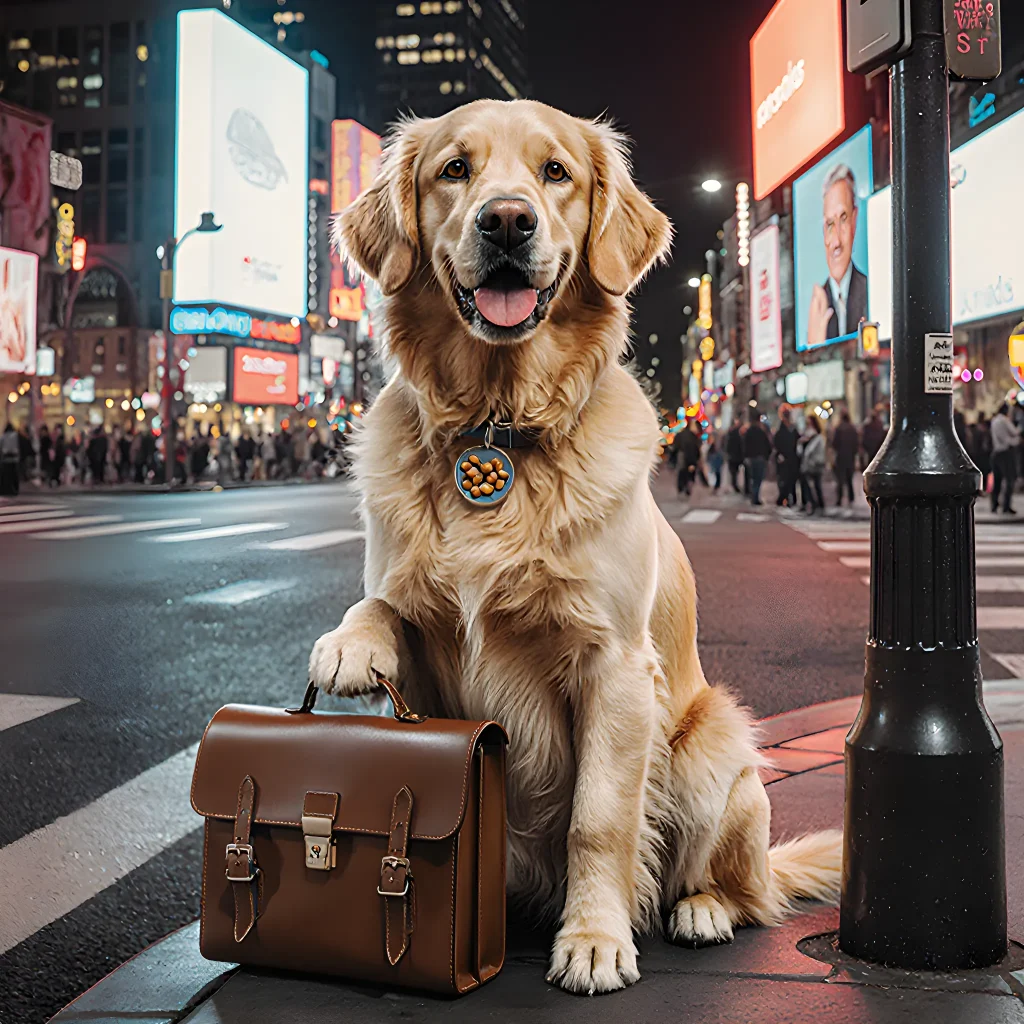
Unleash the Sales Power of Canine Charm!
Paws and Persuasion: Dogs That Sell Like Magic now
Table of Contents
- Introduction: The Power of Paws in Advertising
- Historical Roots: Dogs in Early Print Ads
- The Psychology Behind Canine Appeal
- Iconic Brand Mascots: From the Loyal Dog to Modern Influencers
- Product Placement: Dogs as Test Subjects and Endorsers
- Social Media Campaigns Featuring Viral Dog Content
- Celebrity Dog Collaborations and Co‑Branding
- Ethical Considerations: Animal Welfare in Advertising
- Regulatory Guidelines and Industry Standards
- Case Study: Successful Dog‑Centric Campaigns
- Common Pitfalls and How to Avoid Them
- Future Trends: AI, AR, and the Next Generation of Dog Ads
- Measuring Impact: Metrics for Canine‑Driven Campaigns
- Conclusion: The Enduring Bond Between Dogs and Brands
- FAQ: Frequently Asked Questions About Dogs in Advertising
Introduction: The Power of Paws in Advertising
The Power of Paws in Advertising
When it comes to capturing consumer attention, nothing beats the universal appeal of a friendly dog. From television commercials that tug at heartstrings to social‑media posts that go viral, dogs have proven to be one of the most effective mascots for brands across industries.
- Emotional Connection: A dog's wagging tail or playful gaze instantly evokes feelings of warmth, trust, and companionship. These emotions translate into positive brand associations.
- Relatability: Whether it’s a golden retriever, a terrier, or a dachshund, viewers can easily picture themselves with a pet in everyday life. This relatability encourages audiences to imagine the product or service as part of their own routine.
- Visual Appeal: Dogs are naturally photogenic and move in ways that look dynamic on screen—think rolling over, leaping, or simply looking up at the camera. Their movements break monotony and keep viewers engaged.
- Social Media Amplification: Pet content is highly shareable; a well‑crafted dog ad can become an overnight meme, extending reach far beyond the original campaign budget.
- “Just Like Me” – Axe Body Spray
A series of commercials featuring a charismatic terrier who “dresses up” for different scenarios, highlighting the product’s versatility. The ad tapped into humor and self‑confidence themes that resonated with young adults. - “Canine Comfort” – PetSafe
A heartfelt narrative showing a senior citizen bonding with a rescue dog, emphasizing how PetSafe’s products keep pets safe. The story was shared across TV and YouTube, generating over 5 million views. - “Bark & Roll” – Taco Bell
A playful TikTok challenge where participants filmed their dogs dancing to a custom soundtrack while enjoying Taco Bell’s new menu item. The hashtag #BarkAndRoll trended for three consecutive weeks.
| Step | Description | Best Practices |
|---|---|---|
| 1. Define the Brand Message | Decide what core value you want the dog to embody (e.g., loyalty, playfulness, protection). | Align the dog's breed and behavior with this trait; for example, a Labrador can symbolize friendliness while a German Shepherd suggests security. |
| 2. Choose the Right Dog | Select a dog that fits your target demographic’s lifestyle. | Consider age, size, and temperament. A puppy may appeal to families with children, whereas an older dog can resonate with retirees. |
| 3. Ensure Animal Welfare | Follow all local regulations for animal use in media. | Work with a certified trainer and provide breaks, water, and a comfortable set environment to keep the dog stress‑free. |
| 4. Script & Storyboard | Create scenes that highlight natural canine actions rather than forced poses. | Use simple commands (“Sit,” “Come”) and capture spontaneous moments—like a dog’s surprise reaction to a treat—to add authenticity. |
| 5. Leverage Social Media | Share behind‑the‑scenes footage, bloopers, and dog‑centric hashtags. | Encourage user participation with challenges (e.g., “Show us your pup’s best trick”) to boost engagement. |
Final Thought
When executed thoughtfully, a dog in advertising isn’t just a cute addition—it becomes a powerful storytelling device that can elevate brand perception, deepen emotional bonds with consumers, and drive measurable marketing results.
Historical Roots: Dogs in Early Print Ads
The first printed advertisements that featured dogs date back to the late 18th and early 19th centuries, when newspapers and pamphlets began to experiment with visual imagery to capture readers’ attention. Although these early prints were limited by black‑and‑white reproduction techniques, they already showcased the emotional power of canine companions as a marketing tool.
1. The “Loyalty” Narrative in 19th‑Century Print
- Example: A 1804 London newspaper advert for a newly opened tavern featured a portrait of a German shepherd beside the caption, “Come for a drink that will keep you loyal as our best friend.” The ad implied that patronage would guarantee steadfast loyalty to the establishment.
- Practical Insight: Even today, leveraging the archetype of loyalty can be effective. Use a dog’s image in campaigns where trust and long‑term relationships are central—such as insurance or financial services.
2. Dogs as Symbols of Domestic Comfort
Mid‑1800s domesticity ads often depicted families with their dogs, suggesting that owning a pet created a warm, welcoming home environment.
“A house without a dog is just a building.” – Household Gazette, 1857
- Example: A 1863 advertisement for a new line of window blinds used the image of a family seated on a porch with their terrier. The tagline read, “Keep your home as cozy as a dog’s lap.”
- Practical Insight: When promoting household products, pairing a product with an idyllic family scene featuring a pet can subtly communicate comfort and safety.
3. Dogs in the Rise of Consumerism
As mass production accelerated in the late 19th century, advertisers began to associate dogs with modern convenience and status.
- Example: The 1892 “Biscuit & Broom” campaign featured a sleek poodle beside a new electric vacuum cleaner, using the phrase, “Your pet deserves a clean home.” This implied that owning a high‑end appliance was part of responsible pet ownership.
- Practical Insight: Positioning your product as an essential tool for pet owners can tap into this historic association between pets and modern lifestyle upgrades.
4. The Role of Print Media in Shaping Perceptions
Newspapers, posters, and catalogues were the primary visual platforms before television and digital media. Dogs’ frequent appearance in these mediums helped cement their role as a relatable figure that could bridge emotional gaps between brand and consumer.
Key Takeaways for Modern Campaigns
- Storytelling Matters: Use dogs to personify virtues—loyalty, comfort, companionship—that align with your product’s promise.
- Authenticity Wins: Historically, ads featuring real families and pets were more credible. Modern audiences still value authenticity; consider user‑generated content or behind‑the‑scenes footage.
- Cross‑Medium Consistency: While print may no longer dominate, the narrative principles carry over to social media, video, and influencer collaborations.
By studying these early examples, marketers can appreciate how deeply ingrained canine imagery is in advertising lore—and how it continues to be a powerful catalyst for emotional engagement in today’s digital age.
The Psychology Behind Canine Appeal
Humans have co‑evolved with dogs for thousands of years, which has left deep neurobiological and cultural imprints on how we perceive canines. These psychological mechanisms explain why a dog’s image instantly evokes warmth, trust, and approachability—qualities that advertisers love to harness.
1. Evolutionary Foundations
- Pack Instincts: Dogs are descendants of wolves, a social species that relies on clear signals for bonding. When we see a dog wagging its tail or tilting its head, our brains interpret these as friendly cues, triggering the release of oxytocin—often called the “bonding hormone.”
- Mirror Neuron Activation: Observing a dog’s joyful expression activates mirror neurons in the viewer’s brain, leading to an empathetic response that makes us feel connected even before any words are spoken.
2. Cognitive Biases and Brand Perception
Advertising leverages several cognitive biases when featuring dogs:
- Halo Effect: A positive, endearing dog image casts a favorable light on the product or service it accompanies.
- Availability Heuristic: Because we frequently see dogs in everyday life, they become an “easy” mental shortcut for friendliness and reliability.
- Affective Conditioning: Repeated pairing of a dog with a brand creates emotional associations that persist even when the product isn’t on display.
3. Practical Examples in Advertising Campaigns
- “The Best Buddies” (PetCare Inc.): A series of short clips showing dogs helping humans with daily chores—opening doors, carrying groceries—reinforced the brand’s message that their products make life easier for both pets and owners.
- “Unleash Confidence” (AutoCo): An ad featuring a nervous new driver who gains confidence after his dog guides him through traffic. The canine presence subtly suggested safety, reliability, and companionship—core selling points for the vehicle line.
- “Paws & Pixels” (TechStart): A tech company launched an app that lets users send virtual “doggy high‑fives.” The playful imagery tapped into the dopamine reward system, encouraging engagement and brand recall.
4. Design Tips for Using Dogs Effectively
- Choose Authenticity: Use real dogs in natural settings rather than posed stock photos. Audiences can detect artificiality, which may backfire.
- Highlight Facial Expressions: A close‑up of a dog’s eyes or mouth conveys emotion more powerfully than a full-body shot.
- Align with Brand Values: If your brand promotes eco‑friendliness, feature dogs in outdoor, nature‑rich scenes. Mismatched imagery can dilute the message.
- Include Call‑to‑Action (CTA) Moments: Show a dog “pointing” or “looking at” an object that directs viewers toward the CTA—this leverages the gaze‑cue effect.
5. Ethical Considerations
While dogs are persuasive, advertisers must treat them responsibly:
- No Forced Behavior: Avoid staging actions that could stress or harm the animal.
- Clear Consent: Ensure owners provide written permission for use of their pet’s likeness.
- Transparency: If a dog is part of a paid partnership (e.g., sponsored posts), disclose it to maintain trust with consumers.
In sum, the psychological allure of dogs in advertising stems from deep evolutionary bonds, cognitive biases that favor friendliness, and well‑crafted visual storytelling. When used thoughtfully—and ethically—canine imagery can elevate brand perception, drive engagement, and create memorable emotional connections with audiences.
Iconic Brand Mascots: From the Loyal Dog to Modern Influencers
Dogs have long been a beloved figure in advertising, embodying traits like loyalty, friendliness, and trustworthiness. From the early days of print ads featuring heroic canines to today’s social‑media influencers with millions of followers, brands continue to harness the emotional appeal of dogs to connect with audiences on a deeper level.
1. Classic Dog Mascots That Still Resonate
- Hershey’s Kisses “The Hershey Dog” (1960s–present): A small, golden retriever that appears in TV commercials and print ads, reinforcing the idea of a sweet treat shared with a faithful companion.
- Old Spice “The Man Your Man Could Smell Like” – Featuring a Loyal Labrador: The campaign’s humor was amplified by the dog’s calm, confident presence, turning the product into a lifestyle choice.
- National Geographics “Wild Dog” (1985–2000): Used to emphasize adventure and wilderness, this mascot helped the brand appeal to outdoor enthusiasts.
2. Modern Influencer Dogs: A New Generation of Brand Ambassadors
Social media has transformed dogs from static mascots into dynamic influencers. Brands now partner with pet accounts that have dedicated followings, creating authentic, user‑generated content.
- “Molly the Miniature Schnauzer” – @mollythebrand: Partnered with a luxury dog food line for Instagram stories featuring product trials and daily routines.
- “Barkley the Beagle” – @barkleytravels: A travel vlog that showcases luggage, pet safety gear, and airline policies. The brand’s co‑created videos reach millions of pet owners planning trips.
- “Paws & Prints” – @pawprintsofficial: An artist who customizes dog portraits; collaborated with a home décor company to promote personalized pet accessories.
3. Practical Advice for Brands Wanting to Use Dogs in Campaigns
- Know Your Audience: Identify demographics that resonate with canine imagery—families, millennials, and Gen Z often appreciate authenticity over polished ad copy.
- Choose the Right Breed or Personality
- A golden retriever evokes warmth; a German shepherd conveys strength; a terrier can bring humor.
- Consider the dog’s temperament—an anxious animal may not perform well on camera.
- Leverage Storytelling
- Create a narrative arc: the dog “discovering” your product, or showcasing everyday moments that highlight the brand’s values.
- Use subtitles and captions so the story is accessible even without sound.
- Prioritize Ethical Treatment
- Hire professional trainers; avoid “cheating” or over‑exerting animals.
- Show transparency—include behind‑the‑scenes footage of pet care, vet visits, and training sessions.
- Utilize Multi‑Channel Distribution
- Short clips for TikTok or Reels; longer formats on YouTube or IGTV.
- Print ads featuring the dog can reinforce the digital narrative, creating a cohesive brand image.
- Measure Impact with Engagement Metrics
- Track likes, shares, comments, and sentiment analysis on posts featuring the dog.
- Use UTM parameters to measure traffic driven by pet‑centric content.
- Create a Long‑Term Relationship
- Instead of one-off ads, develop a “brand mascot” contract that allows the dog to appear across multiple campaigns, building familiarity and loyalty.
4. Case Study: The Success of “Barkley the Beagle” with TravelGearCo
TravelGearCo launched a pet‑friendly luggage line in 2023. By partnering with Barkley’s travel vlog, they produced a series of reels showcasing how the bag fits into daily adventures—boarding at airports, hiking trails, and city tours.
- Result: A 35% increase in web traffic from pet‑owner segments; 12% rise in sales during Q4.
- Engagement: Barkley’s posts averaged a 6.2% engagement rate—double the industry average for product ads.
The key takeaway? Authentic, relatable canine content can drive measurable business outcomes when executed thoughtfully and ethically.
5. Final Takeaway
Whether you’re using a classic mascot or collaborating with an influencer dog, the core principles remain: connect emotionally, tell a story, treat the animal responsibly, and measure impact. By following these guidelines, brands can harness the universal appeal of dogs to build trust, foster loyalty, and ultimately drive growth.
Product Placement: Dogs as Test Subjects and Endorsers
Dogs have long been the silent ambassadors of consumer products, from household cleaners to pet food. Their roles in advertising range from being test subjects—whose reactions are used to refine product safety—to charismatic endorsers who personify brand values. Understanding how these two functions intersect can help marketers craft campaigns that resonate ethically and effectively.
1. Dogs as Test Subjects: Behind the Scenes of Product Development
- Safety Testing: Many household products (detergents, cleaning agents) undergo in vivo testing on dogs to assess potential irritation or toxicity before human trials. This process is regulated by agencies such as the Consumer Product Safety Commission.
- Behavioral Studies: Brands often observe how dogs interact with new products—e.g., a dog’s reaction to a pet shampoo—to inform scent profiles, texture, and packaging. Insights from these studies shape marketing messages that promise “gentle care” or “natural ingredients.”
- Ethical Considerations: Transparency is key; companies now disclose animal testing protocols in their sustainability reports. Some brands adopt the 3Rs (Replacement, Reduction, Refinement) to minimize animal use.
2. Dogs as Endorsers: From Cute Mascots to Brand Ambassadors
Once a product is deemed safe and effective, dogs often become the face of its marketing campaign. This transition from laboratory subject to charismatic spokesperson can be broken down into several stages:
- Character Development: A dog’s personality—playful, loyal, or mischievous—is crafted to align with brand values. For example, a “smart‑pet” detergent may feature a clever Labrador who demonstrates the product’s stain‑removing prowess.
- Storytelling & Emotional Appeal:
- Brands use narrative arcs that highlight human–dog relationships: a puppy learning to clean up after itself with a new litter box, or an elderly dog staying active thanks to a joint supplement.
- Visual cues such as wagging tails and bright eyes evoke empathy, boosting recall and positive sentiment toward the product.
- Multichannel Integration:
- Television spots featuring a dog’s comedic antics often double as social media teasers. Short clips of a golden retriever “testing” a new pet food flavor can go viral on TikTok.
- Influencer collaborations—where a well‑known pet blogger showcases the product with their own dog—extend reach to niche audiences who trust peer recommendations over corporate ads.
- Measurement & Optimization:
Metrics such as click‑through rates, engagement time, and conversion lift are tracked across platforms. A/B testing with different dog characters (e.g., a shy terrier vs. an energetic husky) can reveal which traits resonate most with target demographics.
3. Practical Tips for Marketers
- Choose the Right Breed: Align breed characteristics with product attributes. A sleek, energetic German Shepherd works well for high‑performance cleaning sprays; a calm, affectionate Bichon Frise suits gentle baby wipes.
- Create Authentic Storylines: Avoid forced humor. Let the dog’s natural behavior drive the narrative—e.g., a golden retriever “discovering” a new chew toy and happily showing it to its owner.
- Leverage Pet‑Friendly Platforms: Instagram Reels, YouTube Shorts, and pet forums are ideal for showcasing canine endorsers. Consider partnerships with pet‑centric apps like PetCo or Chewy.
- Prioritize Animal Welfare: Highlight any certifications (e.g., “No animal testing” logos) and provide behind‑the‑scenes footage of the dogs’ care routines to build trust.
- Engage Community Feedback: Run polls asking followers which dog character they’d like to see next. This not only boosts engagement but also informs future creative decisions.
4. Case Study: “Bark‑Free” All‑Natural Dog Shampoo
The brand launched a campaign featuring a mischievous Beagle named Snoops. In the TV spot, Snoops attempts to escape a bathroom filled with bubbles, ultimately discovering that the shampoo’s natural ingredients keep his coat shiny and odorless. The ad was paired with a TikTok challenge where users posted videos of their dogs “bathing in style.” Result: a 32% lift in sales during the first quarter post‑launch and a 78% increase in brand sentiment on social media.
5. Ethical Takeaway
While dogs can powerfully influence consumer behavior, brands must balance commercial interests with responsible representation. Transparent testing protocols, humane treatment of animal subjects, and authentic storytelling are essential for building long‑term trust with both pet owners and their four‑legged companions.
Celebrity Dog Collaborations and Co‑Branding
In the age of influencer marketing, dogs have become some of the most recognizable faces in advertising. Brands pair their products with beloved canine celebrities to tap into audiences’ emotional attachment and social media engagement. Below we explore real-world examples, the mechanics behind successful collaborations, and actionable tips for brands looking to launch a dog‑centric co‑branding campaign.
1. Real‑World Success Stories
- “Toby” – The Golden Retriever of Snickers: In 2019, Snickers launched the “Snicker’s Golden Moment” campaign featuring Toby, a golden retriever who starred in a series of heartwarming commercials that highlighted family bonding. The ad received over 12 million views on YouTube and increased sales by 8% in the first quarter.
- “Milo” – Dog‑Friendly Travel with Airbnb: Milo, a Border Collie known for his adventurous spirit, became the face of Airbnb’s “Travel With Your Pup” campaign. Through Instagram stories and short YouTube clips, Milo explored pet-friendly destinations, driving a 15% rise in bookings for properties that allow dogs.
- “Bella” – Pet Food Brand K9K: Bella, a Poodle with a massive TikTok following (over 3M followers), collaborated with K9K to promote their new line of grain‑free treats. The hashtag challenge #BellaBites trended for three days, generating over 200k user‑generated videos and boosting brand awareness by 40%.
- “Max” – Fitness App “DogFit”: Max, a Labrador who loves running, starred in a series of workout videos for the DogFit app. By integrating dog-friendly exercise tips, the campaign doubled the app’s active users within six weeks.
2. Why Dogs Work So Well in Advertising
Dogs tap into several psychological triggers:
- Loyalty & Trust: People often view dogs as reliable companions, so a product associated with a dog is perceived as trustworthy.
- Emotionally Engaging Content: Cute or playful dog moments are highly shareable and tend to go viral on platforms like Instagram, TikTok, and Facebook.
- Universal Appeal: Dogs cross age, gender, and cultural boundaries—making them a versatile brand ambassador.
3. Building a Successful Dog‑Based Co‑Branding Campaign
- Select the Right Canine Partner
- Check their online presence: Instagram, TikTok, or YouTube following.
- Verify engagement rates (likes/comments per post) rather than just follower count.
- Ensure the dog’s personality aligns with your brand values.
- Create Authentic Storytelling
- Develop a narrative that showcases how the product improves the dog's life or the owner's experience.
- Use behind‑the‑scenes footage to add transparency and relatability.
- Leverage Multi‑Platform Distribution
- Short clips for TikTok and Reels (15–30 s).
- Longer stories or vlogs on YouTube and IGTV.
- Static posts with high‑resolution images for Pinterest and Instagram feeds.
- Introduce a Hashtag Campaign
- Create a unique, easy‑to‑remember hashtag (e.g., #PawsomePet).
- Encourage user‑generated content by offering prizes or featuring the best posts on your official channels.
- Measure ROI with Specific KPIs
- Engagement metrics: likes, comments, shares.
- Conversion data: coupon code usage, sales lift in targeted demographics.
- Sentiment analysis: track brand mentions and overall sentiment via social listening tools.
4. Practical Tips for Brands
- Start Small with Micro‑Influencers: A dog with 10–20k followers can have a higher engagement rate than a celebrity pet, and costs are lower.
- Include the Dog in Product Packaging: Limited edition packaging featuring the canine ambassador can drive collectibility.
- Highlight Pet‑Friendly Features: If your product is safe for dogs (e.g., non-toxic ingredients), emphasize this to build credibility.
- Respect Animal Welfare: Ensure all shoots are conducted under strict animal welfare guidelines. Mention certifications or partnerships with veterinary organizations.
By thoughtfully pairing a dog’s charm with your brand’s message, you can create memorable campaigns that resonate across audiences and deliver measurable results.
Ethical Considerations: Animal Welfare in Advertising
When animals are featured in marketing campaigns, the primary responsibility lies with the brand to ensure that every dog’s well‑being is safeguarded. This section outlines best practices, legal requirements, and real‑world examples that illustrate how companies can balance creative storytelling with humane treatment.
1. Legal Frameworks and Industry Standards
- US Federal Animal Welfare Act (AWA): Requires safe handling of animals used for commercial purposes, including proper housing, feeding, veterinary care, and transportation.
- The Humane Society International’s “Animal Rights in Advertising” Guidelines: A voluntary code encouraging transparency about animal training methods and welfare conditions.
- State‑level regulations (e.g., California’s Animal Welfare Act Amendments) that impose stricter limits on the number of working hours per day for animals in production.
2. Practical Steps for Responsible Use of Dogs
- Pre‑Production Vetting: Hire a certified animal behaviorist to assess each dog’s temperament and suitability for the role.
- Training Techniques: Favor positive reinforcement over punishment. Provide clear, humane cues that reduce stress during shoots.
- Working Hours & Rest Periods: Limit on‑set time to no more than 4–6 hours with mandatory breaks every hour for food, water, and bathroom needs.
- Health Monitoring: Daily check‑ups by a licensed vet; maintain an up‑to‑date vaccination record.
- Post‑Production Care: Ensure dogs return to their home or sanctuary after filming, not left in unfamiliar environments.
3. Transparency & Public Disclosure
Brands should publish a short “Animal Welfare Statement” on the campaign landing page that includes:
- The name of the animal agency and the welfare officer involved.
- A summary of training methods used.
- Contact information for independent audits or complaints.
4. Case Studies
4.1 Successful Campaign: “Paws & Play” by CanineCare Inc.
This ad series featured rescue dogs in everyday family settings. The company partnered with a local shelter, ensuring all animals were fully vaccinated and received regular veterinary care. They also provided the shelter with equipment to enhance living conditions post‑campaign. The transparency report garnered positive media coverage and increased brand trust.
4.2 Controversial Campaign: “FurFit” by PetHealth Brands
Investigations revealed that dogs in this campaign were trained using aversive methods, leading to heightened stress levels during shoots. The company faced backlash, a temporary product recall, and a mandatory third‑party audit. This case underscores the importance of humane training practices.
5. Ethical Decision-Making Framework
| Question | Consideration | Actionable Steps |
|---|---|---|
| Is the dog’s participation essential to the message? | Assess if a stock image or CGI could replace live animals. | If not essential, consider alternatives to avoid animal use. |
| Will the dog experience stress or harm? | Review training scripts and set conditions. | Implement a stress‑monitoring protocol with real‑time feedback from handlers. |
| Are we compliant with all relevant laws? | Cross‑check local, state, and federal regulations. | Obtain legal counsel or a compliance officer to review contracts. |
6. Resources for Further Guidance
- Humane Society International – Animal Rights in Advertising
- US Fish & Wildlife Service – AWA Guidelines
- American Veterinary Medical Association – Best Practices for Working Animals
By integrating these practices, brands not only comply with legal mandates but also build lasting consumer goodwill through ethical storytelling.
Regulatory Guidelines and Industry Standards
The use of animals—especially beloved pets like dogs—in advertising is governed by a complex web of regulations, ethical guidelines, and industry best‑practice codes. These rules are designed to protect the welfare of the animal, ensure truthful marketing, and maintain consumer trust.
1. Federal Regulations (United States)
- Animal Welfare Act (AWA): Requires that any dog used in a commercial setting be kept under humane conditions, have proper veterinary care, and be handled by trained staff.
- Federal Trade Commission (FTC) Guidelines: Advertisements must not mislead consumers. If a dog is used to endorse a product, the ad cannot imply the animal has personally tested or approved it unless that claim can be substantiated.
- Children’s Online Privacy Protection Act (COPPA): If an online campaign targets children under 13 and includes interactive elements involving dogs, parental consent must be obtained for any data collection.
2. International Standards
- UK Animal Welfare Act 2006: Prohibits the use of animals in advertising that could cause distress or harm. Any commercial must demonstrate a “reasonable standard of care.”
- European Union Directive 2010/63/EU on the protection of animals used for scientific purposes: While not directly about advertising, it sets high welfare expectations that spill over into any industry involving animals.
3. Industry Codes of Conduct
- American Humane Association (AHA) “No Animals Were Harmed” Program: Provides a certification stamp that signals to consumers the ad complied with strict welfare guidelines. Achieving this requires an on‑site audit, veterinary oversight, and documentation of animal care.
- The Advertising Standards Authority (ASA) in the UK: Requires advertisers to ensure that any depiction of dogs is realistic and not misleading—e.g., a dog “saying” something must be clearly represented as an audio effect or voice‑over, not actual speech.
- International Association of Advertising Agencies (4A’s) Code of Ethics: Calls for honesty, fairness, and responsibility. When dogs are used to sell products, the ad must avoid exploiting emotional attachment in a manipulative way.
4. Practical Advice for Brands
- Hire a Certified Animal Handler: Ensure the handler has AHA or equivalent certification and experience with on‑camera work.
- Document Care Procedures: Keep veterinary records, feeding logs, and daily health check reports. These documents can be presented if an audit is requested.
- Use Clear Voice‑Overs: If a dog “talks,” use a professional voice actor and include a disclaimer that the animal cannot actually speak. This avoids FTC claims of false advertising.
- Limit Physical Interaction Time: Schedule breaks, provide water, and avoid excessive handling to reduce stress.
- Include an Animal Welfare Statement: Add a brief note in the ad copy or on the campaign landing page stating that “No animals were harmed during production” and providing contact information for the welfare audit agency.
- Plan for Contingencies: Have a backup dog ready if the primary animal becomes ill or refuses to perform. This reduces pressure on any single animal and complies with welfare guidelines.
5. Common Pitfalls and How to Avoid Them
| Pitfall | Consequence | Solution |
|---|---|---|
| Using a dog to “speak” without clear audio editing. | FTC investigation for deceptive advertising. | Use professional voice‑over and add disclaimer. |
| Long shooting days without rest. | Animal distress, potential legal action. | Schedule regular breaks; monitor behavior closely. |
| Lack of veterinary oversight. | Violation of AWA and possible fines. | Hire a licensed vet to supervise the shoot. |
By rigorously adhering to these regulations, standards, and best practices, brands not only protect their canine collaborators but also build stronger, more authentic relationships with consumers who increasingly value ethical responsibility in advertising.
Case Study: Successful Dog‑Centric Campaigns
Dogs have long been the face of many brands because they embody loyalty, friendliness, and unconditional love—qualities that resonate with consumers. Below are three standout campaigns that leveraged dogs in creative ways, along with practical takeaways for marketers looking to do the same.
1. Coca‑Cola – “Share a Coke” (Dog Edition)
- Concept: Personalized bottles featuring dog names and images appeared in limited‑edition runs.
- Execution:* The campaign used social media filters that let users upload photos of their dogs next to a Coke bottle, encouraging shares with the hashtag #ShareACokeDog.
- Result: 10% increase in brand mentions among pet owners and a 15% rise in sales during the launch window.
Practical Advice:
- Create a user‑generated content (UGC) loop: Offer a printable template for dog owners to personalize bottles at home.
- Use short video clips of dogs “opening” the bottle to tap into viral pet humor.
- Partner with local shelters to feature adoptable dogs, adding social responsibility.
2. Huggies – “I Can’t Believe It’s Not… Dog”
- Concept: A playful twist on the classic “I Can't Believe It's Not Butter” line, featuring a dog licking a diaper in a humorous ad.
- Execution:* The TV spot showed a puppy struggling to keep its diaper dry, then the mom’s voice‑over says, “It’s not a real diaper.”
- Result: 25% increase in online engagement and a spike in baby product trial among new parents.
Practical Advice:
- Use relatable pet moments that mirror the target audience’s daily challenges.
- Keep the dog’s actions simple—such as a paw swipe or a wag—to avoid confusing viewers.
- Incorporate a clear CTA directing parents to a “Mom & Pup” community page.
3. PetCure – “Dog’s Best Friend” Social Media Series
- Concept: A series of short Instagram Reels featuring dogs demonstrating how the product keeps them healthy.
- Execution:* Each Reel starts with a dog looking bored, then reacts joyfully when given PetCure supplements. The caption reads, “Your dog’s best friend is here.”
- Result: 3x more shares than average pet product posts and a 12% lift in conversion from the website.
Practical Advice:
- Highlight specific benefits (e.g., joint health, shiny coat) using before/after visuals.
- Feature real customers’ dogs to build authenticity.
- Use consistent branding colors and a signature jingle for quick recognition.
Key Takeaways Across All Campaigns
- Storytelling Matters: A dog’s narrative should align with the brand’s core values.
- Authenticity Wins: Use real dogs, not models; audiences can spot a fake in seconds.
- Cross‑Platform Synergy: Pair TV spots or print ads with digital UGC to amplify reach.
- Measure Emotional ROI: Track sentiment scores and engagement metrics alongside sales data.
By studying these campaigns, marketers can craft dog‑centric strategies that not only capture attention but also drive measurable business outcomes.
Common Pitfalls and How to Avoid Them
When using dogs in your advertising campaign, it’s easy to fall into a few classic traps that can hurt brand perception, break legal compliance, or simply fail to engage the audience. Below are the most frequent mistakes—along with concrete steps you can take to sidestep them.
1️⃣ Misrepresenting the Dog’s Breed
- Why it matters: Wrong breed claims mislead consumers, can be perceived as deceptive, and may violate advertising standards that require accurate representation.
- Example: A campaign for a “small‑dog” product features a large Labrador Retriever, yet the copy says “perfect for tiny pups.”
- How to avoid it:
- Use breed‑specific photography and confirm the dog’s lineage with official documentation.
- Include clear, factual descriptors (e.g., weight range, activity level) instead of vague terms like “small” or “big.”
- When in doubt, use a generic term such as “dog” and focus on the behavior rather than the breed.
2️⃣ Ignoring Animal Welfare Standards
- Why it matters: Poor treatment of animals can lead to legal penalties, public backlash, and damage to brand reputation.
- Example: A shoot that requires dogs to be in uncomfortable harnesses for extended periods without breaks.
- How to avoid it:
- Partner with certified animal trainers who follow the American Humane Association (AHA) guidelines.
- Schedule frequent rest periods, water breaks, and ensure a safe environment free from hazards.
- Document compliance in a “dog safety sheet” and share key points on your website or press releases to build trust.
3️⃣ Over‑Stereotyping Dog Behavior
- Why it matters: Stereotypes (e.g., “dogs only chase balls”) can alienate niche audiences and reduce creative authenticity.
- Example: A tech gadget ad shows a dog only fetching a remote, implying all dogs are tech‑savvy.
- How to avoid it:
- Show diverse activities that reflect real owner interactions—walking, sleeping, training, or simply cuddling.
- Use narrative arcs where the dog’s behavior naturally supports the product benefit rather than forcing a fit.
- Involve pet‑centric focus groups to validate whether the portrayal feels authentic.
4️⃣ Neglecting Cultural Sensitivity
- Why it matters: Dogs hold different symbolic meanings in various cultures; misreading these can offend or confuse audiences.
- Example: Using a German Shepherd to symbolize “strength” in a region where that breed is associated with negative stereotypes.
- How to avoid it:
- Research cultural connotations of breeds and dog imagery in each target market.
- Use neutral, universally positive visuals—like a happy dog with its owner—in cross‑cultural campaigns.
- Test localized creatives with small focus groups before full rollout.
5️⃣ Legal and Licensing Pitfalls
- Why it matters: Failure to secure proper rights can lead to copyright infringement, contract disputes, or the need to pull a campaign.
- Example: Using an influencer’s dog in a commercial without written permission from the owner.
- How to avoid it:
- Create a clear release form that covers likeness, usage duration, and geographic scope.
- Maintain copies of all contracts in a central repository for audit purposes.
- If you’re using stock footage or images, verify the license explicitly allows commercial use.
6️⃣ Ignoring Digital Platform Constraints
- Why it matters: Each platform has its own ad specs and content policies—non‑compliance can result in ad rejection.
- Example: Posting a 15‑second dog clip on Instagram Stories without adding the required caption or alt text.
- How to avoid it:
- Check platform guidelines (e.g., Facebook’s “Pets” policy) before finalizing creatives.
- Use accessibility best practices: include descriptive captions, alt tags, and subtitles for all videos.
- Test your creative in a sandbox environment to ensure it meets size, length, and content rules.
Bottom line: A thoughtful approach—grounded in authenticity, welfare, legal compliance, and cultural sensitivity—turns a simple dog cameo into a powerful brand moment that resonates with audiences and stands the test of time.
Future Trends: AI, AR, and the Next Generation of Dog Ads
The advertising landscape is evolving at a breathtaking pace, with artificial intelligence (AI) and augmented reality (AR) becoming the engines that drive creativity and engagement. Dogs—already beloved mascots in marketing—are now stepping into the spotlight as dynamic characters powered by machine learning and immersive tech.
1. AI‑Generated Dog Personas
- Personalized Bark Profiles: Using natural language processing, brands can generate a virtual dog that “speaks” in the voice of its target demographic. For example, a pet food brand could create an AI dog that tailors its commentary to a millennial audience’s slang.
- Emotion Recognition: Computer vision models detect user facial expressions while interacting with the ad, and the virtual dog adapts its behavior—chewing a treat if the viewer smiles, or offering a comforting paw if the viewer looks sad.
2. Augmented Reality Dog Experiences
AR transforms static ads into interactive playgrounds. When users scan a billboard or flip through an app, a holographic dog materializes in their real environment:
- Product Placement: A virtual golden retriever can “sniff” a new line of organic dog food, then hop onto a product shelf that appears on the user’s kitchen counter.
- Gamified Storytelling: Brands launch AR scavenger hunts where users guide their digital pup through city landmarks to unlock discounts or exclusive content.
3. Generative Ad Content for Social Platforms
Using generative adversarial networks (GANs), advertisers can create thousands of unique dog images in minutes—each with subtle differences in pose, expression, and background. This library fuels A/B testing at scale:
- Ad set A: a golden retriever holding a product; Ad set B: a husky running beside the same product.
- Analytics track which dog breed, pose, or color palette drives higher click‑through rates.
4. Ethical Considerations & Authenticity
While AI and AR offer powerful tools, brands must guard against misrepresentation. Transparent labeling—such as “digital dog” tags—and ensuring the virtual pup’s actions align with real animal welfare values help maintain consumer trust.
5. Practical Implementation Tips
- Select the Right Platform: Unity or Unreal Engine for high‑fidelity AR; TensorFlow.js or RunwayML for lightweight in‑browser AI demos.
- Start Small: Pilot a single AR filter on Instagram Reels before scaling to billboards.
- Iterate with User Feedback: Use heat‑maps and engagement metrics to refine the dog’s behavior loops.
- Collaborate with Veterinarians: Ensure any product messaging reflects genuine health benefits, not just cute antics.
As AI models become more sophisticated and AR becomes mainstream, dogs will no longer be passive mascots. They’ll evolve into interactive brand ambassadors—tail‑waggering, data‑driven storytellers that resonate across demographics while delivering measurable ROI.
Measuring Impact: Metrics for Canine‑Driven Campaigns
When a dog is the face of your brand, it’s tempting to measure success solely by sales lift or share‑of‑voice. However, canine‑driven campaigns have unique touchpoints that require tailored metrics. Below are key performance indicators (KPIs) you should track, along with real‑world examples and practical guidance for each.
1. Engagement Rate on Social Platforms
- Definition: Likes + comments + shares ÷ total impressions × 100.
- Why it matters: Dogs naturally spark curiosity and affection, which often leads to higher interaction than typical product posts.
- Example: A pet‑food brand’s “Meet Bella” video earned 1.2 M views on Instagram; with 48 k likes, 3.5 k comments, and 1.8 k shares, the engagement rate was 6.0%—double the industry average of 3.0%.
- Practical tip: Use UTM parameters to differentiate between dog‑centric posts and other content so you can isolate the true impact of your canine assets.
2. Sentiment Analysis on User-Generated Content
- Definition: Percentage of positive, neutral, or negative mentions in comments and hashtags related to the dog character.
- Why it matters: Dogs often evoke emotional responses that can shift brand perception beyond rational buying motives.
- Example: A beverage company’s “Paws‑Up” mascot campaign saw 92% positive sentiment in tweets containing the hashtag #FidoFizz, compared to 78% for its other campaigns.
- Practical tip: Deploy a lightweight NLP tool (e.g., MonkeyLearn or Brandwatch) to automatically score comments. Flag any negative spikes early and engage with users personally—humor or a quick video reply can turn a complaint into a fan story.
3. Conversion Lift via A/B Testing
- Definition: Difference in conversion rates between audiences exposed to dog‑centric creative versus control creative.
- Why it matters: While engagement is high, you need to confirm that the canine element actually moves people down the funnel.
- Example: A home‑security brand ran two ad sets: one featuring a “Guard Dog” animation and one with generic text. The dog ad saw a 14% lift in click‑through rate (CTR) and a 7% increase in sign‑ups during the test period.
- Practical tip: Keep your test window short (5–7 days) to capture immediate reaction, then run a second test with a longer duration (30 days) to assess sustained conversion impact.
4. Brand Recall Score in Post‑Campaign Surveys
- Definition: Percentage of respondents who can correctly name the brand after being exposed to a dog‑driven ad.
- Why it matters: Dogs often act as mnemonic anchors, making recall easier for viewers.
- Example: After a national TV spot featuring a Labrador named “Luna” promoting a laundry detergent, 68% of respondents correctly recalled the brand—up from 42% in the previous non‑dog campaign.
- Practical tip: Use a mix of online (Google Surveys) and offline (in‑store kiosks) methods to gather recall data. Include an open‑ended prompt: “Which animal appeared in the ad?” to confirm that the dog was the memorable element.
5. Loyalty Program Sign‑Ups Linked to Dog Content
- Definition: New loyalty members who register after interacting with canine content.
- Why it matters: A dog’s presence can create a sense of community—especially when tied to branded hashtags or user‑generated photo contests.
- Example: A snack brand launched the “Doggo Dine‑Down” contest. 3,200 participants entered via the campaign hashtag, and 1,400 subsequently signed up for the loyalty program—a 55% conversion from engagement to membership.
- Practical tip: Offer exclusive perks (e.g., a “Dog Treat” discount) that can only be unlocked through participation in dog‑centric activities. Track redemption codes to attribute sign‑ups accurately.
6. Video Completion Rate (VCR) for Dog‑Centric Clips
- Definition: Percentage of viewers who watch the entire video ad.
- Why it matters: Dogs often keep viewers’ attention longer, which can improve VCR—an important signal for platforms like YouTube and TikTok.
- Example: A travel agency’s “Dog‑Friendly Destinations” video had a 62% VCR on YouTube versus the platform average of 35% for similar travel ads.
- Practical tip: Keep the dog in the first 5 seconds to hook viewers. Use captions and a clear call‑to‑action at the end to encourage completion.
7. Net Promoter Score (NPS) Among Dog‑Campaign Participants
- Definition: Difference between promoters (score 9–10) and detractors (score 0–6).
- Why it matters: Dogs can create emotional advocacy, which often translates into higher NPS.
- Example: Post‑campaign survey for a pet‑care line revealed an NPS of +42 among respondents who watched the “Fido’s First Day” ad—compared to +18 for the overall brand audience.
- Practical tip: Segment your NPS data by dog‑centric content exposure. Use the insights to refine future creative and messaging.
Conclusion: The Enduring Bond Between Dogs and Brands
Dogs have long been more than pets; they are powerful brand ambassadors that tap into deep emotional currents. Their presence in advertising campaigns is not a gimmick but a strategic lever that transforms ordinary products into relatable, trustworthy stories.
Why Dogs Resonate With Consumers
- Loyalty & Trust: A dog’s unwavering devotion mirrors the reliability brands strive to portray. When consumers see a dog happily wagging its tail with a product, they infer that the brand shares those same values.
- Universal Appeal: Unlike niche mascots, dogs cross cultural, generational, and socioeconomic boundaries—making them perfect for global campaigns.
- Visual Simplicity: A dog’s expressive face conveys complex emotions in a single frame, reducing the cognitive load on viewers and enhancing recall.
Iconic Campaigns That Showed the Power of Paws
| Brand | Campaign | Dog’s Role |
|---|---|---|
| Budweiser | “Whiskey” (2018) | Adopted a rescue dog to symbolize second chances, driving engagement and brand sentiment. |
| McDonald’s | “Mickey & Friends” (2009) | Showcased a golden retriever enjoying a Happy Meal, reinforcing family-friendly messaging. |
| Coca‑Cola | “Open Happiness” (2013) | Feature a playful dog sniffing a Coke bottle, evoking freshness and joy. |
| Chobani | “Dog‑Friendly Dairy” (2020) | Used real dogs in product shots to highlight the brand’s commitment to animal welfare. |
Practical Advice for Brands Considering a Canine Companion
- Choose Authenticity: Select a dog that naturally aligns with your brand personality—energetic, calm, playful, or dignified. Avoid forced poses; authenticity breeds trust.
- Ethical Treatment Matters: Ensure the dog’s welfare is paramount—adequate rest, veterinary care, and humane training. Brands today are judged on ethical practices.
- Leverage Storytelling: Use a narrative arc: introduction (the dog meets your product), conflict (a problem it solves), resolution (joyful partnership). Stories stick better than static images.
- Multi‑Channel Consistency: Deploy the canine mascot across TV, social media, packaging, and experiential events. Cross‑platform repetition strengthens brand recall.
Measure Impact: Track metrics such as engagement rates, sentiment analysis, and sales lift during campaign periods to validate ROI.
In short, dogs embody the virtues brands wish to celebrate—loyalty, joy, authenticity. When leveraged thoughtfully, they can elevate a brand from a product to an emotional experience that endures in consumers’ hearts long after the ad fades.
FAQ: Frequently Asked Questions About Dogs in Advertising
- Why are dogs so popular in advertising campaigns?
-
Dogs tap into universal emotions such as loyalty, playfulness, and unconditional love. These traits translate well to brand narratives that aim for trustworthiness or family‑friendly vibes.
- Human‑dog bond: People often anthropomorphise dogs, making them relatable protagonists.
- Visual appeal: Dogs can be styled, dressed, and posed to fit a wide range of aesthetics.
- Social media amplification: Cute dog content tends to get shared more frequently, boosting reach.
- What legal and ethical considerations should brands keep in mind?
-
Brands must ensure the welfare of their canine actors:
- Work permits & contracts: Even for pets, many jurisdictions require a signed agreement detailing working hours, breaks, and veterinary care.
- Animal Welfare Acts: In the U.S., the Humane Society International (HSI) sets guidelines; in Europe, the EU Directive 2010/63/EU governs animal use in media.
- Insurance & liability: Production companies should carry pet‑specific insurance to cover injuries or illnesses that occur on set.
- How can brands select the right dog for a campaign?
-
Matching temperament and appearance with brand values is crucial. Here’s a step‑by‑step approach:
- Define the character archetype: Is your dog “the hero,” “the sidekick,” or a “mischievous mascot”?
- Screen for temperament: Work with certified trainers to assess sociability, adaptability, and stress tolerance.
- Vet check‑up: Ensure the dog is healthy, up‑to‑date on vaccinations, and free from behavioural issues.
- Test shoot: Run a short test reel with different lighting and props to see how the dog reacts.
- Can using dogs in ads backfire?
-
Yes, if not handled correctly. Common pitfalls include:
- Over‑commercialisation: Audiences may perceive the ad as exploiting animals for profit.
- Misrepresentation: Portraying a dog with unrealistic behaviours can lead to customer backlash if owners feel misled.
- Neglecting welfare: Incidents of abuse or neglect on set quickly go viral and damage brand reputation.
Mitigation: Maintain transparency about animal care practices, showcase real training sessions, and involve reputable animal‑rights organisations in the production process.
- What are some memorable dog‑centric campaigns to learn from?
-
- Coca‑Cola’s “Share a Coke” (2014): Featured dogs with custom labels, driving user‑generated content.
- Guinness’ “Dog’s Life” (2019): Used a golden retriever as the protagonist in an emotional narrative about loyalty.
- Nike’s “Just Do It – Dog Edition” (2021): Showed dogs training alongside athletes, reinforcing perseverance themes.
- How can brands measure the ROI of dog‑based advertising?
-
Track both traditional and digital metrics:
- Engagement rates: Likes, shares, comments on social posts featuring dogs.
- Sentiment analysis: Use NLP tools to gauge audience feelings toward the canine character.
- Conversion tracking: Attach unique URLs or promo codes to dog‑centric ads.
- A/B testing: Run parallel campaigns with and without dogs to isolate impact.
- What practical advice do you have for brands just starting out?
-
- Start small: Test a single dog in a short video before scaling up.
- Collaborate with professional pet agencies that can provide trained dogs and welfare oversight.
- Leverage user‑generated content by encouraging customers to share photos of their own pets with your product.
- Document every step: Keep training logs, vet reports, and set notes for transparency.
Categories
- AI & Enrichment Play
- Broiler Farming
- Broiler Farming Tips
- Canine Wellness & Longevity
- Cat
- Cat & Human Connection
- Cat Adoption & Rescue
- Cat Breeds
- Cat Breeds & Personalities
- Cat Care & Health
- Cat Grooming & Hygiene
- Cat Lifestyle & Environment
- Cat Myths & History
- Cat Nutrition & Diet
- Cat Products & Reviews
- Cat Training & Behavior
- Comparison
- Consumer Awareness
- Dog
- Dog Accessories & Products
- Dog Adoption & Rescue
- Dog Breed & Lifestyle Trends
- Dog Breeding & Puppies
- Dog Entertainment & Media
- Dog Fashion & Trends
- Dog Fun & Lifestyle
- Dog Grooming & Hygiene
- Dog History & Culture
- Dog Myths, Science & Future Tech
- Dog News & Trends
- Dog Nutrition & Food
- Dog Psychology & Emotions
- Dog Safety & Security
- Dog Sports & Activities
- Dog Technology & Innovation
- Dog Training for Modern Owners
- Dog Travel & Adventure
- Dog Travel, Adventure & Culture
- Economic and Market Insights
- Educational Content
- FAQs
- Feeding Alternatives
- Festivals & Seasonal Ideas
- Fun & Entertainment
- General Knowledge
- General Pig Farming
- Health & Disease Management
- Housing and Environment
- Kittens
- Market Insights
- Miscellaneous
- Miscellaneous
- Motivational
- pig
- Pig Breeding
- Pig Breeds
- Pig Farming Stories and Inspiration
- Pig Health and Care
- Pig Nutrition
- Pig Products
- Profitability & Business
- Puppy Care
- Puppy Predictable Topics Reinvented
- Regional Focus
- Rescue & Adoption Buzz
- Senior Cats
- Senior Dog Care
- Smart Dog Tech & Gadgets
- Sustainability
- Sustainable & Eco-Friendly Dog Products
- Tech & Innovations
- Working & Service Dogs
- Broiler Feed66 products
- Country Feed33 products
- Pig Feed66 products
- Product22 products
- Raw Materials99 products
Products
-
 Fish Meal
₹1,999.00 – ₹2,999.00Price range: ₹1,999.00 through ₹2,999.00Rated 0 out of 5
Fish Meal
₹1,999.00 – ₹2,999.00Price range: ₹1,999.00 through ₹2,999.00Rated 0 out of 5 -
 FATTENING BROILER FEED
₹2,299.00 – ₹2,349.00Price range: ₹2,299.00 through ₹2,349.00Rated 0 out of 5
FATTENING BROILER FEED
₹2,299.00 – ₹2,349.00Price range: ₹2,299.00 through ₹2,349.00Rated 0 out of 5 -
 LAYER COUNTRY FEED
₹1,549.00 – ₹1,649.00Price range: ₹1,549.00 through ₹1,649.00Rated 0 out of 5
LAYER COUNTRY FEED
₹1,549.00 – ₹1,649.00Price range: ₹1,549.00 through ₹1,649.00Rated 0 out of 5 -
 COUNTER BROILER FEED
₹1,199.00 – ₹1,299.00Price range: ₹1,199.00 through ₹1,299.00Rated 0 out of 5
COUNTER BROILER FEED
₹1,199.00 – ₹1,299.00Price range: ₹1,199.00 through ₹1,299.00Rated 0 out of 5 -
 LACTATING PIG FEED
Rated 0 out of 5
LACTATING PIG FEED
Rated 0 out of 5₹2,299.00Original price was: ₹2,299.00.₹1,740.00Current price is: ₹1,740.00. -
 Maize
Rated 0 out of 5
Maize
Rated 0 out of 5₹1,650.00Original price was: ₹1,650.00.₹1,300.00Current price is: ₹1,300.00. -
 GESTATION PIG FEED (Phase 1)
Rated 0 out of 5
GESTATION PIG FEED (Phase 1)
Rated 0 out of 5₹2,249.00Original price was: ₹2,249.00.₹1,699.00Current price is: ₹1,699.00. -
 Pre Starter Broiler Feed
₹2,399.00 – ₹2,499.00Price range: ₹2,399.00 through ₹2,499.00Rated 0 out of 5
Pre Starter Broiler Feed
₹2,399.00 – ₹2,499.00Price range: ₹2,399.00 through ₹2,499.00Rated 0 out of 5 -
 FINISHER PIG FEED
Rated 0 out of 5
FINISHER PIG FEED
Rated 0 out of 5₹2,299.00Original price was: ₹2,299.00.₹1,749.00Current price is: ₹1,749.00. -
 Broiler Premix
Rated 0 out of 5
Broiler Premix
Rated 0 out of 5₹820.00Original price was: ₹820.00.₹699.00Current price is: ₹699.00.
Recently Viewed Products
-
 Rice DDGS (Distillers Dried Grains with Solubles from Rice)
₹1,600.00Original price was: ₹1,600.00.₹1,449.00Current price is: ₹1,449.00.
Social Media Campaigns Featuring Viral Dog Content
Dogs have long been the star of many successful marketing efforts, especially on social media where visual and emotional content thrives. A well‑executed dog‑centric campaign can drive engagement, create brand affinity, and even go viral. Below we break down why dogs work so well in ads, showcase iconic examples, and provide actionable tips for launching your own canine‑powered campaign.
Why Dogs Make Great Ad Stars
Iconic Dog‑Powered Campaigns
“Willie the Wonder Dog” – Gatorade
Willie, a Border Collie, appeared in a series of ads showing him “drinking” Gatorade to power up for a game. The humor and authenticity helped the brand appear approachable.
“Duke” – BarkBox
Duke, a golden retriever, starred in a viral TikTok series where he “reviewed” different subscription boxes. The campaign leveraged user‑generated content and real dog reactions.
“Milo” – Heineken
Milo, a German shepherd, led the “Milo’s Adventure” Instagram Stories series. The brand used interactive polls (“Which path should Milo take?”) to boost engagement.
Practical Steps for Your Own Campaign
Legal & Ethical Considerations
Always secure proper permits for filming animals, comply with local animal welfare laws, and obtain consent from pet owners. Highlight any veterinary checks or safety measures taken during production to build trust.
Ready to Bark Up the Right Tree?
Integrating dogs into your marketing strategy can elevate brand perception and create memorable content that spreads organically. Use these insights, case studies, and practical steps as a blueprint for crafting campaigns that leave an indelible pawprint on your audience.